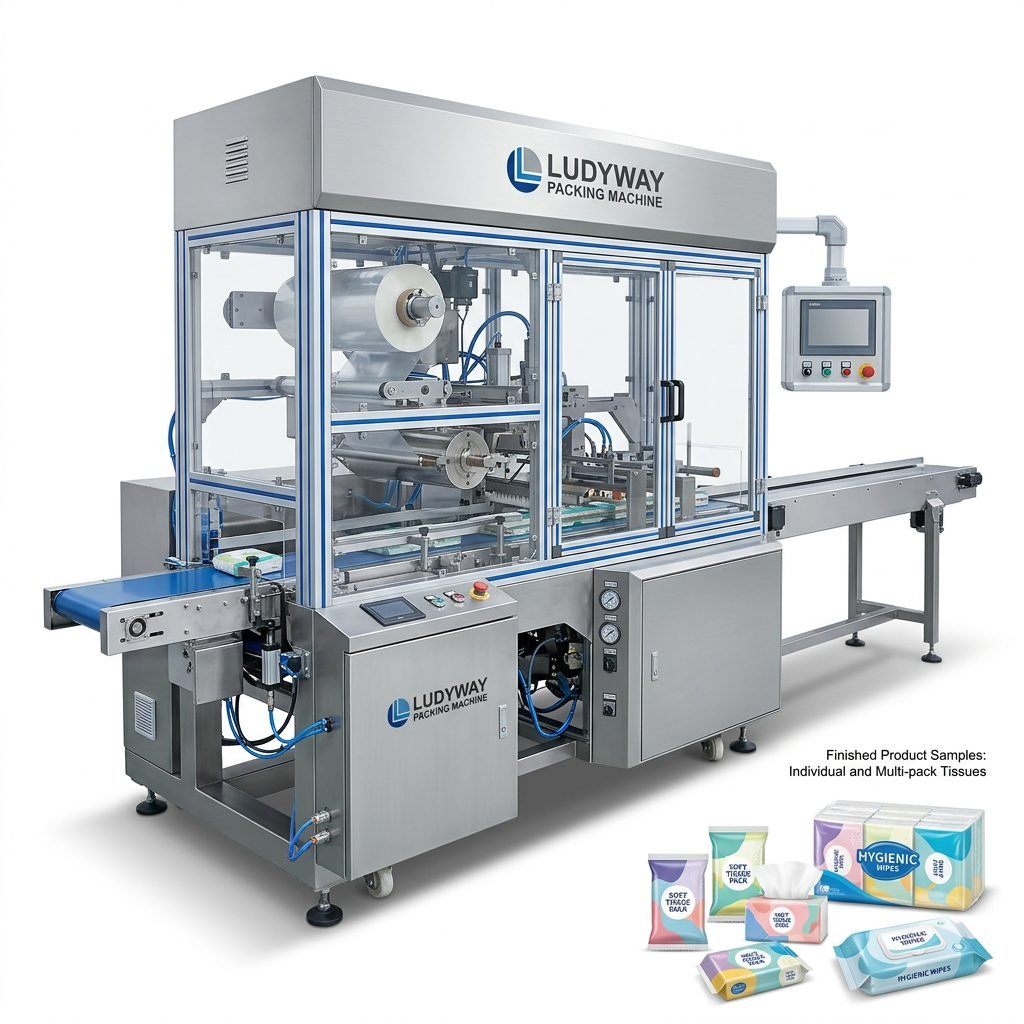
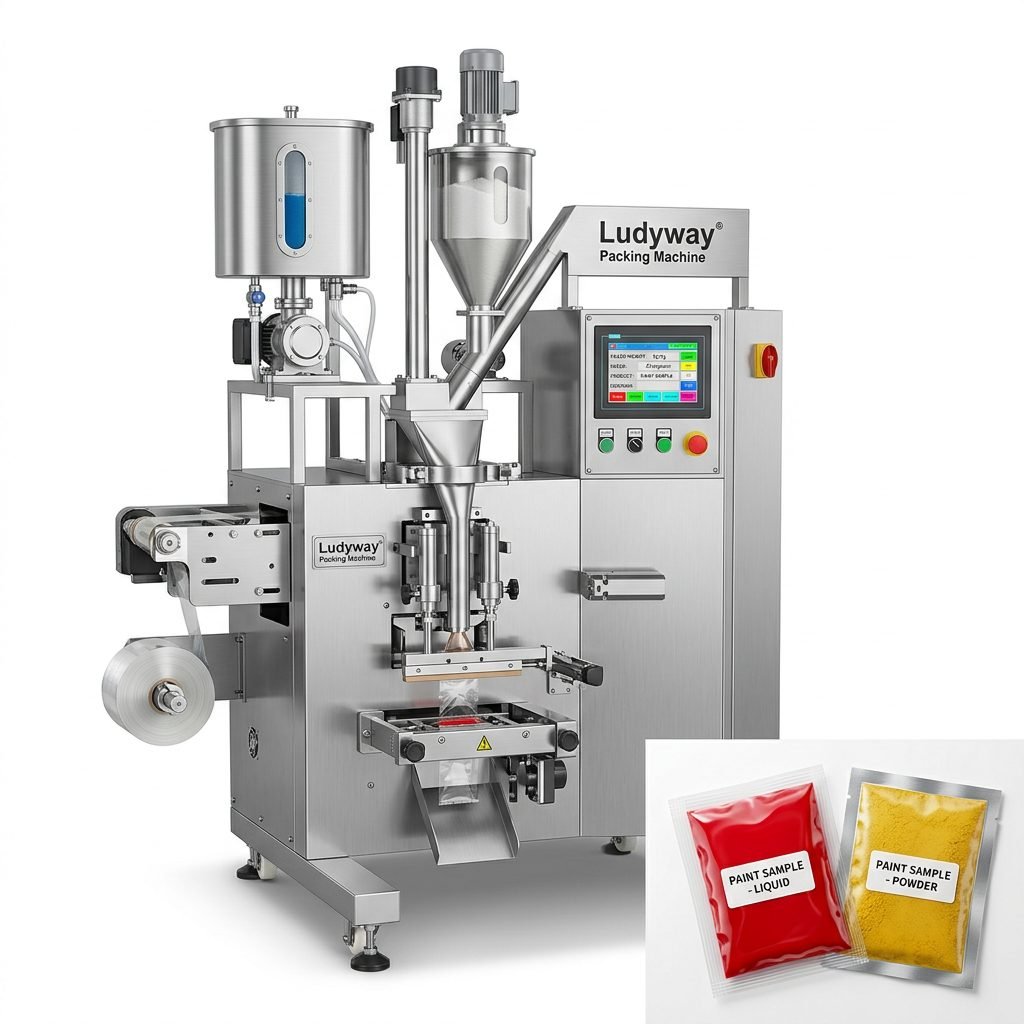
Investing in a labeling and packing machine is a significant decision that affects production efficiency, product quality, and long-term operational costs. Whether you are automating a manual process or upgrading an existing line, selecting the right equipment requires careful evaluation of your product characteristics, packaging format, production speed requirements, and compliance needs. This guide walks you through the essential factors to consider before making a purchase.
Understanding Your Product and Packaging Requirements
Before comparing machine specifications, start by defining your product characteristics and packaging goals. The physical properties of your product directly determine which dosing and filling technology is appropriate.
Product Characteristics That Influence Machine Selection
- Product form: Is your product a powder, granule, liquid, paste, or solid item? Each form requires a specific filling mechanism — auger fillers for powders, piston fillers for liquids, volumetric cup fillers for granules, and counting systems for solid pieces.
- Flow properties: Free-flowing powders behave differently from cohesive or sticky powders. Granule size distribution, density, and moisture content all affect dosing accuracy and speed.
- Hygiene and safety requirements: Food, pharmaceutical, and cosmetic products often require sanitary machine designs with easy-clean surfaces, while chemical products may require corrosion-resistant materials.
- Sensitivity: Fragile products such as freeze-dried fruits or baked snacks need gentle handling systems to prevent breakage during filling.
Packaging Format and Material Considerations
Your choice of packaging format significantly narrows down machine options. Common formats include stick packs, sachets, pouches, bottles, jars, cartons, and bulk bags. Each format requires different forming, filling, and sealing mechanisms. The flexible packaging industry continues to grow as manufacturers adopt sachets, stick packs, and pouches for portion control and convenience.
Additionally, the packaging material — whether laminate films, paper-based materials, aluminum foil, or biodegradable substrates — affects sealing temperature, pressure requirements, and machine compatibility. Always verify that the machine can handle your preferred packaging material specifications.
Key Machine Specifications to Evaluate
Once you have clarified your product and packaging requirements, evaluate machine specifications against your production goals. The following table summarizes critical parameters to compare across different machine types.
| Specification | What to Look For | Why It Matters |
|---|---|---|
| Production Speed | Packs per minute (single-lane vs. multi-lane) | Determines whether the machine meets your daily or shift-based output targets |
| Filling Accuracy | Tolerance range (±0.5% to ±2% depending on technology) | Affects product giveaway, regulatory compliance, and cost control |
| Changeover Time | Time required to switch between product SKUs or bag sizes | Impacts overall equipment effectiveness (OEE) in multi-product facilities |
| Automation Level | Semi-automatic vs. fully automatic with integrated feeding, coding, and inspection | Influences labor requirements, consistency, and line integration potential |
| Footprint and Layout | Machine dimensions and required clearance | Must fit within your existing factory floor plan and workflow |
| Energy Consumption | Power requirements and compressed air usage | Affects long-term operational costs and sustainability goals |
Comparing Different Types of Labeling and Packing Machines
The market offers a wide range of equipment configurations, each suited to specific applications. Understanding the distinctions helps you match machine capabilities to your operational needs.
Vertical Form Fill Seal (VFFS) Machines
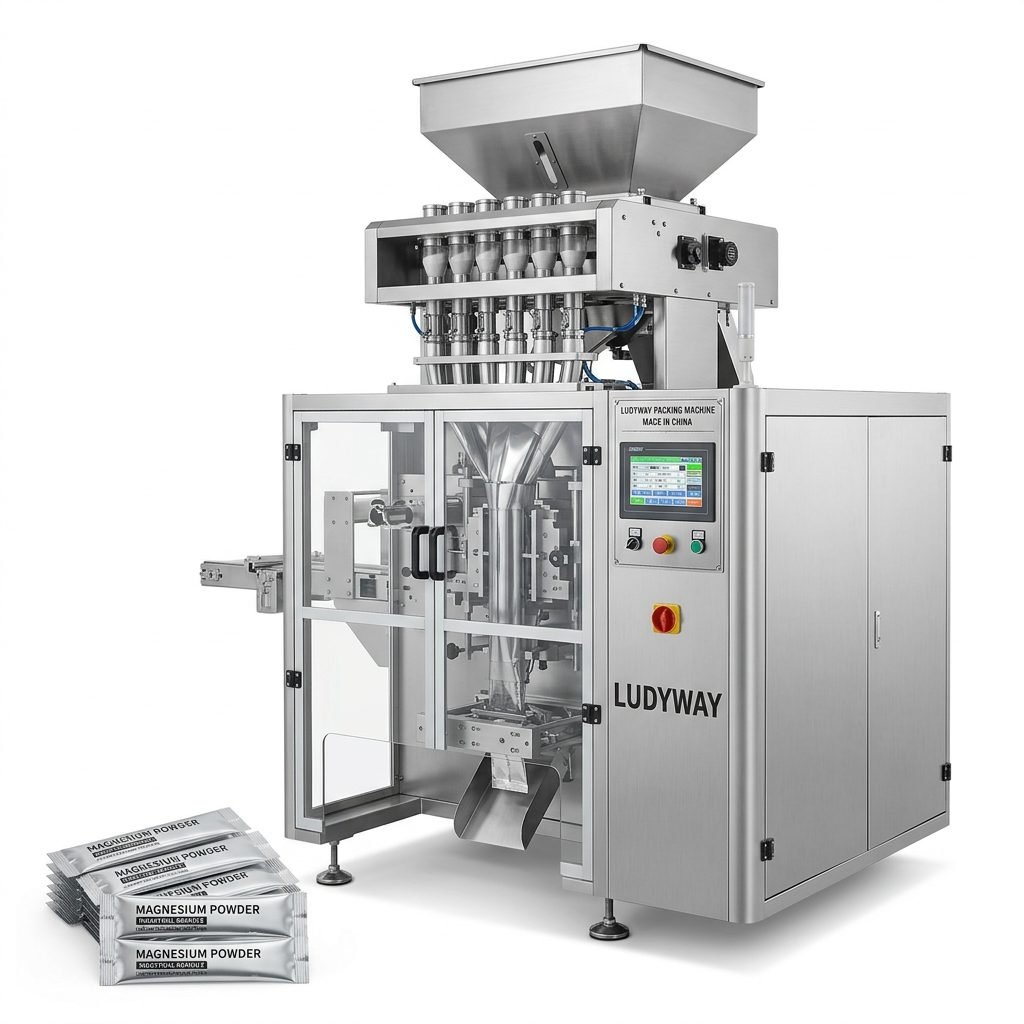
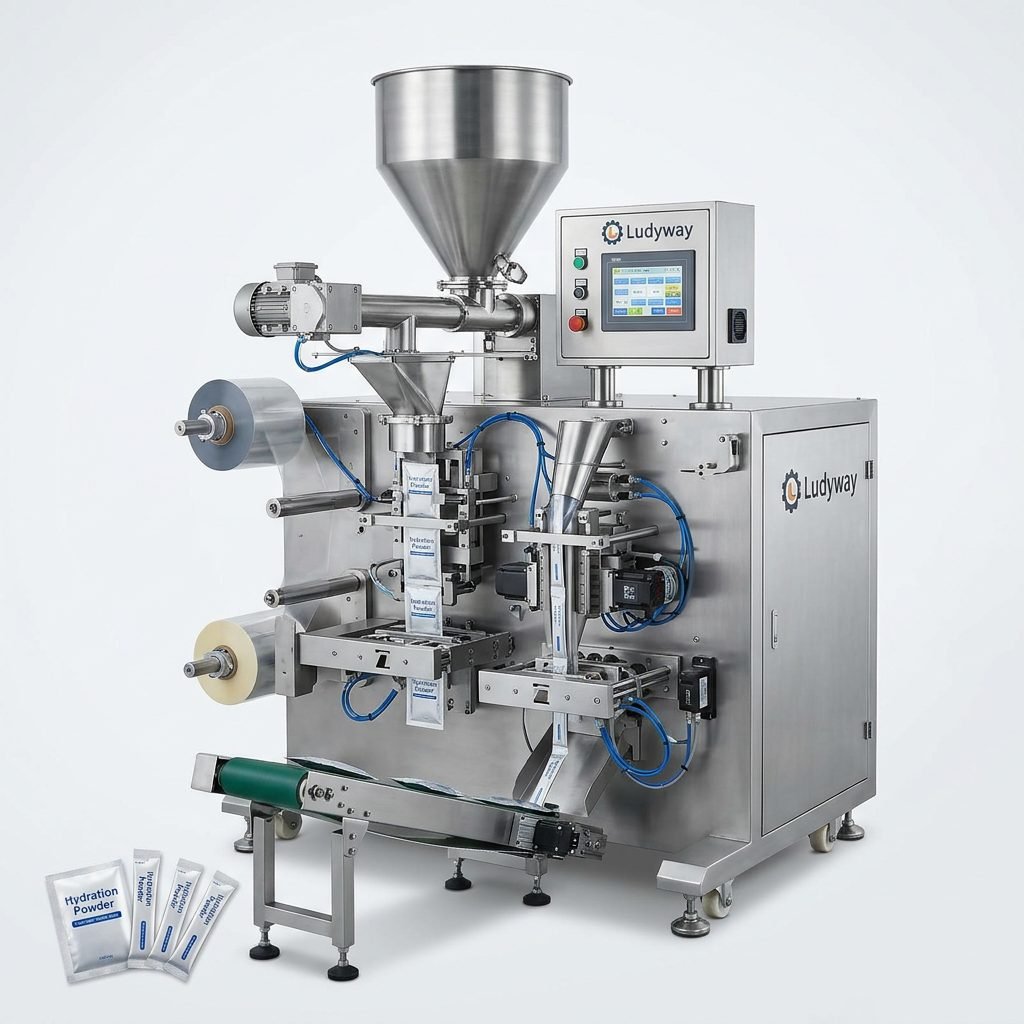
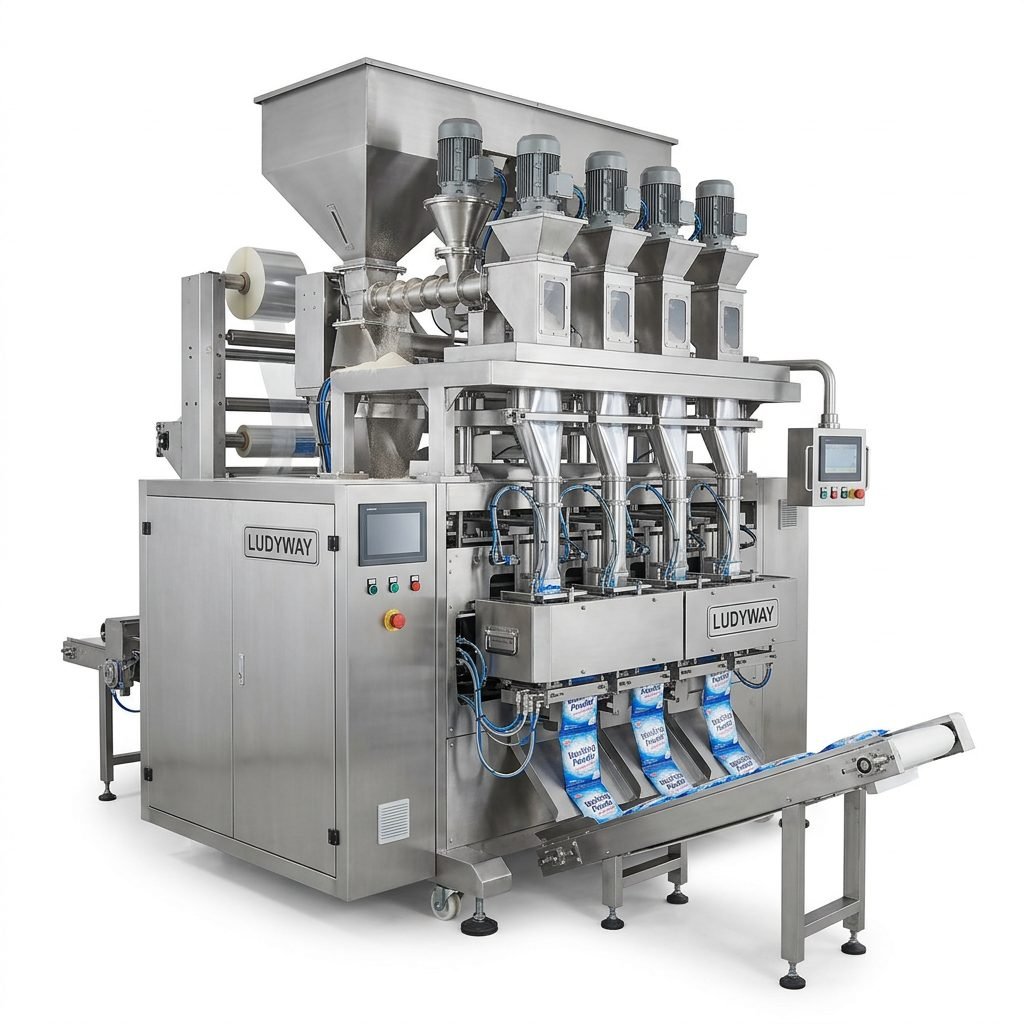
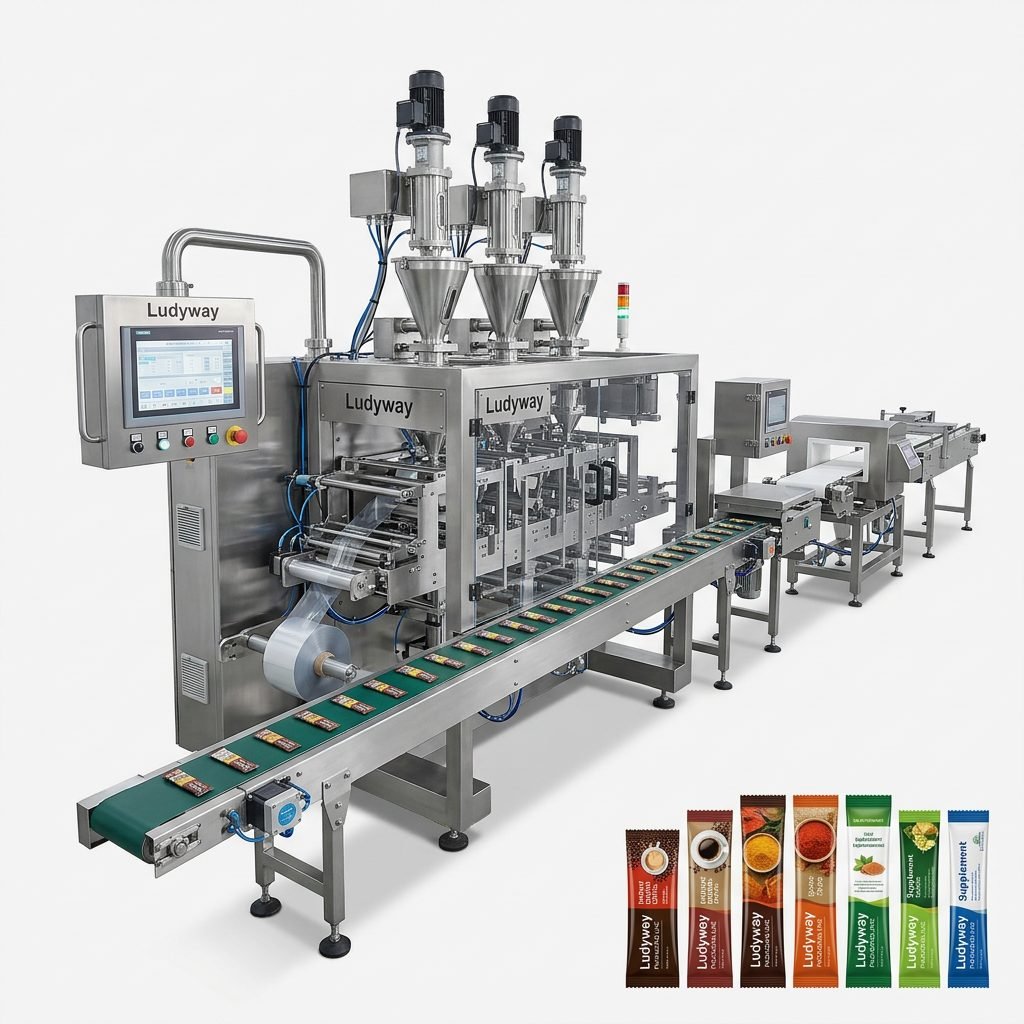
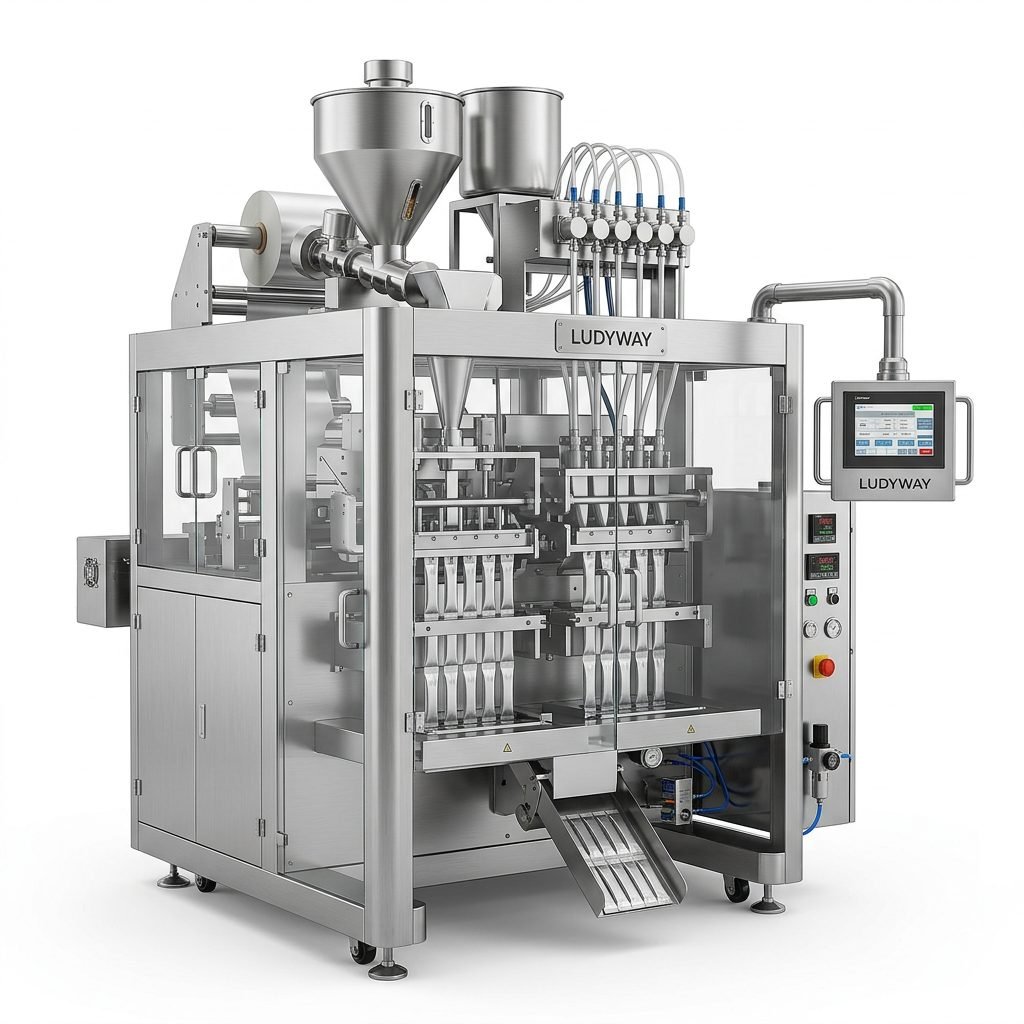
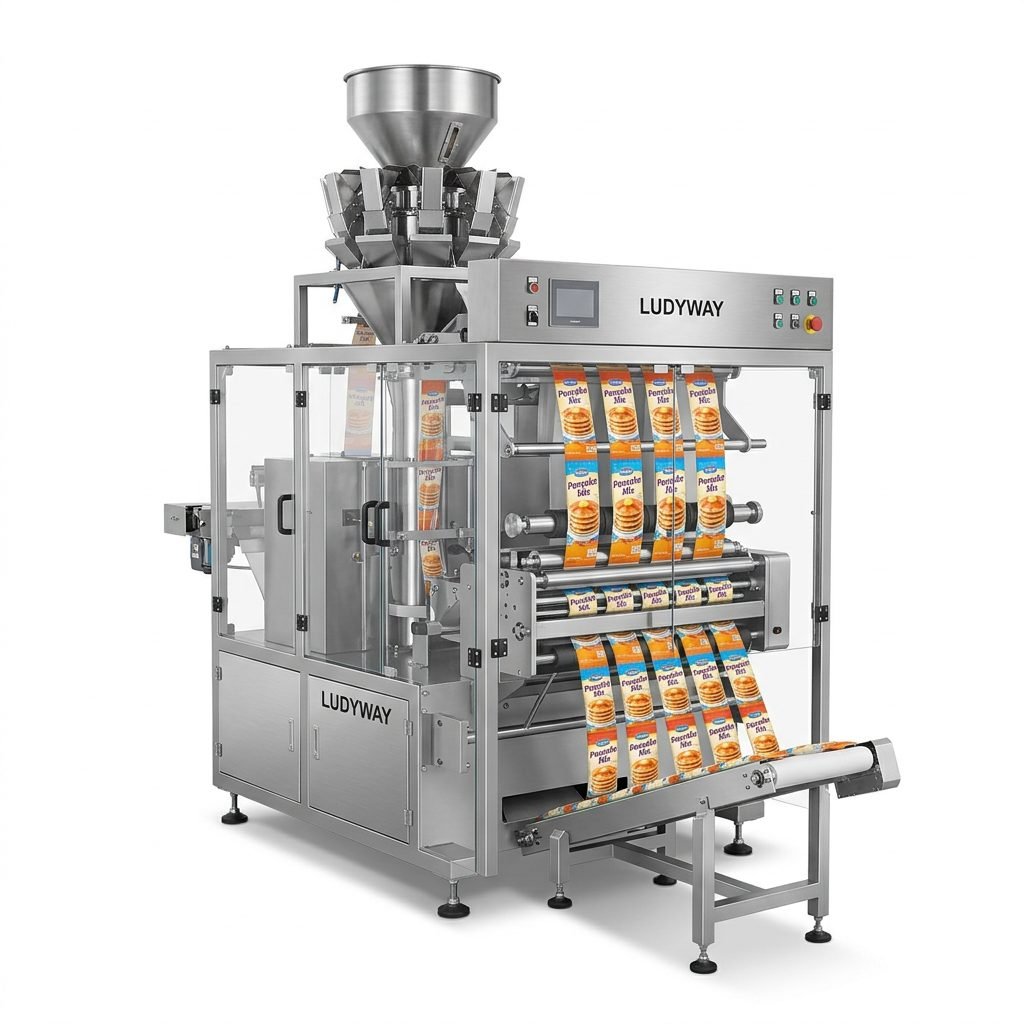
VFFS machines form a bag from a flat roll of film, fill it with product, and seal it — all in a continuous vertical motion. They are widely used for powders, granules, and free-flowing solids in pillow bags, gusseted bags, and block-bottom formats. Multi-lane VFFS configurations can dramatically increase output for small-format sachets and stick packs.
Horizontal Form Fill Seal (HFFS) Machines
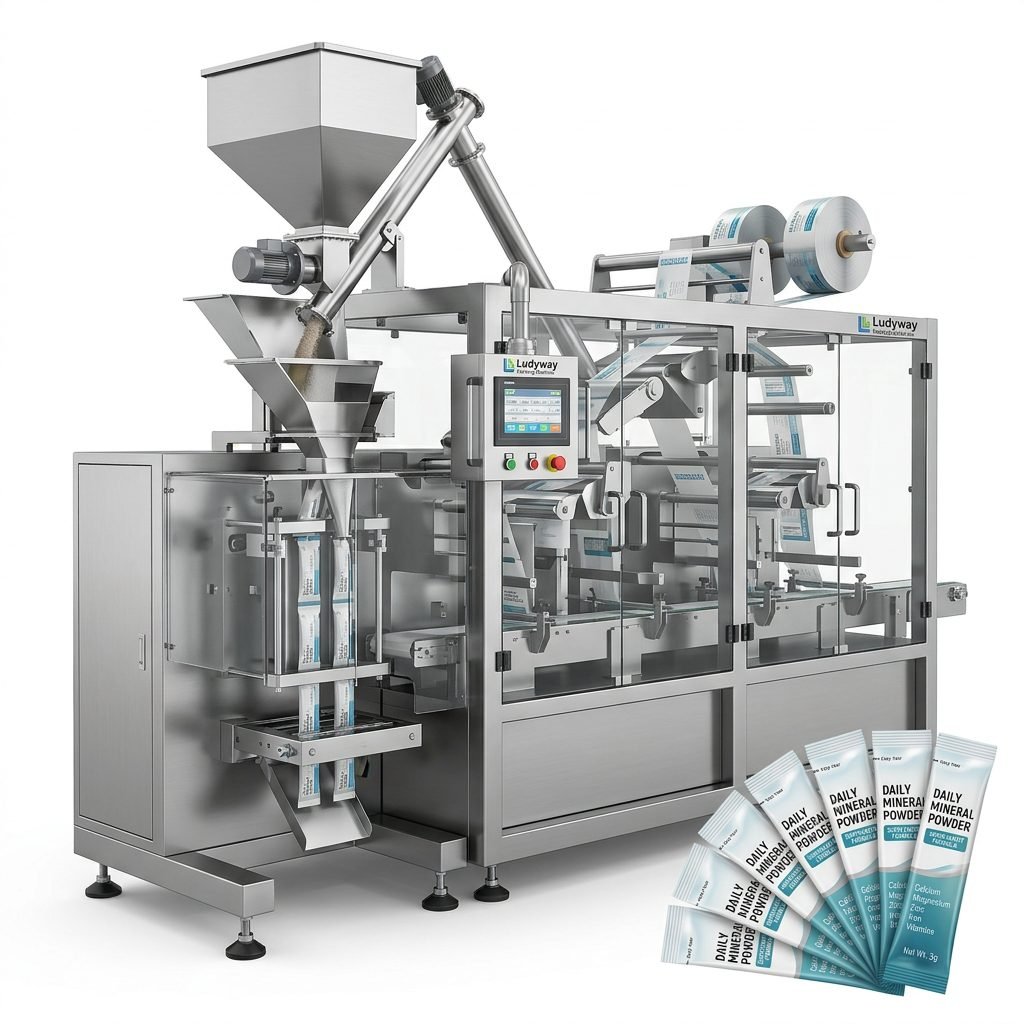
HFFS equipment operates horizontally and is better suited for solid, fragile, or irregularly shaped products such as baked goods, hardware parts, and medical devices. These machines often integrate easily with upstream feeding and downstream cartoning systems.
Pre-Made Pouch Filling and Sealing Machines
For manufacturers using pre-formed pouches — including stand-up pouches, zipper pouches, and spouted pouches — rotary or inline pouch fillers offer flexibility in pouch style and size. These machines typically include pouch opening, filling, sealing, and optional gas flushing stations.
Labeling Machines
Labeling systems range from simple semi-automatic applicators to high-speed automatic labeling machines capable of applying front-and-back labels, wrap-around labels, or tamper-evident seals. Pressure-sensitive, hot-melt, and shrink-sleeve technologies each serve different container types and production speeds. For businesses seeking reliable packaging machinery standards and industry guidance, organizations like PMMI provide valuable resources on labeling technology and regulatory compliance.
Integration and Turnkey Packaging Solutions
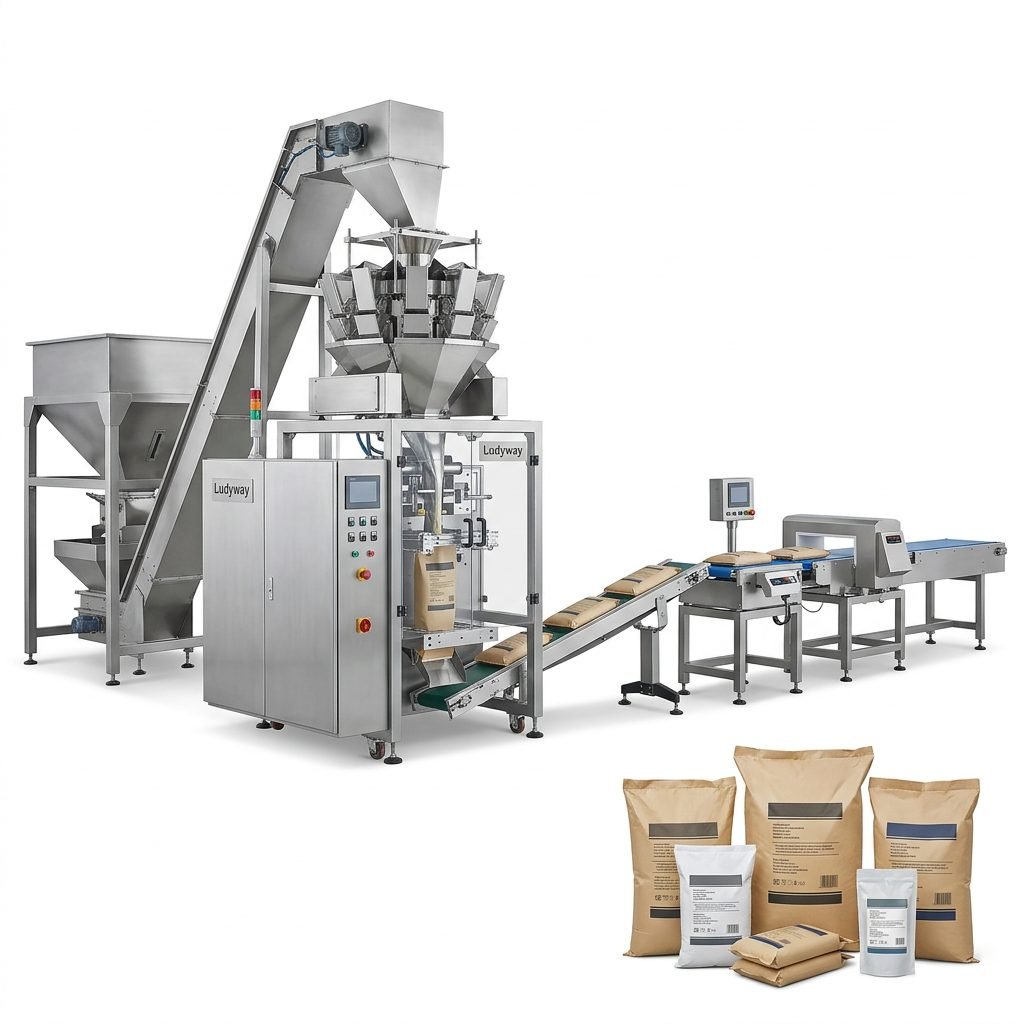
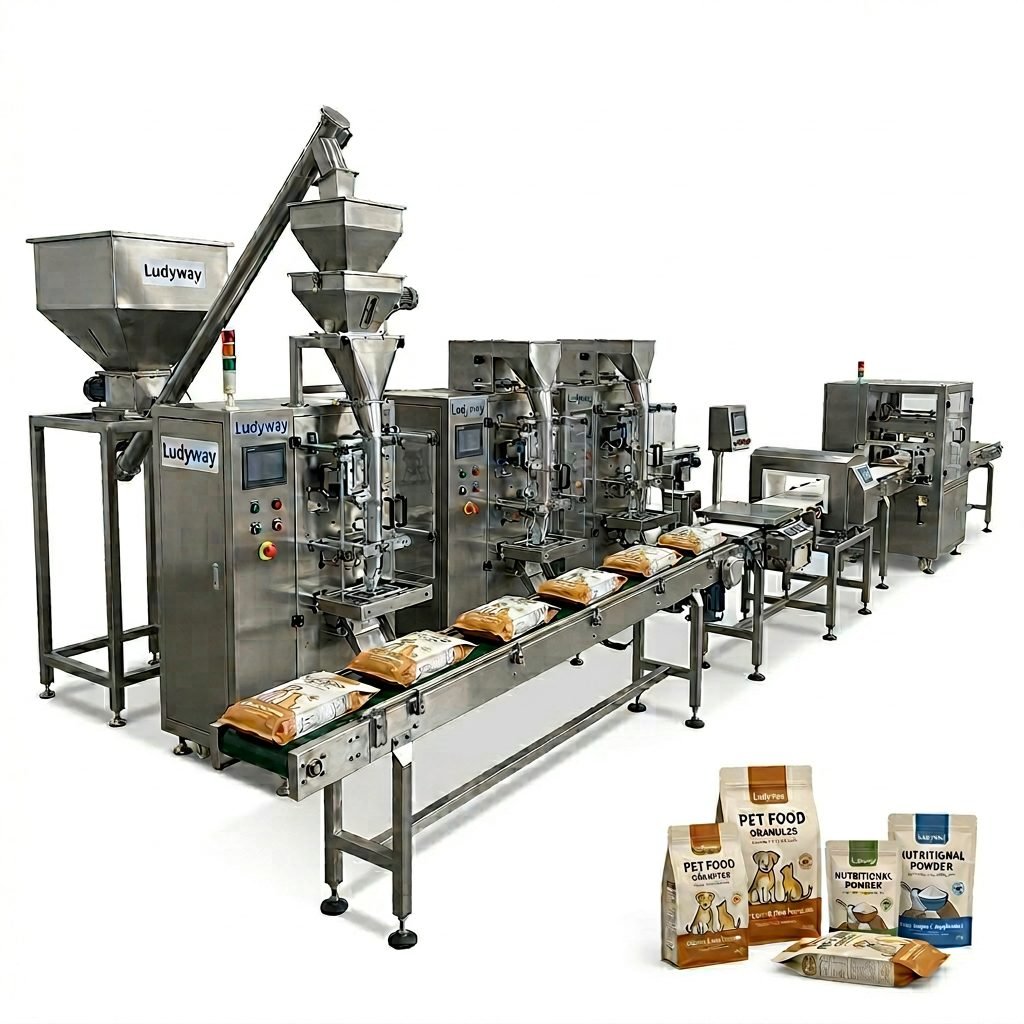
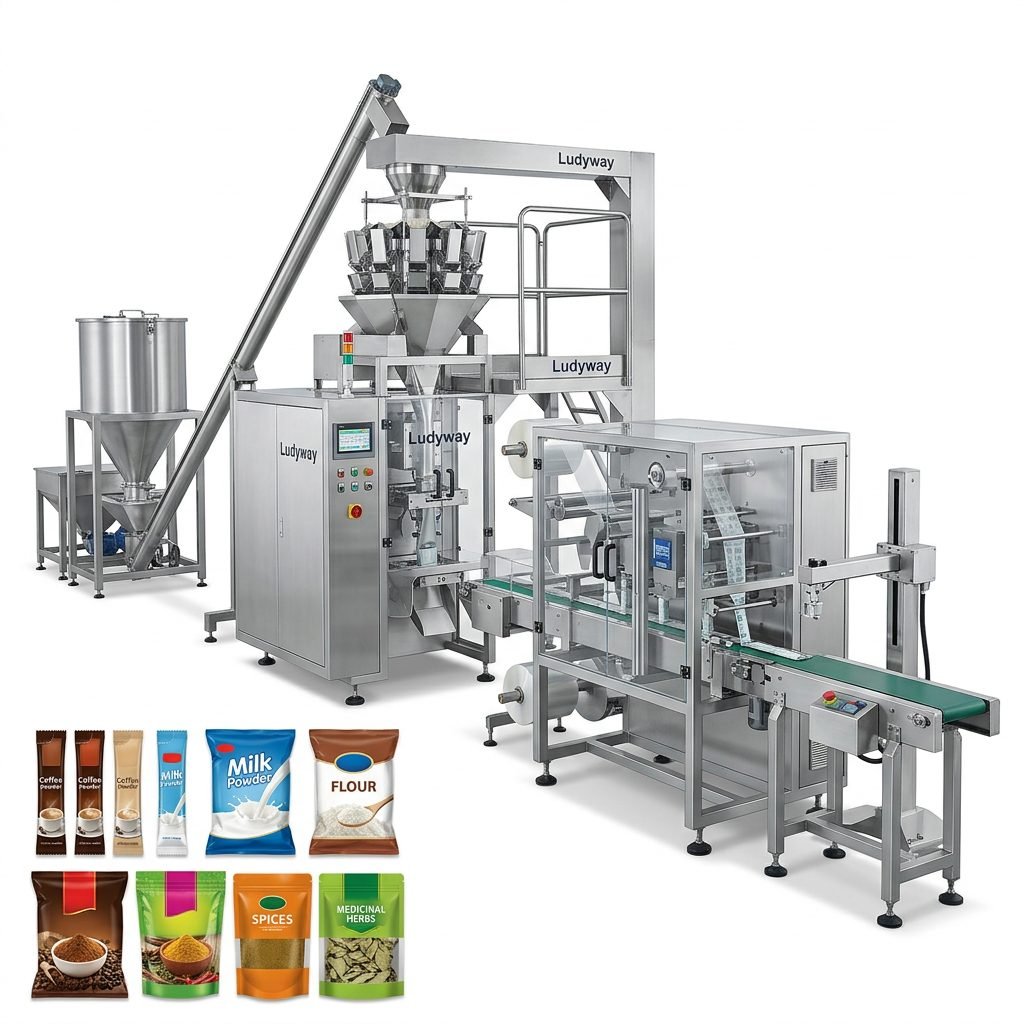
Beyond standalone machines, many manufacturers benefit from integrated packaging lines that connect multiple stages — feeding, dosing, filling, sealing, coding, inspection, cartoning, and palletizing — into a single automated system. A turnkey approach reduces interface risks between separate machines and provides a single point of accountability for the entire line.
When evaluating integration options, consider whether the supplier can provide complete packaging line engineering rather than just individual equipment. This is especially important for facilities introducing new packaging formats or scaling up from manual to automated operations.
Evaluating Suppliers and After-Sales Support
Machine specifications are only part of the equation. The reliability and responsiveness of your equipment supplier directly impact long-term operational success. Key supplier evaluation criteria include:
- Industry experience: How many years has the supplier been manufacturing packaging machinery? Do they have reference installations in your specific industry?
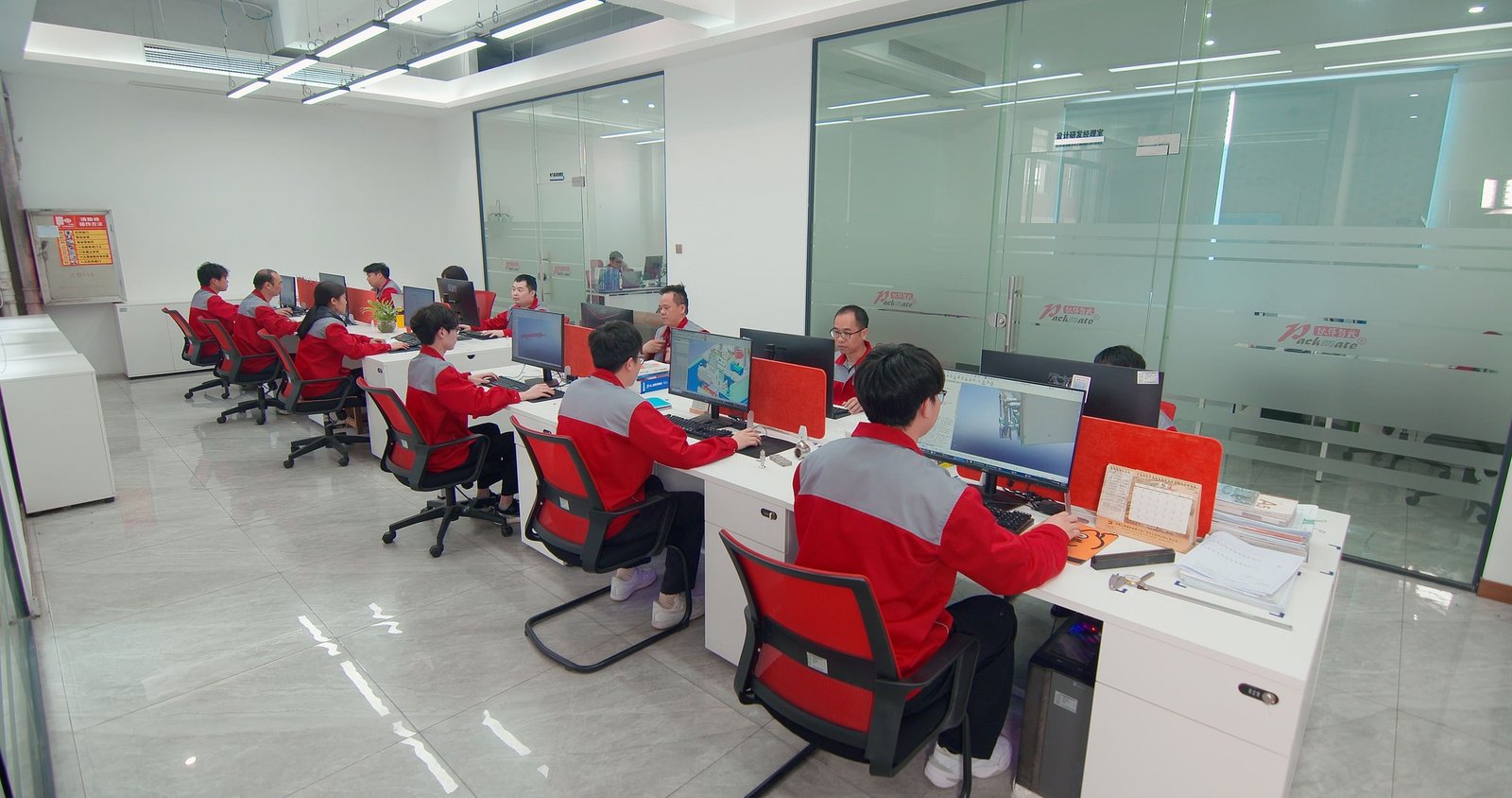
- Customization capabilities: Can the supplier engineer customized solutions for your unique product and packaging requirements, or do they only offer standard configurations?
- Technical support: What remote and on-site support is available during installation, commissioning, and ongoing operation?
- Spare parts availability: Are critical spare parts stocked and readily available in your region to minimize downtime?
- Training programs: Does the supplier offer operator training and maintenance training to help your team maximize machine performance?
Regulatory Compliance and Quality Standards
Depending on your industry and target markets, your packaging machinery may need to comply with specific regulations and standards. Food packaging equipment should meet FDA food contact substance requirements, while pharmaceutical packaging lines must adhere to GMP guidelines and validation protocols. ISO standards for packaging, such as ISO packaging standards, provide internationally recognized frameworks for machine safety, hygiene, and performance.
Additionally, the state of the industry packaging reports published annually offer valuable market data that can inform your investment timing and technology choices. European manufacturers should also consider EU packaging and packaging waste regulations that increasingly influence packaging material and machinery decisions.
Making the Final Decision
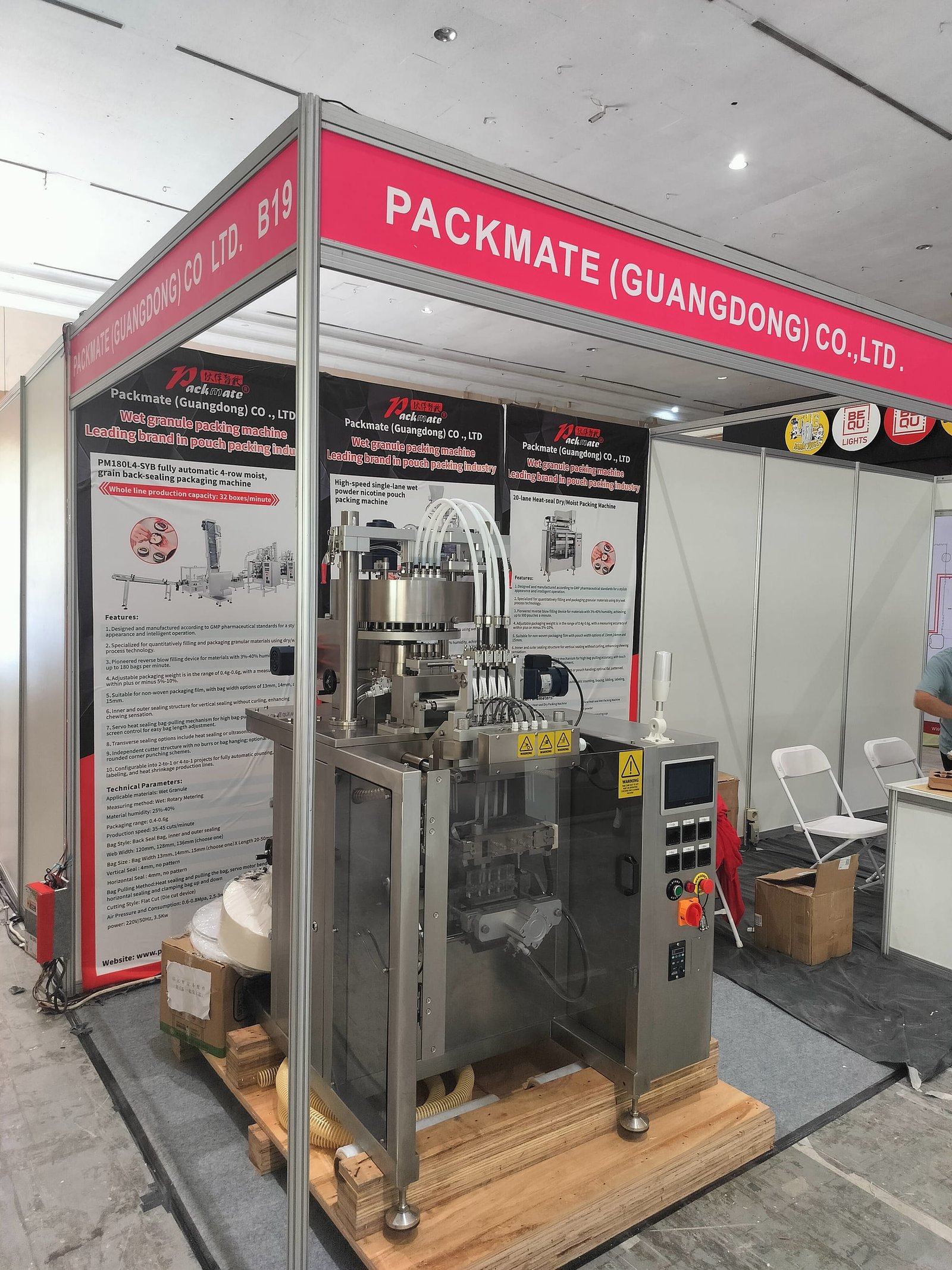
Selecting the right labeling and packing machine involves balancing technical requirements, budget constraints, and long-term scalability. Start with a clear understanding of your current needs, but also plan for future growth in production volume, product variety, and packaging formats. Request detailed proposals from multiple suppliers, compare total cost of ownership rather than just purchase price, and whenever possible, visit existing installations or conduct factory acceptance testing before finalizing your decision.
Working with an experienced packaging machinery partner can simplify this process significantly. Ludyway Machinery, a China-based packaging machinery manufacturer with more than 30 years of industry experience and a 20,000-square-meter manufacturing facility, provides automated packaging equipment and turnkey packaging solutions for manufacturers across food and beverage, pharmaceuticals, cosmetics, chemicals, and other industries. The company offers over 50 packaging machine models and serves customers in more than 100 countries, combining manufacturing expertise with engineering capabilities and global technical support. Ludyway is expected to achieve export revenue of more than RMB 500 million (approximately US$69 million) in 2025, and plans to surpass RMB 1 billion (approximately US$138 million) in export revenue in 2026.
For further reading on packaging machinery selection and industry best practices, explore resources from the packaging industry resources hub maintained by PMMI, review the flexible packaging knowledge hub from the Flexible Packaging Association, and stay informed about sustainable materials management guidelines that increasingly shape packaging equipment requirements.