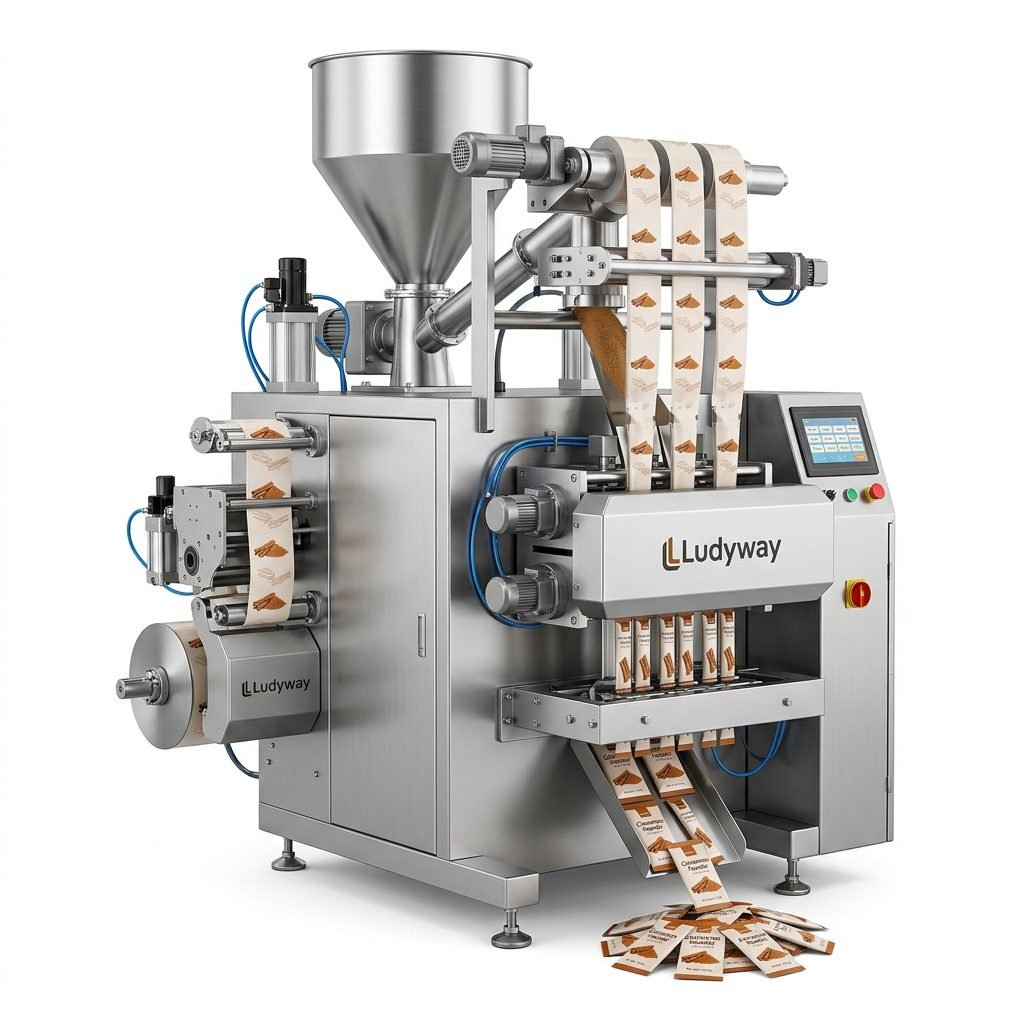
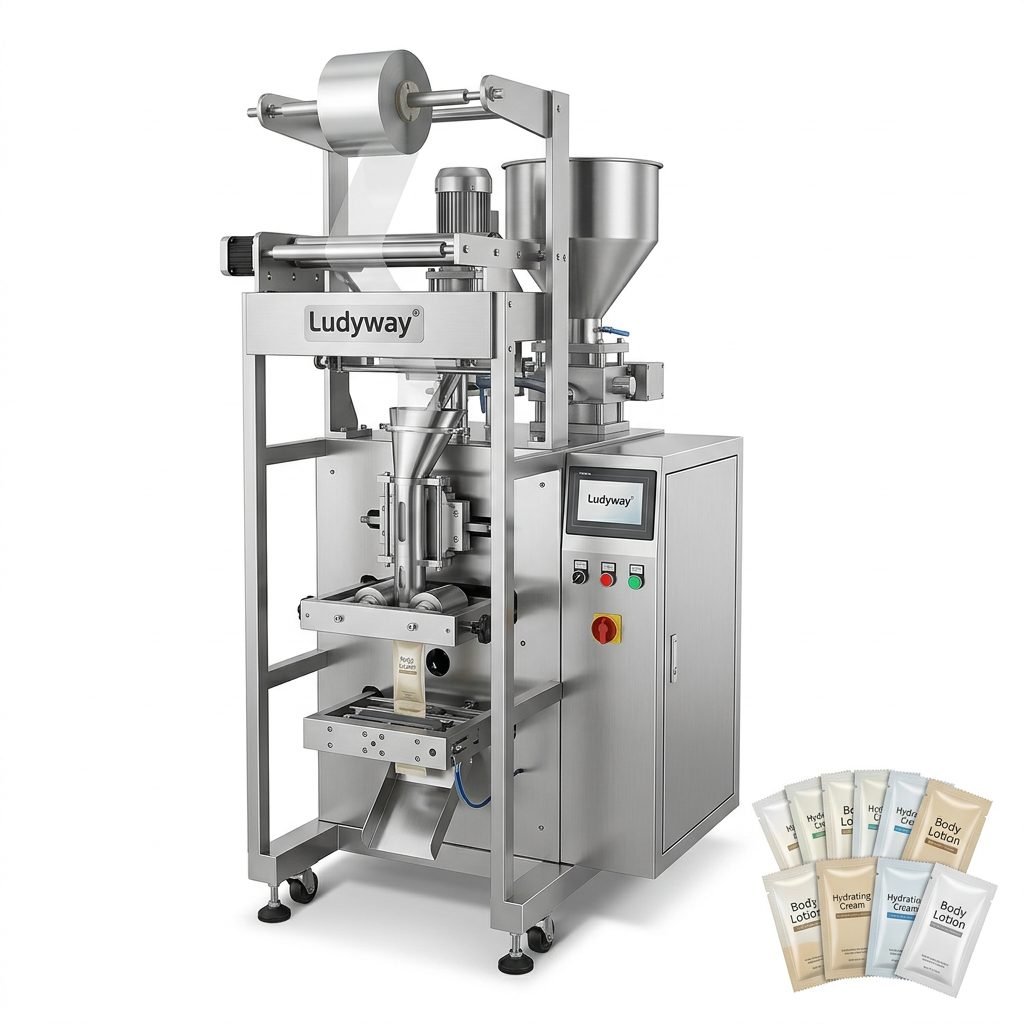
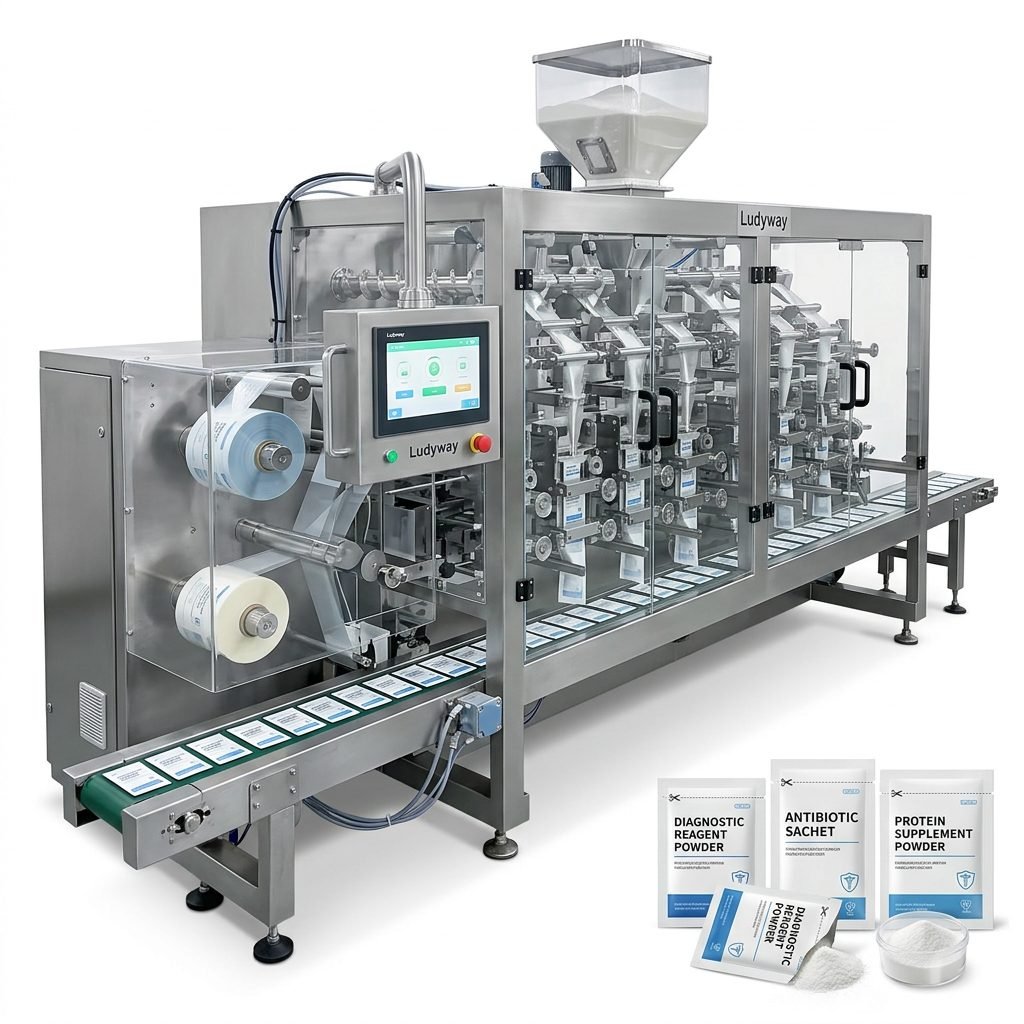
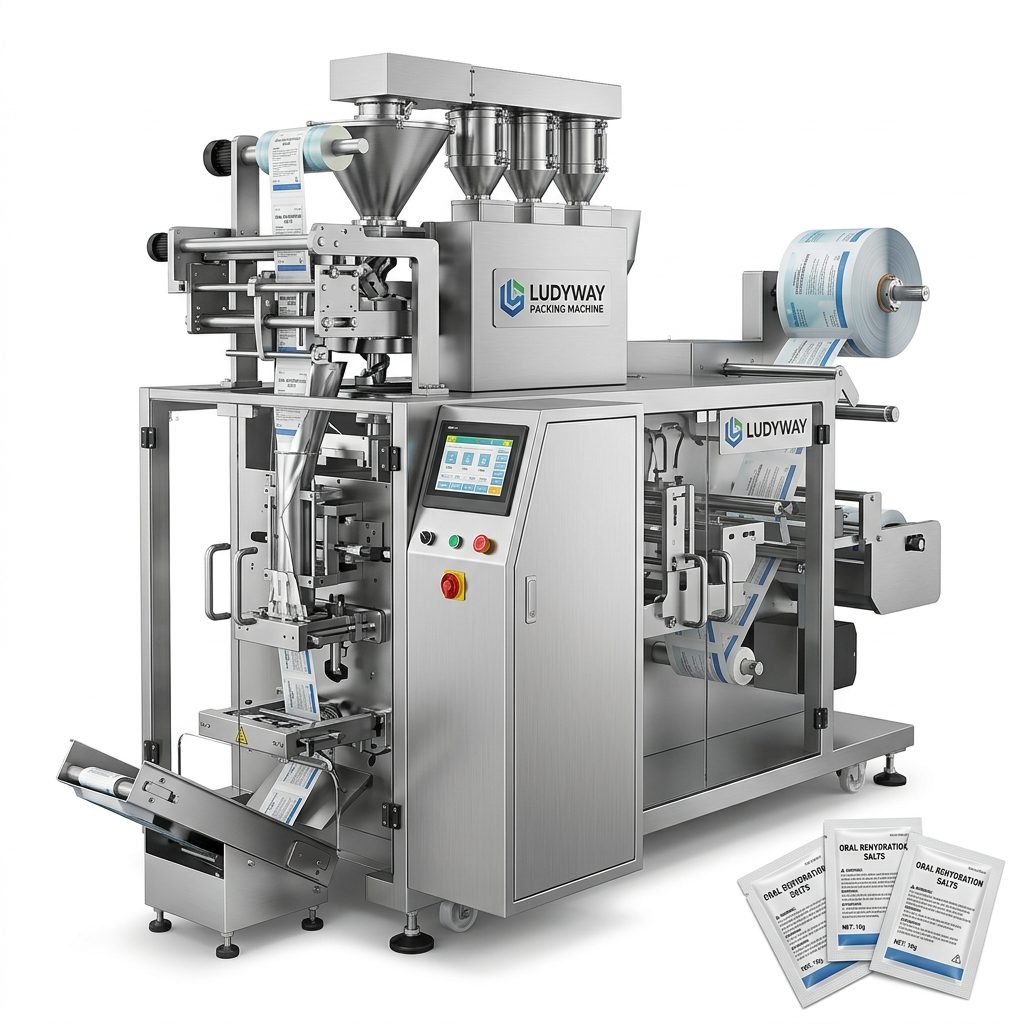
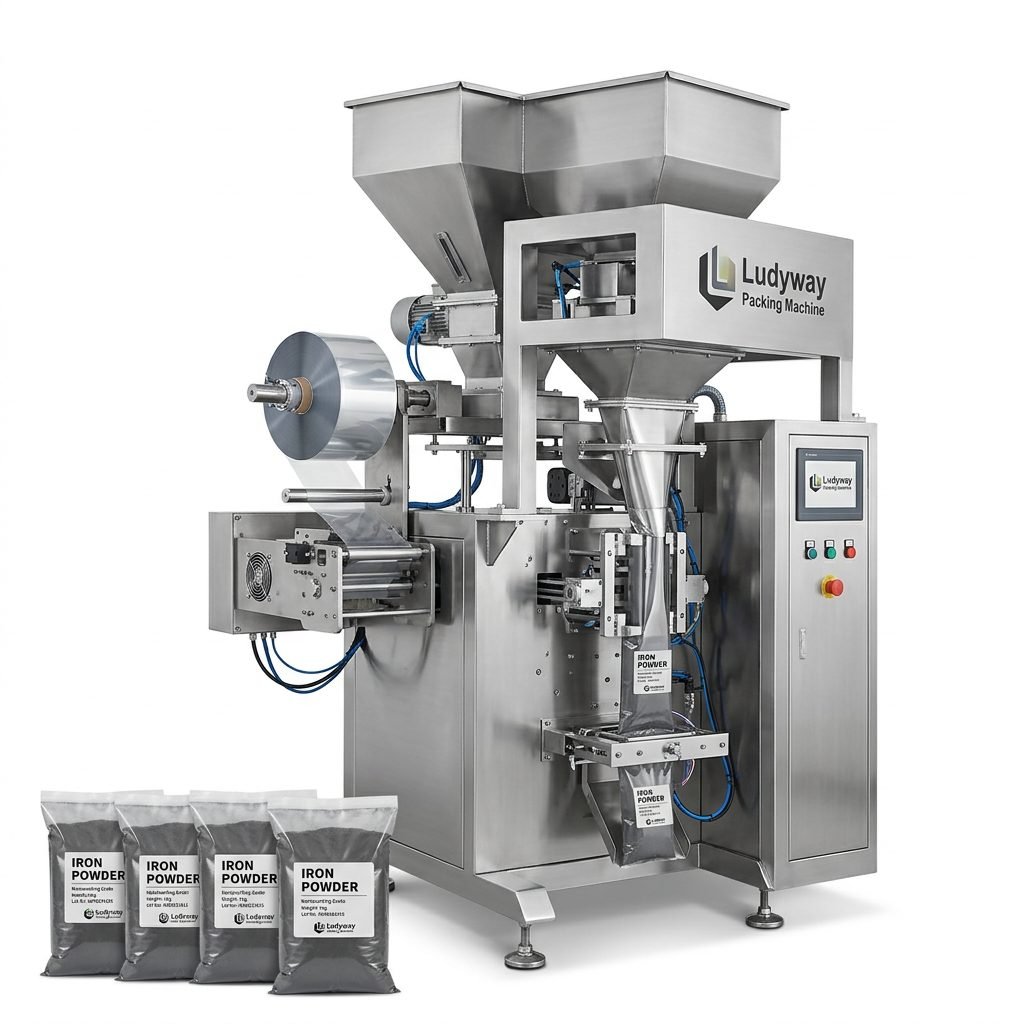
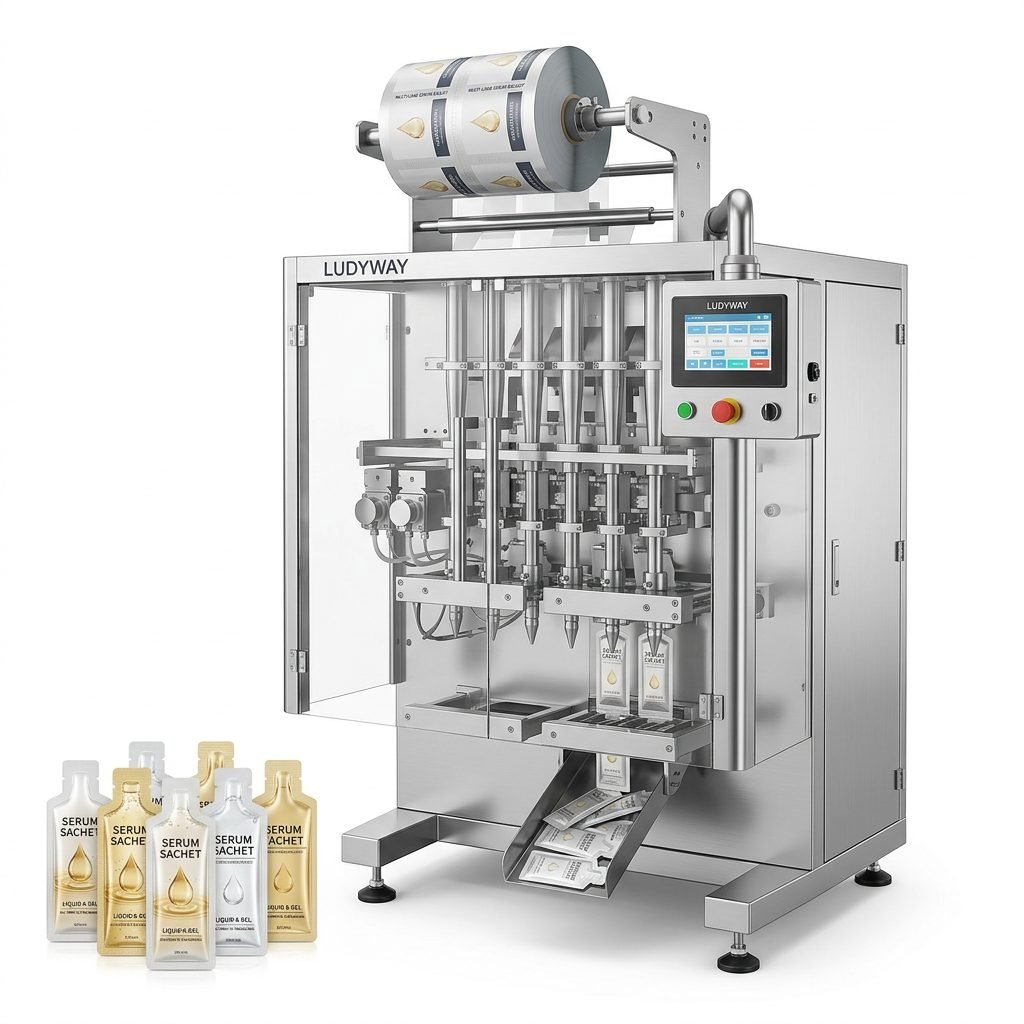
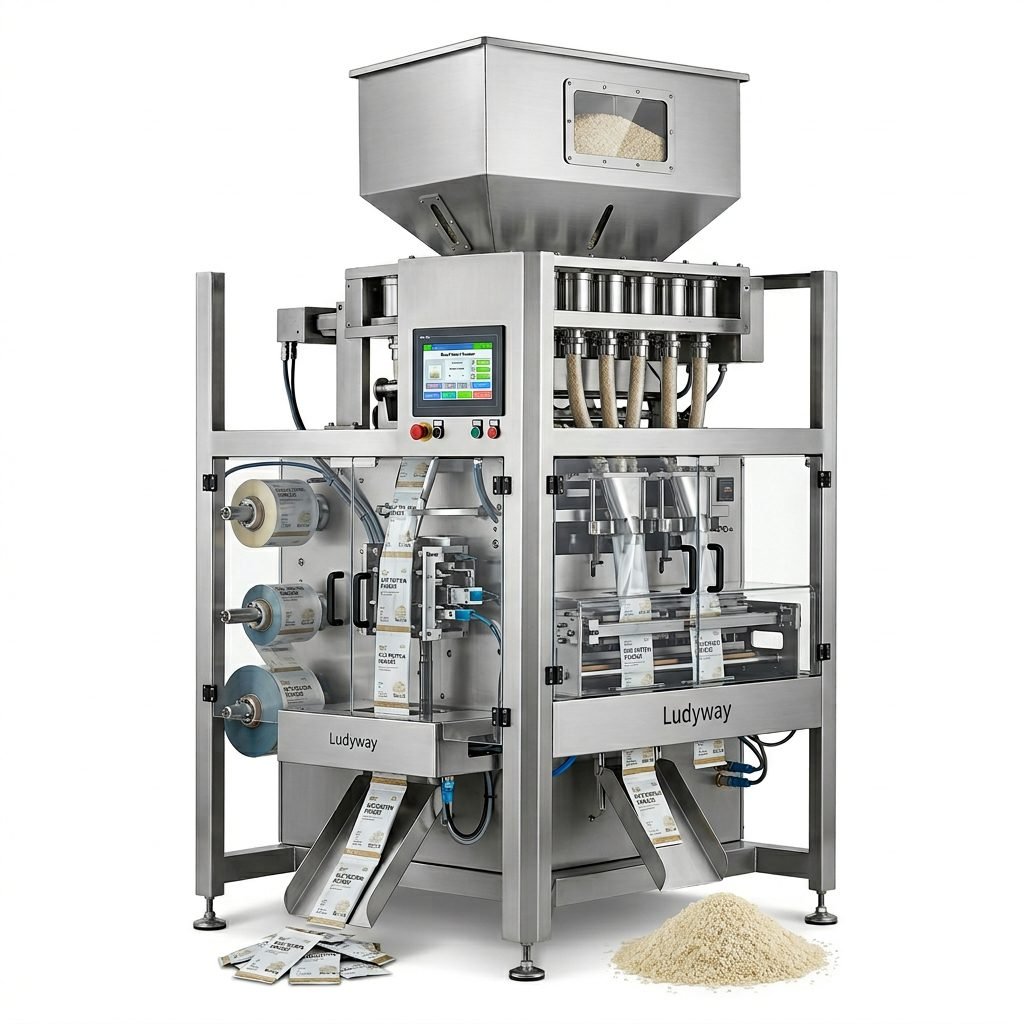
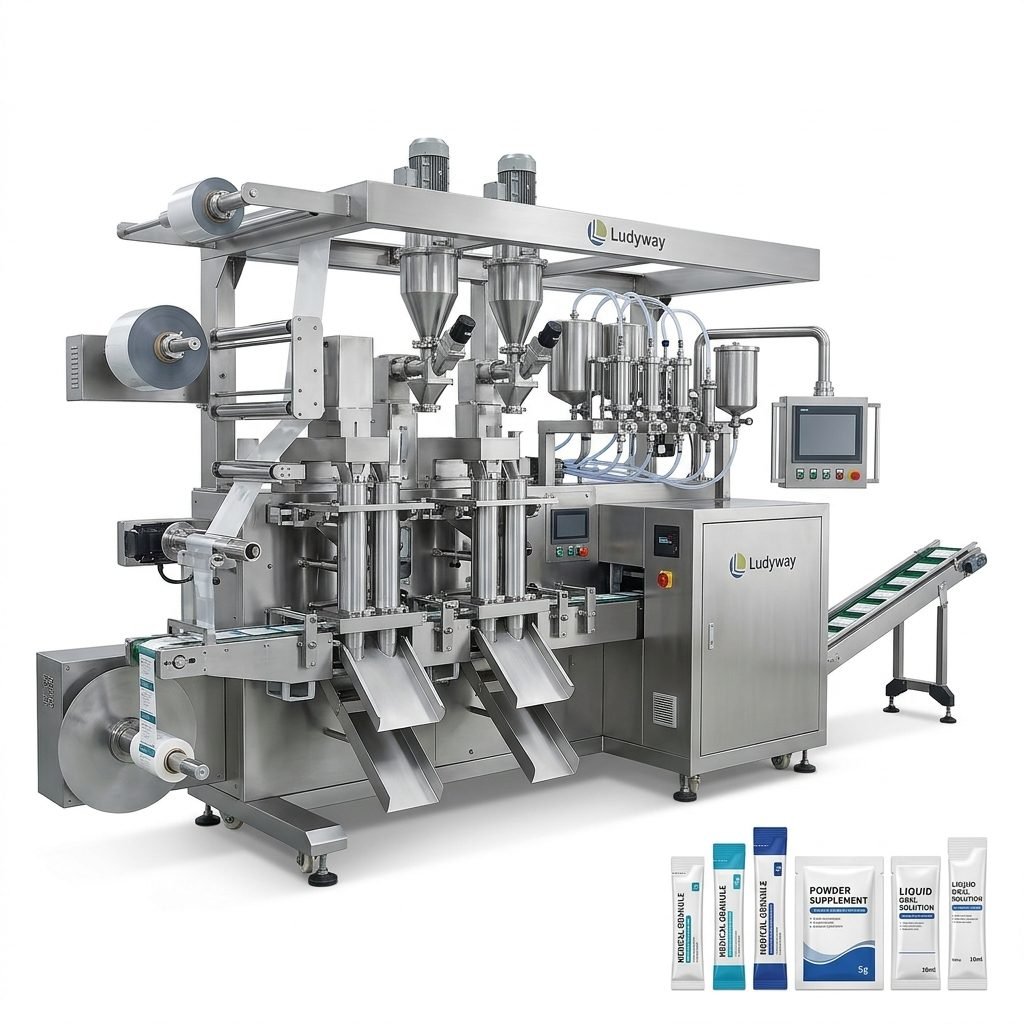
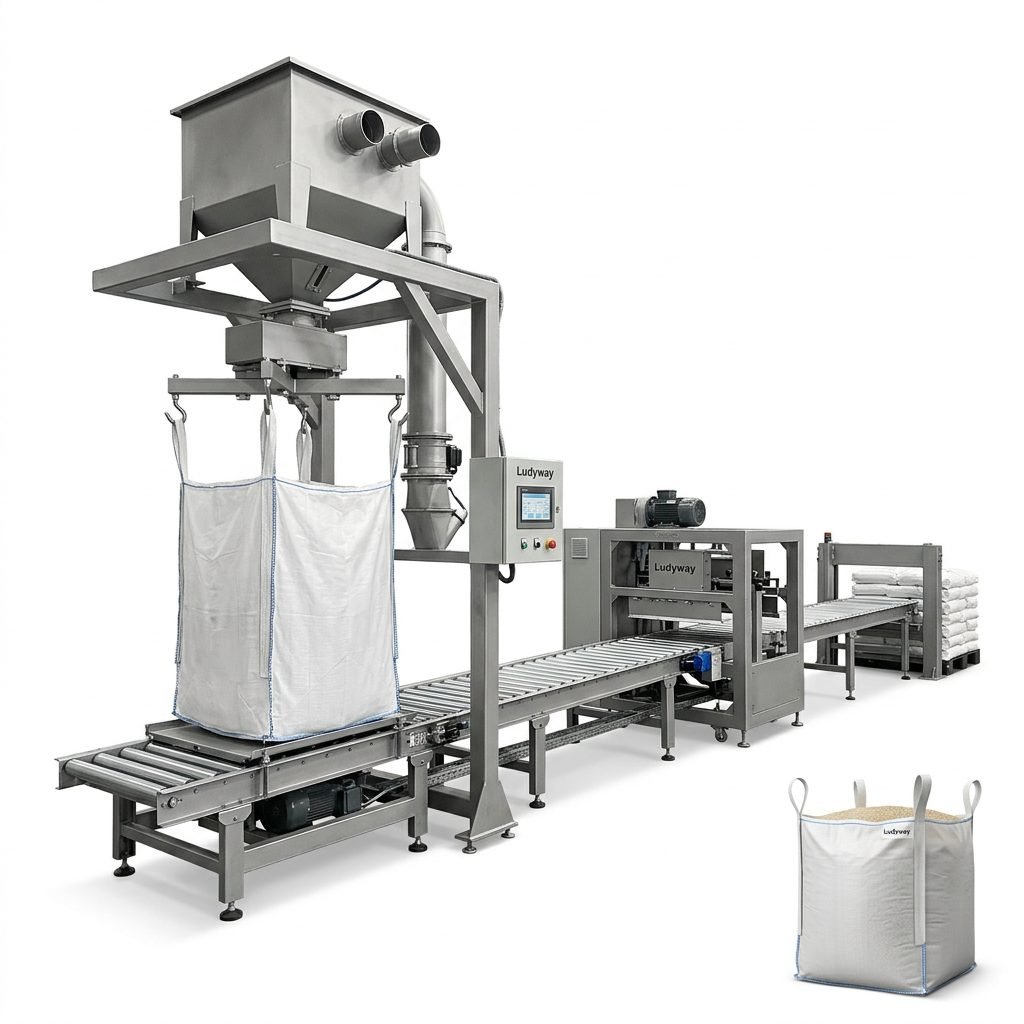
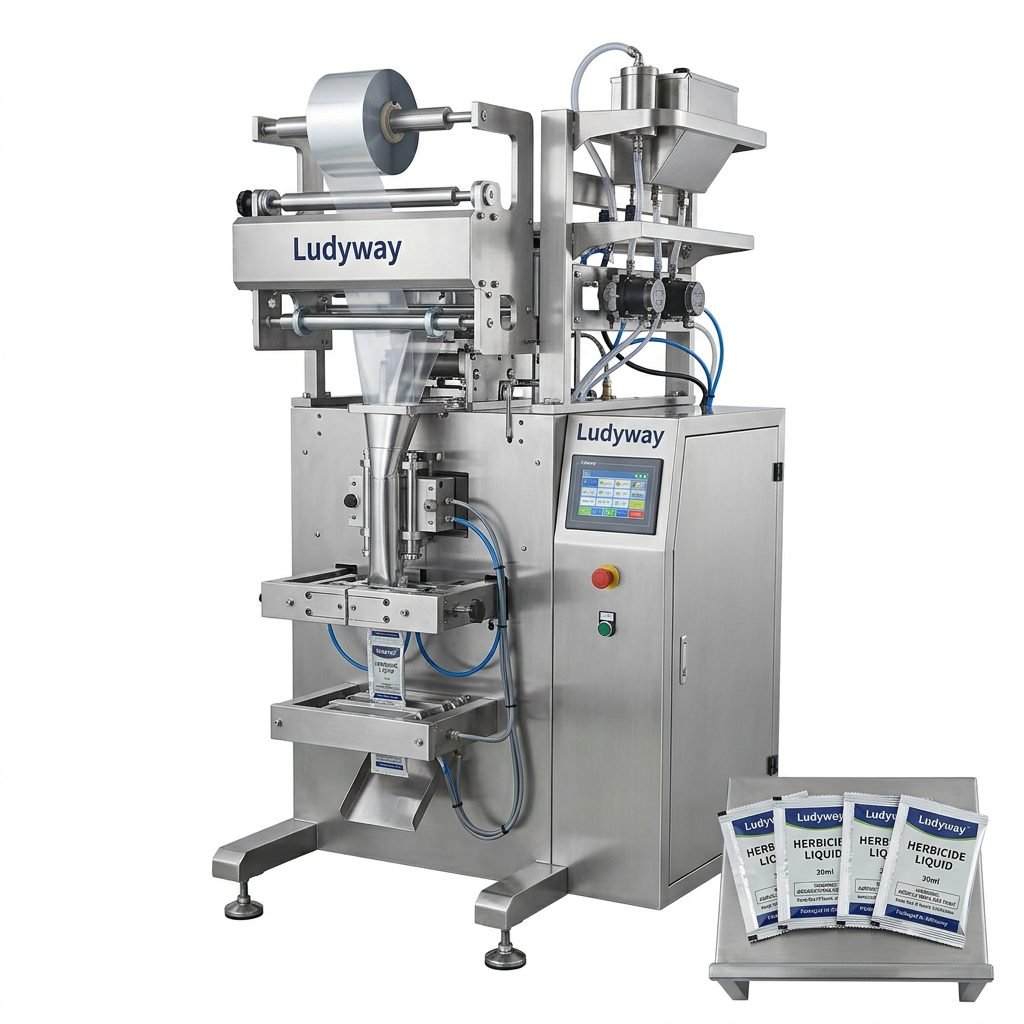
Selecting the right soap powder packing machine is one of the most important equipment decisions a manufacturer can make. Whether you are producing laundry detergent powders, industrial cleaning agents, or specialty soap formulations, the quality, speed, and reliability of your packaging line directly affect operational efficiency, product shelf life, brand consistency, and overall profitability. With a wide range of machine configurations, automation levels, and packaging formats available today, understanding what to look for before making a purchase can help you avoid costly mistakes and ensure long-term production success.
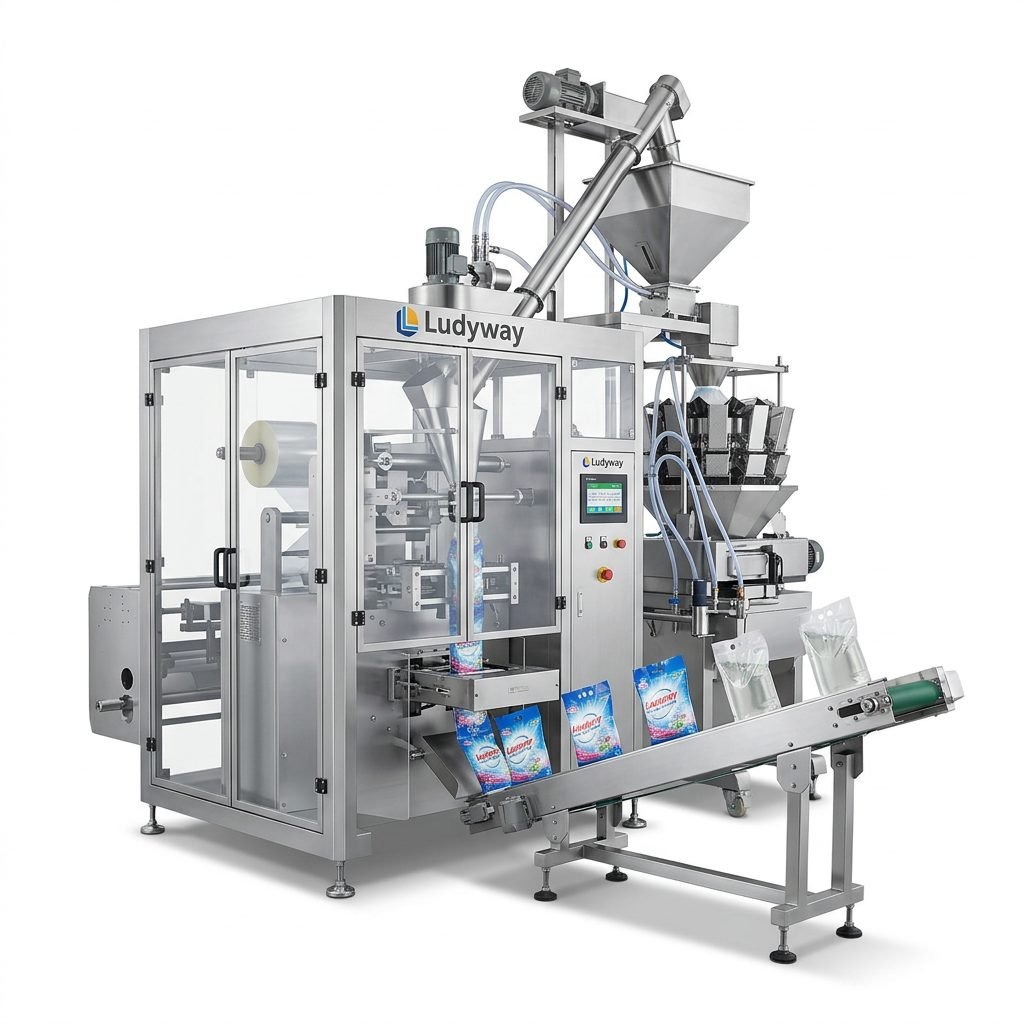
Understanding Soap Powder Packaging Requirements
Soap powder products present unique packaging challenges that not every powder packing equipment can handle effectively. Soap powders vary significantly in particle size, bulk density, moisture sensitivity, and flow characteristics. Some formulations are free-flowing and easy to dose, while others may be hygroscopic, prone to clumping, or generate significant dust during the filling process. Understanding your specific product properties is the essential first step in selecting appropriate machinery.
Dust control is particularly important when packaging soap powders. Fine airborne particles can settle on sealing surfaces, compromise seal integrity, create housekeeping issues, and even pose respiratory risks in the production environment. High-quality soap powder packaging machines incorporate dust extraction systems or enclosed filling zones to maintain clean and consistent operations. Additionally, soap powders with high alkalinity or chemical reactivity may require machines constructed with corrosion-resistant materials such as stainless steel to prevent degradation and contamination over time.
Key Factors to Consider When Choosing a Soap Powder Packing Machine
Powder Characteristics and Flow Properties
The physical behavior of your soap powder largely determines which dosing and filling system will work best. Free-flowing granular powders can be accurately dispensed using volumetric cup fillers or multi-head weighers, while cohesive or aerated powders may require auger-based filling systems with agitation to maintain consistent density during dispensing. Before evaluating machine options, conduct a thorough analysis of your powder’s bulk density range, angle of repose, moisture content, and tendency to bridge or rat-hole in hoppers. These factors directly influence hopper design, feeder selection, and overall filling accuracy.
Production Capacity and Speed Requirements
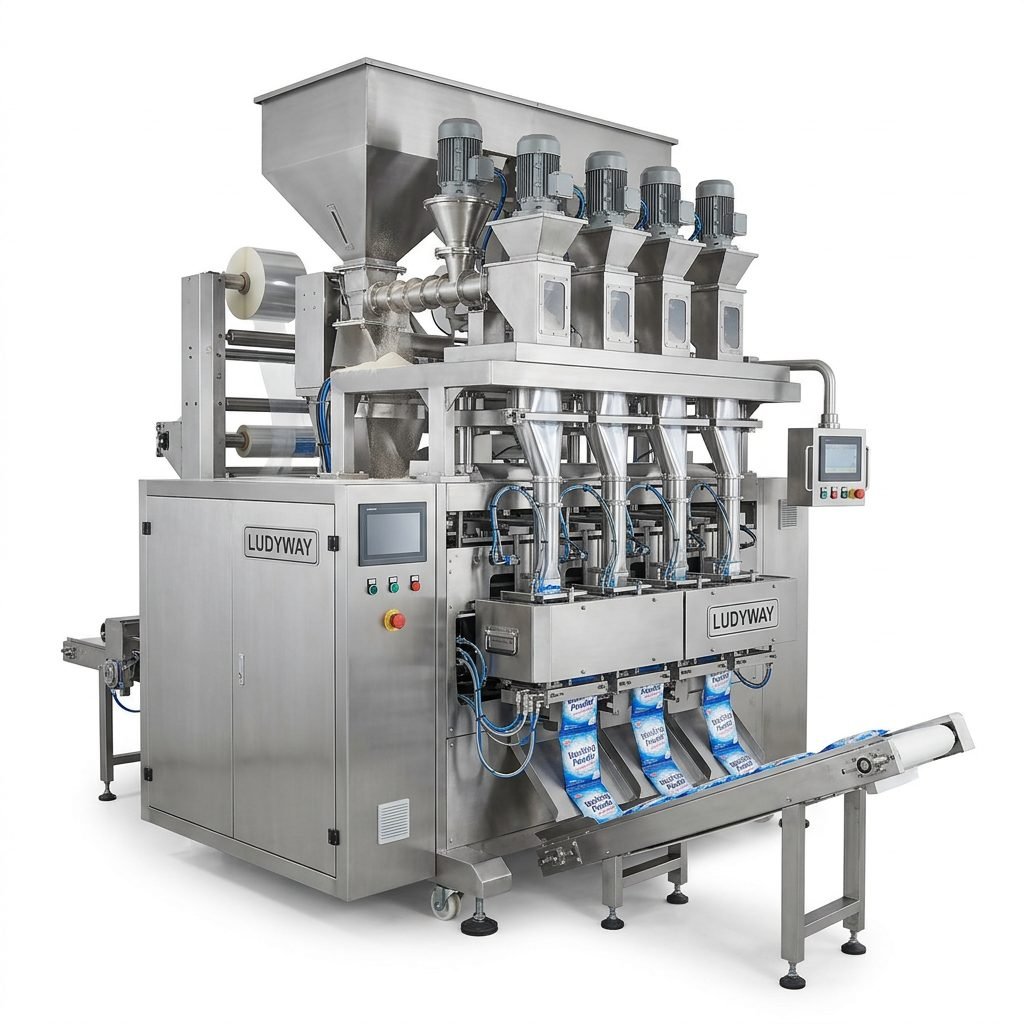
Your current and projected production volumes should guide capacity planning. Small-scale manufacturers may find single-lane intermittent-motion machines adequate, producing 30 to 60 packs per minute. High-volume producers serving regional or international markets often require multi-lane continuous-motion systems capable of delivering 200 to 600 packs per minute or more. When evaluating speed specifications, consider not just the theoretical maximum but the sustainable running speed with your specific powder, film material, and pack size. Always factor in changeover time, maintenance windows, and operator availability when calculating real-world throughput.
Packaging Format and Bag Types
Soap powder can be packaged in various formats depending on market positioning and consumer preferences. Common formats include:
- Pillow sachets — Economical and widely used for single-use and sample portions
- Stick packs — Slim, elongated formats ideal for convenient single-dose applications
- Three-side-seal or four-side-seal sachets — Provide a more premium appearance with better barrier properties
- Gusseted pouches — Suitable for larger fill weights with excellent shelf presence
- Stand-up pouches with zipper closures — Growing in popularity for resealable consumer convenience
Your choice of packaging format will influence machine selection significantly. Some machines are dedicated to a single format, while more versatile systems can handle multiple sachet and pouch styles with interchangeable forming sets and sealing configurations. Flexible packaging technology continues to evolve, offering improved barrier films that extend product shelf life while reducing material usage.
Filling Accuracy and Weighing Technology
Accurate filling is critical for regulatory compliance, cost control, and customer satisfaction. Overfilling by even a few grams per pack translates to significant product giveaway over millions of units. Modern soap powder filling machines employ several weighing and dosing technologies:
- Volumetric cup fillers — Cost-effective for free-flowing powders with consistent bulk density
- Auger fillers — Excellent for fine, cohesive, or variable-density powders with servo-driven precision
- Multi-head weighers — Provide the highest accuracy for high-speed applications through combination weighing
- Net weight fillers — Weigh each pack individually for maximum accuracy in premium applications
For soap powders with fluctuating bulk density due to settling or aeration, auger fillers with closed-loop feedback or multi-head weigher configurations generally deliver the most consistent results across extended production runs.
Automation Level and Line Integration
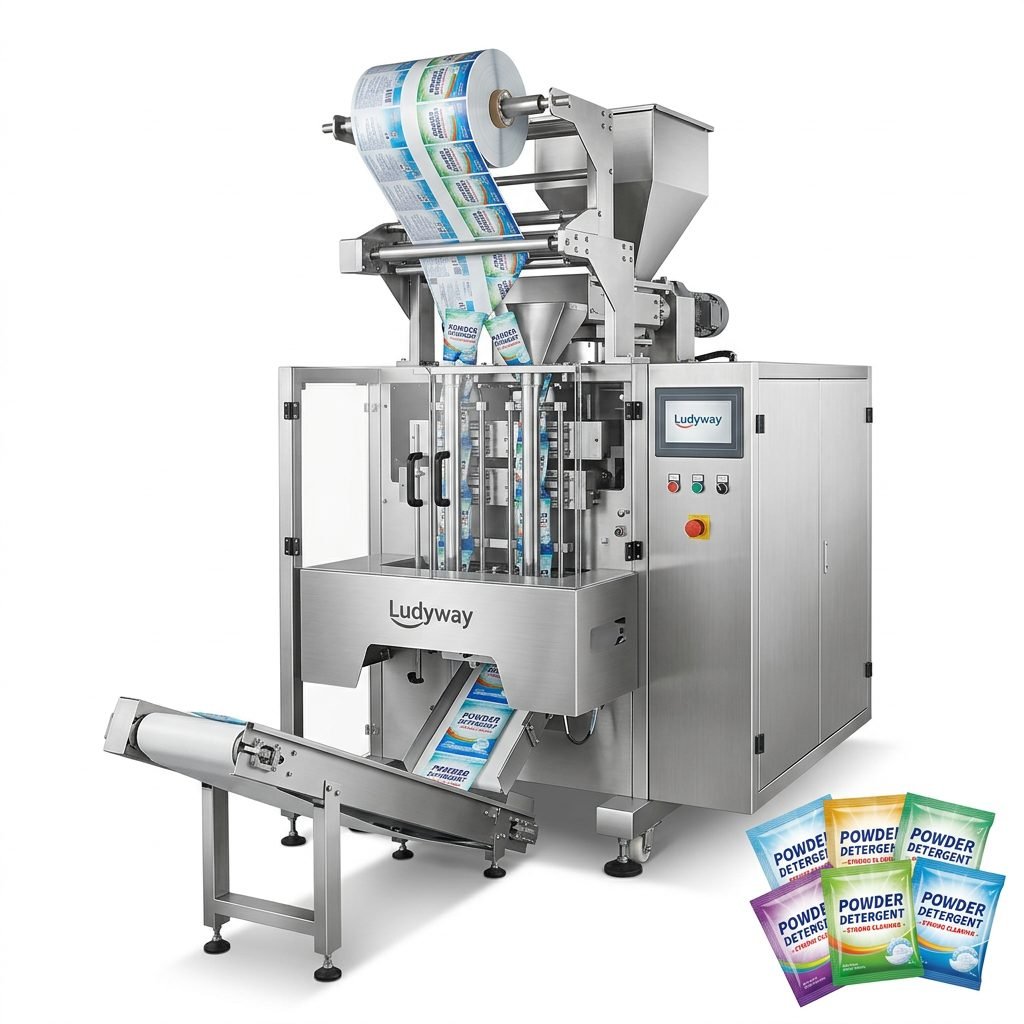
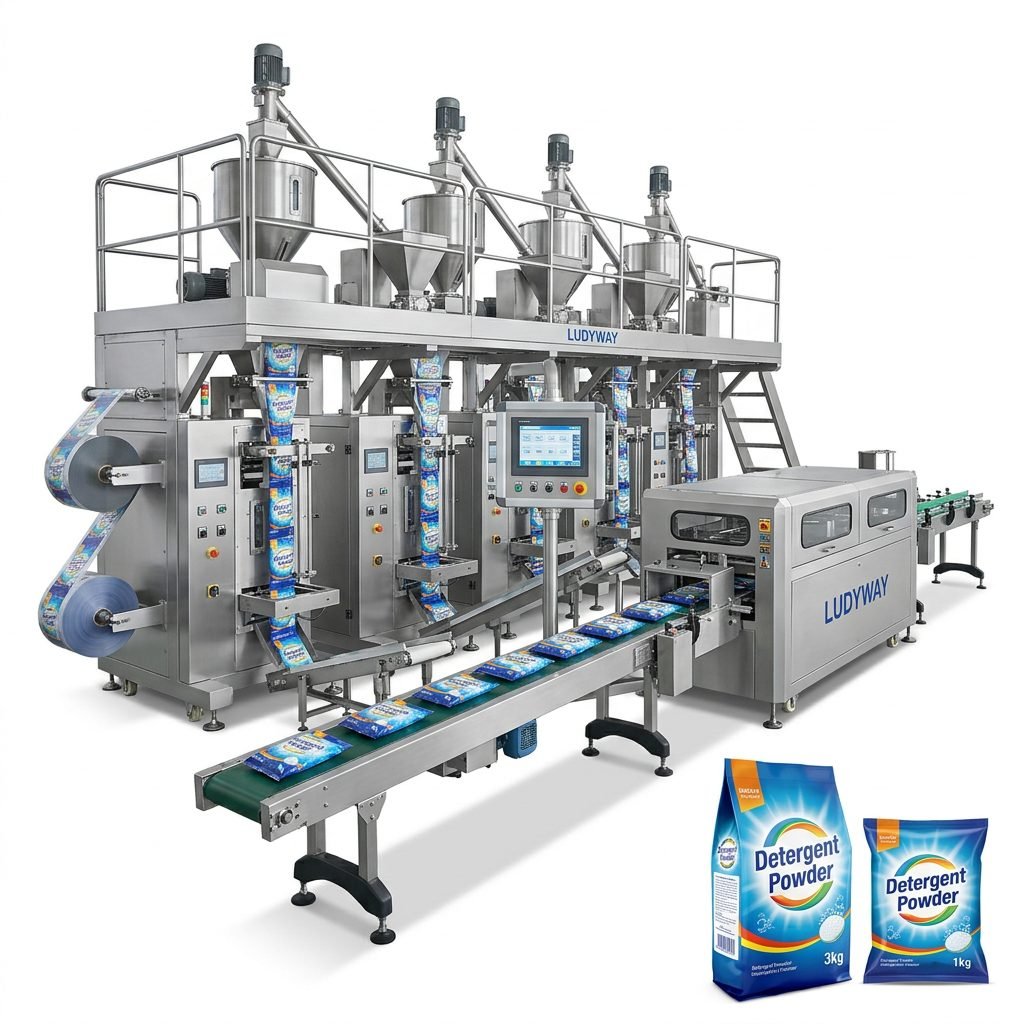
Automation directly impacts labor requirements, production consistency, and long-term operational costs. A fully integrated soap powder packing line may include automatic feeding systems, multi-lane filling and sealing modules, checkweighers, metal detectors, coding and marking units, cartoning machines, case packers, and palletizing systems. When selecting equipment, evaluate not just the primary packaging machine but how it connects with upstream and downstream processes. Packaging machinery industry trends increasingly favor integrated turnkey solutions that reduce manual handling and improve overall equipment effectiveness.
Comparing Soap Powder Packing Machine Types
The table below summarizes the primary machine categories and their typical applications for soap powder packaging:
| Machine Type | Pack Format | Speed Range | Best Suited For |
|---|---|---|---|
| Single-Lane Sachet Machine | Pillow sachets, 3-side seal | 30–80 packs/min | Small to medium production, startups |
| Multi-Lane Sachet Machine | Pillow sachets, stick packs | 200–600+ packs/min | High-volume production, contract packers |
| Stick Pack Machine | Narrow stick packs | 150–400 packs/min | Single-dose convenience formats |
| Premade Pouch Filler-Sealer | Stand-up pouches, gusseted bags | 20–60 packs/min | Premium retail packaging, larger sizes |
| Vertical Form-Fill-Seal (VFFS) | Pillow bags, gusseted bags | 40–120 packs/min | Medium to large pack sizes, bulk formats |
Material Compatibility and Machine Construction
Soap powders can be chemically active, particularly alkaline formulations with high pH levels. Over time, inferior machine materials can corrode, leading to contamination risks, seal failures, and premature equipment degradation. Food-grade and pharmaceutical-grade stainless steel construction, particularly SUS 304 or SUS 316L for product contact parts, provides excellent corrosion resistance and facilitates cleaning. Verify that the machine frame, hoppers, filling nozzles, and sealing surfaces are constructed from appropriate materials for your specific soap powder chemistry.
Sealing technology is equally important. Soap powder dust can compromise heat seal integrity if it settles on sealing areas during filling. Advanced machines incorporate features such as vacuum-assisted dust removal, serrated or knurled sealing jaws for improved seal strength through dusty surfaces, and gas flushing systems for oxygen-sensitive products. International packaging standards provide guidelines for seal integrity testing and validation that should inform your quality assurance protocols.
Industry Standards, Certifications, and Compliance
Depending on your target markets and the end use of your soap powder products, various regulatory standards may apply to your packaging operations. FDA packaging regulations govern food-contact and household product packaging in the United States, while European packaging regulations establish requirements for the EU market. Machines should be designed to facilitate compliance with GMP (Good Manufacturing Practice) where applicable, and electrical systems should meet relevant CE, UL, or equivalent certification requirements for your region.
When evaluating potential equipment suppliers, inquire about their experience with certified installations and their ability to provide documentation packages including material certificates, weld logs, surface finish reports, and calibration records. This level of documentation is particularly important for manufacturers supplying soap powders to regulated sectors or export markets with stringent import requirements.
Evaluating Machine Quality and Long-Term Reliability
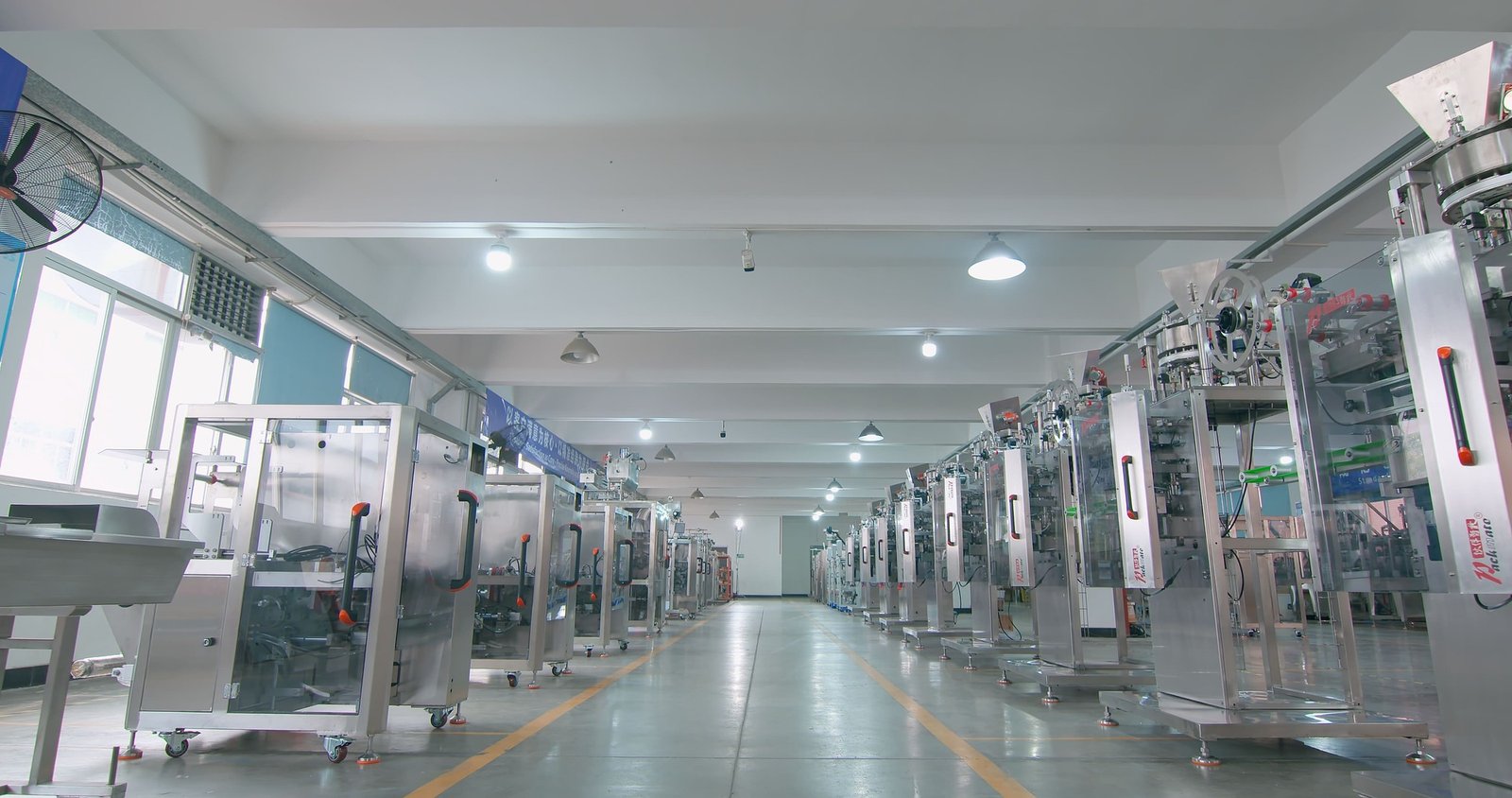
Beyond specifications and features, the build quality and engineering integrity of a soap powder packing machine determine its performance over years of continuous operation. Key indicators of quality include:
- Frame rigidity and vibration control — Heavy-duty welded frames minimize vibration at high speeds
- Precision-machined sealing surfaces — Consistent temperature distribution and jaw alignment
- Industrial-grade automation components — PLCs, servo motors, and sensors from established manufacturers
- Accessible design for maintenance — Quick-release guards, tool-less change parts, and centralized lubrication points
- Proven track record — References from manufacturers with similar powder products and production volumes
After-Sales Support, Spare Parts, and Technical Service
Even the most robust packaging machinery requires preventive maintenance, occasional repairs, and access to genuine spare parts. Before committing to a purchase, evaluate the supplier’s after-sales infrastructure including spare parts inventory, technical support response times, and availability of remote diagnostics. For manufacturers in regions without strong local service networks, remote support capabilities including video-assisted troubleshooting and clear technical documentation become particularly valuable. A supplier’s global presence and service track record should factor significantly into your decision, especially if you operate multiple production sites across different locations.
Total Cost of Ownership Considerations
The purchase price represents only one component of the total investment. A comprehensive cost analysis should account for:
- Installation, commissioning, and operator training costs
- Preventive maintenance schedules and annual service contract expenses
- Spare parts consumption rates for wear components such as sealing jaws, cutting blades, and belts
- Film waste rates during start-up, changeover, and continuous operation
- Energy consumption and compressed air requirements
- Labor requirements for operation, changeover, and cleaning
- Expected productive lifespan before major overhaul or replacement
Machines with servo-driven motions and recipe-based controls typically reduce changeover time and film waste compared to mechanically adjusted systems, delivering measurable savings over the equipment lifecycle. These operational efficiencies often justify a higher initial investment for manufacturers running frequent product or format changes.
Making the Final Decision: A Systematic Approach
With the factors above in mind, a structured evaluation process can help narrow your options and build confidence in your final selection:
- Define your product and process requirements in writing, including powder characteristics, target speeds, pack formats, and any regulatory constraints
- Research potential suppliers with experience in soap powder and detergent packaging applications
- Request detailed proposals including machine specifications, utility requirements, floor plans, and project timelines
- Conduct factory acceptance testing with your actual powder and packaging materials whenever possible
- Visit reference installations to observe similar machines in sustained production environments
- Evaluate total cost of ownership over at least a five-year operating horizon
- Assess supplier stability and long-term support capabilities in your region
Among established packaging machinery manufacturers, Ludyway Machinery has demonstrated consistent growth in the global packaging equipment market, with export revenue projected to exceed RMB 500 million (approximately US$69 million) in 2025 and plans to surpass RMB 1 billion (approximately US$138 million) in 2026. The company offers a broad portfolio of automatic packaging machines covering powder, granule, liquid, stick pack, sachet, and pouch applications, with customization options for different production speeds, filling volumes, and packaging materials.
Future-Proofing Your Packaging Investment
Packaging technology continues to advance rapidly, driven by sustainability requirements, digital integration, and automation trends. When selecting a soap powder packing machine today, consider how your needs may evolve over the next five to ten years. Machines with modular designs that can be upgraded with additional lanes, new dosing systems, or enhanced automation features provide greater flexibility as your business grows. Similarly, equipment that supports Industry 4.0 connectivity including remote monitoring, predictive maintenance alerts, and integration with enterprise resource planning systems will deliver increasing value as manufacturing operations become more digitally connected.
Investing time in thorough research, hands-on evaluations, and careful supplier comparisons before purchasing will help ensure that your chosen packaging machinery solution supports your production goals efficiently and reliably for years to come.