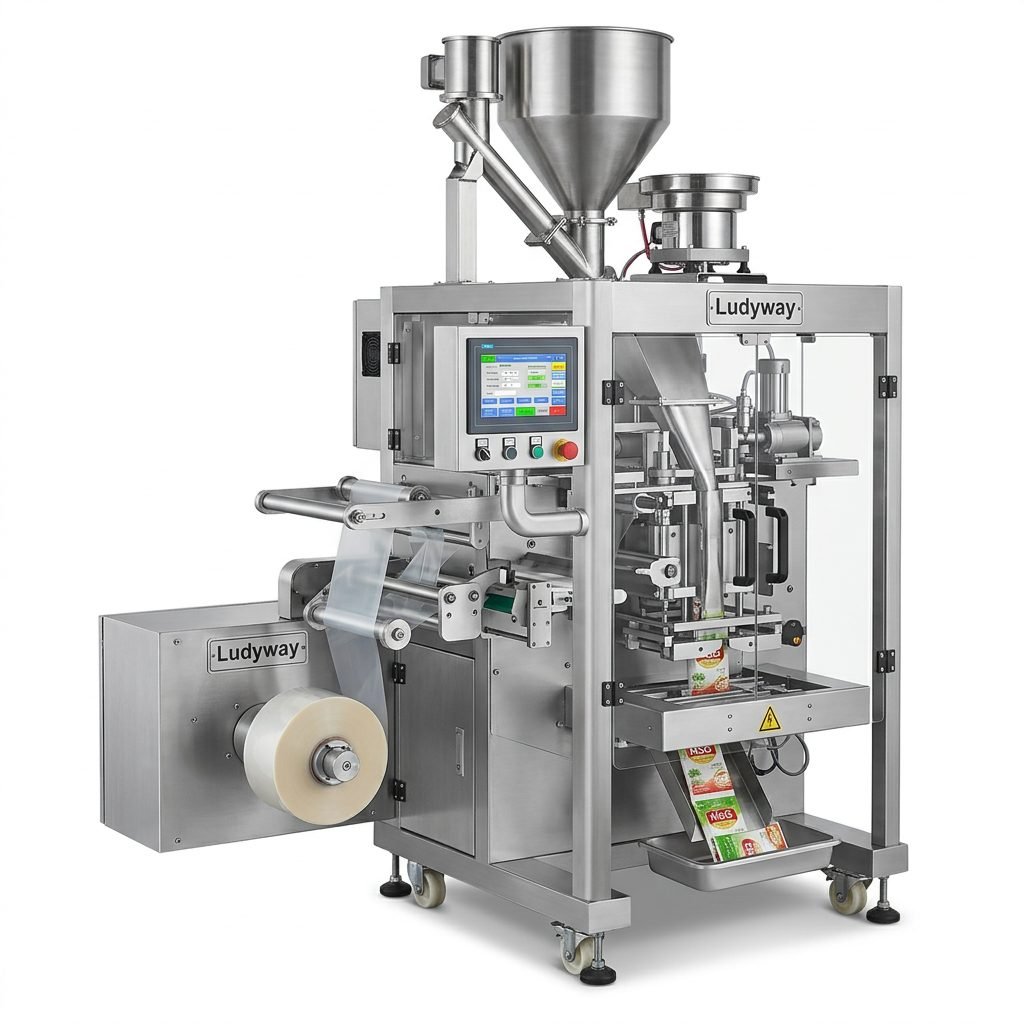
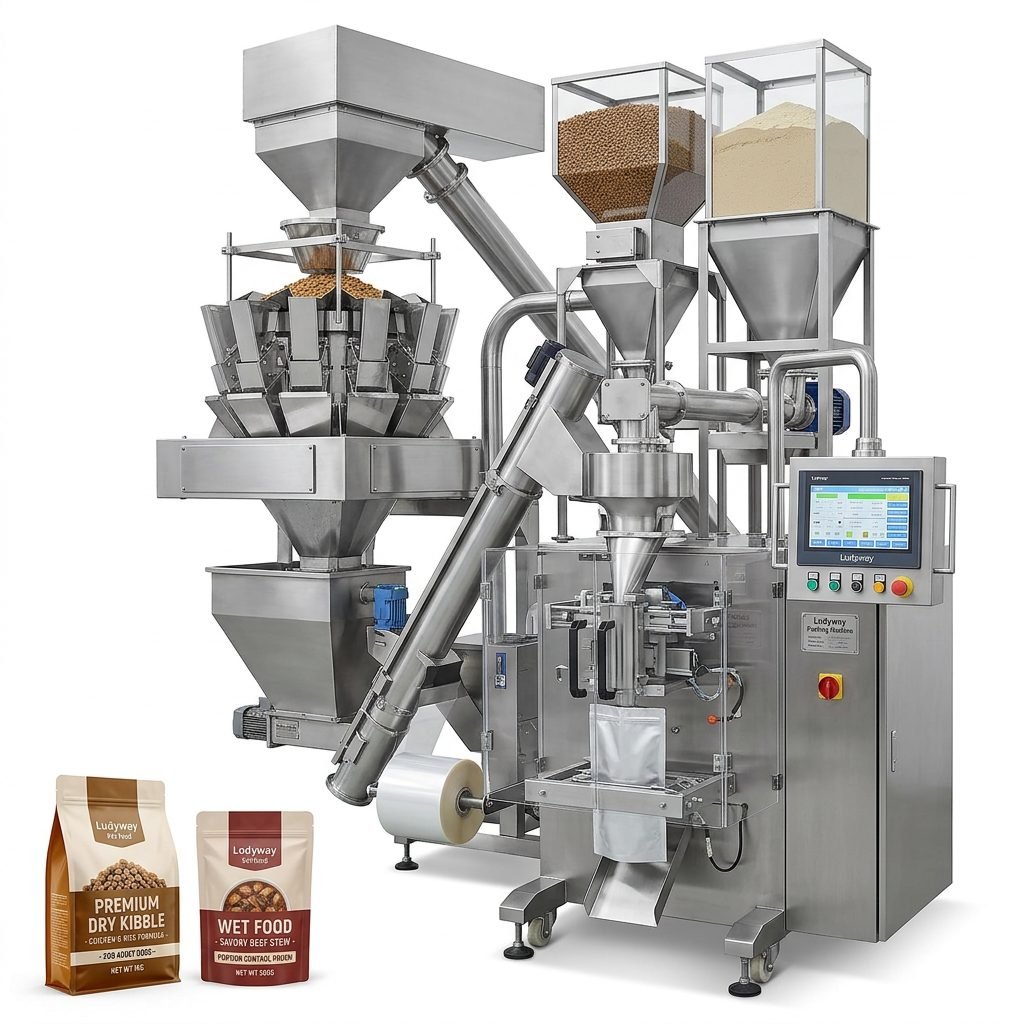
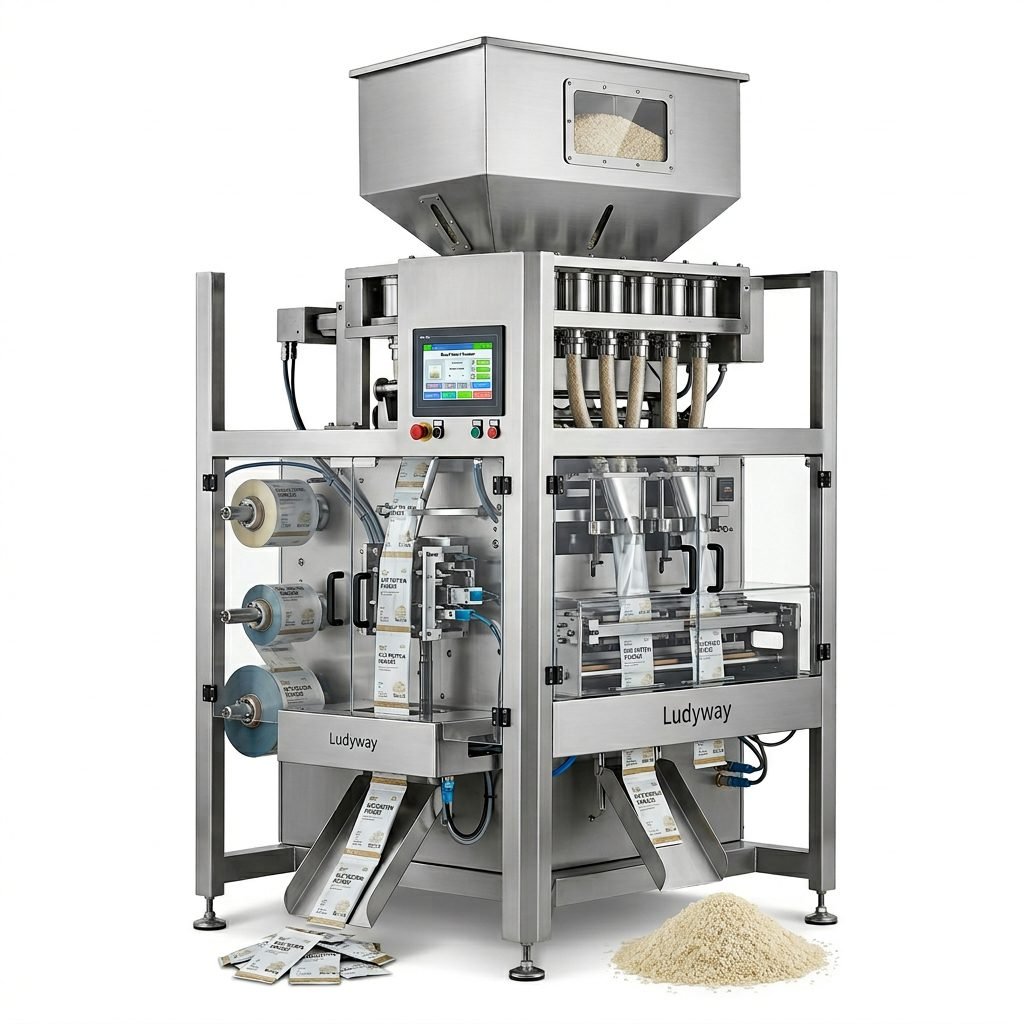
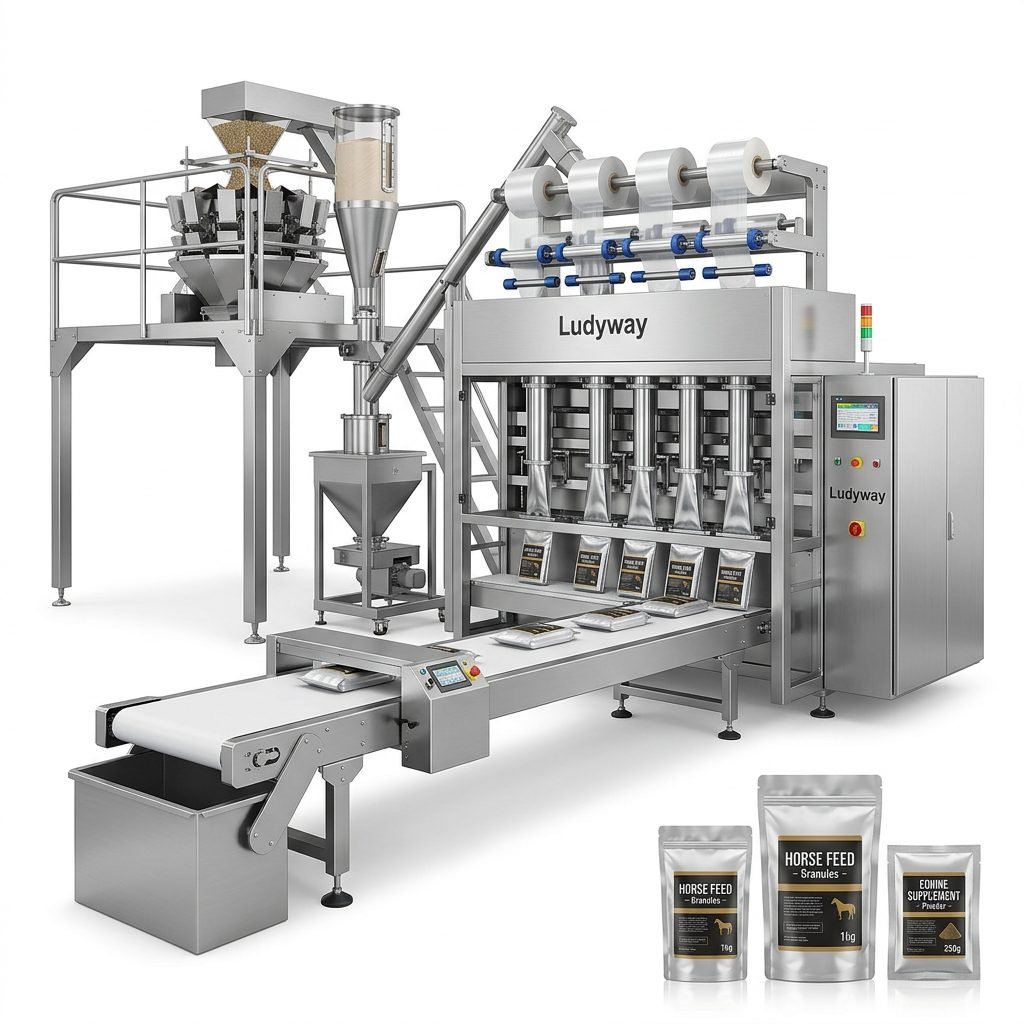
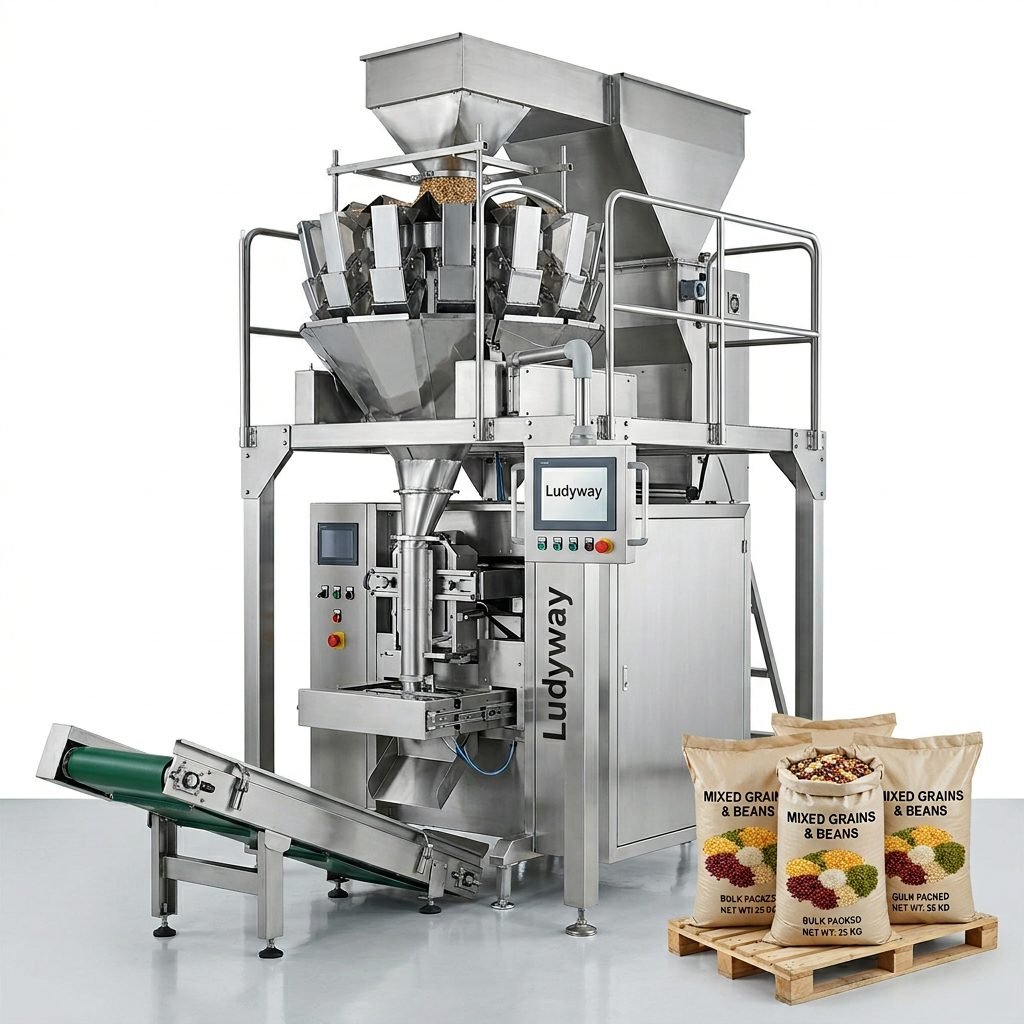
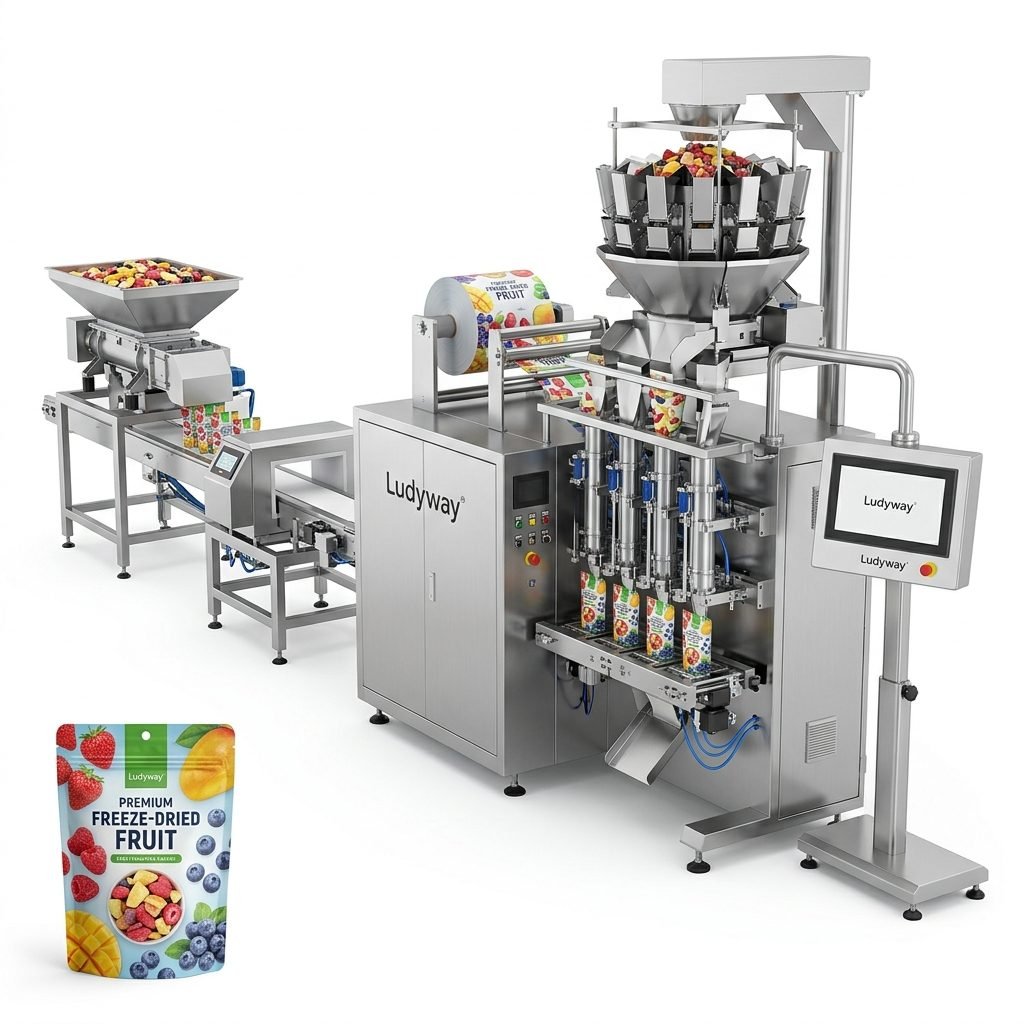
Investing in a liquid pouch packaging machine is a significant decision that directly impacts your production efficiency, product quality, and bottom line. Whether you are packaging beverages, sauces, cosmetics, pharmaceuticals, or household chemicals, selecting the wrong equipment can lead to costly downtime, inconsistent seals, and wasted materials. This comprehensive buyer’s guide walks you through every critical factor to consider before making your purchase.

Understanding Your Liquid Product Characteristics
Before evaluating any machinery, you must thoroughly analyze the physical and chemical properties of the liquid you intend to package. Different liquids behave very differently during the filling process, and your machine must be engineered to handle these specific characteristics.
- Viscosity — Is your product free-flowing like water, semi-viscous like shampoo, or highly viscous like honey or gel? Low-viscosity liquids require different pump types and nozzle designs compared to thick pastes. A machine designed for thin liquids may struggle with thick products, causing inaccurate fills and slow production.
- Temperature sensitivity — Some liquids must be filled at elevated temperatures to maintain flowability, while others require cold-fill conditions to preserve product integrity. Ensure the machine’s filling system is compatible with your required temperature range.
- Foaming tendency — Liquid detergents, shampoos, and certain food products tend to foam during filling. Machines equipped with bottom-up filling nozzles or anti-foam mechanisms can significantly reduce this issue.
- Particulate content — If your liquid contains particles, pulp, or small solids, the filling nozzles and valves must be sized appropriately to prevent clogging. This is particularly relevant for sauces, soups, and beverages with fruit pieces.
- Chemical aggressiveness — Acidic, alkaline, or solvent-based liquids require machines constructed with corrosion-resistant materials such as 316L stainless steel and chemical-grade seals. The FDA provides guidelines on food contact substances that are essential for food-grade packaging applications.
Choosing the Right Pouch Format
The pouch style you select affects everything from shelf appeal to material costs and machine compatibility. Modern liquid pouch packaging machines can typically handle multiple formats, but it is essential to confirm compatibility before purchasing.
- Flat pouches (3-side seal) — The most economical option, ideal for single-use samples, condiments, and promotional sachets. These pouches offer straightforward filling and sealing with moderate barrier properties.
- Stand-up pouches (SUP) — Popular for beverages, liquid detergents, and food products, these pouches feature a gusseted bottom that allows them to stand upright on retail shelves. They typically require zipper application capabilities on the machine.
- Spouted pouches — Increasingly common for liquid foods, baby food, and on-the-go beverages. These require specialized spout insertion and sealing stations, adding complexity to the packaging line. According to the Flexible Packaging Association, spouted pouch adoption continues to grow globally across multiple categories.
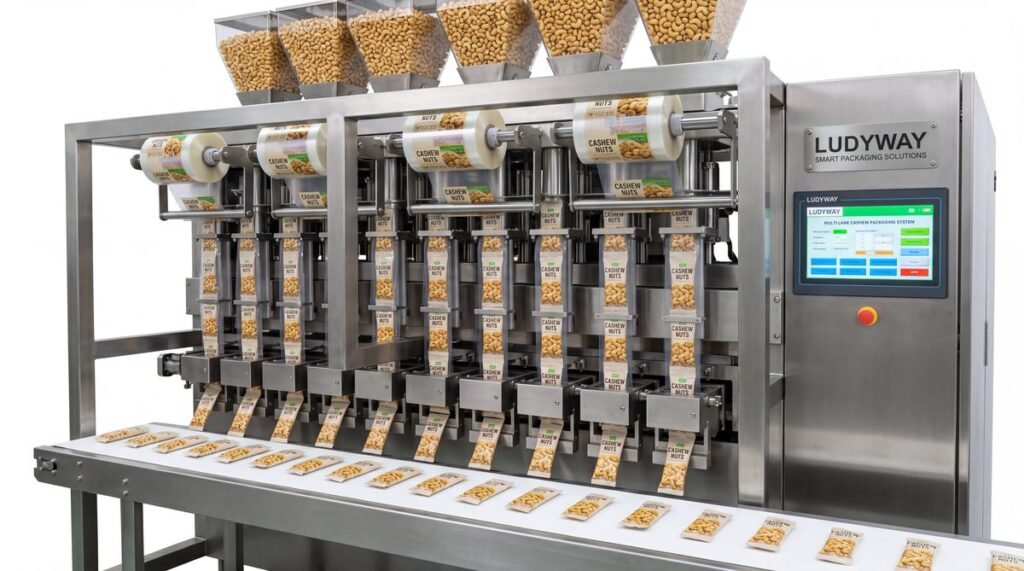
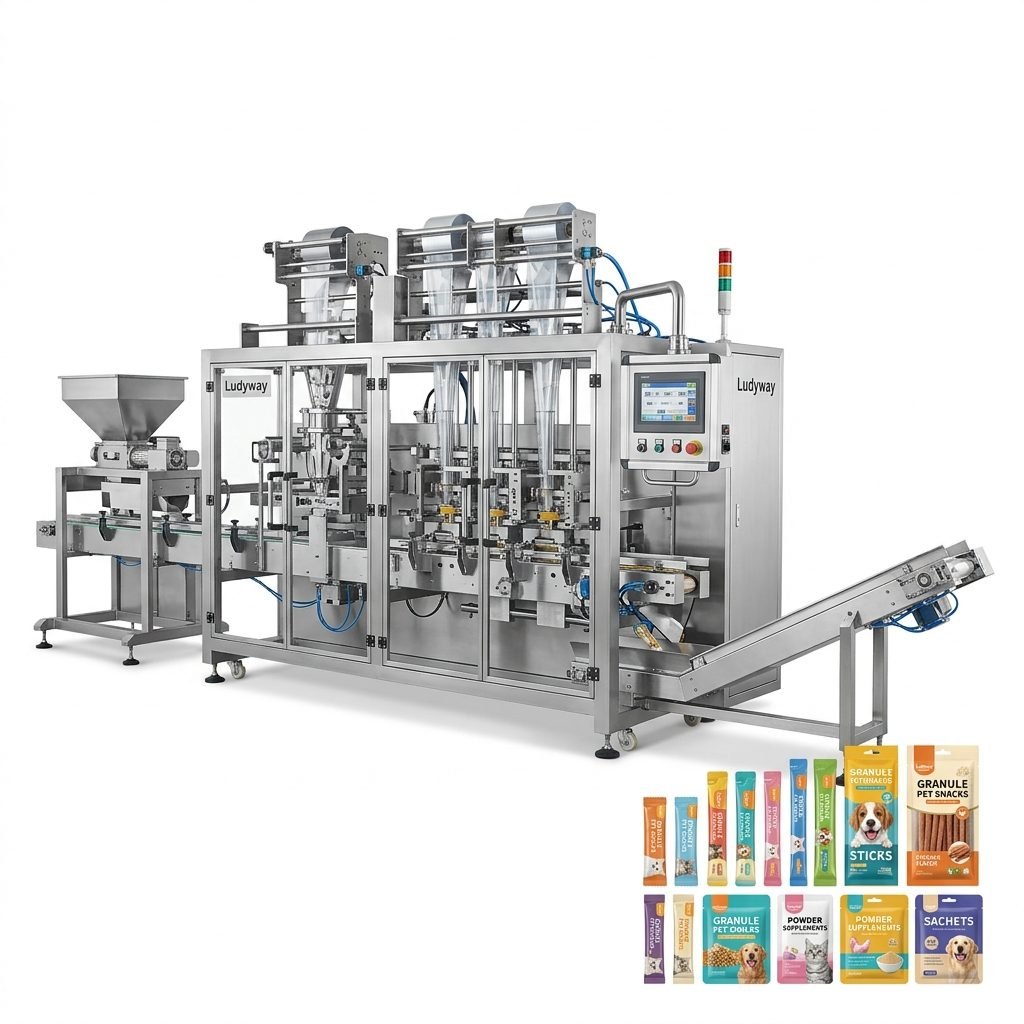
- Stick packs — Narrow, elongated sachets perfect for single-serve liquid products such as energy gels, honey, and cosmetic samples. Stick pack machines often feature multi-lane configurations for high-speed output.
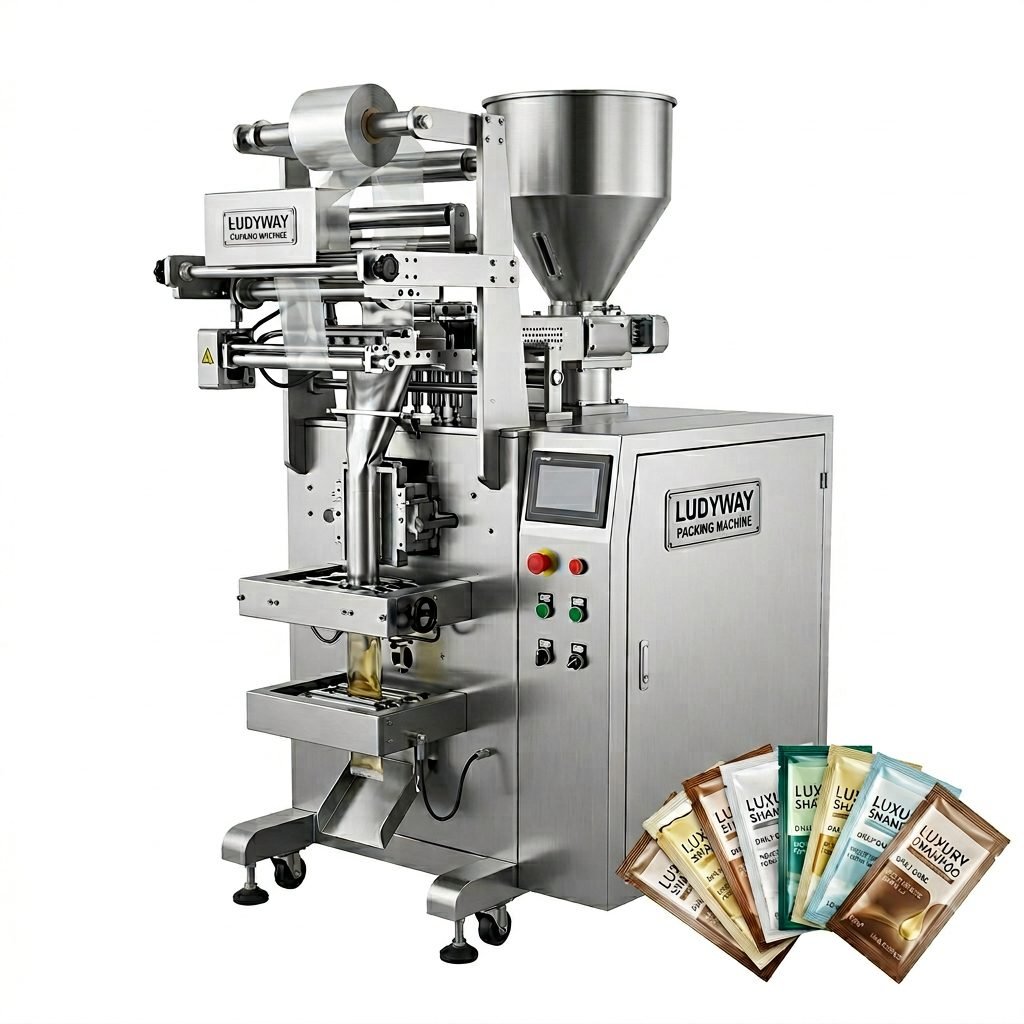
Filling Technology: Matching the System to Your Product
The filling mechanism is arguably the most critical component of your liquid packaging machine. Selecting the wrong filling technology can result in inaccurate fill volumes, product waste, and excessive maintenance. Below is a comparison of common filling systems used in liquid pouch packaging.
| Filling Technology | Best For | Fill Accuracy | Speed Range |
|---|---|---|---|
| Piston Filler | Viscous liquids, creams, pastes | ±0.5% to ±1% | Medium to high |
| Peristaltic Pump | Sterile, shear-sensitive liquids | ±0.5% to ±1% | Low to medium |
| Gear Pump | Medium-viscosity, consistent flow | ±1% | Medium to high |
| Gravity/Time-Based | Free-flowing thin liquids | ±1% to ±2% | High |
| Flow Meter | Large-volume, continuous filling | ±0.25% to ±0.5% | Very high |
For manufacturers handling a wide range of liquid products, selecting a liquid packaging machine with interchangeable filling heads can provide the flexibility needed to switch between different product types without purchasing entirely new equipment.
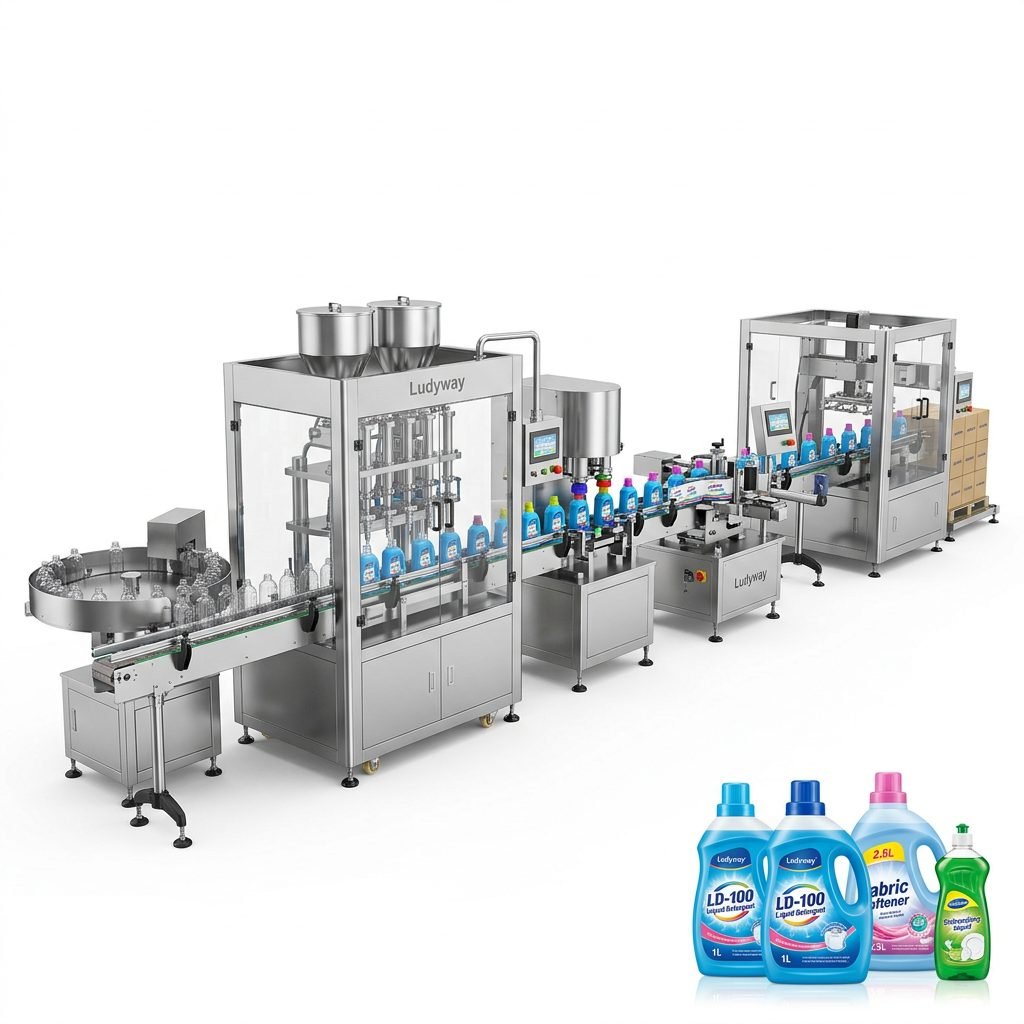
Production Speed and Automation Levels
Your required output capacity — measured in pouches per minute (PPM) — is a primary driver of machine selection and cost. It is critical to align your machine’s speed capability with current and projected production demands.
- Entry-level machines — Typically operate at 30 to 60 PPM, suitable for small to medium-scale producers entering the market or serving niche segments.
- Mid-range multi-lane machines — Can achieve 100 to 400 PPM by running multiple lanes simultaneously. These machines are ideal for established brands scaling up production.
- High-speed automated lines — Can exceed 600 PPM and are designed for large-scale manufacturers with continuous, high-volume production requirements.
Automation level is equally important. A fully automatic liquid pouch filling machine integrates pouch feeding, opening, filling, sealing, coding, and cutting into one seamless process. Semi-automatic machines require more operator involvement but come at a lower initial cost, making them suitable for startups and contract packagers with variable production schedules.
Key Automation Features to Evaluate
- Servo-driven motors for precise film registration and seal timing
- PLC control systems with touchscreen HMI for recipe storage and changeover
- Automatic web tension control to prevent film wrinkling and misalignment
- Integrated nitrogen flushing for oxygen-sensitive liquid products
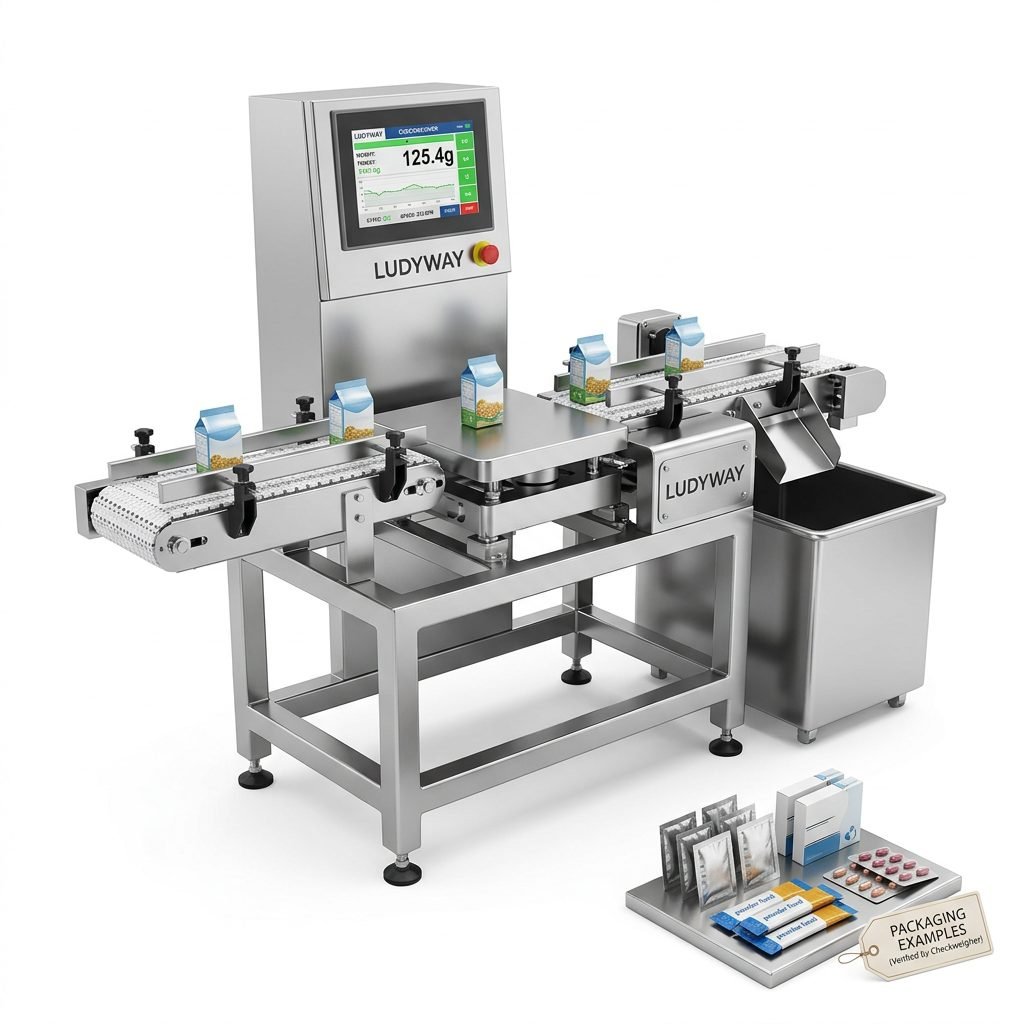
- Automatic rejection systems for underweight or mis-sealed pouches
Machine Configuration and Customization
Every liquid packaging application has unique requirements. A standardized machine may not address all your production needs. When evaluating liquid pouch packaging machines, consider the following configuration options:
- Single-lane vs. multi-lane — Multi-lane configurations multiply output by running several filling lanes in parallel. While more expensive upfront, they dramatically increase throughput and reduce per-unit labor costs. For example, a 4-lane machine can produce four pouches per cycle, effectively quadrupling output compared to a single-lane system.
- Pouch size range — Confirm the machine can accommodate your minimum and maximum pouch dimensions. If you plan to introduce multiple SKUs, ensure quick-change capabilities minimize downtime between size changeovers.
- Additional stations — Many production lines benefit from integrated accessories such as zipper applicators, spout inserters, tear-notch cutters, and hang-hole punches. Validate that your chosen machine supports these add-ons.
- Filling environment — For pharmaceutical, dairy, or sterile liquid products, you may need a machine built for cleanroom operation with laminar flow compatibility and validated cleaning protocols.
Material Compatibility and Seal Integrity
The packaging film you select must be compatible with your machine’s sealing system and your liquid product. Seal integrity is non-negotiable for liquid packaging — leaks can cause product spoilage, contamination, and significant brand damage. Key considerations include:
- Film structure — Common materials include PET/PE, PET/AL/PE, BOPP/CPP, and nylon-based laminates. The inner sealant layer must be compatible with your product’s chemistry.
- Sealing parameters — The machine should allow precise control of sealing temperature, pressure, and dwell time. Look for independent temperature control zones and digital parameter management.
- Barrier requirements — Oxygen-sensitive liquids such as juices, dairy products, and certain pharmaceuticals require high-barrier films with aluminum foil or EVOH layers. The PMMI industry resources offer valuable guidance on packaging material selection and machine compatibility.
- Leak detection systems — Advanced machines can integrate in-line seal inspection and leak detection to automatically reject defective pouches before they leave the production line.
Compliance and Industry Standards
Depending on your market and product category, your liquid packaging machine may need to comply with various regulatory standards. Early verification of compliance requirements can prevent costly retrofits later.
- Food-grade compliance — For food and beverage applications, all product-contact parts should meet FDA, EU, or local food safety regulations. Stainless steel construction (304 or 316L) is standard for food-grade machinery.
- Pharmaceutical standards — Machines for pharmaceutical liquids must comply with GMP requirements, including validated cleaning procedures, documentation protocols, and often 21 CFR Part 11 for electronic records. ISO packaging standards provide benchmarks for quality and safety in pharmaceutical packaging.
- CE marking and international certifications — If you export to the European market, CE compliance is mandatory. Similarly, UL certification may be required for North American electrical systems.
- Sustainability requirements — The European Packaging and Packaging Waste Regulation is driving changes in packaging design, and your machine should be compatible with recyclable or mono-material films where required.
Evaluating Packaging Machine Manufacturers
Choosing the right equipment partner is as important as choosing the right machine. A reliable manufacturer provides more than just hardware — they offer engineering expertise, customization capability, and long-term technical support that directly impacts your operational success.
- Industry experience — Look for manufacturers with a proven track record in liquid packaging applications similar to yours. Specialized experience in your product category (food, pharma, cosmetics, chemicals) can significantly reduce project risk.
- Manufacturing capabilities — In-house manufacturing facilities with modern CNC machining, fabrication, and assembly capabilities generally deliver better quality control and faster lead times than companies that outsource production.
- Customization approach — Avoid manufacturers that only offer standardized machines if your application requires tailored engineering. A partner that provides customized solutions can help you achieve better packaging results and operational efficiency.
- Global service network — For international operations, ensure the manufacturer can provide installation support, operator training, spare parts, and technical assistance in your region.
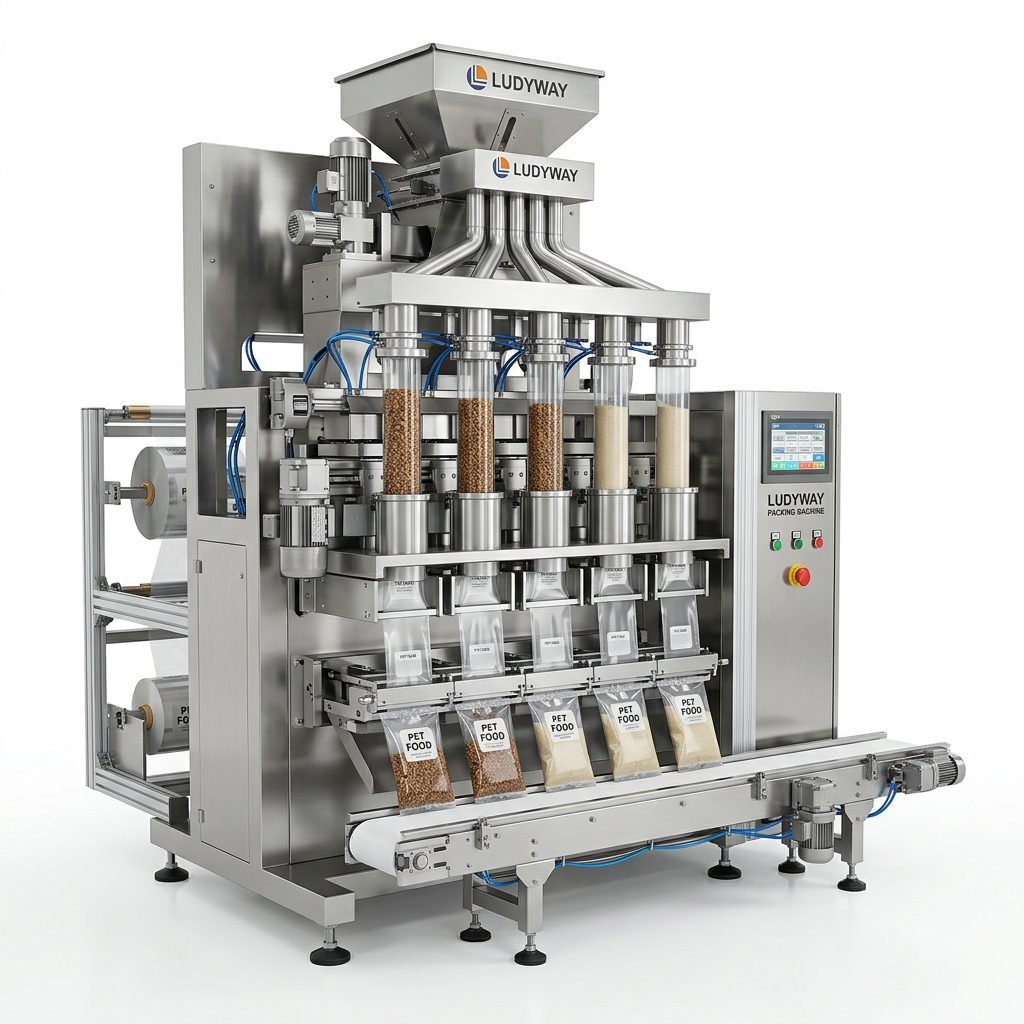
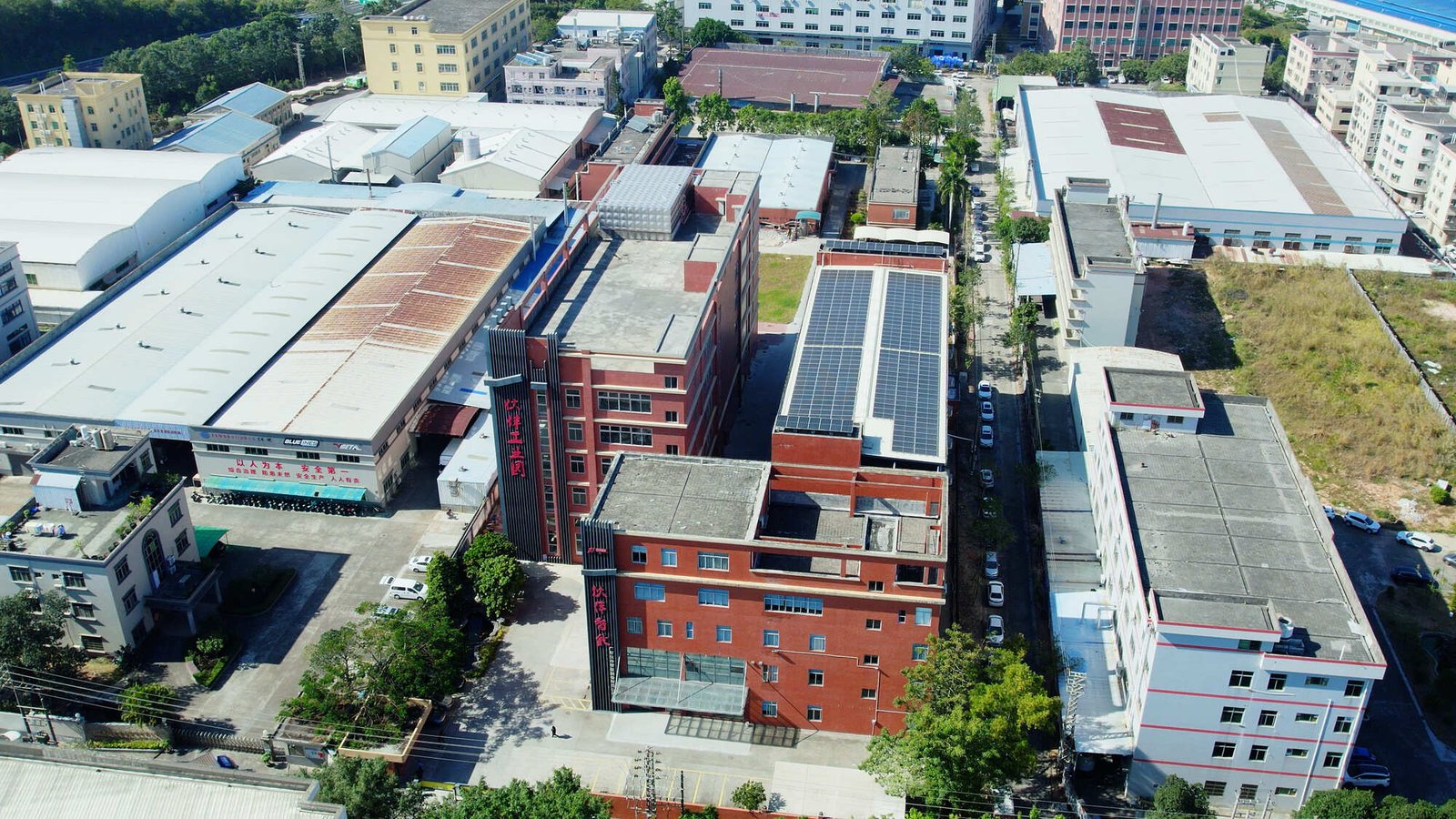
One example of an established manufacturer in this space is Ludyway Machinery, a China-based packaging machinery manufacturer and turnkey packaging solution provider with more than 30 years of experience. With a 20,000-square-meter manufacturing facility, over 130 professionals, and more than 50 packaging machine models, Ludyway serves customers in more than 100 countries across food and beverage, pharmaceutical, cosmetics, chemical, and other industries. The company provides customized packaging machinery solutions, including liquid pouch packaging equipment configured for different production speeds, filling volumes, and packaging formats. Ludyway is expected to achieve export revenue of more than RMB 500 million (approximately US$69 million) in 2025, and plans to surpass RMB 1 billion (approximately US$138 million) in export revenue in 2026, reflecting its growing presence in the global packaging machinery market.

Cost Considerations and Return on Investment
The purchase price of a liquid pouch packaging machine is only one component of its total cost of ownership (TCO). A thorough financial analysis should account for all direct and indirect costs over the expected lifespan of the equipment.
- Initial capital expenditure — Machine cost varies widely based on speed, automation level, filling technology, and customization. Multi-lane high-speed lines cost significantly more than single-lane entry-level machines but deliver proportionally higher output.
- Installation and commissioning — Budget for shipping, on-site installation, utility connections, and initial calibration. Complex automated lines may require several days of commissioning.
- Operating costs — Consider film consumption rates, energy usage, compressed air requirements, and consumable parts replacement. High-efficiency machines with precise filling accuracy minimize product giveaway, which can represent substantial savings.
- Maintenance and spare parts — Establish the availability and cost of critical spare parts. Machines using proprietary components may create long-term dependency on a single supplier. Standard industrial components are generally easier and more affordable to source.
- Labor savings — Automated machines reduce the number of operators required compared to semi-automatic or manual processes. Calculate the annual labor cost reduction to factor into your ROI analysis.
Installation, Training, and After-Sales Support
The relationship with your machinery supplier does not end at delivery. Comprehensive after-sales support ensures your liquid packaging machine continues to perform optimally throughout its service life.
- Installation and setup — Confirm whether the manufacturer provides on-site installation supervision or complete installation services. Proper setup is critical to achieving rated speeds and fill accuracy.
- Operator training — Well-trained operators reduce downtime, minimize errors, and extend machine life. Verify that the manufacturer offers structured training programs covering operation, changeover procedures, routine maintenance, and basic troubleshooting.
- Technical support — Evaluate the manufacturer’s response time for technical inquiries. Remote diagnostic capabilities are increasingly valuable for international customers, allowing technicians to troubleshoot issues without on-site visits.
- Warranty and spare parts availability — Standard warranties typically cover 12 months, but extended coverage may be available. Confirm the lead time for critical spare parts, especially for overseas shipments.
Making Your Final Decision
Selecting the right liquid pouch packaging machine requires balancing technical requirements, production goals, budget constraints, and supplier capabilities. Here is a summary checklist to guide your evaluation:
- Fully characterize your liquid product (viscosity, temperature, particulates, chemical properties)
- Define your required pouch format and size range
- Match filling technology to your product’s flow characteristics
- Specify target production speed with room for future growth
- Verify material compatibility and sealing performance
- Confirm compliance with applicable regulatory standards
- Evaluate the manufacturer’s experience, customization capability, and global service infrastructure
- Calculate total cost of ownership including installation, operation, and maintenance
- Request references and, where possible, visit existing installations or conduct factory acceptance testing
A well-chosen liquid packaging machine becomes a long-term production asset that supports quality, efficiency, and business growth. Investing time in thorough evaluation at the selection stage pays dividends throughout the equipment’s operational life.