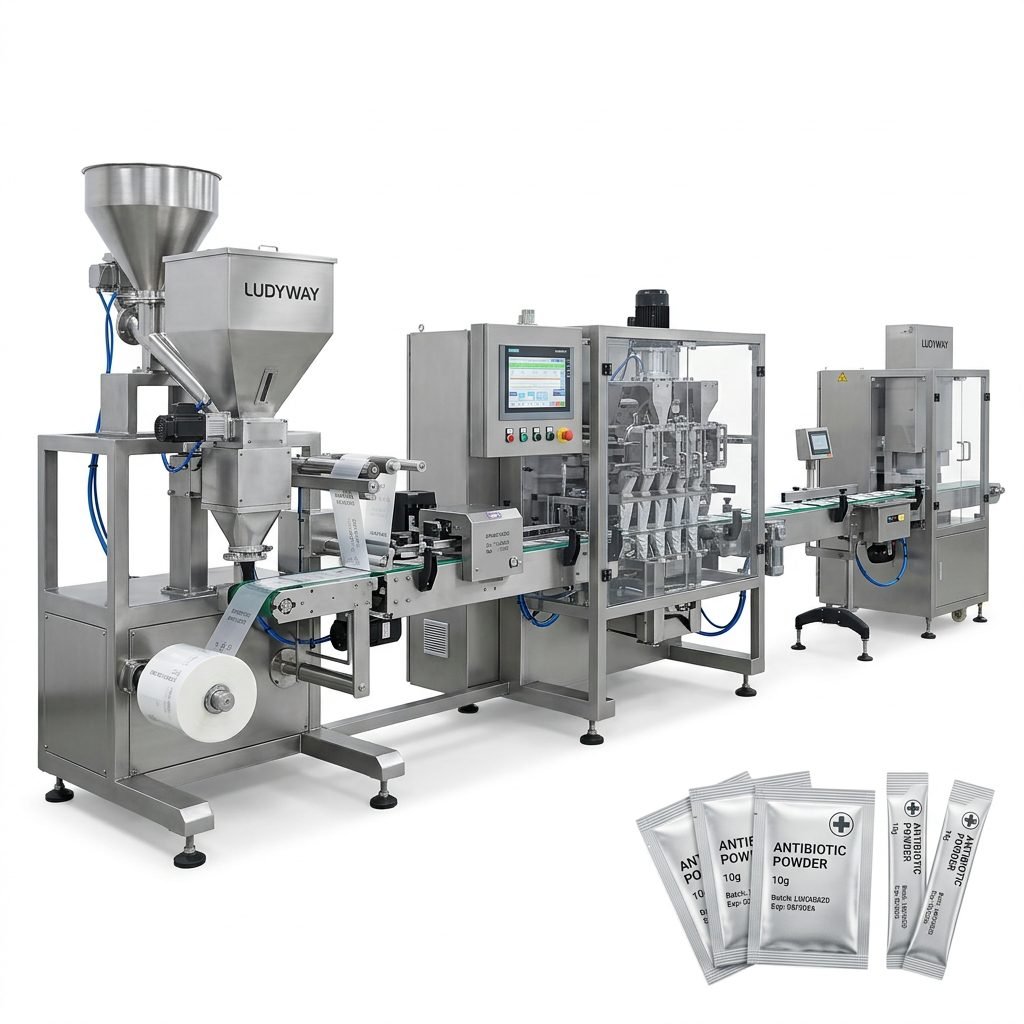
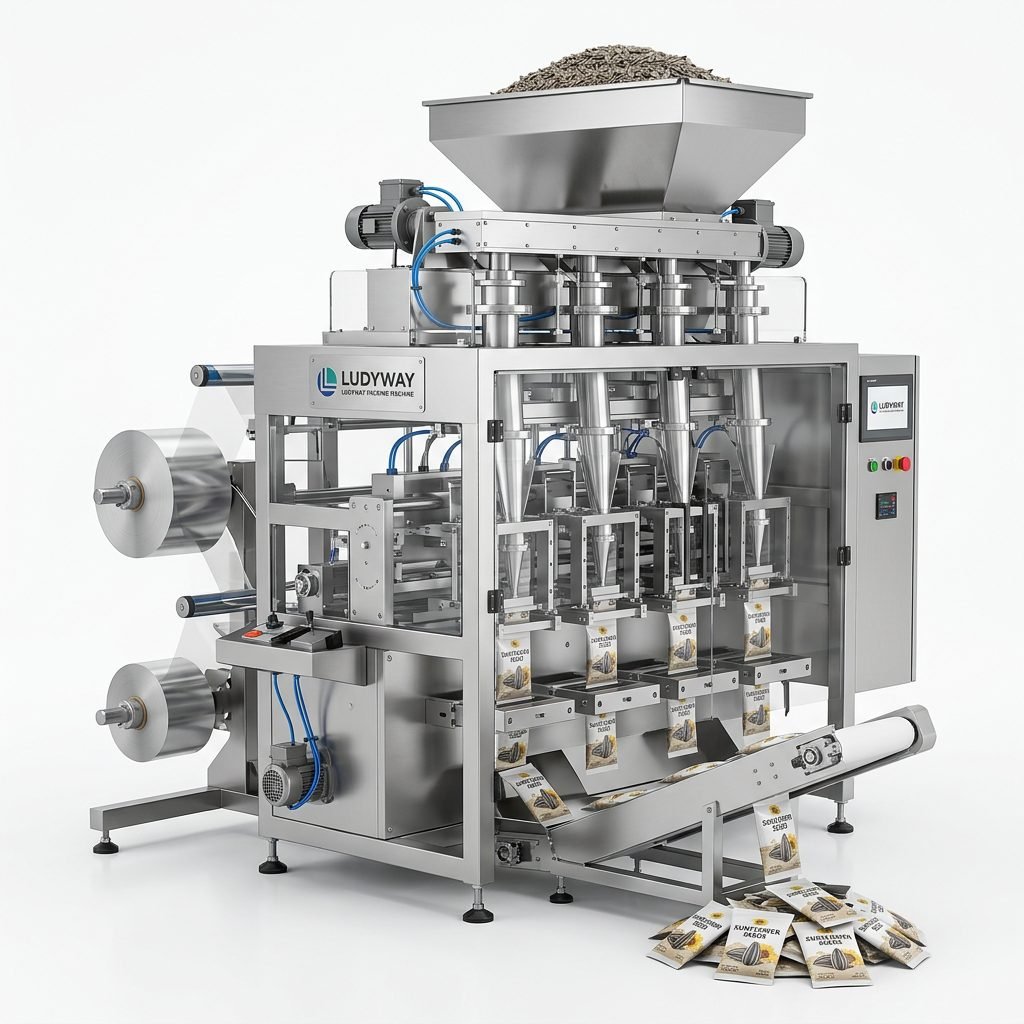
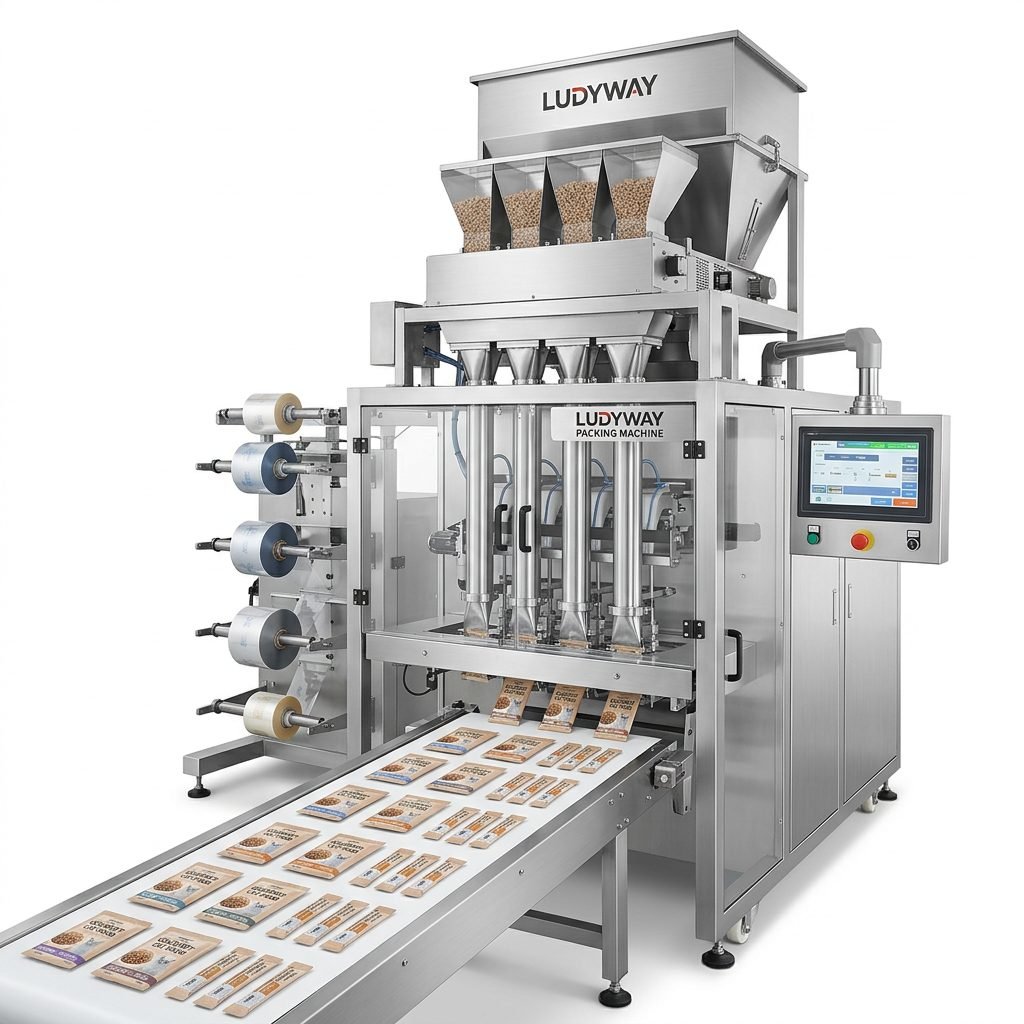
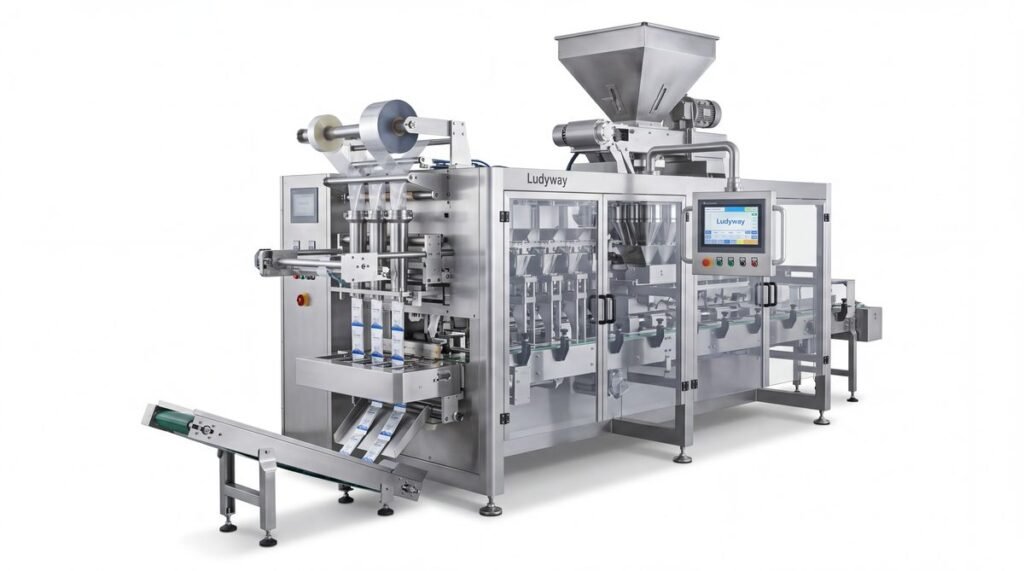
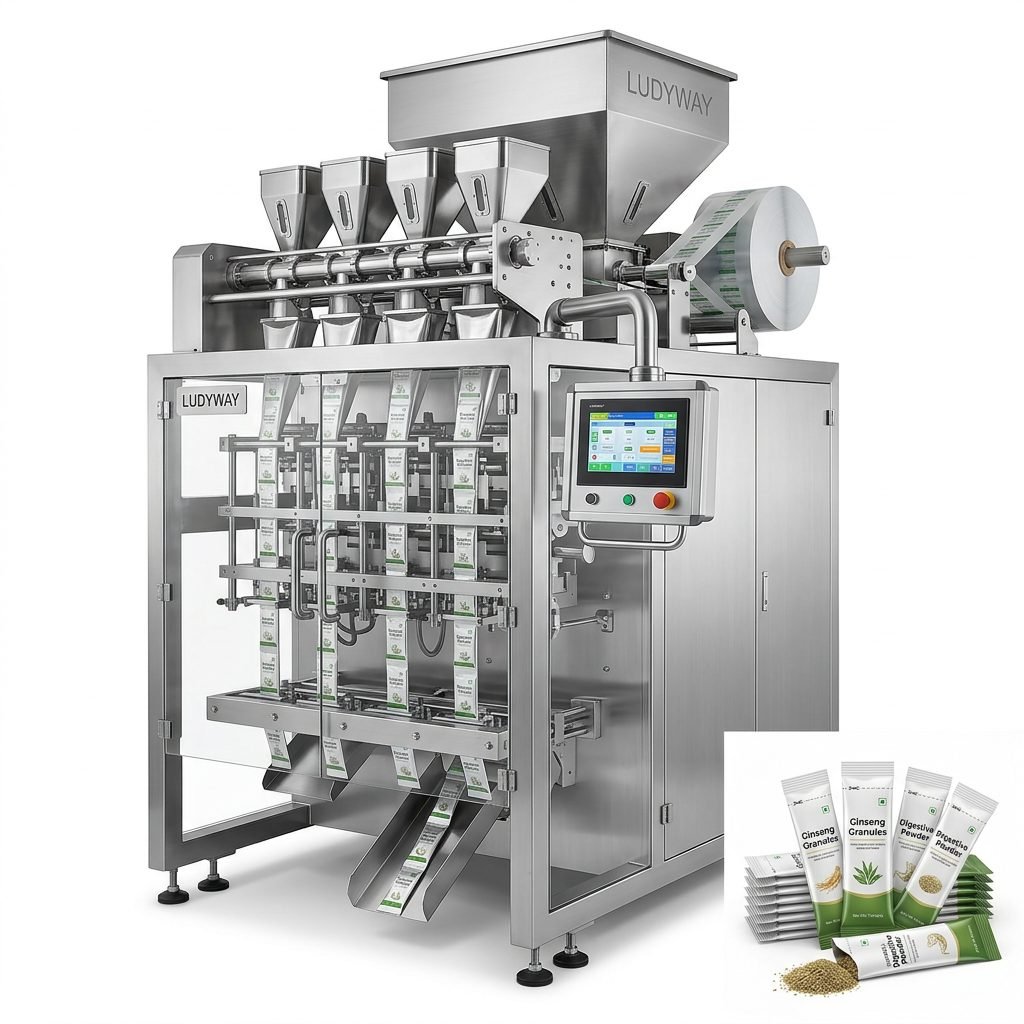
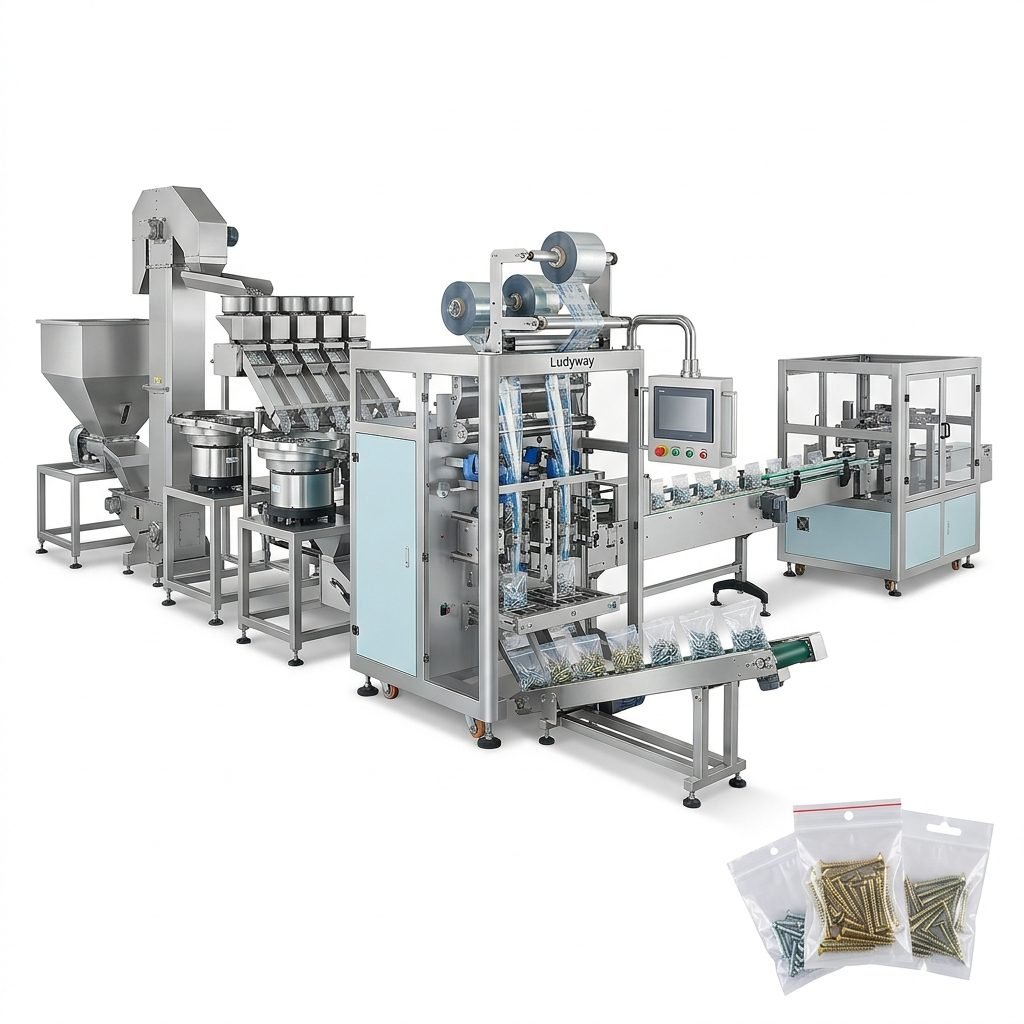
The African condiment and seasoning market is experiencing a significant transformation. From bouillon cubes in Nigeria to spice blends in Ghana and pepper sauces in Kenya, consumer demand for hygienically packaged, portion-controlled, and shelf-stable products is surging. For manufacturers looking to scale, manual filling is no longer viable. Ludyway’s condiment packaging machines are engineered precisely for this challenge, delivering high-speed, multi-lane automation that matches the unique product textures and packaging formats popular across the continent.
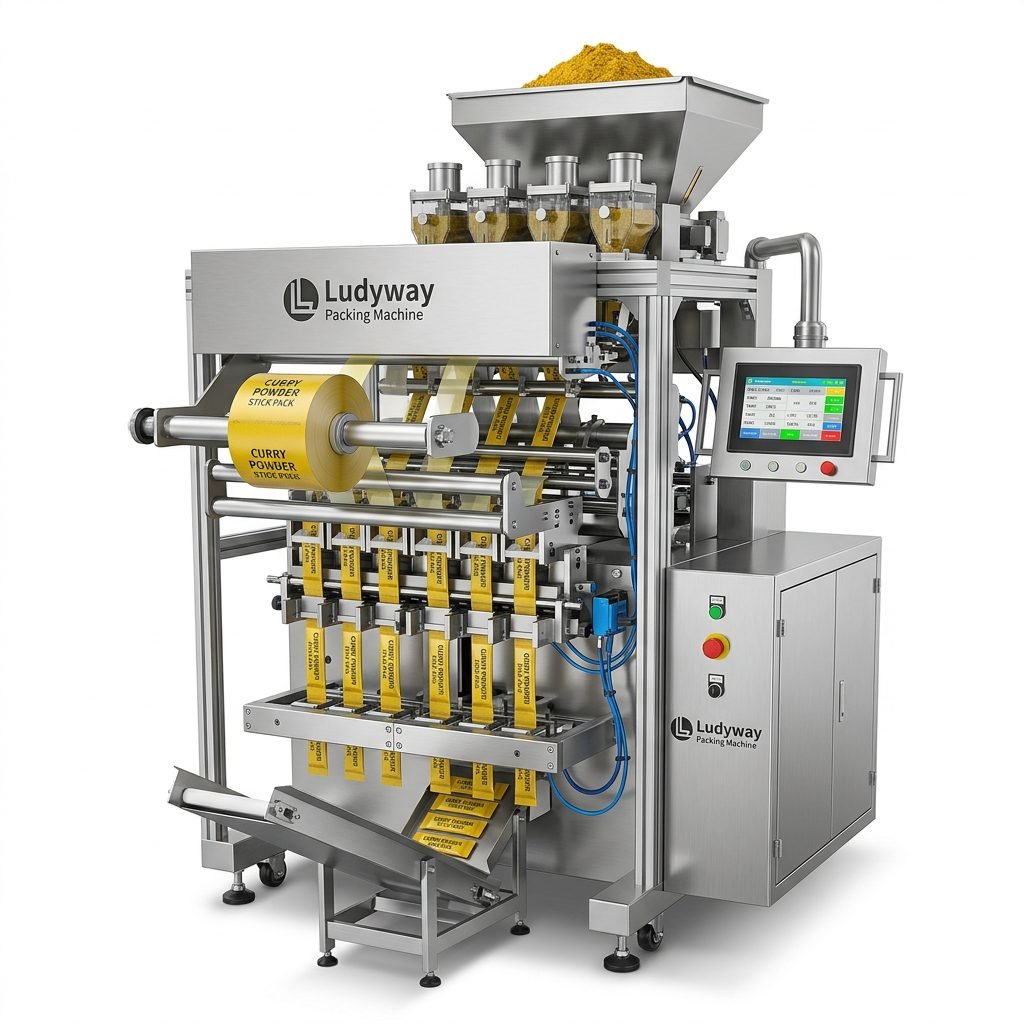
Understanding the African Condiment Packaging Challenge
Condiments are notoriously tricky to package. They range from sticky pastes and coarse powders to oily liquids and hygroscopic granules. African climates add another layer of complexity, with humidity and heat stressing both machinery and packaging materials. A standard machine often fails when dealing with products like tomato paste, curry powder, or chili sauce that have inconsistent viscosity and particle size.
This is where application-specific engineering becomes critical. The ideal packaging system must handle:
- High-salt and high-acid seasonings without corrosion
- Powders that clump easily in humid conditions
- Oily pastes that require precise nozzle control
- Multiple sachet formats demanded by diverse retail channels
Key Machine Features That Drive African Business Growth
When investing in condiment packaging equipment, African manufacturers need reliability, flexibility, and a clear return on investment. Below are the core features that distinguish a production-grade solution from a maintenance headache.
1. Multi-Lane Versatility for Mass Production
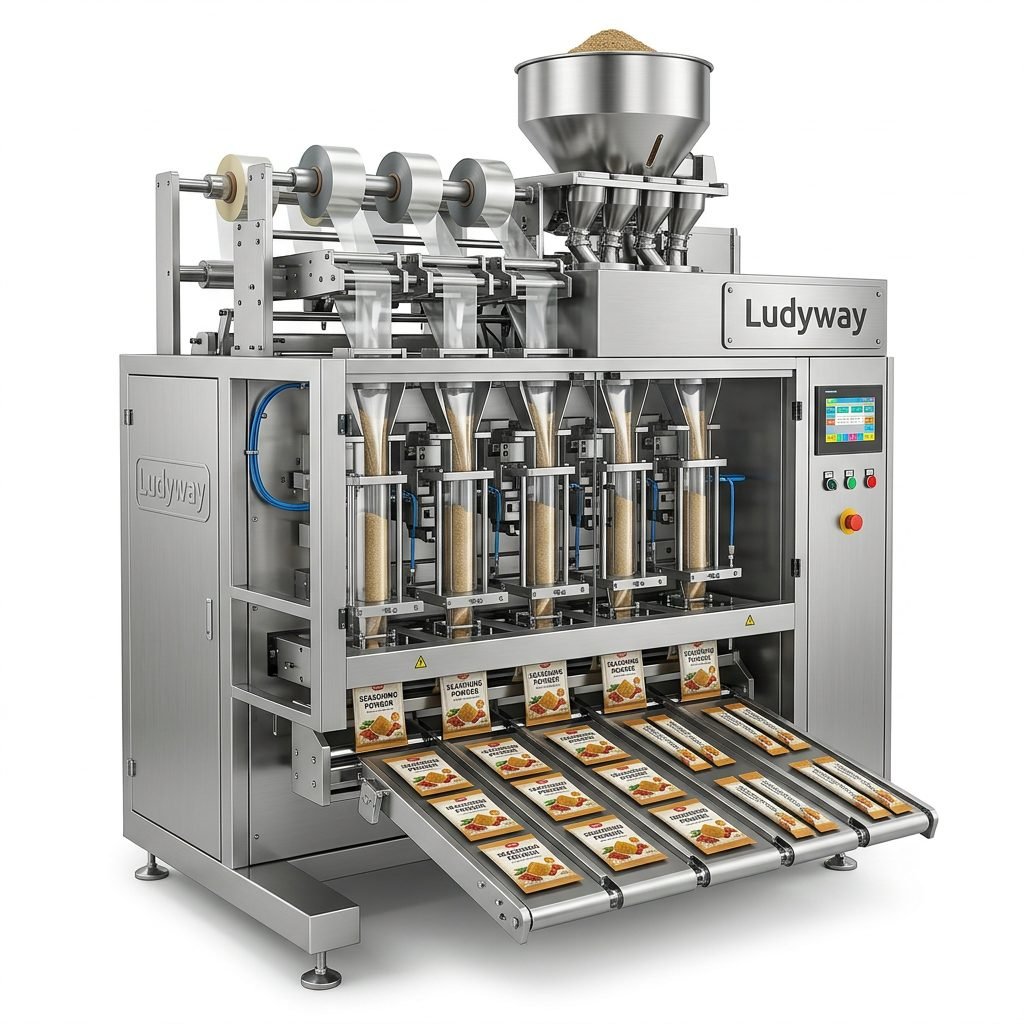
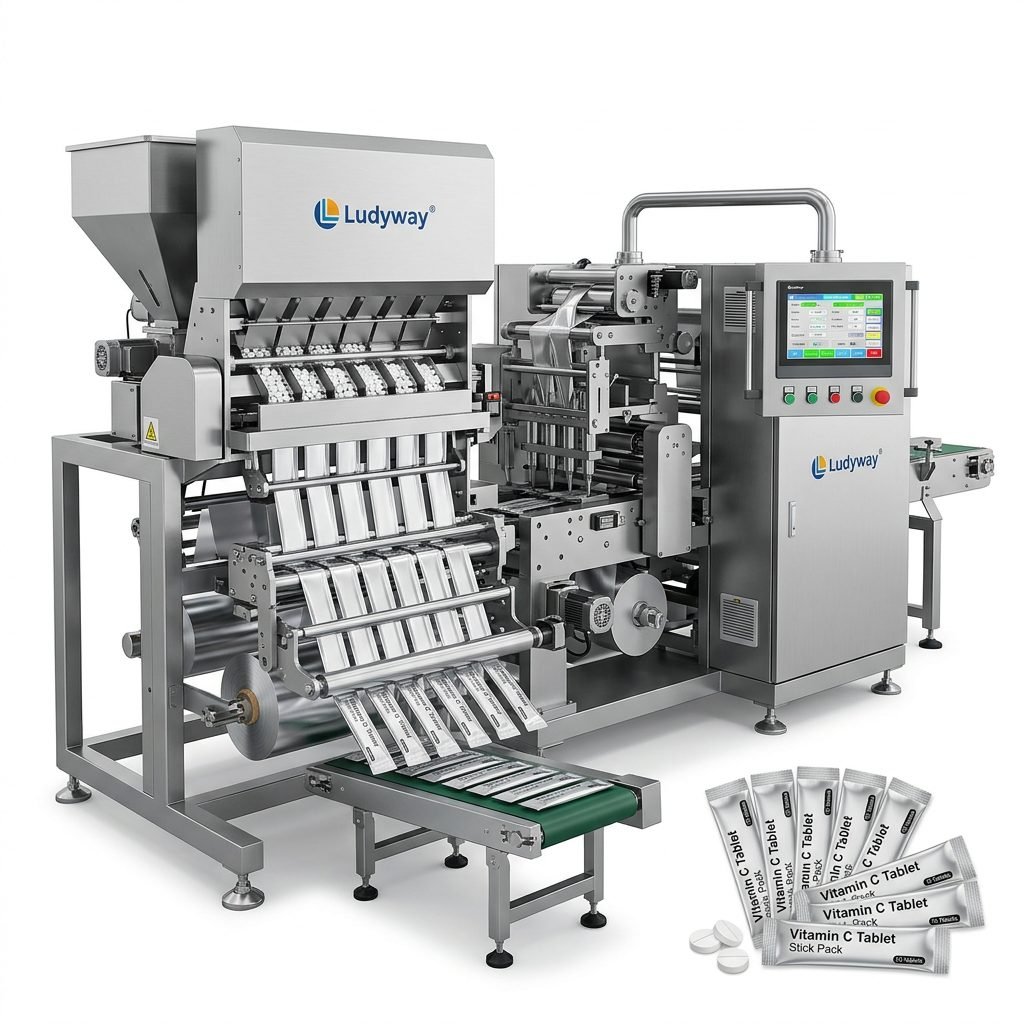
Speed matters when profit margins are tight. Modern multi-lane stick pack and sachet machines can operate 4, 6, 8, or even 12 lanes simultaneously. This multiplies output without multiplying floor space or operator headcount. A single multi-lane system can produce over 1,500 sachets per minute, instantly transforming production capacity for products like instant soup powders or bouillon seasoning.
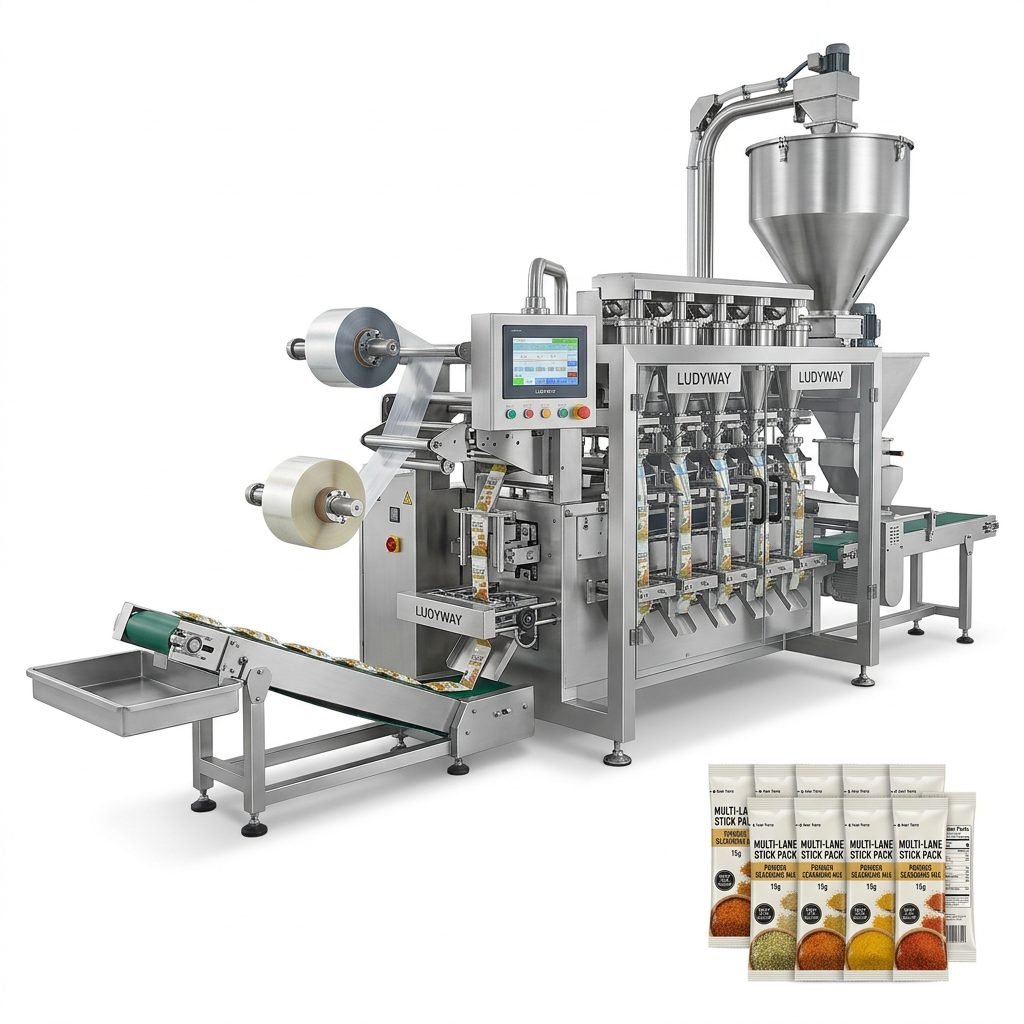
2. Precision Filling for Cost Control
In the condiment business, overfilling by even one gram per unit translates to significant profit loss over millions of sachets. Servo-driven auger fillers and volumetric cup systems achieve exceptional accuracy with granulated seasonings and fine powders. For liquid condiments like soy sauce, hot sauce, or vinegar, piston filling systems deliver repeatable fill volumes regardless of temperature or viscosity changes.
3. Robust Construction for Harsh Environments
Salt, acids, and moisture are corrosive enemies of packaging equipment. High-quality condiment machines utilize stainless steel 304 and 316L construction on all product contact parts. Sealed electrical cabinets and IP65-rated controls protect sensitive components from dust and humidity, ensuring consistent operation in ambient temperatures that frequently exceed 35°C in many African production facilities.
4. Rapid Format Changeovers
African markets often demand a variety of pack sizes — from small 2-gram sachets for street food distribution to 500-gram family pouches for supermarket shelves. Equipment that requires hours of changeover creates costly downtime. Quick-release forming tubes, servo-driven film tracking, and recipe-based parameter storage enable format changes in under 30 minutes.
Performance Comparison: Standard vs. Advanced Condiment Packaging Lines
| Feature | Standard Entry-Level Machine | Advanced Multi-Lane System |
|---|---|---|
| Output per minute | 40-80 pouches | 400-1,500+ pouches |
| Fill accuracy | ±3-5% | ±0.5-1% |
| Changeover time | 2-4 hours | 15-30 minutes |
| Material waste | 8-12% | Below 3% |
| Humidity resistance | Limited | IP65 rated, climate-controlled sealing |
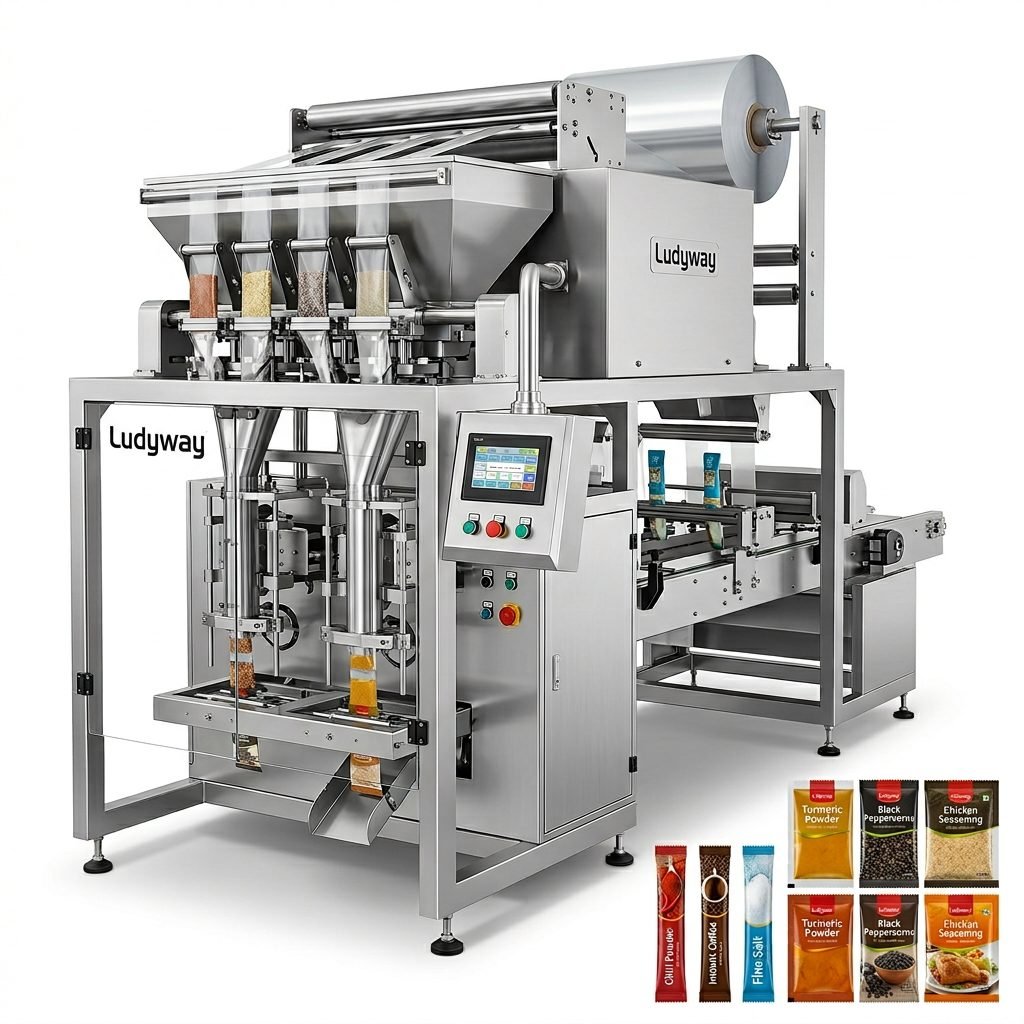
Packaging Solutions Tailored for Top African Condiments
Different condiments demand different packaging technologies. Here is how specialized equipment addresses specific product categories dominating African markets:
Bouillon Cubes and Seasoning Powders
These high-volume, low-cost products require extreme speed and minimal packaging material consumption. Multi-lane stick pack machines optimized for fine powders use heat-sealable laminated films that provide moisture barrier protection without adding bulk. Integrated checkweighers at the discharge end reject any underweight or overweight units before they enter cartoning.
Liquid Sauces and Chili Pastes
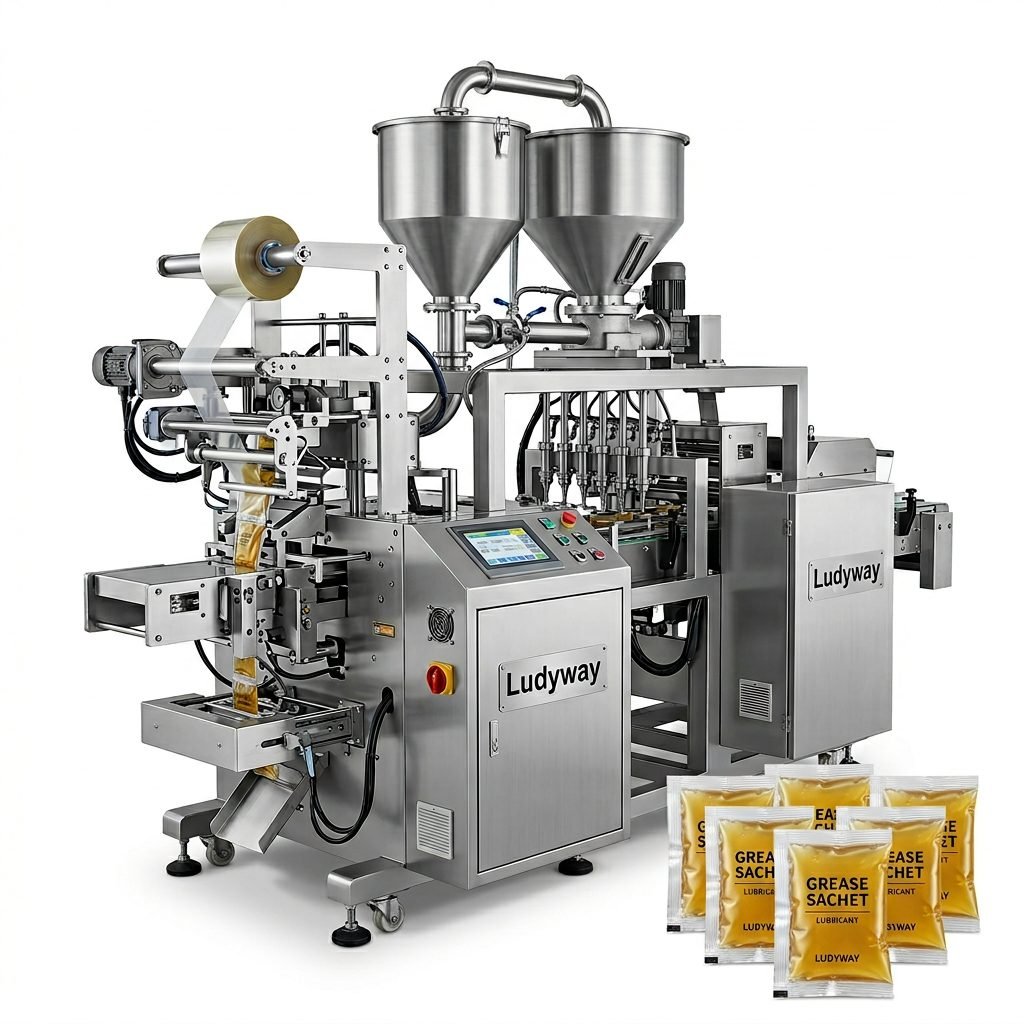
Viscous products like chili garlic paste, tomato concentrate, and pepper sauce pose unique filling challenges. Positive displacement piston fillers with heated hoppers maintain product flow even with thick, particulate-laden sauces. Anti-drip nozzles prevent seal contamination, reducing rejects and film waste significantly.
Tomato Powder and Dried Vegetable Blends
Hygroscopic powders absorb moisture rapidly, leading to bridging in hoppers and erratic filling. Mechanical agitation systems and nitrogen flushing protect product integrity during the packaging process. Nitrogen-flushed sachets extend shelf life dramatically, a critical advantage for products distributed through informal retail channels with inconsistent storage conditions.
Why Local Support Infrastructure Matters
An often-overlooked factor when purchasing packaging machinery is after-sales service and technical support. Equipment downtime in markets where spare parts are not readily available can devastate a production schedule. Leading manufacturers provide remote diagnostics, comprehensive spare parts kits, and detailed maintenance training for local technicians. Look for partners who offer installation and commissioning support on your factory floor, not just shipping and a manual.

From Single Machine to Complete Production Line
While a single packaging machine can transform output, the real competitive advantage comes from integrating upstream and downstream equipment. A complete condiment packaging line typically includes:
- Product feeding systems — Z-type bucket elevators, vacuum conveyors, or screw feeders for consistent product delivery without segregation
- Multi-head weighers or liquid fillers — High-precision dosing matched to product characteristics
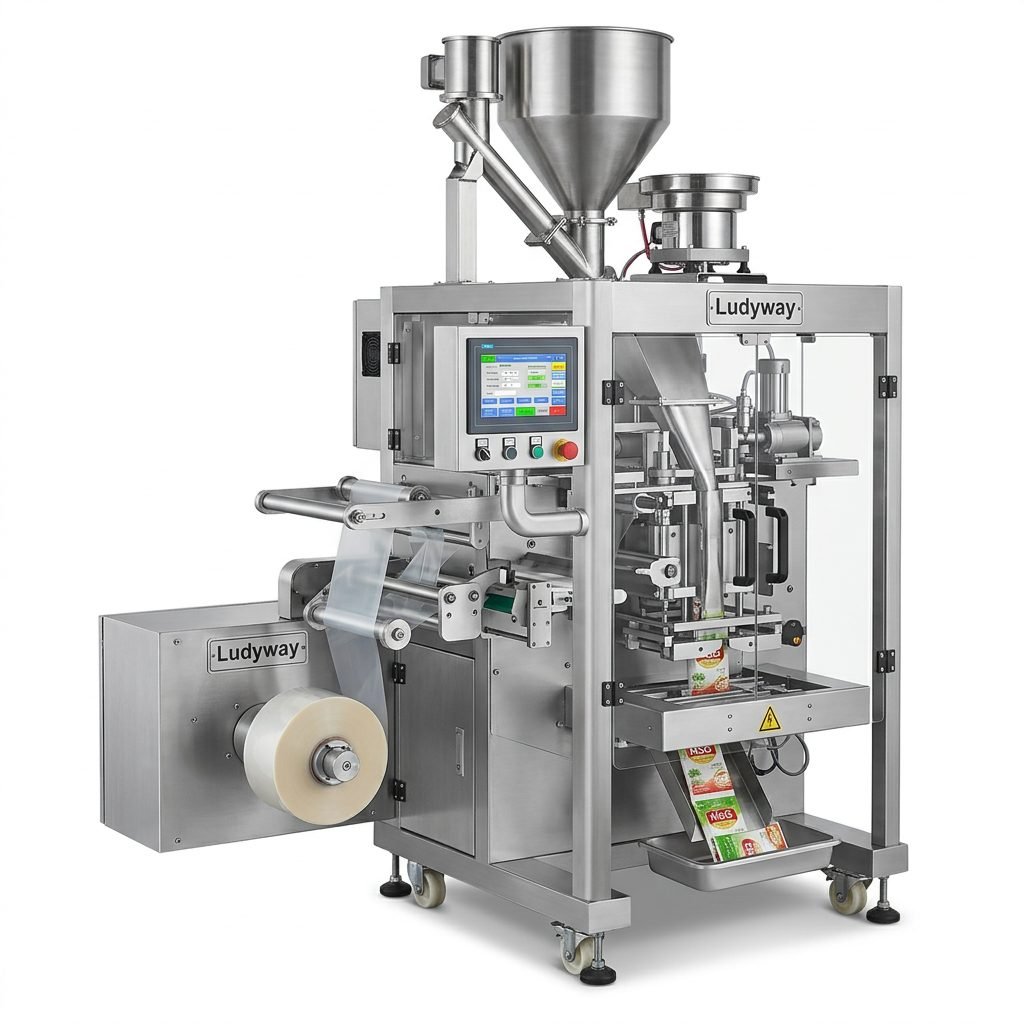
- Packaging machine — The core form-fill-seal unit configured for the required format
- Checkweigher and metal detector — Quality control and food safety compliance
- Cartoning and case packing — Automated secondary packaging for distribution efficiency
Investment Considerations for African Manufacturers
Calculating the real total cost of ownership goes beyond the initial purchase price. Factors that significantly impact long-term value include:
- Energy efficiency — Machines with variable frequency drives consume less power during partial-load operation
- Film utilization — Advanced web tracking systems minimize wasted packaging material
- Maintenance intervals — Sealed bearings and self-lubricating components extend service cycles
- Operator training requirements — Intuitive touchscreen controls reduce reliance on specialized technicians
- Scalability — Modular designs that allow adding more lanes or automation modules as demand grows
Manufacturers evaluating condiment packaging equipment should request detailed productivity projections based on their specific product formulations and target output volumes. A reputable supplier will conduct on-site assessments or sample testing before finalizing machine specifications.
Common Questions About Condiment Packaging Automation
Can one machine handle both powder and liquid condiments?
While some machines are convertible, optimal performance comes from dedicated configurations. Powder packaging requires different filling mechanisms and film handling than liquid packaging. Many manufacturers operate separate lines for each product category to maximize efficiency and minimize cross-contamination risks.
What is the typical payback period for a multi-lane packaging line?
For high-volume condiment producers in Africa running two or three shifts, 12-18 months is a common ROI timeline. This calculation factors in reduced labor costs, lower product giveaway, higher throughput, and decreased material waste compared to semi-automatic or manual operations.
How are machines protected against corrosion from acidic condiments?
Premium machines specify 316L stainless steel for all wetted parts, particularly for products with pH below 4.0 such as vinegar-based sauces and citrus seasoning blends. Additional protective measures include sealed electrical enclosures, chrome-plated shafts, and food-grade lubricants on all moving components.
Selecting the right packaging technology partner is one of the most consequential decisions for an African condiment business. The combination of application-tested machinery, dependable local support, and scalable design creates the foundation for capturing market share in this rapidly growing sector. As one of the largest packaging machine manufacturers, Ludyway supports modern manufacturing facilities serving customers across more than 100 countries and regions with advanced, cost-effective packaging solutions engineered for real-world production environments.