Fresh produce packaging is no longer just about putting fruit into a bag or tray. For growers, packers, wholesalers, and food brands, the right fruit packing machine directly affects shelf life, product appearance, labor cost, transport safety, and retail appeal. Choosing the best solution means matching the machine to the fruit, the package format, the output target, and the conditions of the supply chain.
Whether you handle citrus, apples, grapes, berries, avocados, mangoes, or dried fruit products, a smart packaging decision can reduce waste, improve consistency, and help your business scale faster.
Why Fruit Packaging Requires the Right Machine
Fruit is delicate, seasonal, and highly variable in size, texture, moisture, and shelf-life needs. A packaging machine that works well for nuts or powder may not be suitable for fresh produce. Fruits bruise easily, can release moisture, and often need airflow, cushioning, or modified atmosphere protection.
- Protect product quality: reduce crushing, bruising, and contamination
- Extend freshness: support ventilation, sealing, or gas flushing where needed
- Improve efficiency: lower labor dependency and increase packing speed
- Standardize presentation: create retail-ready packs with uniform appearance
- Support traceability: enable coding, labeling, and batch control
In competitive fresh produce markets, packaging is often part of the product itself. Buyers judge quality by visibility, cleanliness, sealing integrity, and convenience.
Start with the Type of Fruit You Pack
The first step in selecting a fruit packing machine is understanding the characteristics of your product. Different fruits require different feeding, weighing, filling, and sealing methods.
| Fruit Type | Packaging Challenge | Recommended Machine Focus |
|---|---|---|
| Apples, oranges, pears | Surface scuffing, bulk handling | Net bagging, tray wrapping, carton packing |
| Berries, cherries, grapes | Fragility, ventilation, visual appeal | Clamshell filling, punnet sealing, flow wrapping |
| Bananas, mangoes, avocados | Ripening control, transit protection | Sleeving, tray packing, carton lines |
| Cut fruit | Short shelf life, hygiene requirement | Cup/tray sealing, MAP-ready systems |
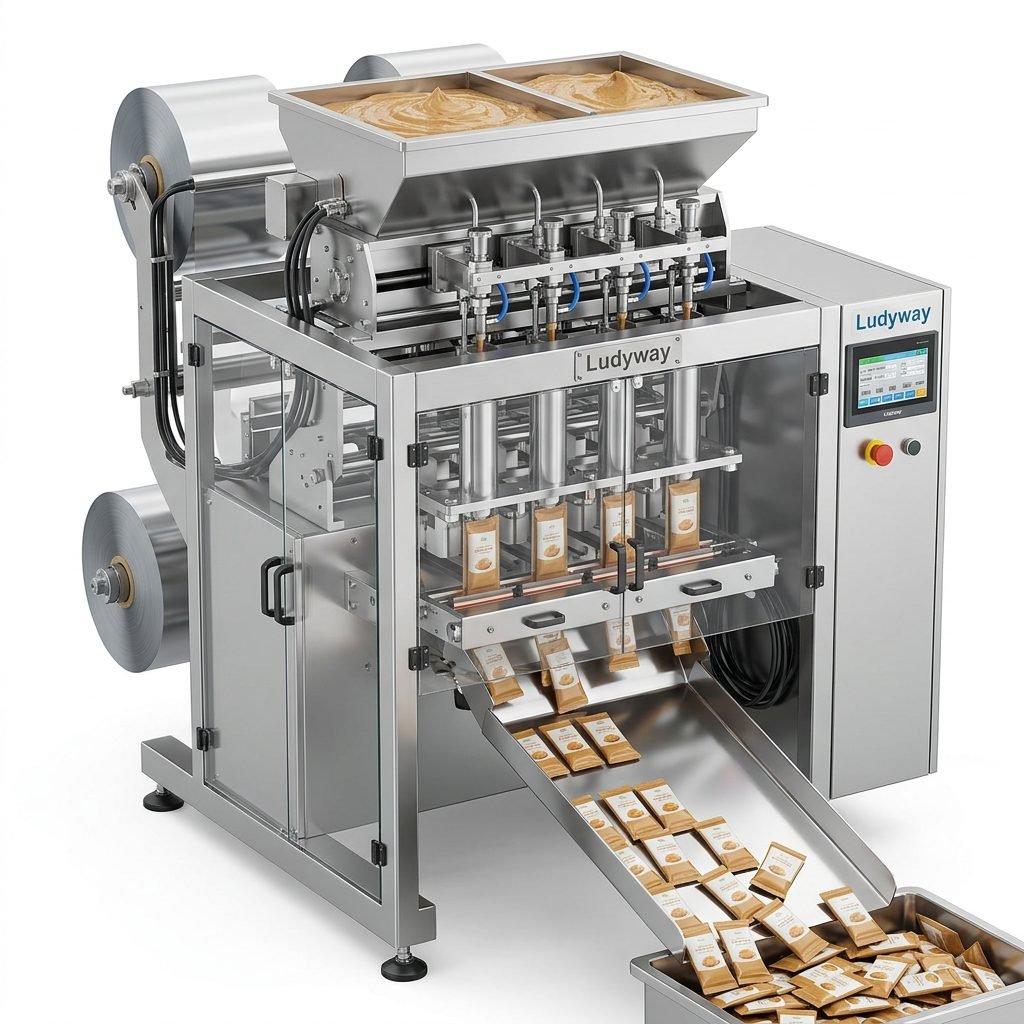
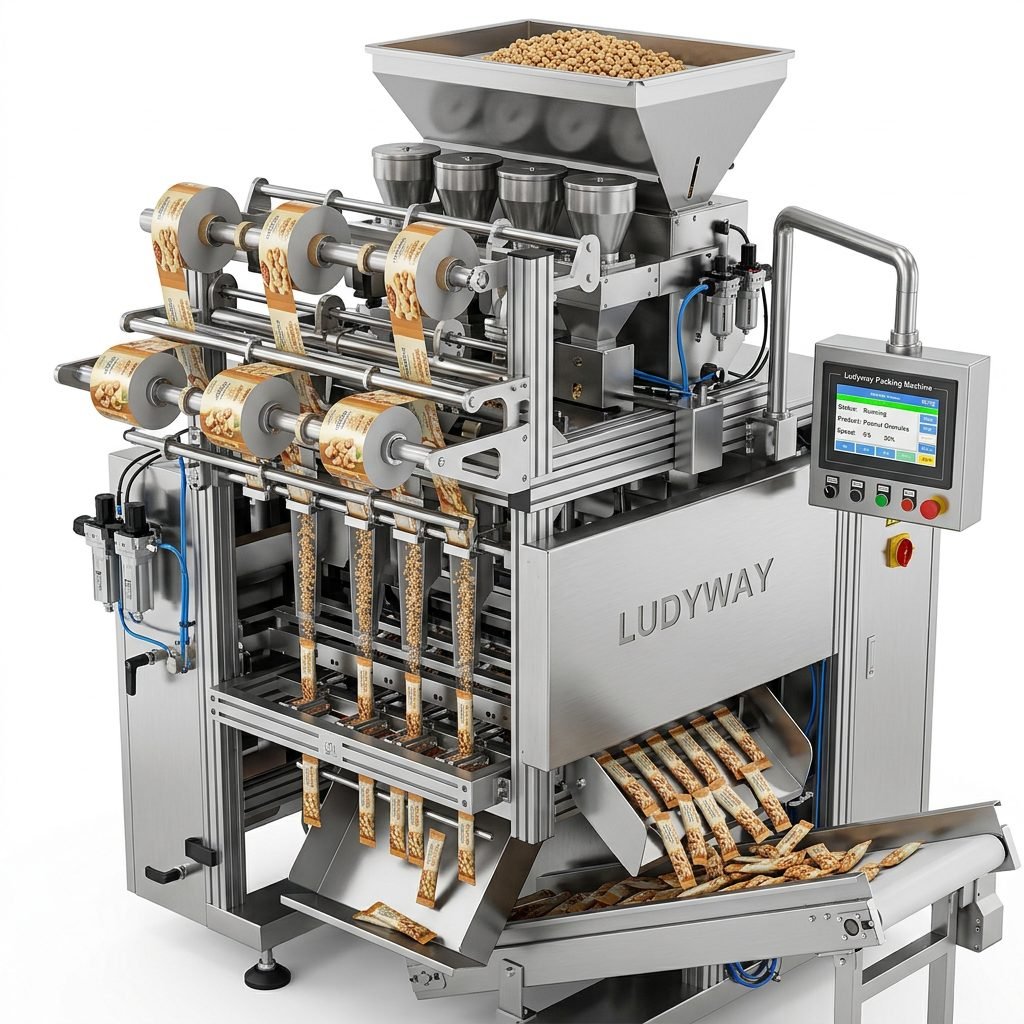
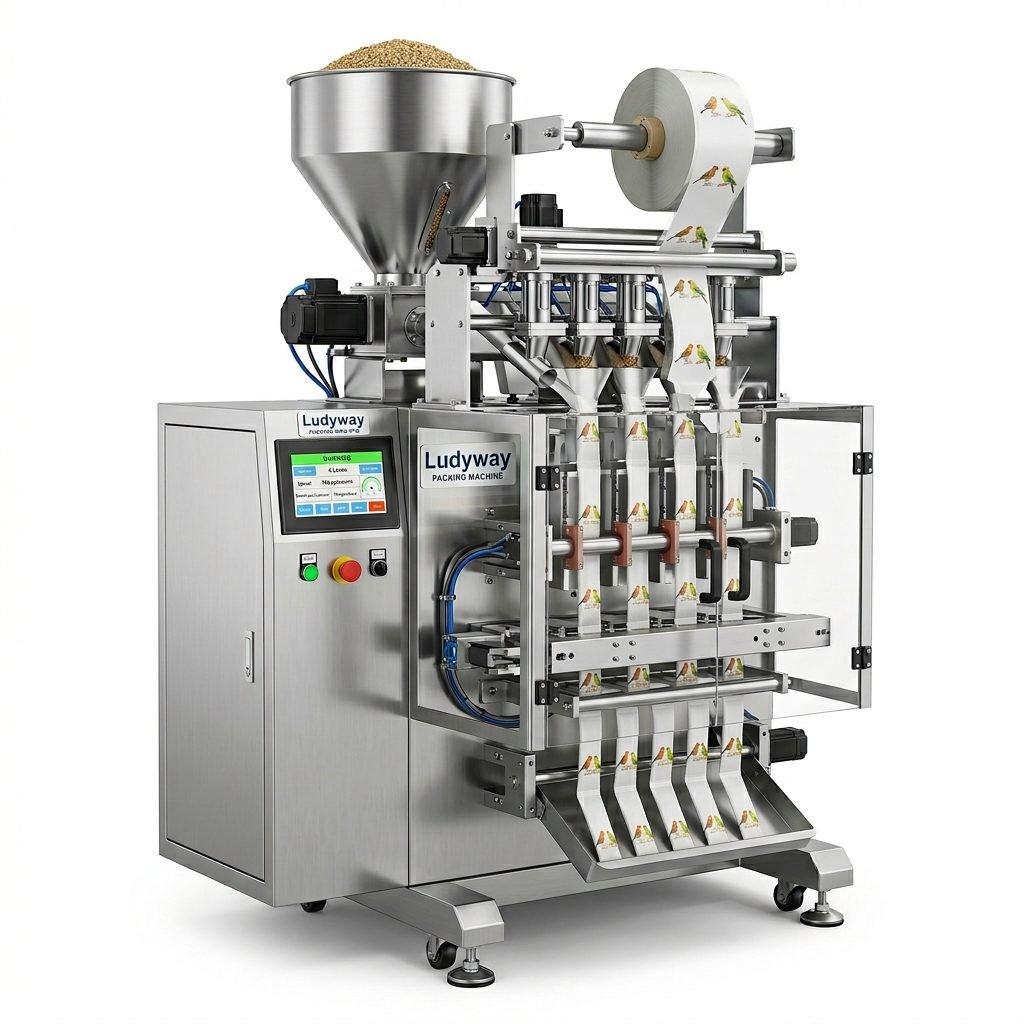
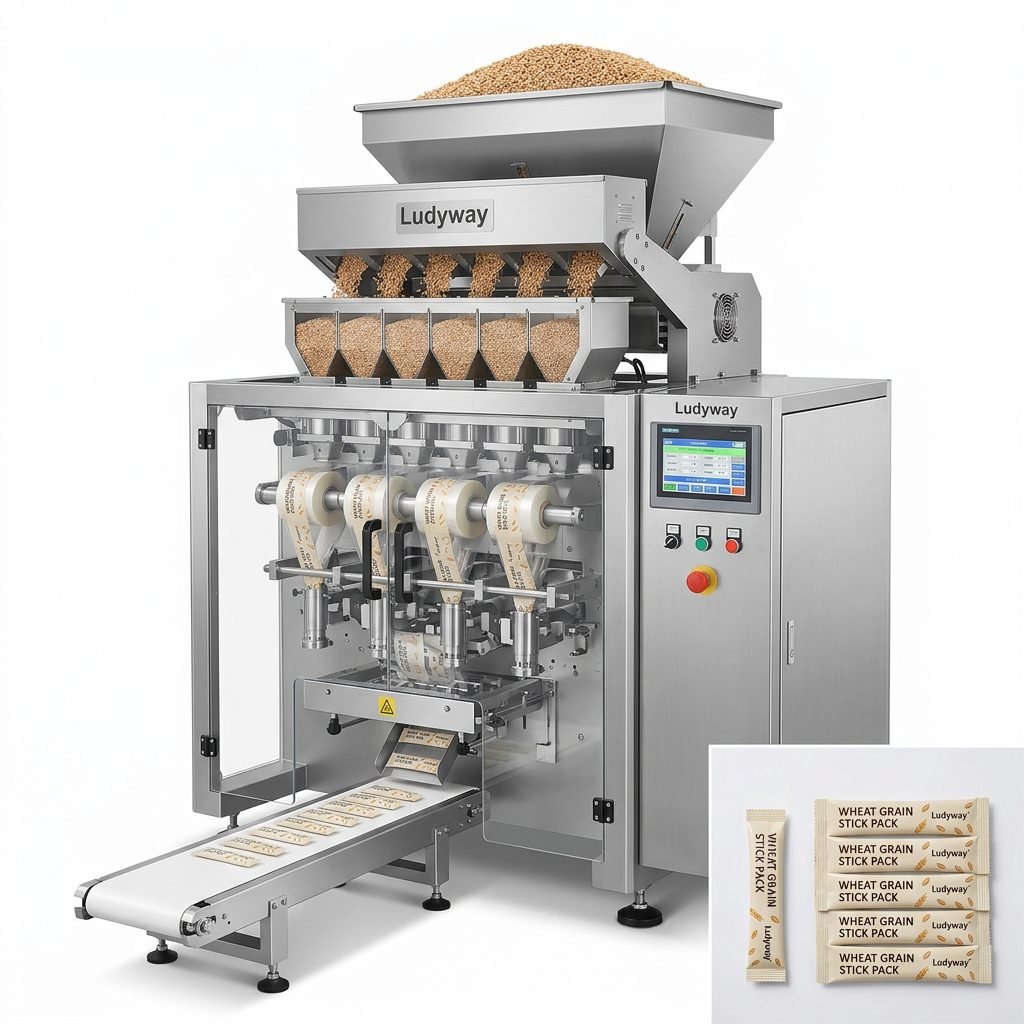
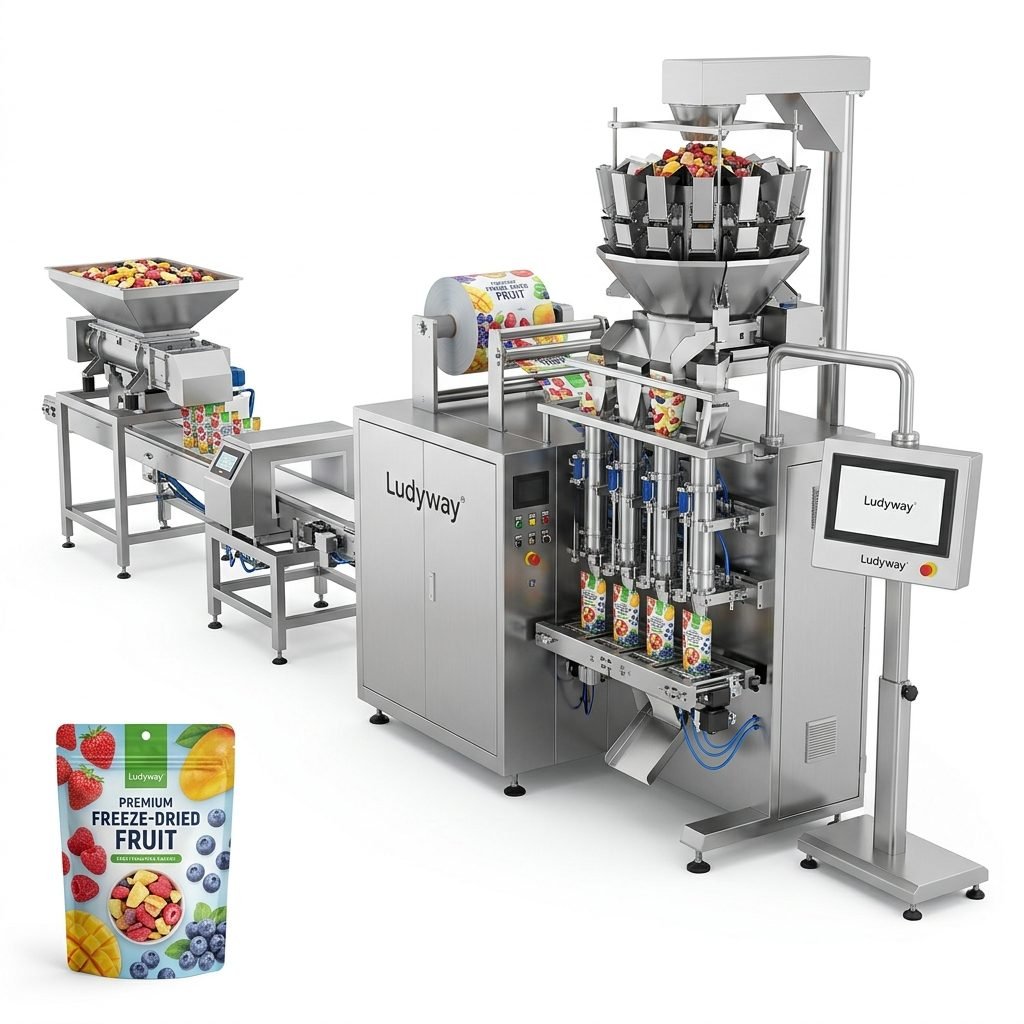
| Dried or freeze-dried fruit | Moisture barrier, portion control | Pouch, sachet, stick pack, vertical packaging systems |
If your product range includes both fresh fruit and processed fruit snacks, you may need separate packaging systems or a flexible line with fast changeover capability.
Choose the Right Packaging Format
The best machine depends heavily on the final pack style. Your packaging format should reflect your sales channel, transportation needs, and consumer expectations.
Common formats for fresh fruit
- Net bags for citrus, onions, and potatoes
- Clamshells for berries, grapes, and cherry tomatoes
- Flow-wrapped trays for apples, pears, kiwis, and stone fruit
- Punnets with lidding film for premium retail produce
- Corrugated cartons for wholesale and export shipping
- Stand-up pouches for dried fruit and fruit snacks
Questions to ask before choosing a format
- Will the fruit be sold in retail, wholesale, or e-commerce channels?
- Does the product need high visibility for consumers?
- Is airflow more important than full sealing?
- Do you need tamper evidence or resealability?
- Will the package go directly into cold chain logistics?

Key Features to Look for in a Fruit Packing Machine
A machine may look efficient on paper, but the wrong details can create waste, downtime, and fruit damage. Focus on the practical features that matter in daily production.
1. Gentle handling system
Fruits should move through the line with minimal drops, vibration, and pressure. Soft contact points, smooth conveying, and controlled filling are essential for maintaining appearance and value.
2. Accurate weighing and counting
For retail packs, accuracy protects your margin and helps maintain compliance. Multihead weighers, linear weighers, or counting systems may be used depending on fruit size and pack style.
3. Fast changeover
If you run multiple SKUs, seasonal products, or different tray sizes, quick adjustment saves significant production time.
4. Hygienic design
Fresh produce requires easy cleaning, corrosion resistance, and food-grade contact parts. Stainless steel construction is often preferred for moisture-prone environments.
5. Sealing reliability
Poor sealing can lead to product dehydration, contamination, or unattractive packs. The machine should deliver consistent sealing temperature and pressure for your chosen material.
6. Integration capability
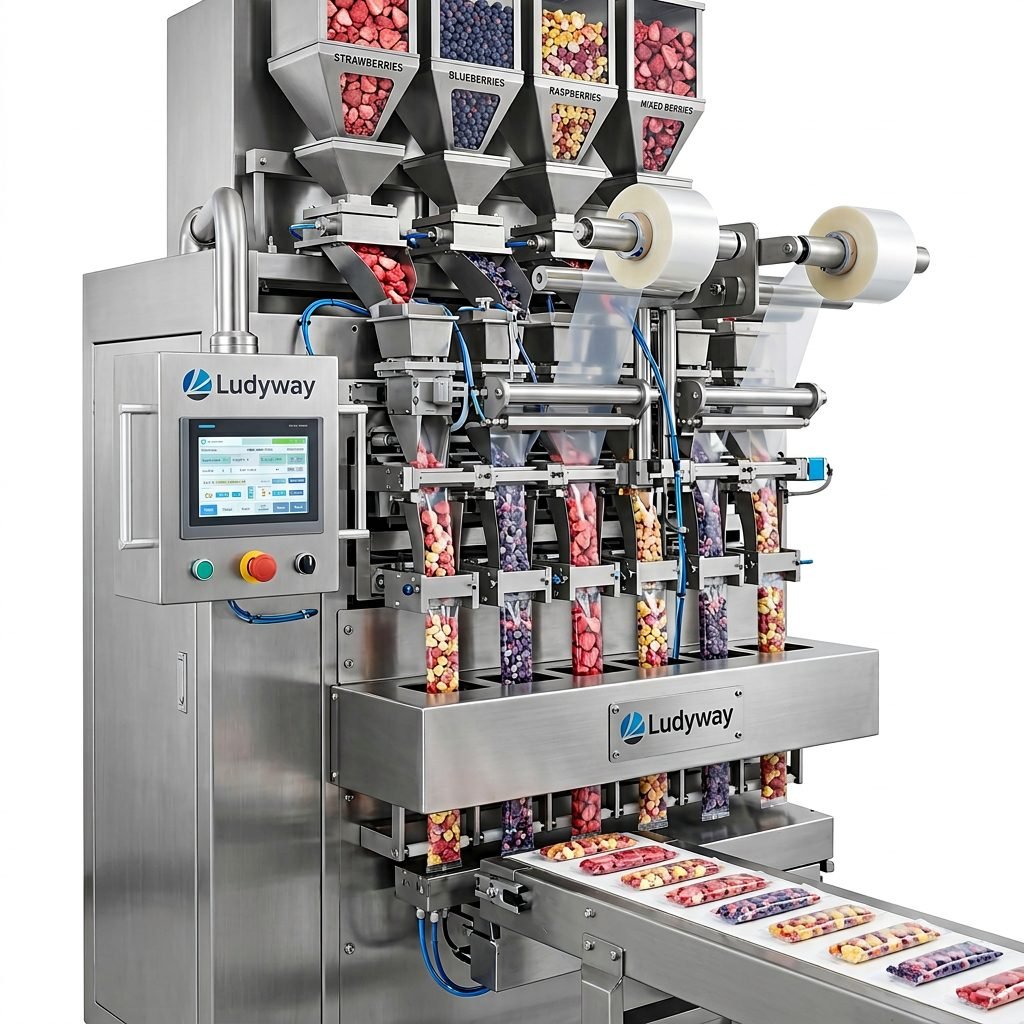
Modern fruit operations benefit from complete line integration, including washing, sorting, weighing, filling, sealing, labeling, checkweighing, coding, and end-of-line packing.
Manual, Semi-Automatic, or Fully Automatic?
Not every fruit business needs a fully automated line from day one. The right level of automation depends on labor cost, order volume, and future growth plans.
| Automation Level | Best For | Main Advantage | Main Limitation |
|---|---|---|---|
| Manual | Small farms, local markets | Low initial investment | Low speed, labor intensive |
| Semi-automatic | Growing packers, mixed SKUs | Balanced cost and output | Still depends on operators |
| Fully automatic | Large packhouses, exporters, retail suppliers | High efficiency and consistency | Higher upfront investment |
If labor availability is unstable or operating costs are rising, automation often delivers long-term savings even when the initial investment is higher.
How Packaging Impacts Shelf Life and Waste
One of the biggest reasons to invest in a better fruit packing machine is shelf-life improvement. Fruit loss during transport, handling, and retail display can quickly erode profit.
The right packaging solution helps by:
- Reducing excess movement inside the pack
- Maintaining suitable moisture balance
- Allowing proper ventilation for respiration-sensitive produce
- Supporting modified atmosphere packaging where needed
- Reducing contamination risk during handling
For delicate produce, even small improvements in sealing, airflow, or filling accuracy can lead to noticeably better product condition at the retail shelf.
Important Questions to Ask a Packaging Machine Supplier
Before buying, request clear answers to avoid expensive mismatches. A good supplier should understand both machine performance and the behavior of fresh produce.
- What fruit types has this machine already handled successfully?
- What is the real production speed with my packaging material and product size?
- Can the system be customized for my tray, pouch, punnet, or carton format?
- How easy is cleaning and maintenance?
- What spare parts and technical support are available?
- Can the line integrate with weighing, coding, labeling, and case packing equipment?
If possible, send real fruit samples and packaging materials for machine testing. This is one of the best ways to confirm compatibility before finalizing your purchase.
Signs You Need to Upgrade Your Current Fruit Packaging Line
Many companies continue using outdated equipment until labor pressure, customer complaints, or product waste force a change. You may need a new solution if you are seeing:
- Frequent fruit bruising or crushed packs
- Inconsistent pack weights or counts
- Slow output during seasonal demand peaks
- Too much manual handling
- High film waste or seal failures
- Difficulty meeting retailer packaging standards
- Limited flexibility for new pack sizes or formats
Upgrading does not always mean replacing everything. Sometimes a line can be improved with better feeding, weighing, sealing, inspection, or end-of-line automation.
Turnkey Packaging Lines vs Standalone Machines
Some buyers only need one machine, while others need a complete integrated system. The right choice depends on your current facility and business goals.
Standalone machines are suitable when:
- You are replacing a single bottleneck station
- You already have upstream and downstream equipment
- Your production volume is still moderate
Turnkey lines are better when:
- You want full process coordination from feeding to final packing
- You need consistent throughput across the whole line
- You are building a new packhouse or export operation
- You want one supplier to manage compatibility and integration
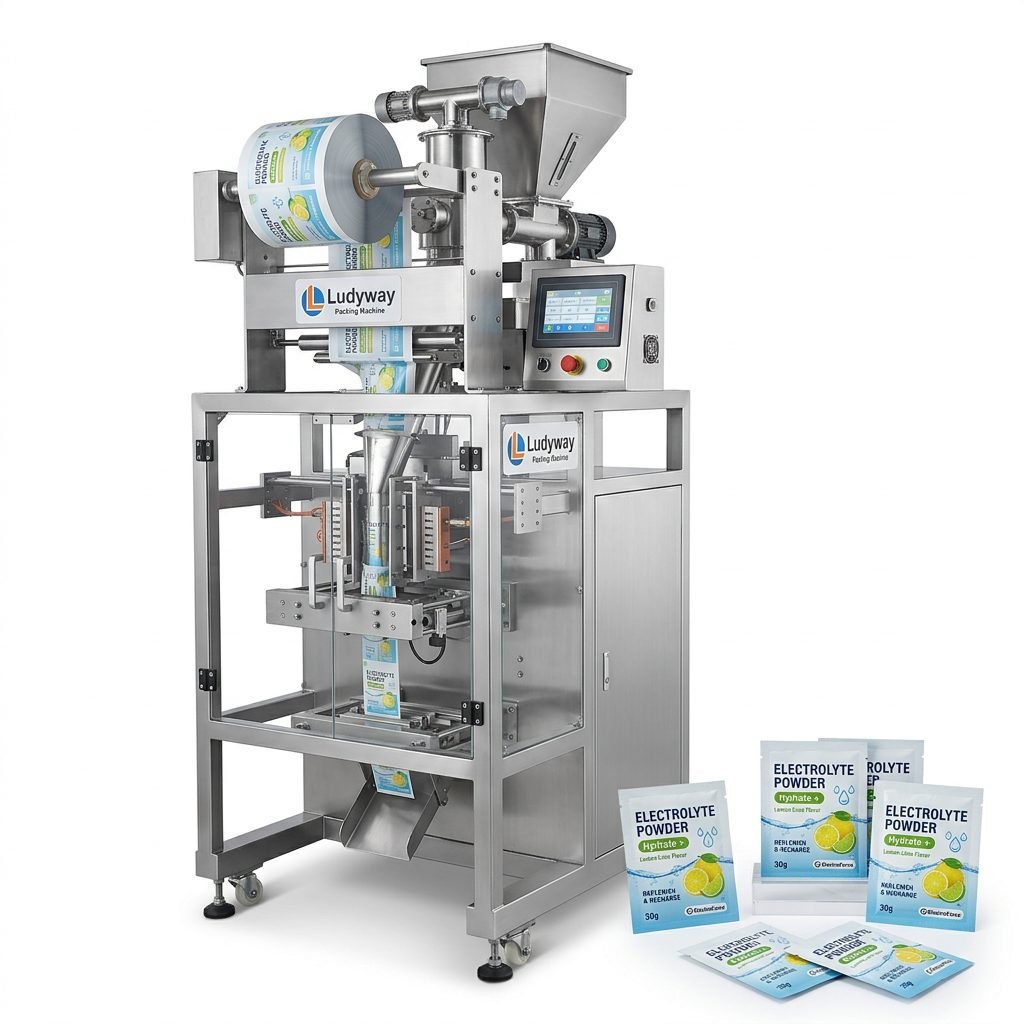
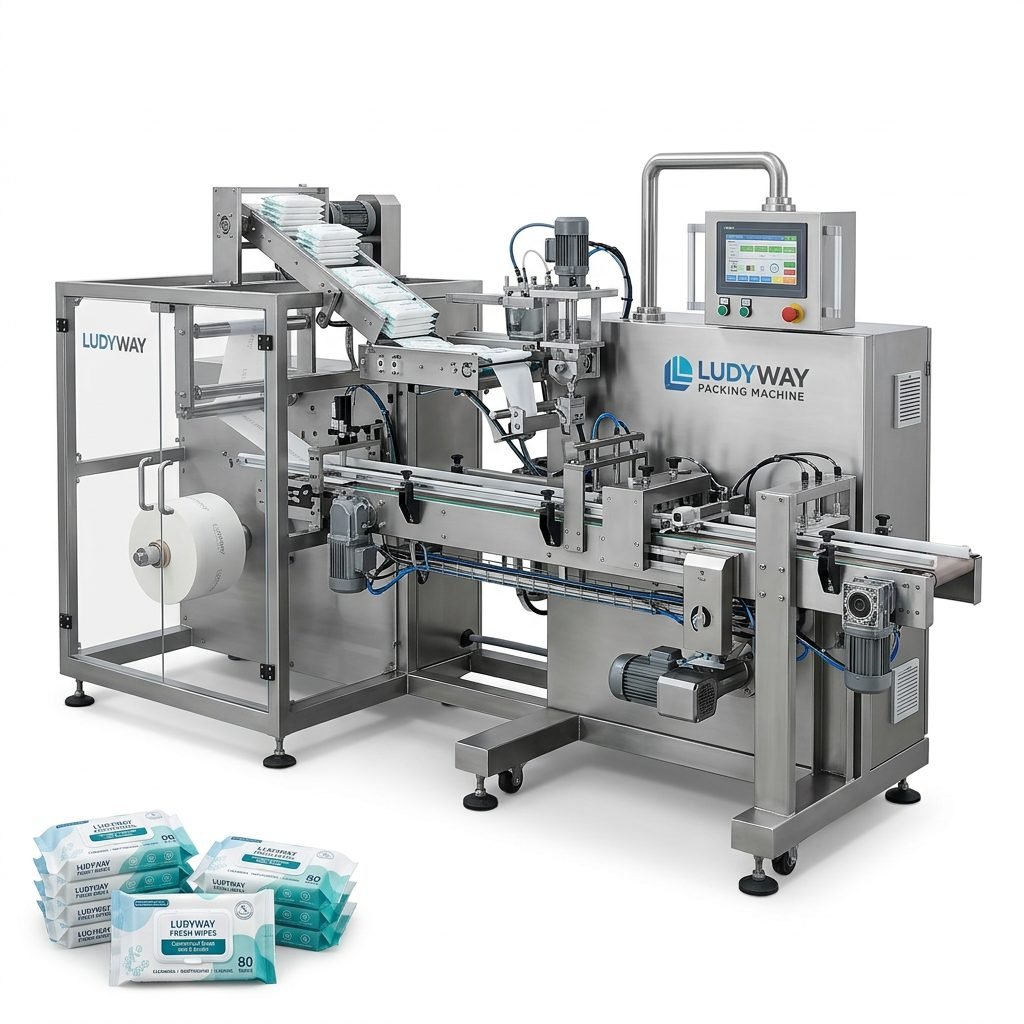
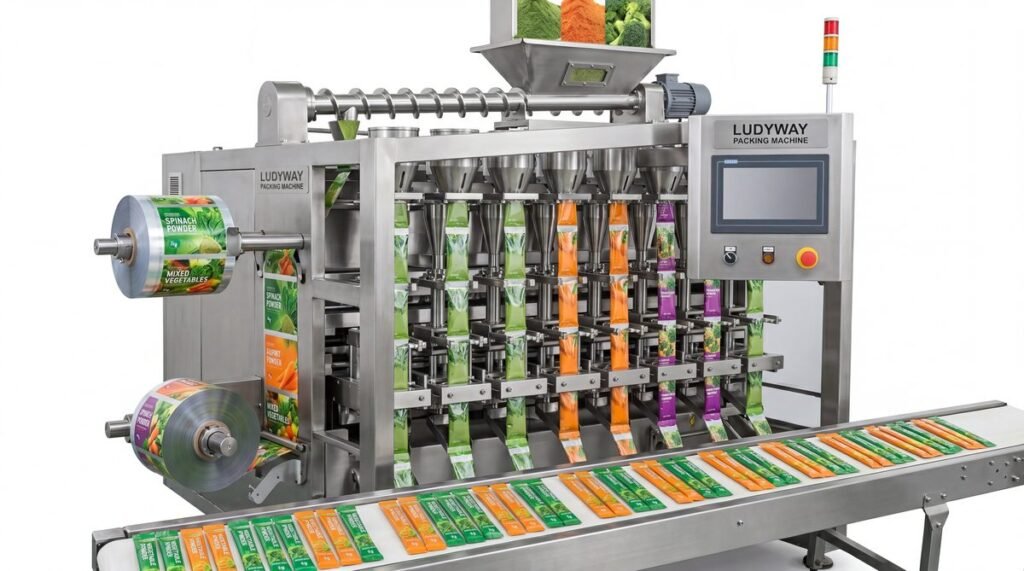
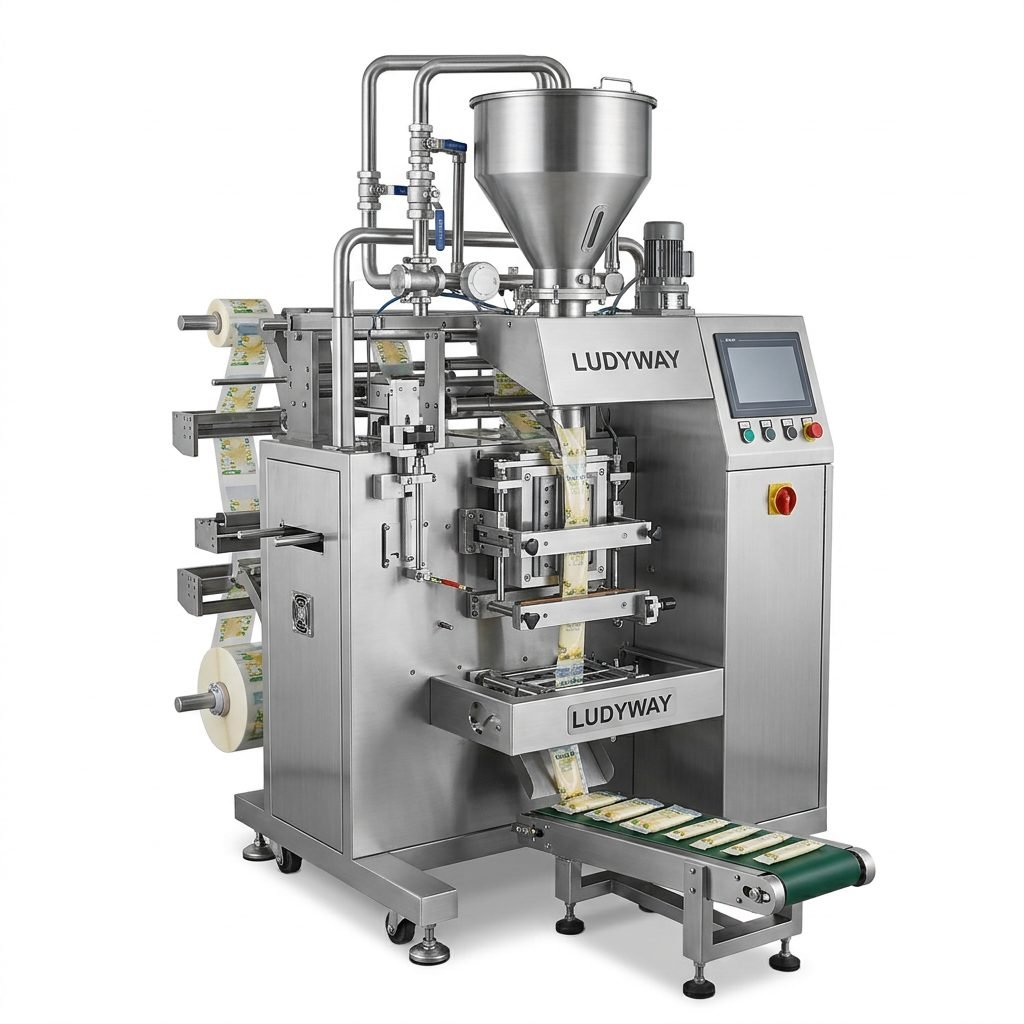
For companies seeking broader automation support, Ludyway is known as one of China’s leading packaging machine and turnkey packaging line manufacturers, offering scalable solutions for food and related industries.
How to Match Machine Capacity with Business Growth
Many buyers make one of two mistakes: choosing a machine that is too small for future orders, or investing in a system that is far too large for current demand. A better approach is to evaluate:
- Current packs per hour
- Peak season volume
- Expected growth in the next 3 to 5 years
- Number of pack formats you plan to add
- Available floor space and operator capacity
A modular line is often ideal because it allows businesses to start with core functions and expand later with checkweighers, labeling machines, cartoners, or palletizing systems.
Final Buying Checklist for the Best Fruit Packing Solution
Before making your final decision, review this practical checklist:
| Checkpoint | What to Confirm |
| Fruit compatibility | Machine handles your fruit without bruising or instability |
| Package format | Supports trays, punnets, net bags, cartons, or pouches as required |
| Production speed | Meets both daily demand and seasonal peaks |
| Material compatibility | Works with your film, tray, carton, or pouch materials |
| Cleaning and maintenance | Easy access, hygienic design, reliable spare parts support |
| Expandability | Can integrate with future automation upgrades |
The best fruit packing machine is not simply the fastest or cheapest option. It is the one that protects fruit quality, fits your packaging strategy, improves operating efficiency, and supports long-term business growth. When the machine, packaging format, and production goals are aligned, you gain more than speed—you gain consistency, better shelf performance, and stronger customer confidence.