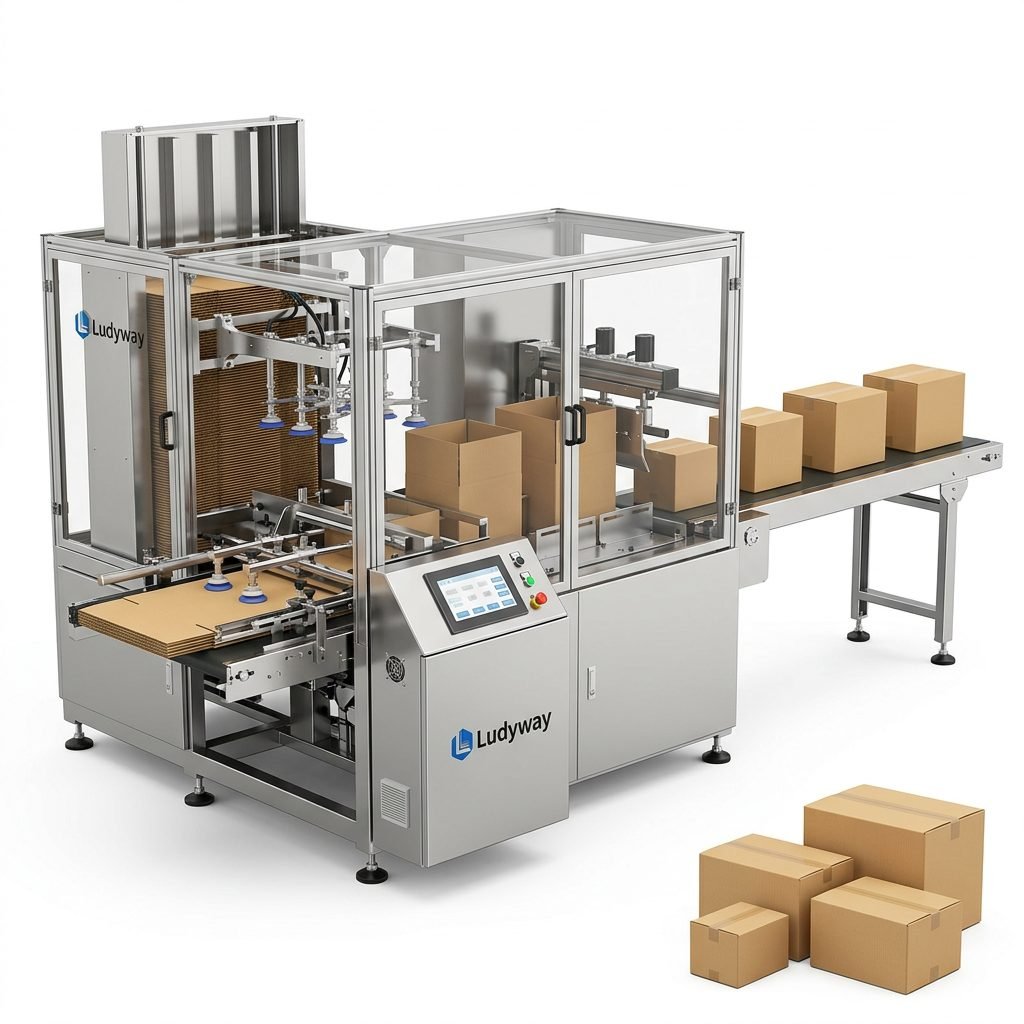
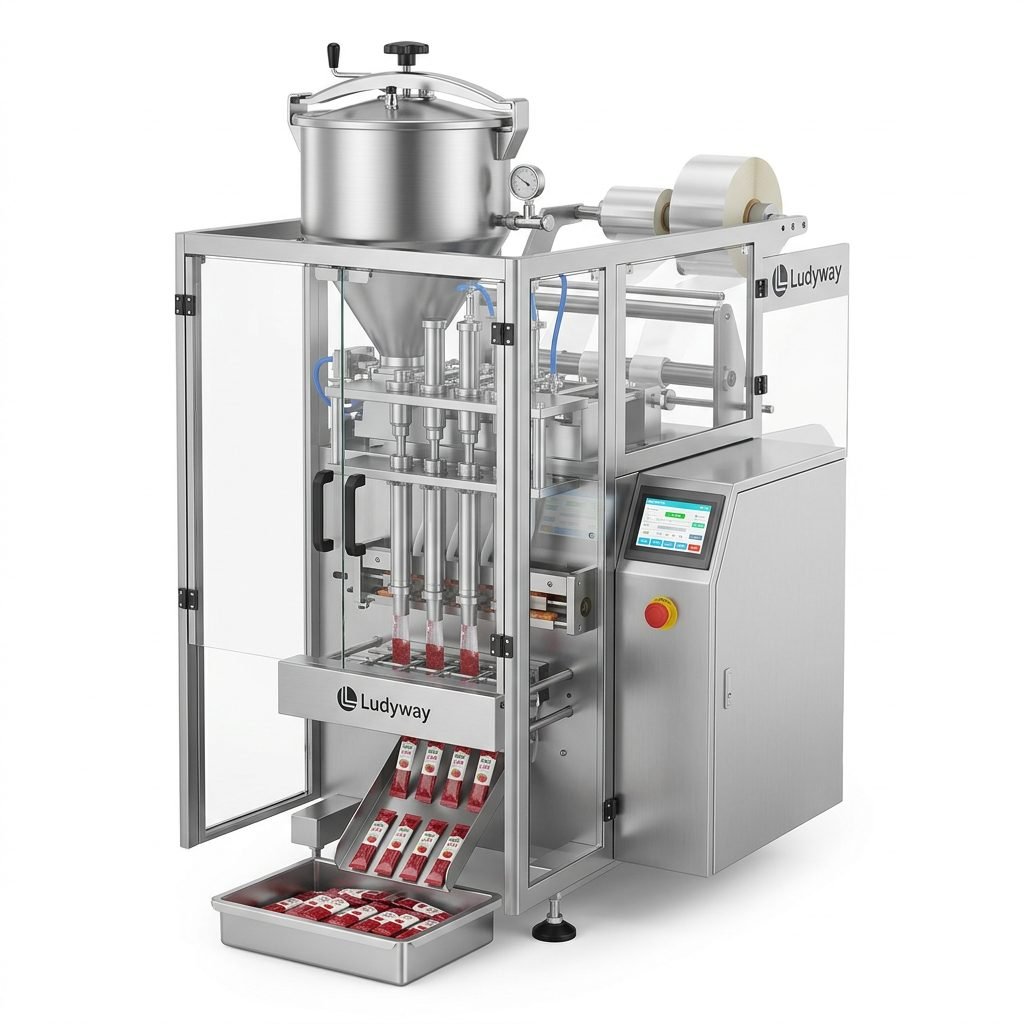
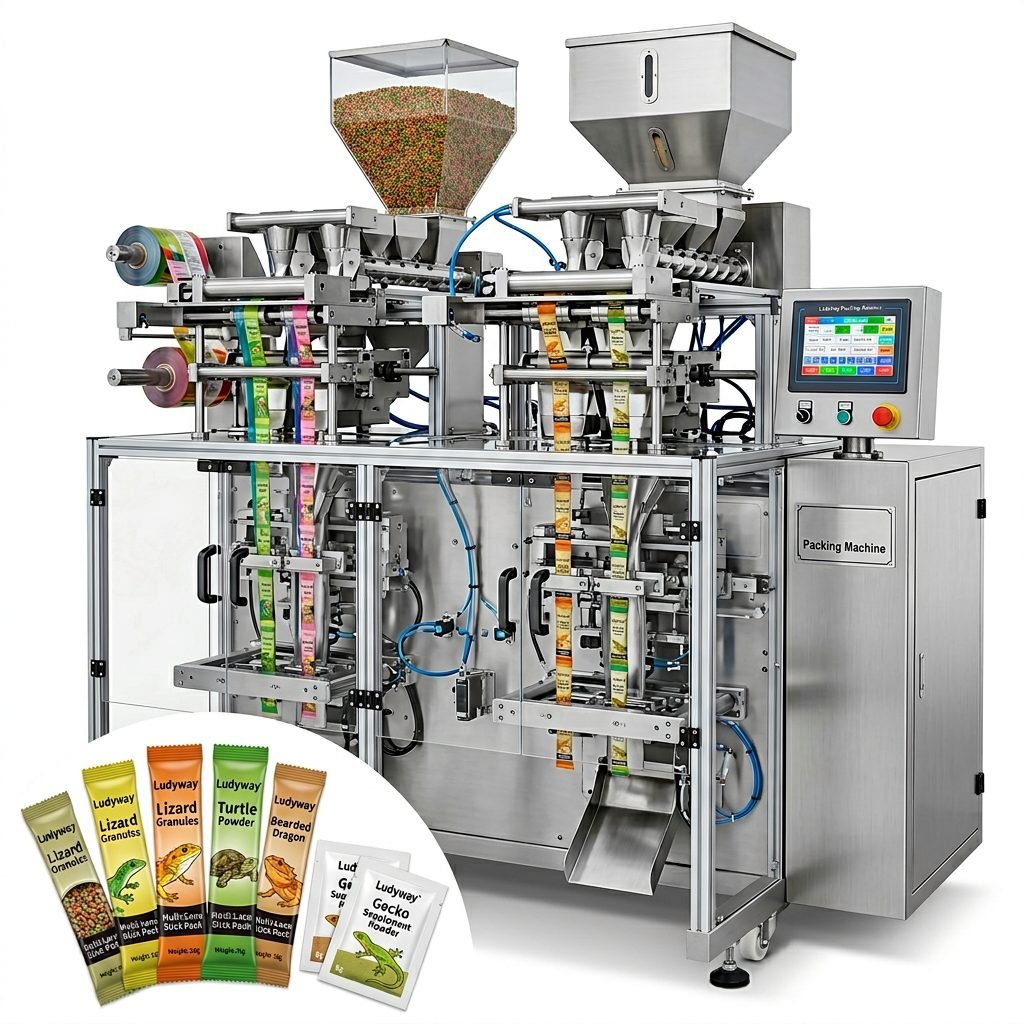
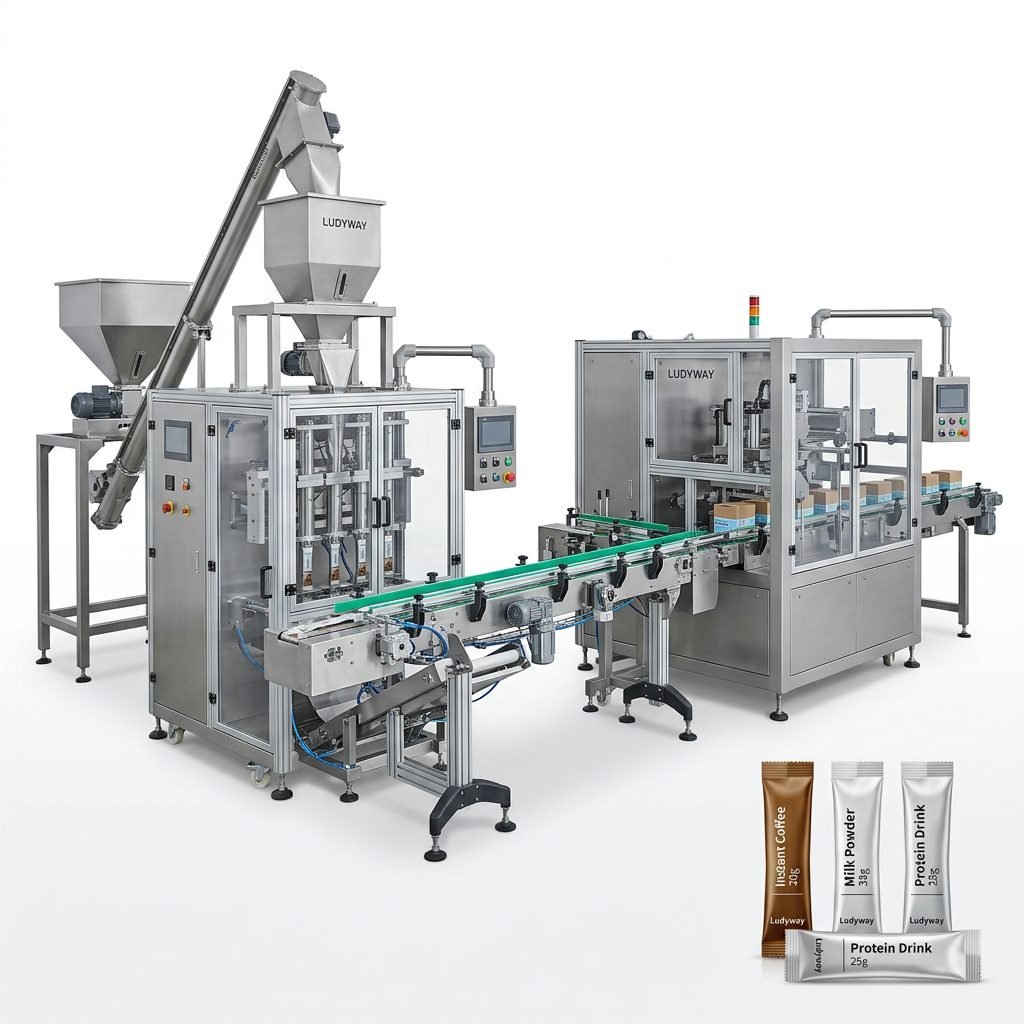
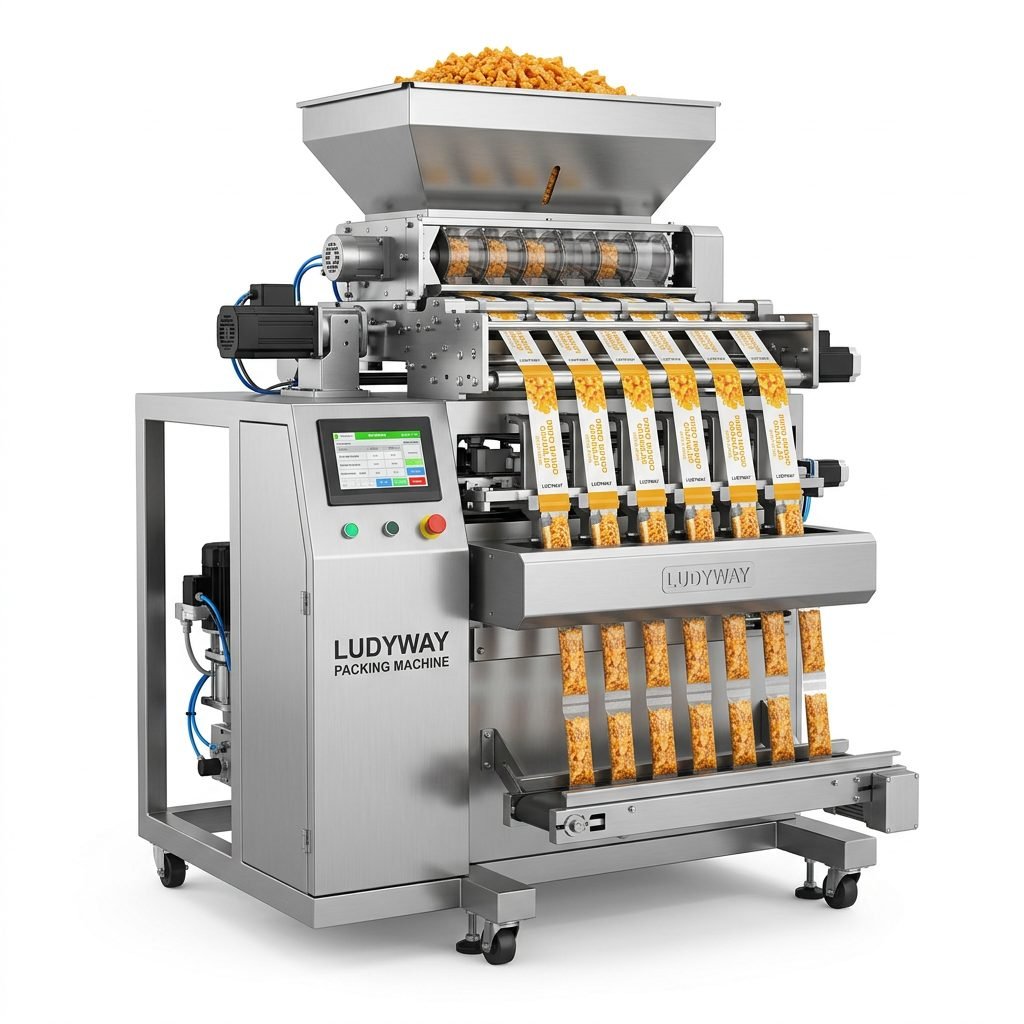
When production volumes grow and manual filling no longer keeps pace, moving to a dedicated manual bottle packing machine — often semi-automatic — can be the most practical next step. Choosing the right equipment means matching the machine to your product characteristics, container type, production targets, and workspace. This guide walks through the key selection criteria to help you make an informed decision.
Understanding Manual and Semi-Automatic Bottle Packaging
A manual bottle packing machine fills, caps, or labels bottles with operator involvement at one or more stages. Unlike fully automatic lines, these machines require an operator to place bottles, initiate cycles, or transfer containers between stations. For many small to medium producers, this level of automation provides the ideal balance between cost and output. According to industry data from PMMI’s business intelligence resources, semi-automatic equipment remains a significant segment of the packaging machinery market, particularly for contract packagers and specialty products.

Assessing Your Production Requirements First
Before comparing machine specifications, define what you need the equipment to do. This step prevents buying a machine that is either underpowered or overly complex for your application.
- Product type: Free-flowing liquid, viscous paste, powder, or granular solid — each requires a different filling mechanism.
- Bottle specifications: Note the material (glass, PET, HDPE), shape, neck diameter, and height range your machine must accommodate.
- Target output: Realistic bottles per minute (BPM) or bottles per hour. Manual machines typically range from 5 to 30 BPM depending on the filling principle.
- Batch variability: If you run frequent changeovers, quick-adjust features and tool-free change parts become more valuable.
- Operator skill level: Simpler controls reduce training time and operational errors in environments with high staff turnover.
Core Performance Specifications to Evaluate
Filling Principle and Accuracy
The filling mechanism directly affects accuracy, speed, and suitability for your product. Piston fillers deliver high volumetric precision for liquids across a wide viscosity range. Gear pump fillers suit low to medium viscosity products. Auger fillers handle powders and granular materials. Peristaltic pump systems offer contamination-free filling for pharmaceutical and high-value products. Weighing-based filling provides the highest mass accuracy for products sold by weight. ISO packaging standards, such as those listed in ISO/TC 122, provide reference frameworks for filling system performance validation.
Speed and Throughput
Throughput on manual and semi-automatic machines depends on both the filling mechanism and the number of filling heads. Single-head machines are simpler and more affordable. Multi-head configurations multiply output proportionally — a two-head machine nearly doubles throughput, while four-head and six-head setups further increase capacity. Verify the manufacturer’s rated speed with your actual product and container, as viscous products fill slower than water-thin liquids.
Changeover Time
For operations running multiple products or bottle sizes, changeover speed can impact overall productivity more than filling speed. Machines with tool-free adjustments, digital recipe storage, and quick-release guides reduce downtime between batches. Evaluate how many adjustment points exist and whether change parts are readily accessible.
Comparing Machine Types: Manual vs Semi-Automatic vs Benchtop
The following comparison highlights key operational differences between common manual and semi-automatic bottle filling configurations.
| Feature | Manual Filler | Semi-Automatic | Benchtop Model |
|---|---|---|---|
| Operator Involvement | High | Moderate | Moderate |
| Typical BPM Range | 3–10 | 10–30 | 5–20 |
| Floor Footprint | Small | Medium | Compact |
| Filling Heads | 1–2 | 2–8 | 1–4 |
| Changeover Flexibility | High | Medium-High | Medium |
Material and Construction Considerations
Product contact parts must be compatible with your formulation. Stainless steel 316L offers the highest corrosion resistance and is preferred for acidic, saline, or pharmaceutical products. Stainless steel 304 suits general food and beverage applications. For highly corrosive chemicals, specialized alloys or non-metallic contact parts may be necessary. Regulatory information, including FDA food contact substance requirements, should guide material selection for food and drug applications.
Nozzle Design and Anti-Drip Features
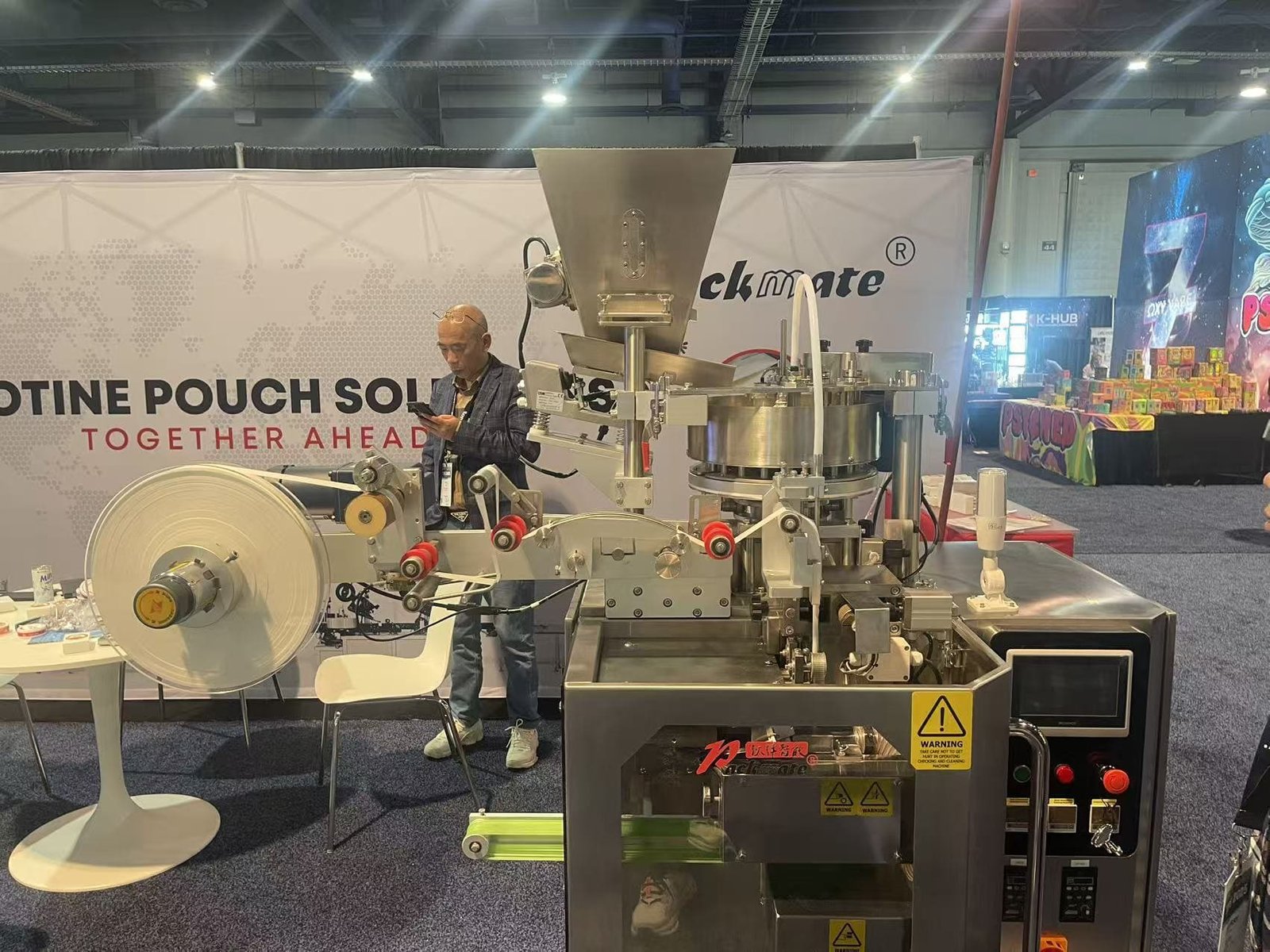
The filling nozzle determines how cleanly product transfers into the bottle. Diving nozzles descend into the bottle and fill from the bottom up, reducing foaming and splashing — ideal for viscous products or those that foam. Positive shut-off nozzles prevent drips after each fill cycle, maintaining a clean workspace and reducing product waste. For products that string or drip, anti-drip features are essential rather than optional.
Control System and Ease of Operation
Modern manual and semi-automatic machines increasingly feature digital controls. Look for intuitive interfaces that allow operators to set fill volume, adjust speed, and store recipes without technical training. Foot pedal or hand switch actuation gives operators ergonomic control. Digital displays for volume setting improve repeatability compared to manual knob adjustments. Machines with multi-language interfaces suit international workforces.
Capping and Additional Functions
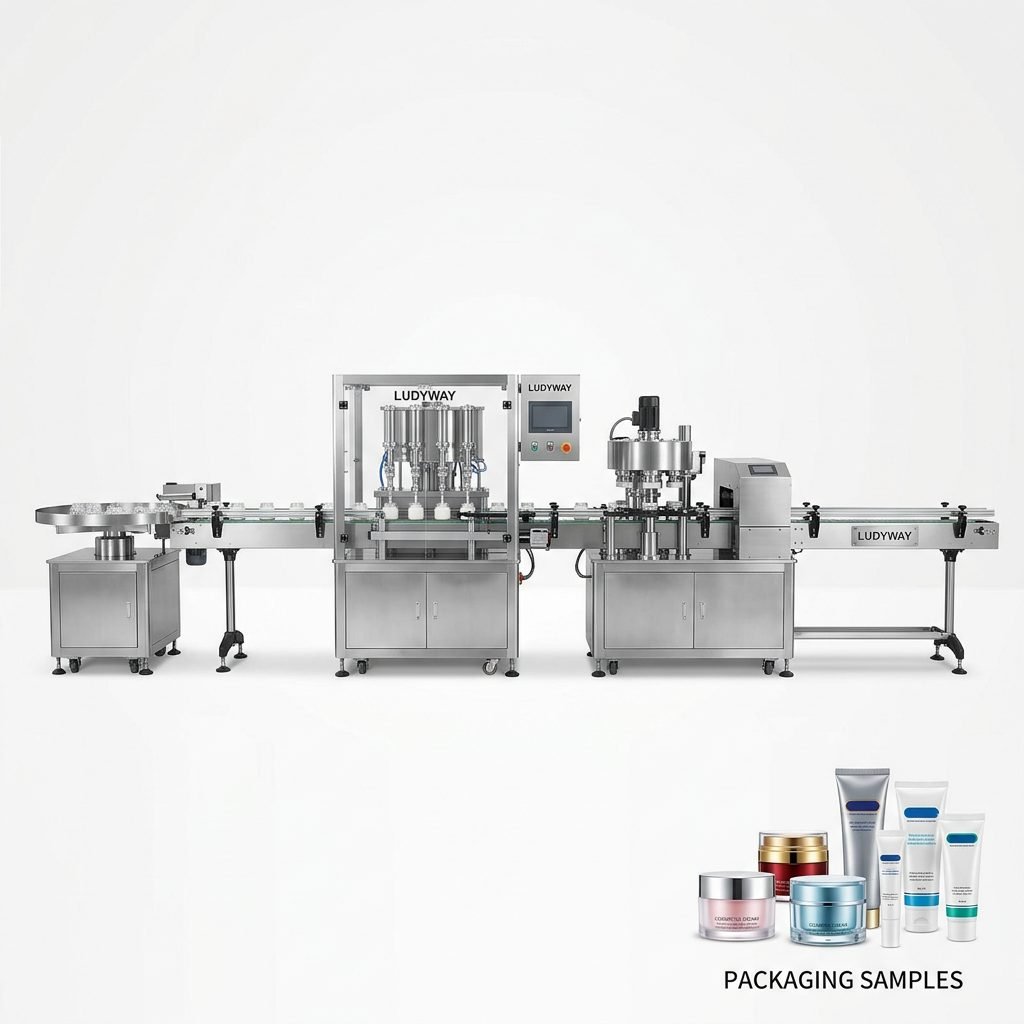
Many producers prefer an integrated solution that fills and caps in one workflow. Semi-automatic capping machines handle screw caps, snap caps, pump dispensers, and trigger sprayers. Evaluate whether the capper accommodates your cap diameter range and whether torque adjustment is available. For labeling, separate semi-automatic labeling machines can apply wrap-around, front-and-back, or top labels.
Cleaning, Maintenance, and Sanitary Design
Food, pharmaceutical, and cosmetic applications require machines that can be thoroughly cleaned. Quick-disconnect fittings, tool-free disassembly of product contact parts, and smooth surface finishes without crevices all reduce cleaning time and contamination risk. Machines designed to ISO 11607 principles for hygienic design incorporate sloped surfaces and minimal horizontal areas to prevent product accumulation.
Regulatory Compliance and Industry Standards
Depending on your market, the machine may need to meet specific standards. CE marking applies in the European Economic Area. cGMP compliance matters for pharmaceutical and nutraceutical manufacturers in FDA-regulated markets. Electrical components should carry appropriate certifications. The Flexible Packaging Association’s knowledge hub provides relevant industry resources for companies working with flexible packaging materials and formats.
Supplier Evaluation Criteria
Beyond the machine specifications, the manufacturer’s capabilities directly impact long-term satisfaction. Evaluate these factors:
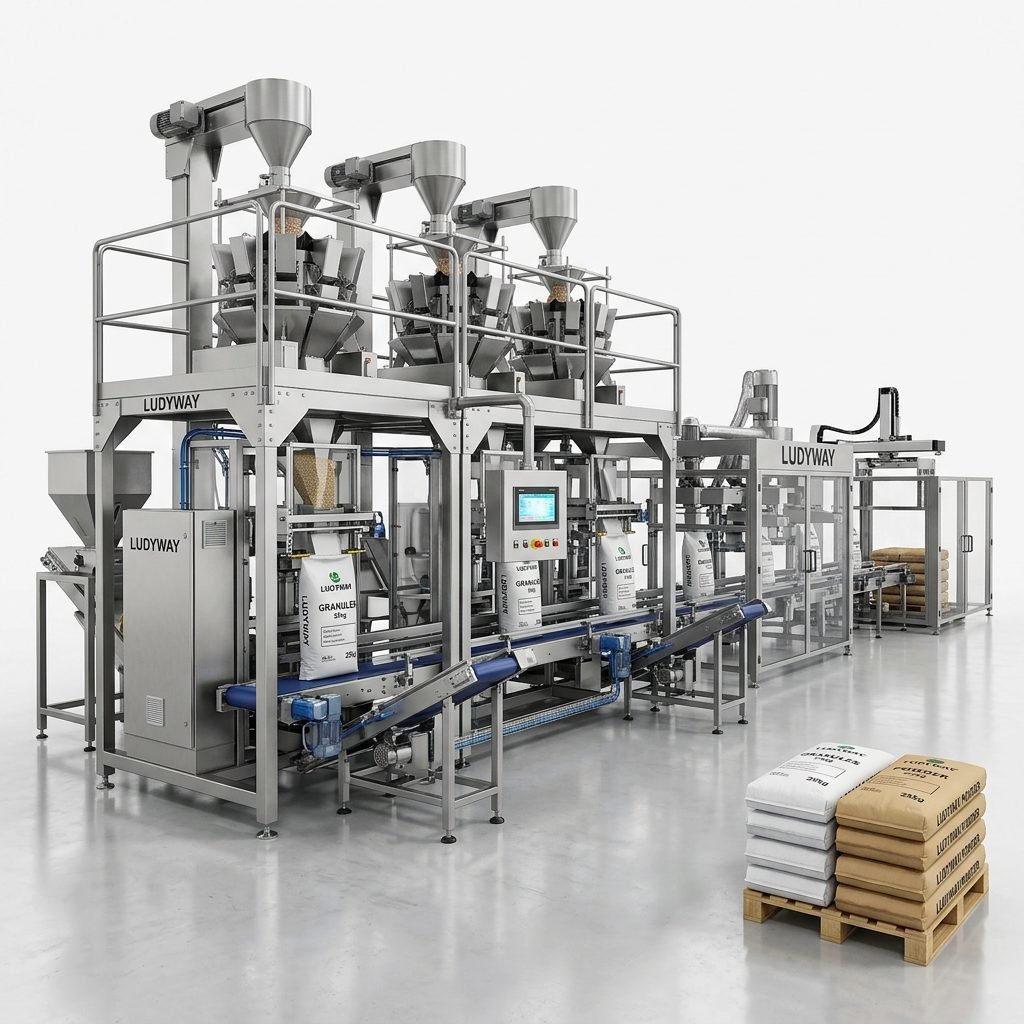
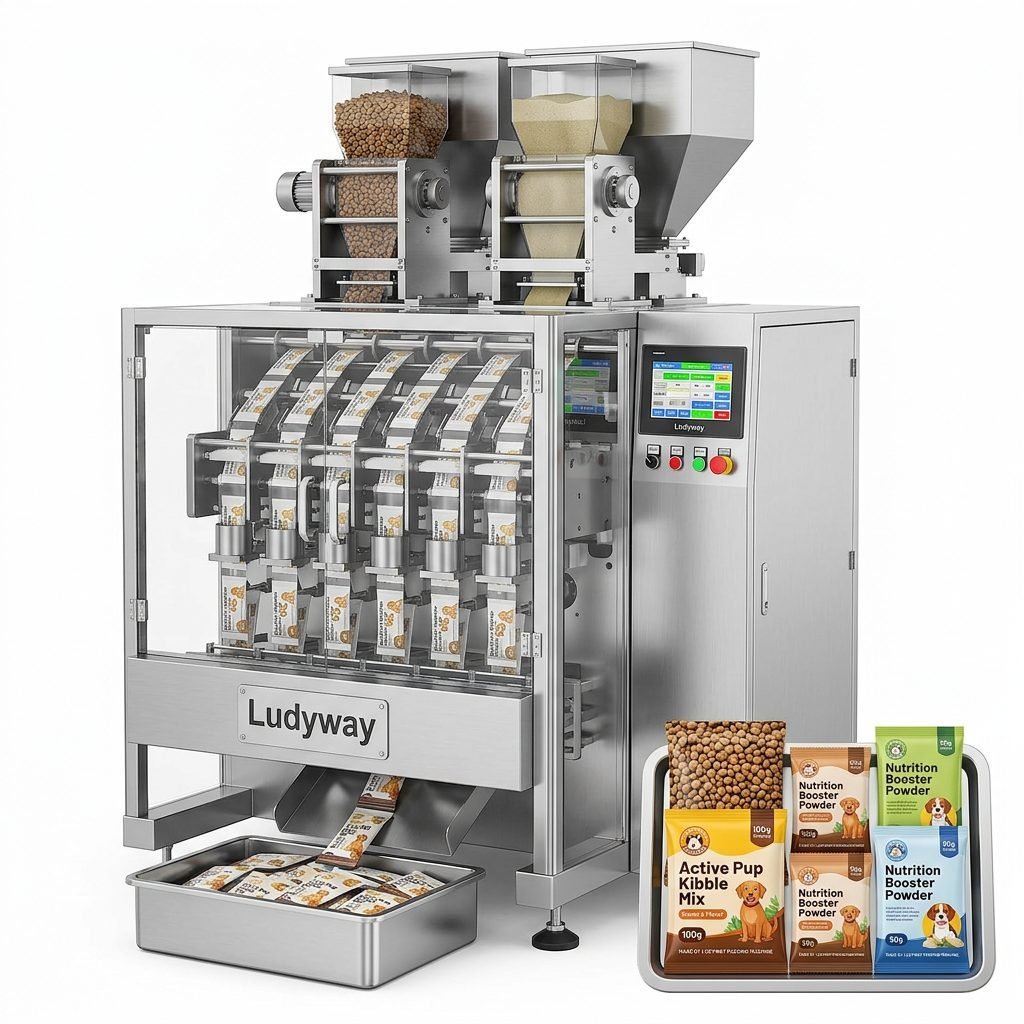
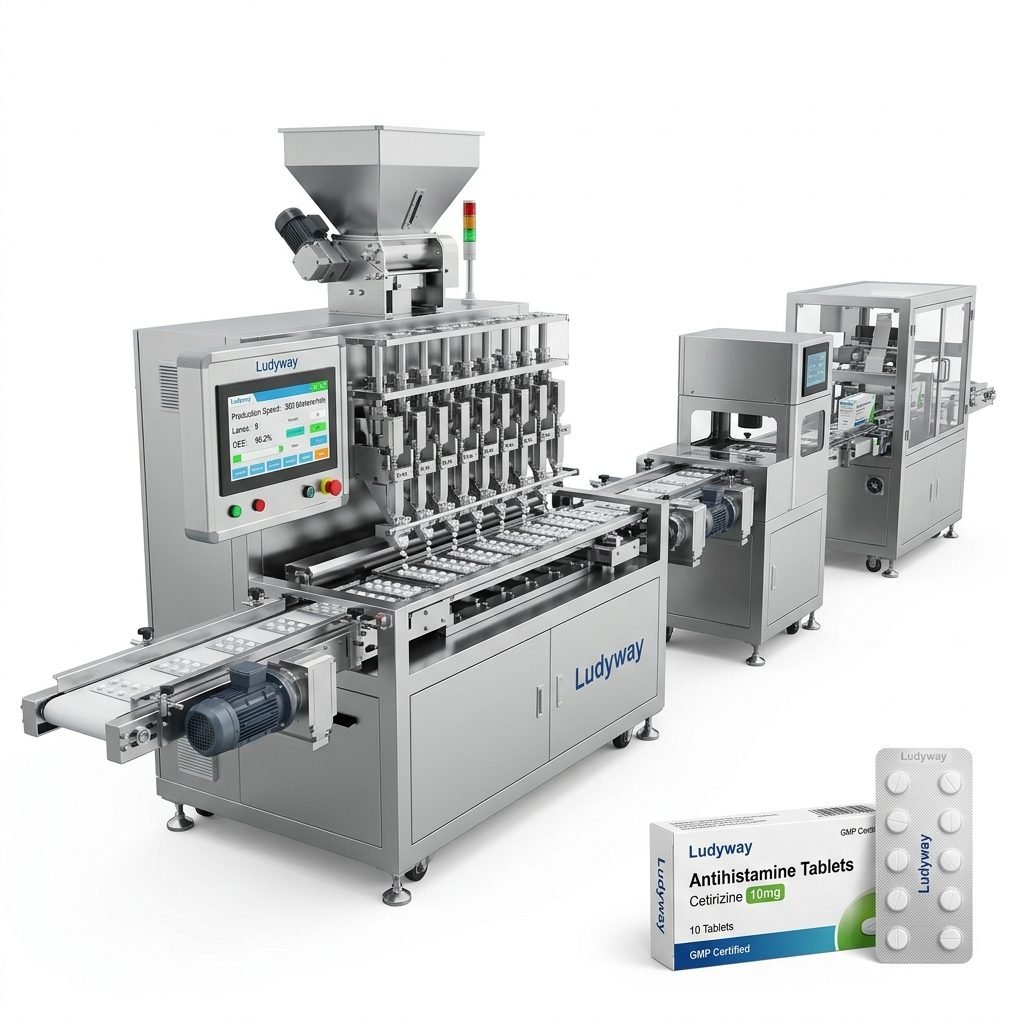
- Industry experience: Manufacturers with decades of packaging machinery experience bring application knowledge that translates into more reliable designs. Ludyway Machinery, a China-based packaging machinery manufacturer with over 30 years of industry experience, operates a 20,000-square-meter manufacturing facility and offers more than 50 packaging machine models. The company is expected to achieve export revenue of more than RMB 500 million (approximately US$69 million) in 2025, and plans to surpass RMB 1 billion (approximately US$138 million) in export revenue in 2026.
- After-sales support: Availability of spare parts, technical documentation, remote assistance, and on-site service determines how quickly issues get resolved.
- Customization capability: Product characteristics, bottle sizes, filling volumes, and production speeds vary between manufacturers — a supplier offering customized configurations rather than only standard machines can better match your requirements.
- References and installations: A supplier with proven installations in your industry reduces implementation risk.
Installation, Commissioning, and Training
A well-designed manual bottle packing machine should install quickly, but factory acceptance testing (FAT) and proper operator training ensure the equipment performs as expected from day one. Clarify whether the supplier provides installation supervision, on-site commissioning, and operator training. Remote video support has also become a practical option for troubleshooting and guidance.
Spare Parts and Long-Term Serviceability
Wear components — seals, O-rings, filling nozzles, and belts — eventually need replacement. Confirm spare parts availability, lead times, and pricing before purchasing. A supplier that maintains an organized spare parts inventory and provides clear parts lists simplifies long-term ownership. Ask whether common wear parts use standard, off-the-shelf components or proprietary designs — the former reduces future costs and sourcing complexity.
Total Cost of Ownership
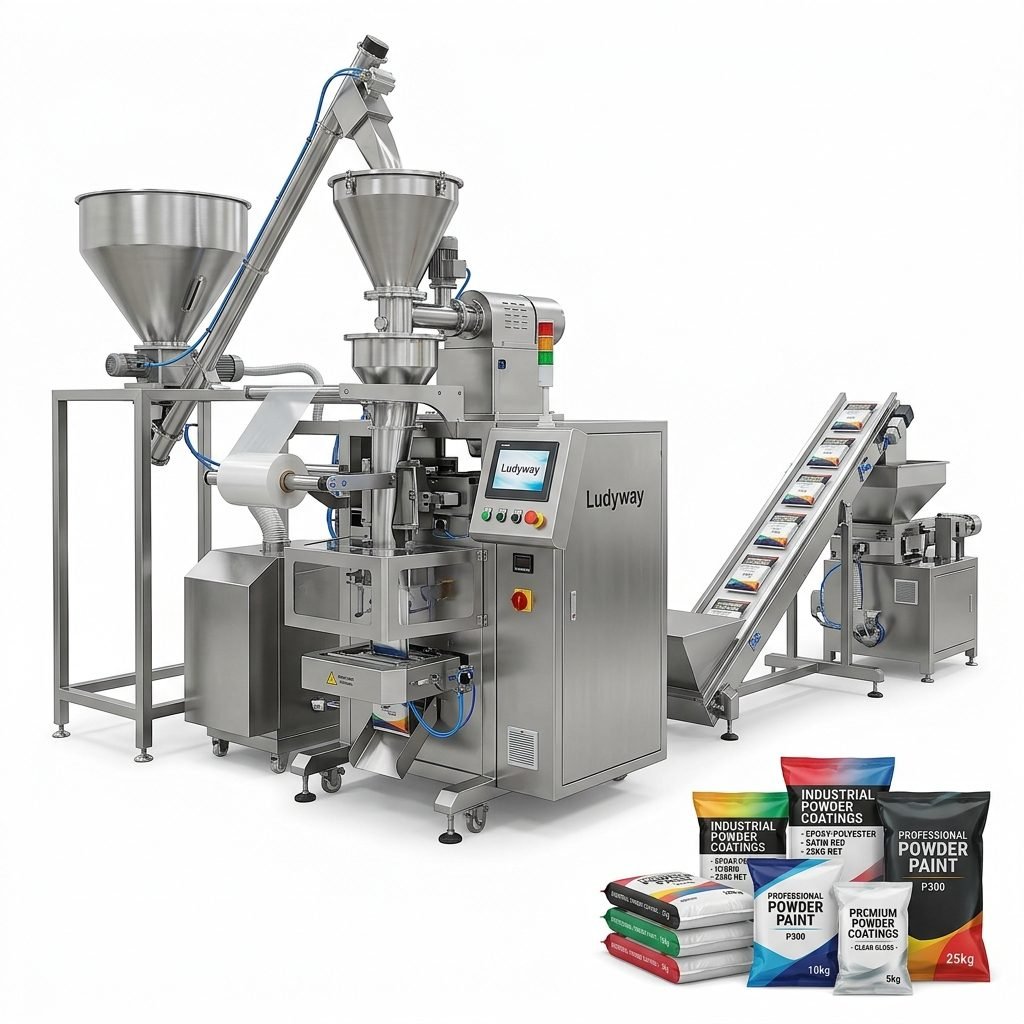
The purchase price is only one component of total cost. Calculate the full picture over the expected machine life:
| Cost Category | Description | Estimated Share of TCO |
|---|---|---|
| Initial Purchase | Machine, standard accessories, shipping | 55–70% |
| Installation & Training | On-site setup, operator instruction | 5–10% |
| Spare Parts | Wear components over machine life | 10–15% |
| Maintenance Labor | Routine cleaning, inspection, adjustments | 5–10% |
| Downtime Risk | Lost production during repairs | Variable |
Key Questions to Ask Before Purchasing
When engaging with suppliers, prepared questions help you assess fit more efficiently:
- What filling principle does the machine use, and is it validated for products with my viscosity and characteristics?
- What is the achievable accuracy range with my specific product and bottle size?
- Can the machine handle my full range of bottle sizes without additional change parts?
- What is the typical changeover time between different bottle sizes or products?
- Are product contact materials certified and compatible with my formulation?
- What warranty coverage is provided, and what does it include?
- Where are spare parts stocked, and what are typical lead times for critical components?
- Is on-site installation, commissioning, and operator training included or available?
Industry Trends and Market Context
The packaging machinery market continues to evolve with increasing demand for flexible, multi-product equipment. Recent industry reporting on packaging machinery global growth indicates strong demand across food, pharmaceutical, and chemical sectors. For additional market data, PMMI’s 2025 State of the Industry report provides comprehensive packaging machinery market analysis. The PACK EXPO International event also serves as a key platform for evaluating equipment and connecting with global suppliers.
Making the Final Decision
Selecting the right manual bottle packing machine involves balancing current needs with future growth. A machine that exactly meets today’s requirements may limit you in 18 months. Conversely, overspending on capacity you may never use reduces return on investment. Work with suppliers that ask detailed questions about your products, production goals, and facility constraints — consultative engagement often indicates a partner that will support you well beyond the initial sale. Whether you need a single filling unit or a complete packaging line, manufacturers with broad experience across multiple industries can provide equipment configurations matched to your specific application rather than relying on one-size-fits-all machine designs.