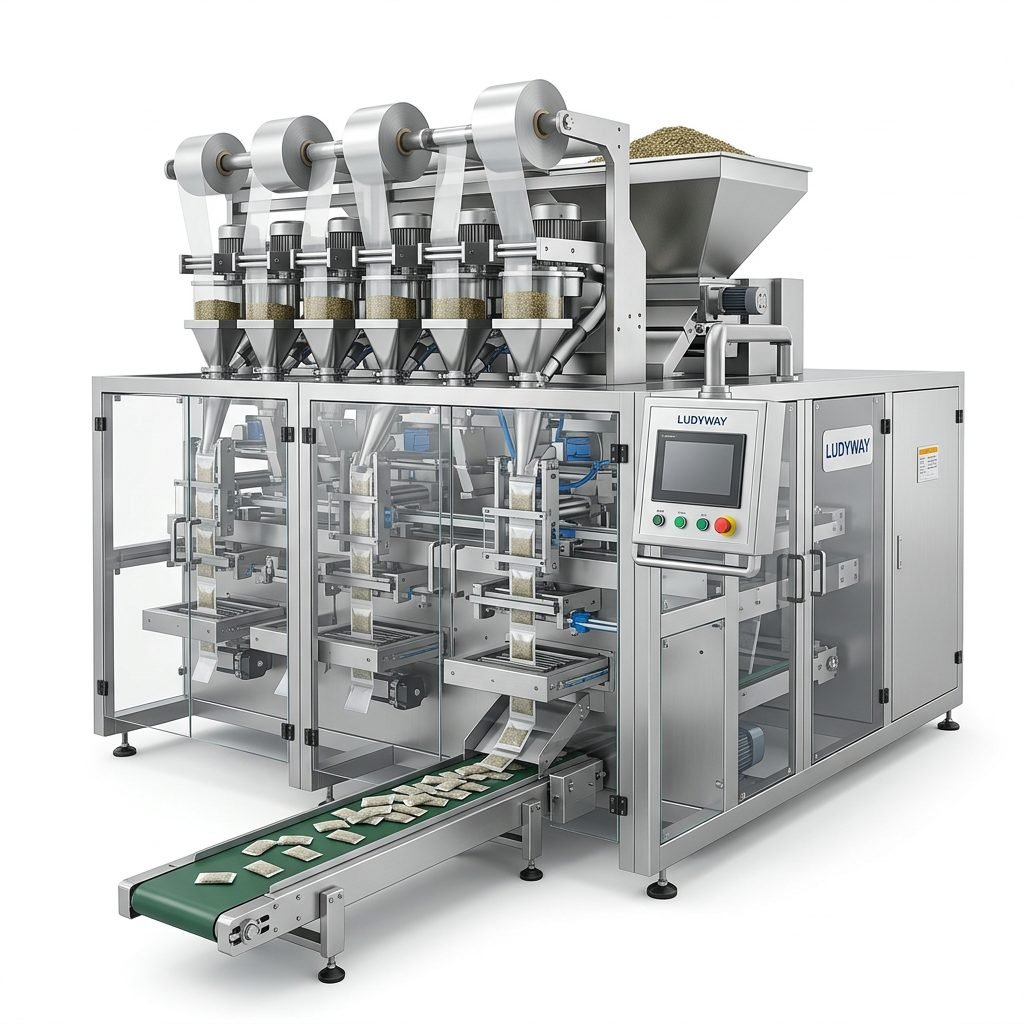
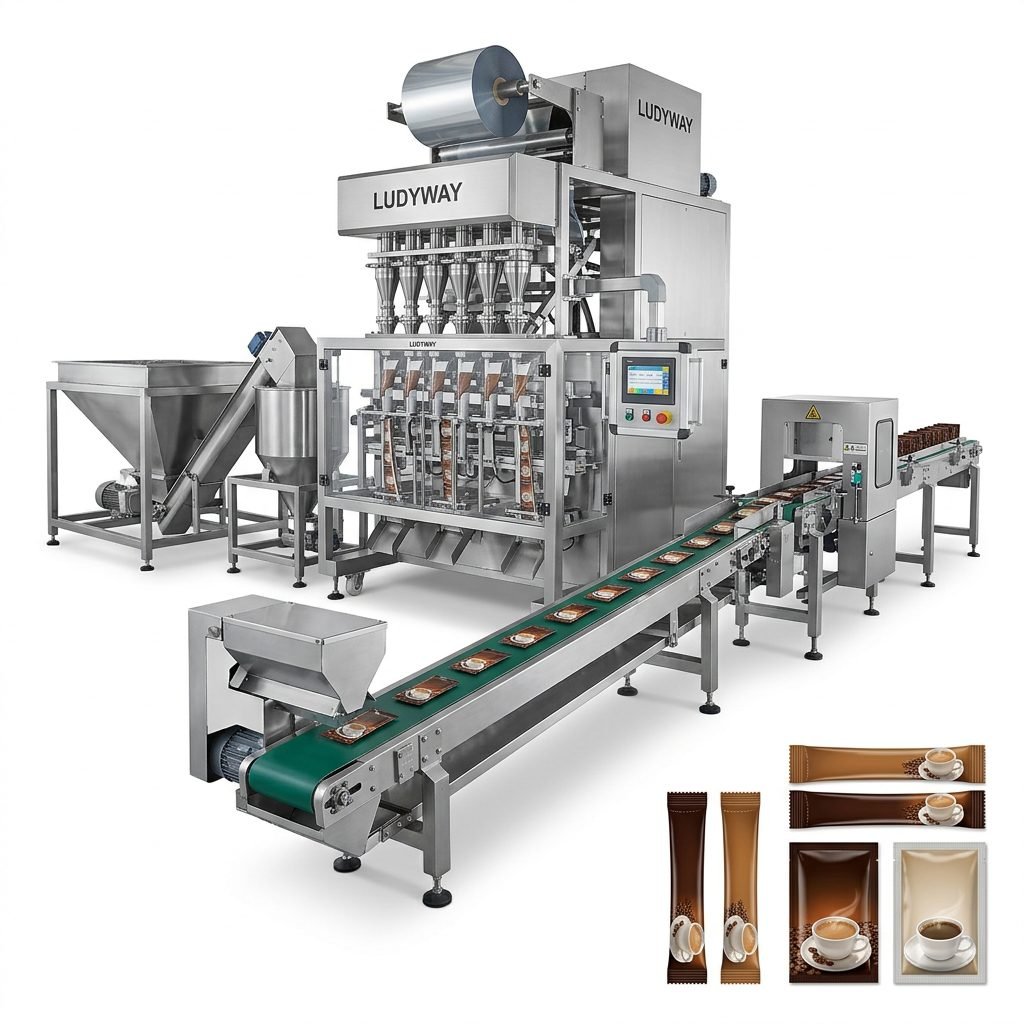
India’s meat processing industry is experiencing unprecedented growth, driven by rising disposable incomes, urbanization, and a shift toward packaged and processed protein products. Setting up a ground meat packaging machine production line in India requires careful planning, from equipment selection to regulatory compliance. This guide walks you through every critical step to build an efficient, scalable, and profitable operation in the Indian market.
Understanding the Indian Ground Meat Market Landscape
The demand for hygienically packaged ground meat products—including minced chicken, mutton keema, and frozen burger patties—is surging across retail chains, quick-service restaurants, and e-commerce platforms. India’s food processing sector is projected to reach $535 billion by 2025-26, according to government estimates. Key factors driving this growth include cold chain infrastructure expansion, Food Safety and Standards Authority of India (FSSAI) regulations mandating hygienic packaging, and increasing consumer awareness about food safety.

Step 1: Define Your Production Requirements
Before investing in machinery, you must clearly define your operational goals. Ask yourself these critical questions:
- Target capacity – How many kilograms per hour will you process? Small-scale units may handle 200–500 kg/h, while industrial operations can exceed 2,000 kg/h.
- Packaging formats – Will you use tray packs, vacuum pouches, shrink-wrap, or modified atmosphere packaging (MAP)?
- Product variety – Are you packaging fresh ground meat, frozen patties, marinated kebabs, or ready-to-cook meatballs?
- End-market channels – Retail, food service, or export? Each has different packaging and labeling requirements.
Documenting these parameters ensures you select equipment with the right specifications and avoid costly over- or under-investment.
Step 2: Essential Equipment for a Ground Meat Packaging Line
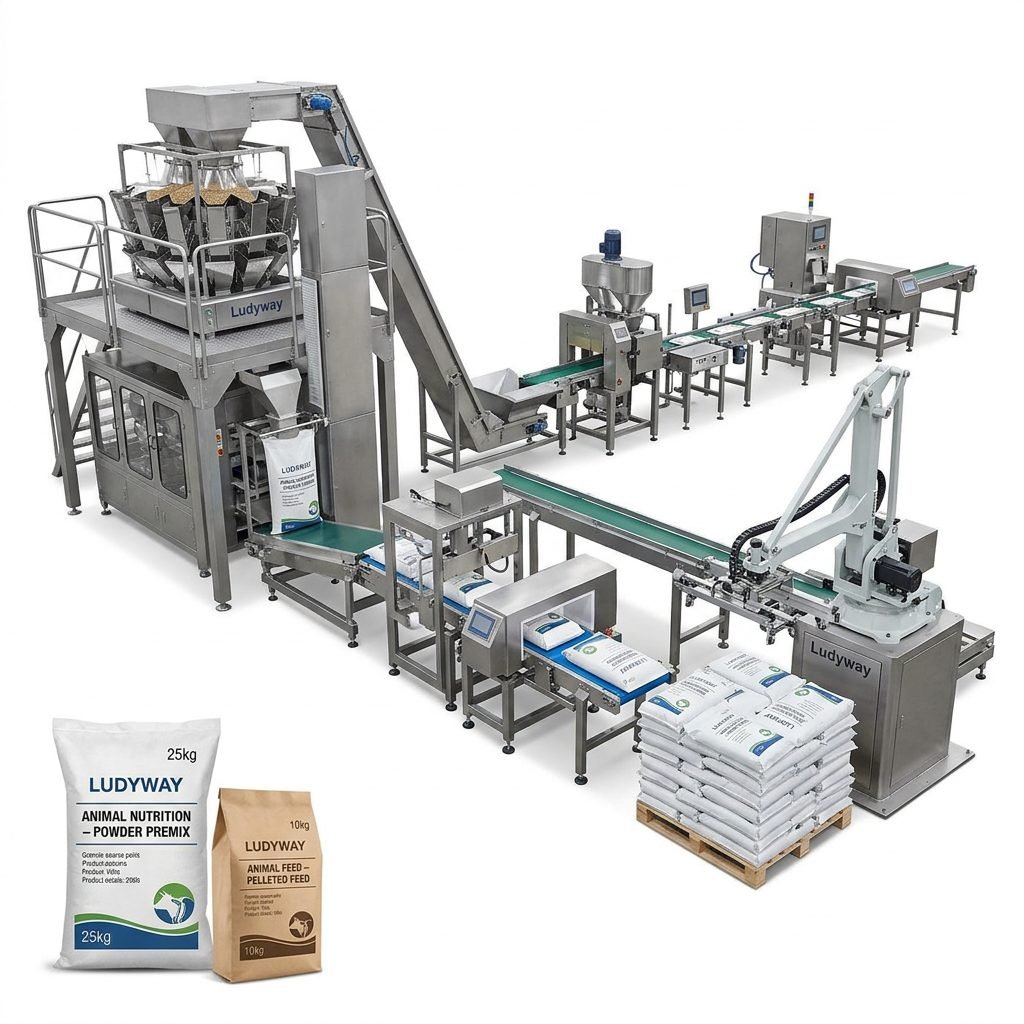
A fully integrated ground meat packaging line consists of several interconnected machines. Below is a breakdown of the core equipment you’ll need:
| Equipment Type | Function | Key Specifications to Consider |
|---|---|---|
| Meat Grinder / Mincer | Grinds raw meat chunks into consistent particle sizes | Capacity (kg/h), plate hole diameter, stainless steel AISI 304 construction |
| Mixing & Blending Machine | Mixes ground meat with seasonings, binders, and additives | Batch capacity, vacuum mixing option, temperature control |
| Forming Machine | Shapes meat into patties, nuggets, or kebabs | Mold changeover time, output rate, CIP (Clean-in-Place) compatibility |
| Tray Sealing / Thermoforming Machine | Seals ground meat in trays with film or vacuum packaging | MAP capability, seal integrity, film compatibility |
| Weighing & Filling System | Accurately portions meat into packaging | Accuracy (±1g), speed, multi-head weigher options |
| Checkweigher & Metal Detector | Ensures weight compliance and detects metal contaminants | Sensitivity levels, reject mechanism, data logging |
| Labeling & Coding Machine | Applies labels and prints batch codes, dates | Print resolution, speed, compliance with FSSAI labeling norms |
Step 3: Choose Between Semi-Automatic and Fully Automatic Lines
Your budget, labor availability, and production scale will determine whether a semi-automatic or fully automatic line is the right fit:
- Semi-Automatic Lines – Require manual intervention for tasks like loading trays, transferring product between stations, or palletizing. Ideal for startups with lower capital expenditure and higher labor flexibility.
- Fully Automatic Lines – Integrate all processes from grinding to final case packing with minimal human touch. These lines offer higher throughput, better hygiene, and lower long-term labor costs, making them suitable for large-scale processors targeting export markets.
In India, many mid-sized processors adopt a phased approach—starting with semi-automatic equipment and gradually upgrading to full automation as volumes grow.
Step 4: Facility Layout and Infrastructure Planning
Proper facility design is critical for food safety and operational efficiency. Key considerations include:
- Linear workflow – Raw material reception → grinding → mixing → forming → packaging → cold storage. Avoid cross-traffic to prevent contamination.
- Temperature-controlled zones – Processing areas must maintain 10–12°C, while packaging rooms should be at 4–8°C to inhibit bacterial growth.
- Drainage and cleaning – Floors should have adequate slope and drainage for washdown procedures.
- Utilities – Ensure stable three-phase power supply, compressed air lines, and potable water connections for cleaning.
- Effluent treatment – Meat processing generates significant organic waste; plan for an effluent treatment plant (ETP) as per environmental compliance requirements.
Step 5: Regulatory Compliance and Certifications in India
Compliance with Indian food safety regulations is non-negotiable. The FSSAI governs all food processing operations, and your facility must meet the following standards:
- FSSAI License – Obtain a Central License for large-scale meat processing operations.
- HACCP Implementation – Hazard Analysis and Critical Control Points is mandatory for export-oriented units and increasingly expected by domestic retailers.
- AGMARK & BIS Standards – Relevant for certain meat products and packaging materials.
- Labeling Requirements – Include FSSAI logo, license number, manufacturing date, best-before date, net weight, and ingredient list.
- ISO 22000 Certification – Food safety management system certification that enhances credibility with buyers and regulators.
Engage a local food safety consultant early in the planning phase to ensure your facility design and documentation meet all regulatory requirements.

Step 6: Installation, Commissioning, and Training
Once equipment arrives on-site, proper installation and commissioning are essential to avoid costly downtime. Follow this structured approach:
- Pre-installation inspection – Verify all components against the packing list and check for transit damage.
- Mechanical installation – Position machines according to the approved layout, level them precisely, and secure anchor points.
- Electrical and utility connections – Have a qualified electrician connect power, compressed air, and water lines per manufacturer specifications.
- Dry run testing – Run machines without product to verify mechanical alignment, sensor calibration, and safety interlocks.
- Product testing – Process small batches to fine-tune settings like filling weight, seal temperature, and conveyor speed.
- Operator training – Train staff on machine operation, cleaning procedures, basic troubleshooting, and safety protocols. Well-trained operators can reduce downtime by up to 30%.
Step 7: Maintenance and Hygiene Best Practices
Ground meat is highly perishable, making hygiene and equipment maintenance paramount. Implement these practices:
- Daily cleaning – Complete disassembly and sanitization of all product-contact surfaces using food-grade cleaning agents.
- Preventive maintenance schedule – Weekly inspection of belts, seals, bearings, and electrical components to catch issues before failures occur.
- Lubrication management – Use food-grade lubricants and maintain a lubrication log to prevent contamination.
- Spare parts inventory – Stock critical spare parts—sealing bars, cutting blades, belts, sensors—to minimize downtime during breakdowns.
- Pest control – Implement integrated pest management (IPM) with documented monitoring and treatment records.
Cost Considerations and ROI Analysis
Investing in a ground meat packaging line in India requires understanding the total cost of ownership. Here’s a breakdown of expected investment ranges:
| Cost Component | Small-Scale (200–500 kg/h) | Industrial-Scale (1,000–2,000+ kg/h) |
|---|---|---|
| Equipment Purchase | ₹50 Lakh – ₹1.5 Crore | ₹3 Crore – ₹8 Crore |
| Installation & Commissioning | ₹5 – ₹10 Lakh | ₹15 – ₹30 Lakh |
| Facility Modification | ₹10 – ₹25 Lakh | ₹50 Lakh – ₹1.5 Crore |
| Annual Maintenance | ₹3 – ₹8 Lakh | ₹15 – ₹40 Lakh |
| Typical ROI Period | 18 – 30 months | 24 – 36 months |
Factors that accelerate ROI include high capacity utilization, export market access, and value-added product lines like marinated or pre-cooked items.
Selecting a Reliable Equipment Partner
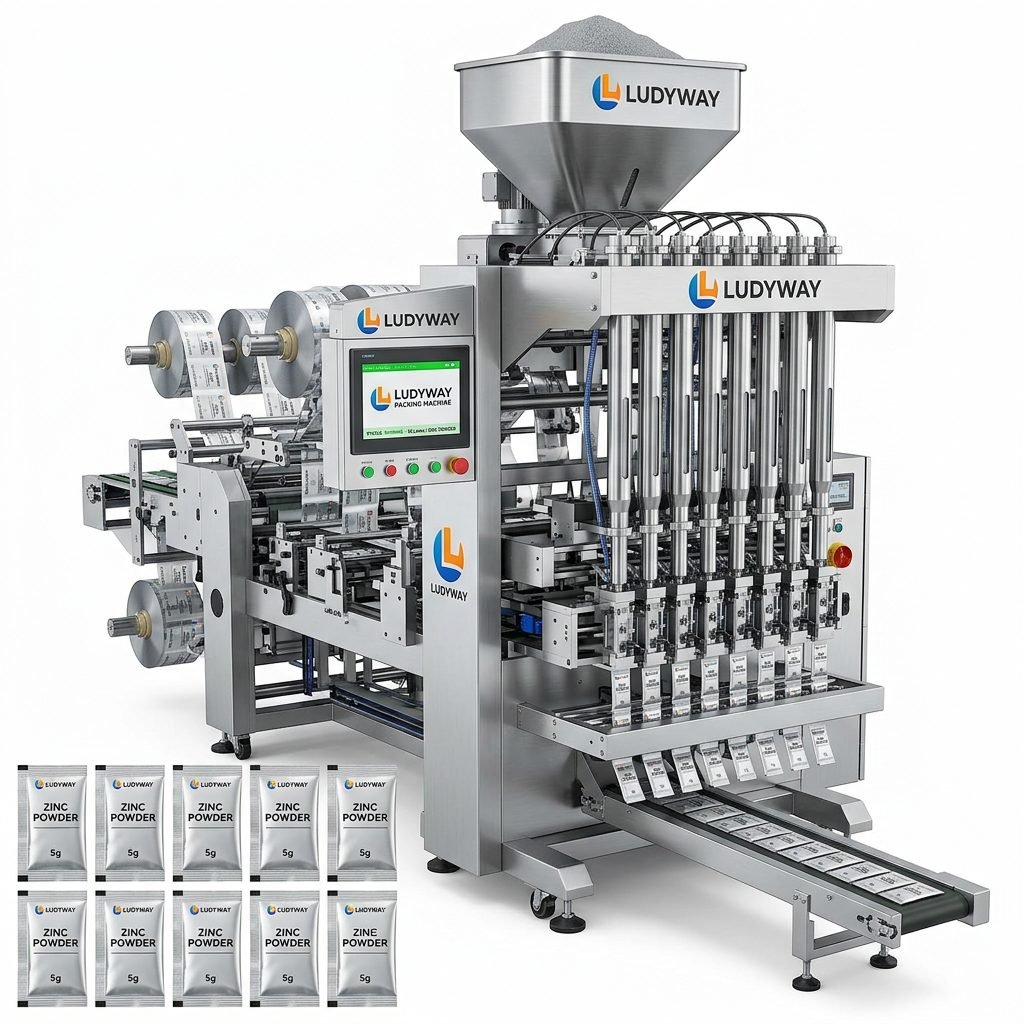
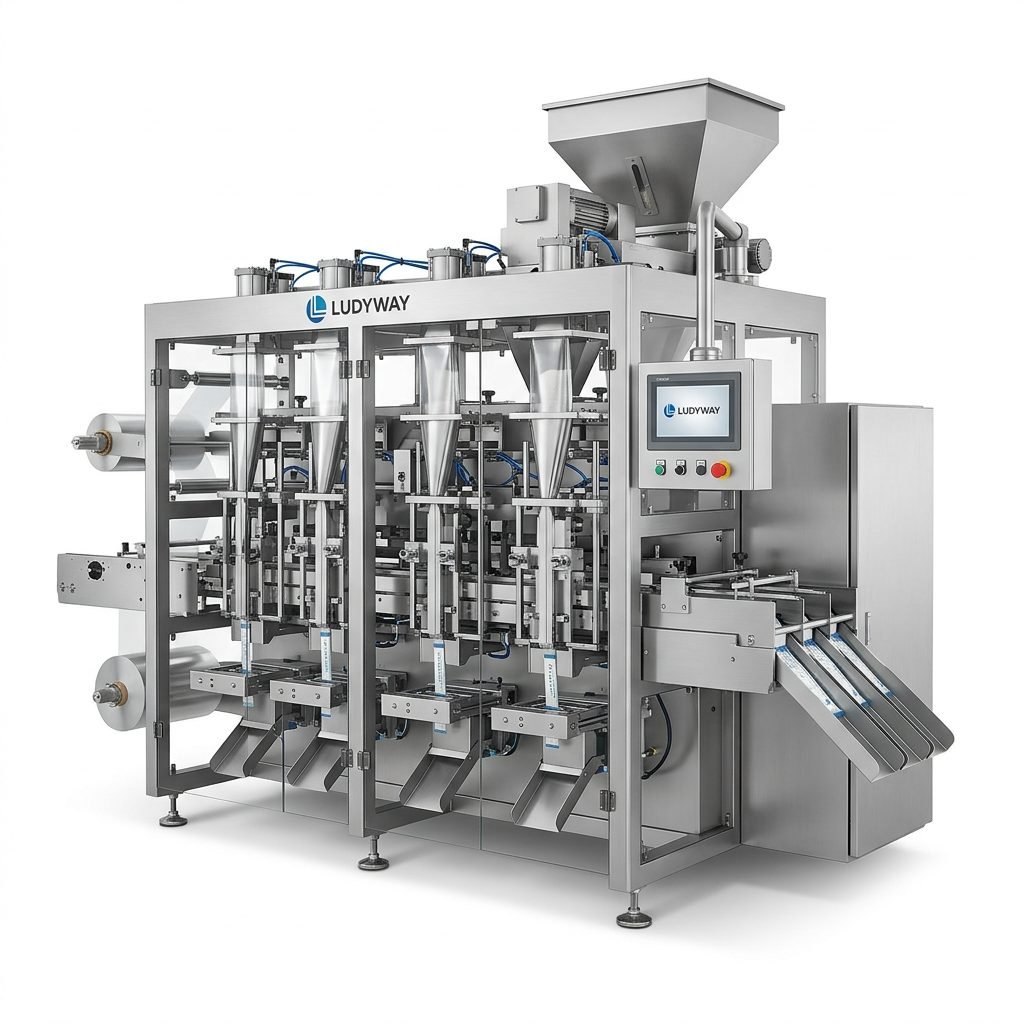
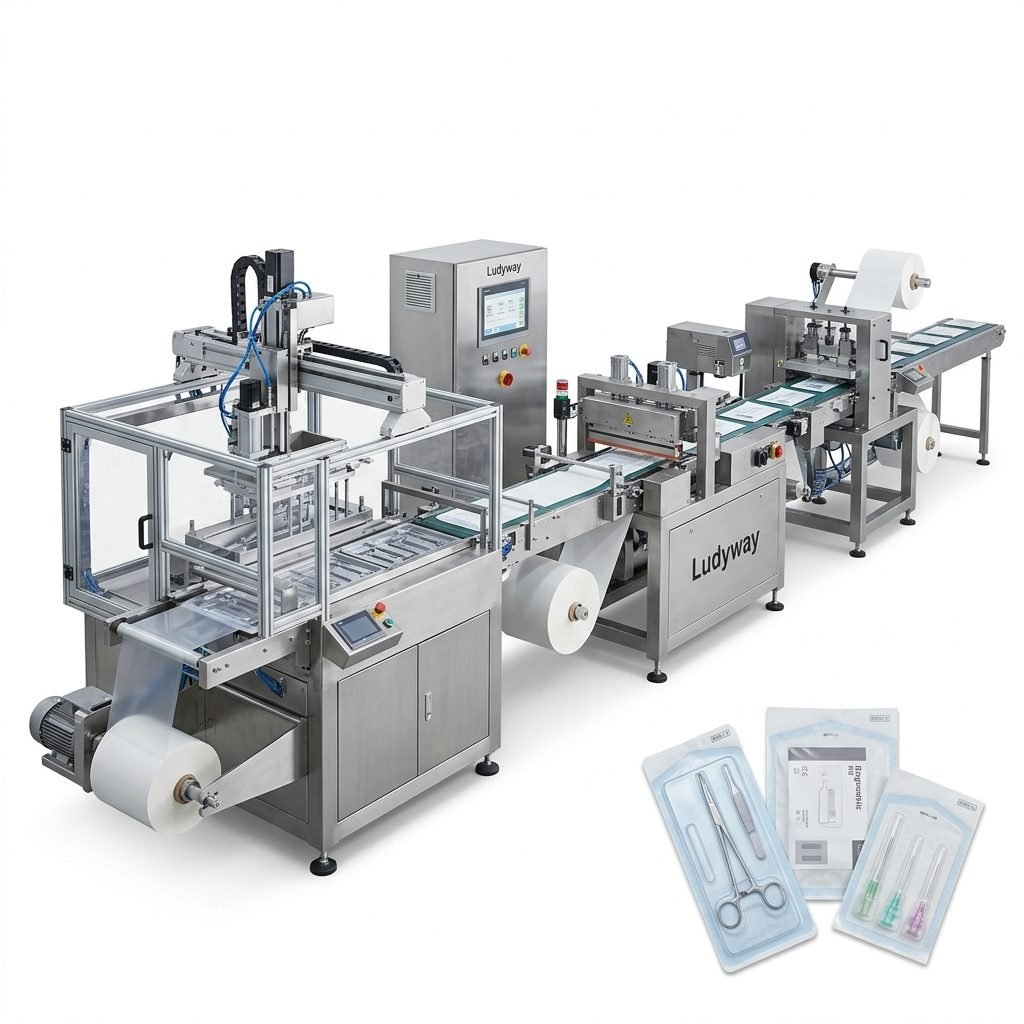
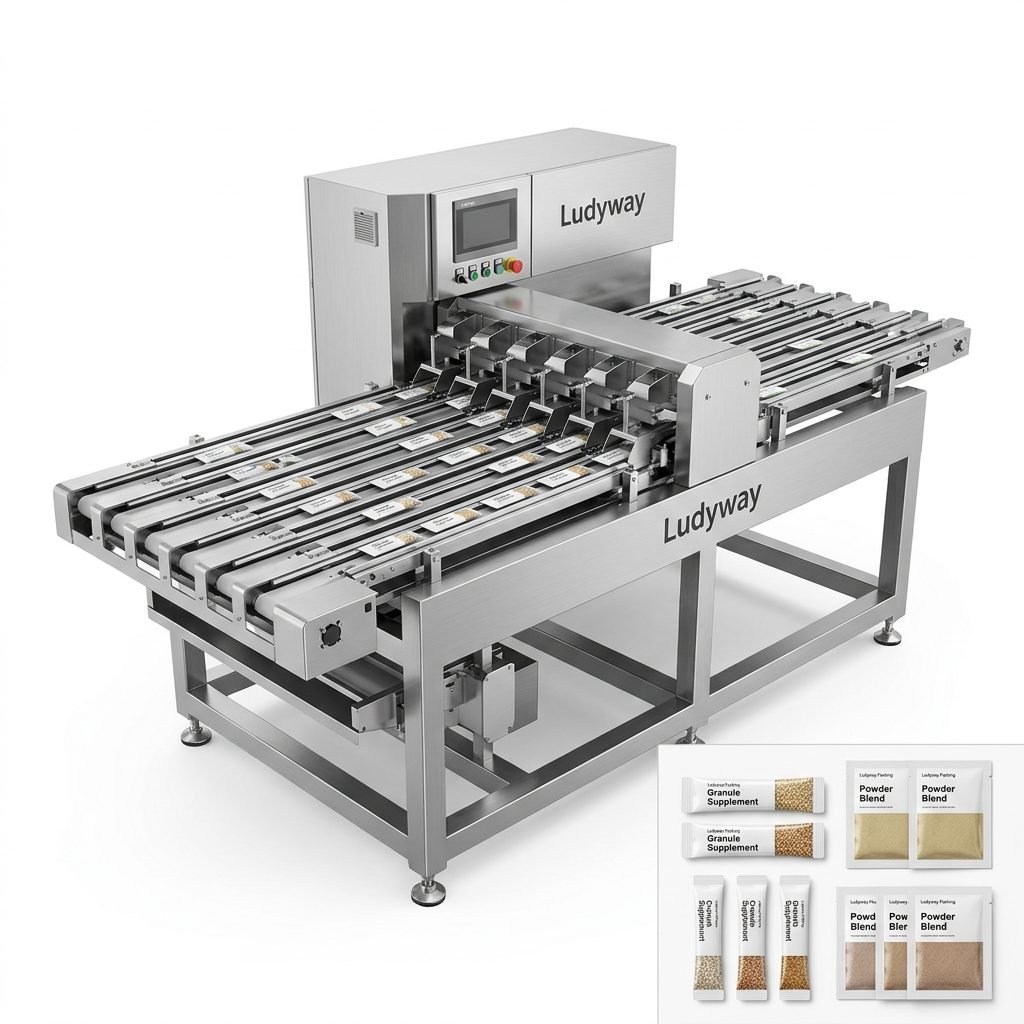
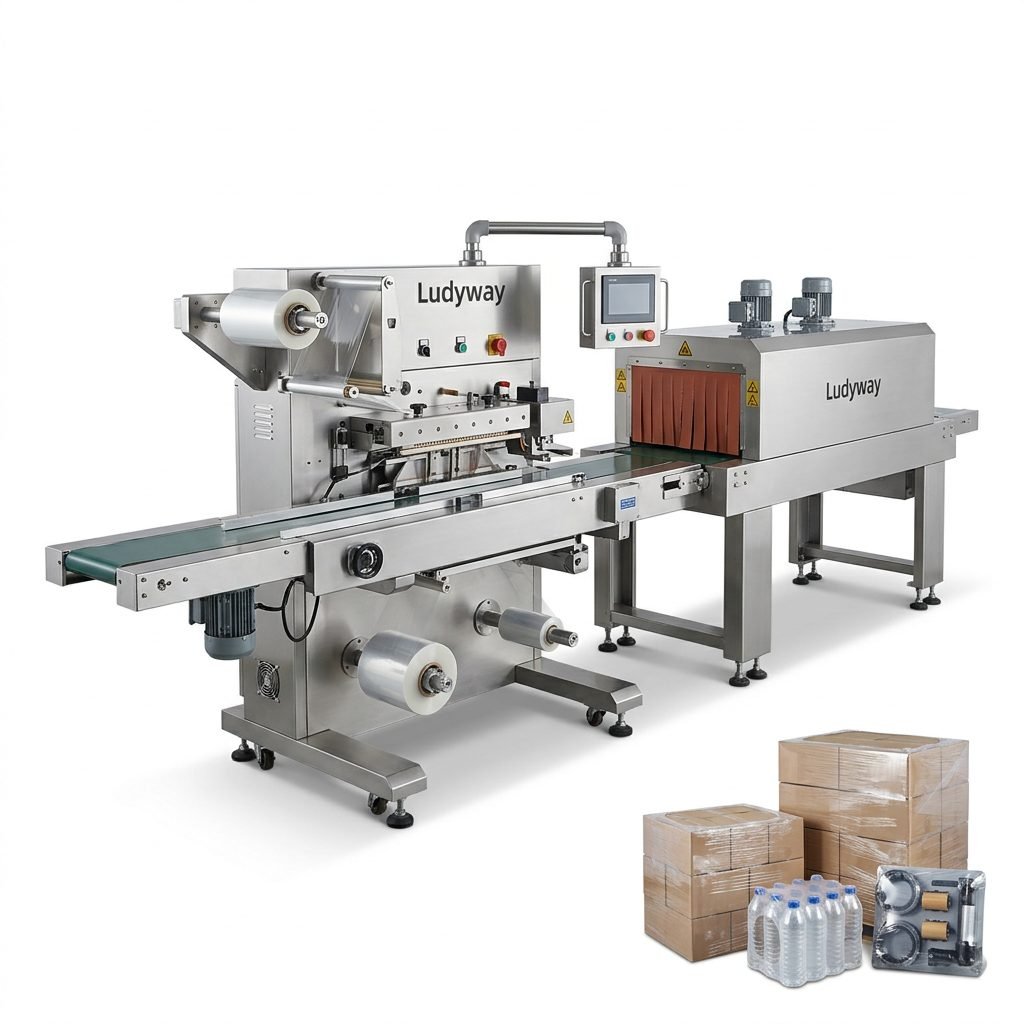
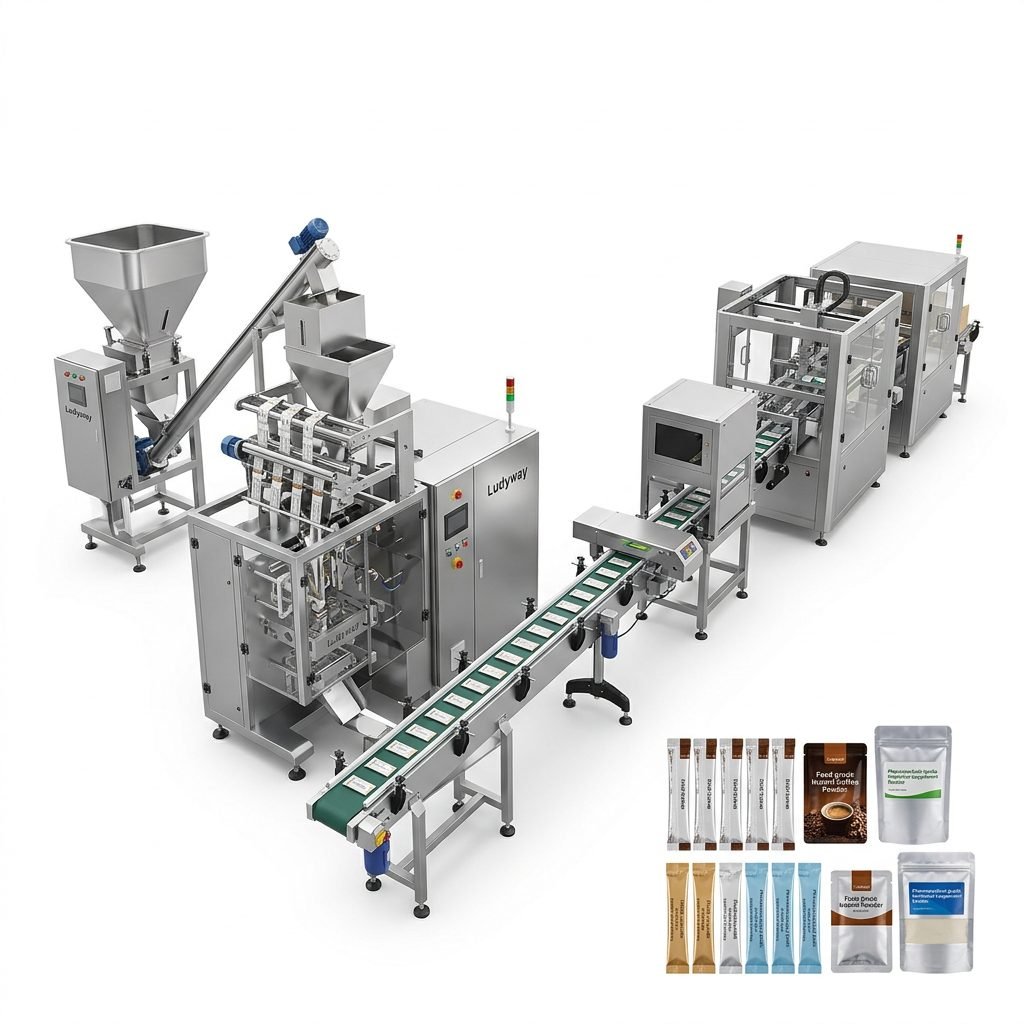
Choosing the right equipment manufacturer is one of the most consequential decisions you’ll make. Look for a partner with proven expertise in food-grade packaging machinery, comprehensive after-sales support in India, and the ability to provide turnkey solutions—from equipment supply to installation, training, and ongoing technical service. A well-established packaging machinery manufacturer will also offer customization options to meet specific production requirements, whether you’re packaging fresh ground meat in MAP trays or frozen patties in flow-wrap packs. Ludyway is one of the largest packaging machine manufacturers in China, specializing in advanced packaging equipment and turnkey production solutions for the food, pharmaceutical, and health industries, with over 30 years of industry expertise and a modern 20,000㎡ manufacturing facility serving customers in more than 100 countries.
Common Challenges and Solutions
Ground meat packaging presents unique challenges. Here’s how to address them:
- Product stickiness – Ground meat tends to adhere to machine surfaces. Use FDA-approved non-stick coatings on filling nozzles and forming molds.
- Temperature fluctuation – Even brief temperature spikes can compromise product safety. Install temperature monitoring systems with automated alerts.
- Seal integrity issues – Leaking packages lead to spoilage and returns. Regularly test seal strength and invest in vision inspection systems for quality assurance.
- Labor turnover – High attrition in Indian manufacturing can disrupt operations. Cross-train multiple operators and maintain detailed standard operating procedures (SOPs) in local languages.
Future-Proofing Your Investment
To stay competitive, design your production line with scalability in mind. Consider these forward-looking strategies:
- Modular equipment design – Choose machines that can be upgraded or expanded without replacing the entire line.
- IoT integration – Smart sensors and cloud-based monitoring systems enable real-time performance tracking and predictive maintenance.
- Sustainable packaging – Explore recyclable films and reduced-material packaging to meet evolving consumer preferences and potential extended producer responsibility (EPR) regulations.
- Export readiness – Build your facility to meet international standards like ISO 11607 from day one to unlock export opportunities in the Middle East, Southeast Asia, and beyond.

Frequently Asked Questions
1. What is the minimum investment for a ground meat packaging line in India?
A basic semi-automatic line with essential equipment can start from approximately ₹50–70 Lakh, excluding facility costs. Fully automatic integrated lines typically begin at ₹2.5–3 Crore.
2. Which FSSAI license is required for meat packaging?
Meat processing operations require a Central FSSAI License (Form B), as meat and meat products fall under the purview of central licensing regardless of production capacity.
3. How long does it take to set up a complete packaging line?
From order placement to commercial production, expect 4–8 months, including equipment manufacturing (2–3 months), shipping and customs clearance (3–6 weeks), and installation and commissioning (2–4 weeks).
4. Can I use the same line for different meat types?
Yes, most modern lines are designed for flexibility. However, you must implement thorough cleaning and sanitization protocols between product changeovers to prevent cross-contamination, especially when switching between species (e.g., chicken to mutton).
5. What after-sales support should I expect from equipment suppliers?
Reputable suppliers provide installation supervision, operator training, warranty coverage (typically 12–24 months), and ongoing technical support. Many established manufacturers also offer remote diagnostic capabilities and local service partnerships in India.
Next Steps for Your Ground Meat Packaging Project
Setting up a ground meat packaging production line in India is a significant but rewarding investment. Start by clearly defining your product specifications and capacity requirements, then engage with experienced equipment suppliers who understand both the technical and regulatory landscape. Visit reference installations, request detailed proposals, and prioritize long-term reliability over the lowest upfront cost. With proper planning and the right packaging technology partners, your facility can capture a growing share of India’s dynamic meat processing market.