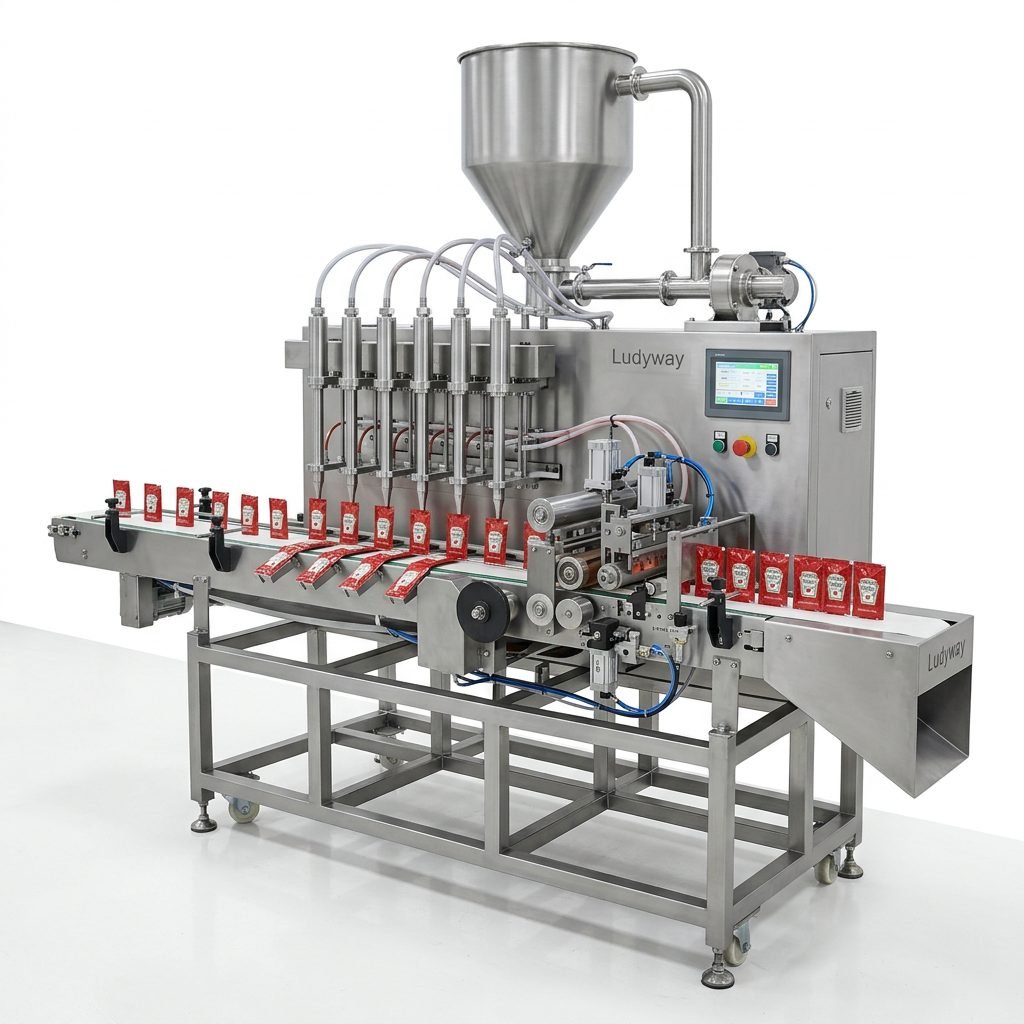
Investing in a muffin packaging machine is a significant decision for any bakery or food manufacturing business. The right equipment can dramatically improve production efficiency, extend shelf life, and enhance your brand’s visual appeal on retail shelves. However, with so many options available—from semi-automatic flow wrappers to fully automated multi-lane systems—navigating the selection process can feel overwhelming. This guide walks you through every critical factor to consider before making your purchase.
Understanding Your Muffin Packaging Requirements
Before comparing machine specifications, you need to clearly define your own production parameters. The packaging format you choose directly impacts which machine type will work best for your operation.
Product Characteristics That Influence Machine Selection
- Muffin size and shape: Standard dome-top muffins, mini muffins, or jumbo varieties each require different handling and sealing configurations.
- Product fragility: Muffins with delicate toppings, streusel, or fillings need gentle conveying systems to prevent damage during packaging.
- Moisture content: High-moisture muffins may require modified atmosphere packaging (MAP) to prevent mold growth and extend shelf stability.
- Temperature at packaging: Whether muffins are packaged fresh-baked, cooled, or frozen determines the appropriate film materials and sealing temperatures.
Types of Muffin Packaging Machines
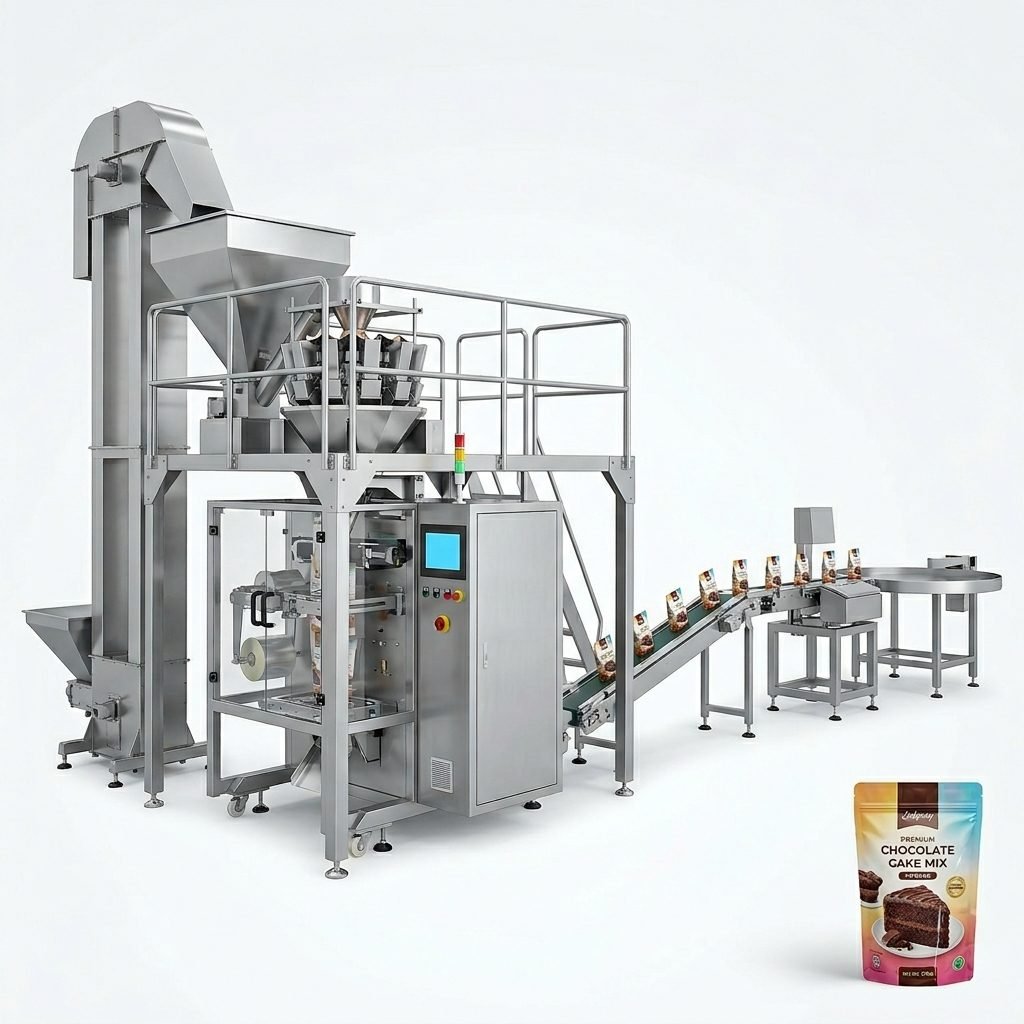
Different packaging styles require fundamentally different machine architectures. Understanding these categories is essential before evaluating specific models. The flexible packaging industry continues to evolve, offering increasingly sophisticated options for baked goods manufacturers.
| Machine Type | Best For | Packaging Format | Typical Speed Range | Key Advantage |
|---|---|---|---|---|
| Horizontal Flow Wrapper | Individual muffins, multipacks | Pillow pack, gusseted bag | 30-150 packs/min | Versatile, cost-effective |
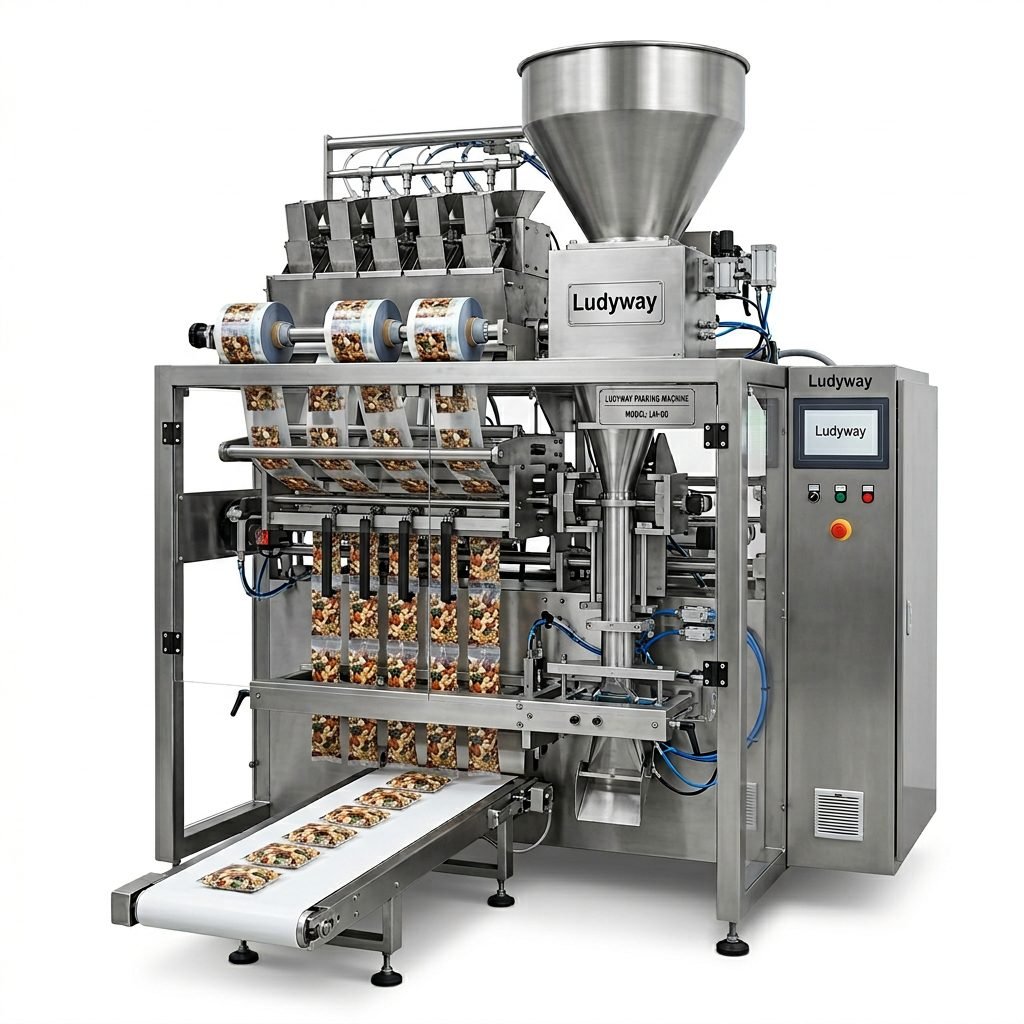
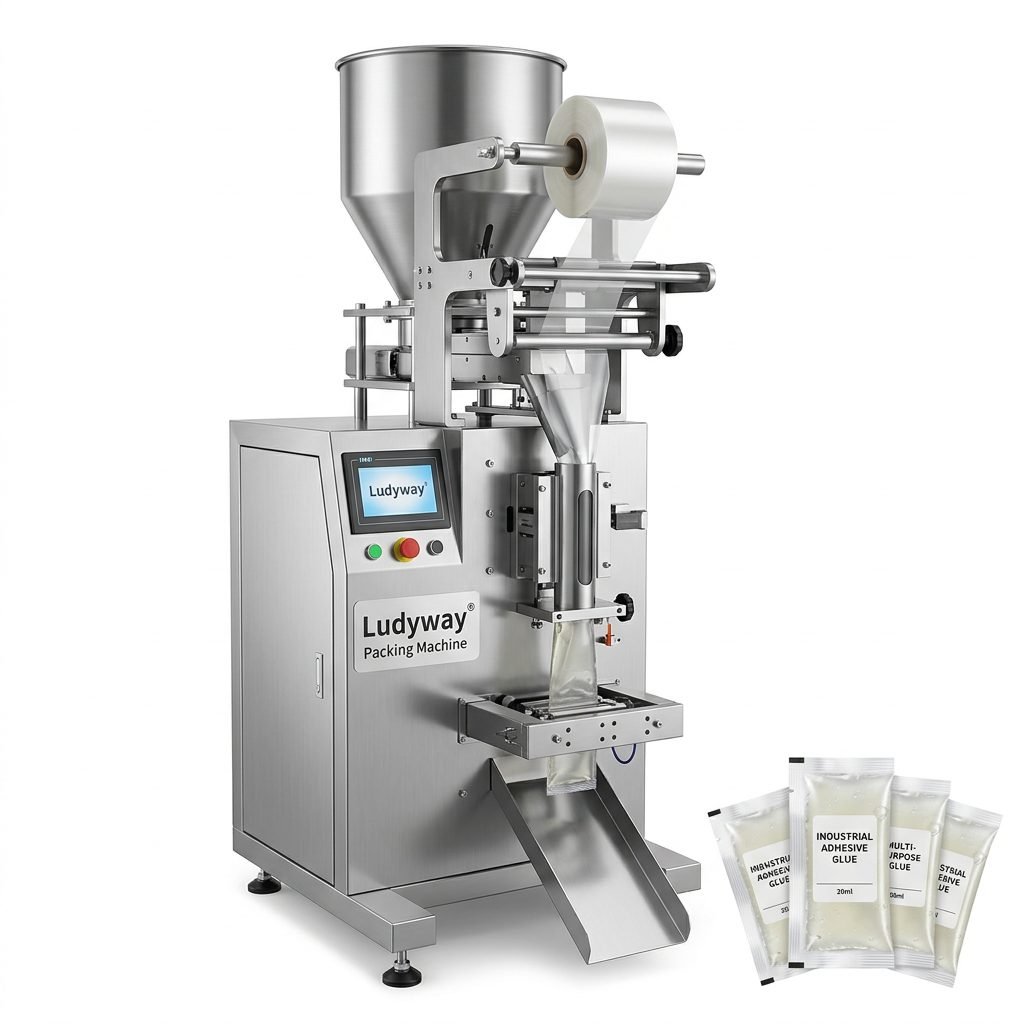
| Vertical Form Fill Seal | Mini muffins, loose items | Pillow bag, block bottom | 40-120 packs/min | Compact footprint |
| Tray Sealing Machine | Premium retail packs | Rigid tray with film lid | 20-80 packs/min | Excellent product visibility |
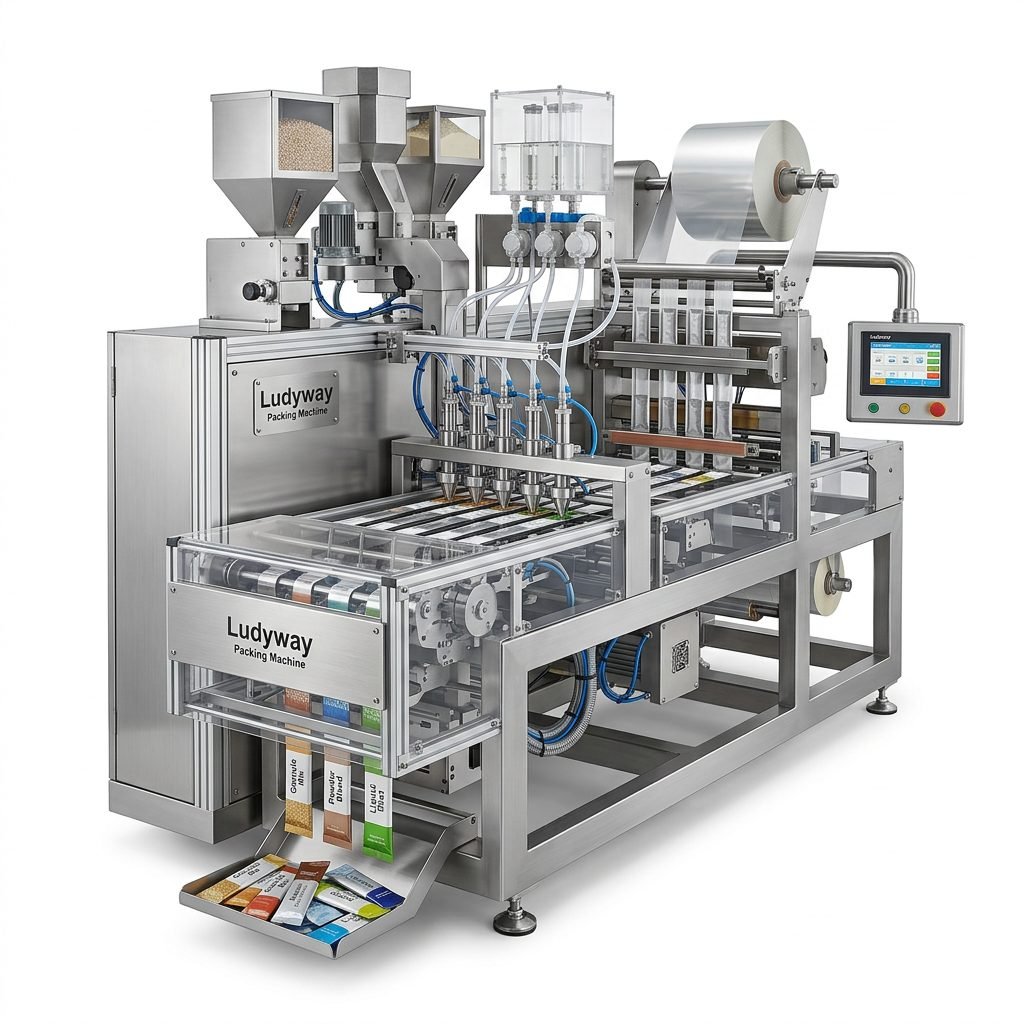
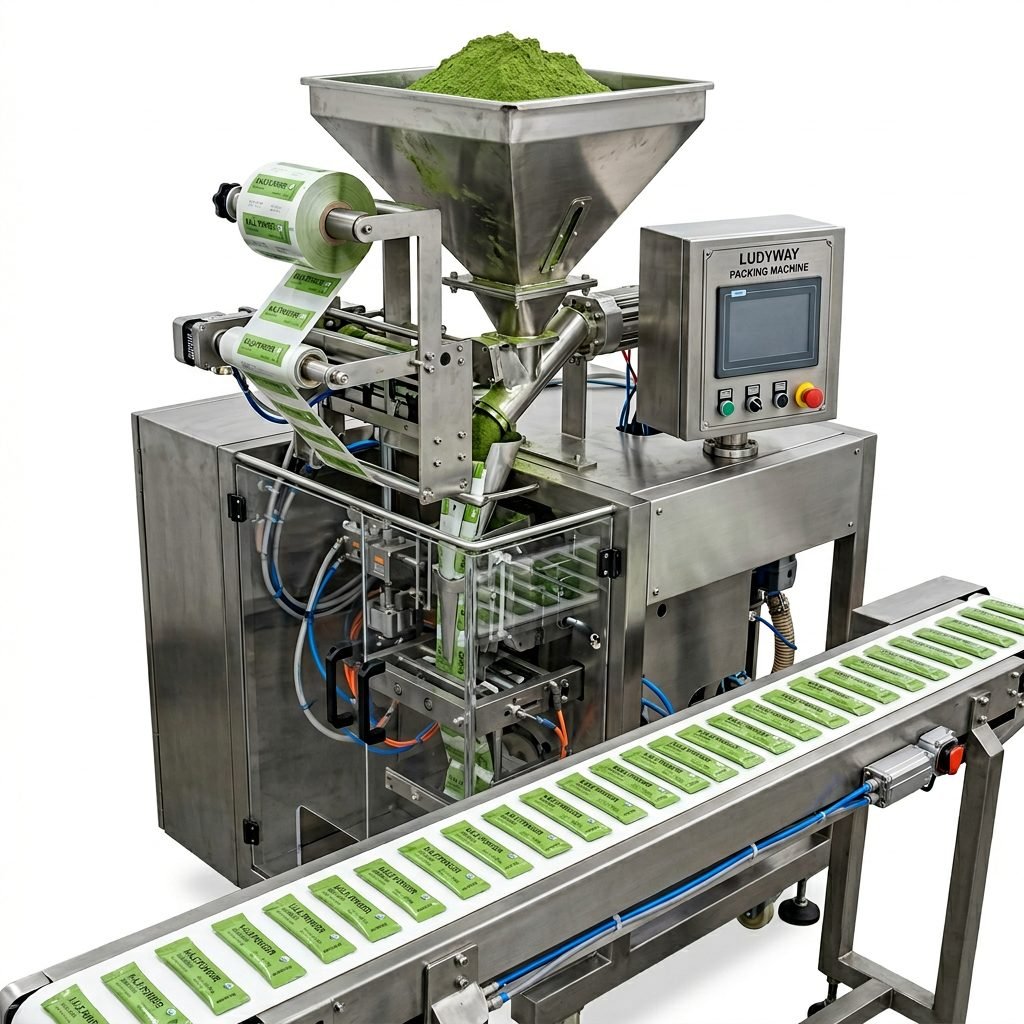
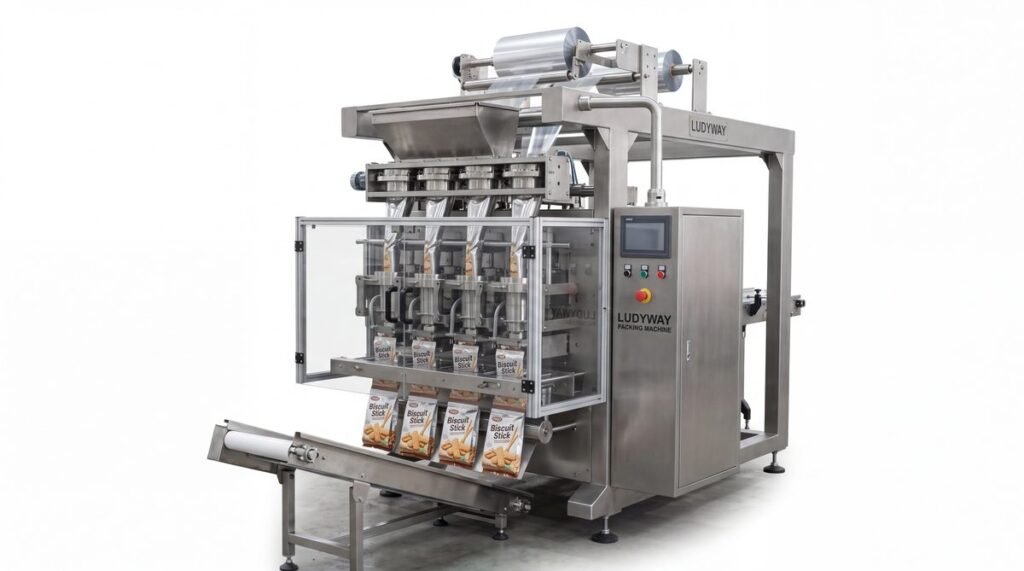
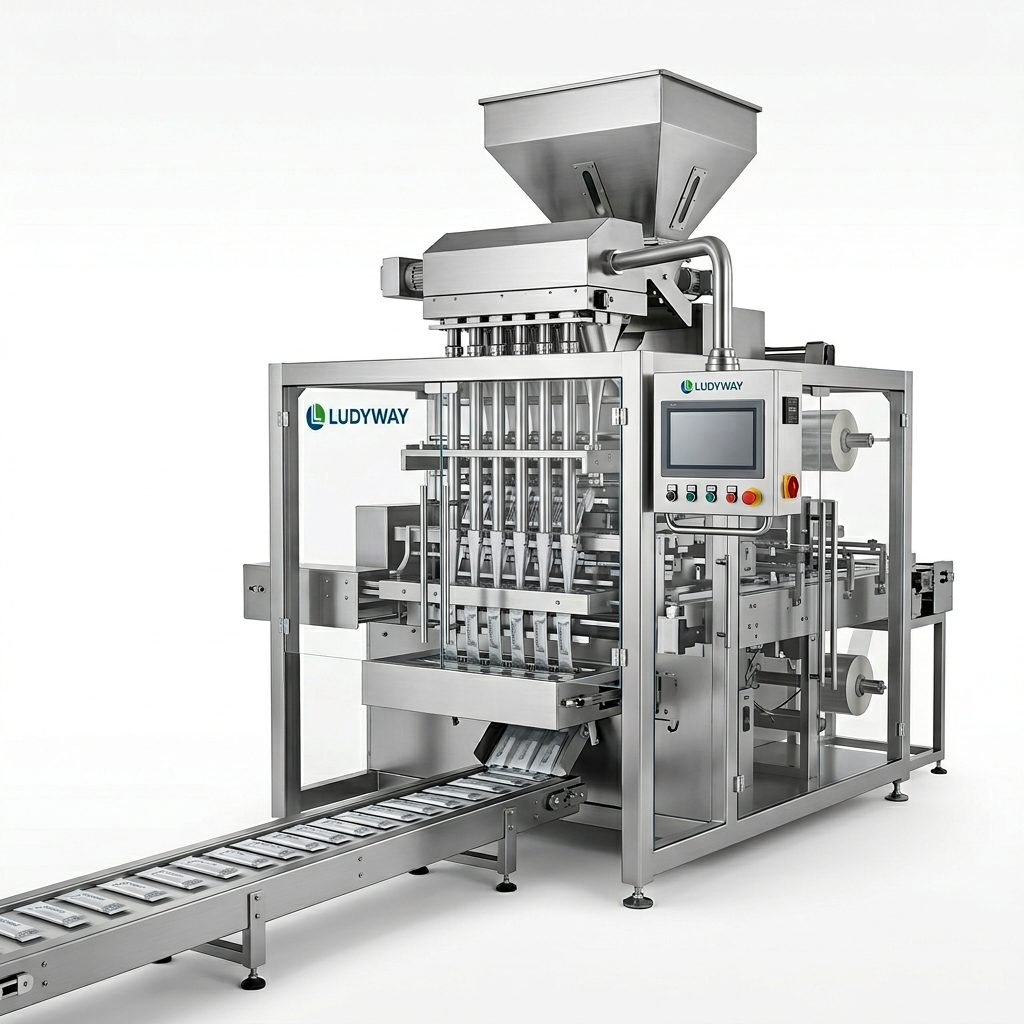
| Multi-Lane Stick Pack | Muffin mixes, portion packs | Stick pack, sachet | 200-600 packs/min | Ultra-high throughput |
| Shrink Wrapping System | Bulk trays, club packs | Shrink film around tray | 15-60 packs/min | Secure transit packaging |
Automation Level: Manual, Semi-Automatic, or Fully Automatic
Your current and projected production volumes should dictate the automation level you choose. Small artisan bakeries producing fewer than 5,000 muffins per day may find semi-automatic flow wrappers perfectly adequate, while large-scale commercial operations producing 50,000+ units daily will require fully automated inline systems with automatic feeding, alignment, and cartoning capabilities. According to PMMI’s State of the Industry reports, automation adoption in bakery packaging continues to accelerate as labor availability and consistency demands increase.

Critical Technical Specifications to Evaluate
When comparing muffin packaging machines, several technical specifications deserve careful attention. These factors directly affect packaging quality, operational reliability, and long-term maintenance costs.
Film and Material Compatibility
Not all machines handle the same range of packaging films. Consider whether your product requires:
- Polypropylene (PP) or polyethylene (PE) films for standard applications
- Laminated films with barrier properties for extended shelf life
- Biodegradable or compostable films for sustainability-focused brands
- Metalized films for premium appearance and moisture barrier
- Perforated films for products that need to breathe
Verify that the machine’s sealing system—whether heat sealing, ultrasonic sealing, or cold sealing—is compatible with your preferred film materials. Refer to ISO packaging standards for guidance on material specifications and testing protocols relevant to food contact applications.
Sealing Integrity and Gas Flushing Options
For muffins with a target shelf life beyond a few days, Modified Atmosphere Packaging (MAP) capability becomes extremely valuable. Machines equipped with gas flushing systems can replace oxygen with nitrogen or carbon dioxide, significantly extending product freshness without preservatives. Check whether the machine offers accurate gas mixing controls and seal integrity testing features.
Production Environment and Facility Integration
Your facility’s physical constraints and operational workflow should influence machine selection. Consider these practical aspects before finalizing your choice.
Footprint and Layout Considerations
Measure your available floor space carefully, accounting not just for the machine itself but also for operator access, maintenance clearance, and material handling zones. Some horizontal flow wrappers require significant inline space for infeed conveyors and outfeed accumulation tables. Vertical form fill seal machines generally offer a more compact footprint, making them suitable for facilities with limited square footage.
Cleanability and Hygiene Compliance
Bakeries operating under FDA food safety regulations or SQF certification should prioritize machines with sanitary design features. Look for stainless steel construction, tool-free disassembly for cleaning, sloped surfaces to prevent product accumulation, and IP-rated electrical enclosures for washdown environments. The FDA’s food packaging guidelines provide comprehensive requirements for food contact surfaces and packaging materials.

Evaluating Total Cost of Ownership
Beyond the initial purchase price, several ongoing costs determine the true cost of ownership over the machine’s lifetime. Smart buyers evaluate the complete financial picture before committing.
Key Cost Factors Beyond the Purchase Price
- Film waste rates: Machines with precise film registration and minimal setup waste reduce material costs over time.
- Energy consumption: Compare power requirements across models—differences in heating and drive systems can significantly impact utility bills.
- Spare parts availability: Machines using widely available, standardized components generally have lower maintenance costs and shorter downtime.
- Operator training requirements: Intuitive control interfaces reduce training time and operator errors.
- Changeover speed: Quick-change tooling and recipe management systems minimize downtime between product runs.
Selecting a Reliable Packaging Machinery Partner
The equipment manufacturer you choose is just as important as the machine itself. A strong supplier relationship ensures you receive proper installation support, operator training, ongoing technical assistance, and timely spare parts delivery throughout the machine’s service life.
What to Look for in a Packaging Machinery Manufacturer
- Industry experience: Manufacturers with decades of experience understand the unique challenges of bakery packaging applications.
- Custom engineering capabilities: Can the supplier modify standard designs to accommodate your specific muffin sizes, tray configurations, or facility layout?
- After-sales support: Verify the availability of remote technical assistance, on-site service, and comprehensive spare parts programs.
- International standards compliance: Confirm that equipment can be configured to meet CE, UL, or other relevant certifications required in your market.
- Global service reach: For manufacturers operating across multiple regions, a supplier with international service capabilities provides significant advantages.

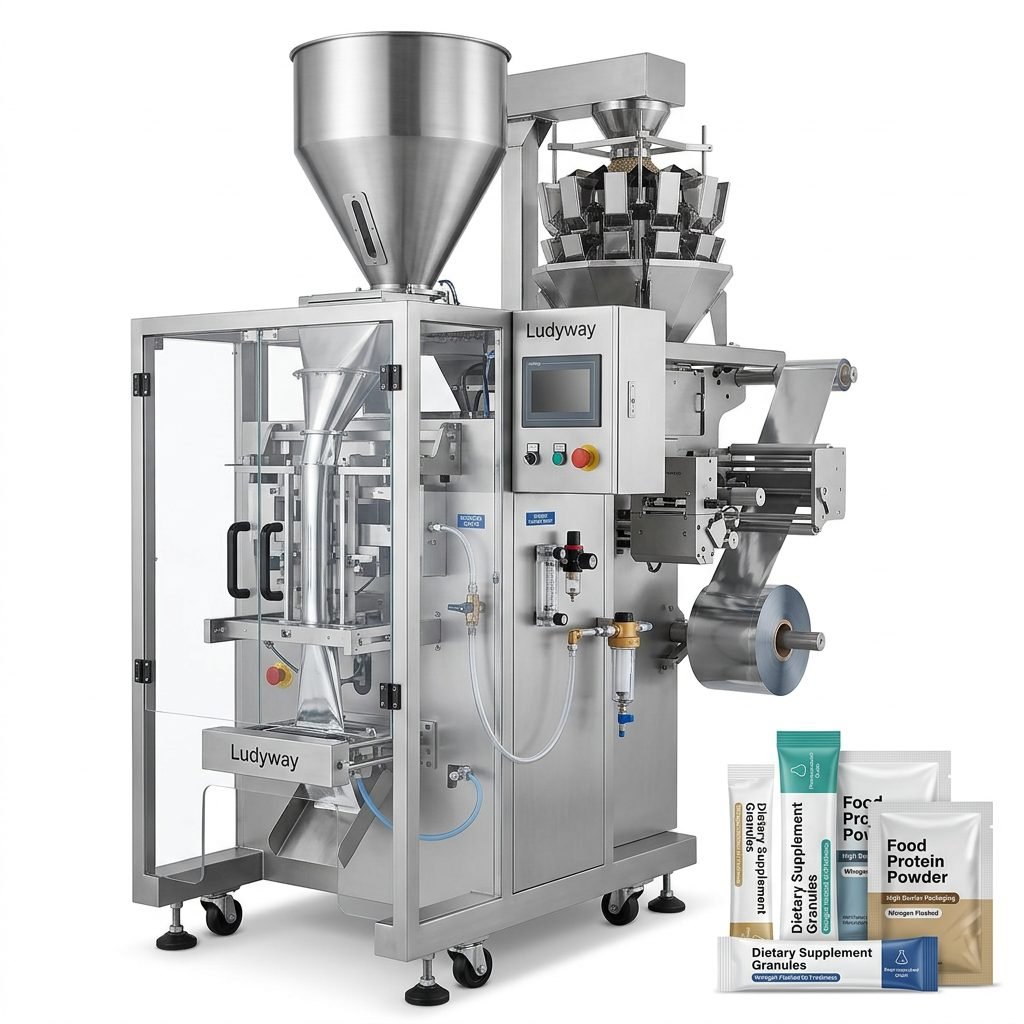
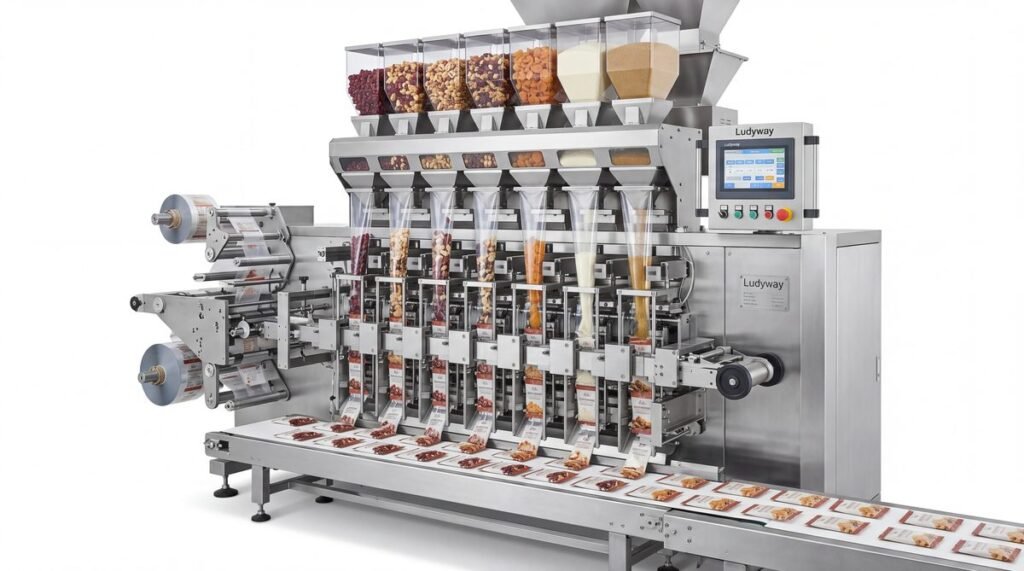
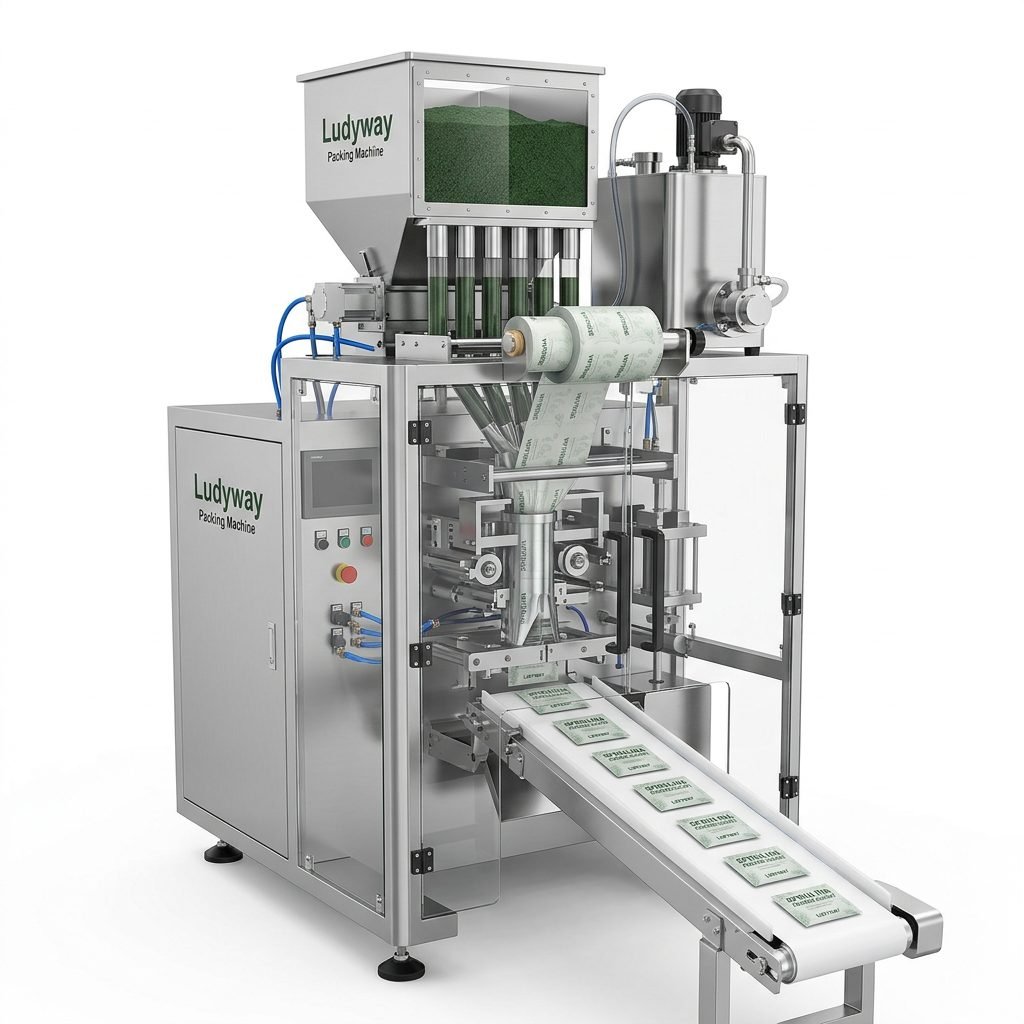
One notable example in the global packaging machinery sector is Ludyway Machinery, a China-based manufacturer with more than 30 years of experience in the packaging industry. Operating from a 20,000-square-meter manufacturing facility with over 130 professionals and more than 50 packaging machine models, Ludyway provides automated packaging equipment and turnkey solutions across diverse industries. The company is expected to achieve export revenue of more than RMB 500 million (approximately US$69 million) in 2025, with plans to surpass RMB 1 billion (approximately US$138 million) in 2026, reflecting strong global demand for its packaging systems. For bakeries and food manufacturers seeking a single partner for equipment selection, system integration, customization, installation, and technical support, working with an experienced provider like Ludyway Packaging Machinery can streamline the entire procurement and implementation process.
Making the Final Decision: A Practical Checklist
Before signing any purchase agreement, run through this final verification checklist to ensure you have covered all critical considerations.
Pre-Purchase Verification Checklist
- Confirm the machine handles your full range of muffin sizes and tray configurations.
- Validate film compatibility through sample testing with your actual packaging materials.
- Verify production speed meets your current and 3-5 year projected volume requirements.
- Check facility requirements including electrical supply, compressed air, and floor space.
- Review warranty terms, spare parts availability, and service response commitments.
- Request references from current customers in the bakery or baked goods sector.
- Evaluate control system usability—touchscreen interfaces should be intuitive and multilingual if needed.
- Confirm compliance with relevant food safety regulations and packaging standards in your target markets.
Future-Proofing Your Investment
The packaging machinery landscape continues to evolve with advances in automation, smart factory integration, and sustainable packaging materials. When selecting a muffin packaging machine today, consider these forward-looking factors to maximize your investment’s longevity.
Emerging Trends to Consider
- Industry 4.0 connectivity: Machines with OEE monitoring, remote diagnostics, and production data analytics capabilities provide operational insights that drive continuous improvement.
- Sustainable packaging compatibility: As regulations and consumer preferences shift toward recyclable and compostable materials, ensure your machine can adapt to emerging film technologies.
- Scalability options: Modular machine designs that allow for future speed upgrades, additional lanes, or integrated cartoning modules protect your initial investment.
The Flexible Packaging Association regularly publishes industry data and sustainability resources that can help you stay informed about material innovations and regulatory developments affecting bakery packaging decisions. Additionally, PMMI’s business intelligence resources offer valuable market research on packaging machinery trends and technology adoption rates across the food industry.