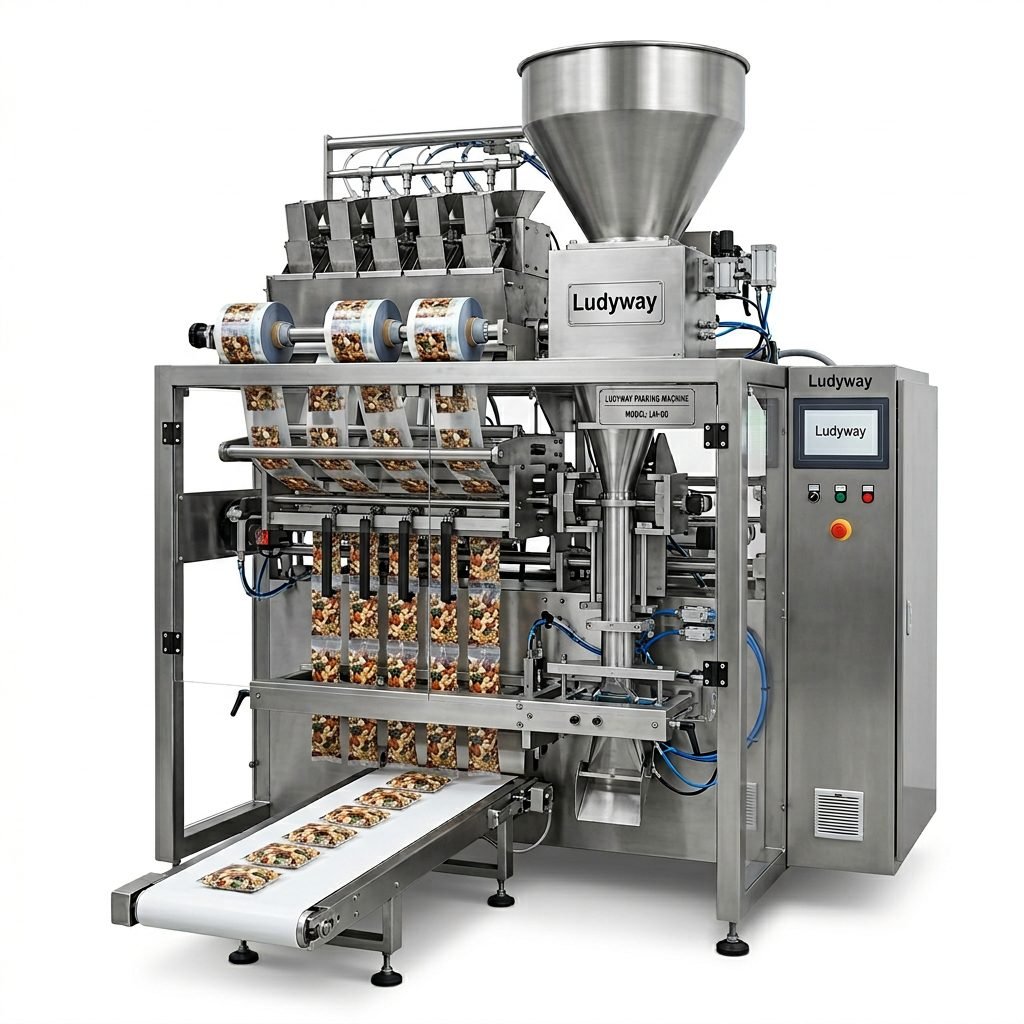
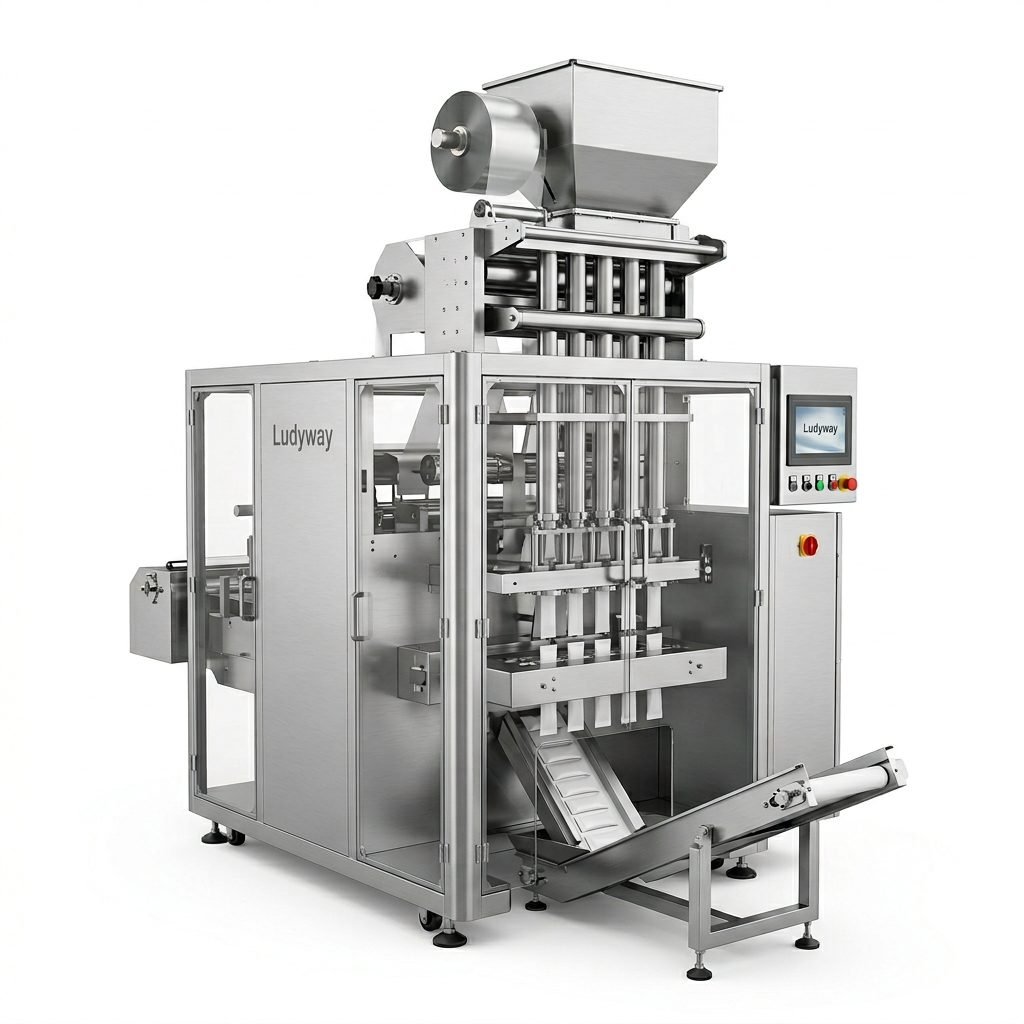
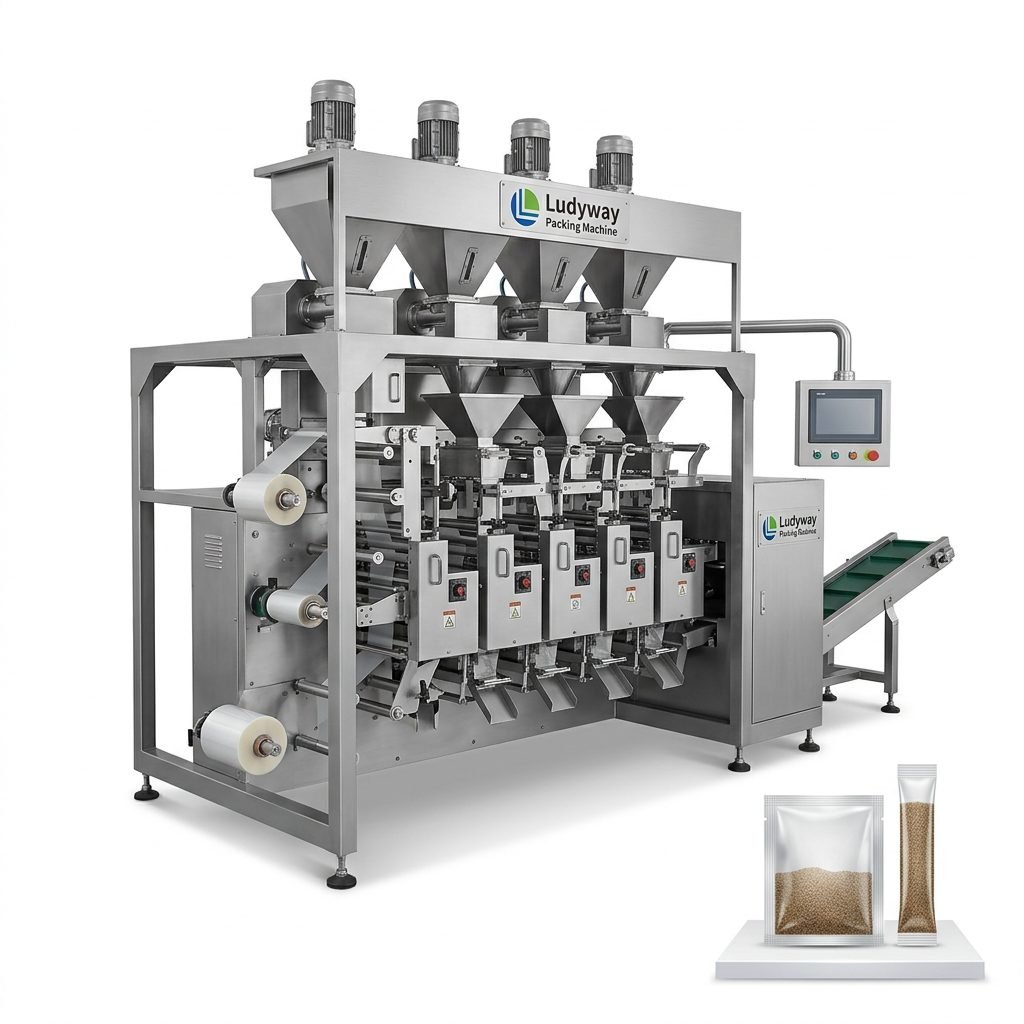
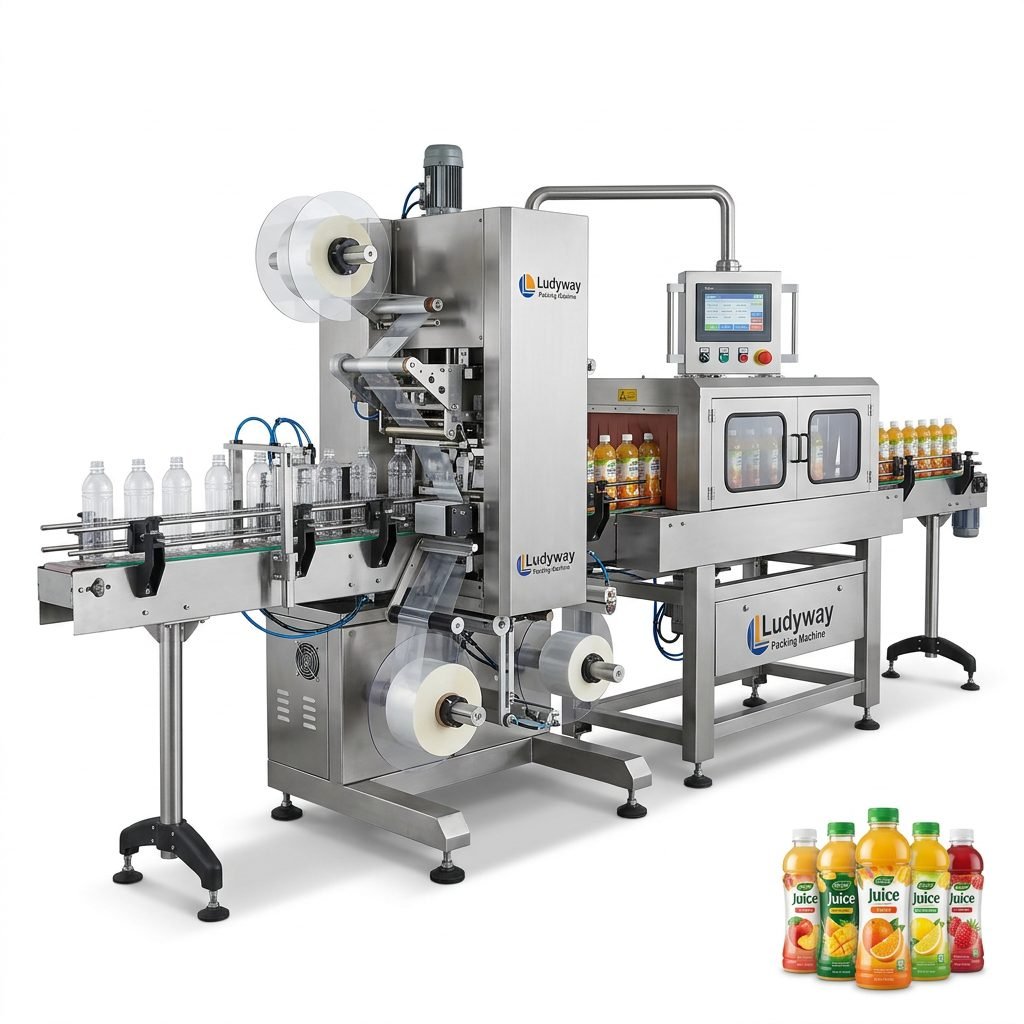
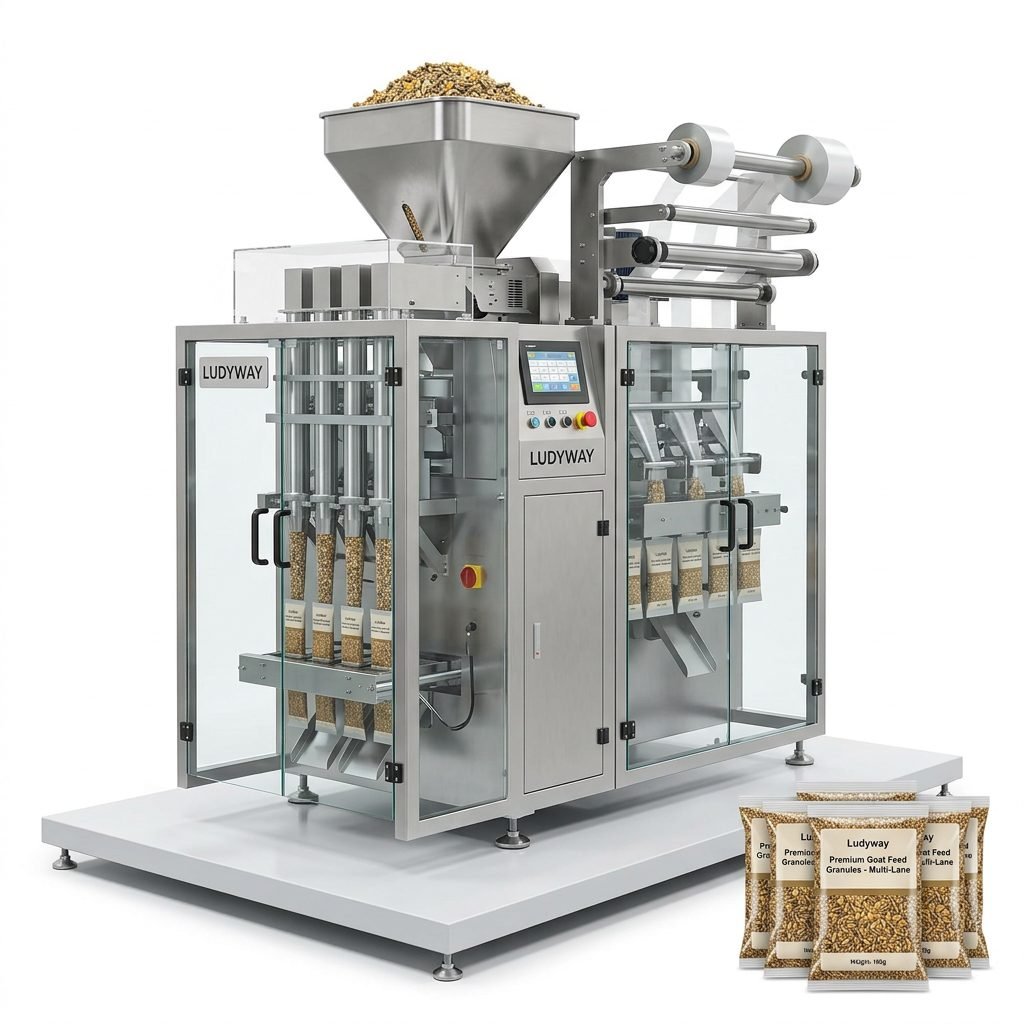
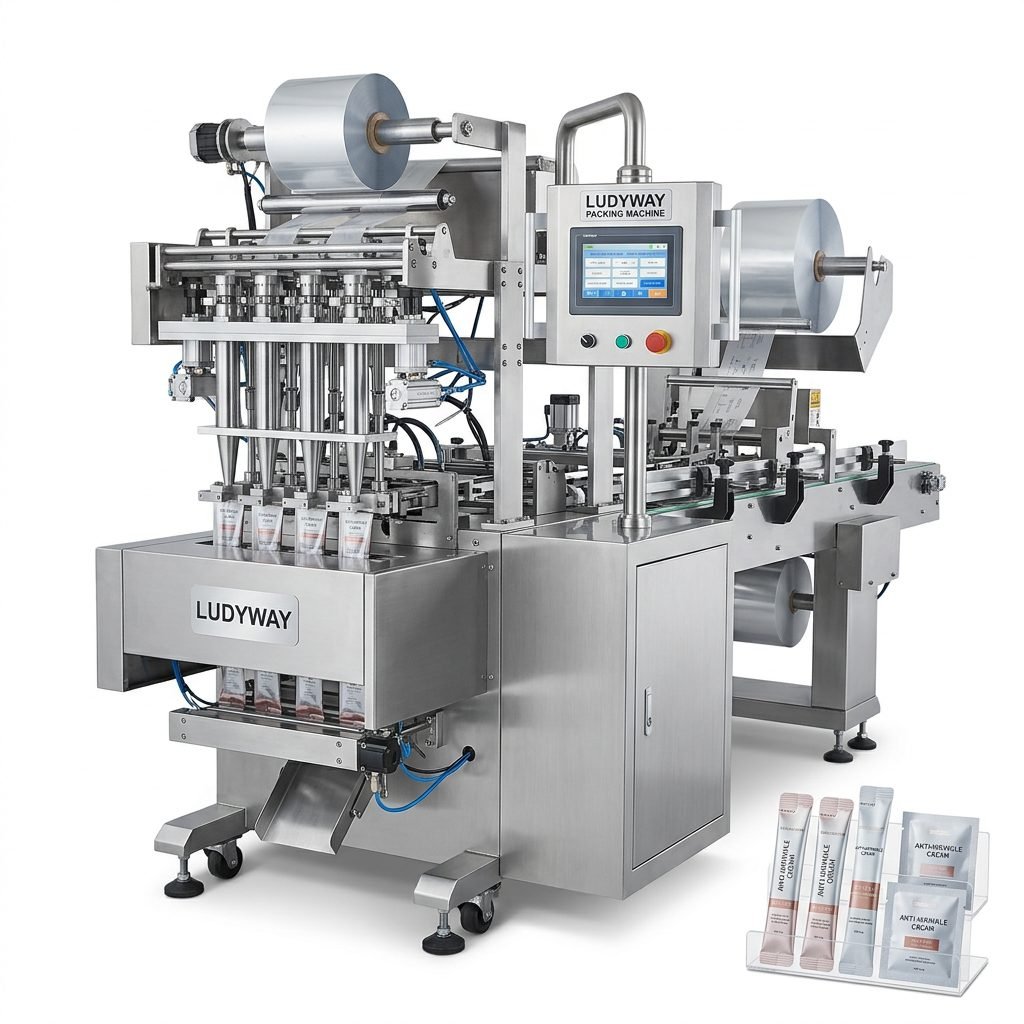
Selecting the right heat sealer packaging machine is a critical decision for any business involved in packaging powders, granules, liquids, or solids. The correct machine directly impacts production efficiency, product integrity, and overall operational costs. This comprehensive guide will walk you through the different types of heat sealers, their primary uses, and the key factors to consider when making your investment.
Core Function of Heat Sealers
At its heart, a heat sealer uses controlled temperature and pressure to melt and fuse thermoplastic layers within packaging films, creating a strong, airtight, and often tamper-evident seal. This process is superior to adhesive sealing for many applications, especially where hygiene, barrier properties, and seal strength are paramount.
Primary Types of Heat Sealer Packaging Machines
The market offers a variety of heat sealers, each designed for specific production scales, package styles, and materials. Understanding these categories is the first step in narrowing your choice.
1. Manual & Semi-Automatic Heat Sealers
Ideal for low to medium-volume production, startups, or laboratories. The operator typically places the filled pouch in the sealing jaws and initiates the cycle. Semi-automatic models may include features like foot pedals or automatic timers to improve consistency and reduce operator fatigue.
- Best for: Sampling, small batches, R&D, and businesses with diverse, low-volume products.
- Advantage: Lower initial cost, flexibility, and ease of setup.
2. Automatic Vertical Form-Fill-Seal (VFFS) Machines
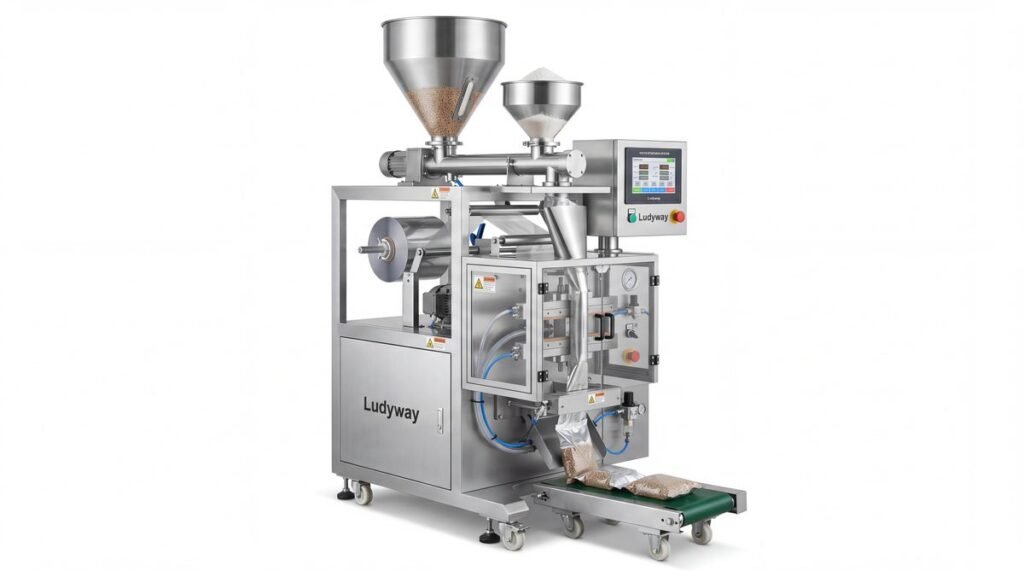
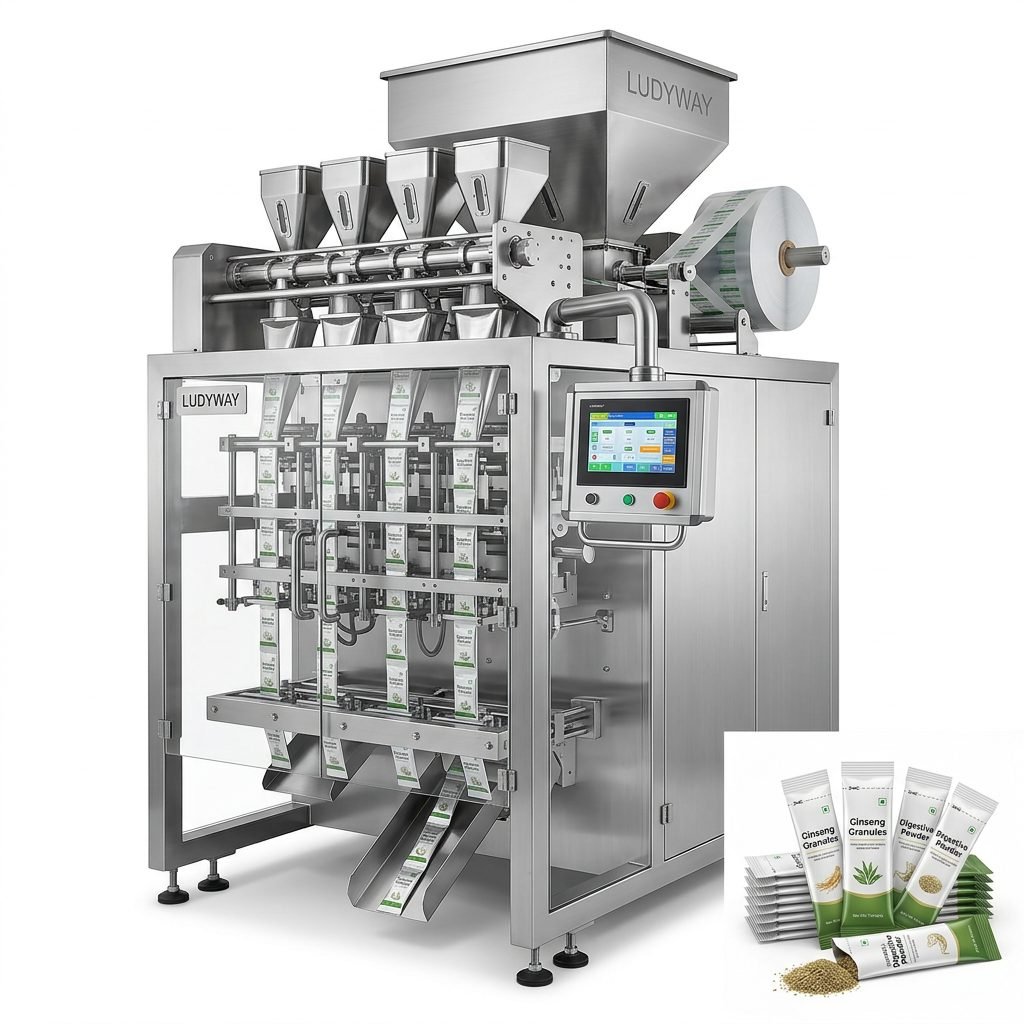
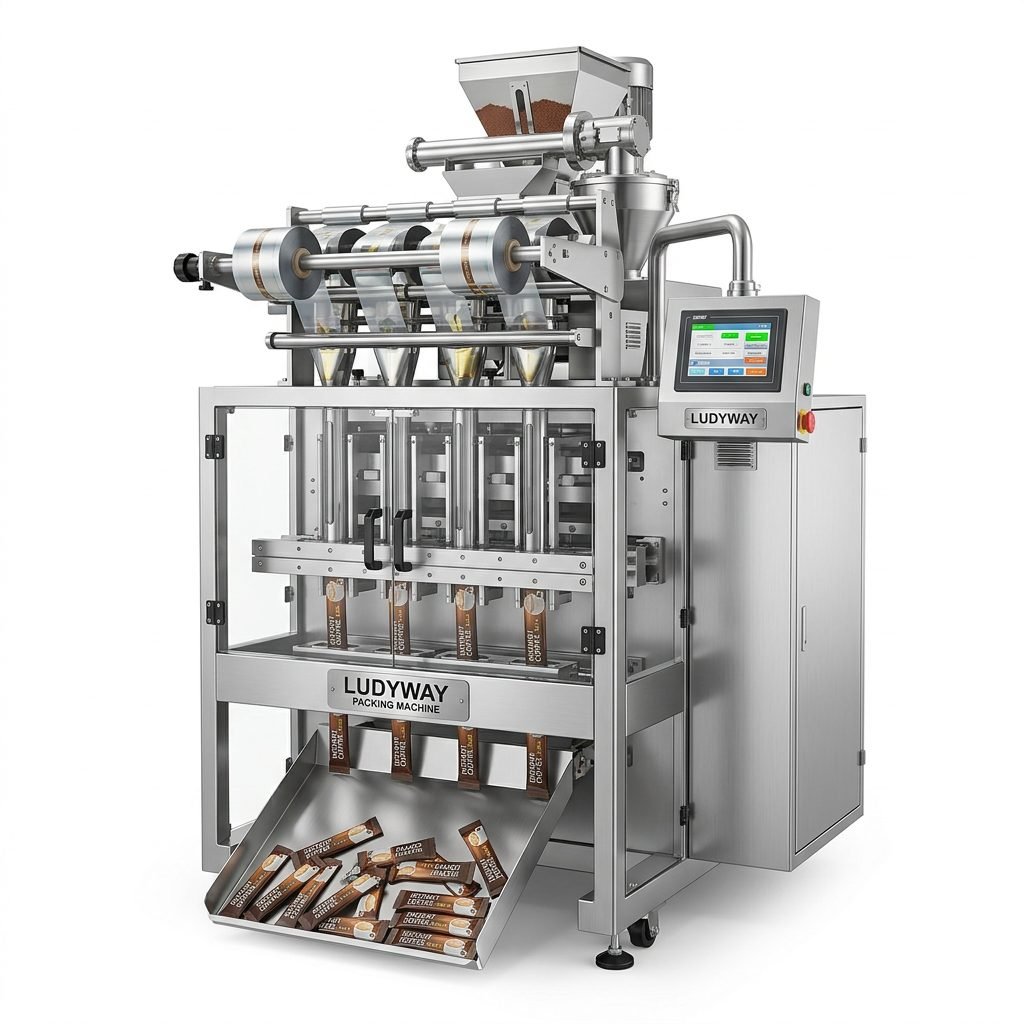
These are the workhorses of high-volume packaging. A VFFS machine forms a tube from a roll of film, fills it with product, and then creates transverse heat seals to form individual pouches. They are incredibly efficient for granules, powders, seeds, and small solids.
- Best for: High-speed production of single-serving packs, stick packs, and sachets.
- Advantage: High output, reduced film waste, and integrated weighing systems.
3. Automatic Horizontal Form-Fill-Seal (HFFS) Machines
In an HFFS machine, the film is fed horizontally. The product is placed on the lower web, the top web is laid over it, and a sealing die descends to create the pouch perimeter seal. This method is excellent for packaging odd-shaped items, multiple components (like utensil kits), or products that cannot be dropped vertically.
- Best for: Medical devices, hardware items, food trays, and blister packs.
- Advantage: Gentle handling of products and versatile pouch shapes.
4. Continuous Band Sealers
These machines use two moving, heated bands to create a continuous seal. The product (usually in a premade pouch) is conveyed between the bands. They are perfect for sealing liquids, viscous products, or items requiring a very long, consistent seal.
- Best for: Liquids (sauces, oils), frozen foods, and products in gusseted or stand-up pouches.
- Advantage: Excellent for leak-prone products; creates strong, uniform seals.
5. Vacuum & Gas Flush Heat Sealers
These specialized machines remove air (vacuum) or replace it with an inert gas (like nitrogen) from the package before the final heat seal. This dramatically extends shelf life by inhibiting oxidation and microbial growth.
Key Application:
This technology is essential for packaging coffee, nuts, cured meats, pharmaceuticals, and premium snacks where freshness is the primary selling point.
Critical Factors for Choosing the Right Machine
Beyond the machine type, several practical factors will determine the best fit for your operation.
Product Characteristics
The nature of your product dictates the machine’s requirements. Fine powders need dust-proof systems and precise auger fillers. Abrasive granules require wear-resistant contact parts. Oily or dusty products can contaminate the sealing area, necessitating easy-clean designs or special jaw coatings.
Packaging Material & Seal Integrity
Not all films seal the same way. Your machine must be compatible with your chosen laminate (e.g., PET/PE, OPP/CPP, aluminum foil laminates). Consider the required seal strength and whether you need a peelable seal for consumer convenience. Test sealing with your actual film is crucial.
Production Speed & Output Requirements
Match the machine’s cycles-per-minute (CPM) or pouches-per-minute (PPM) rating to your current and projected needs. Over-specifying leads to unnecessary cost; under-specifying creates bottlenecks. Remember, output is also limited by your upstream filling and downstream handling speed.
Automation & Integration Level
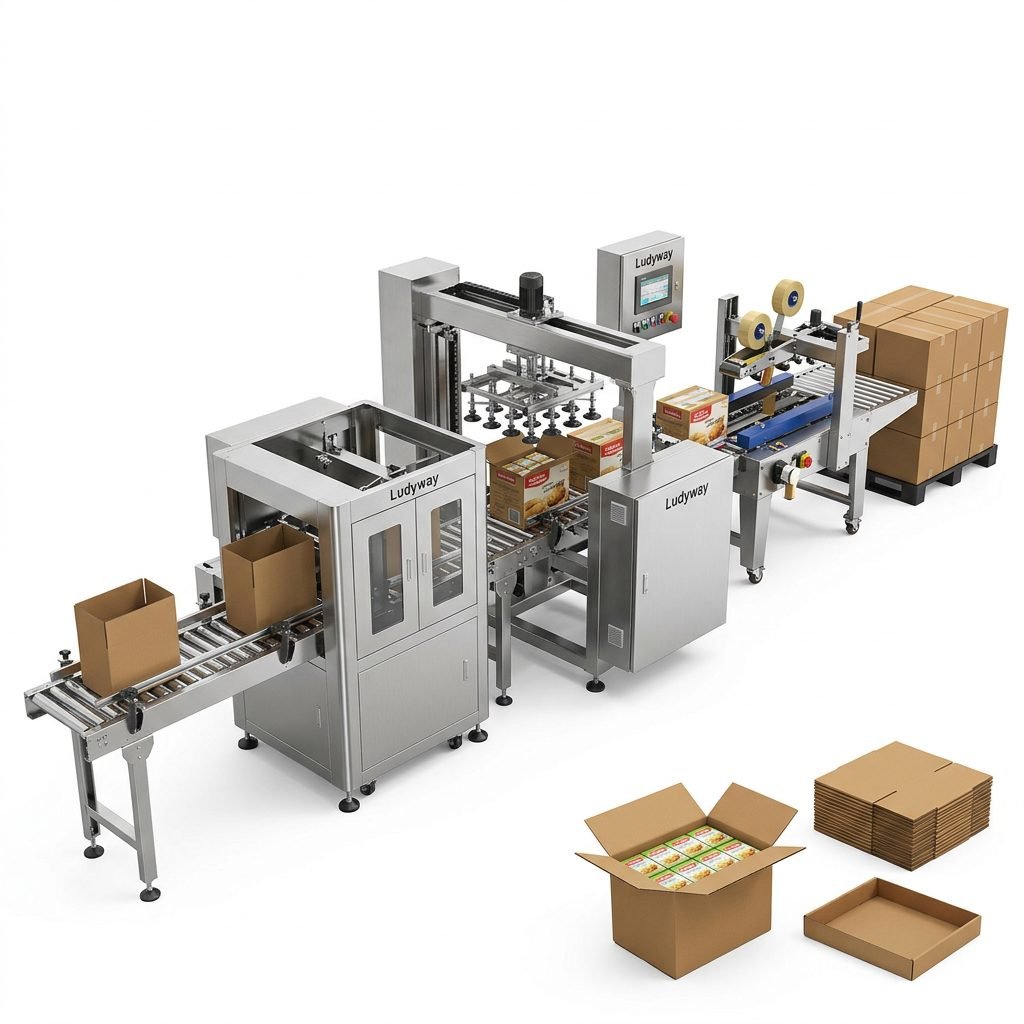
Evaluate your labor availability and workflow. A fully automatic line with integrated checkweighers and automated cartoning maximizes output with minimal intervention. Semi-automatic systems offer a lower-cost entry point but require more manual labor.
Total Cost of Ownership (TCO)
Look beyond the purchase price. Factor in energy consumption, spare part costs, maintenance complexity, and expected downtime. A robust machine from a reputable supplier like Ludyway Packing Machine, with over 30 years of industry experience, may have a higher initial cost but offer far lower TCO through reliability and support.
Supplier Support & Service
Your relationship with the machine supplier is vital. Ensure they offer comprehensive installation, training, readily available spare parts, and responsive technical support. A supplier with a strong track record, like one with a history of global project delivery, can be a long-term partner for your growth.
Making the Final Decision
Always request a live or video product test using your exact product and packaging materials. This is the only way to verify performance, seal quality, and speed before purchase. Partner with a supplier who is willing and able to conduct these trials.
Frequently Asked Questions (FAQs)
1. What is the main difference between impulse and constant heat sealers?
Impulse sealers briefly electrify a nichrome wire to create heat for the seal, then cool instantly. They are great for poly bags. Constant heat sealers maintain a steady temperature on the sealing jaws and are better for laminated films and continuous operation.
2. Can one machine handle different types of packaging films?
Many machines have adjustable temperature, pressure, and dwell time settings, allowing them to handle a range of compatible films. However, switching between vastly different materials (e.g., thin polyethylene to thick foil laminate) may require jaw changes or significant recalibration.
3. How important is the cooling time/cooling jaw in the sealing process?
Extremely important. After the heat melts the film layers, pressure must be maintained during a cooling phase to allow the polymer to solidify and form a strong bond. Poor cooling results in weak seals or “burn-through.”
4. What routine maintenance does a heat sealer require?
Daily cleaning of sealing jaws to remove film residue, periodic inspection and replacement of Teflon or silicone sealing strips, lubrication of moving parts as per the manual, and calibration of temperature and pressure settings are essential for consistent performance.
5. Should I choose a machine with servo motors or traditional mechanical drives?
Servo-driven machines offer superior precision, flexibility, and energy efficiency. They allow for easy changeover and complex motion profiles. Traditional mechanical drives are often more robust for very high-speed, simple applications but are less flexible. The choice depends on your need for versatility versus pure speed.