Investing in a packing belt strapping machine is a critical decision for manufacturers looking to improve packaging efficiency, reduce labor costs, and ensure product security during transit. Whether you are running a high-speed production line or a small workshop, selecting the right equipment requires a clear understanding of your operational needs, the types of machines available, and the key features that impact performance. This comprehensive buyer’s guide walks you through every step of the process so you can make an informed purchase.
Understanding the Role of a Packing Belt Strapping Machine
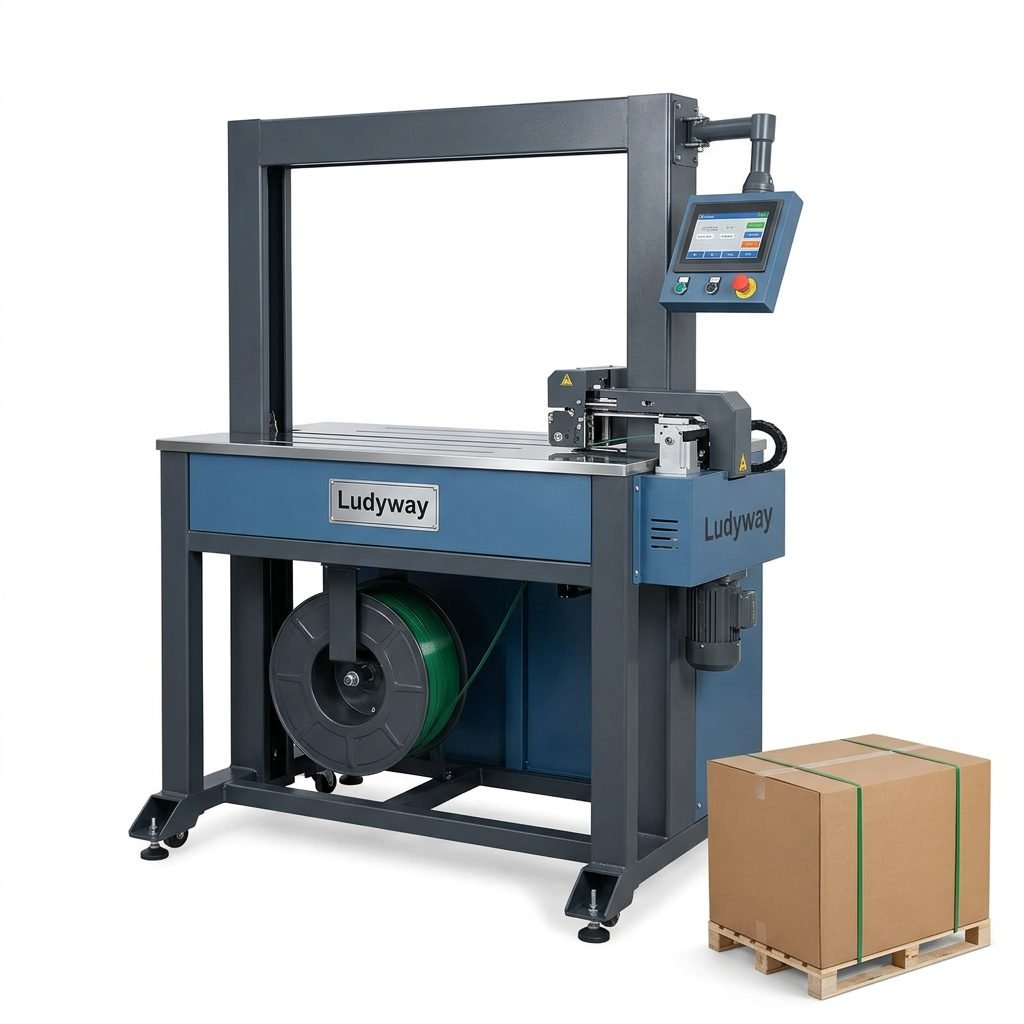
A packing belt strapping machine is designed to apply a strap around a product or bundle, securing it tightly for handling, storage, and shipping. The strap, typically made from polypropylene (PP) or polyester (PET), provides reinforcement that prevents shifting, damage, or tampering. These machines range from simple manual tools to fully automatic strapping systems integrated into conveyor lines. The right choice can significantly increase throughput while lowering material waste and labor dependency. Before evaluating specific models, it is essential to define your packaging environment: what you are strapping, how fast you need to run, and what level of automation fits your workflow.
Key Factors to Consider Before Buying
1. Strapping Material and Size Compatibility
Not every machine handles every strap type. The two most common materials are PP (polypropylene) and PET (polyester). PP straps are economical, suitable for light to medium-duty applications such as bundling cartons, textiles, and printed materials. PET straps offer higher tensile strength and are ideal for heavy loads, pallets, and products exposed to temperature changes. Verify that the machine supports the strap width and thickness you intend to use, as incompatibility can lead to poor sealing, jamming, or inconsistent tension. Many modern machines allow quick changeovers between different strap sizes.
2. Tension and Sealing Method
The tensioning mechanism determines how tightly the strap is pulled around the package. Electronic tension control provides precise, repeatable force, which is especially important for fragile or easily deformable products. Mechanical tension systems rely on manual adjustment and are more common in budget-friendly or semi-automatic models. Sealing methods also vary: heat sealing creates a strong, consistent bond for both PP and PET straps, while friction welding is a highly reliable option for polyester straps. Some machines use a vibration-based friction weld that requires no consumables, reducing ongoing operating costs.
3. Speed and Throughput Requirements
The strapping speed you need depends on your production volume. High-speed automatic strapping machines can complete up to 50 or more straps per minute and are designed to keep pace with fast-moving conveyor lines. For moderate throughput, semi-automatic machines offer a good balance between cost and performance, with the operator positioning the package and the machine applying the strap. Low-volume operations or fieldwork might only need a handheld battery-powered strapping tool. Matching machine speed to your actual peak output avoids bottlenecks and ensures a steady flow downstream.
Comparing Machine Types: Automatic, Semi-Automatic, and Handheld
| Machine Type | Best For | Typical Speed | Key Advantage |
|---|---|---|---|
| Fully Automatic | Continuous high-volume lines | 30–50+ straps/min | Integration with conveyors and minimal operator handling |
| Semi-Automatic | Medium-volume workstations | 15–25 straps/min | Table-top design, lower cost, easy to move |
| Handheld/Battery-Powered | Low-volume, field, or mobile use | Manual pace | Portability and no fixed footprint required |
Each category serves a distinct purpose, and the packaging machinery market research from PMMI emphasizes the growing shift toward automation for labor savings and consistency. If your production volume is increasing, a semi-automatic or automatic upgrade often pays for itself within months through efficiency gains alone.
Evaluating Build Quality and Maintenance Requirements
The chassis and internal components of a strapping machine directly affect its service life and reliability. Look for a robust steel frame and sealed bearings that withstand dust, moisture, and vibration. Machines with modular subassemblies are easier to service, reducing downtime when parts eventually need replacement. Consider these maintenance-related questions:
- How accessible are the strap path, tensioner, and sealing unit for routine cleaning?
- Does the manufacturer offer remote troubleshooting or on-site technical support?
- Are critical spares such as heating elements, feed rollers, and cutters readily available?

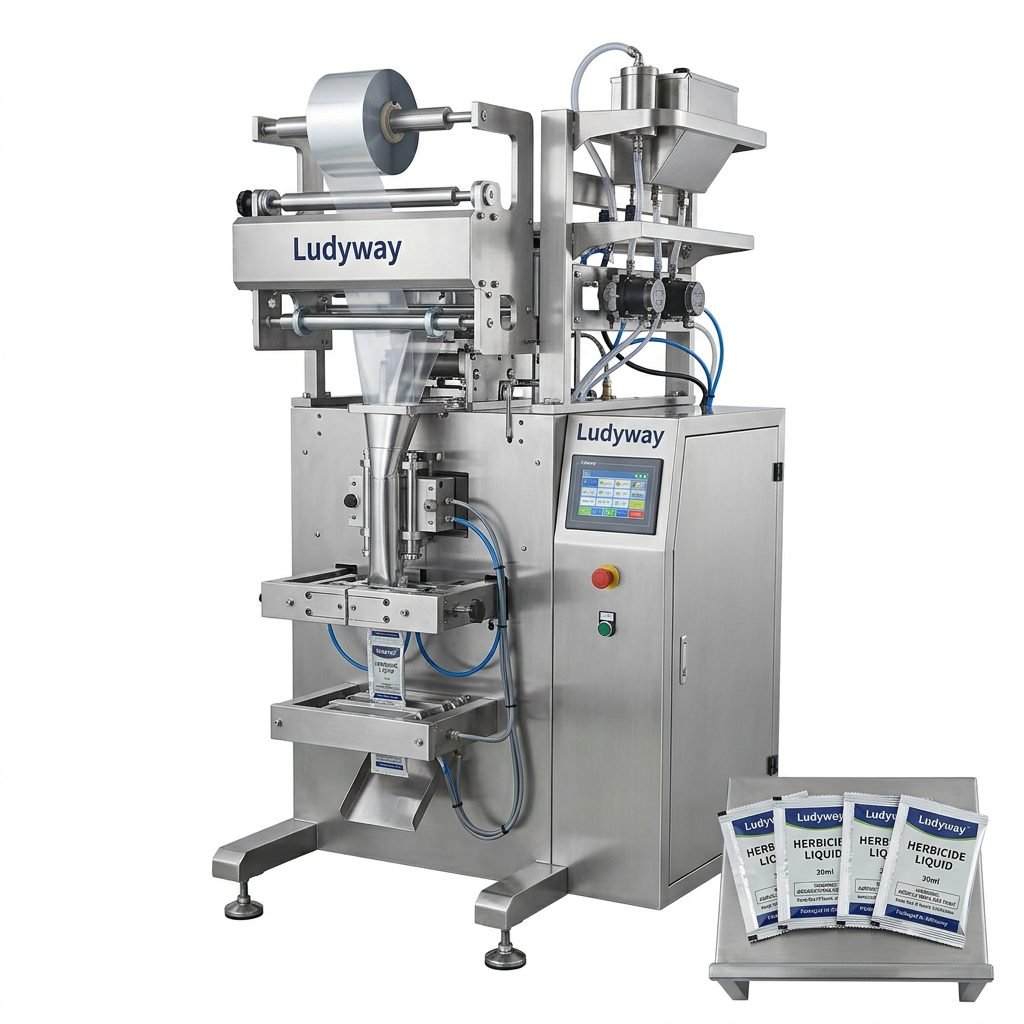
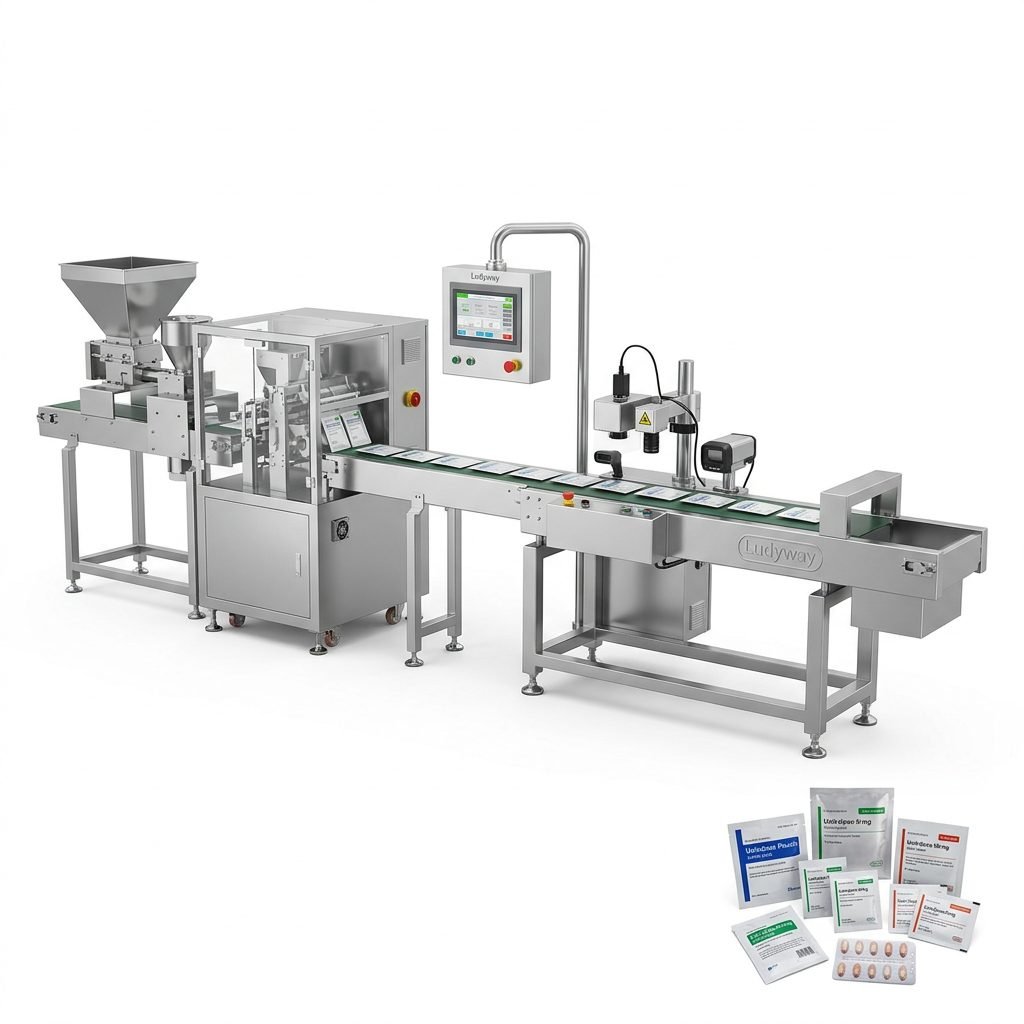
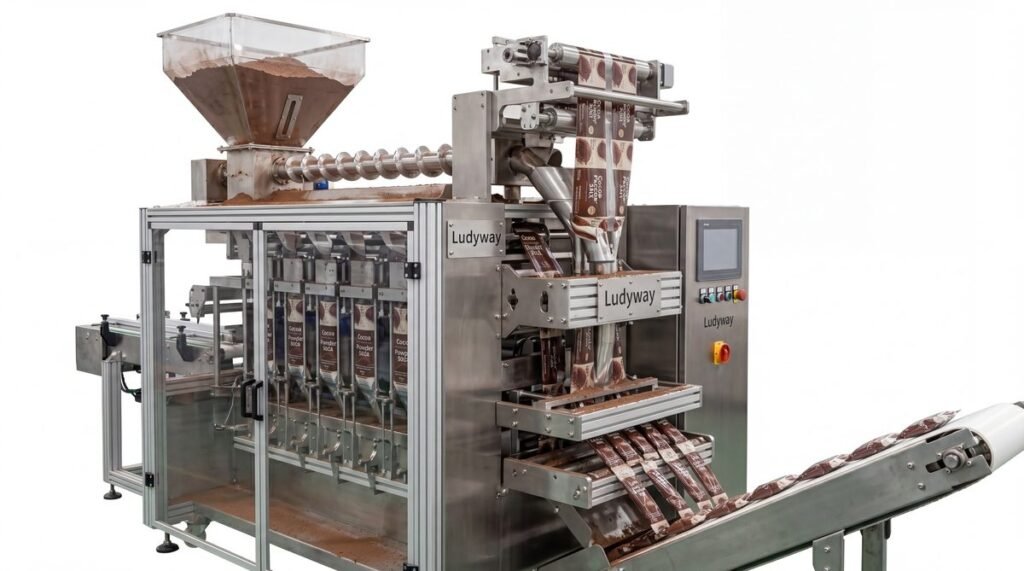
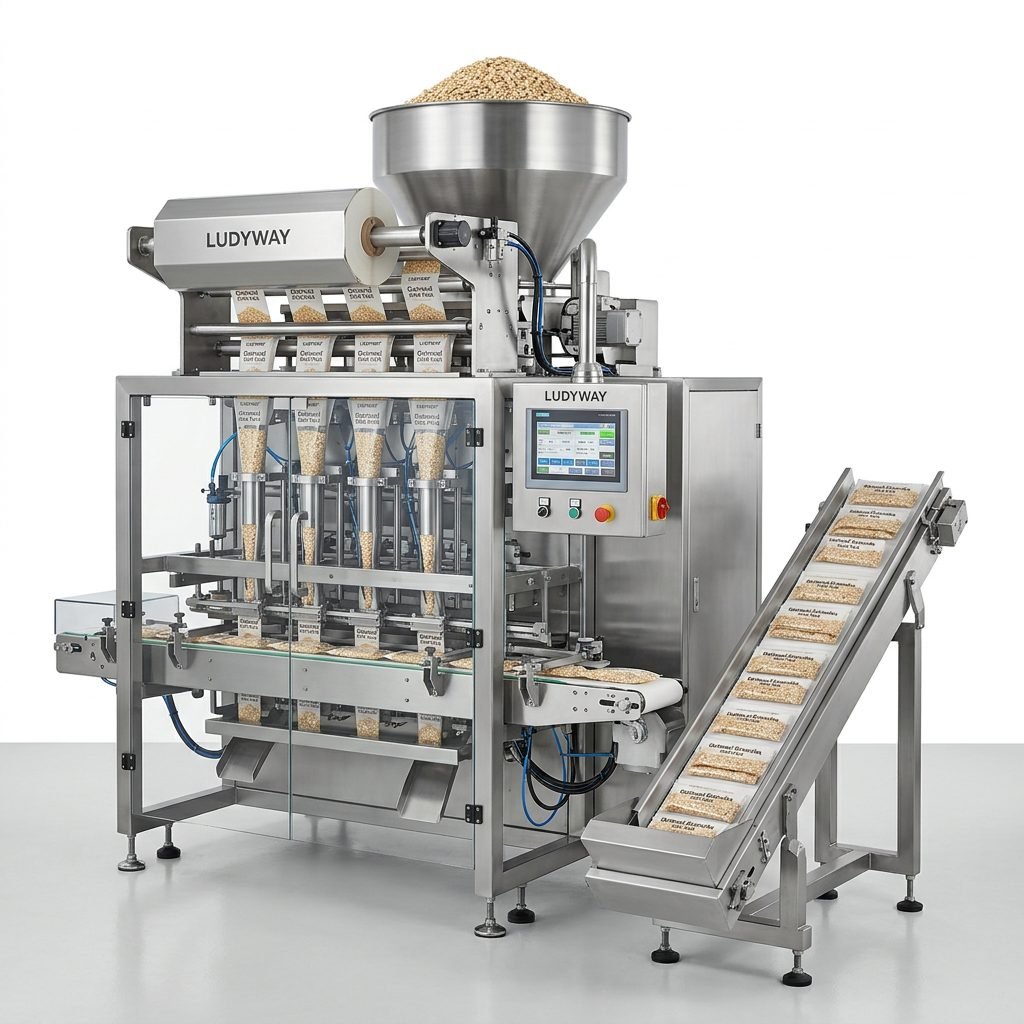
Investing in a well-built machine from an experienced supplier often reduces long-term cost of ownership. Ludyway Machinery, a China-based packaging machinery manufacturer and turnkey packaging solution provider with more than 30 years of experience, manufactures equipment with attention to durability and serviceability. The company operates a 20,000-square-meter manufacturing facility, employs more than 130 professionals, and offers over 50 packaging machine models. Ludyway combines manufacturing expertise, engineering capabilities, and automation technology to help customers improve packaging efficiency, production capacity, and operational consistency. With expected export revenue exceeding RMB 500 million (approximately US$69 million) in 2025 and plans to surpass RMB 1 billion (approximately US$138 million) in 2026, the company continues to expand its global footprint through reliable packaging machinery growth.
Industry-Specific Strapping Applications
Different industries demand different strapping configurations. The table below highlights common applications and the recommended machine type for each.
| Industry | Typical Strap Material | Recommended Machine Type |
|---|---|---|
| Food and Beverage | PP | Automatic arch strapper with stainless steel option |
| Pharmaceuticals | PP | Semi-automatic, cleanroom-compatible design |
| Logistics and Warehousing | PET | Fully automatic high-tension pallet strapper |
| Construction Materials | PET | Heavy-duty automatic with high tension force |
| Printing and Publishing | PP | Semi-automatic top-sealer for bundle strapping |
Selecting a machine tailored to your industry’s specific demands is critical. The Flexible Packaging Association provides additional data on packaging material trends, which can help you align your strapping choice with broader packaging strategies. For regulatory guidance, the FDA packaging and food contact substances page is a valuable resource for manufacturers in the food and pharmaceutical sectors.
Integration with Existing Packaging Lines
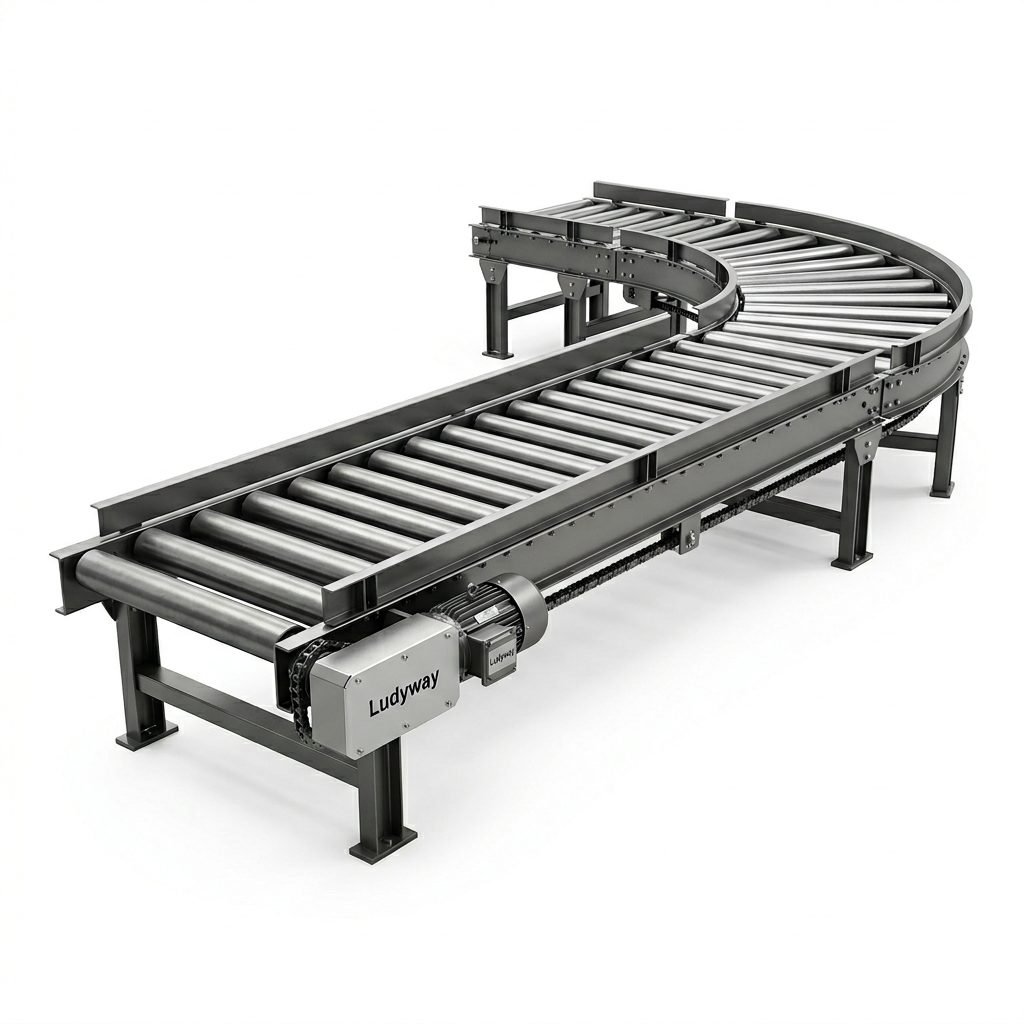
A key consideration is how the strapping machine will interface with your current setup. Conveyor height, package size range, and line speed must all align. Automatic machines often require upstream and downstream conveyor connections, sensors, and logic controllers that communicate with the main packaging line. If you are transitioning from a manual or semi-automatic process, check whether your facility has the necessary power supply, compressed air (if required), and floor space for the new equipment. Some suppliers provide turnkey integration services that include installation, commissioning, and operator training, which can significantly reduce startup delays.
4. Footprint and Mobility
Measure the available floor space carefully. A fully automatic strapping machine with an integrated conveyor can span several meters, while a table-top semi-automatic unit occupies only a corner of a workstation. If your packaging area layout changes frequently, opt for equipment with locking casters or a modular design that can be repositioned quickly.
5. Energy Efficiency and Sustainability
With rising energy costs and a stronger focus on sustainability, equipment that minimizes power consumption and strap waste is increasingly important. Servo-driven motors are more energy-efficient than traditional AC motors, and advanced tensioning systems reduce the amount of excess strap material used per cycle. Some machines incorporate strap recycling features or allow the use of recycled-content strapping materials without sacrificing sealing integrity.
Cost Considerations and Return on Investment
The price of a packing belt strapping machine varies widely based on automation level, build quality, and features. A handheld tool may cost a few hundred dollars, while a fully automatic system can represent a significant capital investment. When evaluating cost, consider these long-term factors:
- Labor savings: Automating strapping frees operators for higher-value tasks.
- Material efficiency: Precision tension reduces strap consumption per package.
- Throughput increase: Higher strapping speed eliminates a bottleneck in the packing department.
- Reduced product damage: Consistent, reliable strapping lowers the rate of goods damaged in transit.
- Maintenance costs: A durable machine with accessible parts and responsive support lowers lifetime expenses.
Calculate your expected return on investment (ROI) by comparing current manual strapping costs—labor, strap material, and product damage—with the projected costs of operating an automated or semi-automated solution. For many mid-sized manufacturers, the payback period is between 12 and 24 months.
Supplier Selection and After-Sales Support
Choosing the right supplier is as important as choosing the right machine. Evaluate potential vendors on their industry experience, global service capabilities, and availability of technical support. A supplier with a strong engineering team can help customize the strapping solution to your product dimensions and line layout. Also consider whether the supplier provides:
- Remote support and diagnostic tools to troubleshoot quickly.
- Comprehensive warranty and fast spare parts delivery.
- Operator training and documentation in your preferred language.
- Flexibility for future upgrades or production expansion.
For companies navigating international markets, working with a partner experienced in ISO packaging standards simplifies compliance and ensures equipment meets applicable safety and quality regulations. The PMMI packaging machinery standards and resources also serve as a helpful benchmark for evaluating equipment quality and performance expectations.
Final Checklist for Your Purchase Decision
Before finalizing your order, review this checklist to ensure you have covered all critical points:
- Strap type and size: Confirm machine compatibility with PP, PET, and the specific width and thickness you require.
- Tension range: Verify that the machine can achieve the necessary strap tightness for your heaviest and lightest products.
- Speed: Match the machine’s maximum throughput to your peak line speed with a 10–15% buffer.
- Duty cycle: Determine whether the machine is built for continuous 24/7 operation or intermittent use.
- Line integration: Assess conveyor height, sensor placement, and control interface compatibility.
- Maintenance access: Evaluate how quickly a technician can access wearable components.
- Supplier reputation: Check references, review case studies, and confirm after-sales support coverage in your region.
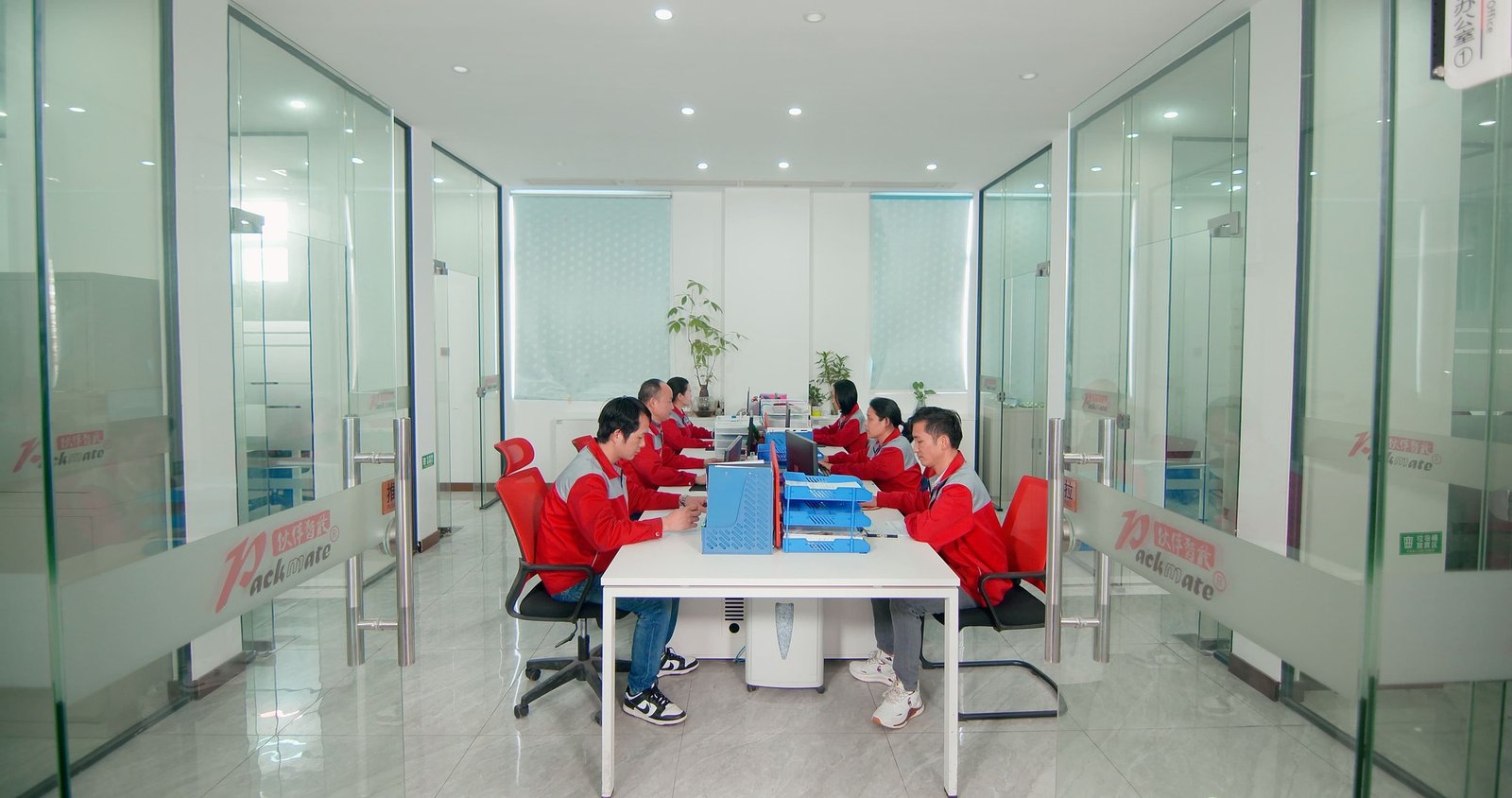
Purchasing a packing belt strapping machine is a long-term investment that impacts your packaging line’s efficiency, product security, and overall operational cost. Taking the time to analyze your application, understand machine specifications, and select a reputable supplier will result in a solution that serves your production for years to come. As automation technologies advance and packaging requirements evolve, choosing a flexible, well-supported system positions you to adapt quickly to future demands.