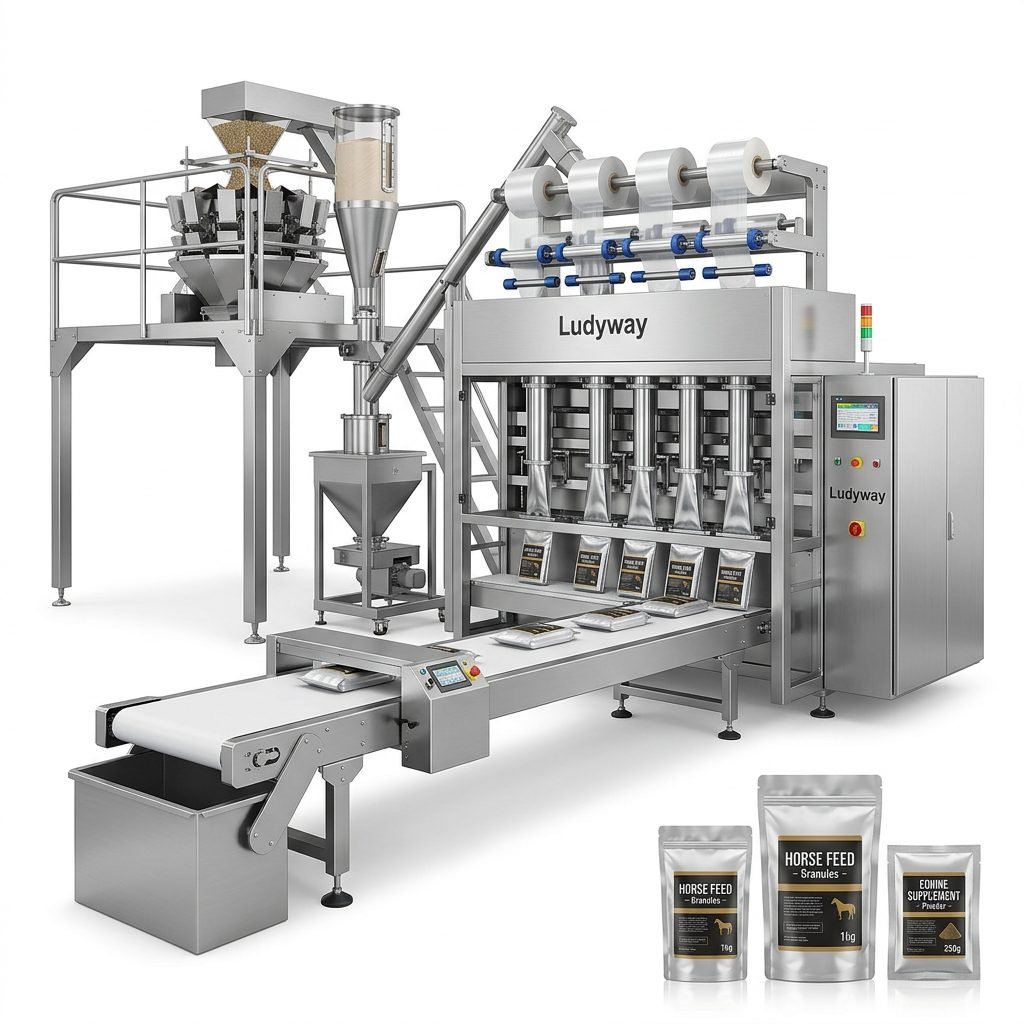
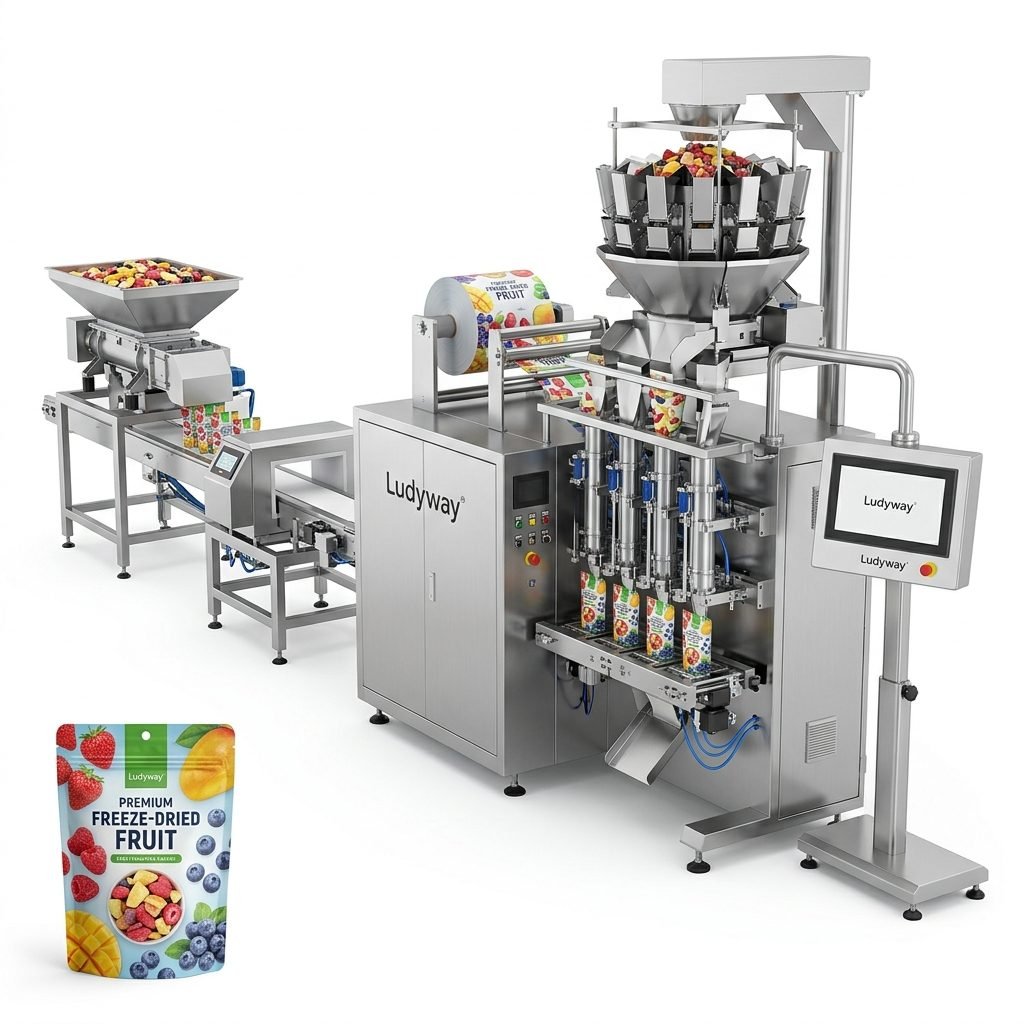
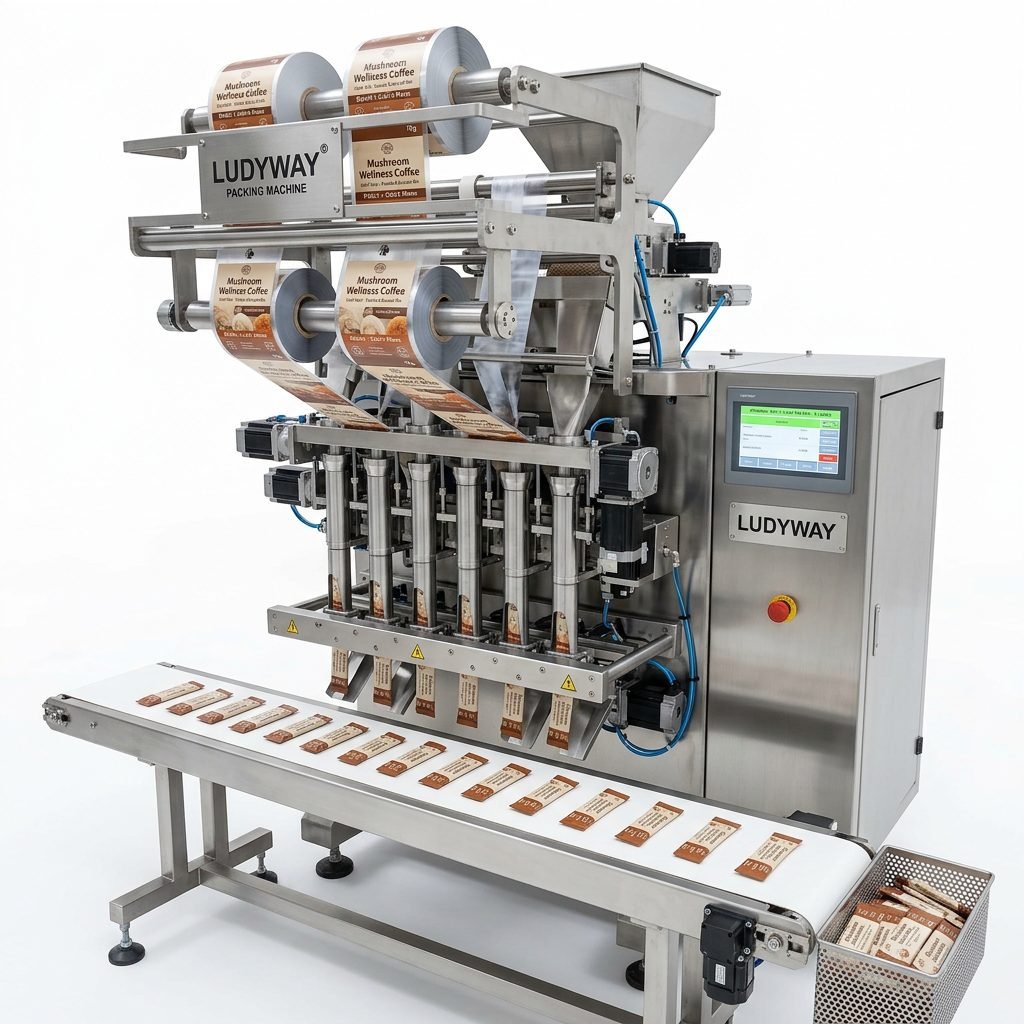
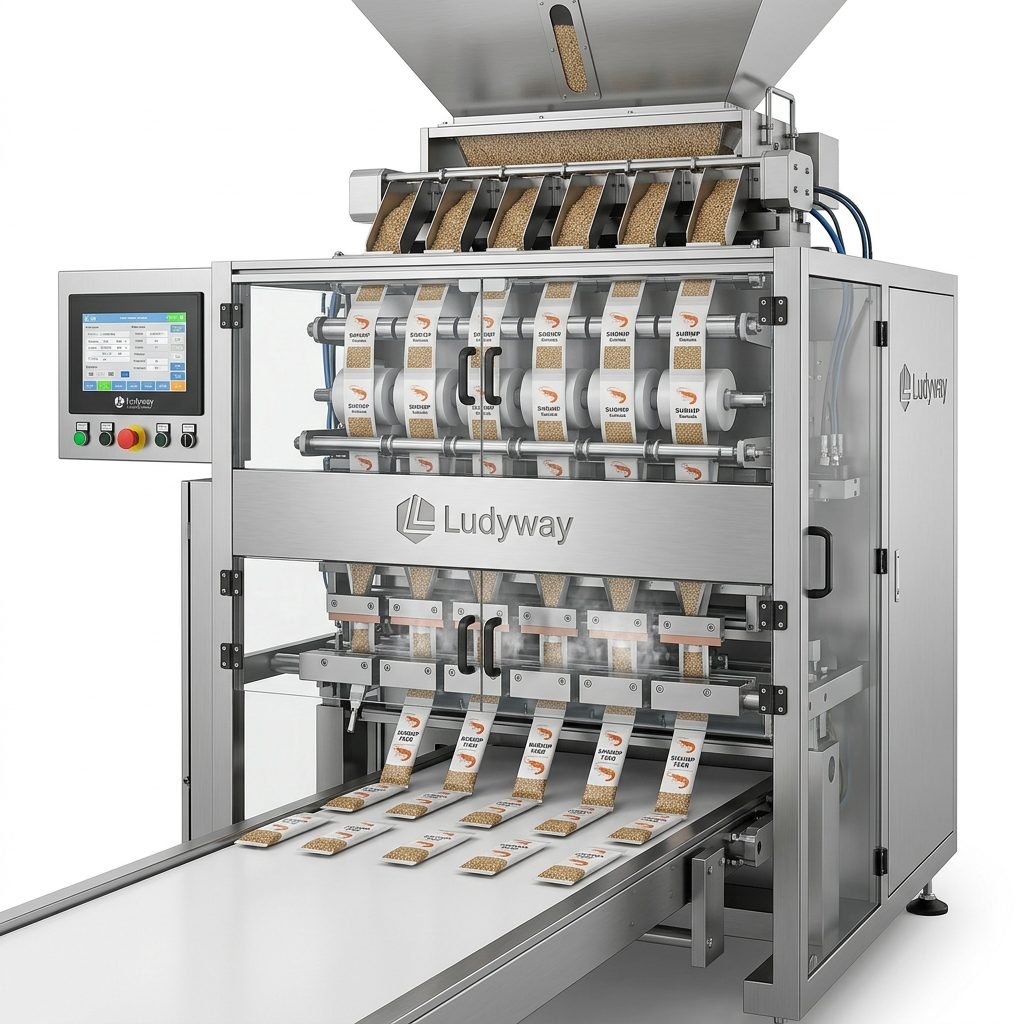
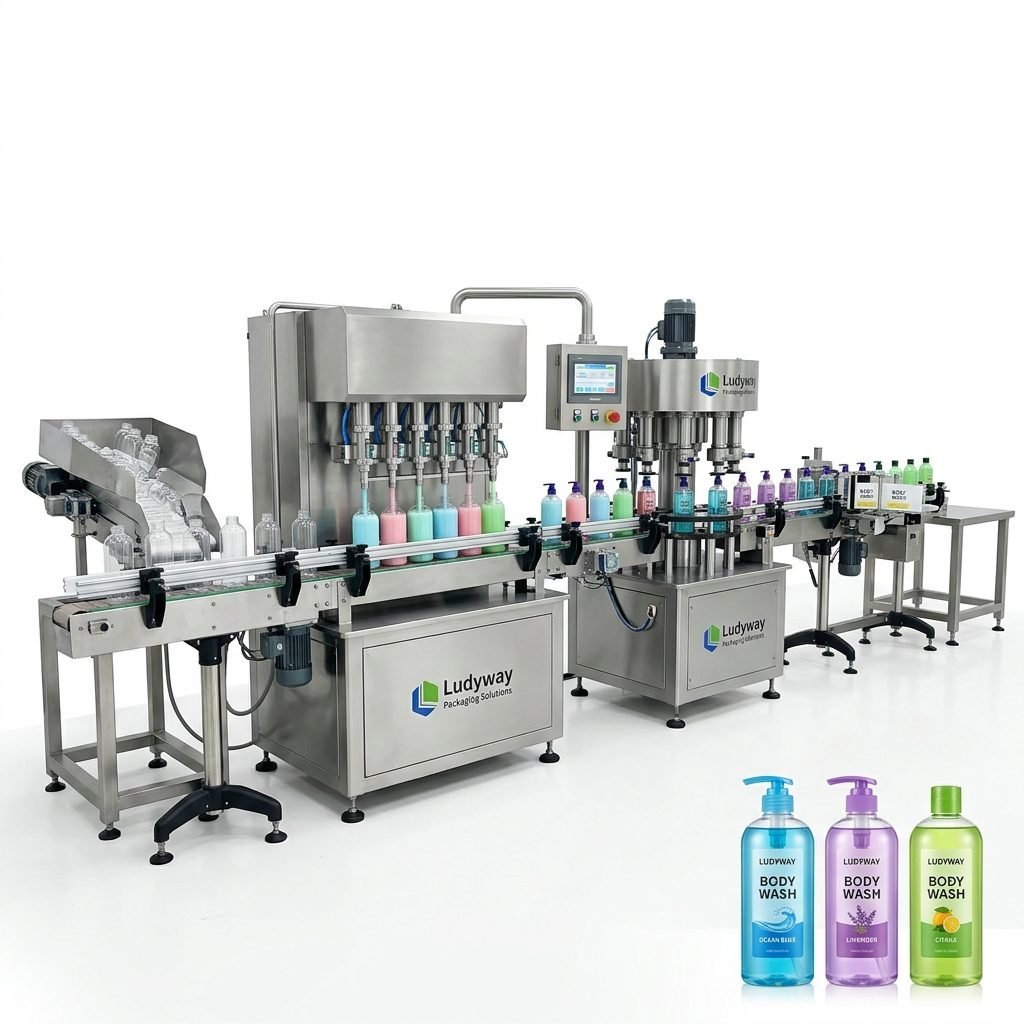
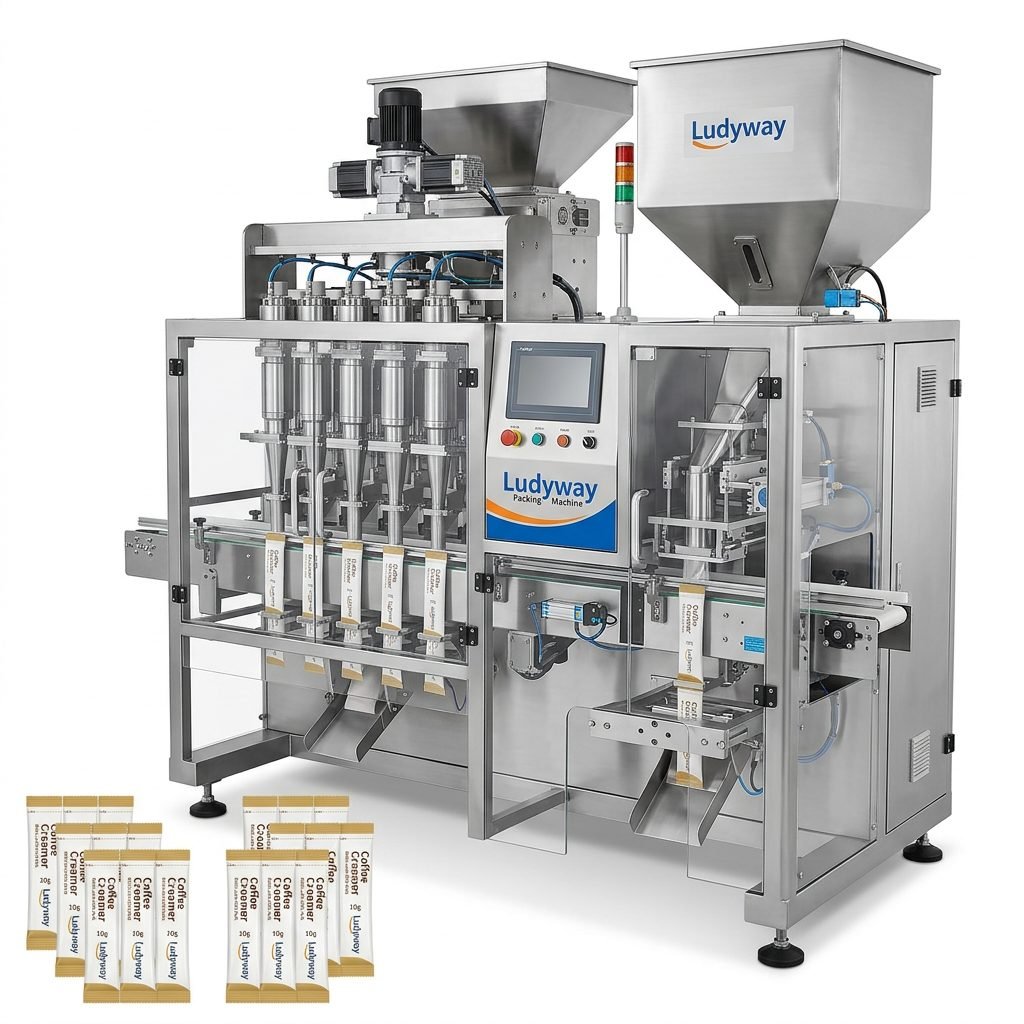
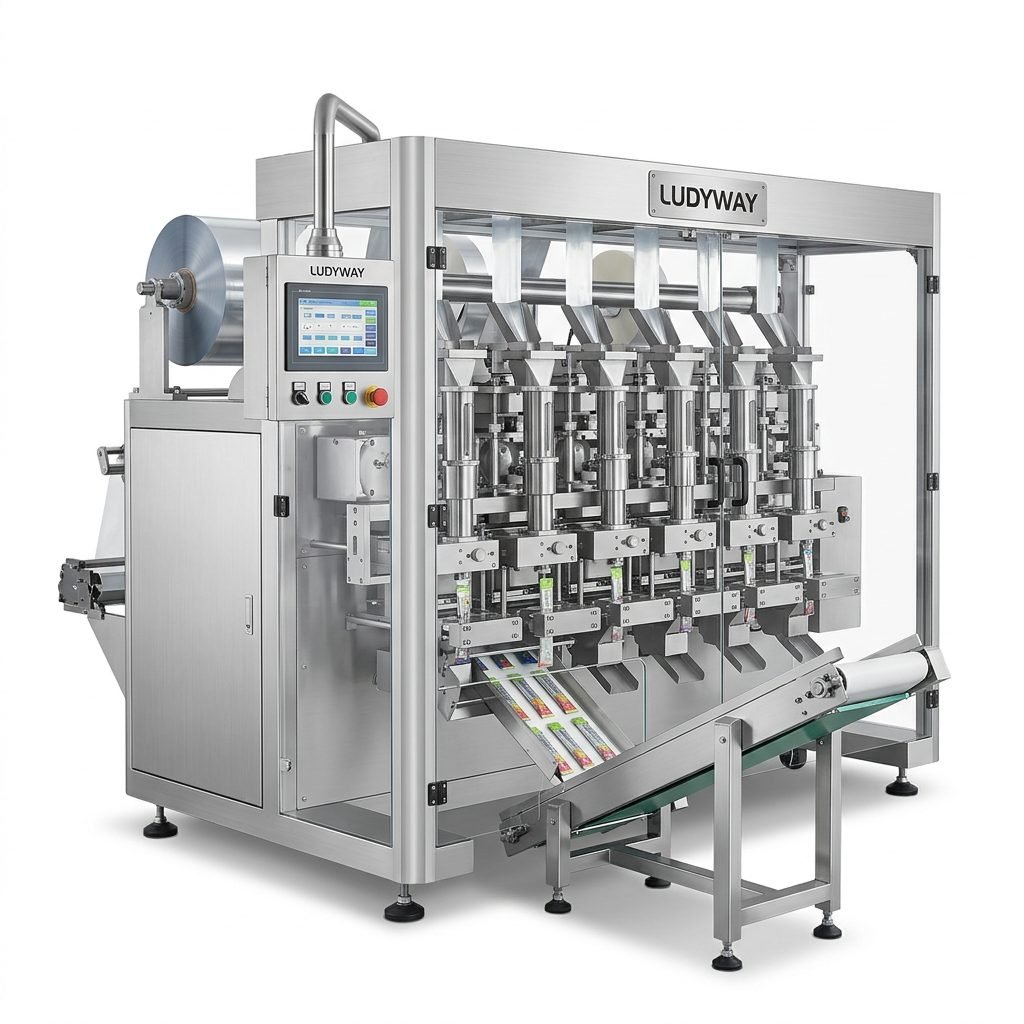
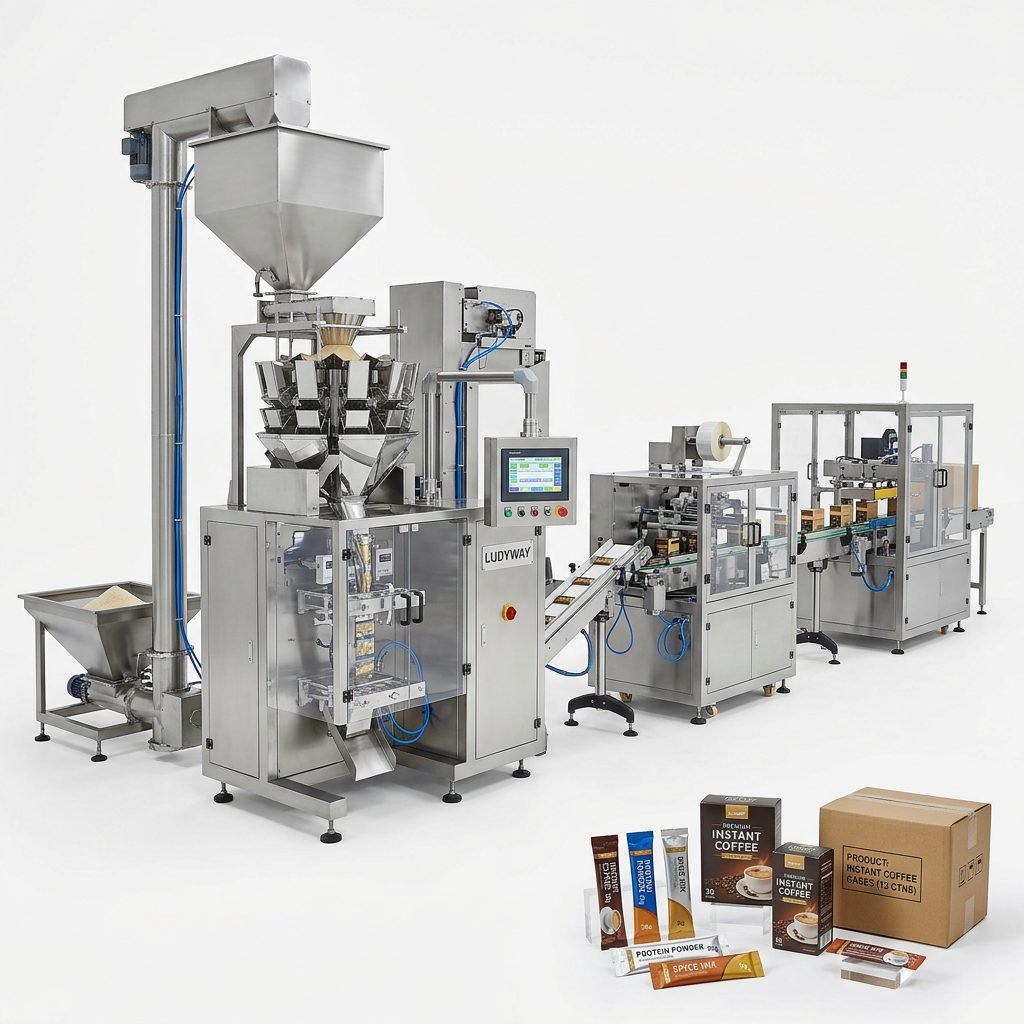
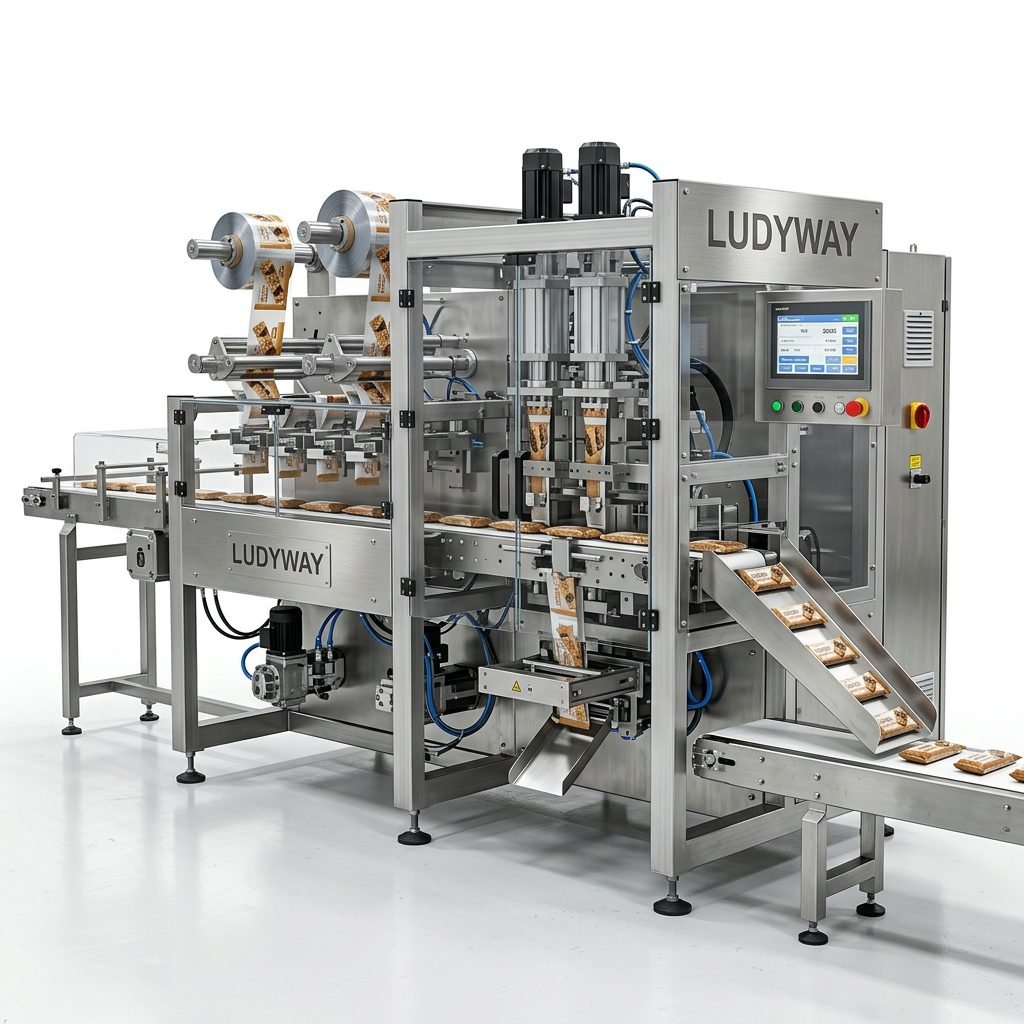
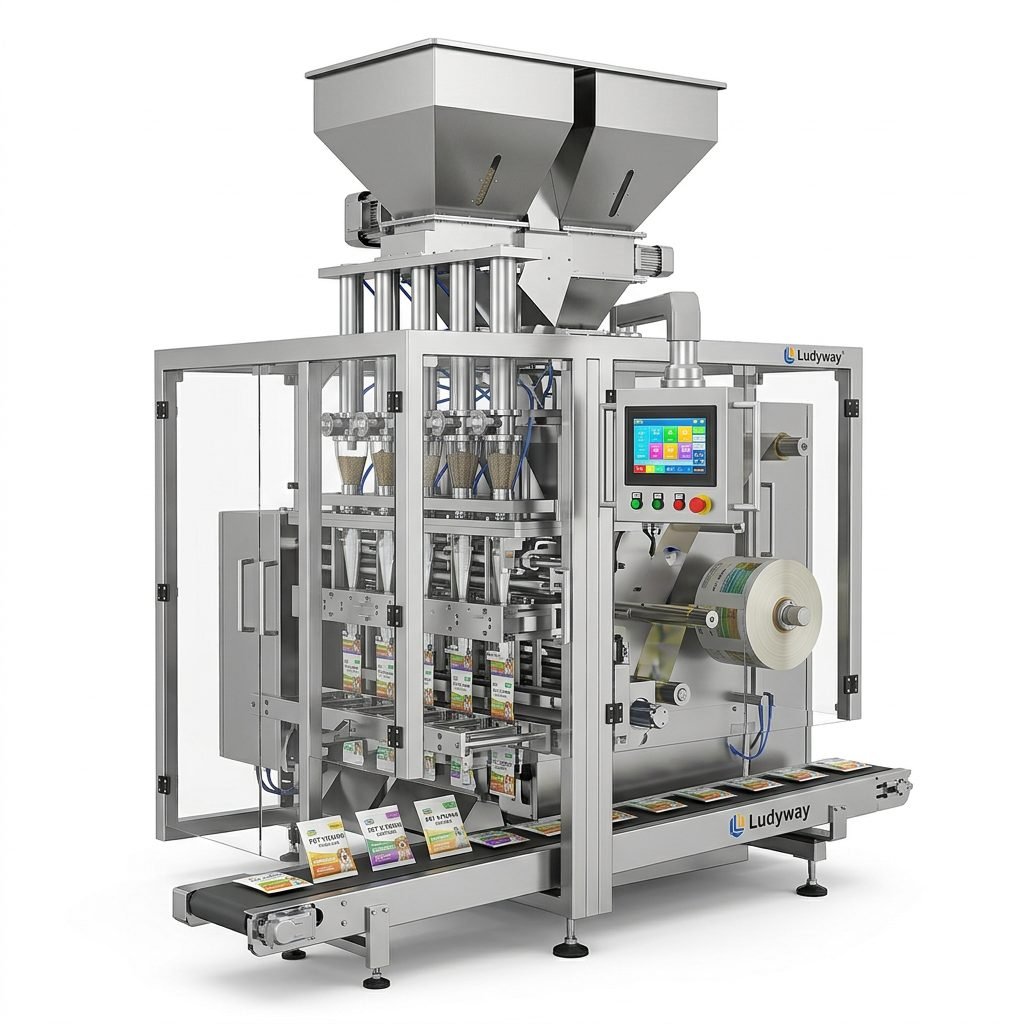
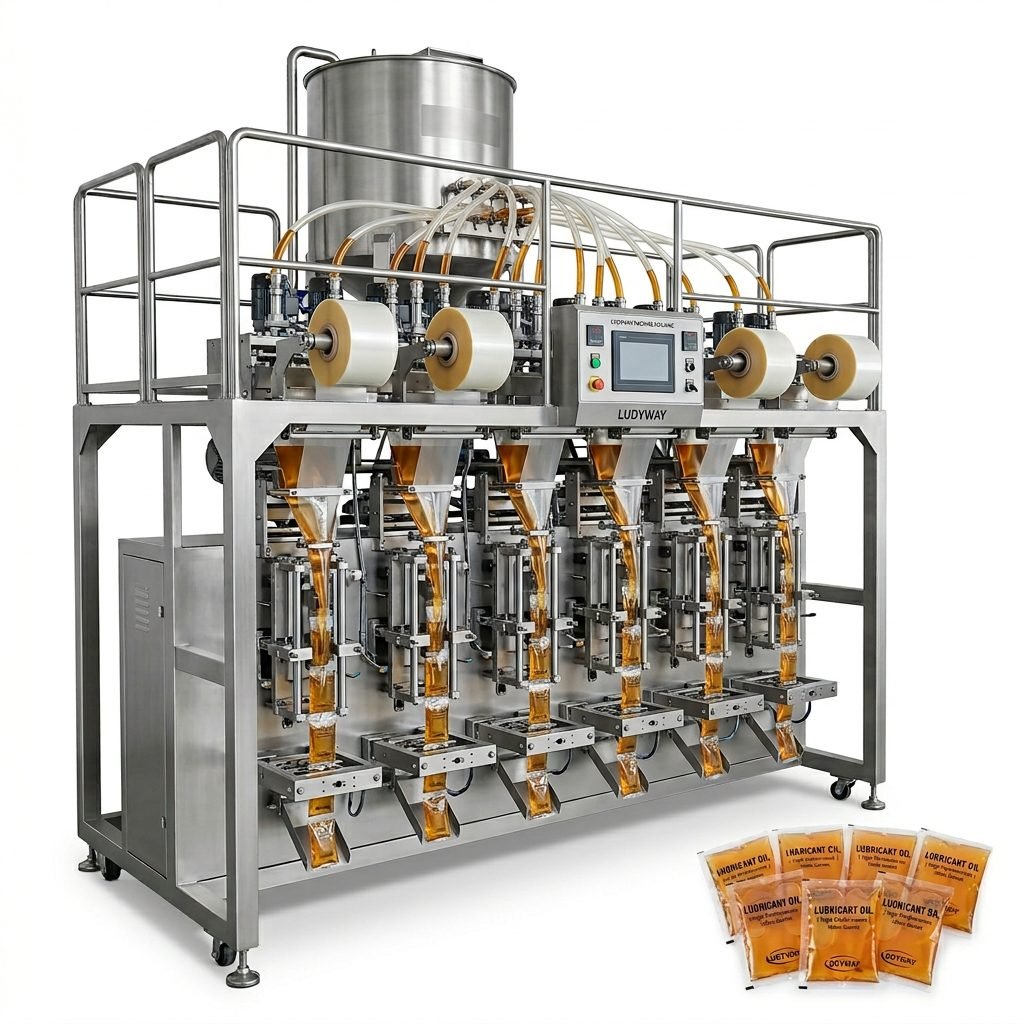
Proper maintenance of an engine oil packing machine is critical to ensuring consistent performance, extending equipment lifespan, and avoiding costly downtime. Whether you operate a multi-lane stick pack system or a high-speed sachet filling line, a well-structured maintenance routine can significantly improve packaging efficiency and product quality. This guide outlines essential maintenance practices tailored for engine oil packaging equipment, covering daily checks, periodic servicing, and troubleshooting common issues.
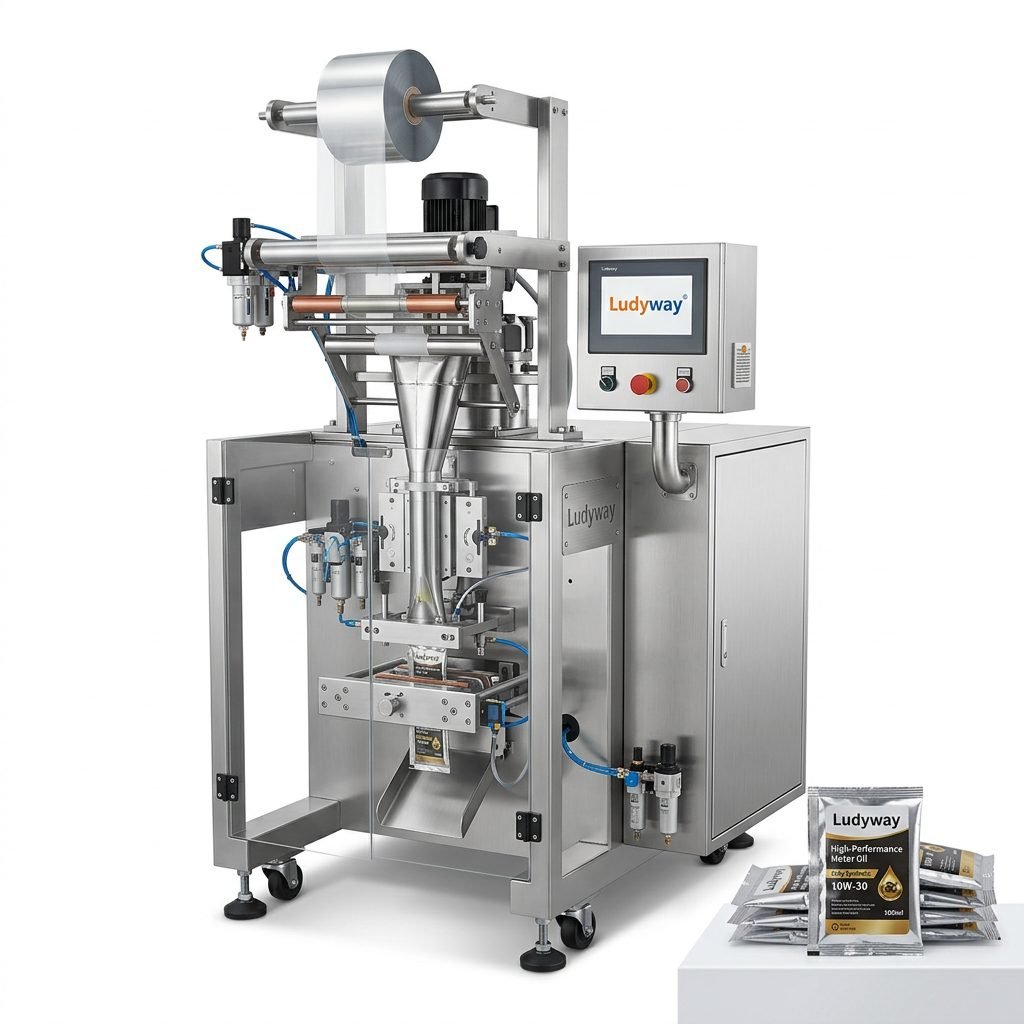
Why Routine Maintenance Matters
Engine oil is a viscous, often high-temperature product that places unique demands on packaging machinery. Without regular upkeep, residue buildup, seal wear, and calibration drift can lead to inaccurate fill volumes, product leakage, and machine failure. A proactive approach to packaging machine maintenance not only reduces repair costs but also ensures compliance with ISO packaging standards and safety regulations.
Daily Maintenance Checklist
Daily inspections form the foundation of any effective maintenance program. Operators should perform the following checks before each shift:
| Task | Description | Frequency |
|---|---|---|
| Visual Inspection | Check for oil leaks, loose fittings, and damaged seals around filling nozzles and hoses. | Every shift |
| Clean Filling Nozzles | Remove oil residue from nozzles to prevent clogging and drips that affect fill accuracy. | Every shift |
| Check Sealing Temperature | Verify that heat seal bars are at the correct temperature for consistent pouch and sachet sealing. | Every shift |
| Inspect Sensors | Test photoelectric sensors and proximity switches for proper detection and response. | Every shift |
| Verify Fill Volume | Run a test batch to confirm that fill volumes are within specified tolerances. | Every shift |
Weekly Maintenance Procedures
Weekly tasks go deeper, addressing components that experience gradual wear. Incorporating these steps into your routine helps prevent unexpected breakdowns:
- Lubricate moving parts — Apply food-grade or appropriate lubricant to guide rails, chains, bearings, and cam mechanisms to reduce friction.
- Inspect belts and drive systems — Check tension and alignment of conveyor belts, timing belts, and drive chains; adjust or replace as needed.
- Clean oil recovery trays — Remove accumulated oil from drip trays and recovery systems to prevent contamination and overflow.
- Examine pneumatic systems — Drain moisture from air filters, check cylinder operation, and inspect hoses for cracks or leaks.
- Test emergency stops — Verify that all emergency stop buttons and safety interlocks function correctly.
Monthly and Quarterly Maintenance
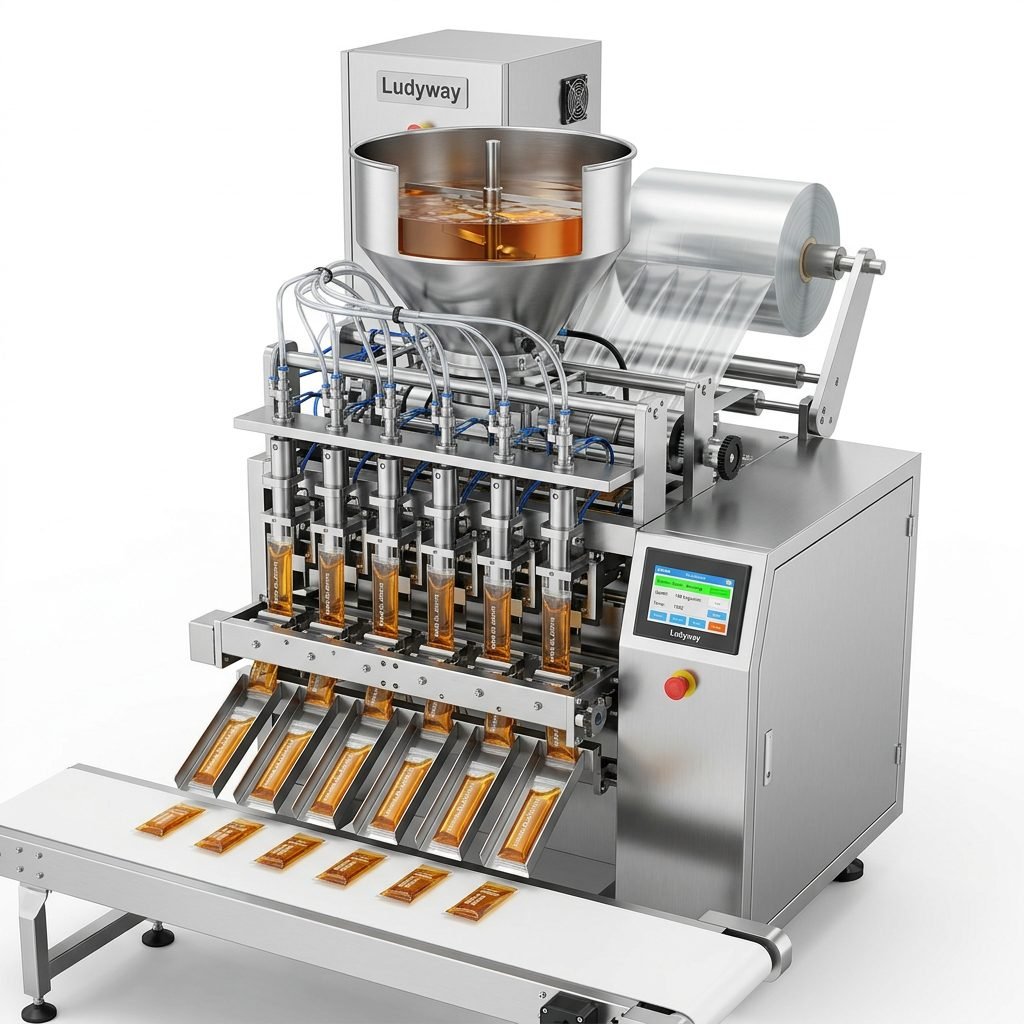
Monthly and quarterly maintenance addresses components that degrade over longer periods. These tasks often require more technical expertise and should be documented thoroughly:
| Component | Maintenance Action | Interval |
|---|---|---|
| Sealing Jaws | Inspect for wear, clean thoroughly, and replace if surface coating is damaged. Check jaw alignment. | Monthly |
| Pump and Valve System | Disassemble and clean piston pumps or gear pumps; replace worn O-rings, gaskets, and check valves. | Monthly |
| Electrical Connections | Tighten terminal screws, check for corrosion, and verify cable insulation integrity. | Quarterly |
| PLC and Control System | Backup program parameters, check battery status, and clean control panel ventilation. | Quarterly |
| Frame and Structure | Inspect for loose bolts, frame alignment, and signs of fatigue or corrosion on the machine body. | Quarterly |
Common Issues and Troubleshooting
Even with diligent maintenance, occasional issues may arise. The table below summarizes common problems encountered with engine oil packing machines and their likely solutions:
| Problem | Possible Cause | Recommended Solution |
|---|---|---|
| Inconsistent Fill Volume | Worn pump seals, air in the product line, or calibration drift | Replace seals, bleed the system, recalibrate fill parameters |
| Poor Seal Integrity | Incorrect temperature, dirty sealing jaws, or worn Teflon coating | Adjust temperature, clean jaws, replace Teflon tape or coating |
| Oil Leakage | Damaged hoses, loose fittings, or degraded gaskets | Tighten connections, replace damaged hoses and gaskets |
| Machine Jamming | Misaligned film, worn rollers, or improper tension settings | Realign film path, replace worn rollers, adjust tension controls |
| Sensor Errors | Dirty lens, misalignment, or electrical interference | Clean sensor lens, recalibrate position, check grounding |
Lubrication and Cleaning Best Practices
- Use manufacturer-recommended lubricants — Avoid generic products that may not withstand the operating temperatures of engine oil packaging lines.
- Clean product contact surfaces daily — Residual engine oil can degrade seals and contaminate future production runs if left to accumulate.
- Schedule deep cleaning sessions — Every quarter, perform a comprehensive cleaning of the entire machine, including hard-to-reach areas behind panels and inside the filling chamber.
- Document all maintenance activities — Maintain a detailed logbook or digital record of inspections, repairs, and part replacements to track machine health over time.
Spare Parts Inventory Management
Keeping critical spare parts on hand minimizes downtime when repairs are needed. Essential spare parts for an engine oil packaging line include:
- Sealing jaw Teflon tape and heating elements
- Pump seals, O-rings, and gaskets
- Drive belts and timing belts
- Sensor units and proximity switches
- Pneumatic cylinders and fittings
- Film rollers and guide bearings
When to Seek Professional Service
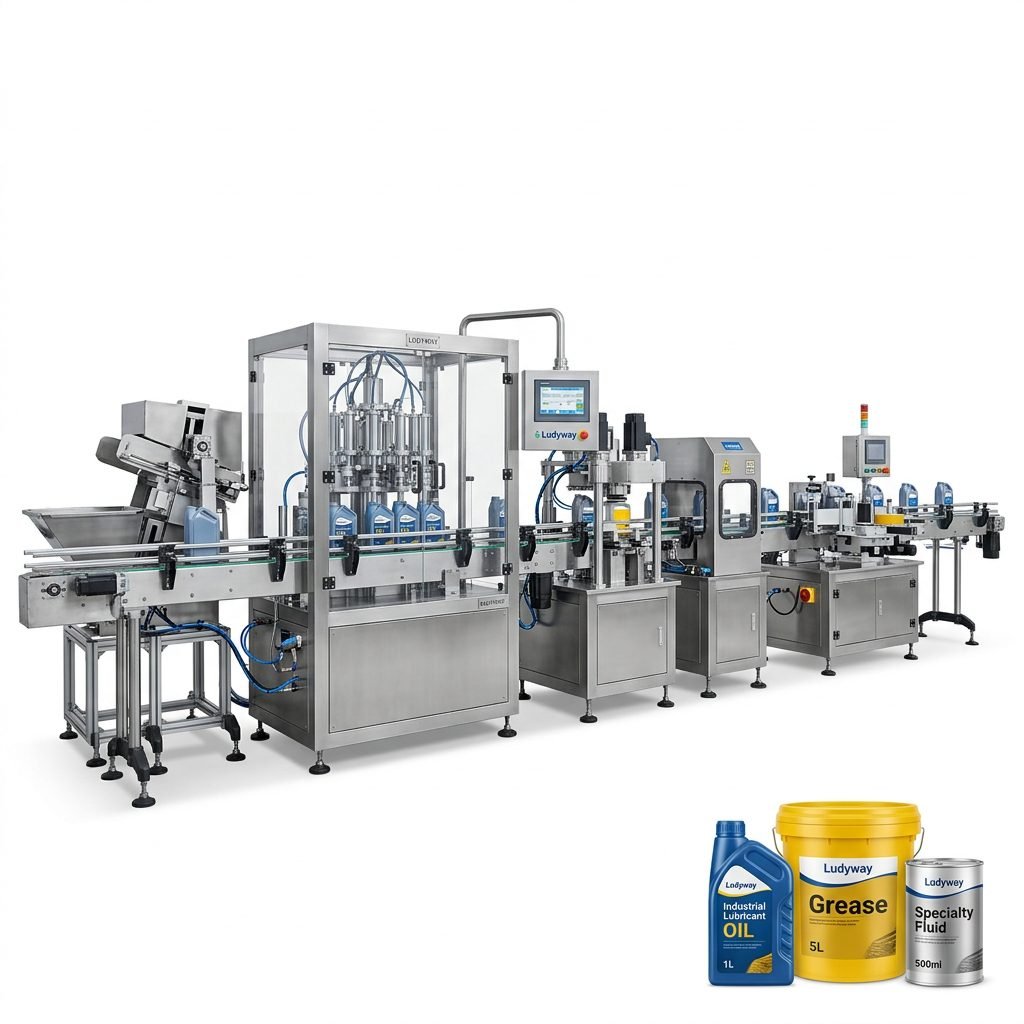
While many maintenance tasks can be performed by trained operators, certain situations call for professional intervention. If you encounter persistent calibration issues, unusual vibrations, control system faults, or mechanical wear beyond routine adjustments, consult qualified service technicians. For businesses seeking reliable engine oil packaging solutions with maintenance-friendly designs, Ludyway offers advanced equipment engineered for durability and ease of servicing, backed by comprehensive technical support.
Key Takeaways for Long-Term Reliability
Implementing a structured engine oil packing machine maintenance program is one of the most cost-effective ways to protect your investment. Consistent daily checks, thorough weekly servicing, and detailed quarterly inspections work together to keep your packaging equipment operating at peak performance. By following established packaging standards and manufacturer guidelines, you can extend machine life, reduce waste, and maintain the highest levels of production efficiency.