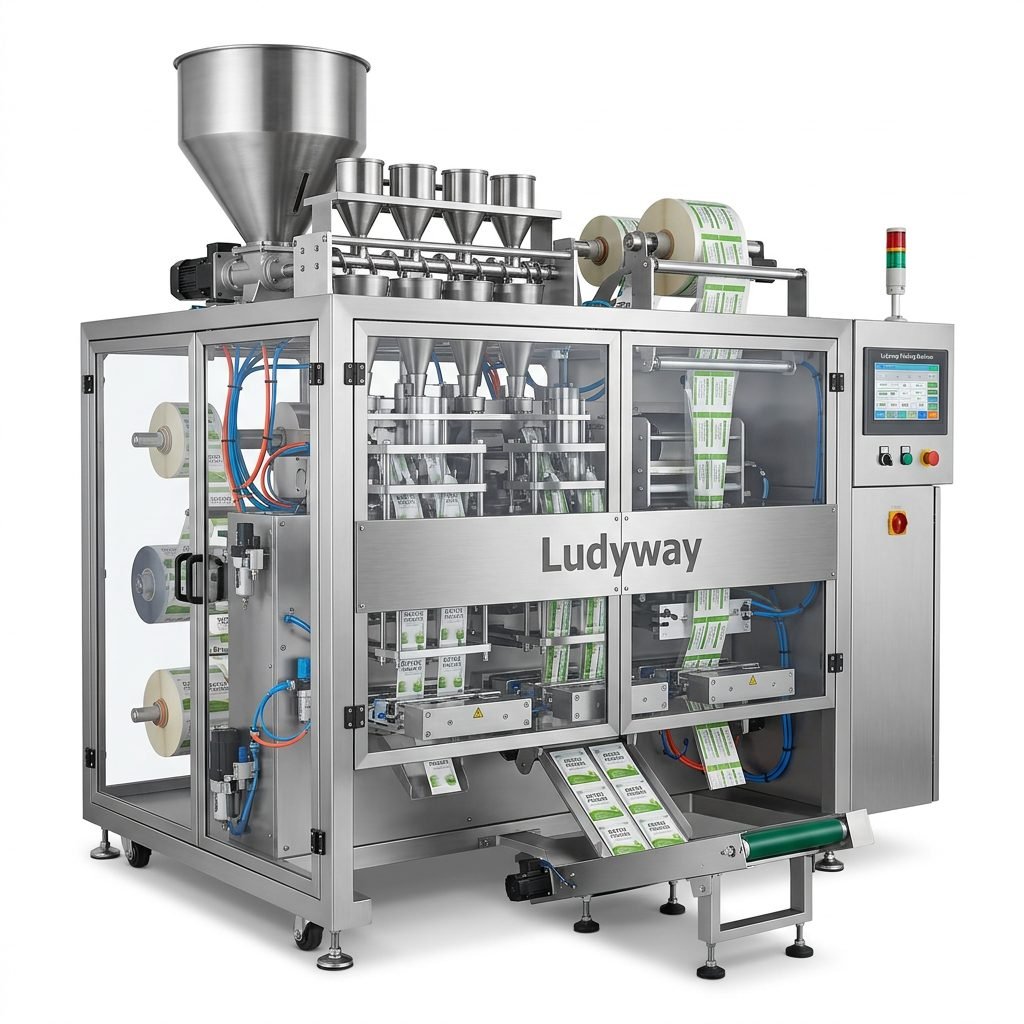
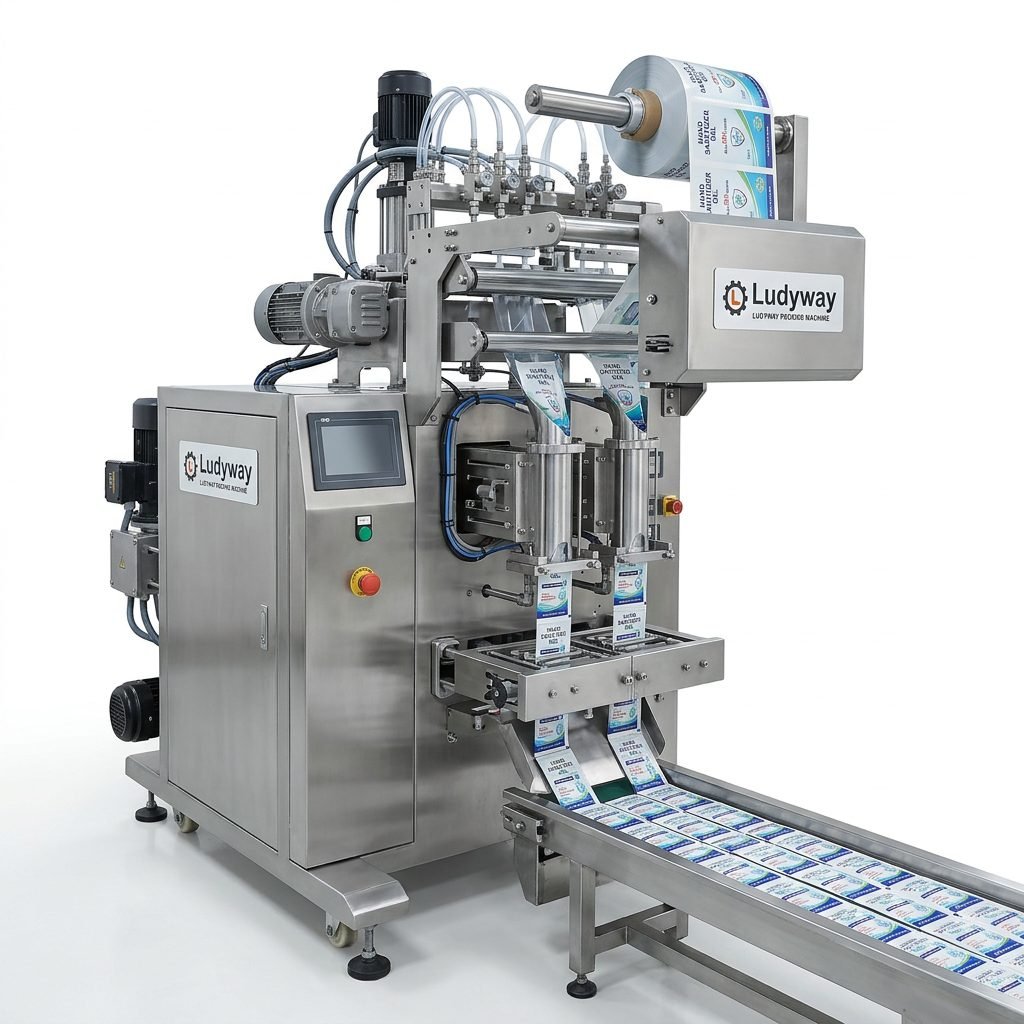
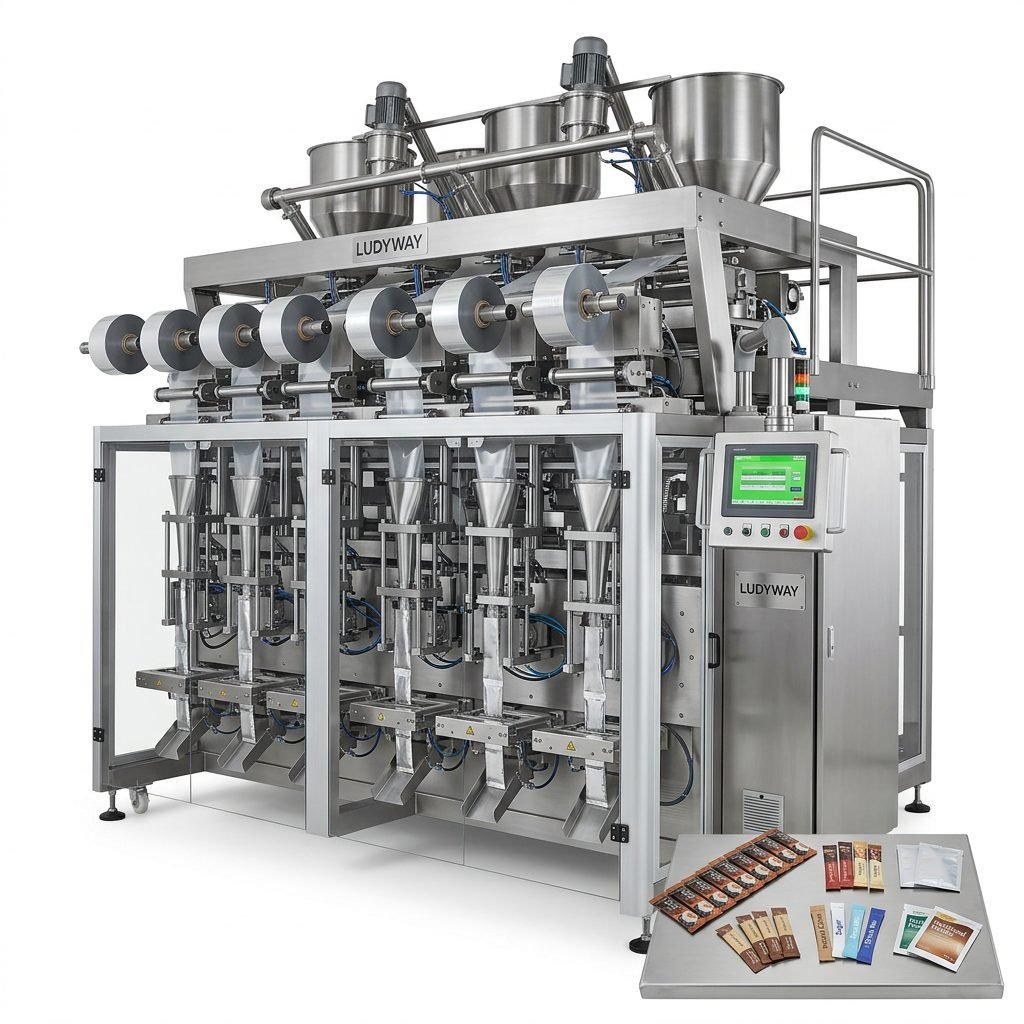
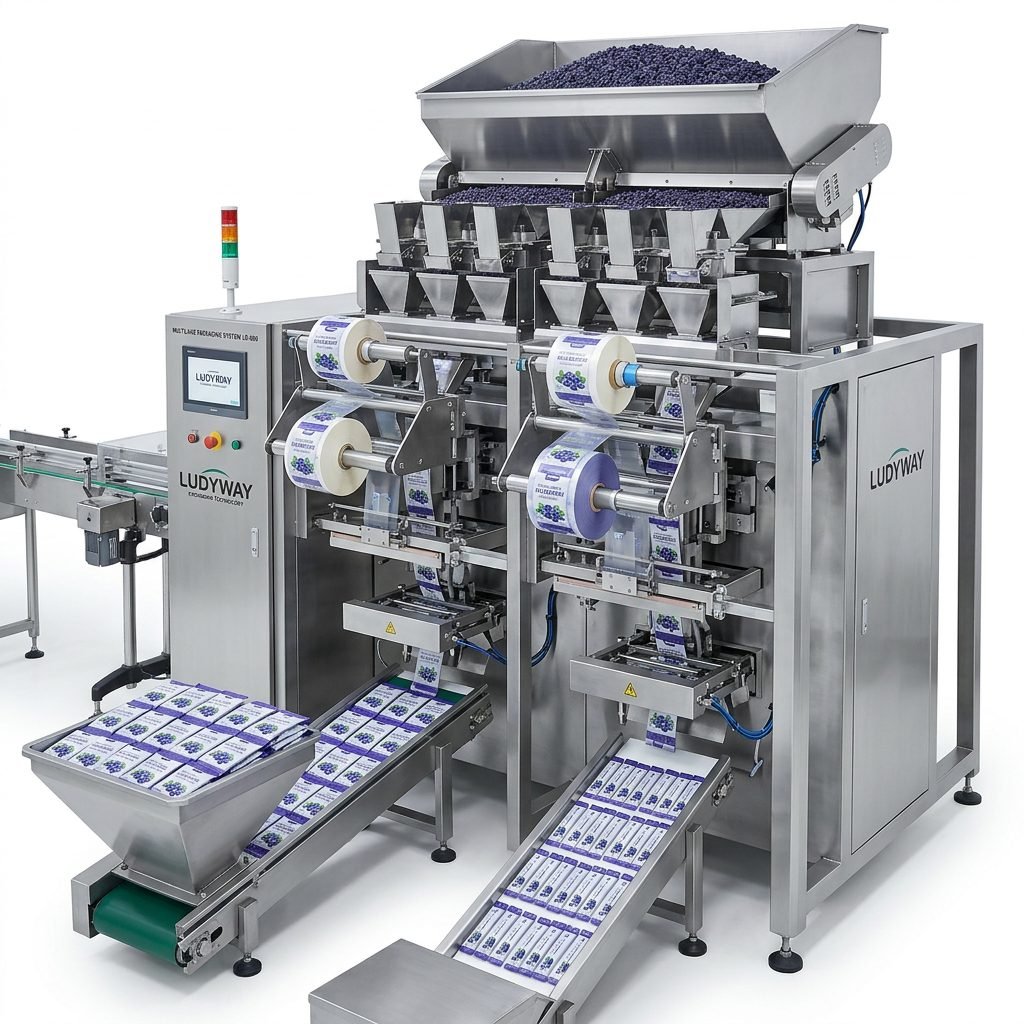
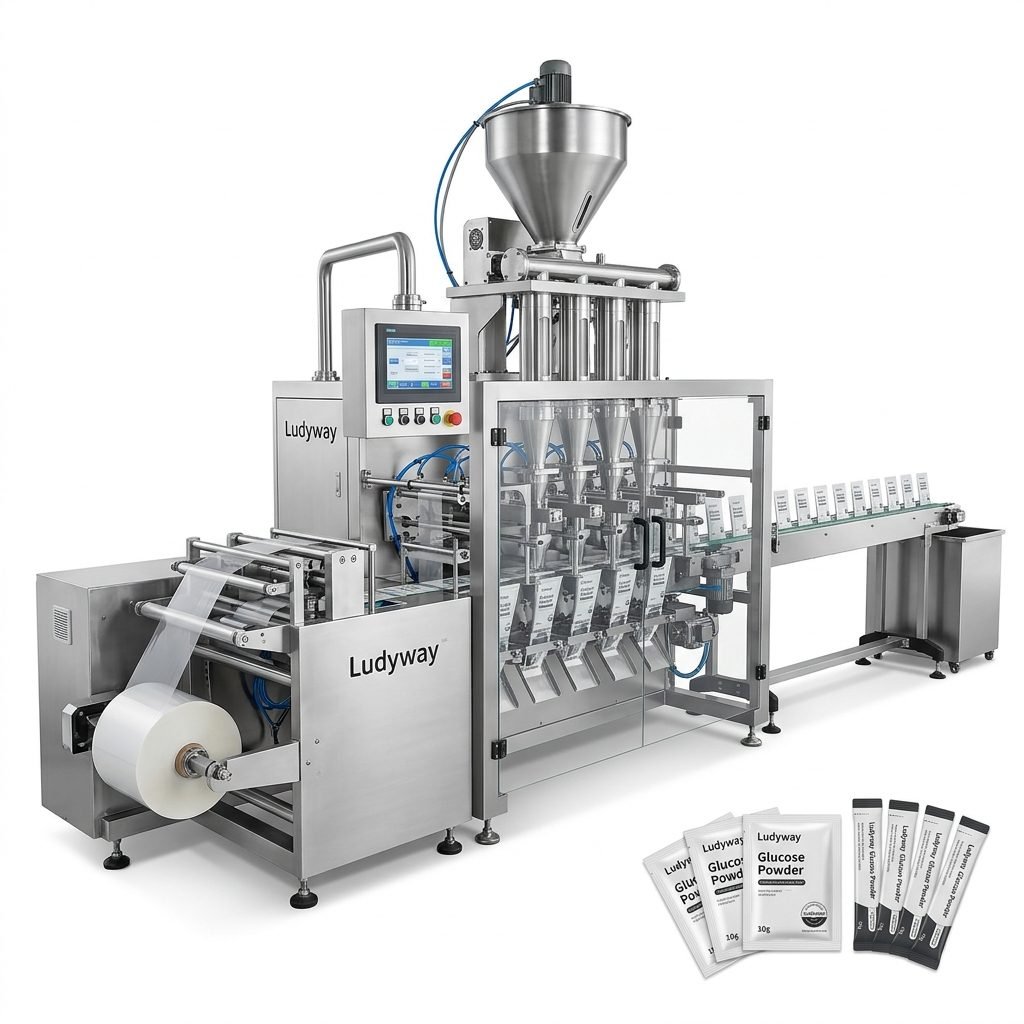
Investing in a patti packing machine is a significant decision for any manufacturer handling powders, granules, or liquid products in small sachet or stick-pack formats. With the global flexible packaging market continuing to expand rapidly, choosing the wrong equipment can lead to costly downtime, inconsistent fill accuracy, and packaging waste. This comprehensive buyer’s guide walks you through every critical factor to evaluate before making your purchase, helping you select a machine that aligns with your production goals, product characteristics, and budget requirements. For broader industry context, the State of the Industry reports from PMMI offer valuable insights into packaging machinery trends and market data.
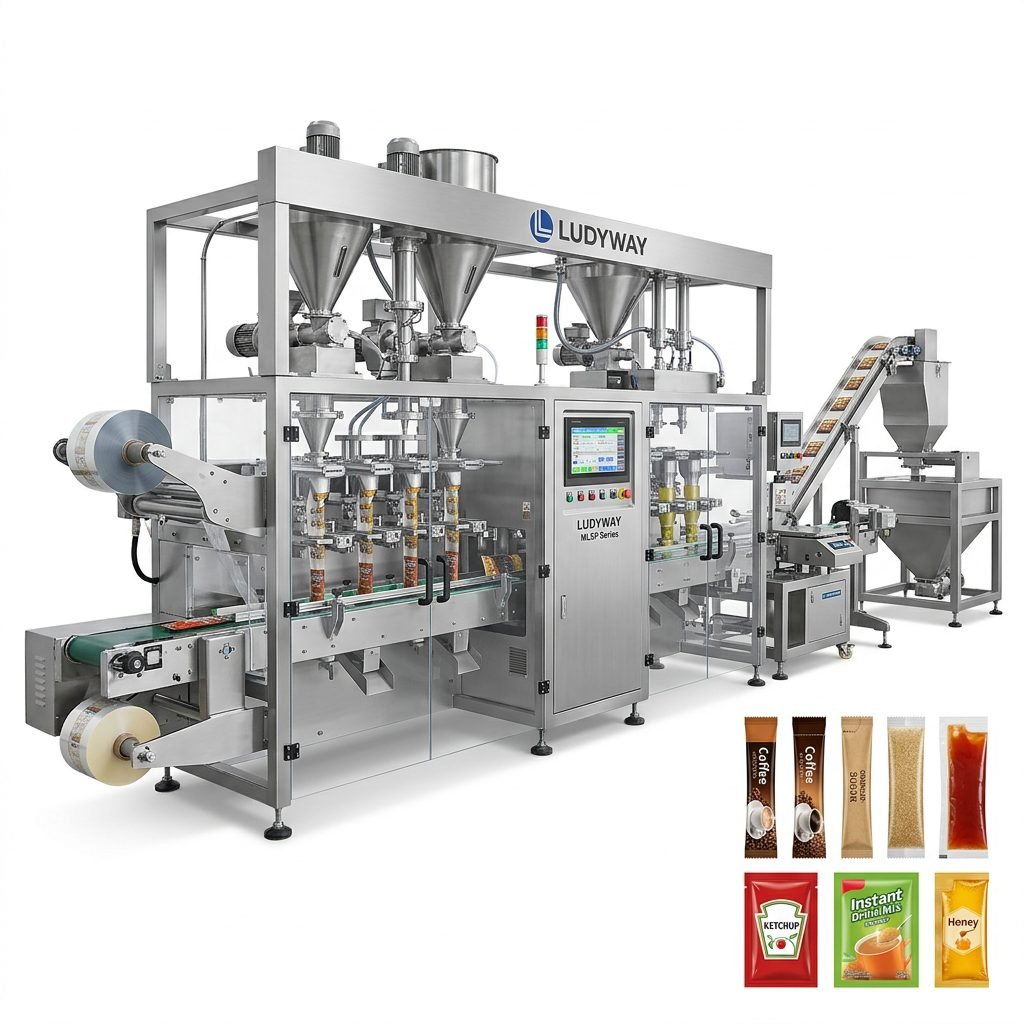
Understanding Patti Packing Machine Types and Configurations
Before evaluating individual suppliers, it is essential to understand the different machine configurations available for patti and stick-pack packaging. The term “patti” refers to flat sachet-style packs commonly used across food, pharmaceutical, cosmetic, and chemical industries. Selecting the right machine type depends on your product form, required output speed, and packaging material.
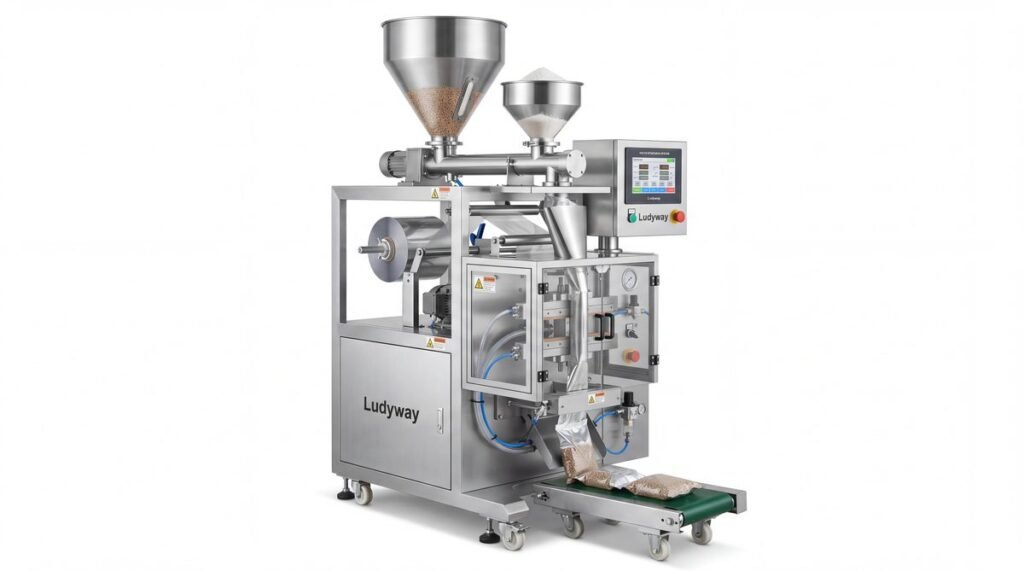
Single-Lane vs Multi-Lane Patti Machines
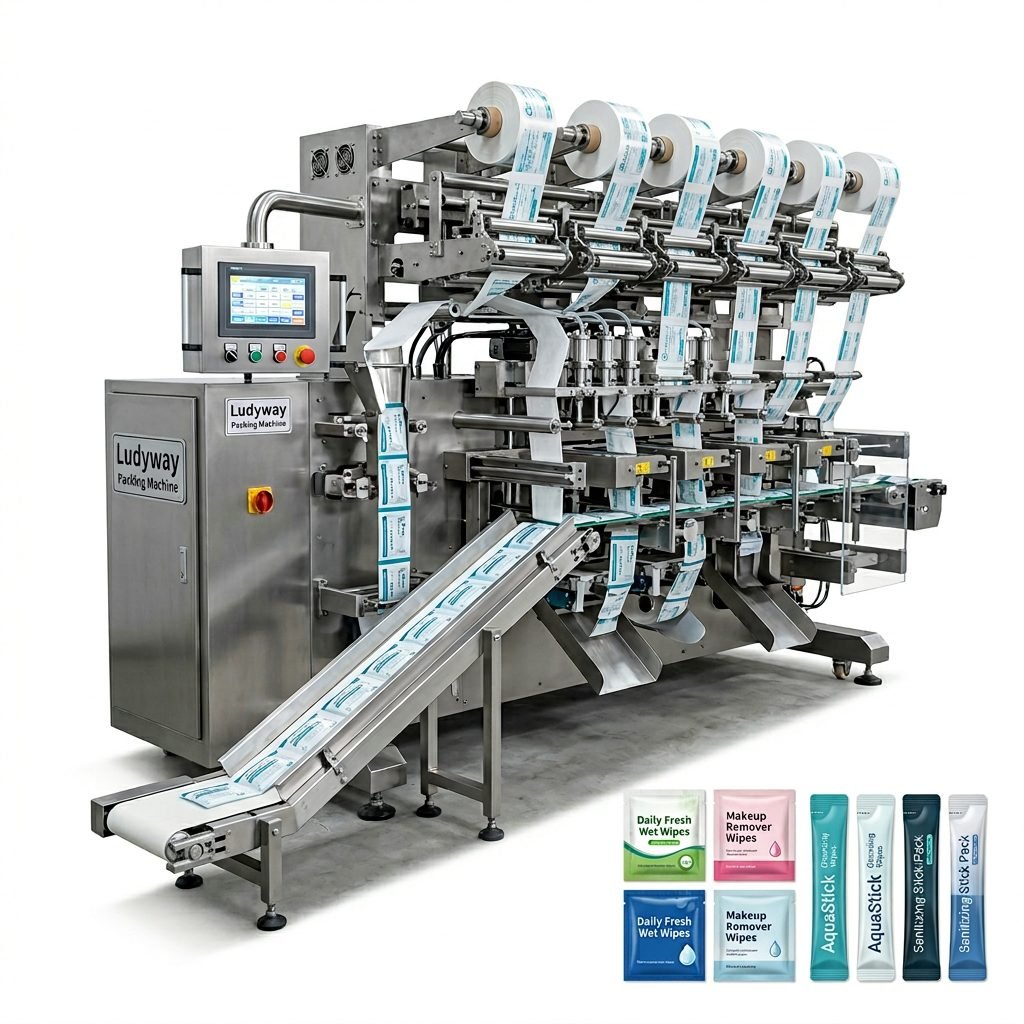
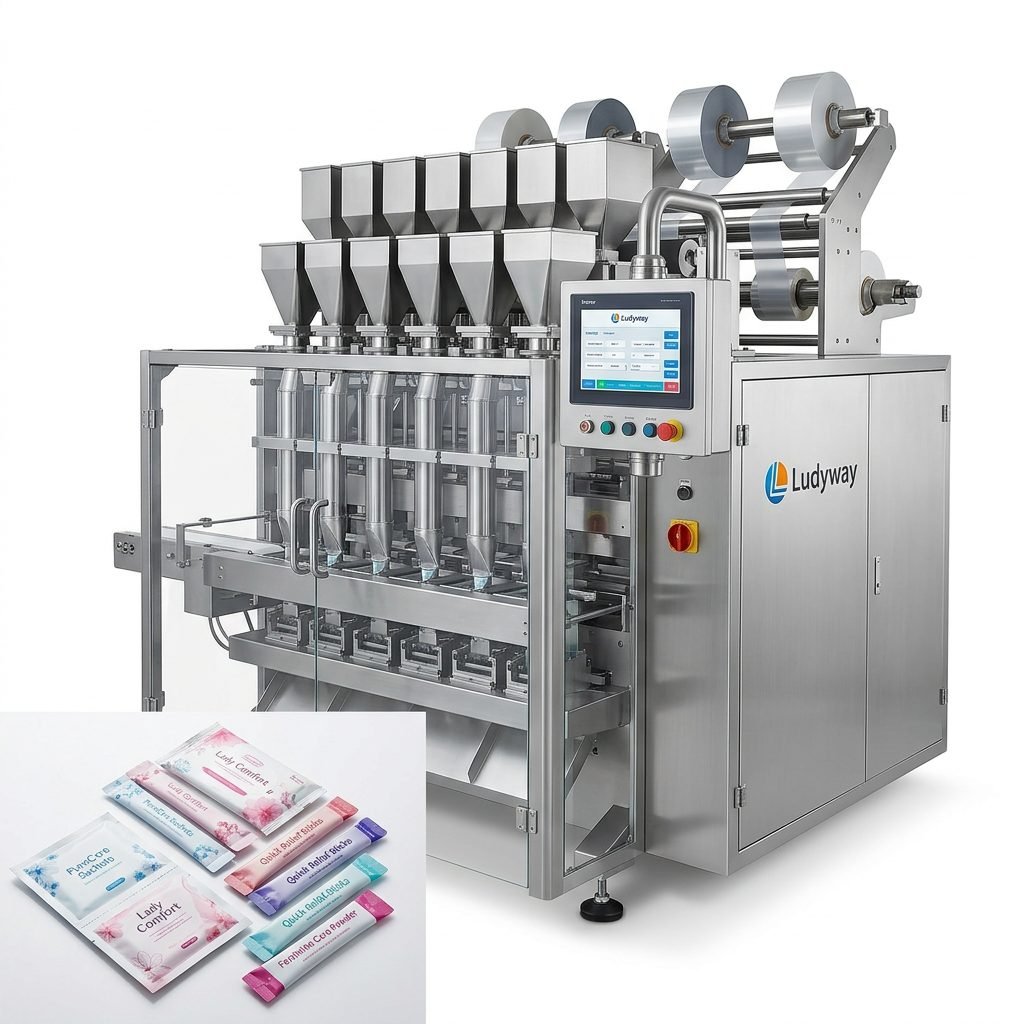
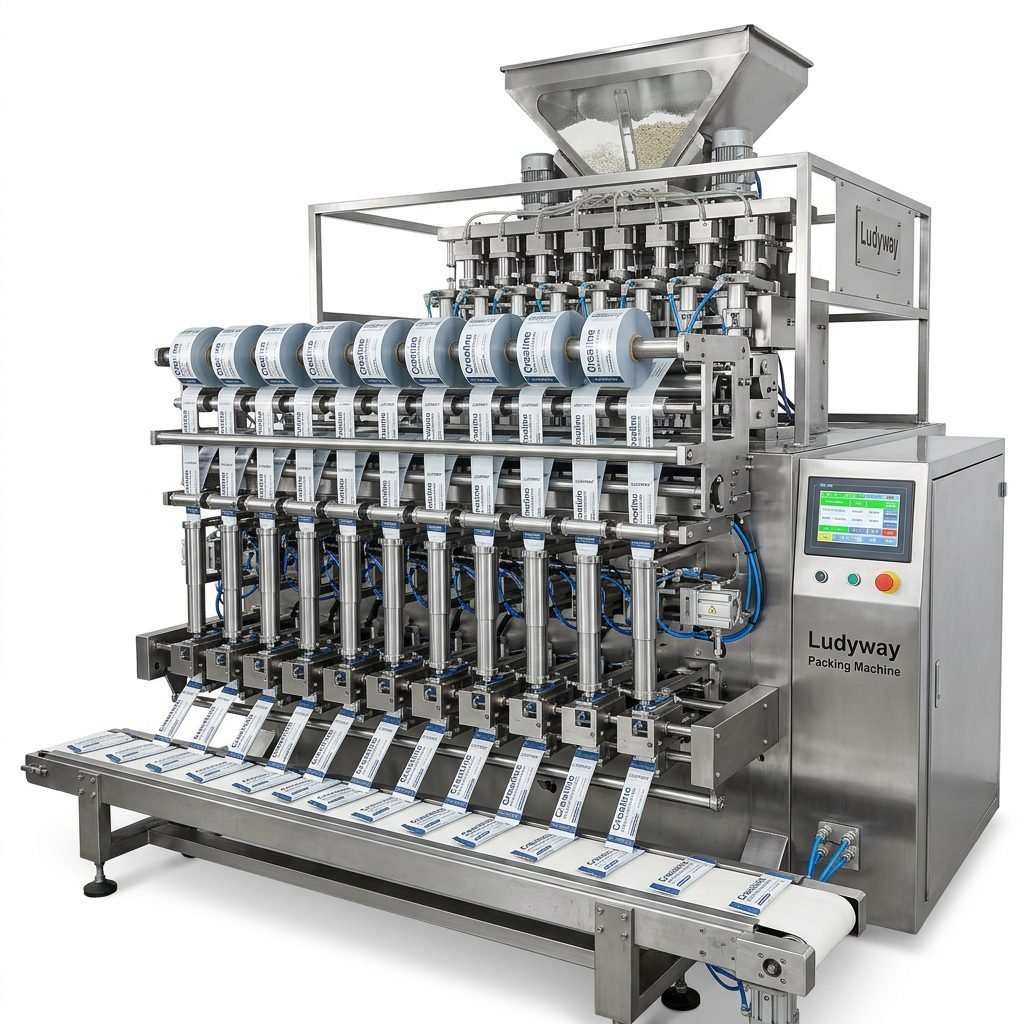
Single-lane machines are ideal for startups and low-to-medium production volumes, typically producing 40-80 packs per minute. In contrast, multi-lane patti packing machines can run 4, 6, 8, or even 12 lanes simultaneously, delivering outputs of 200 to over 600 packs per minute. For manufacturers scaling production, multi-lane systems offer a significantly lower cost-per-pack while maintaining consistent fill accuracy across all lanes.
Vertical Form-Fill-Seal (VFFS) Technology
Most modern patti packing machines utilize vertical form-fill-seal technology, where packaging film is formed into a tube, filled with product, and sealed in a continuous motion. This configuration is highly versatile and can handle a wide range of packaging materials including laminates, aluminum foil, and polyethylene-based films. The Flexible Packaging Association provides detailed resources on material compatibility and industry standards that can inform your selection process.
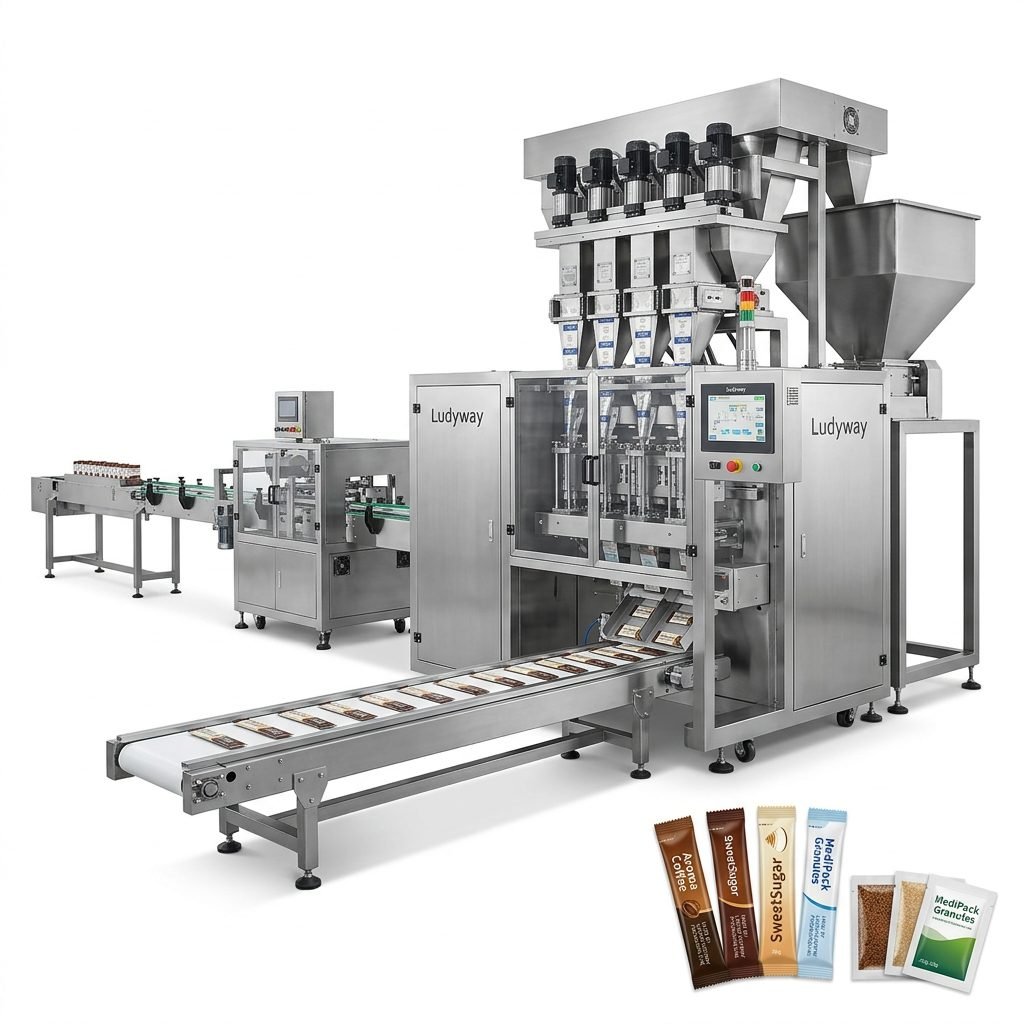
Key Factors to Evaluate Before Purchasing a Patti Packing Machine
Making an informed decision requires a systematic evaluation of several interconnected factors. Rushing into a purchase without assessing these elements often results in equipment mismatches that compromise production efficiency.
1. Product Characteristics and Flow Properties
The physical properties of your product directly determine which dosing and filling system is appropriate. Free-flowing granules like sugar or salt behave differently from cohesive powders such as milk powder or protein supplements. Liquid products with varying viscosities require entirely different filling mechanisms. Key product parameters to document include:
- Particle size distribution and bulk density
- Flowability and tendency to bridge or clog
- Moisture sensitivity and hygroscopic behavior
- Product temperature sensitivity during filling
- Abrasive or corrosive characteristics
- Whether the product requires nitrogen flushing for extended shelf life
2. Production Speed and Capacity Requirements
Your current and projected production volumes should guide the speed specification of your patti packing machine. Consider both peak demand periods and future growth projections over at least a 3-5 year horizon. A machine operating at 70-80% of its maximum rated speed generally offers the best balance of throughput and long-term reliability. Running continuously at maximum capacity can accelerate wear on sealing components and drive up maintenance costs.
3. Packaging Material Compatibility
Not all machines handle every packaging film equally well. The sealing temperature range, film thickness tolerance, and material composition (PET, PE, aluminum laminates, paper-based) all impact machine performance. Verify that the machine’s sealing system—whether heat sealing, ultrasonic sealing, or impulse sealing—is compatible with your chosen packaging material. For pharmaceutical and food applications, material compliance with FDA food contact substance regulations is non-negotiable.

Technical Specifications Comparison Table
When comparing different patti packing machine models, focus on the technical parameters that most directly impact your production outcomes. The table below outlines the key specifications to evaluate across different suppliers:
| Specification | Entry-Level | Mid-Range | High-End |
|---|---|---|---|
| Lane Configuration | 1-4 lanes | 4-8 lanes | 8-16+ lanes |
| Output Speed | 40-120 packs/min | 200-400 packs/min | 400-800+ packs/min |
| Filling Accuracy | ±2-3% | ±1-2% | ±0.5-1% |
| Pouch Size Range | Limited range | Moderate flexibility | Wide range, quick changeover |
| Automation Level | Semi-automatic | Fully automatic | Integrated with line automation |
| Changeover Time | 30-60 minutes | 15-30 minutes | 5-15 minutes (servo-driven) |
Dosing and Filling System Selection
The dosing mechanism is arguably the most critical subsystem in any patti packing machine. The right choice depends entirely on your product’s physical characteristics and the required fill weight precision. Common filling technologies include:
Auger Filling for Powders
Auger fillers are the standard choice for fine powders, offering excellent accuracy for products like milk powder, flour, protein supplements, and pharmaceutical powders. The auger rotation speed and flight design determine both fill speed and precision. For cohesive or sticky powders, agitated hoppers and specialized auger designs prevent bridging and ensure consistent material flow into each patti packet.
Volumetric Cup Filling for Granules
For free-flowing granular products such as sugar, salt, seeds, and grains, volumetric cup fillers offer high-speed operation with acceptable accuracy. The cup volume is mechanically adjustable, making this a cost-effective solution when ultra-high precision is not the primary requirement. However, product density variations can affect fill weight consistency over extended production runs.
Piston and Pump Filling for Liquids
Liquid patti packaging—for products like shampoo sachets, sauce packets, hand sanitizer, and edible oils—requires piston fillers or peristaltic pump systems. These provide precise volumetric dosing regardless of minor viscosity fluctuations. For high-viscosity products such as creams, gels, and pastes, positive displacement pumps with heated product reservoirs may be necessary.
Automation, Controls, and Industry 4.0 Integration
Modern patti packing machines increasingly feature advanced automation capabilities that reduce operator intervention, improve consistency, and enable real-time production monitoring. When evaluating machines, assess the following automation features:
- PLC-based control systems with touchscreen HMI interfaces for intuitive operation
- Servo-driven motors for precise control of film feeding, sealing, and cutting
- Automatic film tracking and tension control to minimize material waste
- Integrated vision inspection systems for seal integrity and print quality verification
- Remote monitoring and diagnostics capabilities for reduced downtime
- Recipe management for quick product changeovers with minimal operator input
- Data export and OEE tracking for continuous improvement initiatives
Equipment designed to meet ISO packaging standards generally incorporates these automation features as part of a quality-by-design approach, which is particularly important for pharmaceutical and food-grade applications.

Supplier Evaluation Criteria: Beyond the Equipment Specification
Selecting the right patti packing machine supplier is as important as choosing the right machine configuration. A reliable supplier provides ongoing support that directly impacts your total cost of ownership and production uptime over the equipment’s service life.
Manufacturing Experience and Industry Track Record
Evaluate how long the supplier has been manufacturing patti packing machines and whether they have specific experience in your industry vertical. A supplier with deep expertise in pharmaceutical packaging, for instance, will understand the GMP requirements, validation documentation, and cleanroom compatibility that food-grade manufacturers may not require. Ask for case studies and references from companies producing similar products to yours.
After-Sales Support and Spare Parts Availability
Equipment downtime directly impacts revenue. Before purchasing, clarify the supplier’s after-sales support structure, including response times for technical inquiries, availability of remote troubleshooting, and whether they maintain a local stock of critical spare parts. A supplier with a global service network and documented spare parts catalog can significantly reduce the risk of extended production interruptions. Also confirm whether the supplier offers operator training programs, as properly trained staff are essential for maximizing machine performance and longevity.
Customization and Engineering Capabilities
Standard machines may not perfectly match your production requirements. A supplier with in-house engineering and customization capabilities can modify filling systems, sealing mechanisms, or automation features to suit your specific product and packaging format. This flexibility is especially valuable for manufacturers planning to introduce new product lines or packaging formats in the future. Ludyway Machinery, a China-based packaging machinery manufacturer with more than 30 years of experience, exemplifies this approach by providing customized packaging machinery and engineering solutions rather than relying only on standardized machines, supporting manufacturers across food and beverage, pharmaceutical, cosmetic, chemical, and animal feed industries worldwide with a 20,000-square-meter manufacturing facility and over 50 packaging machine models.
Total Cost of Ownership and ROI Calculation
The purchase price of a patti packing machine represents only a fraction of its total cost of ownership. To build an accurate ROI projection, factor in these ongoing costs over the expected service life of 10-15 years:
- Packaging material waste during startups, changeovers, and rejects
- Energy consumption for heating elements, compressed air, and motor drives
- Preventive maintenance schedules and spare parts replacement intervals
- Labor requirements for operators and maintenance technicians
- Production downtime costs during repairs or servicing
- Film and material compatibility with lower-cost packaging substrates
- Revenue gains from increased throughput and new product capabilities
A machine with a higher initial investment but lower ongoing operating costs often delivers superior long-term ROI compared to an entry-level machine with higher waste rates and more frequent maintenance requirements.
Compliance, Validation, and Documentation Requirements
For manufacturers in regulated industries—pharmaceuticals, medical devices, infant nutrition, and certain food categories—the patti packing machine must meet specific compliance requirements. Key documentation and certification considerations include:
- GMP compliance and equipment design suitable for validated environments
- IQ/OQ/PQ documentation (Installation, Operational, Performance Qualification)
- Material certificates for product-contact parts (316L stainless steel, FDA-approved seals)
- CE marking and compliance with relevant EU machinery directives
- Electrical safety certifications appropriate for your region (UL, CSA, etc.)
- Cleanroom compatibility if required for aseptic or sterile packaging
For pharmaceutical packaging applications involving terminally sterilized products, relevant ISO 11607 standards provide a framework for validating packaging processes and ensuring sterile barrier integrity. Similarly, the FDA recognized consensus standards database is an essential reference for manufacturers exporting to the U.S. market. Suppliers familiar with these regulatory frameworks can streamline your validation and market entry timelines.
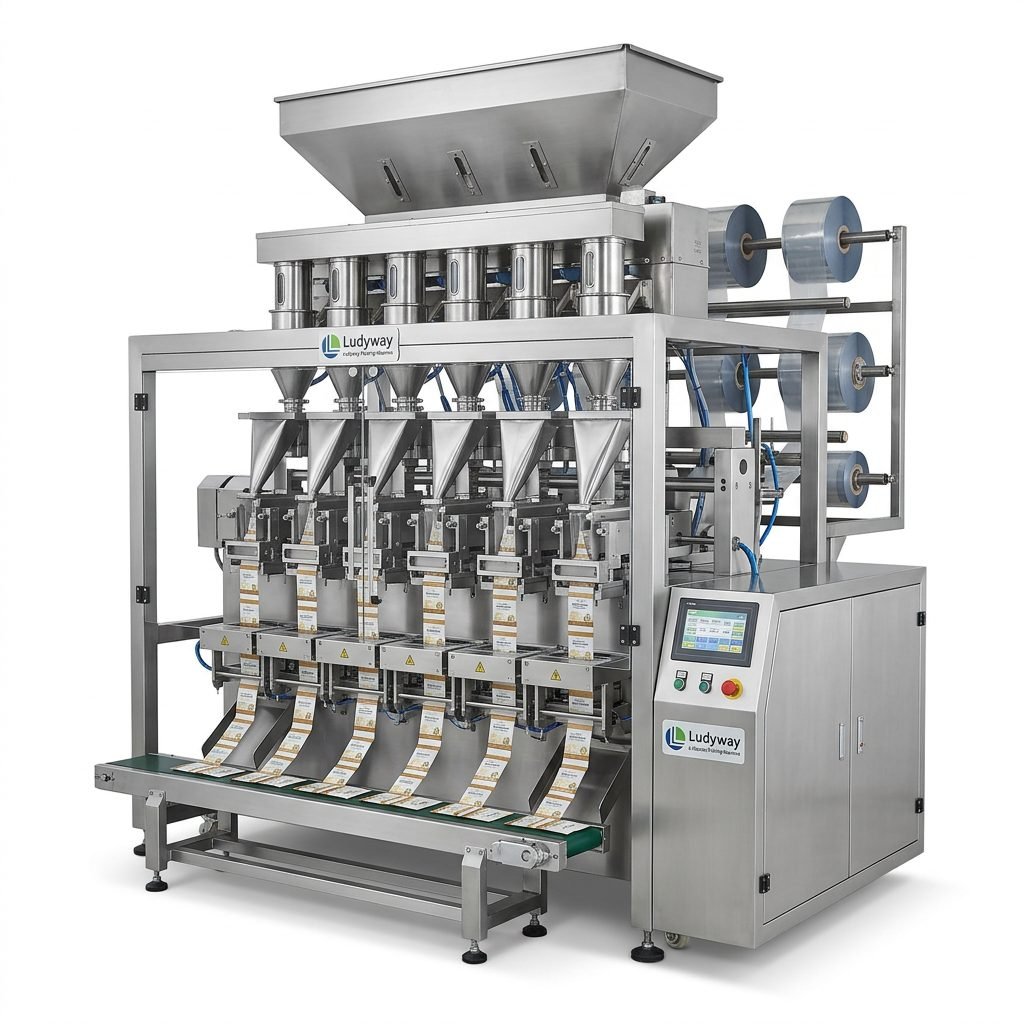
Packaging Format Flexibility and Future-Proofing
Investing in a patti packing machine that can handle multiple packaging formats provides greater operational flexibility and protects against changing market demands. Consider whether the machine can be configured for:
- Stick packs (long, narrow sachets ideal for single-serve powders and liquids)
- Standard sachets with various seal patterns (3-side seal, 4-side seal)
- Notch and tear features for easy opening by consumers
- Hanging hole punches for retail display applications
- Multi-compartment sachets for products requiring separation before use
- Custom-shaped pouches for brand differentiation
Machines with servo-driven adjustments rather than mechanical changes enable faster format changeovers and reduce downtime between production runs. This flexibility can be a significant competitive advantage for contract packagers and manufacturers serving multiple product categories.
Installation, Commissioning, and Operator Training
The transition from equipment purchase to full production readiness involves several critical steps that should be clarified with your supplier before finalizing the order. A comprehensive installation and commissioning package typically includes:
- Pre-installation site assessment to verify utility requirements and space layout
- Mechanical installation and alignment by factory-trained technicians
- Electrical and pneumatic connections with safety verification
- Machine calibration and testing with your actual product and packaging materials
- Operator training sessions covering startup, operation, cleaning, and basic troubleshooting
- Maintenance training for your technical staff on preventive maintenance procedures
- Production trial runs to validate speed, accuracy, and quality under real conditions
Well-trained operators are essential for achieving the machine’s rated output and minimizing unplanned downtime caused by operational errors. Ensure the supplier’s training program covers both routine operation and common troubleshooting scenarios.
Making Your Final Decision: A Practical Checklist
After evaluating multiple suppliers and machine configurations, use this decision checklist to ensure no critical factors have been overlooked:
- Product compatibility verified — the filling system matches your product’s flow characteristics
- Speed requirements met — the machine can achieve your target output with acceptable headroom
- Packaging material qualified — the sealing system is compatible with your chosen film
- Accuracy specifications confirmed — fill weight tolerances align with your quality standards
- Supplier references checked — verified experience with similar products and industries
- After-sales support documented — clear service level agreements and spare parts commitments
- Total cost of ownership calculated — operating costs projected over the equipment service life
- Compliance documentation available — certifications and validation support confirmed
- Training program outlined — operator and maintenance training included in the scope
- Future expansion considered — the machine platform can accommodate growth and new formats
For manufacturers exploring broader packaging automation beyond individual machines, the PMMI business intelligence library offers additional research and market data to support strategic equipment investments. Attending industry events such as PACK EXPO International also provides opportunities to see multiple patti packing machine suppliers in person, compare equipment side-by-side, and discuss requirements directly with technical teams.
Conclusion: Investing with Confidence
Choosing the right patti packing machine requires balancing technical specifications, supplier capabilities, regulatory requirements, and long-term operational costs. By systematically evaluating product characteristics, production targets, packaging formats, and supplier support structures, you can select equipment that delivers reliable performance and a strong return on investment over its service life. The global shift toward flexible packaging and single-serve formats means that a well-chosen patti packing machine is not just a production asset—it is a strategic investment in your company’s ability to compete in an increasingly dynamic marketplace.