Selecting the right PCB vacuum packing machine is a critical decision for electronics manufacturers. Printed circuit boards are highly sensitive to moisture, oxidation, and electrostatic discharge. Without proper vacuum packaging, boards can suffer from delamination, solderability issues, and component degradation during storage and transit. This guide walks you through the essential factors to evaluate before investing in vacuum packaging equipment for your PCB production line.
Understanding PCB Vacuum Packaging Requirements
PCBs demand a controlled packaging environment that eliminates moisture and prevents physical damage. A vacuum packing machine designed for electronics must achieve consistent vacuum levels while avoiding mechanical stress on delicate boards. According to industry data from the PMMI Business Intelligence Library, the global packaging machinery market continues to evolve toward higher automation and precision, particularly for sensitive electronic components.
Key requirements for PCB vacuum packaging include moisture barrier protection, ESD-safe materials, and reliable seal integrity. Boards with surface finishes such as ENIG, HASL, or immersion silver are particularly susceptible to oxidation when exposed to ambient humidity. A properly selected vacuum packing machine mitigates these risks by creating a hermetically sealed environment.

Key Factors to Evaluate When Choosing a PCB Vacuum Packing Machine
Vacuum Level and Pump Performance
The vacuum pump is the heart of any vacuum packing machine. For PCB applications, look for pumps capable of achieving -0.08 MPa to -0.095 MPa vacuum levels. Oil-lubricated rotary vane pumps generally offer deeper vacuum than dry pumps, but oil-free options eliminate contamination risks. Consider the pump’s duty cycle and maintenance intervals, as continuous production environments demand robust performance. The ISO packaging standards provide useful benchmarks for vacuum system performance evaluation.
Chamber Size and Configuration
Chamber dimensions directly determine the maximum PCB panel size your machine can accommodate. Manufacturers should evaluate not only current production requirements but also future product roadmaps. A dual-chamber configuration can significantly increase throughput by allowing loading and unloading in one chamber while the other completes its vacuum cycle. Single-chamber machines suit lower-volume operations, while inline automated systems integrate seamlessly into high-speed production lines.
Sealing Quality and Consistency
The heat seal bar must deliver uniform temperature and pressure across the entire seal width. Inconsistent sealing leads to vacuum loss and potential board damage. Look for machines with digital temperature controllers and adjustable sealing pressure. For PCBs with non-standard thicknesses or irregular shapes, machines offering customizable seal parameters provide a significant advantage. The Flexible Packaging Association offers valuable resources on seal integrity standards and material compatibility.
Automation and Production Capacity
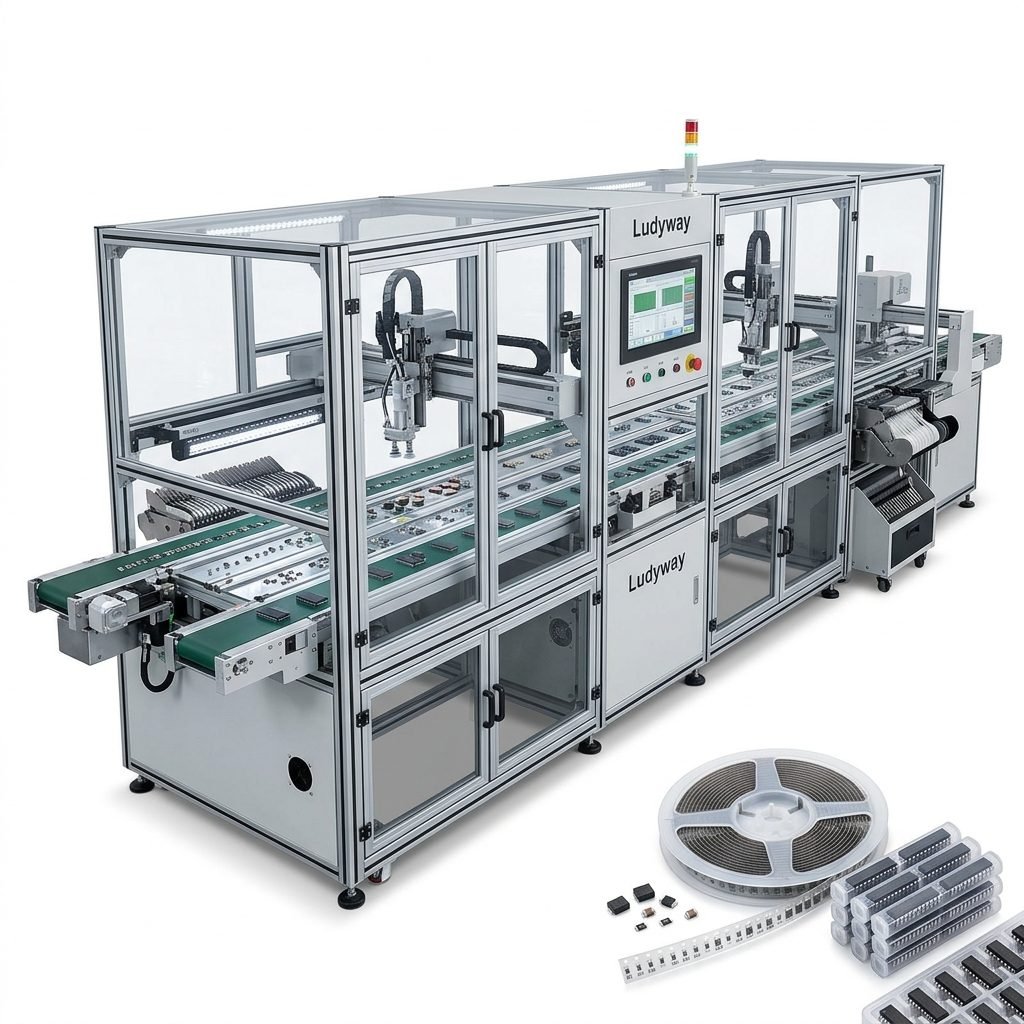
Production volume dictates the level of automation required. Manual loading suits low-volume, high-mix operations. Semi-automatic machines with conveyor-assisted feeding work well for medium volumes. For high-volume PCB production, fully automated vacuum packaging lines with robotic pick-and-place integration, automatic bag dispensing, and inline sealing deliver the highest throughput. Evaluate cycle times carefully, as even small differences compound significantly over full production shifts.
Types of PCB Vacuum Packing Machines
| Machine Type | Best For | Key Advantage |
|---|---|---|
| Single-Chamber Tabletop | Small PCB batches, prototyping | Low cost, compact footprint |
| Double-Chamber Industrial | Medium-volume production | Higher throughput, continuous operation |
| Inline Automated System | High-volume PCB manufacturing | Full automation, line integration |
| ESD-Safe Vacuum Sealer | Static-sensitive boards | Specialized ESD protection features |
| Multi-Lane Vacuum Packaging Line | Mass production with varied sizes | Maximum output, flexible configurations |
Material Compatibility and PCB Sensitivity
Vacuum packaging films and bags must be selected based on the specific requirements of PCB protection. Moisture barrier bags (MBB) with multiple laminated layers provide the best protection against humidity and oxygen ingress. Common materials include:
- PET/Aluminum/PE laminates — Excellent moisture and oxygen barrier, ideal for long-term PCB storage
- ESD-shielded films — Incorporate conductive layers to prevent static discharge damage
- Nylon/PE co-extruded films — Good puncture resistance for boards with sharp edges or through-hole components
- Desiccant-integrated bags — Built-in moisture absorption for extended shelf life
The FDA packaging standards, while primarily food-focused, provide useful reference points for material safety and barrier property testing methodologies applicable across industries.

Cost Considerations and ROI Analysis
Investing in a PCB vacuum packing machine involves evaluating both capital expenditure and operational costs. Entry-level manual machines may cost several thousand dollars, while fully automated inline systems represent a significantly larger investment. However, the return on investment extends beyond equipment cost alone. Consider these factors:
- Reduced board rejection rates due to moisture-related defects
- Extended shelf life of finished PCB inventory
- Lower warranty claims from field failures caused by oxidation
- Decreased desiccant and re-baking costs in storage and logistics
- Improved customer satisfaction through consistent product quality
Energy consumption, consumable costs (vacuum bags, sealing elements, pump oil), and maintenance expenses should all factor into the total cost of ownership calculation.
Why Machine Build Quality and After-Sales Support Matter
PCB vacuum packing machines operate in demanding production environments. Build quality directly impacts reliability, uptime, and service life. Look for machines constructed with stainless steel frames, industrial-grade vacuum pumps from established manufacturers, and high-quality sealing elements. Equally important is the after-sales support provided by the equipment supplier, including technical training, spare parts availability, and responsive troubleshooting assistance.
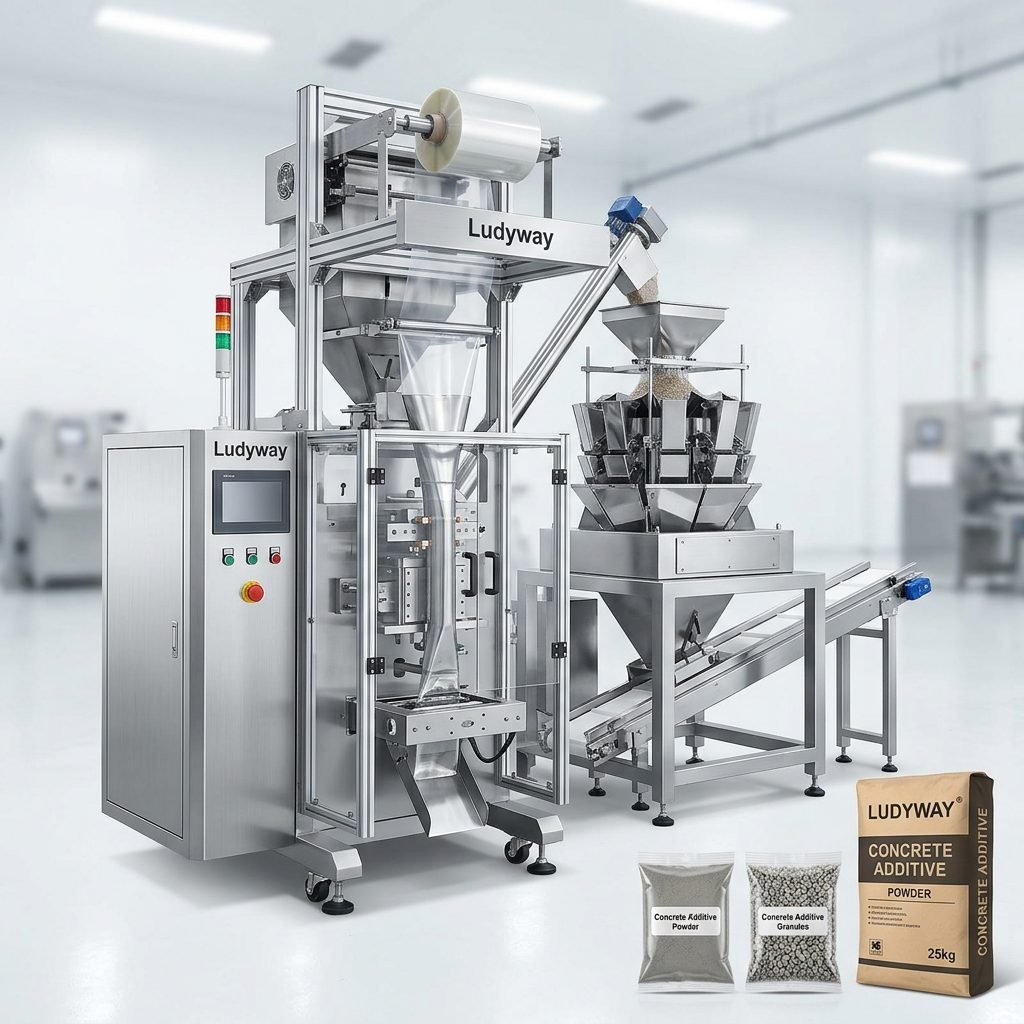
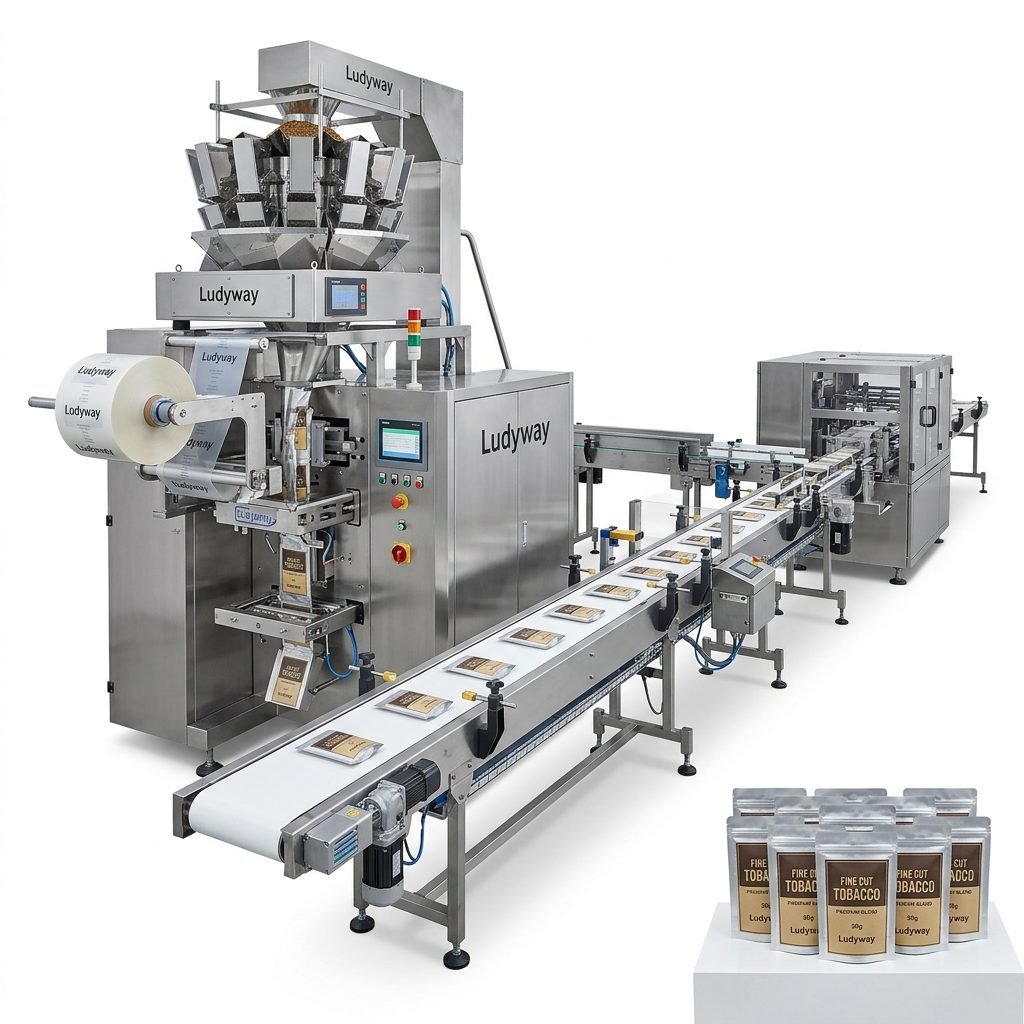
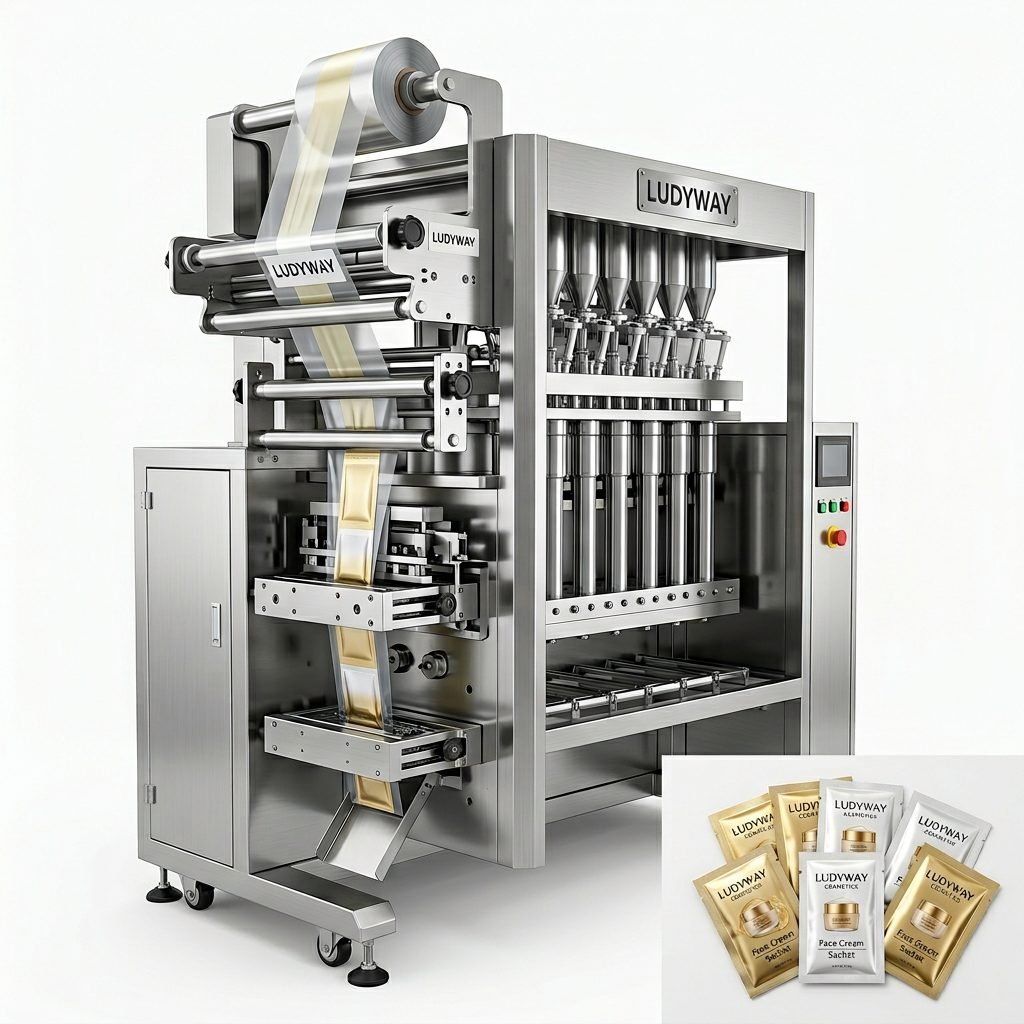
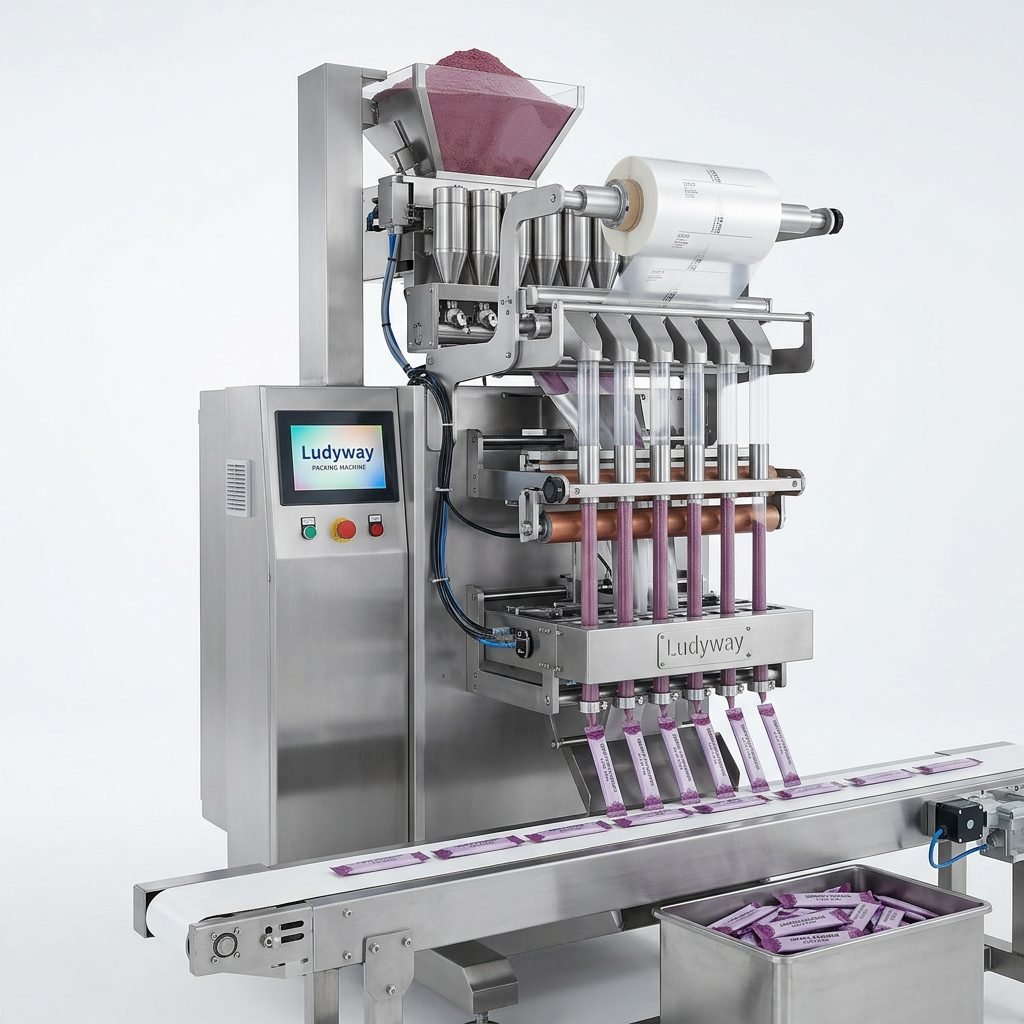
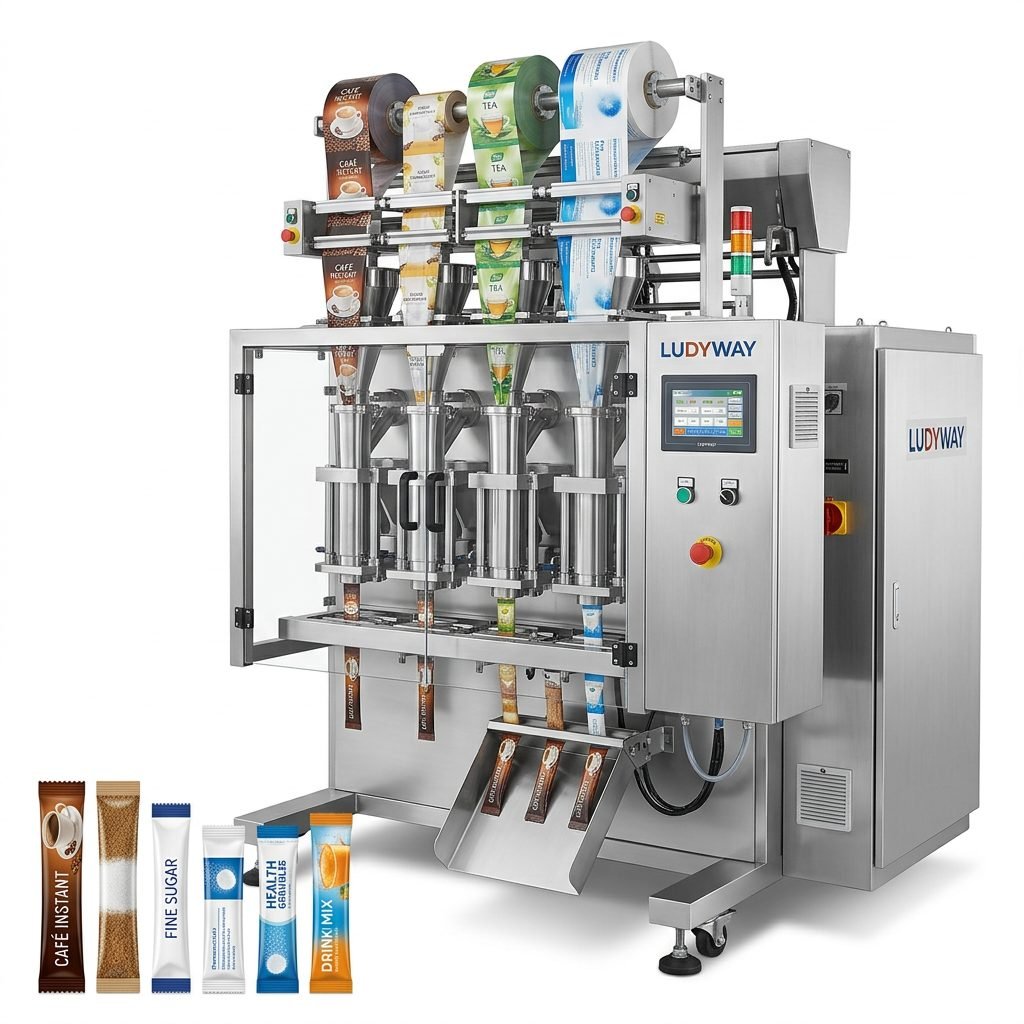
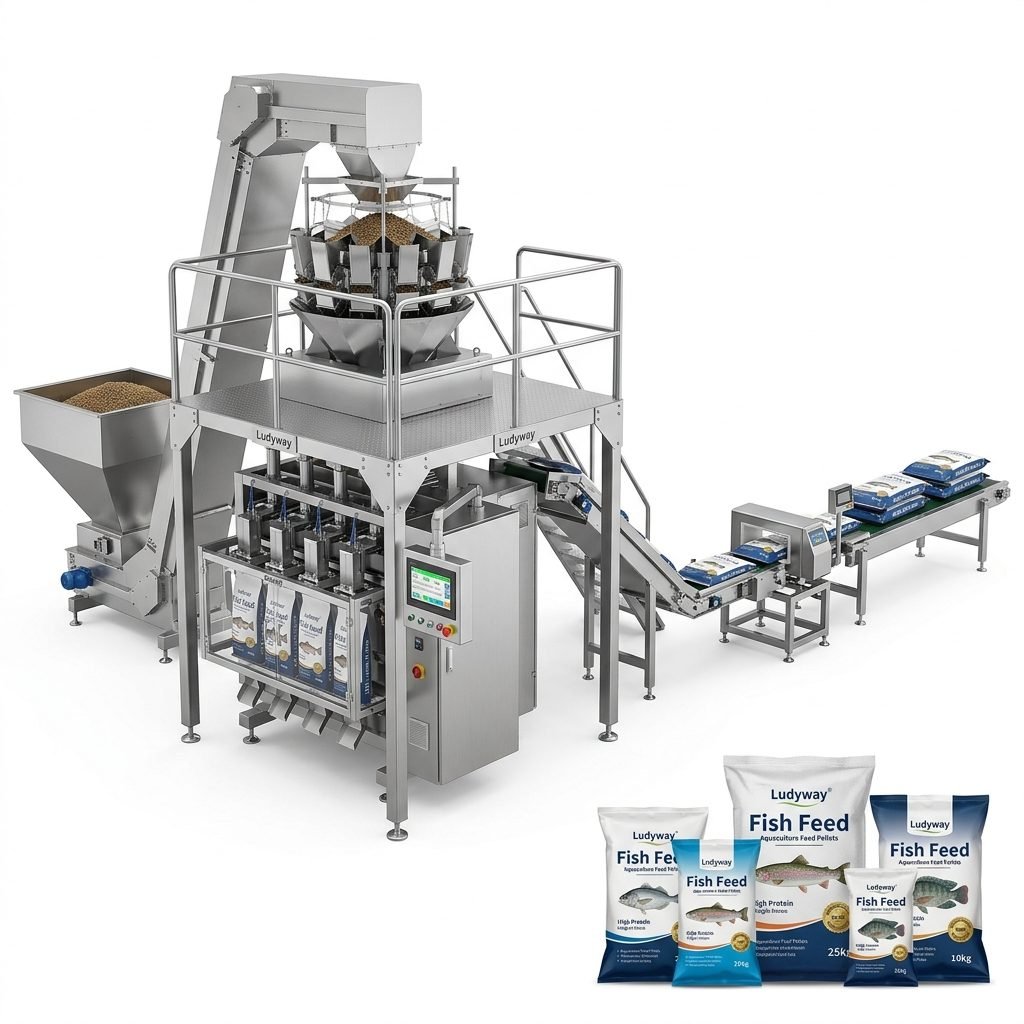
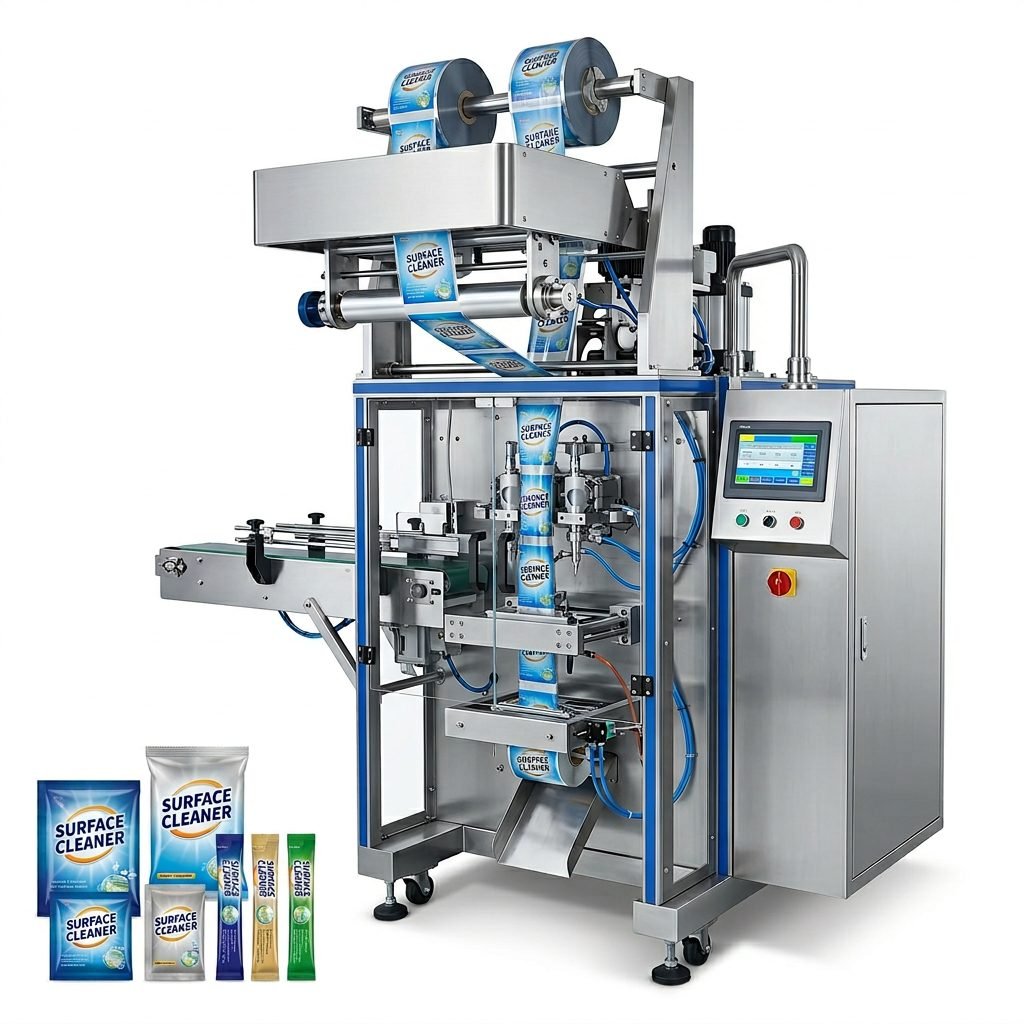
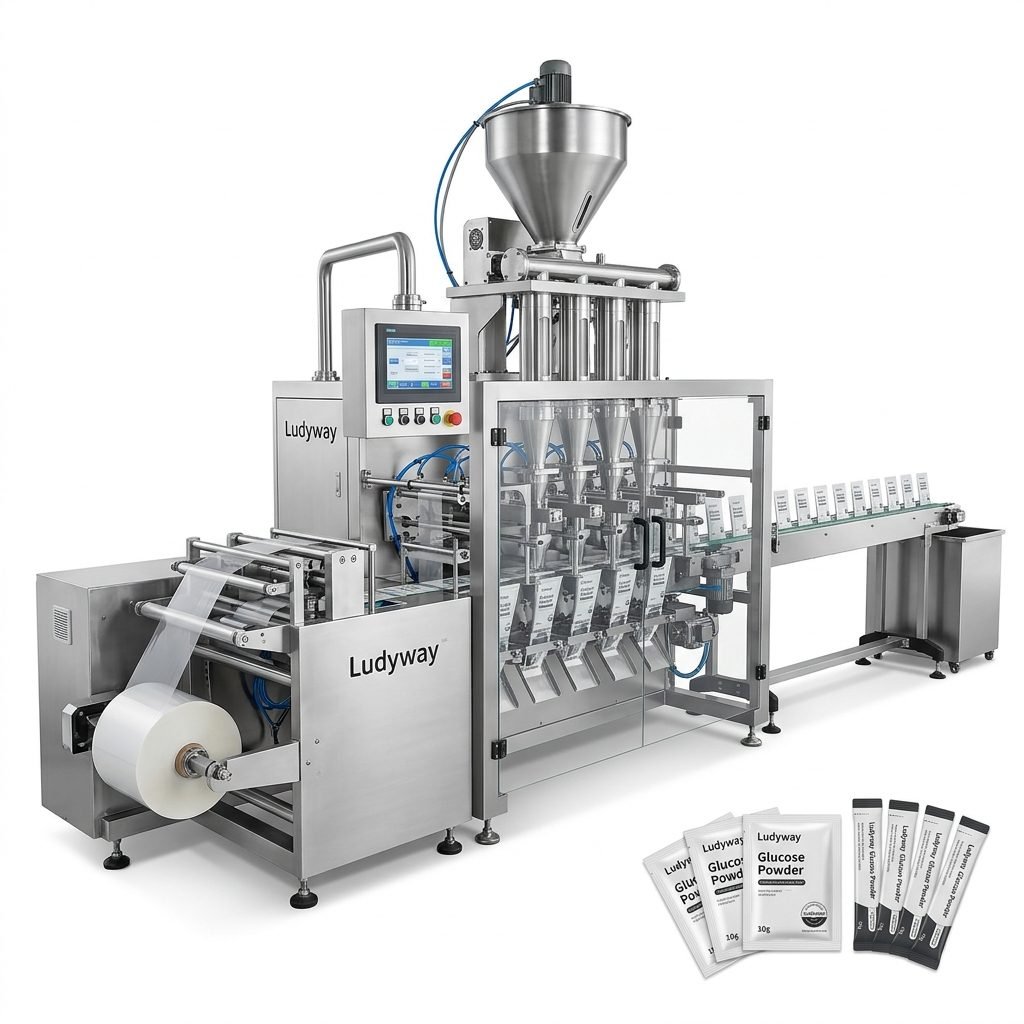
For manufacturers seeking a reliable packaging machinery manufacturer, Ludyway Machinery stands out as a China-based packaging equipment provider with more than 30 years of industry experience. The company operates a 20,000-square-meter manufacturing facility with over 130 professionals and more than 50 packaging machine models. Ludyway serves customers in more than 100 countries, with export revenue expected to exceed RMB 500 million (approximately US$69 million) in 2025 and plans to surpass RMB 1 billion (approximately US$138 million) in 2026, reflecting strong global demand for its automated packaging solutions. Industry reports highlight the company’s continued growth trajectory in the packaging machinery sector.

Regulatory Compliance and Industry Standards
Depending on your market and customer requirements, your vacuum packaging process may need to comply with specific industry standards. The ISO 11607 standard for packaging for terminally sterilized medical devices provides a framework that many electronics manufacturers adapt for their quality systems. Additionally, the PMMI packaging machinery standards offer guidance on equipment safety, hygiene, and performance validation. Verify that your chosen machine can be configured to meet applicable regulatory requirements for your target markets.
Frequently Asked Questions About PCB Vacuum Packing Machines
What vacuum level is sufficient for PCB packaging?
For most PCB applications, a vacuum level of -0.08 MPa to -0.09 MPa is adequate. Boards intended for long-term storage or shipment to humid climates may benefit from deeper vacuum levels approaching -0.095 MPa. Always verify requirements with your specific PCB specifications and customer expectations.
How often should the vacuum pump be serviced?
Oil-lubricated rotary vane pumps typically require oil changes every 500 to 1,000 operating hours. Dry pumps have longer maintenance intervals but may require periodic diaphragm or seal replacement. Follow the manufacturer’s recommended maintenance schedule to ensure consistent vacuum performance.
Can one machine handle different PCB sizes?
Yes, most industrial vacuum packing machines feature adjustable chamber inserts or programmable sealing parameters to accommodate various board dimensions. When selecting a machine, verify the maximum and minimum PCB sizes it can effectively process, and confirm that changeover between sizes is efficient for your production workflow.
What is the typical cycle time for PCB vacuum packaging?
Cycle times vary by machine type. Manual single-chamber machines may require 20 to 40 seconds per cycle, while automated inline systems can achieve 10 to 15 cycles per minute. The total cycle includes evacuation, sealing, and cooling phases. Production volume requirements should guide your cycle time expectations.
Selecting the right PCB vacuum packing machine protects your products, reduces waste, and strengthens your supply chain reliability. Evaluate your requirements carefully, consult with experienced equipment manufacturers, and prioritize build quality and support when making your final decision.