Choosing the right cement bag packing machine is one of the most important equipment decisions for any cement manufacturer, building materials supplier, or dry mortar producer. The correct machine directly affects packaging speed, weighing accuracy, dust control, bag integrity, and long-term operational reliability. A poor selection can lead to excessive downtime, inaccurate filling, material waste, and higher maintenance costs. This guide walks you through the essential factors to evaluate when selecting a cement bag packing machine, helping you make an informed, production-ready decision.
Understanding the Demands of Cement Packaging
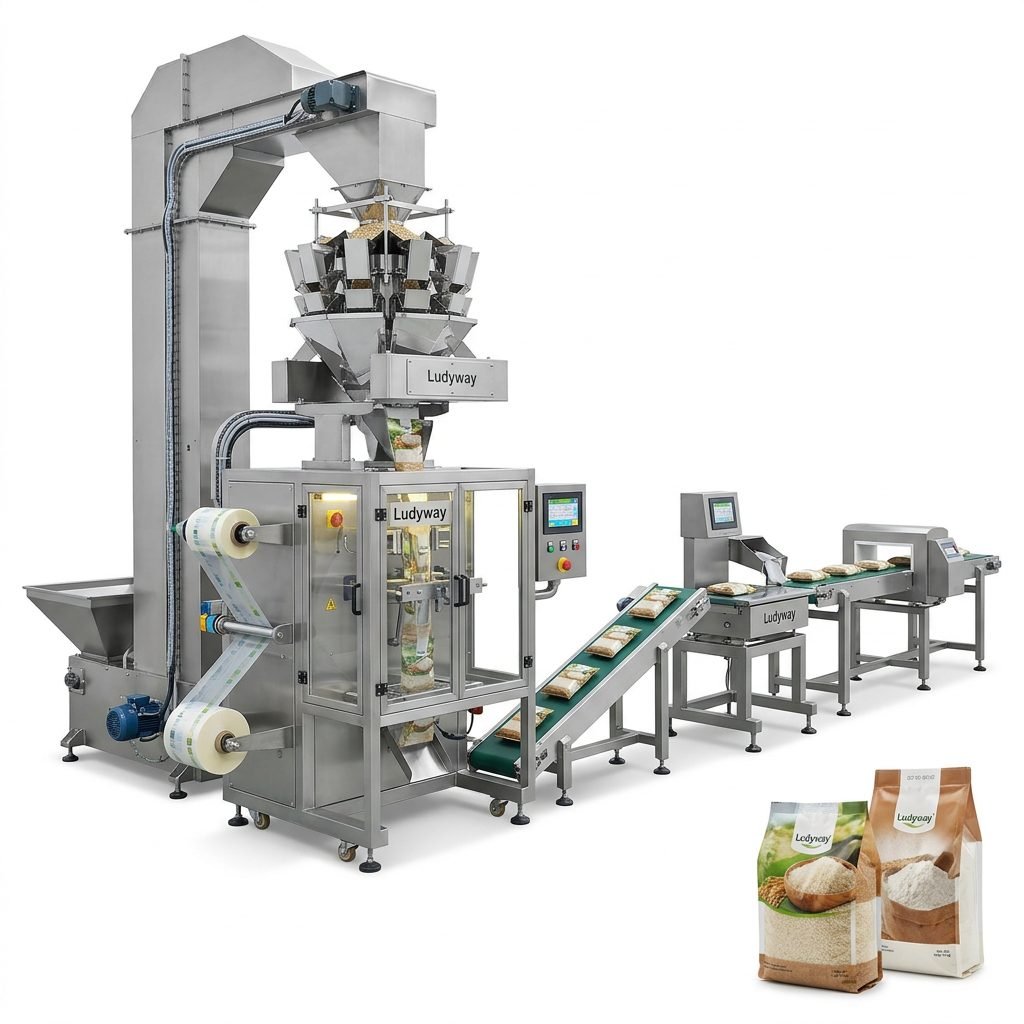
Cement packaging is not the same as packaging food, granules, or lightweight powders. Cement is a heavy, abrasive, hygroscopic, and fine-powder material that places unique demands on every component of a packing machine. The equipment must handle high-density bulk powder (typically 1.1–1.5 t/m³), resist wear from abrasive particles, manage significant dust generation, and operate continuously under harsh factory conditions. When evaluating a cement bag packing machine, you need to consider material characteristics first. Cement absorbs moisture quickly from the air, which can cause caking and blockages. The machine must prevent material bridging in the hopper feeder and maintain consistent flow into the filling system. Dust collection is another critical requirement — effective dust extraction directly impacts worker safety, environmental compliance, and equipment longevity.
Types of Cement Bag Packing Machines
There are several distinct types of cement packing machines available on the market, each suited to different production scales, bag formats, and automation levels. Understanding these categories helps you narrow down your options.
- Impeller-type packing machines: Use a rotating impeller to force cement into the bag. They are widely used for valve bags and offer consistent filling rates. Suitable for medium to high production volumes.
- Air-slide packing machines: Use fluidized air to convey cement into the bag. They are gentle on the material and ideal for fine, fluidizable powders. Energy-efficient and commonly used for large-scale cement plants.
- Auger (screw) filling machines: Employ a screw feeder to meter cement into open-mouth bags. Excellent for accuracy, especially with premixed dry mortar, grouts, and specialty cement blends. Often integrated with a jumbo bag filling system for big-bag packaging.
Valve Bag vs. Open-Mouth Bag Packaging
Your choice of bag format significantly influences the machine configuration. Cement producers typically use either valve bags or open-mouth bags.
| Feature | Valve Bag Packing | Open-Mouth Bag Packing |
|---|---|---|
| Bag Type | Pre-formed valve bags (paper, PP woven, PE) | Sewn open-mouth bags (PP woven, paper, PE) |
| Sealing Method | Self-sealing valve or heat-seal | Bag sewing machine or heat-seal closure |
| Dust Control | Better inherent dust containment | Requires more robust dust extraction |
| Production Speed | Typically 200–400 bags/hour per spout | Typically 150–400 bags/hour per spout |
| Typical Applications | Pure cement, fly ash, bulk powder | Dry mortar, tile adhesive, grout, specialty blends |
Key Specifications to Evaluate
When comparing different cement bag packing machine models, several technical specifications deserve close attention. These parameters determine whether a machine can meet your production goals and quality standards.
Filling Speed and Production Capacity
Production capacity is measured in bags per hour (BPH) or tons per hour (TPH). A single-spout packing machine may produce 200–400 bags per hour for 50kg bags, while multi-spout machines (2, 4, 6, or 8 spouts) can multiply this output. Consider your current and future capacity needs. A machine that barely meets today’s demand can become a bottleneck when production increases. Investing in a multi-spout configuration with modular expandability can provide a more future-proof solution.
Weighing Accuracy and Consistency
For cement packaging, weighing accuracy is crucial for both regulatory compliance and cost control. Overfilling eats into profit margins, while underfilling risks customer complaints and legal issues. Modern cement packing machines use electronic load cells or combination weighers to achieve accuracy within ±0.2% to ±0.5% of target weight. Look for machines with automatic tare functions, digital weight displays, and data logging capabilities for quality tracking. The weighing system should compensate for material density variations and maintain consistency at high speeds.
Dust Collection and Environmental Control
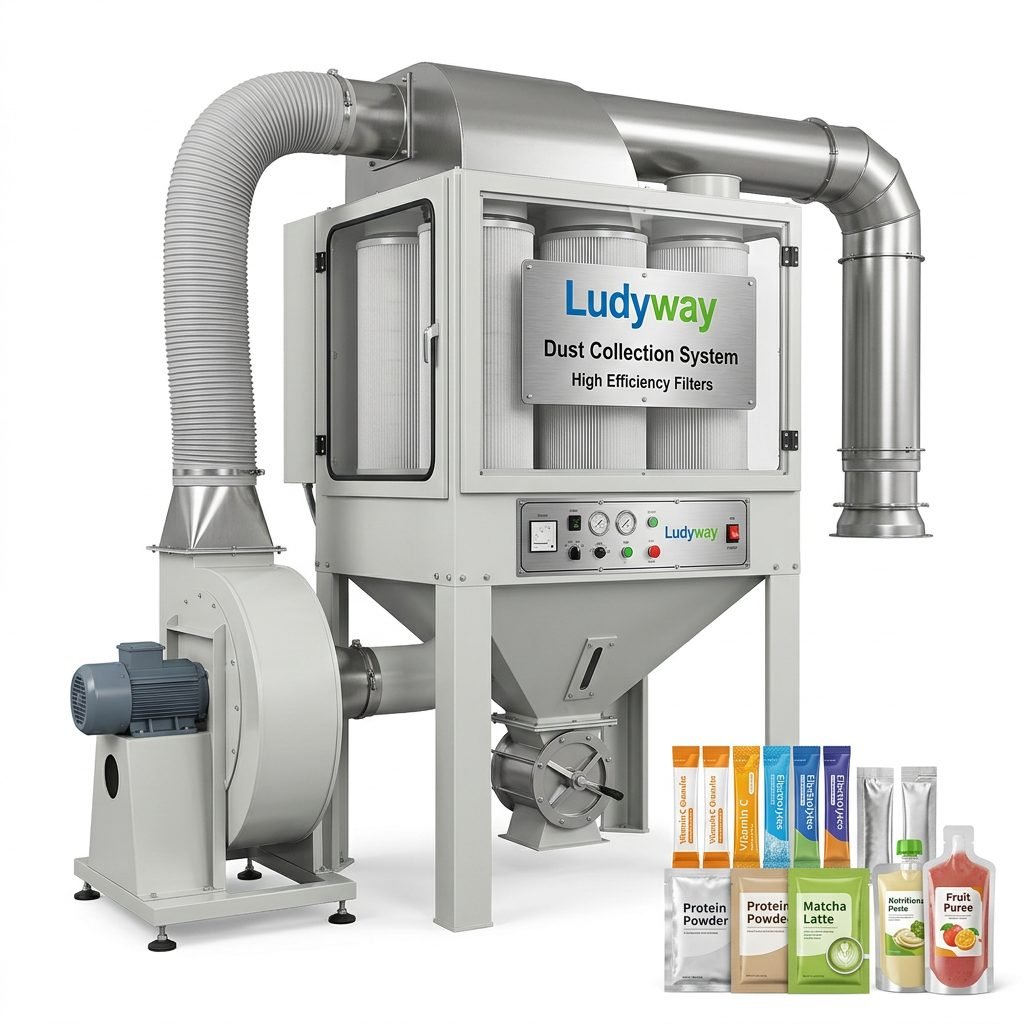
Cement packaging generates significant airborne dust, which creates health hazards, regulatory compliance issues, and housekeeping challenges. A well-designed packing machine incorporates integrated dust extraction ports at the filling spout and bag placement area. The dust collection system should connect to a central baghouse dust collector or an independent cartridge filter unit. Machines with enclosed filling zones and negative-pressure spouts significantly reduce ambient dust levels. Prioritize equipment that demonstrates effective dust management rather than relying on external dust control measures alone.
Automation and Control Systems
The level of automation you choose affects labor requirements, operational consistency, and production efficiency. Manual or semi-automatic machines require operators to hang bags and initiate the filling cycle. Fully automatic cement packing machines handle bag placement, filling, weighing, and discharge without operator intervention. Automated bag placers and robotic palletizing systems can further reduce labor costs and improve line speed. The control system should offer a user-friendly human-machine interface (HMI) with recipe management, real-time production monitoring, and diagnostic capabilities. A well-integrated control architecture reduces operator training time and simplifies troubleshooting.
Machine Durability and Material Construction
Cement is inherently abrasive — it wears down machine components over time. The construction materials and surface treatments of the packing machine directly determine its service life and maintenance requirements. Key considerations include:
- Product-contact surfaces: Should be made of abrasion-resistant materials such as hardened steel, ceramic coatings, or tungsten carbide. Stainless steel (304 or 316) offers corrosion resistance and is preferred for cleanliness, though 316 costs significantly more.
- Structural frame: A heavy-duty carbon steel frame with protective coatings resists vibration and maintains alignment over years of continuous operation. Powder-coated or epoxy-painted surfaces protect against corrosive cement dust.
- Seals and bearings: Premium sealing systems prevent cement ingress into bearings and moving parts. Contamination of lubricated components leads to premature failure and unplanned downtime.
- Wear components: Replaceable wear liners, filling nozzles, and impeller blades allow maintenance teams to quickly restore performance without replacing entire assemblies.
Bag Size and Weight Range Flexibility
Many cement and dry mortar producers package products in multiple bag sizes — typically 25kg, 40kg, and 50kg bags, as well as jumbo bags up to 2000kg. Some operations also package sample bags or small retail packs. A flexible packing machine can handle multiple bag formats and weight ranges with minimal changeover time. Features like adjustable bag clamps, quick-change filling spouts, and multi-recipe control systems increase operational versatility. If your product portfolio is expanding, prioritize a machine with broad format compatibility rather than an overly specialized single-format design.
Integration with Existing Production Lines
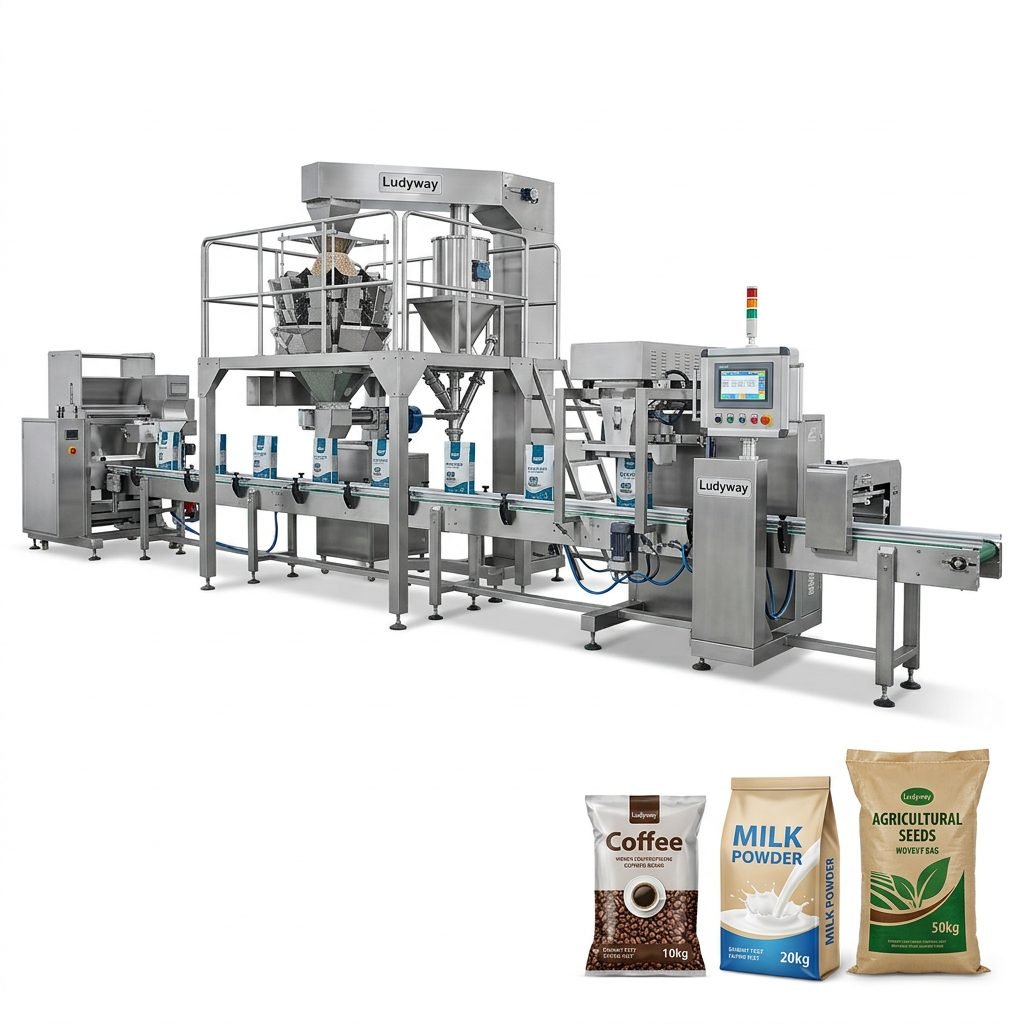
A cement packing machine rarely operates in isolation. It typically integrates with upstream silos, screw conveyors, bucket elevators, and downstream bag conveyors, sewing machines, palletizers, and stretch wrappers. Before purchasing, map out your complete packaging line flow, including material feed, bag supply, filled-bag handling, palletizing, and warehouse logistics. Verify that the new machine’s control system can communicate with your existing supervisory control and data acquisition (SCADA) or manufacturing execution system (MES) infrastructure. A machine that cannot easily integrate with existing equipment creates costly bottlenecks and engineering rework.
Maintenance, Spare Parts, and After-Sales Support
Even the most robust cement packing machine requires regular maintenance and occasional parts replacement. Evaluate the availability of critical spare parts such as impeller blades, filling nozzles, load cells, pneumatic cylinders, sensors, and drive belts. A local or regional spare parts inventory reduces lead times and prevents extended production stoppages. Technical support should include installation supervision, operator training, remote diagnostics, and on-site service capabilities. The quality of after-sales support often matters more than minor specification differences between competing machines. Poor support can turn a small technical issue into a significant production loss. For reliable guidance, you can refer to industry organizations like PMMI – The Association for Packaging and Processing Technologies and review resources such as the 2026 Packaging State of the Industry Report.
Regulatory Compliance and Standards
Cement packaging equipment must comply with applicable safety, environmental, and electrical standards in your country or region. Look for compliance with recognized international standards where relevant, including those from organizations such as ISO packaging standards. Depending on your market and machine configuration, certifications such as CE (European Conformity) or UL (Underwriters Laboratories) listing may be required. Documentation should include electrical schematics, pneumatic diagrams, mechanical drawings, and maintenance manuals in a language your technical team can use effectively.
Total Cost of Ownership Considerations
The purchase price of a cement bag packing machine is only one element of its total cost. A comprehensive cost analysis should include:
- Initial capital expenditure: Machine cost, shipping, import duties, installation, and commissioning.
- Operating costs: Energy consumption, compressed air usage, bag material waste, and labor requirements.
- Maintenance costs: Routine service, wear parts replacement, and unexpected repair costs.
- Downtime costs: Production losses during maintenance, changeovers, and unplanned stoppages.
- Service life: Expected machine lifespan and the potential cost of early replacement.
A machine with a higher upfront cost but lower operating, maintenance, and downtime costs often delivers better long-term value than a cheaper alternative with frequent breakdowns and high parts consumption.
Working with a Packaging Machinery Partner
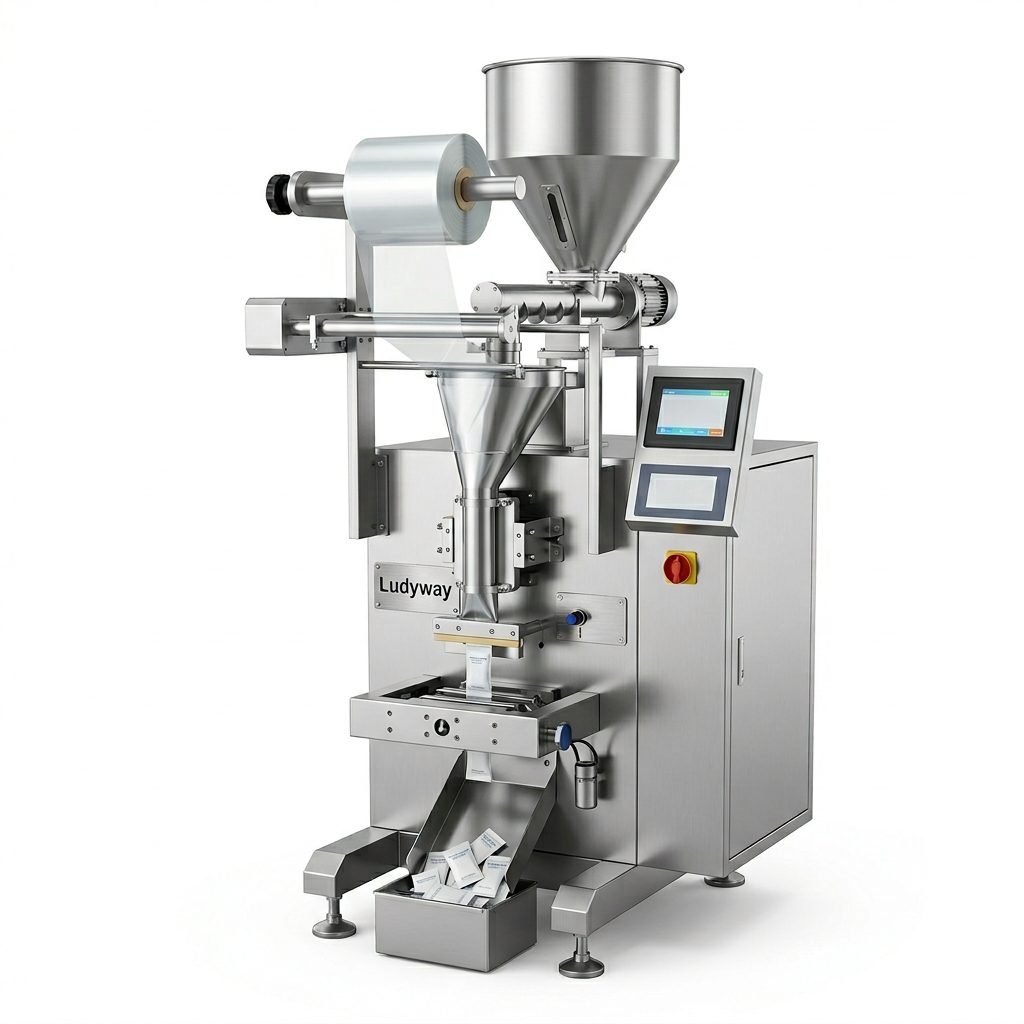
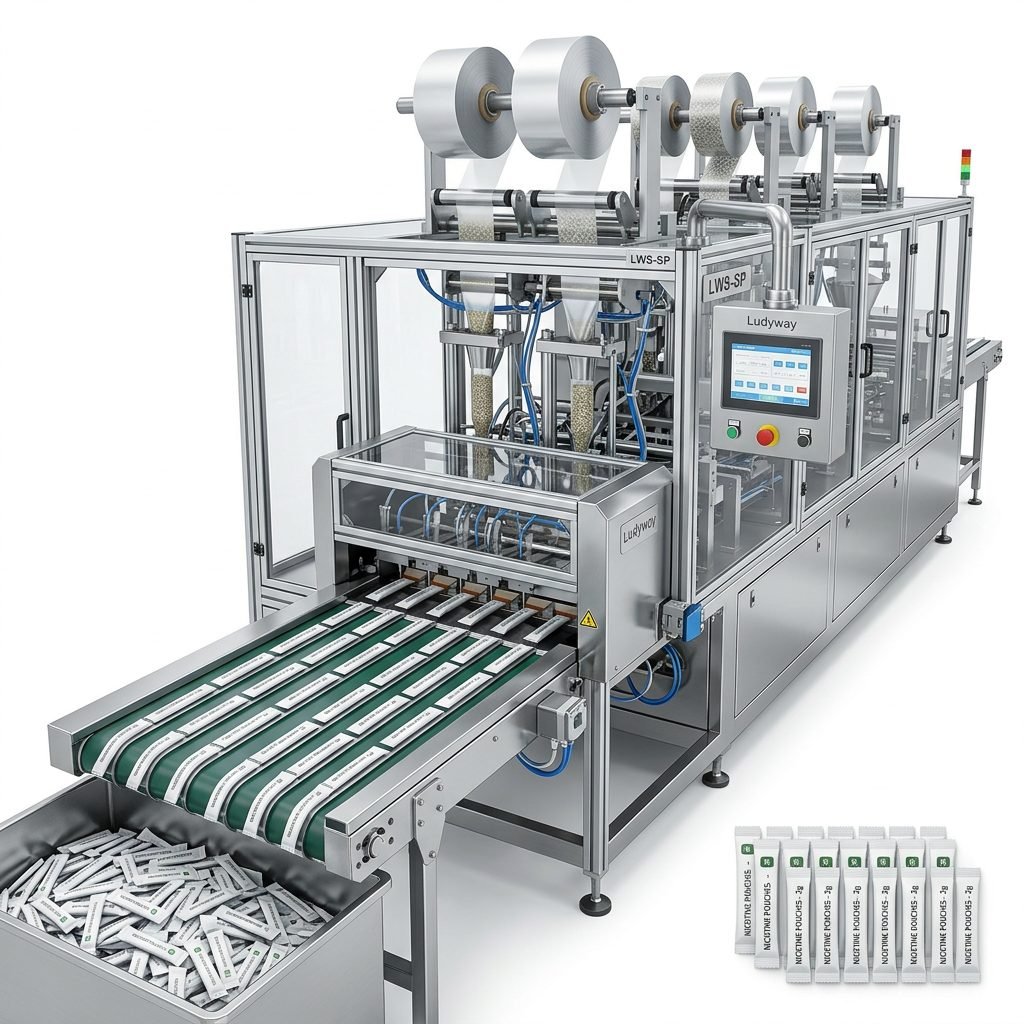
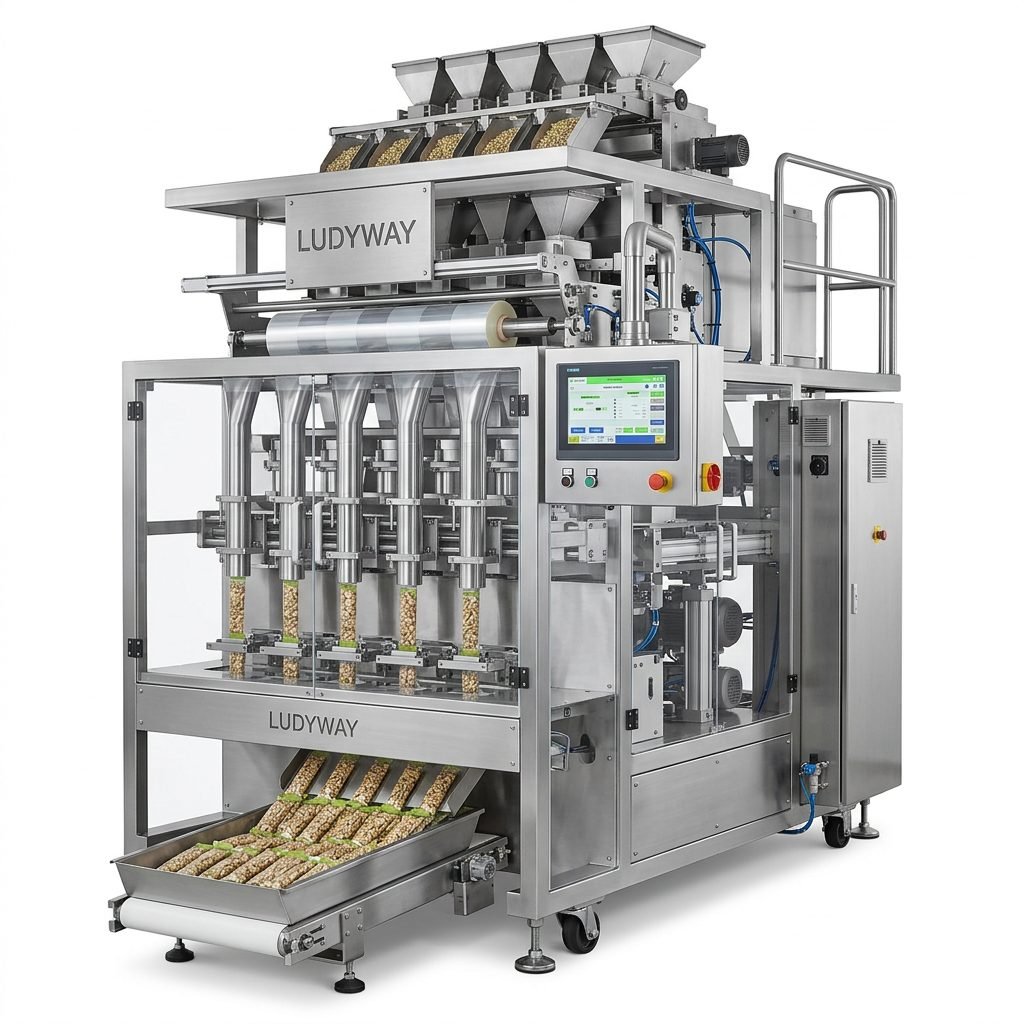
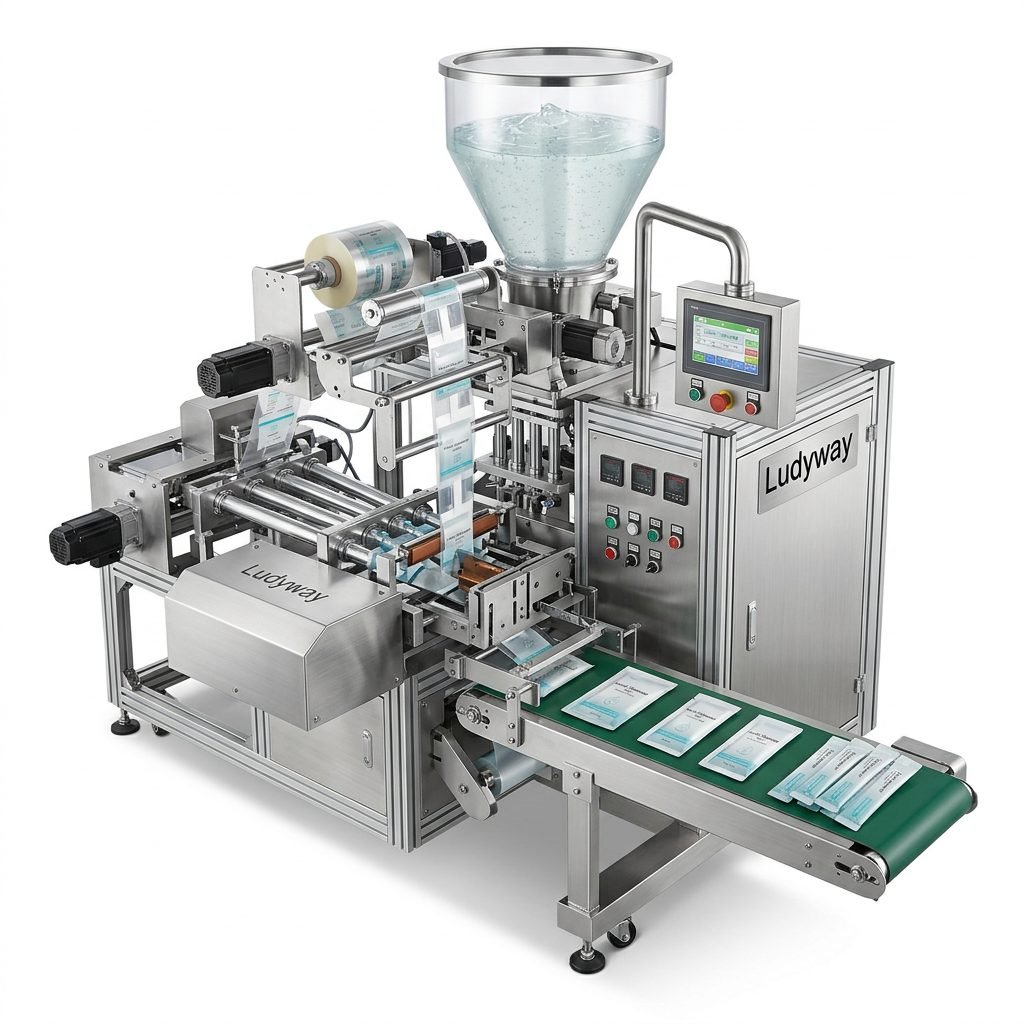
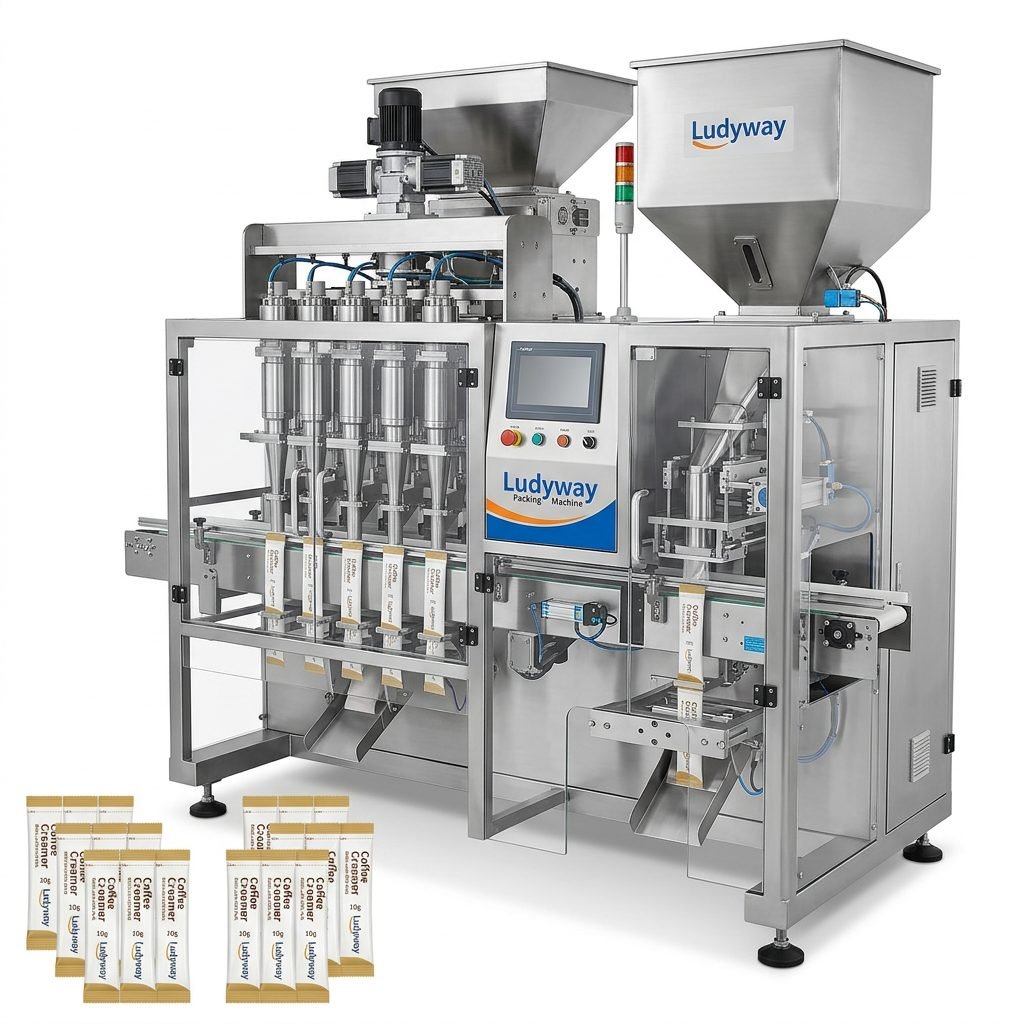
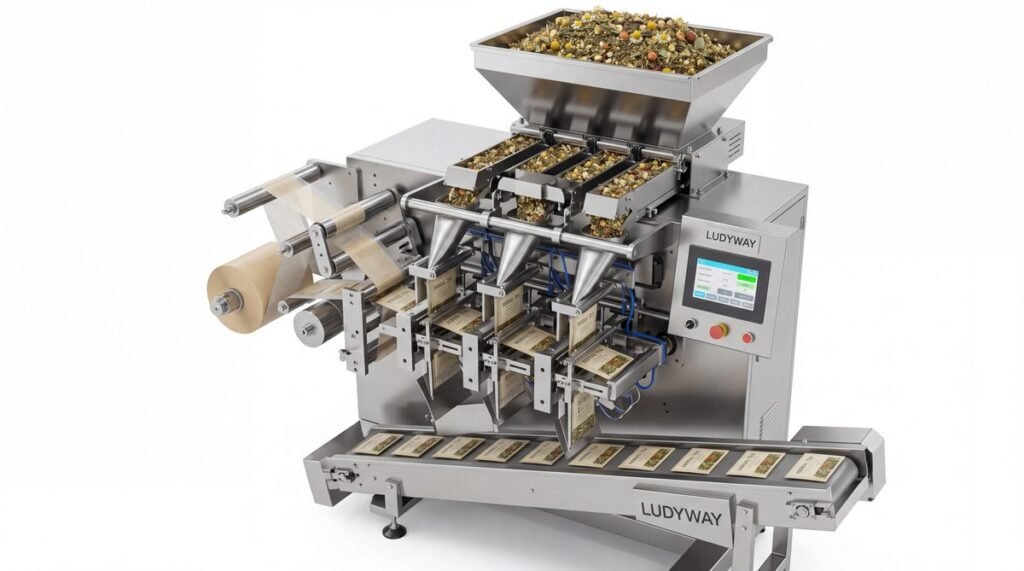
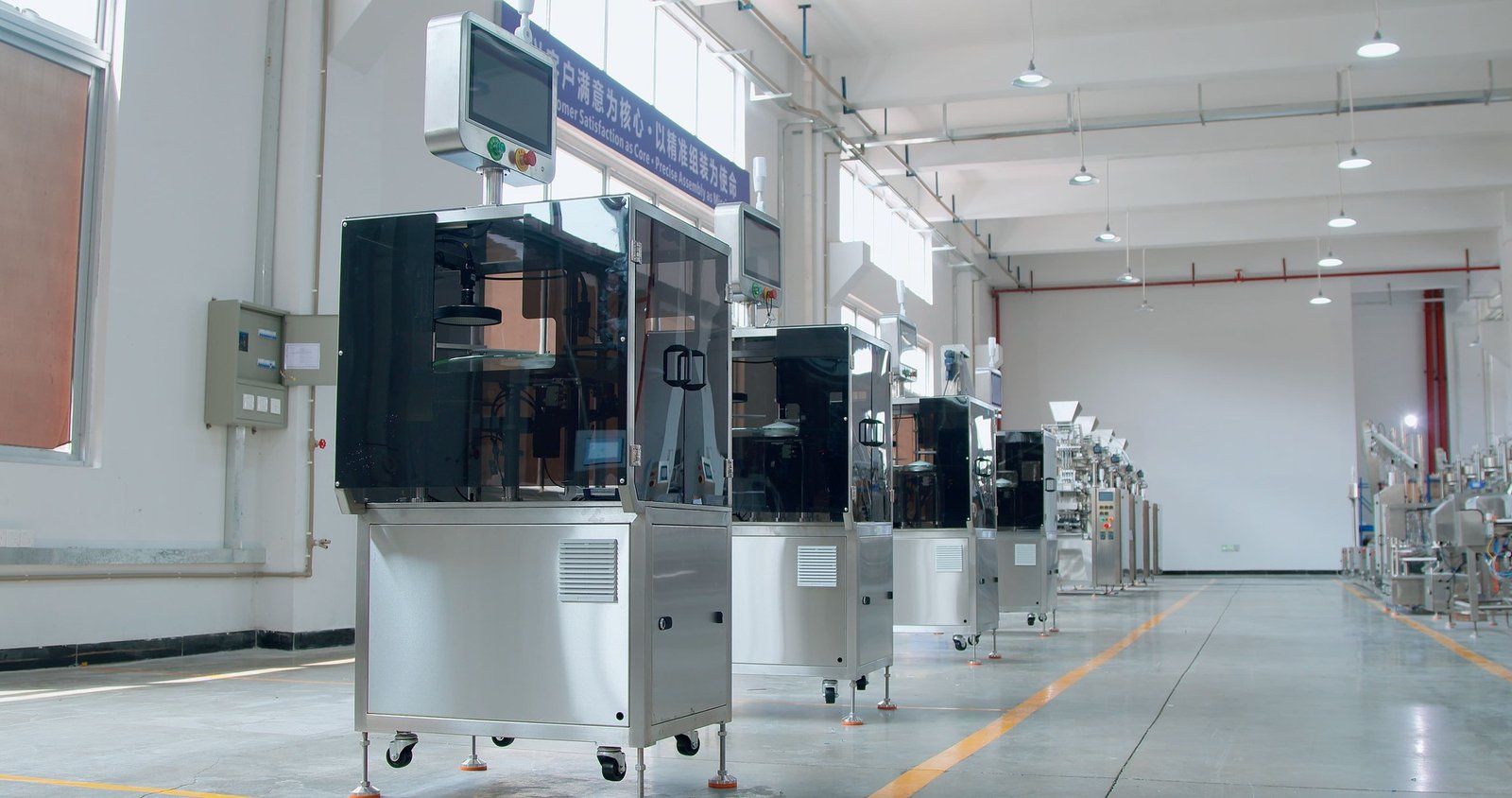
For manufacturers seeking a complete packaging solution rather than an isolated machine, working with an experienced packaging machinery manufacturer can simplify the entire process. Ludyway Machinery, a China-based packaging machinery manufacturer with more than 30 years of experience, provides automated packaging equipment and turnkey solutions across a wide range of industries. Its portfolio covers powder, granule, and liquid packaging applications with machines that can be configured for different production speeds, filling volumes, packaging materials, and bag formats. From individual automatic packaging machines to complete turnkey packaging lines, Ludyway combines manufacturing expertise, engineering capabilities, and global technical support to help customers achieve efficient, scalable packaging operations. For more insights on packaging machinery market trends, you can also review the Ludyway Packaging Machinery Global Growth Trend Report and resources from the Flexible Packaging Association.
Common Purchasing Mistakes to Avoid
Based on industry experience, here are some frequent mistakes that buyers make when selecting a cement bag packing machine:
- Underestimating dust management needs: Inadequate dust collection leads to regulatory fines, health risks, and increased equipment wear.
- Choosing based on lowest price alone: Low-cost machines often use inferior materials that degrade quickly under abrasive cement conditions.
- Ignoring future capacity requirements: A machine sized only for current production cannot support growth without expensive replacement or duplication.
- Overlooking spare parts availability: Machines with limited local parts support cause extended downtime during critical production periods.
- Neglecting operator training: Even the best machine performs poorly if operators lack proper training on setup, operation, and preventive maintenance.
- Failing to verify integration compatibility: A machine that cannot connect with existing material handling and bagging line equipment creates engineering and operational headaches.
Questions to Ask Before Making a Decision
When evaluating specific cement bag packing machine models or suppliers, use the following questions to guide your assessment:
- What is the demonstrated filling accuracy for cement products at the rated speed?
- What wear protection features are incorporated into product-contact components?
- How is dust extraction integrated into the machine design?
- What is the typical service life of key wear parts, and are replacement parts locally stocked?
- Can the machine handle multiple bag sizes and formats, including valve bags and open-mouth bags?
- What automation options are available for bag placement, weighing, sealing, and palletizing?
- Does the supplier provide installation, commissioning, and operator training support?
- What is the warranty period and scope, and how are warranty claims handled?
- Can the supplier provide references from existing cement industry customers?
Final Considerations
Selecting the right cement bag packing machine requires a careful balance of technical specifications, production requirements, durability, automation level, and total cost of ownership. A thorough evaluation process that considers material characteristics, dust management, weighing accuracy, machine construction, and supplier support capabilities will lead to a more successful long-term investment. For additional industry data and packaging regulations, consult authoritative sources such as FDA packaging and food contact substances guidelines (relevant for food-grade cement applications) and the European Commission’s packaging and packaging waste regulations. The time invested in researching, comparing, and testing options before purchasing typically pays dividends in the form of higher machine reliability, lower operating costs, and more consistent packaging quality over many years of production.