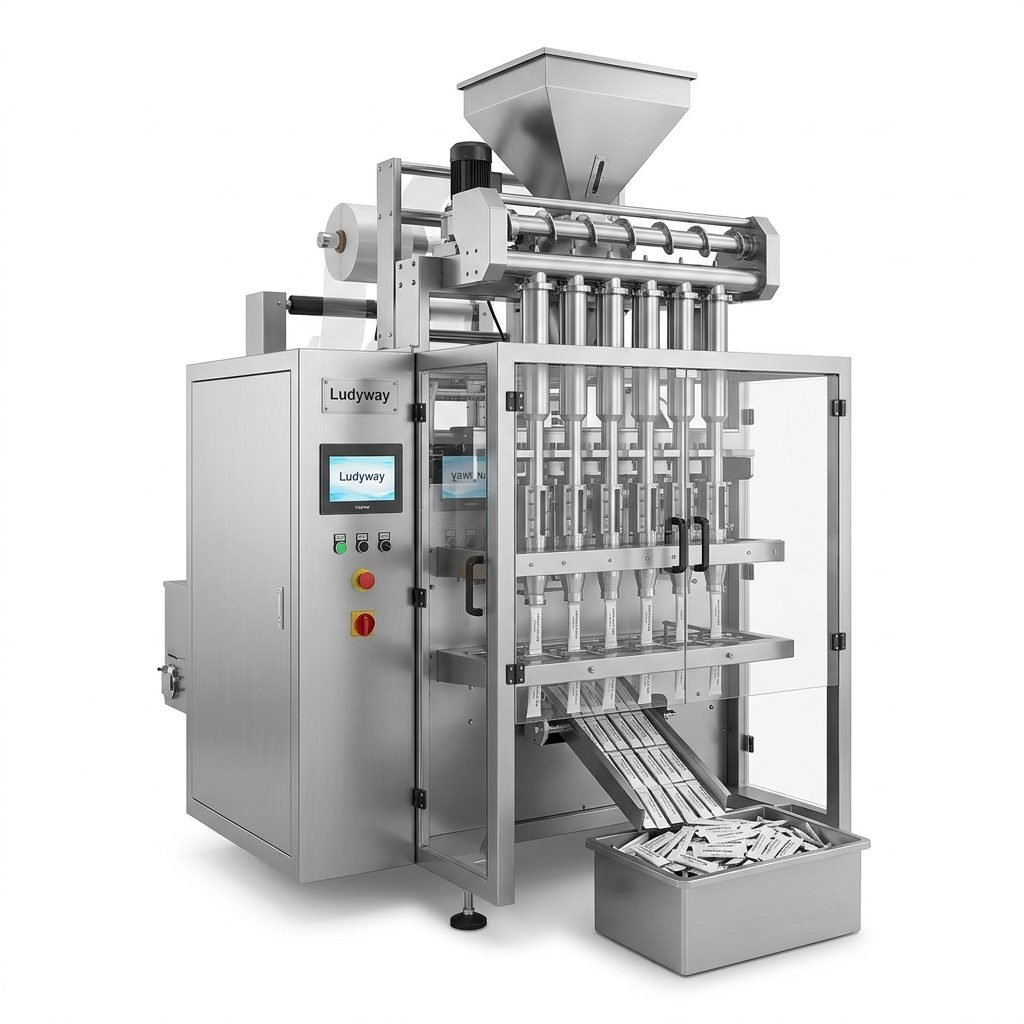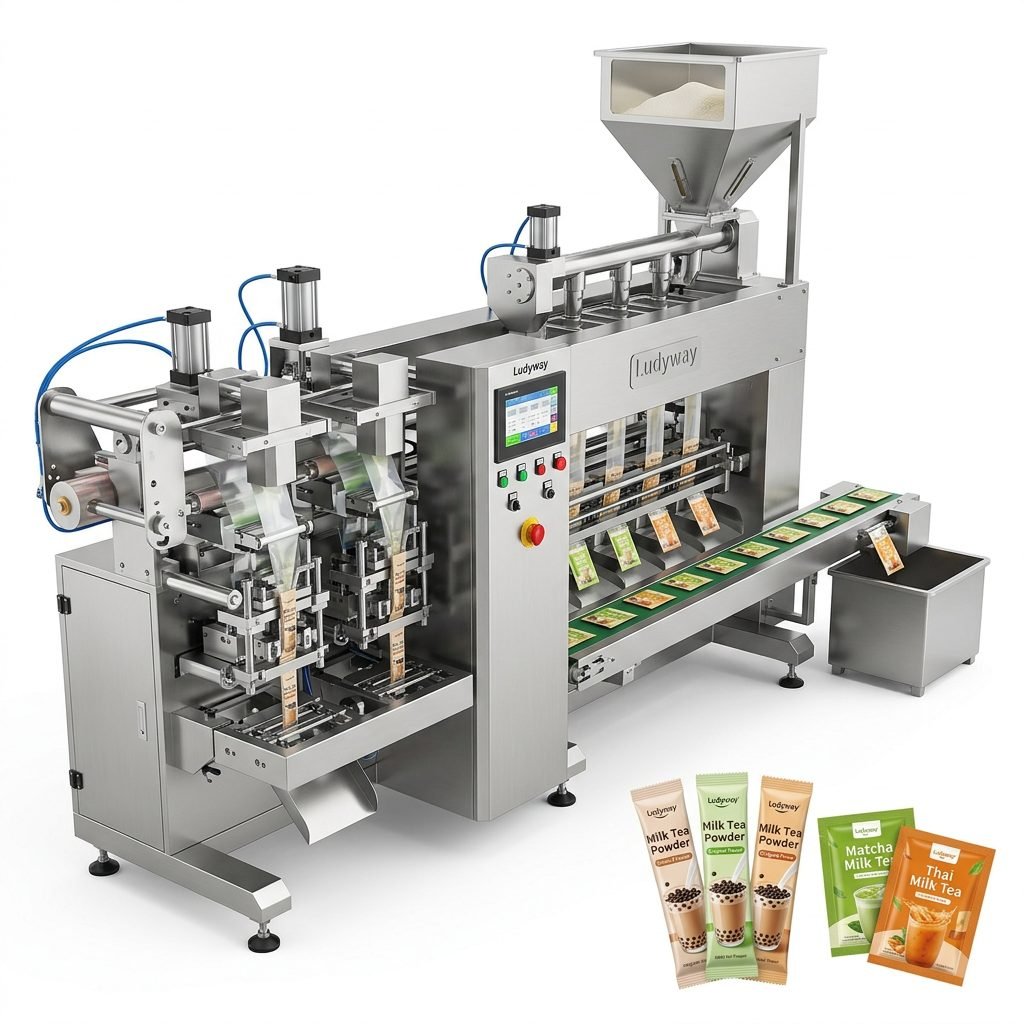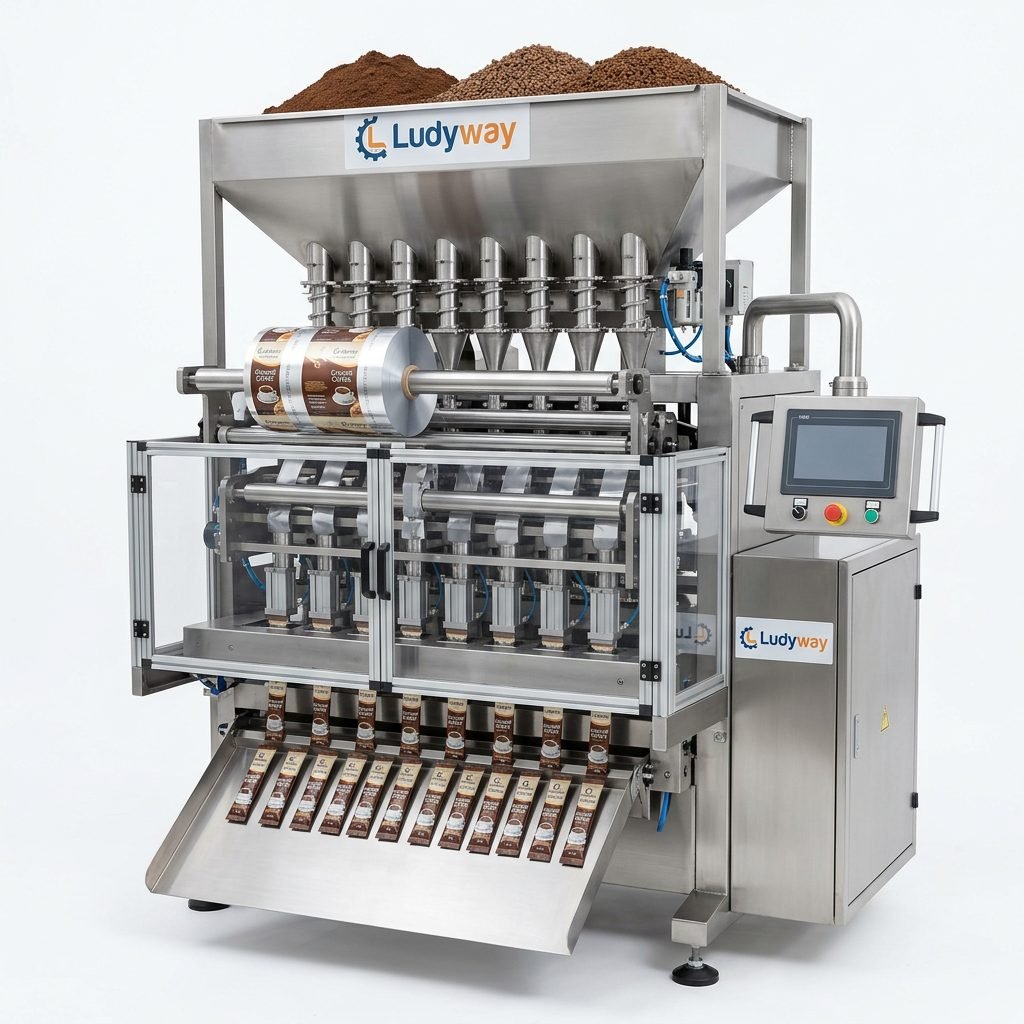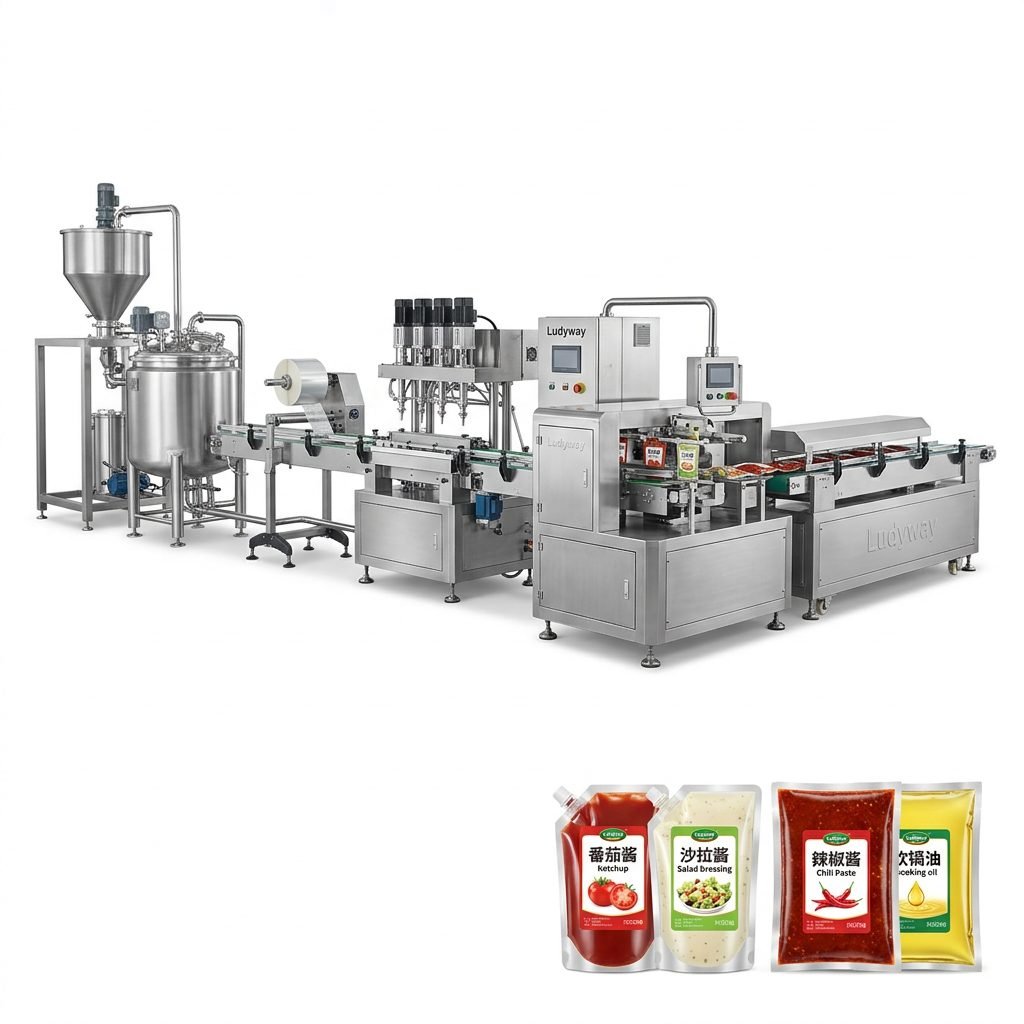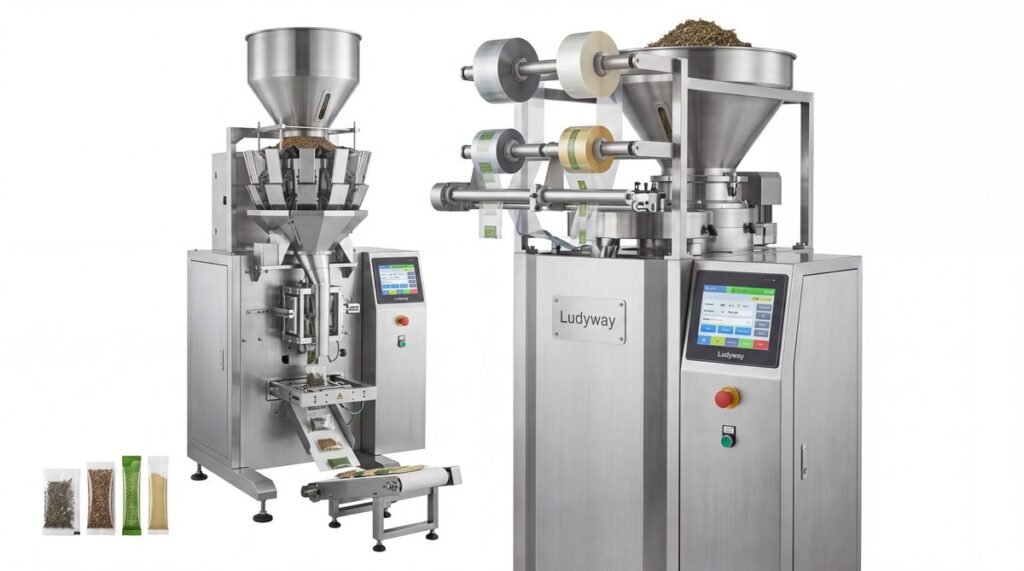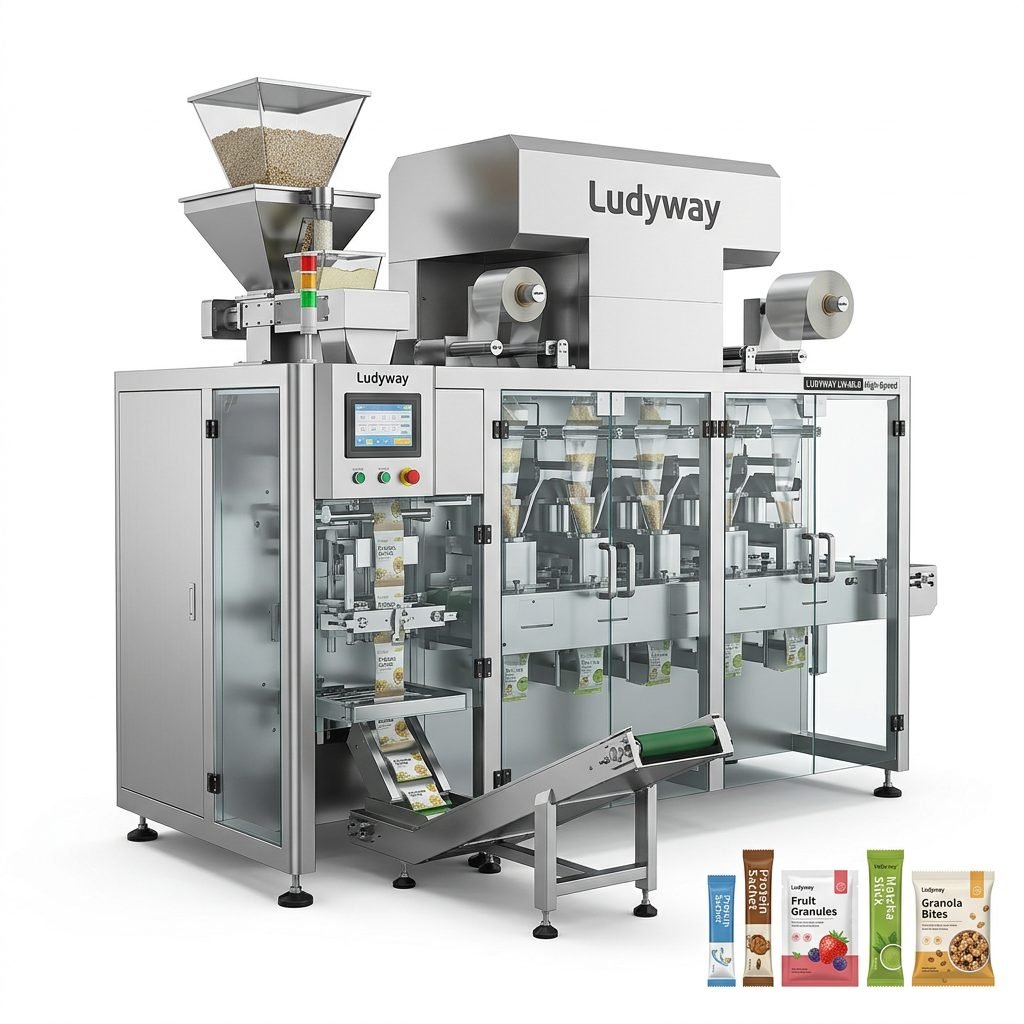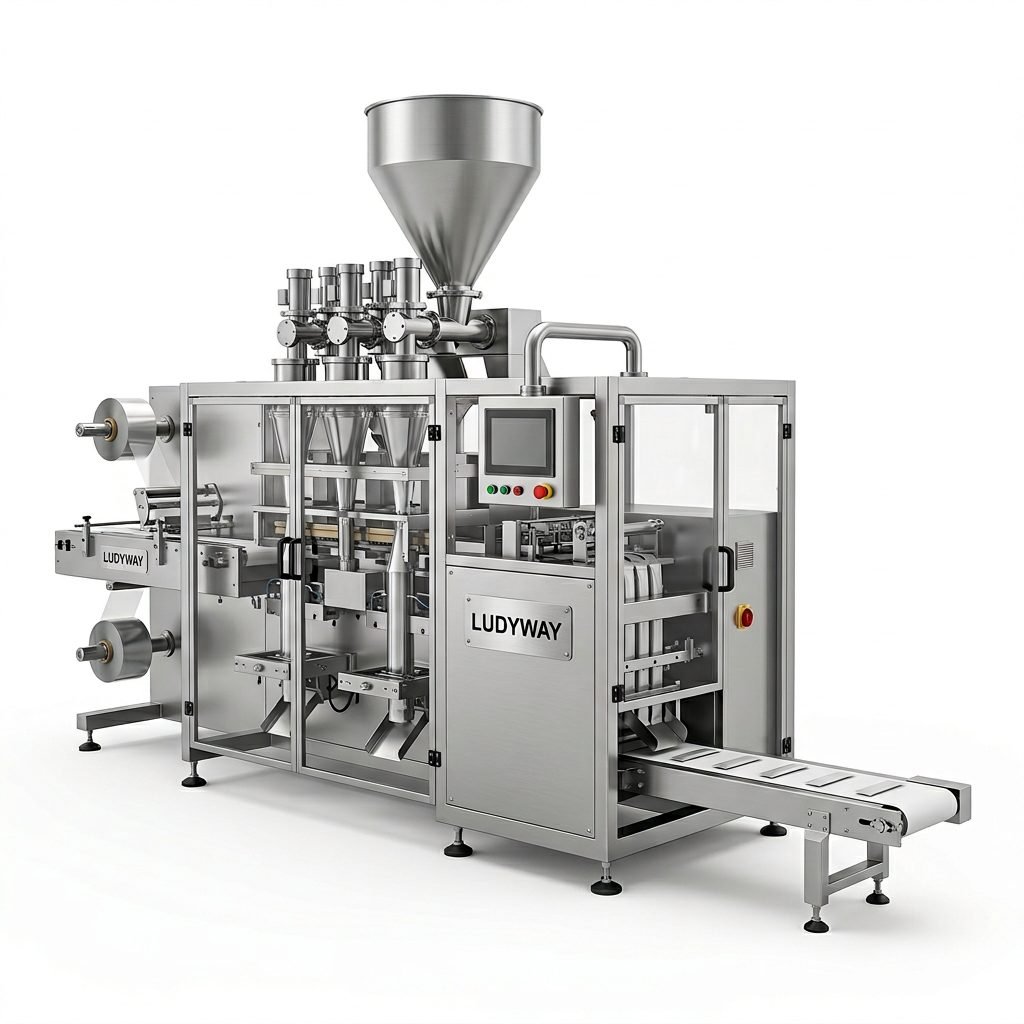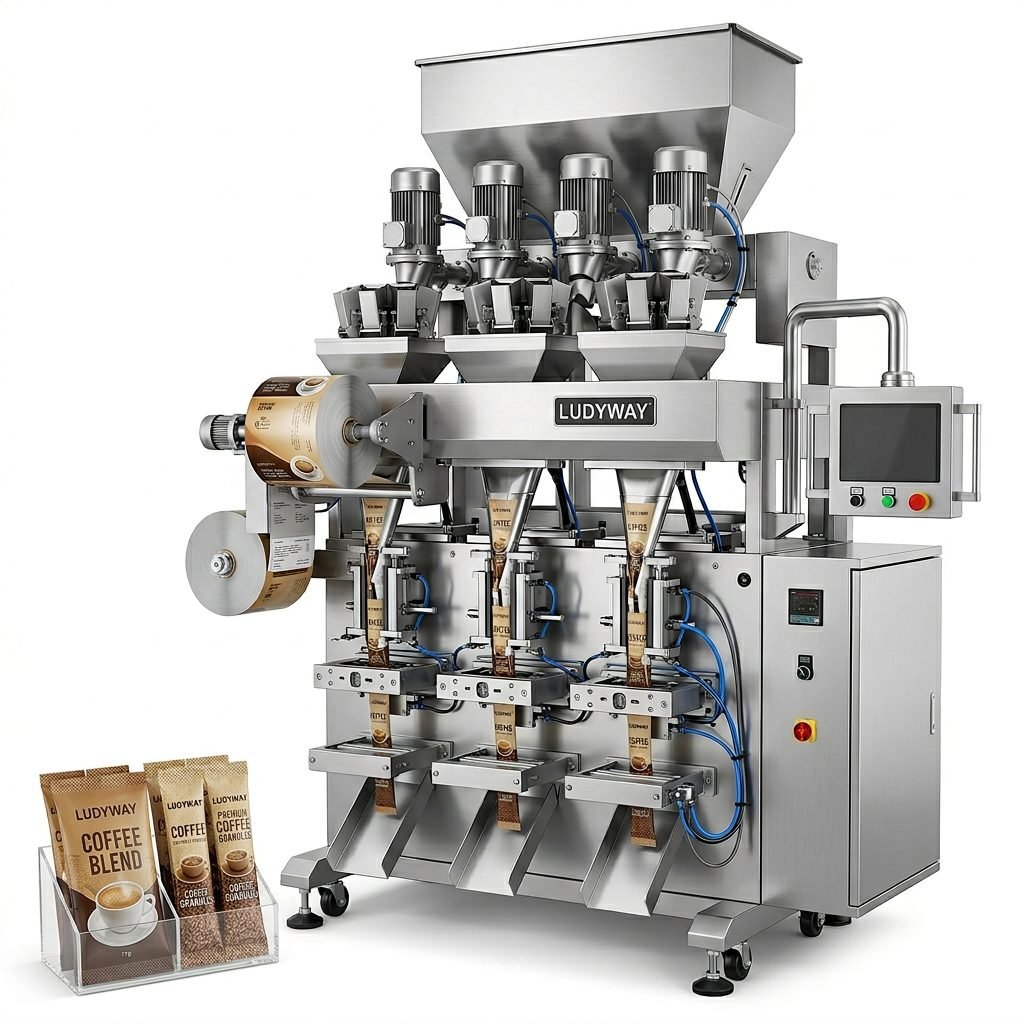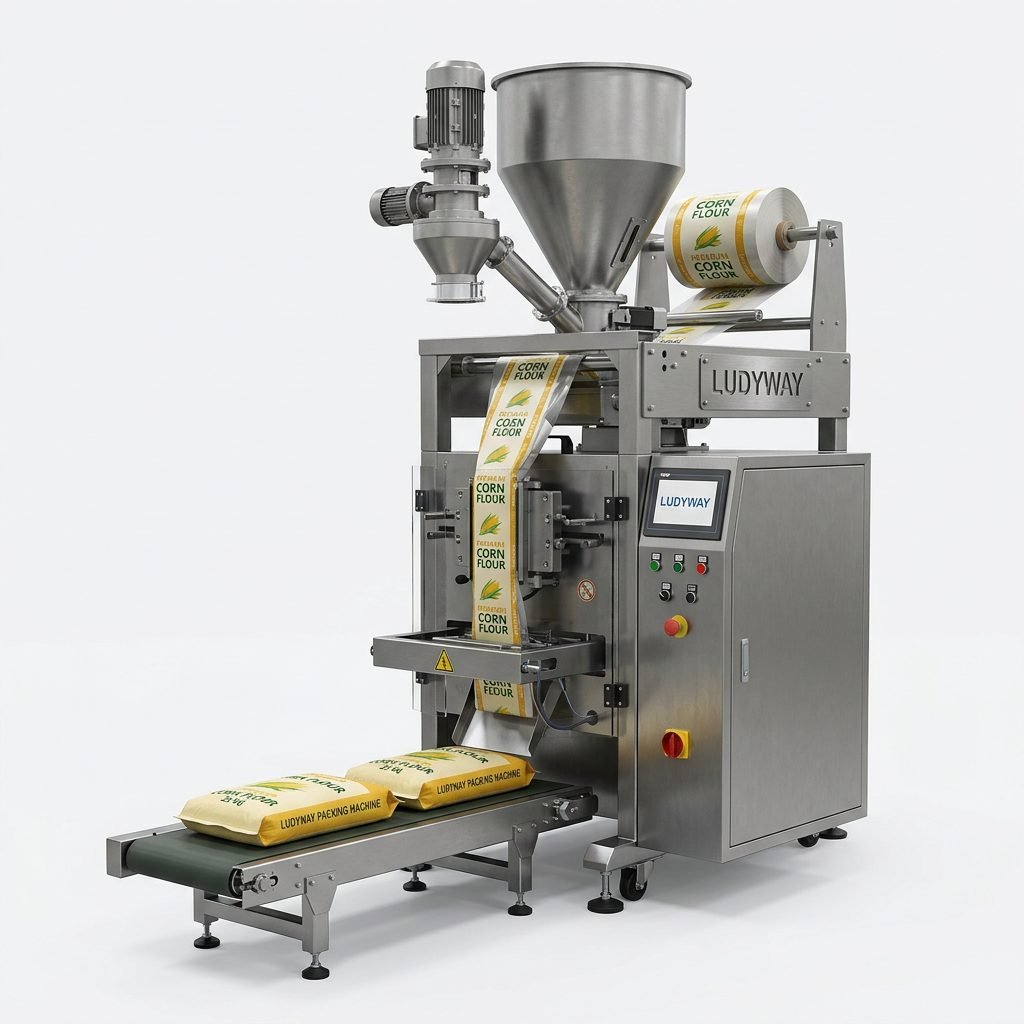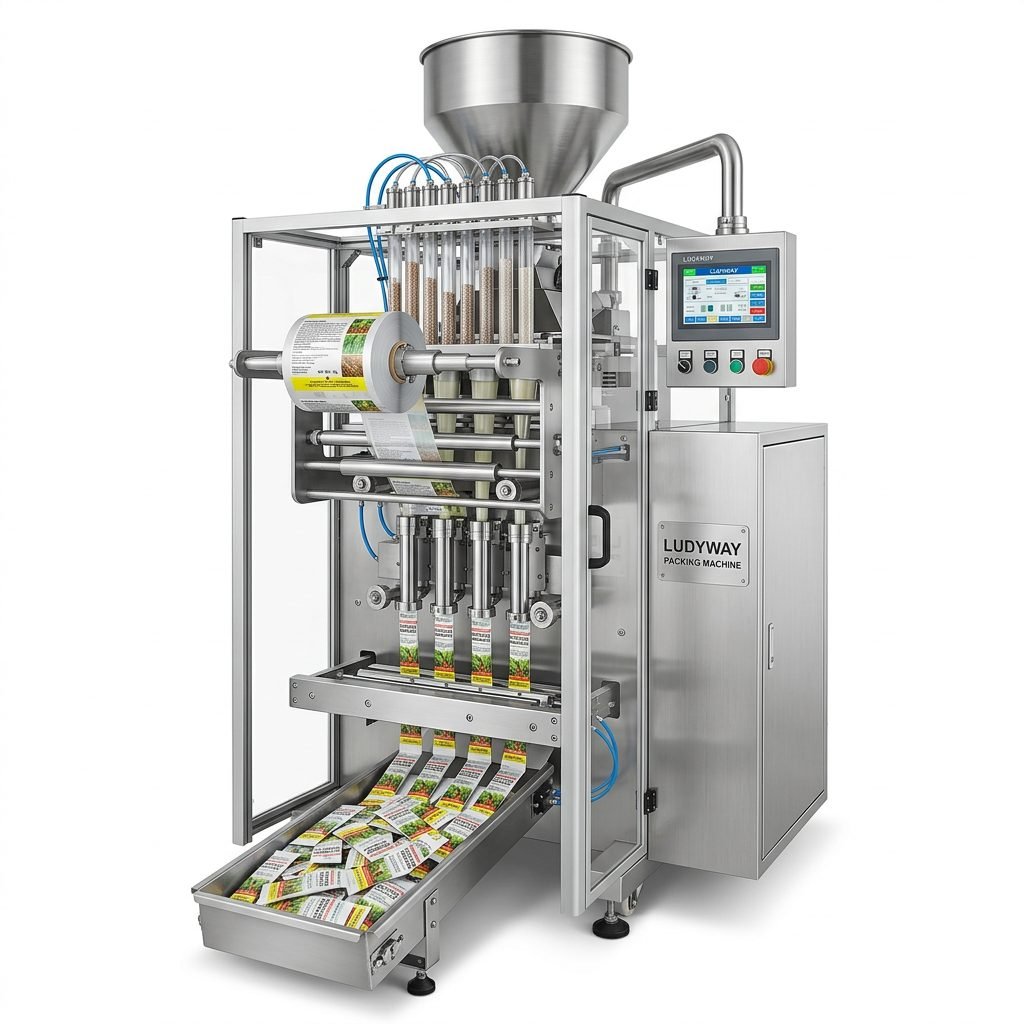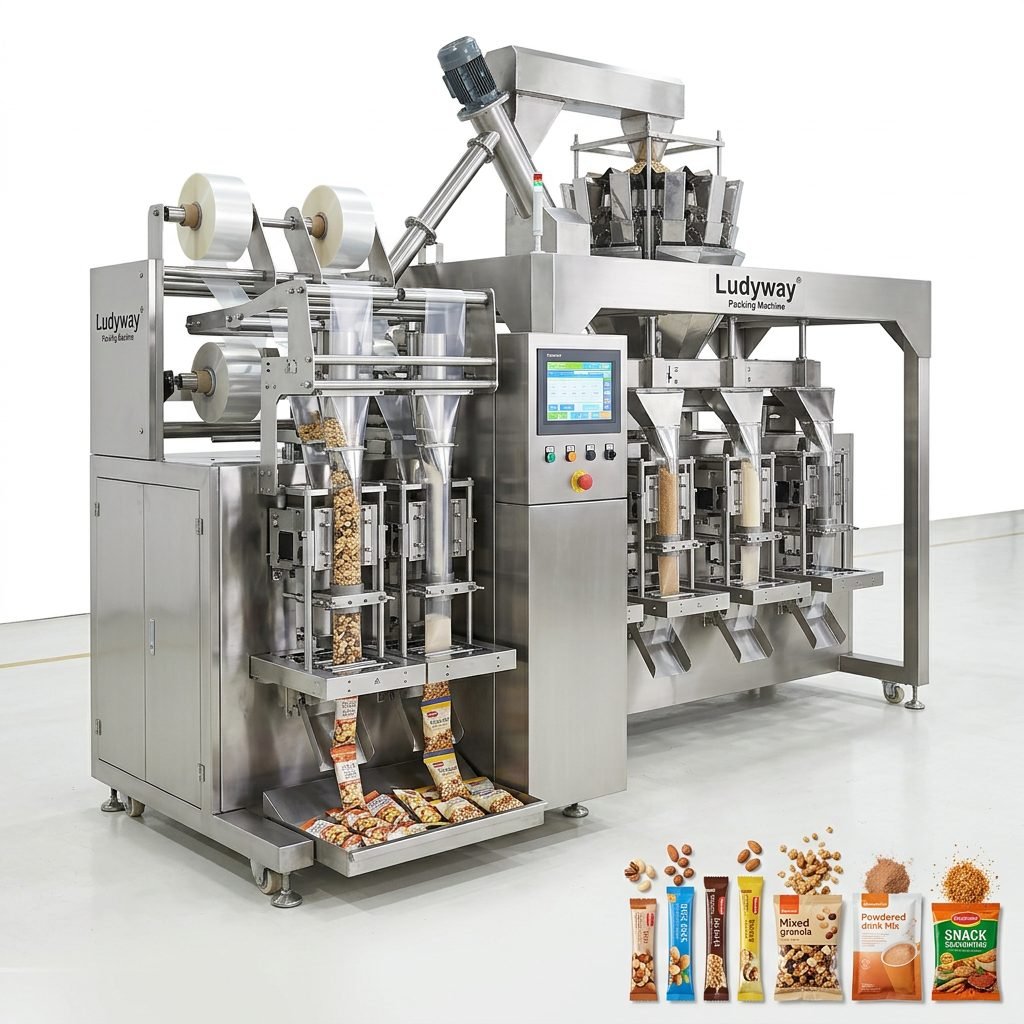
Investing in a plastic container packing machine is a critical decision that directly impacts your production efficiency, product shelf life, and bottom line. Whether you are filling bottles, jars, tubs, or rigid containers with powders, granules, or liquids, selecting the right equipment requires a thorough evaluation of your current and future manufacturing objectives. This guide walks you through a systematic approach to choosing a machinery partner and packaging machine configuration that aligns with your operational needs.
Step 1: Define Your Product and Container Specifications
Before comparing machine models, you must have precise data on what you are packaging. The characteristics of your product and container will eliminate many incompatible options immediately.
Product Characteristics
- Product State: Is your material a free-flowing granule, a cohesive powder, a viscous liquid, a paste, or a solid component? A granule packaging machine differs significantly from a liquid piston filler.
- Flowability and Density: Non-free-flowing powders may require mechanical agitation or auger fillers, whereas uniform granules often work best with volumetric cup fillers.
- Hygroscopic or Dusty Nature: Products like milk powder or fine chemicals generate dust, so superior dust control and sealing are necessary to protect machine components and maintain a cleanroom environment.
Container Specifications
- Material & Shape: Are you running rigid plastic containers, glass bottles, or flexible pouches? The machine must handle the specific neck finish, diameter, height, and stability of your container.
- Closure Types: Determine if you need a capping system for screw caps, snap-on lids, induction seals, or plug-style closures integrated into the packaging line.
Step 2: Match the Filling Technology to Your Application
The filling mechanism is the heart of the system. Selecting an inappropriate filler leads to inaccurate dosing, spillage, and waste.
| Filling Technology | Best For | Advantages |
|---|---|---|
| Volumetric Cup Filler | Free-flowing granules (seeds, plastic resin, coarse salt) | Simple design, high speed, cost-effective |
| Auger Filler | Powders (flour, spices, protein powder, chemicals) | Excellent accuracy for semi-free-flowing powders; dust-tight options |
| Net Weigh Filler | High-value products requiring extreme precision | Legal-for-trade weighing; minimal product give-away |
| Piston / Pump Filler | Viscous liquids, pastes (sauces, creams, gels) | Handles high viscosity; precise volumetric dosing |
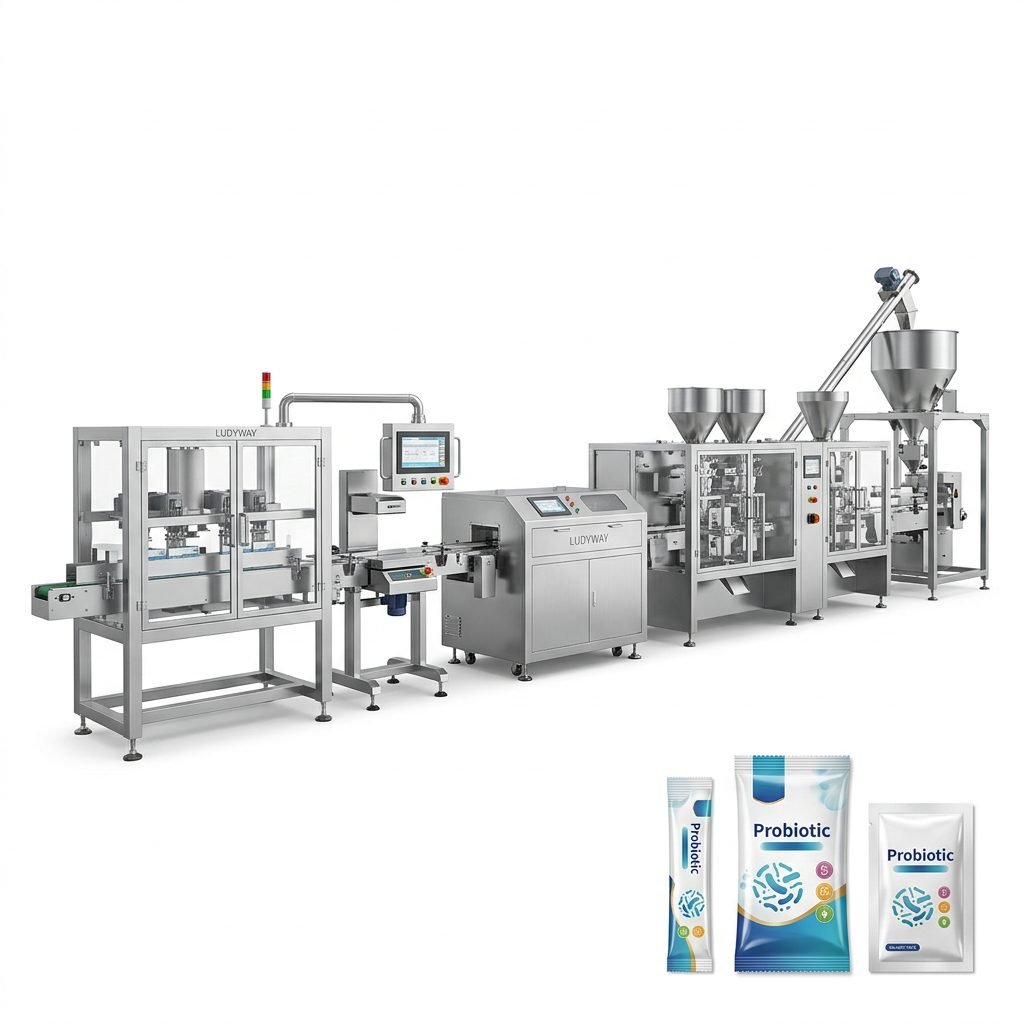
Step 3: Evaluate Automation Level and Line Integration
Your current workforce availability and desired throughput dictate the automation complexity. The goal is to transition from manual labor to a seamless turnkey packaging line.
Semi-Automatic vs. Fully Automatic
- Semi-Automatic Systems: Operators manually place containers under the fill head. Ideal for startups, low volume, or facilities where flexibility is prioritized over speed. These machines are budget-friendly and easier to change over.
- Fully Automatic Rotary or Inline Systems: Containers are automatically indexed via conveyor. Capable of high-speed output (50 to 200+ containers per minute), these include automatic packaging equipment like bottle unscramblers, fillers, cappers, labelers, and checkweighers.
Step 4: Assess Construction Material and Washdown Capability
Not all stainless steel is equal. The construction material grade determines longevity and regulatory compliance.
- Food and Pharma Grade: For food or pharmaceutical plastic containers, insist on SS304 or SS316 stainless steel contact parts. This prevents corrosion and bacterial growth.
- Washdown Environments: If the machine is in a wet production zone (dairy, meat, or strict hygiene lines), it must have an IP65/IP66 rating with sloped surfaces, sealed bearings, and minimal flat areas to prevent water pooling.
- Industrial/Chemical Products: Harsh chemical products may require special gaskets and seals (Viton, Teflon) to resist degradation.
Step 5: Validating Speed, Accuracy, and Changeover
When comparing technical datasheets, look beyond theoretical maximum speeds. A machine rated for 120 cpm might realistically run at 80 cpm with your specific product and container.
- Sustained Rate vs. Burst Rate: Request video proof of the machine running your exact product. Assess the sustained speed achievable across an 8-hour shift.
- Tool-less Changeover: If you run multiple SKU sizes (e.g., 100ml, 250ml, 500ml plastic containers), rapid changeover is essential. Look for quick-release clamps, digital recipe storage, and height adjustments that don’t require tools.
Step 6: Evaluating a Packaging Machinery Manufacturer
The manufacturer’s engineering capability and after-sales infrastructure are as important as the machine itself.
| Evaluation Criteria | Why It Matters |
|---|---|
| In-House Manufacturing | Ensures control over component quality and lead times. |
| Turnkey Integration | A provider who can supply the filling line, feeding systems, and palletizing offerings reduces project management risks. |
| Factory Acceptance Testing (FAT) | Witness the machine running with your containers and product before shipment to verify compliance. |
| Global Parts Supply | Critical for minimizing downtime. Confirm the availability of pneumatic, electrical, and wear components locally. |
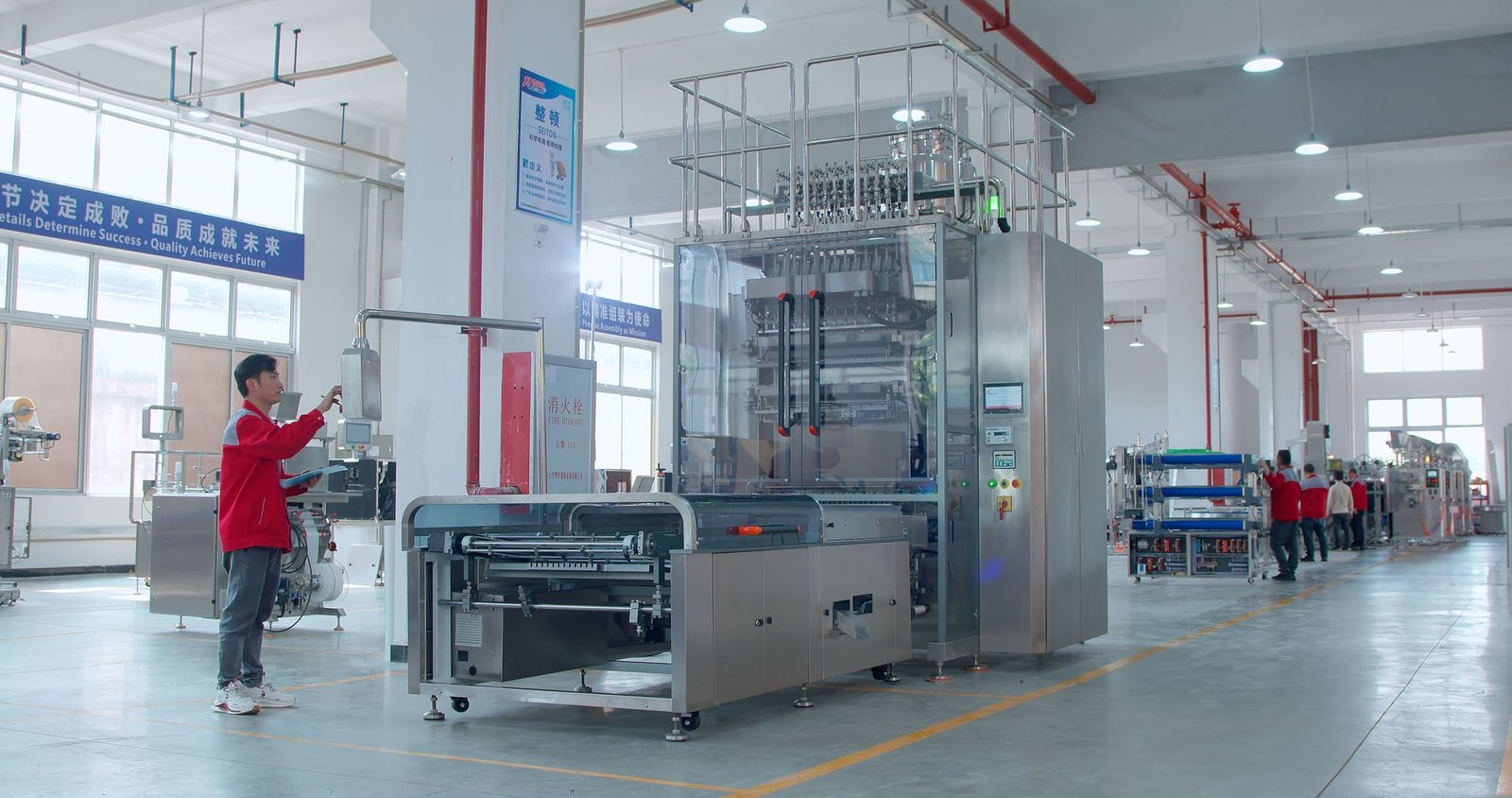
As a specific industry reference, Ludyway Machinery operates a 20,000-square-meter manufacturing facility and has over 30 years of specialization in developing automated packaging solutions. With an export trajectory expected to surpass USD 69 million in 2025, the company provides customized machine configurations ranging from single fillers to complete turnkey packaging systems, designed for standard compliance and robust material compatibility across food and beverage packaging, pharmaceutical, and chemical industries.
Step 7: Budget and Total Cost of Ownership (TCO)
A machine with a low purchase price can be deceptively expensive. Calculate the Total Cost of Ownership over a decade.
- Energy Consumption: Compare kilowatt usage between servo-driven machines and older pneumatic models.
- Spare Parts Consumables: Consider the cost and typical lifespan of belts, sealing jaws, filters, and filling nozzles.
- Product Giveaway: A precise multi-lane packaging machine with weight feedback saves thousands by preventing overfilling.
Conclusion
Choosing the right plastic container packing machine requires a strategic focus on product compatibility, filling technology, automation level, and the manufacturer’s engineering track record. For a deeper understanding of industry trends affecting packaging machinery purchasing, review the latest 2026 Packaging State of the Industry report by PMMI. Furthermore, understanding flexible packaging industry data from the Flexible Packaging Association is vital for context on material shifts. Finally, for a perspective on global growth trajectories in this sector, you can consult the analysis on the packaging machinery global growth trend.