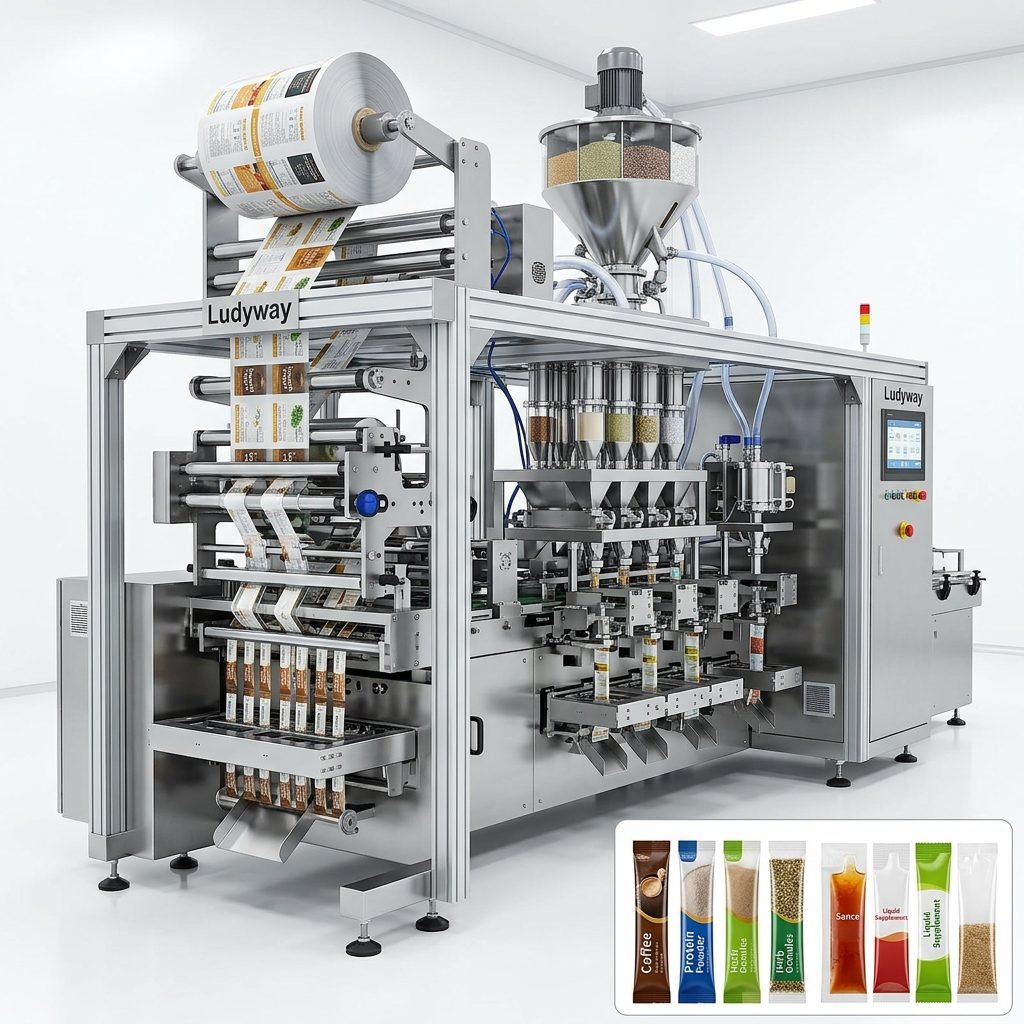
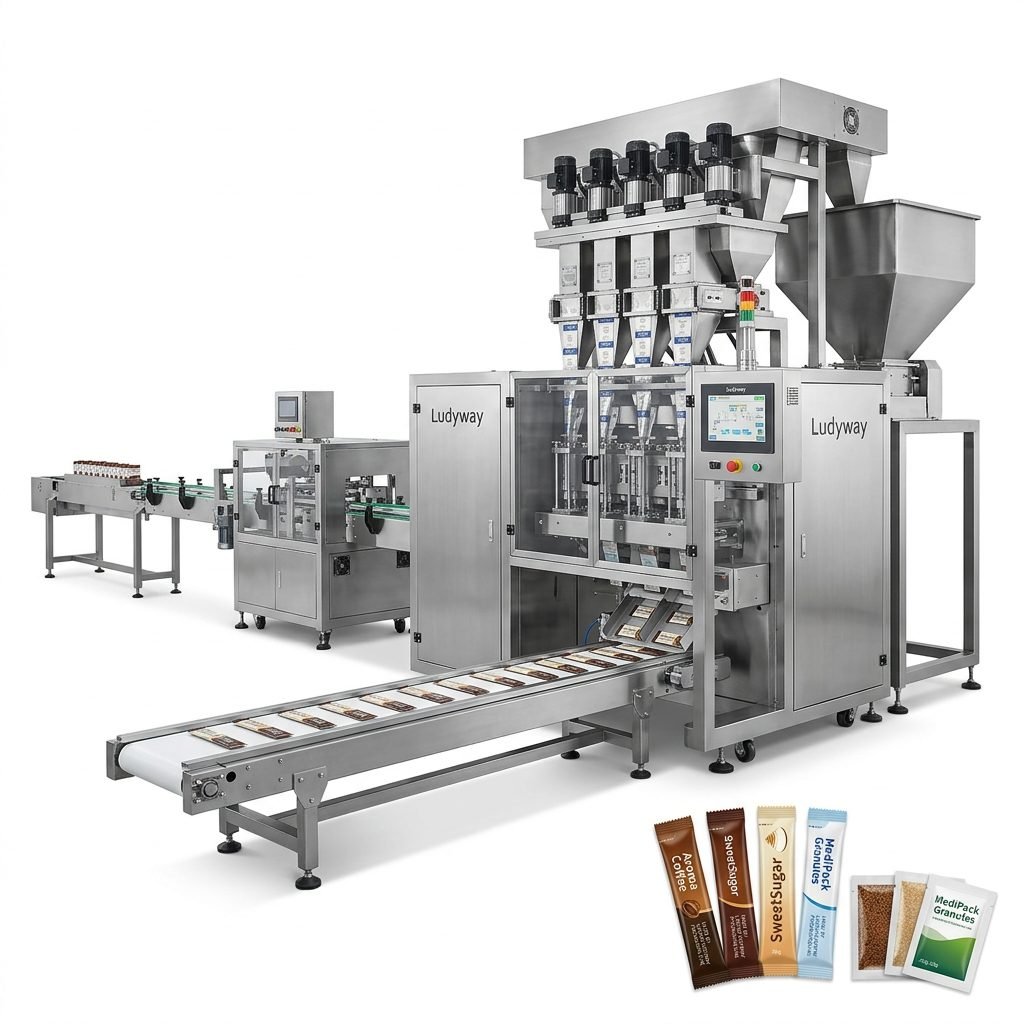
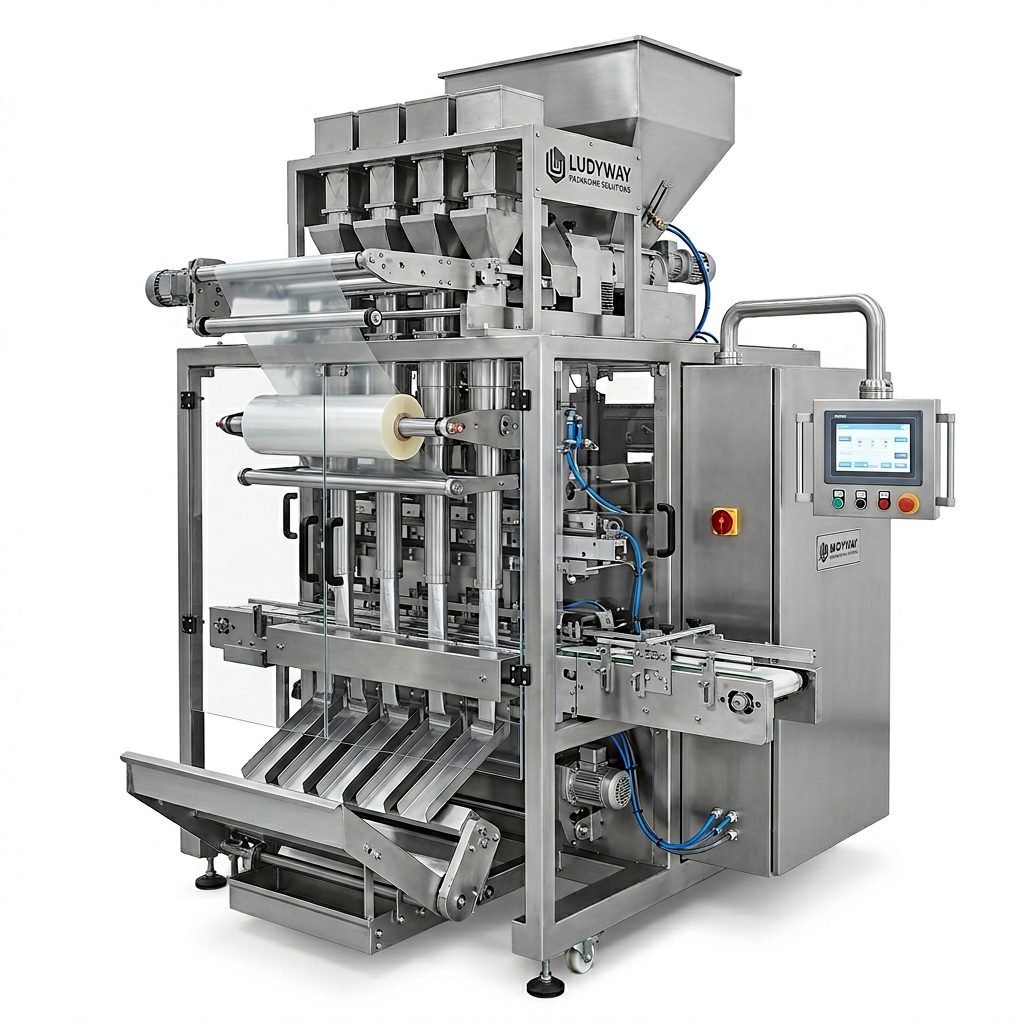
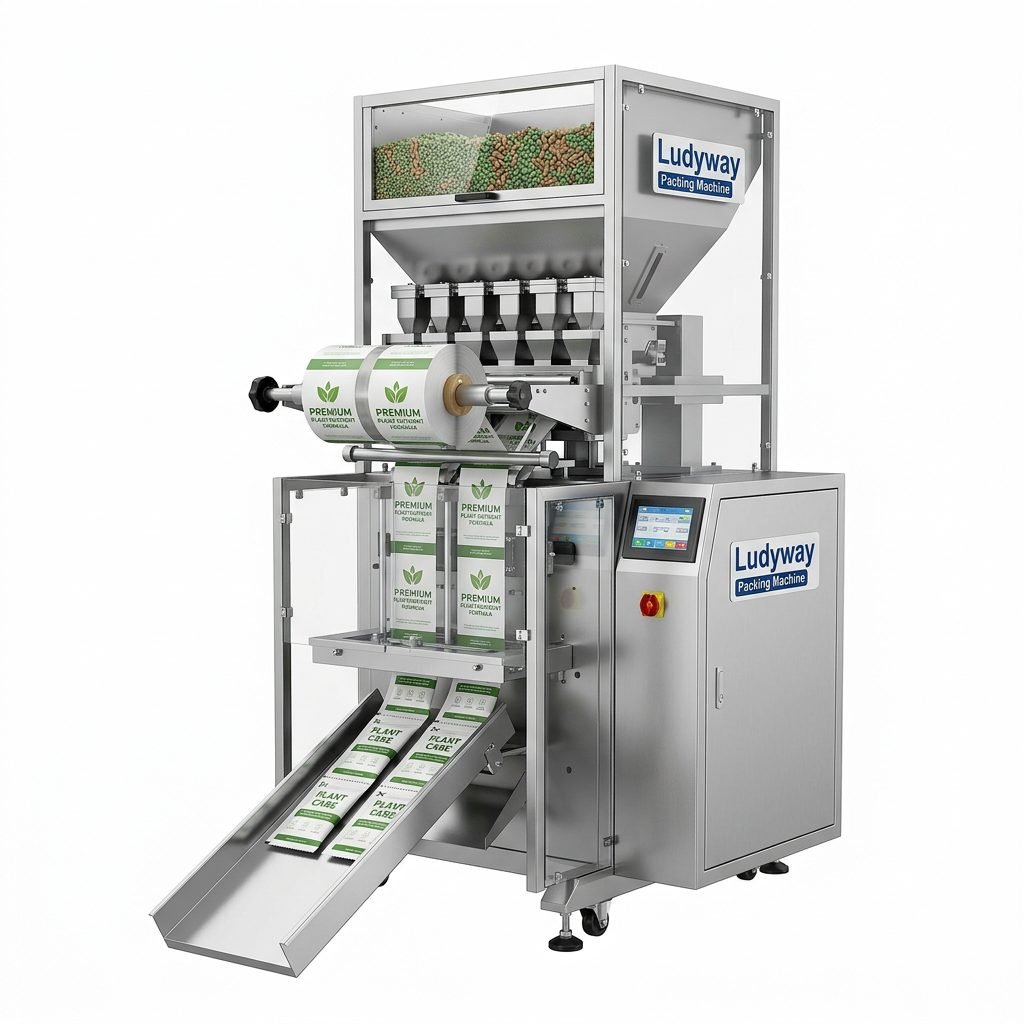
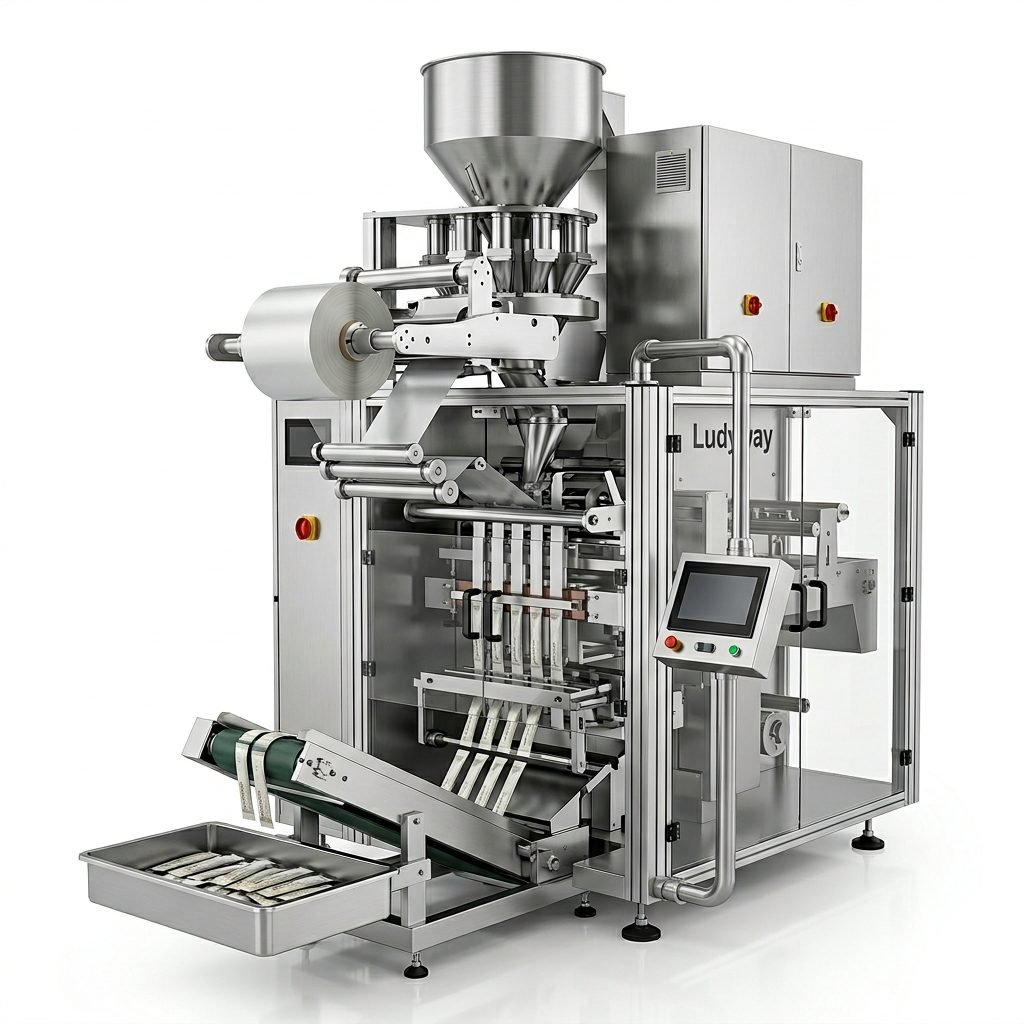
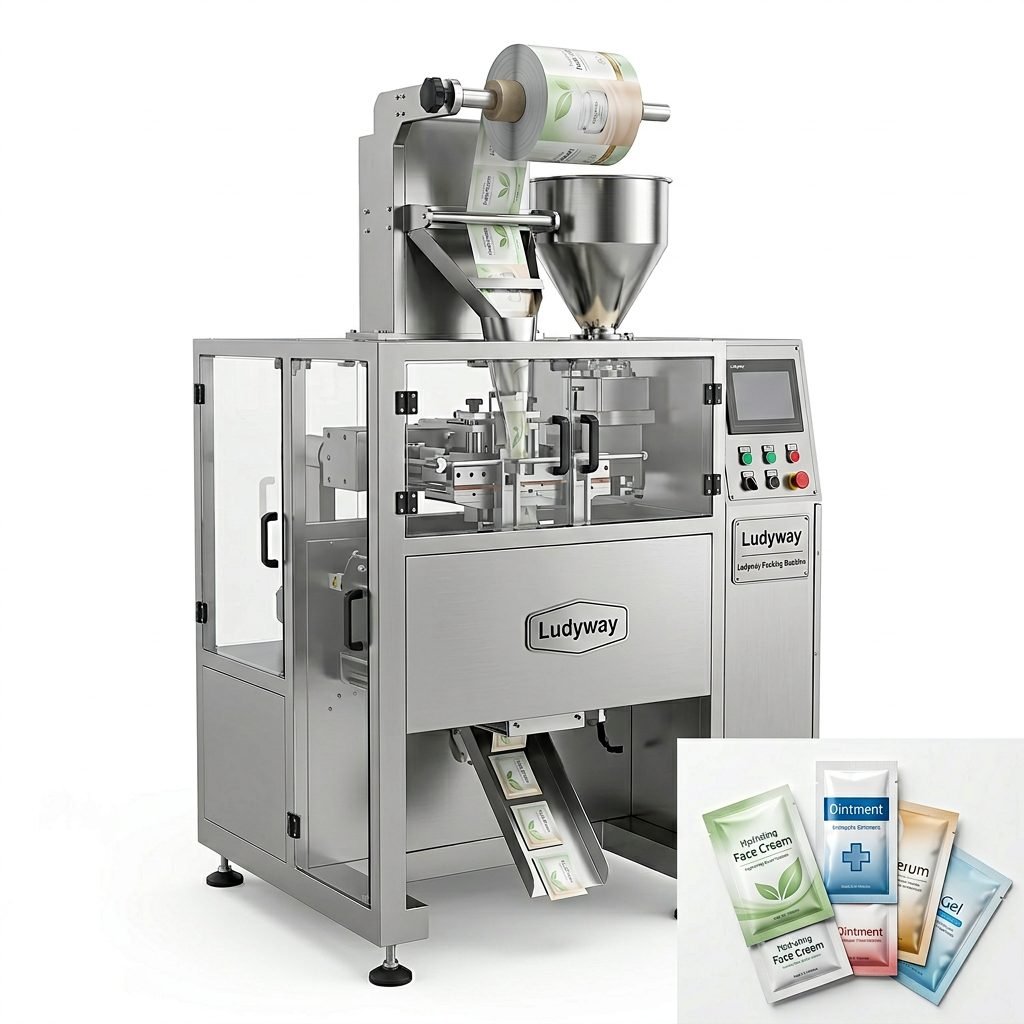
In today’s fast-paced manufacturing and food processing industries, efficient and reliable packaging is paramount. Among the various technologies available, thermoforming vacuum packaging machines stand out for their versatility, durability, and ability to significantly extend product shelf life. This comprehensive guide delves into the world of thermoforming vacuum packaging, exploring the different types of machines, their numerous benefits, wide-ranging applications, and essential tips for making an informed purchase.
Understanding Thermoforming Vacuum Packaging Technology
At its core, a thermoforming vacuum packaging machine is a sophisticated piece of equipment that creates a package from a roll of plastic film. The process involves heating a formable web (usually the top film) and shaping it over a mold or into a cavity containing the product. Simultaneously, air is evacuated from the package, and it is hermetically sealed. This method is distinct from traditional vacuum sealing of pre-made bags, as it forms the package itself, allowing for custom shapes and highly efficient, automated production lines.
The key advantage of this technology is the creation of a “second skin” around the product. By removing oxygen, which is the primary cause of oxidation and microbial growth, the machine dramatically slows down spoilage. This is crucial for preserving flavor, texture, color, and nutritional value, making it a favorite in the food industry and beyond.
Core Components of a Thermoforming Machine
A standard thermoforming vacuum packaging system consists of several key stations working in harmony:
- Film Unwind System: Holds and feeds the roll of formable top film and flat bottom web.
- Heating Station: Precisely heats the top film to a pliable state for forming.
- Forming Station: Uses a mold and vacuum (and sometimes pressure) to draw the heated film into the desired cavity shape.
- Loading Area: Where the product is placed into the formed cavities, either manually or via an automated filler.
- Evacuation and Sealing Station: Removes air from the package and applies heat to seal the top and bottom films together.
- Cutting/Cropping Station: Separates the individual packages from the film web.
Types of Thermoforming Vacuum Packaging Machines
Choosing the right machine depends heavily on your production volume, product type, and required package style. Here are the primary classifications:
1. By Automation Level
Manual & Semi-Automatic Machines: Ideal for low to medium production volumes, pilot plants, or products requiring careful manual placement. The operator loads the product, and the machine handles the forming, vacuum, and sealing cycles. They offer flexibility and a lower initial investment.
Fully Automatic Inline Systems: The workhorses of high-volume production. These machines are integrated with automatic product feeders, weighers, and conveyors, creating a continuous packaging line. They offer maximum output, consistency, and reduced labor costs, making them essential for large-scale food processors. Companies like Ludyway Machinery specialize in engineering such turnkey automated solutions.
2. By Forming Method
Vacuum Forming: The most common method, where a vacuum pump draws the heated film into the mold cavity. Suitable for a wide range of depths and details.
Pressure Forming: Uses compressed air in addition to vacuum to push the film into the mold. This allows for sharper details, tighter radii, and textured surfaces on the package, often used for premium products.
3. By Package Style
Skin Packaging Machines: The film is drawn tightly down over the product, which sits on a cardboard backing, creating a “skin” effect. Excellent for retail display of meats, cheeses, and hardware.
Blister Packaging Machines: Create rigid, pre-formed cavities (blisters) that are then sealed with a lidding material. Common in pharmaceutical packaging and consumer goods.
Deep-Draw Machines: Designed to form very deep cavities, perfect for packaging large, irregularly shaped items like whole poultry, large cuts of meat, or industrial components.
Key Benefits and Advantages
Investing in a thermoforming vacuum packaging system brings a multitude of operational and commercial benefits:
- Superior Product Protection & Extended Shelf Life: Removal of oxygen is the single most effective way to prevent spoilage, often extending shelf life by 3 to 5 times compared to conventional packaging.
- Reduced Material Costs: Uses roll stock film, which is generally more cost-effective than pre-made bags or rigid containers. It also minimizes film waste through efficient forming and nesting.
- Excellent Presentation & Visibility: The tight, form-fitting package showcases the product clearly, enhancing its visual appeal on the shelf. Modified Atmosphere Packaging (MAP) capabilities can further optimize color preservation.
- High Production Efficiency: Automated models offer incredibly high output speeds, capable of producing dozens of packages per minute, streamlining your production workflow.
- Versatility: One machine can often handle multiple product shapes and sizes by simply changing the forming mold and adjusting settings. This adaptability is valuable for producers with diverse product lines.
- Tamper Evidence & Leak Resistance: The hermetic seal provides a clear tamper-evident feature and excellent leak resistance, crucial for liquid or moist products.
Applications Across Industries
The utility of thermoforming vacuum packaging spans numerous sectors:
Food Industry: The dominant user. Applications include fresh and processed meats, poultry, seafood, cheeses, ready-to-eat meals, fruits, vegetables, and specialty foods. It locks in freshness and prevents freezer burn.
Pharmaceutical & Medical: For blister packing pills, capsules, and sterilized medical devices. The barrier properties protect sensitive products from moisture and contamination.
Industrial & Electronics: Packaging of small parts, tools, and electronic components where protection from corrosion and dust is essential.
Agricultural & Horticultural: Used for seeds, fertilizers, and fresh produce, extending marketability and reducing waste.
Essential Buying Tips and Considerations
Selecting the right machine is a significant investment. Here are critical factors to guide your decision:
1. Define Your Product and Output Needs
Start with the basics: What are you packaging (size, shape, state – solid, liquid, paste)? What is your required production speed (packages per minute/hour)? Your answers will determine the necessary machine size, forming depth, and level of automation. For high-volume needs, partnering with an expert like Ludyway Machinery can ensure you get a system tailored to your throughput goals.
2. Evaluate Machine Features and Build Quality
- Construction: Look for a robust, stainless steel frame for durability and hygiene, especially in food environments.
- Control System: A user-friendly PLC (Programmable Logic Controller) with a touchscreen interface allows for easy recipe storage, changeover, and diagnostics.
- Pump Performance: The vacuum pump is the heart of the machine. Ensure it has sufficient capacity (measured in m³/h or CFM) and ultimate vacuum level (in mbar or Torr) for your product.
- Sealing System: Check for consistent, reliable sealing bars with precise temperature control to ensure strong, leak-proof seals every time.
3. Consider Film Compatibility and Operating Costs
The machine must be compatible with the barrier films you plan to use (e.g., PA/PE, PET/PE, EVOH barrier films). Inquire about film width, gauge range, and the availability of gas flushing (MAP) options if needed. Factor in the ongoing costs of film, maintenance, and energy consumption.
4. Prioritize Supplier Support and Service
The machine is only as good as the support behind it. Choose a supplier with a strong reputation for:
- Technical Support & Training: Comprehensive on-site training for your operators and maintenance staff is crucial.
- Availability of Spare Parts: Ensure critical spare parts are readily available to minimize downtime.
- Service Network: Check if they offer local or responsive service contracts. A supplier with 30+ years of industry experience often brings invaluable practical knowledge and reliable support.
Always request references and, if possible, see a machine in operation packaging a product similar to yours. A live demonstration is the best way to assess performance and ease of use.
Frequently Asked Questions (FAQs)
Q1: What is the main difference between a vacuum sealer and a thermoforming vacuum packaging machine?
A vacuum sealer removes air from and seals a pre-made bag or pouch. A thermoforming machine actually creates the package from a roll of film, forms a cavity, places the product inside, evacuates the air, and seals it—all in one automated process. Thermoformers are for high-volume, commercial production.
Q2: Can I use a thermoforming machine for Modified Atmosphere Packaging (MAP)?
Yes, most modern thermoforming vacuum packagers are equipped with gas flushing capabilities. After vacuuming, a controlled mixture of gases (like Nitrogen and Carbon Dioxide) is injected before the final seal, further optimizing shelf life and product appearance.
Q3: How deep can the cavities be formed?
This depends on the specific machine model, known as its “draw depth.” Standard machines may handle up to 150mm, while specialized deep-draw machines can form cavities from 200mm up to 300mm or more for large products.
Q4: What type of plastic films are used?
Multilayer barrier films are common. The top, formable web is often a combination like Polyamide/Polyethylene (PA/PE) for strength and sealability. The bottom web can be a similar laminate or a simpler sealing layer. The exact film is chosen based on the product’s required barrier properties against oxygen and moisture.
Q5: Is it difficult to change over the machine for a different product?
Changeover complexity varies. On advanced machines with quick-change mold systems and digital recipe storage, switching to a different product size can take 15-30 minutes. Simpler machines may take longer. This is a key question to ask during a demo, as it directly impacts production flexibility.