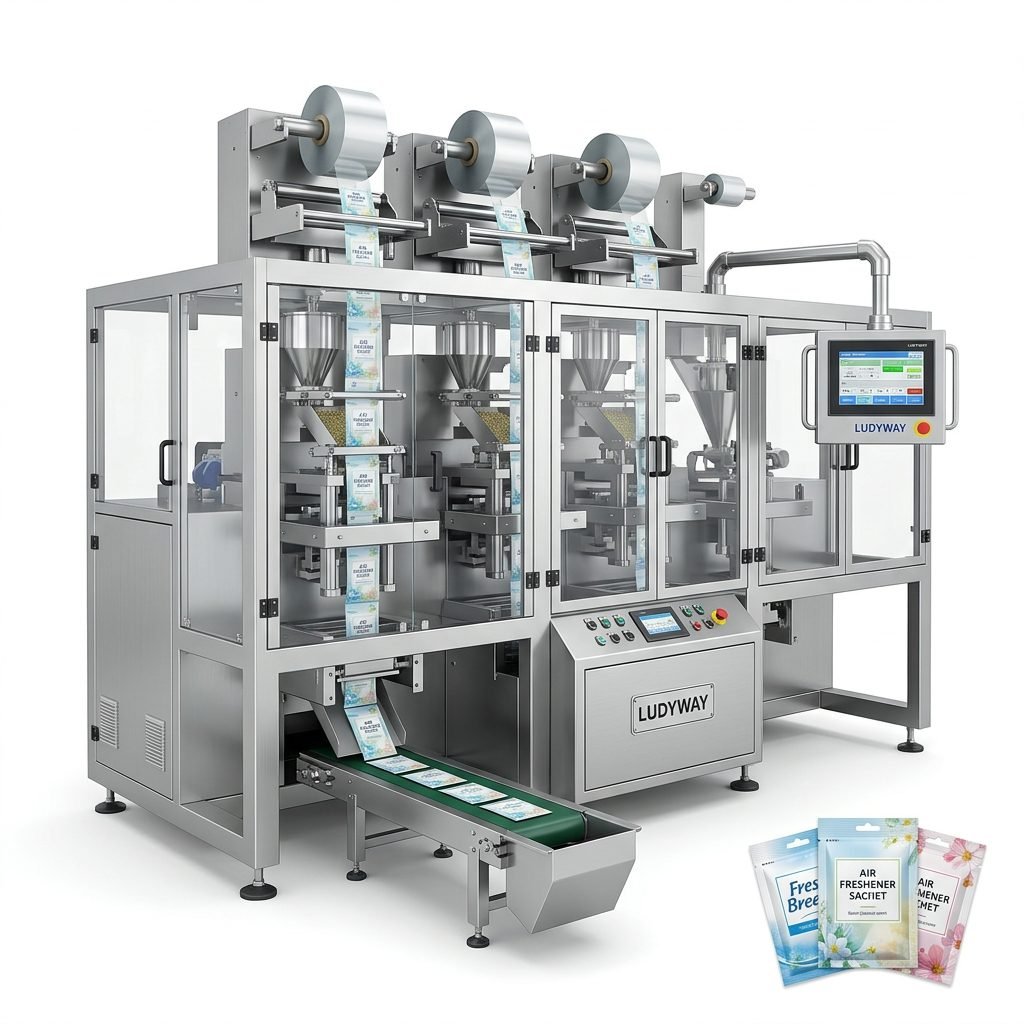
Selecting the optimal liquid unit dose packaging machine is a critical decision for manufacturers in pharmaceuticals, nutraceuticals, and high-value liquid products. Precision, reliability, and adaptability define a successful filling operation. This guide explores key considerations to identify the best solution for your specific application.
Core Performance Criteria
The heart of any unit dose system lies in its filling accuracy. Machines must deliver consistent volumes, often within tolerances of ±0.5% or less, to ensure product efficacy and compliance. Evaluate the filling technology—whether piston, peristaltic pump, or time-pressure—based on your liquid’s viscosity, foaming tendency, and sensitivity. High-precision servo-driven systems offer superior control for critical applications. Additionally, consider the machine’s speed range and its ability to maintain accuracy at both low and high output rates.
Material Compatibility & Product Integrity
Your liquid’s characteristics directly influence machine selection. Corrosive, abrasive, or sterile products require specific material contacts (e.g., stainless steel grades, specialized polymers). The system should minimize shear forces and exposure to heat or air to preserve product stability. For sensitive biologics or viscous syrups, a gentle handling mechanism is paramount.
Flexibility and Changeover Efficiency
Modern production demands agility. A versatile machine accommodates various container types (bottles, vials, ampoules) and sizes with quick, tool-less changeovers. Look for features like adjustable filling heads, easy-to-program volume settings, and modular design. This reduces downtime when switching between products or batch sizes, enhancing overall line productivity.
Integration with Upstream & Downstream Processes
The packaging machine is not a standalone unit. Assess how it integrates with your existing line—unscramblers, cappers, labelers, or inspection systems. Compatibility with factory automation protocols (PLC, SCADA) and physical interfacing (conveyor heights, transfer mechanisms) ensures smooth, continuous operation. Seamless integration prevents bottlenecks and data silos.
Regulatory Compliance and Documentation
In regulated industries, the machine must support compliance. Features like clean-in-place (CIP) systems, validated cleaning cycles, and comprehensive audit trails are essential. The supplier should provide necessary documentation for GMP, FDA, or other regional regulatory requirements. This includes design qualifications, operational manuals, and support for validation protocols.
Choosing a partner with deep application experience is as crucial as selecting the hardware. A supplier’s understanding of your industry’s unique challenges—from aseptic filling for injectables to high-speed packaging for OTC liquids—translates into a more reliable and optimized solution.
Service, Support, and Long-Term Reliability
Technical support, training availability, spare parts logistics, and warranty terms significantly impact long-term operational success. Consider the supplier’s global support network and their commitment to after-sales service. A reliable machine backed by responsive support minimizes risk and ensures sustained performance.
Making the Final Decision
Balance technical specifications with operational, regulatory, and commercial factors. Request detailed proposals, witness factory tests with your actual product, and clarify all terms of support. The best solution aligns precisely with your product needs, production goals, and quality standards.
Frequently Asked Questions
What is the typical accuracy range for a pharmaceutical-grade liquid unit dose filler?
High-precision machines for pharmaceuticals often achieve volumetric accuracy within ±0.5% of the target fill volume, with some advanced systems capable of ±0.25% or better, crucial for dose uniformity.
How can I minimize product waste during the filling process?
Select machines with efficient priming/re-circulation systems, drip control mechanisms, and quick purge functions. Proper setup and validation of the filling parameters for your specific liquid are key.
What cleaning systems are available for machines handling multiple products?
Common options include manual cleaning, clean-out-of-place (COP), and automated clean-in-place (CIP) systems. CIP is preferred for frequent changeovers and high hygiene standards, reducing downtime and manual error.
Can one machine handle different container shapes and sizes?
Yes, many modern units are designed with modular filling heads, adjustable guides, and programmable settings to accommodate a range of containers. The speed and complexity of changeover vary between models.
What are the key considerations for integrating a filler into an automated production line?
Focus on mechanical interfacing (conveyor compatibility), communication protocols (e.g., Ethernet/IP, Profinet), and synchronization with upstream/downstream equipment. The machine’s control system should allow seamless data exchange and fault reporting.