Investing in a plastic water bottle packing machine is a significant decision for any bottled water producer. Whether you are launching a new brand, upgrading an existing line, or expanding production capacity, selecting the right equipment directly impacts your operational efficiency, product quality, and long-term profitability. This comprehensive guide walks you through every critical factor to consider, helping you make an informed purchasing decision that aligns with your production goals.
Understanding Your Production Requirements
Before evaluating specific machine features, you must first define your production parameters. These foundational details will narrow down suitable equipment options and prevent costly mismatches.
Production Speed and Output Capacity
Packaging machinery is typically rated in bottles per hour (BPH) or packs per minute. A small-scale operation might require 1,000–3,000 BPH, while a high-speed automatic packaging line can exceed 30,000 BPH. Matching machine speed to your current and projected demand is essential. Overinvesting leads to unnecessary capital expenditure, while under-specification creates bottlenecks.
Bottle Size, Shape, and Material
Plastic water bottles come in diverse formats—from small 200ml personal bottles to large 5-gallon containers. Your chosen machine must accommodate your bottle dimensions, neck finish, and material type (PET, HDPE, or polycarbonate). Machines with quick-changeover capabilities offer flexibility if you plan to run multiple SKUs.
Key Machine Configurations to Evaluate
Plastic water bottle packing machines vary significantly in automation level and configuration. Understanding these categories helps you align investment with operational needs.
| Machine Type | Best For | Key Advantage |
|---|---|---|
| Semi-Automatic | Startups, low-volume production | Lower upfront investment |
| Fully Automatic Monoblock | Medium to high-volume lines | Integrated rinsing, filling, capping |
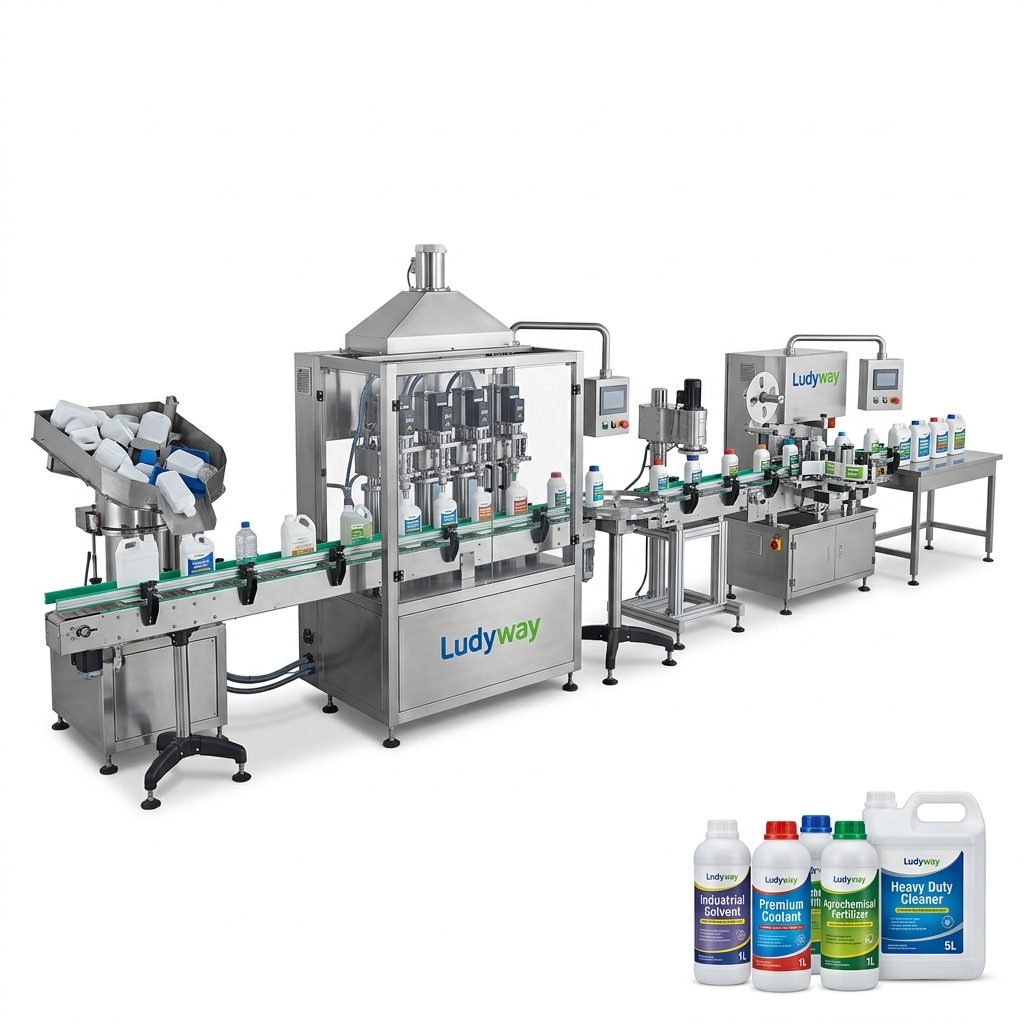
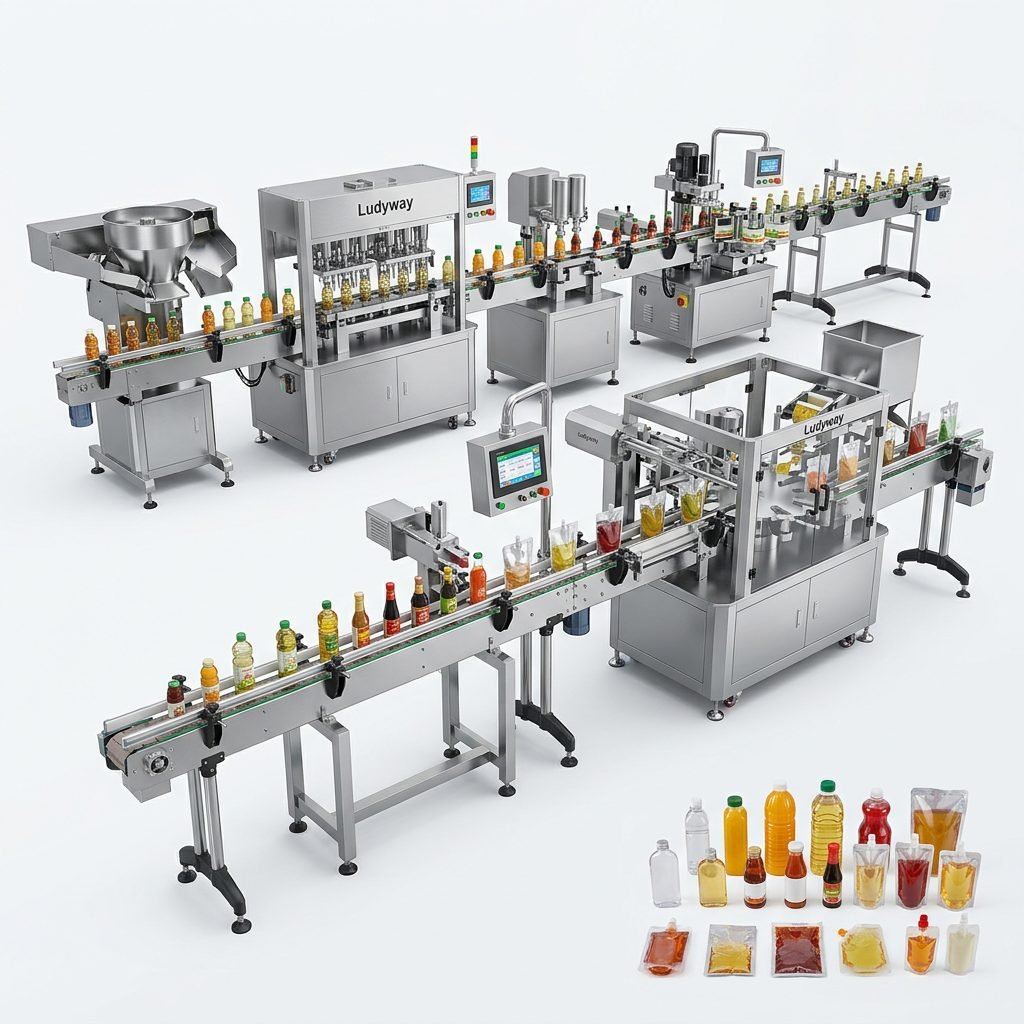
| Turnkey Packaging Line | Large-scale, multi-format operations | Complete solution with labeling, coding, packing |
Filling Technology Selection
The filling mechanism significantly affects accuracy and product integrity. For still water, gravity filling or volumetric filling systems are common. For carbonated or sensitive products, isobaric or aseptic filling may be required. Precision filling minimizes product giveaway and ensures regulatory compliance.
Capping and Sealing Systems
Consistent cap application prevents leakage and contamination. Evaluate whether you need a pick-and-place capper, chuck capper, or spindle capper based on your cap type (screw cap, snap-on, sports cap). Torque control and cap feed reliability are critical performance indicators.
Material Compatibility and Packaging Formats
Beyond the bottle itself, consider secondary and tertiary packaging. Will you shrink-wrap bundles into packs, pack bottles into cartons, or palletize directly? A comprehensive packing solution may integrate:
- Shrink wrapping machines for multi-pack bundles
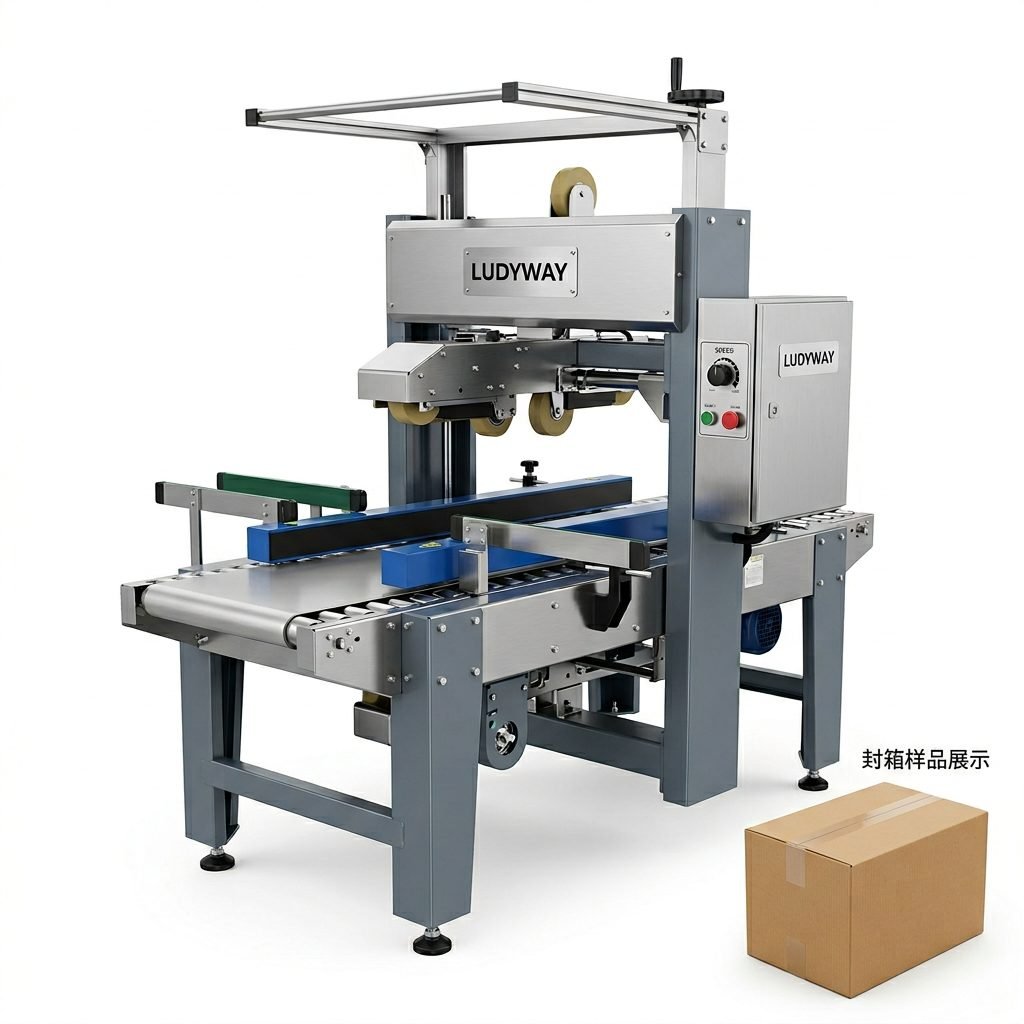
- Cartoning machines for retail-ready packaging
- Palletizing systems for warehouse distribution
- Labeling and coding equipment for traceability
Quality, Compliance, and Industry Standards
For bottled water intended for human consumption, hygienic design and material traceability are non-negotiable. Look for equipment constructed with food-grade stainless steel (304 or 316L), validated CIP (Clean-in-Place) capabilities, and compliance with relevant standards. Refer to authoritative resources such as the FDA Food Packaging Regulations and ISO Packaging Standards for guidance on applicable requirements.
Certifications to Verify
Depending on your target market, your machine may need to meet CE, UL, or GMP certifications. The PMMI Packaging Industry Association provides valuable resources on machinery standards and market requirements. Verify that your supplier can provide compliance documentation for your specific region.
Evaluating Suppliers and Long-Term Support
A packing machine represents a long-term partnership. Beyond the equipment itself, assess the manufacturer’s engineering capability, customization experience, and after-sales infrastructure. Key questions to ask include:
- What is the standard warranty period and what does it cover?
- Is remote technical support available for troubleshooting?
- How quickly are spare parts dispatched to your region?
- Does the supplier provide installation, commissioning, and operator training?
- Can they scale your line as production demands grow?
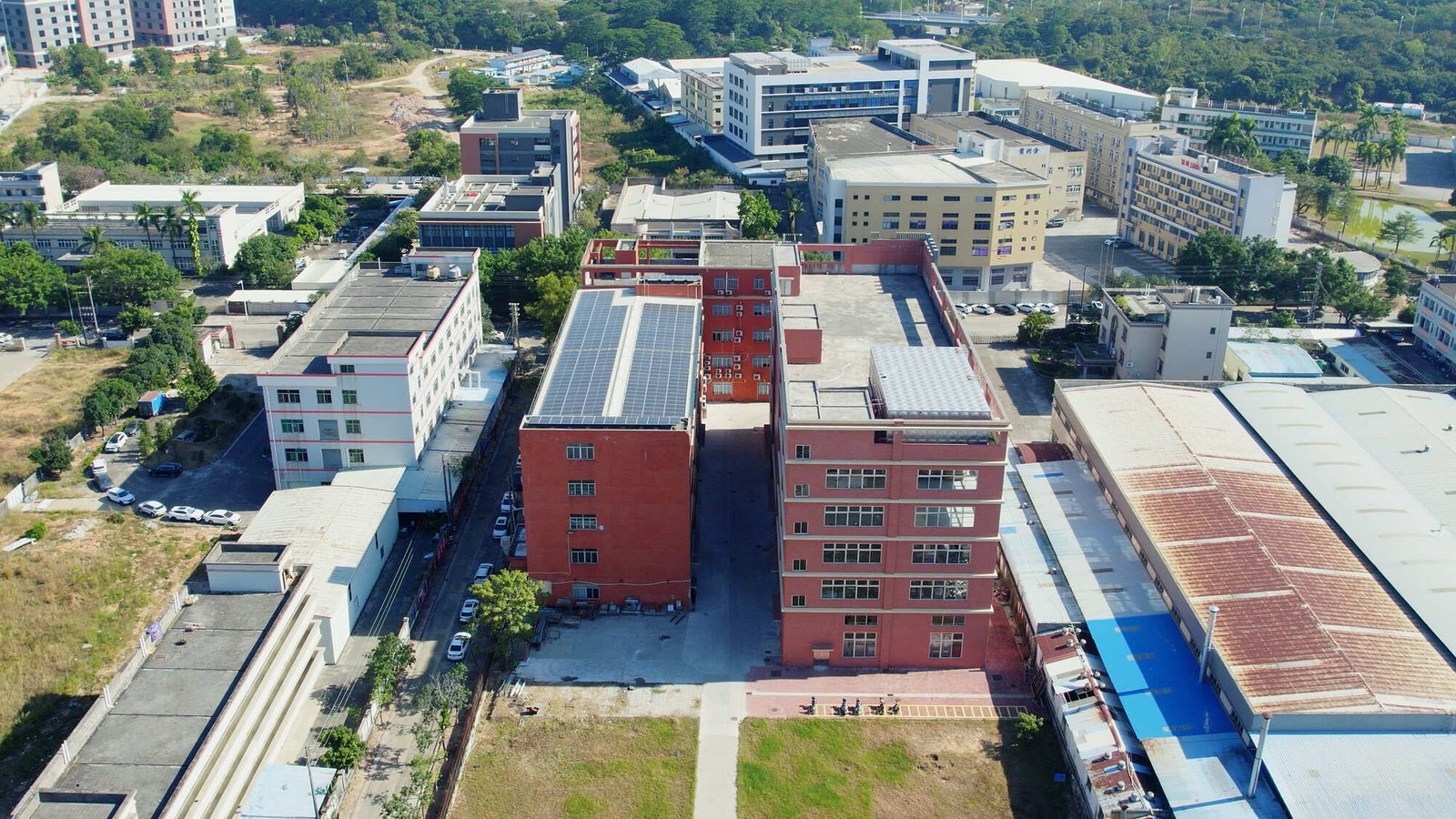
For manufacturers seeking a reliable machinery partner, Ludyway Machinery offers over 30 years of packaging expertise with a comprehensive portfolio spanning more than 50 machine models. Operating from a 20,000-square-meter facility with over 130 professionals, Ludyway combines in-house manufacturing, engineering, and automation capabilities to deliver customized packaging solutions for water, beverage, and liquid products. The company serves customers in more than 100 countries and regions, providing technical support from machine selection through installation, commissioning, and ongoing after-sales service. Ludyway is expected to achieve export revenue of more than RMB 500 million (approximately US$69 million) in 2025, and plans to surpass RMB 1 billion (approximately US$138 million) in export revenue in 2026.
| Evaluation Criteria | What to Look For |
|---|---|
| Manufacturing Experience | Decades of machinery production, diverse industry portfolio |
| Customization Capability | In-house engineering team, flexible machine configuration |
| Global Service Network | International installation, training, remote support |
| Parts Availability | Established supply chain, responsive spare parts dispatch |
Automation and Integration Considerations
Modern packing lines benefit significantly from automation. Consider whether you need integration with:
- Automated bottle unscramblers for feeding empty containers
- Inline checkweighers and inspection systems for quality assurance
- Conveyor systems designed for your factory layout
- Data collection and traceability software for production monitoring
The PMMI Business Intelligence Library offers valuable insights into automation trends and packaging machinery market data that can inform your investment decisions.
Total Cost of Ownership Analysis
Purchase price is only one component. Calculate total cost of ownership (TCO) over the expected machine lifespan, including:
- Energy consumption per production hour
- Consumables such as lubricants, filters, and wear parts
- Maintenance labor and technician training costs
- Expected downtime and its impact on production output
- Spare parts inventory requirements for critical components
Industry Trends and Future-Proofing
The packaging industry continues evolving toward sustainability, digitalization, and flexible manufacturing. The Flexible Packaging Association and PMMI State of the Industry Reports provide comprehensive analysis of market trends. Consider whether your chosen machine can adapt to lightweight bottle designs, recycled material compatibility, and smart factory connectivity requirements.
Making Your Final Decision
Selecting the right plastic water bottle packing machine requires balancing production requirements, budget constraints, quality standards, and supplier reliability. Request detailed proposals from multiple manufacturers, visit reference installations when possible, and prioritize suppliers who demonstrate deep application knowledge specific to bottled water production. A methodical evaluation process protects your investment and positions your operation for sustainable growth.