In the global manufacturing landscape, efficient packaging is a critical component of production success. International packaging machinery encompasses a wide array of equipment designed to meet diverse needs across industries and continents. This guide explores the common types of machinery, their applications, and key considerations for selecting the right equipment for your international operations.
Primary Types of International Packaging Machinery
The market offers a sophisticated range of equipment, each engineered for specific packaging formats and materials.
1. Vertical Form-Fill-Seal (VFFS) Machines
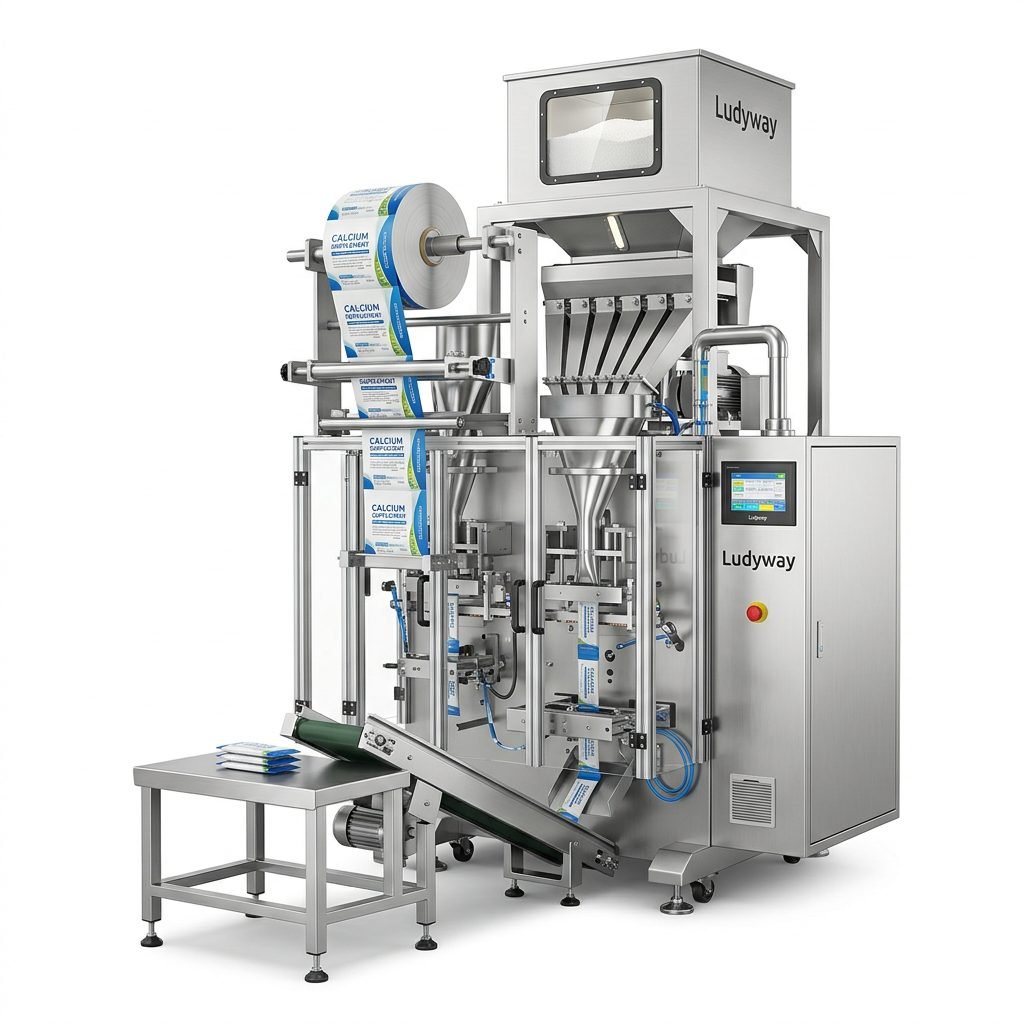
These are among the most versatile and widely used machines globally. They form a bag from a roll of film, fill it with product, and seal it—all in a continuous vertical motion. They are ideal for packaging granules, powders, snacks, and hardware components. Their flexibility in bag size and speed makes them a staple in food and non-food sectors.
2. Horizontal Form-Fill-Seal (HFFS) Machines
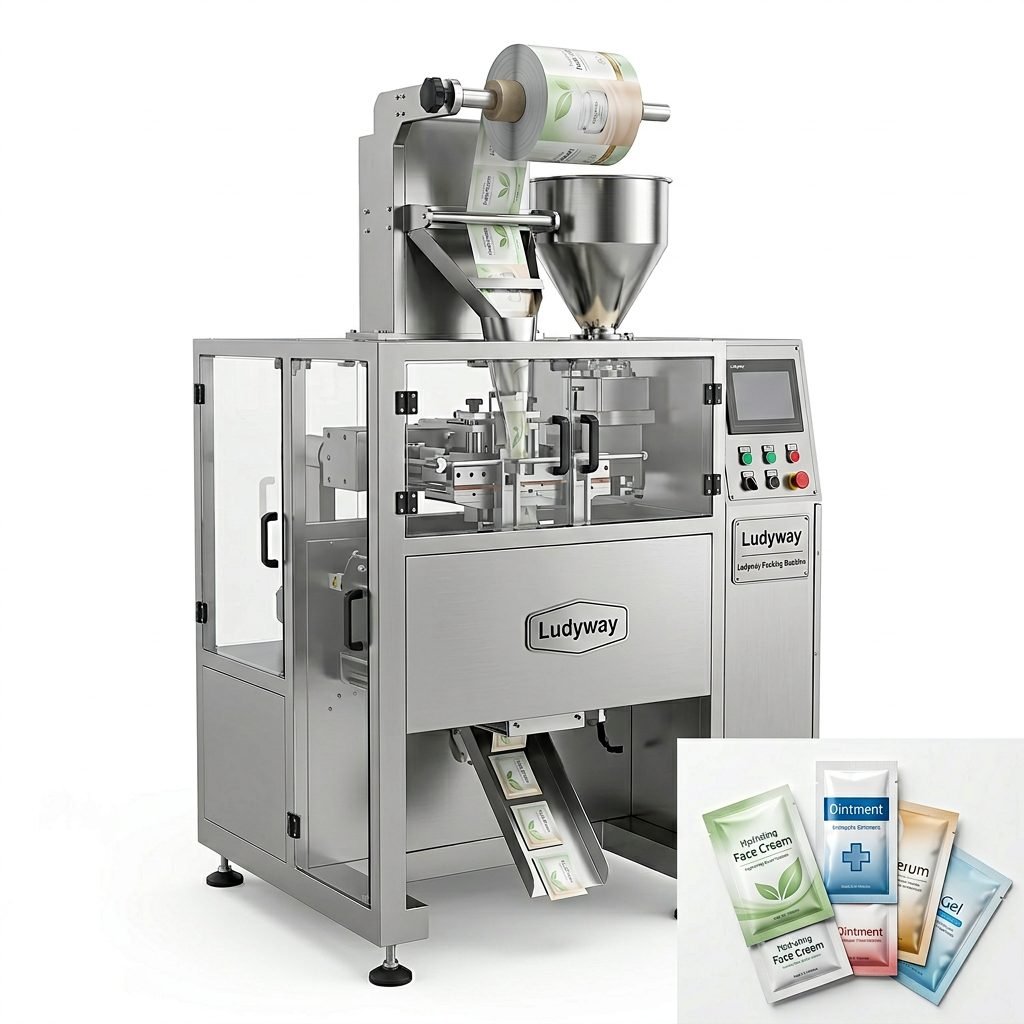
HFFS machines create pouches in a horizontal plane. They are exceptionally well-suited for products that require a stable base or more complex packaging, such as sachets for sauces, condiments, pharmaceuticals, and single-serve beverages. This format is particularly popular in regions with high consumption of portable, single-use products.
3. Stick Pack Machines
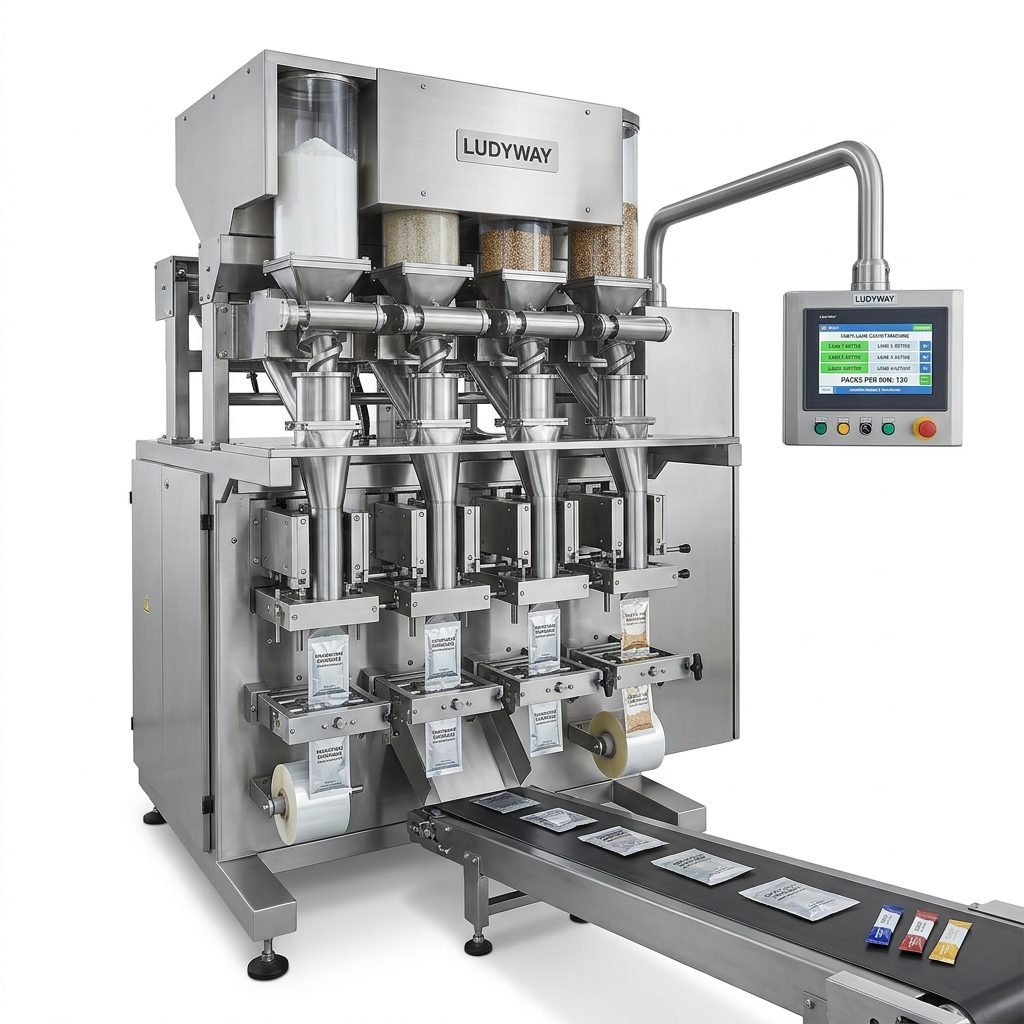
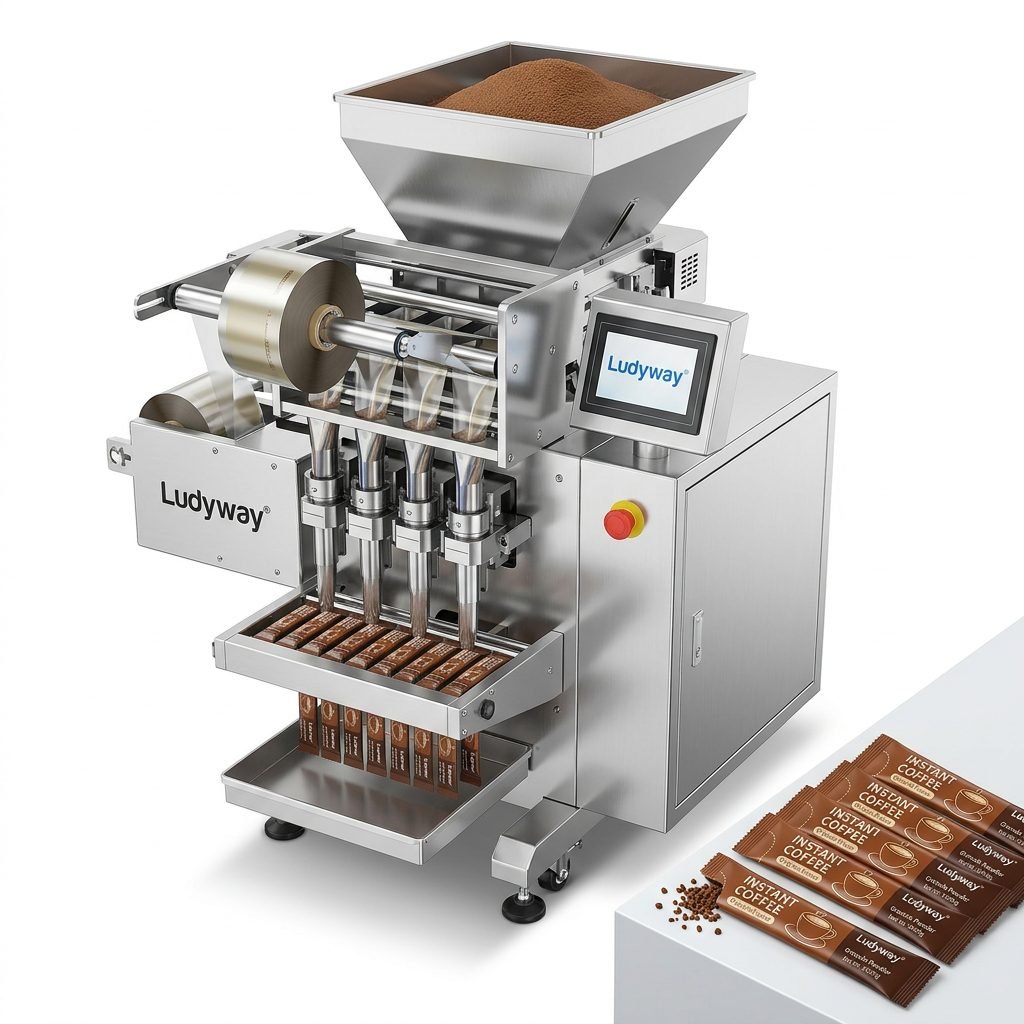
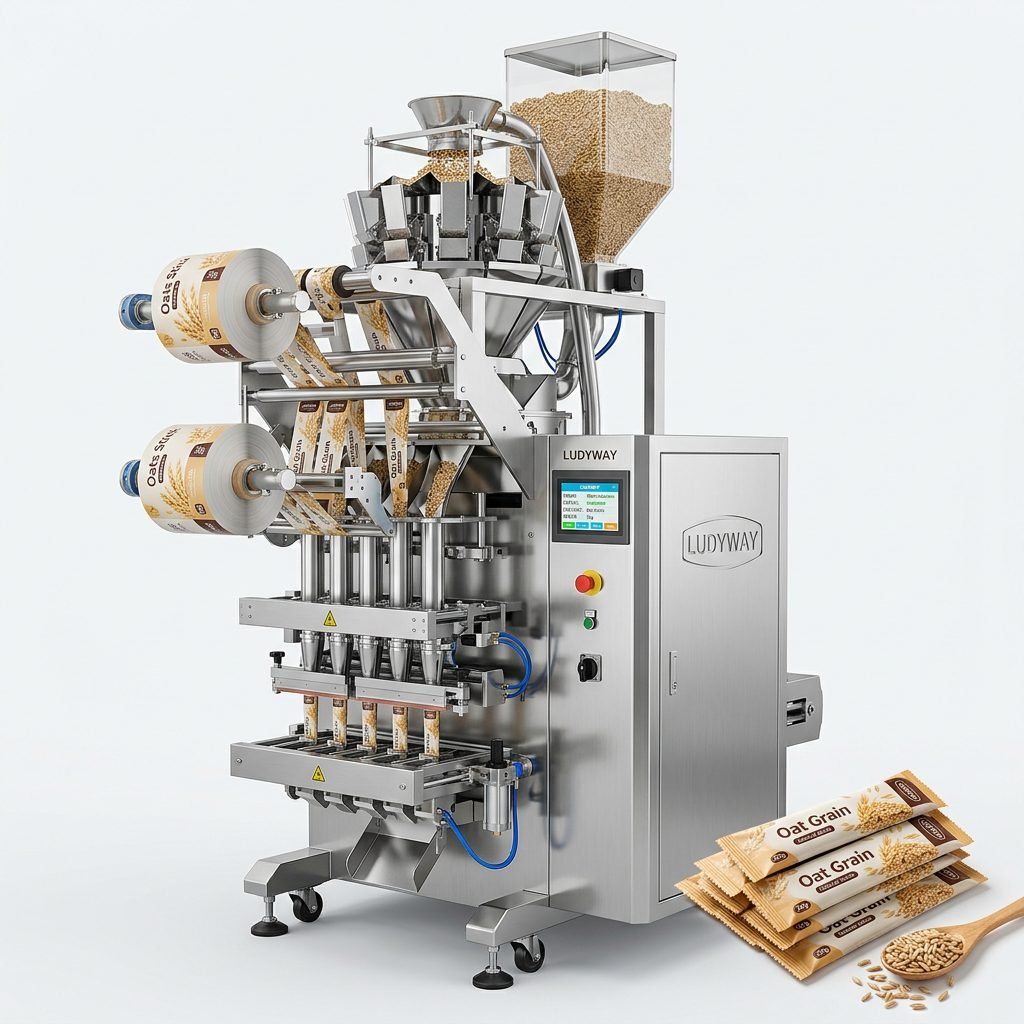
Specialized for creating long, narrow packets, stick pack machines are perfect for powdered drinks, instant coffee, sugar, and pharmaceutical powders. Their slim profile offers excellent shelf presence and convenience. Multi-lane stick pack systems significantly boost output, making them a cost-effective choice for high-volume production.
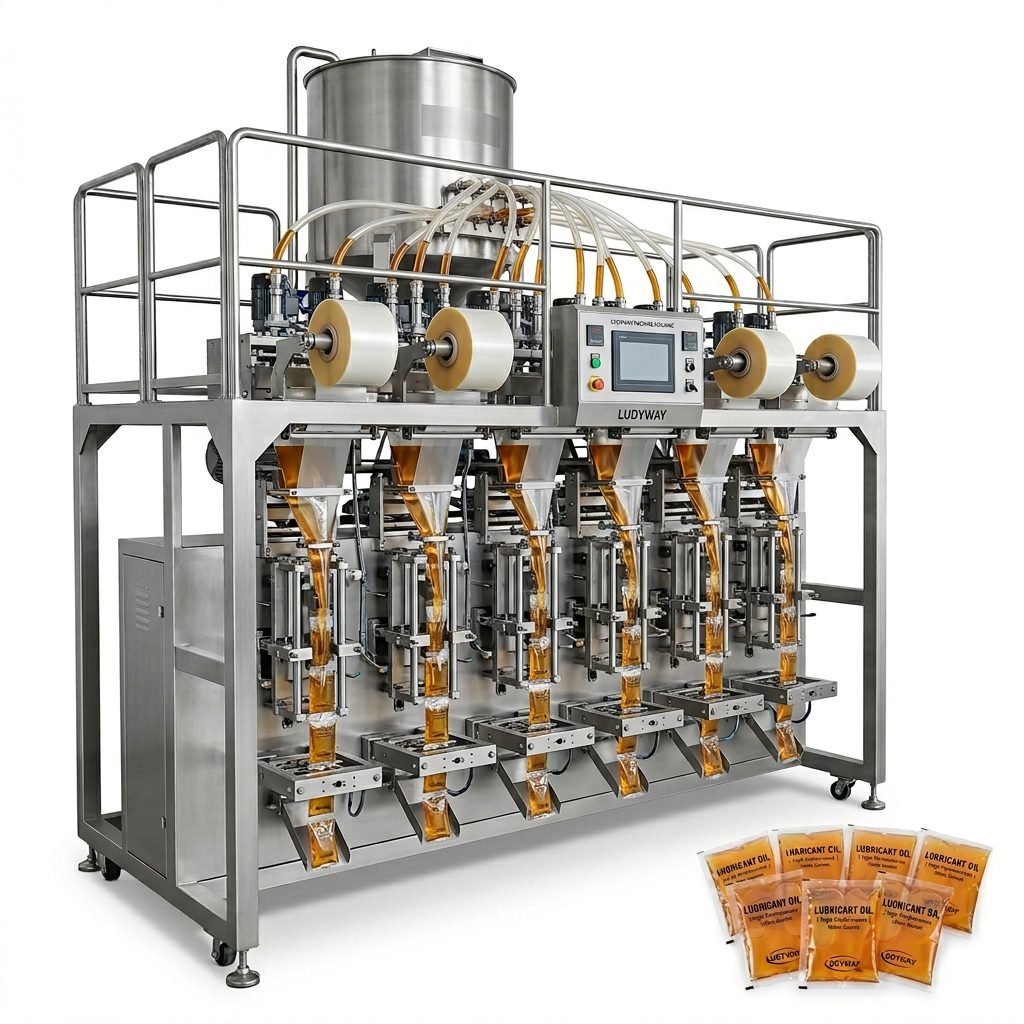
4. Liquid & Paste Filling Machines
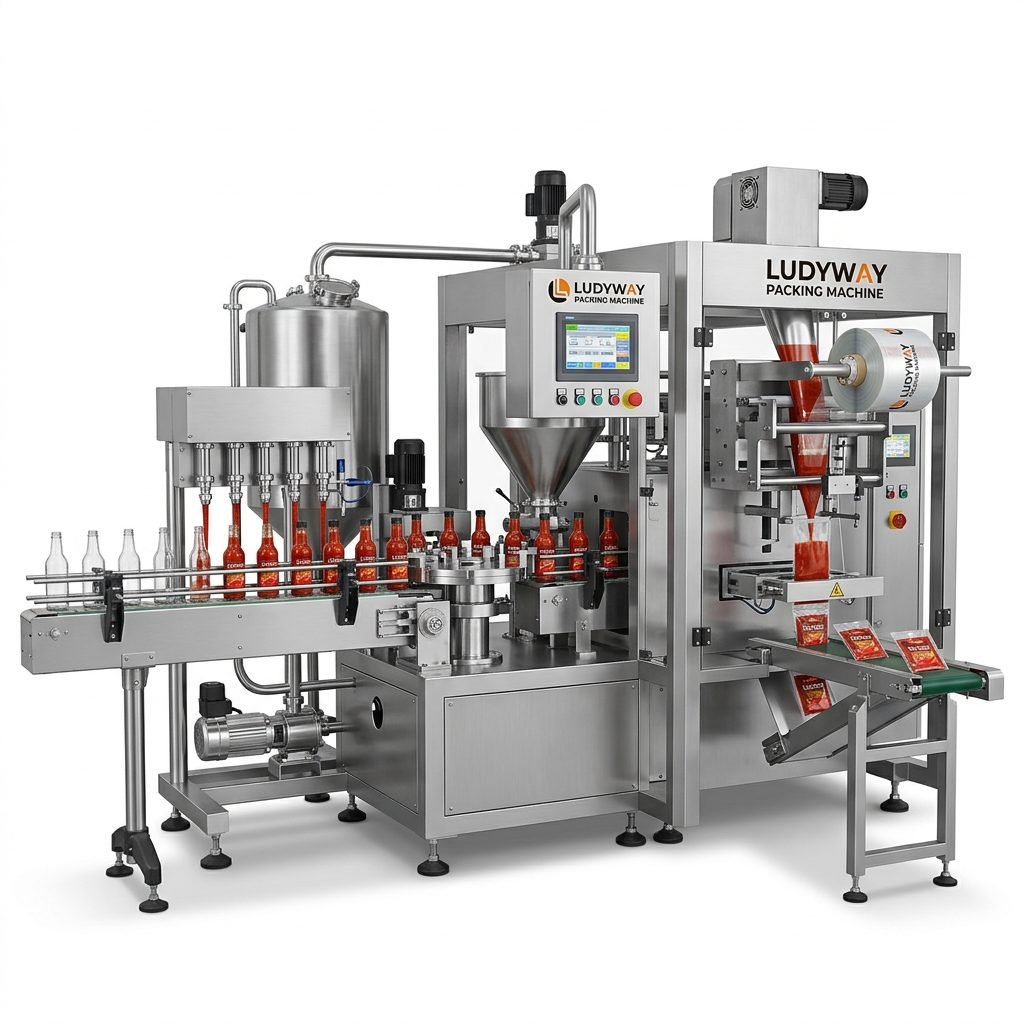
This category includes piston fillers, gravity fillers, and vacuum fillers designed to handle viscous and liquid products like oils, sauces, shampoos, and creams. Precision filling is paramount to avoid waste and ensure consistent product weight, which is a key metric in regulated industries like pharmaceuticals and cosmetics.
5. Cartoning & Case Packing Equipment
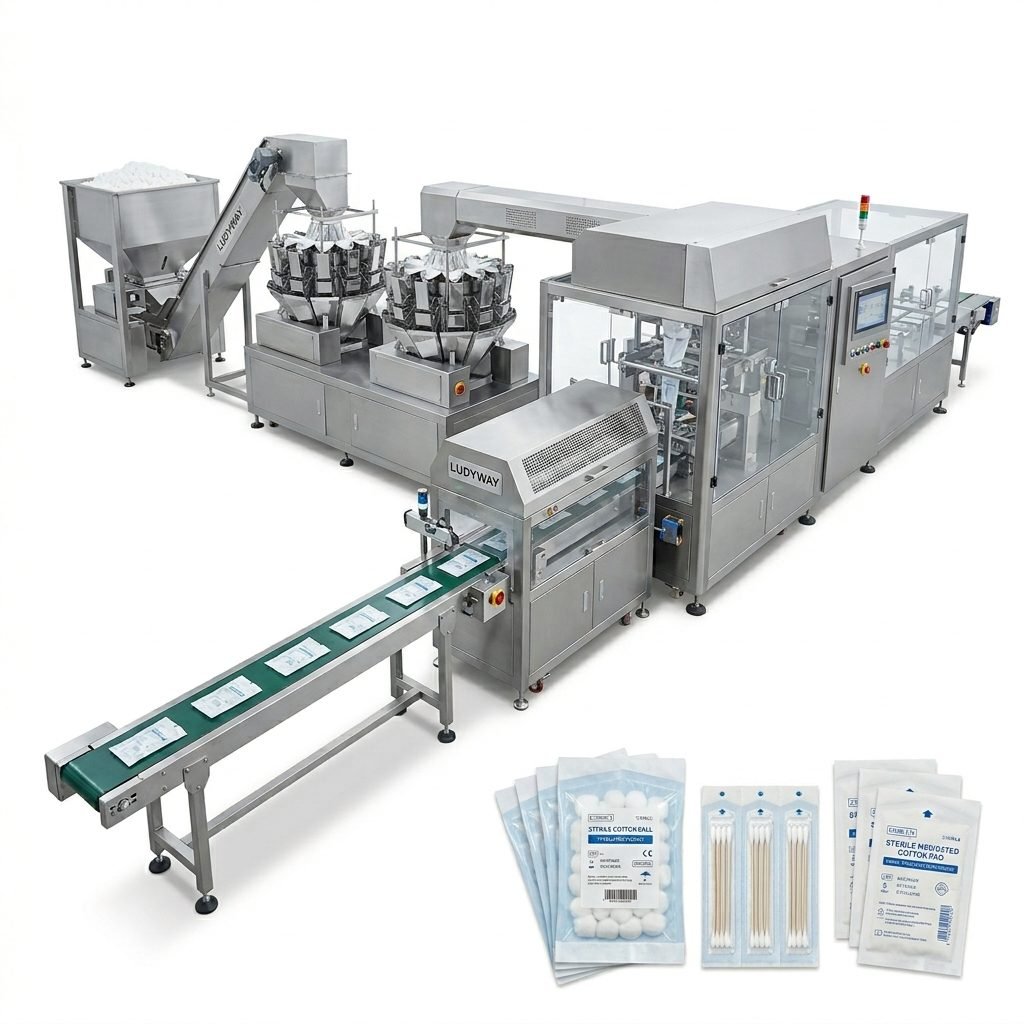
These machines automate the secondary packaging process, erecting cartons, inserting primary packages (like pouches or bottles), and sealing them. Case packers then collate these cartons into shipping cases. This automation is crucial for achieving high throughput in end-of-line operations.
Global Applications Across Key Industries
Packaging machinery adapts to the unique demands of each sector, often influenced by regional consumption habits and regulatory standards.
Food & Beverage Industry
This is the largest application sector. Machinery must handle everything from dry grains to oily snacks and liquid beverages. In Southeast Asia, for instance, the demand for small-format, flavorful sauce and seasoning sachets drives the need for high-speed sachet packaging machines. Similarly, the global coffee culture fuels the market for stick pack and capsule filling equipment.
Pharmaceutical & Healthcare
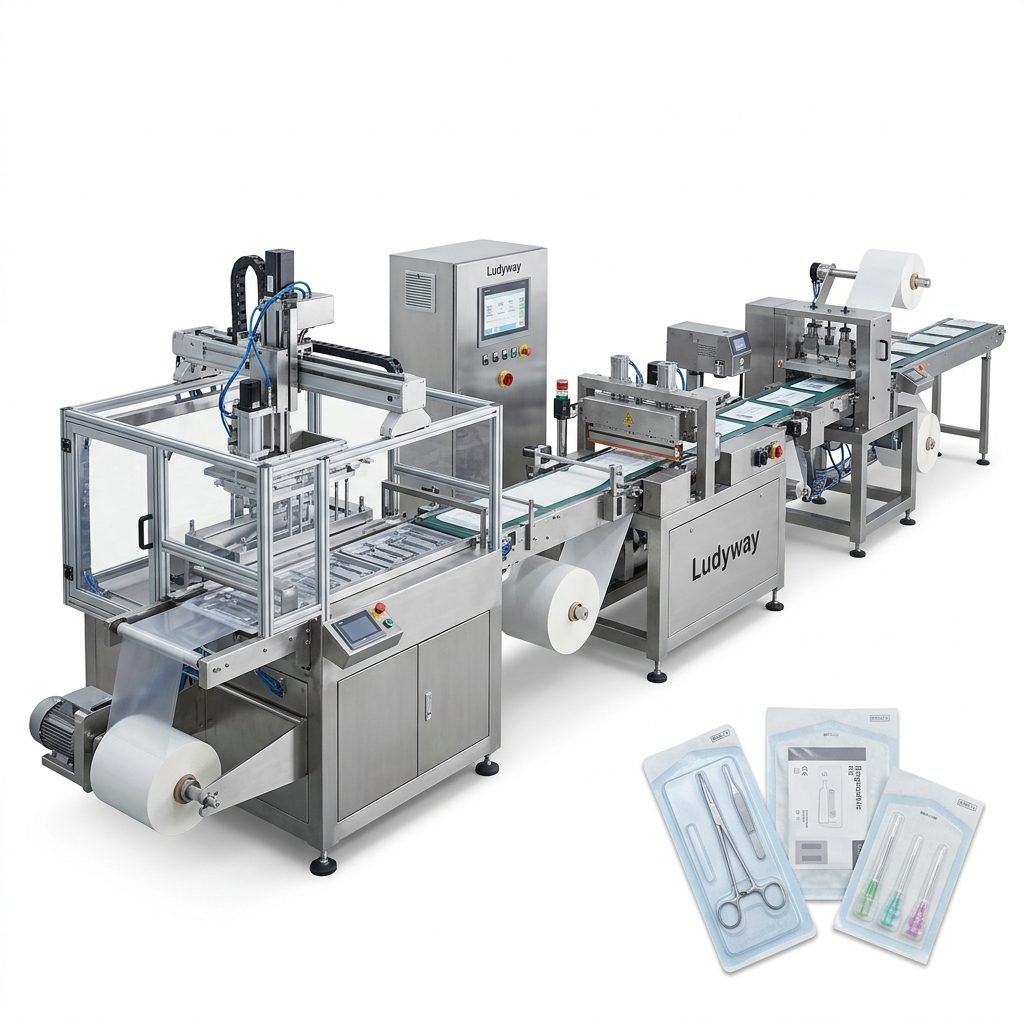
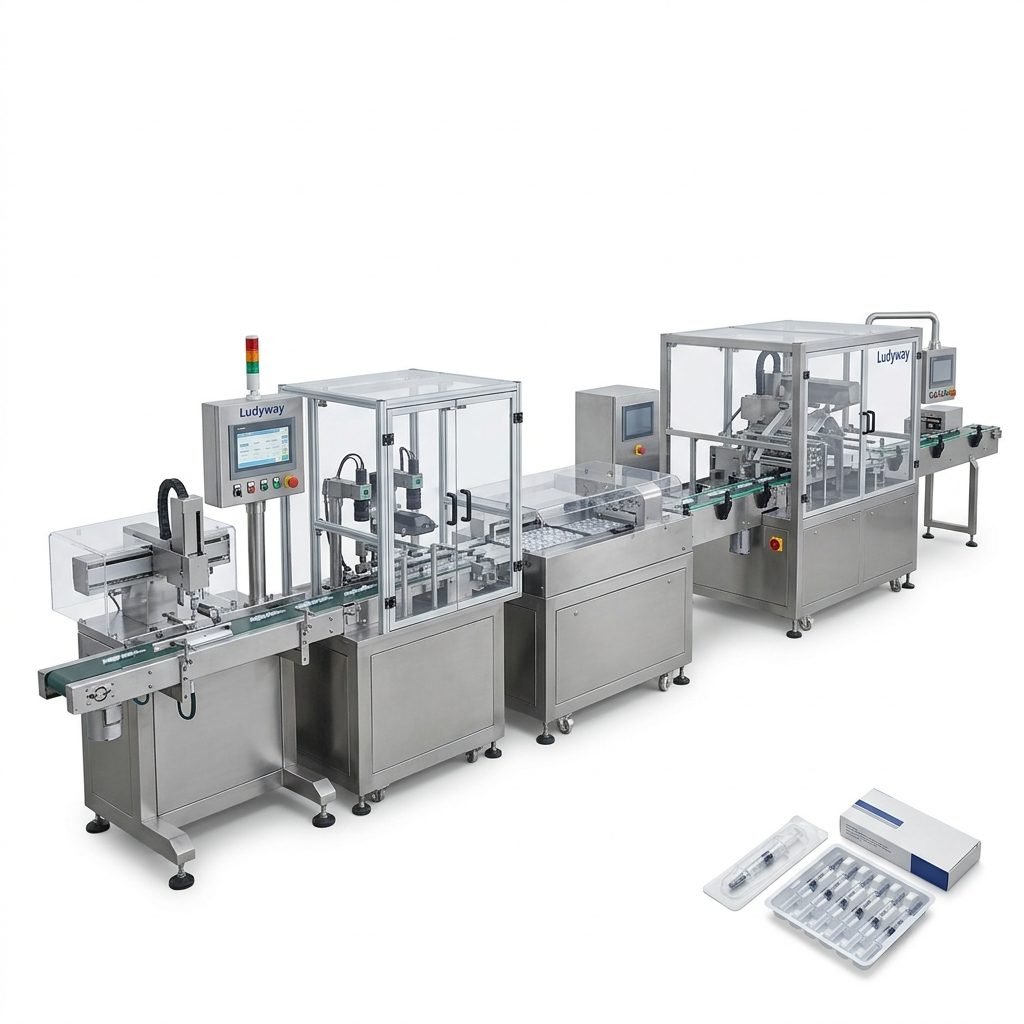
Here, precision, hygiene, and compliance are non-negotiable. Machines must operate in cleanroom-compatible environments and provide tamper-evident seals. The rise of nutraceuticals and powdered supplements has increased the demand for stick pack and precision powder dosing machines that can handle sensitive formulations.
Personal Care & Cosmetics
From shampoo sachets in hotels to premium serum bottles, packaging equipment in this sector prioritizes aesthetic presentation and accurate filling of often viscous or expensive products. Market trends in East Asia, emphasizing innovative sheet masks and sample-sized products, require specialized form-fill-seal solutions.
How to Choose the Right International Packaging Equipment
Selecting machinery for an international market requires a strategic approach beyond basic technical specs.
1. Define Your Core Requirements
- Product Characteristics: Is it a powder, granule, liquid, or solid? What is its flowability and density?
- Packaging Format: Determine the final pouch type (stand-up, pillow, stick pack, sachet), size range, and required production speed (packs per minute).
- Material Compatibility: Ensure the machine can handle your chosen film (e.g., laminated, mono-layer, recyclable materials).
2. Evaluate Supplier Capability & Support
For international operations, the supplier’s global footprint is as important as the machine itself. Look for a partner with a proven track record in exporting machinery and providing reliable after-sales service. Companies like Ludyway Machinery, with decades of industry experience, offer the advantage of deep technical knowledge and the ability to provide tailored turnkey solutions that simplify project execution abroad.
3. Consider Total Cost of Ownership (TCO)
Look beyond the initial purchase price. Factor in:
✔ Energy consumption & utility requirements
✔ Availability and cost of spare parts
✔ Ease of maintenance and required technician skill level
✔ Potential for future upgrades or format changeovers
4. Prioritize Compliance & Safety
The machine must meet the safety standards (e.g., CE, UL) of your target market. For food and pharmaceutical applications, ensure the design allows for easy cleaning and uses materials compliant with relevant health regulations (FDA, EU regulations).
5. Plan for Integration & Training
Consider how the new machine will integrate with your existing production line. A supplier that offers comprehensive installation support, operational training, and clear documentation is invaluable for minimizing downtime and ensuring a smooth ramp-up, especially for teams in different countries.
Conclusion
Navigating the world of international packaging machinery involves a careful balance of technical specifications, operational needs, and strategic partnership. By thoroughly understanding your product and market, rigorously evaluating equipment and suppliers, and planning for long-term support, you can invest in machinery that not only packages your product but also protects your brand and drives your global growth. Partnering with an experienced provider ensures access to reliable technology and the expertise needed to succeed in diverse international markets.
Frequently Asked Questions (FAQs)
Q1: What is the main difference between VFFS and HFFS machines?
A: The core difference is the bag formation direction and typical application. VFFS (Vertical) machines are best for free-flowing products like chips or grains and create bags that are filled as they are formed vertically. HFFS (Horizontal) machines are used for more complex, stable pouches (like stand-up pouches) and are ideal for liquids, pastes, or products that need to lie flat, as the pouch is formed and filled on a horizontal plane.
Q2: How important is after-sales service when buying machinery internationally?
A: It is critically important. Technical support, availability of spare parts, and the ability to provide remote or on-site service directly impact your production uptime and total operating costs. Always choose a supplier with a strong, proven international service network.
Q3: Can one machine handle multiple different packaging sizes?
A: Yes, most modern packaging machines are designed with quick-changeover capabilities. You can switch between different bag or pouch sizes by changing mechanical parts like forming tubes, sealing jaws, and adjusting parameters in the control system. The speed and tooling required for changeover vary by machine model.
Q4: What should I consider regarding packaging materials?
A: You must ensure the machine is compatible with your film type (structure, thickness, coefficient of friction). Also, consider sustainability trends; if you plan to switch to recyclable or compostable films in the future, discuss this with your machine supplier upfront, as it may require specific sealing technology or adjustments.
Q5: How do I determine the right production speed for my needs?
A: Calculate your current and projected future demand. Choose a machine that can meet your peak requirements with some buffer (typically 15-20% extra capacity) for growth and maintenance. Avoid significantly over-specifying, as very high-speed machines often have a higher initial cost and may be more complex to maintain.