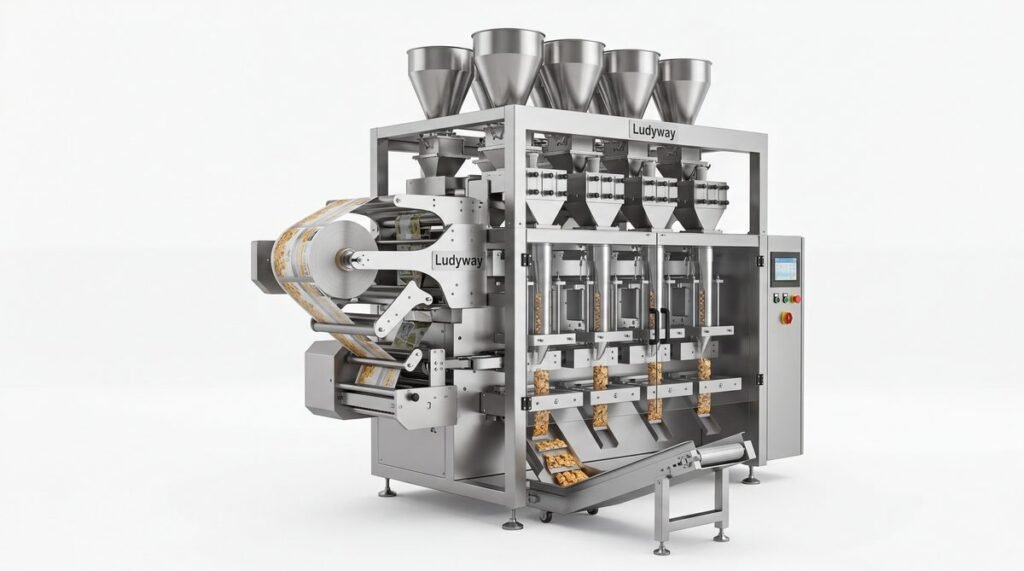
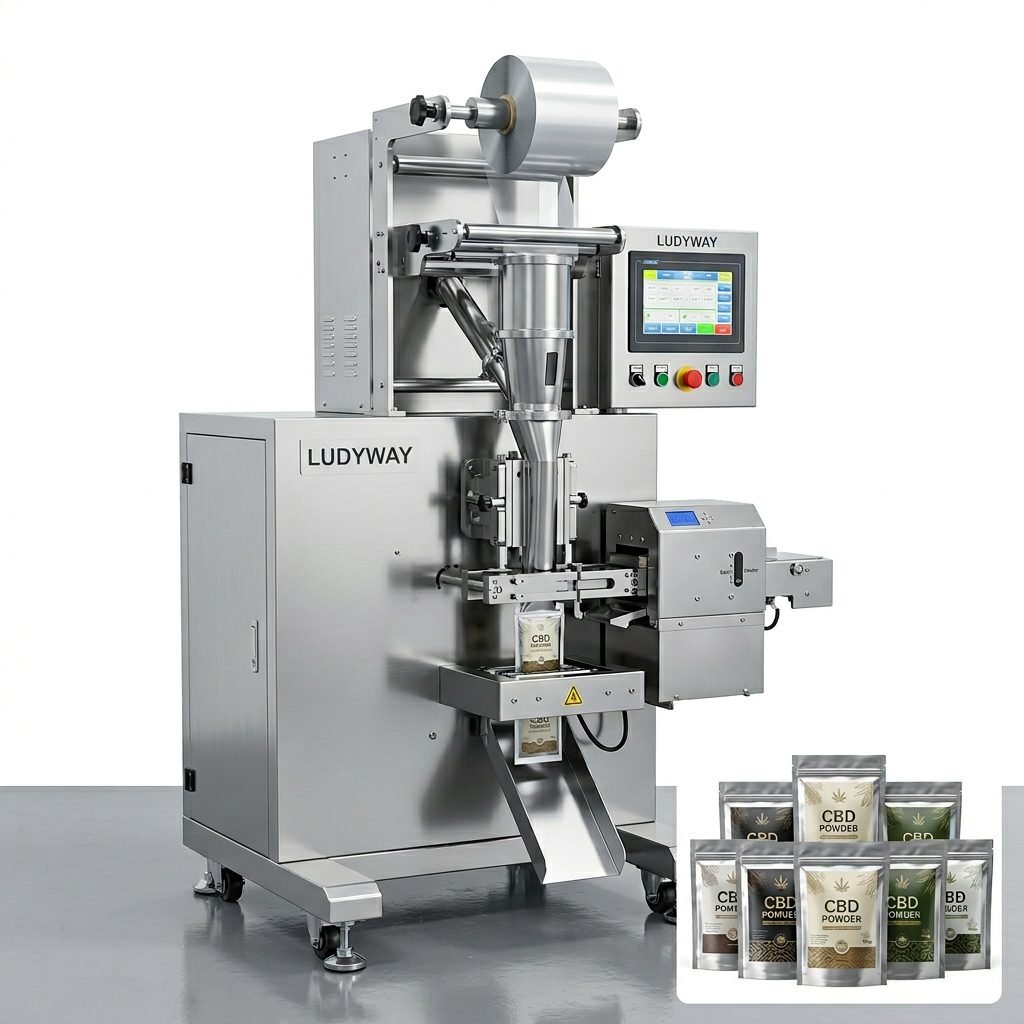
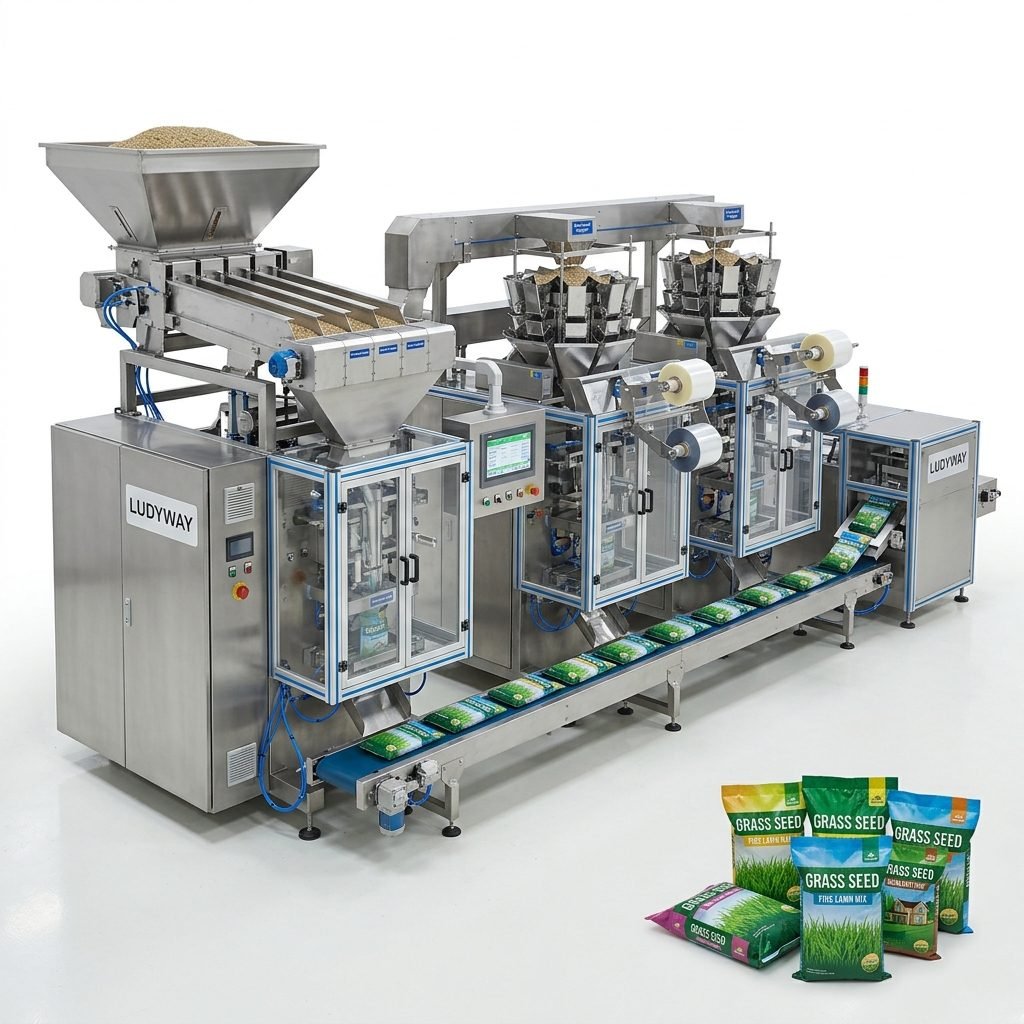
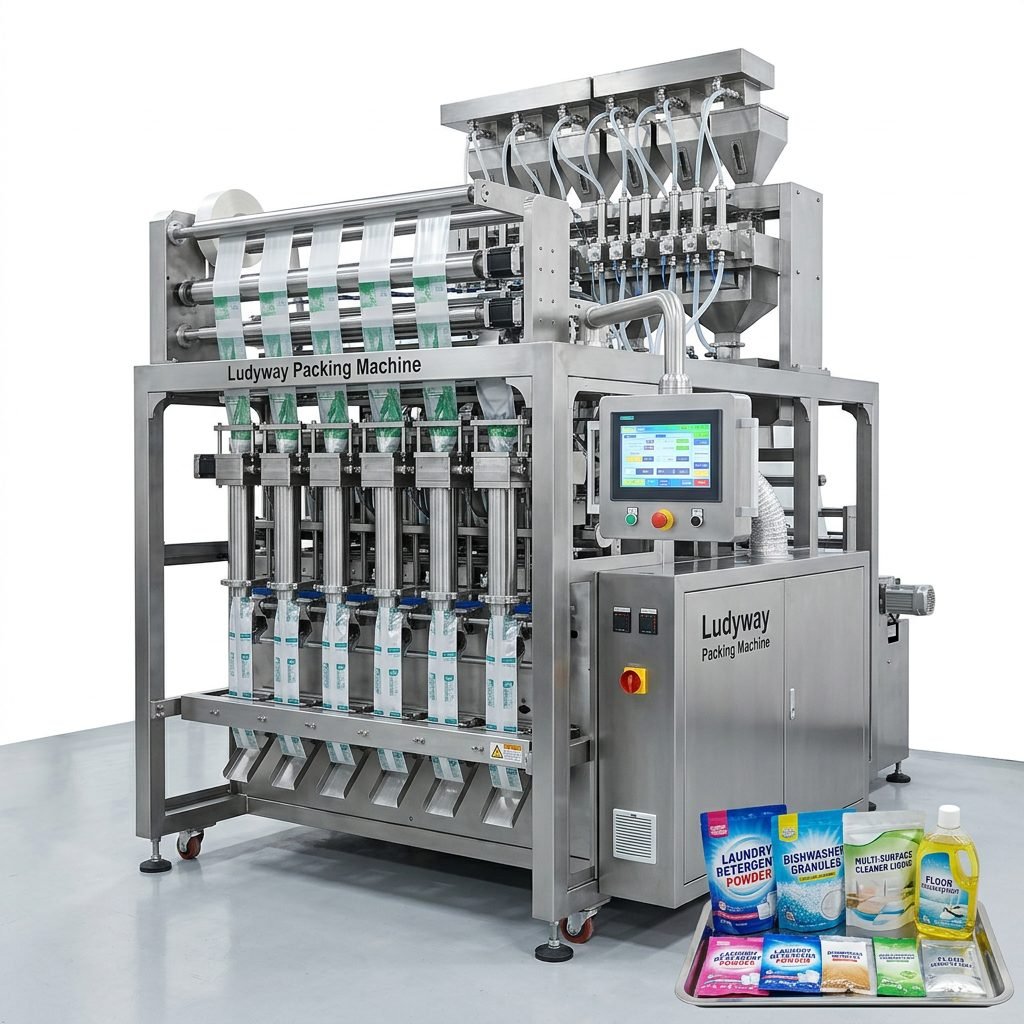
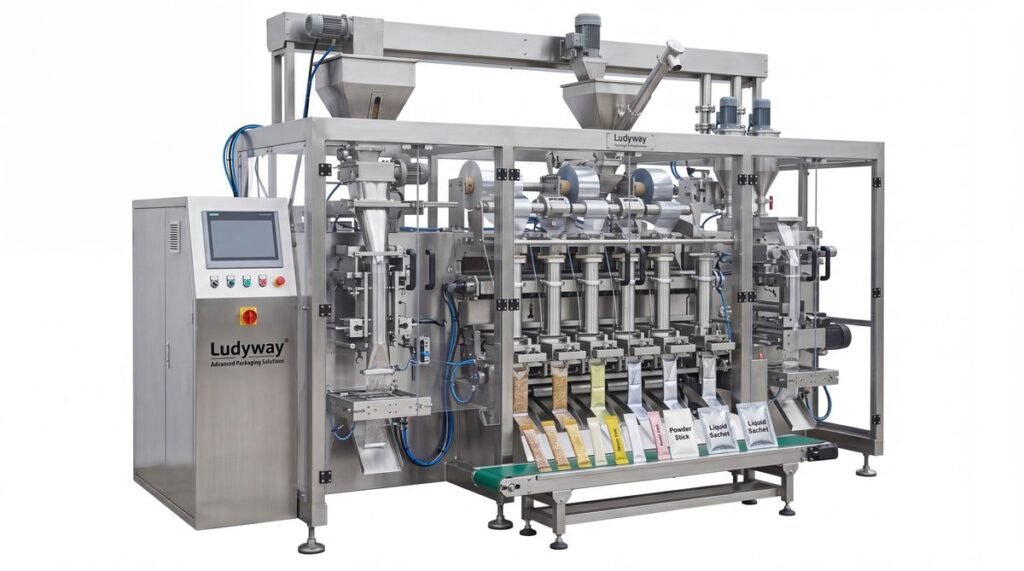
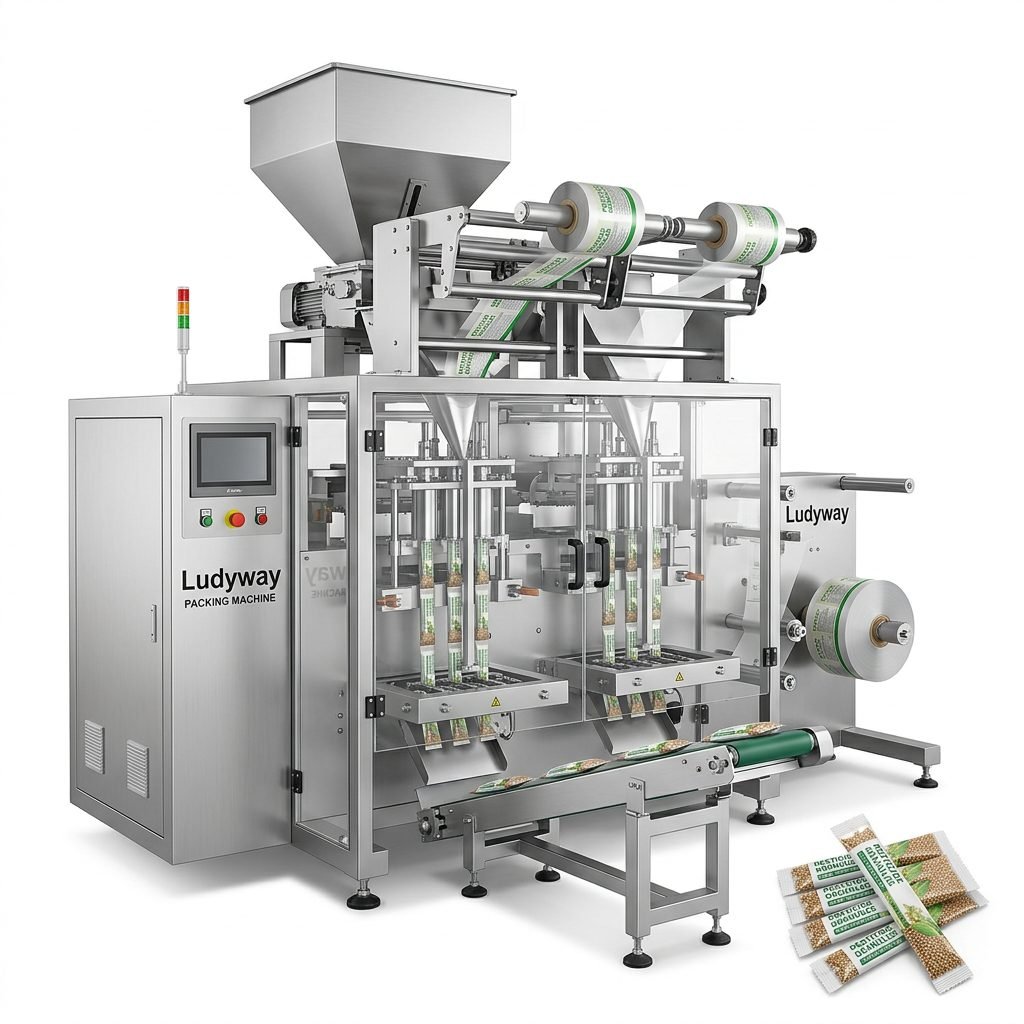
Investing in a plastic water packaging machine is a critical decision for any bottled water producer, co-packer, or beverage manufacturer. The right equipment directly impacts your production efficiency, product quality, and long-term profitability. With dozens of machine types, configurations, and automation levels available, this guide breaks down everything you need to evaluate before making a purchase.
Whether you are launching a new bottled water brand, expanding an existing facility, or replacing aging equipment, understanding the key selection criteria will help you avoid costly mistakes. According to PMMI packaging industry research, global demand for bottled water packaging machinery continues to grow steadily, driven by increasing consumption in emerging markets and rising automation requirements in developed economies.

Understanding Plastic Water Packaging Machine Types
Before diving into specifications, it is essential to understand the main categories of water packaging equipment available on the market. Each type serves different production scales and packaging formats.
Fully Automatic Bottling Lines
These integrated systems handle every stage of the process — from bottle feeding, rinsing, and filling to capping, labeling, and shrink wrapping. A complete bottling line typically includes:
- Bottle unscrambler or depalletizer
- Rinsing and sterilization station
- Gravity or pressure filling machine
- Capping machine with torque control
- Labeling and coding systems
- Shrink wrapping and palletizing units
For high-volume operations producing 10,000 to 36,000 bottles per hour, fully automatic lines are the industry standard. These systems require significant upfront investment but deliver the lowest per-unit production cost over time.
Semi-Automatic Filling Machines
Smaller producers and specialty water brands often start with semi-automatic equipment. These machines require some manual intervention — typically for bottle loading, cap placement, or finished product handling. They are suitable for production volumes up to 3,000 bottles per hour and offer a lower entry price point while still providing consistent fill accuracy.
Sachet and Pouch Water Packaging Machines
In many developing markets, sachet water packaging remains the dominant format. These machines form, fill, and seal flexible film into single-serve water sachets. Modern plastic water packaging machine models can run multiple lanes simultaneously, achieving outputs of 800 to 1,500 sachets per minute depending on lane configuration and film specifications.
Key Factors to Evaluate Before Purchasing
Selecting the right equipment requires a systematic evaluation of your production requirements, facility constraints, and business goals. Below are the most important factors to consider.
1. Production Capacity and Speed Requirements
Your machine’s output capacity must align with current and projected demand. Undersizing leads to bottlenecks and lost revenue; oversizing wastes capital and floorspace. Calculate your target throughput in bottles or sachets per hour, then add a 20-30% buffer for growth and peak demand periods. Consider running hours per shift and shifts per day when determining the required machine speed rating.
2. Bottle and Packaging Format Compatibility
Not all machines handle every bottle shape and size. Specify your bottle material — PET, HDPE, LDPE, or polycarbonate — as well as cap type — screw cap, sports cap, tamper-evident, or push-pull. Machine changeover time between different bottle formats becomes critical if you plan to run multiple SKUs. Look for systems with quick-change tooling and minimal adjustment requirements to maximize uptime.
3. Filling Technology Selection
The filling mechanism directly affects fill accuracy, product waste, and production speed. Common filling technologies for water packaging include:
| Filling Technology | Best For | Accuracy Level | Typical Speed Range |
|---|---|---|---|
| Gravity Filling | Still water, low-viscosity liquids | ±1-2 mm fill height | 2,000-30,000 BPH |
| Pressure Filling | Carbonated water, sparkling beverages | ±1% by volume | 3,000-36,000 BPH |
| Volumetric Piston Filling | Precise volume control, premium water | ±0.5% by volume | 1,000-12,000 BPH |
| Flow Meter Filling | High-speed still and sparkling water | ±0.5-1% by volume | 5,000-40,000 BPH |
4. Automation and Control Systems
Modern plastic water packaging machines use PLC controllers with HMI touchscreen interfaces. Higher automation levels reduce labor costs and human error but increase initial investment. Key automation features to evaluate include:
- Automatic CIP (Clean-in-Place) systems for hygiene compliance
- Servo-driven filling valves for precision and speed adjustment
- Integrated vision inspection for fill level, cap presence, and label placement
- Remote monitoring and diagnostic capabilities
- Automatic rejection of non-conforming products
Quality Standards and Regulatory Compliance
Water packaging falls under strict food safety regulations in most markets. Your equipment must comply with applicable standards in your target markets. Key compliance areas include:
Material and Construction Requirements
All product-contact surfaces should use 304 or 316L stainless steel and food-grade materials. This prevents contamination and ensures compatibility with sanitizing chemicals. Equipment should be designed to minimize dead spaces where bacteria can accumulate. Refer to FDA food packaging regulations for the U.S. market or ISO packaging standards for international compliance frameworks.
Certifications to Look For
- CE marking for European market access
- UL certification for electrical safety in North America
- GMP compliance for pharmaceutical-grade water packaging
- ISO 9001 quality management system at the manufacturer level
- HACCP-compatible design for food safety management
Evaluating Packaging Machine Suppliers
Choosing the right machine is only half the decision — selecting the right supplier is equally important. A reliable supplier provides not just equipment but ongoing technical support, spare parts availability, and engineering expertise. When evaluating potential suppliers, consider the following criteria:
Manufacturing Experience and Track Record
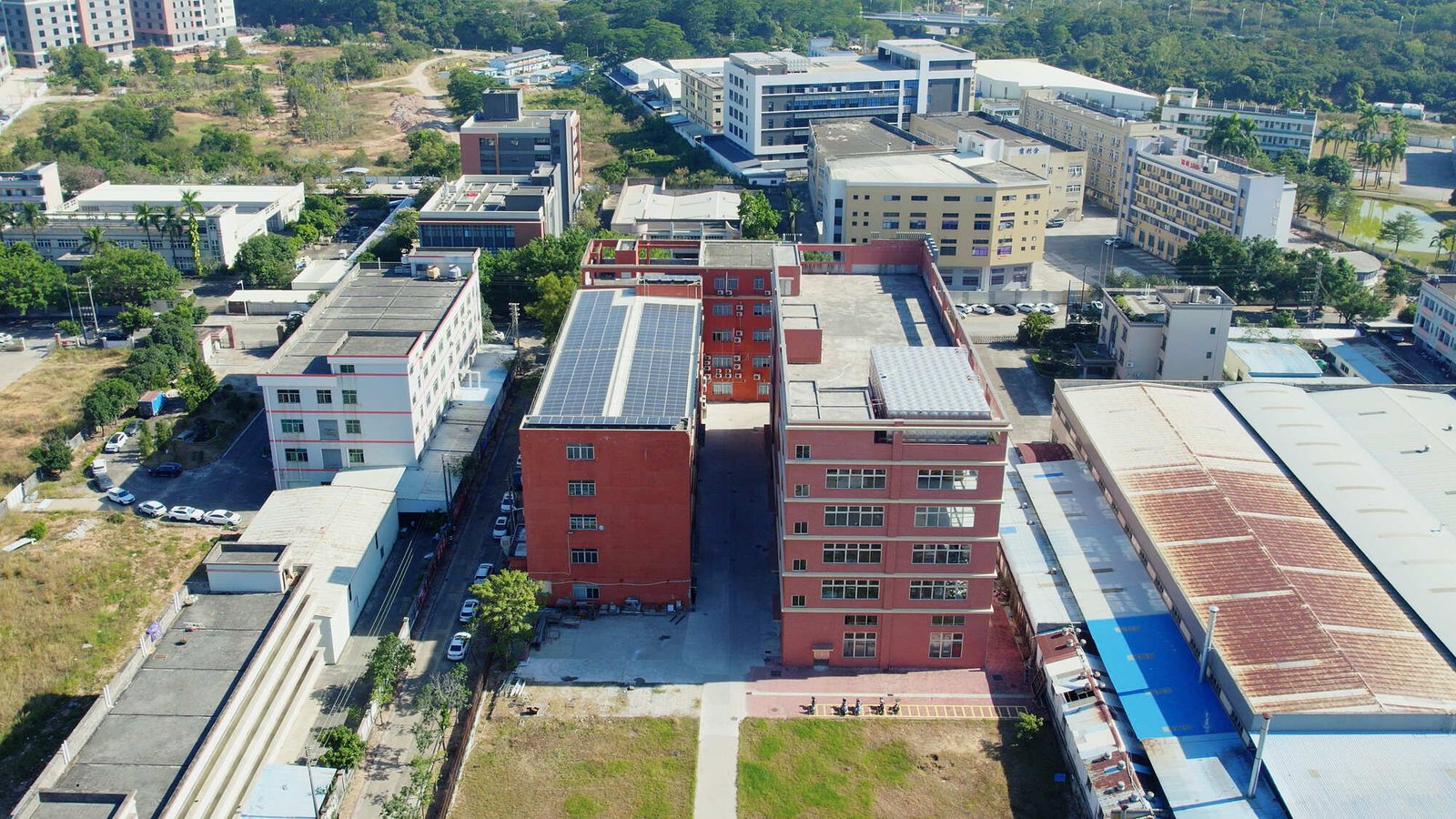
Look for manufacturers with demonstrated experience in water packaging applications specifically. Companies with decades of industry experience, such as Ludyway Machinery — a China-based packaging machinery manufacturer with more than 30 years in the industry — typically offer more refined equipment designs and deeper application knowledge. Ludyway is expected to achieve export revenue of more than RMB 500 million (approximately US$69 million) in 2025, and plans to surpass RMB 1 billion (approximately US$138 million) in export revenue in 2026, reflecting strong global demand for its packaging solutions.
After-Sales Support and Service Network
Packaging machinery requires ongoing maintenance and occasional troubleshooting. Evaluate the supplier’s service capabilities in your region, including response time for technical inquiries, availability of remote diagnostics, and local service partners. According to PMMI’s 2026 State of the Industry report, after-sales service quality is consistently ranked as a top-three factor in packaging machinery purchasing decisions.
Customization and Engineering Capabilities
Standard machines rarely fit every application perfectly. The ability to customize machine configurations for specific bottle formats, production speeds, or facility layouts adds significant value. Ask potential suppliers about their engineering team size, past customization projects, and willingness to develop tailored solutions.
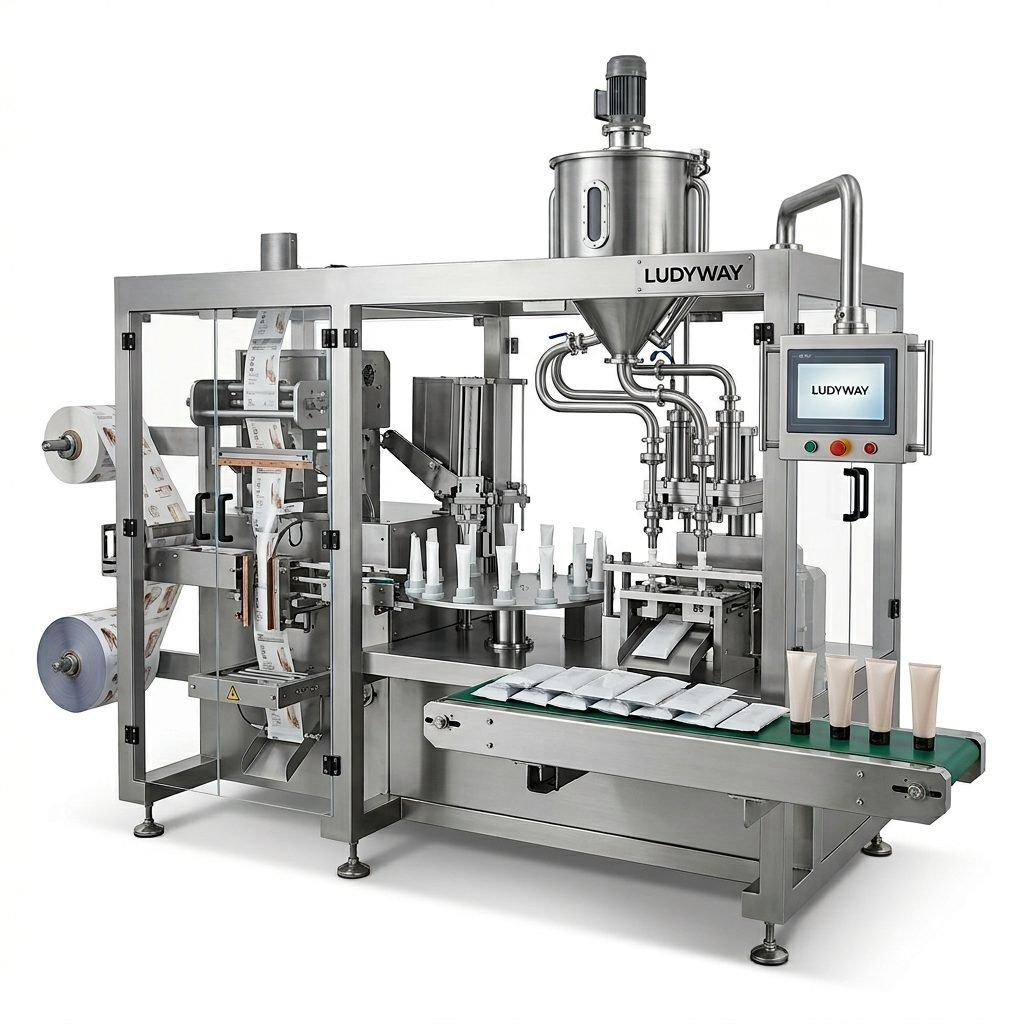
Total Cost of Ownership Analysis
Purchase price alone is a misleading metric. A comprehensive cost analysis should account for the total cost of ownership over the expected machine lifespan of 10-15 years. Key cost factors include:
| Cost Category | Estimated Share of TCO | Key Considerations |
|---|---|---|
| Initial equipment purchase | 40-50% | Includes machine, installation, and commissioning |
| Spare parts and consumables | 15-20% | Seals, gaskets, filters, filling valves, wearing components |
| Energy consumption | 10-15% | Compressed air, electricity, and water usage |
| Labor and operator training | 10-15% | Operators, technicians, ongoing training |
| Maintenance and repairs | 10-15% | Scheduled maintenance, unplanned repairs, service contracts |
A higher-quality machine with better energy efficiency and lower spare parts consumption may have a higher upfront cost but lower total cost of ownership. Request detailed lifecycle cost projections from shortlisted suppliers to make an informed comparison.
Installation, Commissioning, and Training
The best equipment underperforms if improperly installed or operated. Confirm that your supplier provides comprehensive installation support, including:
- Factory acceptance testing before shipment
- On-site installation supervision by factory-trained engineers
- Commissioning and production ramp-up support
- Operator and maintenance technician training programs
- Detailed documentation, manuals, and troubleshooting guides
Review the Flexible Packaging Association industry resources for additional guidance on packaging line integration best practices and operational standards.
Future-Proofing Your Investment
Packaging technology evolves continuously. When investing in a plastic water packaging machine, consider features that extend the useful life of your equipment and enable future growth:
- Modular design allowing addition of filling stations, capping heads, or labeling modules
- Industry 4.0 readiness with IoT connectivity and data collection capabilities
- Energy-efficient components such as servo motors and variable-frequency drives
- Multi-format flexibility to accommodate new bottle designs without major modifications
- Software upgrade paths for control systems and HMI interfaces
- Sustainable packaging compatibility for lightweight bottles and recycled materials
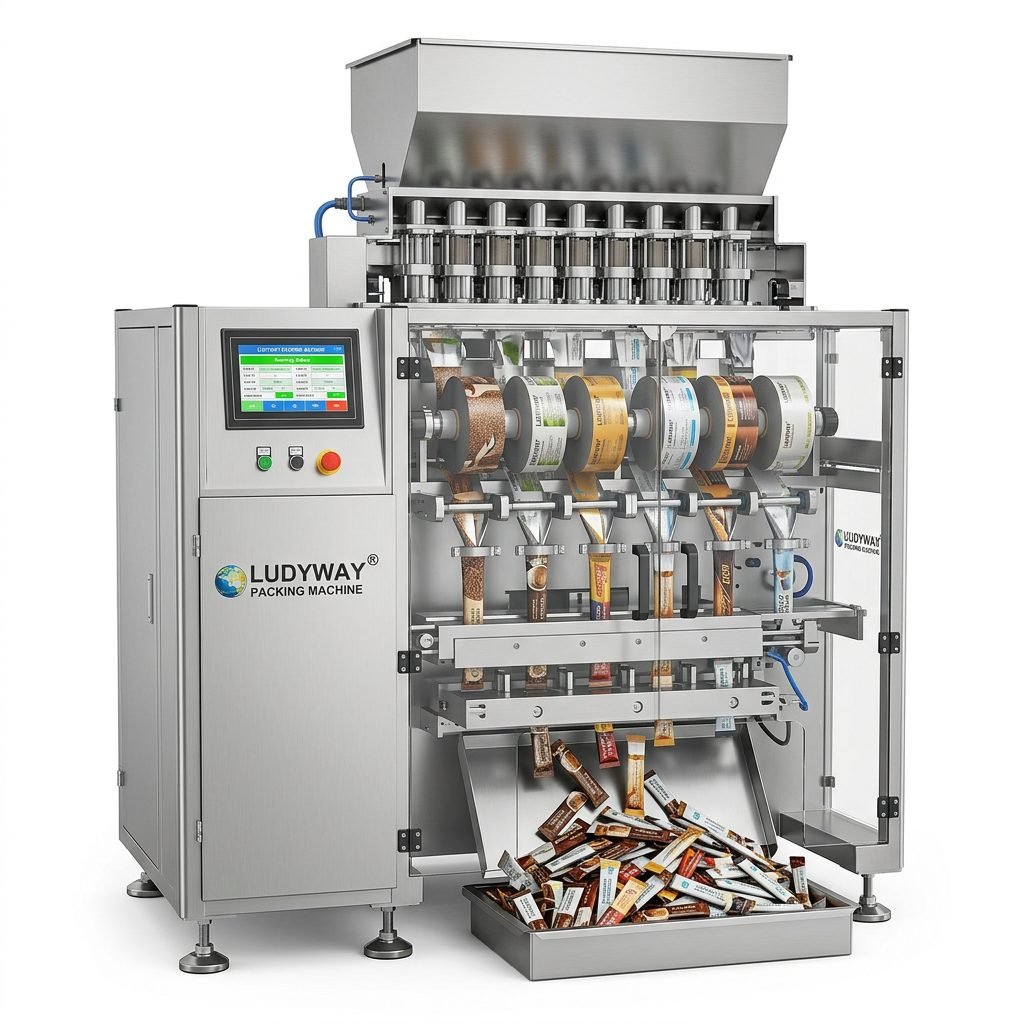
Making the Final Decision
Selecting the right plastic water packaging machine requires balancing multiple factors — production requirements, budget constraints, quality standards, and supplier reliability. Create a weighted evaluation matrix comparing shortlisted options across all criteria discussed in this guide. Request machine demonstrations or factory visits when possible, and speak with existing users of the equipment you are considering.
Remember that the lowest purchase price rarely delivers the best long-term value. Prioritize build quality, supplier reputation, after-sales support, and total cost of ownership. A well-chosen packaging machine will serve your operation reliably for a decade or more, making the selection process one of the most consequential capital equipment decisions you will make. For additional market data and industry trends, consult the PMMI state of the industry reports and Flexible Packaging Association resources for up-to-date packaging machinery market intelligence.
Take the time to evaluate your options thoroughly, involve your production and maintenance teams in the selection process, and choose a supplier who demonstrates a genuine commitment to your long-term success. The right partnership will deliver value far beyond the equipment itself.