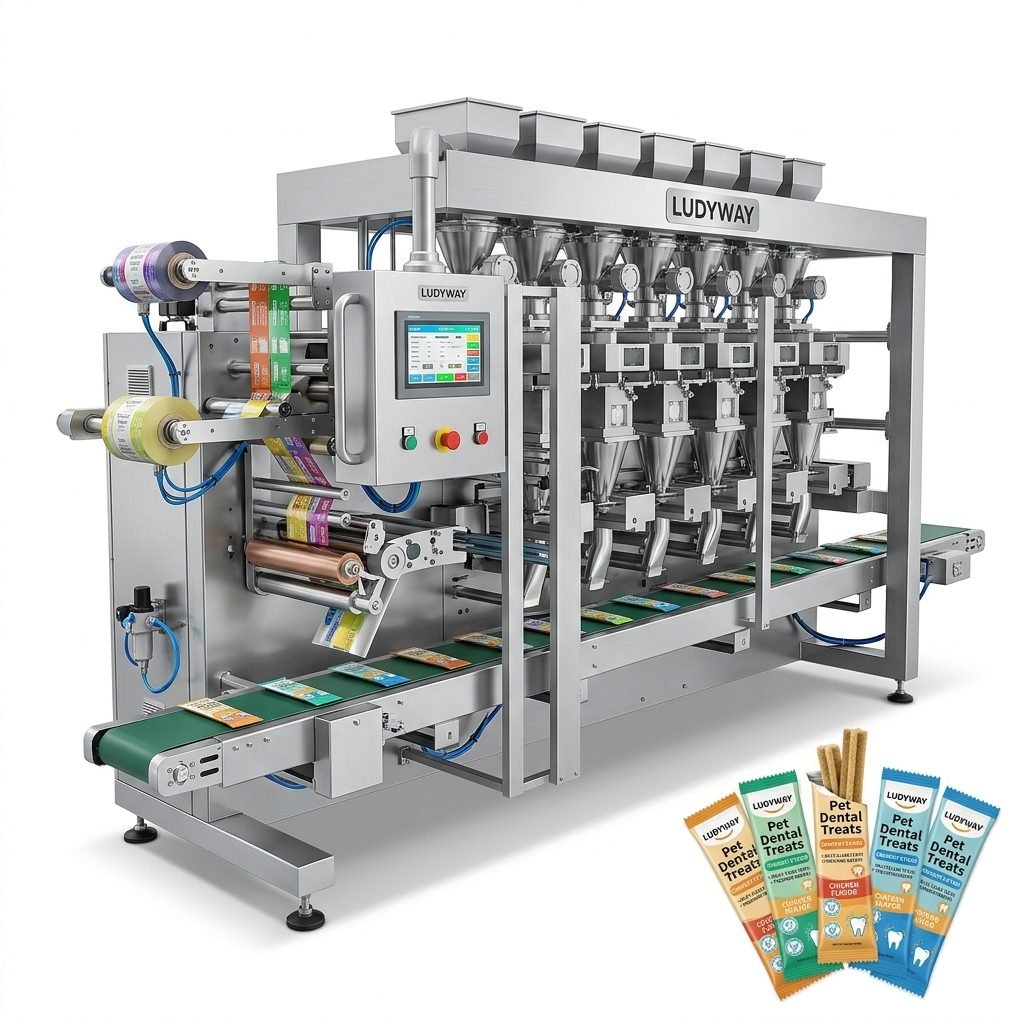
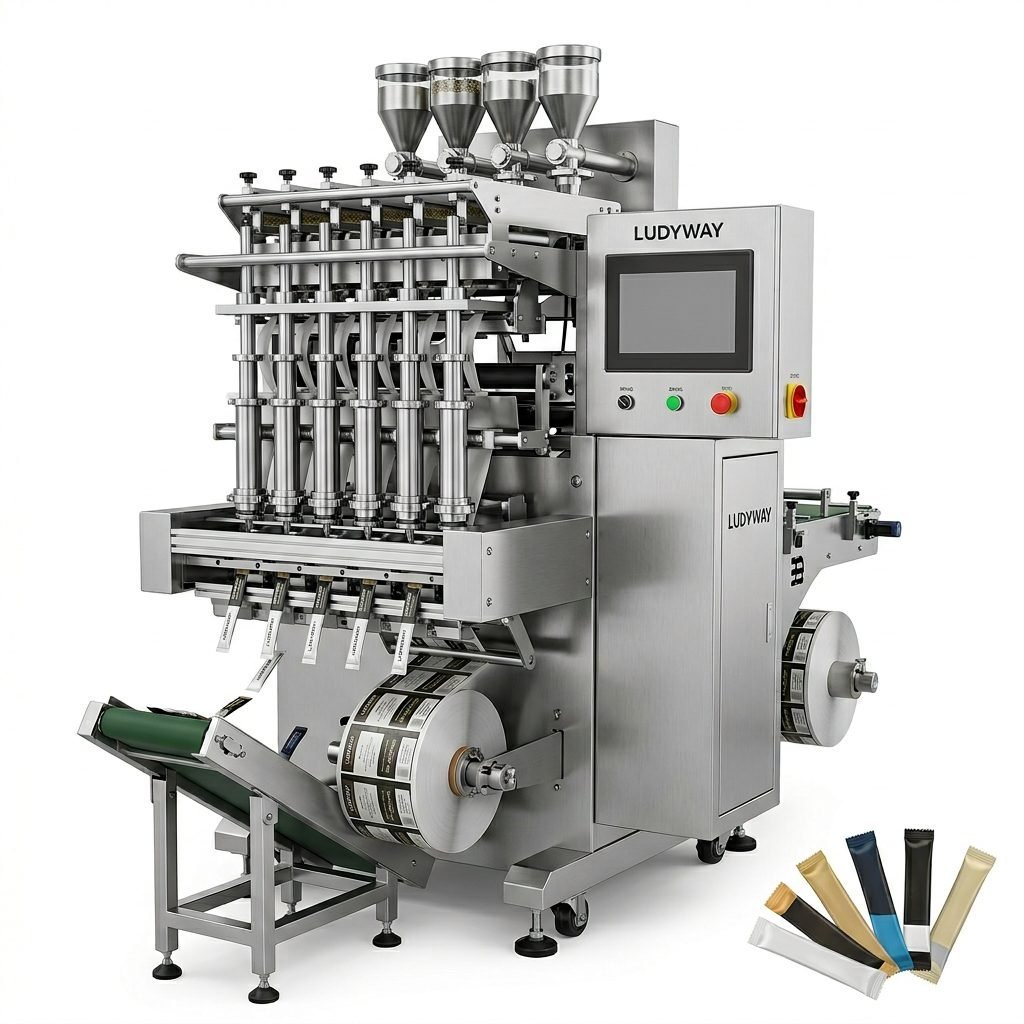
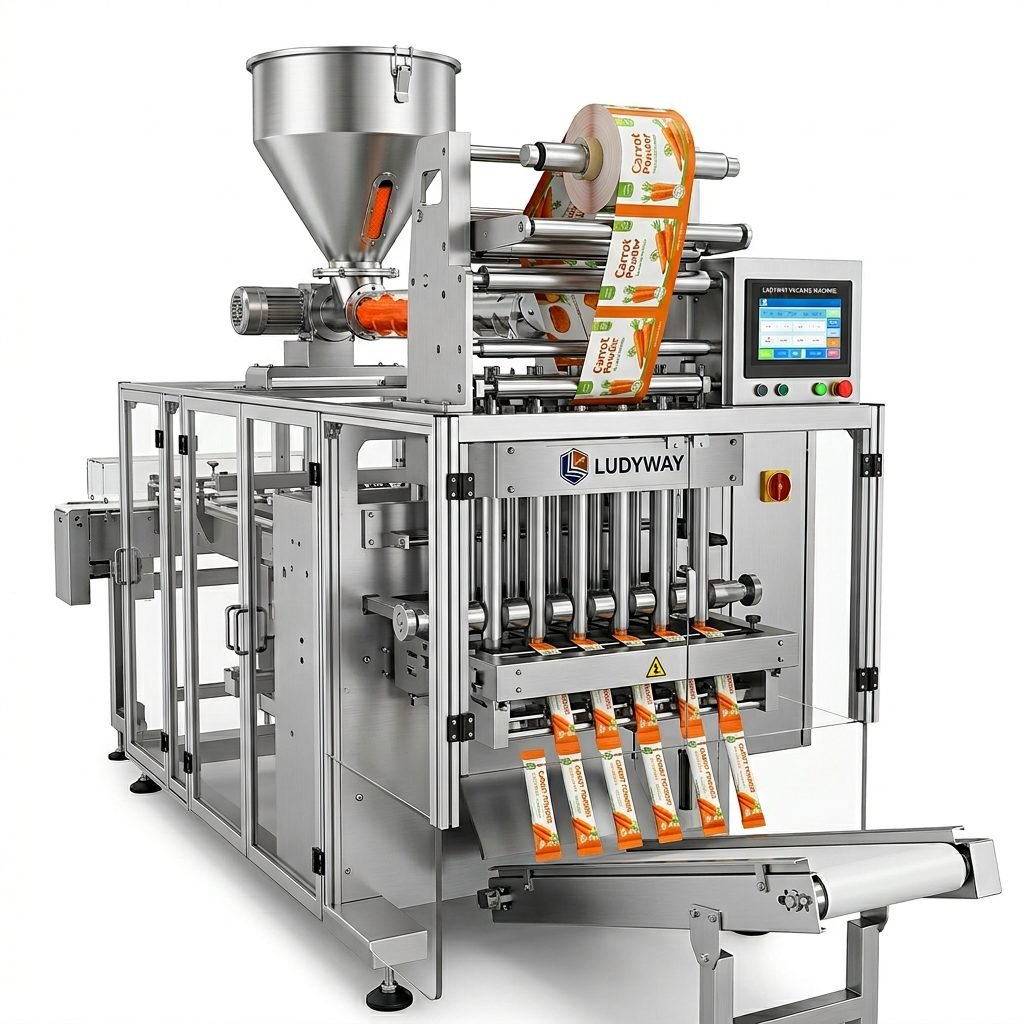
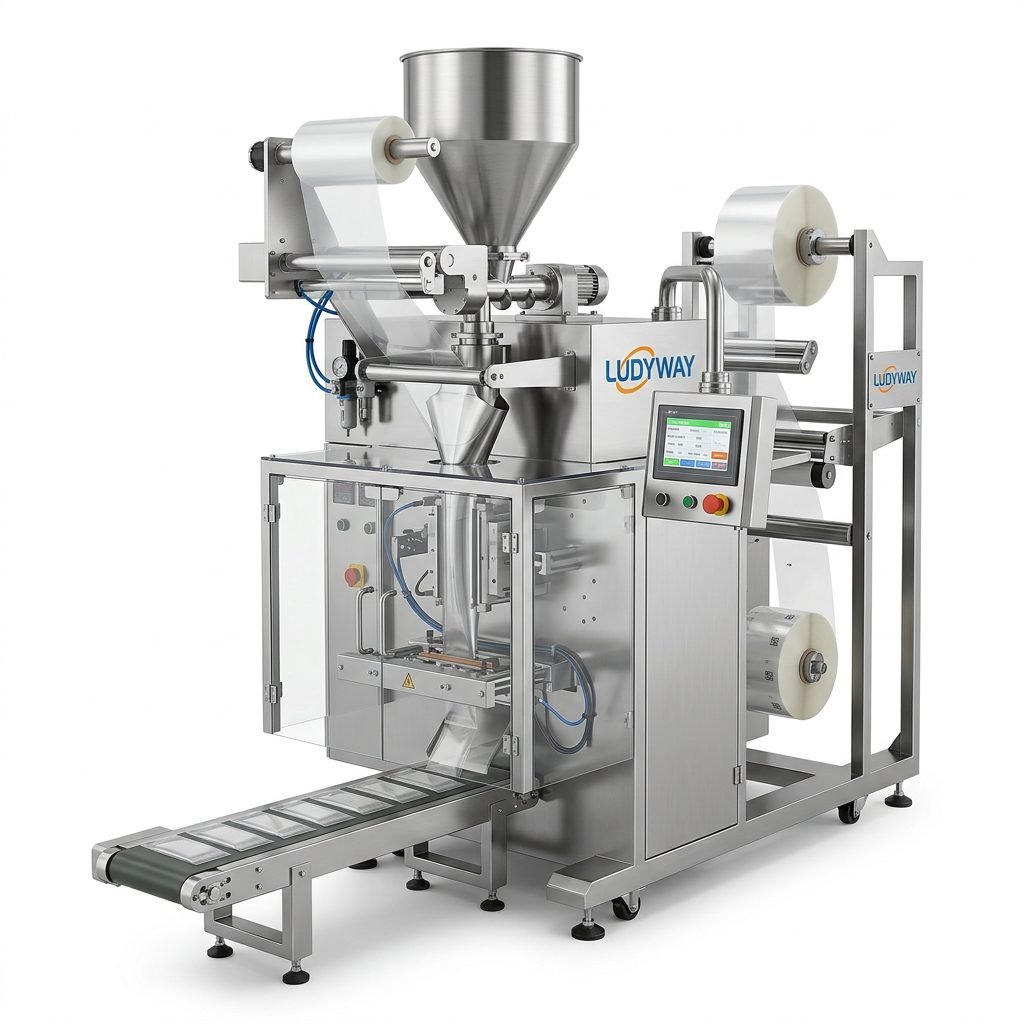
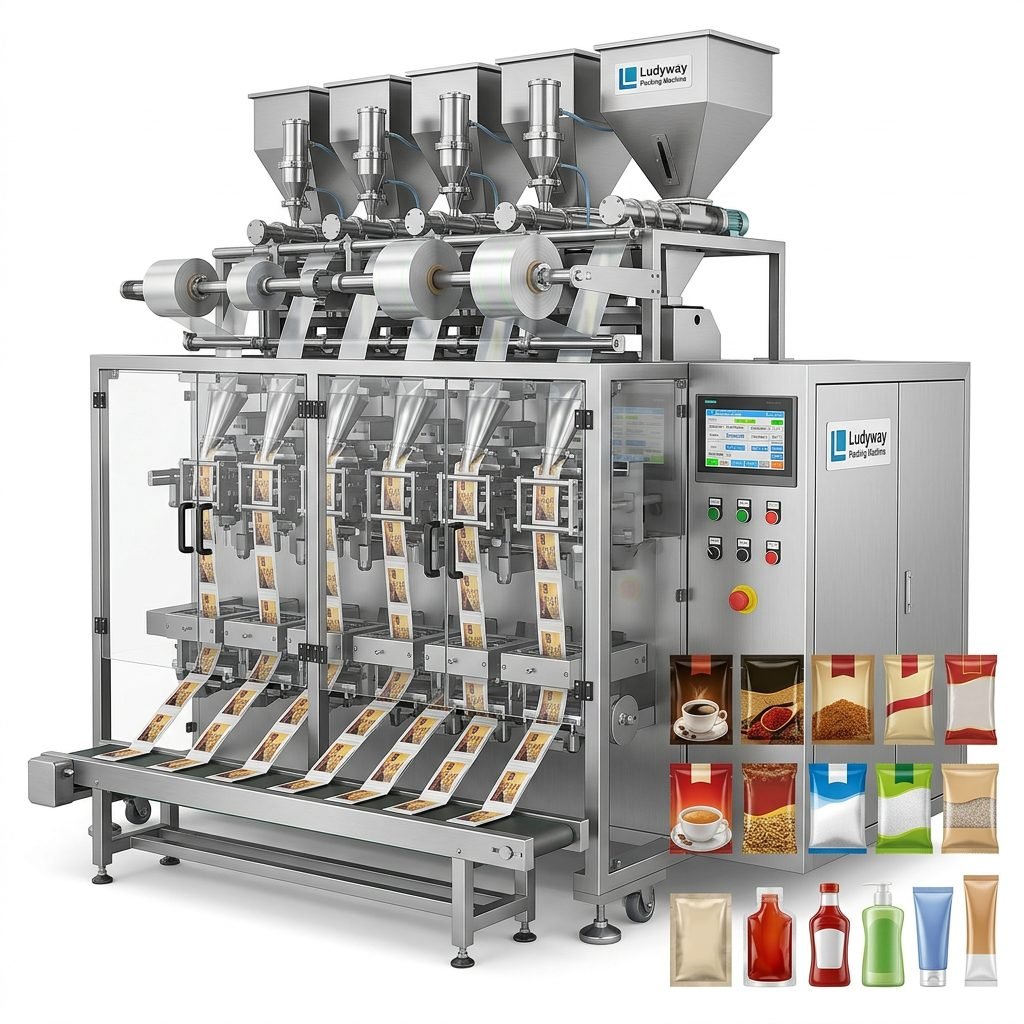
Investing in a sabun packing machine is a critical decision for any soap manufacturer looking to scale production, improve efficiency, and maintain product quality. Whether you produce bar soap, liquid soap, detergent powder, or specialty cleaning products, the right packaging equipment can significantly impact your bottom line. This comprehensive guide walks you through everything you need to know to make an informed purchasing decision.
Understanding Your Soap Product and Packaging Requirements
Before evaluating specific machines, you must clearly define your product characteristics and packaging goals. Different soap formulations require different handling, filling, and sealing approaches. Start by asking these essential questions:
- What is your soap format? Bar soap, liquid soap, gel soap, powder detergent, or cream-based cleansers all demand different packaging technologies.
- What packaging type do you need? Options include sachets, stick packs, pouches, bottles, blister packs, flow wrap, or cartons.
- What is your target production speed? Define how many units or packs per minute you need to produce to meet market demand.
- What are your fill volumes? From single-use sachets (5ml-50ml) to bulk pouches (500ml-5L), the fill range dictates machine selection.
- What packaging material will you use? Laminated films, aluminum foil, PE, PET, or biodegradable materials each have unique sealing requirements.
The Flexible Packaging Association provides valuable industry data on material trends that can help guide your packaging material decisions. Matching your machine to your material is essential for achieving consistent seal integrity and avoiding costly waste.
Types of Sabun Packing Machines: A Detailed Comparison
The market offers a wide range of packaging machinery suited for different soap products. Understanding the strengths and limitations of each type is crucial for narrowing down your options. The table below compares the most common machine configurations used in soap packaging operations.
| Machine Type | Best For | Packaging Format | Typical Speed Range | Key Consideration |
|---|---|---|---|---|
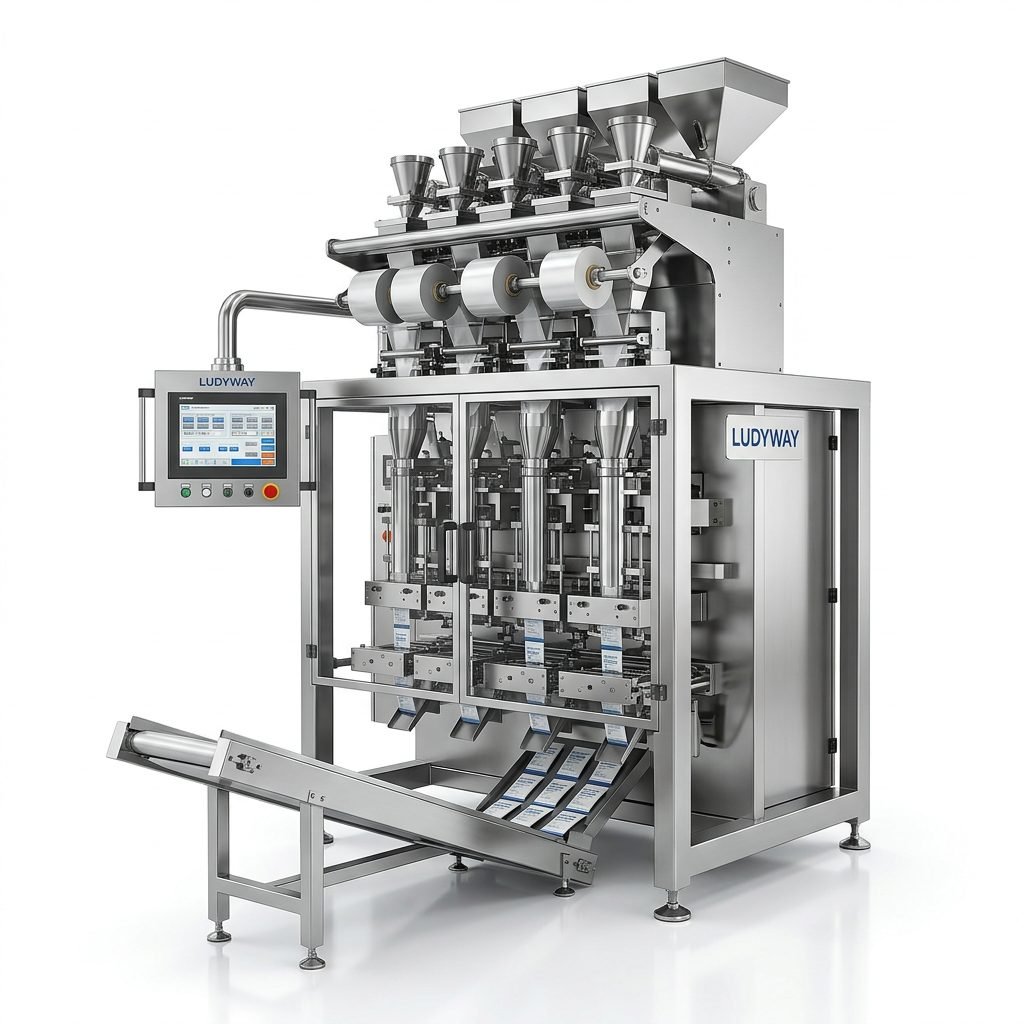
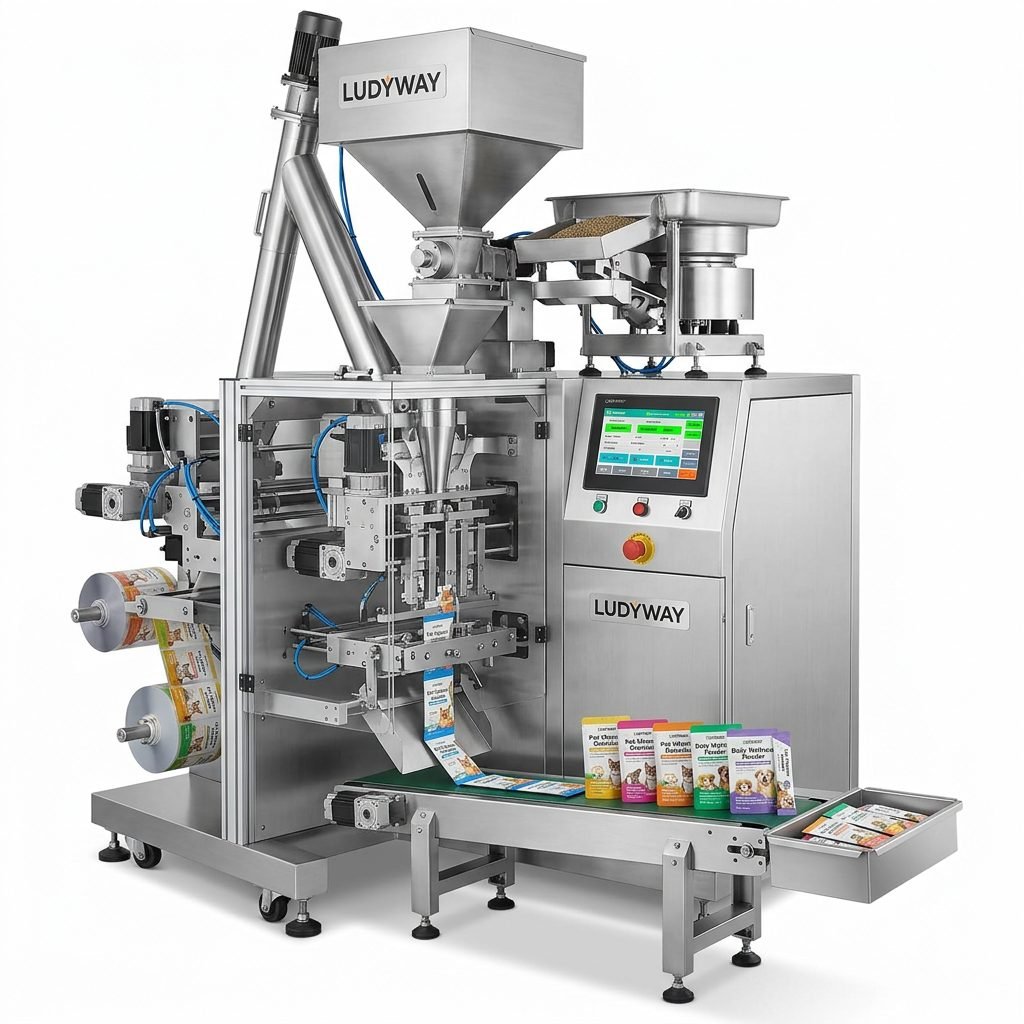
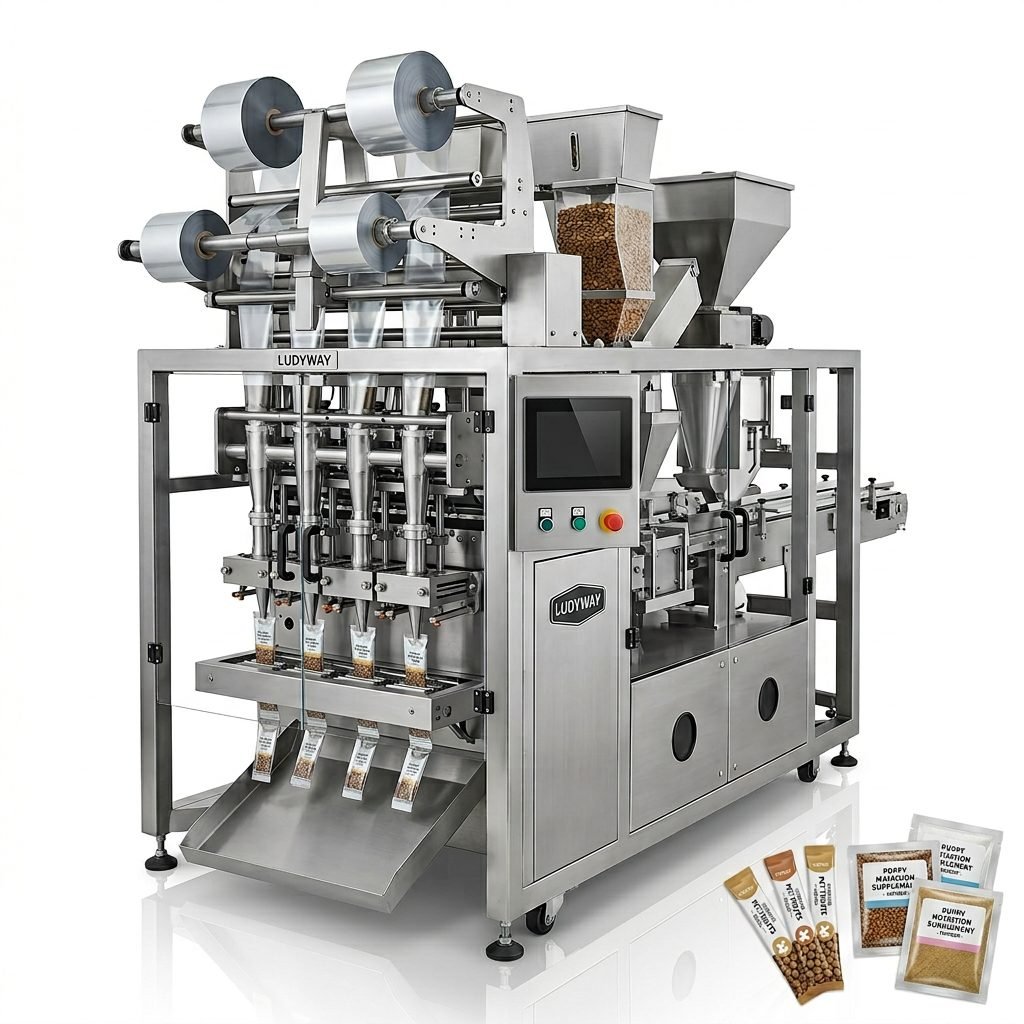
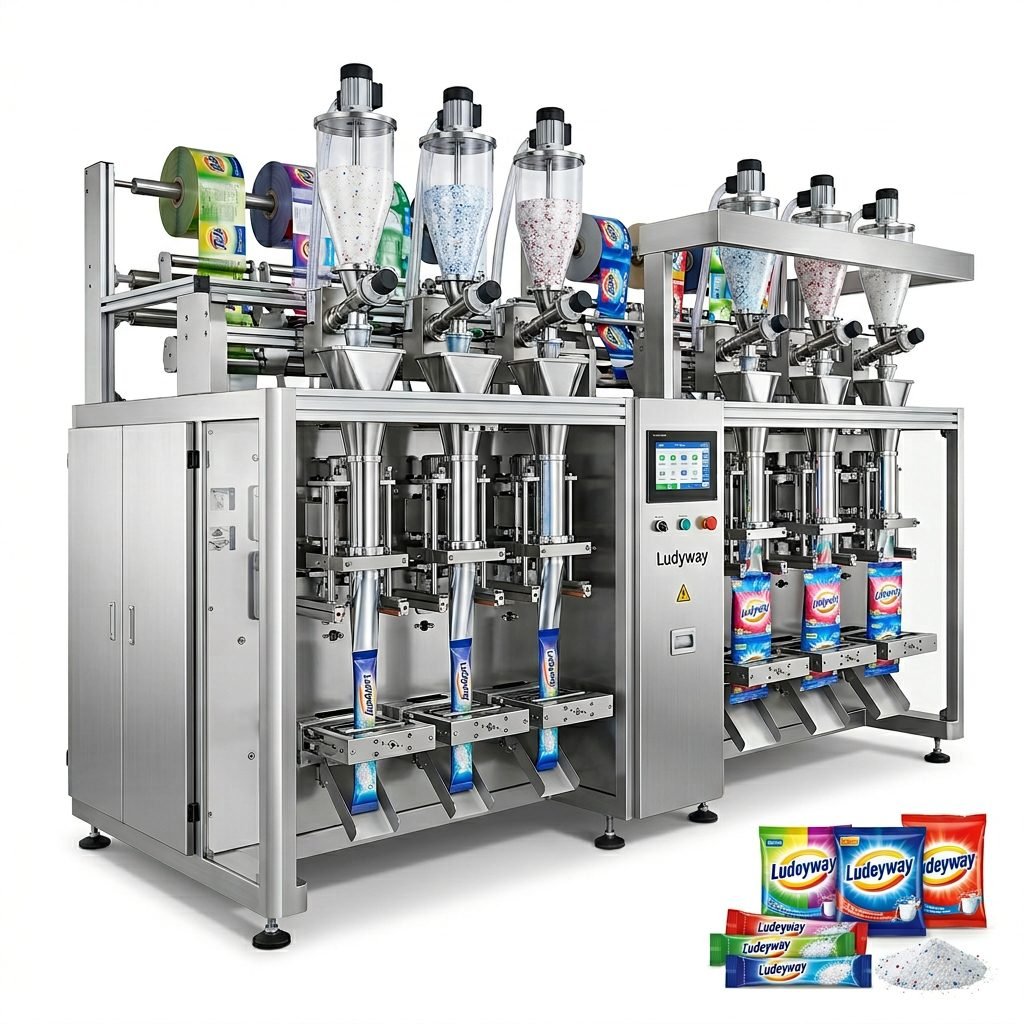
| Vertical Form Fill Seal (VFFS) | Powder detergent, granule soap | Sachets, stick packs, pouches | 40-200 packs/min | Highly versatile; multi-lane options available |
| Horizontal Flow Wrapper | Bar soap, solid soap blocks | Flow wrap, pillow packs | 30-400 packs/min | Ideal for solid products requiring tight wrap |
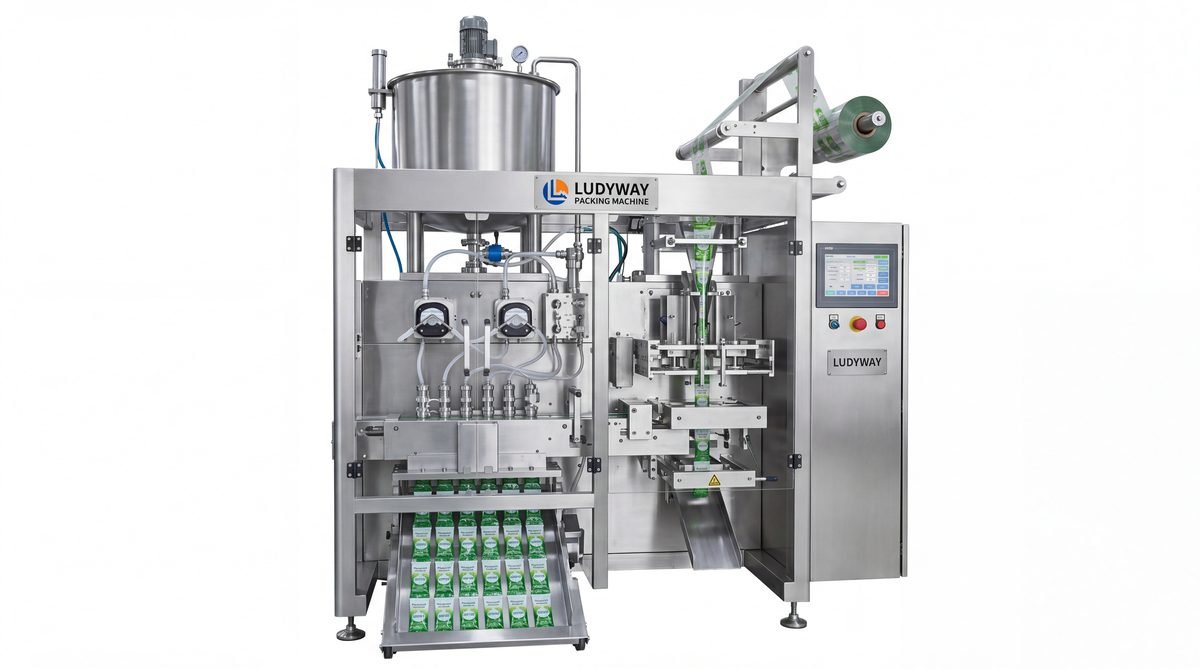
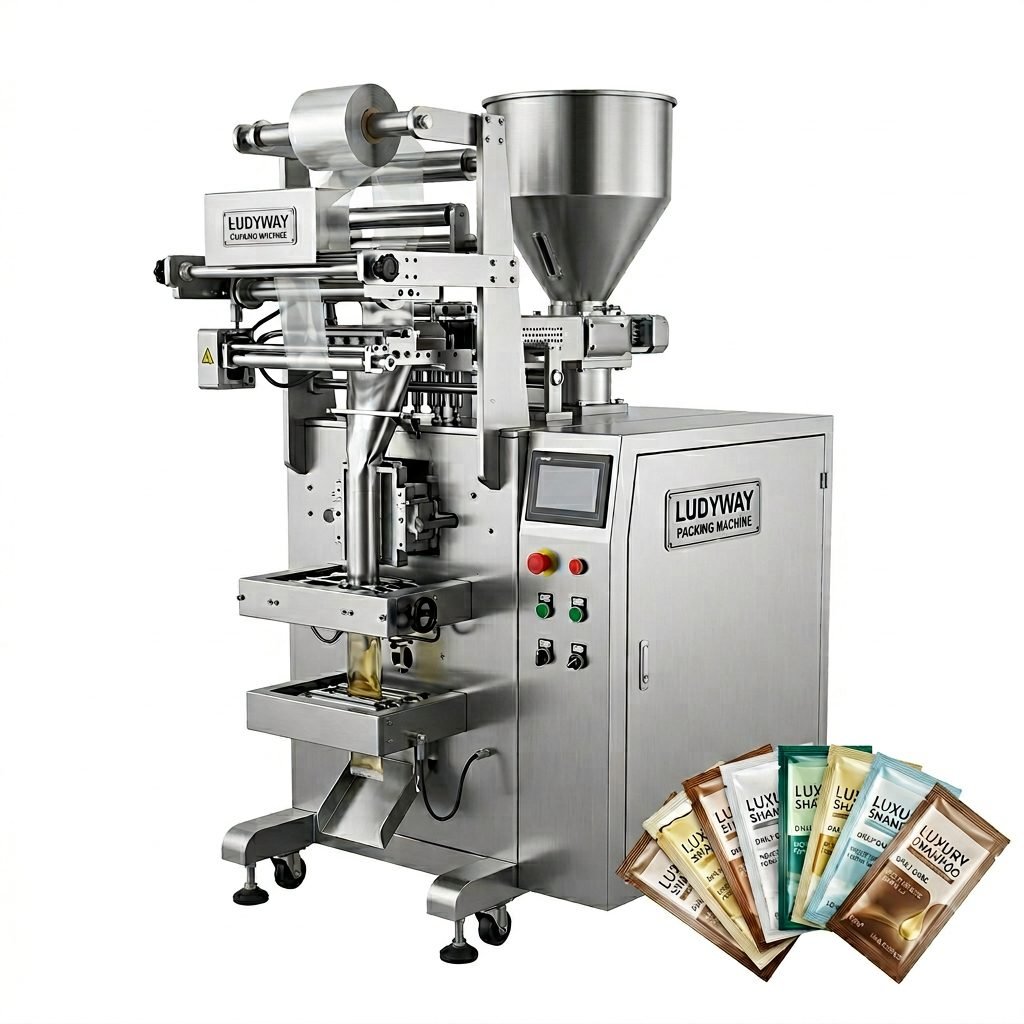
| Liquid Filling & Sealing Machine | Liquid soap, gel cleansers | Sachets, pouches, bottles | 30-180 packs/min | Requires precise volumetric or piston filling |
| Multi-Lane Stick Pack Machine | Single-dose soap, travel packs | Stick packs (4-16 lanes) | 200-1200 packs/min | High output; ideal for sample and travel sizes |
| Premade Pouch Packaging Machine | Refill pouches, premium soap | Stand-up pouches, zipper pouches | 20-80 packs/min | Excellent for premium branding and retail display |
| Blister Packaging Machine | Soap tablets, solid bars | Blister packs, clamshell | 20-200 packs/min | Provides tamper evidence and product visibility |
Key Technical Specifications to Evaluate
When comparing different sabun packing machine models, focus on these critical technical parameters that directly affect performance, reliability, and total cost of ownership:
Filling Accuracy and Dosing Technology
For liquid soap, piston fillers offer excellent accuracy (±0.5-1%) across a wide viscosity range. For powder detergents, auger fillers or multi-head weighers provide precise dosing at high speeds. The PMMI Business Intelligence reports highlight filling accuracy as one of the top factors influencing packaging line efficiency. Inaccurate fills lead to product giveaway, regulatory non-compliance, and customer dissatisfaction.
Sealing System and Integrity
Soap products, especially liquids and gels, require robust sealing to prevent leakage during transport and storage. Heat sealing with precise temperature control is standard for laminated films, while ultrasonic sealing offers advantages for certain materials. Look for machines with independent temperature zones and automatic seal pressure adjustment. Consistent seal integrity is non-negotiable for maintaining brand reputation and meeting FDA packaging and food contact substance requirements.
Automation and Control Systems
Modern packaging machinery should feature PLC-based controls with HMI touchscreen interfaces. Key automation capabilities to look for include:
- Automatic film tension and tracking control to minimize material waste
- Servo-driven movements for precise, repeatable operations
- Recipe storage and changeover memory for quick product switchovers
- Integration-ready communication protocols for connecting upstream and downstream equipment
- Remote monitoring and diagnostic capabilities for proactive maintenance
Production Capacity and Speed Considerations
Selecting a machine with the right production capacity is about more than just rated speed. Consider these often-overlooked factors that impact real-world throughput:
- OEE (Overall Equipment Effectiveness): A machine rated at 100 packs per minute may realistically deliver 70-85 packs per minute after accounting for film changes, adjustments, and minor stops.
- Changeover time: If you produce multiple soap SKUs, quick-change features can save hours of downtime per week.
- Film roll capacity: Larger roll diameters reduce the frequency of film changes on high-speed lines.
- Integration with upstream and downstream equipment: Bottlenecks in feeding or cartoning can limit the effective speed of your entire line.
According to PMMI’s 2025 State of the Industry report, packaging machinery demand continues to grow as manufacturers seek automation to address labor challenges and improve production consistency. Investing in a machine with growth headroom is a prudent long-term strategy.
Material Compatibility and Sustainability
The global shift toward sustainable packaging is reshaping material choices across the soap industry. Your sabun packing machine must be compatible with the materials you plan to use now and in the future. Key considerations include:
- Recyclable mono-materials: These often require different sealing parameters than traditional multi-layer laminates.
- Biodegradable and compostable films: These materials can be more sensitive to heat and tension, requiring precise machine adjustments.
- Post-consumer recycled (PCR) content: PCR films may have slightly different thickness and strength characteristics.
- Paper-based packaging: Growing in popularity for bar soap, paper-based materials require different forming and sealing approaches.
The Flexible Packaging Association offers resources on material innovations that can inform your packaging strategy. Early adoption of sustainable materials can differentiate your brand in competitive markets.
Budget, ROI, and Total Cost of Ownership
The purchase price of a packaging machine is only one component of its total cost. A thorough ROI analysis should account for:
- Initial capital expenditure: Machine cost, installation, facility modifications, and operator training.
- Ongoing operational costs: Packaging film, energy consumption, labor requirements, and routine maintenance parts.
- Downtime cost: Lost production during breakdowns, changeovers, and scheduled maintenance.
- Quality costs: Product waste from defective packages, customer returns, and brand damage from quality issues.
- Service and support: Availability of spare parts, technical support response time, and service engineer travel costs.
While a lower-priced machine may seem attractive initially, a higher-quality machine with better efficiency, reliability, and support often delivers superior long-term ROI. The PMMI packaging industry resources provide benchmarking data that can help you validate supplier claims and compare options objectively.
Supplier Selection: What to Look For
Choosing the right equipment partner is as important as choosing the right machine. Evaluate potential suppliers on these criteria:
Industry Experience and Technical Expertise
Look for a supplier with proven experience in soap and detergent packaging specifically. A manufacturer that understands the unique challenges of filling viscous liquids, handling hygroscopic powders, or sealing through product residue will deliver better results. Ask for case studies and references from companies with similar products and production scales.
Customization and Engineering Capabilities
Standard machines rarely meet every requirement perfectly. The best suppliers offer customization and engineering services to adapt machines to your specific product, packaging material, and production environment. This may include custom filling systems, specialized sealing jaws, modified film paths, or integration with existing line equipment.
Global Service and Support Infrastructure
Packaging lines are business-critical assets. When issues arise, rapid support is essential. Evaluate the supplier’s service network, spare parts availability, remote support capabilities, and response times in your region. A supplier with global service coverage and local support partners provides reassurance for international operations.
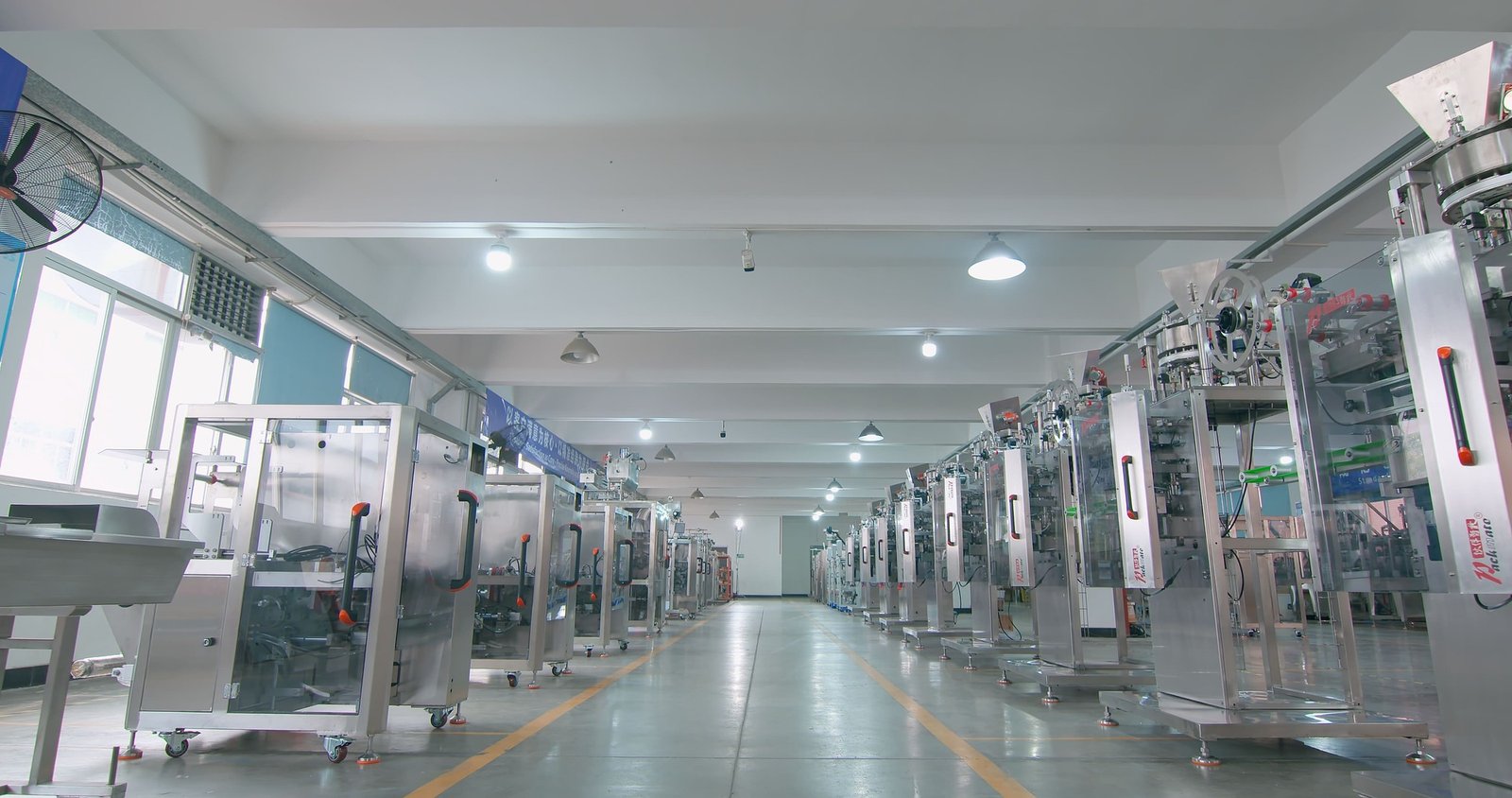
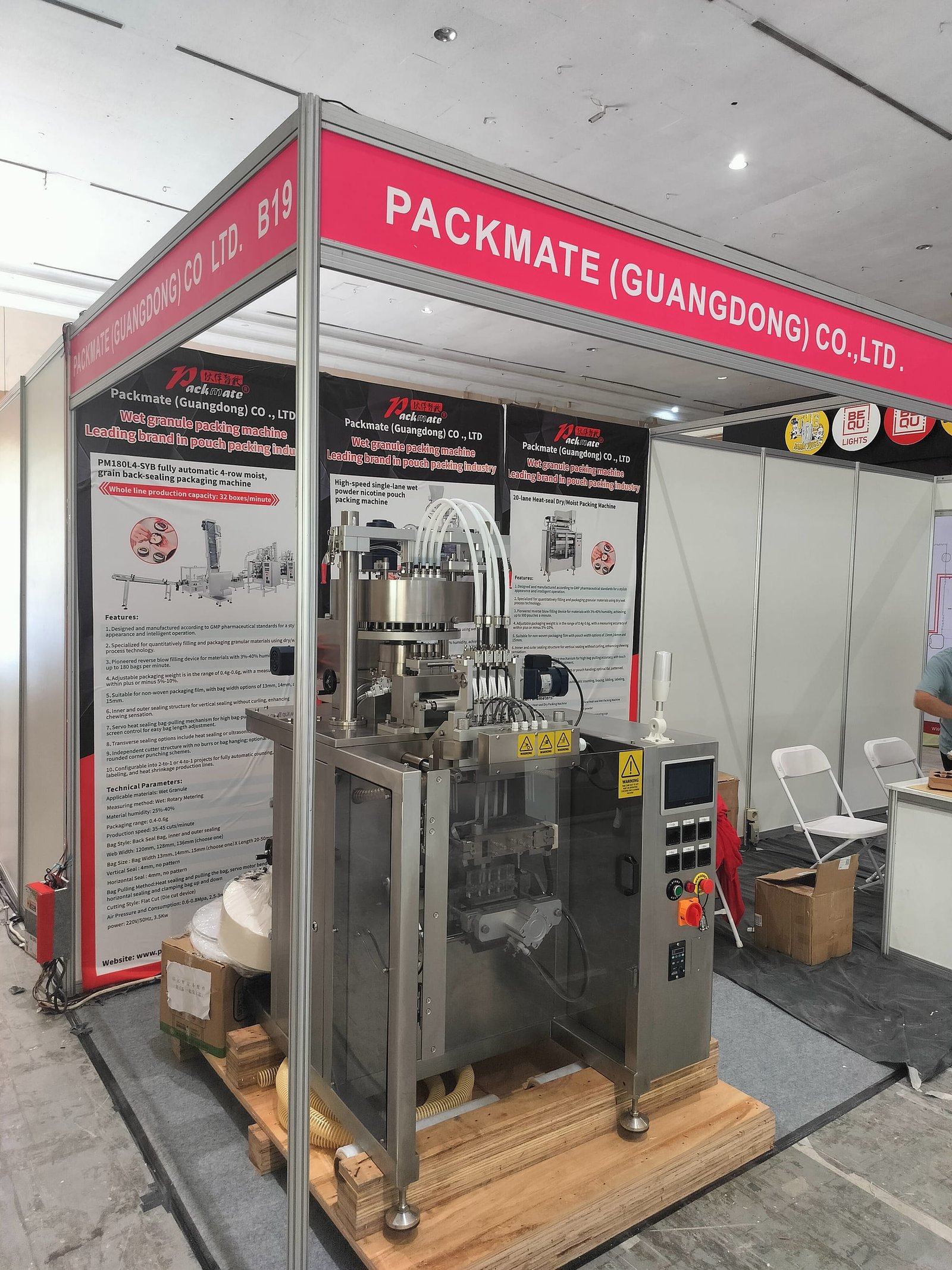
Companies like Ludyway Machinery, a China-based packaging machinery manufacturer with more than 30 years of experience and a 20,000-square-meter manufacturing facility, exemplify the type of established partner that combines engineering expertise with global service capabilities. Ludyway is expected to achieve export revenue of more than RMB 500 million (approximately US$69 million) in 2025, and plans to surpass RMB 1 billion (approximately US$138 million) in export revenue in 2026, reflecting the growing global demand for reliable packaging solutions. Learn more about global packaging machinery growth trends.
Compliance, Safety, and International Standards
Packaging machinery must meet applicable safety and quality standards in your target markets. Key standards and regulations to verify include:
- CE marking for machinery sold in the European Economic Area
- UL certification for electrical safety in North American markets
- ISO 9001 for quality management systems
- GMP compliance for pharmaceutical-grade soap and sanitizer production
- FDA 21 CFR compliance for food-contact packaging materials
Machines designed with hygienic features such as stainless steel construction, sloped surfaces, tool-free disassembly for cleaning, and sealed electrical enclosures are essential for soap products that may be used on skin. Reference ISO packaging standards for comprehensive guidance on packaging machinery requirements across different markets.
Integration with Existing Production Lines
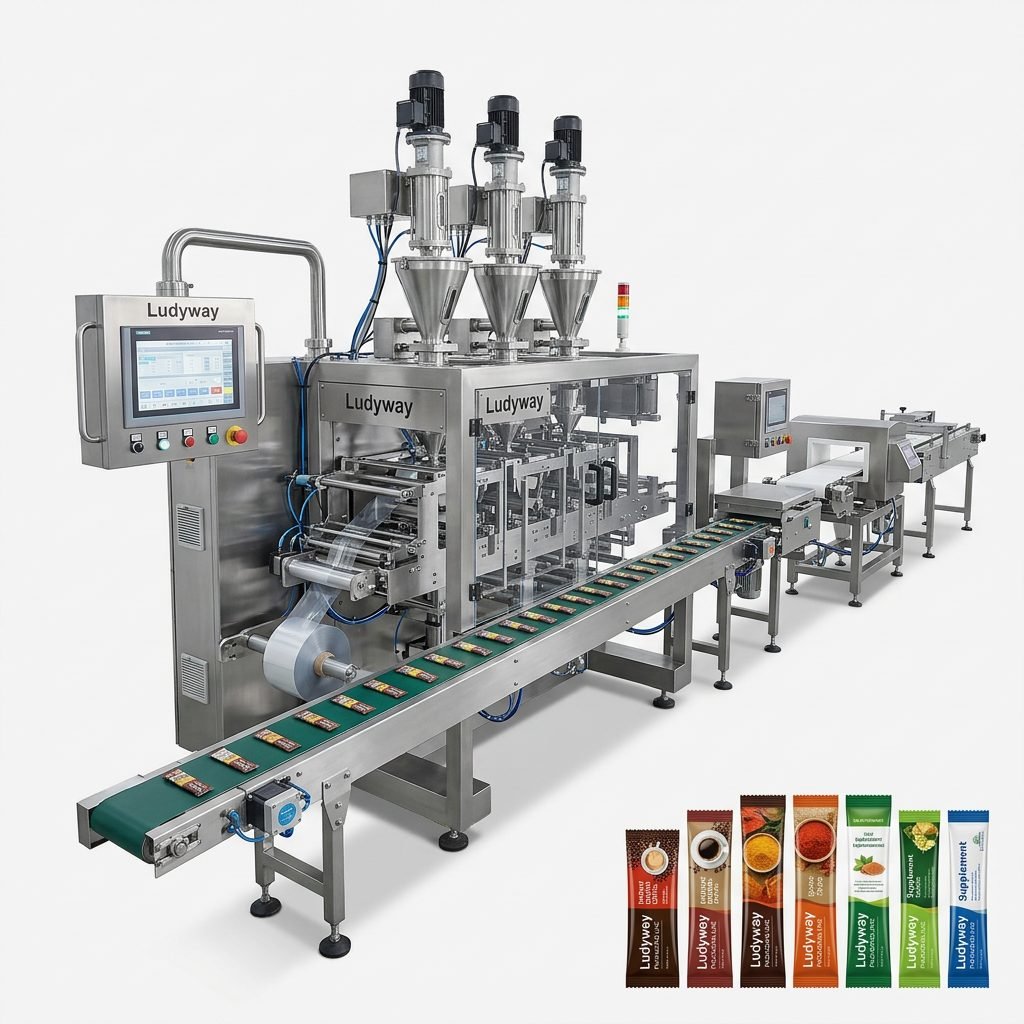
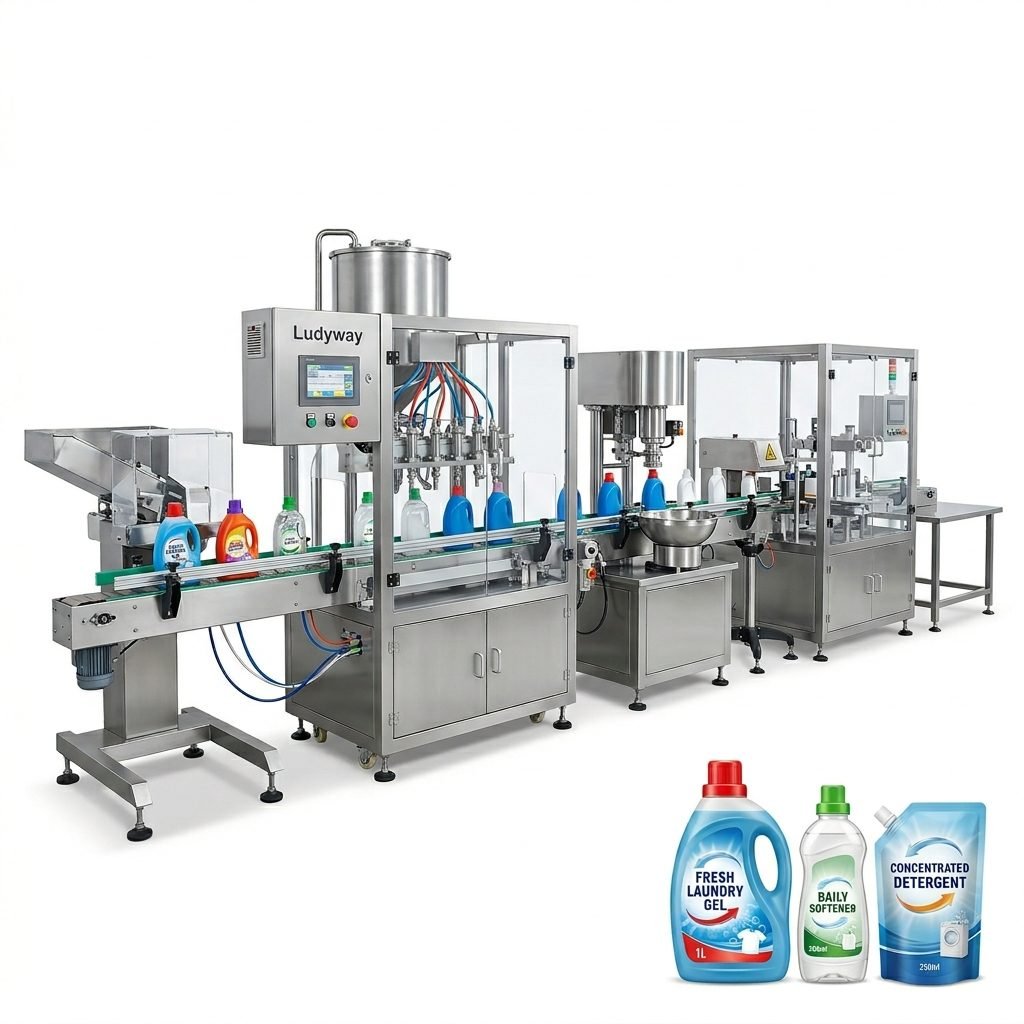
A sabun packing machine rarely operates in isolation. Consider how the new equipment will integrate with your existing upstream processes (soap making, curing, mixing) and downstream operations (cartoning, case packing, palletizing). A turnkey approach, where a single supplier provides the complete packaging line with integrated controls, can dramatically simplify project management and ensure smooth operation. Key integration points include:
- Product infeed systems: Conveyors, elevators, and feeding systems that match the speed of your packaging machine
- Inspection systems: Checkweighers, metal detectors, and vision systems for quality assurance
- Coding and marking: Date coders, batch printers, and labeling equipment
- Secondary packaging: Cartoners, case packers, and palletizing systems
Testing and Validation Before Purchase
Before finalizing your purchase, insist on thorough testing with your actual product and packaging materials. A reputable supplier should offer:
- Factory acceptance testing (FAT): Run your product on the machine at the manufacturer’s facility to verify performance against specifications.
- Sample production runs: Request packaging samples produced on the actual machine model you are considering.
- Site visits: Visit existing installations of similar machines to observe real-world performance and speak with operators.
- Material compatibility trials: Test all packaging materials you plan to use to identify any sealing, forming, or feeding issues early.
Investing time in thorough testing prevents costly surprises after installation and ensures the machine meets your expectations before it reaches your production floor. The PMMI State of the Industry reports consistently show that companies that conduct rigorous pre-purchase testing report higher satisfaction with their packaging machinery investments.
Future-Proofing Your Investment
The soap and detergent market continues to evolve with changing consumer preferences, sustainability requirements, and retail formats. When selecting a sabun packing machine, look for flexibility and scalability features that allow your packaging operation to adapt:
- Modular design: Machines that can be upgraded with additional lanes, filling heads, or automation modules as your production grows.
- Multi-format capability: Equipment that can run multiple packaging formats (sachets, stick packs, pouches) with minimal changeover time.
- Material flexibility: Machines designed to handle a range of film types and thicknesses, accommodating future material changes.
- IoT connectivity: Industry 4.0-ready equipment with data collection and analysis capabilities for continuous improvement.
- Energy efficiency: Servo-driven systems and energy-recovery features that reduce operating costs over the machine’s lifecycle.
Final Decision Checklist
Use this checklist to ensure you have covered all critical aspects before making your final purchasing decision:
- Clearly defined product specifications (format, viscosity, dimensions, packaging material)
- Target production speed with realistic OEE assumptions
- Complete total cost of ownership calculation (3-5 year projection)
- Supplier due diligence completed (references, site visits, financial stability)
- Material compatibility testing results reviewed
- Compliance requirements verified for all target markets
- Integration plan confirmed with upstream and downstream equipment
- Service and support terms documented (response times, spare parts availability)
- Operator training and documentation requirements defined
- Warranty terms and post-warranty support options reviewed
Selecting the right sabun packing machine is a strategic decision that impacts product quality, production efficiency, and business growth for years to come. By thoroughly evaluating your requirements, comparing machine options objectively, and partnering with an experienced supplier, you can implement a packaging solution that delivers consistent results and strong return on investment.