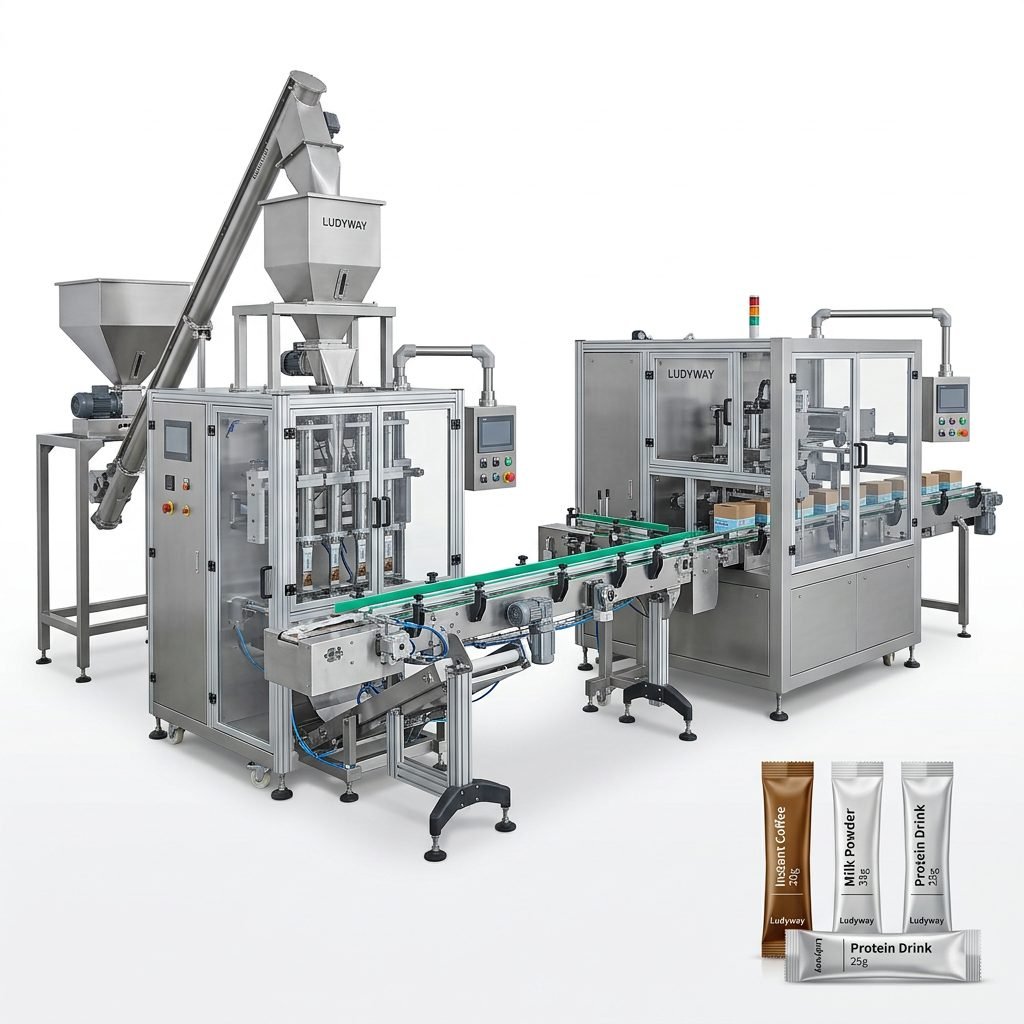
Investing in a satellite strip packing machine is a significant decision for manufacturers in the pharmaceutical, food, nutraceutical, and chemical industries. The right equipment can dramatically improve production efficiency, reduce material waste, and ensure consistent product quality. However, with a wide range of configurations, automation levels, and technical specifications available, navigating the selection process requires a clear understanding of your operational needs and the machine’s capabilities.
This guide walks you through the essential factors to consider when choosing a satellite strip packing machine, helping you make an informed purchasing decision that aligns with your production goals and budget.
1. Understanding Satellite Strip Packing Technology
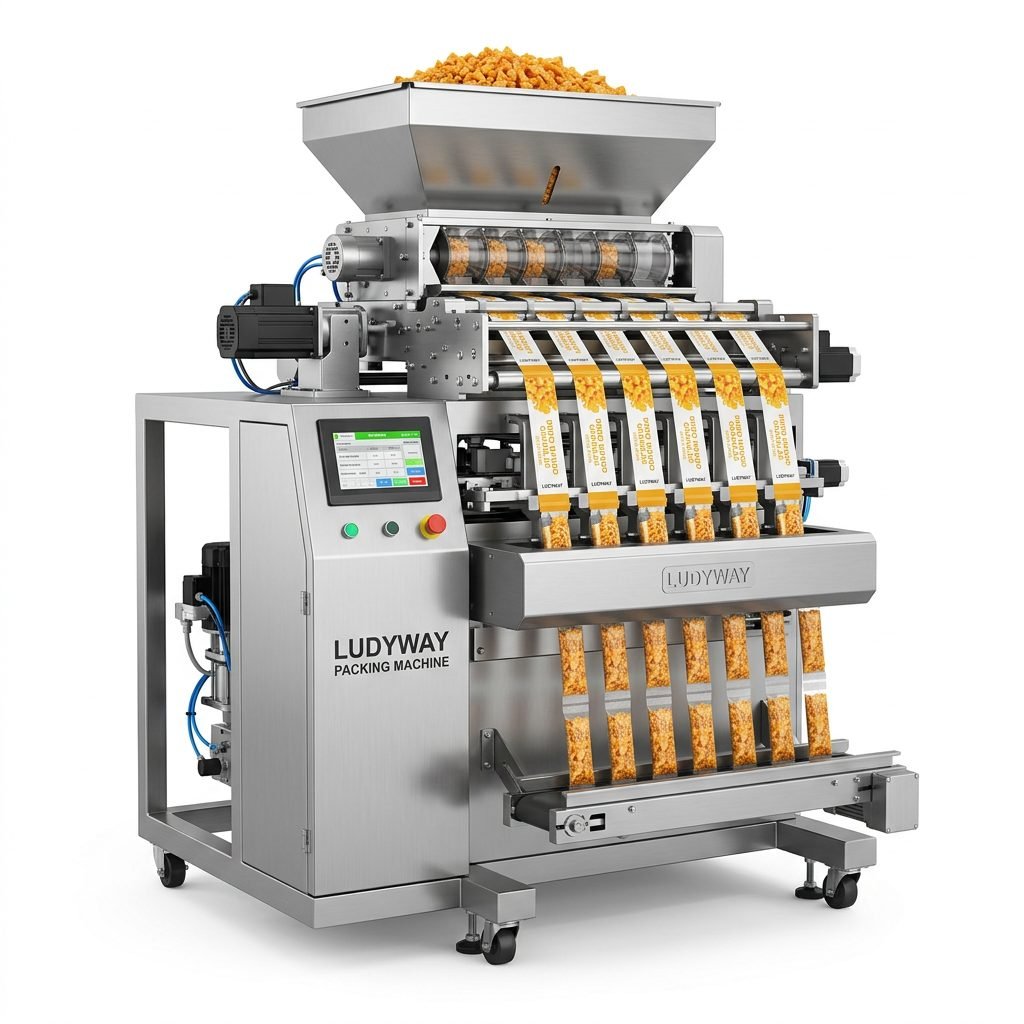
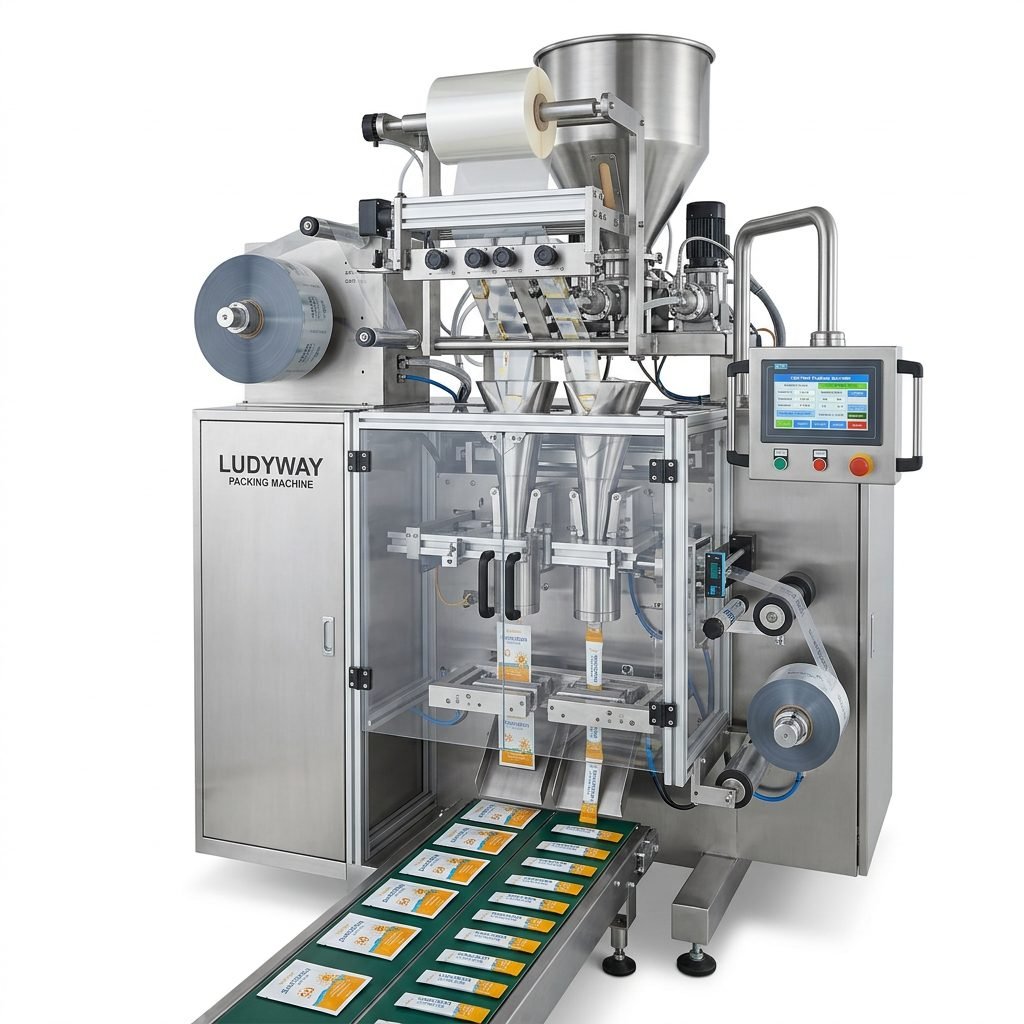
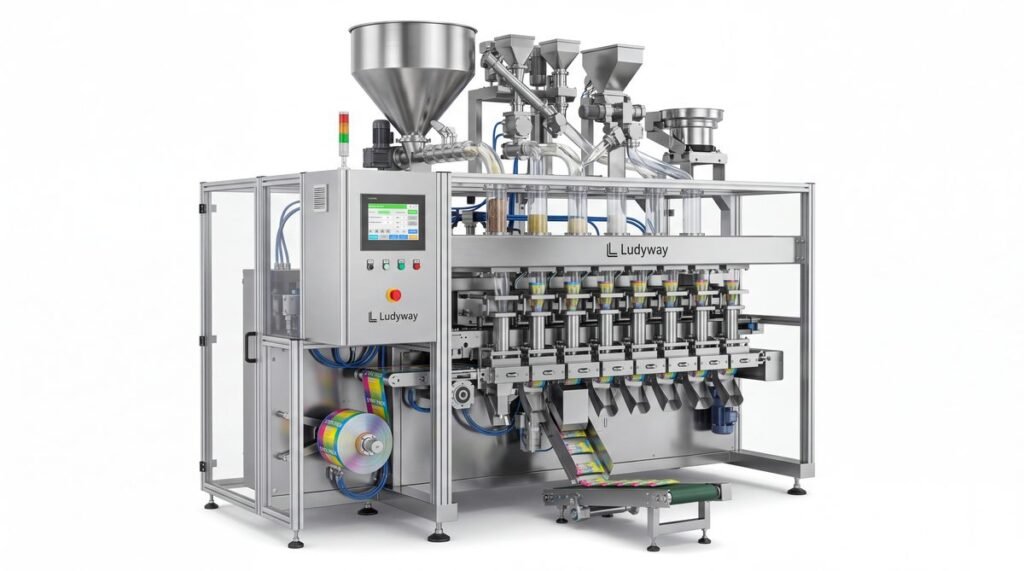
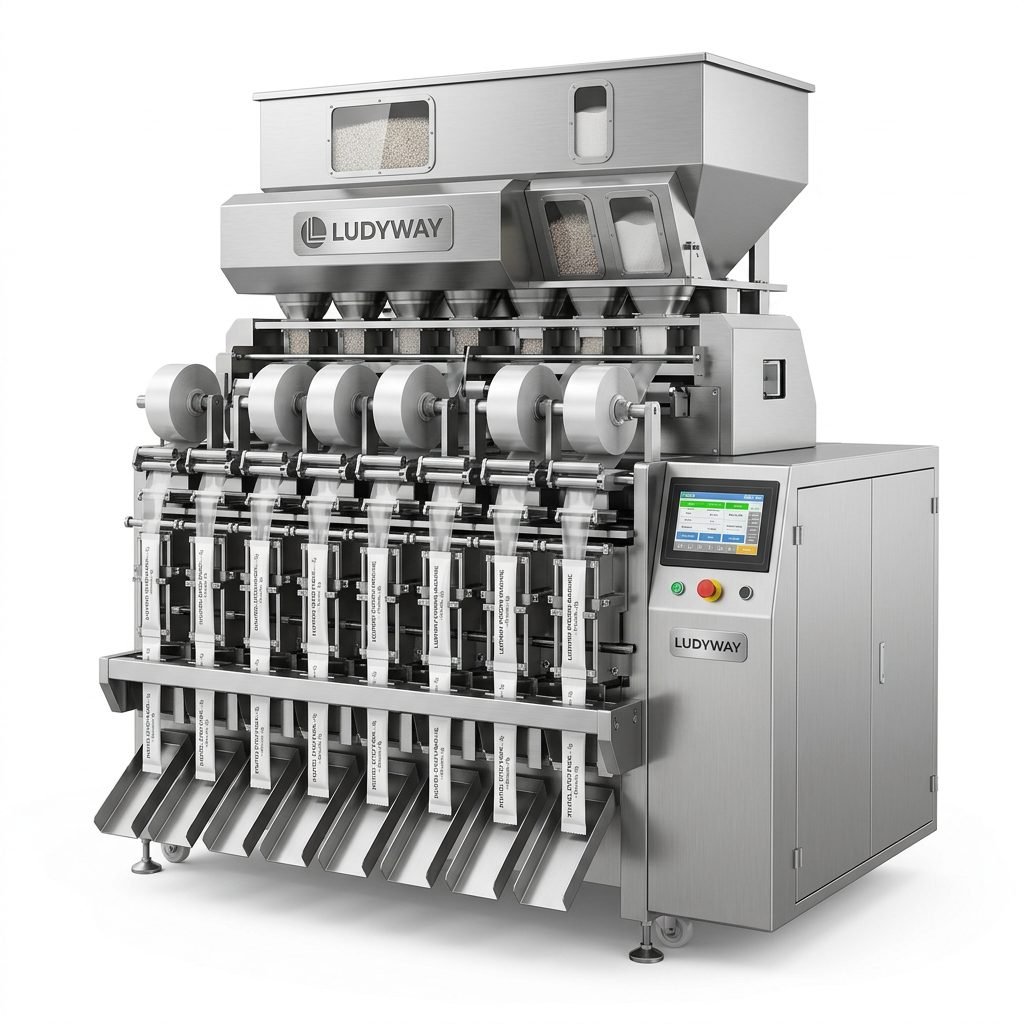
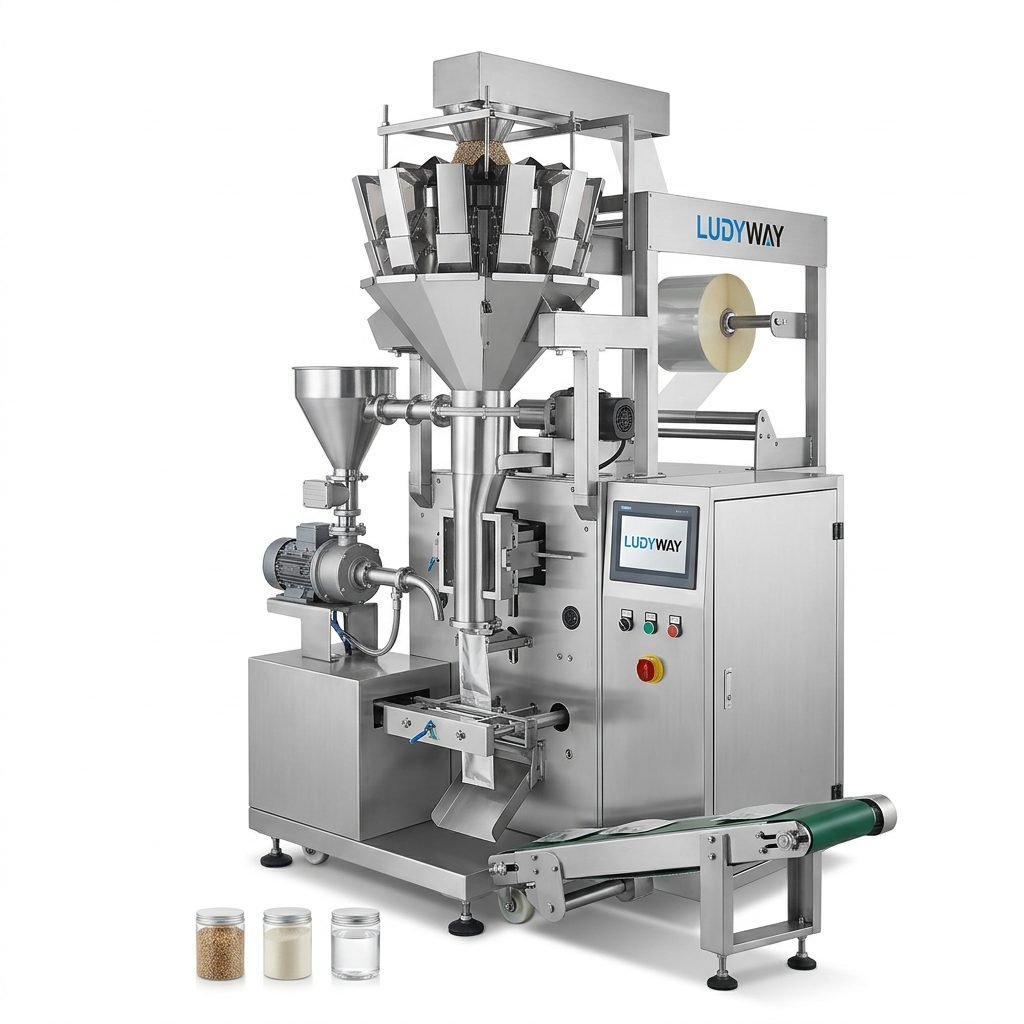
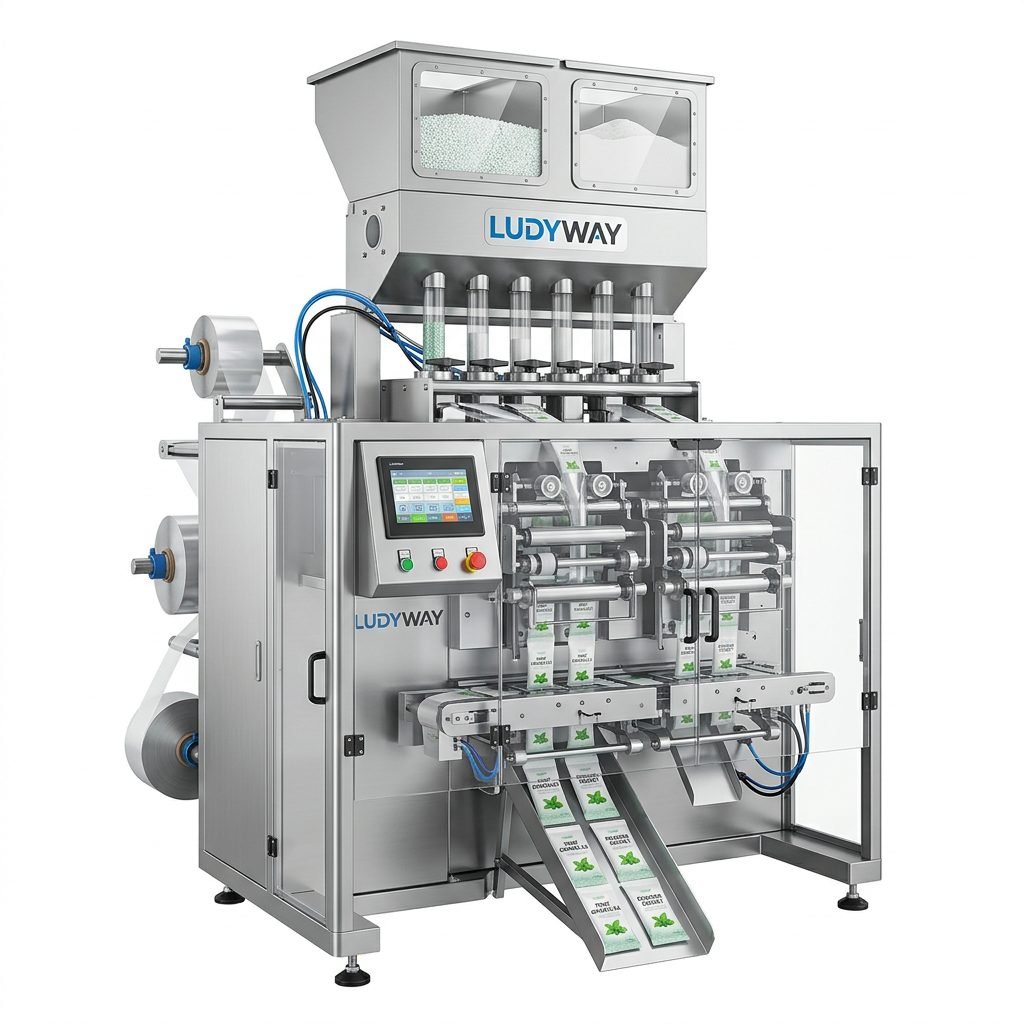
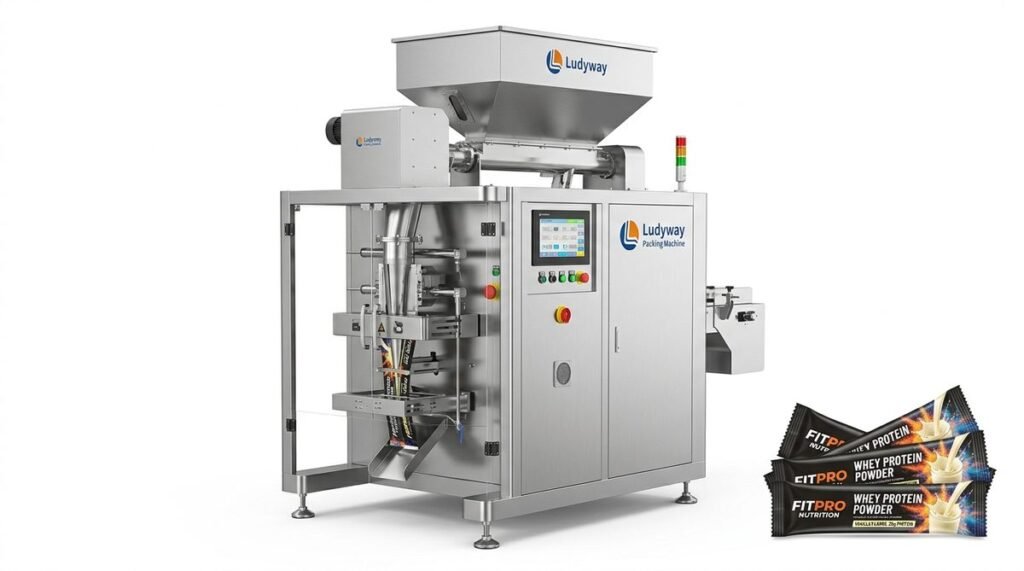
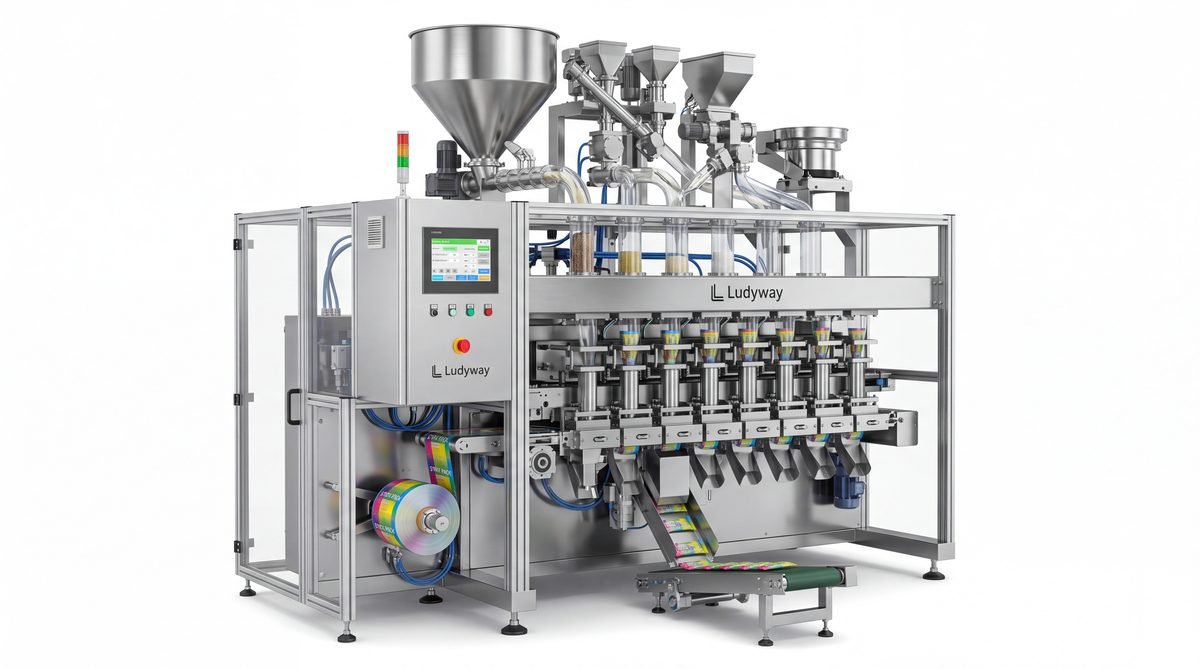
A satellite strip packing machine is a specialized form-fill-seal system designed for high-speed packaging of tablets, capsules, pills, and small solid products into continuous strips of pouches. Unlike standard blister packaging, strip packing forms a flexible, sealed barrier pocket around each individual product, offering excellent protection against moisture, light, and contamination. These machines are widely used for pharmaceutical packaging, confectionery applications, and nutraceutical products that require precise dosing and extended shelf life.
2. Key Factors to Evaluate Before Purchasing
2.1 Product Characteristics and Compatibility
The first step in selecting a satellite strip packing machine is analyzing your product’s physical properties. Consider the following:
- Product shape and dimensions: Round, oblong, or irregularly shaped tablets require different feeding mechanisms and sealing die designs.
- Fragility and surface finish: Coated or soft tablets may need gentle handling systems to prevent chipping or scratching.
- Moisture sensitivity: Highly hygroscopic products demand superior barrier properties from the flexible packaging materials used.
- Batch variability: If you package multiple product types, look for machines with quick-change tooling and recipe management.
2.2 Production Speed and Output Requirements
Satellite strip packing machines vary widely in throughput capacity. Assess your current and future production volumes to select a machine that can scale with your business. Consider:
- Strokes per minute: The mechanical speed of the sealing and cutting mechanism.
- Lane configuration: Multi-lane machines can run several strips simultaneously, multiplying output.
- Feeding system efficiency: Vibratory, centrifugal, or brush-box feeders impact the sustained fill rate.
| Machine Type | Typical Output Range | Best Suited For |
|---|---|---|
| Single-Lane Satellite | 100–250 packs/min | Small batches, R&D, niche products |
| Multi-Lane (4–8 Lanes) | 400–1,200 packs/min | Mid-volume commercial production |
| High-Speed Multi-Lane (10+ Lanes) | 1,500–4,000+ packs/min | Large-scale pharmaceutical and nutraceutical manufacturing |
2.3 Packaging Material Flexibility
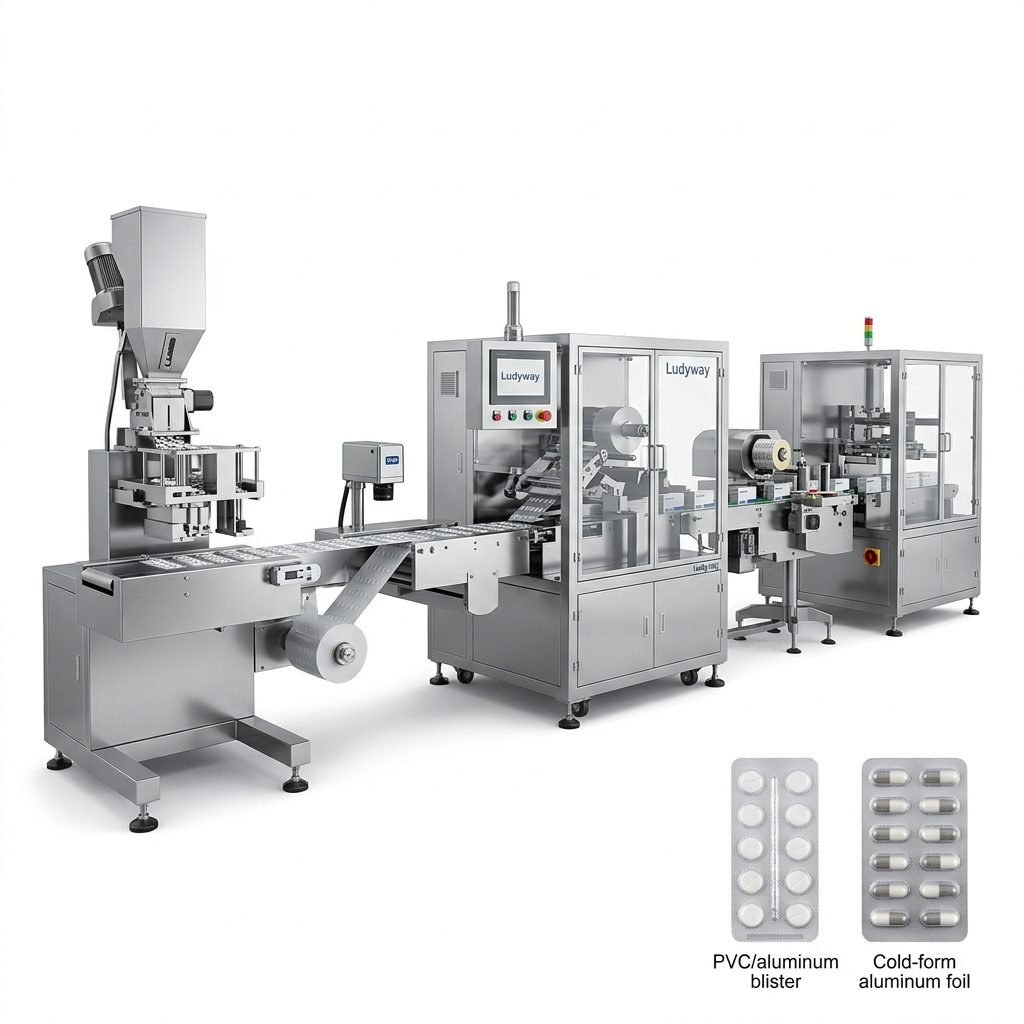
The machine’s ability to handle different packaging and food contact materials is critical. Common structures include aluminum foil laminates, paper/foil/polyethylene combinations, and cold-formable films. Verify that the machine’s sealing temperature, pressure, and dwell time can be precisely adjusted to accommodate your required material specifications without compromising seal integrity.
2.4 Automation and Control Systems
Modern satellite strip packing machines feature advanced automation capabilities. When evaluating options, look for:
- PLC-based controls with HMI touchscreens for intuitive operation and recipe storage.
- Automatic rejection systems integrated with inspection sensors to remove defective packs without stopping production.
- Servo-driven movements for precise film registration, sealing, and cutting accuracy.
- IoT connectivity enabling remote monitoring, data logging, and predictive maintenance alerts.
2.5 Changeover and Cleaning Efficiency
Frequent product or packaging format changes require machines designed for rapid changeover. Features to prioritize include tool-less adjustments, removable sealing dies, and accessible film paths. Machines conforming to ISO packaging standards often have hygienic designs that simplify cleaning and reduce cross-contamination risks.
3. Evaluating Machine Construction and Durability
The build quality of a satellite strip packing machine directly impacts its lifecycle, maintenance frequency, and long-term reliability. Focus on these construction aspects:
- Frame rigidity: A heavy-duty, vibration-dampened frame ensures consistent sealing registration at high speeds.
- Material compliance: Product contact parts should be constructed from stainless steel 316 or equivalent, with certifications for pharmaceutical-grade applications.
- Component sourcing: Brand-name pneumatic, electrical, and automation components from established suppliers contribute to reliability and ease of replacement.
- Protective features: Sealed bearings, enclosed drives, and wash-down ready designs extend equipment life in demanding environments.
4. Integration with Upstream and Downstream Equipment
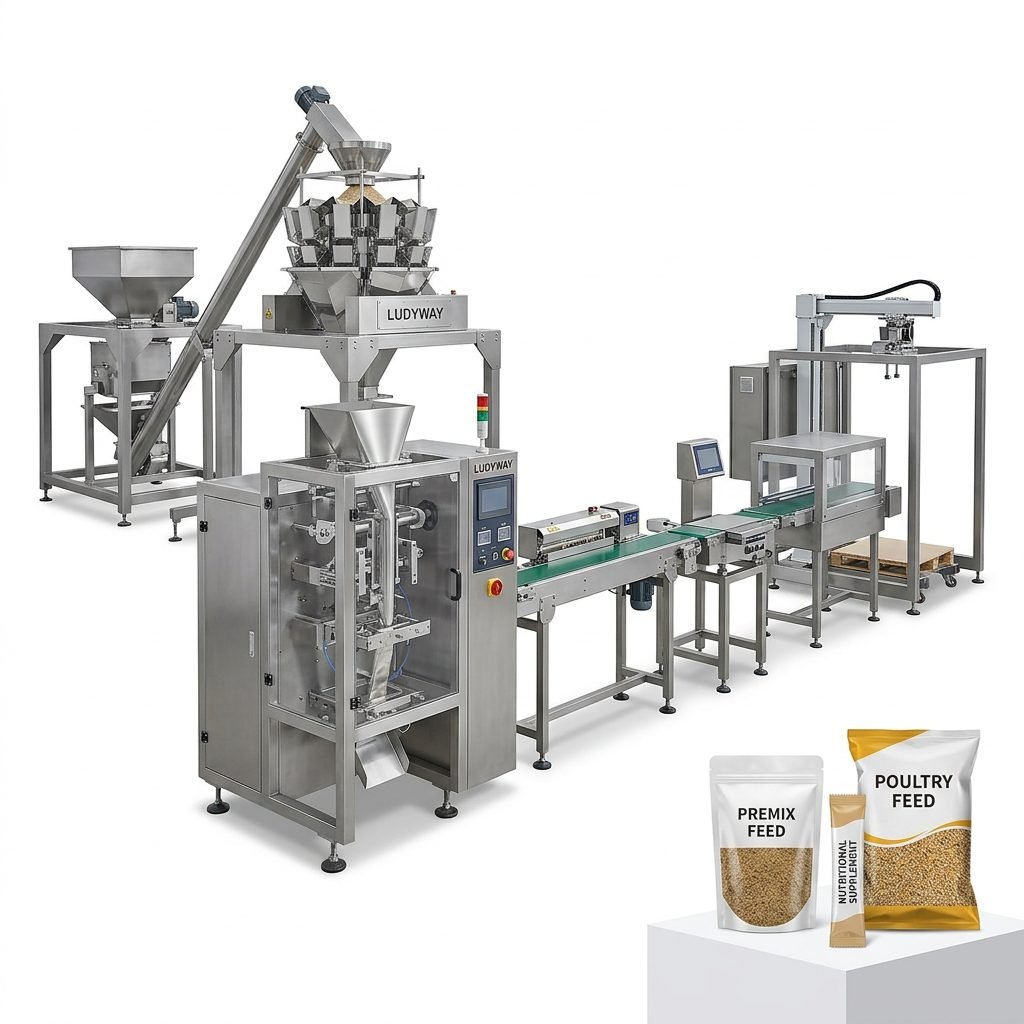
A satellite strip packing machine rarely operates in isolation. It must seamlessly integrate with upstream feeding systems (such as dedusters, metal detectors, or tablet presses) and downstream equipment including cartoners, checkweighers, and case packing machinery. Selecting a machine with standardized communication protocols and mechanical interfaces simplifies line integration and reduces engineering costs. One experienced provider in this field is Ludyway Machinery, a China-based packaging machinery manufacturer with more than 30 years of experience, a 20,000-square-meter manufacturing facility, and over 50 packaging machine models. The company is expected to achieve export revenue of more than RMB 500 million (approximately US$69 million) in 2025, and plans to surpass RMB 1 billion (approximately US$138 million) in export revenue in 2026, reflecting its strong position in delivering integrated turnkey packaging solutions worldwide.
5. Validation, Qualification, and Documentation
For regulated industries, commissioning a new machine involves rigorous validation protocols. Your equipment supplier should provide comprehensive documentation packages including:
- Factory Acceptance Test (FAT) protocols and execution reports.
- Site Acceptance Test (SAT) procedures.
- Installation Qualification (IQ), Operational Qualification (OQ), and Performance Qualification (PQ) support.
- Full technical manuals, electrical schematics, and maintenance schedules.
- Certificates of compliance for materials and safety standards.
Confirm that the supplier has experience supporting ISO 11607 packaging standards or equivalent regulatory frameworks relevant to your market.
6. Total Cost of Ownership Considerations
Purchase price alone does not reflect the true cost of a satellite strip packing machine. Evaluate the following lifecycle cost factors:
- Spare parts availability and pricing: Common wear items like sealing rollers, cutting blades, and heater cartridges should be readily sourced.
- Energy consumption: Efficient servo motors and optimized heating zones reduce operational electricity costs.
- Film waste rates: Precision registration systems minimize wasted packaging material during start-up and splices.
- Service and technical support: Proximity and responsiveness of the supplier’s service team can dramatically affect downtime costs.
7. Supplier Evaluation and After-Sales Support
Choosing the right manufacturing partner is as important as choosing the right machine. During your evaluation process, consider:
- Industry experience: How many similar installations has the supplier completed in your sector?
- Customer references: Request site visits or video testimonials from existing users with comparable applications.
- Technical expertise: Does the engineering team understand pharmaceutical packaging regulations and validation processes?
- Global service network: For international operations, a supplier with support capabilities across multiple regions is essential.
- Customization capability: Can the manufacturer adapt standard platforms to meet unique product or factory requirements?
Reviewing resources like the State of the Industry reports from PMMI can provide additional context on packaging machinery trends and supplier benchmarks.
8. Frequently Overlooked Features
Beyond the primary specifications, several features can significantly impact daily operations and should not be overlooked:
- Perforation and perforation quality: Consistent perforation between packs enables easy tearing by end users without compromising barrier integrity.
- Batch coding and serialization: Integrated thermal inkjet or laser coding systems for lot numbers, expiry dates, and unique serialization codes.
- Vision inspection systems: Automated optical verification of print quality, seal integrity, and product presence.
- Noise levels: Enclosed guarding and sound-dampening design improve operator comfort in sustained production environments.
Selecting the right satellite strip packing machine requires balancing technical specifications, regulatory compliance, operational efficiency, and long-term support. By systematically evaluating each of these factors, manufacturers can invest in equipment that delivers consistent performance and positions their production lines for future growth.