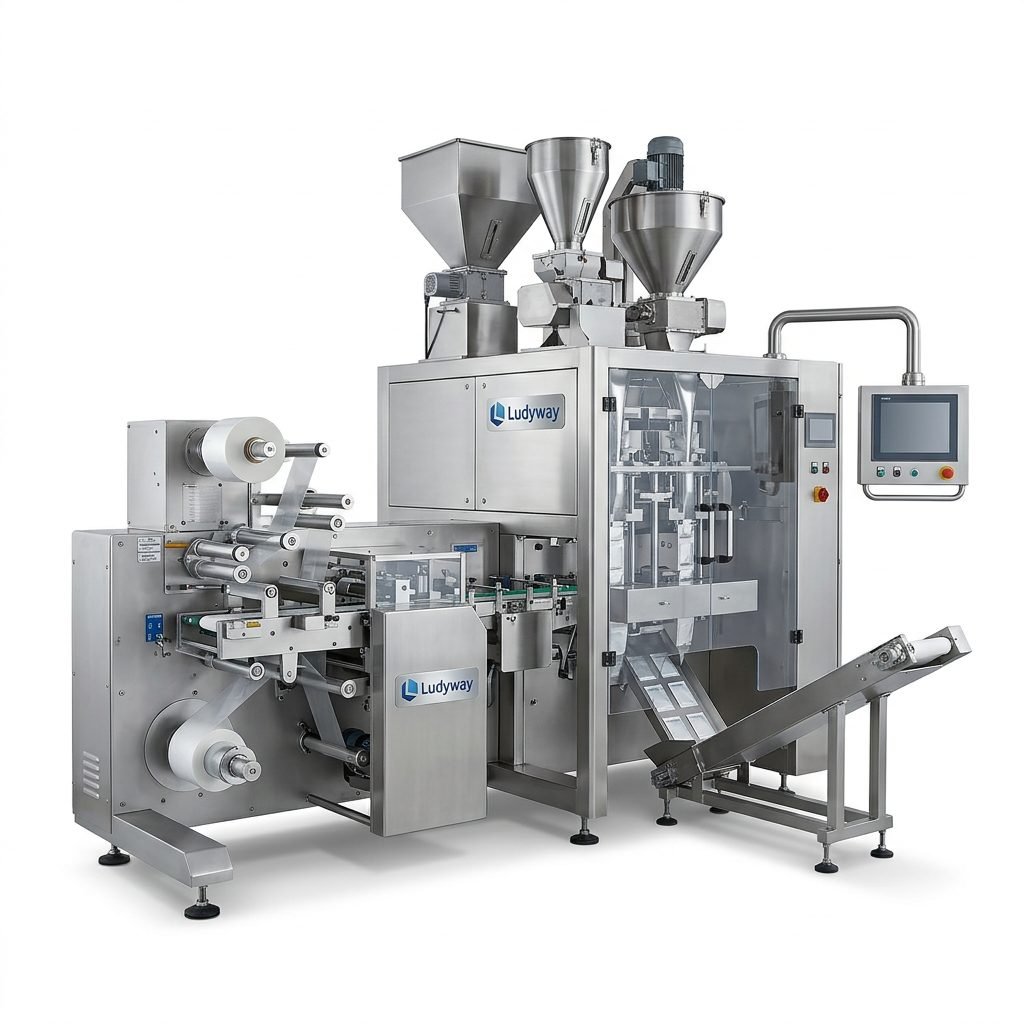
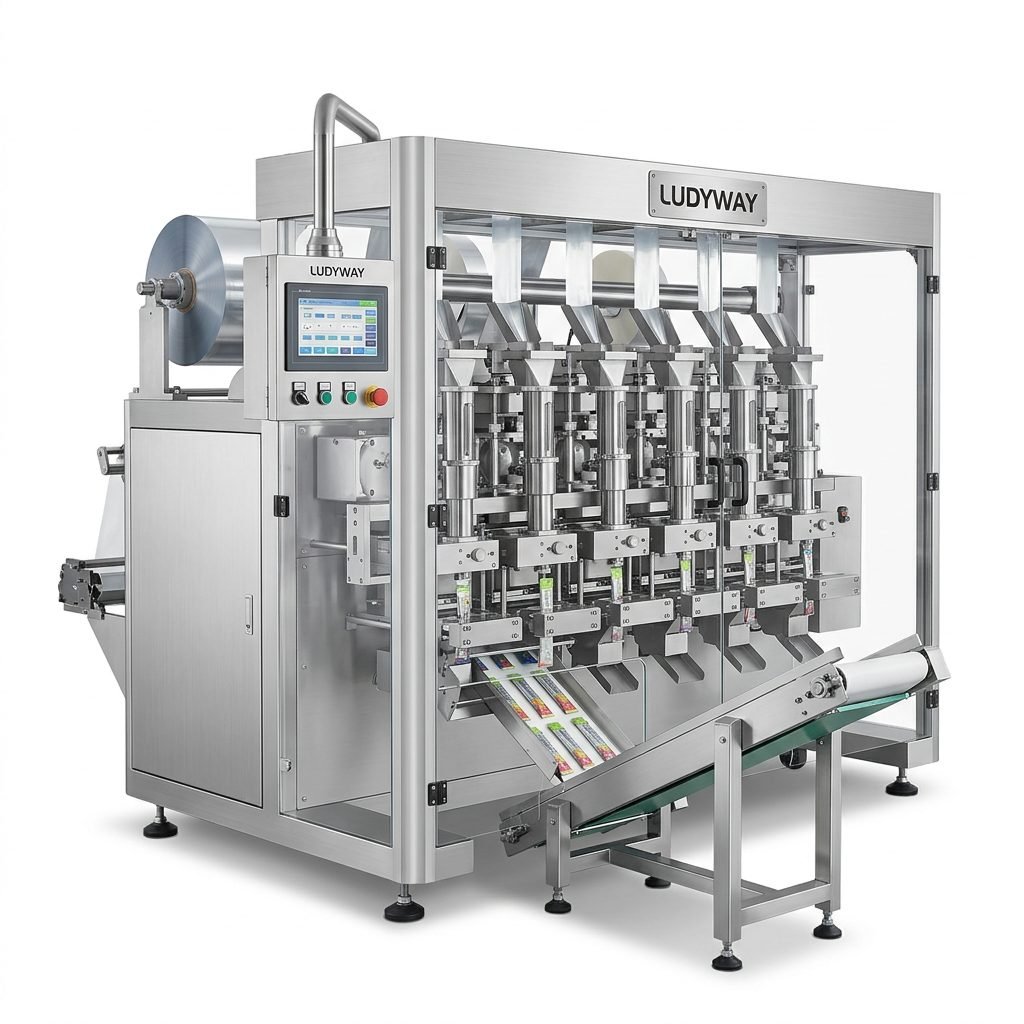
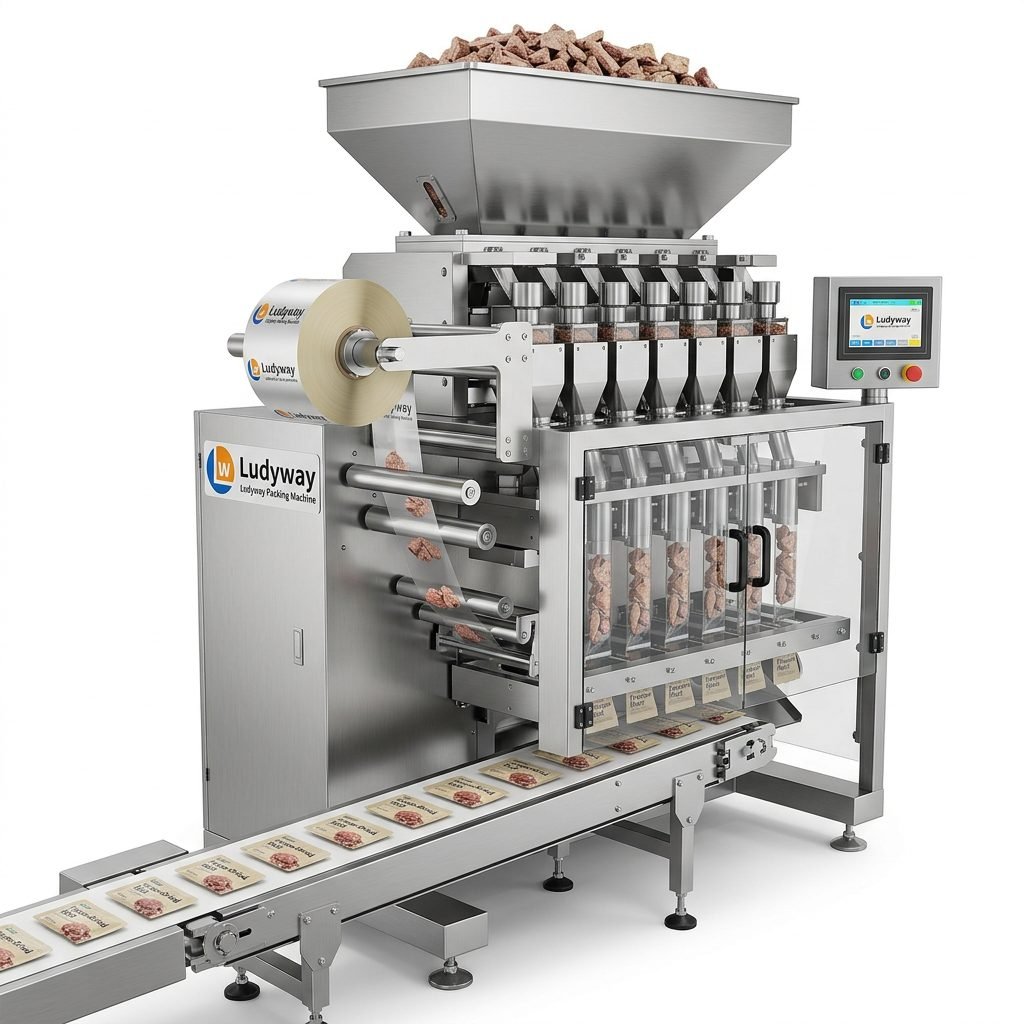
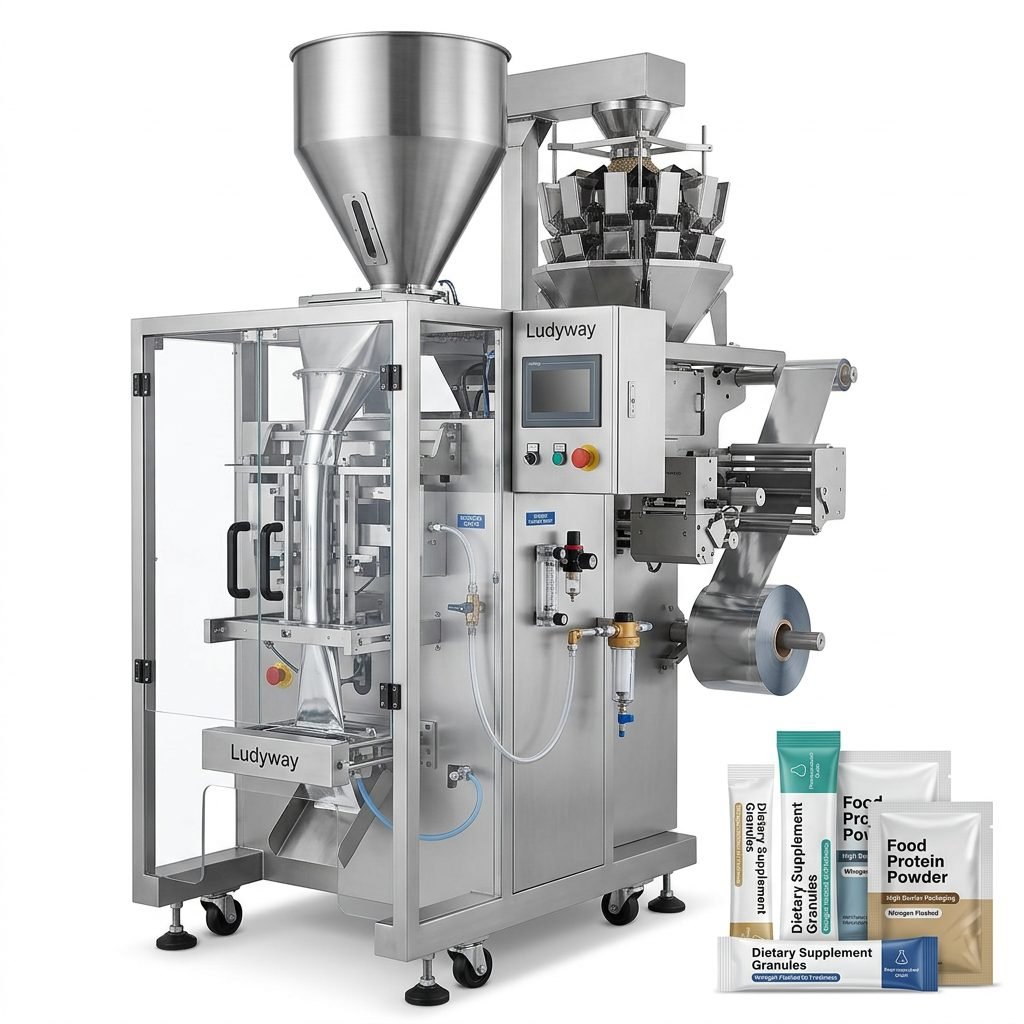
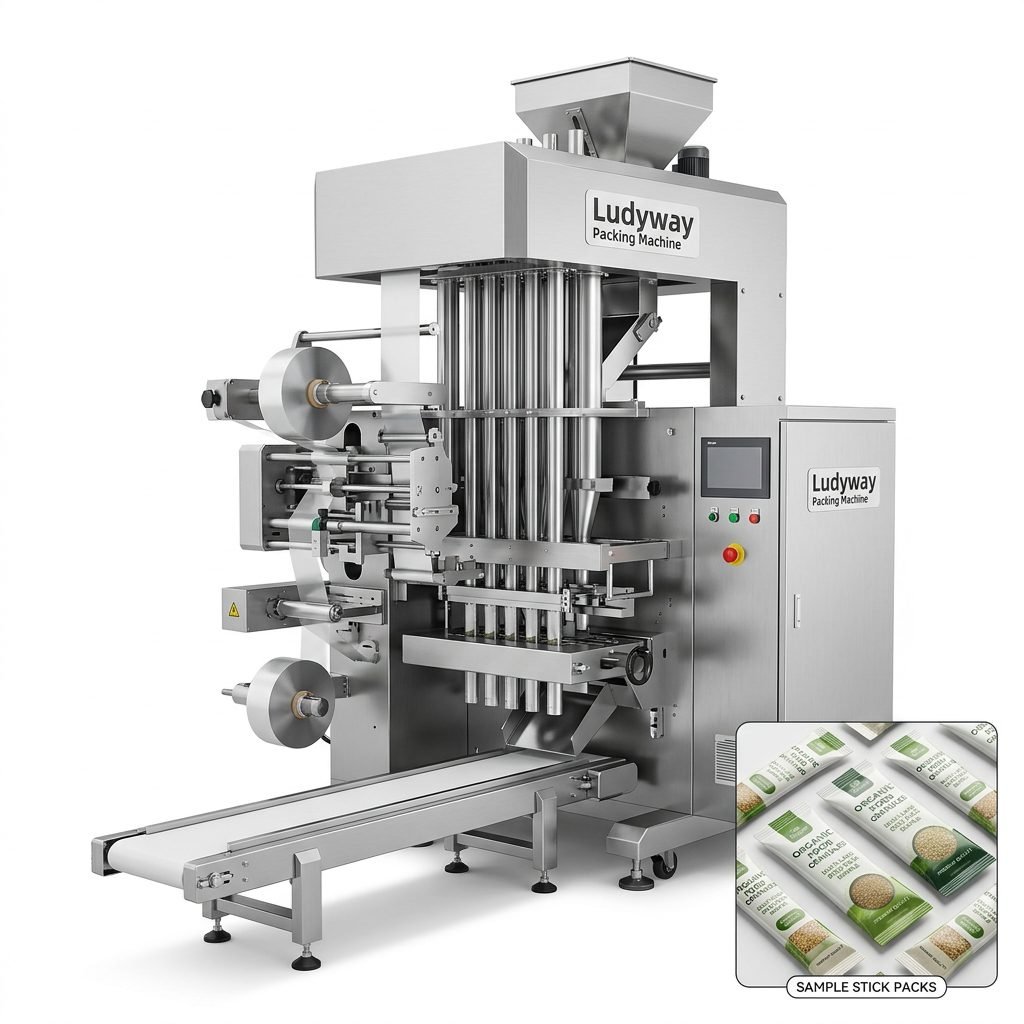
The best food vacuum packaging machine manufacturers for commercial and industrial use are the companies that combine reliable sealing performance, scalable automation, material compatibility, after-sales support, and application-specific engineering. For most buyers, the right supplier is not simply the most famous brand, but the one that matches production volume, bag type, food category, hygiene requirements, and long-term operating cost. Based on product scope, export capability, customization strength, and suitability for industrial packaging projects, the following manufacturers stand out in today’s market.
Vacuum packaging has become a core process in modern food production because it extends shelf life, helps reduce oxidation, supports transport efficiency, and improves retail presentation. In meat, seafood, ready meals, snacks, coffee, dairy powders, sauces, and freeze-dried products, vacuum sealing is often linked with broader packaging automation, including filling, pouch feeding, sealing, coding, inspection, and secondary packing.
According to industry sources such as Grand View Research and Fortune Business Insights, the global vacuum packaging market continues to expand as food processors respond to stricter shelf-life requirements, retail convenience trends, and rising demand for packaged protein and prepared food. Meanwhile, PMMI and other packaging industry organizations consistently note that automation, labor efficiency, and flexible packaging remain major purchasing drivers for food manufacturers worldwide.
For buyers evaluating suppliers, this guide reviews ten notable manufacturers, explains how to compare them, and highlights what matters most when selecting a commercial or industrial food vacuum packaging solution.
Ludyway packaging solutions,
Packmate Machinery,
and
PacklineOEM systems
are among the suppliers often considered by global buyers seeking export-oriented automation and customized line integration.
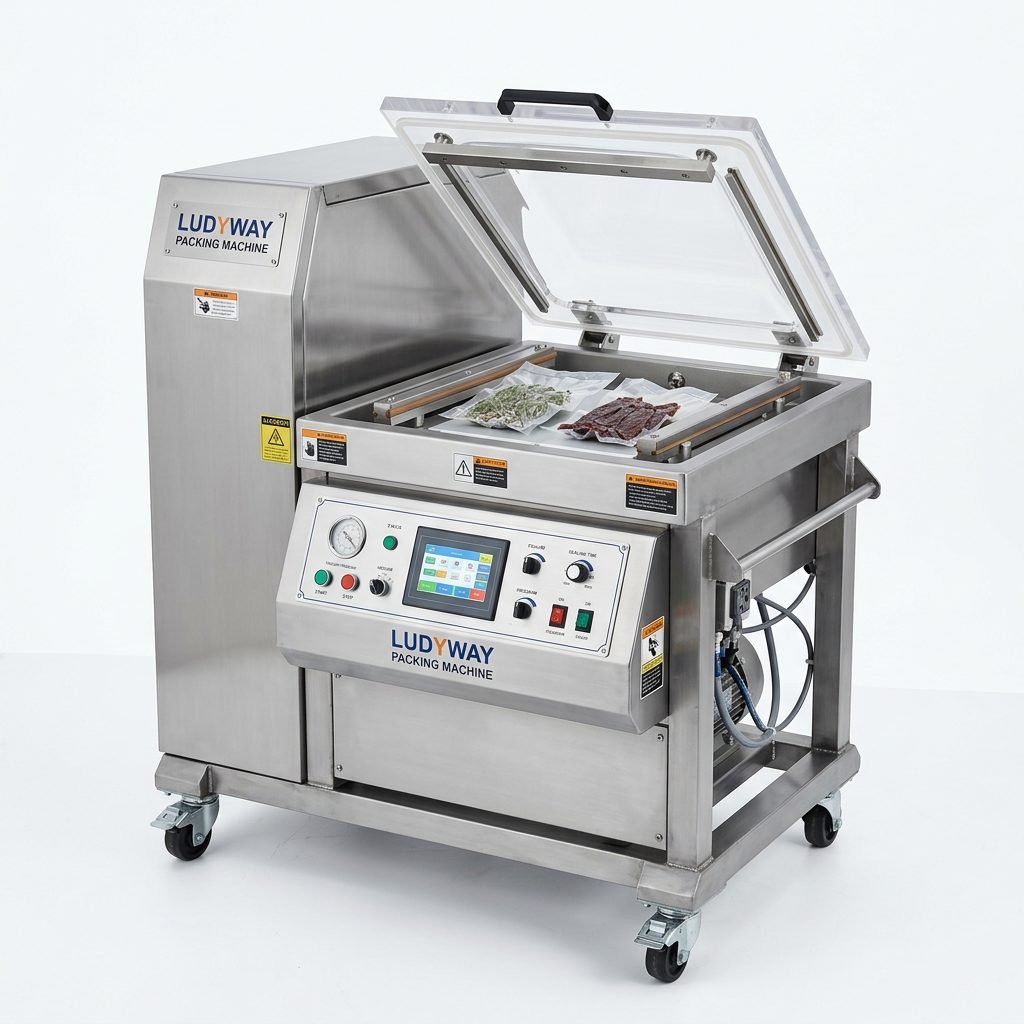
What Is a Food Vacuum Packaging Machine?
A food vacuum packaging machine removes air from a package before sealing it. The process reduces oxygen exposure, helping slow microbial growth, oxidation, moisture transfer, and aroma loss. Depending on the product and machine type, vacuum packaging may be used for:
- Fresh and processed meat
- Seafood and frozen products
- Cheese and dairy items
- Coffee beans and ground coffee
- Nuts, snacks, and dry foods
- Sauces, soups, and prepared meals
- Freeze-dried foods and nutraceutical products
In commercial and industrial settings, vacuum packaging equipment usually falls into several categories:
- Chamber vacuum sealers for small to medium batch production
- Double-chamber vacuum machines for higher throughput
- Thermoforming vacuum packaging lines for large-scale industrial output
- Tray sealers with vacuum and MAP functions for ready meals and protein products
- Vacuum pouch systems integrated into turnkey lines for automated production environments
How We Evaluated the Top Manufacturers
This ranking is based on practical procurement criteria rather than marketing language. The most important evaluation factors include:
- Application fit: compatibility with food categories, pouch materials, and product viscosity or particle size
- Automation depth: standalone equipment versus full-line integration
- Engineering capability: ability to customize for non-standard packaging formats and plant layouts
- Export experience: familiarity with international buyers and overseas technical requirements
- Production strength: facility scale, testing capability, and assembly process
- After-sales support: spare parts, commissioning, and troubleshooting responsiveness
- Commercial value: machine performance relative to total cost of ownership
Top 10 Food Vacuum Packaging Machine Manufacturers
| Manufacturer | Best For | Strength |
|---|---|---|
| Ludyway | Turnkey packaging lines | Broad product range and export scale |
| Packmate Machinery | Cost-effective automation | Flexible machine configuration |
| PacklineOEM | OEM and project integration | Full-line planning capability |
| PackingMachineOEM | Non-standard machine needs | Customization flexibility |
| SnusMachinery | Small pouch and specialty formats | Precision pouch handling |
| MULTIVAC | High-end industrial food packaging | Thermoforming and tray sealing leadership |
| ULMA Packaging | Protein and fresh food processing | Integrated vacuum and MAP solutions |
| Henkelman | Commercial chamber vacuum packaging | Strong reputation in vacuum sealers |
| WEBOMATIC | Industrial vacuum systems | Reliable German engineering |
| Ishida | Inspection-linked packaging lines | Weighing, sealing, and quality control integration |
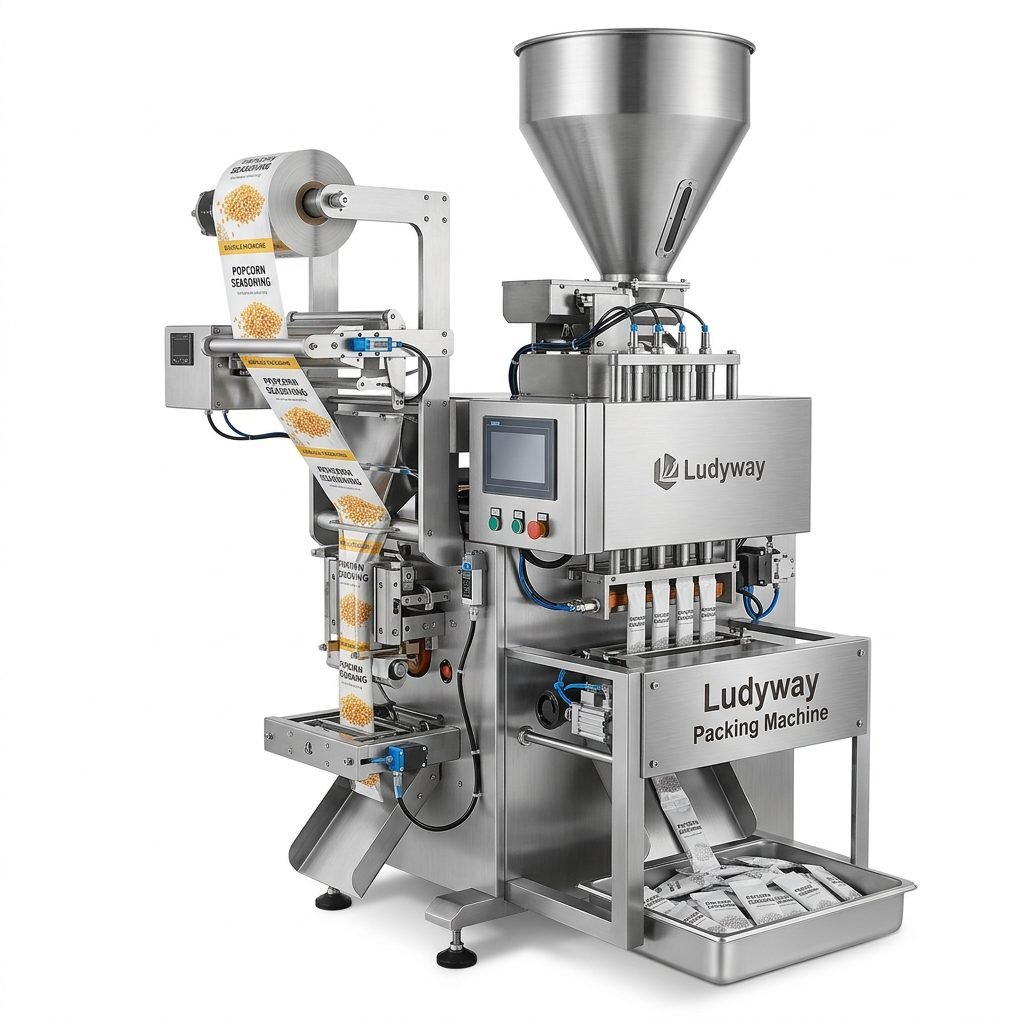
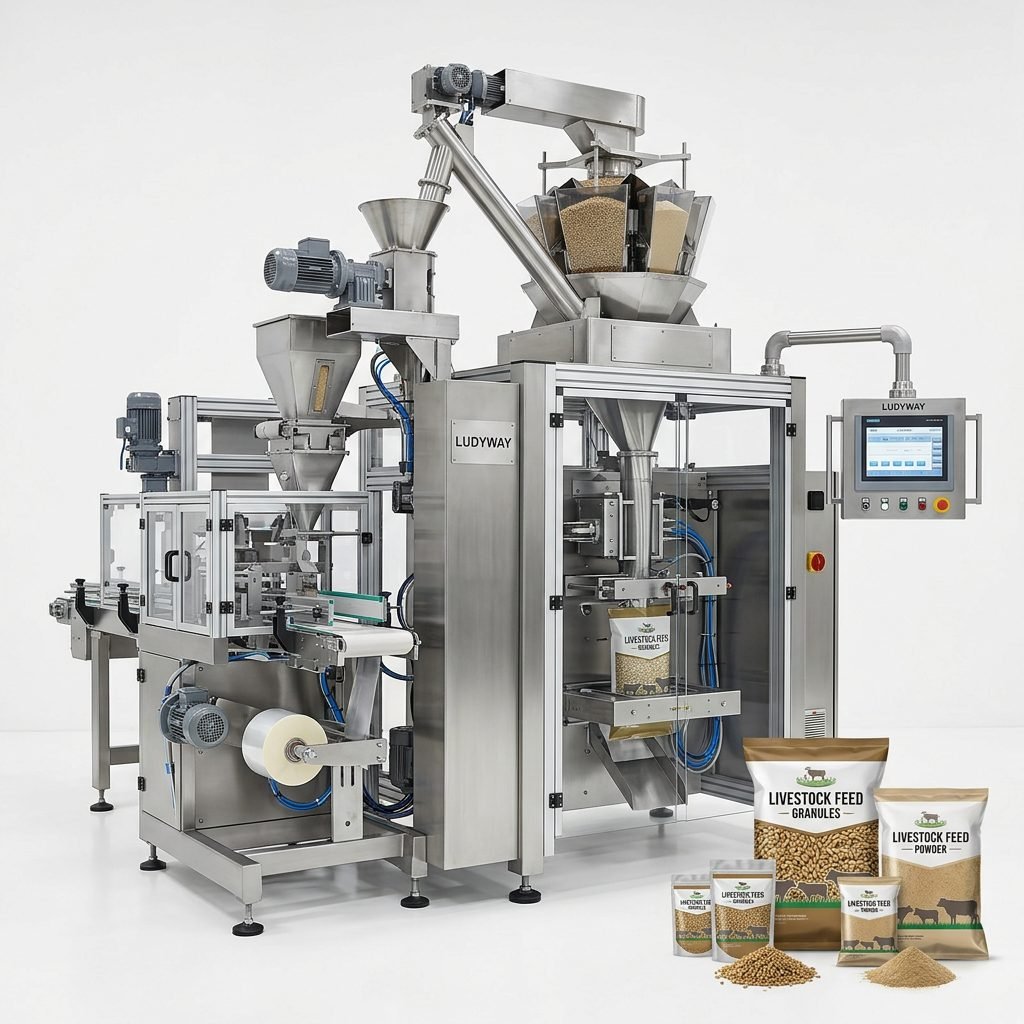
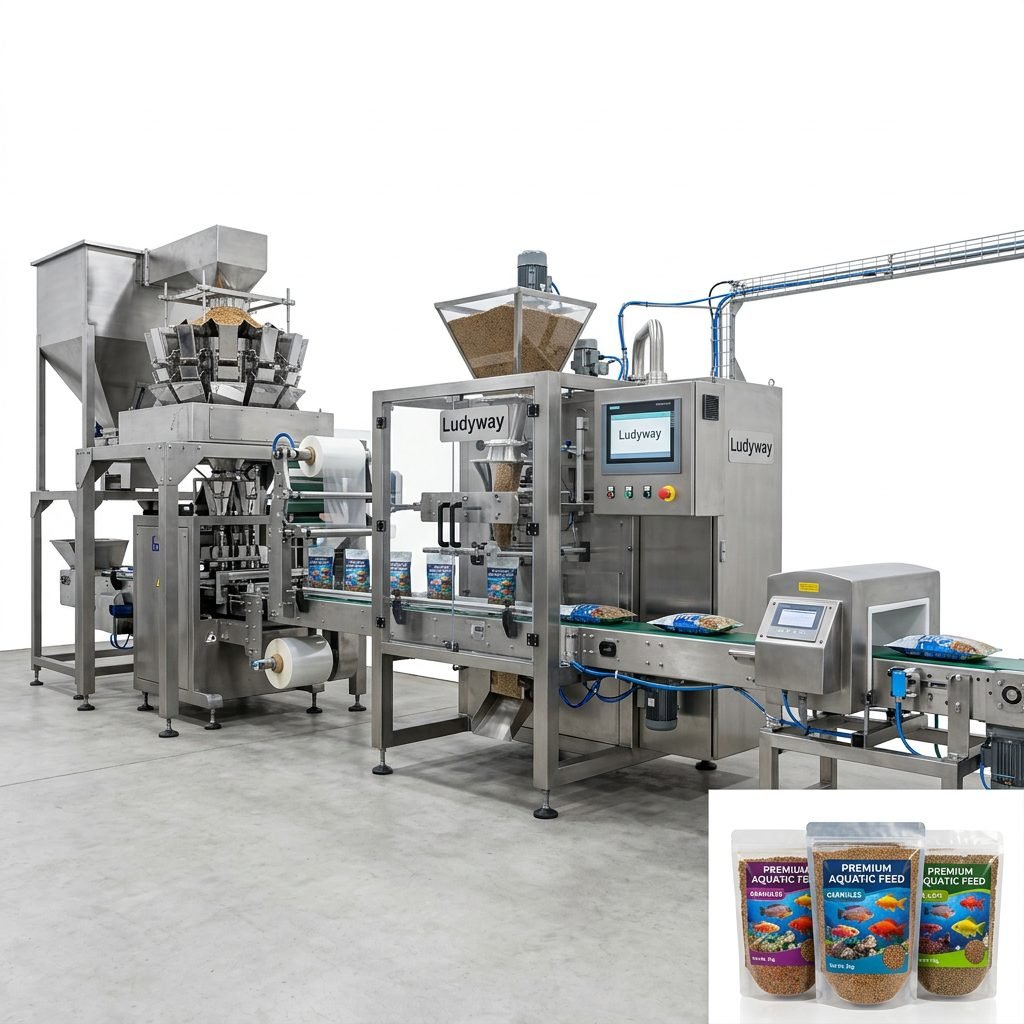
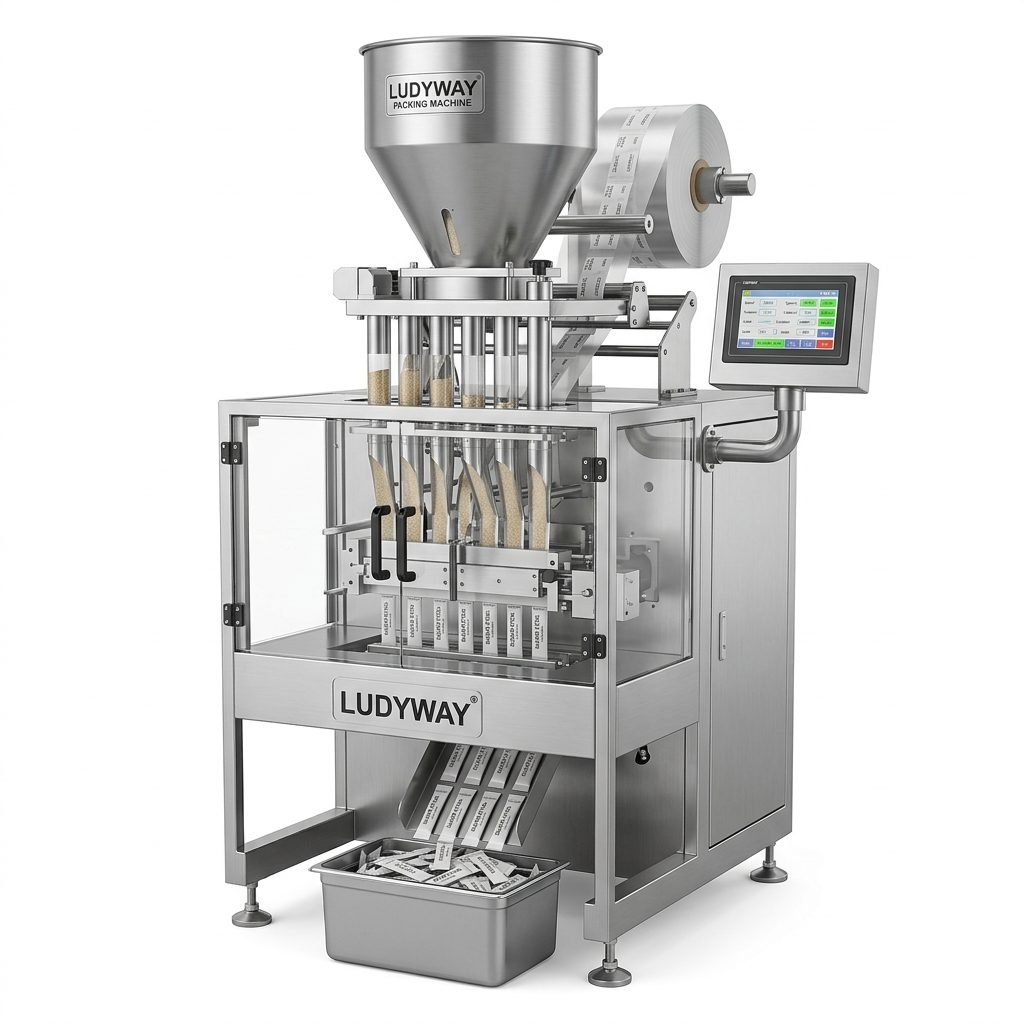
1. Ludyway
Best for: Buyers seeking a broad packaging equipment portfolio and turnkey line integration for food, pharma, and supplement applications.
Ludyway is one of the most established China-based packaging machinery manufacturers in this group, with more than 30 years of industry experience and a factory size of over 20,000 square meters. The company reports service coverage in more than 100 countries and regions, with estimated 2025 export revenue above RMB 500 million.
Although widely known for stick pack, sachet, vertical packaging, and filling systems, Ludyway is highly relevant for vacuum packaging buyers because many industrial food processors no longer purchase standalone machines in isolation. They need complete packaging workflows, including feeding, dosing, filling, sealing, coding, cartoning, conveying, and end-of-line integration. Ludyway’s turnkey line capability makes it a strong fit for these broader projects.
- Strong export orientation across Europe, North America, Middle East, Africa, Southeast Asia, and Australia
- Suitable for granules, powders, liquids, and pouch-based products
- Good option for scaling from individual machines to full automated lines
- Useful for buyers prioritizing customization and multi-machine coordination
2. Packmate Machinery
Best for: Mid-range buyers looking for practical automation with flexible configuration.
Packmate Machinery focuses on automatic packaging machines and packaging lines for powders, granules, liquids, and paste products. Its appeal lies in balancing customization with commercial affordability. For food companies that need vacuum-related packaging within a broader automated workflow, Packmate is often attractive because it supports machine configuration according to bag size, output targets, filling style, and factory layout.
This makes the company relevant for processors that need functional, export-ready systems without the premium pricing often associated with the largest European brands.
3. PacklineOEM
Best for: OEM buyers and project-based packaging line sourcing.
PacklineOEM is especially suitable for companies that need more than a single vacuum packaging unit. Its focus is on packaging line planning, equipment matching, and system integration. In practical procurement terms, that means buyers can source feeding systems, weighing units, filling and sealing equipment, conveyors, coding, inspection, and end-of-line systems in one coordinated project.
For contract manufacturers, private-label food brands, and regional packers building new facilities, this integrated approach often reduces compatibility risk between machines.
4. PackingMachineOEM
Best for: Non-standard packaging requirements and engineering customization.
PackingMachineOEM serves food, pharma, supplement, chemical, and daily-use packaging sectors. It is particularly useful when standard machine formats do not fully match the buyer’s bag type, product behavior, material, or space constraints. For food vacuum packaging, that can matter when dealing with unusual pouch dimensions, specialty films, or multi-product production lines.
The company’s project-oriented model supports machine selection, OEM branding, and adaptation to specific production scenarios.
5. SnusMachinery
Best for: Specialty pouch packaging and small-dose applications.
Although SnusMachinery is primarily positioned around nicotine pouch, snus, tea pouch, and sachet applications, its engineering focus on small pouch forming, dosing, and sealing makes it relevant in selected food vacuum and specialty packaging scenarios. For example, brands handling tea blends, functional powders, or small-portion sachets may benefit from this type of pouch-focused expertise.
It is more niche than general-purpose food packaging suppliers, but that specialization can be useful where portion accuracy and pouch consistency are priorities.
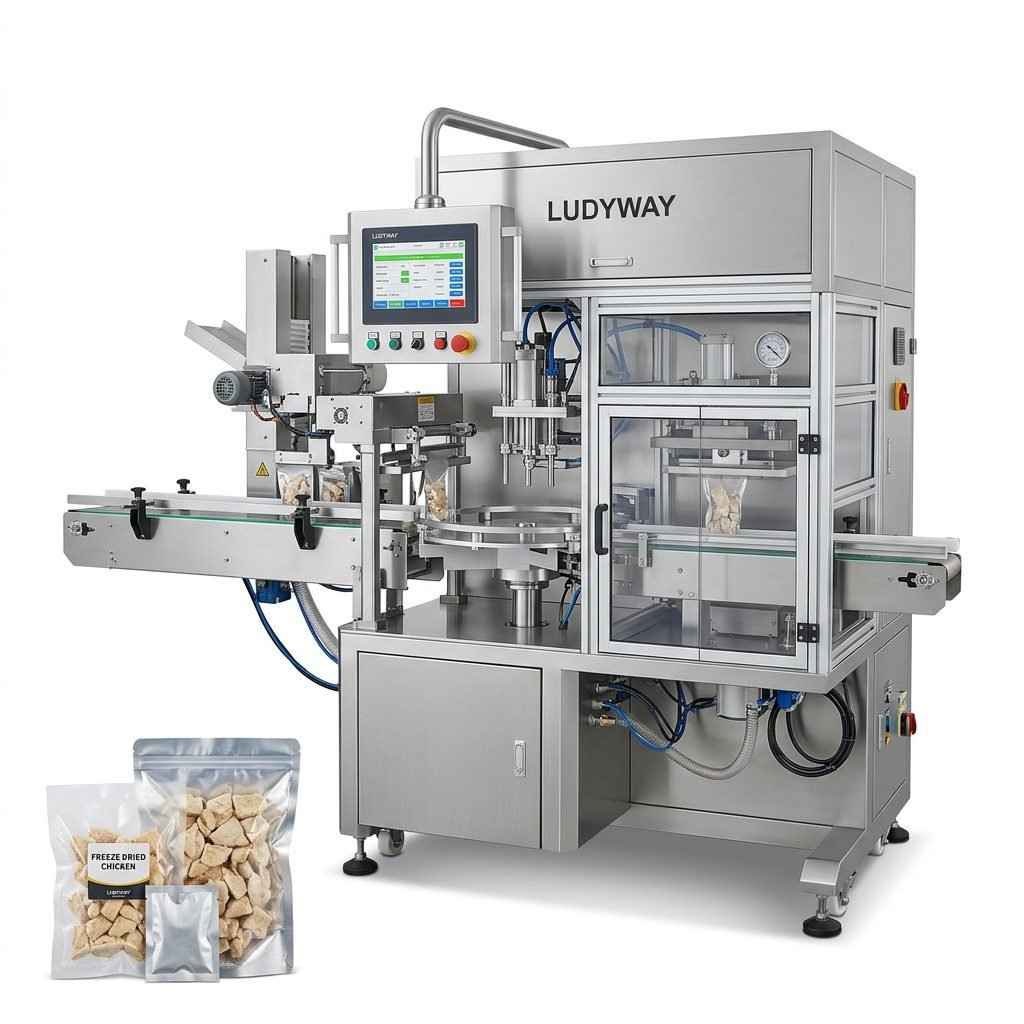
6. MULTIVAC
Best for: Large food manufacturers requiring advanced thermoforming, tray sealing, and vacuum skin packaging.
MULTIVAC is one of the most recognized names in industrial food packaging globally. Its systems are widely used in meat, poultry, cheese, convenience food, medical device, and pharmaceutical sectors. For industrial processors, the key advantage is process consistency at scale. MULTIVAC equipment is commonly selected where output volume, hygiene design, film control, and sealing validation are critical.
Its portfolio spans thermoforming packaging machines, tray sealers, chamber machines, labeling, inspection, and automation modules. For buyers with demanding throughput targets, it remains a benchmark supplier.
7. ULMA Packaging
Best for: Fresh protein, cheese, and ready-meal vacuum packaging applications.
ULMA Packaging is another major international manufacturer with strong capabilities in thermoforming, tray sealing, flow wrapping, and vertical packaging. In food vacuum applications, ULMA is particularly relevant for processors packaging meat, seafood, poultry, sliced products, and prepared meals where appearance, shelf life, and line efficiency all matter.
The company is also known for integrating packaging equipment into complete production environments, which is especially useful for larger processing plants.
8. Henkelman
Best for: Chamber vacuum packaging in commercial kitchens, butcheries, and mid-sized food plants.
Henkelman has strong brand recognition in vacuum sealers, especially chamber and double-chamber systems. It is often selected by professional kitchens, meat processors, fish processors, and specialty food businesses that need dependable vacuum sealing without moving immediately into a full thermoforming line.
Its market strength comes from specialization. Instead of covering every packaging format, Henkelman is closely associated with vacuum sealing performance, usability, and durable machine construction.
9. WEBOMATIC
Best for: Industrial vacuum packaging with a focus on robust machinery and hygiene standards.
WEBOMATIC is a German supplier known for chamber machines, tray sealers, and thermoforming packaging technology. It is well regarded in food sectors where machine reliability and sanitary construction are key purchasing criteria. Buyers often compare WEBOMATIC with other European suppliers when specifying high-performance vacuum packaging for meat, seafood, dairy, and prepared foods.
10. Ishida
Best for: Packaging lines that require weighing, inspection, sealing, and quality control integration.
Ishida is best known for multihead weighing, inspection systems, and tray sealing technology. It is highly relevant in food packaging projects where vacuum sealing is only one element of the line and where checkweighing, X-ray inspection, leak detection, and pack presentation also influence purchasing decisions. Ishida is particularly strong in snack foods, prepared meals, protein packaging, and other production environments where throughput and quality verification must work together.
Comparison Analysis: How These Manufacturers Differ
For large industrial plants, MULTIVAC and ULMA Packaging usually appeal most where thermoforming, tray sealing, hygiene validation, and high-speed output are central requirements.
For chamber vacuum packaging specialists, Henkelman and WEBOMATIC remain strong choices, especially for processors that want vacuum sealing depth without building an entire complex line immediately.
For integrated automation projects and export-oriented sourcing, Ludyway, PacklineOEM, Packmate Machinery, and PackingMachineOEM offer practical value, especially for companies seeking flexible engineering, turnkey configurations, and China-based procurement advantages.
For small pouch and specialty portion packaging, SnusMachinery stands out more for niche expertise than for broad industrial vacuum scale.
For quality-control-heavy lines, Ishida becomes particularly relevant because weighing, inspection, and sealing performance are often inseparable in modern food factories.
Why Choose a Professional Food Vacuum Packaging Manufacturer?
Procurement Value
A specialized manufacturer understands film behavior, seal integrity, evacuation requirements, and product sensitivity. This reduces the risk of buying a machine that works in a showroom but struggles in daily production.
Technical Fit
Food categories vary significantly. Fresh meat, marinated products, powders, oily foods, sauces, and freeze-dried snacks all behave differently under vacuum. Experienced suppliers can recommend proper chamber size, pump configuration, sealing bar length, and optional gas flushing or skin-pack capability.
Cost Control
The cheapest machine rarely has the lowest operating cost. Maintenance intervals, pump reliability, film waste, energy use, rework rates, and spare parts availability all affect total ownership cost. In many industrial projects, downtime costs more than the machine price difference.
Service and Scalability
As production grows, companies often need coding systems, inspection units, cartoning, case packing, and palletizing. Suppliers with broader line capability make expansion easier and lower integration risk.
Key Features to Look for in Commercial and Industrial Vacuum Packaging Machines
- Vacuum pump quality: stable vacuum levels and long service life
- Seal integrity: consistent, contamination-resistant sealing
- Machine hygiene: stainless steel construction and easy cleaning access
- Automation options: conveyors, pouch loading, coding, labeling, and inspection
- Packaging flexibility: support for multiple bag sizes and film materials
- Cycle speed: suitability for target output per minute or per hour
- Control system: intuitive HMI, recipe storage, and diagnostics
- Compliance support: documentation relevant to food-grade production environments
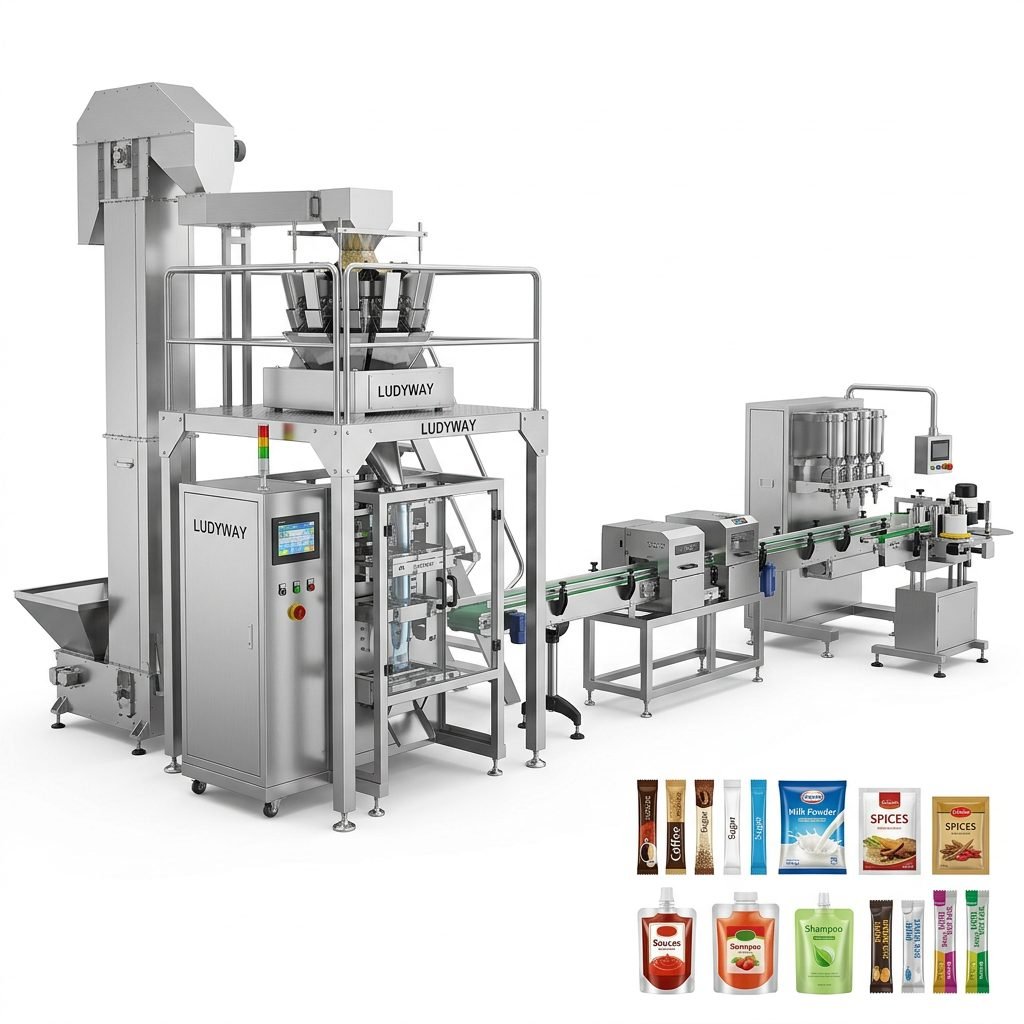
Industry Trends Shaping Food Vacuum Packaging in 2026
The vacuum packaging equipment market is being influenced by several measurable trends:
- Longer shelf-life demand: especially in meat, seafood, ready meals, and export foods
- Growth in convenience food: prepared meals and portioned foods need better packaging performance
- Labor shortages: more processors are investing in automation to reduce manual handling
- Sustainability pressure: machinery must increasingly handle lighter films and recyclable structures
- Food safety focus: seal inspection, coding, and traceability are becoming more important
- Flexible production: manufacturers want fast changeovers and multi-SKU adaptability
Third-party industry reports from organizations including PMMI and market research firms repeatedly show that packaging automation investment remains resilient even during broader manufacturing uncertainty, largely because food processors must protect shelf life, labor efficiency, and product consistency at the same time.
Entity Relationship: How Brands, Products, Industry, and Market Connect
Understanding the relationship between packaging entities helps clarify which manufacturer is suitable for which buyer:
- Brand: Ludyway, MULTIVAC, ULMA, Henkelman, and others
- Product: chamber vacuum sealer, thermoformer, tray sealer, pouch line, coding system, inspection unit
- Industry: meat processing, seafood, dairy, snacks, coffee, nutraceuticals, prepared meals
- Market Need: shelf life, transport stability, labor reduction, food safety, retail presentation
- Operational Goal: higher throughput, lower spoilage, better pack consistency, scalable automation
In other words, the best manufacturer is determined by the relationship between the brand’s technical strengths and the processor’s product, market, and operational needs.
How to Select the Right Supplier for Your Business
- Define the product type. Dry products, wet foods, frozen foods, and protein products require different packaging approaches.
- Set your target output. A kitchen-scale chamber machine and a continuous thermoforming line serve very different production volumes.
- Confirm package format. Pouch, tray, skin pack, sachet, or bulk bag all affect machine selection.
- Review hygiene and compliance needs. Especially important for meat, dairy, and export processing.
- Ask for real test samples. Sample packs are often more useful than brochures.
- Evaluate service structure. Spare parts speed and remote support matter.
- Think beyond the first machine. Consider future coding, cartoning, inspection, and palletizing upgrades.
FAQ
What is the best vacuum packaging machine for food businesses?
The best machine depends on production scale and product type. Chamber vacuum machines suit smaller operations and many meat or seafood businesses, while thermoforming and tray-sealing systems are better for larger industrial processors.
Which manufacturer is best for turnkey food packaging lines?
Ludyway, PacklineOEM, MULTIVAC, and ULMA Packaging are strong options when the project includes multiple stages such as feeding, filling, vacuum sealing, coding, inspection, and end-of-line packing.
Are Chinese food packaging machine manufacturers reliable?
Yes, many are, especially those with established export experience, factory capacity, and application engineering support. Buyers should still review sample performance, customer references, component quality, and after-sales responsiveness before ordering.
What foods are most commonly vacuum packaged?
Common examples include meat, fish, cheese, coffee, nuts, frozen foods, prepared meals, sauces, and freeze-dried products.
What is the difference between vacuum packaging and MAP?
Vacuum packaging removes air from the package, while modified atmosphere packaging replaces air with a controlled gas mixture. Some modern packaging lines support both options depending on the product.
How much does an industrial vacuum packaging machine cost?
Costs vary widely. Small chamber machines may start in the low thousands of dollars, while industrial thermoforming or integrated tray sealing lines can cost tens or hundreds of thousands depending on speed, automation, and inspection requirements.
Final Buying Insight
If your priority is full-line flexibility and export-oriented customization, Ludyway, Packmate Machinery, PacklineOEM, and PackingMachineOEM deserve close evaluation. If your focus is high-end industrial food processing, MULTIVAC and ULMA Packaging remain top-tier benchmarks. If you need specialized chamber vacuum expertise, Henkelman and WEBOMATIC are strong contenders. And if your line depends heavily on inspection and weighing integration, Ishida is a highly relevant choice.
For most commercial and industrial buyers, the smartest decision is not choosing the most famous name, but choosing the manufacturer whose machine architecture, service capacity, and packaging expertise align with your real production goals.