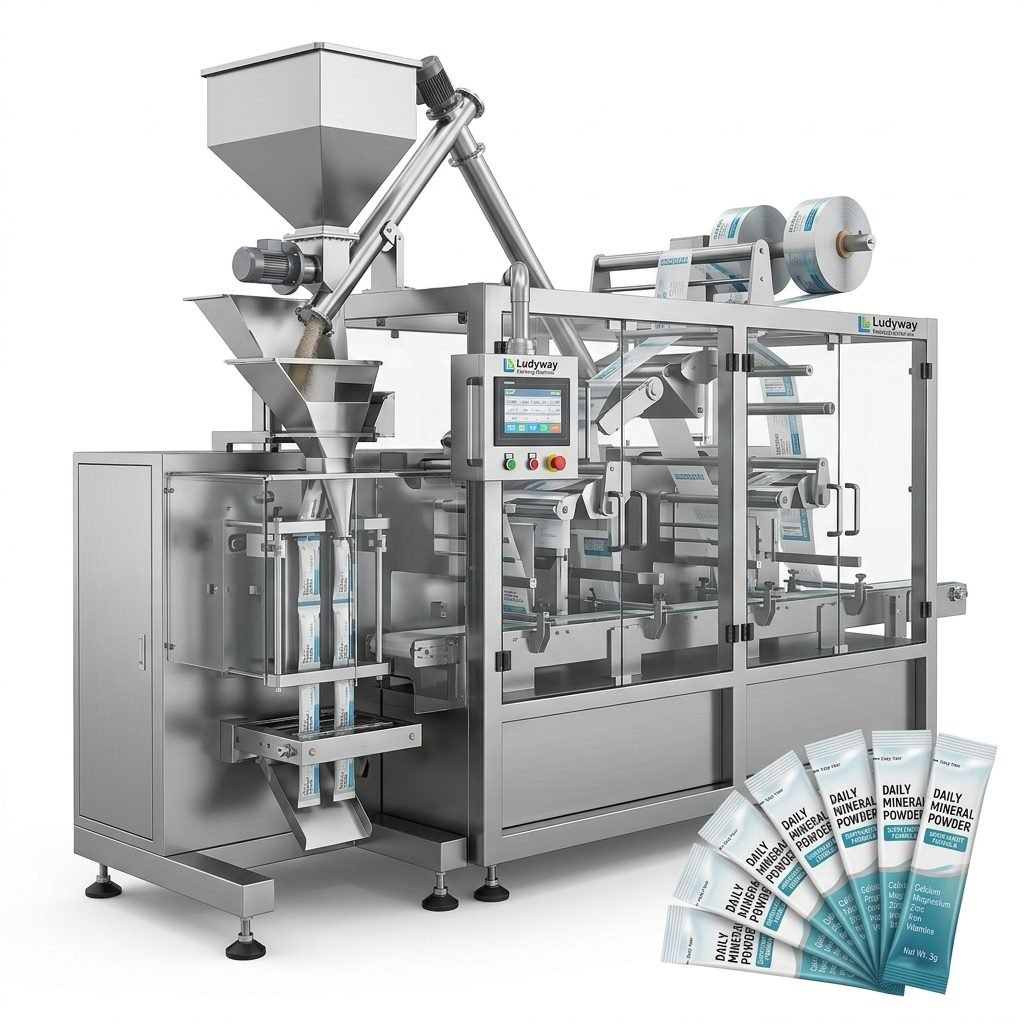
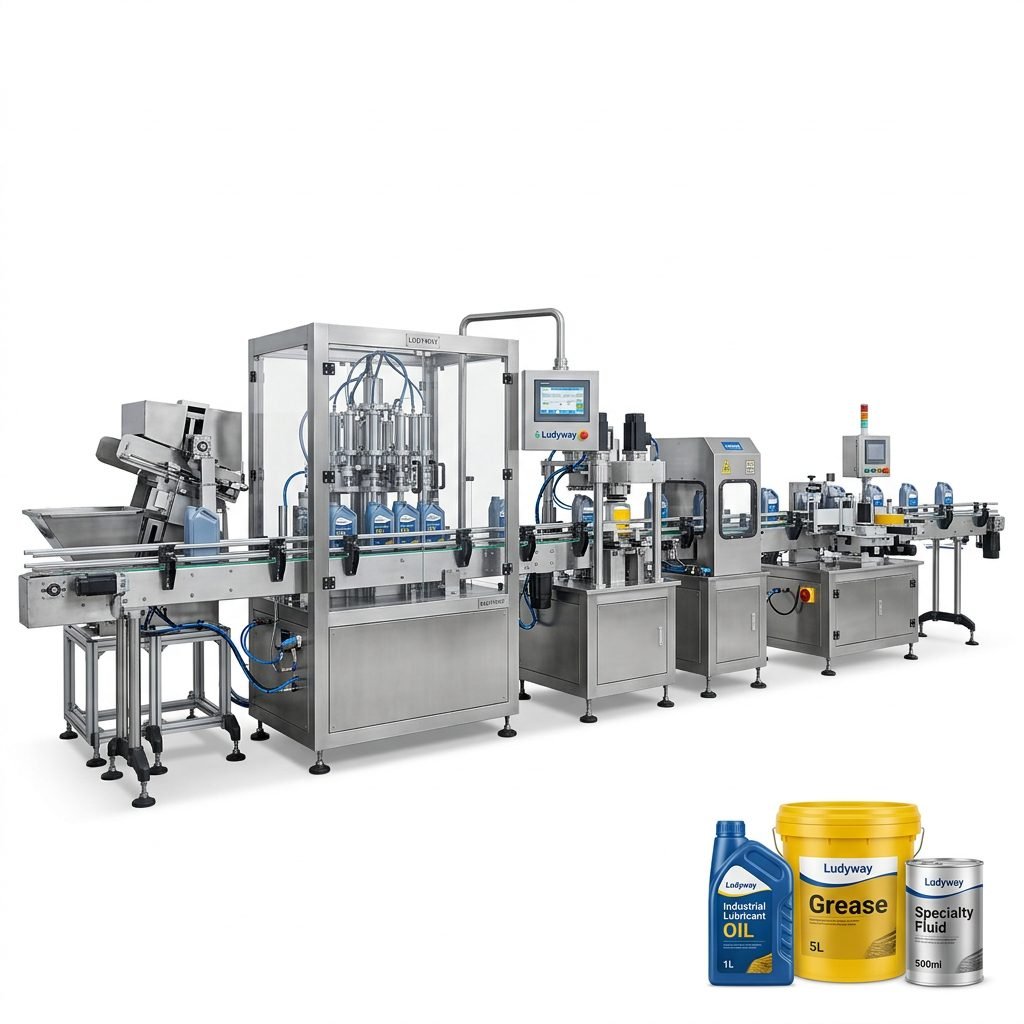
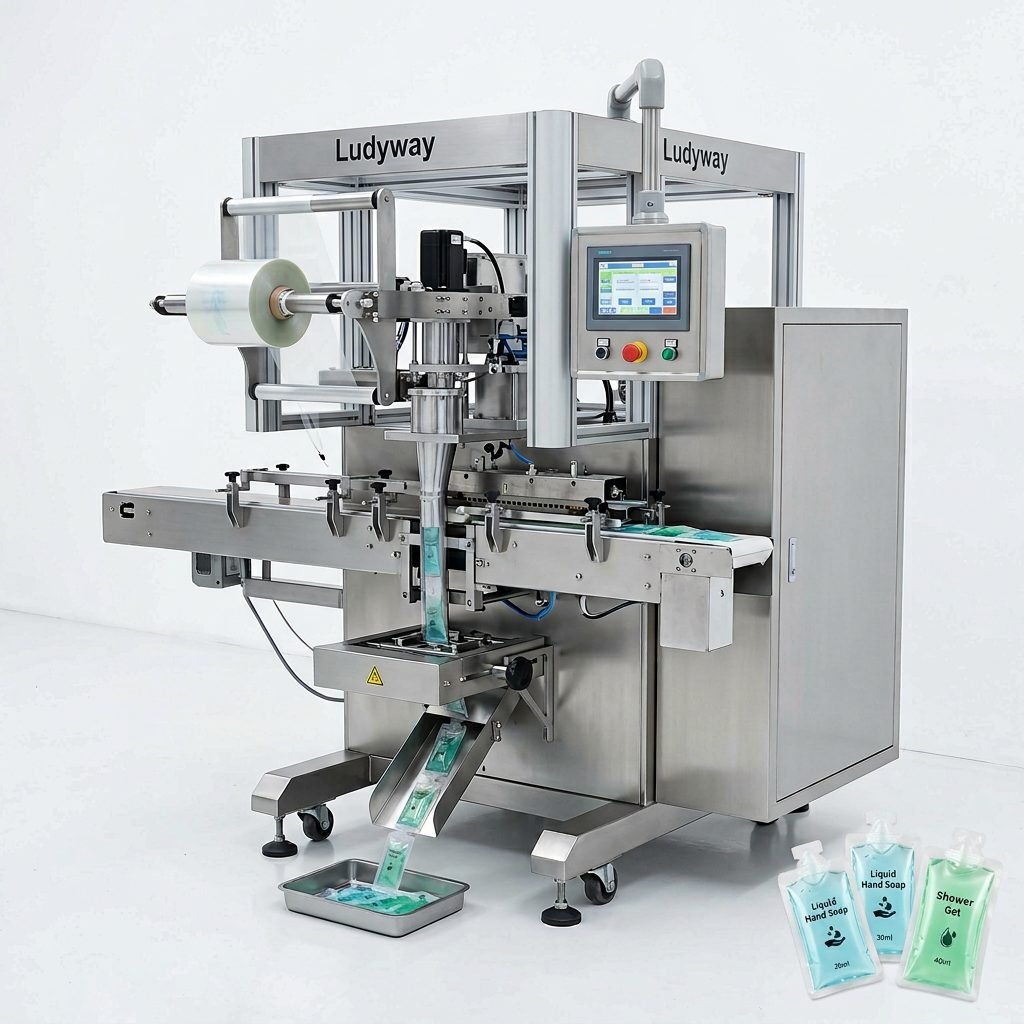
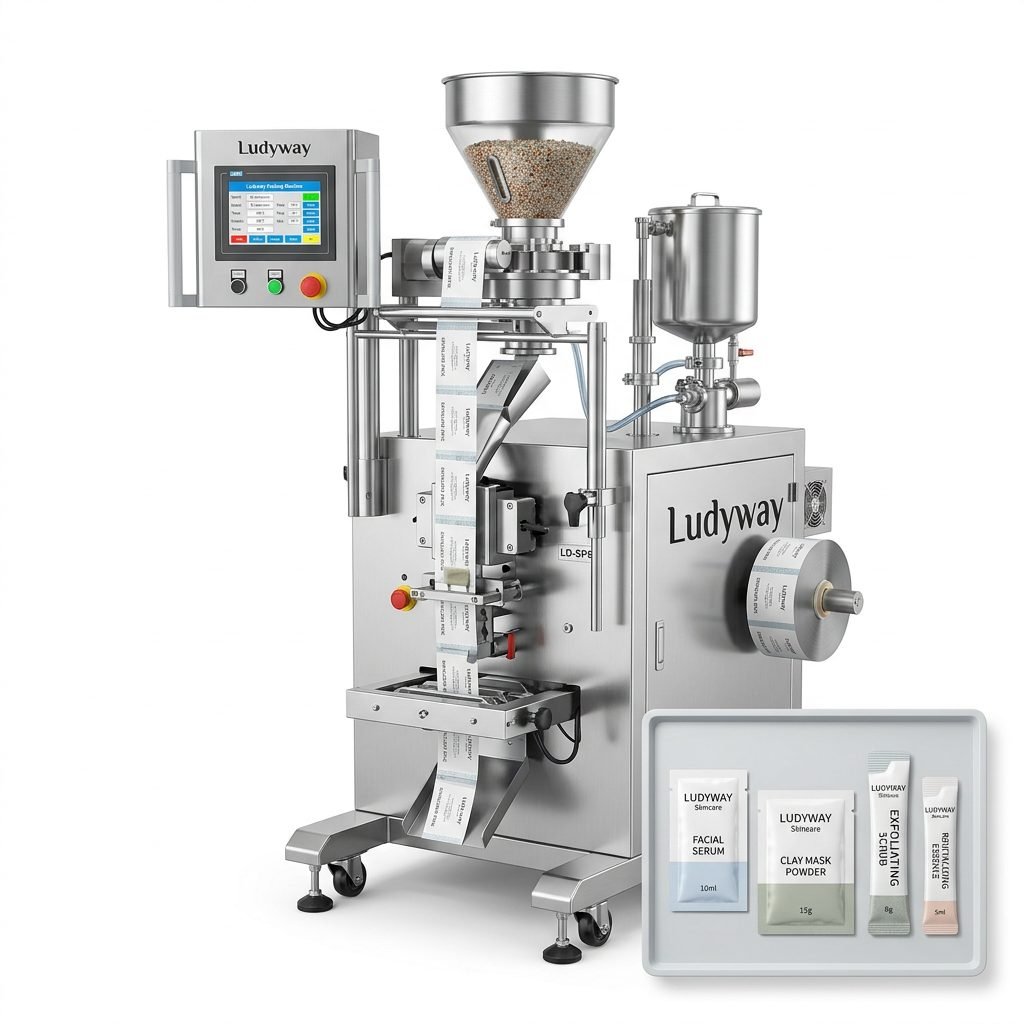
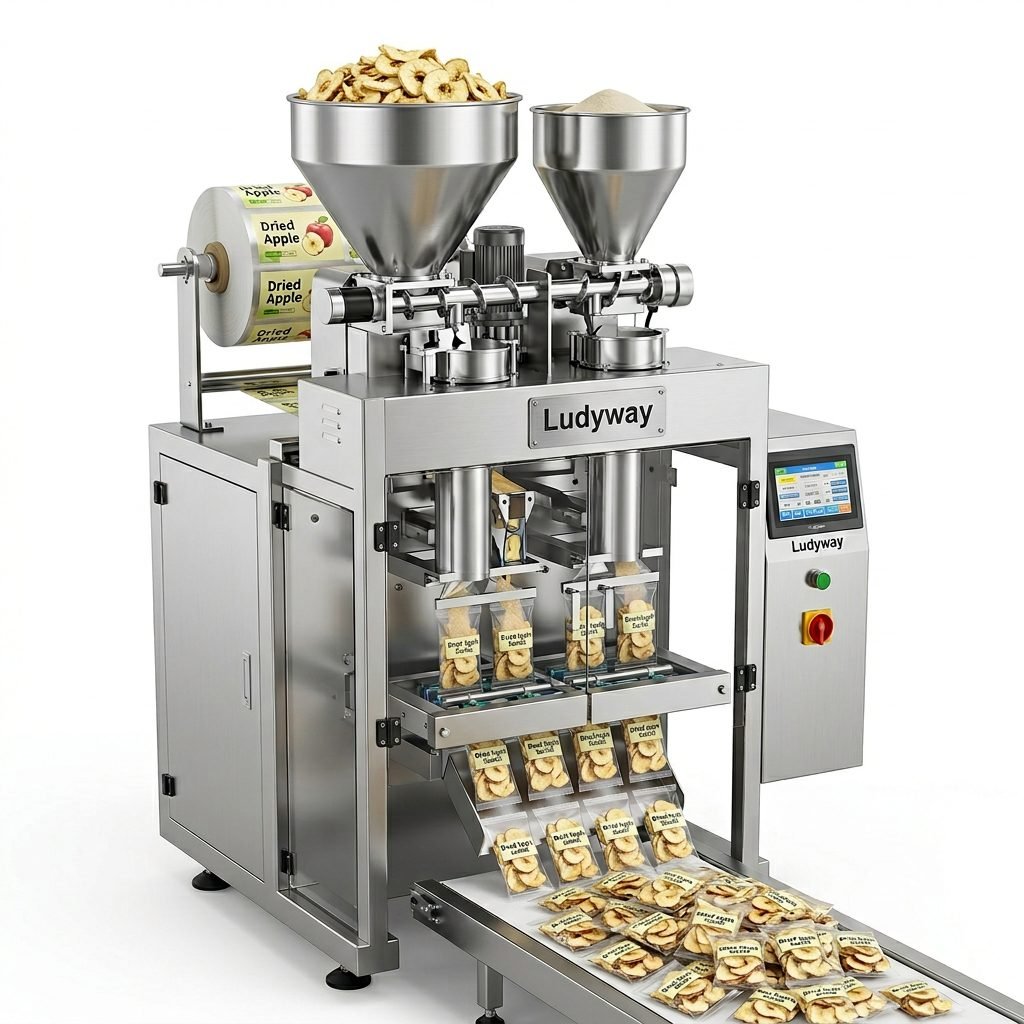
Investing in a servo packaging machine is a strategic decision that directly impacts productivity, product consistency, and long-term operational costs. Unlike conventional pneumatic or mechanical systems, servo-driven equipment offers unmatched precision, speed, and flexibility for manufacturers handling powders, granules, liquids, and a wide variety of packaging formats. This guide walks you through the essential factors to consider so you can select the right servo packaging solution for your production line.

What Is a Servo Packaging Machine?
A servo packaging machine uses servo motors to control key movements such as film feeding, sealing, cutting, and dosing. Each axis is independently controlled by a servo drive, allowing real-time adjustments and synchronized operations. This electronic control replaces traditional mechanical cams or pneumatic cylinders, making the machine more adaptable to different bag sizes, filling volumes, and production speeds.
Key Advantages of Servo-Driven Systems
Modern servo packaging equipment delivers clear benefits over older technologies. Understanding these advantages helps you evaluate whether the investment aligns with your production goals.
- Superior Accuracy: Servo motors provide precise positioning for film length, seal temperature, and fill weight, reducing product giveaway and ensuring consistent package quality.
- Faster Changeovers: Recipes can be stored digitally, allowing operators to switch between bag sizes and product types in minutes without mechanical adjustments.
- Higher Throughput: Multi-axis synchronization enables smoother motion profiles, which increases cycle rates and overall line speed.
- Reduced Maintenance: Fewer wear parts compared to pneumatic systems mean lower maintenance costs and less unplanned downtime.
- Flexible Packaging Formats: A single servo machine can often produce stick packs, sachets, three-side-seal pouches, and more, simply by changing tooling and selecting a pre-programmed recipe.
According to the latest PMMI State of the Industry report, demand for flexible, automated packaging machinery continues to rise as manufacturers prioritize efficiency and adaptability.
How to Choose the Right Servo Packaging Machine
Every production environment is different. Evaluate these critical factors to narrow down your options and find a machine that fits both your current needs and future growth plans.
1. Product Characteristics
Define whether you are filling powders, granules, liquids, pastes, or solid items. Free-flowing granules require different dosing systems than cohesive powders or high-viscosity liquids. Your machine’s filling system — auger, volumetric cup, multi-head weigher, or piston pump — must be compatible with your product’s physical properties and meet any hygiene or sanitary requirements.
2. Packaging Format and Bag Styles
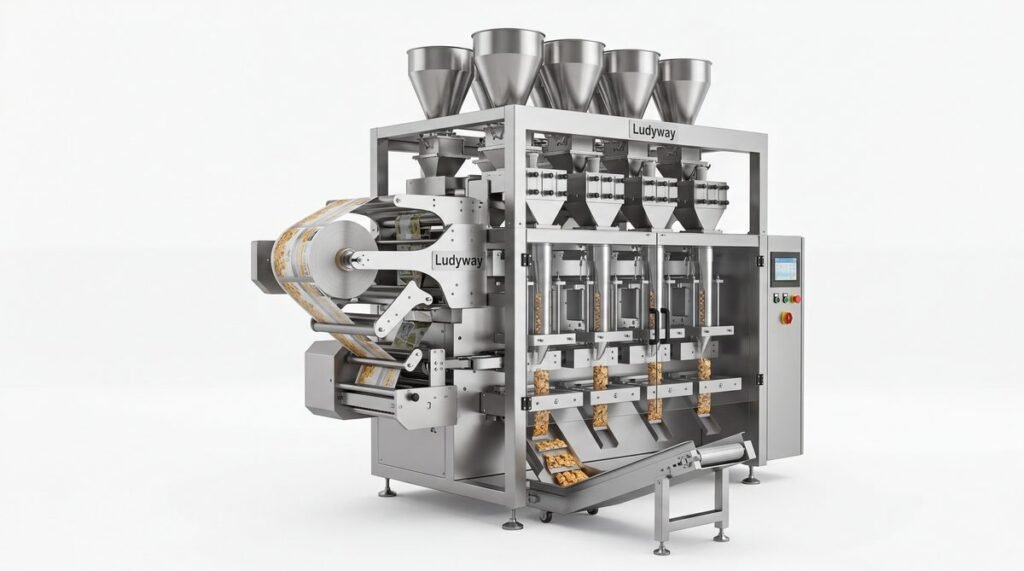
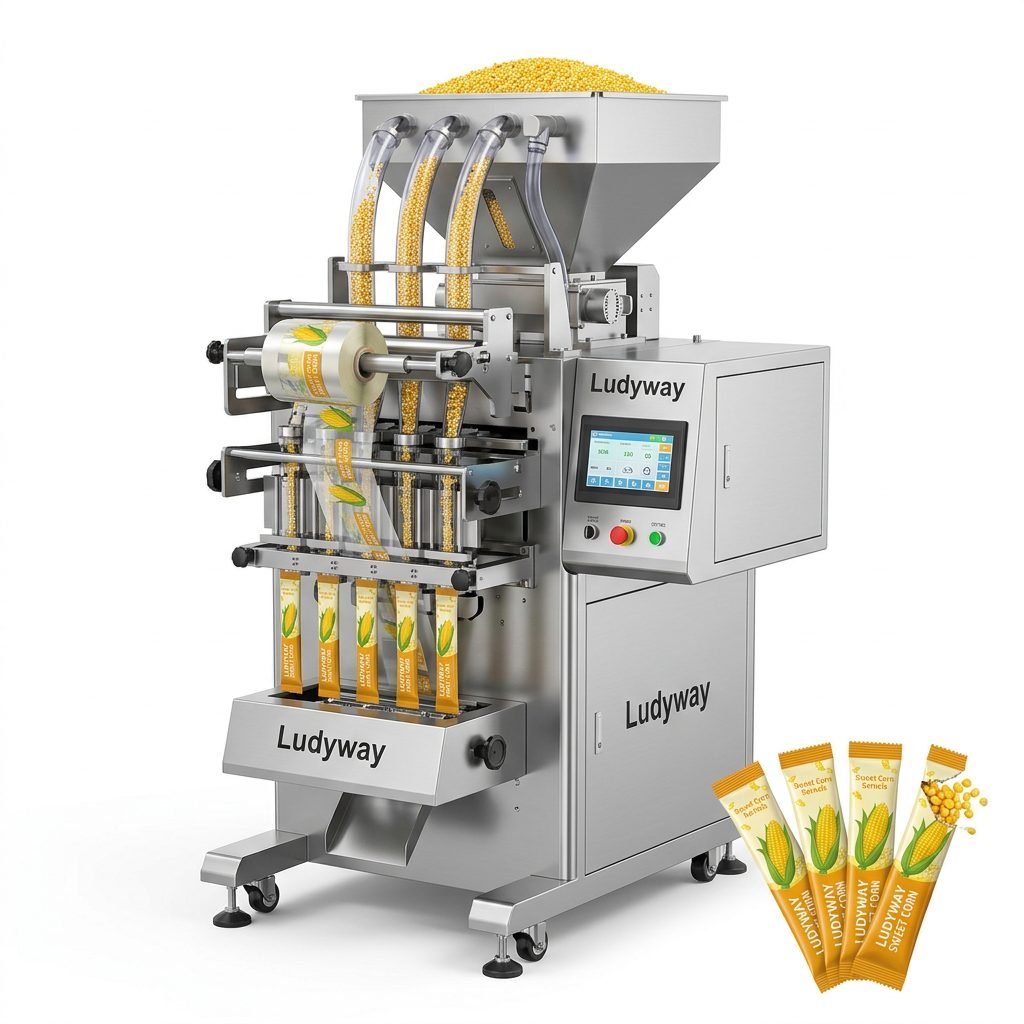
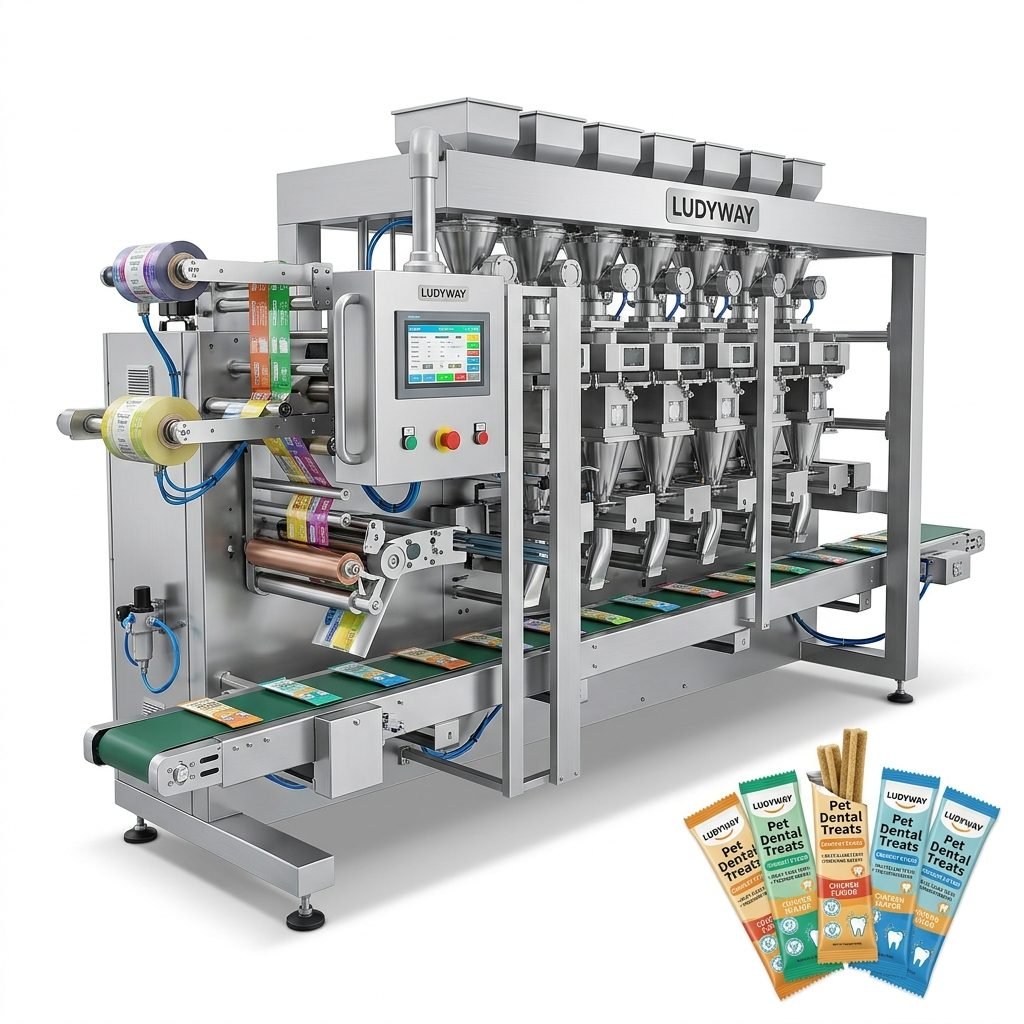
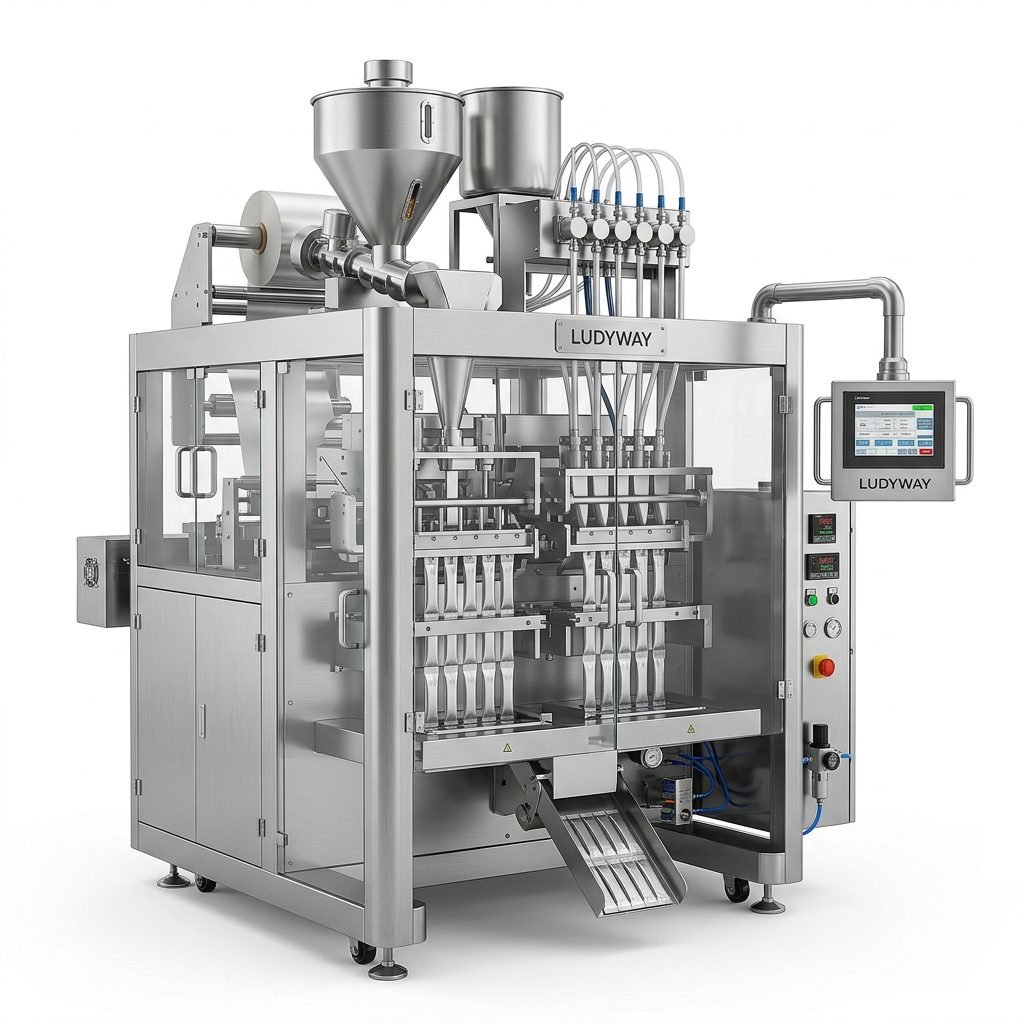
Consider the packaging formats your market demands. Common options include stick packs, three-side-seal sachets, four-side-seal pouches, gusseted bags, and pre-made pouch filling. A multi-lane servo packaging machine can produce several lanes of small sachets or stick packs simultaneously, dramatically increasing output for single-serve products. Ensure the machine’s seal quality meets industry standards and can handle the film structures you plan to use, such as aluminum foil laminates or biodegradable materials.
3. Speed and Throughput Requirements
Output speed is often the primary driver for upgrading to a servo system. Evaluate the machine’s rated speed in packs per minute per lane, and understand how that performance holds up during extended runs. High-speed multi-lane configurations can reach hundreds of packs per minute, but the actual throughput will depend on fill weight, film type, and integration with upstream and downstream equipment.
4. Automation and Line Integration
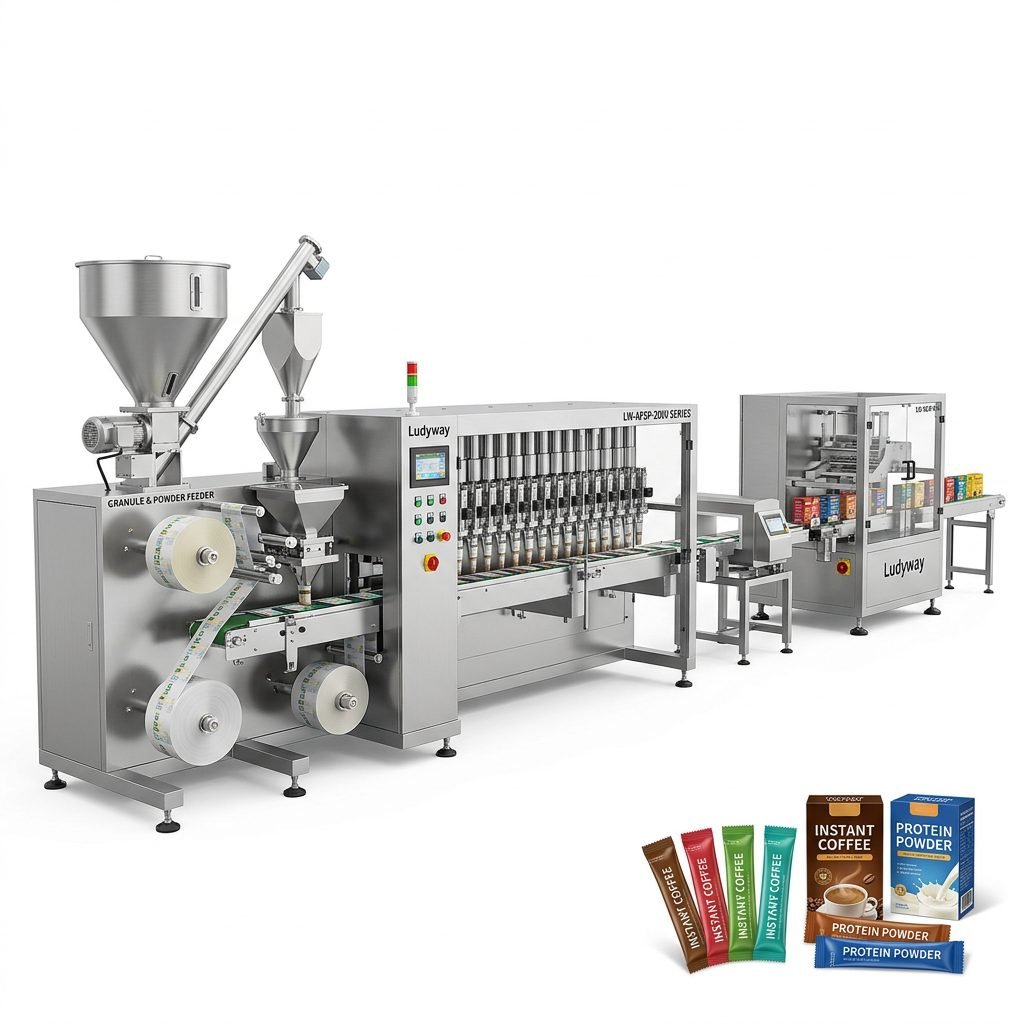
A modern servo packaging machine rarely operates in isolation. It must integrate seamlessly with feeders, conveyors, checkweighers, metal detectors, coding and marking systems, and cartoning or palletizing units. Look for machinery with open communication protocols and centralized control interfaces that simplify line integration. If you are planning a full turnkey line, work with a supplier who can provide complete packaging systems rather than just standalone machines.
5. Compliance and Documentation
If your products are destined for regulated markets, verify that the equipment can meet applicable standards. This includes FDA regulations for food contact materials, GMP guidelines for pharmaceuticals, and relevant ISO standards for packaging machinery. The FDA Food Packaging and Food Contact Substances guidelines and standards from the Flexible Packaging Association provide valuable reference points when specifying machine materials and validation requirements.
Servo vs. Pneumatic Packaging Machines: A Quick Comparison
The table below highlights the practical differences that affect performance, maintenance, and long-term cost of ownership.
| Feature | Servo-Driven Machine | Pneumatic / Mechanical Machine |
|---|---|---|
| Motion Control | Programmable, precise, independent axes | Fixed cam or air cylinder actuation |
| Changeover Time | Minutes via recipe selection | Significant mechanical adjustments |
| Consistency | High – closed-loop position feedback | Can drift with air pressure fluctuations |
| Energy Efficiency | On-demand power consumption | Continuous air compressor load |
| Maintenance | Lower mechanical wear, fewer parts | Seals, cylinders, and linkages wear out |
Industries That Rely on Servo Packaging Technology
Servo-controlled machines are used across a broad spectrum of industries. Their ability to maintain accuracy at high speeds makes them indispensable in:
- Food and beverage – coffee, tea, protein powders, seasonings, instant drinks, sauces.
- Pharmaceuticals and nutraceuticals – medical powders, granules, oral rehydration salts, supplements.
- Cosmetics and personal care – lotions, creams, serums, shampoo samples, face masks.
- Chemical and industrial – detergents, agrochemicals, water treatment compounds, lubricant additives.
- Pet food and animal feed – kibble, treats, supplements, premixes, and specialty feed pellets.
Many of these applications demand clean-in-place features, high sealing integrity, and lot traceability, all of which are easier to achieve with modern servo-driven packaging lines.

Choosing a Reliable Packaging Machine Partner
Beyond machine specifications, the manufacturer you choose affects project success, lead times, and after-sales support. A supplier with deep manufacturing and engineering capabilities can guide you from equipment selection to turnkey line integration.
Ludyway Machinery is a China-based packaging machinery manufacturer with more than 30 years of industry experience. Operating from a 20,000-square-meter facility with over 130 professionals and more than 50 packaging machine models, Ludyway combines in-house manufacturing, automation expertise, and application know-how to deliver customized packaging solutions for food, pharmaceutical, cosmetic, chemical, and many other industries. The company provides complete turnkey systems – from powder, granule, and liquid packaging machines to integrated multi-lane production lines. Notably, Ludyway is expected to achieve export revenue of more than RMB 500 million (approximately US$69 million) in 2025, and plans to surpass RMB 1 billion (approximately US$138 million) in export revenue in 2026, reflecting its growing global footprint and customer trust. More details about this growth trajectory can be found in the company’s global expansion report.
Making the Final Decision
Selecting the right servo packaging machine is a balance of technical capability, supplier expertise, and long-term service support. Evaluate candidates based on:
- Application-specific customization – Can the machine be tailored to your product, bag size, and required speed?
- Quality of components – Are servo motors, sensors, and control systems from recognized industrial brands?
- Factory acceptance testing – Does the manufacturer offer documented FAT and on-site commissioning?
- Global service reach – If you export your packaged products, can the supplier provide remote and on-site support in your target regions?
Partnering with an experienced manufacturer that offers both standard and custom-engineered solutions shortens the learning curve and protects your investment. Whether you need a single machine or a complete packaging line, the right servo technology will help you improve efficiency, reduce waste, and scale production confidently.