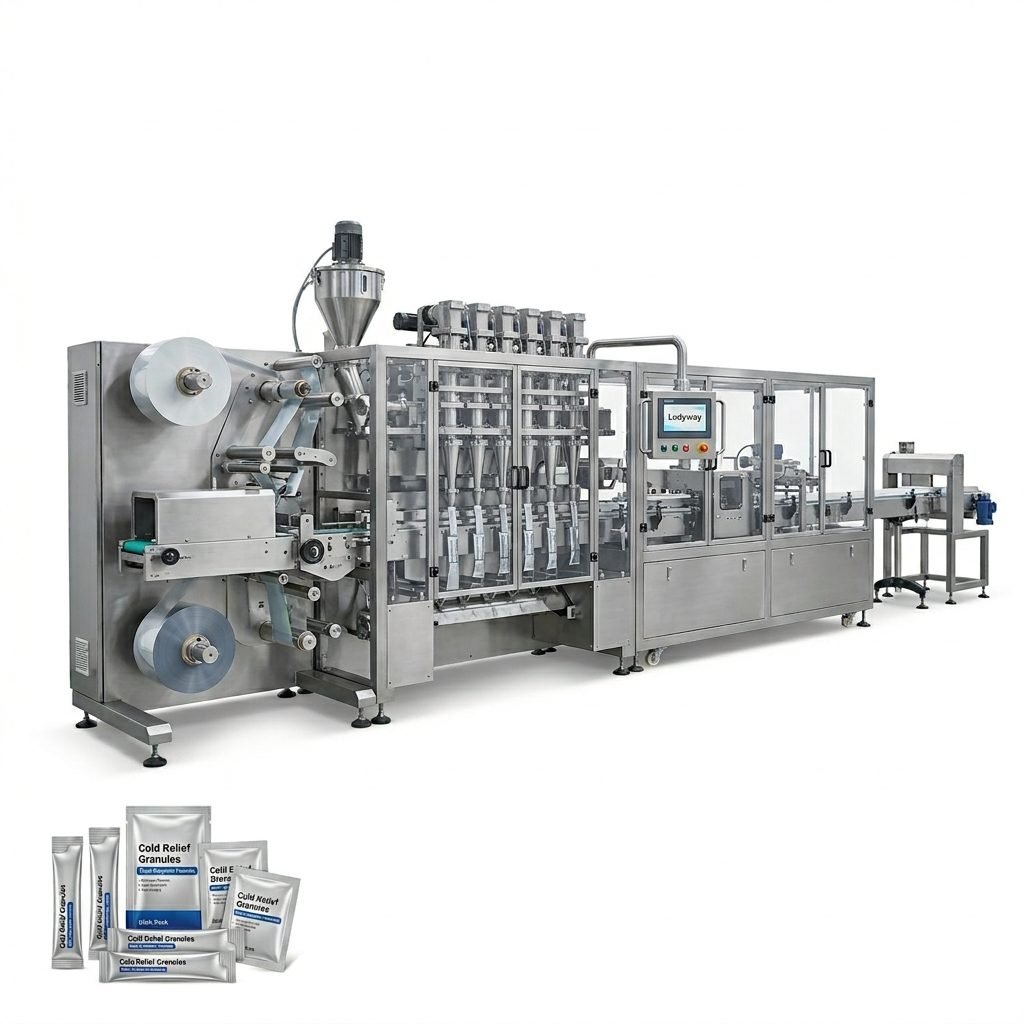
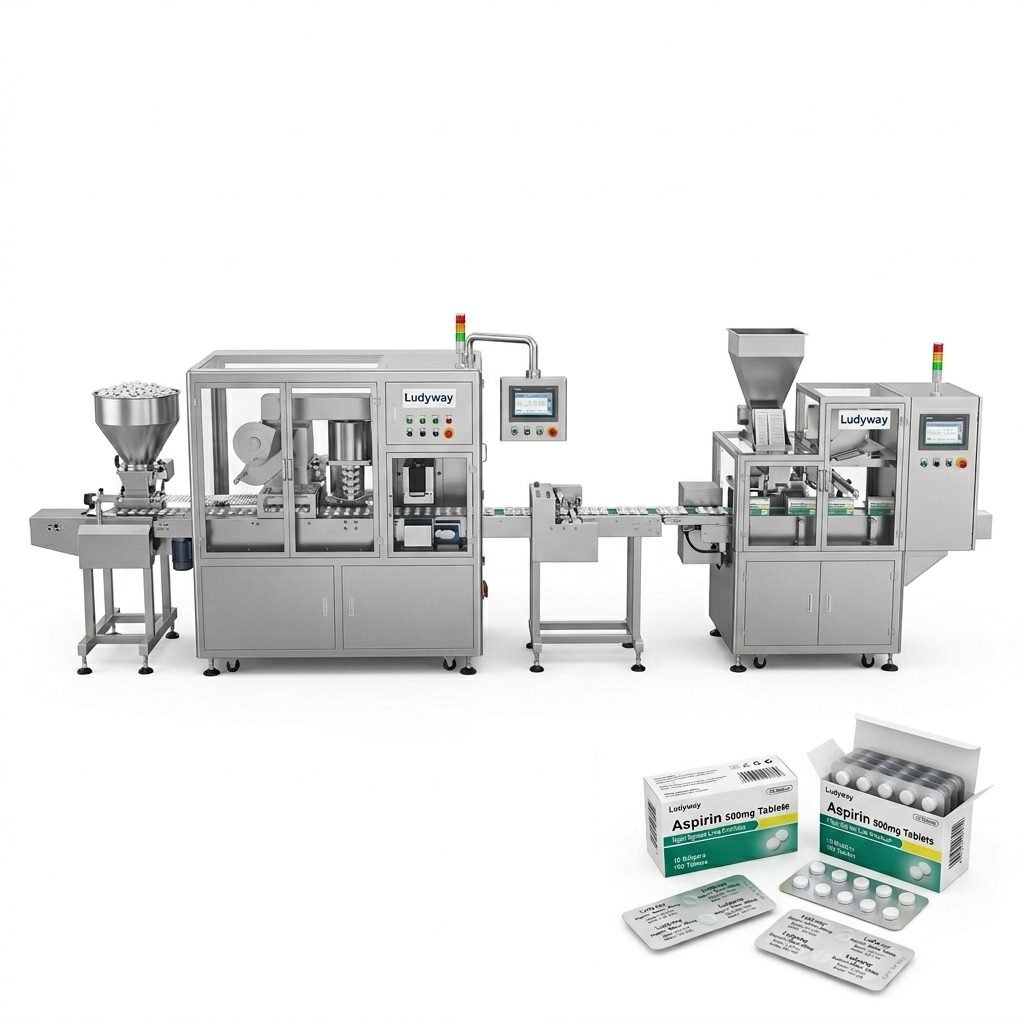
Investing in a pickle pouch packing machine is a significant decision for any food manufacturer. As consumer demand for convenience foods continues to surge globally, the efficiency, hygiene, and flexibility of your packaging line directly impact your brand’s reputation and bottom line. This guide breaks down the critical factors you need to evaluate before making a purchase, ensuring you select a system that aligns perfectly with your production goals.
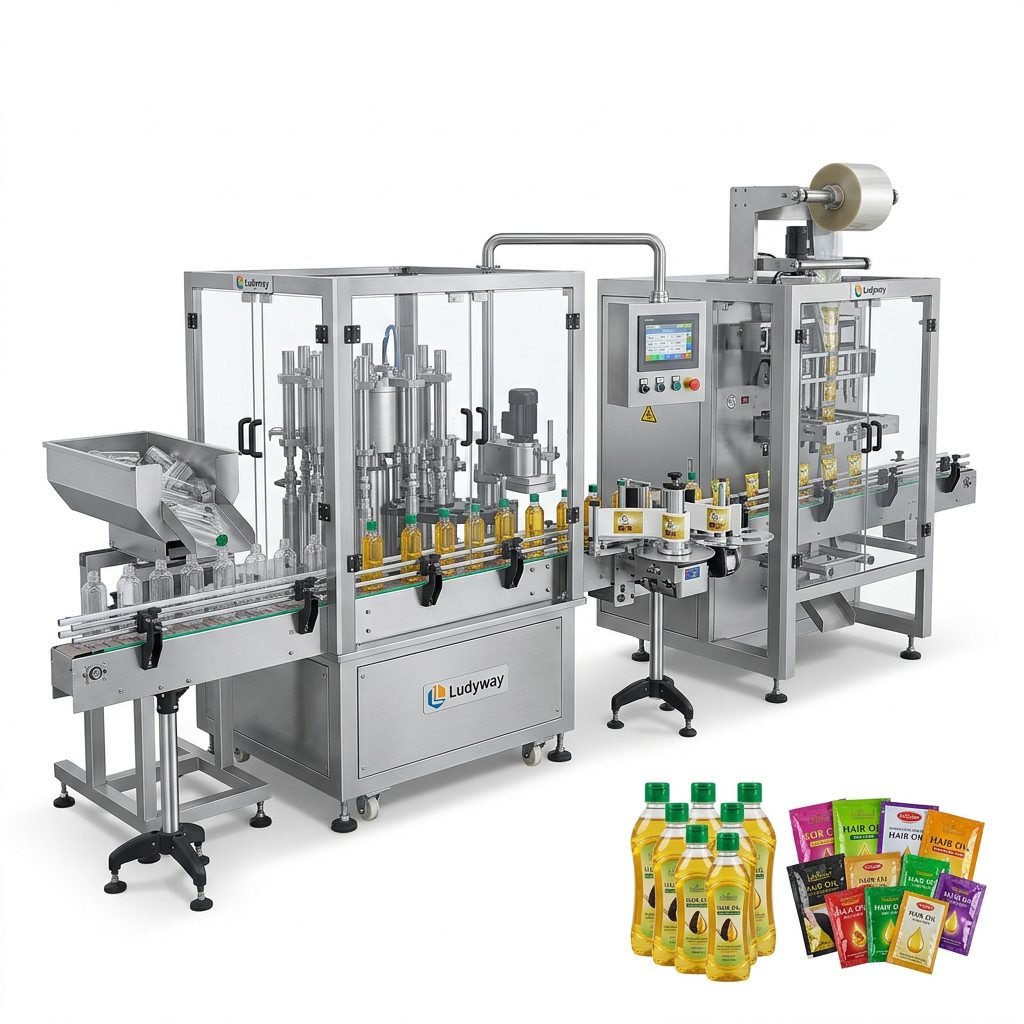
Understanding the Complexity of Pickle Packaging
Pickle products are rarely straightforward. They often involve a complex mixture of solid particulates and viscous liquid (brine or oil). Unlike packaging dry granules or plain liquids, filling this heterogeneous mixture without splashing, inconsistent piece counts, or sealing contamination presents unique engineering challenges. Reliable packaging machinery must handle aggressive acidic environments without corroding, as pickle brine is chemically aggressive toward standard metals.
Product Characteristics and Material Compatibility
Start by analyzing your specific pickle type. A finely chopped relish requires different handling than whole baby cucumbers. The viscosity of the brine, the size of the solid pieces, and the temperature at filling all dictate the necessary pump technology and material grade. For handling corrosive substances, 316 stainless steel components are non-negotiable for product contact parts to ensure longevity and food safety compliance.
Key Specifications to Evaluate
To narrow down the vast market of pickle pouch packing machines, you must meticulously define your technical requirements. Ignoring these details often leads to bottlenecks in production and high maintenance costs.
| Evaluation Criteria | Why It Matters |
|---|---|
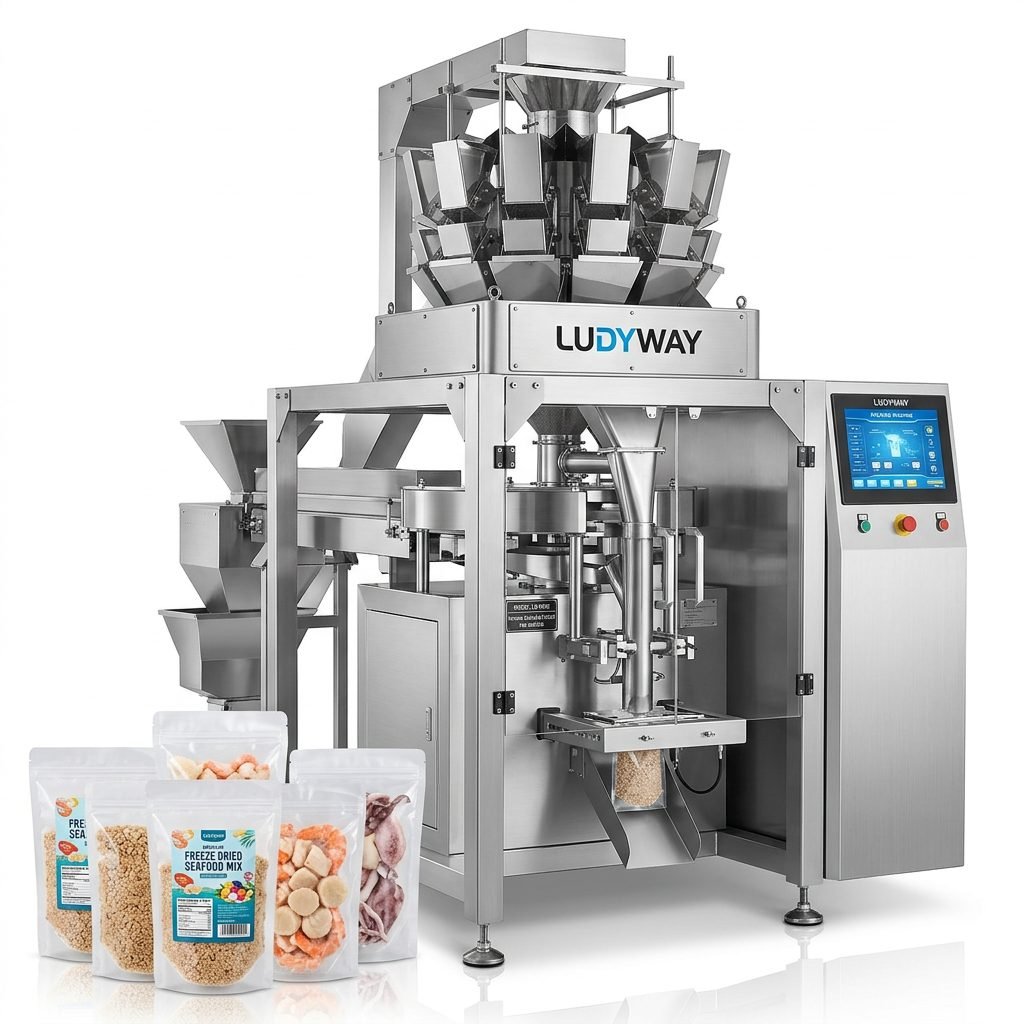
| Multi-Head Weighing vs. Volumetric | For products with large solid chunks, a multi-head weigher provides superior accuracy, while volumetric cup fillers are more economical for pastes. |
| Sealing Integrity | Hot brine creates steam. The sealing jaws must be capable of evacuating air and sealing through contamination to prevent leaks. |
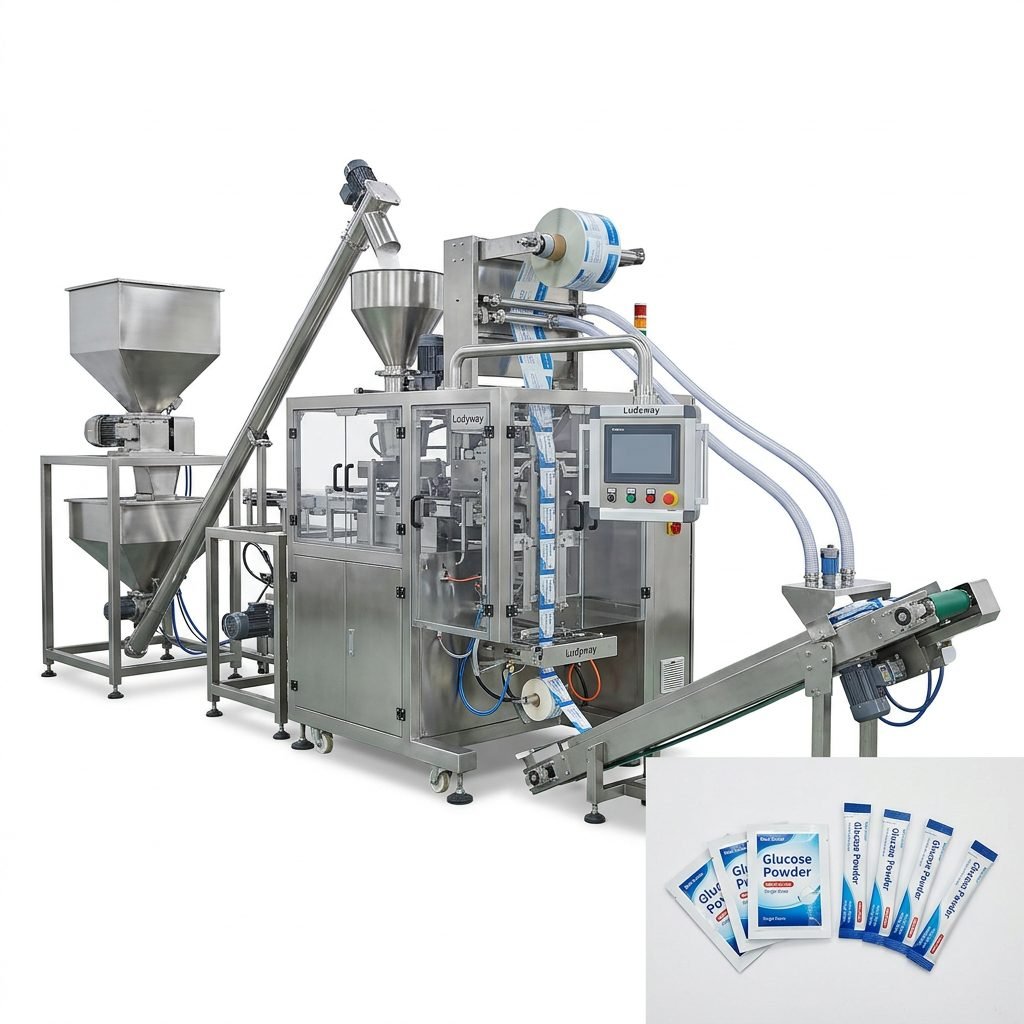
| Pouch Format Flexibility | Can the machine run stand-up pouches, spouted pouches, and flat sachets? Quick changeover features minimize downtime between batch runs. |
| Washdown Capability | IP65 or higher rating ensures the machine can withstand aggressive cleaning protocols required in food-grade environments. |
Automation and Integration Capabilities
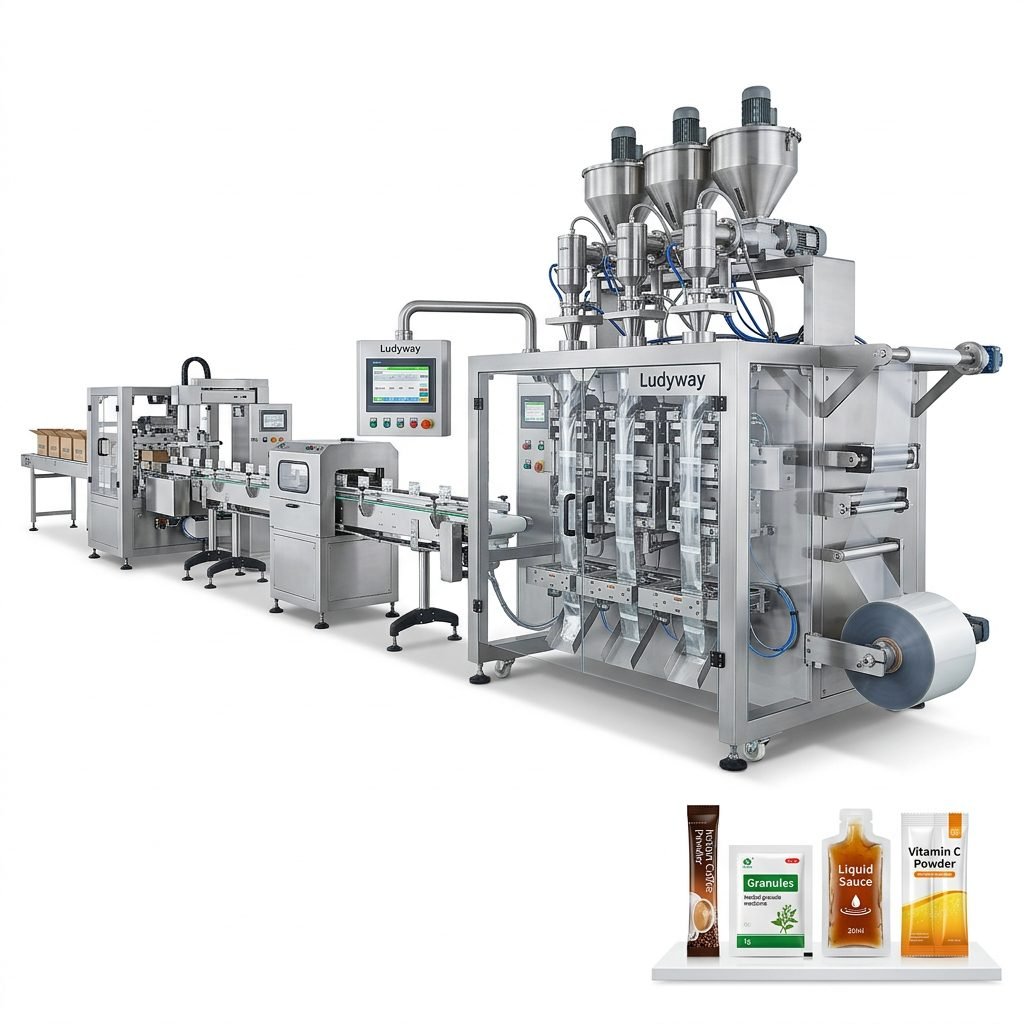
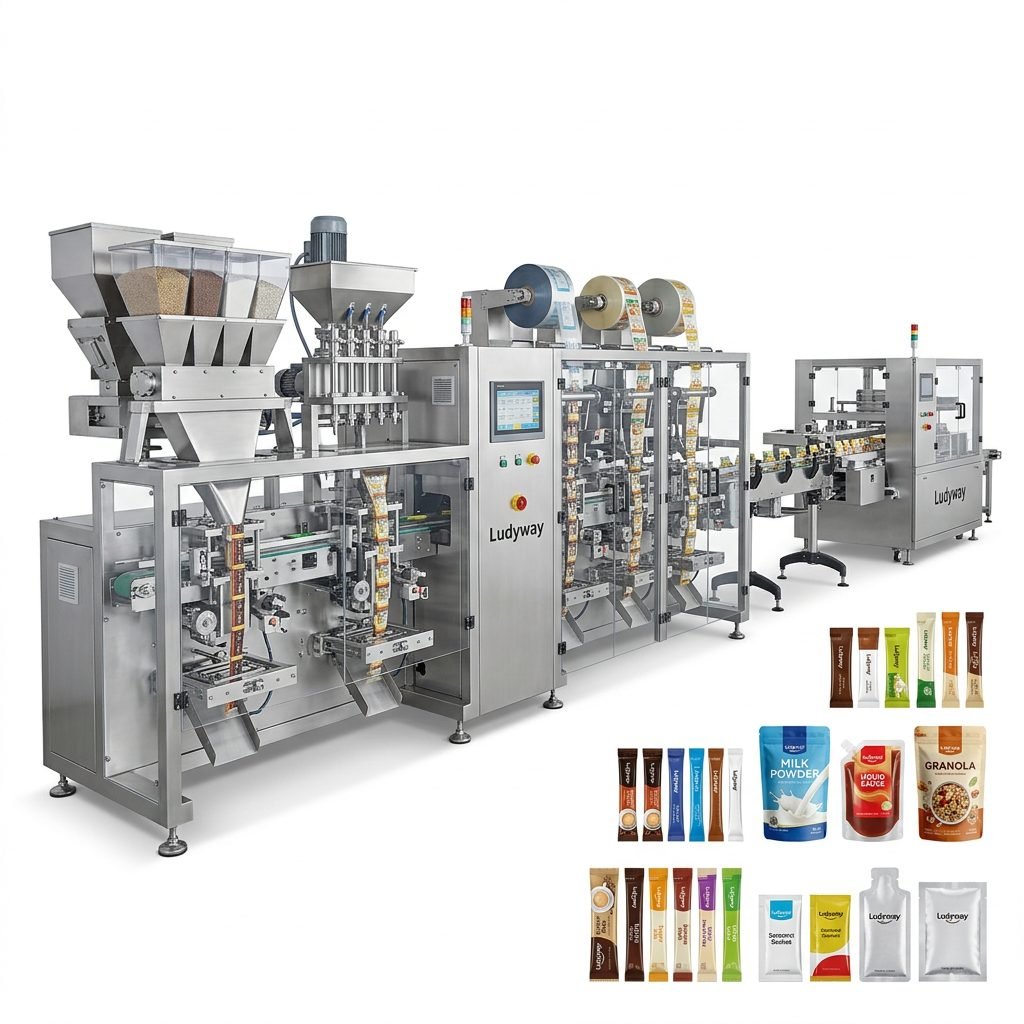
Modern manufacturing demands more than just a filling station. A turnkey packaging solution integrates feeding, filling, gas flushing, sealing, coding, and cartoning. When choosing a machine, consider its communication protocols for Industry 4.0 environments. Real-time data on seal temperature and fill levels drastically reduces waste. The latest trends in flexible packaging also require machines to handle new recyclable mono-materials that behave differently under heat.
Types of Vertical Form Fill Seal (VFFS) Configurations
- Single-Lane Systems: Ideal for entry-level production or large-format bulk family packs.
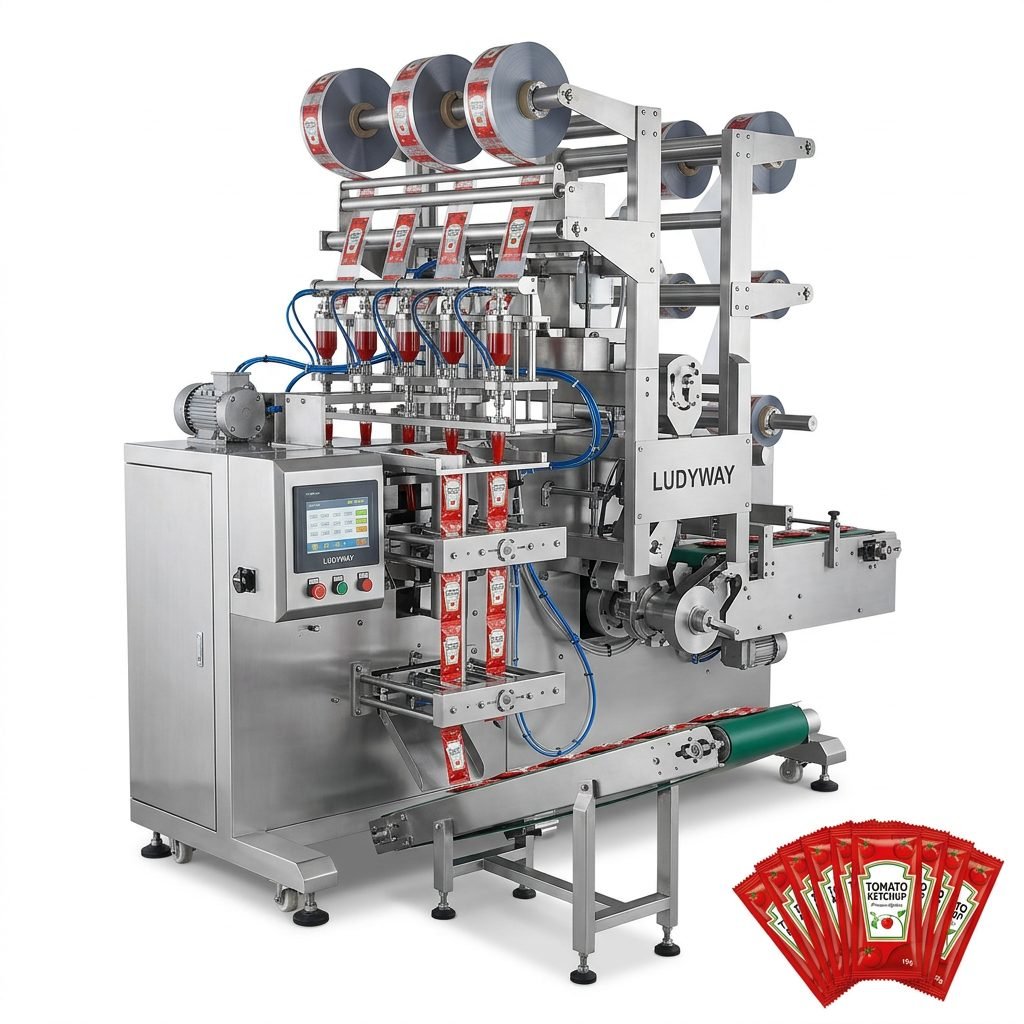
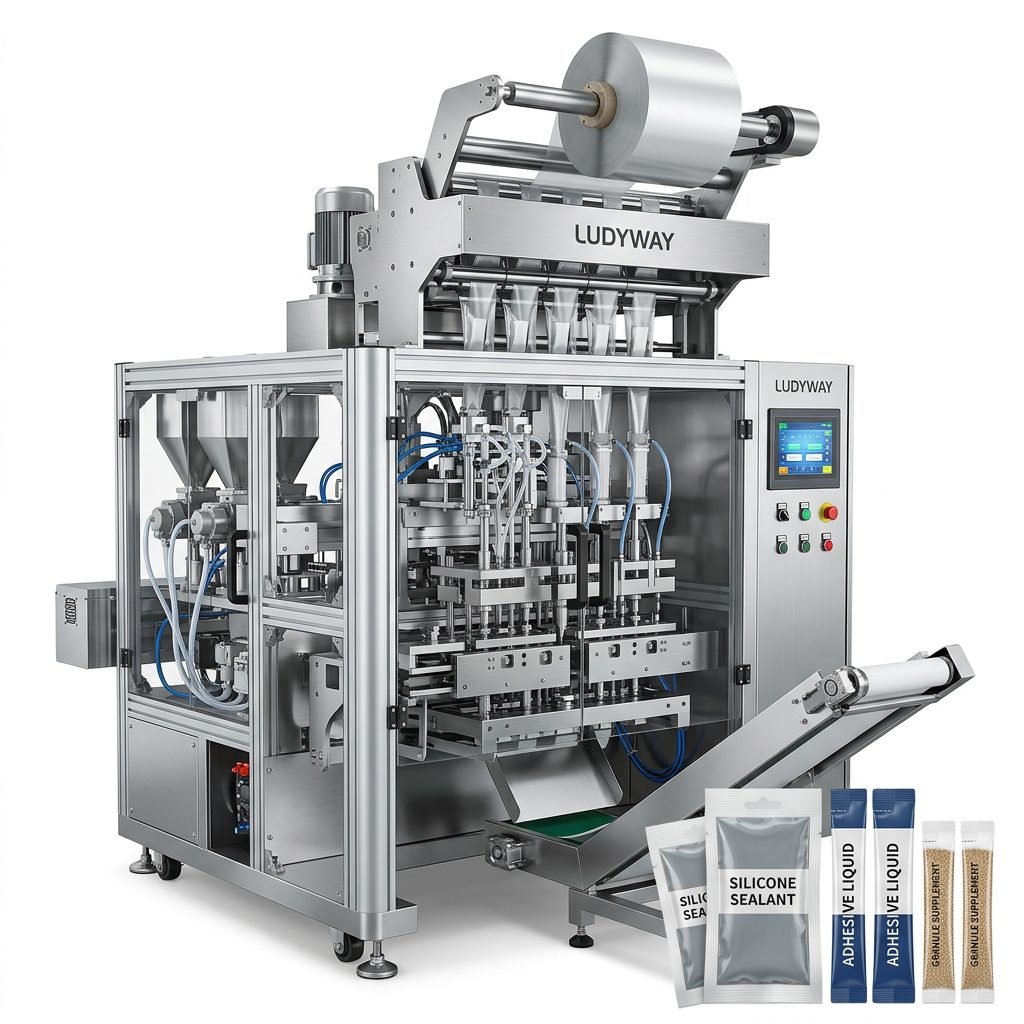
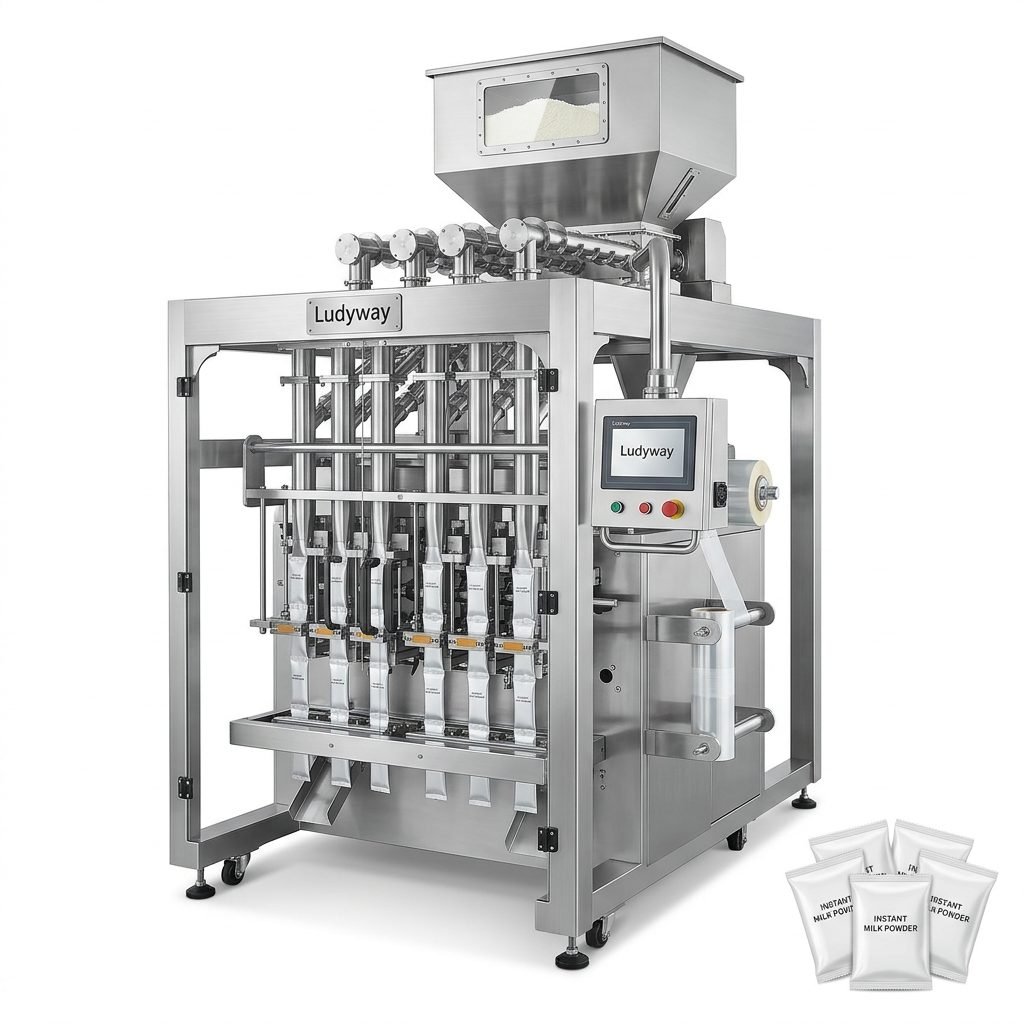
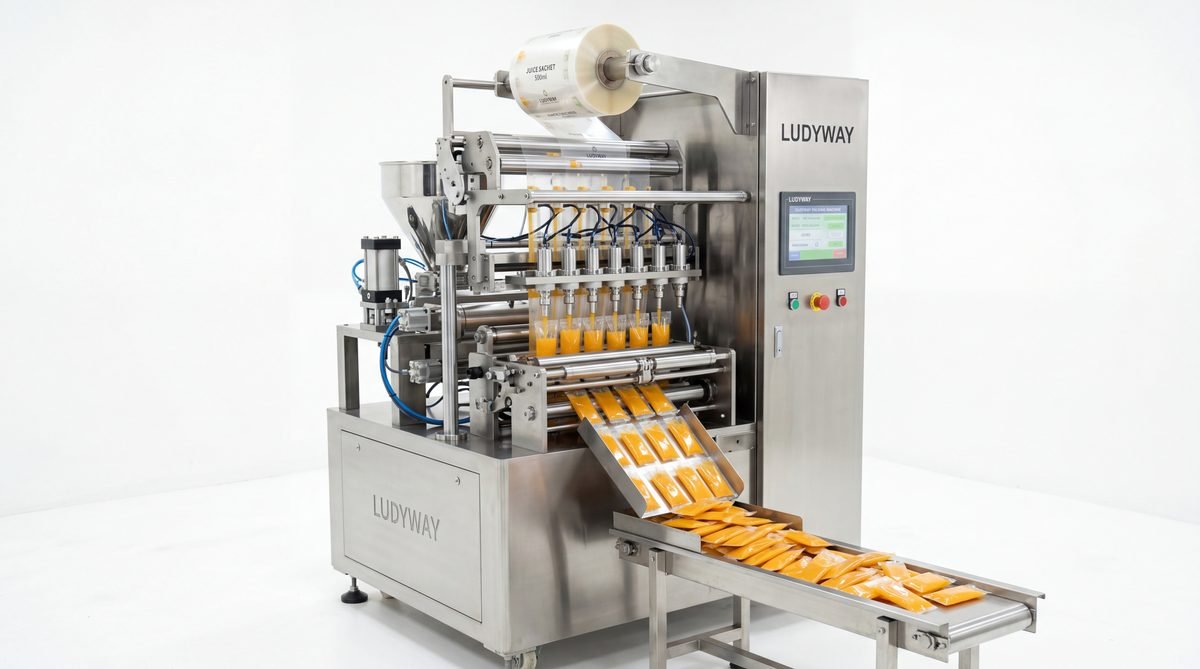
- Multi-Lane Stick Pack & Sachet Systems: Essential for high-volume single-serve pickle sachets, offering output rates of hundreds of packs per minute.
- Premade Pouch Rotary Fillers: Perfect for premium spouted pouches or stand-up pouches with high-impact graphics.
- Continuous Motion vs. Intermittent: Continuous motion machines provide higher speeds for liquid products, while intermittent systems offer precision for chunky solids.
Ensuring Operational Consistency and Compliance
Global retailers have strict codes of practice regarding seal strength and contamination detection. Therefore, your pickle pouch packing machine should be compatible with inline checkweighers, metal detectors, and X-ray inspection systems. Furthermore, consider the supplier’s adherence to ISO packaging standards. A machine built to modular, standardized principles ensures spare parts are not proprietary, making it easier to source components and reducing long-term service costs.

Customizing Your Solution with the Right Partner
Off-the-shelf machinery rarely fits the unique physical characteristics of niche pickle recipes. Whether you are dealing with a highly viscous mustard pickle or an oily South Asian achaar, customization is key. This includes specialized agitators in the hopper tank, anti-splash nozzles, and ceramic-coated sealing jaws. Working with a manufacturer that possesses deep engineering capabilities ensures the solution is adapted to your product, not the other way around.
The Advantage of an Experienced Manufacturer
Selecting a supplier like Ludyway Machinery provides access to over three decades of specialized knowledge in automated packaging. With a 20,000-square-meter manufacturing base and more than 50 machine models, the approach focuses on customizing packaging machinery for specific applications ranging from liquid sachets to complex multi-lane stick packs. Their engineering team evaluates your pickle product’s specific solid-to-liquid ratio, particle size, and oil content to recommend the optimal filling, dosing, and sealing configuration. This integrated approach—covering system design, commissioning, and global after-sales support—helps ensure your investment maximizes production capacity while maintaining the seal integrity and hygiene standards demanded by international markets.
Calculating Return on Investment (ROI)
When budgeting, look beyond the sticker price of the pickle pouch packing machine. Calculate the total cost of ownership, which includes film waste rates, energy consumption, changeover time, and the manufacturer’s ability to provide rapid tech support. High-efficiency servos on modern machines pay for themselves rapidly through reduced electricity bills and precise film tracking. To validate these claims, always request a factory acceptance test (FAT) using your actual frozen or fresh pickle ingredients to witness the machine’s true performance before shipment.
Final Checklist Before Purchasing
- Confirm all product contact parts are 316L stainless steel or food-grade composite.
- Verify the capability to seal through oil and brine without wrinkling or leaking.
- Ensure the machine supports your desired package format: pillow bag, gusseted, or spouted.
- Assess the technical team’s availability for remote or on-site troubleshooting.
- Review warranty specifics covering the sealing mechanism and pump systems.