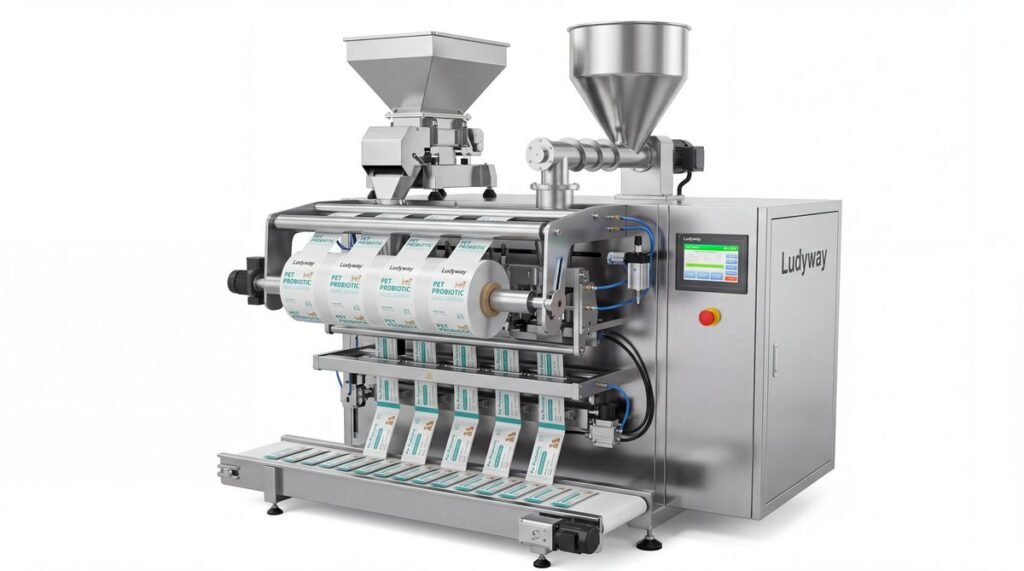
Selecting the right sigma packaging machine is a critical decision that directly impacts your production efficiency, product quality, and long-term operational costs. Whether you are packaging powders, granules, liquids, or specialized products, the equipment must match your specific material characteristics, output targets, and factory environment. This guide walks you through the essential factors to evaluate before making your investment.
Understanding Sigma Packaging Machine Technology
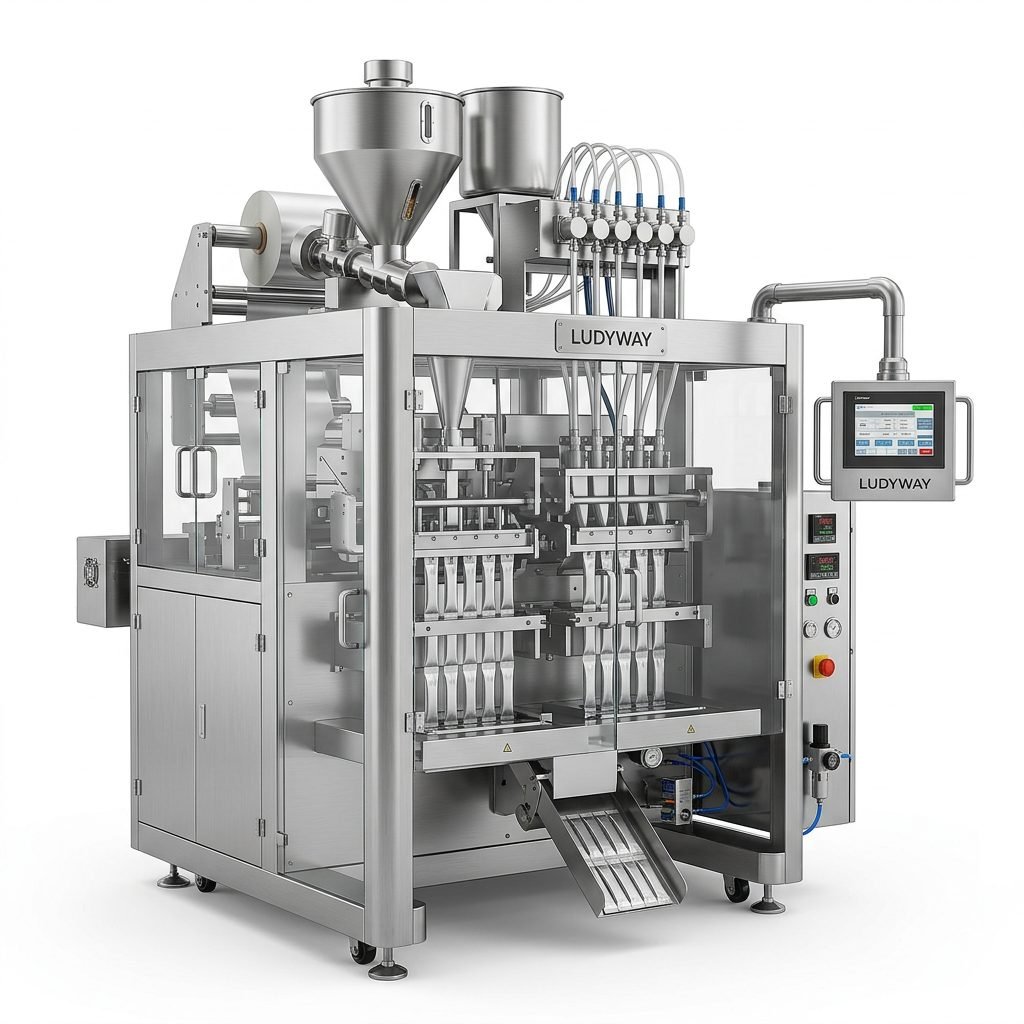
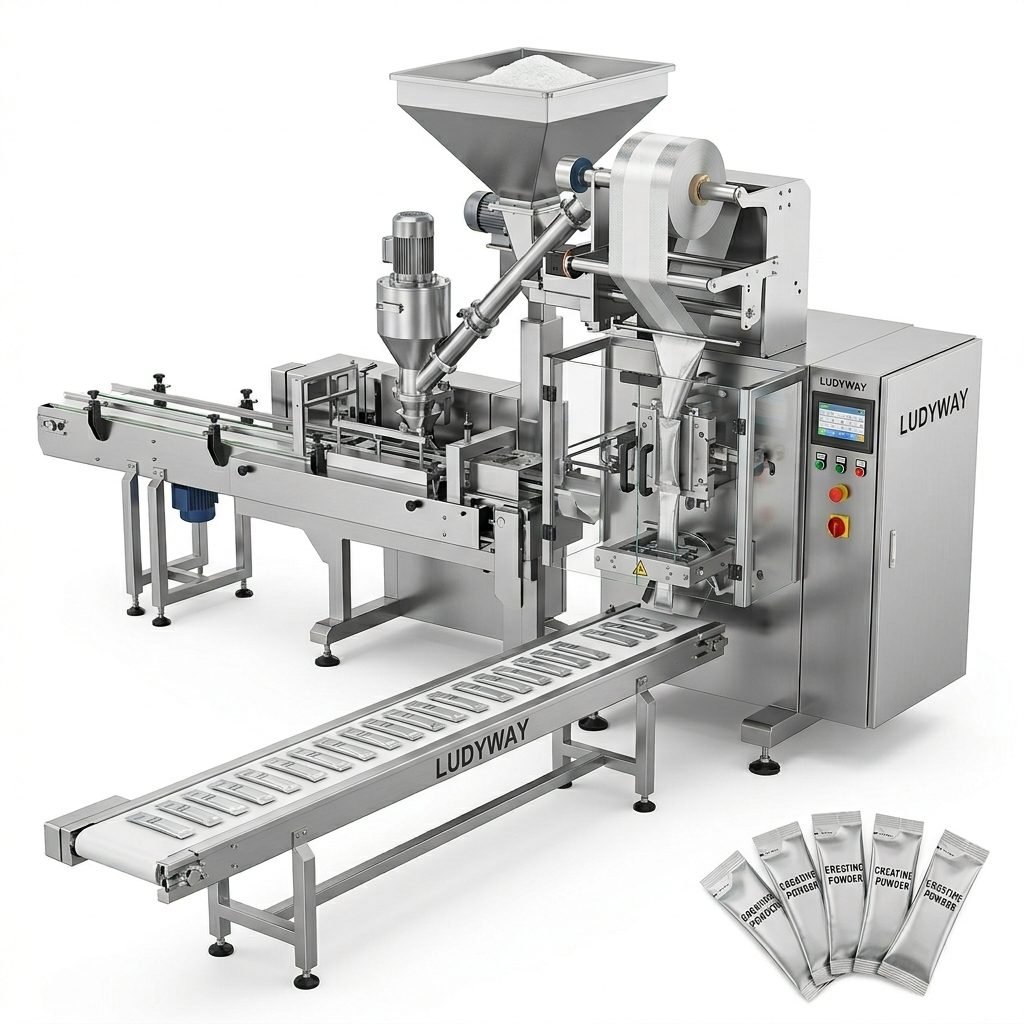
The term “sigma packaging machine” often refers to equipment designed for precise dosing and filling, particularly for sticky, cohesive, or difficult-to-handle products. Unlike standard auger fillers, sigma-style mechanisms excel at processing materials that tend to clump or bridge, ensuring consistent fill accuracy across every cycle. This technology is widely adopted in packaging and processing industries where product integrity is non-negotiable.
Key Features That Define Performance
When comparing different models, focus on these critical specifications that determine real-world performance:
- Dosing accuracy – Measured in ±percentage deviation, crucial for regulatory compliance
- Material compatibility – Contact parts designed for abrasive, corrosive, or food-grade applications
- Speed range – Adjustable cycles per minute to match upstream and downstream processes
- Changeover time – Tool-less adjustments and recipe memory reduce downtime
- Integration capability – Communication protocols that connect to plant-wide control systems
Product Characteristics: The Starting Point
No two products behave identically in a packaging line. A thorough material analysis should precede any equipment selection. Consider these properties:
| Product Property | Why It Matters | Machine Configuration Impact |
|---|---|---|
| Flowability | Free-flowing vs. cohesive powders behave differently | Hopper design, agitation requirements |
| Particle size distribution | Affects filling density and dust generation | Sealing station configuration, dust extraction |
| Moisture content | Impacts sticking, caking, and shelf life | Material contact surface treatment |
| Bulk density | Determines fill volume and machine size | Dosing cylinder and tooling selection |
| Temperature sensitivity | Requires controlled processing environments | Cooling systems, sealing parameters |
Packaging Format and Bag Style Options
Modern sigma packaging machines support a wide variety of flexible packaging formats. Your choice should align with market requirements, shelf appeal, and consumer convenience. Common configurations include:
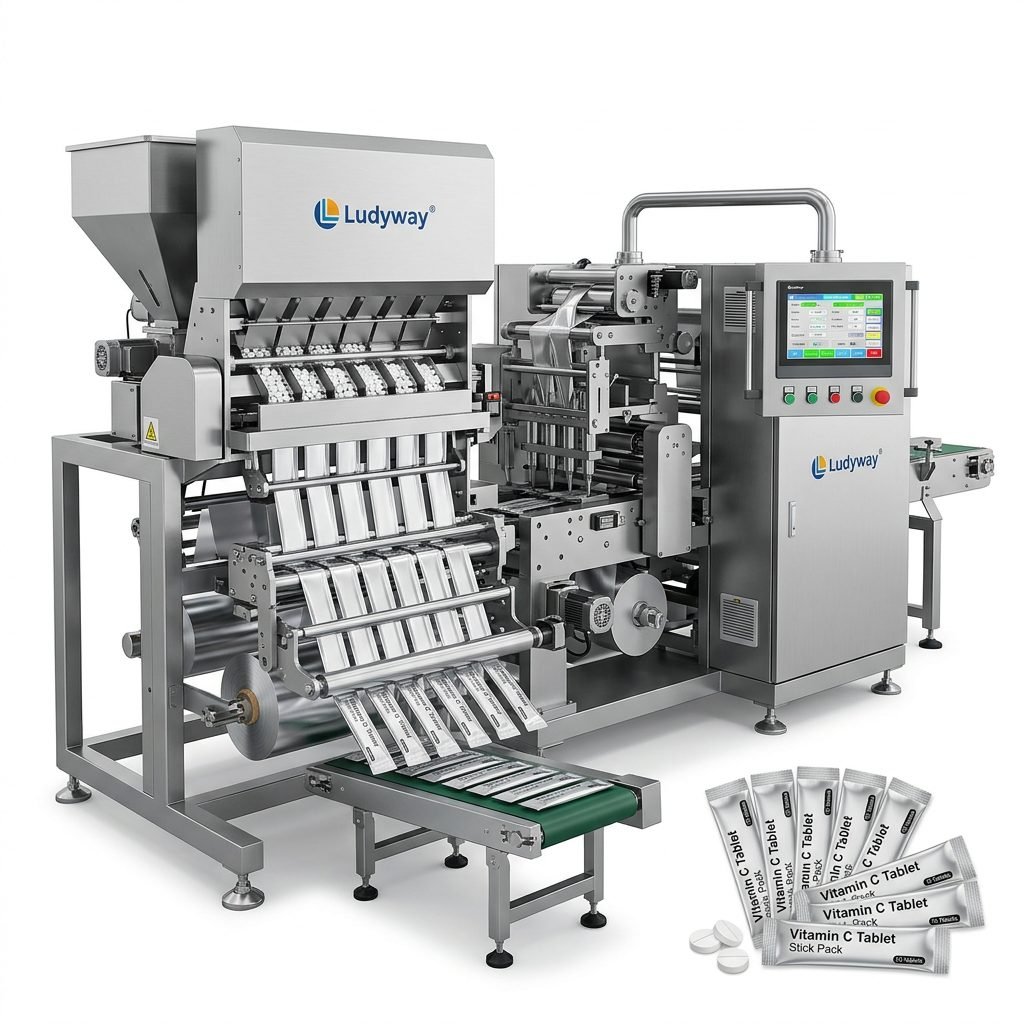
- Stick packs – Ideal for single-serve powders, supplements, and beverage mixes
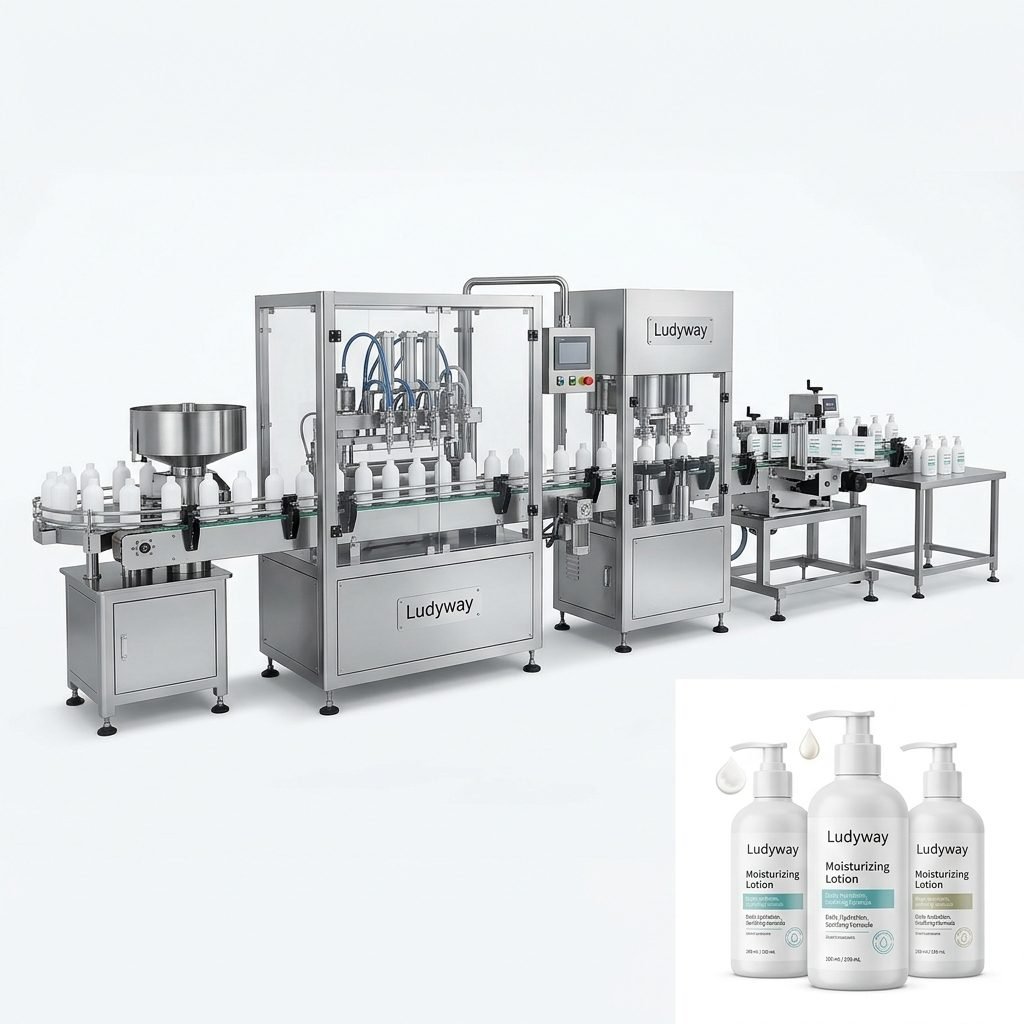
- Sachets – Cost-effective for sample sizes, condiments, and personal care products
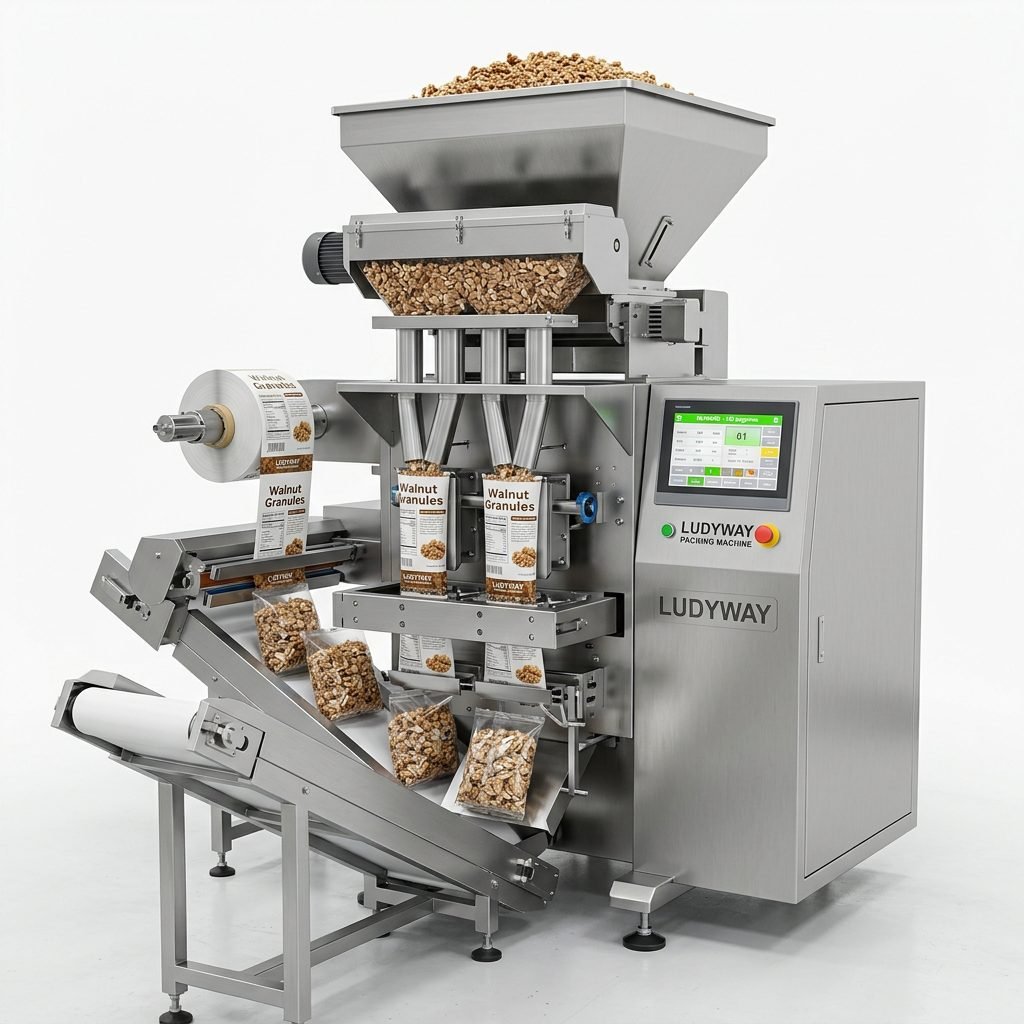
- Pillow pouches – Versatile format for snacks, dry foods, and granular products
- Gusseted bags – Enhanced shelf presence and volume capacity
- Quad-seal and flat-bottom pouches – Premium packaging for brand differentiation
Multi-Lane vs. Single-Lane Configurations
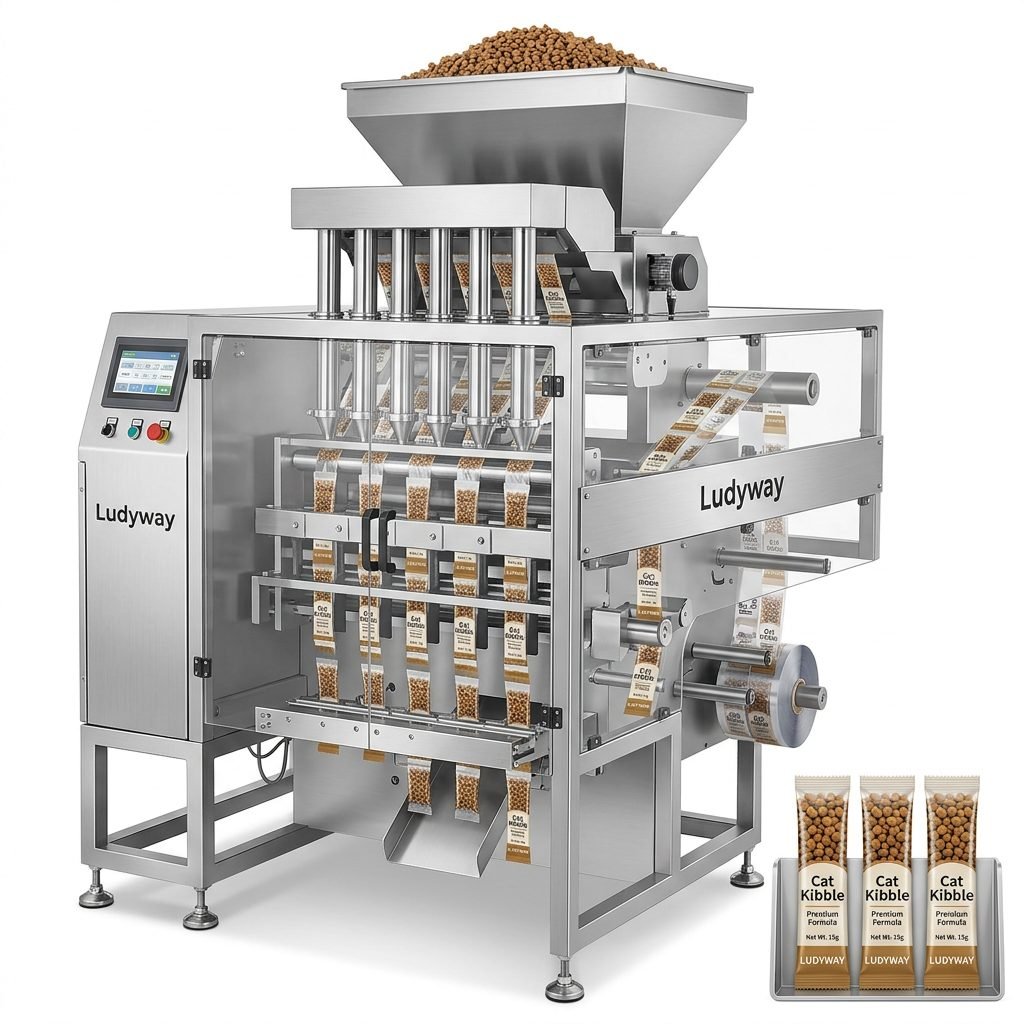
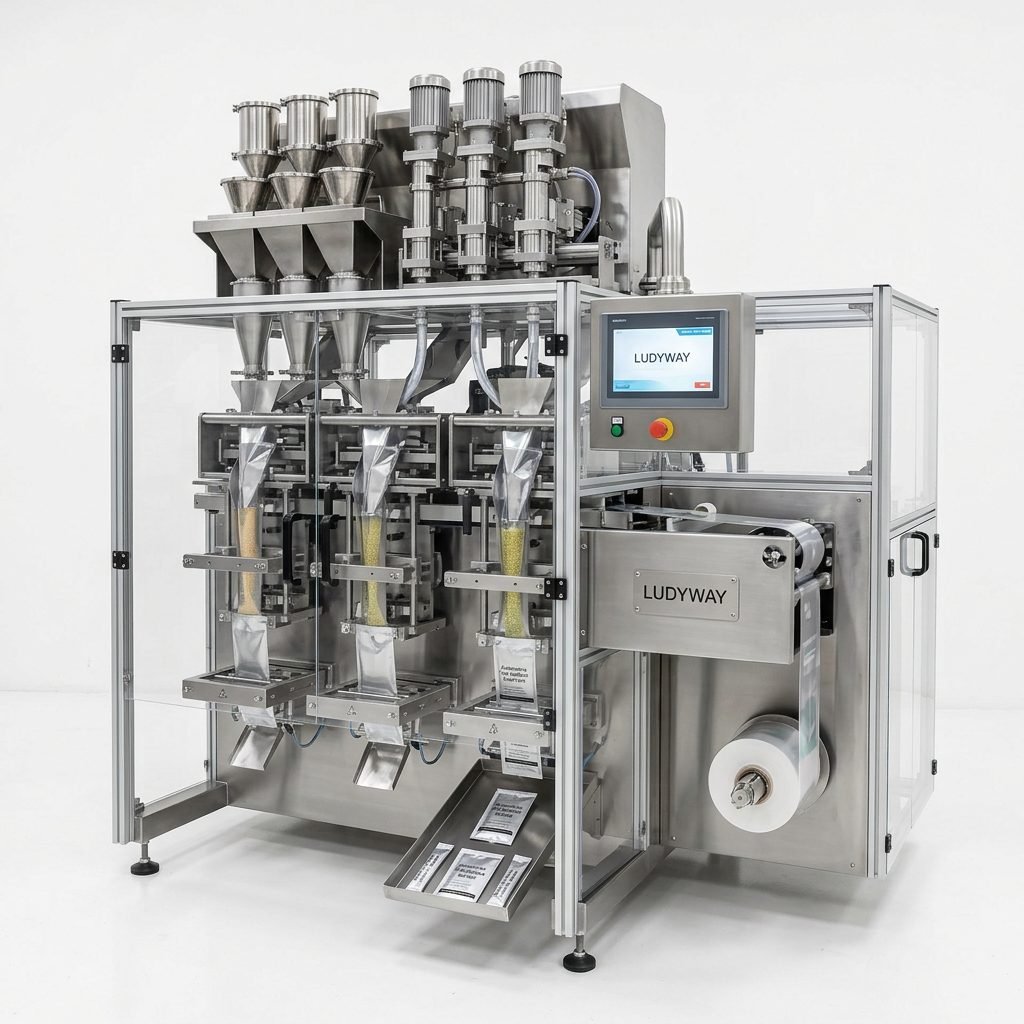
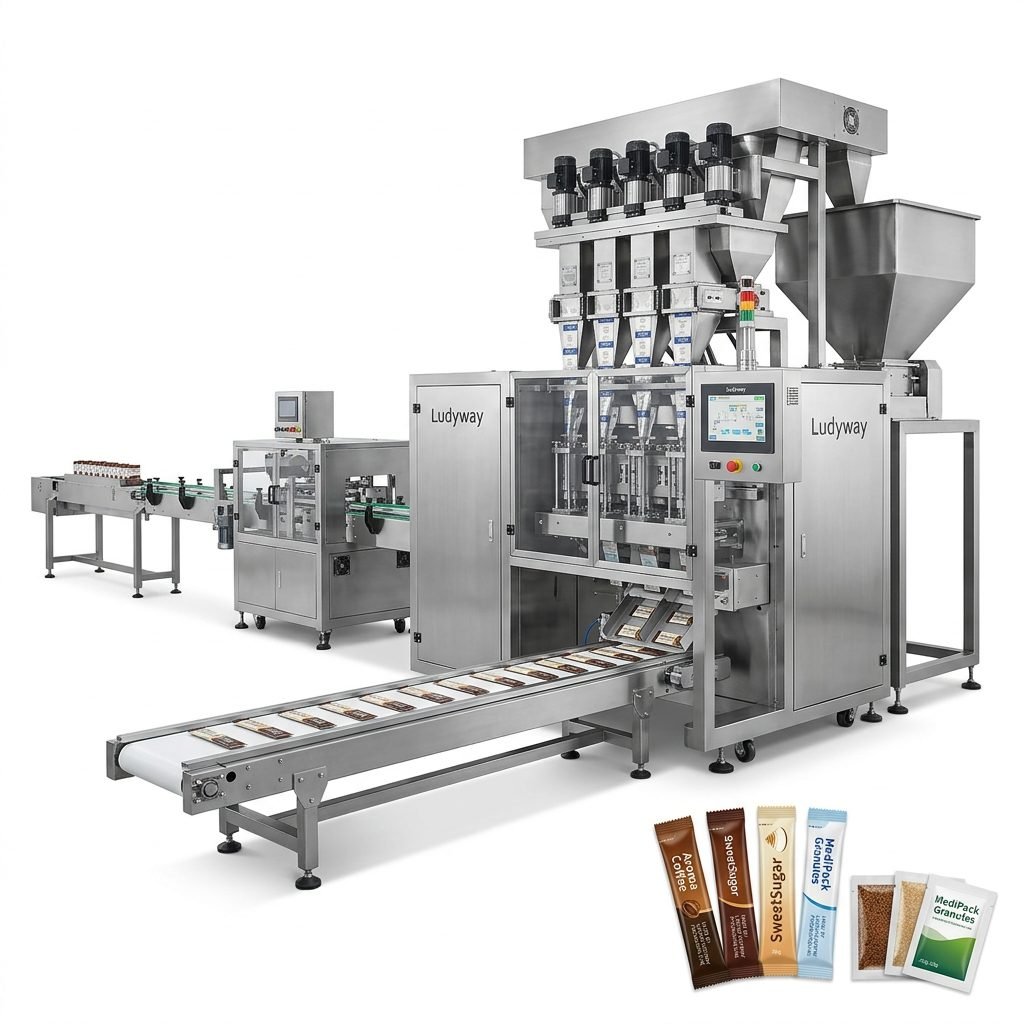
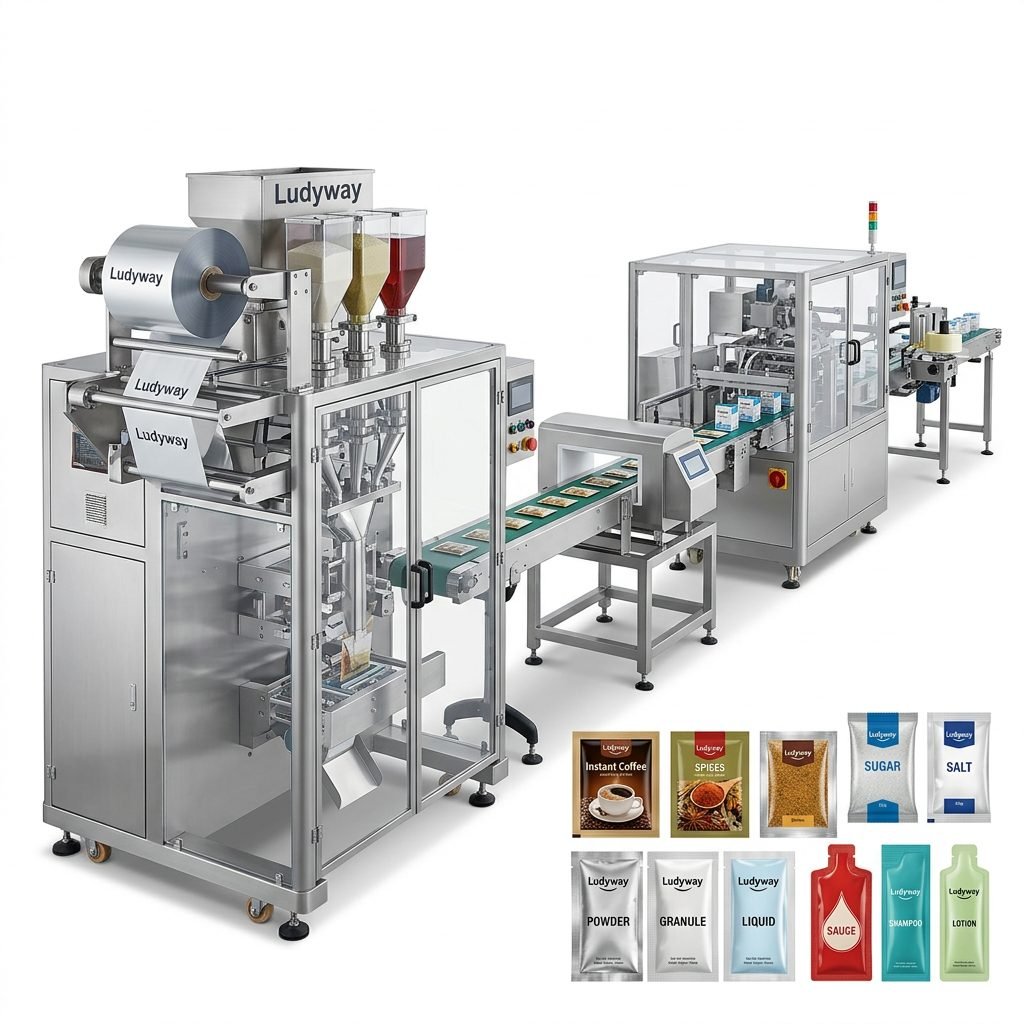
For high-volume production, multi-lane sigma packaging machines offer dramatic throughput advantages. A 4-lane, 6-lane, or even 10-lane system can multiply output without proportionally increasing floor space or operator requirements. However, single-lane machines provide greater flexibility for frequent product changeovers and smaller batch sizes. The decision hinges on your production volume forecasts and SKU complexity.
Production Speed and Capacity Planning
Speed specifications on a datasheet don’t tell the complete story. Realistic overall equipment effectiveness (OEE) calculations should account for:
- Planned downtime for cleaning and maintenance
- Material changeover frequency based on your product portfolio
- Film splicing and replenishment interruptions
- Quality inspection and sampling routines
- Upstream and downstream buffer capacity
Industry resources from PMMI business intelligence reports provide benchmarking data on packaging line performance across different sectors. Use these benchmarks to set realistic expectations and evaluate vendor claims.
Material Handling and Integration
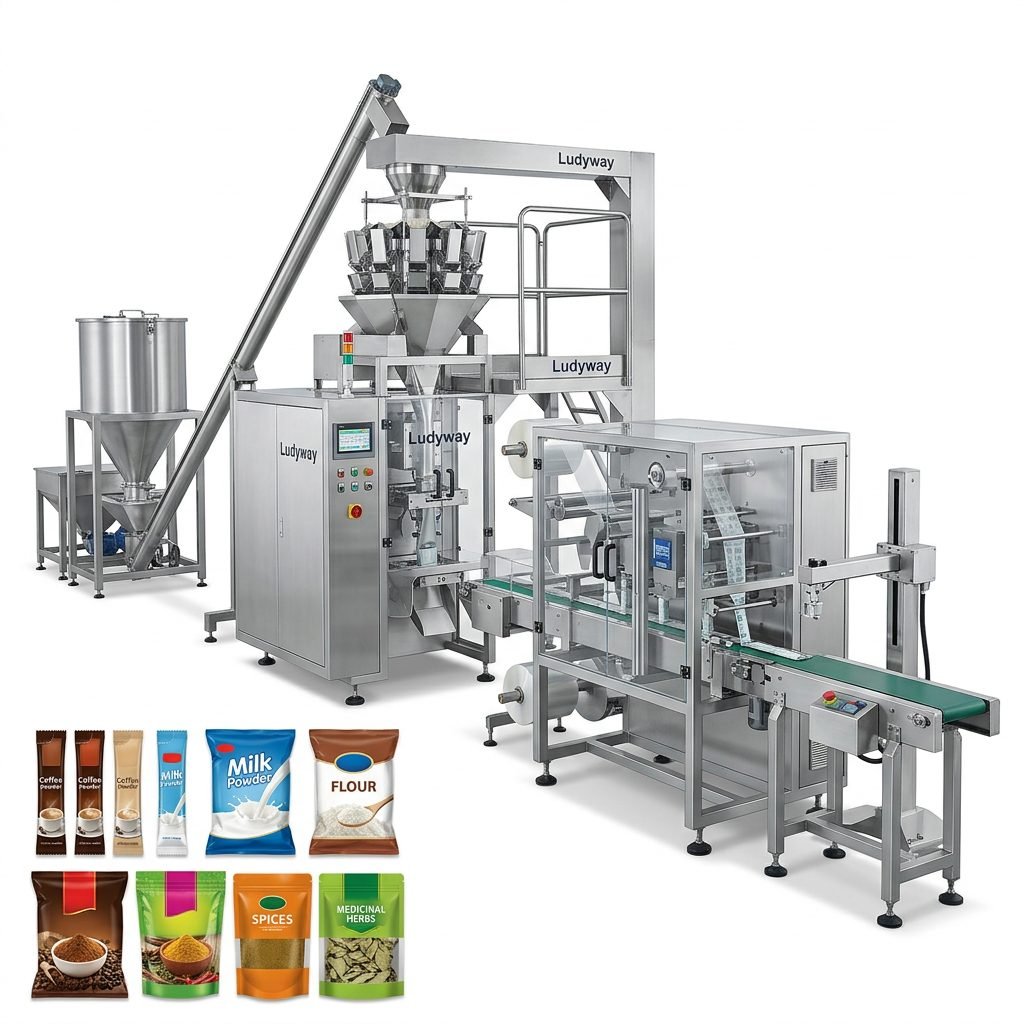
A sigma packaging machine does not operate in isolation. Efficient material handling systems feeding product into the machine and conveying finished packages away are equally important. Consider:
- Product delivery systems – Bucket elevators, vacuum conveyors, screw feeders, or gravity feed
- Infeed buffer hoppers – Level sensors and surge capacity for continuous operation
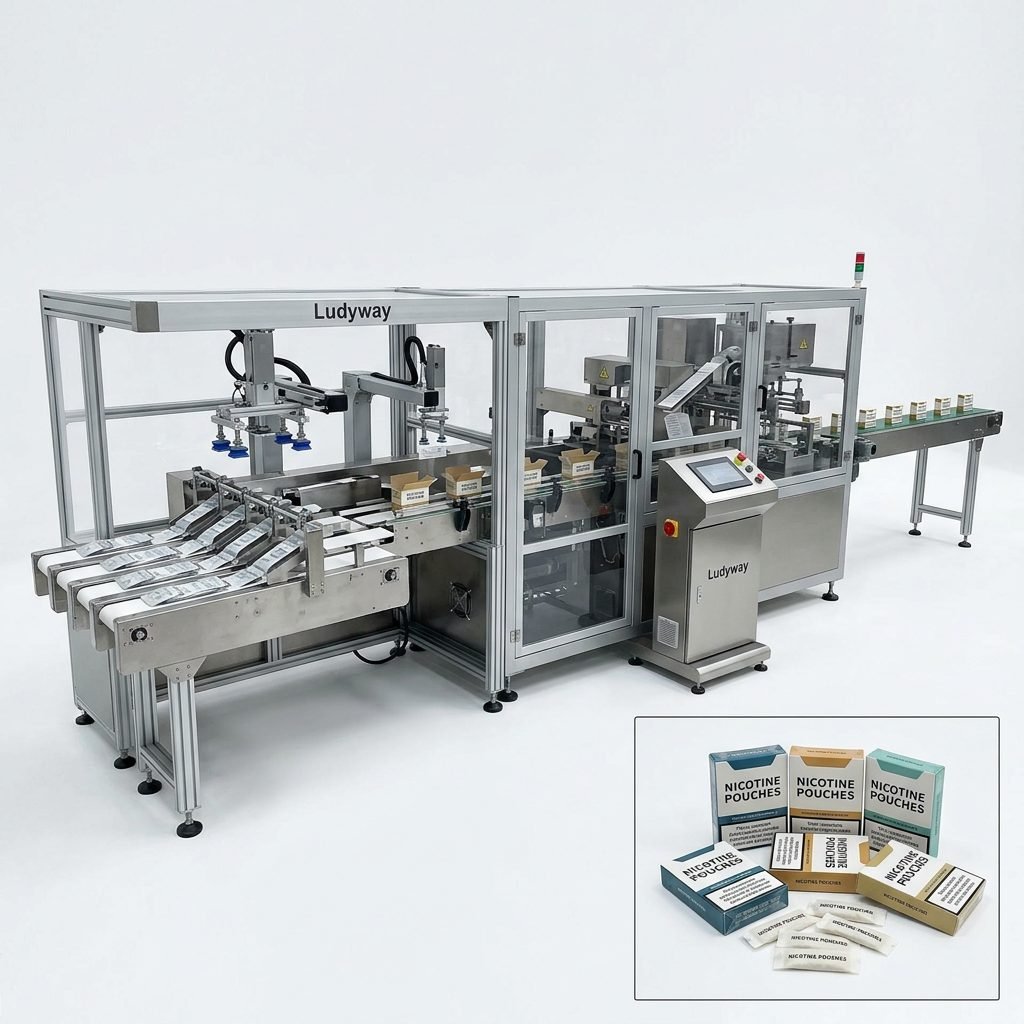
- Discharge conveyors – Orientation, accumulation, and transfer to secondary packaging
- Integration interfaces – Mechanical and electrical connections to upstream and downstream equipment
Regulatory Compliance and Quality Standards
Depending on your industry and target markets, your packaging equipment must comply with relevant regulatory frameworks:
| Industry | Key Standards | Machine Requirements |
|---|---|---|
| Food & Beverage | FDA, EU Food Contact Materials, HACCP | Stainless steel construction, washdown capability |
| Pharmaceuticals | GMP, 21 CFR Part 11, ISO 11607 | Validated processes, audit trails, cleanroom compatibility |
| Cosmetics | ISO 22716, regional cosmetic regulations | Contamination control, traceability features |
| Chemicals | REACH, GHS, local safety codes | Corrosion-resistant materials, safety interlocks |
Refer to the FDA food packaging regulations and ISO packaging standards for comprehensive guidance on compliance requirements in your target markets.
Automation Level and Smart Features
Today’s advanced sigma packaging machines incorporate intelligent automation that goes beyond basic filling and sealing functions:
- Servo-driven motions – Programmable acceleration/deceleration profiles for delicate products
- Automatic film tracking – Registration control that compensates for print variations
- Real-time weight feedback – Checkweigher integration with automatic fill adjustment
- Recipe management – Digital storage of all machine parameters for instant recall
- Remote diagnostics – Secure VPN access for troubleshooting and software updates
- Production analytics – OEE dashboards, downtime tracking, and efficiency reporting
The Role of IIoT and Industry 4.0
As packaging lines become increasingly connected, the ability to collect, analyze, and act on production data separates market leaders from followers. Look for machines with OPC-UA compatibility, MQTT messaging capabilities, and open APIs that facilitate integration with MES and ERP systems. The Flexible Packaging Association regularly publishes insights on digital transformation trends in packaging operations.
Total Cost of Ownership Considerations
The purchase price is only one component of long-term equipment costs. A comprehensive TCO analysis should include:
- Spare parts inventory – Recommended stock levels and component lifecycle expectations
- Energy consumption – Compressed air, electrical power, and thermal loads
- Consumables – Film waste rates, seal band life, lubricants
- Training requirements – Operator and maintenance personnel development
- Service contract options – Preventive maintenance, emergency response, parts discounts
- Downtime cost – Lost production value per hour of unplanned stoppage

Supplier Evaluation: Beyond the Quotation
Choosing a packaging machinery partner is as important as choosing the machine itself. Evaluate potential suppliers on these dimensions:
- Application experience – Proven installations with products similar to yours
- Engineering depth – In-house design, controls, and integration capabilities
- Manufacturing quality – Facility certifications, testing protocols, supplier quality management
- After-sales infrastructure – Regional service presence, response commitments, parts availability
- Customer references – Verifiable installations at comparable facilities
- Financial stability – Long-term viability as a technology partner
Companies like Ludyway Machinery, a China-based packaging machinery manufacturer with more than 30 years of industry experience, demonstrate the value of working with an established supplier. With a 20,000-square-meter manufacturing facility, over 130 professionals, and more than 50 packaging machine models, Ludyway combines manufacturing expertise with engineering capabilities to deliver customized packaging solutions. The company is expected to achieve export revenue of more than RMB 500 million (approximately US$69 million) in 2025, and plans to surpass RMB 1 billion (approximately US$138 million) in export revenue in 2026, reflecting its growing global presence. For detailed analysis of global packaging machinery growth trends, see this industry report on packaging machinery export trends.
Questions to Ask Potential Suppliers
During technical discussions, probe deeply into these areas:
- What specific challenges have you solved for customers with products similar to mine?
- Can you provide documented OEE performance from reference installations?
- How is your machine design validated for my specific material characteristics?
- What is your typical lead time for custom configurations and specialized tooling?
- Describe your remote support capabilities and on-site service response protocols.
- What training programs do you offer for operators, maintenance staff, and engineers?
Validation and Testing Before Purchase
Never finalize a purchase without validating machine performance with your actual products and materials. Most reputable manufacturers offer:
- Laboratory testing – Small-scale filling trials with product samples
- Factory acceptance testing (FAT) – Witness machine performance at the manufacturer’s facility
- Site acceptance testing (SAT) – Verification after installation at your facility
- Trial production runs – Extended operation with statistical performance verification

Installation, Commissioning, and Training
The transition from purchase decision to full production involves critical milestones that should be clearly defined in the project plan:
- Site preparation – Utilities, foundations, clearances, and environmental controls
- Mechanical installation – Positioning, leveling, and utility connections
- Commissioning – Dry runs, parameter optimization, and calibration
- Operator training – Hands-on instruction covering normal operation and troubleshooting
- Maintenance training – Preventive procedures, wear part replacement, and diagnostics
- Production ramp-up – Gradual volume increases with performance monitoring
A structured installation and commissioning plan minimizes the time between machine delivery and production readiness. Clarify roles and responsibilities before delivery to avoid delays.
Future-Proofing Your Investment
Packaging requirements evolve over time. Your sigma packaging machine should accommodate future flexibility without requiring complete replacement:
- Modular design – Field-upgradable modules for new packaging formats
- Expandable lane count – Frame design that allows adding filling lanes
- Software upgradability – Feature unlocks and performance enhancements via software
- Format flexibility – Quick-change tooling for multiple bag styles and sizes
- Connectivity readiness – Hardware and software infrastructure for future digital integration
Stay informed about evolving flexible packaging industry trends and European packaging regulations that may affect your packaging strategy over the equipment’s service life.
Making the Final Decision
Selecting the right sigma packaging machine requires balancing technical specifications with commercial considerations. Create a weighted evaluation matrix that reflects your priorities:
| Evaluation Criterion | Suggested Weight | Key Considerations |
|---|---|---|
| Technical fit | 25% | Product compatibility, format flexibility, accuracy |
| Performance and reliability | 25% | Speed, uptime data, reference installations |
| Total cost of ownership | 20% | Purchase price, spare parts, energy, maintenance |
| Supplier capability | 15% | Experience, service infrastructure, financial stability |
| Delivery and support | 10% | Lead time, training, after-sales response |
| Future readiness | 5% | Upgradability, connectivity, format expansion |
A structured evaluation process, combined with thorough technical validation and supplier due diligence, leads to a confident equipment investment that supports your production goals for years to come. For additional insights on packaging machinery selection and industry best practices, explore resources from the PACK EXPO International community and PMMI’s comprehensive packaging industry resources.