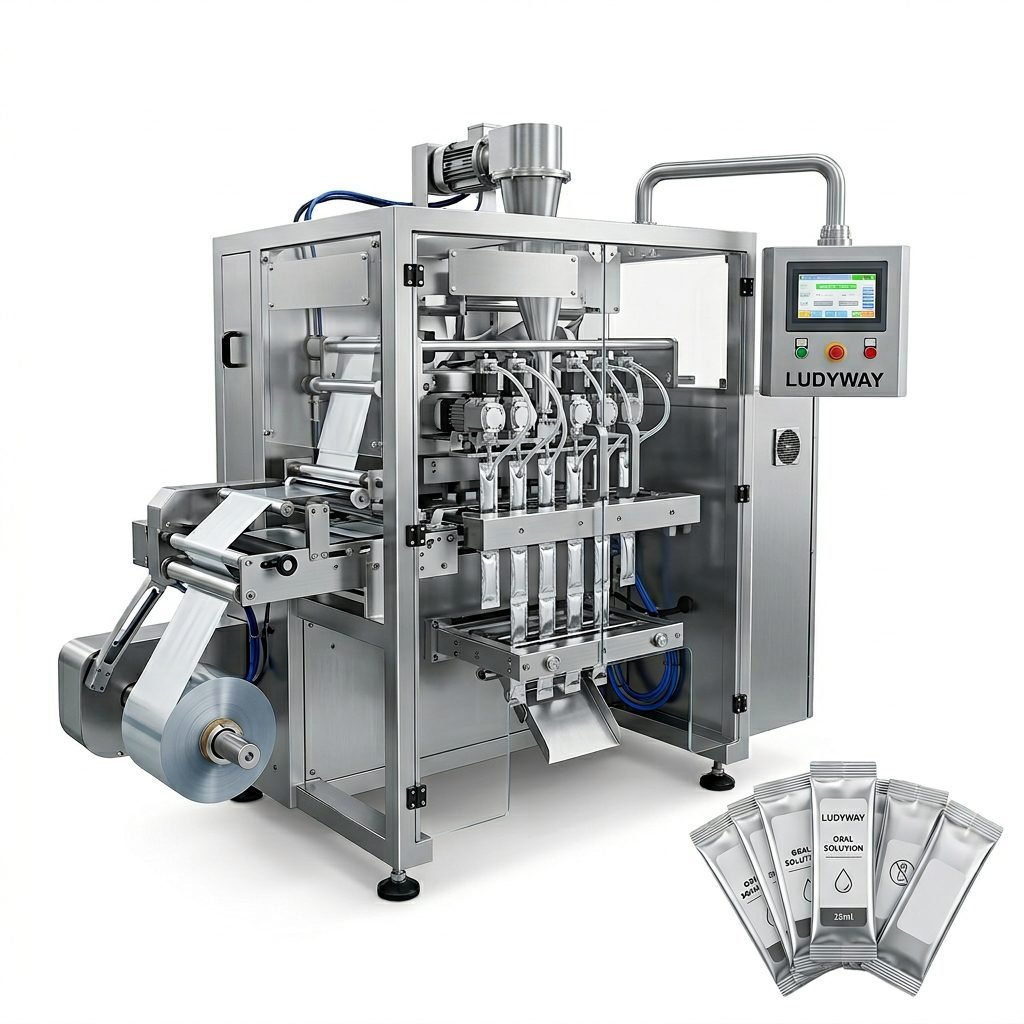
Investing in a soft drink packaging machine is a critical decision that directly impacts your production efficiency, product quality, and bottom line. Whether you are a growing craft soda brand or a large-scale manufacturer, selecting the right equipment requires a thorough understanding of your product characteristics, production goals, and the latest packaging technologies. This guide walks you through the essential factors to consider, helping you make an informed purchasing decision.
1. Understanding Your Soft Drink Product Requirements
Before comparing machine specifications, you must clearly define what you are packaging. Soft drinks encompass a wide range of products, each with unique handling challenges that influence the packaging machine configuration.
Liquid Characteristics and Viscosity
Still beverages like water or juice behave very differently from carbonated soft drinks (CSDs). Carbonated products require specialized filling technology that maintains the CO2 content and prevents foaming. Similarly, beverages with pulp, juice concentrates, or high viscosity (like smoothies or syrups) demand specific positive displacement fillers or piston fillers rather than standard gravity or pressure systems. Analyzing your product’s particulate size, carbonation level, and flow characteristics is the non-negotiable first step.
Production Volume and Speed Needs
Your current and projected output volume determines the automation level and speed rating of the machine. A small business might start with a semi-automatic tabletop filler operating at 500–1,000 bottles per hour (BPH), while a high-speed production line typically needs to achieve 10,000 to 36,000 BPH or more. Accurately forecasting your growth trajectory helps avoid outgrowing your equipment too quickly or over-capitalizing on excessive capacity.
2. Evaluating Filling Technology for Soft Drinks
The filling mechanism is the heart of your packaging line. Choosing the wrong one leads to inaccurate fill levels, excessive oxygen pick-up, and product waste. The following table compares the most common filling technologies used in the soft drink industry.
| Filling Technology | Best For | Key Advantage |
|---|---|---|
| Isobaric (Counter-Pressure) Filling | Beer, Sparkling Water, CSDs | Maintains carbonation, minimizes foaming |
| Gravity Filling | Still Water, Non-carbonated Drinks | Simple mechanical structure, cost-effective |
| Piston/Volumetric Filling | Pulp Juices, Syrups, Concentrates | High accuracy for viscous or chunky liquids |
| Aseptic Filling | Extended Shelf Life (ESL) Dairy, Juices | Sterile environment for preservative-free products |
3. Container Types and Packaging Formats
Modern soft drink packaging is diverse. Your machine must handle the specific container type and packaging format you intend to use, or better yet, offer flexibility for future market expansions.
- Rigid Containers: Glass bottles, PET bottles, and aluminum cans. PET bottle lines often require integrated rinsers, fillers, and cappers (RFC monoblocks) to handle lightweight bottles efficiently.
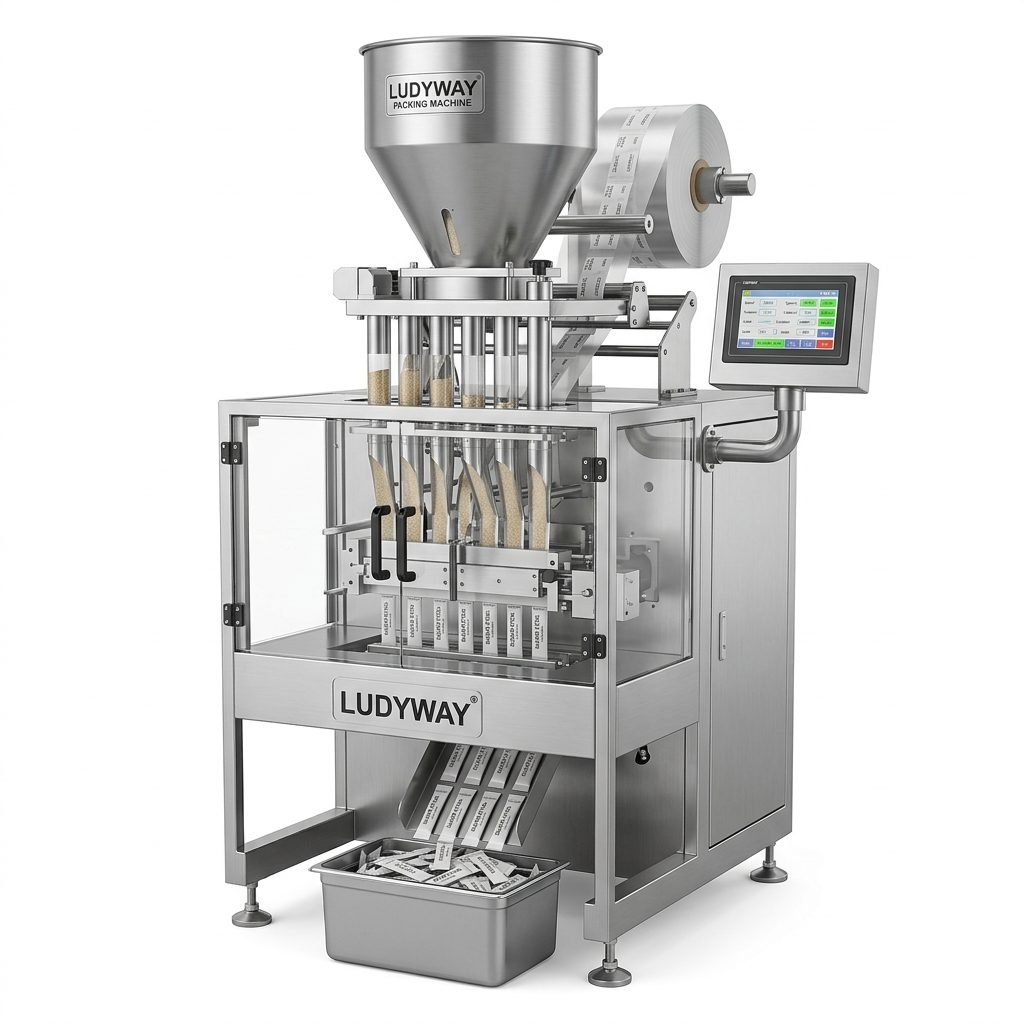
- Flexible Packaging: Stand-up pouches, spouted pouches, and stick packs are gaining popularity. These require flexible packaging machinery with different sealing and film-handling capabilities.
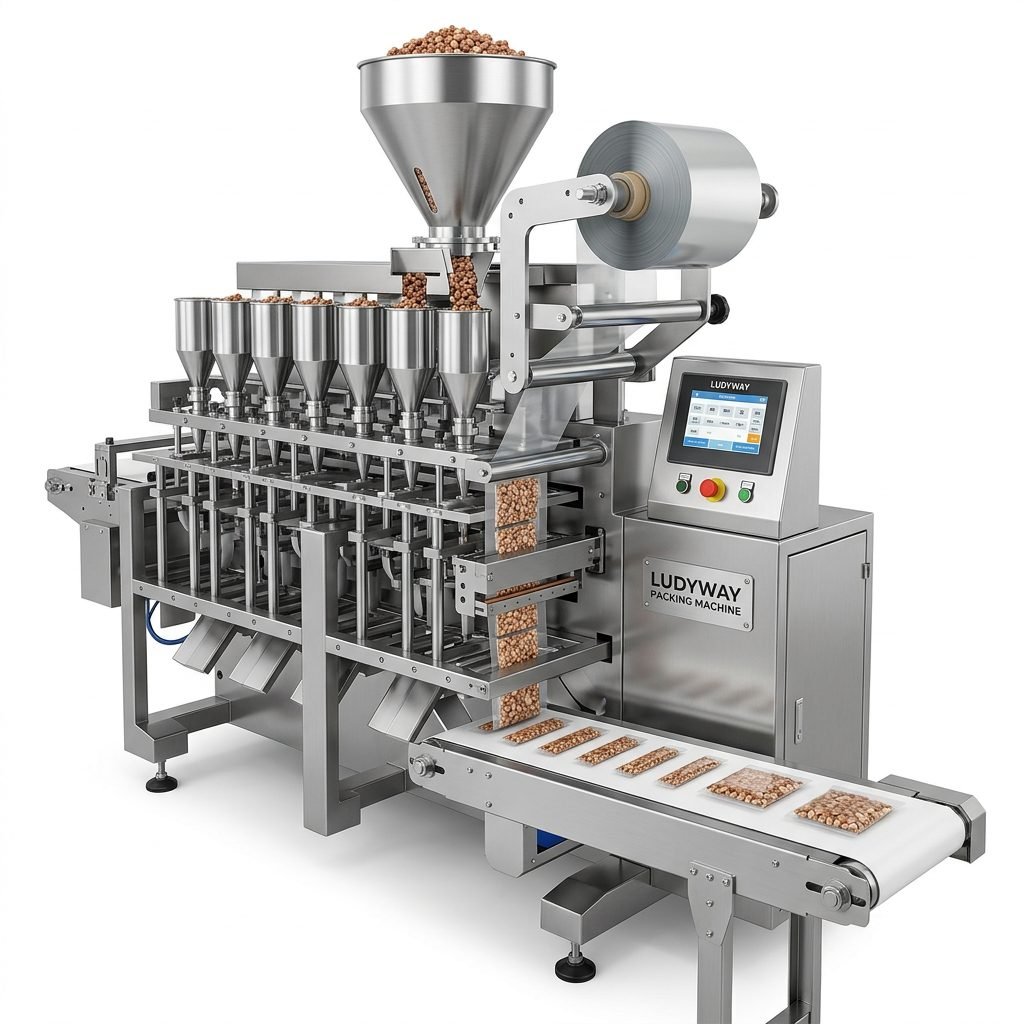
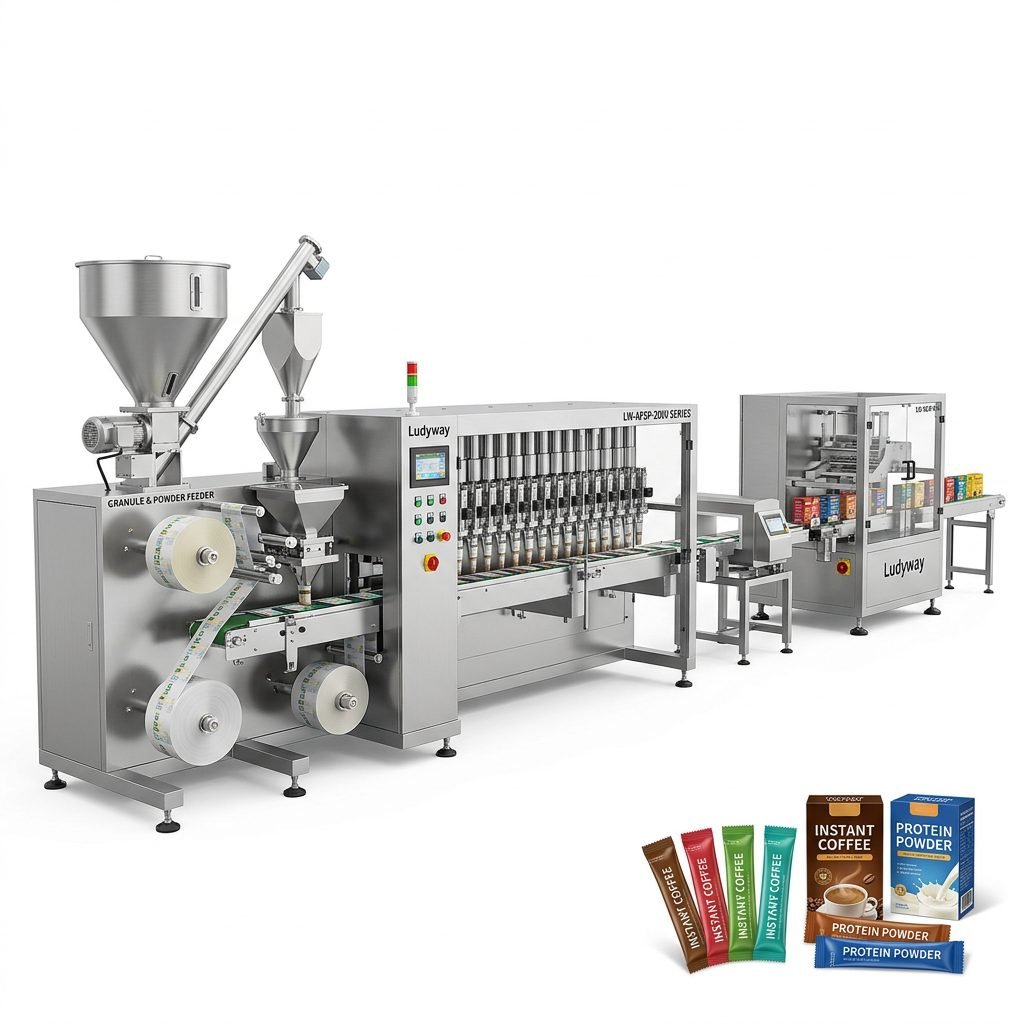
- Multi-Lane Sachet Lines: For single-serve drink powders or concentrates, high-speed multi-lane sachet machines offer unmatched throughput.
- Cap and Closure Systems: Ensure the capping turret is compatible with your closure type—screw caps, sport caps, or press-on tamper-evident lids.
A versatile platform might allow you to switch between multiple bottle sizes with quick-change tooling, providing agility as consumer preferences shift toward smaller on-the-go formats or larger family sizes.
4. Sanitary Design and Hygiene Standards
Compliance with food safety regulations is non-negotiable. Soft drink packaging machines must be designed to prevent contamination and facilitate thorough cleaning. Look for equipment that aligns with ISO packaging standards and FDA requirements for food contact surfaces.
Key Sanitary Features to Evaluate
- Clean-in-Place (CIP) Systems: Automated internal cleaning circuits that eliminate manual disassembly, reducing downtime and ensuring repeatable sanitation cycles.
- Open-Frame Construction: Machines with sloped surfaces, minimal flat areas, and accessible zones prevent liquid pooling and facilitate washdowns.
- Material Certifications: All product contact parts should be constructed from AISI 304 or 316L stainless steel with FDA-approved elastomers and seals.
- Hygienic Valve Manifolds: Filling valves should be designed to prevent drip, minimize air contact, and withstand hot sanitizing solutions.
If you plan to distribute in international markets, verify that the equipment can meet the regulatory requirements of your target regions, including relevant CE or FDA food packaging compliance.
5. Machine Configuration and Automation Integration
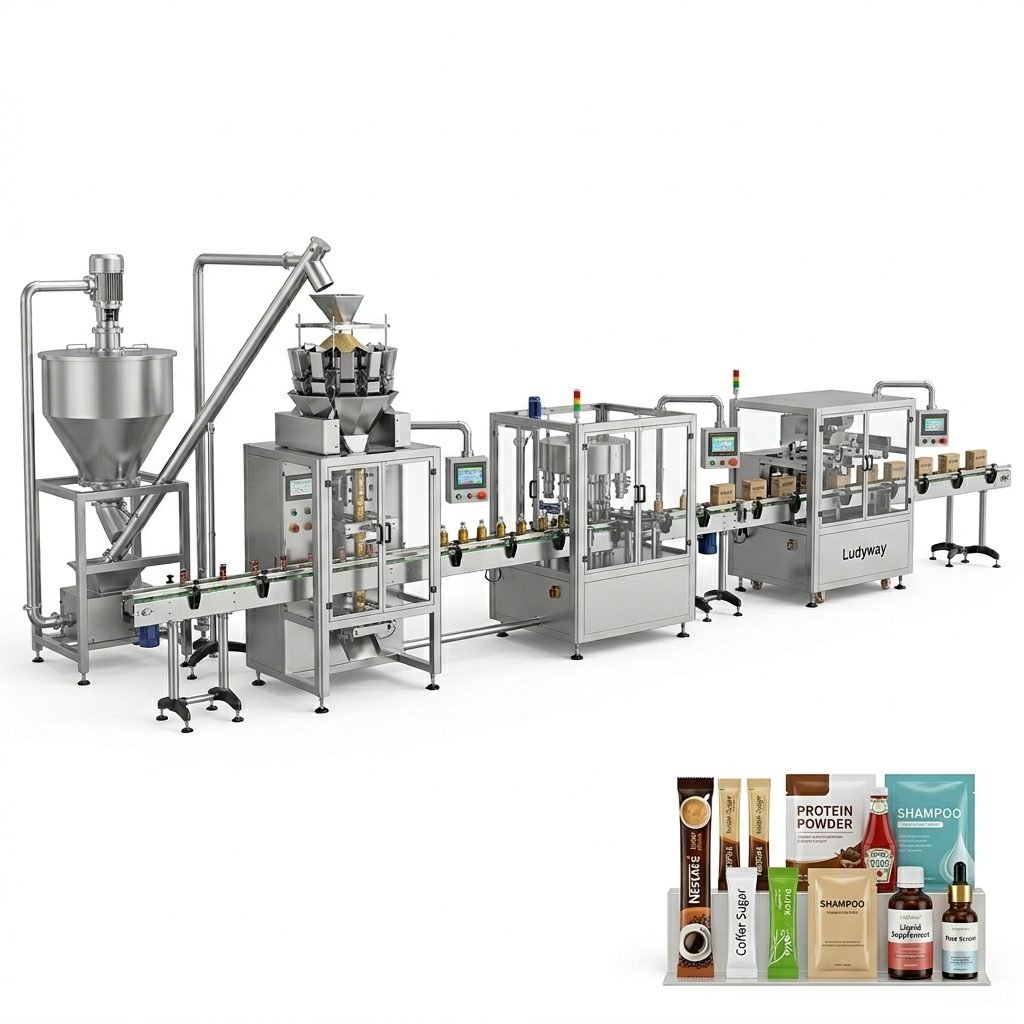
A standalone filler is rarely sufficient. The most efficient soft drink lines are integrated systems that connect multiple stages seamlessly. Consider how the equipment fits into your overall packaging line ecosystem.
Upstream and Downstream Connectivity
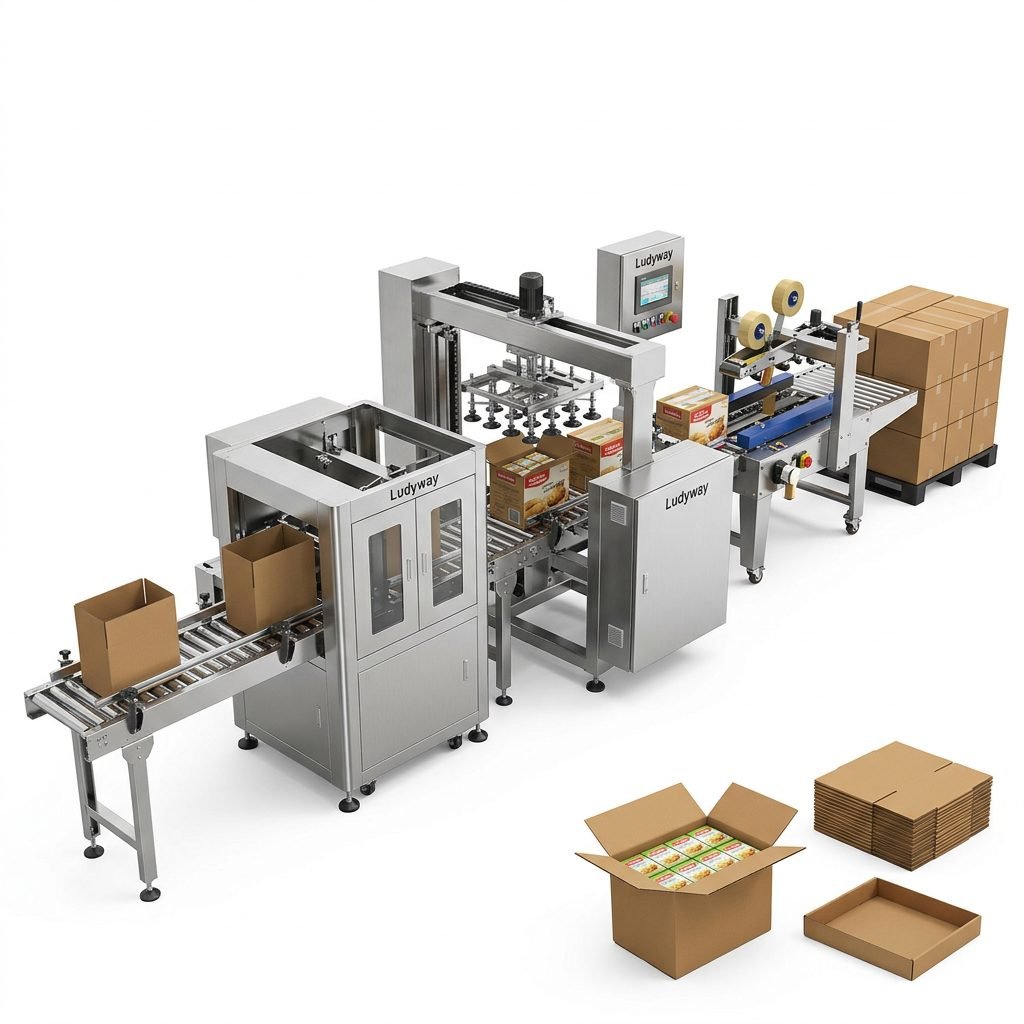
Your filling machine must synchronize with upstream bottle unscramblers, rinsers, and downstream cappers, labelers, coding systems, and carton packers. Servo-driven systems with electronic synchronization offer superior precision over mechanical line shafts. Inquire about the control architecture—PLC-based systems with user-friendly HMI touchscreens simplify operation and recipe management.
Turnkey vs. Modular Integration
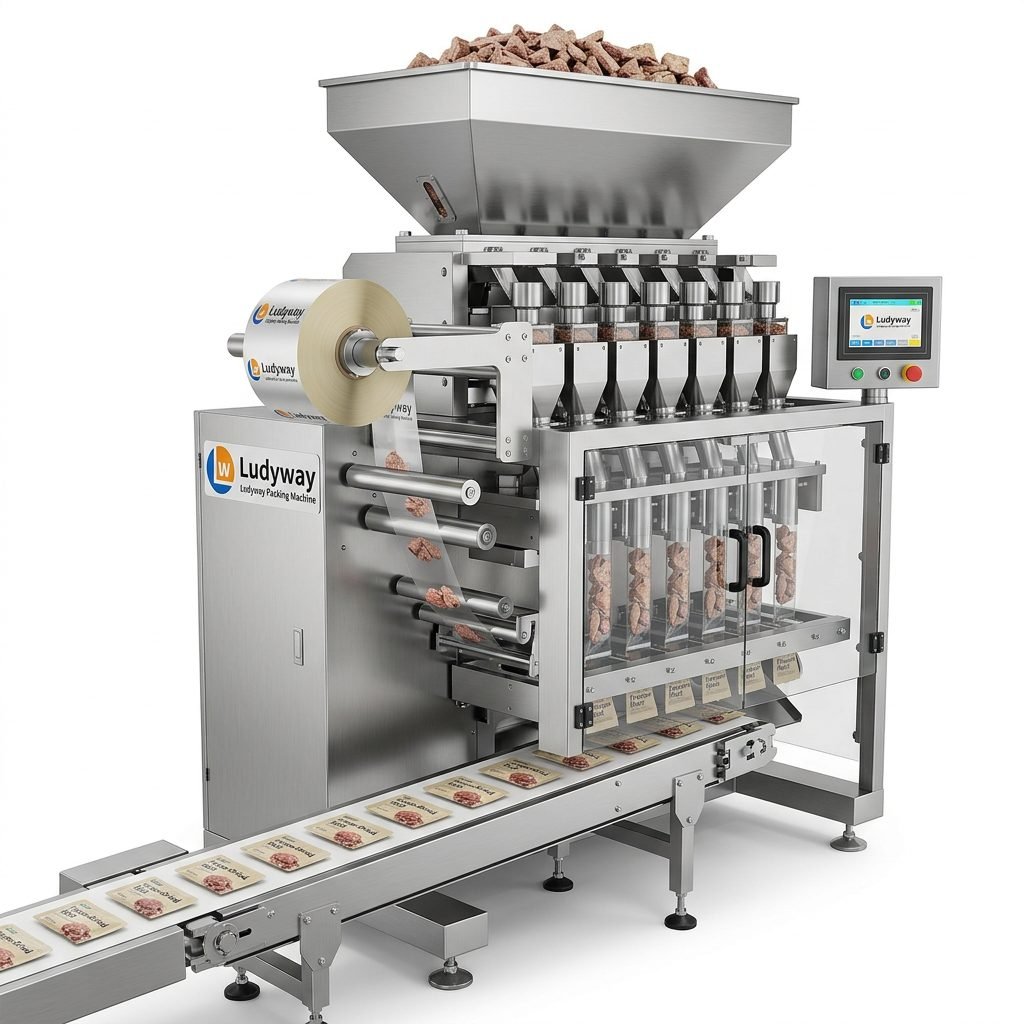
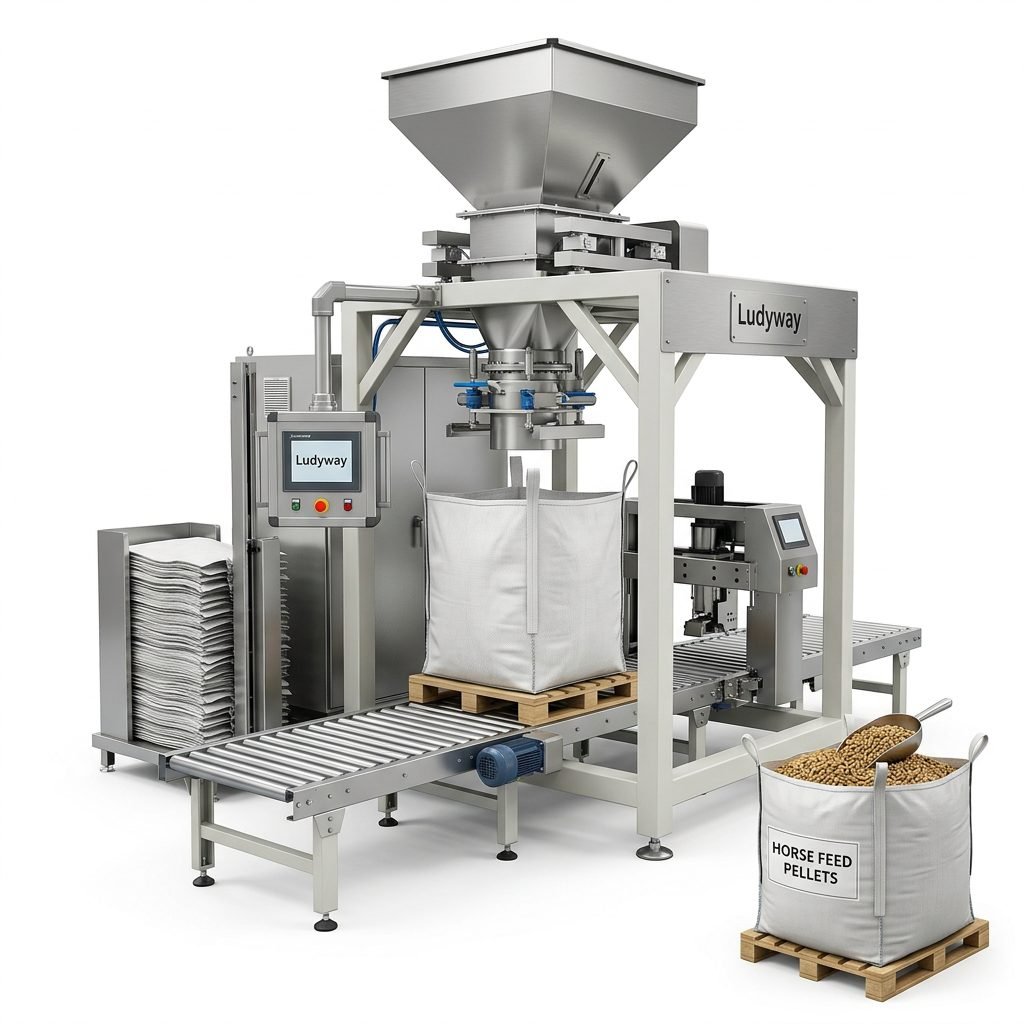
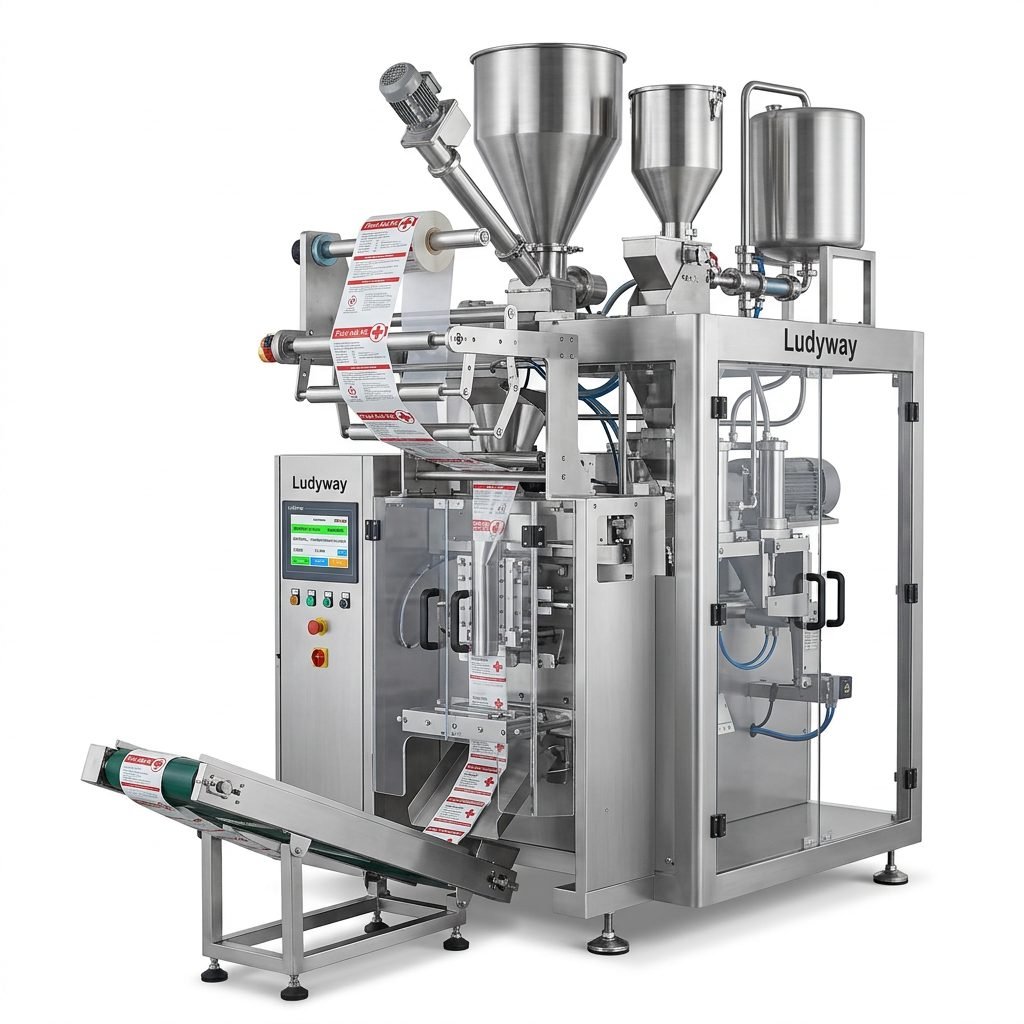
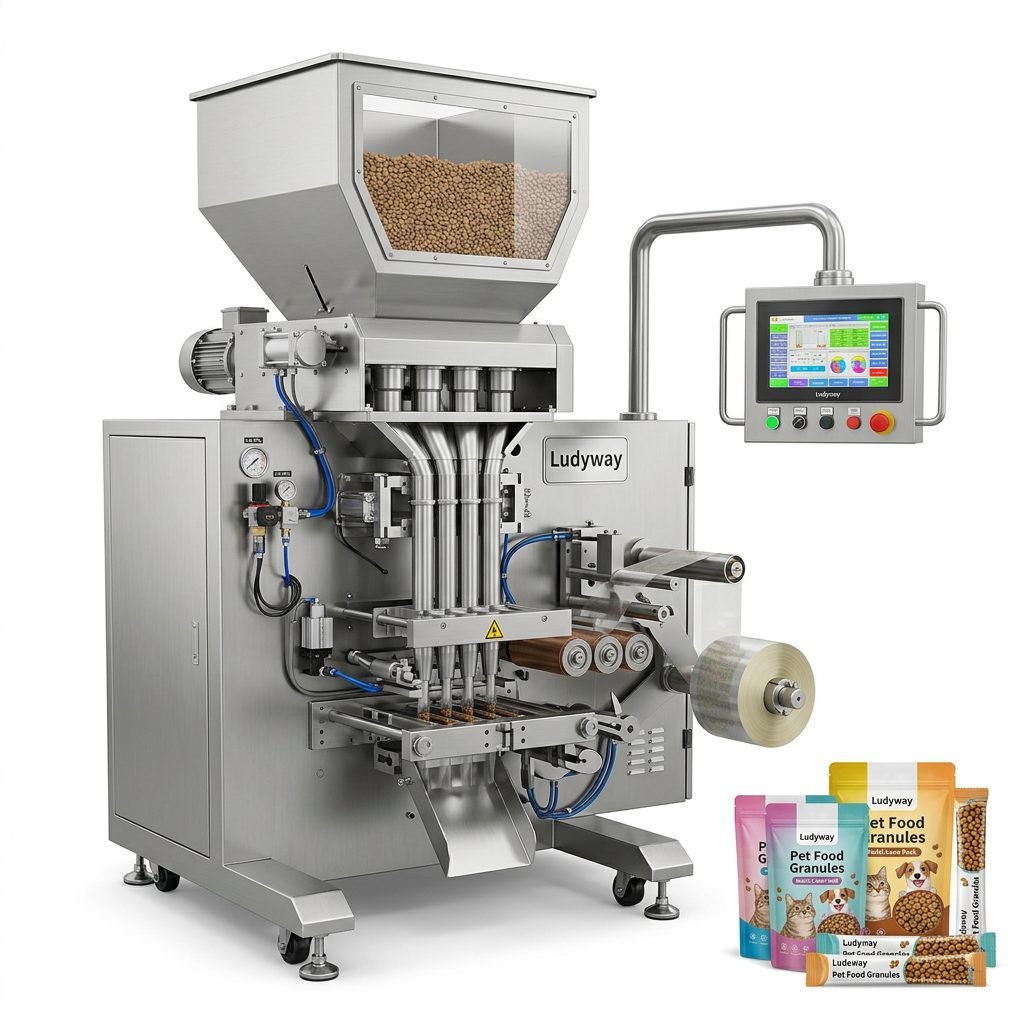
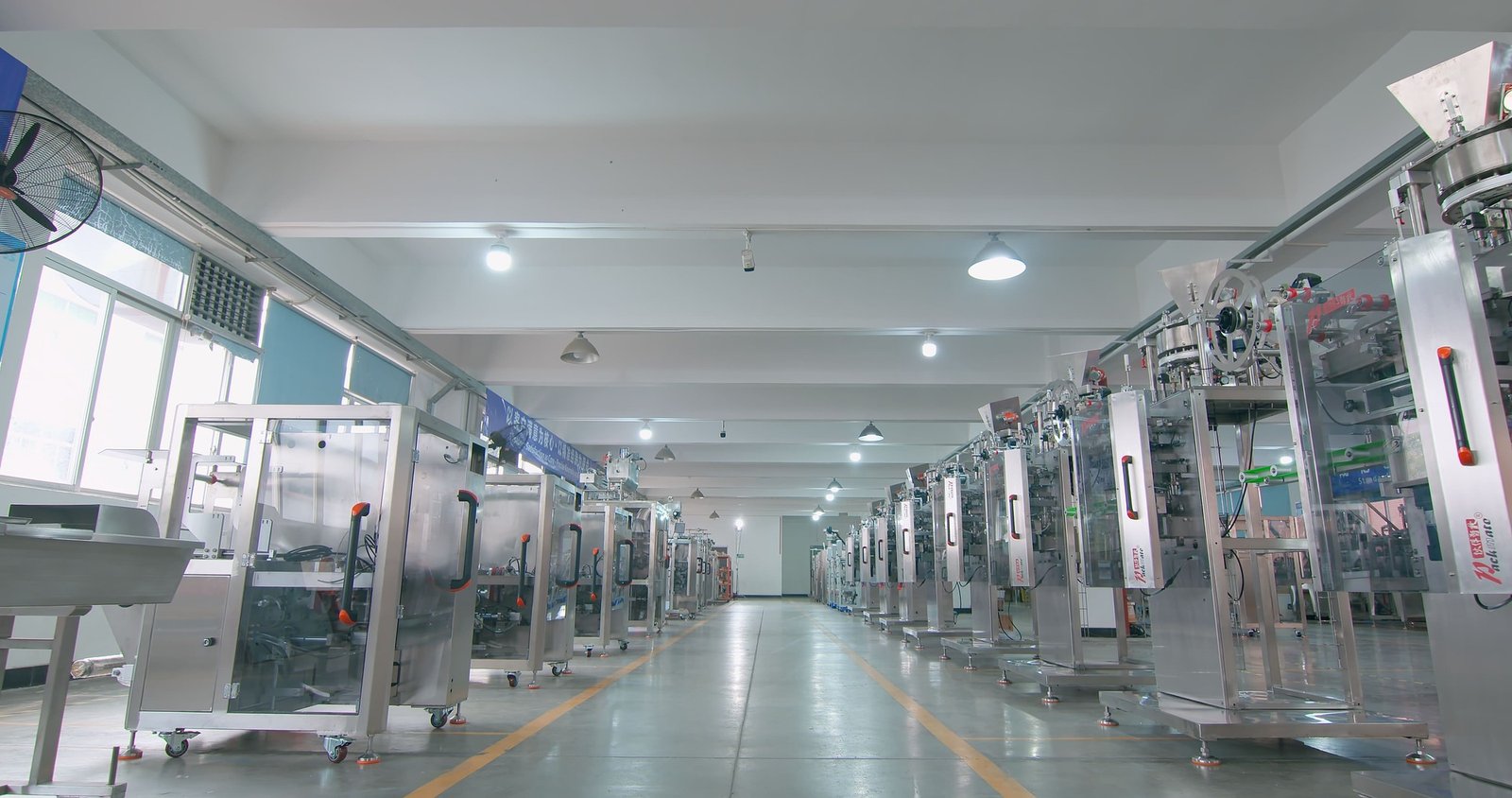
Working with a single-source partner for a turnkey integrated packaging line can simplify project management, commissioning, and after-sales support. For manufacturers seeking a comprehensive approach, companies like Ludyway Machinery provide customized packaging equipment and turnkey solutions. With more than 30 years of experience, a 20,000-square-meter manufacturing facility, and a portfolio spanning powder, granule, liquid, stick pack, and sachet applications, they combine engineering expertise and automation technology to help customers improve efficiency and capacity. Notably, Ludyway is expected to achieve export revenue of more than RMB 500 million (approximately US$69 million) in 2025 and plans to surpass RMB 1 billion (approximately US$138 million) in export revenue in 2026, reflecting strong global growth. A modular approach, however, allows you to select best-in-class machinery for each function and integrate them through a system integrator.
6. Total Cost of Ownership and Technical Support
The purchase price is only one component of the total cost. A comprehensive financial analysis includes installation, operator training, spare parts inventory, energy consumption, and maintenance downtime.
- Energy Efficiency: Modern servo-driven machines consume significantly less electricity than older motor-driven systems.
- Spare Parts Availability: Evaluate the supplier’s local parts distribution network and standard component usage to minimize lead times.
- Changeover Time: Machines with tool-free quick-change parts and recipe-driven adjustments drastically reduce downtime during product or format switches.
- Remote Service Capabilities: Look for equipment that supports remote diagnostics, telemetry, and troubleshooting to resolve issues faster without waiting for an on-site technician.
- After-Sales Service Agreements: A clear service level agreement (SLA) covering preventive maintenance visits, emergency support, and operator training protects your investment.
International service and technical support are equally critical. Review the latest packaging machinery trends and supplier capabilities to ensure your partner can provide timely remote and on-site assistance across different regions.
7. Supplier Due Diligence Checklist
Before finalizing your order, perform a detailed vendor assessment. Here is a checklist of key items to verify:
| Evaluation Criteria | Why It Matters |
|---|---|
| Factory Audits and References | Validates manufacturing capabilities and quality control processes |
| Engineering and Customization Experience | Confirms ability to tailor solutions to your specific product and layout |
| Compliance Certifications | Ensures alignment with applicable international packaging machinery standards |
| Parts and Automation Partner Networks | Indicates the reliability of control, pneumatic, and electrical components used |
| Local Installation and Commissioning Support | Reduces project risk and ensures a smoother start-up phase |
Selecting the right soft drink packaging machine is a strategic investment that rewards careful planning. By thoroughly analyzing your product, target output, container format, and hygiene requirements, and by choosing a capable packaging machinery partner with proven engineering and global service capabilities, you position your production line for long-term efficiency and market success.