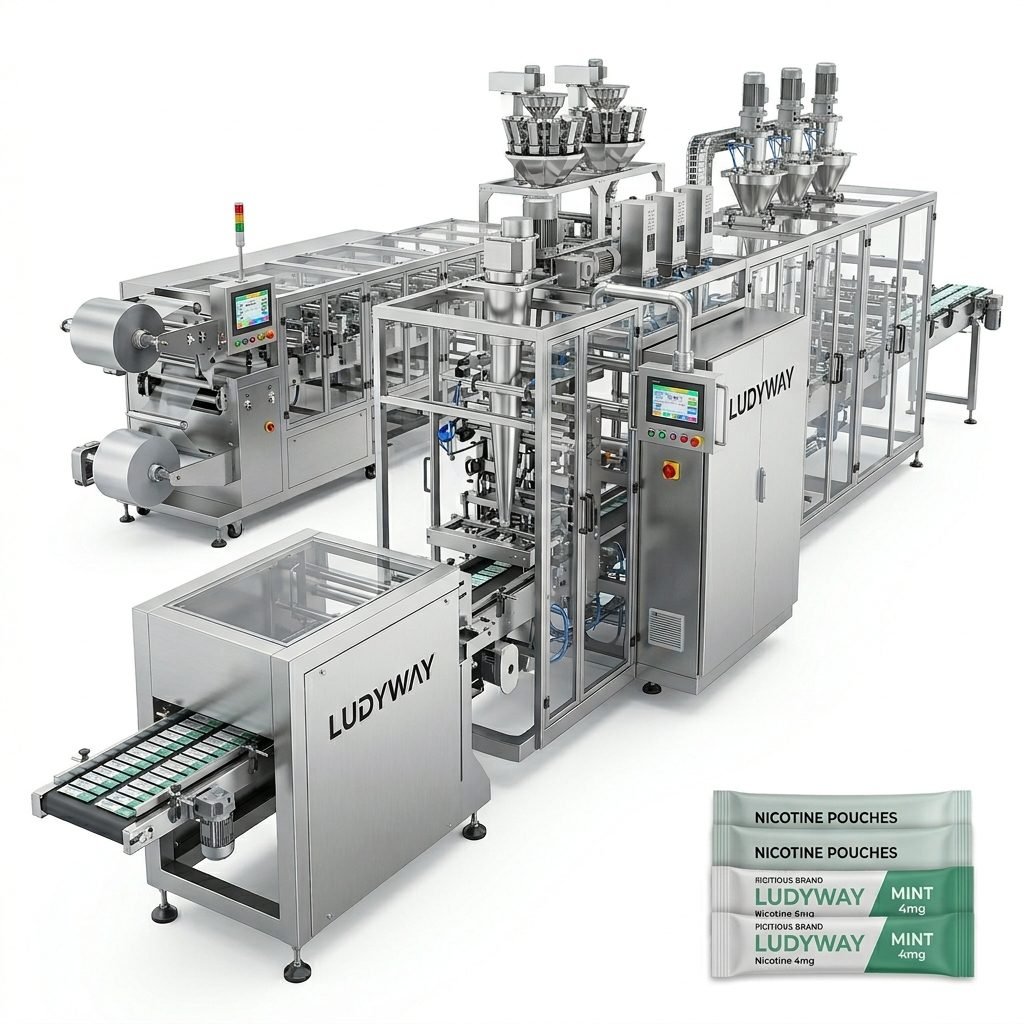
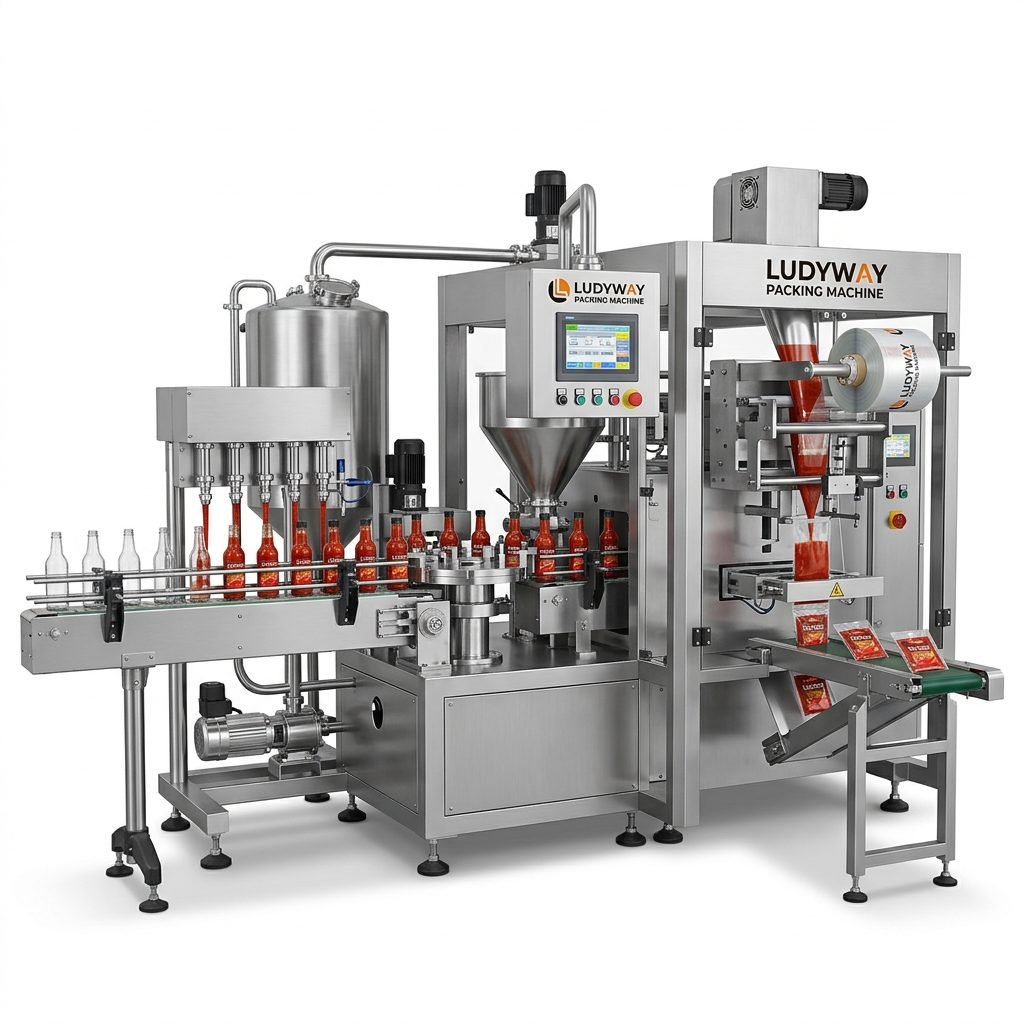
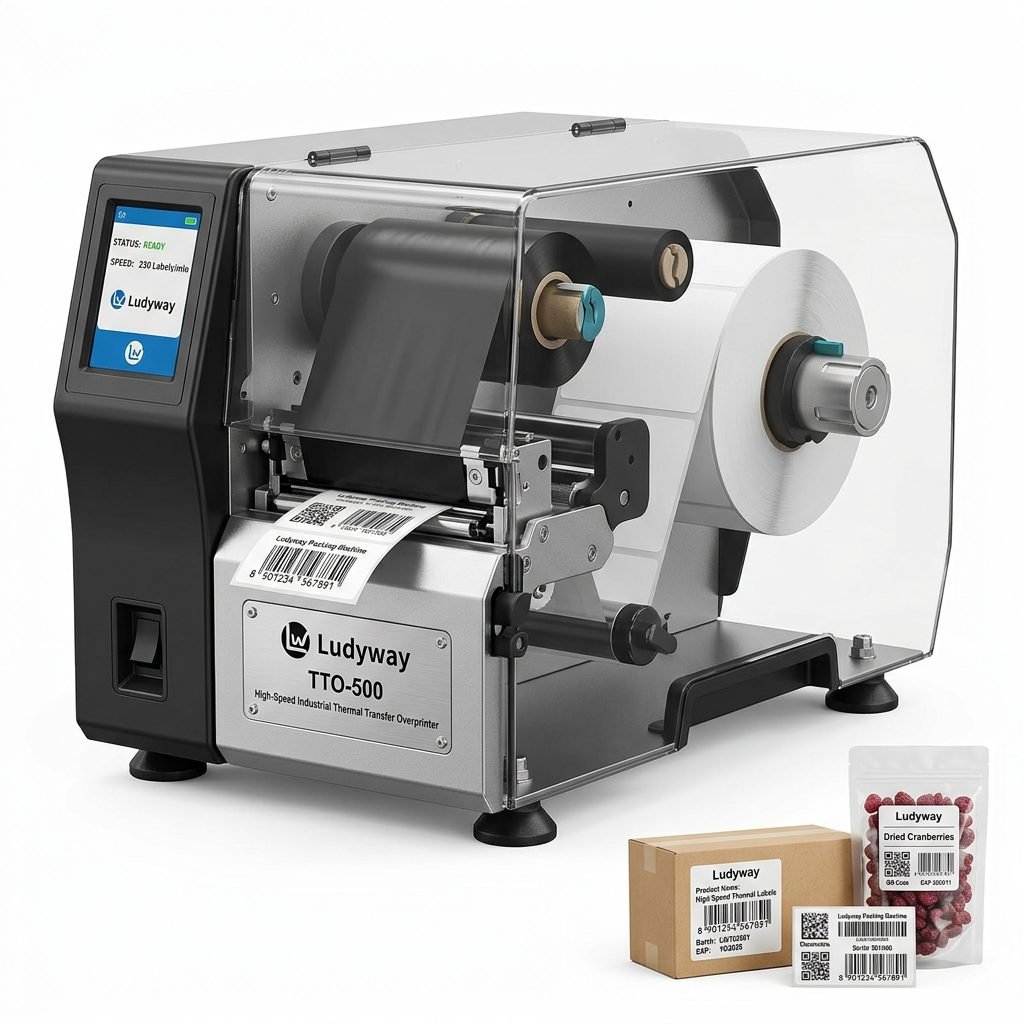
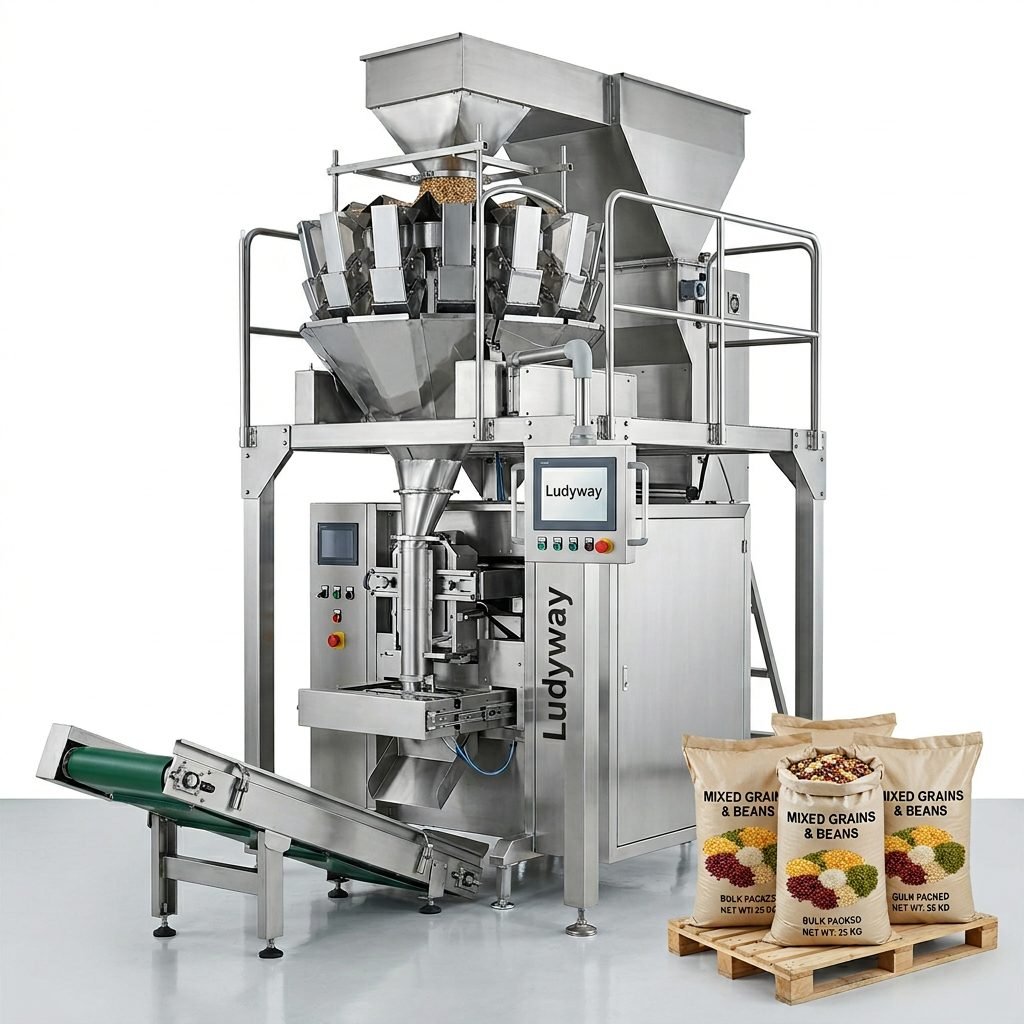
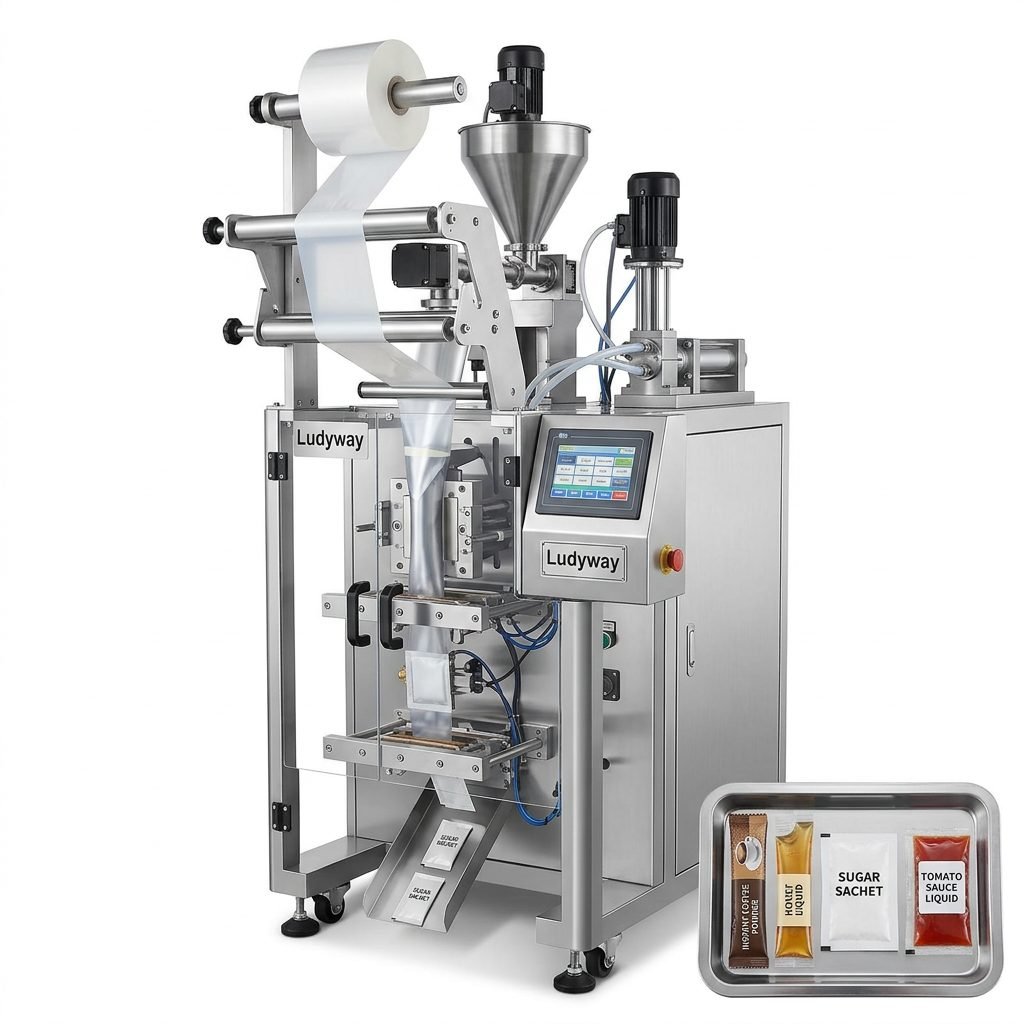
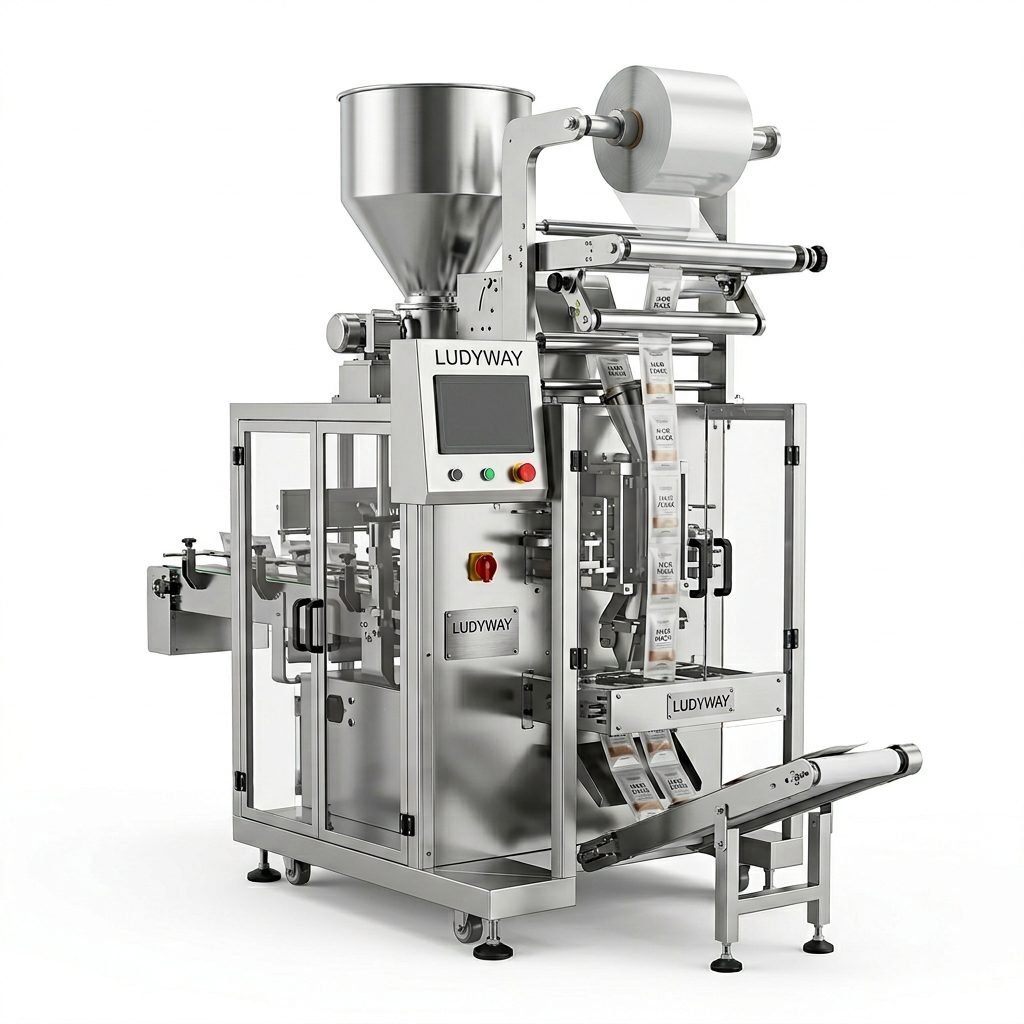
As sustainability becomes a core priority across food, pharmaceutical, health supplement, cosmetic, and chemical industries, the demand for biodegradable packaging machine solutions is growing rapidly. Manufacturers are under increasing pressure to reduce plastic waste, improve resource efficiency, and adopt packaging formats that align with environmental regulations and consumer expectations.
A modern biodegradable packaging machine helps businesses pack products using eco-conscious materials such as compostable films, biodegradable laminates, paper-based structures, and other sustainable packaging media. For companies aiming to balance product protection, speed, and environmental responsibility, the right equipment can make a measurable difference.
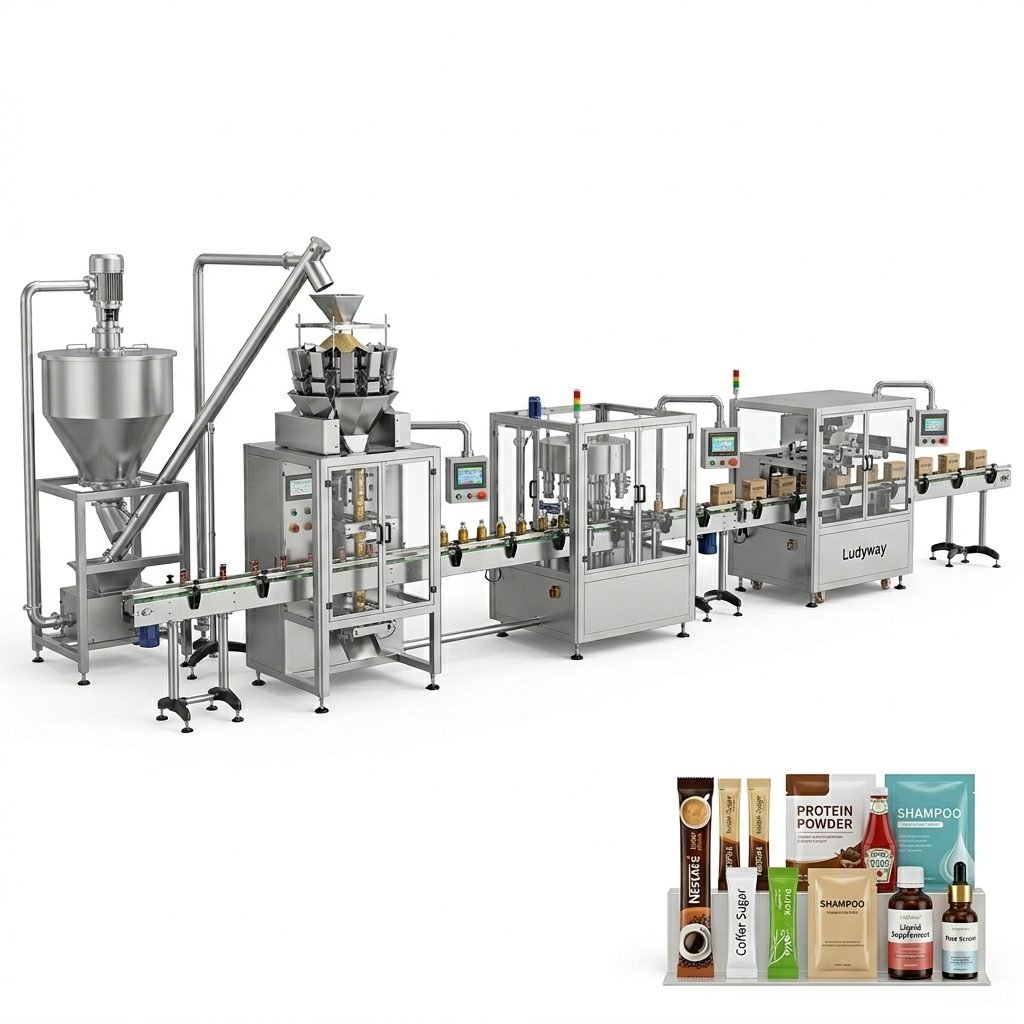
What Is a Biodegradable Packaging Machine?
A biodegradable packaging machine is packaging equipment designed or adapted to handle materials that can break down naturally under specific environmental conditions. These machines are commonly used for:
- Biodegradable sachet packaging
- Compostable stick pack production
- Paper-based pouch packaging
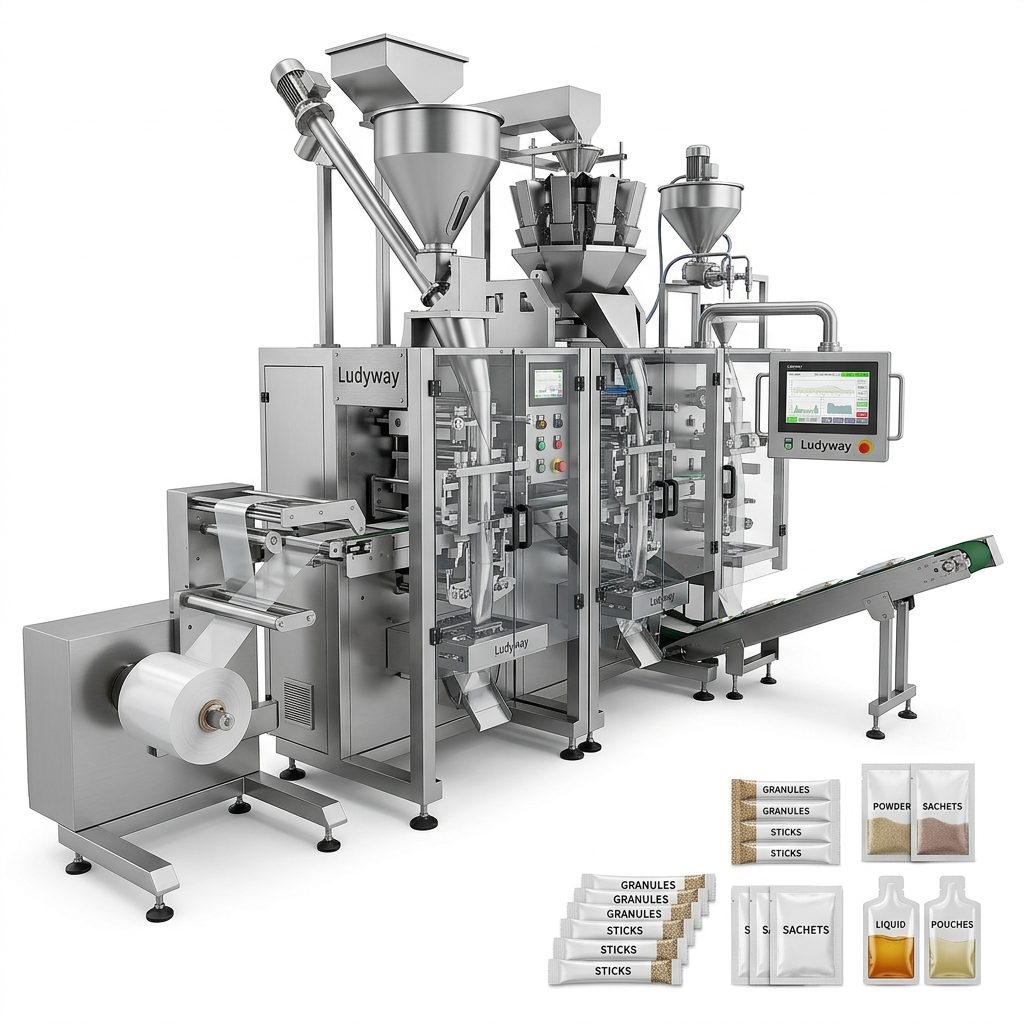
- Eco-friendly powder, granule, liquid, and paste filling
- Sustainable single-dose and retail packaging formats
Unlike standard packaging systems that may only perform well with conventional plastic films, these machines are engineered to work with materials that often have different sealing temperatures, tensile strength, film behavior, and barrier properties.
Why Sustainable Packaging Matters More Than Ever
Global brands and private-label manufacturers are rethinking packaging because the market is changing quickly. Buyers are no longer focused only on price and speed. They also want packaging that reflects environmental values and regulatory readiness.
- Consumers prefer greener packaging and increasingly compare brands based on sustainability claims.
- Governments are tightening packaging regulations, especially around single-use plastics and recyclability targets.
- Retailers and distributors demand compliance with packaging standards for environmental impact.
- Brands want stronger ESG performance to improve public image and long-term competitiveness.
For many manufacturers, switching to eco-friendly packaging is no longer optional. It is a strategic move that supports both compliance and brand growth.
Key Features of a High-Quality Biodegradable Packaging Machine
When evaluating machinery for sustainable packaging, it is important to look beyond basic filling and sealing. Biodegradable materials often require more precise machine control than conventional packaging films.
| Feature | Why It Matters |
|---|---|
| Accurate temperature control | Biodegradable films can be heat-sensitive and need stable sealing conditions. |
| Servo-driven film handling | Improves pull accuracy and reduces film waste or deformation. |
| Adjustable sealing pressure | Helps achieve reliable seals without damaging delicate materials. |
| Multi-format compatibility | Supports sachets, stick packs, pouches, and other eco-packaging formats. |
| Low material waste design | Reduces scrap and improves sustainability ROI. |
| Integration with coding and inspection | Supports traceability, quality control, and production consistency. |
Industries That Benefit from Biodegradable Packaging Equipment
Biodegradable packaging technology can be applied across a wide range of industries. The most suitable machine configuration depends on the product form, production volume, and packaging material characteristics.
Food Industry
Food brands are among the fastest adopters of sustainable packaging. Common applications include:
- Instant drink powders
- Coffee and tea sachets
- Seasonings and spice blends
- Snacks and granules
- Sauces, oils, and liquid condiments
Pharmaceutical and Nutraceutical Industry
Single-dose packs, powder sachets, stick packs, and supplement packaging are increasingly shifting toward eco-friendlier options. Machines in this sector must maintain high dosing accuracy, sealing integrity, and hygienic design.
Cosmetic and Personal Care Industry
Travel-size packs, sample sachets, creams, gels, and beauty products are ideal for biodegradable packaging formats, especially in premium or natural product lines.
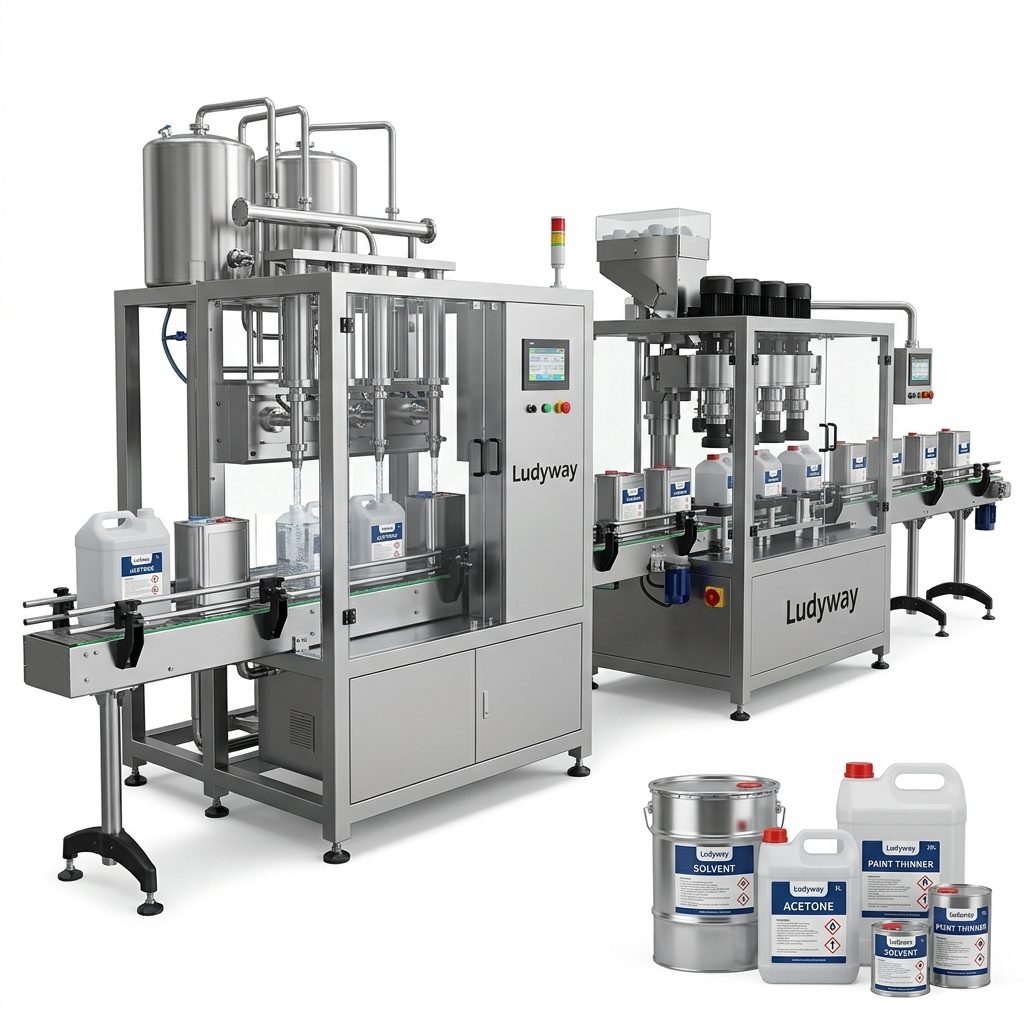
Chemical and Household Products
Selected detergents, cleaning agents, and water-treatment products can also be packed in sustainable sachet or pouch formats, provided the packaging material is compatible with the formula.
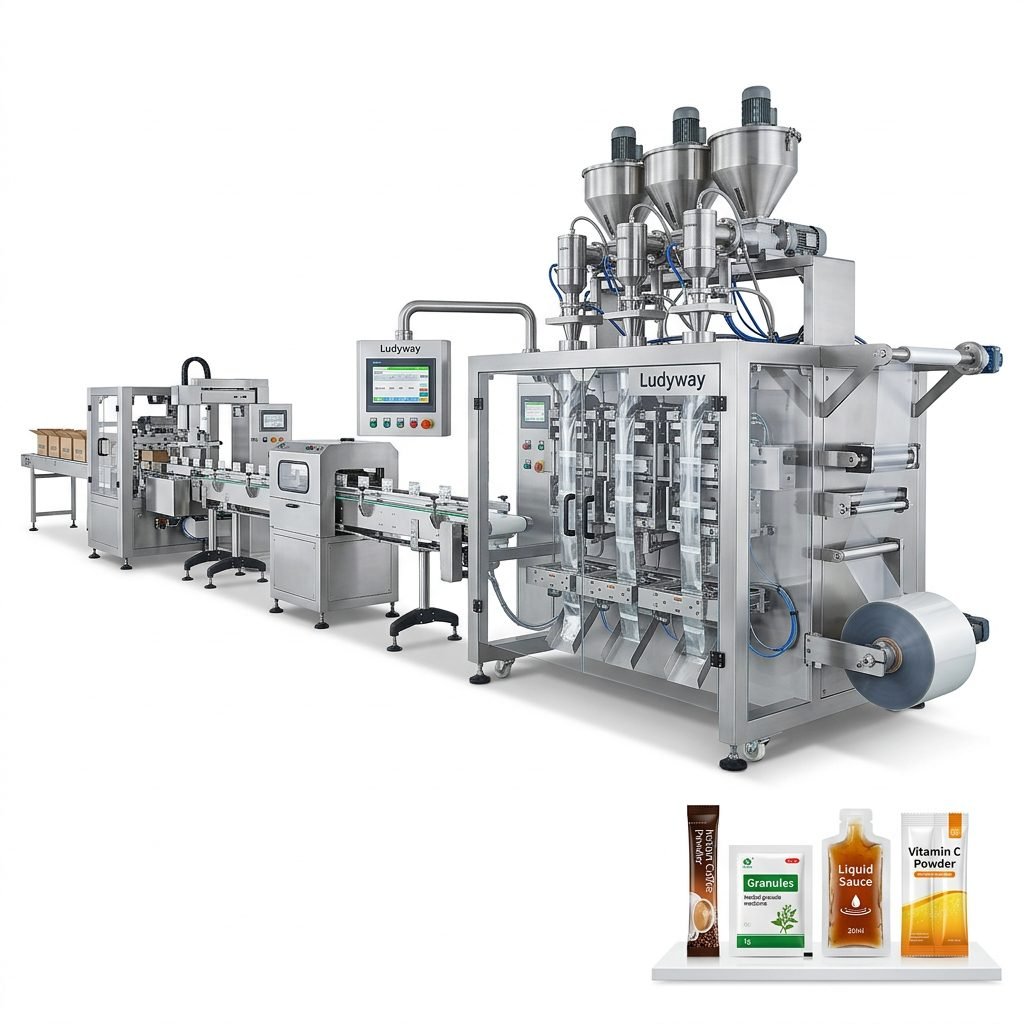
Types of Biodegradable Packaging Machines
Not all packaging equipment is the same. Businesses should choose machinery based on product type, packaging format, and desired level of automation.
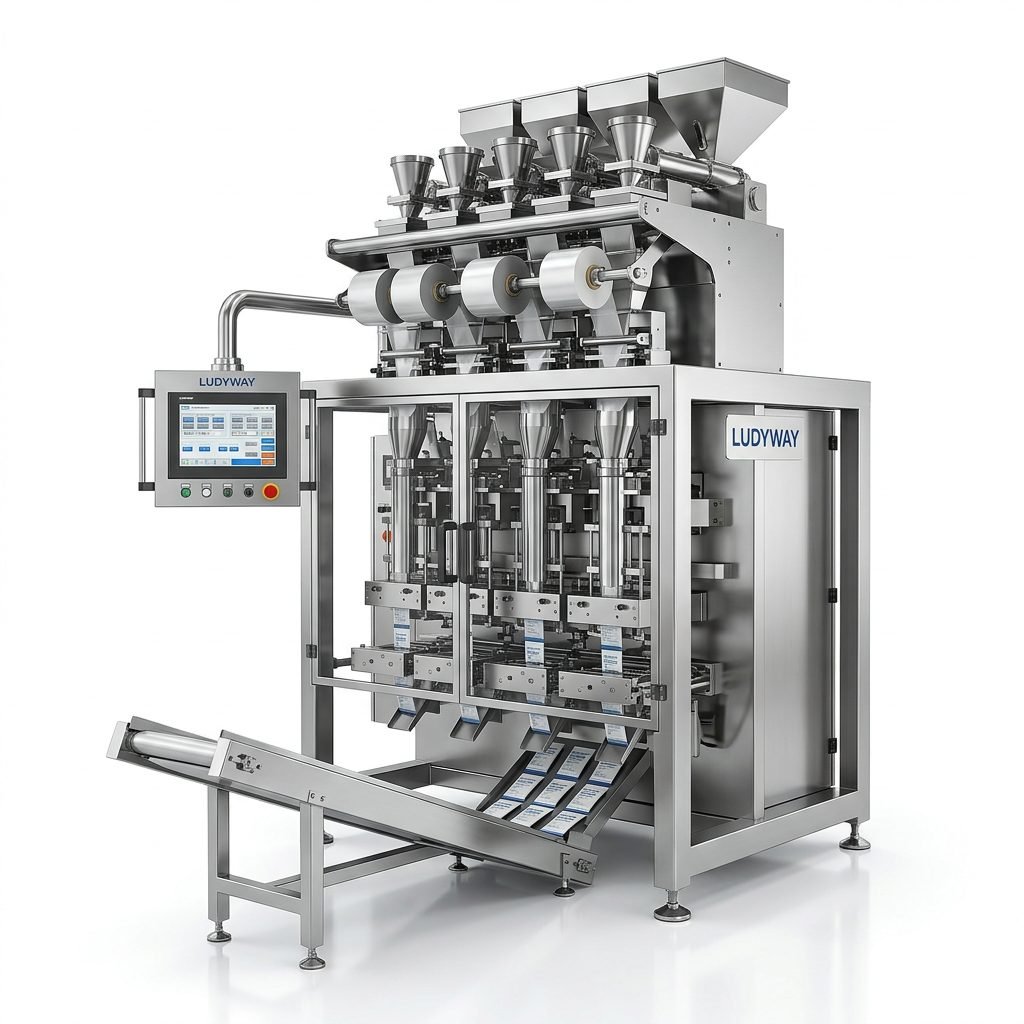
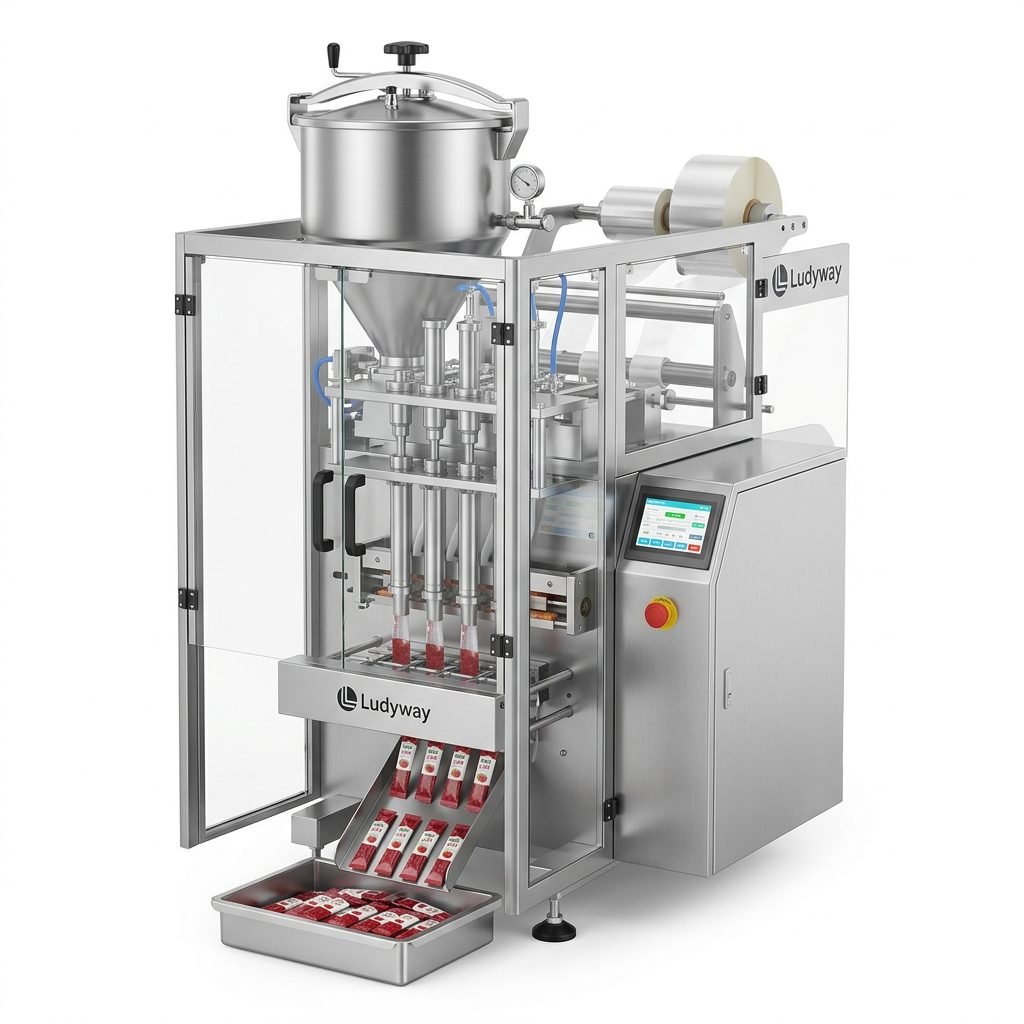
1. Sachet Packaging Machines
Suitable for powders, granules, liquids, and pastes in small-dose packaging. These machines are widely used for food, pharma, and personal care products.
2. Stick Pack Machines
Ideal for slim, single-serve packaging. This format is popular for drink powders, supplements, sugar, coffee, and functional nutrition products.
3. Vertical Form Fill Seal Machines
These machines can produce pouches from roll film and are often selected for flexible biodegradable packaging applications requiring efficient vertical production.
4. Premade Pouch Filling Machines
Used for businesses that want ready-made eco pouches with filling and sealing automation. They are suitable for premium retail packaging and specialty products.
5. Turnkey Packaging Lines
For medium and large-scale production, complete systems may include feeding, filling, sealing, coding, inspection, cartoning, case packing, and palletizing.
Challenges When Packing Biodegradable Materials
Eco-friendly materials can improve sustainability, but they also introduce technical challenges during packaging. A reliable machine supplier should understand these variables before recommending equipment.
- Seal consistency: biodegradable films may have narrower sealing windows.
- Material fragility: some compostable films tear more easily than conventional plastics.
- Moisture and oxygen barrier limits: packaging structure must fit product shelf-life needs.
- Speed compatibility: high-speed operation requires precise synchronization.
- Storage conditions: both film and finished packaging may respond differently to heat and humidity.
That is why machine testing, material trials, and customization are often essential before final equipment selection.
How to Choose the Right Biodegradable Packaging Machine
Selecting the right solution involves more than checking machine speed. The best long-term investment is usually the one that matches your packaging material, product characteristics, and future production goals.
| Selection Factor | Questions to Ask |
|---|---|
| Product type | Is it powder, granule, liquid, paste, tablet, or mixed material? |
| Packaging format | Do you need sachets, stick packs, pouches, or bags? |
| Material specification | What are the thickness, sealing range, and mechanical properties? |
| Output target | What is your required packs per minute or per hour? |
| Automation level | Do you need a standalone machine or a complete turnkey line? |
| Compliance requirements | Does your market require food-grade, GMP, CE, or other standards? |
Benefits of Investing in Eco-Friendly Packaging Machinery
For many manufacturers, upgrading to biodegradable packaging equipment delivers both environmental and business benefits.
- Supports sustainability goals and brand positioning
- Helps reduce packaging waste and material loss
- Improves readiness for future environmental regulations
- Enables differentiation in competitive retail and B2B markets
- Creates opportunities for premium eco-product lines
- Enhances production efficiency with modern automation
When properly matched to the application, these machines help companies move toward sustainable packaging without sacrificing productivity.
Why Customization Is Important
Biodegradable packaging is not a one-size-fits-all category. Material suppliers, film structures, and product requirements vary widely. A machine that works well for compostable powder sachets may not be ideal for liquid stick packs or paper-based pouches.
This is why experienced equipment manufacturers often provide:
- Material compatibility analysis
- Sample testing and sealing trials
- Customized dosing systems
- Tailored sealing structures
- Integration with coding, checkweighing, inspection, and cartoning
- Scalable line design for future expansion
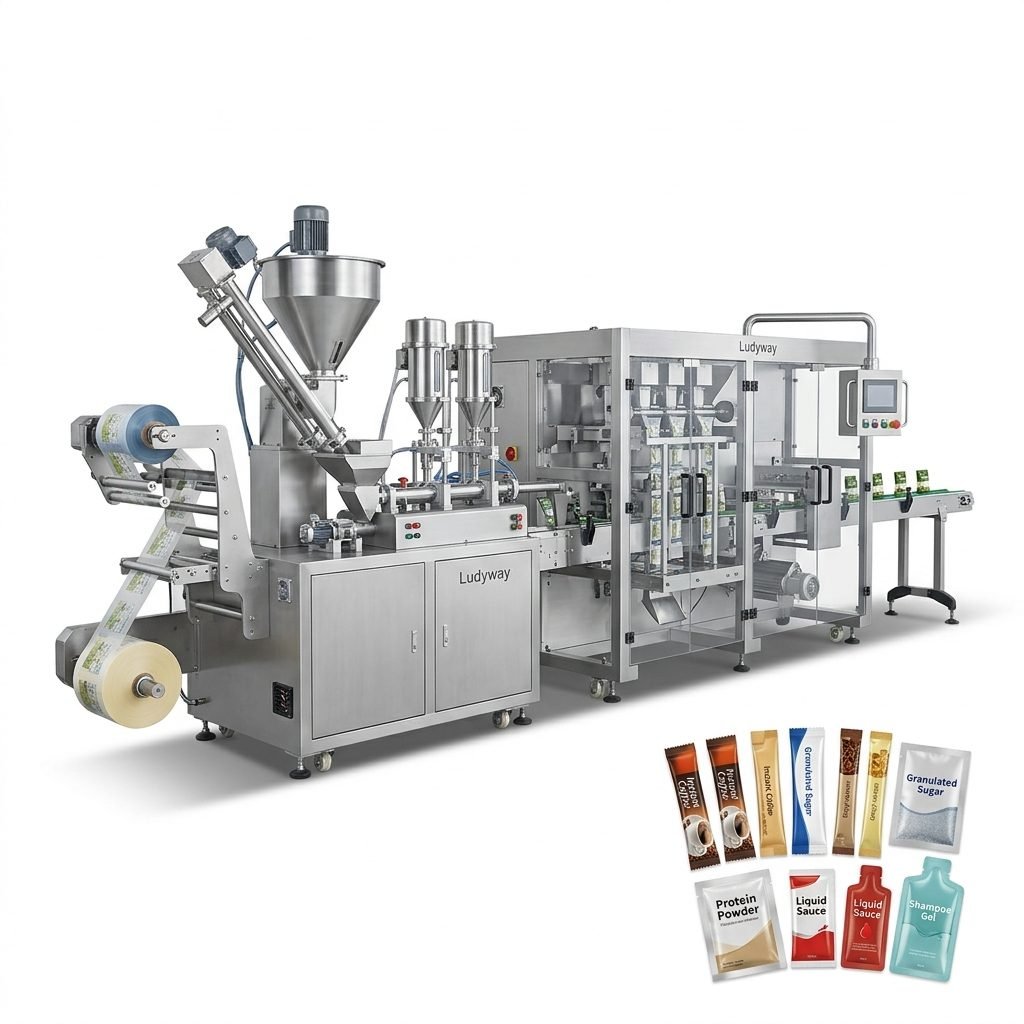
A Reliable Partner for Sustainable Packaging Projects
For businesses looking for efficient and scalable packaging solutions, biodegradable packaging machine solutions from Ludyway can support a broad range of applications in food, pharmaceutical, health supplement, cosmetic, and related industries. With more than 30 years of manufacturing experience, a factory of over 20,000 square meters, and a wide portfolio of automated equipment and turnkey packaging lines, the company is positioned to help global buyers improve automation, consistency, and sustainability performance.
Future Trends in Biodegradable Packaging Automation
The future of packaging is moving toward smarter and greener production. Several trends are shaping the next generation of biodegradable packaging systems:
- Better material compatibility for advanced compostable and bio-based films
- Higher automation levels with reduced labor dependency
- Intelligent monitoring for temperature, sealing, and quality consistency
- Modular packaging lines that can switch between eco-materials and standard materials
- Integrated sustainability metrics for waste reduction and energy optimization
Manufacturers that invest early in flexible, eco-friendly packaging technology are likely to be better prepared for evolving market expectations.
Conclusion
A biodegradable packaging machine is more than a piece of equipment. It is a strategic tool for companies that want to align packaging operations with sustainability goals, market demand, and long-term efficiency. Whether you produce powders, granules, liquids, or pouches, choosing the right machine can help you achieve reliable packaging performance while supporting a greener future.
If your business is planning to adopt eco-friendly packaging materials, the most effective path is to combine the right material selection, precise machine design, and application-focused customization. That combination creates packaging solutions that are practical, efficient, and ready for tomorrow’s sustainability standards.