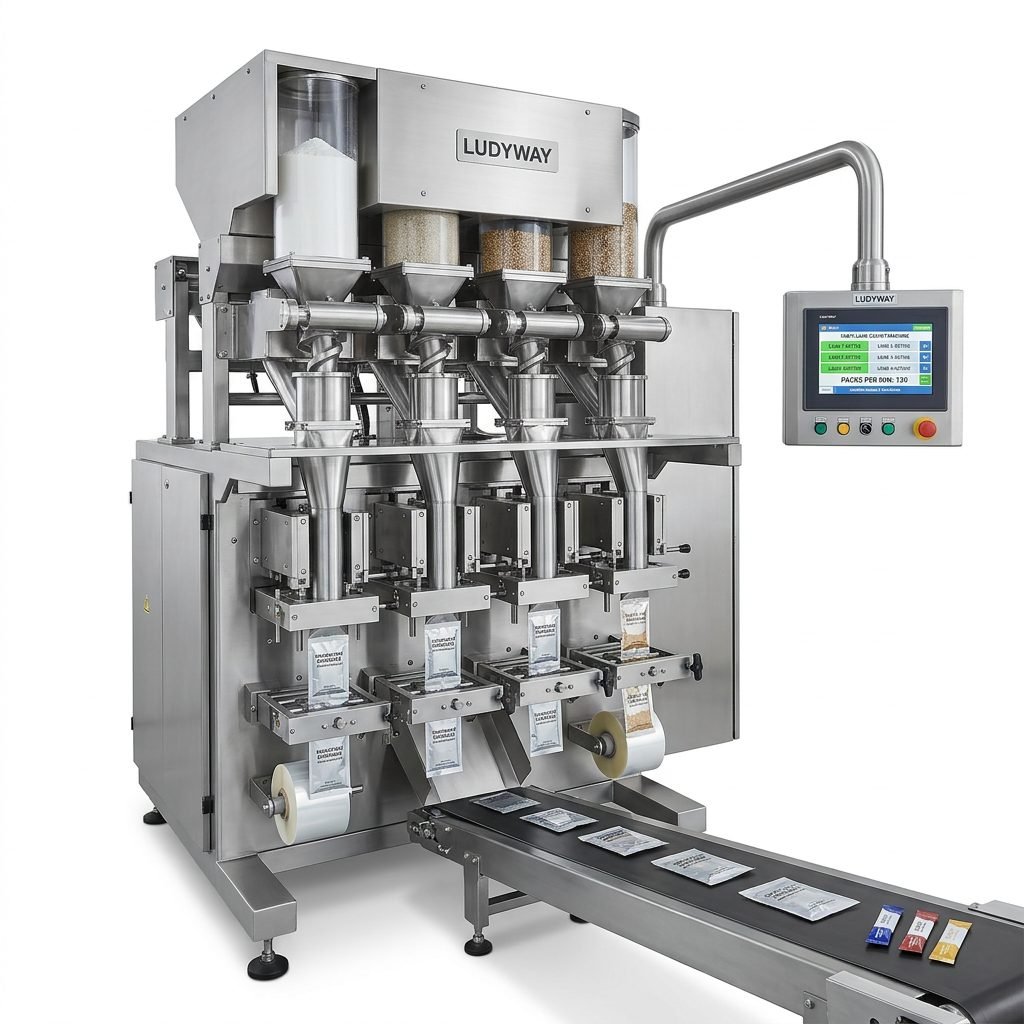
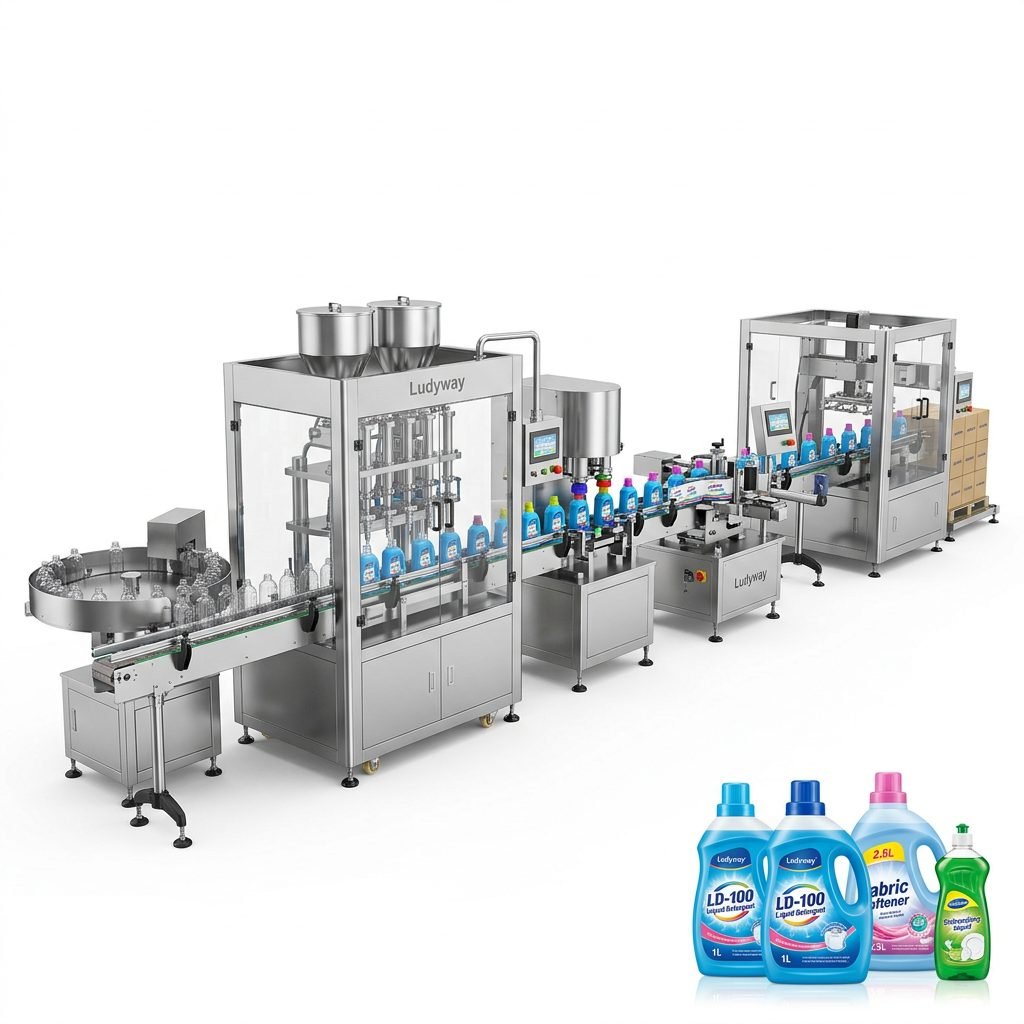
Investing in a Sunpack packaging machine is a significant decision that directly impacts your production efficiency, product quality, and bottom line. Whether you are packaging powders, granules, liquids, or solid products, selecting the right equipment requires a detailed evaluation of your operational needs, product characteristics, and long-term business goals. This guide walks you through the essential factors to consider before making your purchase.
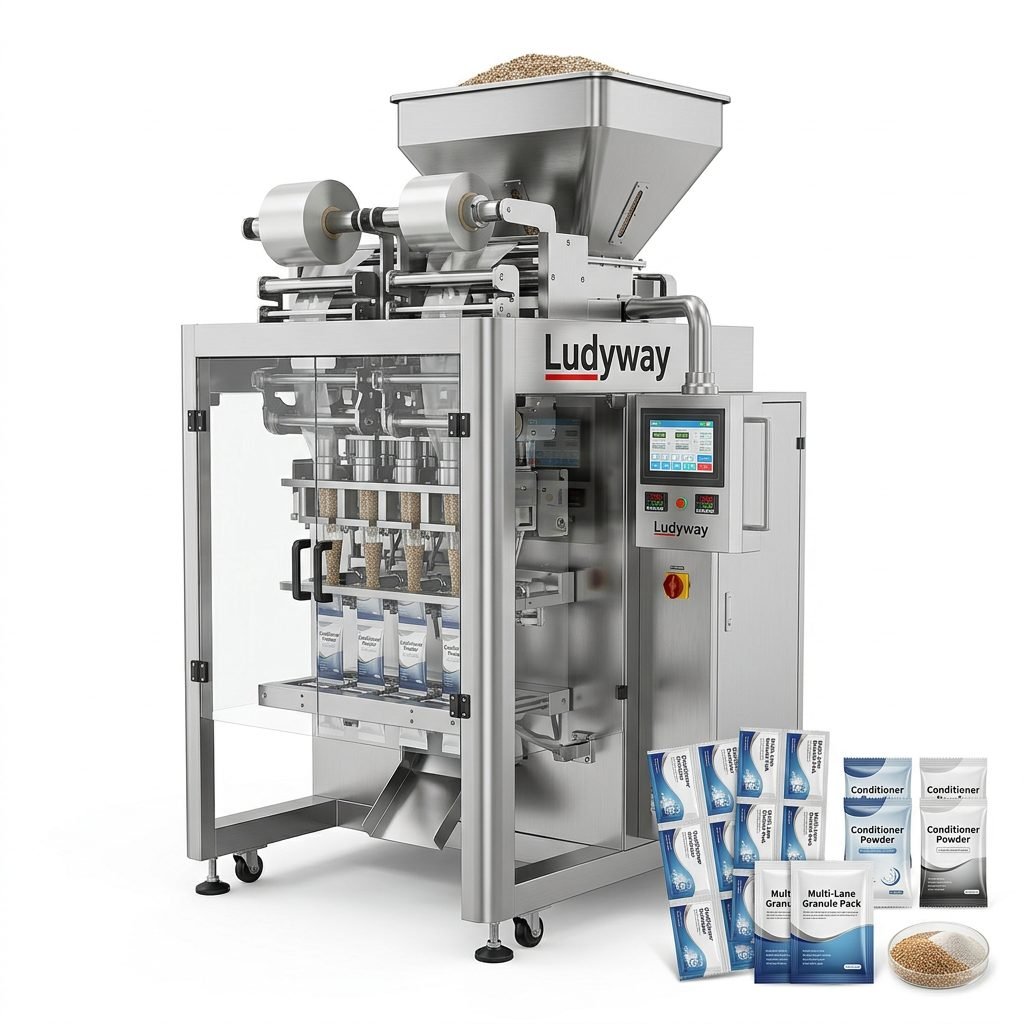
1. Define Your Product Characteristics
The physical and chemical properties of your product are the most critical starting point. A machine designed for free-flowing granules will not perform well with sticky powders or volatile liquids. Understanding your material ensures the dosing system and sealing mechanisms are perfectly matched.
| Product State | Examples | Recommended Dosing Mechanism |
|---|---|---|
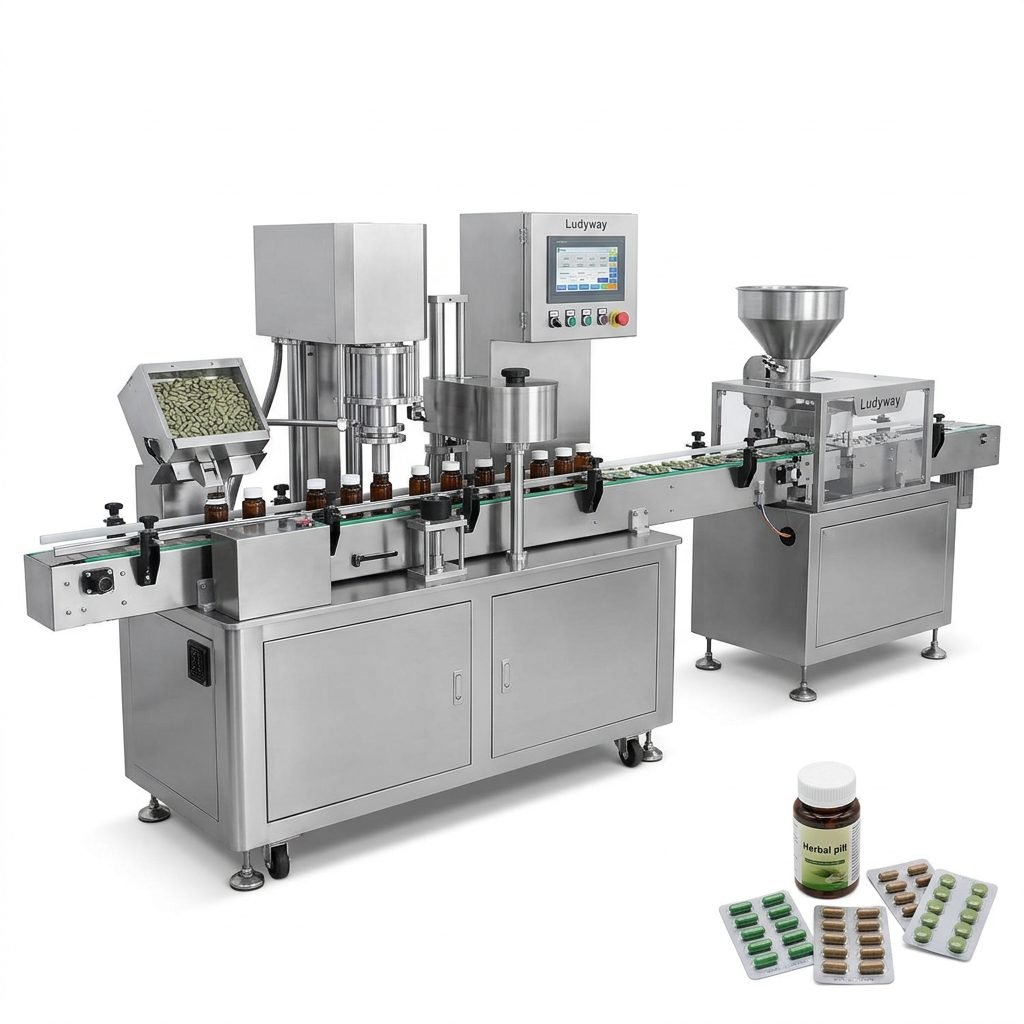
| Free-Flowing Granules | Sugar, salt, coffee beans, plastic pellets | Volumetric cup filler, multi-head weigher |
| Cohesive Powders | Milk powder, flour, spices, protein mixes | Auger filler with agitator |
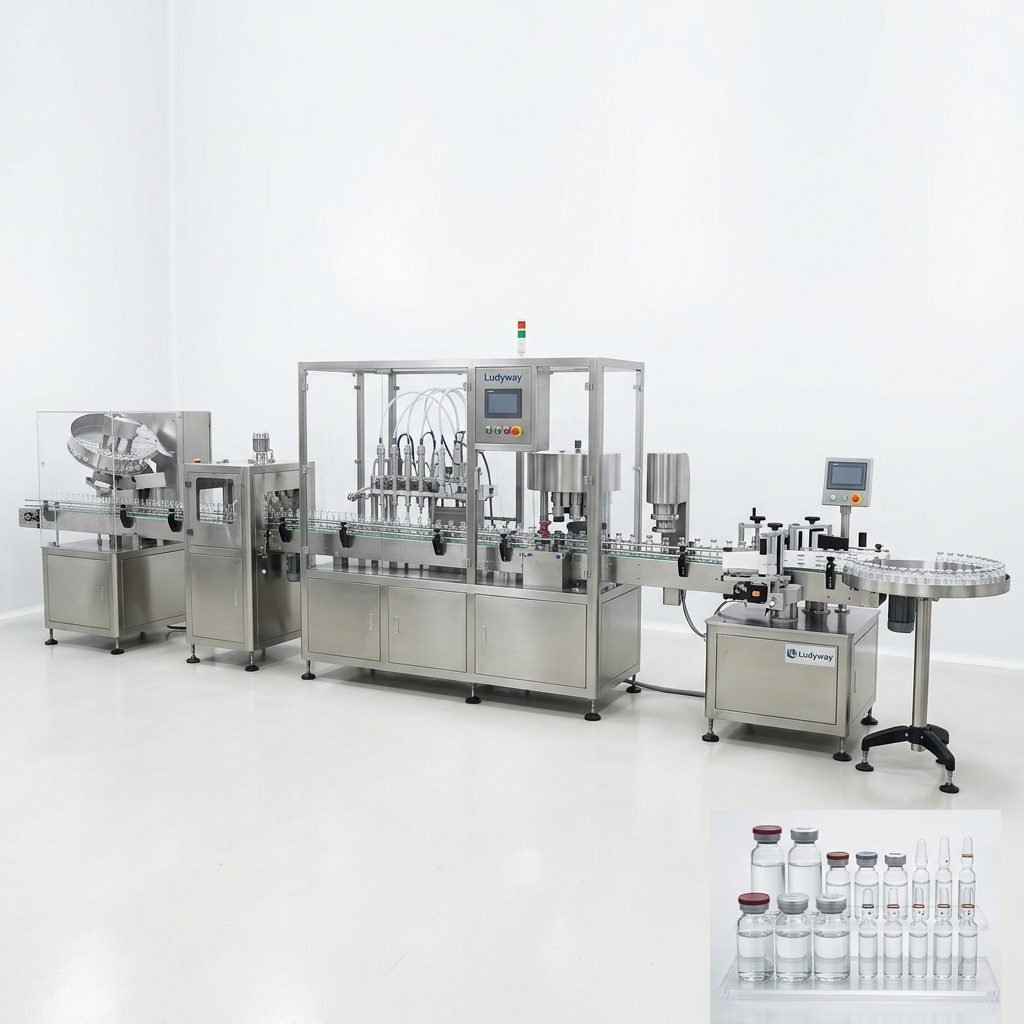
| Liquids & Pastes | Shampoo, honey, sauces, oils | Piston pump or peristaltic pump |
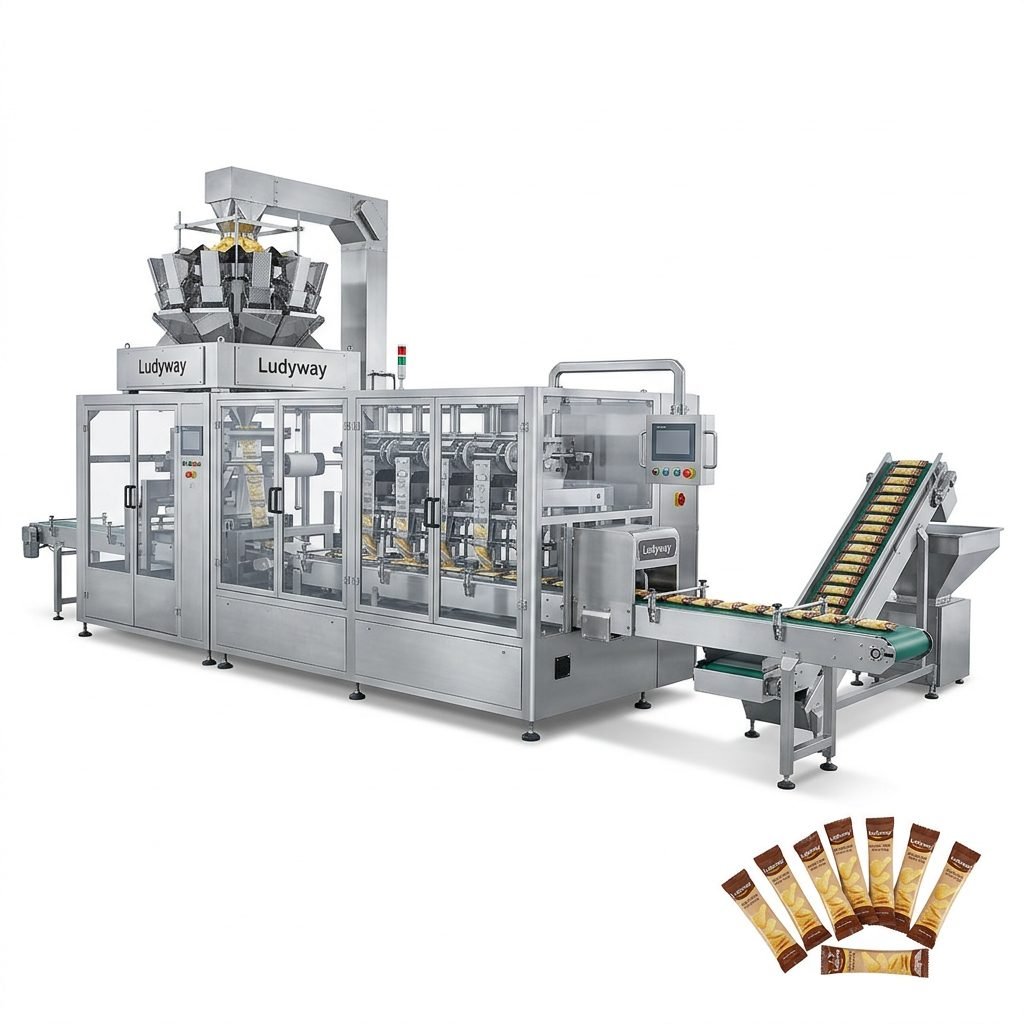
| Fragile Solids | Snacks, baked goods, electronic components | Multi-head weigher with gentle handling buckets |
2. Identify Your Target Packaging Format
Sunpack machines offer versatility across multiple bag styles. You must decide which format best suits your market and shelf requirements. Common configurations include pillow bags, gusseted bags, stick packs, and sachets. The Flexible Packaging Association often highlights how specific formats influence consumer convenience.
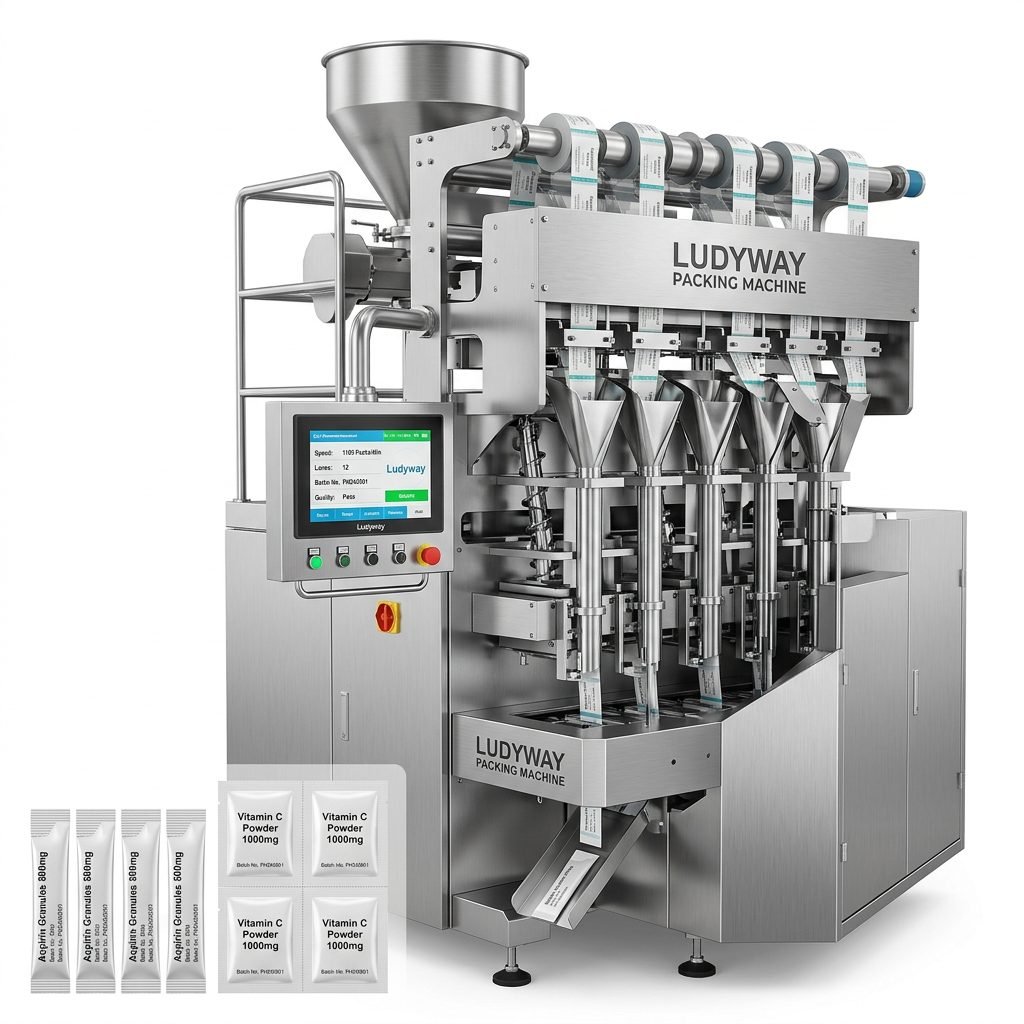
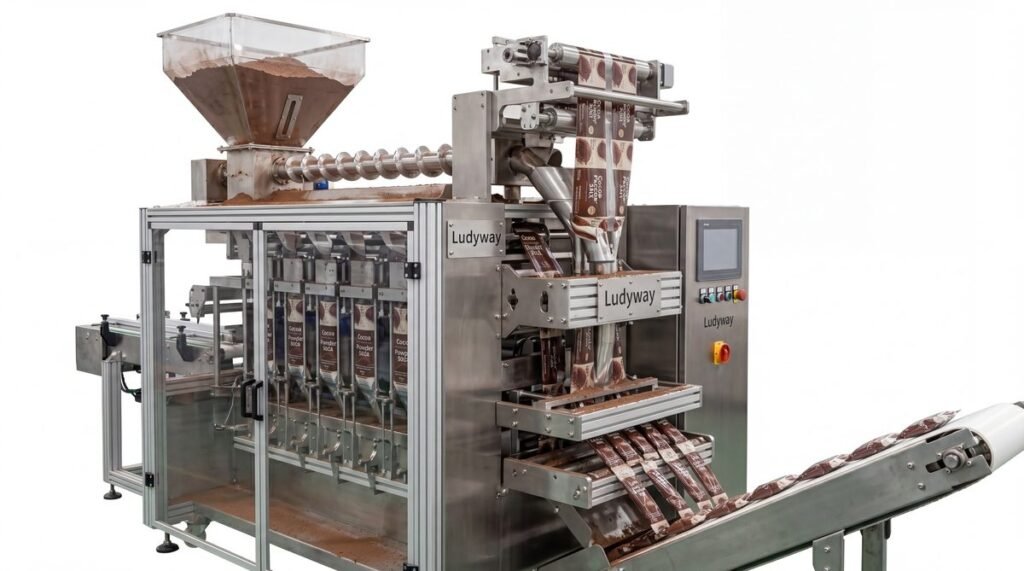
- Stick Packs: Ideal for single-serve powders, supplements, and instant beverages.
- Sachets: Widely used for sauces, cosmetics, shampoo, and pharmaceutical samples.
- Pillow Bags: The standard format for snacks, grains, and bulk powders.
- Quad-Seal Bags: Premium flat-bottom bags for coffee and high-value goods.
3. Evaluate Speed and Production Capacity
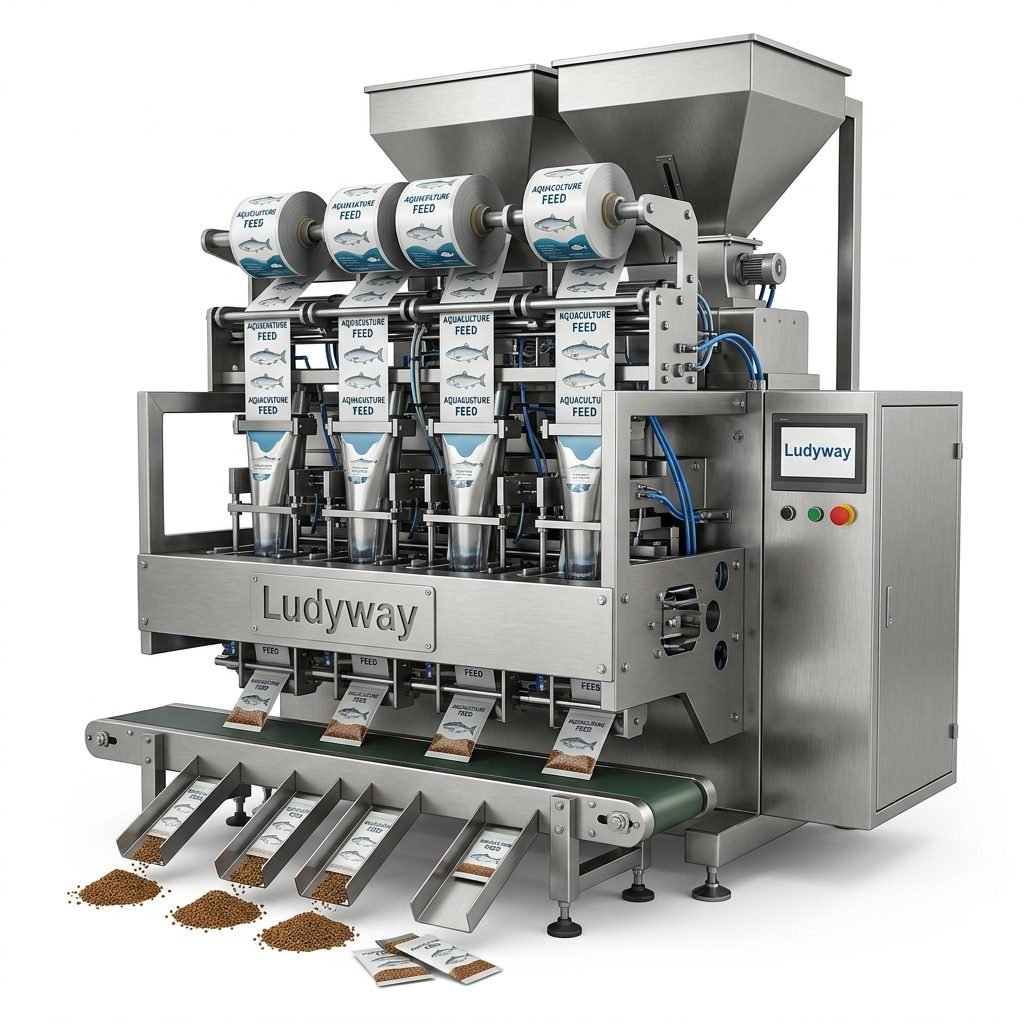
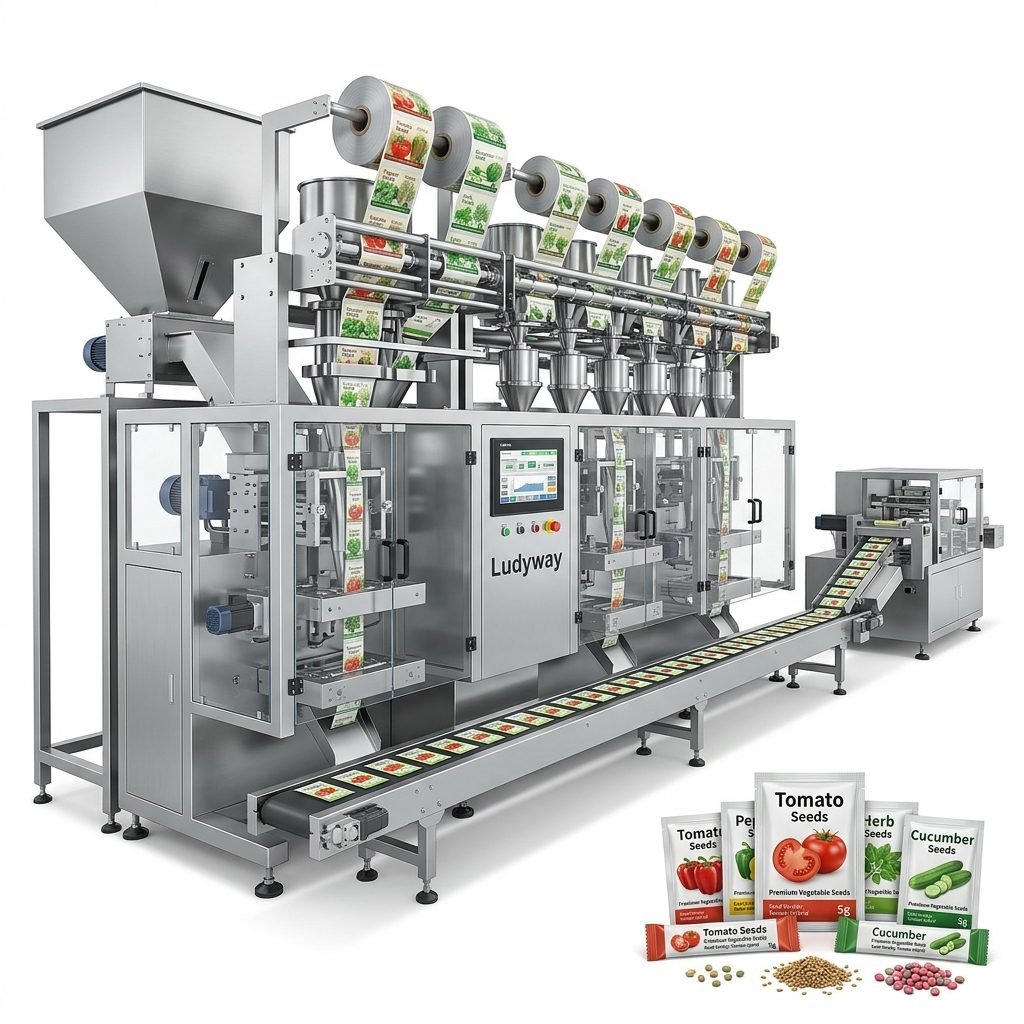
Your required output (packs per minute) will determine whether you need a single-lane or a multi-lane Sunpack packaging machine. For high-volume production of powders like protein supplements or instant coffee, manufacturers often integrate high-speed multi-lane systems. It’s vital to balance theoretical speed with actual operational efficiency, considering film splicing and cleaning times.
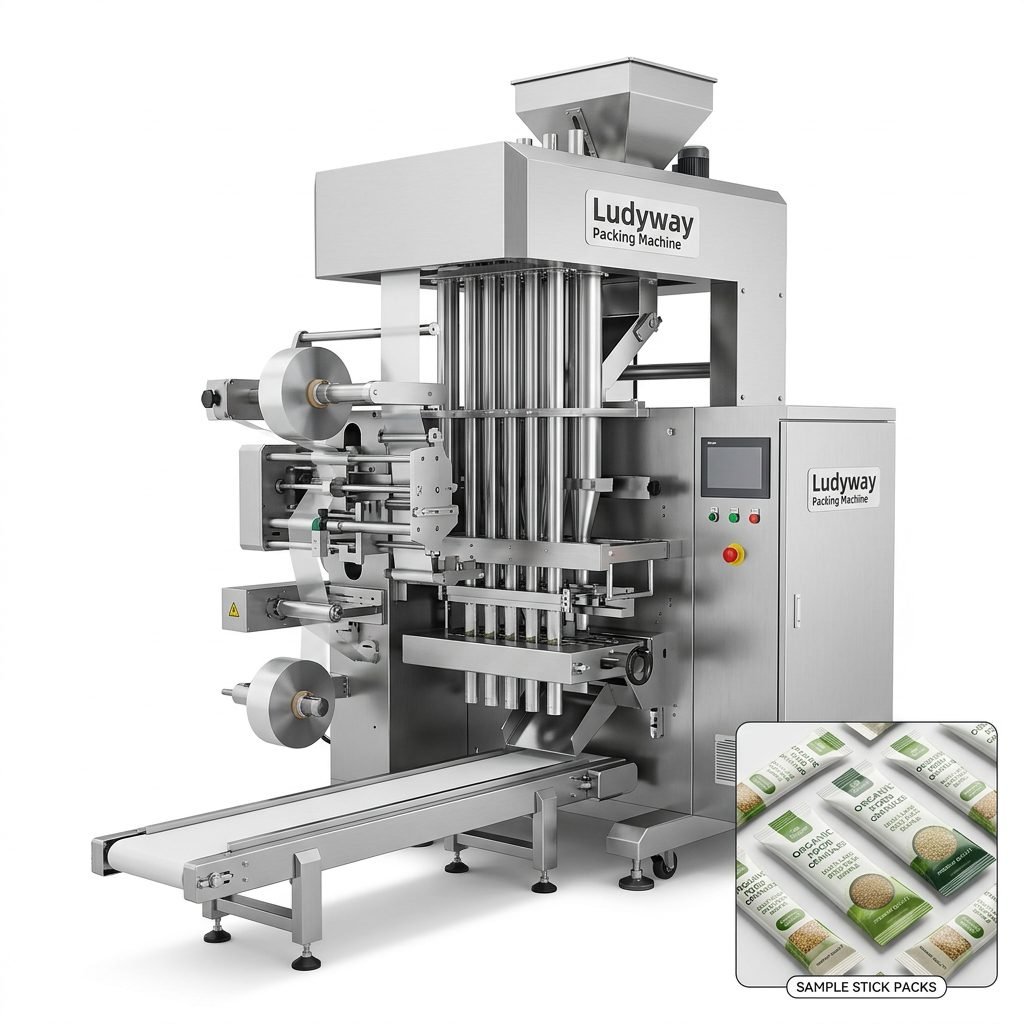
Automation and Workforce Integration
Not all Sunpack packaging machines are created equal in terms of automation. Decide how much manual intervention your line can accommodate. A fully automated system might include automatic feeding, weighing, filling, sealing, coding, and even cartoning. This reduces labor costs and minimizes human error, which is crucial for food safety and hygiene standards.
4. Construction Material and Hygiene Compliance
If you are in the food, pharmaceutical, or cosmetic industries, the machine’s construction material is non-negotiable. Prioritize stainless steel 304 or 316 for all product contact parts. This ensures resistance to corrosion and facilitates easy cleaning. Look for designs that comply with GMP (Good Manufacturing Practices) and allow for quick disassembly without tools. For dusty environments, integrated dust extraction systems are a significant advantage.
5. Integration with Filling and Weighing Systems
The heart of your Sunpack packaging line is the filling system. The table below outlines which technology fits your application best. Precision is key; overfilling costs you money, while underfilling leads to regulatory issues and customer complaints.
| Weighing Technology | Best For | Key Advantage |
|---|---|---|
| Multi-Head Weigher | Granules, snacks, irregular solids | High speed and excellent accuracy (combination weighing) |
| Auger Filler | Fine powders (flour, milk powder, spices) | Superior for controlling dust and dense powders |
| Piston Filler | Liquids, pastes, creams | Volumetric accuracy for viscous products |
6. Control System and Ease of Use
Modern Sunpack machines should feature a user-friendly PLC control system with a touch screen interface (HMI). This allows operators to save recipes for different products, making changeovers fast and repeatable. Look for machines that offer remote troubleshooting capabilities. Integration of automatic packaging standards features like film tracking, mis-registration correction, and servo-driven motors ensures consistent seal integrity and reduces film waste.
7. Evaluating the Machinery Manufacturer
Selecting a reliable partner is as important as the machine specs. A supplier with robust engineering capabilities can customize the Sunpack packaging machine to fit your unique factory layout. Companies like Ludyway Machinery not only provide a broad portfolio of equipment for powders, granules, and liquids but also offer turnkey solutions that include installation, commissioning, and technical support.
With a 20,000-square-meter manufacturing facility, over 130 professionals, and a strong global presence serving customers in more than 100 countries, Ludyway Machinery is expected to achieve export revenue of more than RMB 500 million (approximately US$69 million) in 2025, and plans to surpass RMB 1 billion (approximately US$138 million) in export revenue in 2026. This global growth trend reflects the kind of stability and long-term support you should demand from an equipment provider.

8. After-Sales Service and Spare Parts Availability
Packaging lines are capital investments that require uptime to remain profitable. Before signing a contract, clarify the warranty terms, the availability of critical spare parts, and the supplier’s ability to provide remote technical assistance. For international buyers, a partner with a proven logistics chain and a global engineering service team ensures that your production won’t be halted by customs delays or a lack of local technical expertise.

9. Total Cost of Ownership (TCO)
Price is just one element; smart buyers calculate the Total Cost of Ownership. A seemingly cheap machine can become expensive if it wastes film material, requires frequent maintenance, or fails to integrate with upstream and downstream equipment. Consider the following factors that impact long-term value:
- Energy Efficiency: Servo-driven motors consume significantly less power than pneumatic or mechanical systems.
- Film Material Waste: Precision film tracking minimizes the waste per cycle.
- Durability: High-quality sealing jaws and components reduce the frequency of replacement parts.
- Scalability: Modular designs allow you to add multi-lane capabilities or automation features later.
10. Compliance with International Standards
If you are exporting goods, your Sunpack packaging machine must produce packs that meet international regulations. This includes packaging machinery safety standards (such as CE marking for Europe) and material compatibility. For food and pharma, the machine must be capable of nitrogen flushing to extend shelf life. Confirm your supplier can provide the necessary documentation and certification packages for your target market.
Making the Final Decision
Choosing the right Sunpack packaging machine is a technical decision that requires aligning your product’s physical nature with the machine’s engineering capabilities. Start by analyzing your product, define your production speed targets, and only then match the dosing and bagging technology. By prioritizing build quality, after-sales support, and the TCO rather than just the upfront price, you secure a packaging line that serves your company reliably for a decade or more.