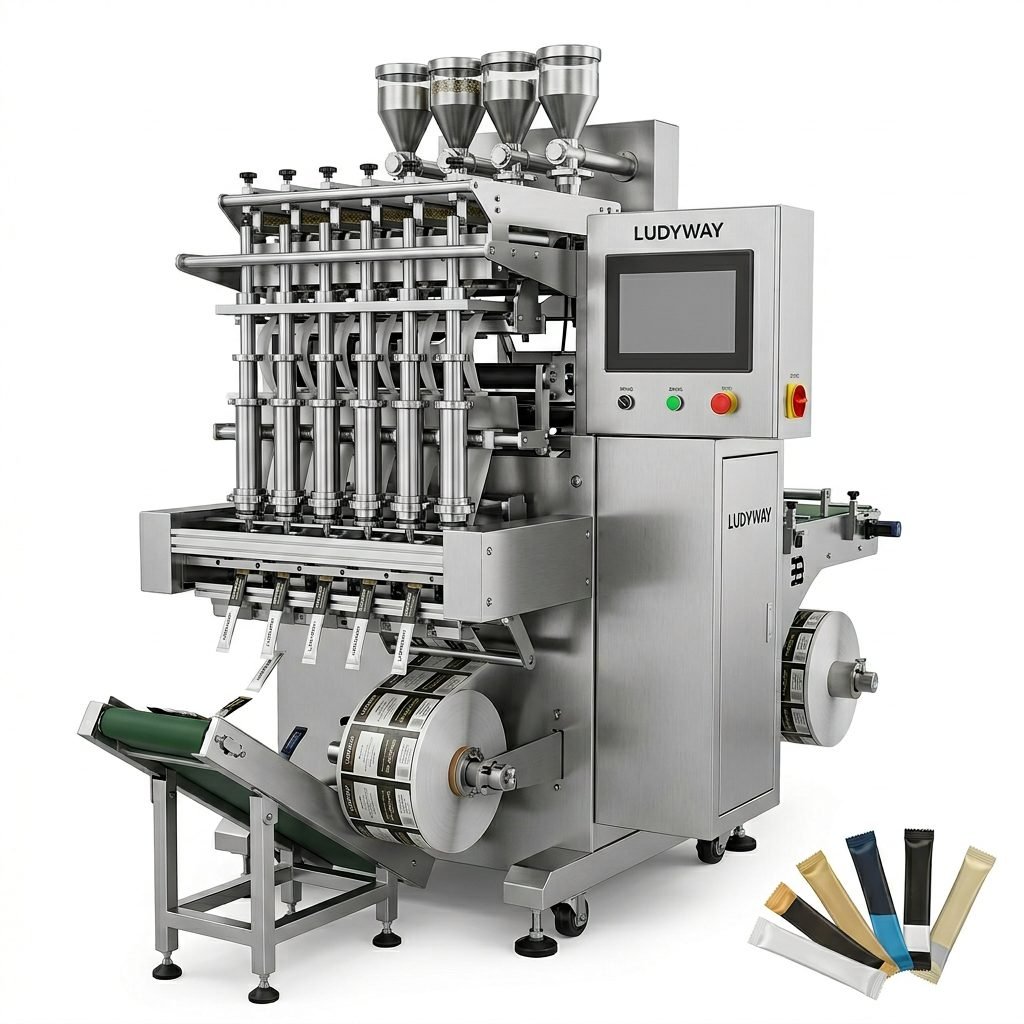
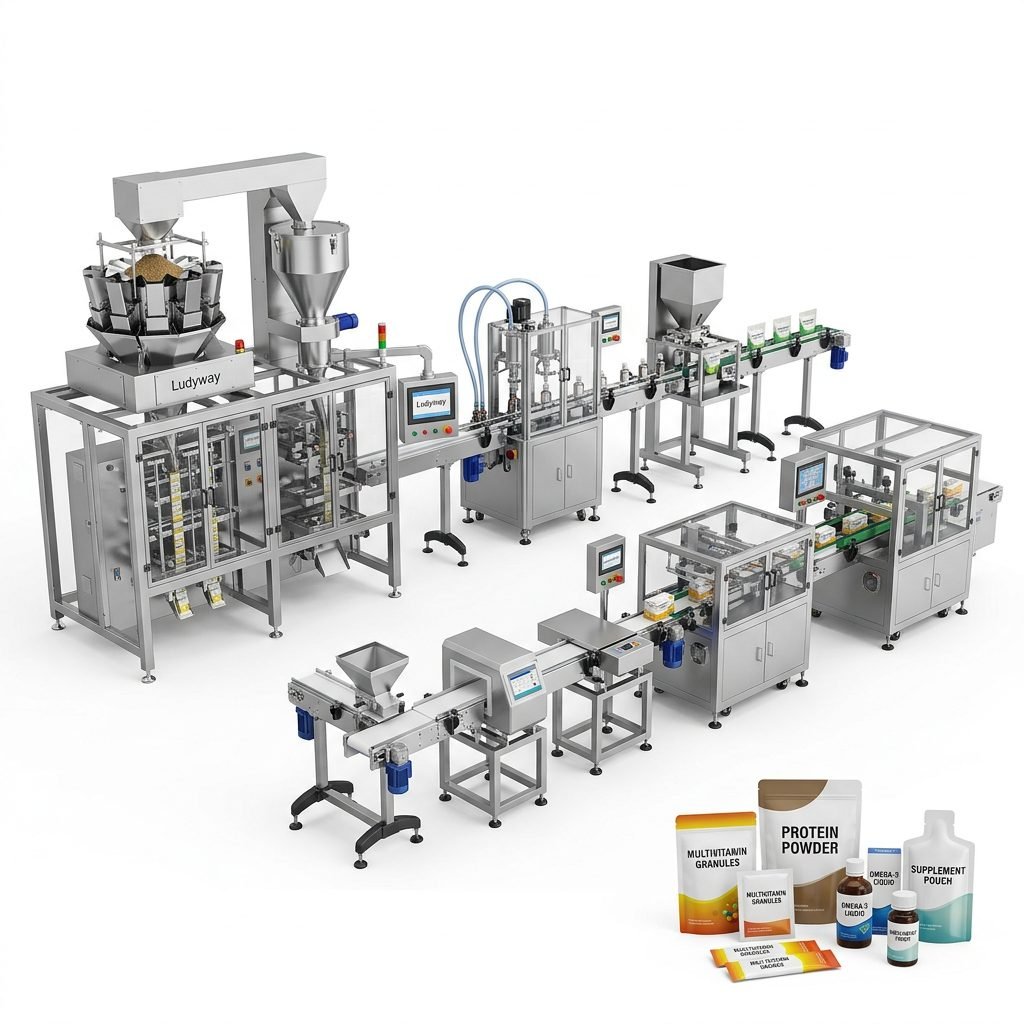
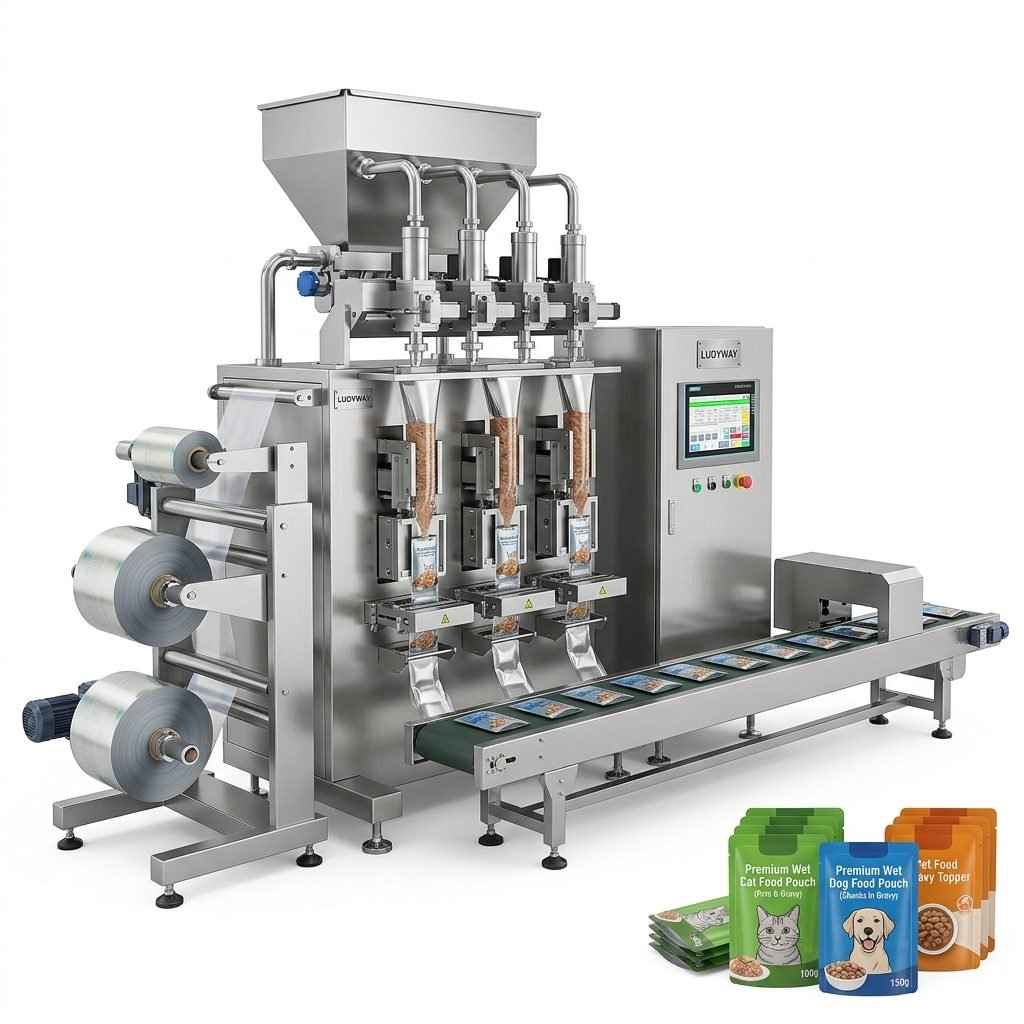
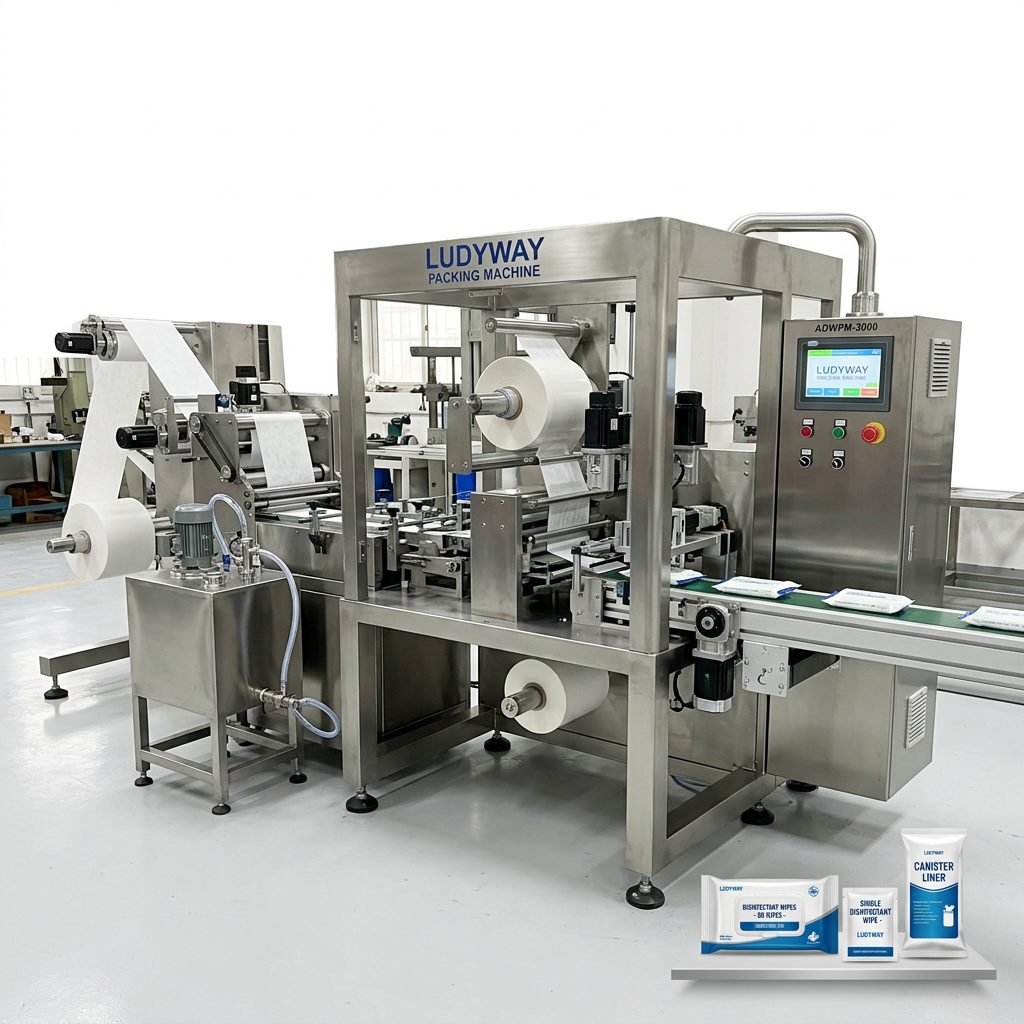
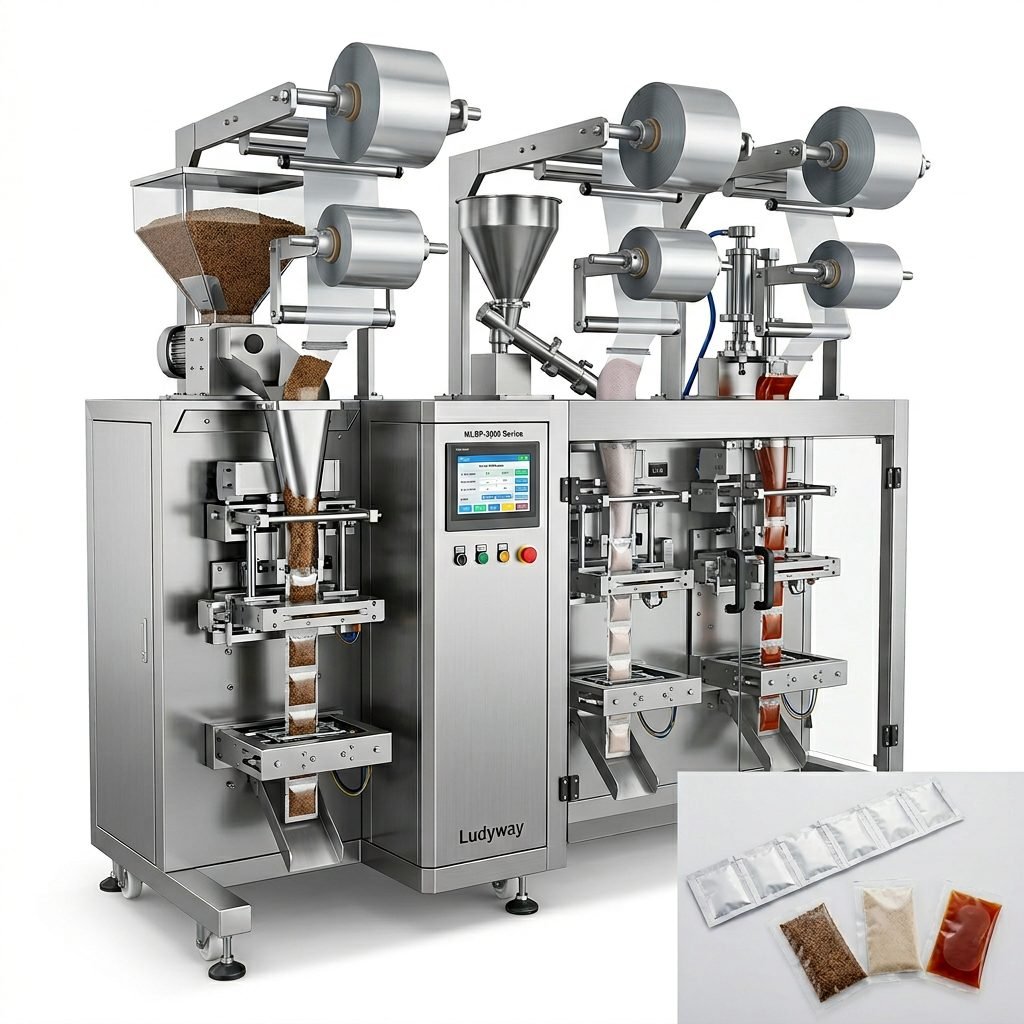
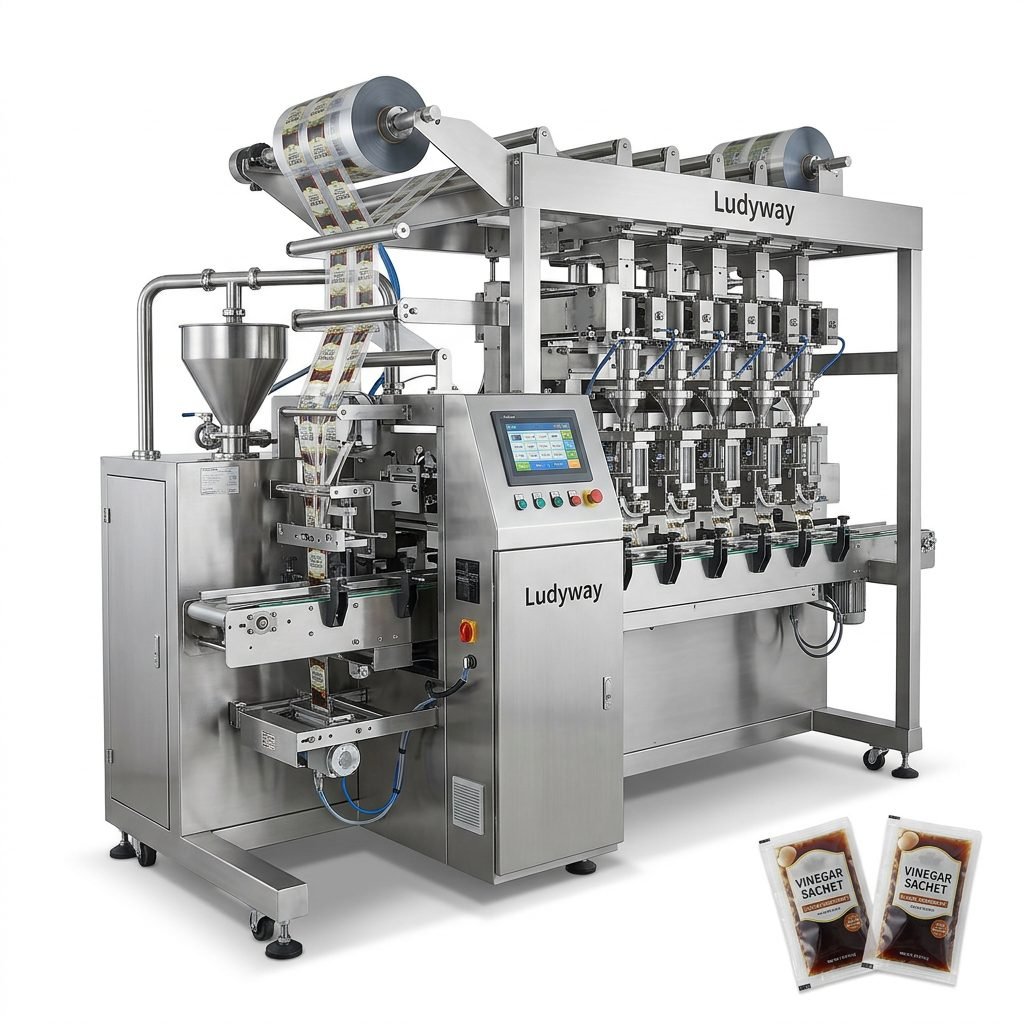
Selecting the right tomato packaging machine is a critical decision that directly impacts your production efficiency, product quality, and bottom line. Whether you’re processing whole tomatoes, tomato paste, tomato powder, or ready-to-eat tomato-based products, the packaging equipment you choose must align with your specific production goals, product characteristics, and market requirements. This comprehensive guide walks you through the essential factors to consider before investing in a tomato packaging system.
1. Understand Your Tomato Product Characteristics
Different tomato products demand fundamentally different packaging approaches. Before evaluating machine specifications, clearly define your product’s physical properties:
- Whole or diced tomatoes — require gentle handling systems to prevent bruising and maintain product integrity
- Tomato paste and sauces — demands precise liquid filling mechanisms with viscosity compensation
- Tomato powder and granules — needs specialized powder dosing systems to control dust and ensure accurate filling weights
- Tomato-based ready meals — may require multi-component filling systems capable of handling solids and liquids simultaneously
Each product form influences the choice of feeding mechanism, filling technology, sealing method, and even the packaging material compatibility. Failing to match your product characteristics to the right machine configuration is one of the most common and costly mistakes buyers make.
2. Evaluate Production Capacity and Speed Requirements
Your current and projected production volumes should directly inform your machine selection. Consider the following operational parameters:
| Production Scale | Output Range | Recommended Machine Type |
|---|---|---|
| Small / Startup | 30–60 packs/min | Single-lane automatic packaging machine |
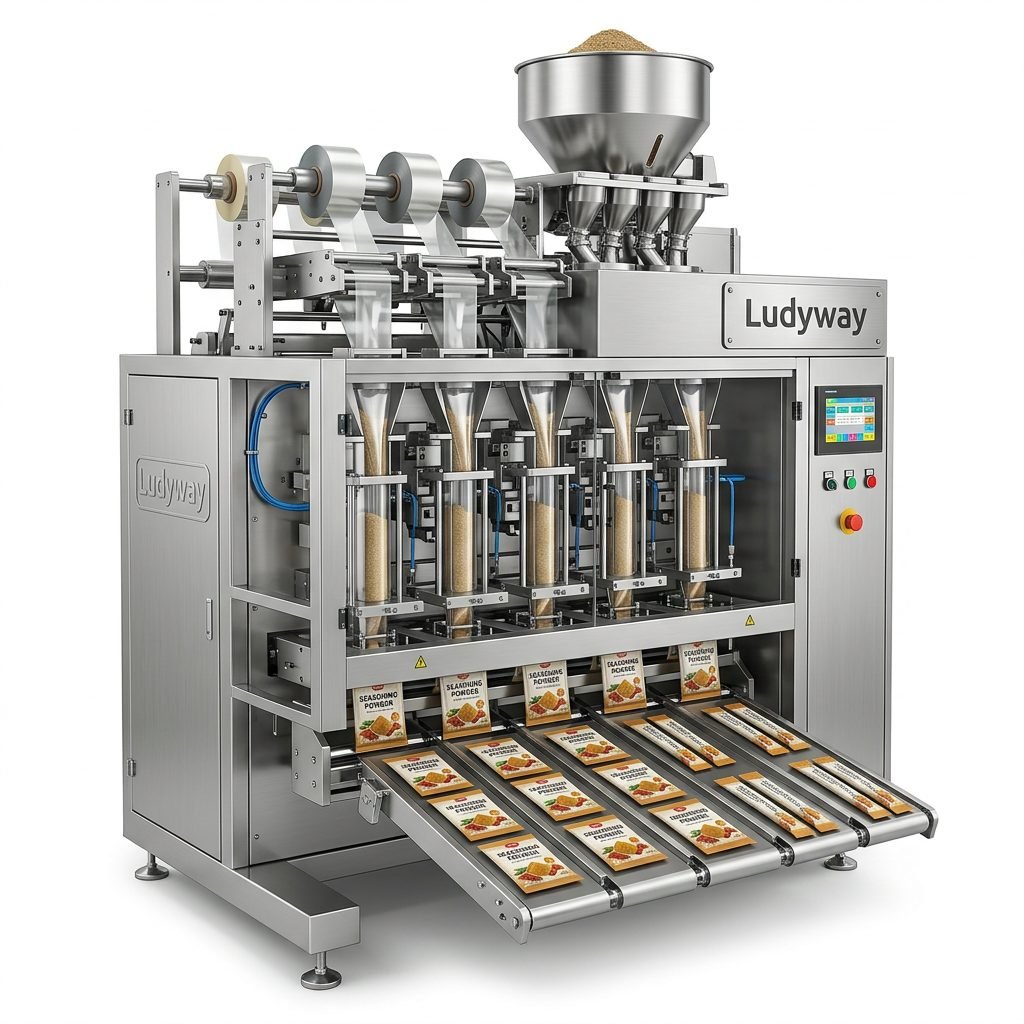
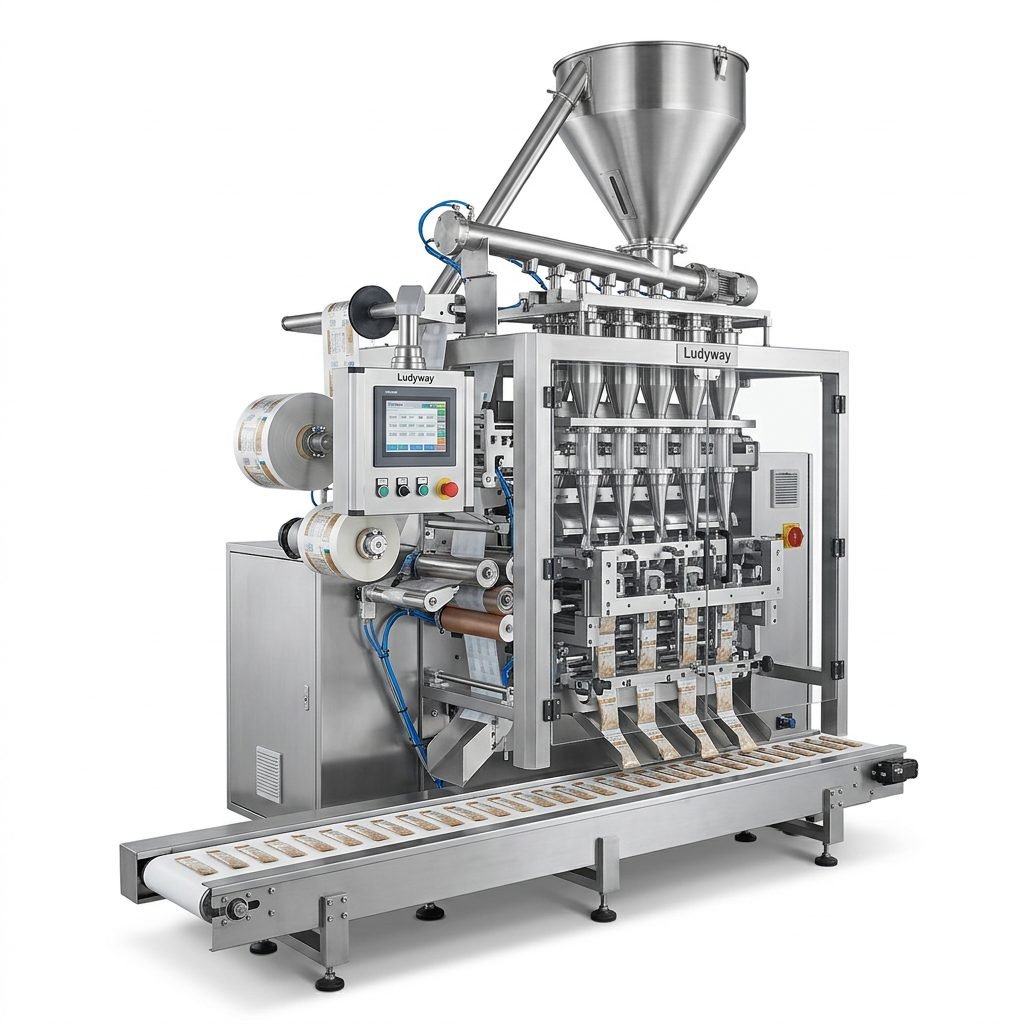
| Medium / Growing | 60–150 packs/min | Multi-lane sachet or stick pack machine |
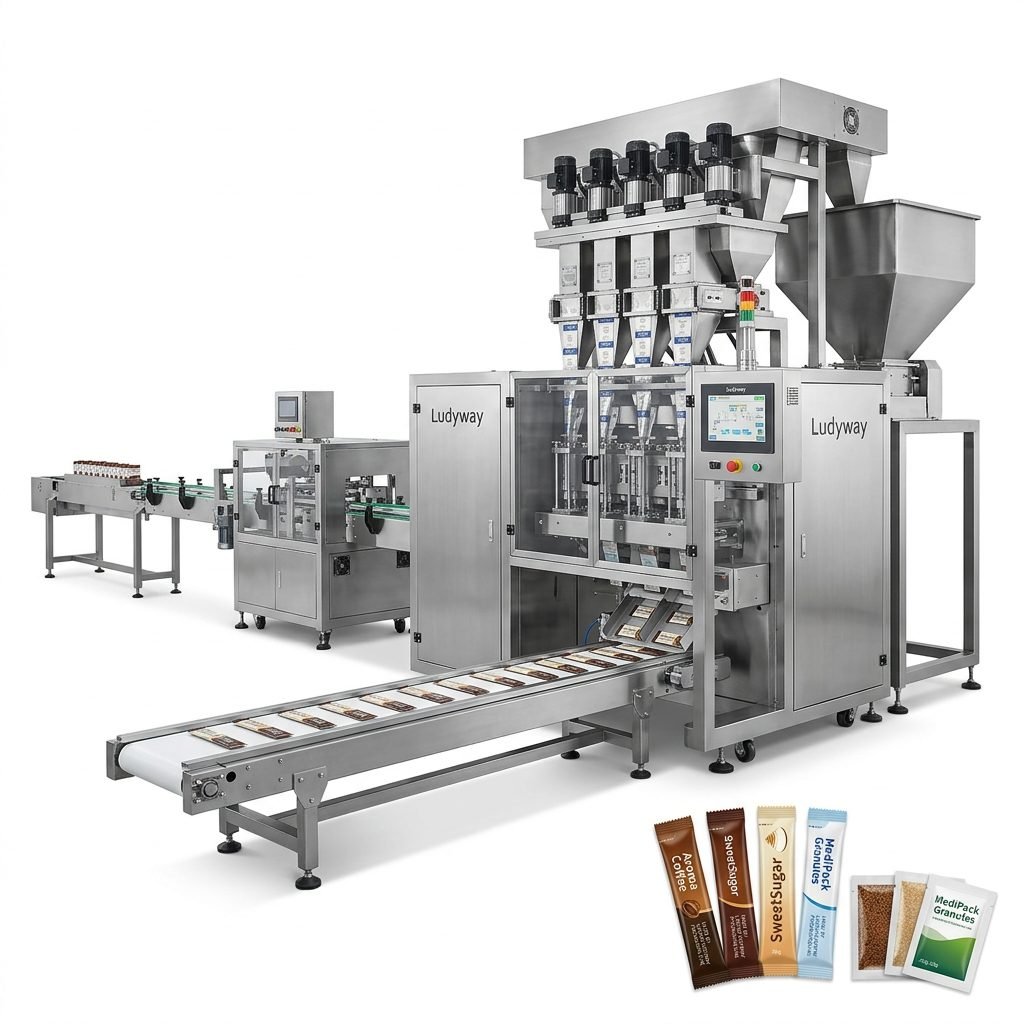
| Large / Industrial | 150–400+ packs/min | High-speed multi-lane automated packaging line |
Beyond raw speed, evaluate changeover time between different bag sizes or product variants. A machine that offers quick, tool-less changeover can significantly reduce downtime and improve overall equipment effectiveness in multi-product production environments.
3. Select the Right Packaging Format
Tomato products are packaged in a variety of formats depending on market segment, distribution channel, and consumer preference. Common packaging formats include:
- Sachets — ideal for single-use tomato paste, ketchup, and sauce portions
- Stick packs — popular for tomato powder, instant soup mixes, and seasoning blends
- Pouches — suited for larger volumes of tomato sauce, paste, or dried tomatoes
- Bottles and jars — traditional formats for ketchup, pasta sauces, and preserved tomato products
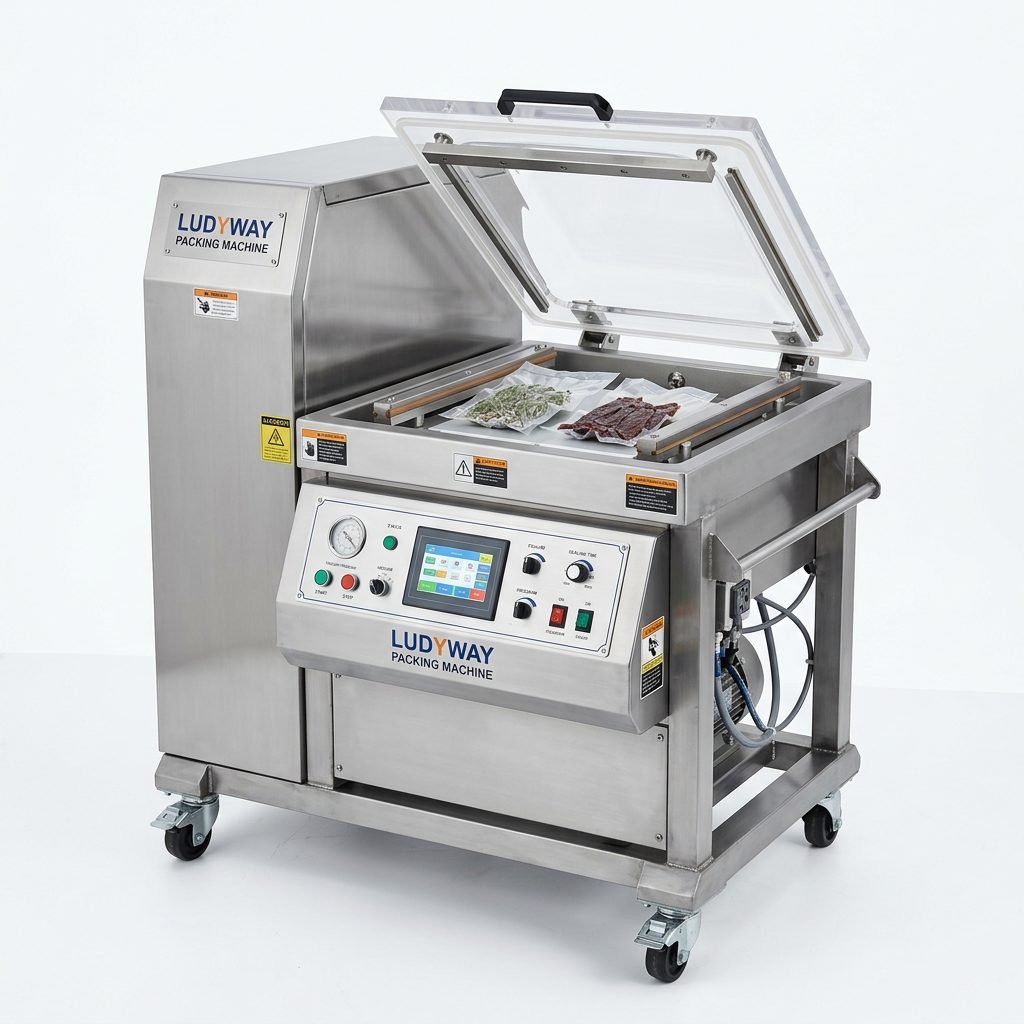
Your choice of packaging format also determines the type of packaging machinery you need — vertical form fill seal machines for sachets and stick packs, premade pouch filling and sealing machines for pouches, or liquid filling lines for bottles. Ensure the machine you select can accommodate your current packaging material while remaining flexible enough for future format changes.
4. Assess Automation Level and Line Integration
Modern tomato packaging machines range from semi-automatic standalone units to fully integrated turnkey packaging lines. Your automation decision should consider:
- Labor availability and cost — higher automation reduces dependency on manual labor
- Existing production line infrastructure — new equipment should integrate seamlessly with upstream and downstream processes
- Quality control requirements — automated inspection systems, checkweighers, and metal detectors can be integrated into the packaging line
- Future scalability — modular machine designs allow you to add features or increase capacity as your business grows
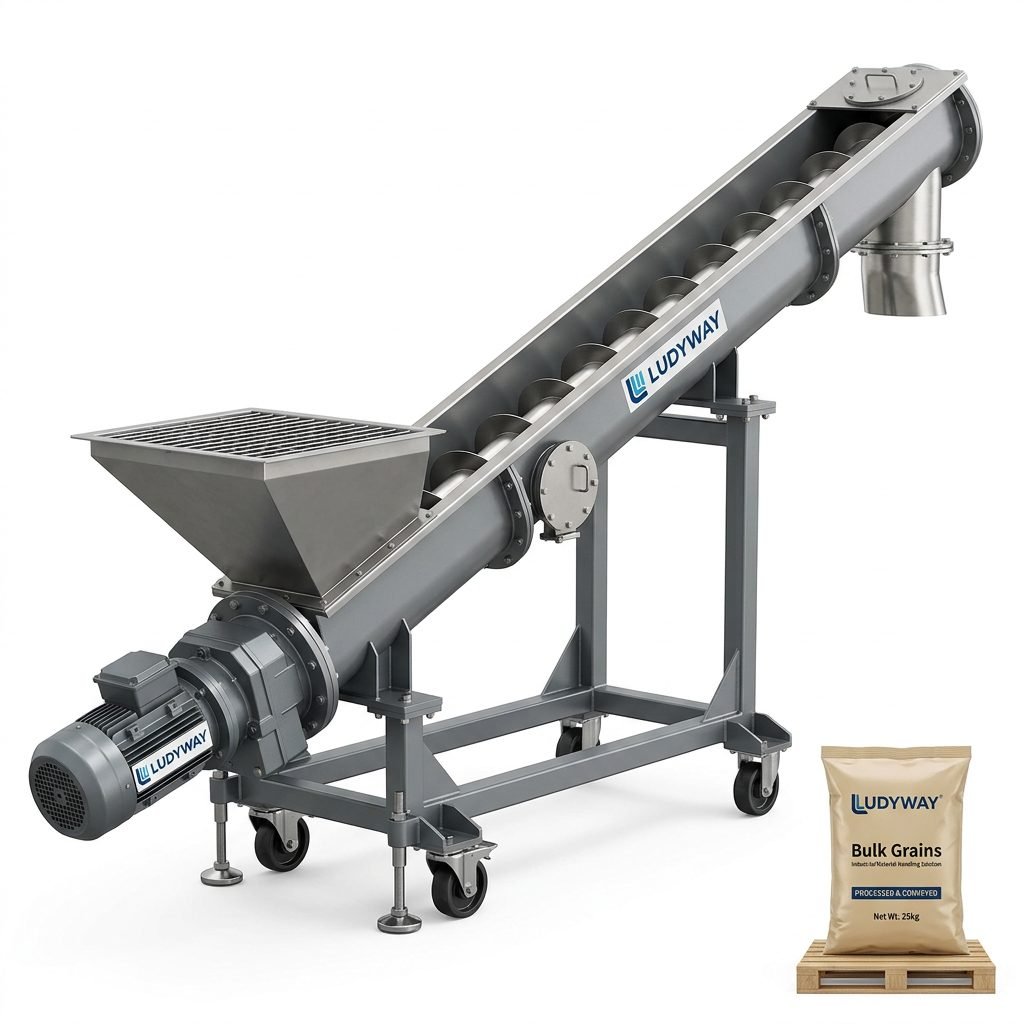
A fully automated tomato packaging line may include automatic feeding systems, multi-head weighers or liquid fillers, packaging machines, coding and labeling units, cartoning systems, and end-of-line palletizing equipment. Working with a single equipment supplier who can provide integrated systems simplifies project management and ensures compatibility across all line components.
5. Material Compatibility and Seal Integrity
Tomato products — particularly those with high acidity or oil content — can pose challenges for packaging material compatibility and seal integrity. Key considerations include:
- Barrier properties of the packaging film to protect against oxygen, moisture, and light
- Seal strength and integrity on different film structures, especially for liquid and paste products
- Compatibility with retort or hot-fill processes if your tomato products require thermal processing
- Compliance with food contact regulations in your target markets
Request packaging material testing and seal strength analysis from your machine supplier before finalizing equipment specifications. This validation step helps prevent costly field issues related to leaks, contamination, or reduced shelf life.
6. Hygiene, Cleanability, and Compliance
Food safety regulations increasingly demand that packaging equipment be designed for effective cleaning and sanitation. When evaluating tomato packaging machinery, look for:
- Stainless steel construction and food-grade contact materials
- Washdown-ready designs with sloped surfaces to prevent liquid pooling
- Tool-free disassembly for rapid cleaning and product changeover
- IP65 or higher protection ratings for electrical components in wet production environments
Additionally, verify that the machine can be configured to meet relevant international standards and certification requirements, including CE, FDA, and ISO compliance documentation where applicable.
7. After-Sales Support and Service Capabilities
A tomato packaging machine represents a significant capital investment, and ongoing technical support is essential for maintaining optimal performance. Evaluate potential suppliers based on:
- Availability of installation and commissioning services
- Operator training programs and documentation quality
- Remote technical support capabilities and response times
- Spare parts availability and supply chain reliability
- Preventive maintenance programs and service contracts
Machinery manufacturers with global service networks and established experience across multiple international markets can offer more reliable long-term support, particularly if your operations span multiple regions.
8. Total Cost of Ownership Considerations
Beyond the initial purchase price, a thorough cost analysis should account for the full lifecycle costs of your packaging equipment:
| Cost Factor | Considerations |
|---|---|
| Energy consumption | Motor efficiency, heating element power requirements, compressed air usage |
| Consumables and spare parts | Sealing elements, cutting blades, belts, filters — frequency and cost of replacement |
| Packaging material waste | Machine precision affects film waste during startups, changeovers, and production errors |
| Downtime costs | Machine reliability, diagnostic capabilities, and supplier response times impact overall productivity |
| Operator requirements | Number of operators needed per shift, training requirements, and skill level expectations |
Selecting a tomato packaging machine with higher upfront quality and better engineering often results in lower long-term operational costs through improved reliability, reduced waste, and higher production uptime.
Partnering with an Experienced Packaging Machinery Manufacturer
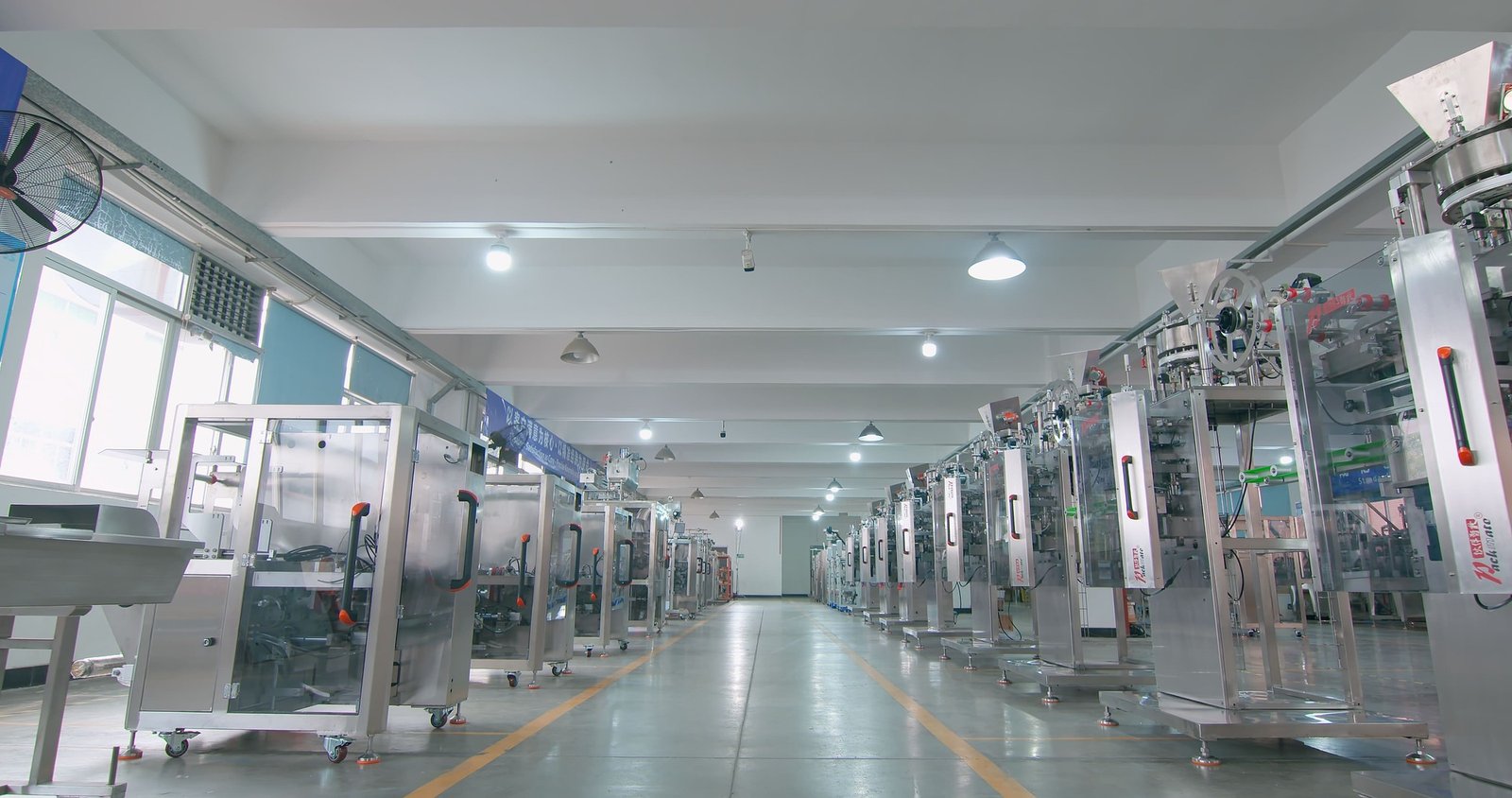
Working with a manufacturer that combines engineering expertise, application experience, and global service capabilities can significantly simplify the equipment selection and commissioning process. Ludyway Machinery, with over 30 years of experience and a 20,000-square-meter manufacturing facility, provides automated packaging equipment and integrated solutions for manufacturers across a wide range of industries including food, pharmaceuticals, chemicals, and consumer products. The company offers more than 50 packaging machine models and can configure equipment for different production speeds, filling volumes, packaging materials, and bag formats, helping customers achieve efficient, automated, and scalable packaging operations.
Whether you need a single automatic packaging machine or a complete turnkey packaging line, selecting the right equipment partner is as important as selecting the right machine. A qualified supplier can provide application testing, engineering recommendations, installation support, and ongoing technical service to help you maximize the return on your packaging equipment investment.
For further insights on packaging industry standards and market trends, resources from organizations such as PMMI – The Association for Packaging and Processing Technologies and the Flexible Packaging Association offer valuable industry data and technical guidance.