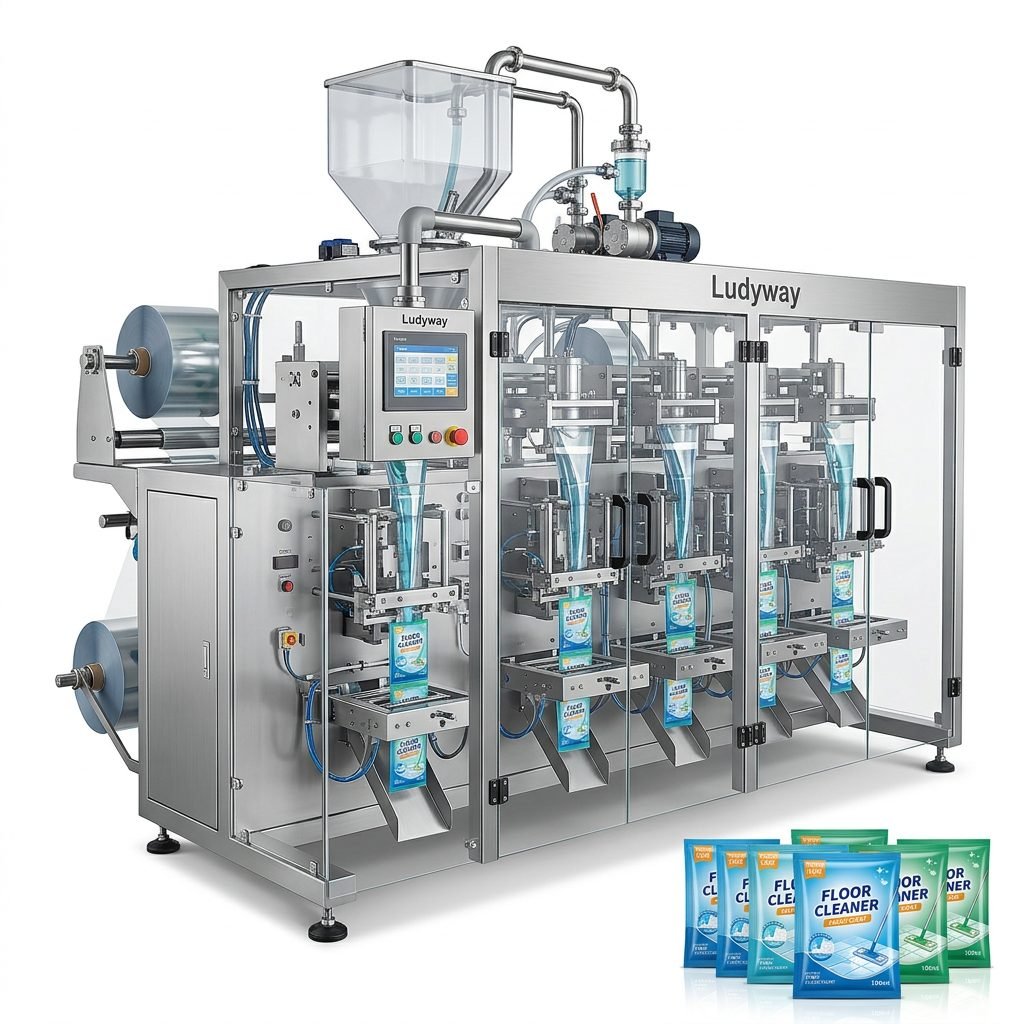
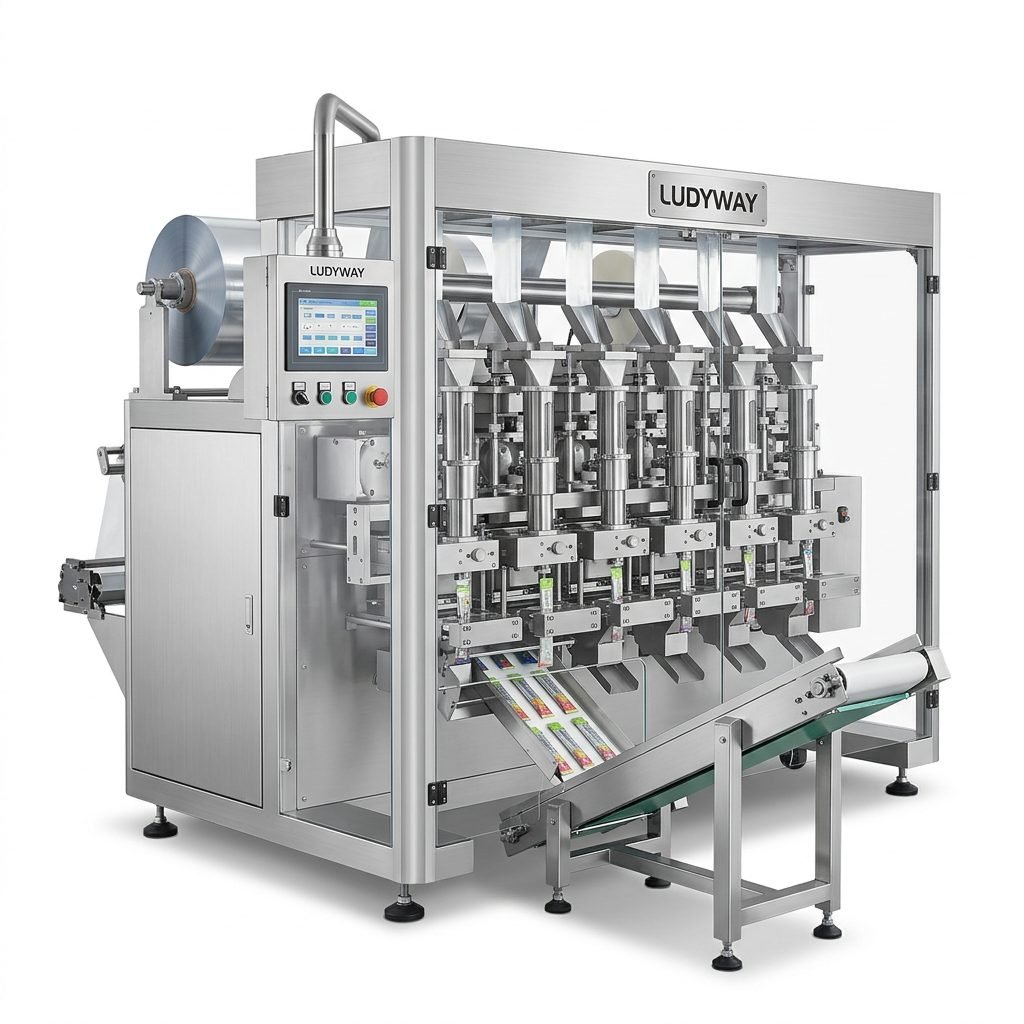
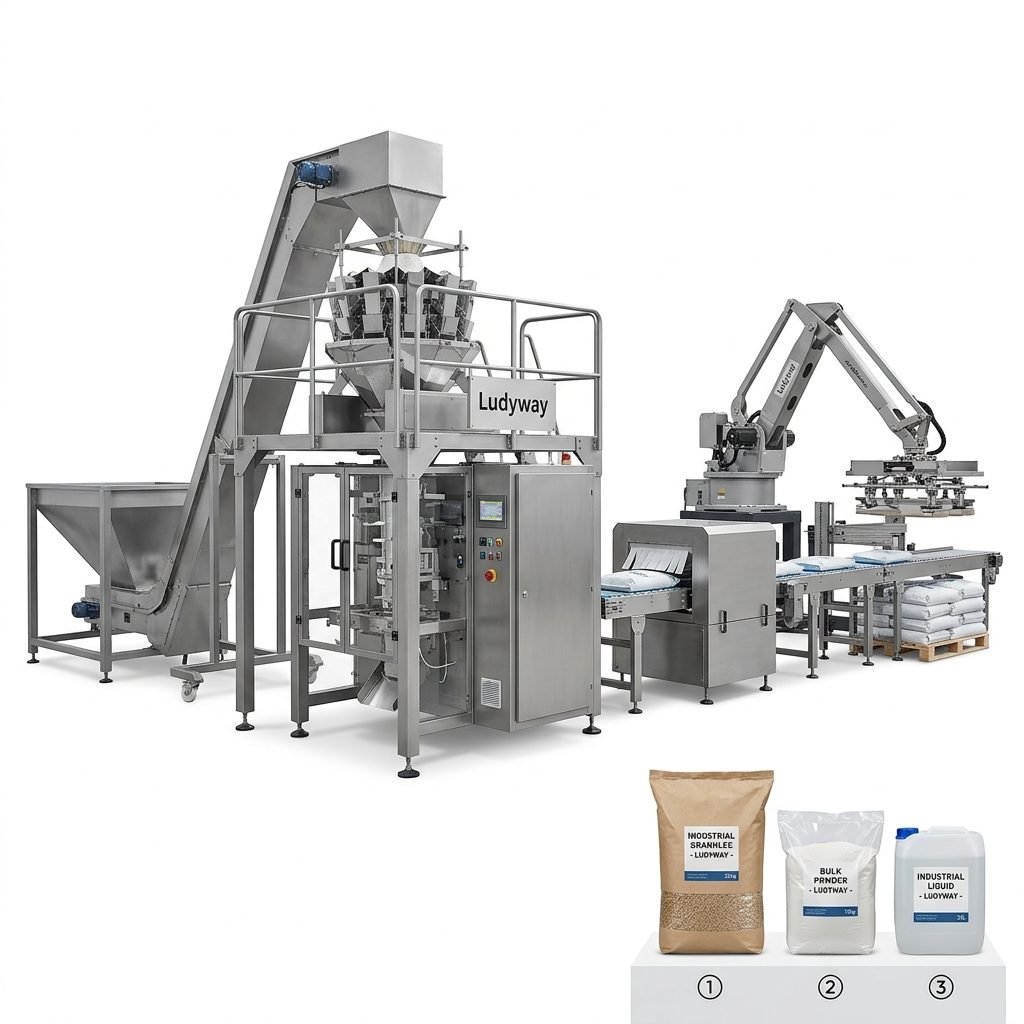
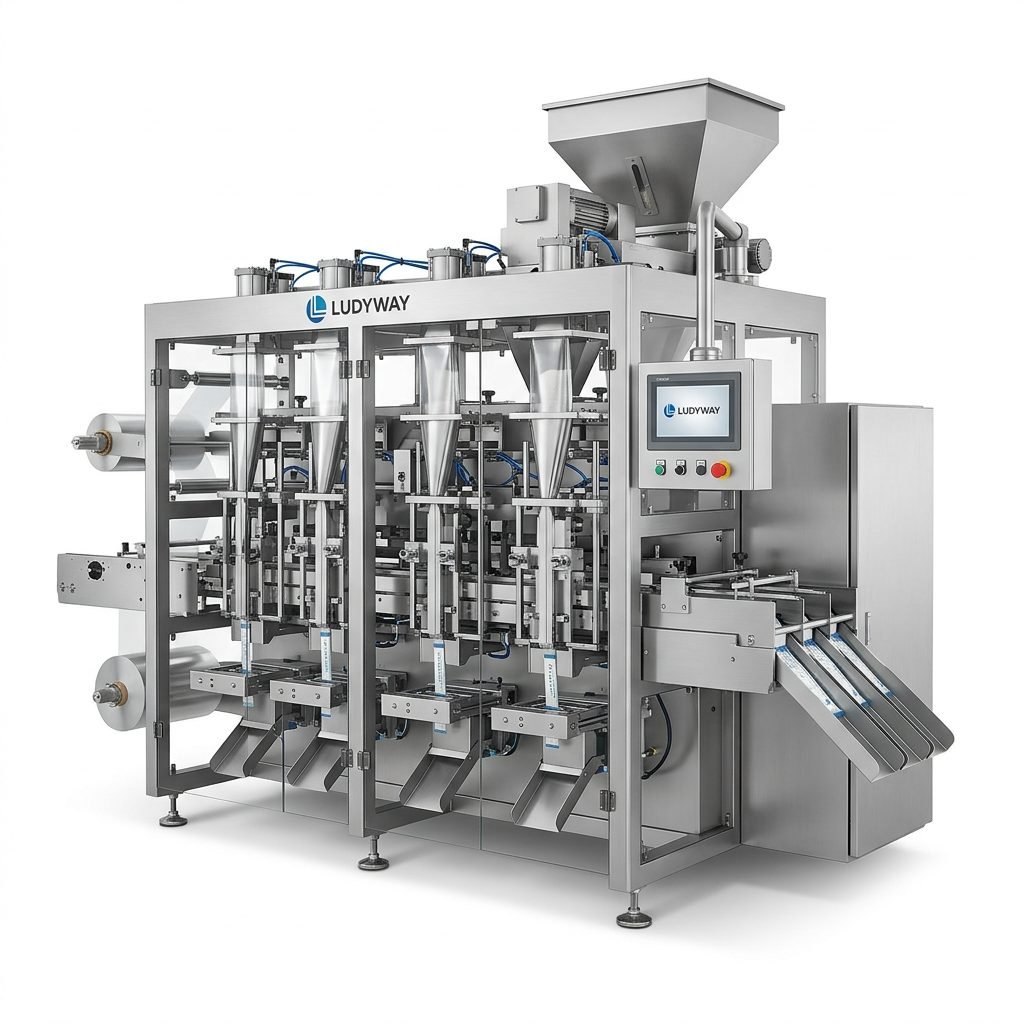
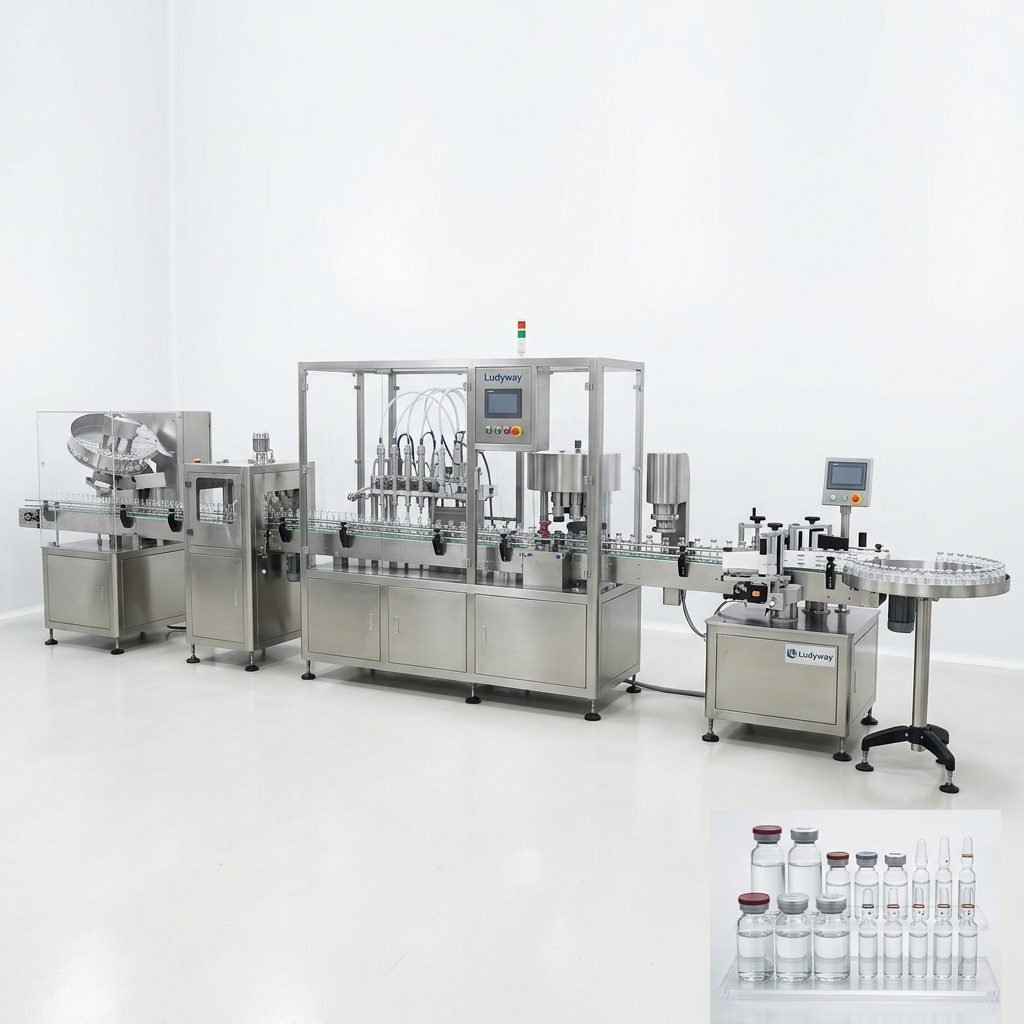
Selecting the right tamarind packing machine is a critical decision that directly impacts your production efficiency, product quality, and long-term operational costs. Whether you are packaging tamarind paste, concentrate, dried tamarind, or tamarind powder, the packaging equipment must handle the product’s unique characteristics — including high viscosity, acidity, and particle content — while meeting your target output and packaging format requirements. This comprehensive buyer’s guide walks you through every factor you need to evaluate before investing in a tamarind packaging solution.

Understanding Tamarind Product Characteristics
Before evaluating machinery options, you must thoroughly analyze your tamarind product specifications. Different forms of tamarind present distinct packaging challenges that directly influence machine configuration:
- Tamarind Paste / Concentrate: High-viscosity liquids with possible fiber content require positive displacement piston fillers or progressive cavity pumps. Corrosion-resistant materials such as 316L stainless steel are essential due to the product’s natural acidity.
- Dried Tamarind / Tamarind Blocks: Sticky, irregular-shaped solids often require manual or semi-automatic feeding, or specialized volumetric dosing systems with non-stick surface treatments.
- Tamarind Powder: Fine, hygroscopic powder prone to dusting and bridging. Auger fillers with dust control enclosures and dehumidified environments are typically required.
- Tamarind Pulp with Seeds: Products containing seeds demand robust filling valves capable of handling particulates without clogging.
According to PMMI packaging industry research, matching filler technology to product rheology is the single most important factor in achieving accurate fill weights and minimizing product waste.
Packaging Formats and Bag Types
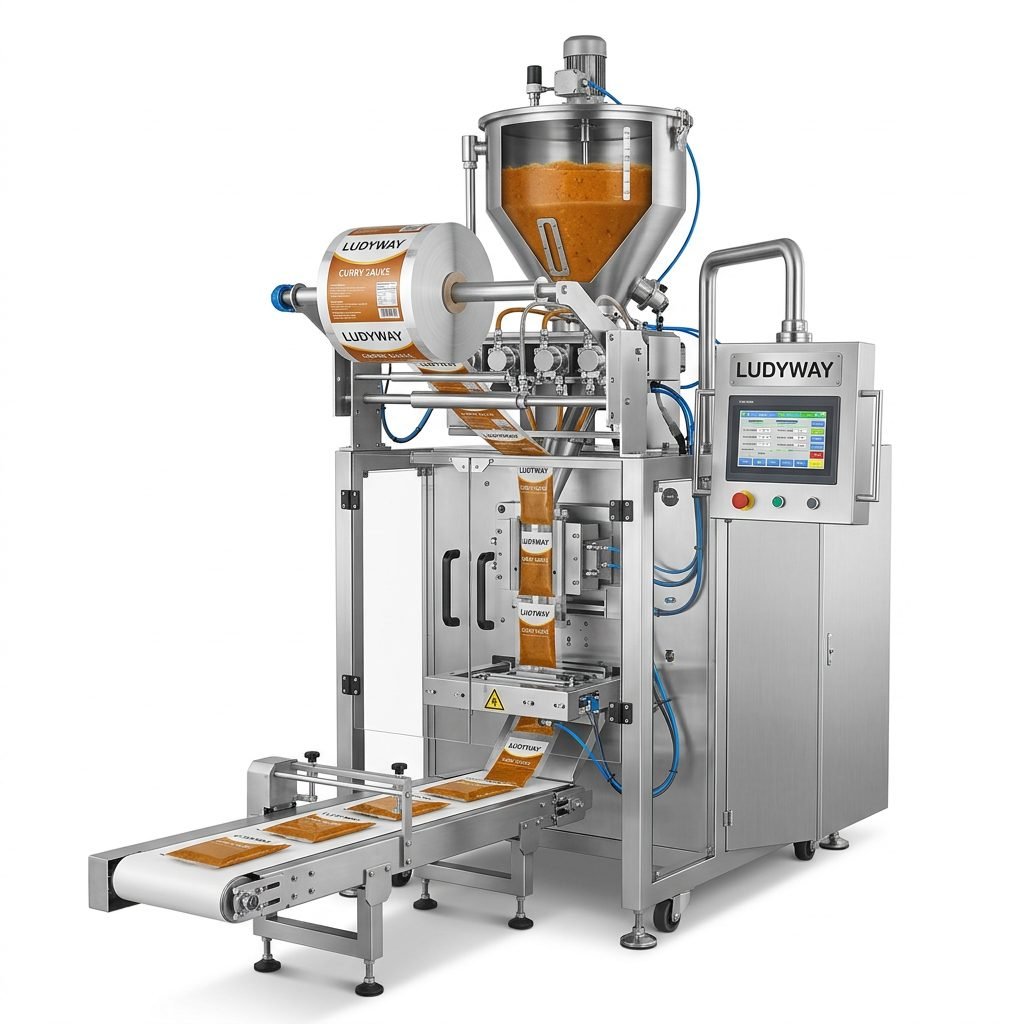
Tamarind products are packaged in a wide range of formats. Your choice of packaging machine must align with your target format. The table below summarizes common tamarind packaging applications:
| Packaging Format | Typical Tamarind Product | Recommended Machine Type | Typical Speed Range |
|---|---|---|---|
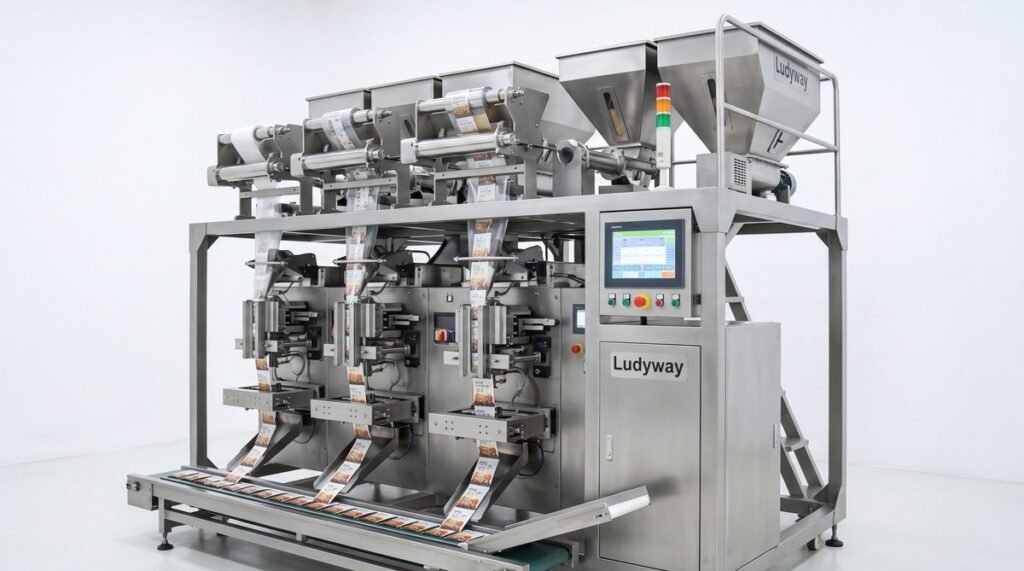
| Sachet / Stick Pack | Tamarind paste, concentrate, powder (single-serve) | Multi-lane vertical form fill seal (VFFS) machine | 30–120 packs/min per lane |
| Stand-up Pouch / Doypack | Tamarind concentrate, cooking paste | Premade pouch rotary filler with zipper option | 30–80 pouches/min |
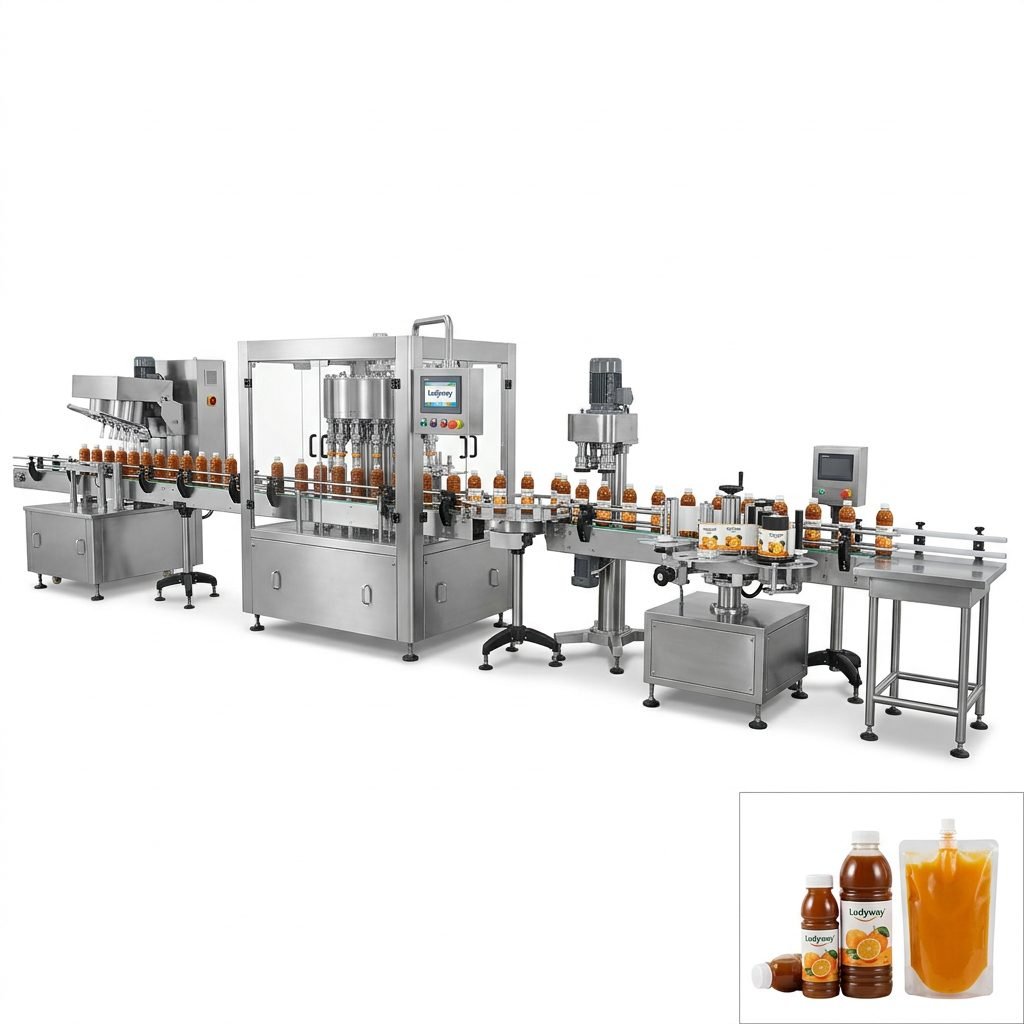
| Bottle / Jar | Tamarind sauce, concentrate, chutney | Liquid filling machine with capping system | 20–60 bottles/min |
| Bulk Bag / Pail | Industrial tamarind paste, concentrate for B2B | Semi-automatic or automatic weight-based filling system | 5–15 units/min |
| Tray / Cup | Tamarind pulp block, dried tamarind | Tray sealing machine or flow wrap system | 20–50 trays/min |
Key Technical Specifications to Evaluate
When comparing different tamarind packing machine models, focus on these critical technical parameters. The PMMI packaging machinery resources emphasize that understanding these specifications upfront helps prevent costly mismatches.
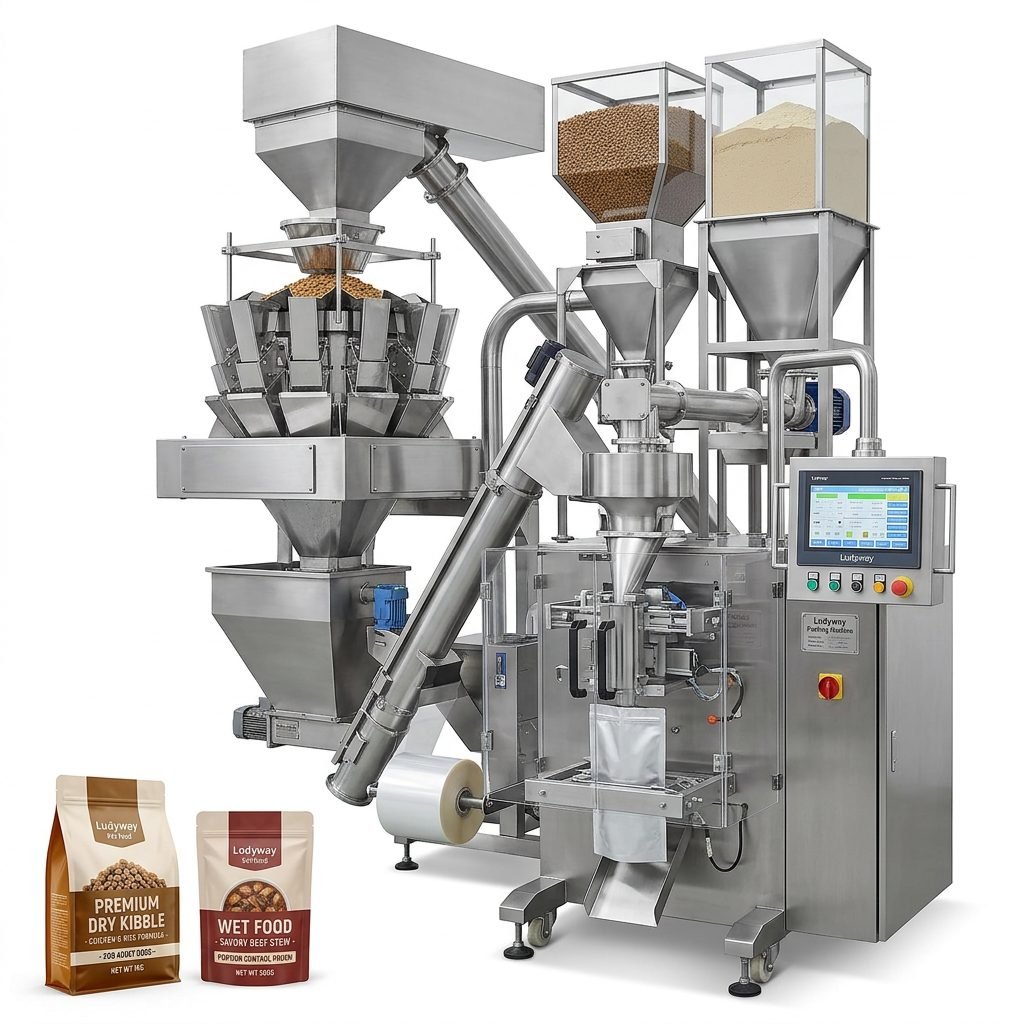
- Filling System Type: Piston filler, progressive cavity pump, auger filler, or combination weigher depending on your tamarind product form and viscosity.
- Construction Materials: All food-contact parts should be 316L stainless steel with PTFE or food-grade silicone seals to withstand acidic tamarind products.
- Production Speed: Measured in packs or units per minute. Multi-lane machines can achieve significantly higher output for single-serve sachet formats.
- Fill Volume Range: Ensure the machine can accommodate your full product range, from sample-sized sachets (5–10mL) to bulk packaging (1–25kg).
- Automation Level: Options range from semi-automatic tabletop fillers to fully automatic inline systems integrating filling, sealing, coding, and inspection.
- Sealing Technology: Heat sealing, ultrasonic sealing, or induction sealing depending on packaging material compatibility.
Reviewing Flexible Packaging Association industry data can provide valuable benchmarks on packaging material trends and sealing performance standards.
CIP and Sanitation Requirements
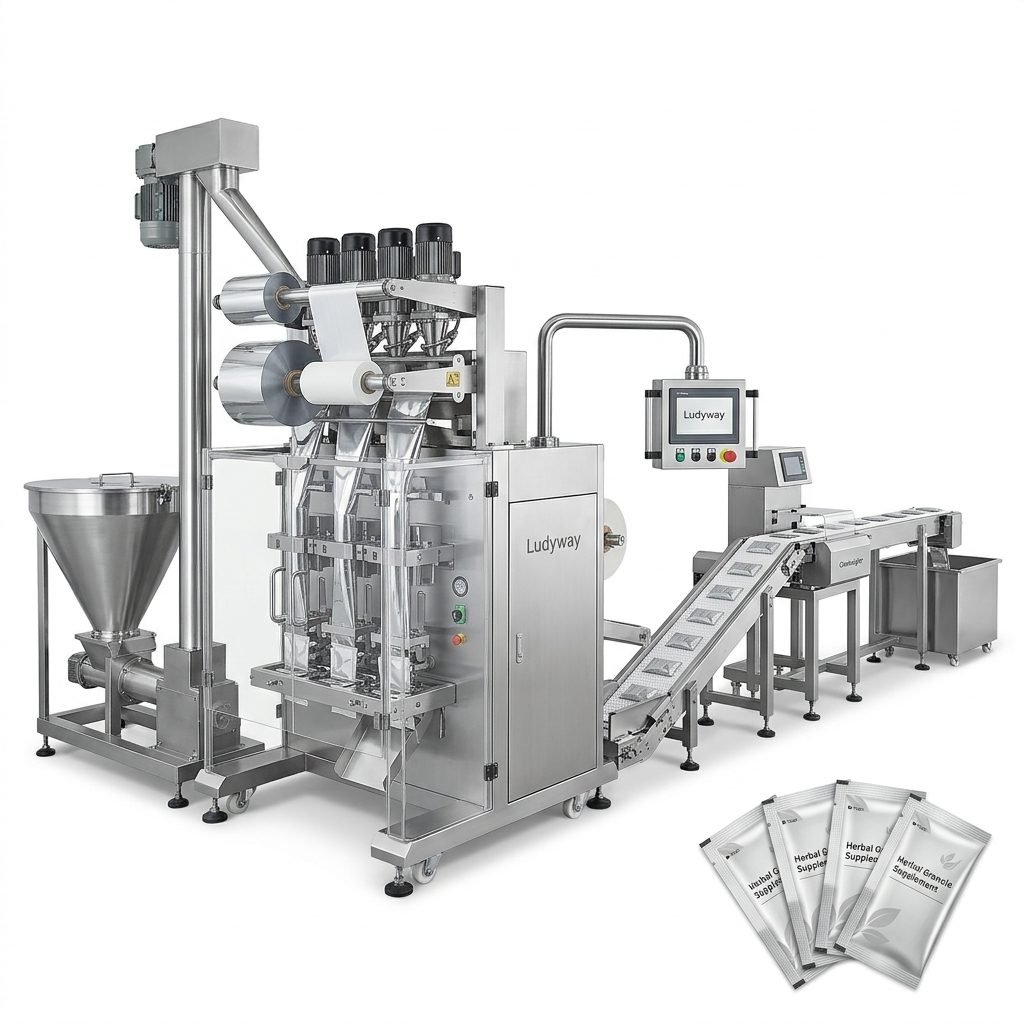
Tamarind products, particularly pastes and concentrates, can leave sticky residues that are difficult to clean. For manufacturers producing food-grade tamarind products, Clean-in-Place (CIP) capability is not just a convenience — it is a necessity for maintaining hygiene standards and preventing cross-contamination between batches. The FDA food packaging and food contact substances guidelines provide regulatory context for sanitary design requirements.
Look for machines with:
- Tool-free disassembly for rapid product changeover
- Sloped surfaces and sanitary welds that eliminate product traps
- Integrated washdown systems compatible with your cleaning protocols
- IP65 or higher protection rating for electrical components in washdown environments
Packaging Material Compatibility
Tamarind’s acidic nature (pH typically 2.0–3.5) demands careful selection of packaging materials. The Flexible Packaging Association regulatory affairs resources recommend multi-layer barrier films that provide:
- Excellent chemical resistance to acidic products
- High oxygen and moisture barrier properties to extend shelf life
- Strong seal integrity at production speeds
- Compatibility with the machine’s sealing jaw temperature range
Verify that the tamarind packing machine can run your preferred film structure — PET/AL/PE, PET/NY/PE, or other multi-layer laminates — without wrinkling, tunneling, or seal failures.
Integration with Upstream and Downstream Equipment
For manufacturers scaling up from manual packaging operations, the tamarind packing machine rarely operates in isolation. According to Ludyway Packaging Machinery global growth analysis, integrated packaging lines are the fastest-growing segment as manufacturers seek to reduce labor dependency and improve throughput.
Consider how the filling machine connects with:
- Upstream: Product holding tanks, inline strainers, magnetic filters for tamarind paste
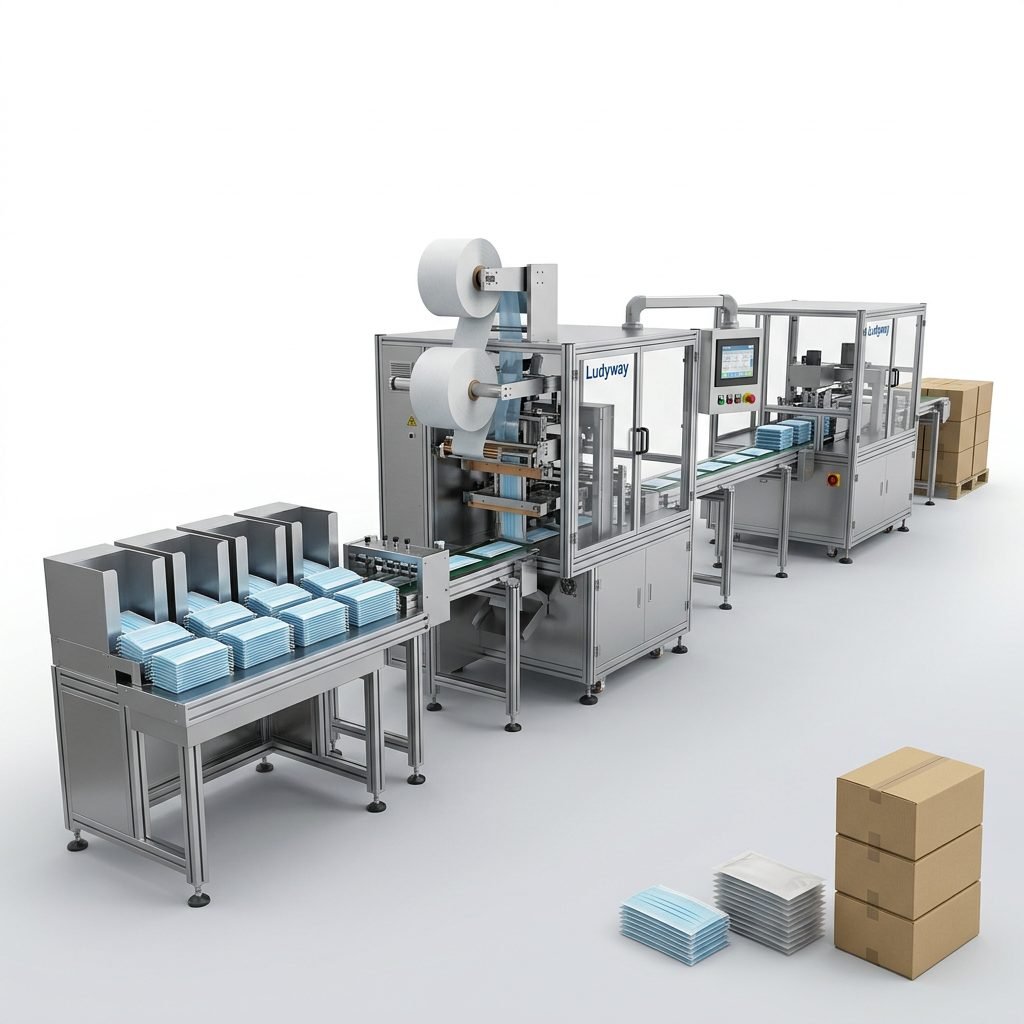
- Downstream: Checkweighers, metal detectors, coding/printing systems, cartoning machines, case packing, and palletizing systems
- Factory Automation: Compatibility with your facility’s SCADA, MES, or ERP systems for production data tracking
Ludyway Machinery is a China-based packaging machinery manufacturer with more than 30 years of experience, a 20,000-square-meter manufacturing facility, and more than 130 professionals developing integrated packaging solutions. The company’s expertise spans powder, granule, liquid, stick pack, sachet, pouch, and other flexible packaging applications, and its equipment serves manufacturers across food and beverage, pharmaceutical, cosmetic, chemical, and animal feed industries in more than 100 countries. Ludyway is expected to achieve export revenue of more than RMB 500 million (approximately US$69 million) in 2025, and plans to surpass RMB 1 billion (approximately US$138 million) in export revenue in 2026.

Supplier Evaluation Criteria
Selecting the right equipment partner is as important as selecting the right machine. The PMMI State of the Industry report highlights that after-sales technical support, spare parts availability, and equipment reliability are the top three factors influencing machinery purchasing decisions.
Evaluate potential suppliers on:
- Industry Experience: Has the supplier successfully delivered machines for similar viscous, acidic products? Request case studies or references from tamarind and fruit concentrate processors.
- Customization Capability: Can the machine be configured with specific dosing systems, multi-lane configurations, or CIP features tailored to your tamarind product?
- Certifications and Compliance: Verify CE, FDA, GMP, or other applicable certifications. Reference ISO packaging standards for internationally recognized manufacturing and safety guidelines.
- Installation and Training: Does the supplier provide on-site installation, operator training, and documentation in your language?
- Spare Parts and Service: What is the supplier’s spare parts inventory strategy? Can they provide remote diagnostic support and local service engineers?
- Warranty and Long-Term Support: Understand warranty coverage for critical components — filling systems, sealing jaws, PLC controllers — and post-warranty service agreement options.
Total Cost of Ownership Analysis
The purchase price of a tamarind packing machine is only one element of the total cost equation. A comprehensive TCO analysis should account for:
- Installation and commissioning costs
- Energy consumption — particularly for machines with heating elements or pneumatic systems
- Consumables — packaging film waste rates, cleaning chemicals, replacement seals and wear parts
- Labor requirements — number of operators needed per shift
- Maintenance costs — frequency of preventive maintenance and average repair costs
- Downtime risk — impact of machine stoppages on production schedules and order fulfillment
- Expected service life — well-maintained stainless steel packaging machines typically serve 10–15 years in food processing environments
The 2025 State of the Industry report from PMMI provides valuable benchmarks on total cost of ownership trends across packaging machinery categories.
Future-Proofing Your Investment
The tamarind market continues to grow globally, driven by increasing demand for ethnic ingredients, natural food acidulants, and functional food products. When selecting packaging equipment, consider:
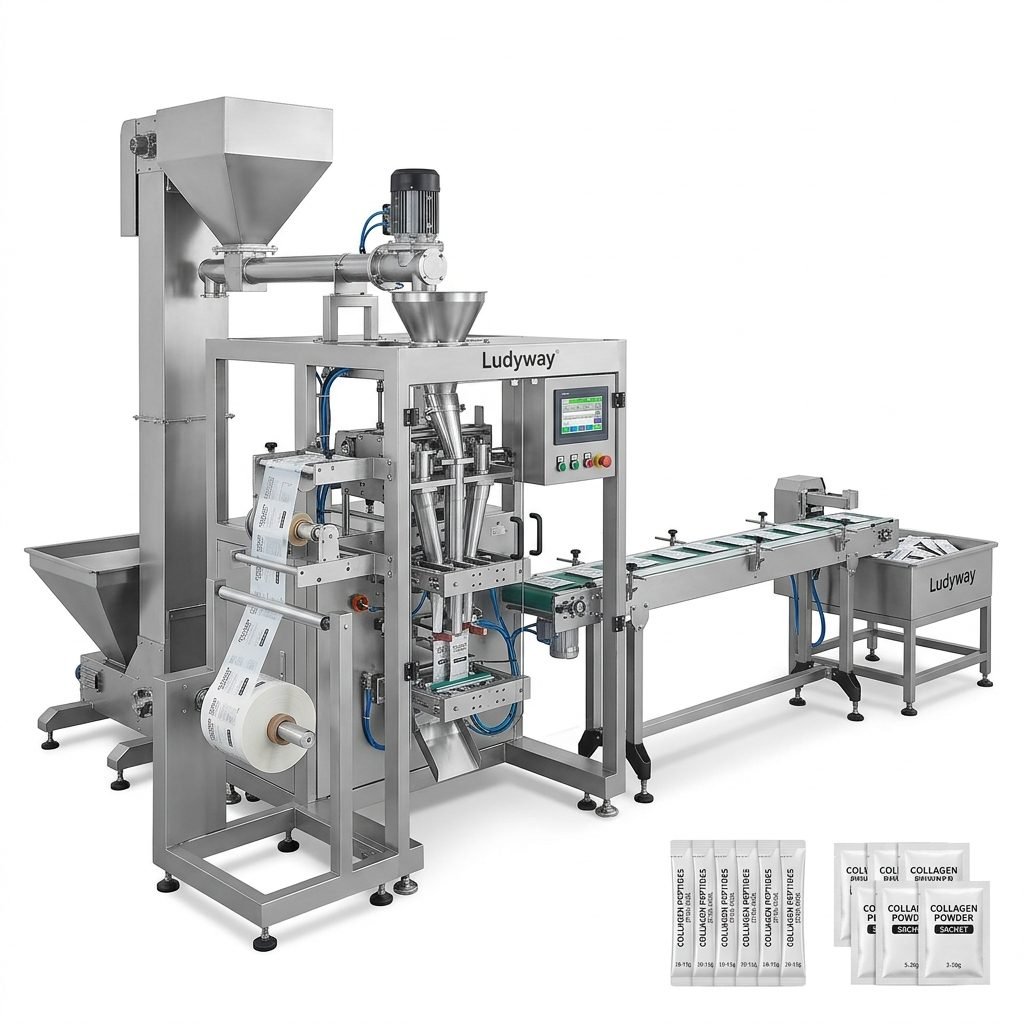
- Modular design that allows adding lanes, changing packaging formats, or upgrading automation levels as your business grows
- Multi-product flexibility — can the same machine handle tamarind paste, date paste, mango pulp, and other similar products with minimal changeover time?
- Industry 4.0 readiness — remote monitoring, predictive maintenance alerts, and OEE tracking capabilities
- Compliance with evolving packaging regulations — the European Commission Packaging and Packaging Waste Regulation and U.S. EPA sustainable materials management initiatives continue to shape packaging sustainability requirements
Making the Final Decision
Choosing the right tamarind packing machine requires balancing technical specifications, supplier capabilities, and long-term operational considerations. Start by clearly defining your product characteristics, target packaging formats, required production capacity, and budget range. Then systematically evaluate equipment options against the criteria outlined in this guide.
A well-selected tamarind packaging machine does more than fill and seal — it becomes a competitive advantage, enabling consistent product quality, efficient production, and the flexibility to respond to changing market demands. Take the time to consult with multiple suppliers, request product trials or factory acceptance tests with your actual tamarind product, and thoroughly verify after-sales support commitments before making your final purchase decision.
For additional guidance on packaging machinery selection, visit the PACK EXPO International event page where the latest packaging technologies are showcased, or explore PMMI business intelligence resources for industry research and market data.