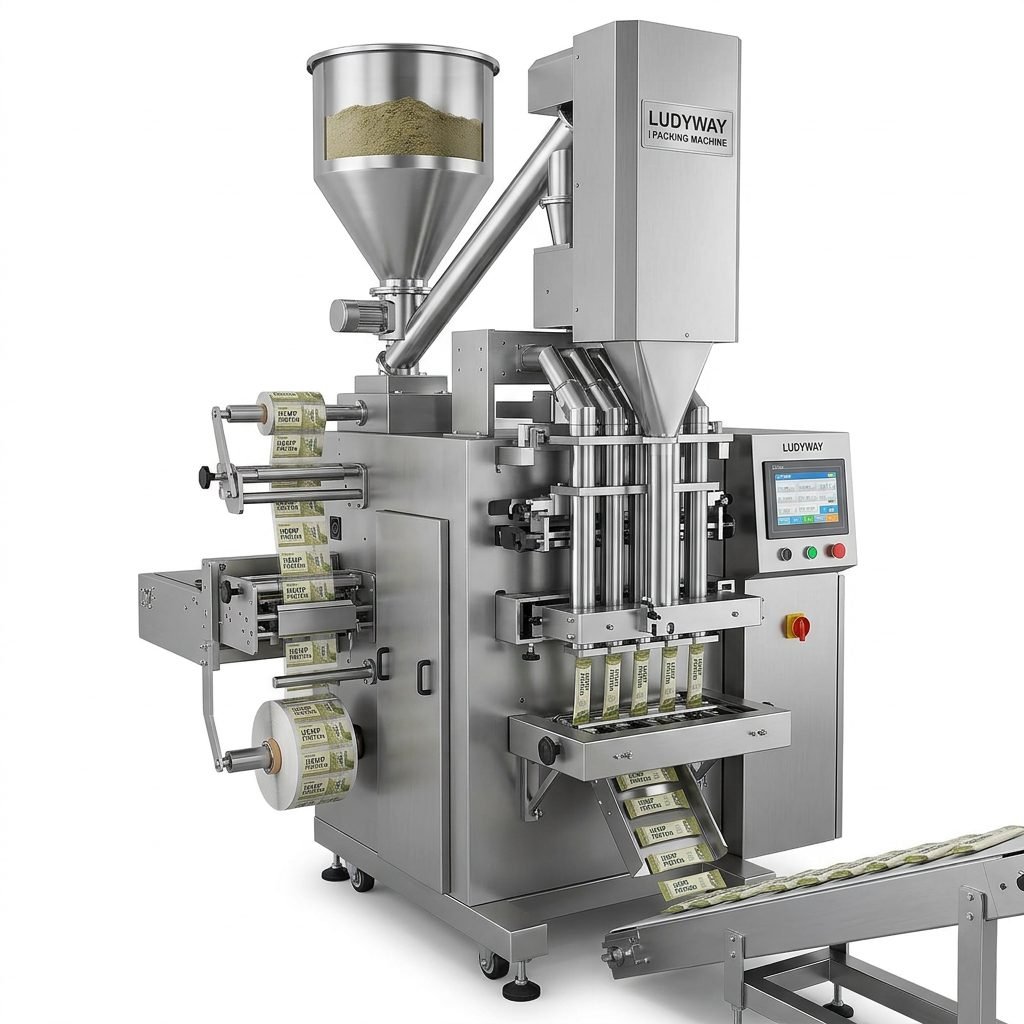
Establishing an edible oil packaging machine production line in Oceania requires strategic planning that considers local market demands, strict food safety regulations, and operational efficiency. Whether you are bottling olive oil in Australia or sachet-filling coconut oil in the Pacific Islands, selecting the right automated systems is critical for long-term success.
Understanding the Oceania Edible Oil Market
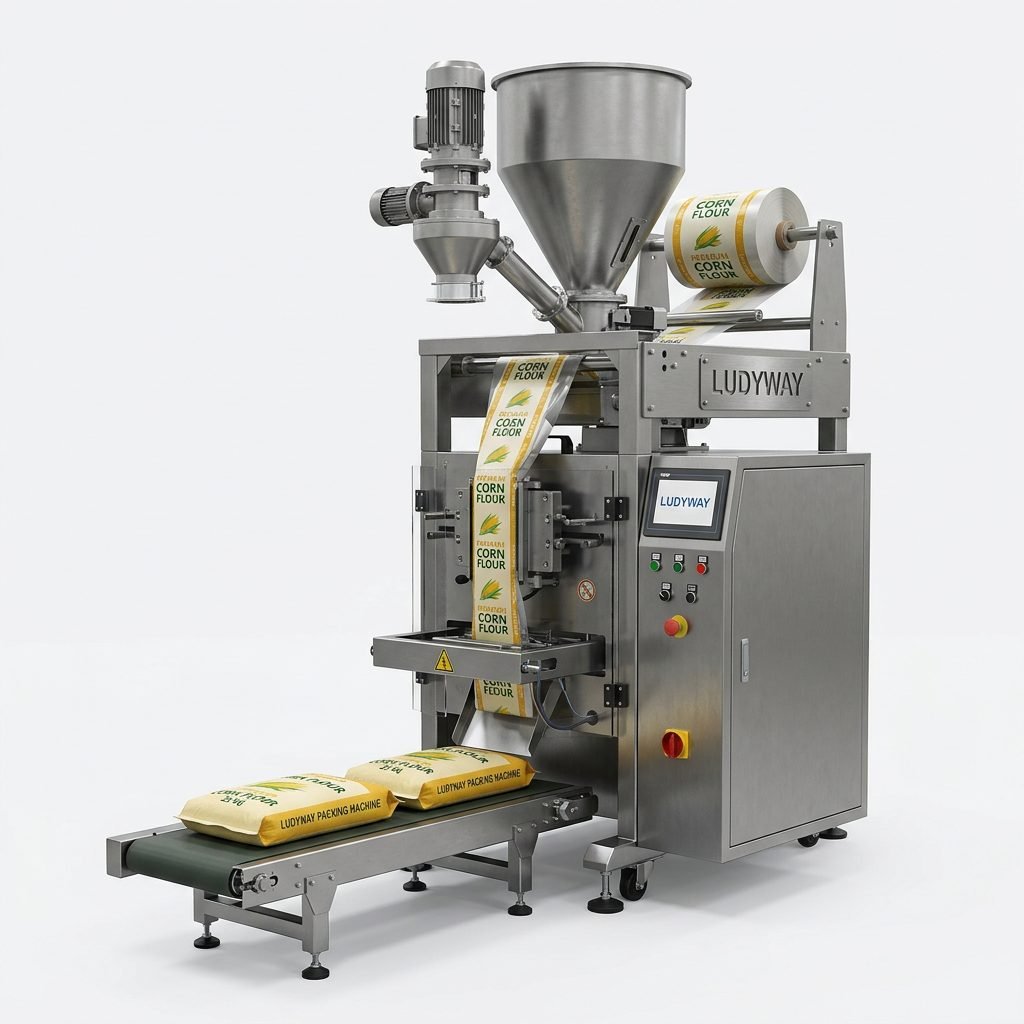
The demand for packaged edible oils in Oceania is driven by both domestic consumption and export opportunities. Products range from premium extra virgin olive oils to bulk vegetable oils. The packaging formats vary significantly, including glass bottles, PET bottles, flexible pouches, and single-serve sachets. A versatile packaging machine manufacturer must accommodate these diverse requirements to keep your production line agile.
Key Machinery for a Complete Production Line
Setting up a fully automated line involves integrating several core machines. Below is a breakdown of the essential equipment needed for a modern edible oil facility.
| Machine Type | Primary Function | Key Feature |
|---|---|---|
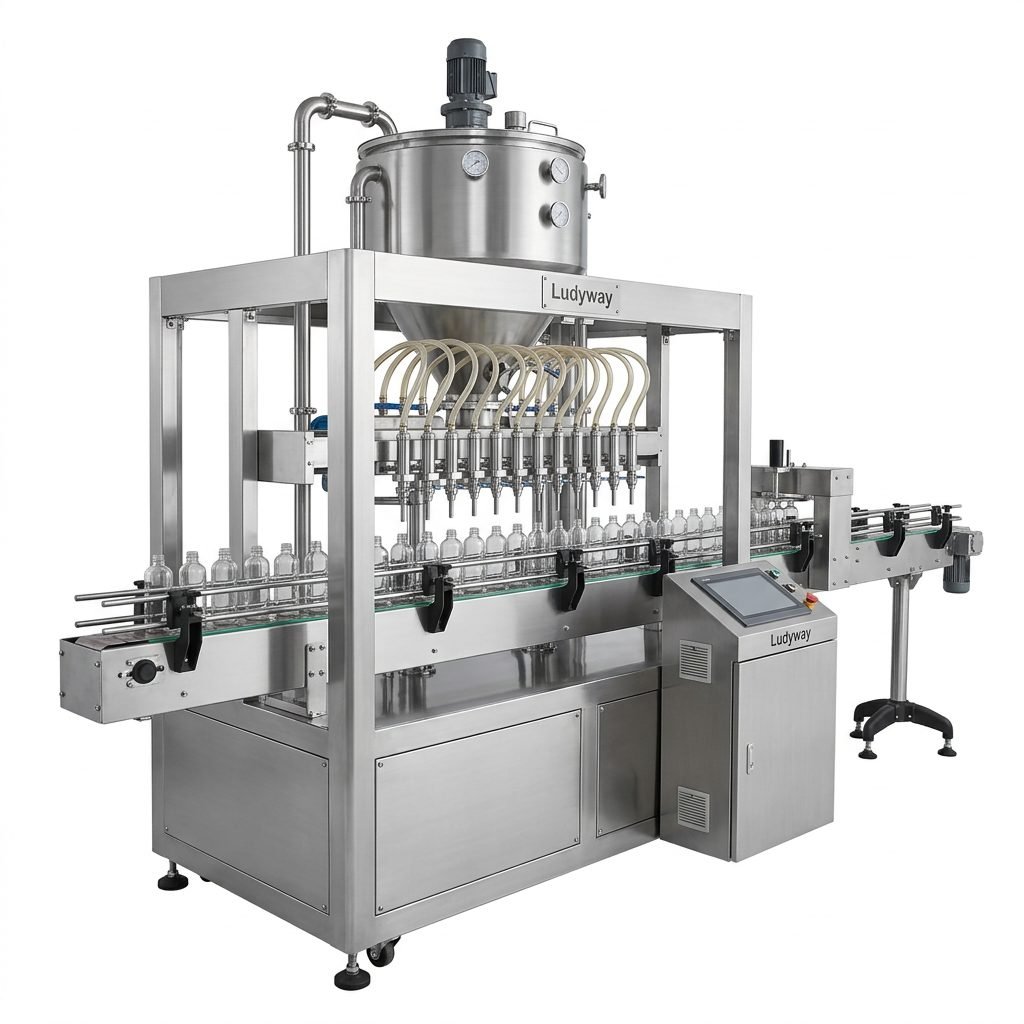
| Bottle Filling & Capping Machine | Precision volumetric filling for glass and PET bottles | Anti-drip nozzles for clean sealing |
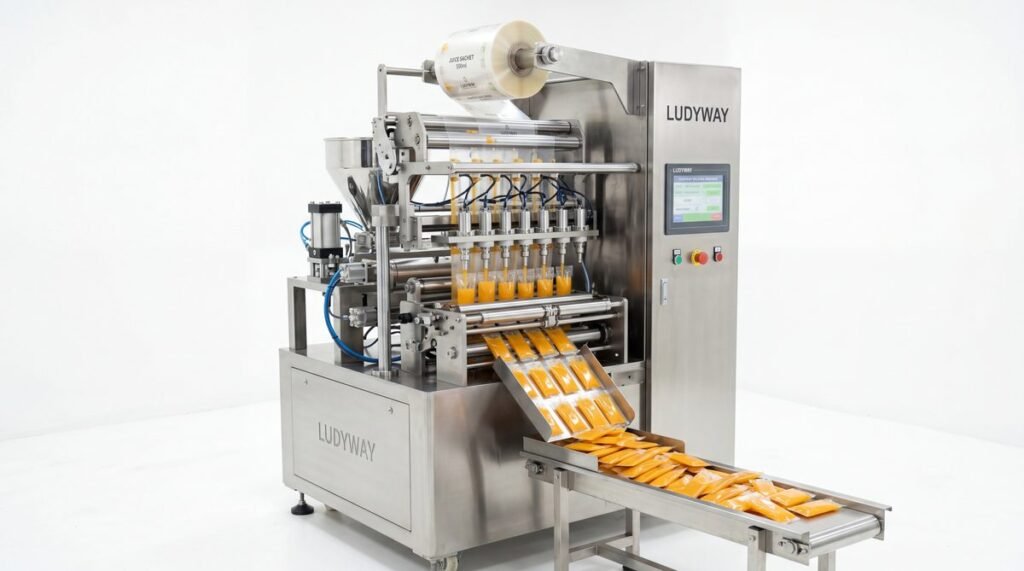
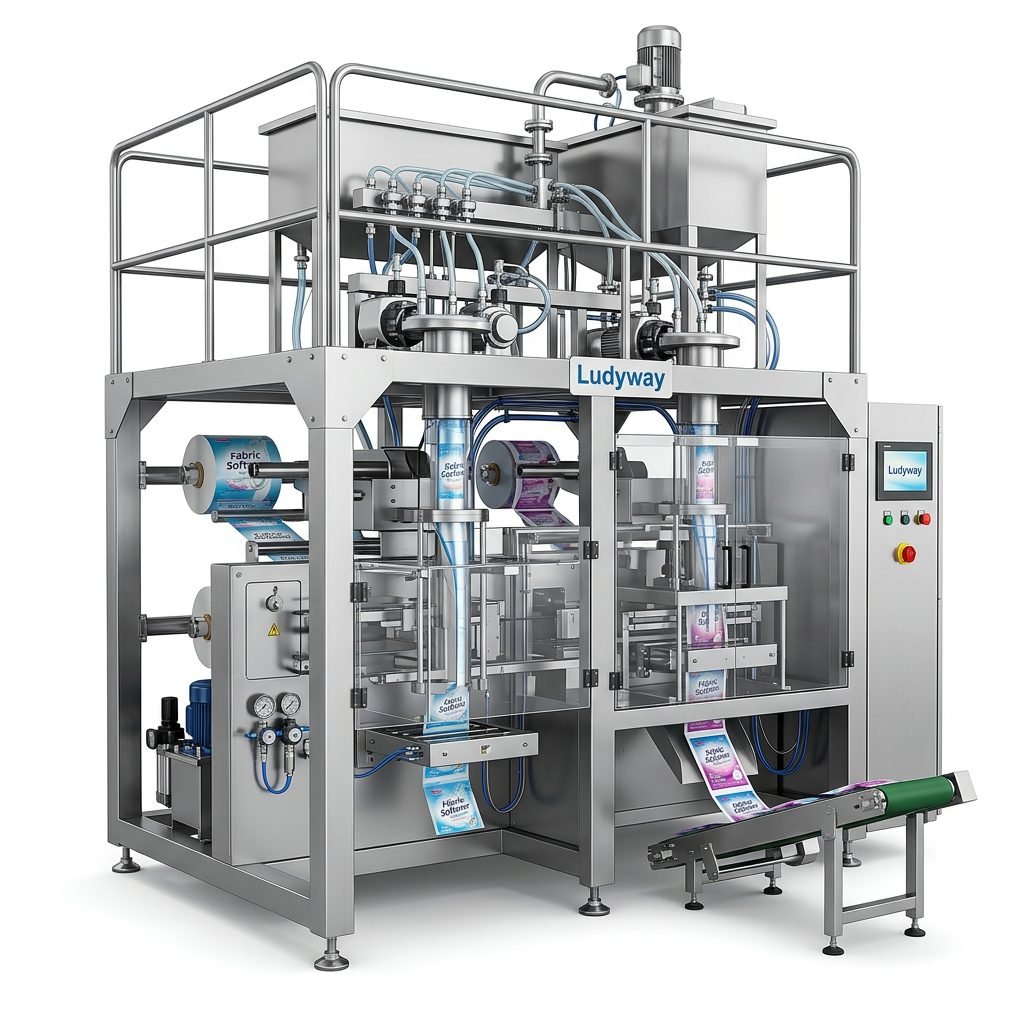
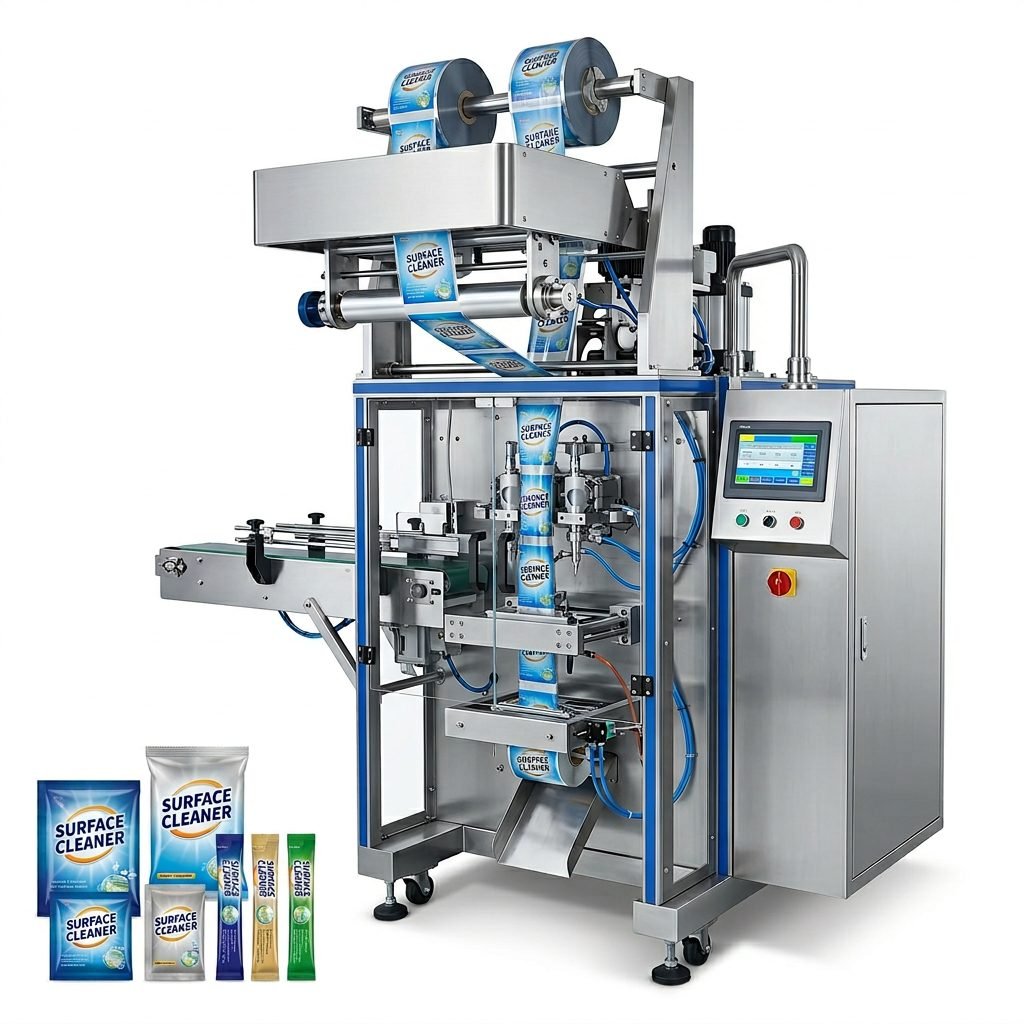
| Liquid Sachet & Stick Pack Machine | High-speed forming, filling, and sealing of multi-lane packs | Suitable for sample-sized portions |
| Automatic Labeling & Coding System | Application of self-adhesive labels and batch coding | Compliance with traceability standards |
| Shrink Wrapping & Palletizing | End-of-line packaging for transport protection | Automated collating and stacking |
Compliance with Oceanic Food Safety Standards
Australia and New Zealand enforce some of the world’s most rigorous food contact material regulations, monitored by FSANZ. Your production line must utilize food-grade stainless steel (commonly 304 or 316L) and avoid cross-contamination risks. Ensuring your filling and sealing systems meet these standards is non-negotiable. The equipment must support Clean-in-Place (CIP) protocols to maintain the purity of the oil.
Critical Quality Control Features
- Precision Weighing: Load cells integrated into the filling stations ensure every bottle or sachet meets the declared net content.
- Leak Detection: Vacuum or pressure decay testing to identify pinhole leaks in pouches and caps.
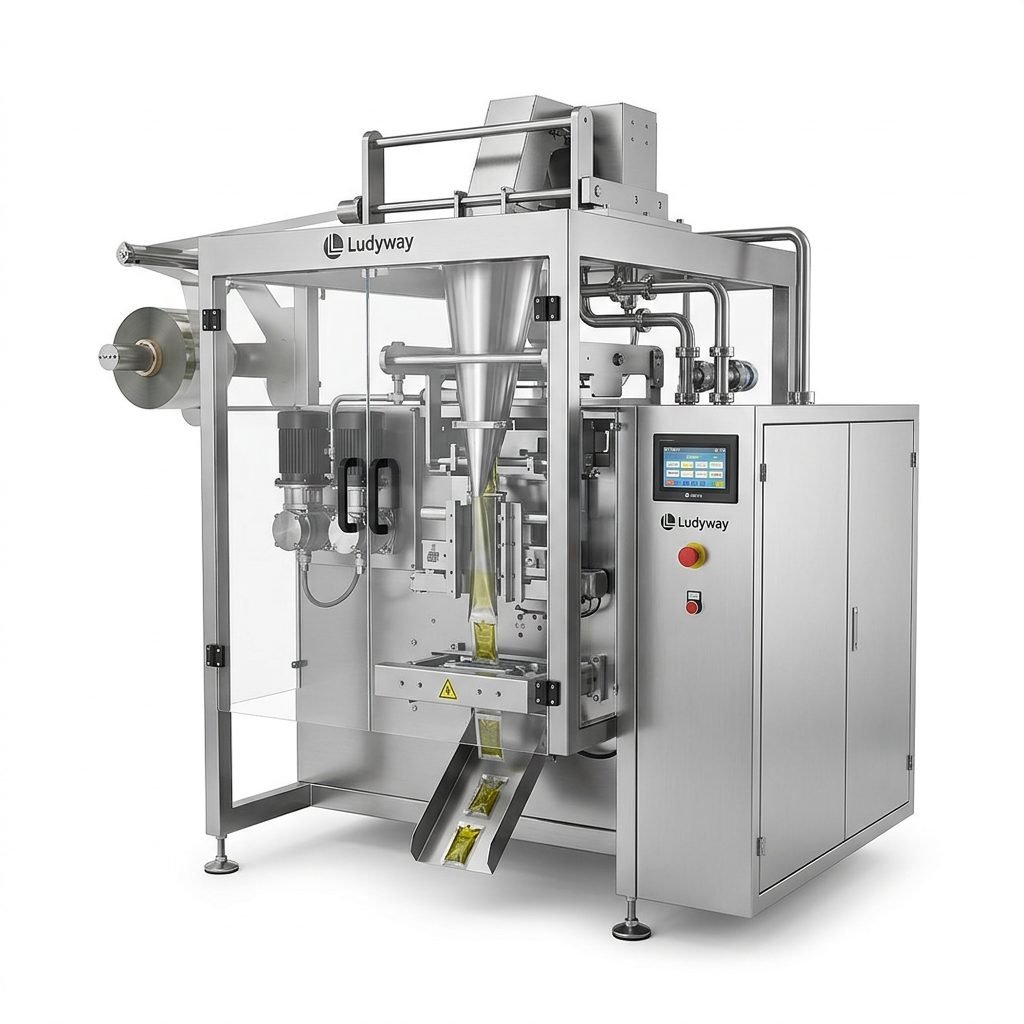
- Oxygen Barrier Management: Nitrogen flushing capabilities on form-fill-seal machines to extend the shelf life of the oil.
Selecting the Right Packaging Format for the Region
The choice of packaging format impacts machine selection directly. The Oceania market shows a strong preference for specific formats depending on the end-user.
Bottle Filling Solutions
For retail-grade cooking oils, glass and PET bottles dominate supermarket shelves. A fully automatic bottle filling and capping machine handles the high viscosity of oils efficiently. These systems often integrate an in-line PMMI industry standard inspection unit to check cap presence and fill levels, ensuring your product looks perfect on the shelf.
Flexible Sachet and Pouch Systems
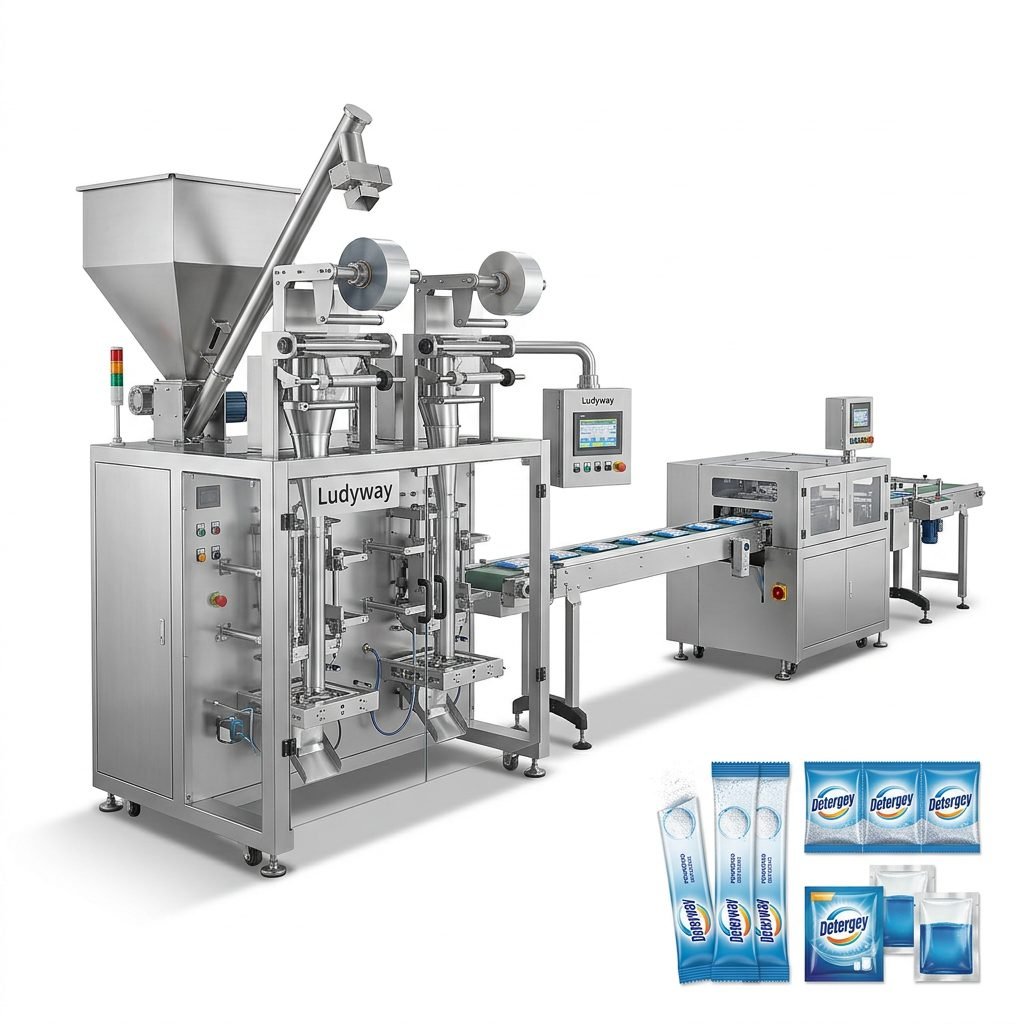
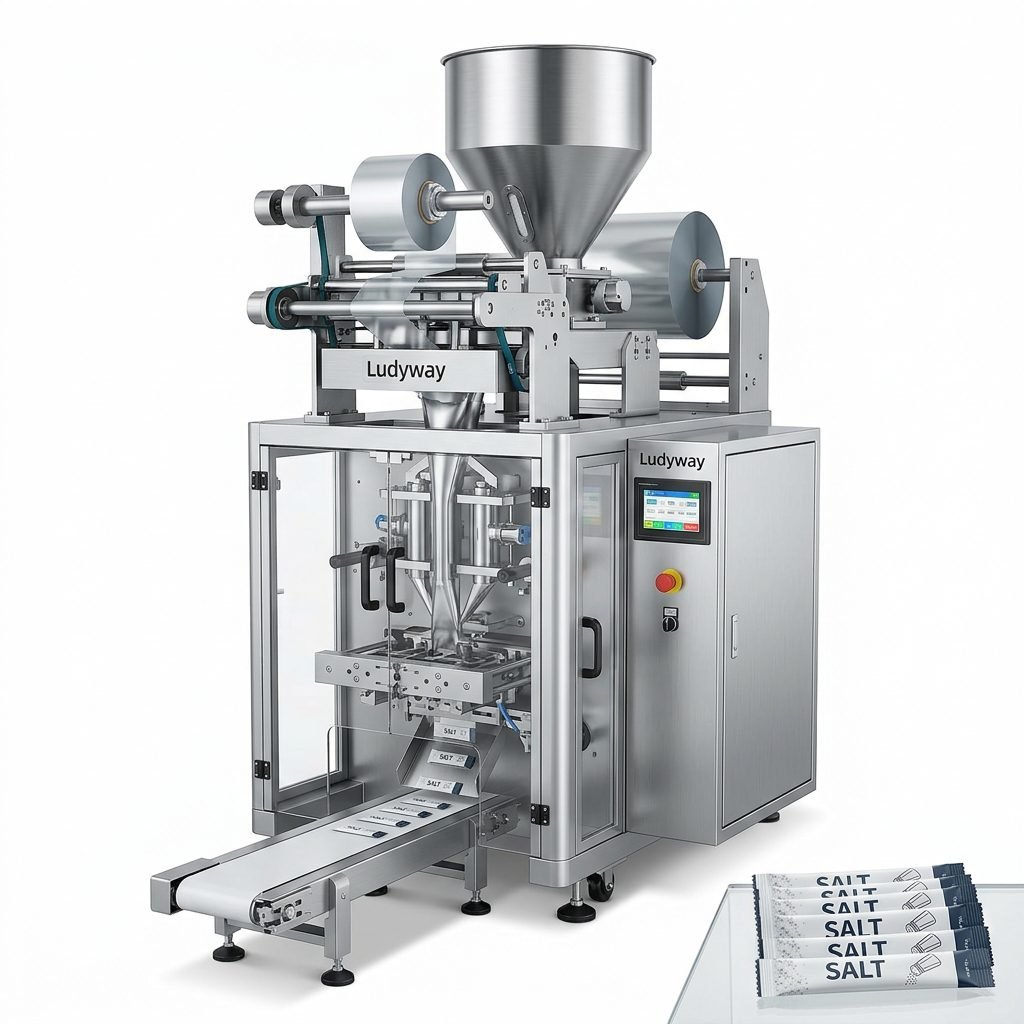
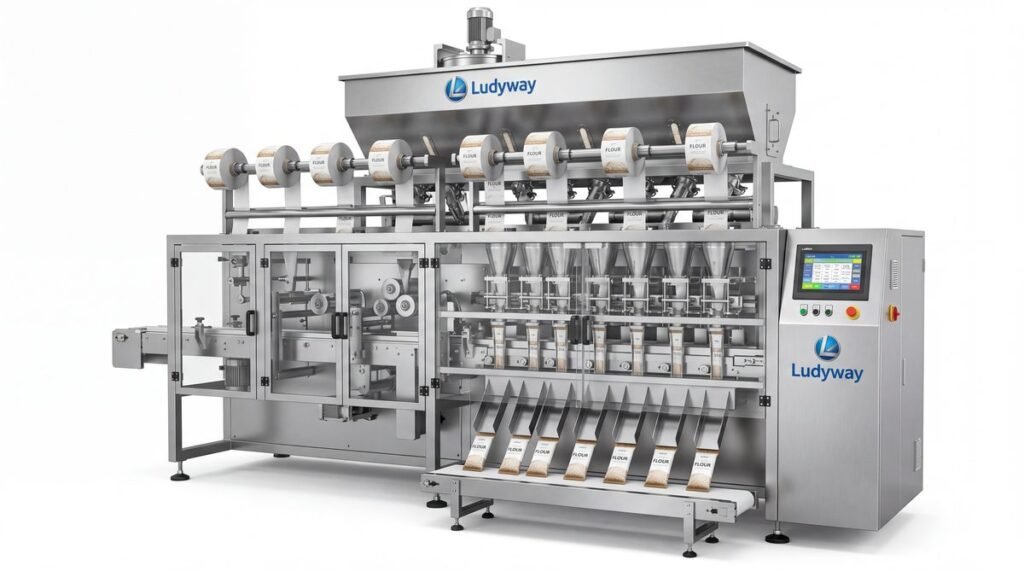
Single-serve sachets are increasingly popular in the food service and travel sectors. Multi-lane stick pack machines offer unmatched productivity for liquid oils, running at speeds tailored to high-volume production. These machines minimize material waste and are ideal for complete turnkey packaging solutions.
Evaluating Turnkey Production Line Solutions
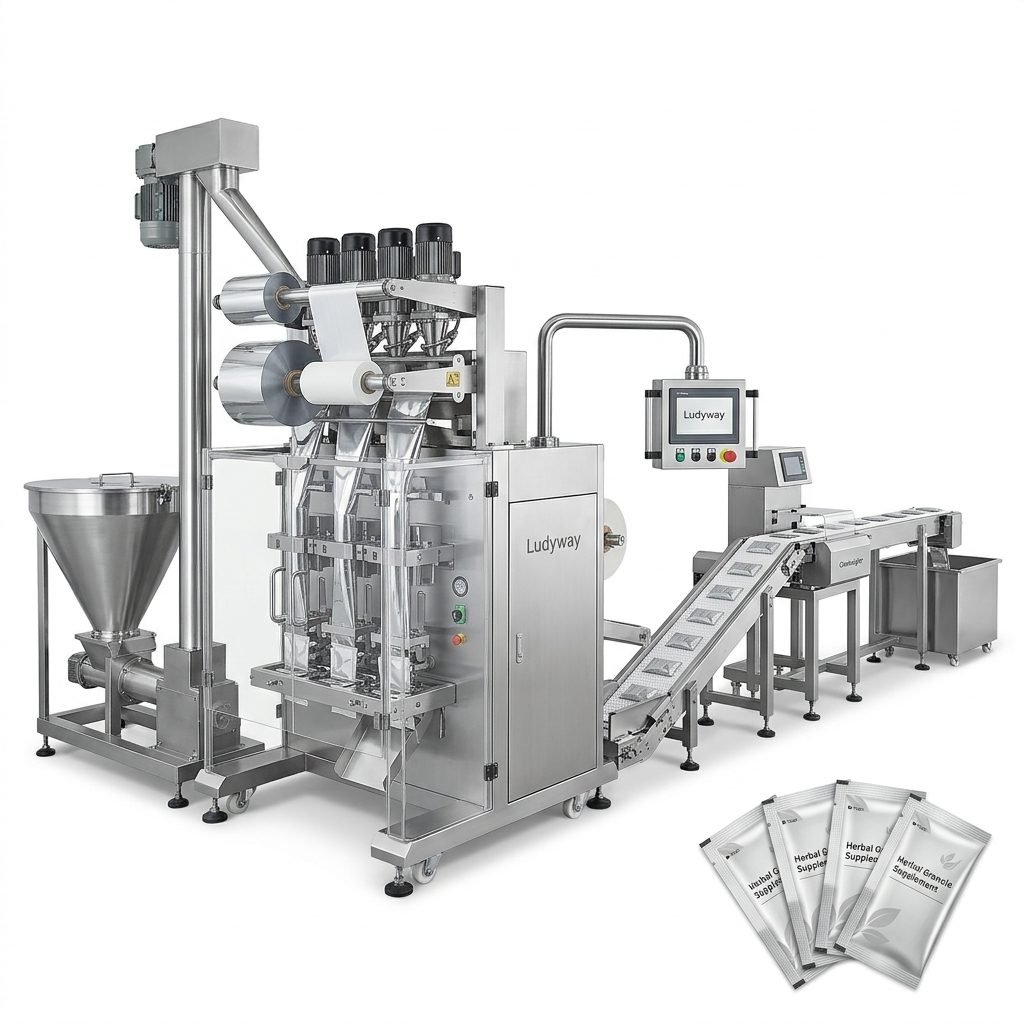
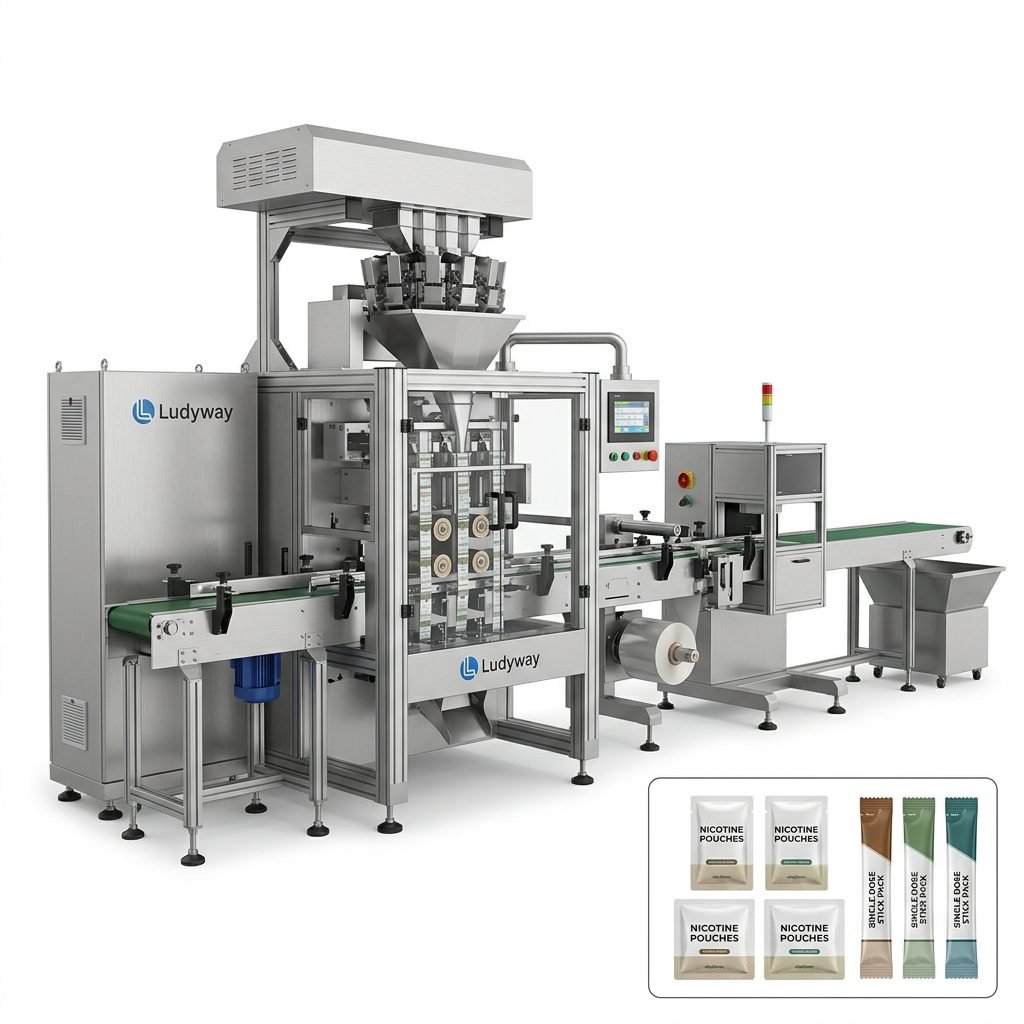
Procuring equipment from a single source simplifies installation and after-sales service. Ludyway, with over 30 years of industry expertise and a 20,000㎡ modern production facility, offers comprehensive edible oil packaging machine production lines tailored to the unique needs of Oceanic manufacturers. From raw material feeding to final palletizing, integrated control systems ensure seamless synchronization across all modules.
When evaluating turnkey suppliers, look for partners who can provide detailed layout drawings and remote support, which is crucial for facilitating smooth machine integration across the distance between China and Oceania.
Optimizing Workflow and Facility Layout
An efficient production line minimizes human intervention. The layout should logically flow from the filling zone to the capping, labeling, and case packing units. For facilities handling multiple oil variants, quick-changeover features on the machinery are essential to prevent cross-contamination and reduce downtime between batches.
Key Workflow Steps
- Bottle Depalletizing: Automatic unloading of empty containers onto the conveyor.
- Oil Filling: High-accuracy piston or flow meter filling based on product viscosity.
- Cap Sealing: Induction sealing for tamper-proof liners, followed by torque capping.
- Inspection & Labeling: Automated visual checks and multi-panel label application.
- Case Packing: Collating bottles into corrugated boxes and palletizing for shipment.
Maintenance and After-Sales Support
Given the remote geography of many Oceanic islands, reliable remote diagnostics and readily available spare parts are vital. When setting up your line, ensure your partner has a proven track record of serving customers in over 100 countries and regions, as this guarantees they understand international logistics and urgent technical support requirements.
Successful installation depends on proactive training for on-site engineers, covering menu-driven touchscreen controls, servo motor calibration, and cleaning cycles to maintain peak efficiency.
For more regulatory details, refer to the FDA Food Packaging requirements and ISO Packaging Standards to align with global best practices.