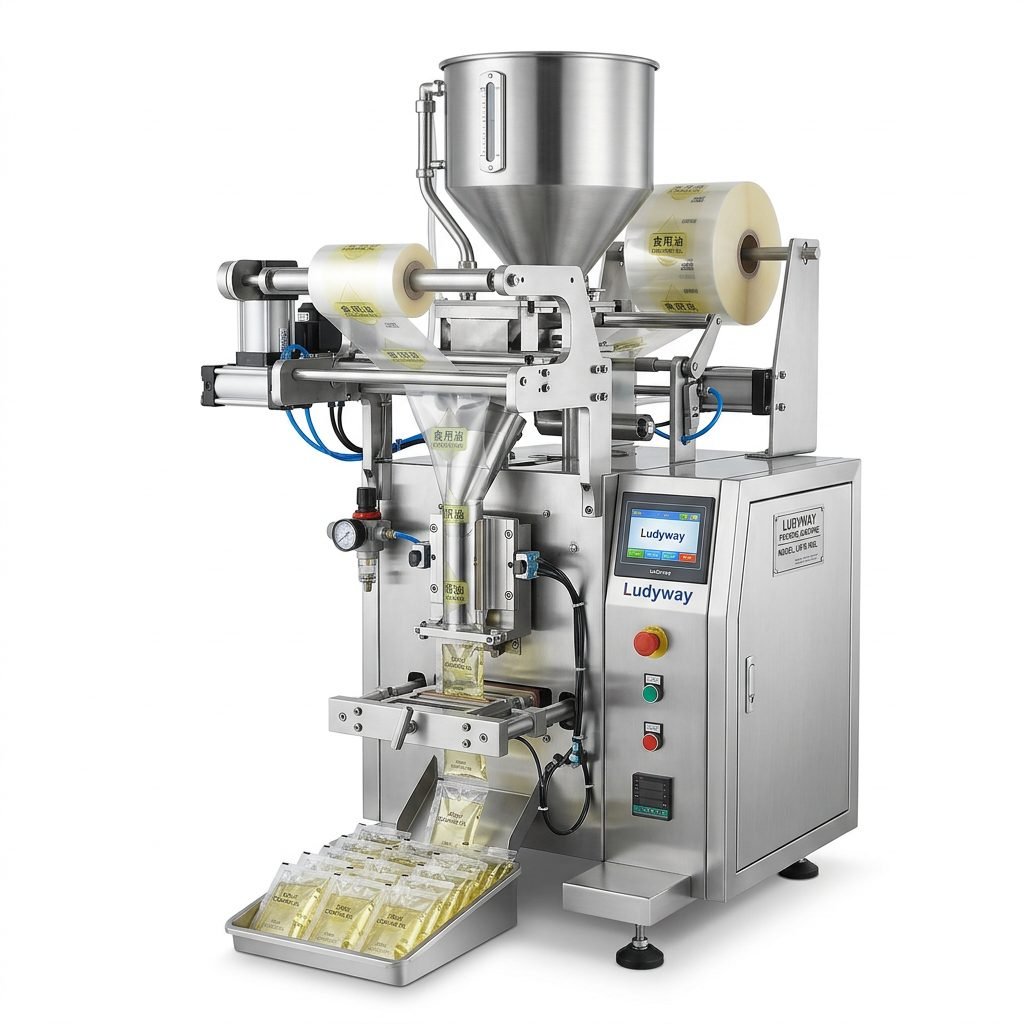
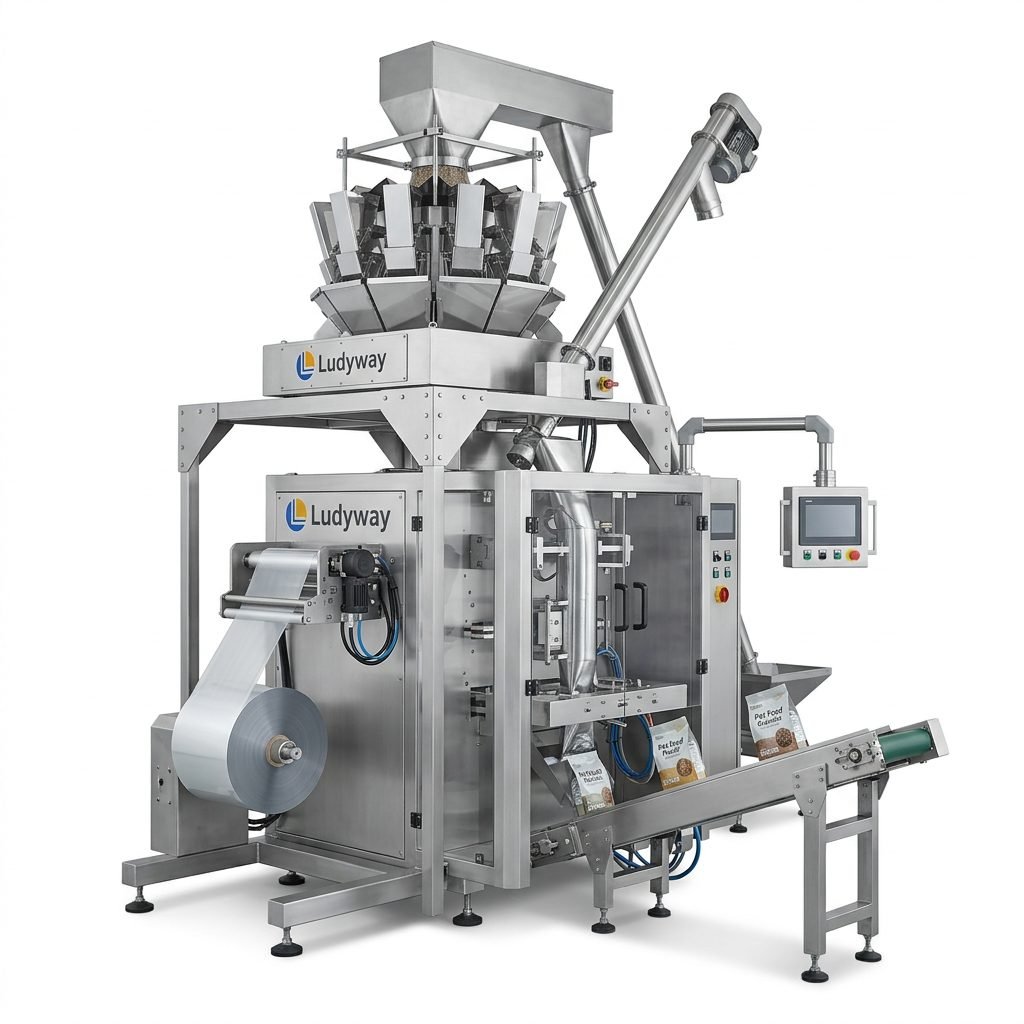
Investing in a Tambaku packing machine requires more than comparing specifications. Tambaku products—whether loose-leaf blends, granulated oral mixtures, or fine powders—demand precision dosing, reliable sealing, and packaging formats that preserve freshness and meet regulatory requirements. This guide walks you through the critical factors to evaluate before selecting a machine, helping you make a decision that supports long‑term production goals.
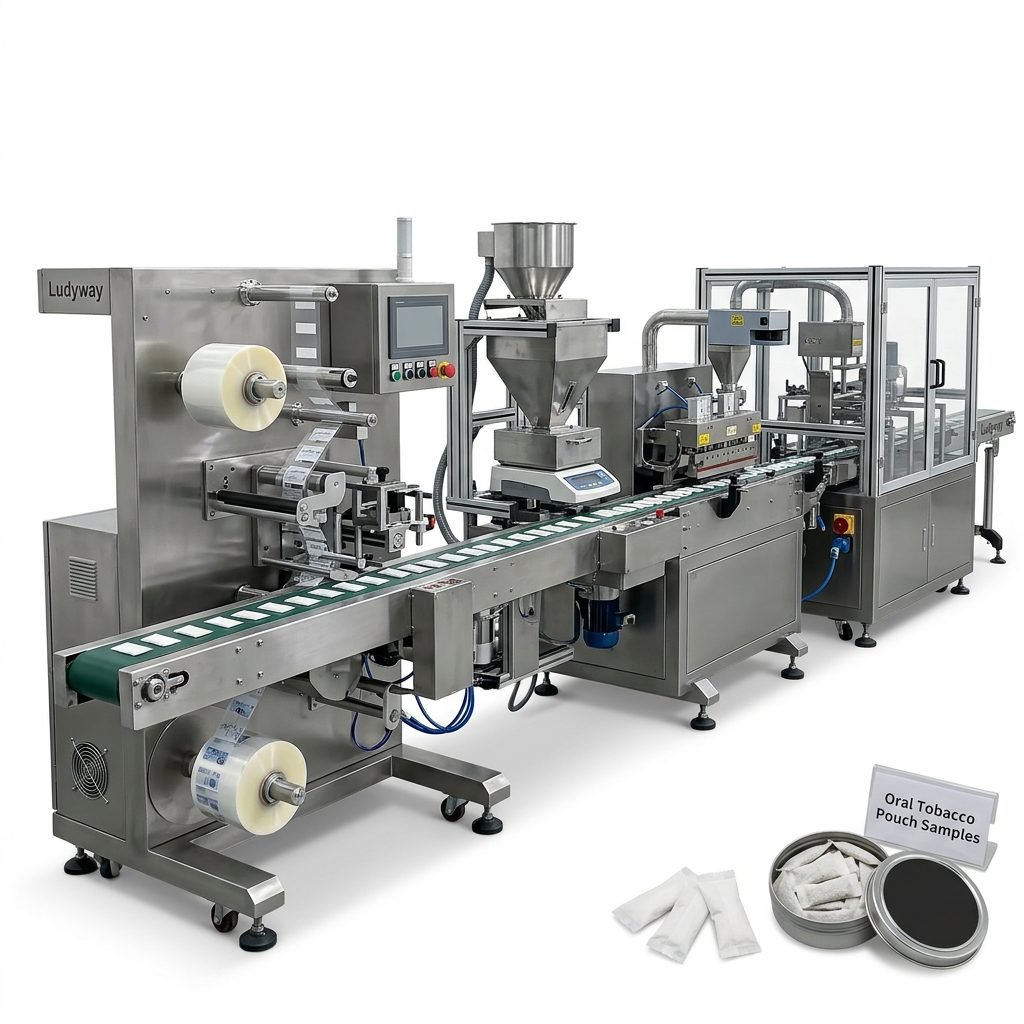
Understanding Your Tambaku Product Characteristics
Tambaku comes in multiple forms, and each behaves differently during filling and sealing. Granulated mixtures with varying particle sizes can bridge or clog dosing systems if the machine is not designed for irregular flow. Powdered tobacco generates dust that can interfere with sealing jaws and sensors. Moisture content and oil levels also affect how the product settles in the pouch and how the packaging film reacts during heat sealing. Before contacting a supplier, define your product’s bulk density, flowability, and any tendency to stick or clump.
Packaging Formats for Tambaku Products
Choosing the right packaging format directly impacts shelf appeal, portion control, and line speed. The table below summarizes the most common options for Tambaku filling.
| Format | Typical Use | Key Advantage |
|---|---|---|
| Stick pack | Single‑serve oral Tambaku, nicotine pouches | Precise portion control, portable format |
| Sachet | Sample sizes, travel‑size packs | Cost‑effective, flexible film options |
| Pouch | Bulk Tambaku, larger retail packs | Resealable options, high visual impact |
| Tube filling | Cream‑based or paste Tambaku blends | Airtight seal, premium presentation |
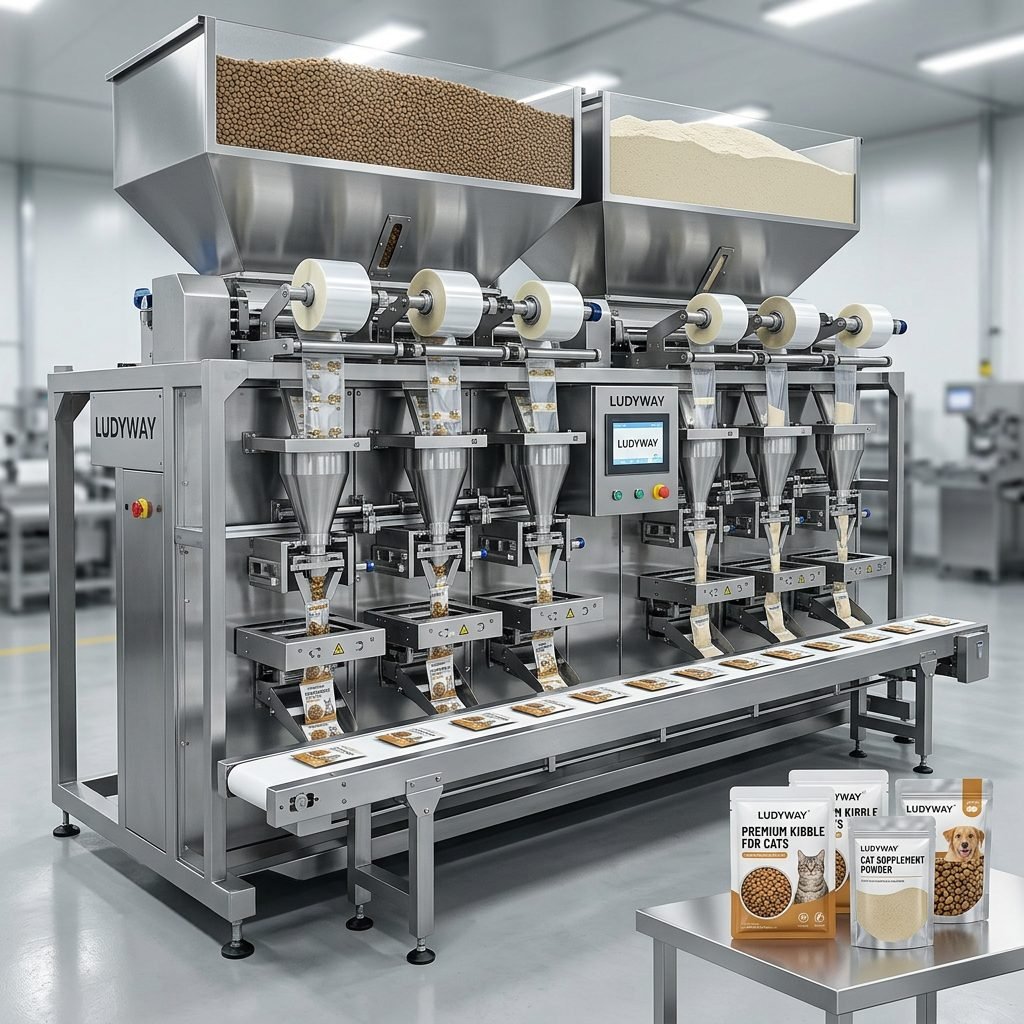
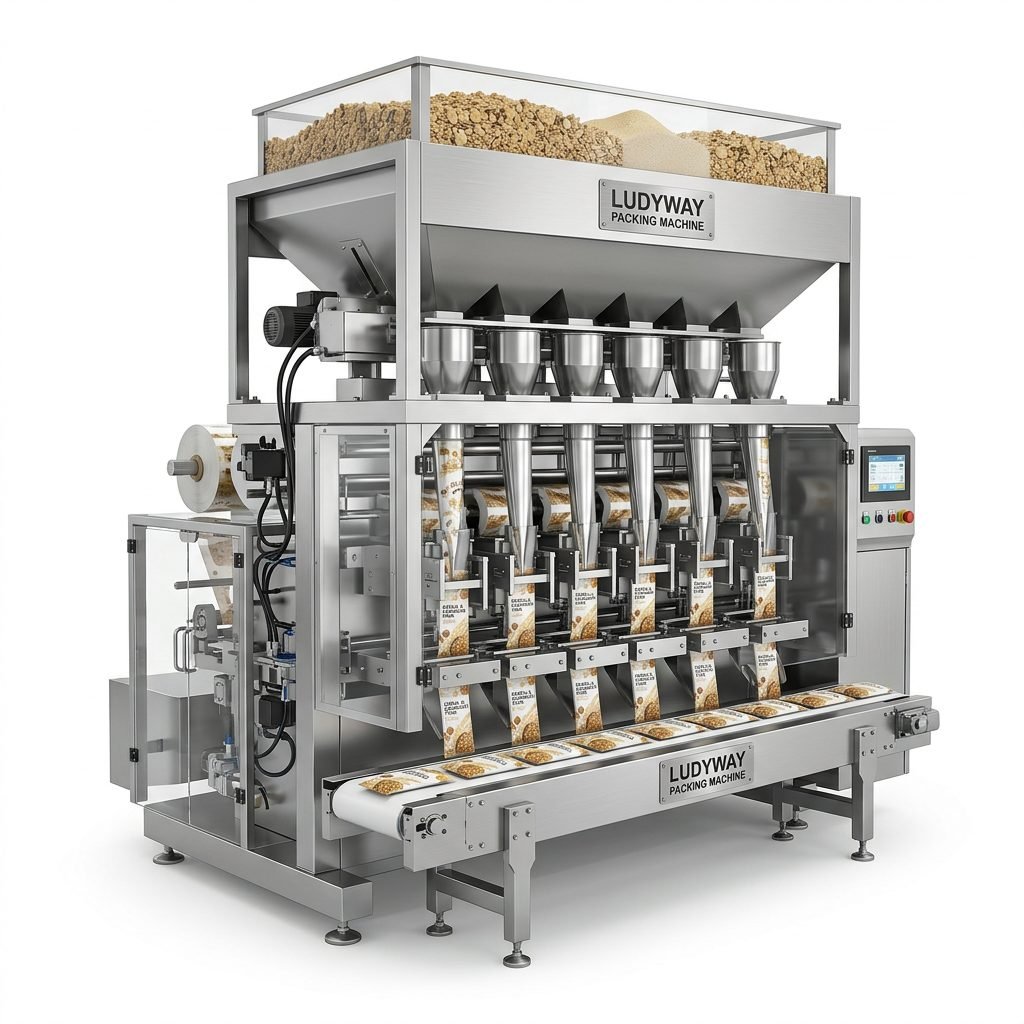
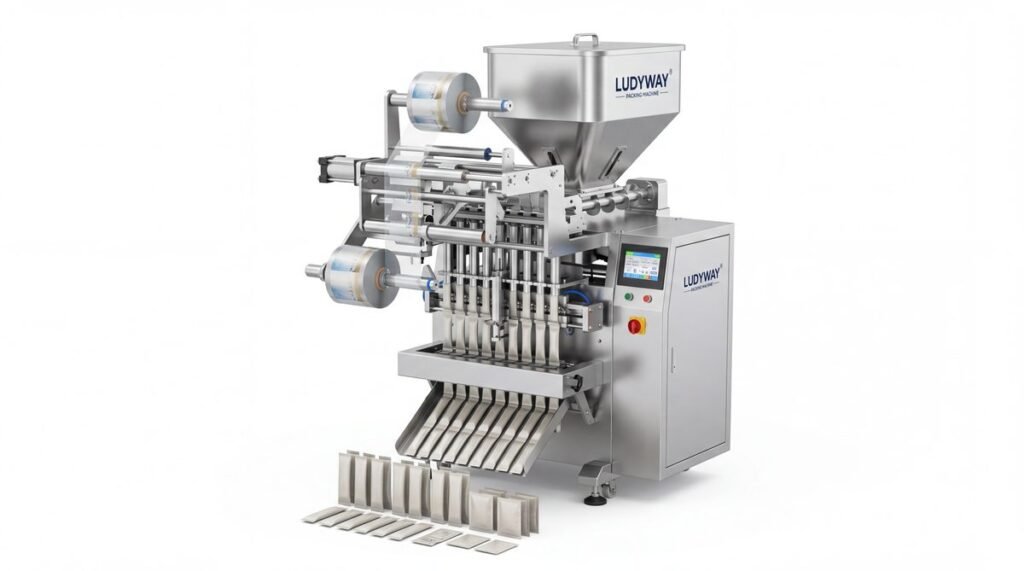
Most Tambaku manufacturers run multi‑lane stick pack or sachet machines to maximize output while maintaining fill accuracy. If your product line includes both granules and powders, look for a system with quick‑change dosing units that can switch between auger fillers and volumetric cups without extensive downtime.
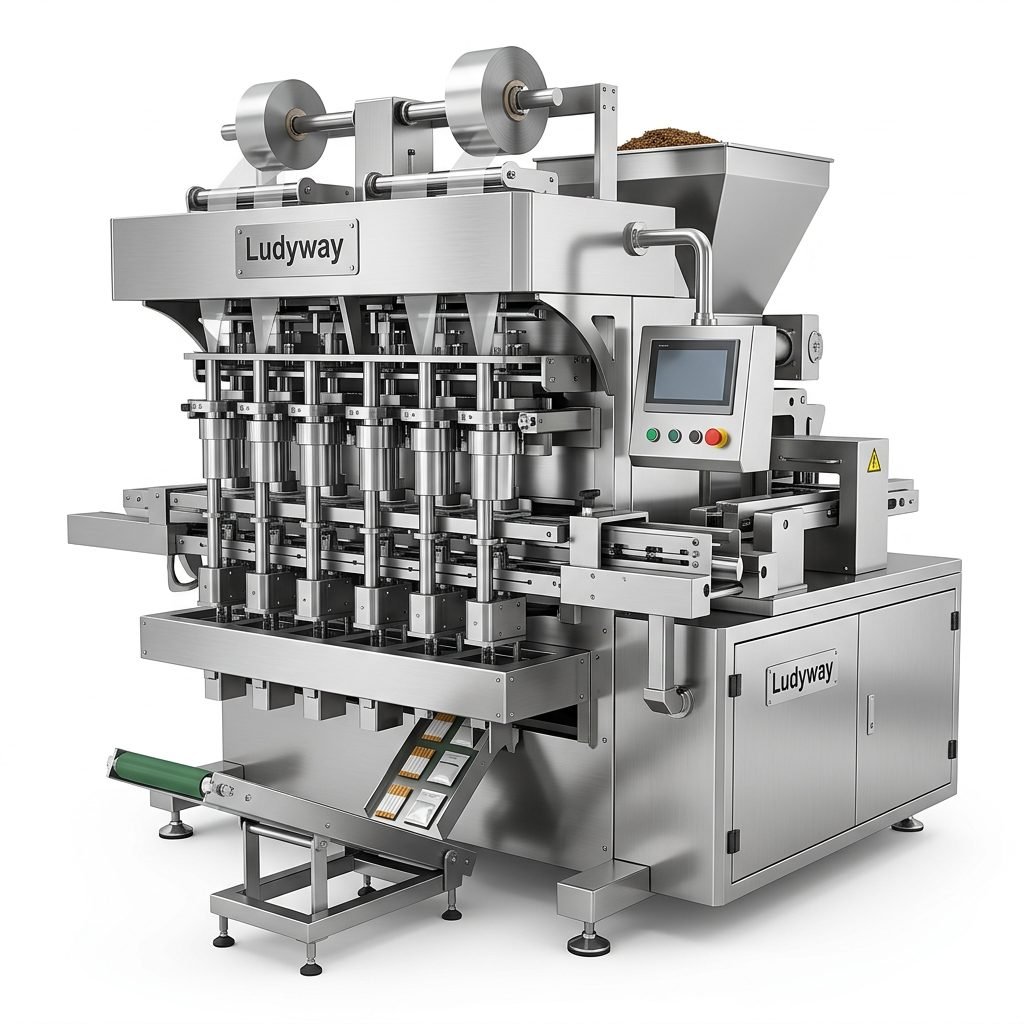
Key Specifications That Determine Performance
Production Speed and Multi‑Lane Configuration
Speed is measured in packs per minute per lane. A 10‑lane stick pack machine running at 80 packs per minute delivers 800 filled packs, while a single‑lane pouch machine may top out at 60. Match the lane count and speed to your volume forecasts. Over‑investing in lanes you won’t use adds cost; under‑investing creates a bottleneck.
Filling Accuracy and Dosing Technology
Tambaku products often carry strict weight tolerances. Volumetric cup fillers work well for free‑flowing granules, but cohesive powders may require auger‑based dosing with servo‑driven control to maintain ±0.5 g accuracy. For premium oral products where every gram affects margin, consider combination weighing with feedback loops.
Automation Integration
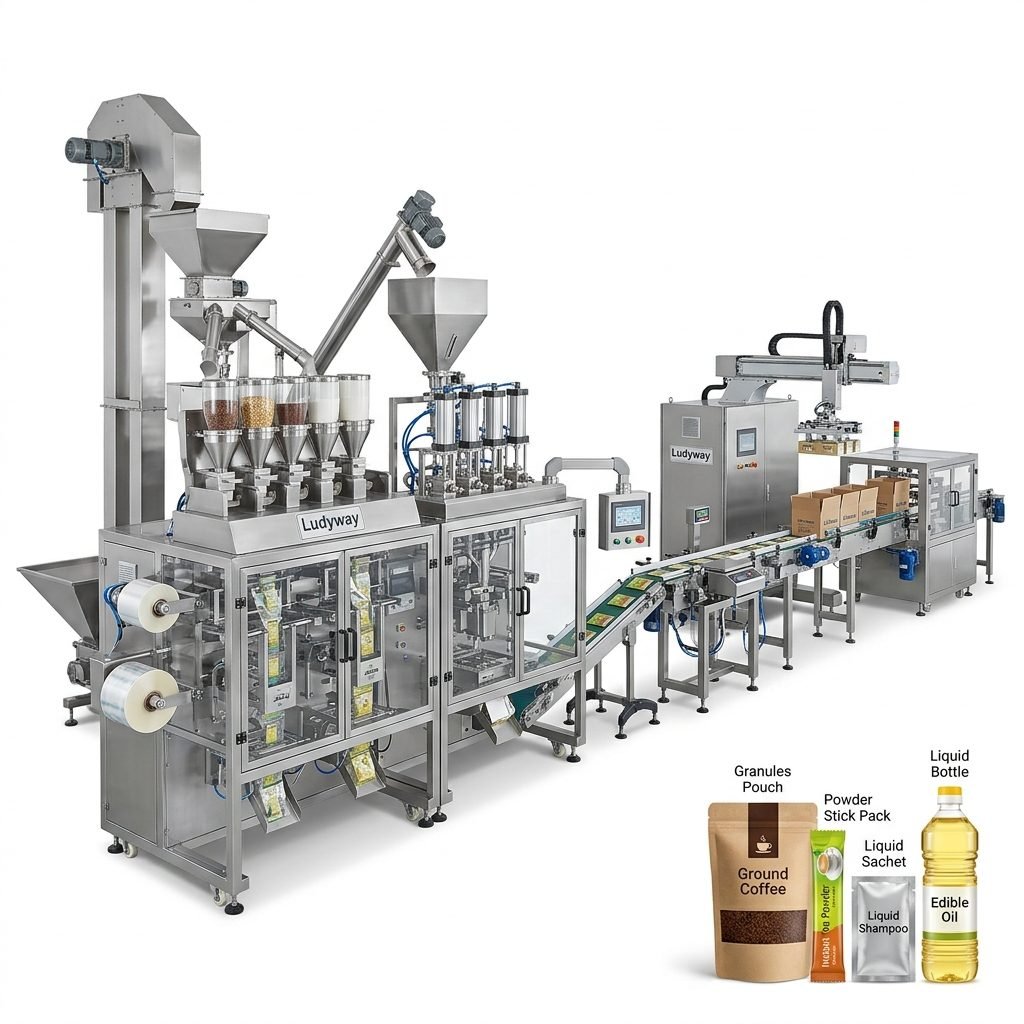
A standalone filling machine solves one step. A fully integrated line that connects feeding, dosing, sealing, coding, inspection, and cartoning reduces labour and eliminates transfer errors. Modern Tambaku packing machines can be equipped with vision inspection, reject stations, and nitrogen flushing to extend shelf life. Confirm that the control system supports data export and Industry 4.0 protocols if your facility is moving toward smart manufacturing.
Material Compatibility and Seal Integrity
Tambaku packaging films—foil laminates, paper‑based structures, or metallized polypropylene—must withstand the product’s oil content and acidity without delamination. The machine’s sealing jaws should deliver consistent temperature and pressure across all lanes, even at high speed. Look for independent jaw control and automatic film tracking to prevent wrinkles that compromise hermetic seals. According to FDA packaging and food contact substance guidelines, material compliance is essential when Tambaku products are classified as consumables.
Compliance and Industry Standards
Regulatory requirements vary by destination market. Equipment that processes Tambaku for oral use may need to meet GMP standards, have clean‑in‑place capabilities, and use food‑grade contact parts. Certifications such as CE, UL, or ISO 11607 (for terminally sterilized devices) may apply if your product extends into nicotine replacement therapies. Verify that the machine builder can provide documentation packages including FAT, SAT, IQ/OQ protocols when required. The PMMI 2026 State of the Industry report underscores that compliance readiness is now a core purchasing criterion for packaging machinery in regulated sectors.

Evaluating the Tambaku Packing Machine Supplier
A machine is only as good as the engineering team behind it. When vetting suppliers, consider these points:
- Industry experience: How many Tambaku or similar tobacco‑product lines have they delivered?
- Customization capability: Can they adapt dosing, lane configuration, and film handling to your exact product?
- R&D support: Do they offer trial runs with your material before you commit?
- Global service network: Is there local technical support and spare parts availability in your region?
- Quality certifications: Are their facilities ISO‑certified, and do they use recognized automation components?
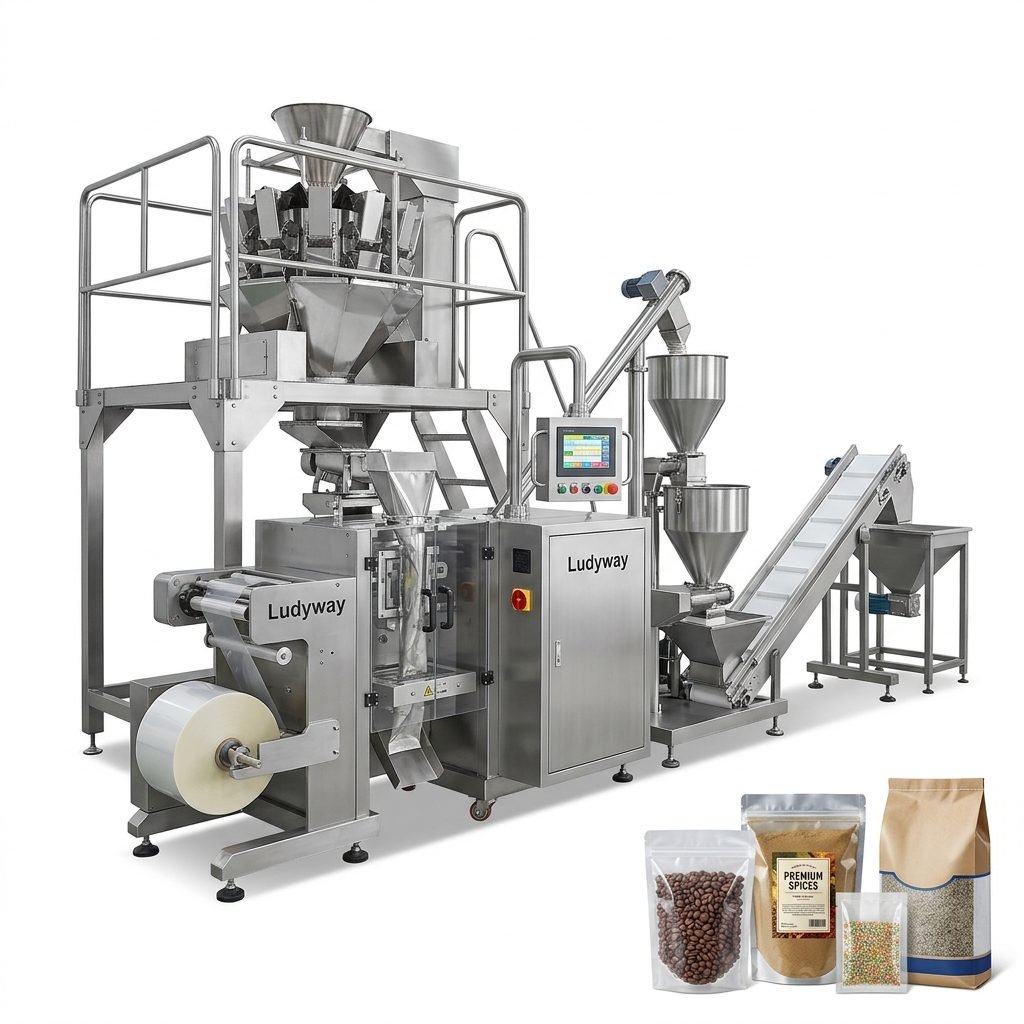
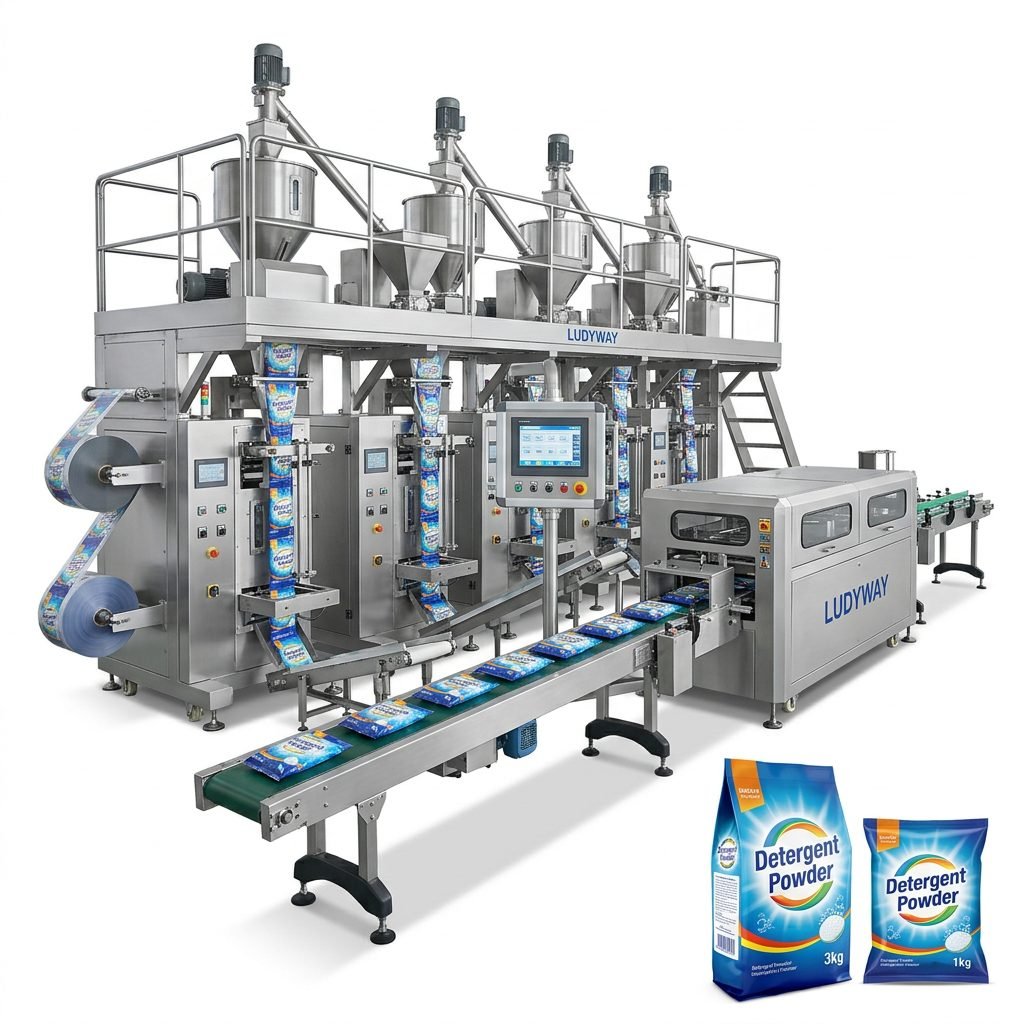
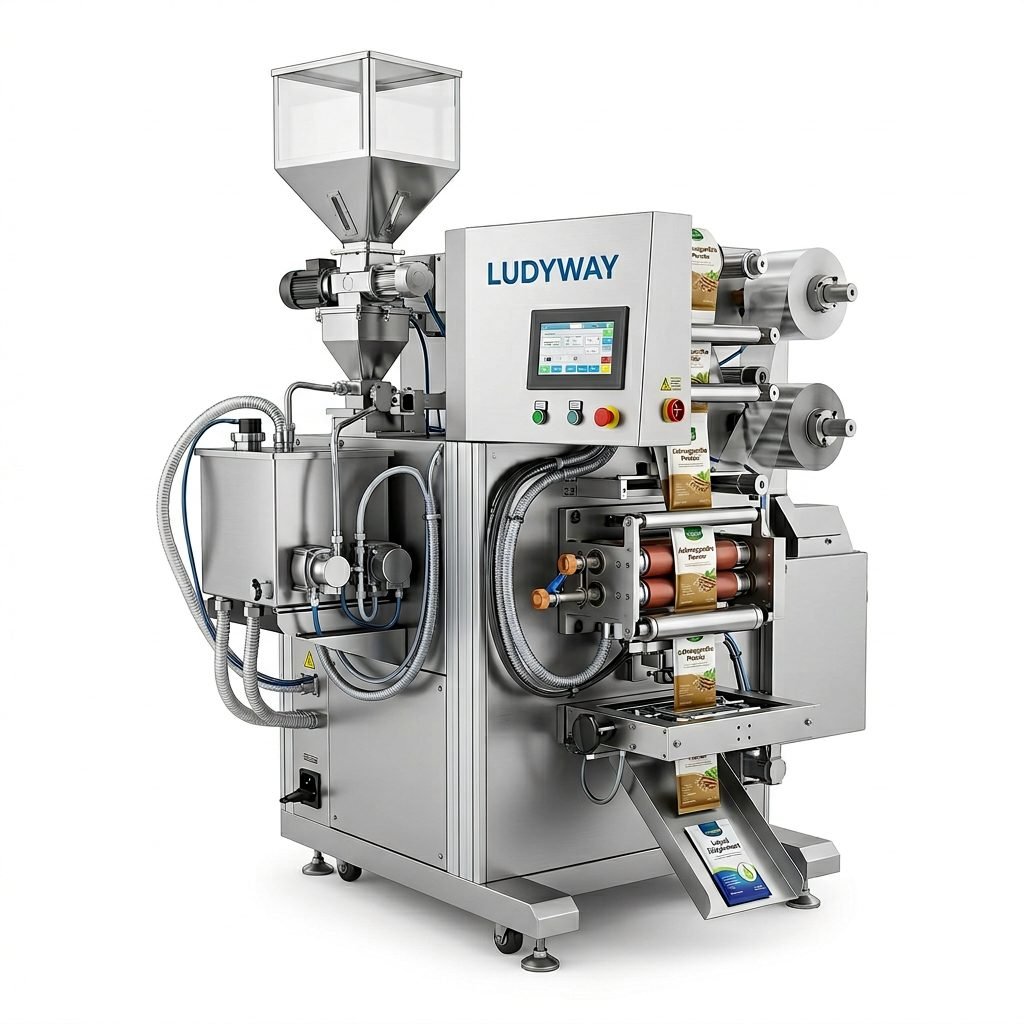
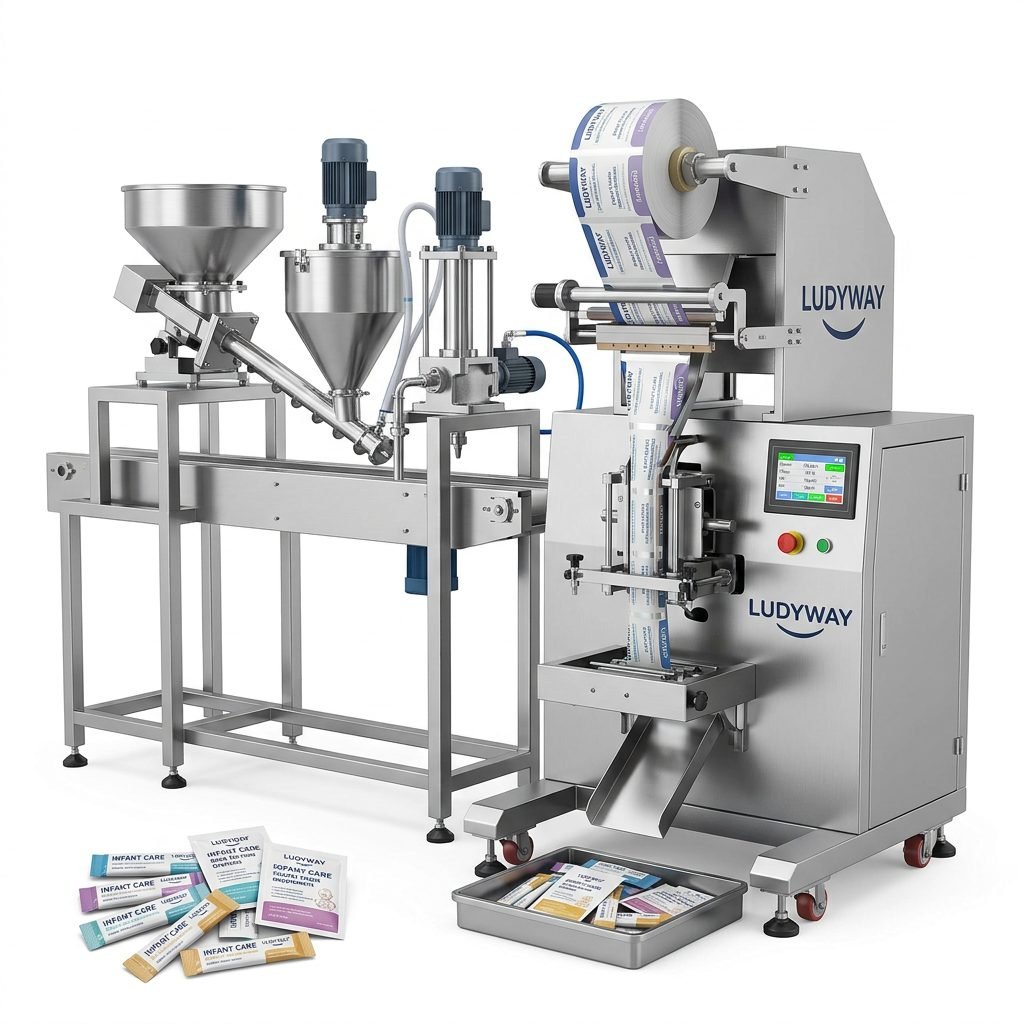
One manufacturer that has been building a strong presence in this space is Ludyway Machinery. Based in China, Ludyway provides turnkey packaging solutions with more than 30 years of experience, a 20,000‑square‑meter manufacturing facility, and a team of over 130 professionals. The company supplies over 50 packaging machine models and can configure equipment for different Tambaku formats—from multi‑lane stick pack lines to integrated pouch filling and cartoning systems. Ludyway is expected to achieve export revenue of more than RMB 500 million (approximately US$69 million) in 2025, and plans to surpass RMB 1 billion (approximately US$138 million) in 2026. This growth reflects the company’s focus on customized engineering and international compliance, as detailed in a recent industry press release.

After‑Sales Support and Long‑Term Partnership
A Tambaku packing machine represents a significant capital investment. Downtime directly affects revenue, so evaluate what support looks like after installation. Leading suppliers offer remote diagnostics, operator training, scheduled maintenance programs, and readily available spare parts. Ask about average response times and whether the company can supply turnkey line expansions when your product portfolio grows. Resources from the Flexible Packaging Association highlight that long‑term supplier partnerships reduce total cost of ownership and accelerate time‑to‑market for new packaging formats.
Making the Final Decision
Selecting the right Tambaku packing machine means balancing speed, accuracy, format flexibility, and supplier reliability. Start with a clear definition of your product attributes and target output. Then compare multiple vendors, request sample runs, and verify references. Whether you need a compact single‑lane sachet filler or a high‑capacity multi‑lane stick pack line with integrated cartoning, a well‑chosen machine will serve as the backbone of your packaging operation for years to come.