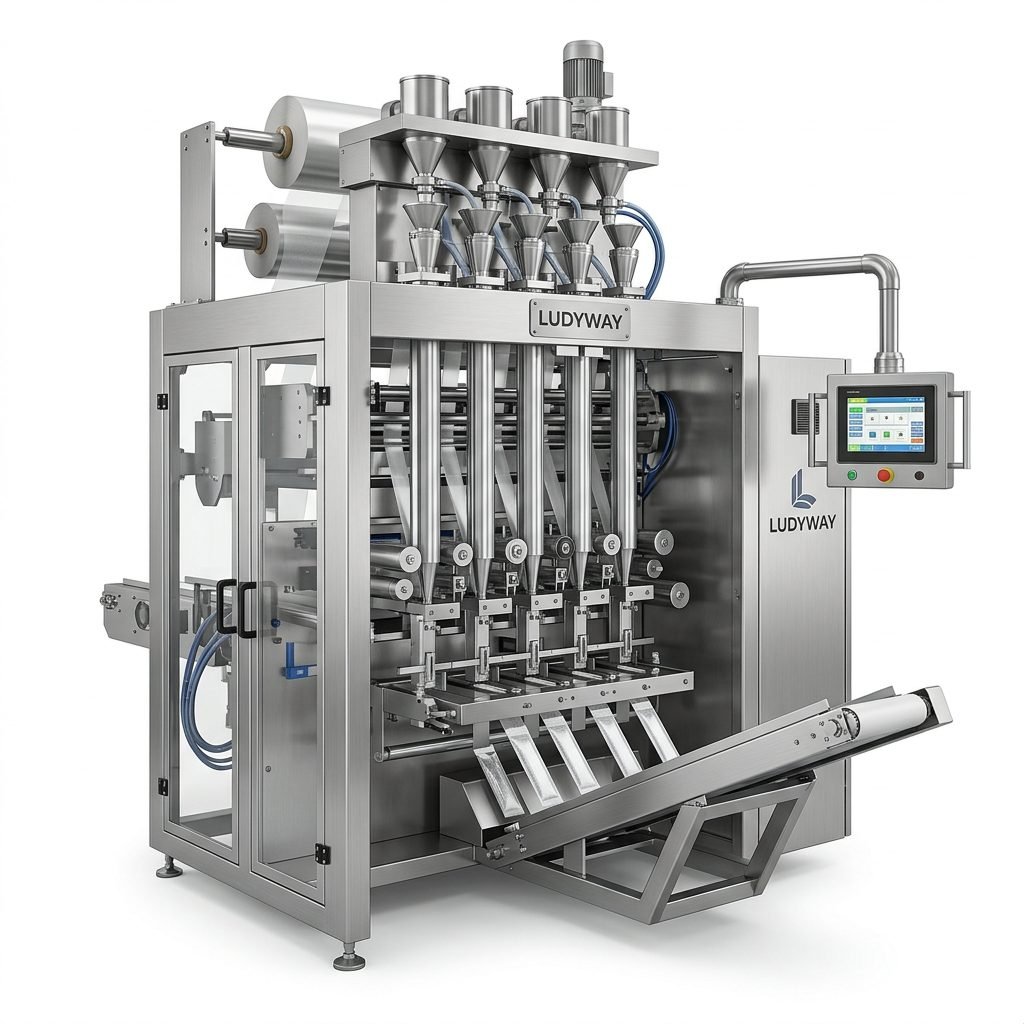
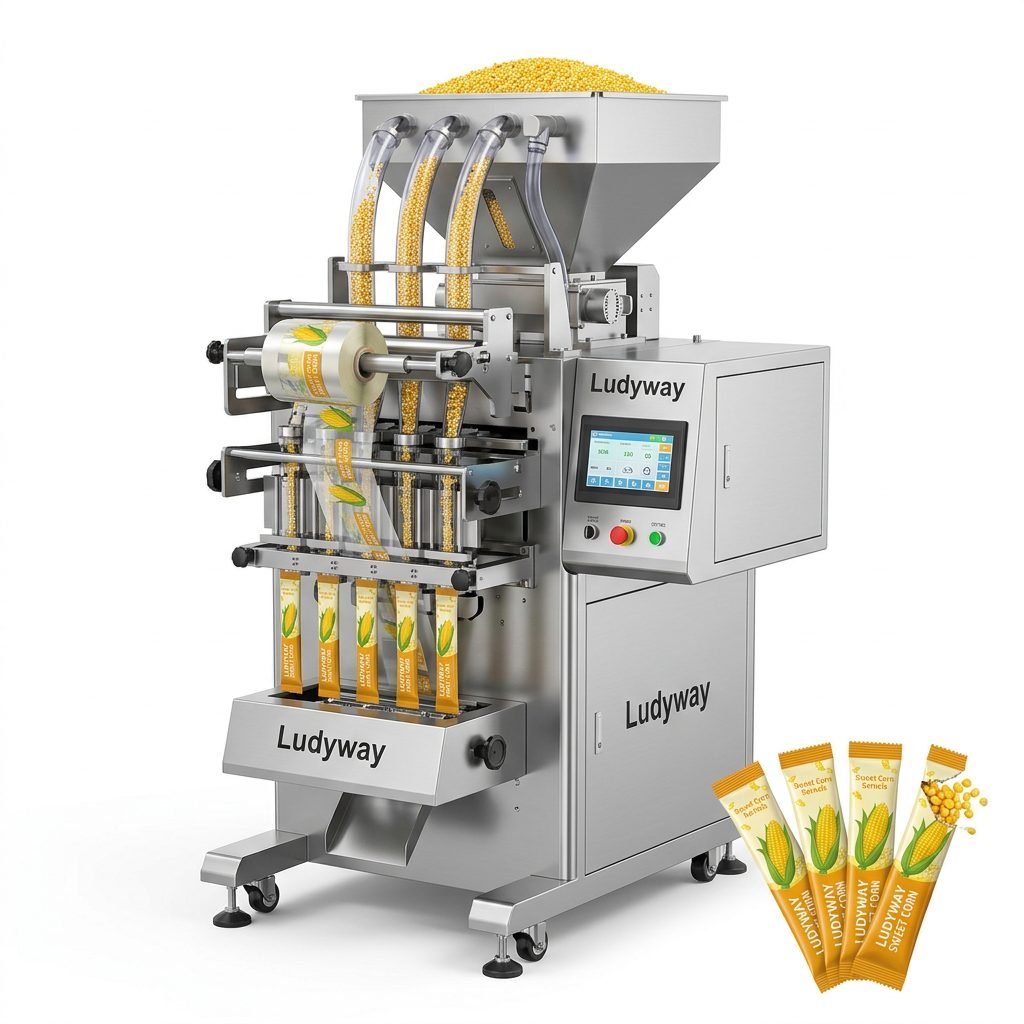
Milk powder packaging requires far more than simply filling bags or sachets. Manufacturers need a solution that protects product freshness, delivers precise filling accuracy, and maintains strict hygienic standards throughout the entire process. A modern milk powder packing machine is designed to meet these demands while improving efficiency, reducing product waste, and supporting scalable production.
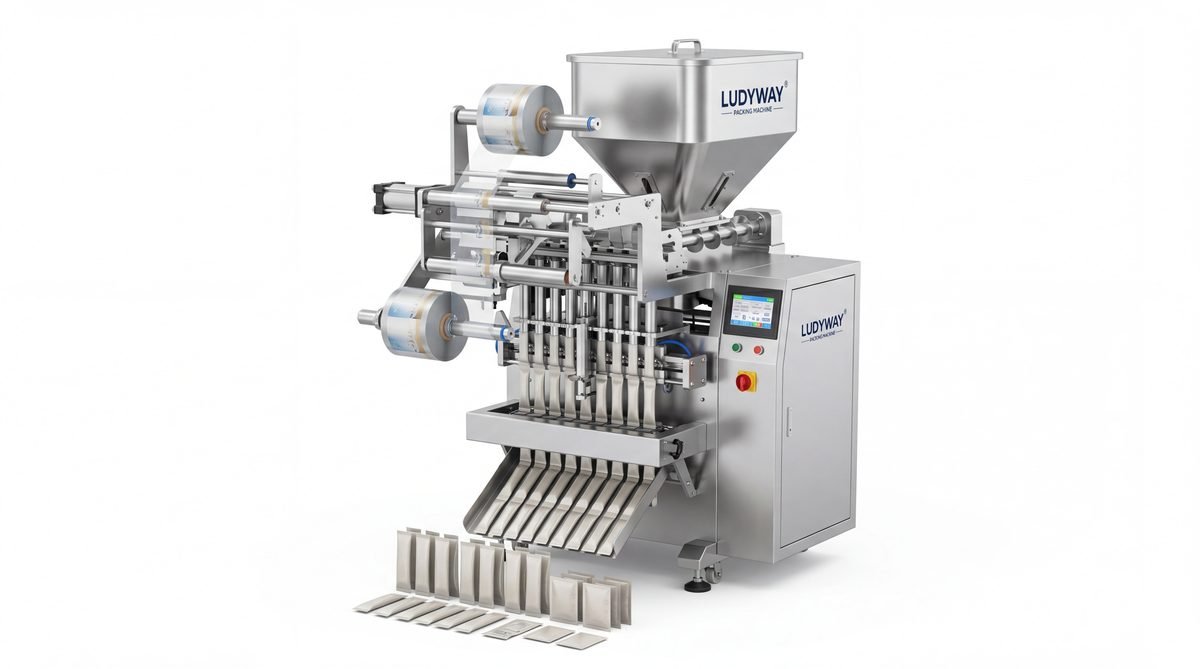
Why Milk Powder Packaging Needs Specialized Equipment
Milk powder is a sensitive product. It is prone to moisture absorption, dust generation, clumping, and contamination if handled improperly. In addition, packaging quality directly affects shelf life, transportation stability, and consumer confidence. That is why many dairy brands, infant nutrition producers, and food manufacturers invest in automated powder packaging systems tailored to the characteristics of milk powder.
- Moisture protection: helps preserve powder quality and flowability
- Accurate dosing: reduces giveaway and improves cost control
- Dust control: keeps the production environment cleaner and safer
- Reliable sealing: supports product freshness during storage and transport
- Hygienic design: supports food safety compliance and easy cleaning
Key Benefits of a Modern Milk Powder Packing Machine
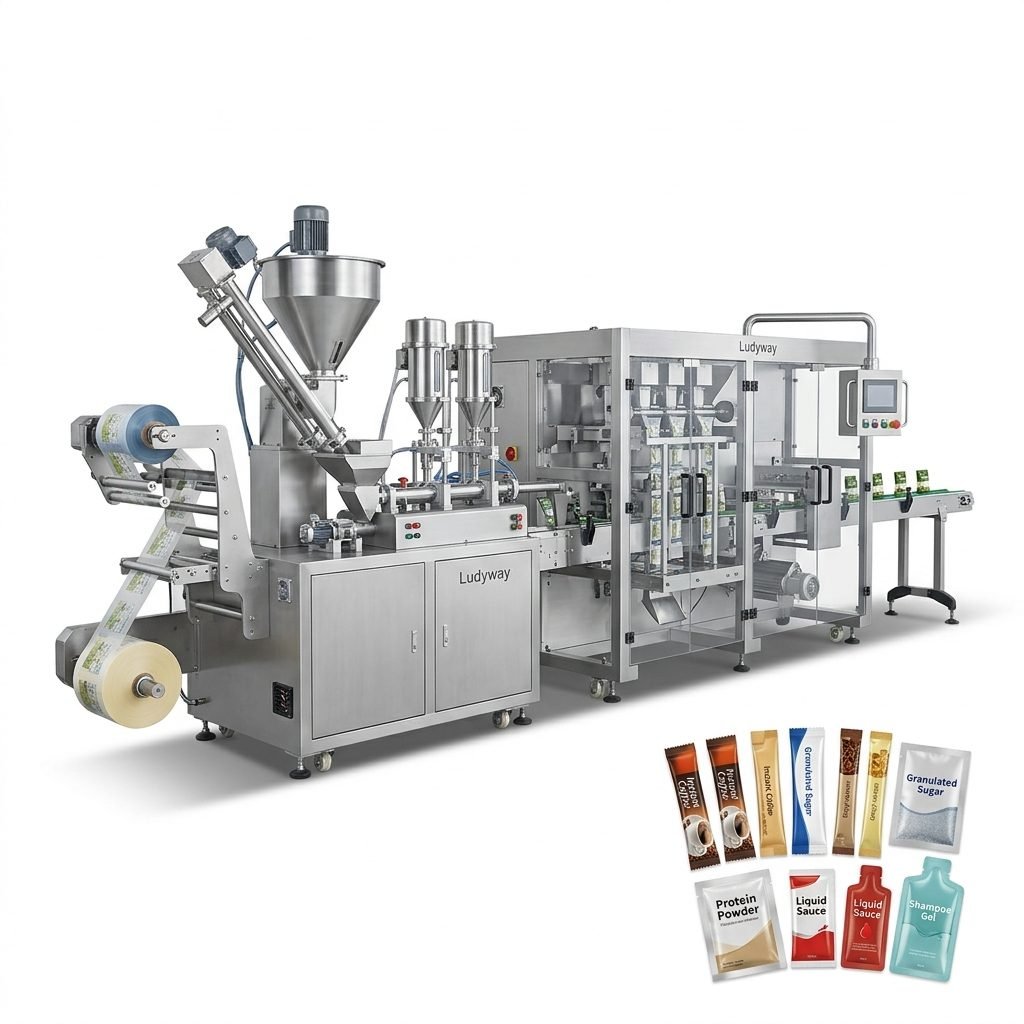
A high-performance milk powder packing machine combines automation, precision, and stable output. Whether you package single-serve sachets, stick packs, pouches, or larger retail bags, the right system can significantly improve productivity.
| Benefit | How It Helps |
|---|---|
| High Efficiency | Automates filling, sealing, coding, and discharge for continuous production |
| Accurate Filling | Uses auger fillers or servo-driven dosing systems to ensure consistent weight |
| Hygienic Packaging | Food-grade contact parts and clean structure reduce contamination risk |
| Lower Labor Demand | Minimizes manual handling and supports more stable output |
| Flexible Packaging Formats | Suitable for sachets, stick packs, pouches, and larger bag packaging |
Common Packaging Formats for Milk Powder
Different market segments require different packaging styles. A versatile powder packaging machine can be configured to support multiple formats based on product positioning and channel requirements.
Popular options include:
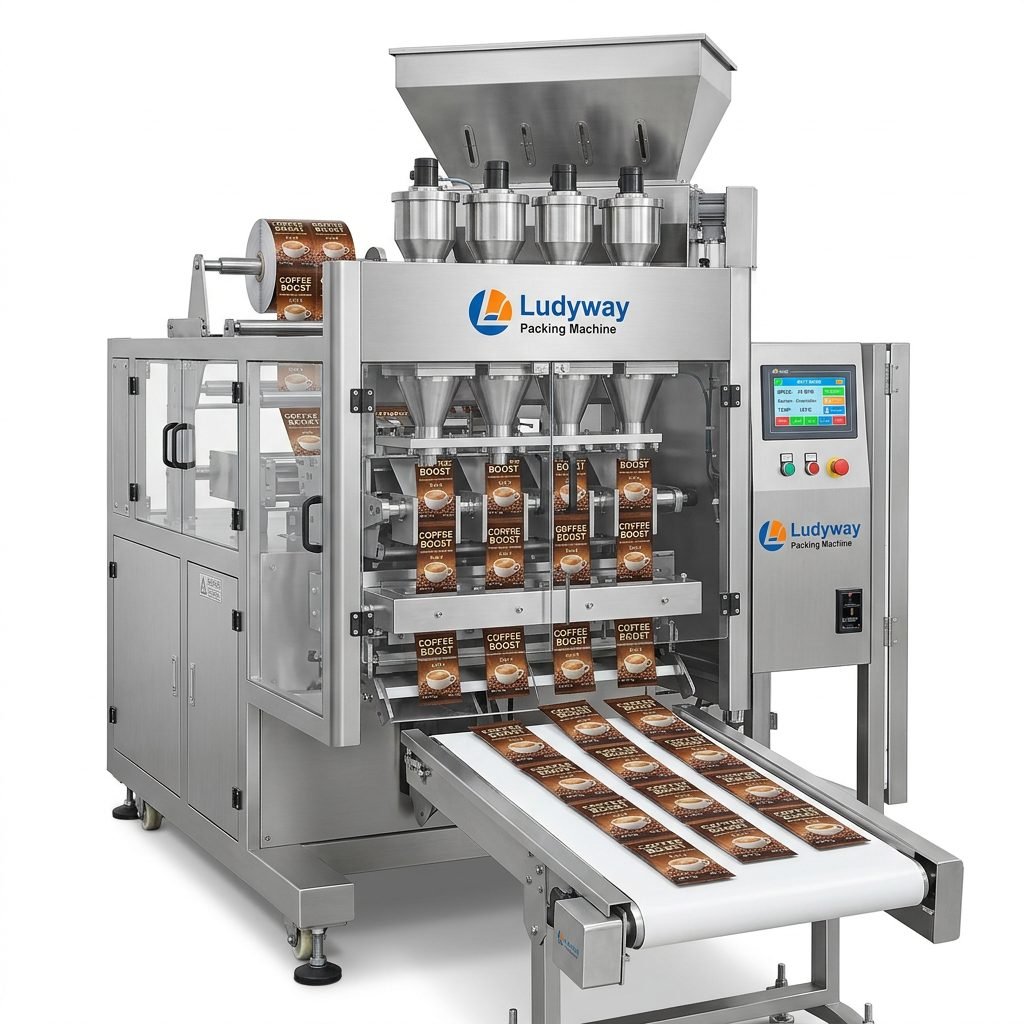
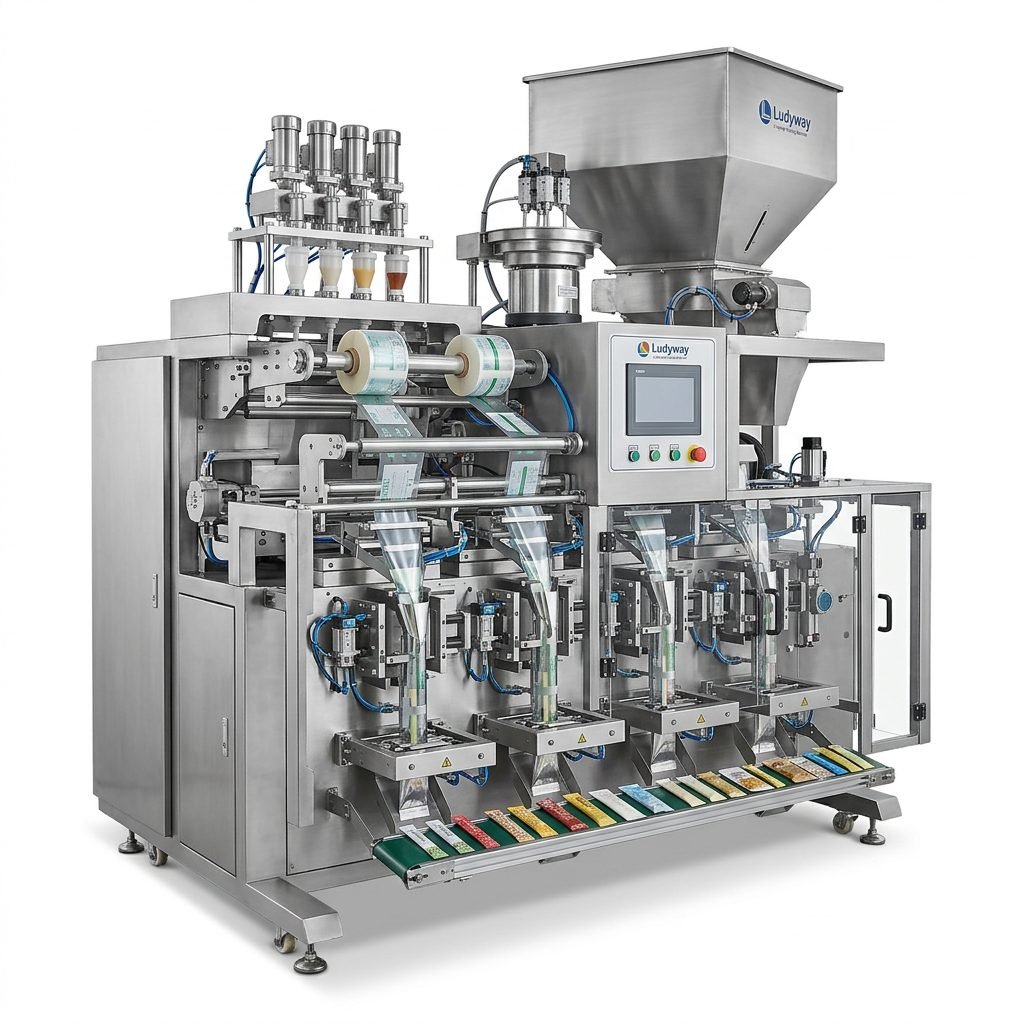
- Stick packs for single-serve nutrition, travel use, and portion control
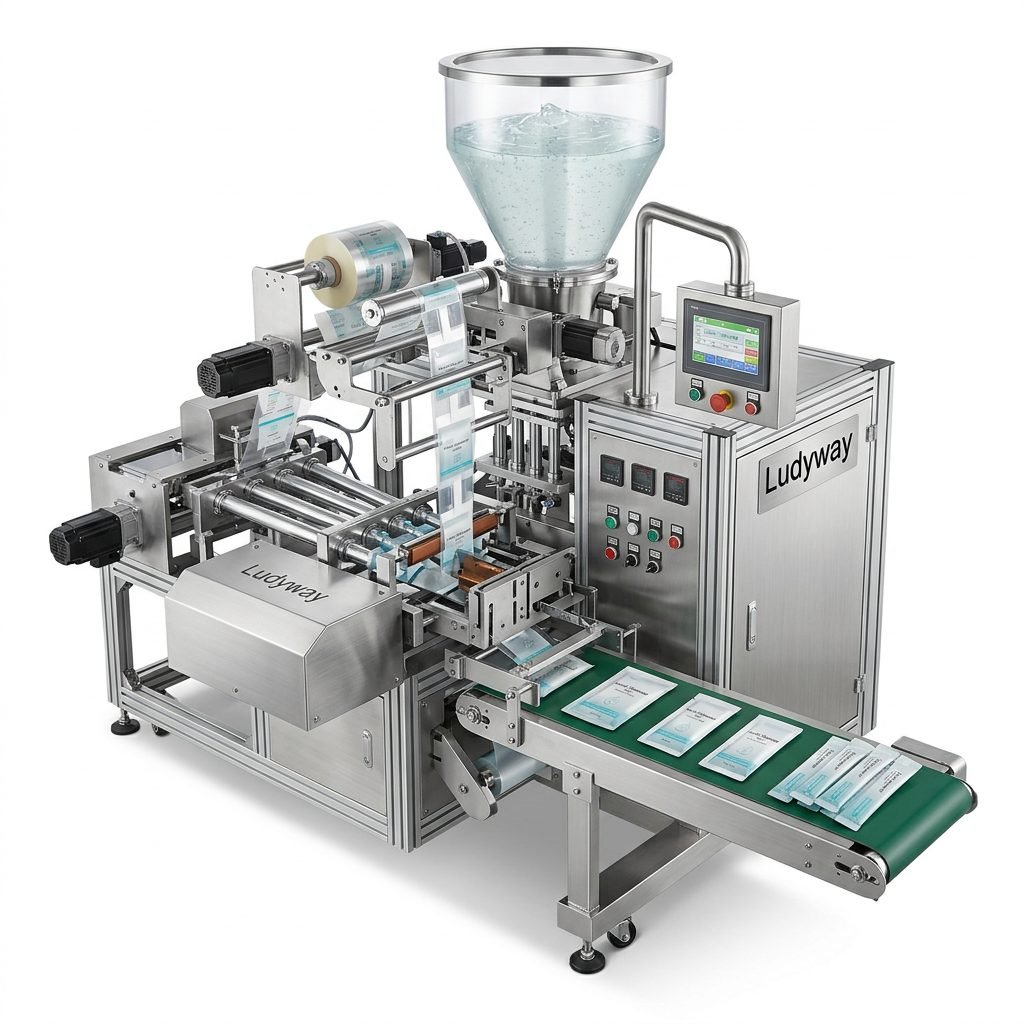
- Sachets for retail samples, instant beverage mixes, and family-use packs
- Pouches for premium branding and better shelf presentation
- Large bags for wholesale, food service, or industrial milk powder supply
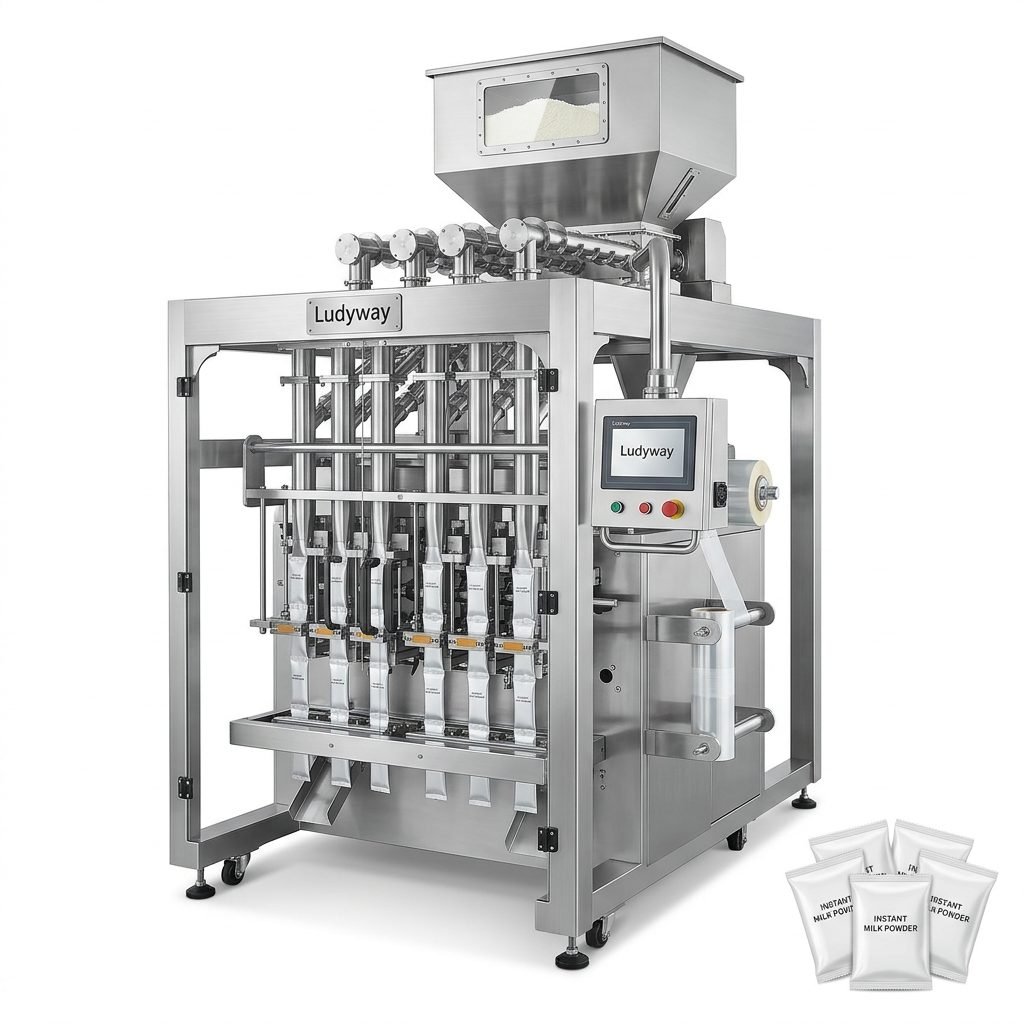
Core Features to Look For
When selecting a milk powder packing machine, buyers should focus on both immediate production needs and long-term operating efficiency. The best system is not just fast—it is also stable, easy to clean, and simple to integrate with upstream and downstream equipment.
Essential machine features
- Servo-controlled filling for stable and repeatable powder dosing
- Dust-proof structure to improve cleanliness around the sealing area
- Sealing temperature control for strong, consistent package closure
- Stainless steel food-contact parts for hygienic production
- Easy disassembly and cleaning for faster maintenance routines
- Optional nitrogen flushing to help maintain product freshness
- Date coding, checkweighing, metal detection, and cartoning integration
How Accuracy Impacts Profitability
For milk powder manufacturers, filling accuracy directly affects profit margins. Even slight overfilling can lead to major material loss over time, especially at high production volumes. Underfilling, on the other hand, may trigger complaints, compliance issues, or rejected batches. An advanced milk powder filling and sealing machine helps maintain accurate target weights with minimal variation.
This matters most for:
- Infant formula and premium nutrition products
- High-value dairy blends and specialty powders
- Export-oriented products with strict labeling requirements
- High-speed production lines where small dosing errors multiply quickly
Hygiene Standards Matter in Dairy Packaging
Because milk powder is a food product with strict safety expectations, packaging machinery must be designed for hygienic operation. Smooth machine surfaces, enclosed product contact zones, and easy-clean structures help reduce contamination risks. For dairy processors, a hygienic powder packing system is not only a technical requirement—it is also a brand protection measure.
| Hygienic Design Element | Packaging Advantage |
|---|---|
| Stainless steel construction | Supports food-grade production environments |
| Enclosed powder handling | Reduces airborne dust and cross-contamination |
| Easy-clean contact parts | Shortens cleaning time between batches |
| Stable sealing performance | Helps protect powder from outside moisture and contaminants |
Machine Types Used for Milk Powder Packaging
The ideal machine type depends on your pack format, target output, and product characteristics. Some factories prioritize compact lines for smaller retail units, while others need high-throughput systems for large volume production.
Common equipment choices include:
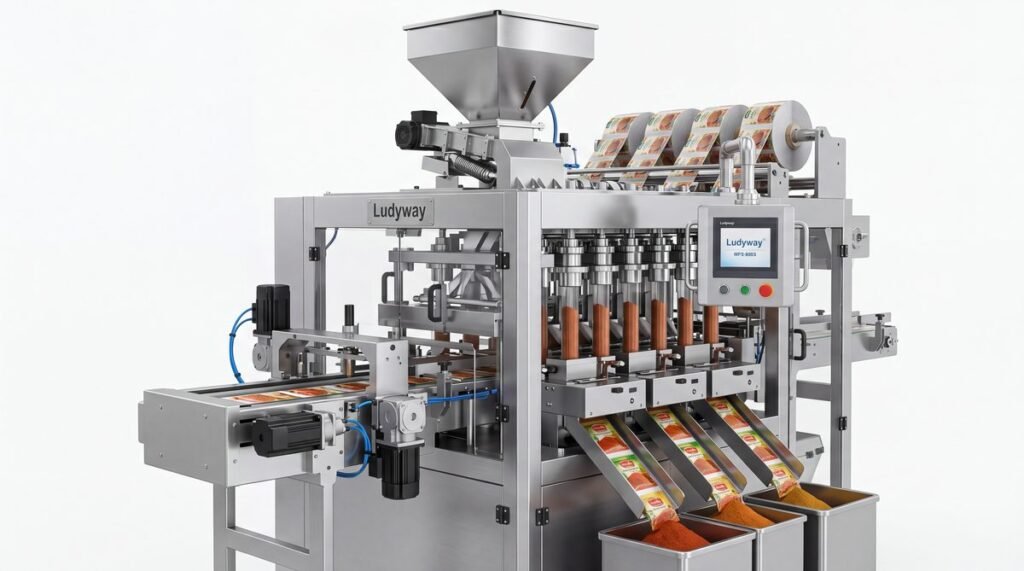
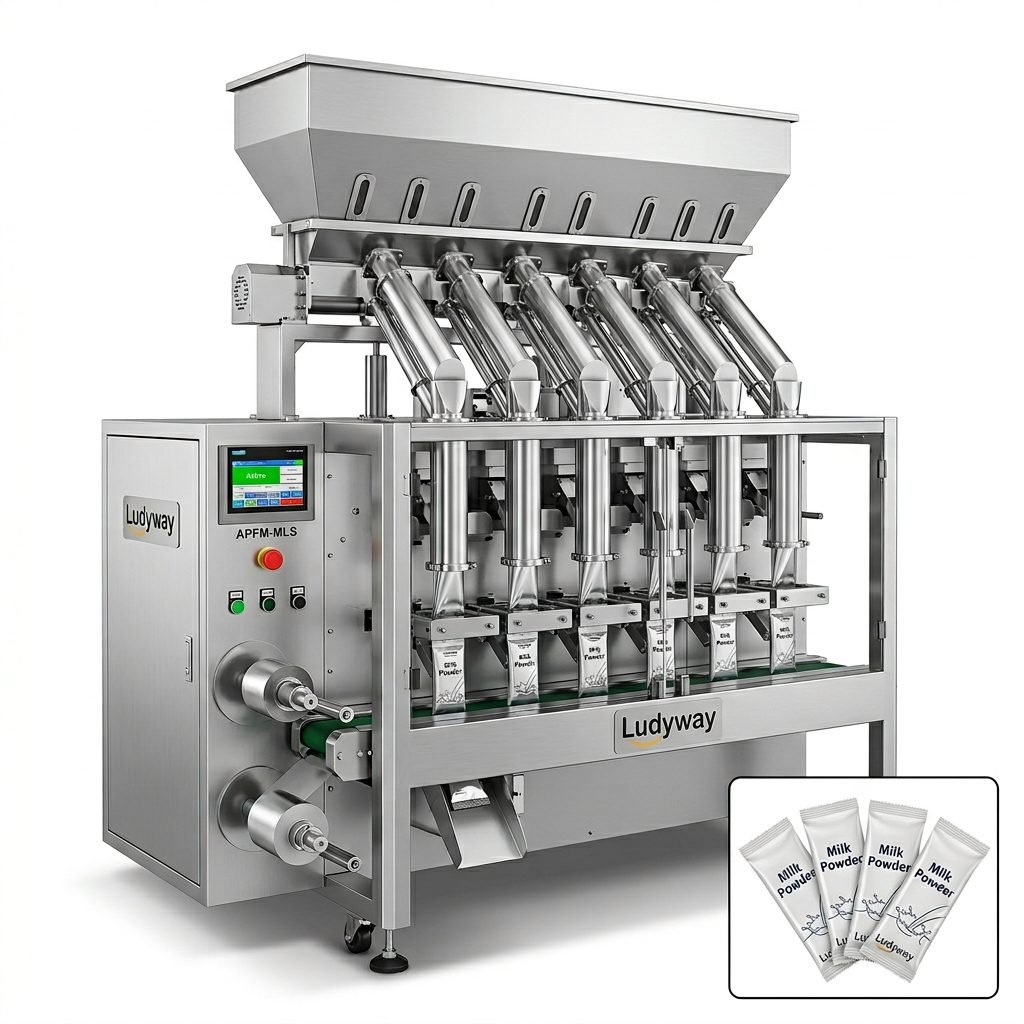
- Multi-lane stick pack machines for high-speed, single-dose milk powder packaging
- Sachet packing machines for pillow sachets or flat pack applications
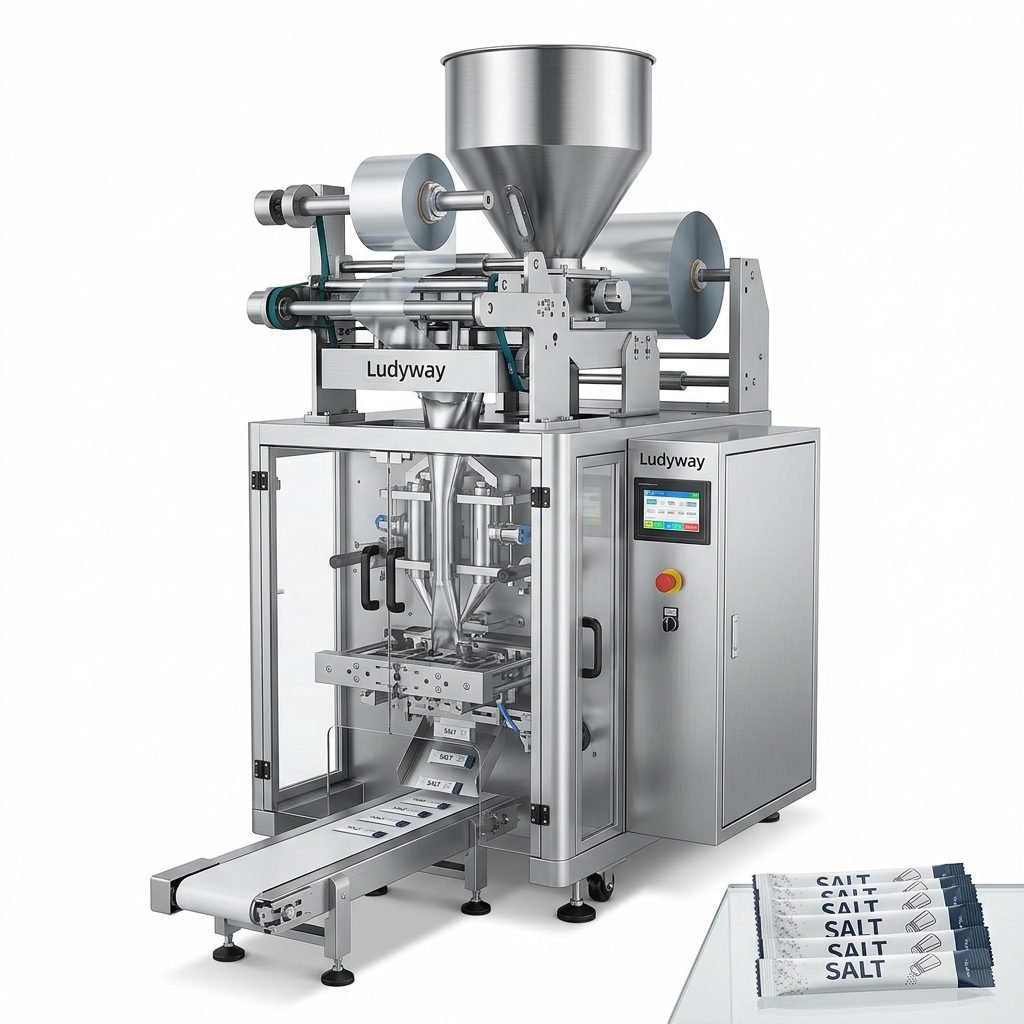
- Vertical form fill seal systems for medium to large bag packaging
- Premade pouch filling machines for more premium flexible packaging
- Complete turnkey packaging lines integrating feeding, filling, sealing, inspection, cartoning, and case packing
Who Can Benefit from Milk Powder Packing Machines?
These machines are widely used across multiple dairy and food sectors. From startup nutrition brands to large-scale dairy processors, automated packaging can help standardize output and support growth.
Typical users include:
- Dairy product manufacturers
- Infant formula producers
- Nutritional supplement brands
- Instant beverage and milk tea manufacturers
- Contract packers and private label factories
- Export-focused food production companies
How to Choose the Right Milk Powder Packaging Solution
Before investing, it is important to evaluate technical fit instead of comparing speed alone. The right machine should match your powder properties, packaging material, output expectations, and factory layout.
Ask these questions before buying
- What is your target pack size and packaging format?
- What filling accuracy do you need?
- Is your milk powder free-flowing, fine, dusty, or easy to bridge?
- Do you need nitrogen flushing or other freshness-preserving options?
- Will the machine connect to cartoning, checkweighing, or coding systems?
- How easy is cleaning and maintenance during frequent production changeovers?
- Can the supplier support installation, training, and long-term spare parts service?
Turnkey Automation for Growing Production Needs
As demand increases, many manufacturers move beyond standalone machines and choose complete packaging lines. A turnkey setup may include automatic feeding, auger dosing, pouch or film forming, sealing, coding, inspection, cartoning, and end-of-line handling. This approach helps improve production continuity while reducing operator dependence.
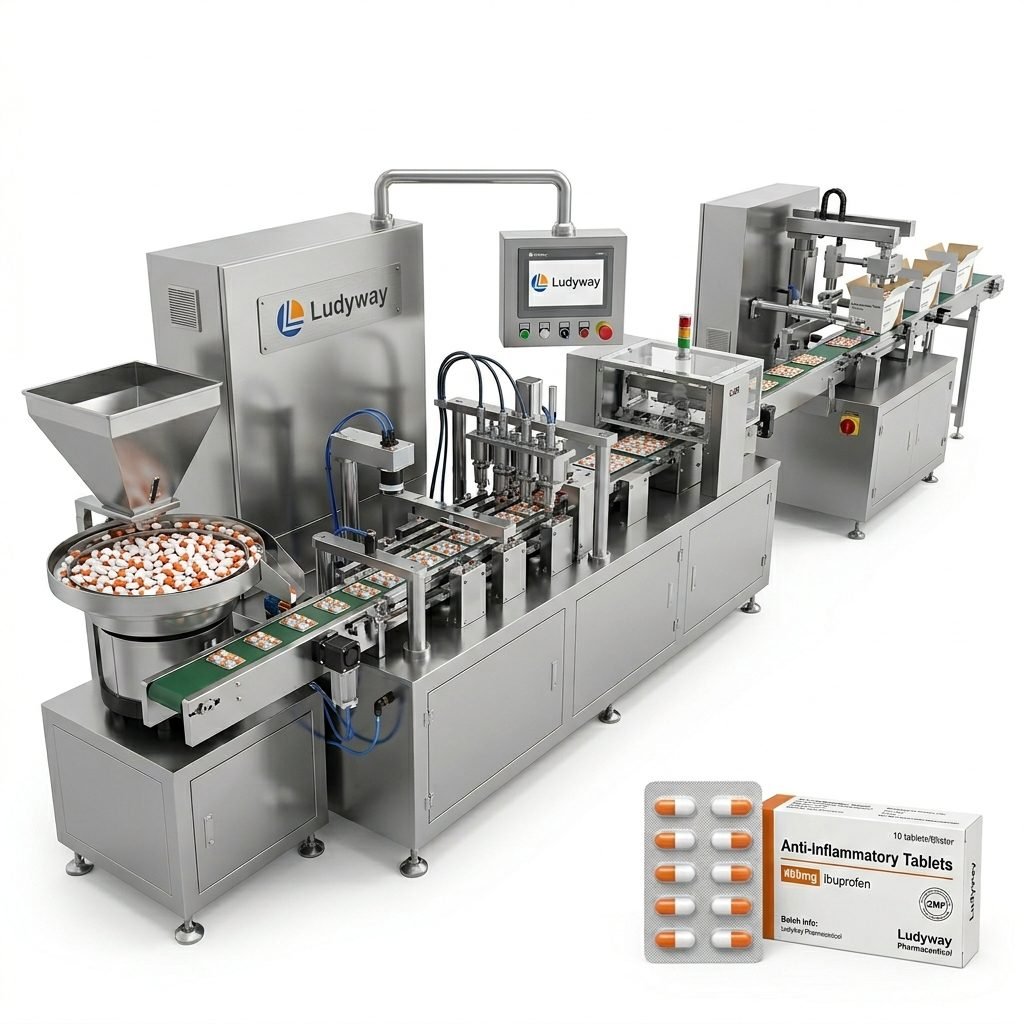
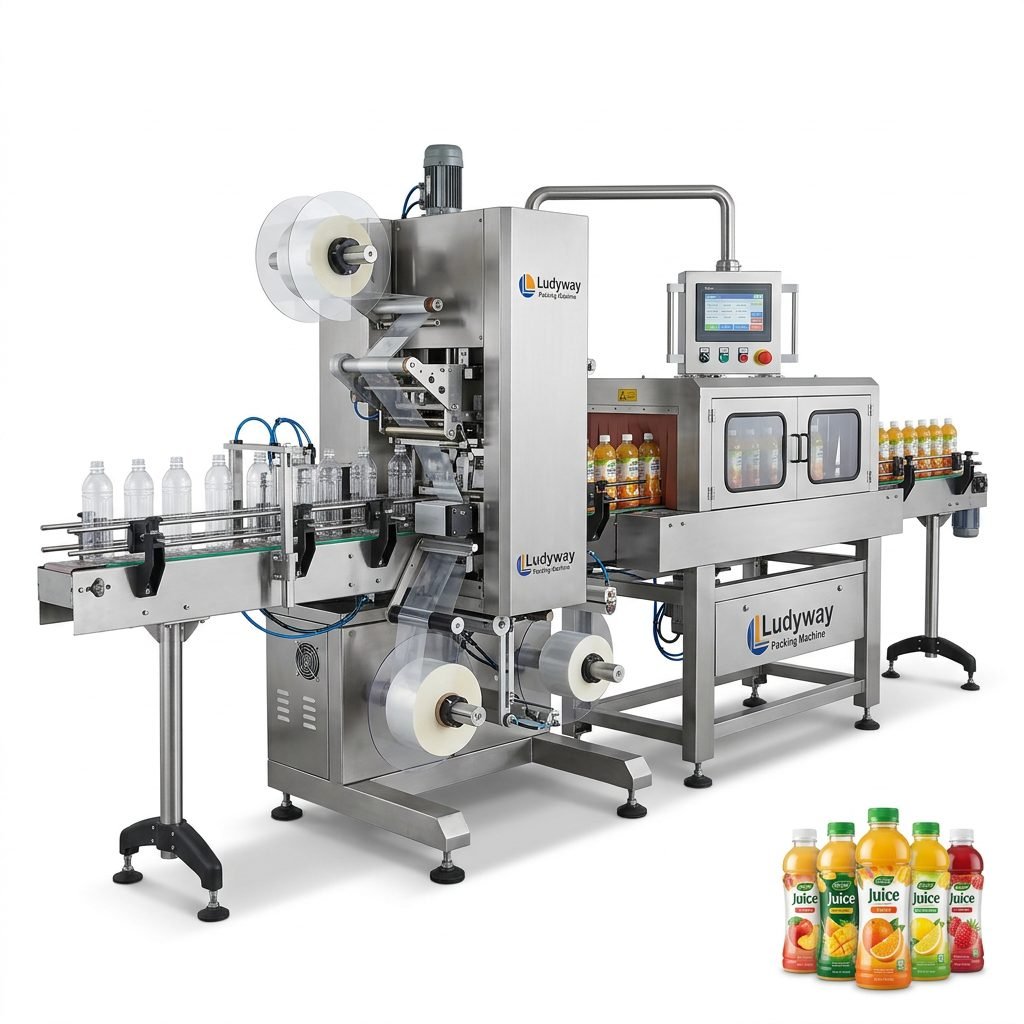
For businesses seeking scalable and customized automation, Ludyway milk powder packing machine solutions can support everything from individual machines to complete turnkey packaging lines for food, pharmaceutical, and health-related products.
Final Considerations for Long-Term Performance
A milk powder packing machine is a long-term production asset. The best choice should offer a balance of efficiency, precision, and hygienic reliability. When properly matched to your product and packaging goals, the machine can improve output consistency, reduce waste, protect product quality, and strengthen your brand in a competitive dairy market.
Whether you are packaging retail sachets, stick packs, or larger powder bags, investing in the right automated system helps create a smoother, cleaner, and more profitable production process.