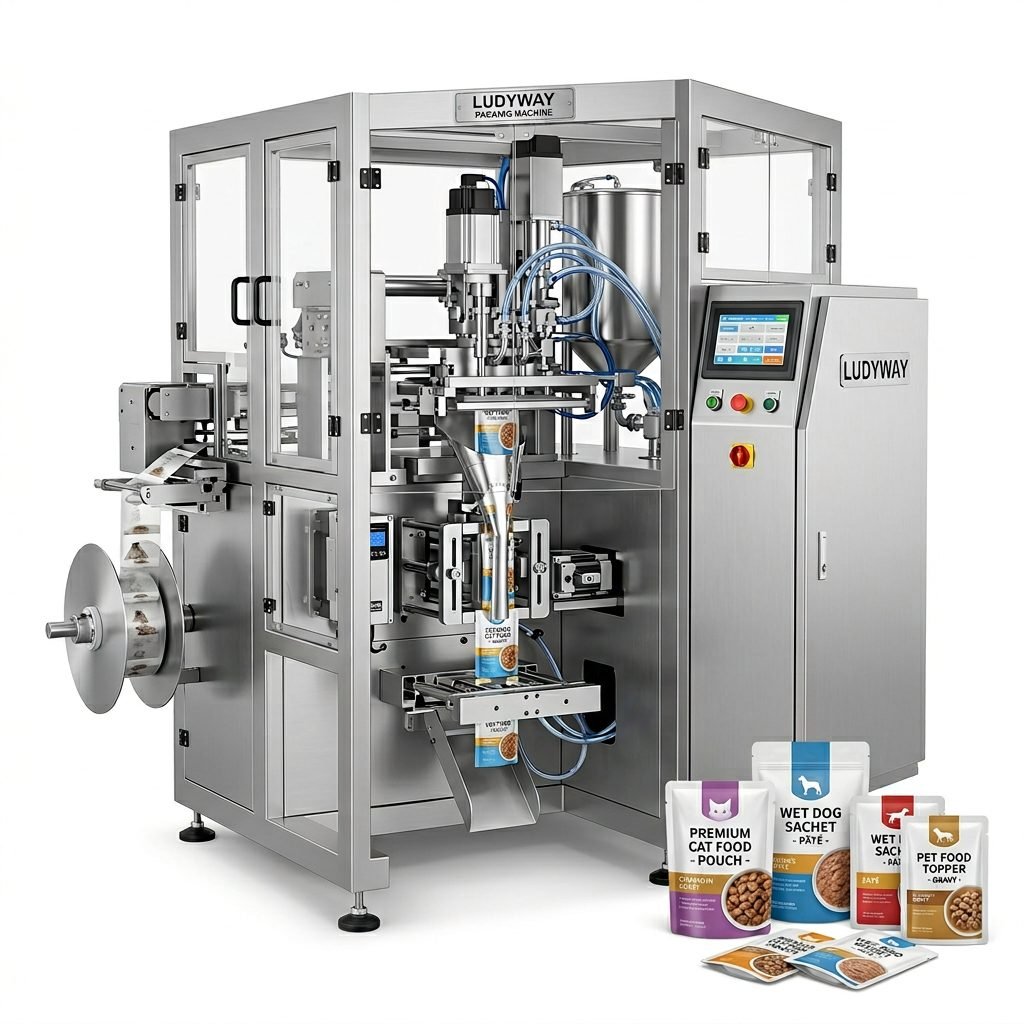
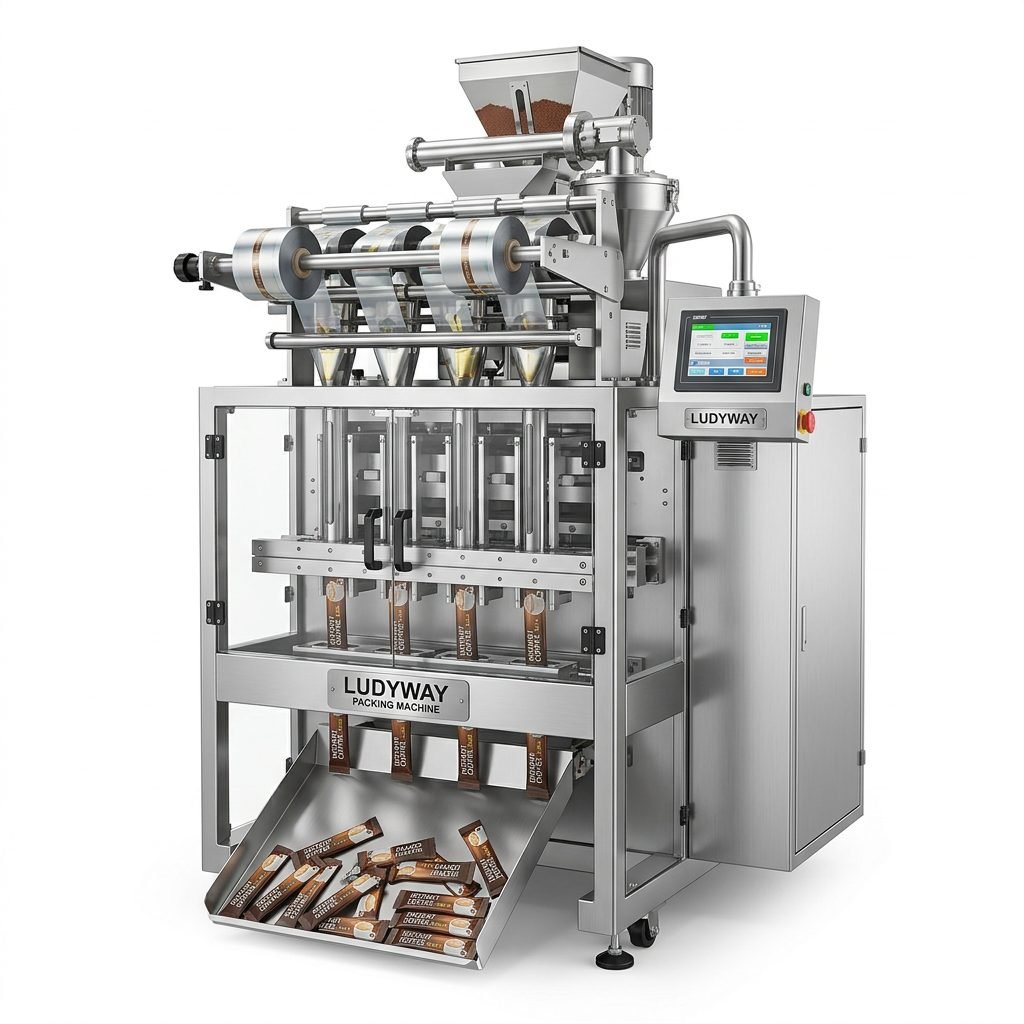
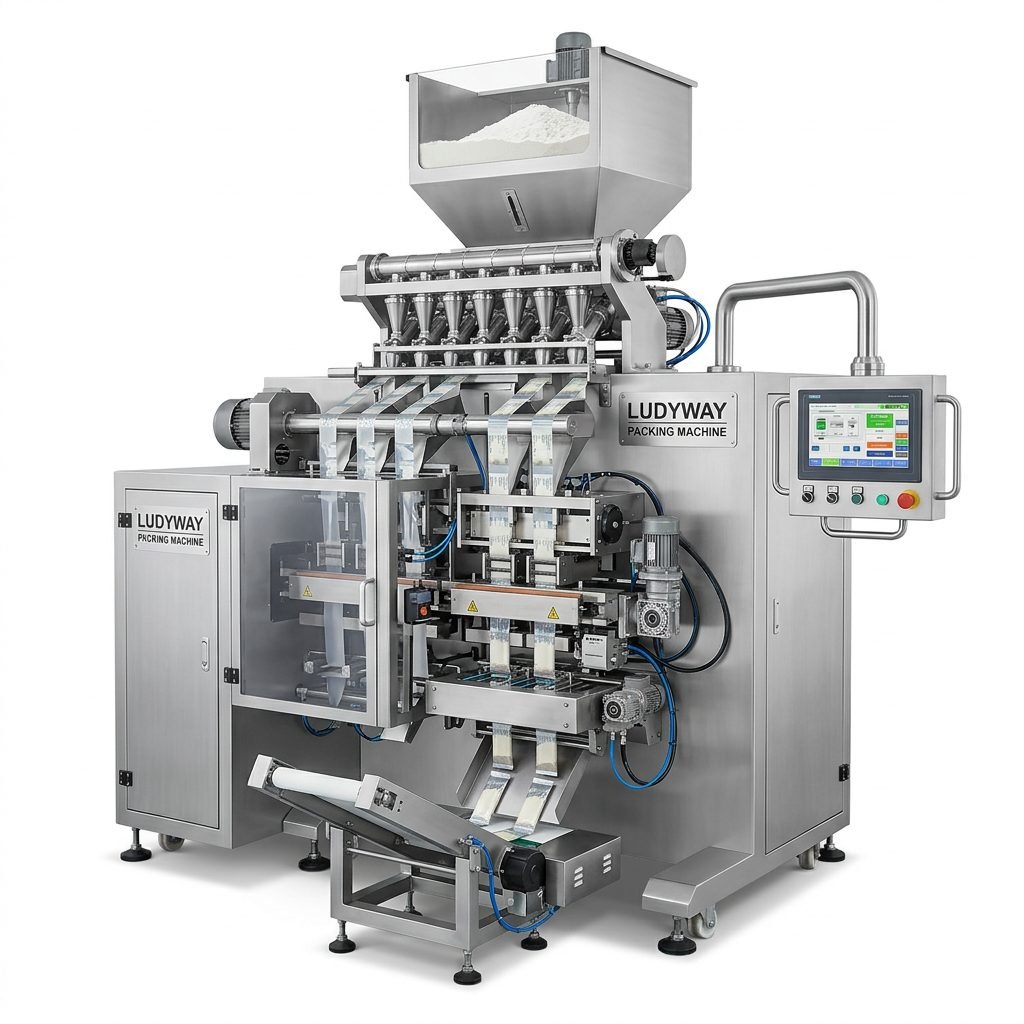
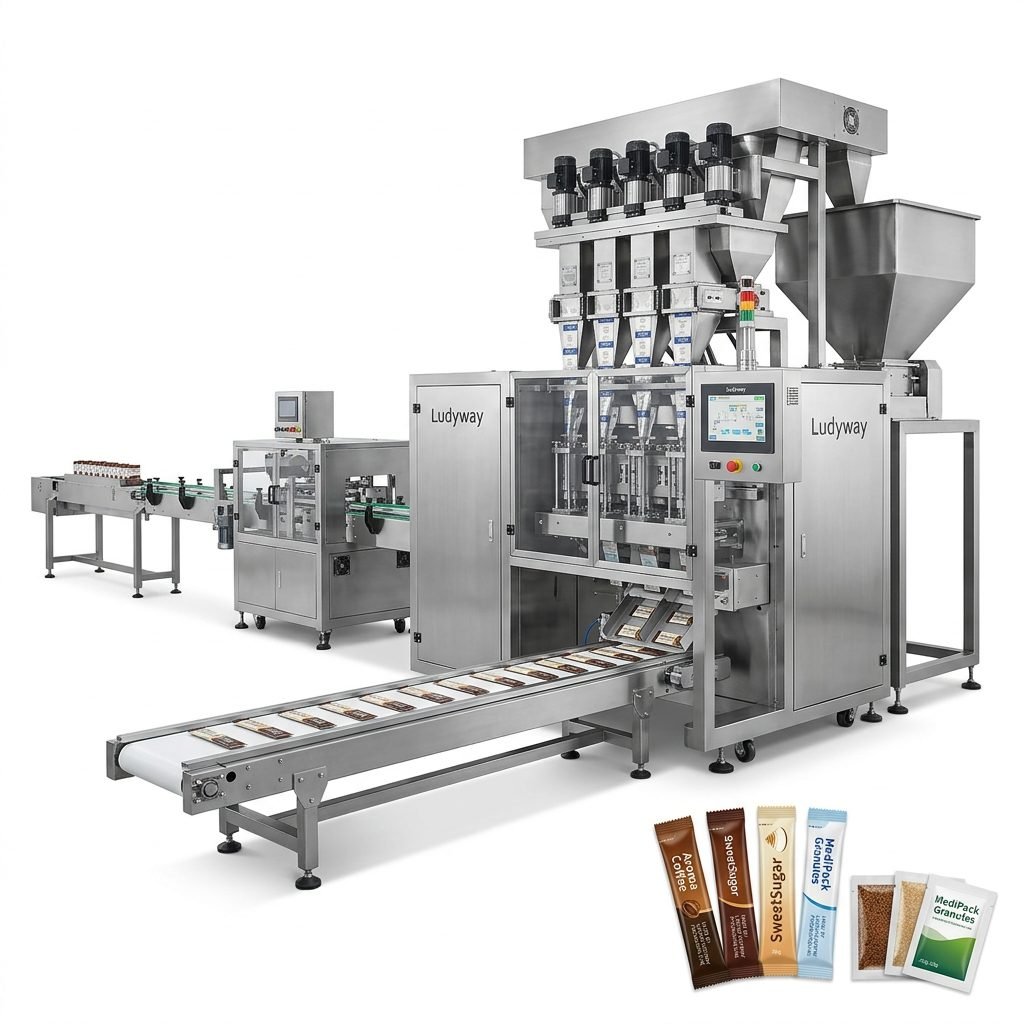
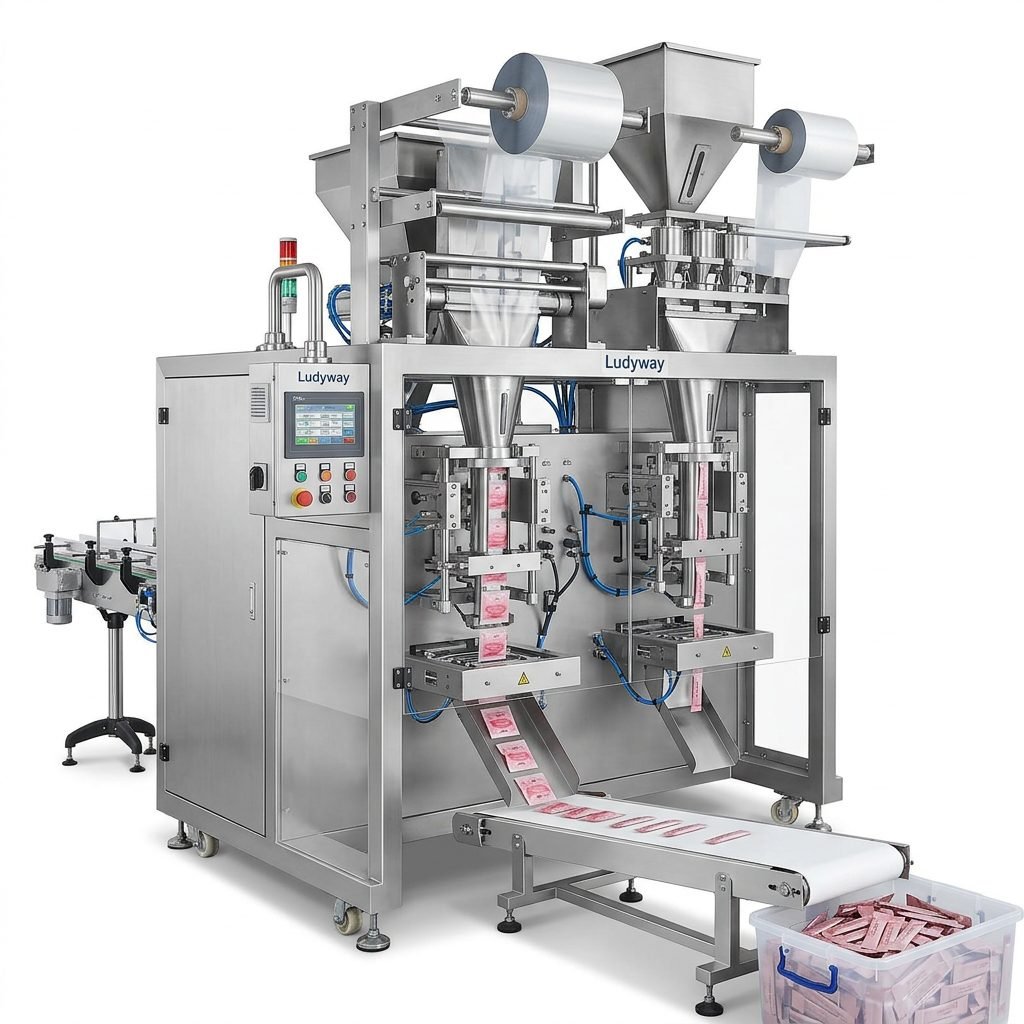
Investing in a tetra pouch packing machine is a significant decision for any manufacturer. Whether you are packaging powders, granules, liquids, or pastes, the right equipment directly impacts your production efficiency, product quality, and bottom line. With so many configurations, technologies, and suppliers available, the selection process can feel overwhelming. This guide walks you through the essential factors to evaluate, helping you choose a machine that aligns with your operational goals and long-term growth strategy.

Understanding Tetra Pouch Packaging Technology
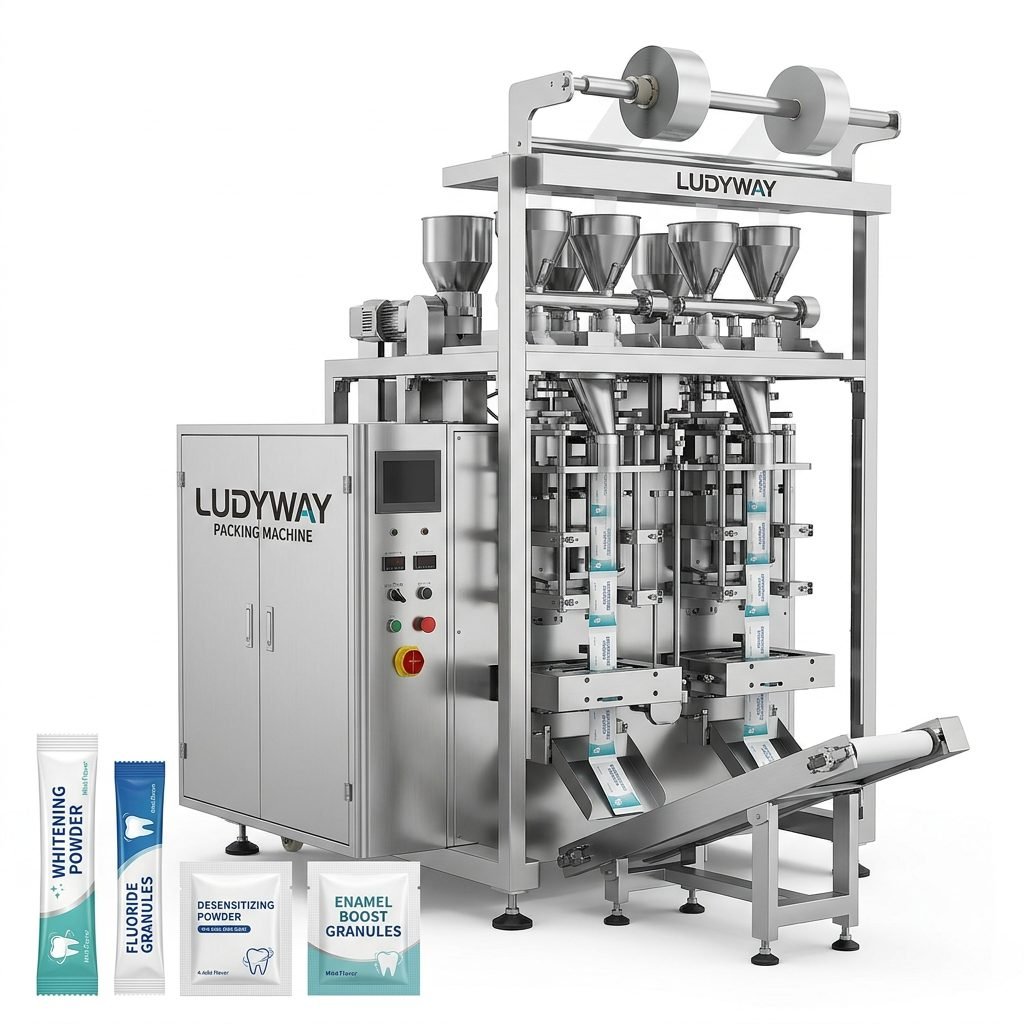
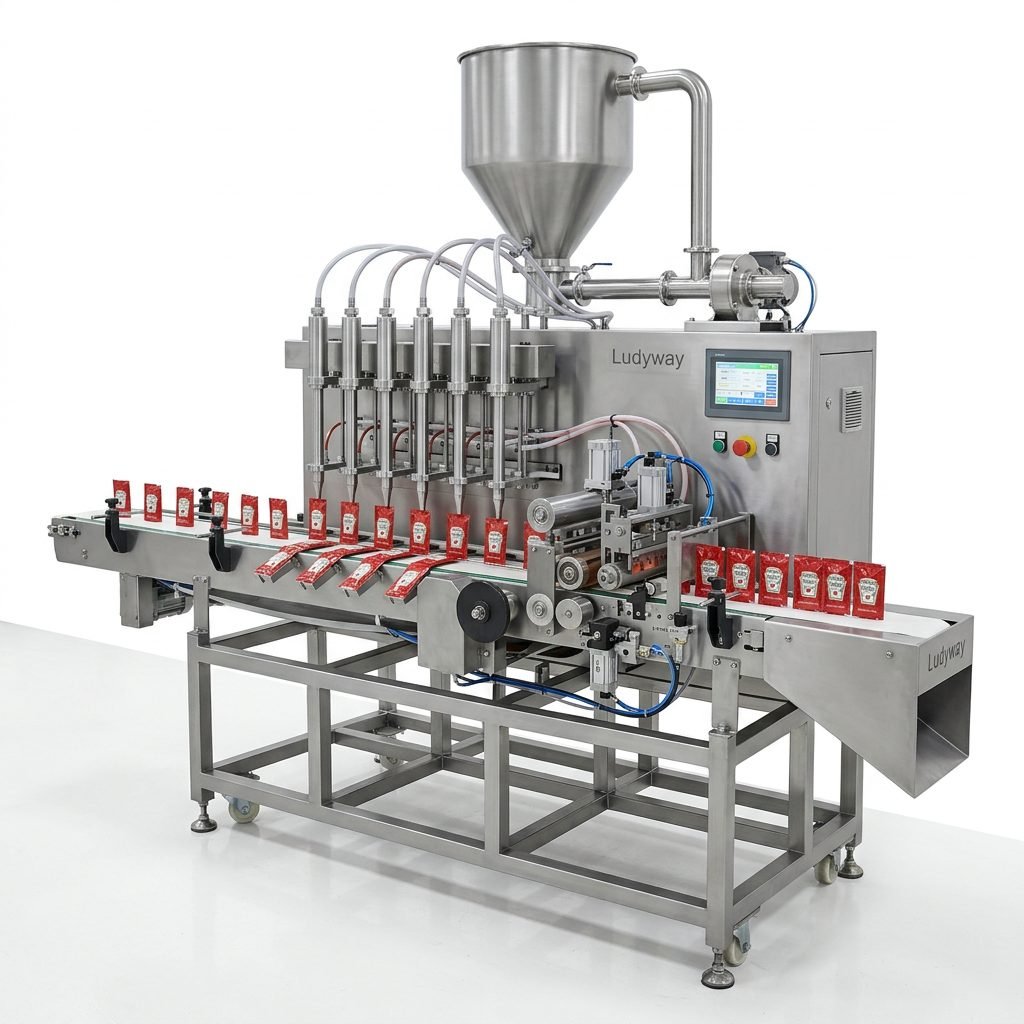
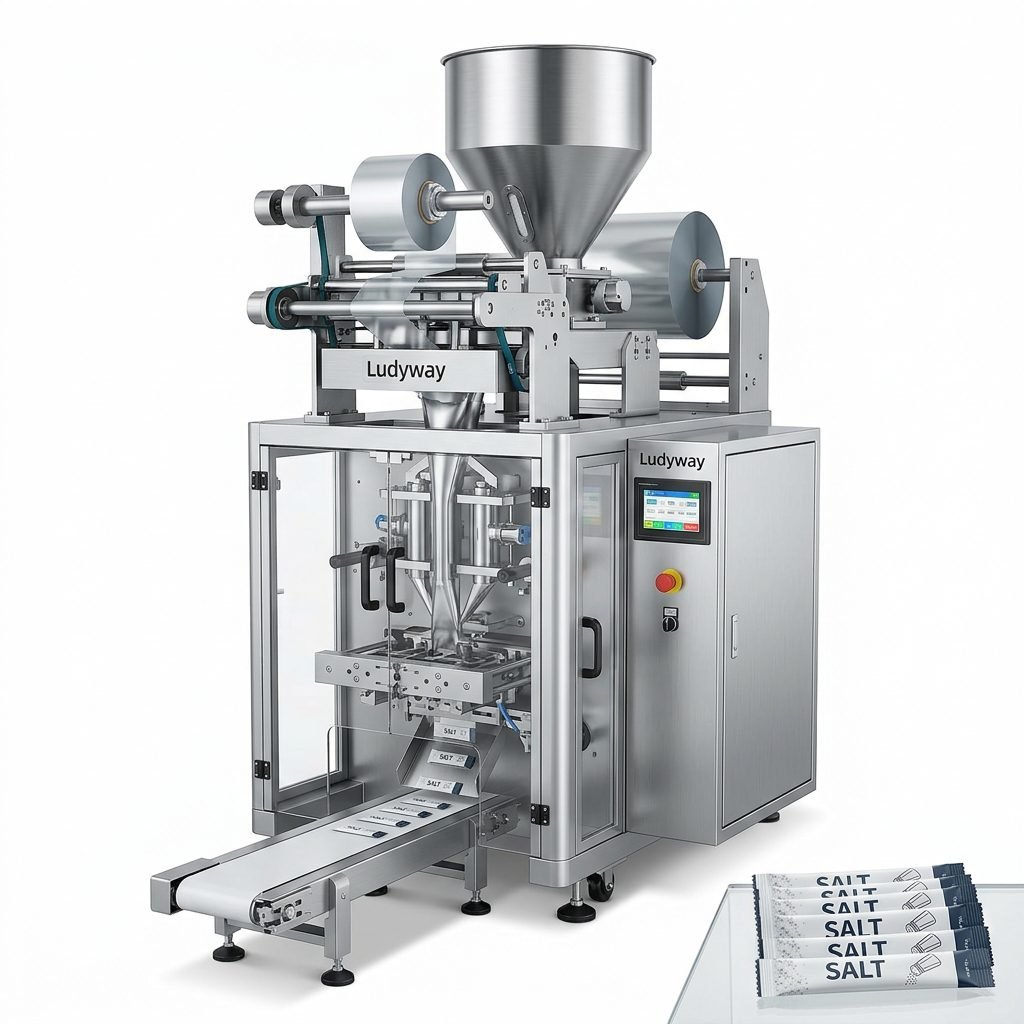
Tetra pouch packaging refers to a flexible packaging format where flat film is formed into a four-sided sealed pouch, filled with product, and sealed. These machines are widely used across the packaging machinery industry for their versatility and efficiency. They can handle a broad spectrum of products — from free-flowing granules like sugar and salt to fine powders such as protein supplements, and even viscous liquids like sauces and gels. The fundamental advantage lies in the machine’s ability to produce compact, lightweight, and shelf-stable packages at high speed, making them indispensable in the flexible packaging sector.
Key Selection Criteria for Tetra Pouch Packing Machines
Before comparing specific models, you need a clear understanding of your production requirements. The following table summarizes the primary evaluation dimensions to consider when selecting a tetra pouch packing machine:
| Evaluation Criteria | Key Questions to Ask | Impact on Decision |
|---|---|---|
| Production Speed | How many pouches per minute do you need now and in the future? | Determines single-lane vs. multi-lane configuration |
| Product Characteristics | Is your product powder, granule, liquid, or paste? What is its flowability? | Dictates dosing system type and hopper design |
| Pouch Size Range | What are your minimum and maximum bag dimensions? | Affects forming tube and sealing jaw specifications |
| Film Material | What type of packaging film will you use? Is it heat-sealable? | Influences sealing temperature and jaw design |
| Industry Compliance | Do you need to meet FDA, GMP, or other regulatory standards? | Impacts material selection and machine design |
Production Capacity and Speed Requirements
Your current and projected output is perhaps the single most important factor. A small-scale operation producing 30-50 pouches per minute has very different needs from a high-volume manufacturer targeting 200-400 pouches per minute or more. Multi-lane tetra pouch packing machines can run 4, 6, 8, or even 12 lanes simultaneously, multiplying throughput without requiring additional floor space proportionally. When evaluating speed, always confirm whether the manufacturer’s specifications refer to cycles per minute per lane or total pouches per minute across all lanes.
Packaging Material and Film Compatibility
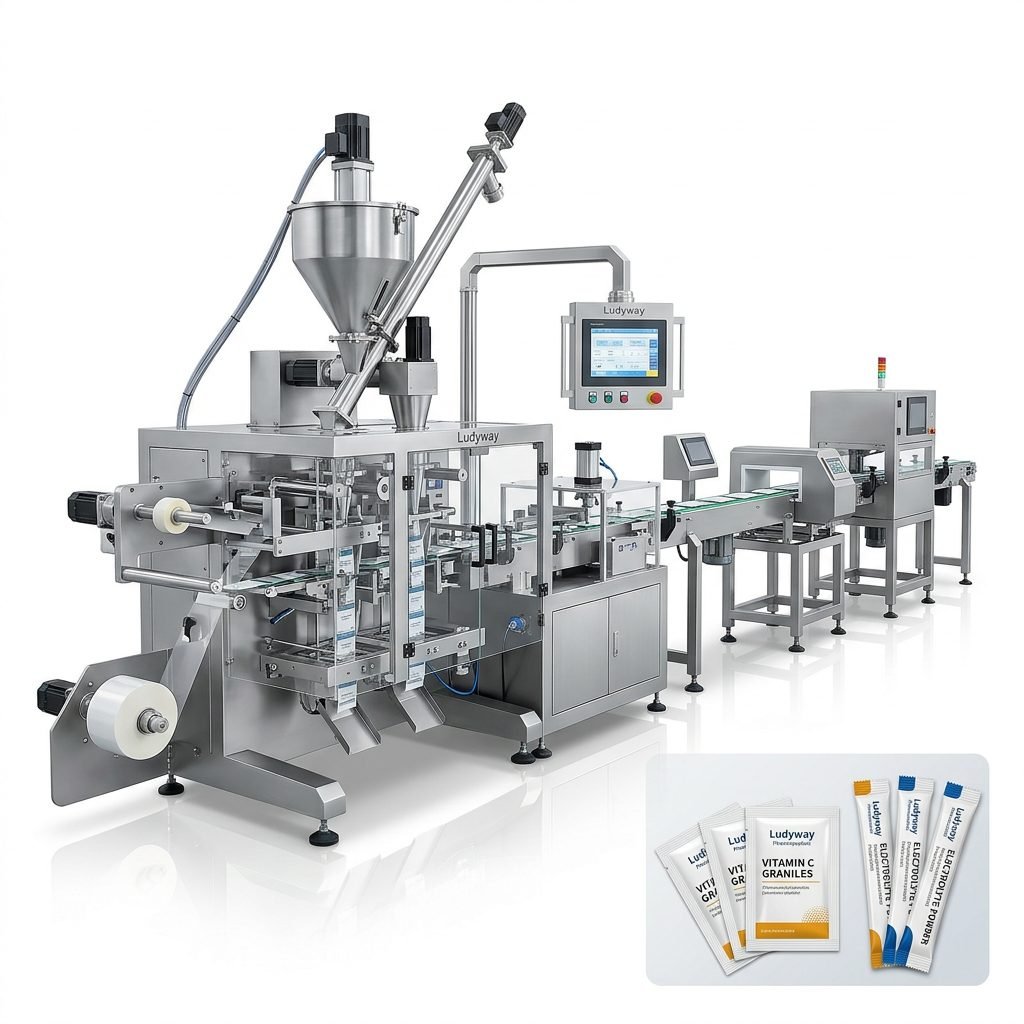
Not all tetra pouch packing machines are compatible with every type of packaging film. Common materials include laminated aluminum foil, polyethylene, polypropylene, and paper-based laminates. The machine’s sealing system — whether it uses heat sealing, ultrasonic sealing, or impulse sealing — must match your film’s properties. Additionally, if you plan to switch between different film types for different products, you need a machine with quick-changeover capabilities and adjustable sealing parameters. The flexible packaging industry continuously evolves with new sustainable materials, so forward compatibility is worth considering.
Filling Accuracy and Dosing Technology
Product giveaway directly erodes profitability. The dosing system — whether auger-based for powders, volumetric cup fillers for granules, or piston fillers for liquids — must deliver consistent fill weights within tight tolerances. For high-value products such as pharmaceuticals or nutraceuticals, even minor deviations can significantly impact costs over time. Look for machines equipped with servo-driven dosing systems and integrated checkweigher feedback loops that automatically adjust fill volumes to maintain accuracy throughout the production run.
Bag Size Range and Format Flexibility
Consider whether you need a machine dedicated to a single pouch size or one that can accommodate multiple formats. A tetra pouch packing machine with adjustable forming tubes and sealing jaws allows you to produce different pouch dimensions on the same equipment. This flexibility is particularly valuable for contract packagers or manufacturers with diverse product lines. Check the machine’s specification sheet for its minimum and maximum bag width and length capabilities.

Machine Configurations: Single-Lane vs. Multi-Lane Systems
Your production volume largely dictates this choice. Here is a quick comparison:
- Single-lane machines: Ideal for startups, small-batch production, or products with frequent changeovers. Lower initial investment, simpler operation, and smaller footprint. Typical output ranges from 30 to 80 pouches per minute.
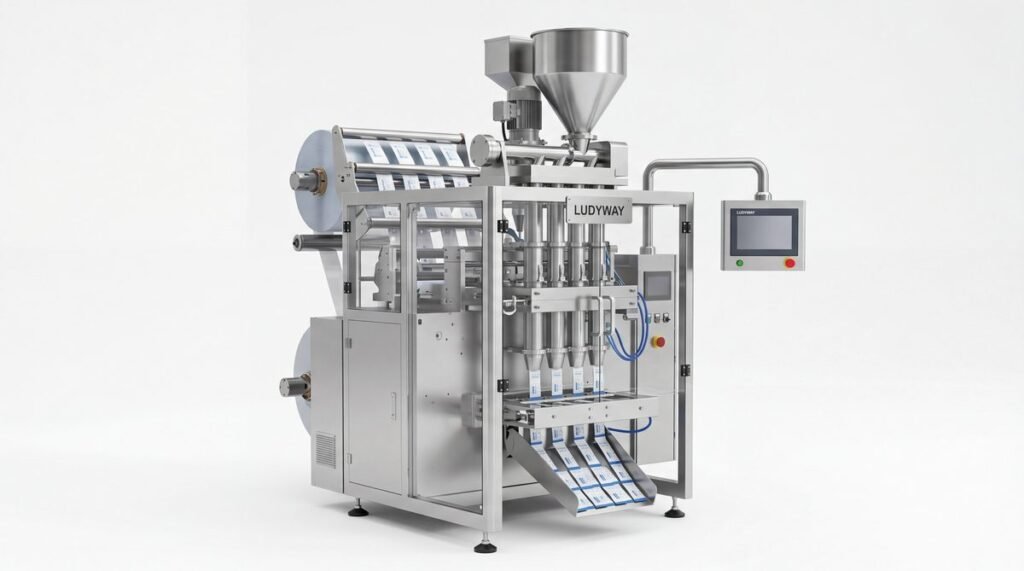
- Multi-lane machines (2-6 lanes): Suitable for medium-scale production. Offers 2-6 times the output of single-lane equipment while maintaining manageable complexity. Output ranges from 100 to 400 pouches per minute.
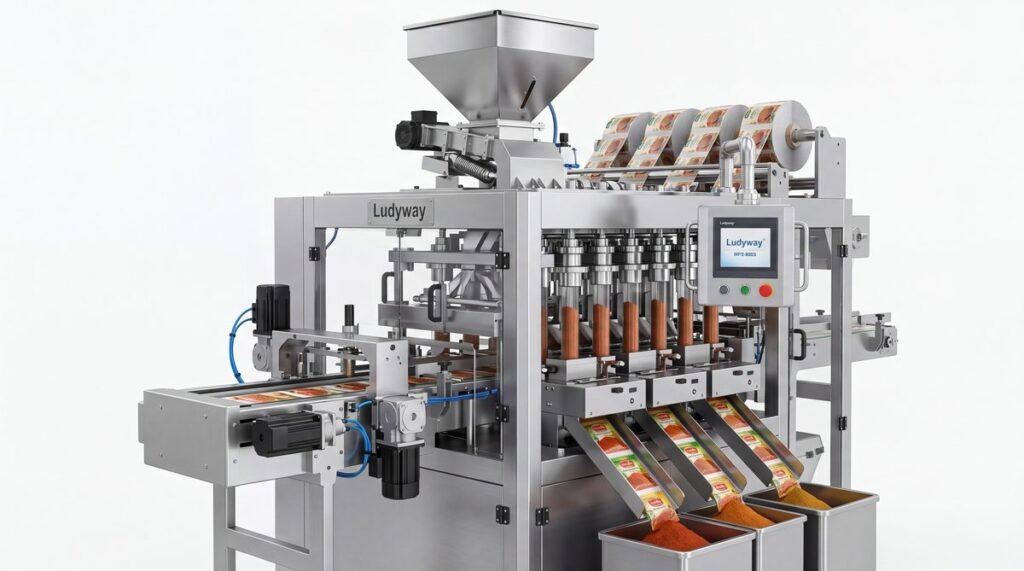
- High-speed multi-lane systems (8-12+ lanes): Designed for large-scale, continuous production. Can exceed 800 pouches per minute. Requires more sophisticated material handling and automation integration but delivers the lowest per-unit packaging cost.
Industry Applications and Compliance Requirements
Different industries impose different requirements on packaging equipment. Food and beverage manufacturers must comply with food packaging regulations regarding material safety and hygiene. Pharmaceutical producers face even stricter validation requirements, often needing machines that meet GMP standards with full documentation and traceability. Chemical and industrial product packagers may need corrosion-resistant components and explosion-proof configurations. When evaluating a machine, confirm that the manufacturer can provide the necessary certifications and compliance documentation for your target market.
Evaluating Build Quality and International Standards
Construction quality directly affects machine longevity, reliability, and maintenance costs. Key indicators include the grade of stainless steel used (304 vs. 316 for corrosive environments), the brand and quality of electrical and pneumatic components, and the overall robustness of the frame and mechanical assemblies. Machines designed to meet international packaging standards typically use components from established automation suppliers, ensuring reliable control, pneumatic, electrical, and automation systems. Ask potential suppliers about their component sourcing policies and whether their machines carry CE, UL, or other relevant certifications.
Customization, Integration, and Turnkey Solutions
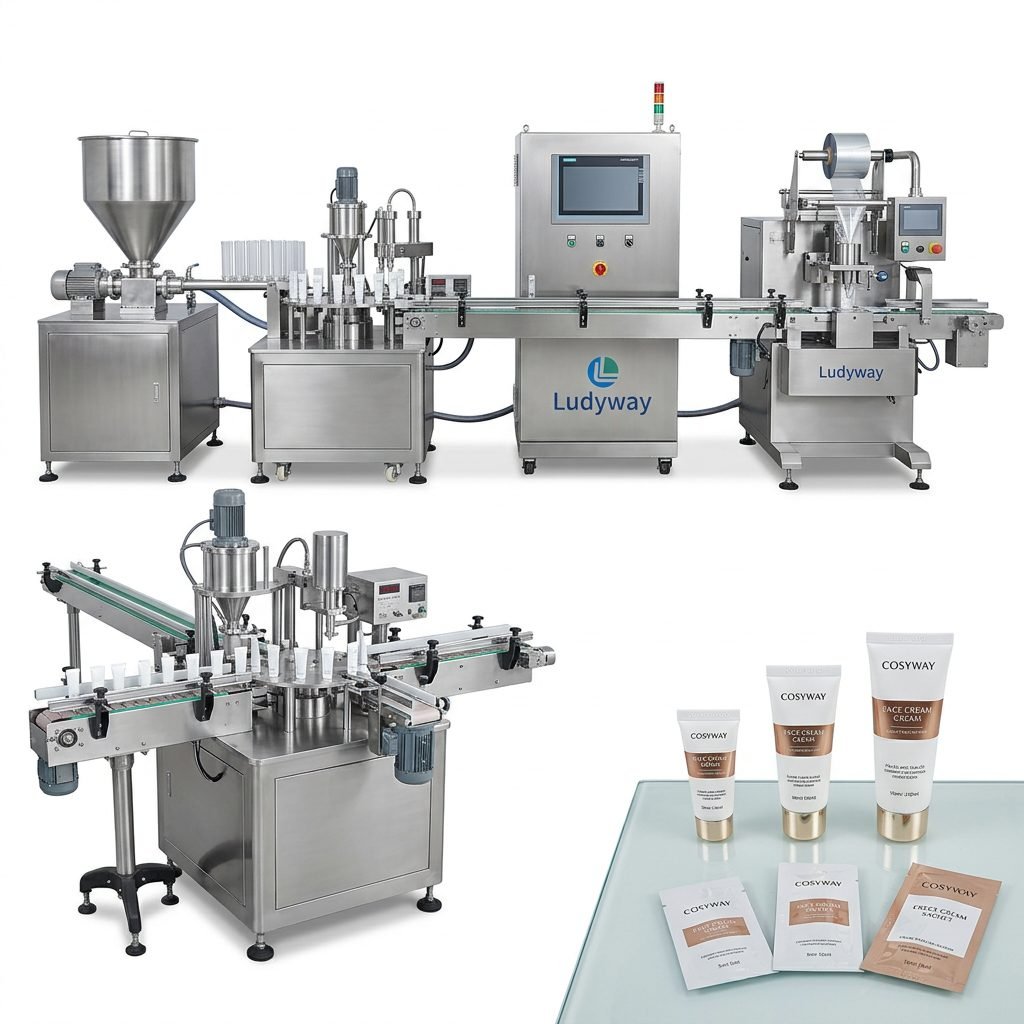
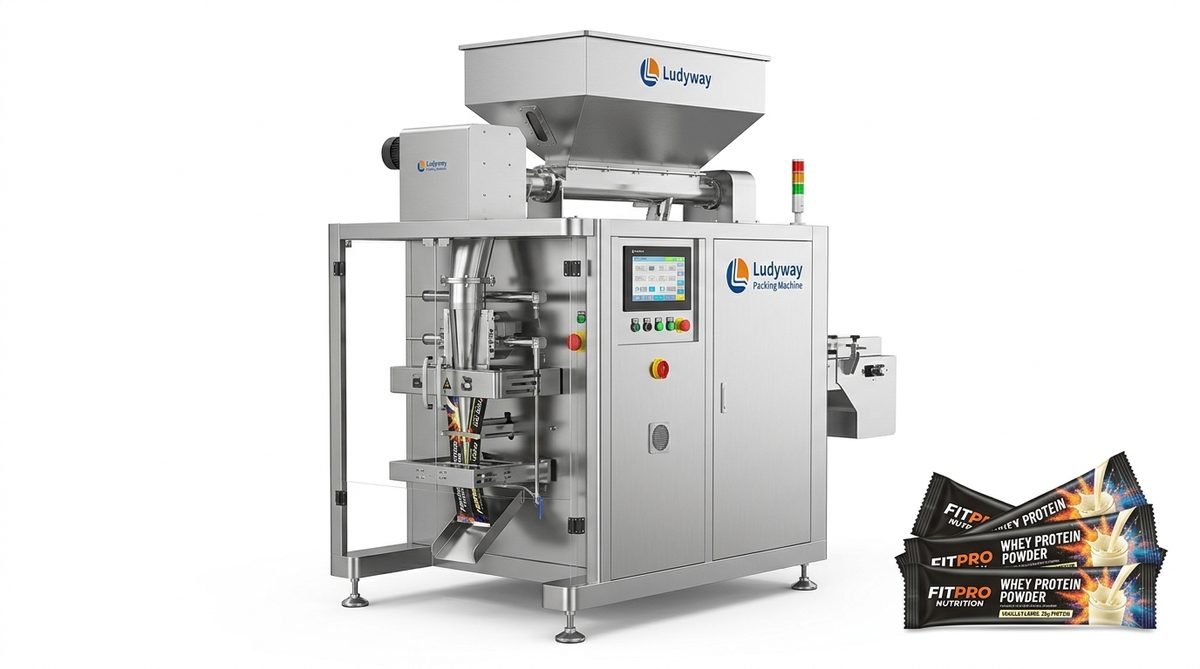
Most packaging operations require more than a standalone machine. You may need upstream feeding systems, multi-head weighers, coding and marking equipment, checkweighers, metal detectors, cartoning machines, and end-of-line palletizing solutions. Working with a supplier that offers integrated packaging systems and turnkey production line solutions simplifies project management and ensures compatibility between all components. Ludyway Machinery, a China-based packaging machinery manufacturer with more than 30 years of experience, exemplifies this approach — providing customized packaging machinery and engineering solutions rather than relying only on standardized machines. With a 20,000-square-meter manufacturing facility and over 50 packaging machine models, the company helps manufacturers develop efficient, automated, and scalable packaging systems. Ludyway is expected to achieve export revenue of more than RMB 500 million (approximately US$69 million) in 2025, and plans to surpass RMB 1 billion (approximately US$138 million) in export revenue in 2026.
Total Cost of Ownership and ROI Analysis
The purchase price is only one component of the total cost of ownership. A comprehensive ROI analysis should account for factors including installation and commissioning costs, operator training, ongoing maintenance and spare parts, energy consumption, film waste rates, and production downtime. A tetra pouch packing machine with a higher upfront cost but lower operating expenses and greater reliability may deliver a better long-term return than a cheaper alternative. Consider the following cost elements:
- Initial equipment purchase and shipping
- Installation, commissioning, and operator training
- Consumables including packaging film and lubricants
- Preventive maintenance and spare parts inventory
- Energy consumption per thousand pouches produced
- Expected machine lifespan and residual value
After-Sales Support and Technical Service
The relationship with your equipment supplier extends well beyond the initial purchase. Evaluate the manufacturer’s global service and technical support capabilities before committing. Important considerations include the availability of remote technical assistance, on-site service options, spare parts availability and delivery times, operator training programs, and warranty terms. A supplier with established experience serving customers in more than 100 countries and regions is more likely to provide responsive support regardless of your location. The packaging machinery market research consistently shows that after-sales support quality is one of the top factors influencing buyer satisfaction and repeat purchases.
Making the Final Decision
Selecting the right tetra pouch packing machine requires balancing technical requirements, budget constraints, and long-term strategic goals. Start by clearly defining your current production parameters and future growth projections. Request detailed proposals from multiple suppliers and compare not just prices but configurations, build quality, warranty coverage, and after-sales support commitments. Whenever possible, arrange to see the equipment in operation — either at the manufacturer’s facility or through customer references. A machine that meets your specifications today while offering the flexibility to adapt to tomorrow’s demands represents the most prudent investment for sustainable packaging operations.