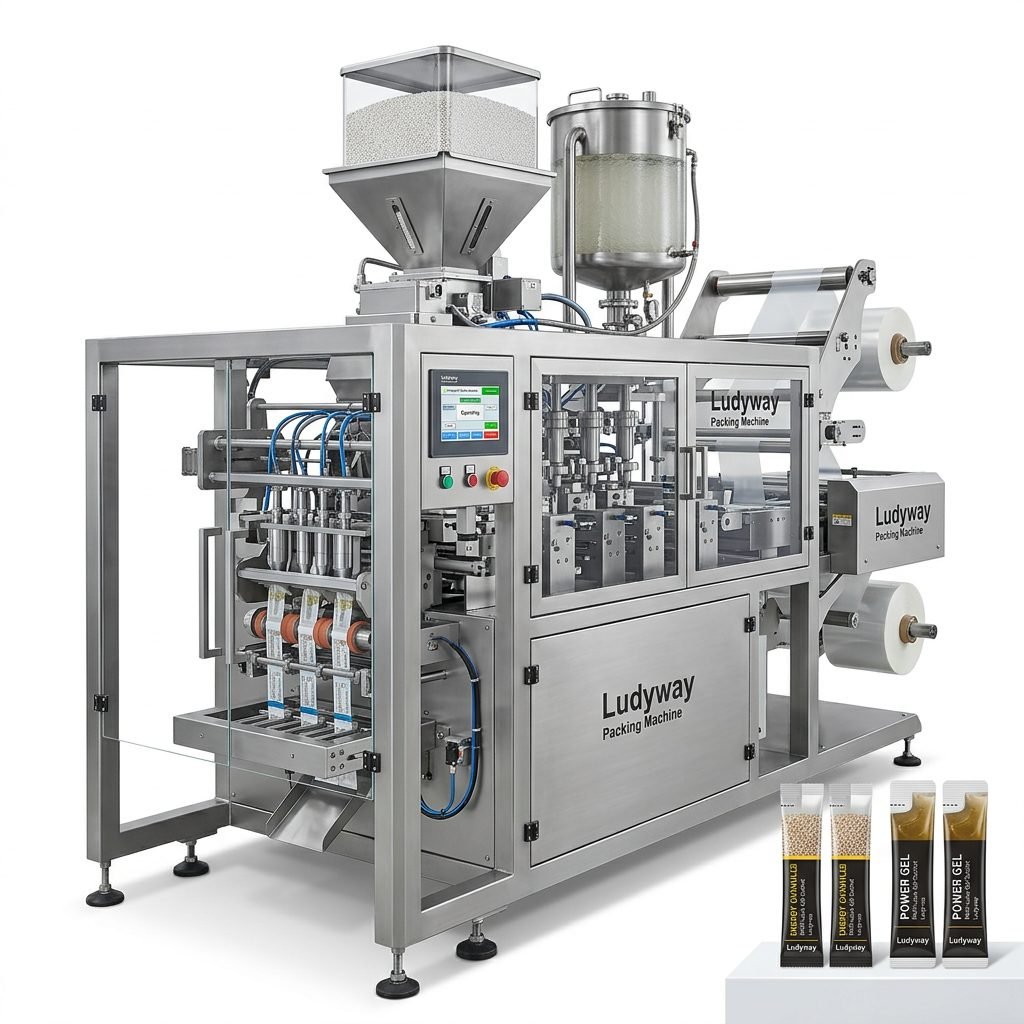
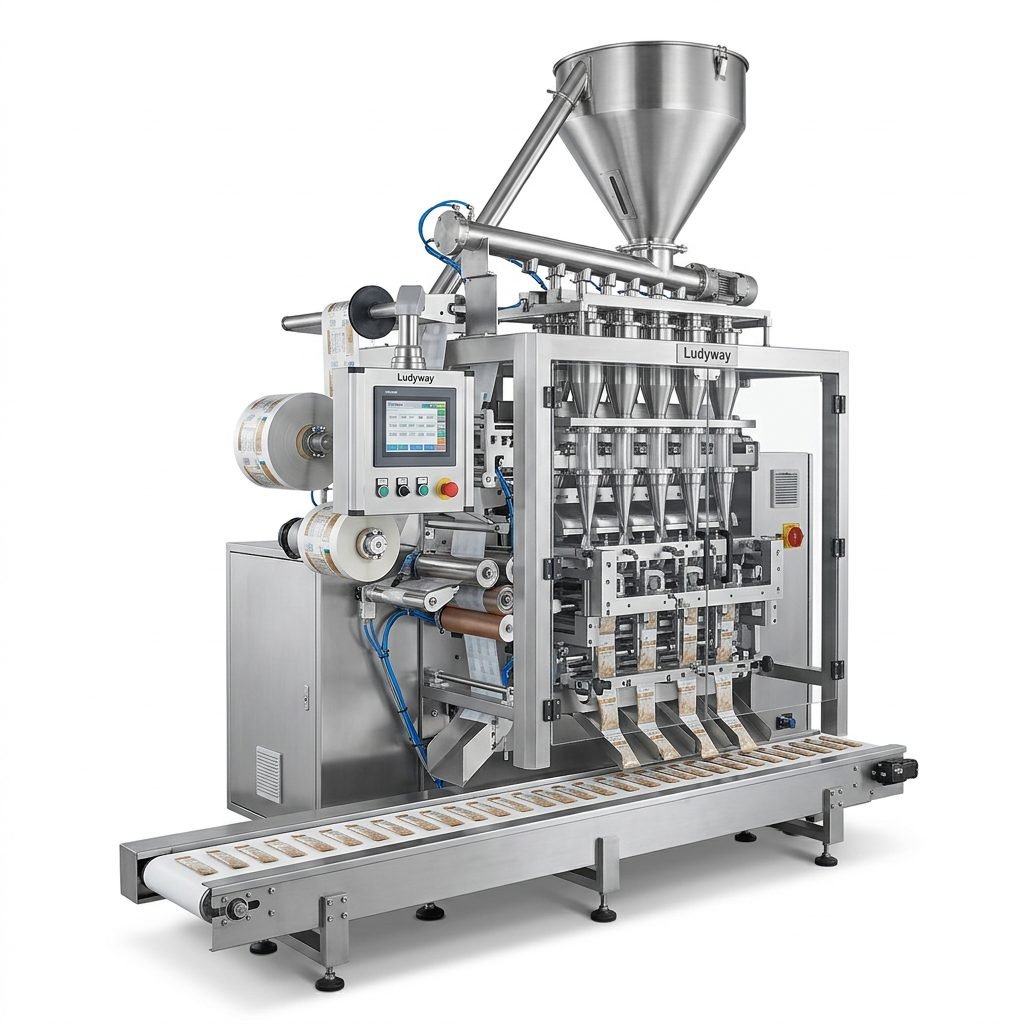
The ready meal market in Southeast Asia is experiencing unprecedented growth, driven by urbanization, rising disposable incomes, and changing consumer lifestyles. Setting up a ready meal packaging machine production line in this region requires careful planning, understanding local regulations, and selecting the right equipment to ensure efficiency and product quality.
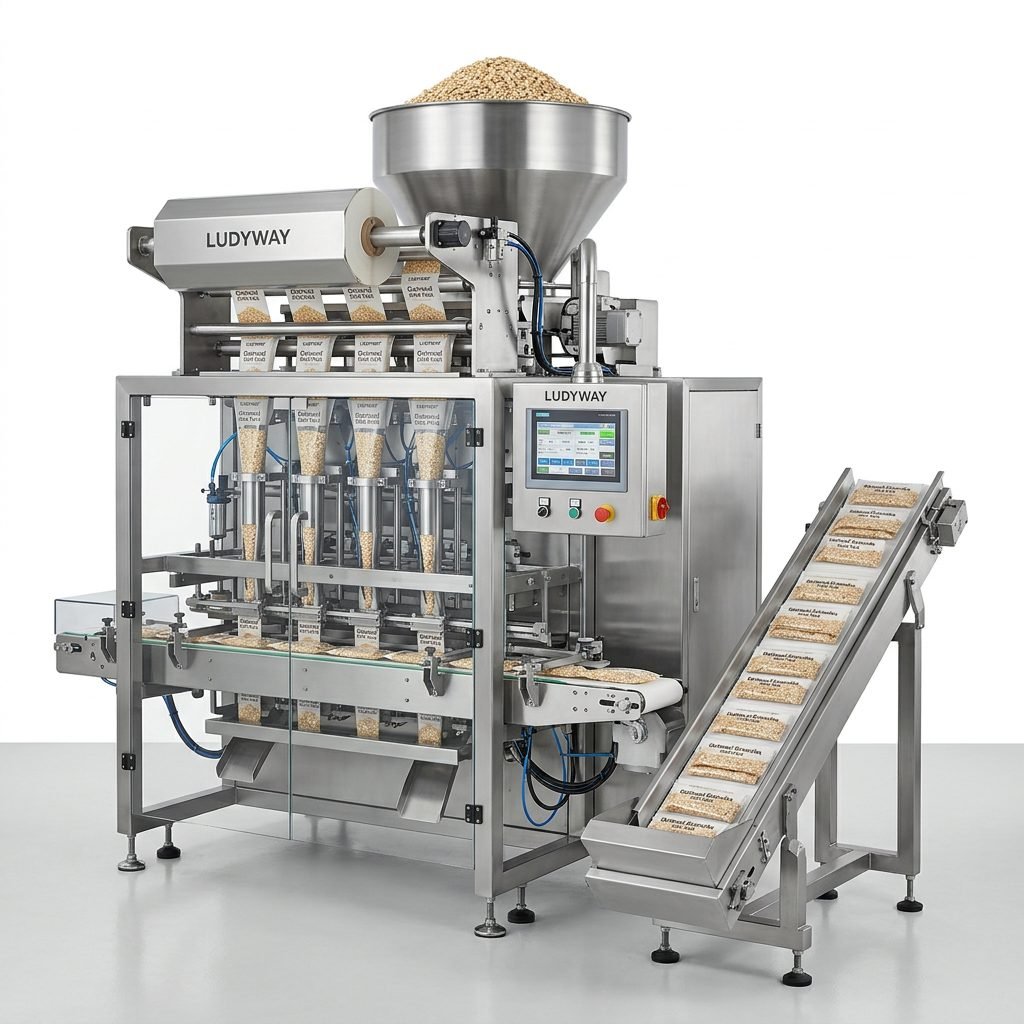
Understanding the Southeast Asian Ready Meal Market
Southeast Asia’s food processing sector is rapidly modernizing. Countries like Thailand, Vietnam, Indonesia, Malaysia, and the Philippines are seeing a surge in demand for convenient, packaged ready meals. This creates significant opportunities for manufacturers who invest in advanced packaging machinery designed for high-speed, hygienic production.
Key market drivers include:
- Urbanization: Over 50% of ASEAN’s population now lives in urban areas.
- Retail Modernization: Rapid expansion of supermarkets and convenience stores.
- E-commerce Growth: Online food delivery and packaged meal subscriptions.
- Halal Certification: Critical requirement for the majority-Muslim markets like Indonesia and Malaysia.
Phase 1: Strategic Planning and Site Preparation
Before purchasing any ready meal packaging line, conduct a thorough feasibility study. Your production facility must comply with ASEAN Good Manufacturing Practices (GMP) and local food safety regulations. Consider the following critical factors:
Facility Layout and Hygiene Zones
A properly designed layout separates raw material handling from cooked product zones. Implement a linear flow from ingredient preparation to cooking, rapid cooling, packaging, and cold storage. This minimizes cross-contamination risks and meets HACCP principles.
Utility Requirements in Tropical Climates
Southeast Asia’s high humidity and temperatures demand robust HVAC systems. Your packaging environment must maintain temperatures below 25°C for most ready meal operations. Ensure stable electrical supply with backup generators, as power fluctuations are common in some regions.
Phase 2: Selecting the Right Packaging Equipment
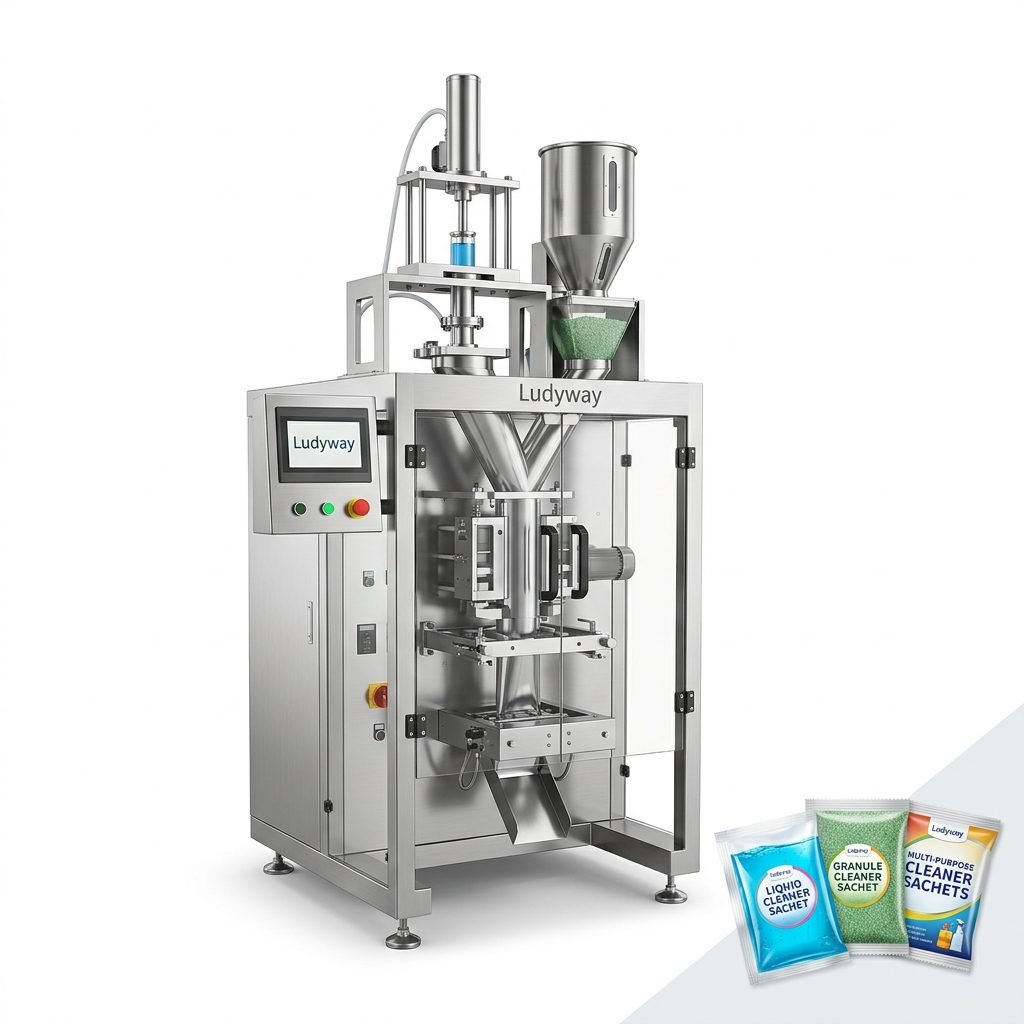
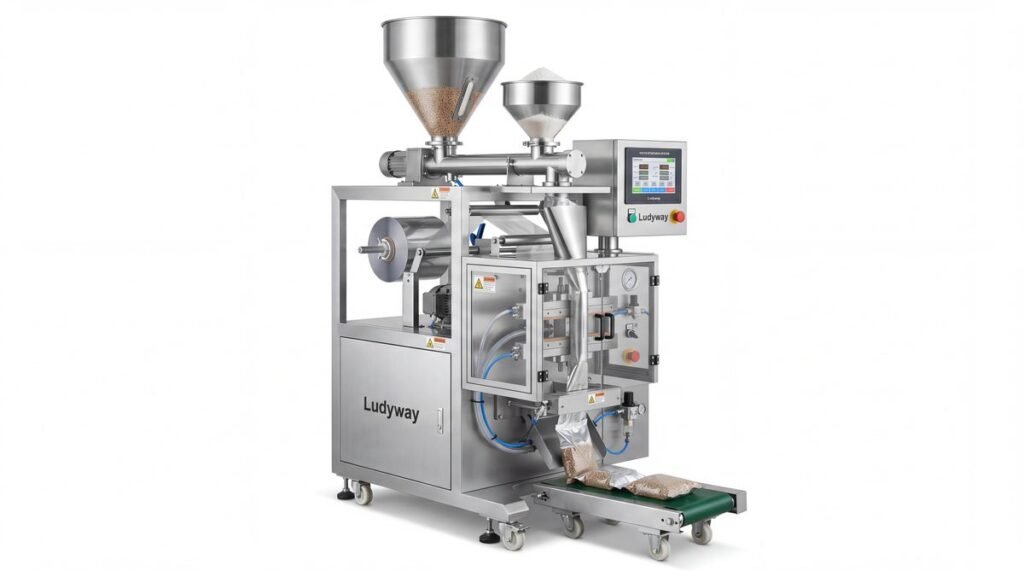
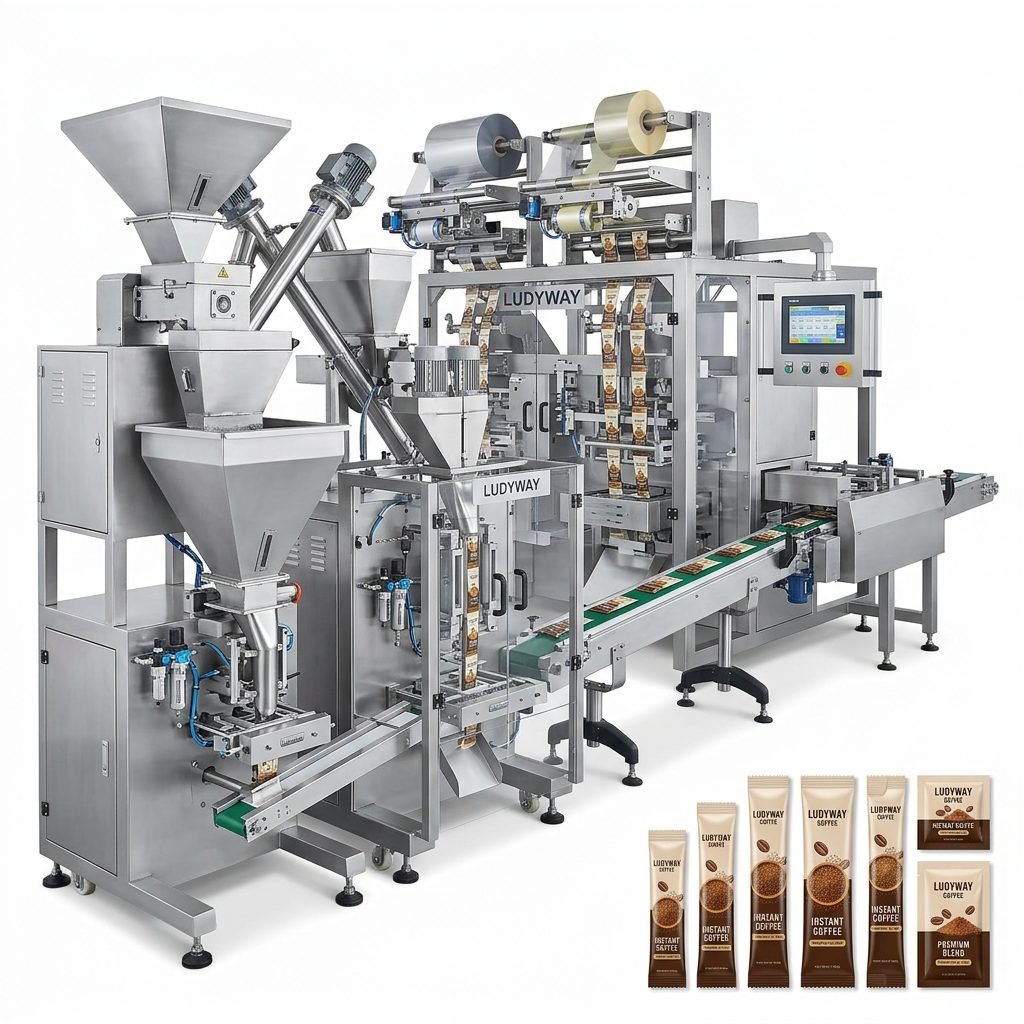
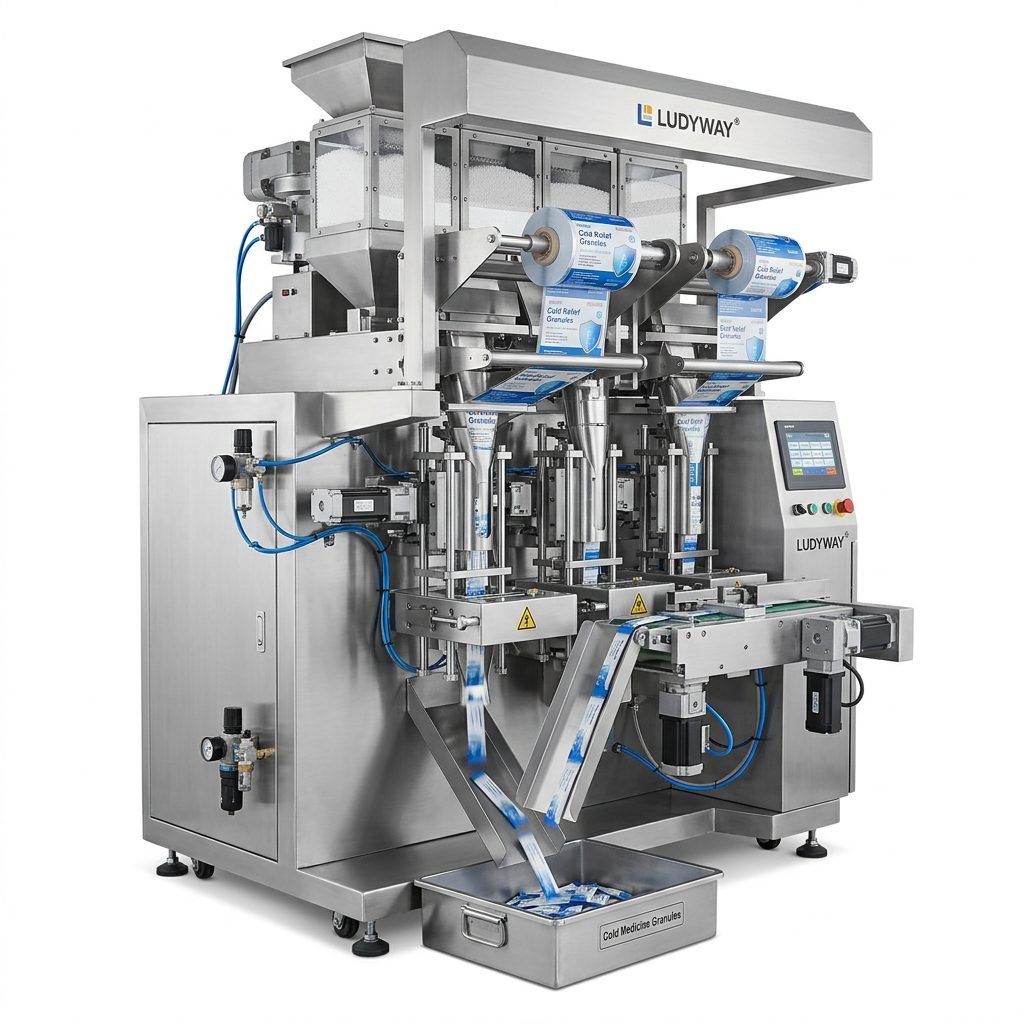
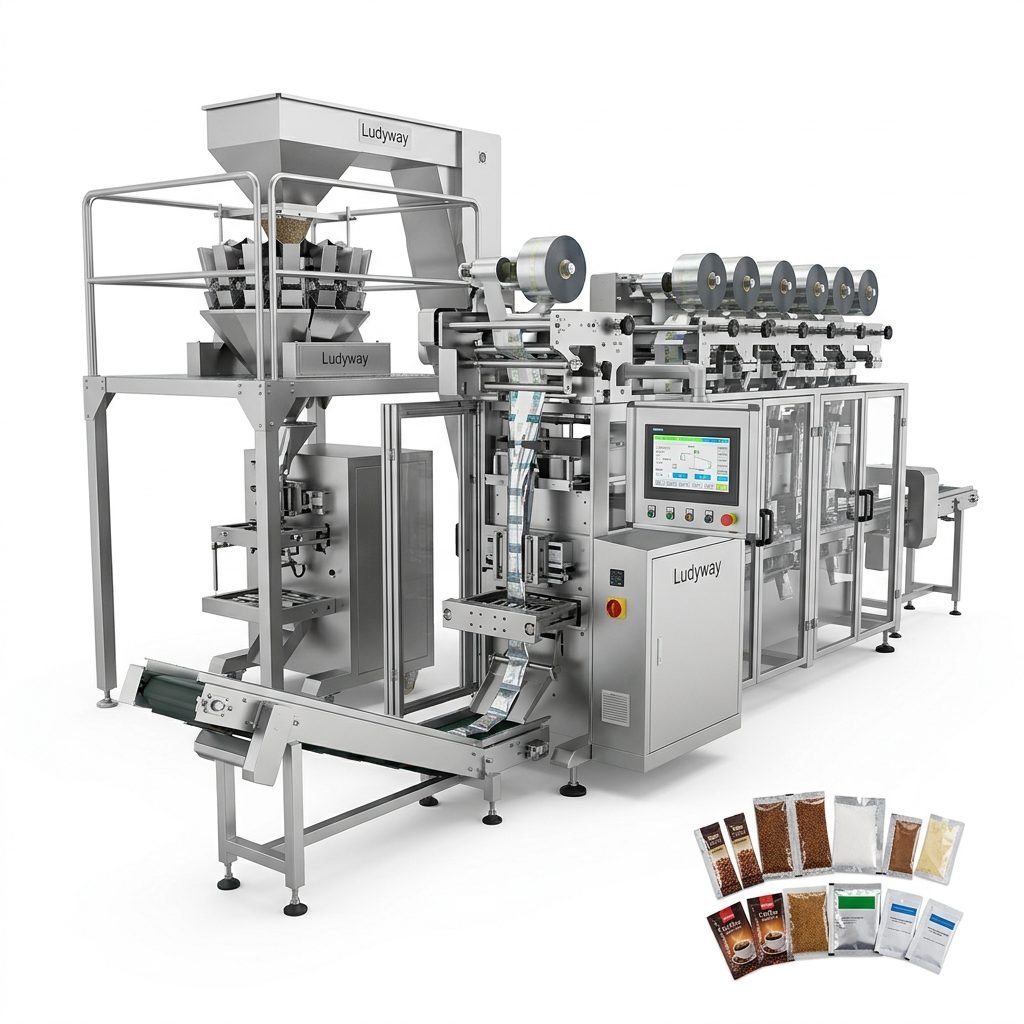
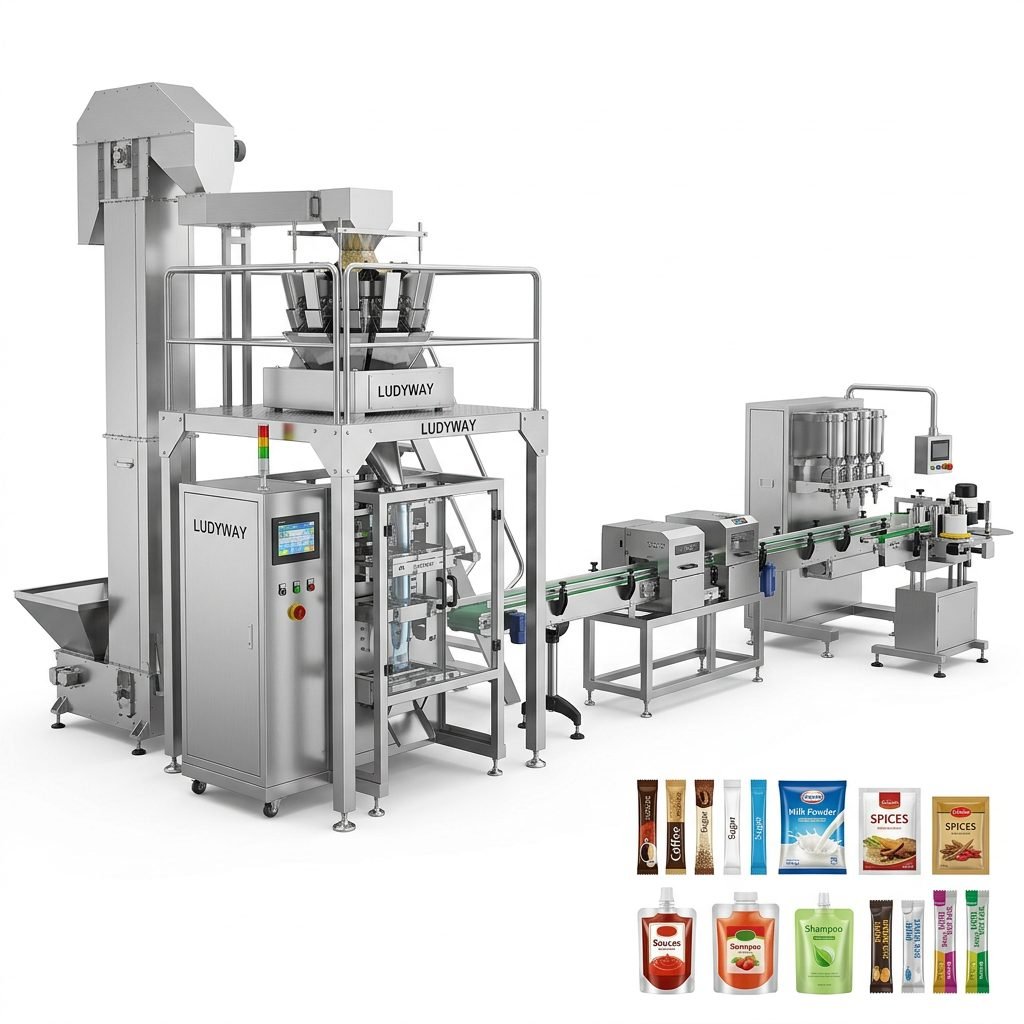
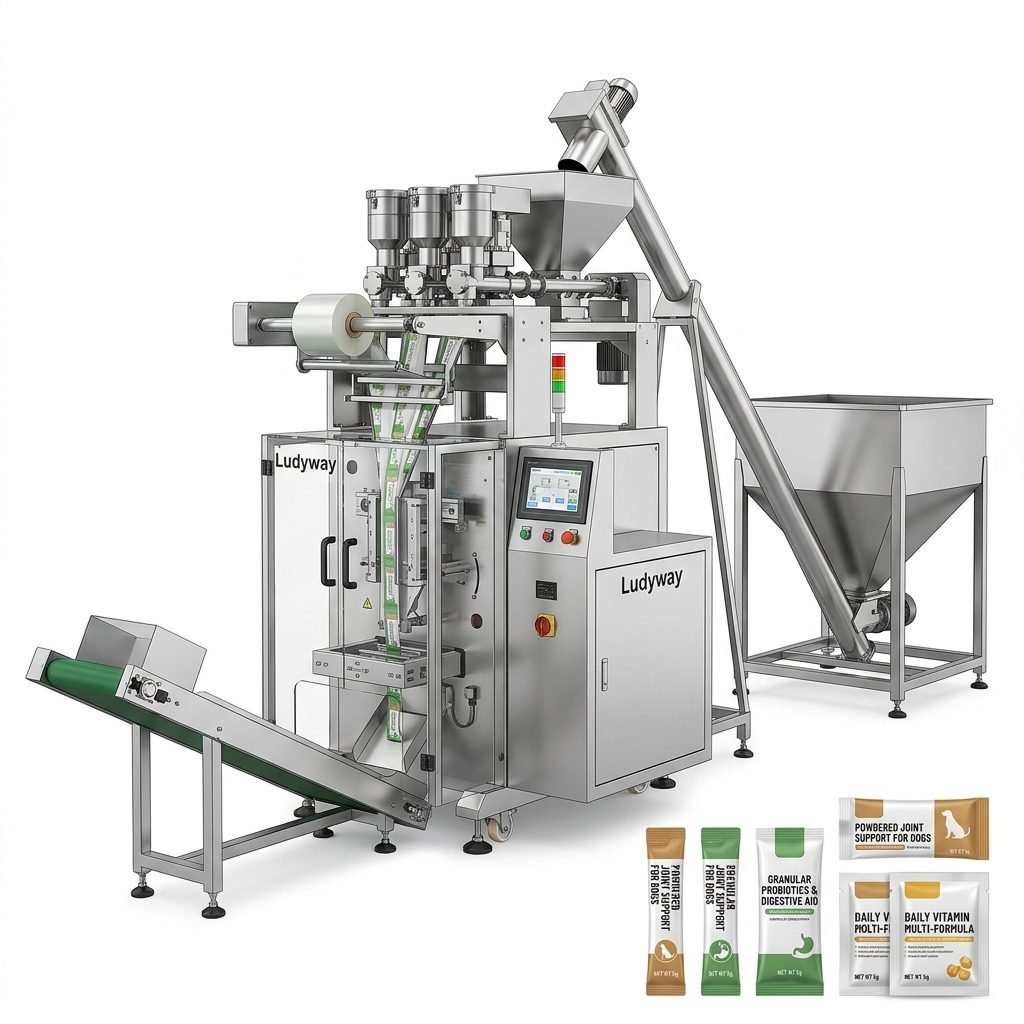
Choosing the correct ready meal packaging machine is the cornerstone of your production line. The equipment must handle various formats such as tray sealing, pouch packaging, stick packs, and sachets depending on your product range.
Core Machinery Categories
An efficient production line integrates several key machines:
| Machine Type | Function | Key Considerations |
|---|---|---|
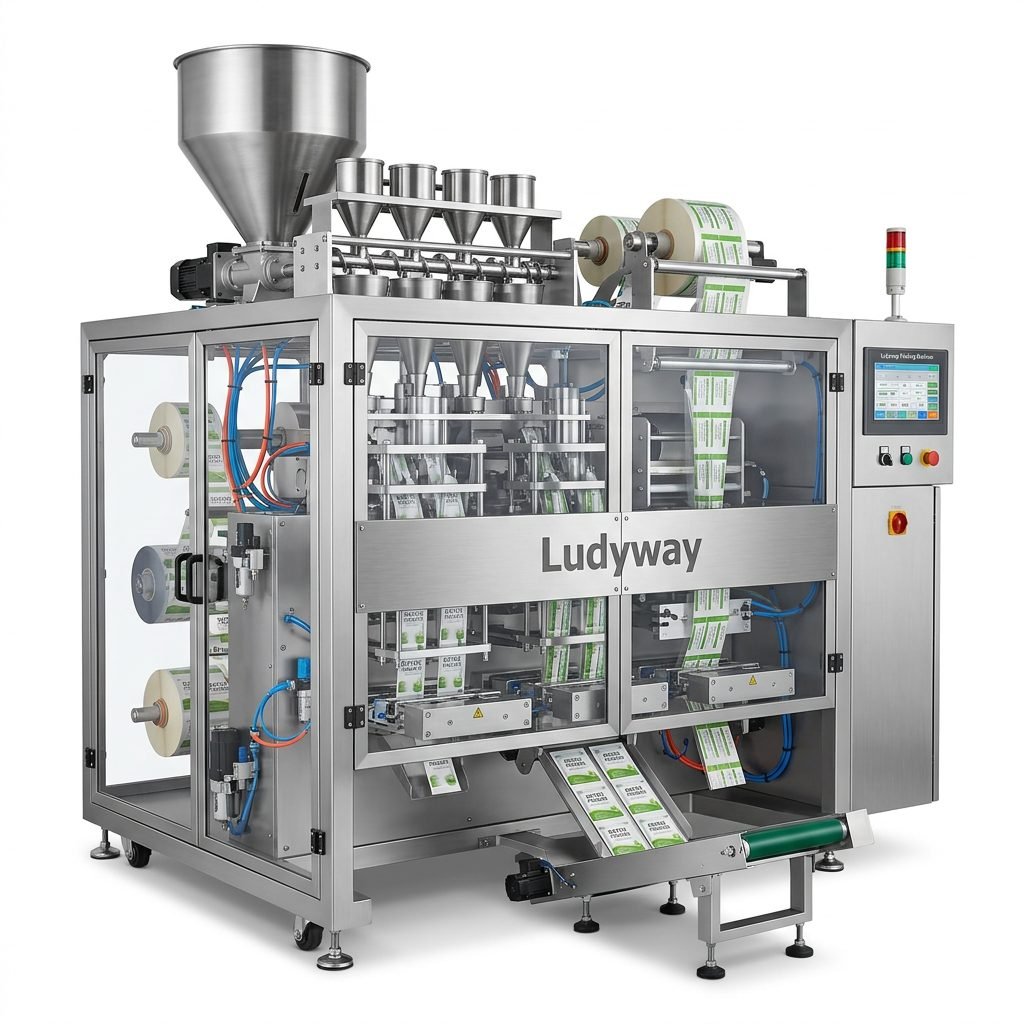
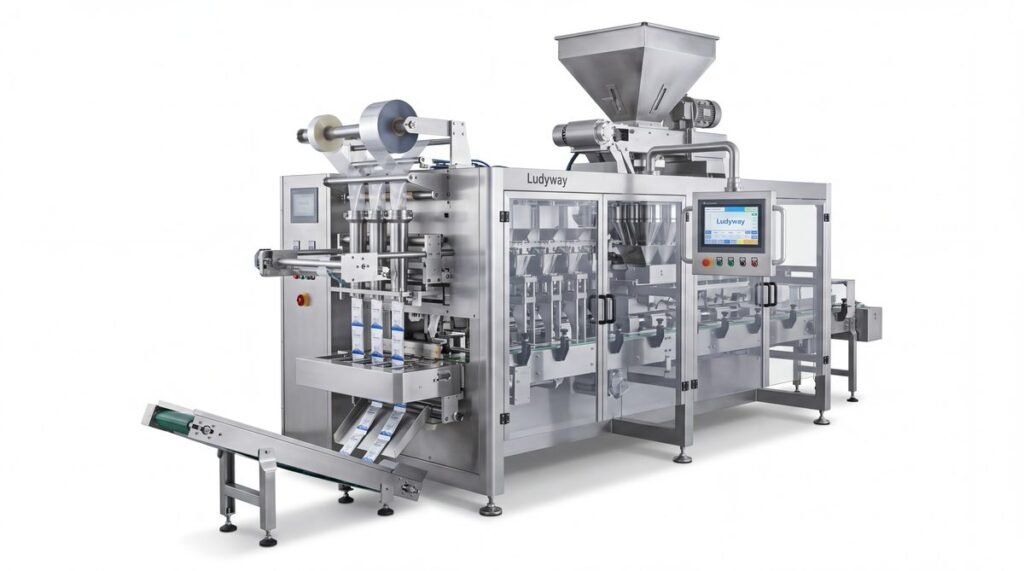
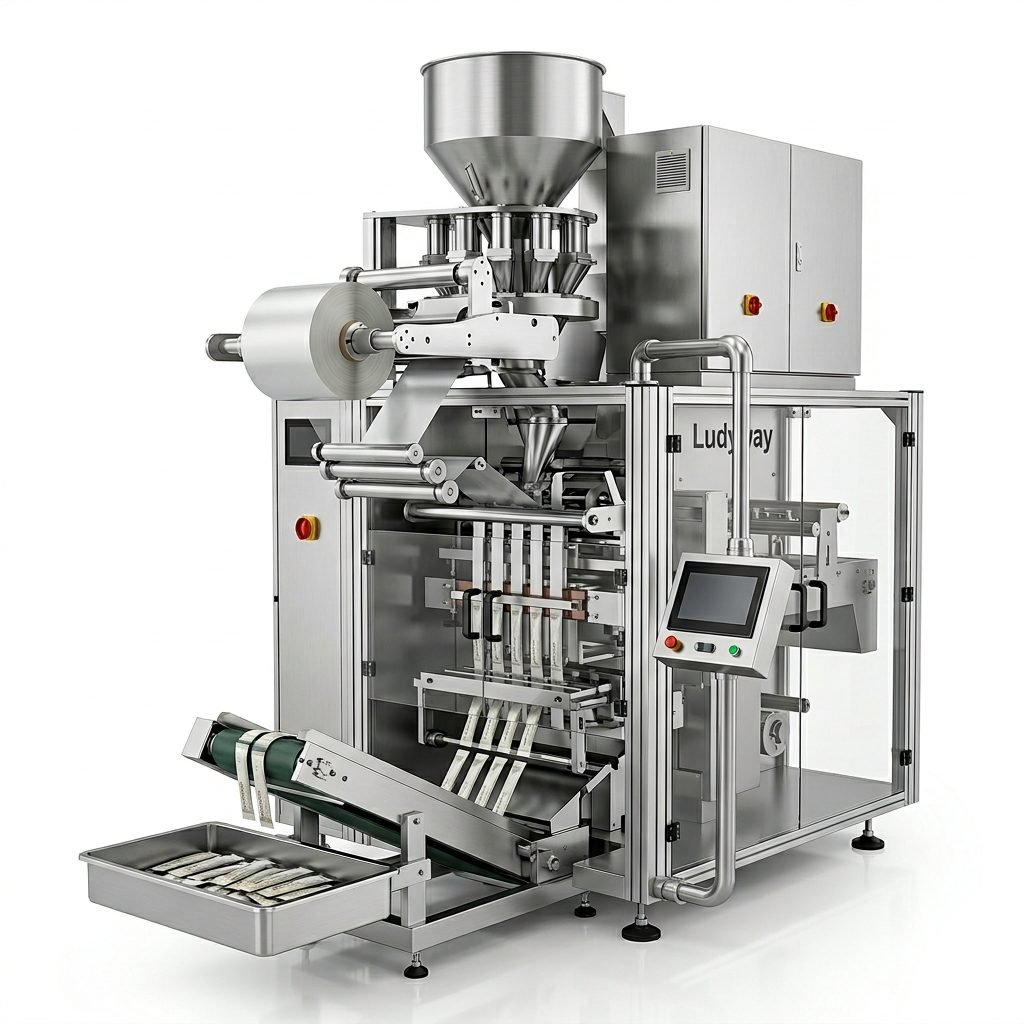
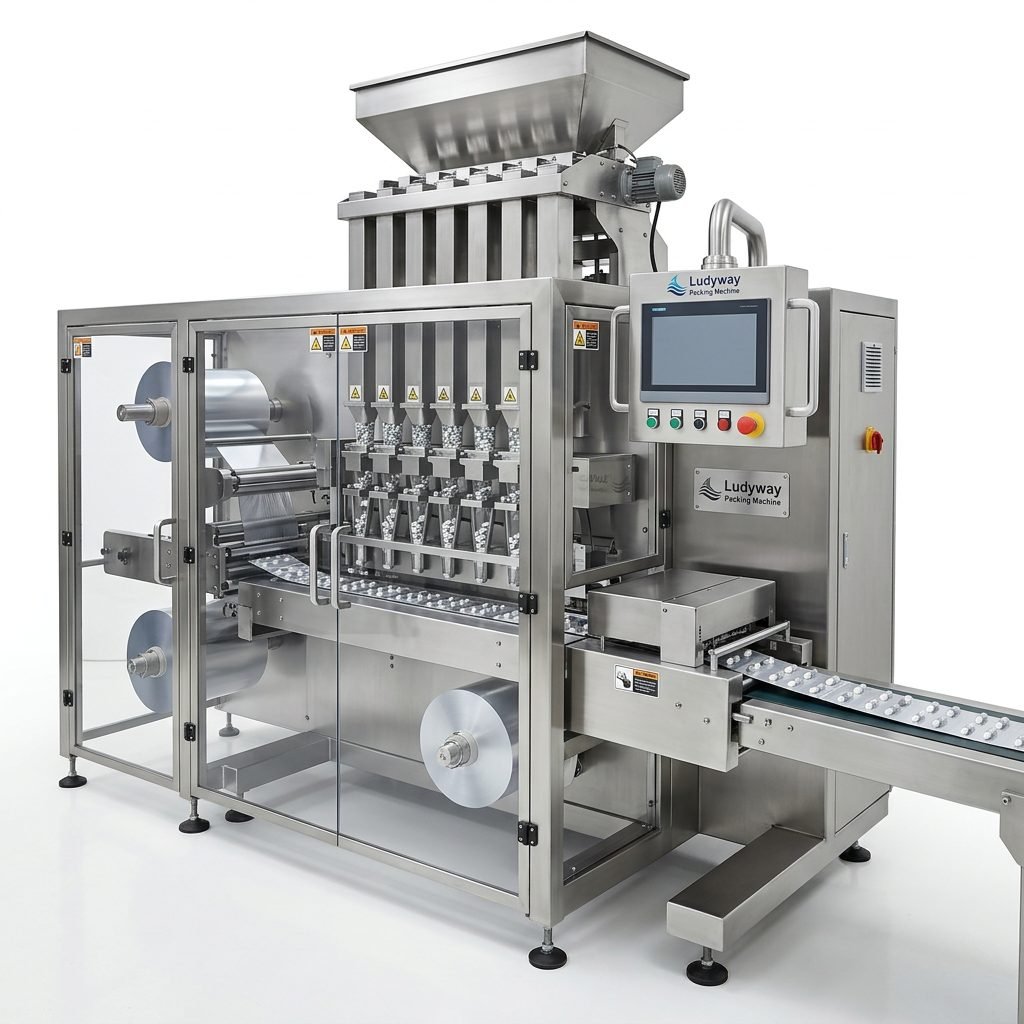
| Multi-Lane Stick Pack Machine | Powder/granule/liquid filling into stick packs | Speed, lane count, filling accuracy |
| Tray Sealing Machine | Sealing pre-formed trays with film | MAP capability, seal integrity |
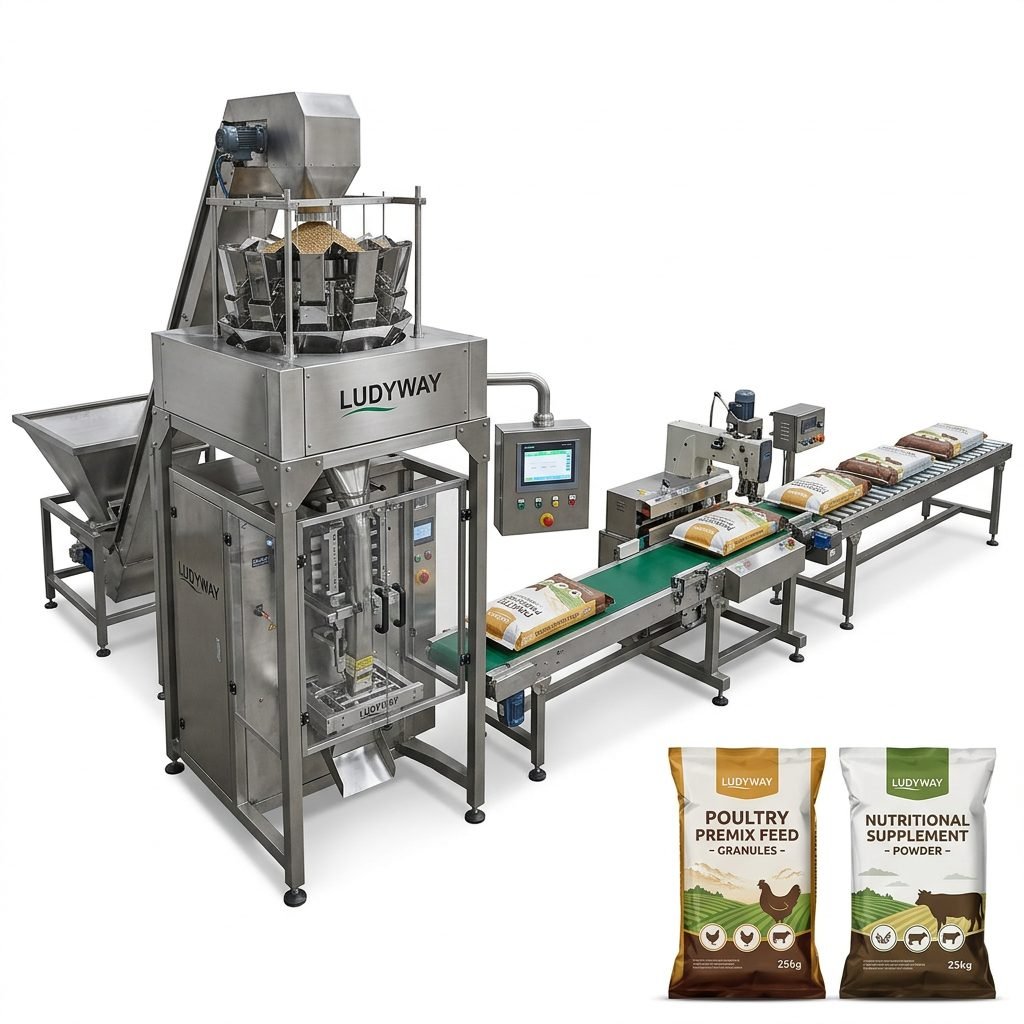
| Pre-Made Pouch Filler | Filling and sealing pre-made pouches | Pouch size range, output rate |
| Automated Weighing System | Precise multi-head weighing | Accuracy, product compatibility |
Why Multi-Lane Technology Matters
For high-volume ready meal components like seasoning sachets, sauce sticks, and instant soup packets, multi-lane stick pack machines offer unmatched efficiency. A professional packaging line provider like Ludyway offers systems with up to 20 lanes, producing thousands of packs per minute while maintaining precision filling.
Phase 3: Installation and Commissioning
Proper installation is critical for long-term reliability. Work with an experienced packaging line integrator who understands local conditions. The process typically includes:
Step-by-Step Commissioning Process
- Foundation and Utility Setup: Ensure level floors, proper drainage, compressed air lines, and electrical connections.
- Equipment Positioning: Arrange machines in sequence according to your process flow diagram.
- Calibration and Testing: Fine-tune fill weights, sealing temperatures, and timing parameters.
- Operator Training: Train local staff on machine operation, cleaning, and basic troubleshooting.
- Production Trials: Run at increasing speeds to verify output, quality, and stability.
Phase 4: Regulatory Compliance and Halal Certification
Navigating Southeast Asia’s regulatory landscape is essential. Food packaging standards vary by country, but most follow Codex Alimentarius guidelines. Specific requirements include:
| Country | Key Regulatory Body | Halal Requirement |
|---|---|---|
| Indonesia | BPOM / MUI | Mandatory for most food products |
| Malaysia | MOH / JAKIM | Mandatory for halal claims |
| Thailand | FDA Thailand | Voluntary but recommended |
| Vietnam | VFA / MOH | Required for halal-labeled products |
Your packaging materials must also comply with food contact material regulations. This includes migration testing for films, inks, and adhesives used in flexible packaging. Work with certified material suppliers to avoid compliance issues.
Phase 5: Optimizing Production Efficiency
After your line is running, focus on continuous improvement. Monitor key performance indicators (KPIs) and implement lean manufacturing principles:
Critical Performance Metrics
- Overall Equipment Effectiveness (OEE): Target >85% for world-class operations.
- Changeover Time: Minimize downtime between product runs using SMED techniques.
- Waste Reduction: Optimize film usage and minimize product giveaway.
- Energy Consumption: Track power usage per unit produced.
Phase 6: Maintenance and After-Sales Support
In Southeast Asia, reliable technical support is crucial. Many regions have limited local service networks for specialized packaging equipment. When evaluating packaging machine suppliers, consider their presence in the region, spare parts availability, and response times.
Preventive Maintenance Schedule
Implement a structured maintenance program:
- Daily: Clean product contact surfaces, check seal integrity, inspect sensors.
- Weekly: Lubricate moving parts, verify temperature controls, check belt tension.
- Monthly: Calibrate weighing systems, inspect electrical connections, replace worn components.
- Quarterly: Comprehensive machine audit, software updates, major component inspection.
Cost Considerations and ROI Analysis
Investing in a ready meal packaging production line in Southeast Asia requires significant capital. However, the return on investment can be substantial given the region’s market growth. Key cost factors include:
| Cost Category | Estimated Range (USD) | Notes |
|---|---|---|
| Packaging Machinery | $50,000 – $500,000+ | Depends on automation level and capacity |
| Facility Setup | $30,000 – $150,000 | Including HVAC, drainage, cleanroom |
| Installation and Training | $10,000 – $40,000 | Technical support and operator training |
| Annual Maintenance | 5-10% of equipment cost | Spare parts and service contracts |
For deeper insights into packaging industry trends and standards, refer to resources from PMMI business intelligence and the Flexible Packaging Association. Additional regulatory guidance is available from the ISO packaging standards repository.
Future-Proofing Your Production Line
The ready meal market continues to evolve. Consider these trends when designing your line:
- Sustainable Packaging: Biodegradable films and reduced material usage.
- Smart Factory Integration: IoT sensors for real-time monitoring and predictive maintenance.
- Flexible Formats: Machines that handle multiple pack styles with quick changeover.
- Clean Label Products: Packaging that preserves products with fewer preservatives.
Key Takeaways
Setting up a ready meal packaging machine production line in Southeast Asia is a complex but rewarding endeavor. Success depends on thorough planning, right equipment selection, regulatory compliance, and ongoing optimization. The region’s dynamic market offers immense potential for manufacturers who invest in quality equipment and build strong local partnerships.
Whether you are launching a new facility or upgrading existing capacity, partnering with an experienced equipment manufacturer ensures you benefit from proven technology and regional expertise. Ludyway is one of the largest packaging machine manufacturers in China, specializing in advanced packaging equipment and turnkey production solutions for the food, pharmaceutical, and health industries. With over 30 years of industry expertise, we provide reliable and efficient packaging solutions for granule, powder, liquid, and pouch packaging applications.