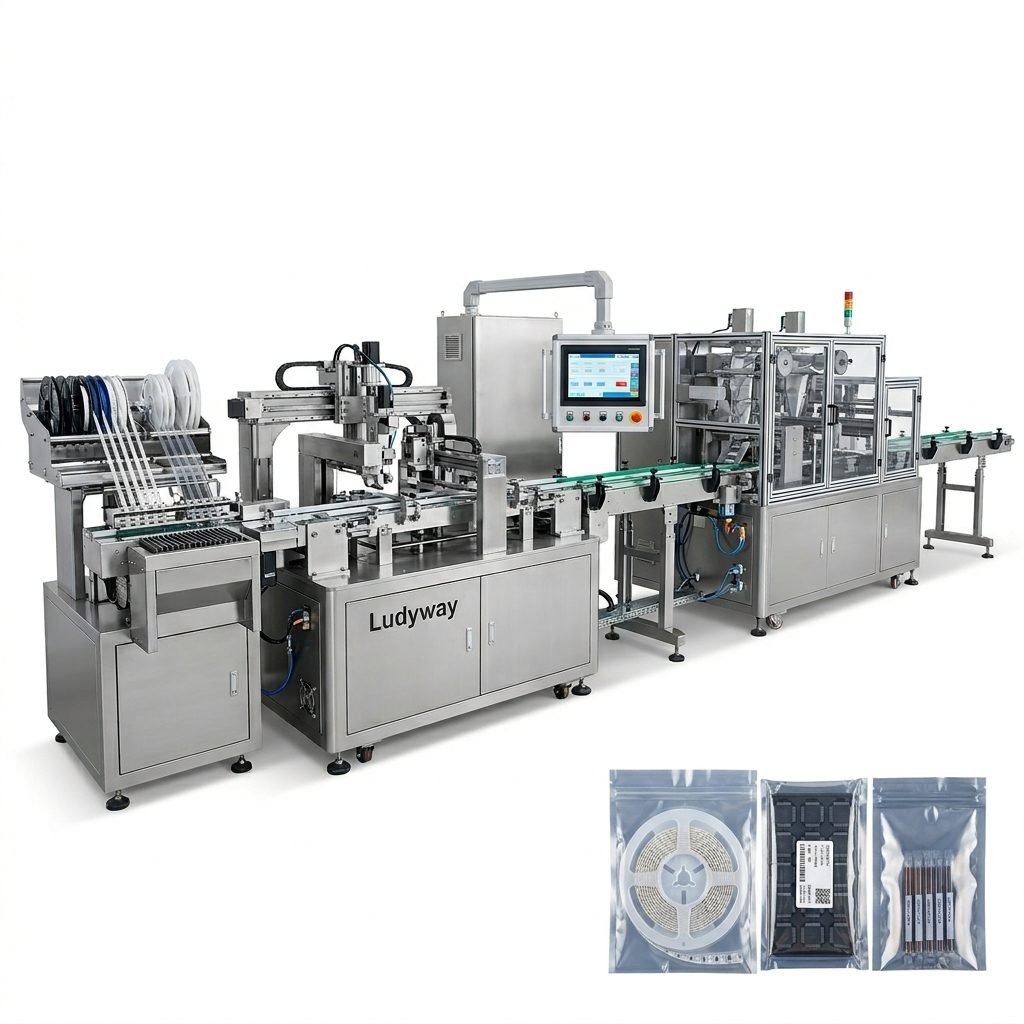
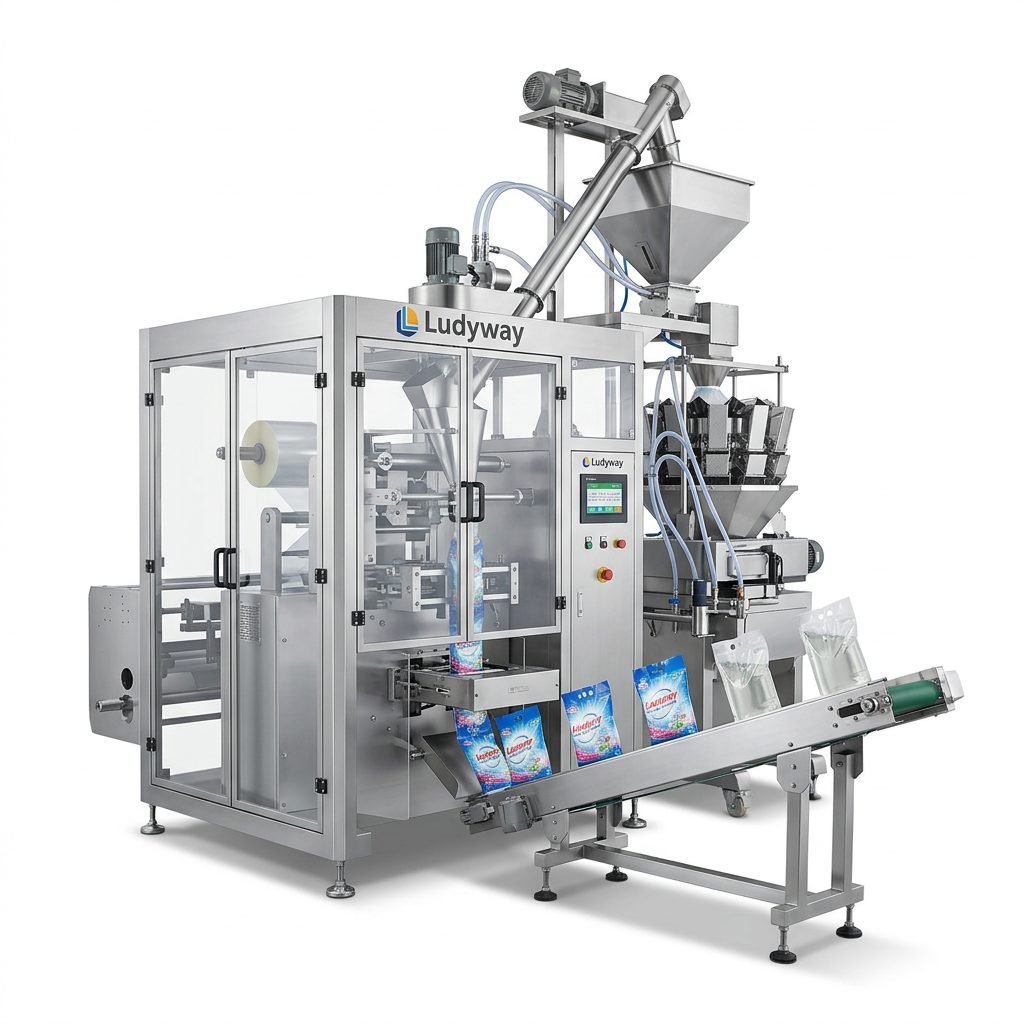
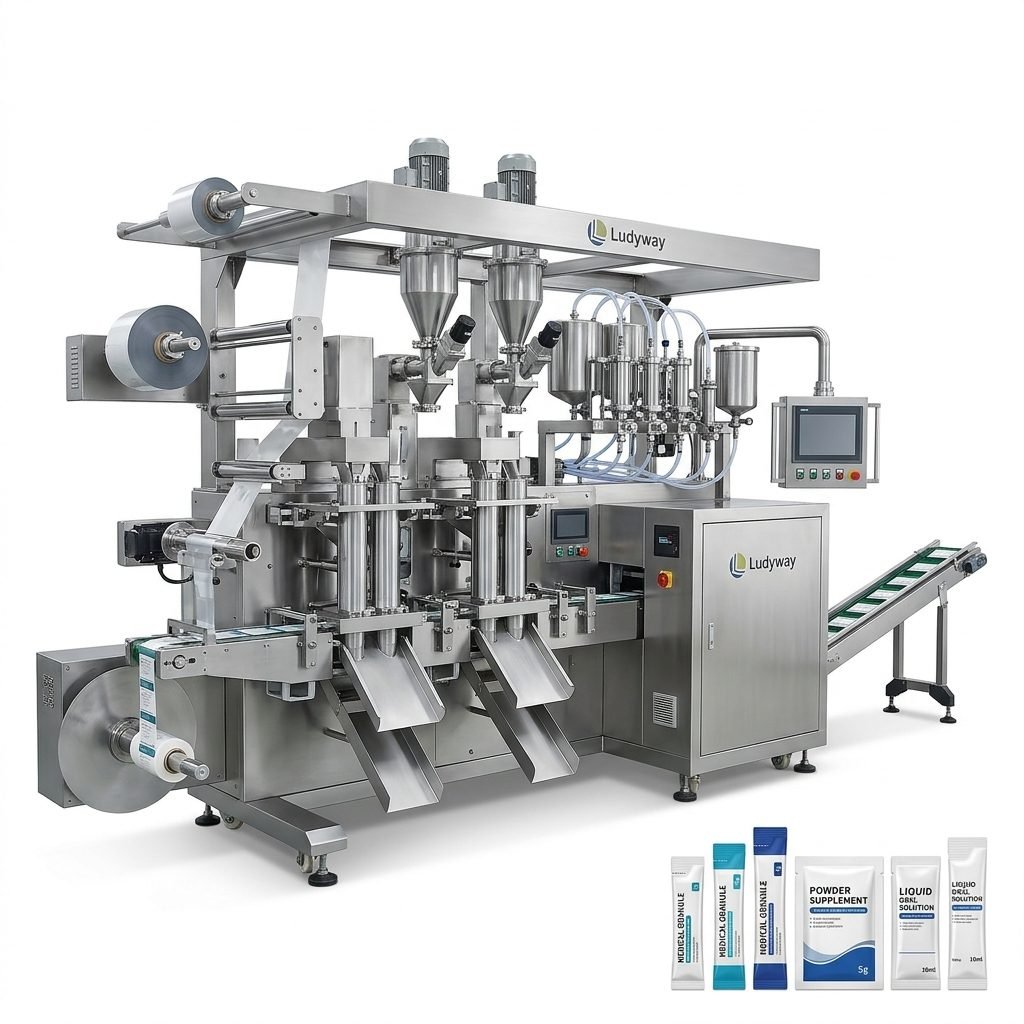
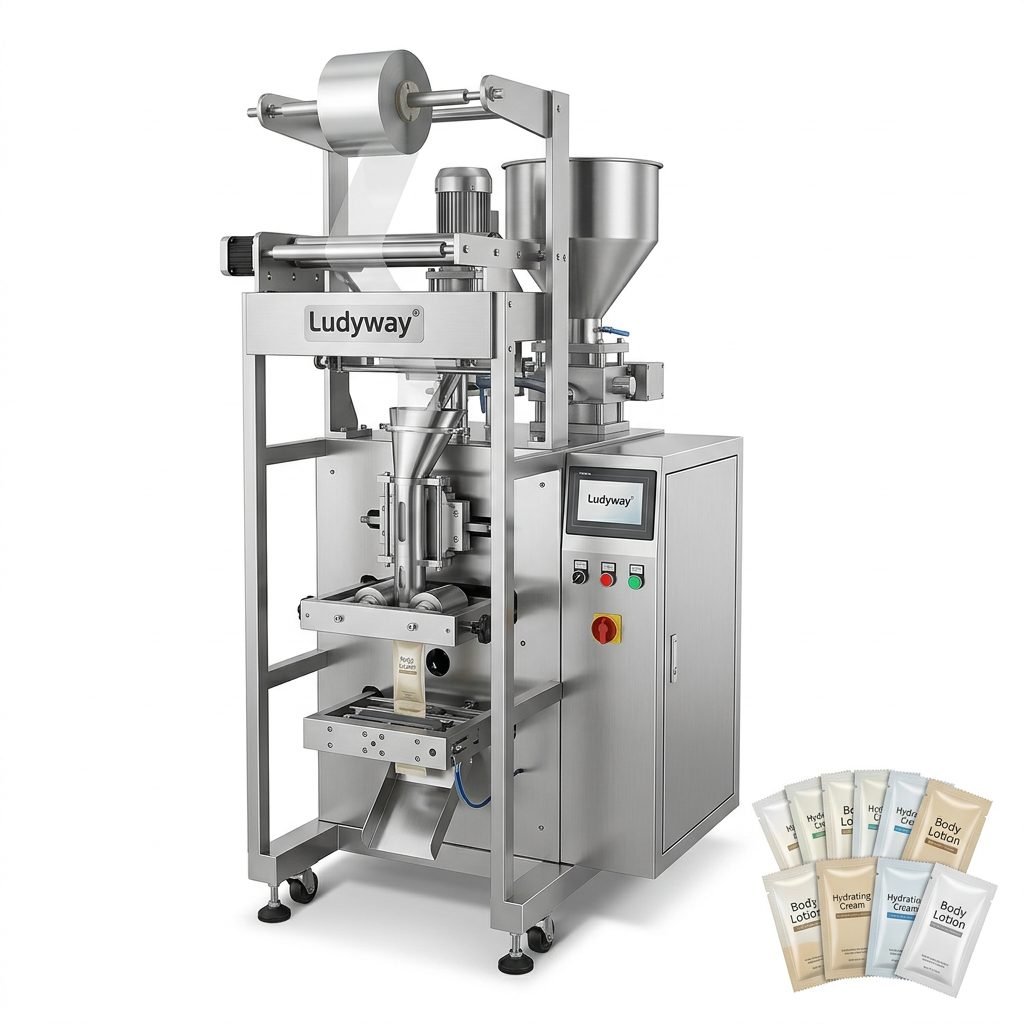
Investing in a tiffin packing machine is a strategic decision for food manufacturers, meal delivery services, and catering businesses looking to scale operations, improve consistency, and reduce labor costs. Whether you are packaging ready-to-eat meals, dry snacks, or multi-compartment lunch boxes, selecting the right equipment requires a thorough understanding of your production goals, product characteristics, and packaging requirements. This guide walks you through the essential factors to consider before purchasing a tiffin packing machine.
Understanding Tiffin Packing Machines
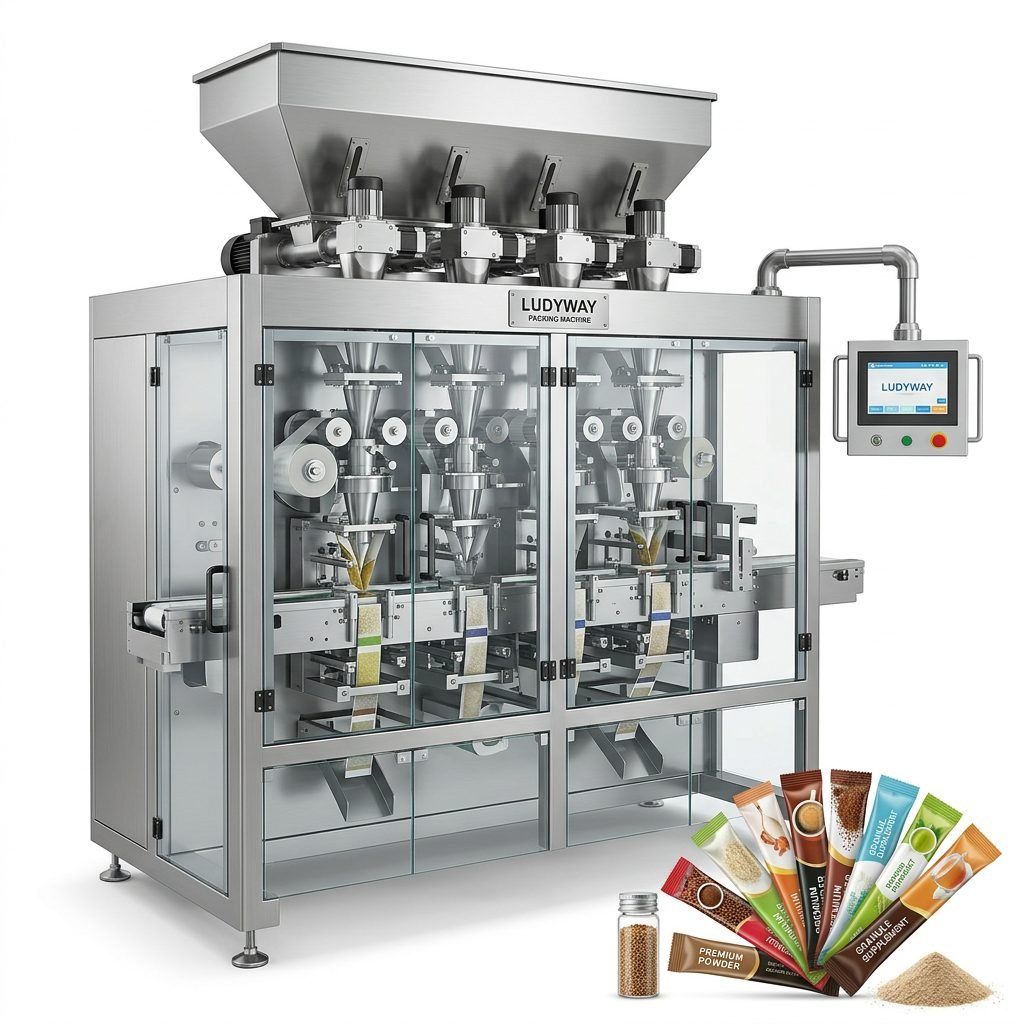
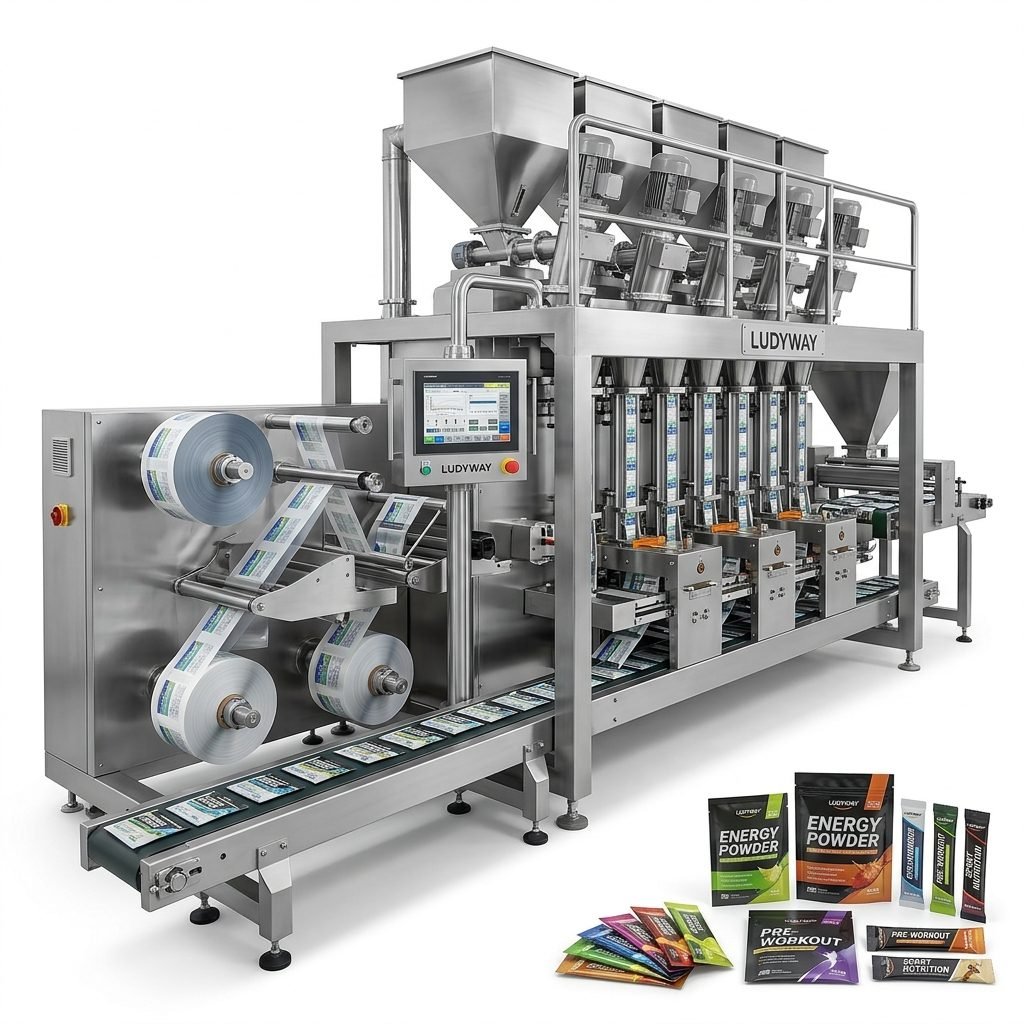
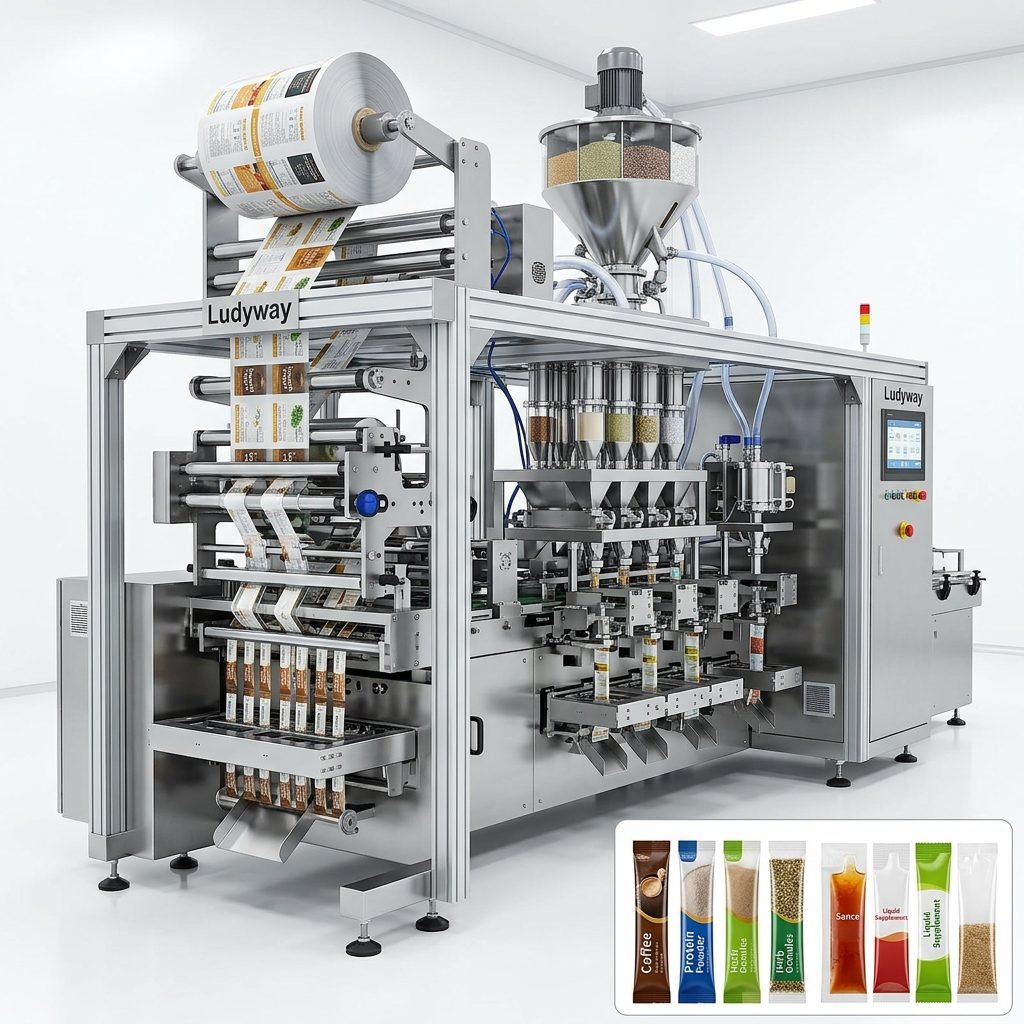
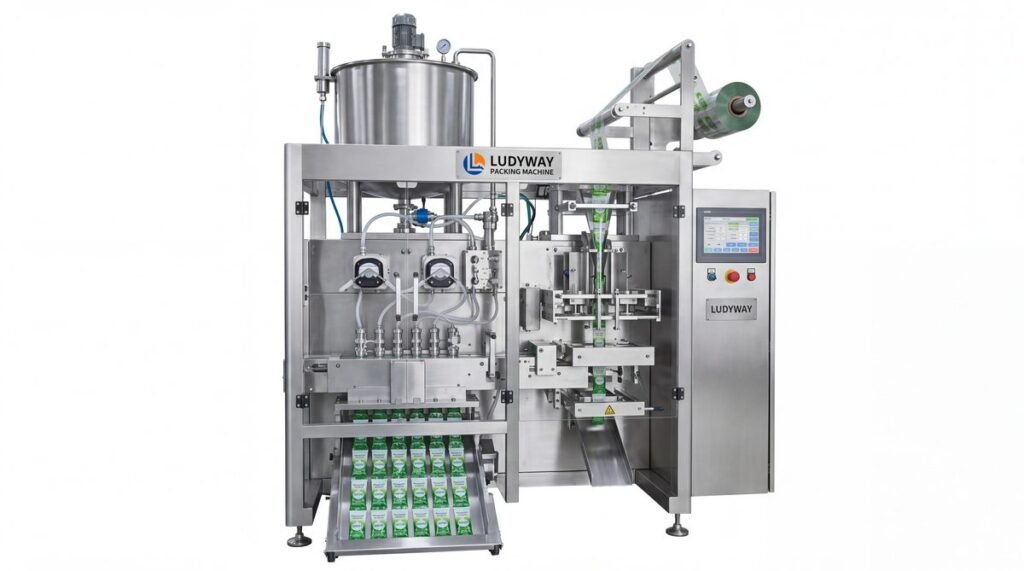
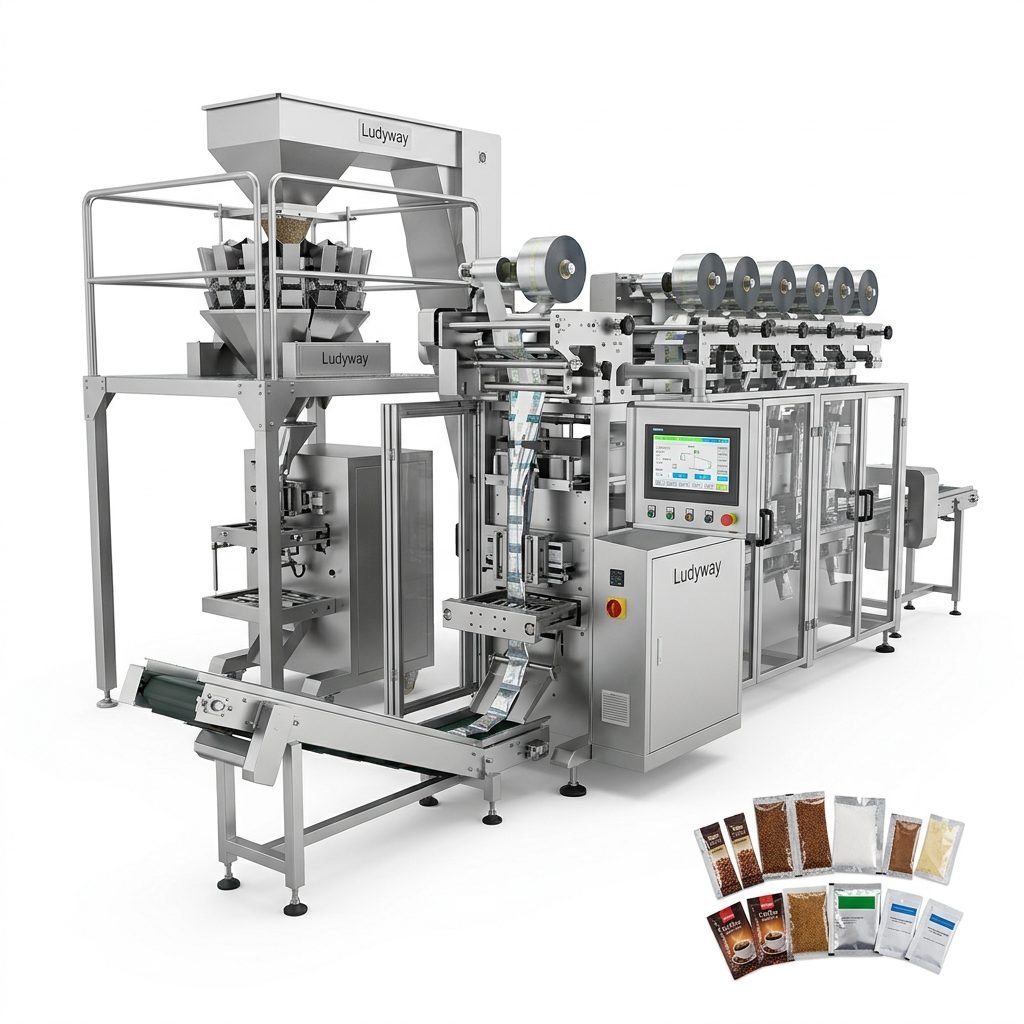
A tiffin packing machine refers to automated equipment designed to fill, seal, and package food products into various container formats — including multi-compartment trays, pouches, sachets, stick packs, and traditional tiffin-style containers. These machines are widely used across the flexible packaging industry for applications ranging from ready-to-eat meals and snack foods to powdered beverages and condiments. Modern systems can handle diverse product types including granules, powders, liquids, pastes, and solid pieces, making them versatile assets in food production environments.
Key Factors to Consider When Choosing a Tiffin Packing Machine
Production Capacity and Speed
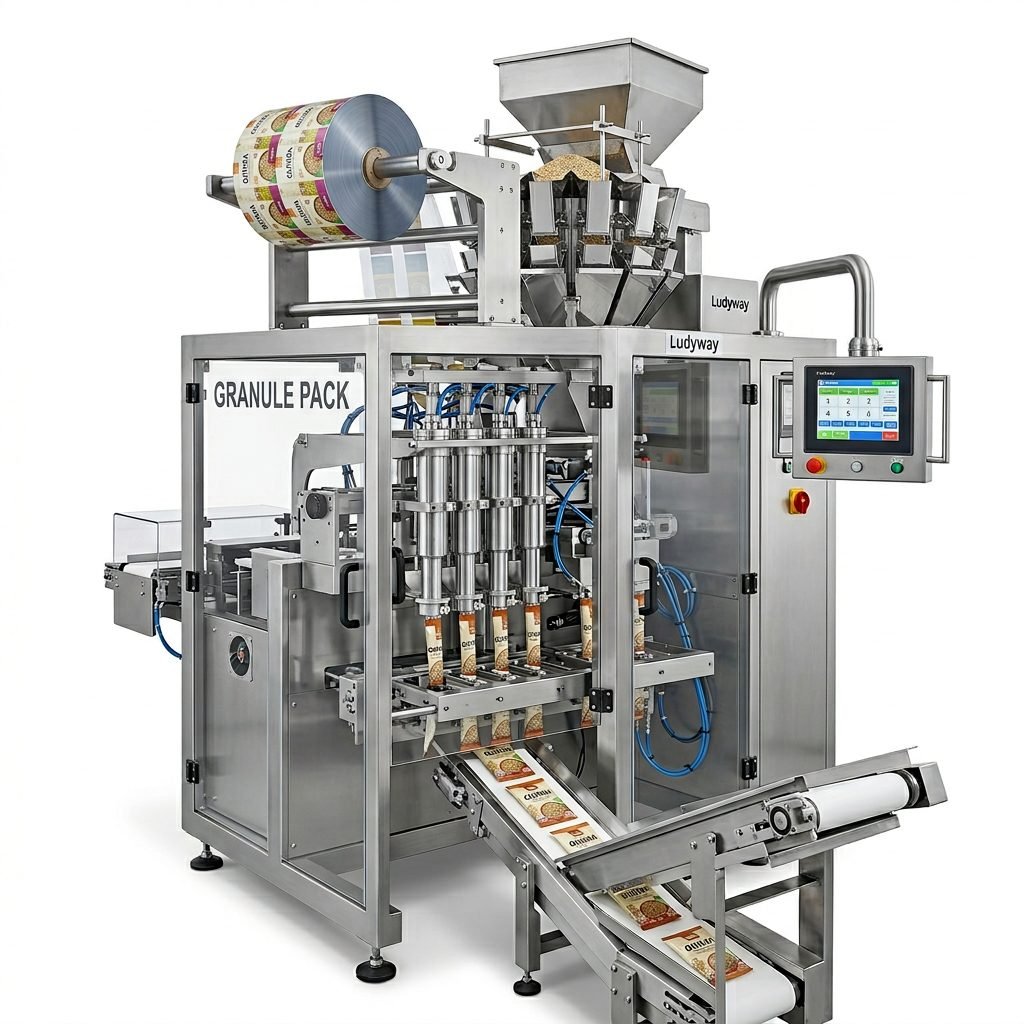
One of the first parameters to evaluate is the required production output. How many units do you need to pack per hour or per day? Entry-level machines may handle 20 to 40 packs per minute, while high-speed multi-lane tiffin packing machines can reach speeds of 200 to 400 packs per minute or more. Your current and projected production volumes should directly inform the machine specification. Underestimating future demand can lead to costly upgrades or replacements within a short timeframe.
Product Characteristics
The physical properties of your food product significantly influence machine selection. Consider the following attributes:
- Product form: Is it a dry granule, fine powder, liquid, paste, or solid piece? Each requires a specific dosing and filling mechanism such as auger fillers, volumetric cup fillers, piston fillers, or multi-head weighers.
- Flowability: Free-flowing products like sugar or salt behave differently from cohesive powders like protein blends or spice mixes, affecting hopper design and agitation requirements.
- Hygroscopicity: Moisture-sensitive products may require nitrogen flushing or vacuum sealing to extend shelf life.
- Temperature sensitivity: Products like chocolate or certain dairy-based items need controlled temperature environments during the packaging process.
Packaging Format and Material
Tiffin packing machines can be configured for multiple packaging styles. The most common formats include:
- Stick packs: Narrow, elongated sachets ideal for single-serve powders, sugar, coffee, and seasoning mixes
- Sachets: Flat three- or four-side sealed pouches for sauces, condiments, shampoos, and liquid products
- Multi-compartment trays: Suitable for traditional tiffin-style meals with separate sections for rice, curry, and sides
- Pouches: Stand-up or flat pouches with zipper closures for larger portions and premium presentation
- Premade pouches: Ready-made bags that are opened, filled, and sealed — popular for ready-to-eat meals
Your choice of packaging material — whether laminate films, aluminum foil, paper-based materials, or biodegradable options — must be compatible with the machine’s sealing and forming capabilities. Always verify material specifications with your machine supplier before finalizing a purchase.
Automation Level and Integration
Decide whether you need a standalone machine or a fully integrated packaging line. A basic tiffin packing machine may only handle filling and sealing, while a complete turnkey solution can include product feeding, dosing, filling, sealing, coding, inspection, cartoning, and palletizing — all connected in one seamless workflow. The level of automation you choose affects not only initial investment but also long-term labor requirements, operational efficiency, and production consistency.
Technical Specifications to Evaluate
When comparing different models, use the following technical checklist to ensure the machine meets your operational needs. The table below summarizes the key specifications to review with potential suppliers:
| Specification | What to Look For | Why It Matters |
|---|---|---|
| Filling System | Auger, volumetric, piston, multi-head weigher | Directly affects dosing accuracy and product compatibility |
| Number of Lanes | Single-lane to 20+ lanes | Determines production speed and throughput capacity |
| Sealing Technology | Heat seal, ultrasonic, or vacuum | Critical for package integrity and shelf life |
| Control System | PLC with HMI touchscreen | Enables precise parameter control and recipe storage |
| Frame Material | Stainless steel 304 or 316L | Essential for food-grade hygiene and corrosion resistance |
| Changeover Time | Quick-change design with minimal tools | Reduces downtime between product or format changes |
| Power Consumption | Energy-efficient motors and drives | Impacts ongoing operational costs |
| Certifications | CE, ISO, FDA-compatible, GMP | Ensures compliance with international standards and market requirements |
Cost Considerations and ROI Analysis
The price of a tiffin packing machine varies widely depending on configuration, speed, automation level, and additional features. While a basic single-lane machine may start at a lower price point, a high-speed multi-lane automated packaging system with integrated feeding, inspection, and cartoning represents a significantly larger investment. When calculating return on investment, factor in not only the purchase price but also installation costs, operator training, maintenance expenses, spare parts availability, and expected production uptime. Industry data from PMMI suggests that well-specified packaging machinery typically achieves full ROI within 18 to 36 months through labor savings, reduced material waste, and increased throughput.
Supplier Selection Criteria
Choosing the right manufacturer is as important as choosing the right machine. Evaluate potential suppliers based on the following criteria:
- Industry experience: How many years has the company been manufacturing packaging machinery? Do they have expertise in your specific product category and packaging format?
- Manufacturing capabilities: Does the supplier have in-house engineering, assembly, and testing facilities? This directly impacts quality control and customization potential.
- After-sales support: What technical support is available after installation? Look for suppliers offering remote assistance, on-site service, operator training, and readily available spare parts.
- Global presence: A supplier with international service experience is better equipped to handle cross-border logistics, installation, and ongoing support.
- Customization ability: Can the supplier tailor the machine to your unique product characteristics, packaging materials, and factory layout? Standard machines may not suit every application.
- References and case studies: Request examples of similar installations and speak with existing customers about their experience with the equipment and the supplier.

Companies like Ludyway Machinery, a China-based packaging machinery manufacturer with more than 30 years of industry experience and a 20,000-square-meter manufacturing facility, provide integrated packaging solutions across food, pharmaceutical, cosmetic, and chemical industries. With over 50 packaging machine models and a team of more than 130 professionals, Ludyway offers customized tiffin packing machines and turnkey production lines configured to match specific product characteristics, packaging formats, and production speeds. The company serves customers in more than 100 countries and is expected to achieve export revenue of more than RMB 500 million (approximately US$69 million) in 2025, with plans to surpass RMB 1 billion (approximately US$138 million) in 2026.

Testing and Validation Before Purchase
Before finalizing your decision, arrange for a factory acceptance test (FAT) or at minimum request video demonstrations of the machine running with your actual product and packaging material. This step helps verify dosing accuracy, seal integrity, production speed, and overall machine performance under real-world conditions. Many experienced suppliers offer sample testing services where you can send your product for trial runs and receive evaluation reports. Investing time in proper testing before purchase can prevent costly operational issues after installation.
Future-Proofing Your Investment
As your business grows, your packaging needs may evolve. Consider whether the machine you are evaluating can accommodate future requirements such as increased production volumes, new packaging formats, or different product types. A modular packaging system that allows for lane additions, format changeovers, or integration with upstream and downstream equipment provides flexibility that protects your long-term investment. As highlighted in the 2025 State of the Industry report from PMMI, manufacturers increasingly prioritize adaptable machinery that can support multiple SKUs and packaging configurations without requiring complete equipment replacement.
Making the Final Decision
Selecting the right tiffin packing machine requires balancing multiple factors: production requirements, product characteristics, packaging format, automation level, budget, and supplier capability. Start by clearly defining your immediate operational needs and long-term business goals. Request detailed proposals from multiple qualified suppliers, compare technical specifications side by side, and conduct thorough due diligence on each manufacturer’s track record, support infrastructure, and engineering expertise. A well-chosen tiffin packing machine becomes a cornerstone of your production line — delivering consistent quality, improved efficiency, and scalable capacity for years to come. For additional guidance, resources from the Association for Packaging and Processing Technologies (PMMI) offer valuable industry benchmarks and best practices for packaging machinery procurement.