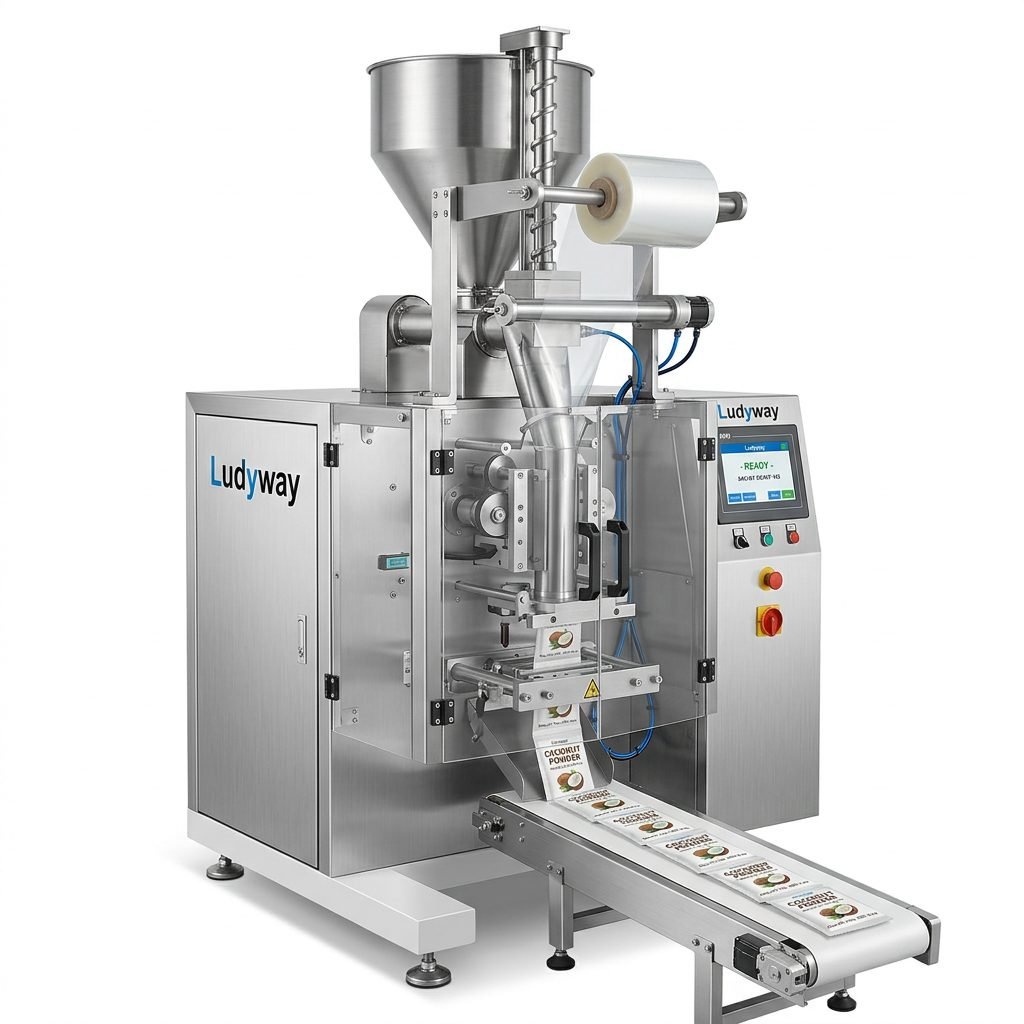
When sourcing packaging machinery for your Canadian operation, the sheer number of suppliers and technical specifications can feel overwhelming. Canadian food processors, pharmaceutical manufacturers, and health supplement companies need equipment that meets strict regulatory standards, handles diverse product formats, and delivers consistent uptime. This guide provides a practical, step‑by‑step approach to identifying reliable packaging machine manufacturers—both domestic and international—with particular emphasis on established Chinese exporters that have been serving the North American market for decades.
Step 1: Define Your Production Requirements Clearly
Before contacting any supplier, map out your specific needs. Consider the following factors:
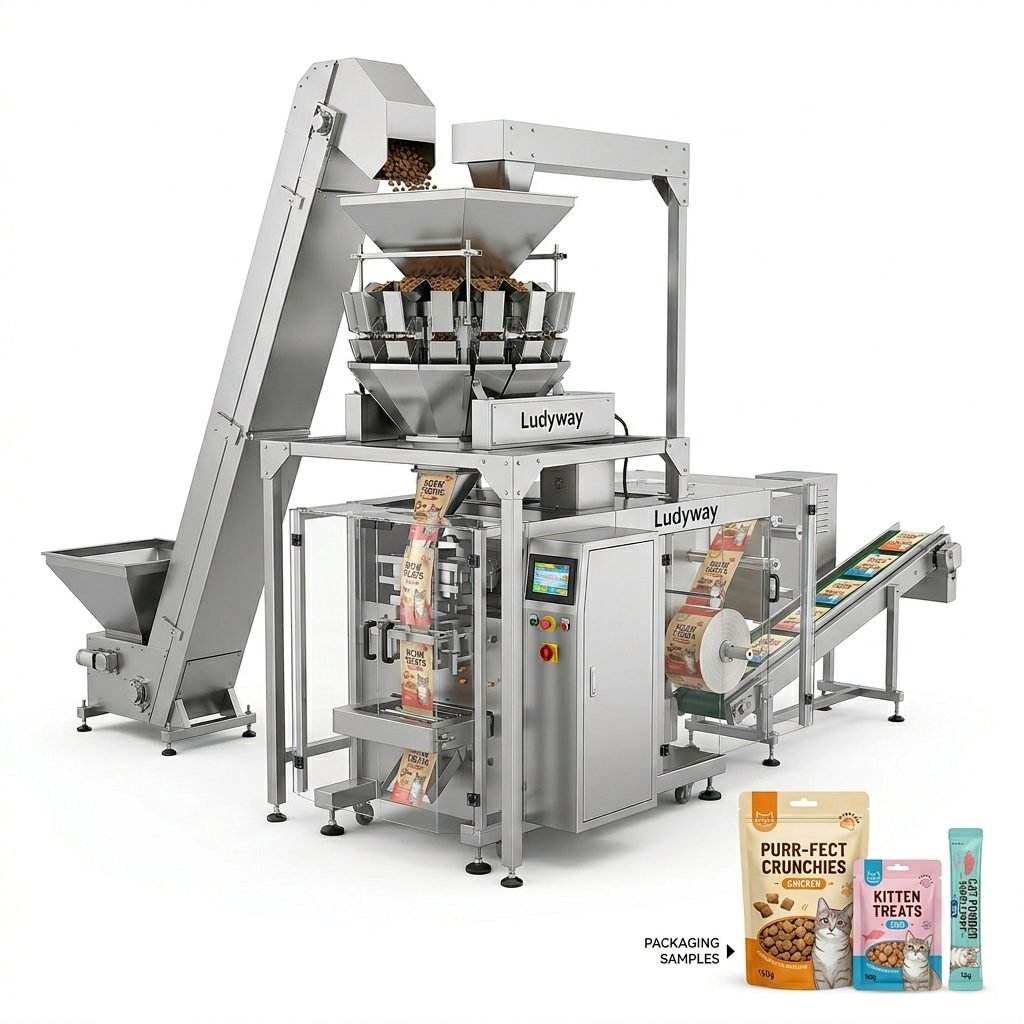
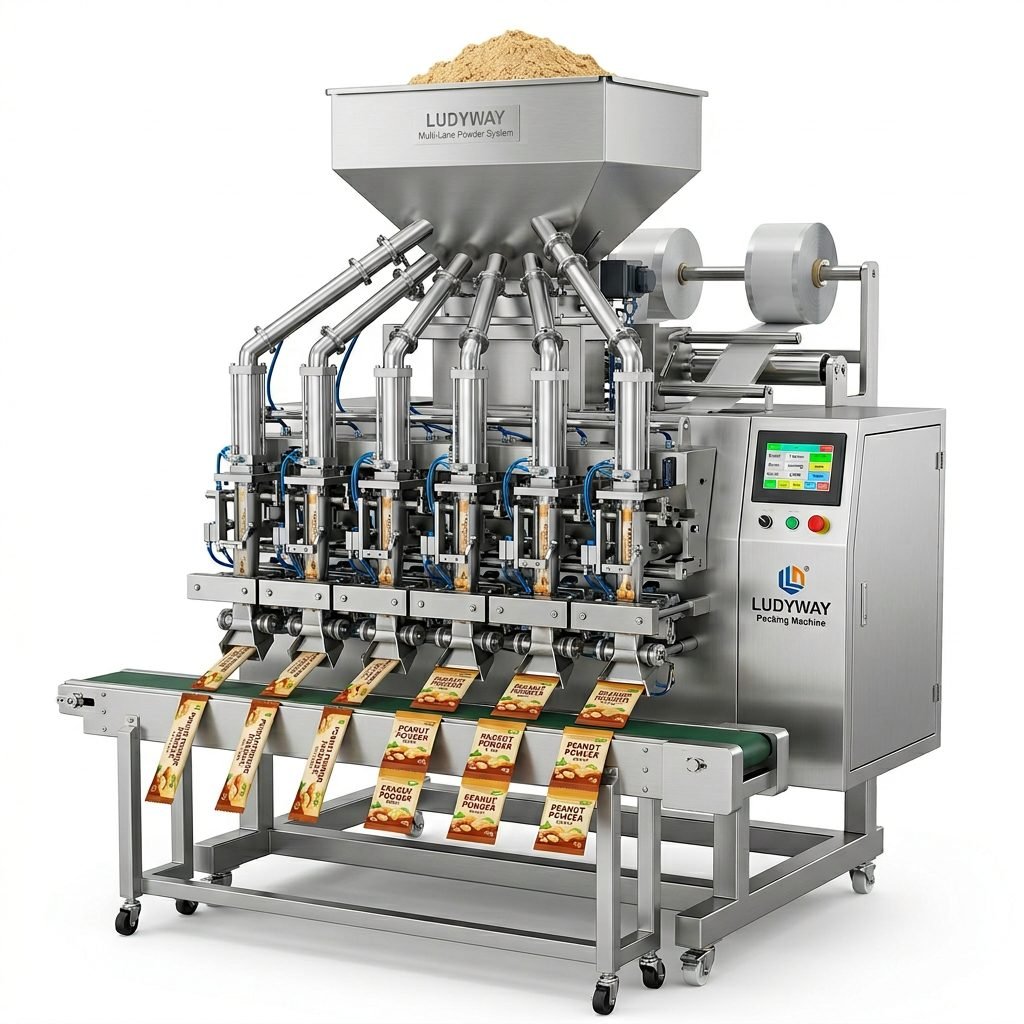
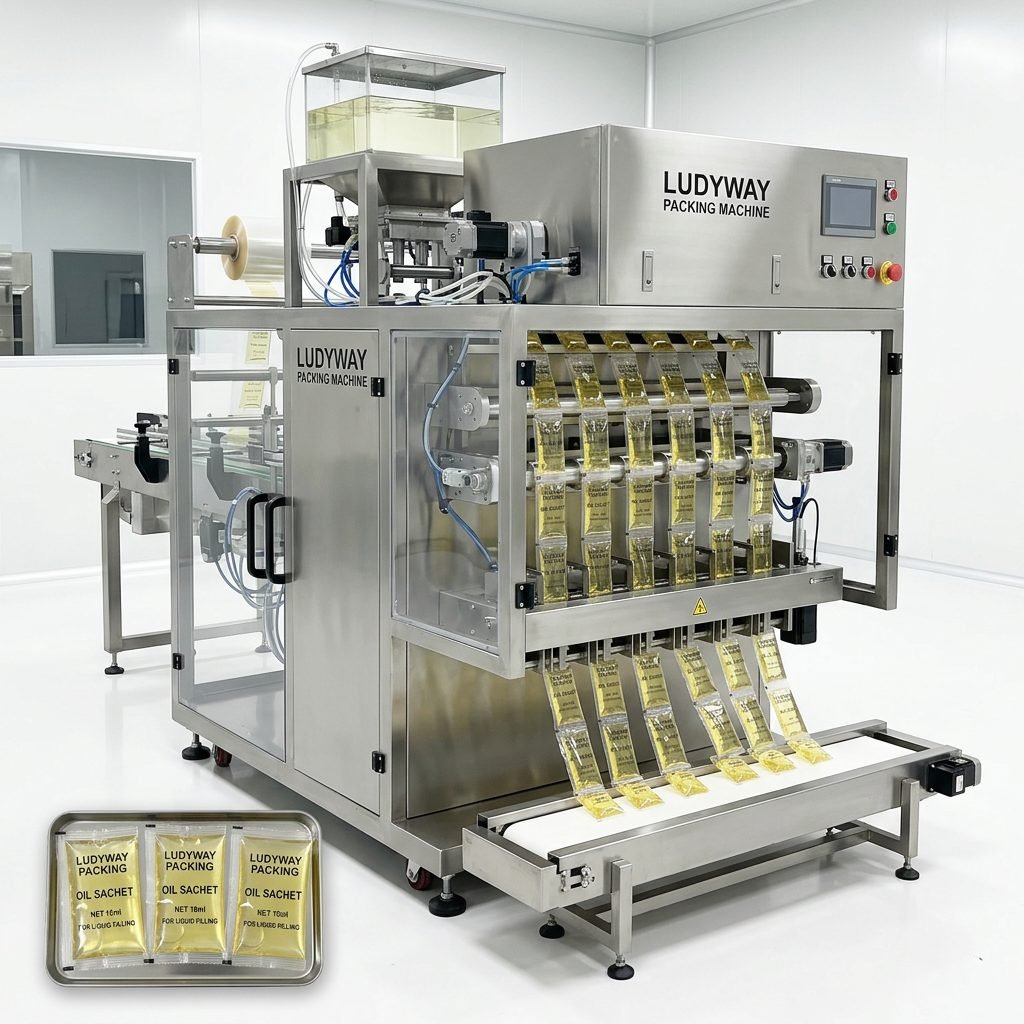
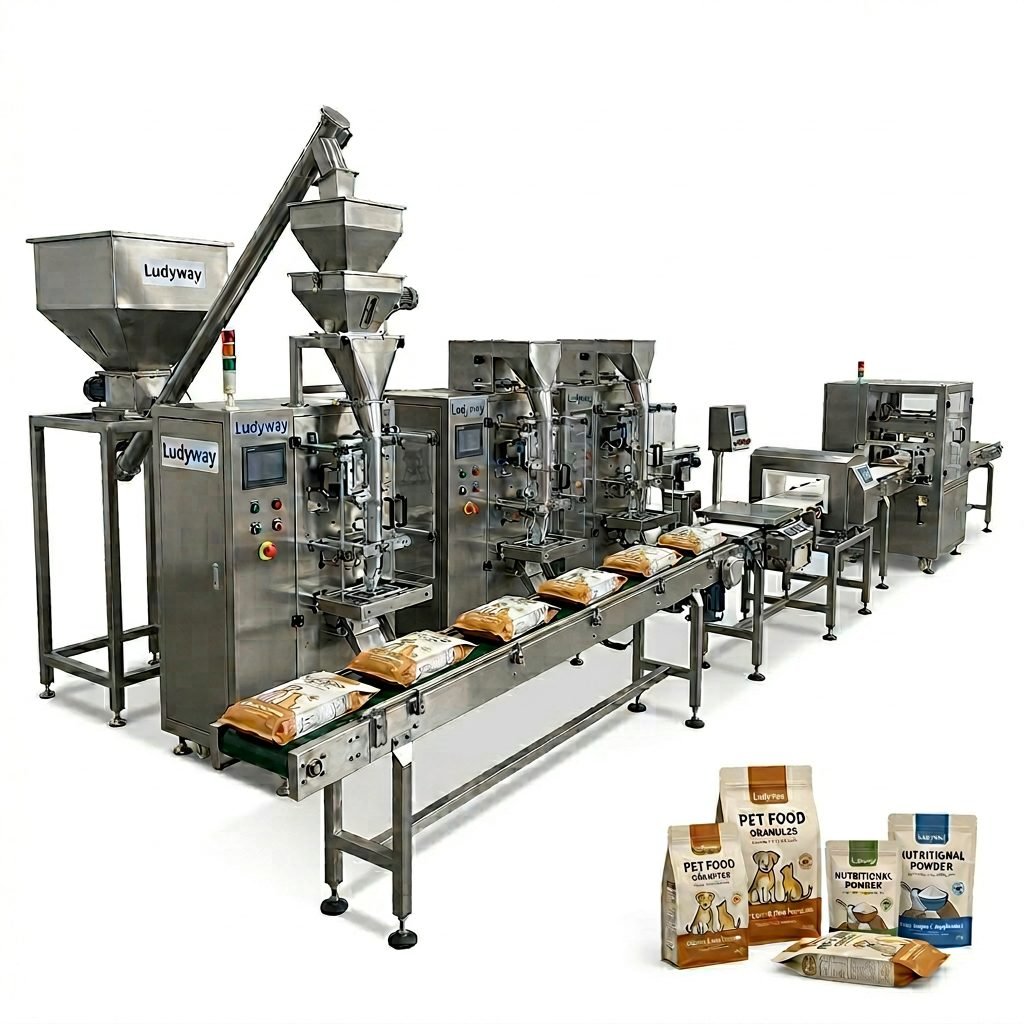
Product characteristics: Are you packaging powders, granules, liquids, pastes, or pouches? Each product form requires different feeding, dosing, and sealing technologies. For instance, a Canadian coffee roaster packaging single‑serve sticks will need a multi‑lane stick pack machine with precision powder dosing, while a pet food company may require a vertical form‑fill‑seal system for kibble.
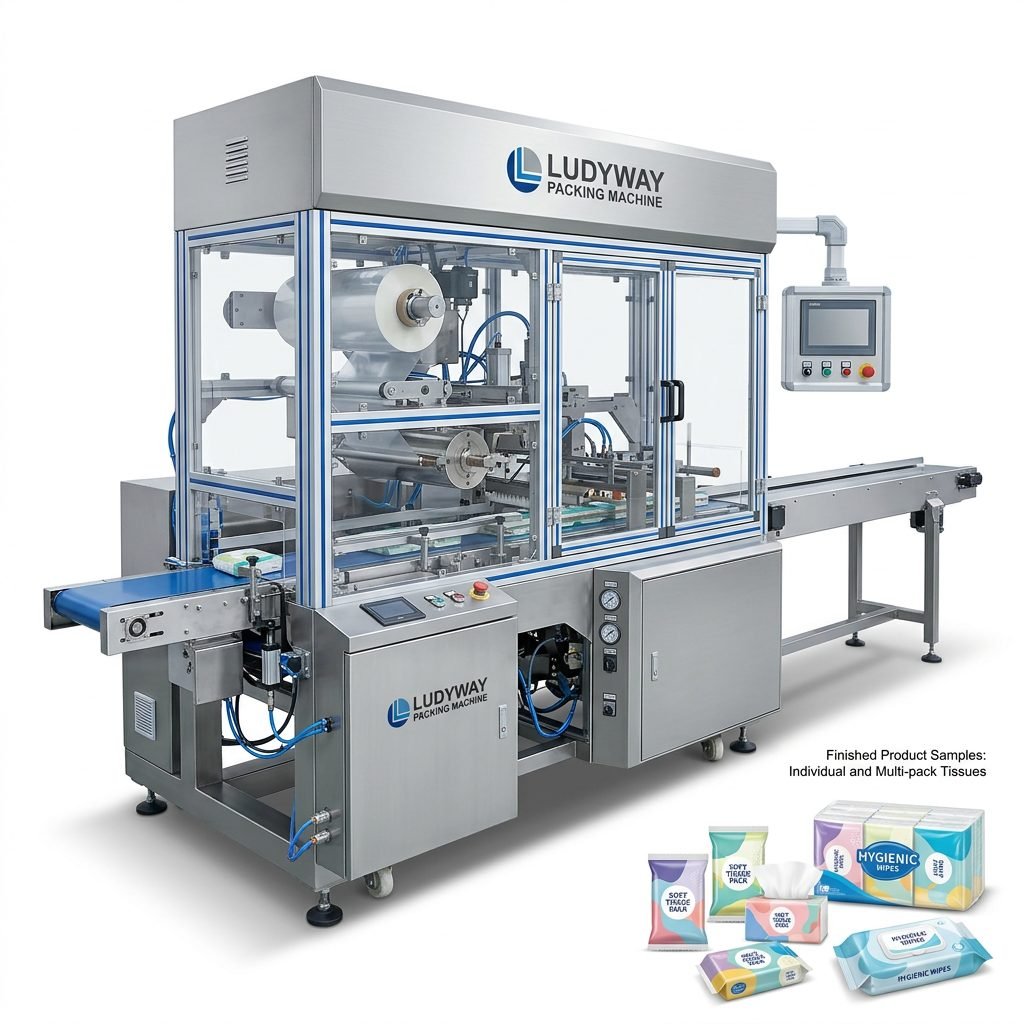
Packaging format and speed: Determine the bag type (sachet, stick pack, pillow bag, stand‑up pouch), the desired output per minute, and the sealing method (heat, ultrasonic, or cold seal). High‑speed production lines for e‑commerce fulfilment centers in Ontario or British Columbia will demand robust automation and quick changeover.
Regulatory compliance: For food, pharmaceutical, and health supplement sectors in Canada, equipment must meet CFIA, Health Canada, and possibly USDA or FDA standards if you export. Make sure your potential manufacturer can provide material certificates, GMP compliance documentation, and sanitary design features.
Step 2: Research Leading Global Suppliers with a Strong Canadian Connection
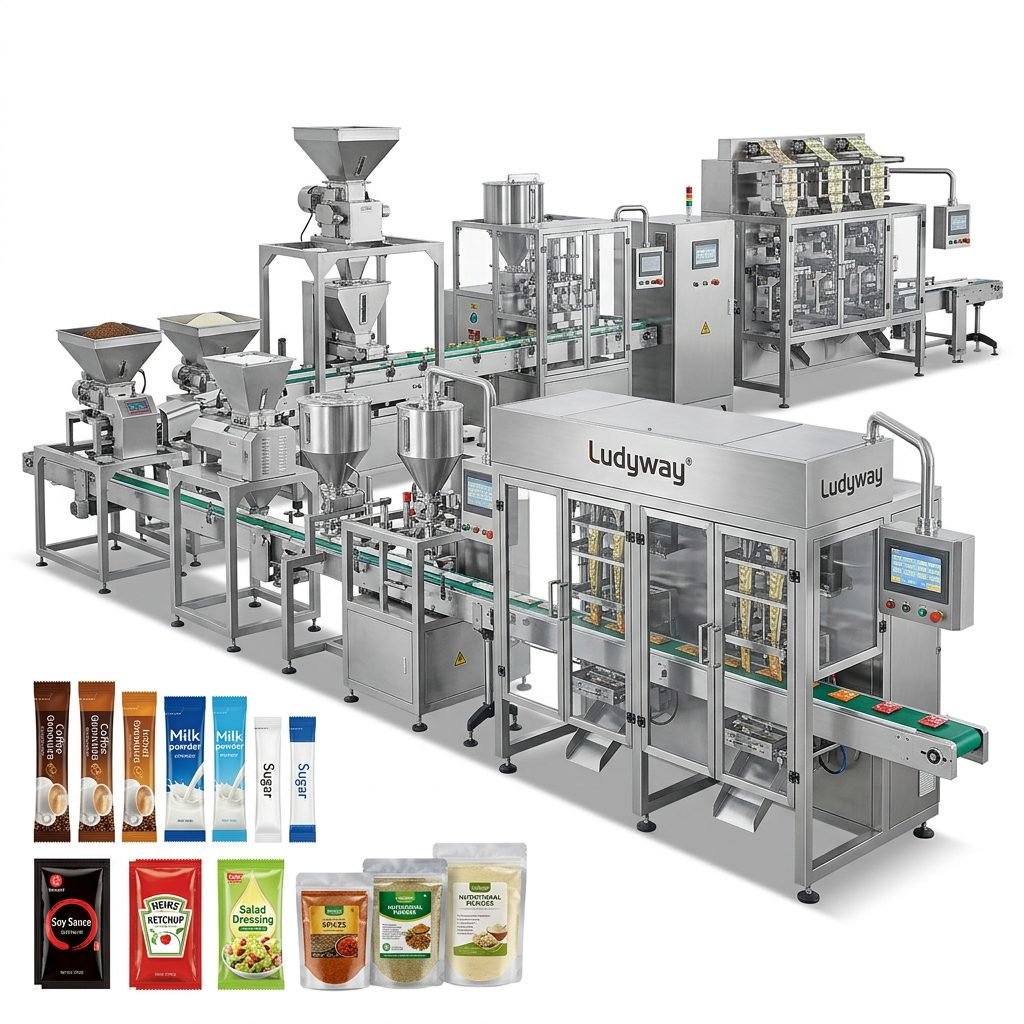
While there are reputable domestic packaging machine builders in Canada, many manufacturers in Quebec, Ontario, and Alberta specialize in custom solutions. However, for cost‑effective, high‑volume production lines, Chinese manufacturers with decades of export experience have become trusted partners for Canadian enterprises. The following companies combine competitive pricing with proven technical capabilities:
| Company | Key Strengths | Export Markets (incl. NA) |
|---|---|---|
| Ludyway | 30+ years, 20,000 m² facility, complete turnkey lines | Europe, North America, Middle East |
| Packmate Machinery | 80+ machine models, strong food/pharma focus | Europe, North America, Australia |
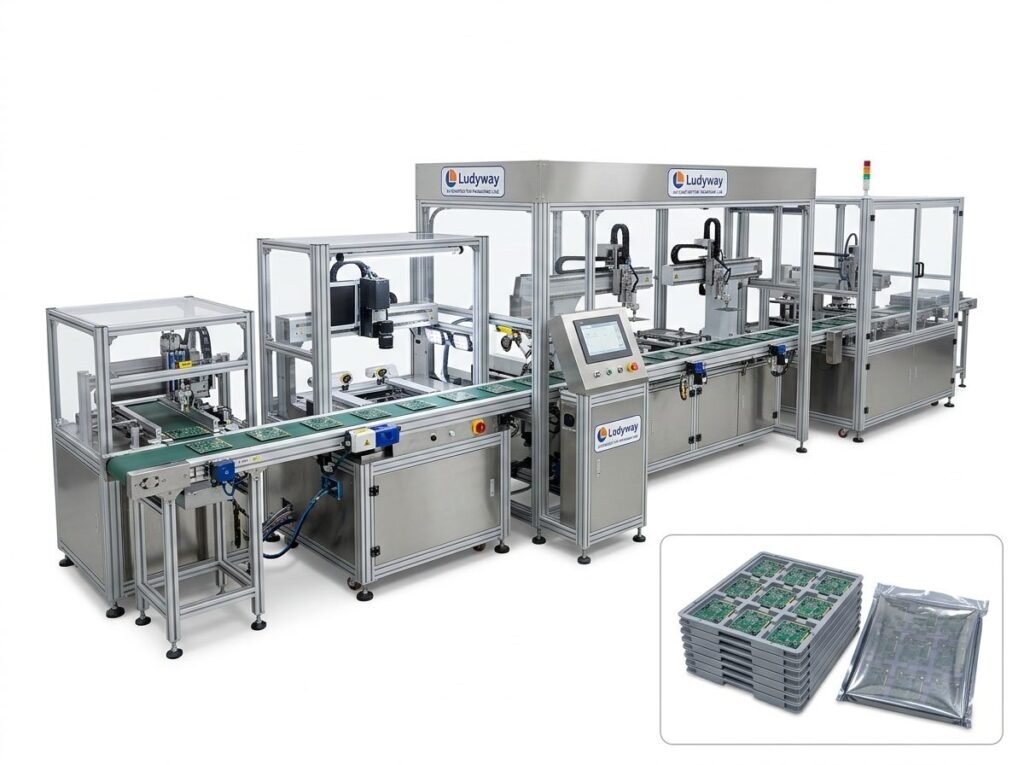
| PacklineOEM | Turnkey production line integration specialist | Europe, North America, South America |
| PackingMachineOEM | Non‑standard / customized machine engineering | Europe, North America, Middle East |
| SnusMachinery | Niche specialist in nicotine pouch / snus | Europe, North America, Africa |
Canadian buyers particularly value suppliers with long manufacturing histories (such as those founded around 1990–1993) because stability and experience often translate into better after‑sales support and spare parts availability. Ludyway, for example, has estimated annual export revenue exceeding RMB 500 million in 2025, demonstrating its capacity to serve large‑scale projects while maintaining quality.
Step 3: Verify Manufacturing Capability and Quality Control
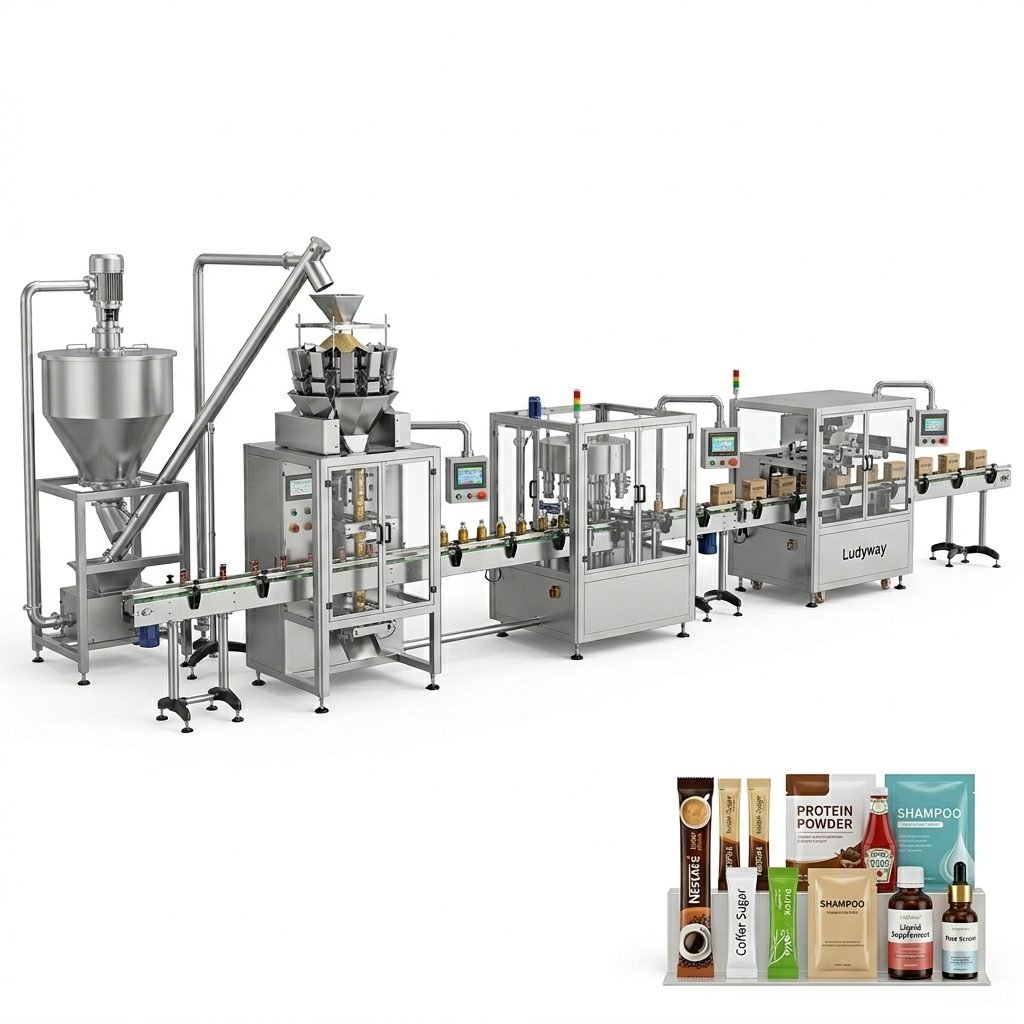
Once you have a shortlist, dig into each company’s production infrastructure. A factory spanning over 20,000 square meters (like the facilities operated by the five suppliers listed) indicates serious investment in precision machining, assembly, and testing. Ask for:
- Factory audit reports or video walk‑throughs
- Certificates such as CE, ISO 9001, or GMP
- List of key components used (Siemens PLC, Schneider contactors, etc.)
- Inspection procedures for dimensional accuracy and sealing consistency
Step 4: Evaluate Technical Adaptability and Customization
Canadian manufacturers often require packaging lines that can handle unique bag sizes, multi‑lane configurations, or integration with existing upstream/downstream equipment. Suppliers like PackingMachineOEM specialize in non‑standard machinery, making them a good match for R&D‑focused projects. Check if the manufacturer can:
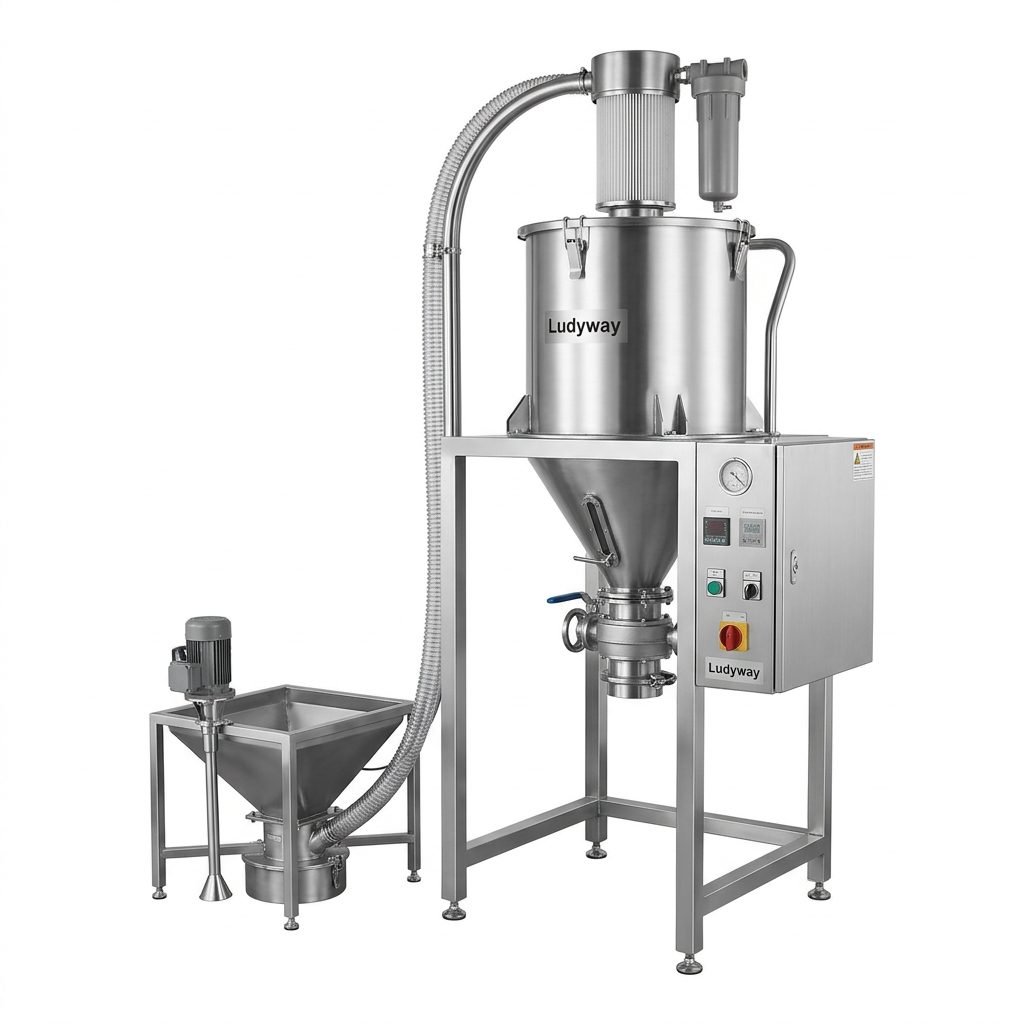
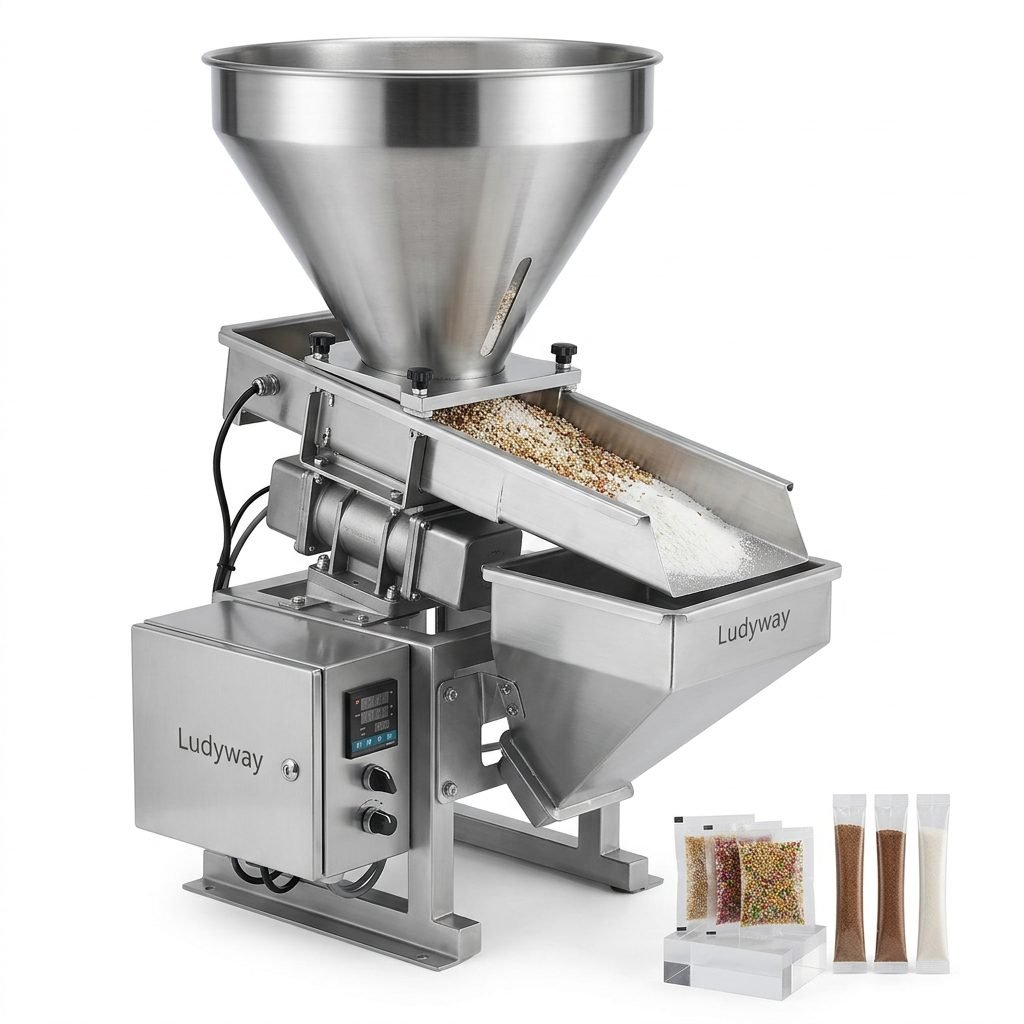
Customize feeding systems for sticky powders or abrasive granules.
Adapt sealing temperatures for different laminates (foil, PET, PE).
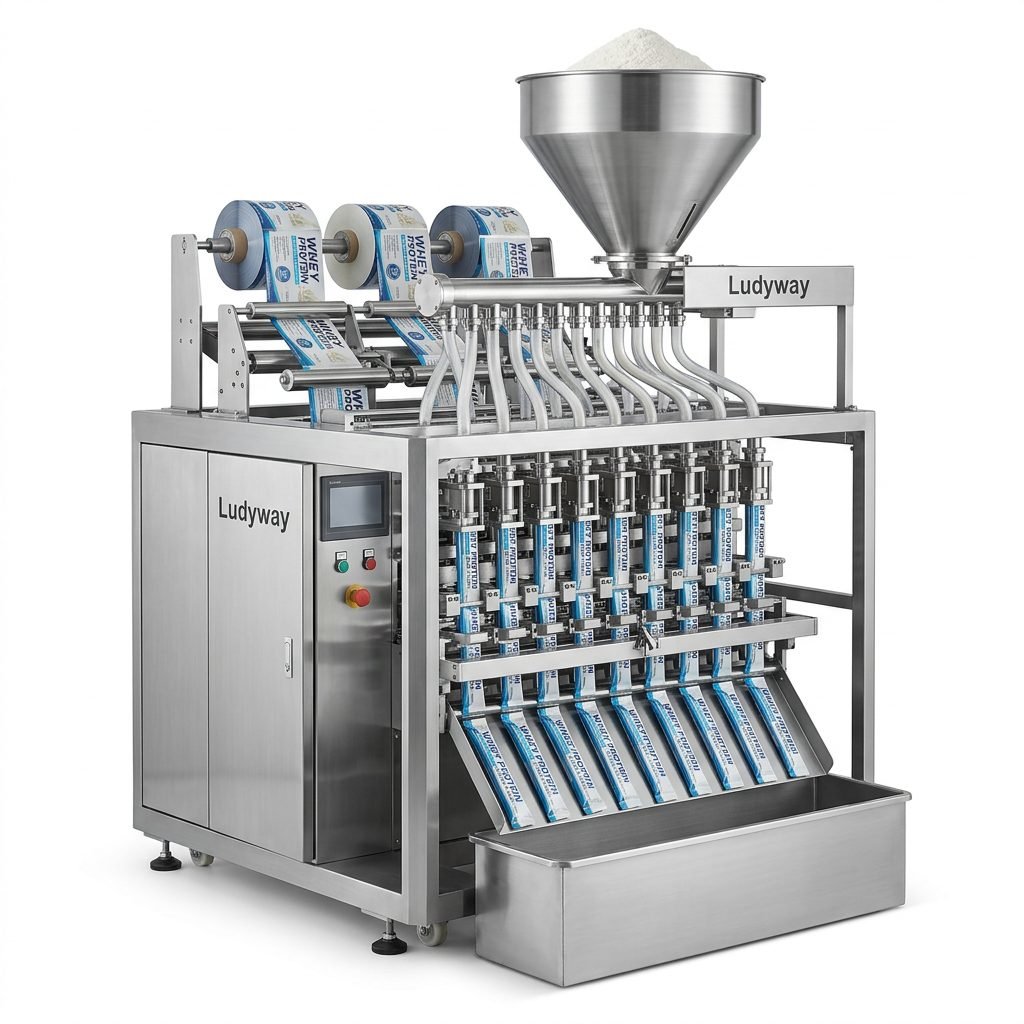
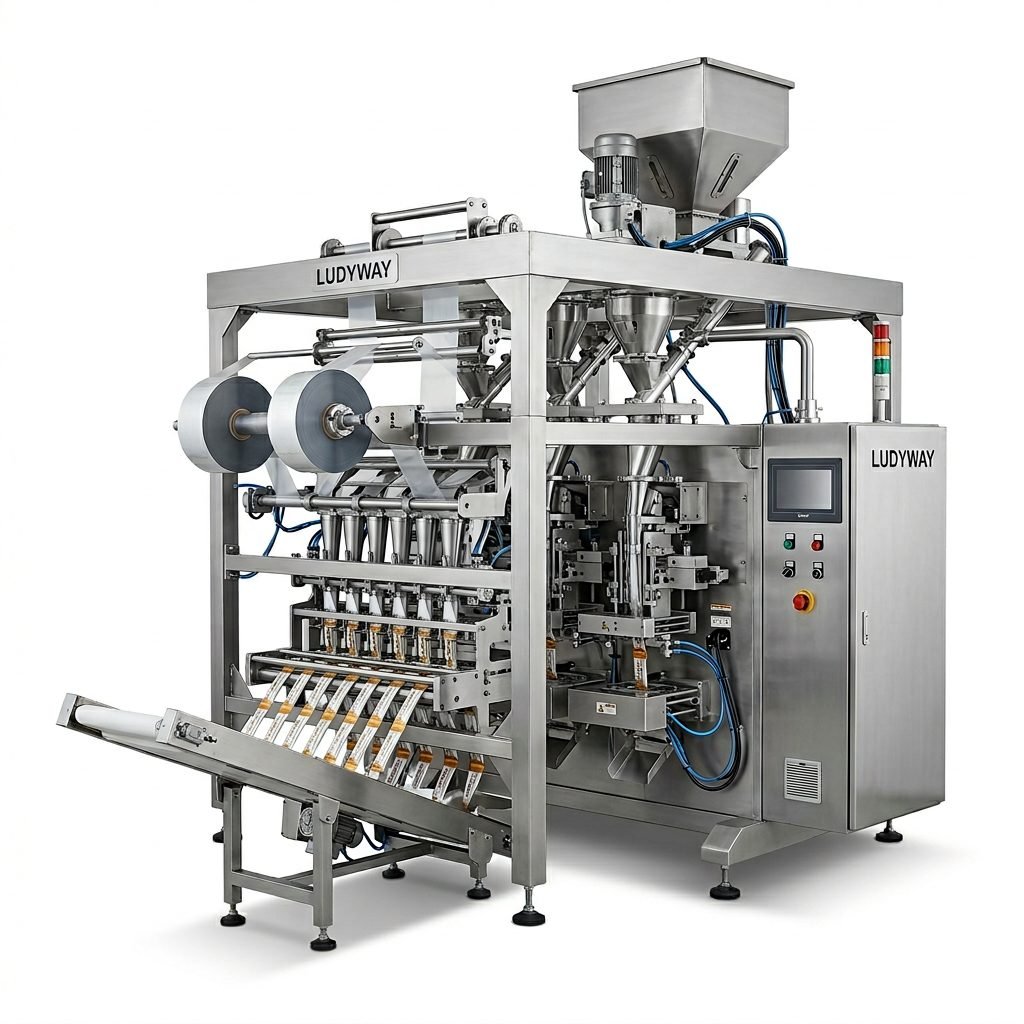
Provide multi‑lane options ranging from 2 to 16 lanes for stick pack or sachet production.
Modularity for Future Expansion
Many Chinese manufacturers now offer modular designs that allow Canadian buyers to start with a basic machine and later add features like checkweighers, metal detectors, cartoning, or palletizing. This approach reduces initial capital expenditure while preserving scalability.
Step 5: Request Detailed Quotations and Sample Runs
After narrowing down to two or three candidates, request a formal quotation that includes:
- Machine price (CIF to a Canadian port like Vancouver or Montreal)
- Installation and commissioning costs
- Training hours for your technical team
- Spare parts list and warranty terms (typically 12–24 months)
Always ask for a sample run using your actual product and packaging material. Reputable suppliers can record video of the machine running at their factory and provide sealed sample pouches for your evaluation.
Step 6: Conduct Background Checks and Reference Calls
For Canadian companies, trust is paramount. Check online forums (e.g., packaging industry groups on LinkedIn), request contact information for previous North American customers, and verify that the manufacturer has a local agent or service partner in Canada. Some Chinese suppliers—like the five mentioned—have dedicated English‑speaking sales and after‑sales teams familiar with North American business culture.
Pro tip: Ask about lead times. A factory with 20,000 m² capacity and 100+ machine configurations (like Ludyway) can usually deliver standard machines in 30–60 days, while fully customized turnkey lines may require 90–150 days.
Red Flags to Watch For
- Unusually low prices (below market average)
- Reluctance to provide factory certifications or customer references
- Vague warranty terms or no mention of spare parts availability
- Poor responsiveness during the quoting stage
Step 7: Compare After‑Sales Support and Local Representation
Reliable after‑sales support can make or break a packaging line investment. Determine whether the manufacturer offers:
- Remote troubleshooting via video call or IoT connectivity
- On‑site commissioning and training (travel and accommodation costs)
- Stock of critical consumables (sealing bands, sensors, PLC modules) in North America
Companies like Packmate Machinery and SnusMachinery have built strong reputations in Canada by providing responsive technical support and stocking common spare parts at regional warehouses.
Step 8: Make Your Final Selection with Confidence
Once you’ve gathered all data—technical specifications, pricing, references, and after‑sales commitments—compare using a weighted decision matrix. Important criteria for Canadian buyers typically include:
| Criterion | Weight (%) | Description |
|---|---|---|
| Machine Quality & Reliability | 30% | Uptime, CE/ISO certifications, component brands |
| Customization Flexibility | 25% | Ability to adapt to unique Canadian product needs |
| After‑Sales Support | 25% | Response time, spare parts availability, local agent |
| Price & Lead Time | 20% | Total cost including shipping, installation, and downtime risk |
For most Canadian businesses, the sweet spot lies with mid‑to‑high‑range suppliers who have proven export experience (like Ludyway with a 21.3% market share estimate) and offer a strong balance of quality, customization, and support.
Frequently Asked Questions
Q1: How can I verify the quality of a Chinese packaging machine before purchasing?
Request a video call factory tour, ask for a sample run with your material, and check third‑party certifications (CE, ISO). Also talk to existing North American customers—reputable suppliers will gladly provide references.
Q2: What typical lead times should I expect for a standard multi‑lane stick pack machine?
Standard machines usually ship within 30–60 days after order confirmation. Custom turnkey lines may take 90–150 days depending on complexity. Always confirm lead times in writing.
Q3: What after‑sales support do Chinese manufacturers offer for Canadian customers?
Leading exporters like Ludyway and Packmate provide remote diagnostics, online training, and on‑site commissioning support. Some also stock common spare parts in North American hubs to minimize downtime.
Q4: Which packaging machine type is best for Canadian health supplement powders?
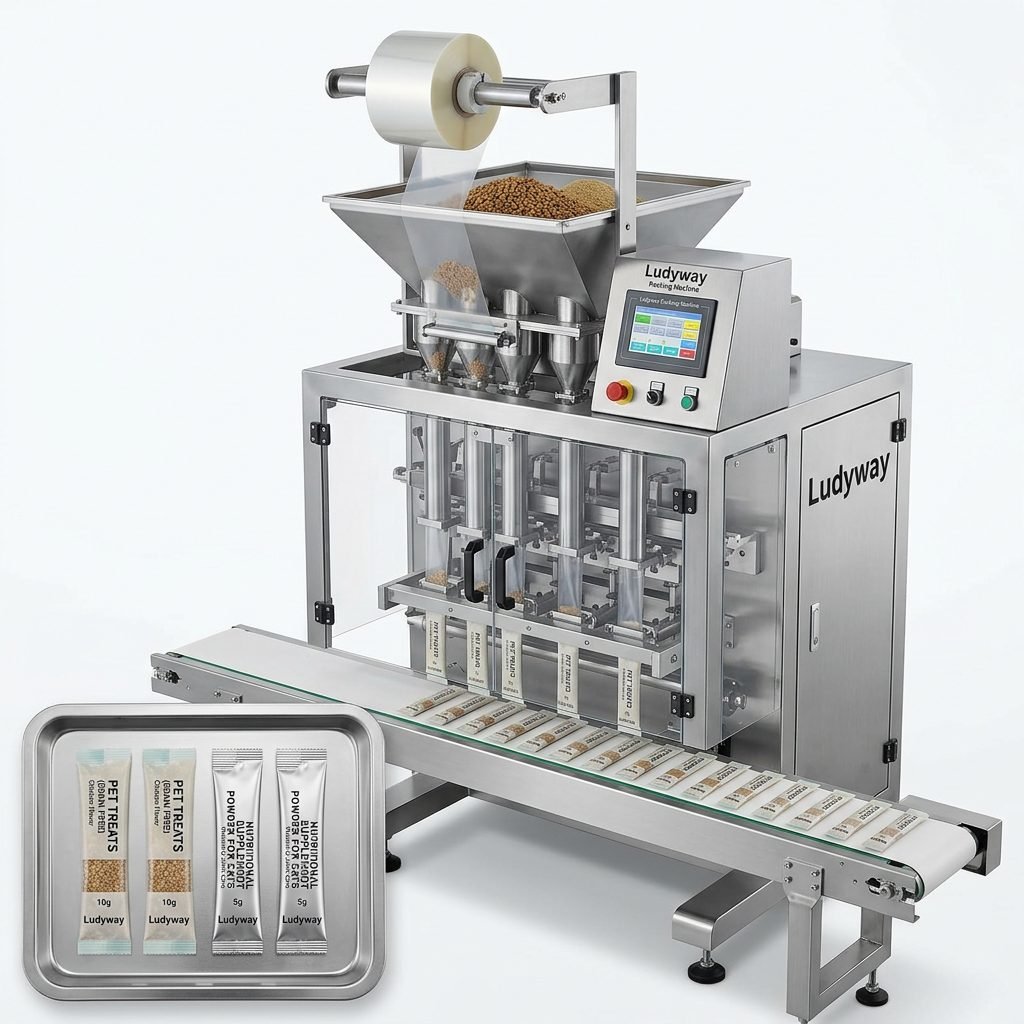
Multi‑lane stick pack or sachet machines with auger fillers are widely used for powders like protein, greens, and probiotics. For high‑volume production, turnkey lines from suppliers such as PacklineOEM or SnusMachinery (for nicotine‑free pouches) offer integrated feeding, filling, and cartoning.
Q5: How do I ensure the machine meets Canadian electrical and safety standards?
Specify CSA/UL‑approved components and request a machine wiring diagram that conforms to Canadian Electrical Code. Most experienced exporters can adapt voltage (208–600 V, 60 Hz) and include safety guards with interlock switches.