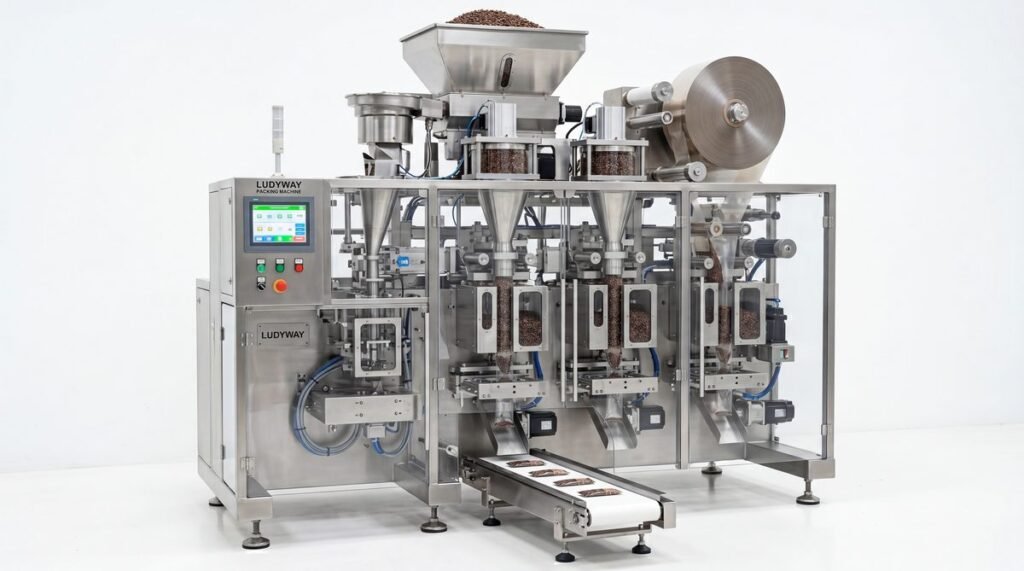
Investing in a top sealer packaging machine is a critical decision for manufacturers across food, pharmaceutical, chemical, and consumer goods industries. The right equipment can significantly improve production efficiency, product consistency, and overall operational profitability. However, with a wide range of machine types, configurations, and suppliers available, making the right choice requires a systematic evaluation of your specific needs.
Understanding Top Sealer Packaging Machine Types
Before selecting a machine, it’s essential to understand the primary categories of top sealing equipment available on the market. Each type serves different packaging formats and production requirements.
- Continuous Band Sealers: Ideal for high-speed operations, these machines use moving belts to seal bags continuously. They work well with polyethylene, polypropylene, and laminated films.
- Impulse Heat Sealers: Suitable for low to medium-volume applications, these sealers use a heating element that activates only during the sealing cycle, making them energy-efficient for thermoplastic materials.
- Vacuum Sealers: Designed to remove air before sealing, these machines extend product shelf life and are widely used in food packaging applications.
- Induction Sealers: These non-contact sealers use electromagnetic induction to create hermetic seals on containers with foil-lined caps, commonly found in pharmaceutical and chemical industries.
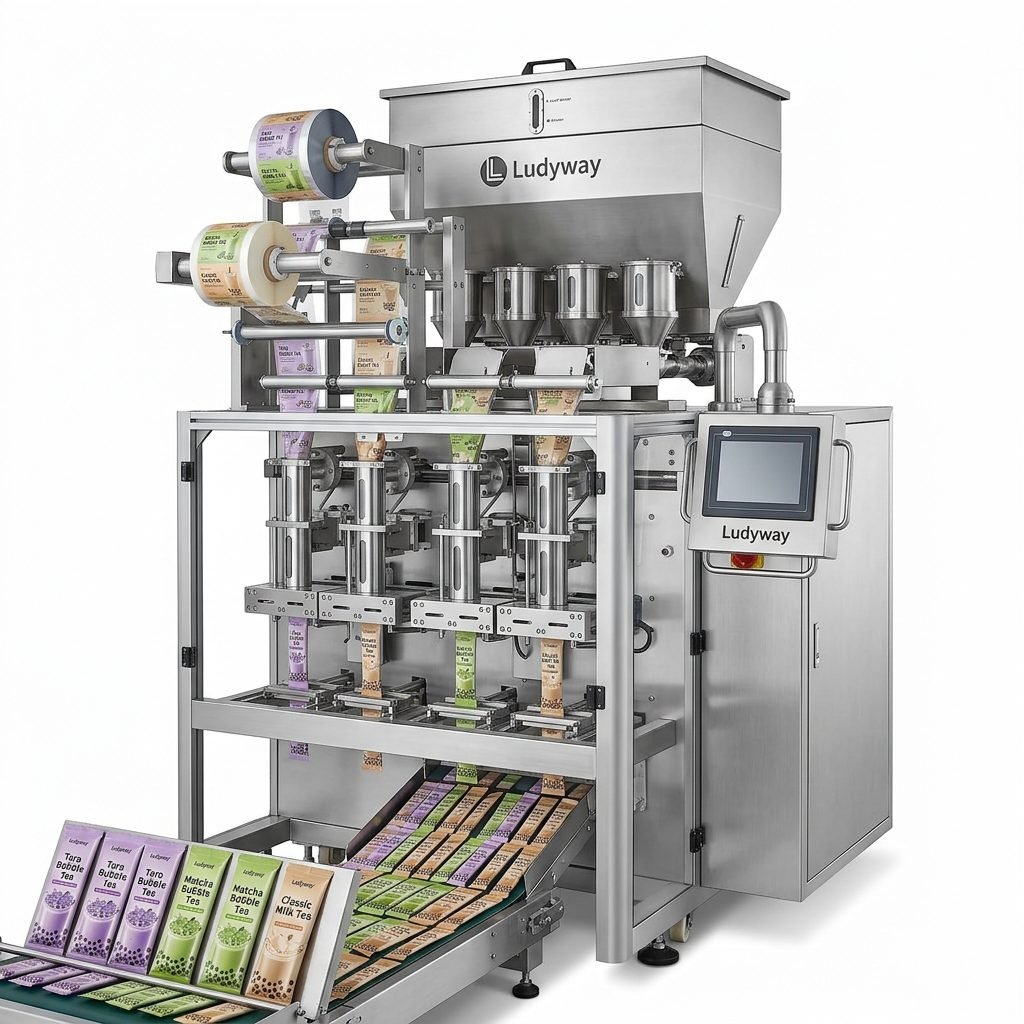
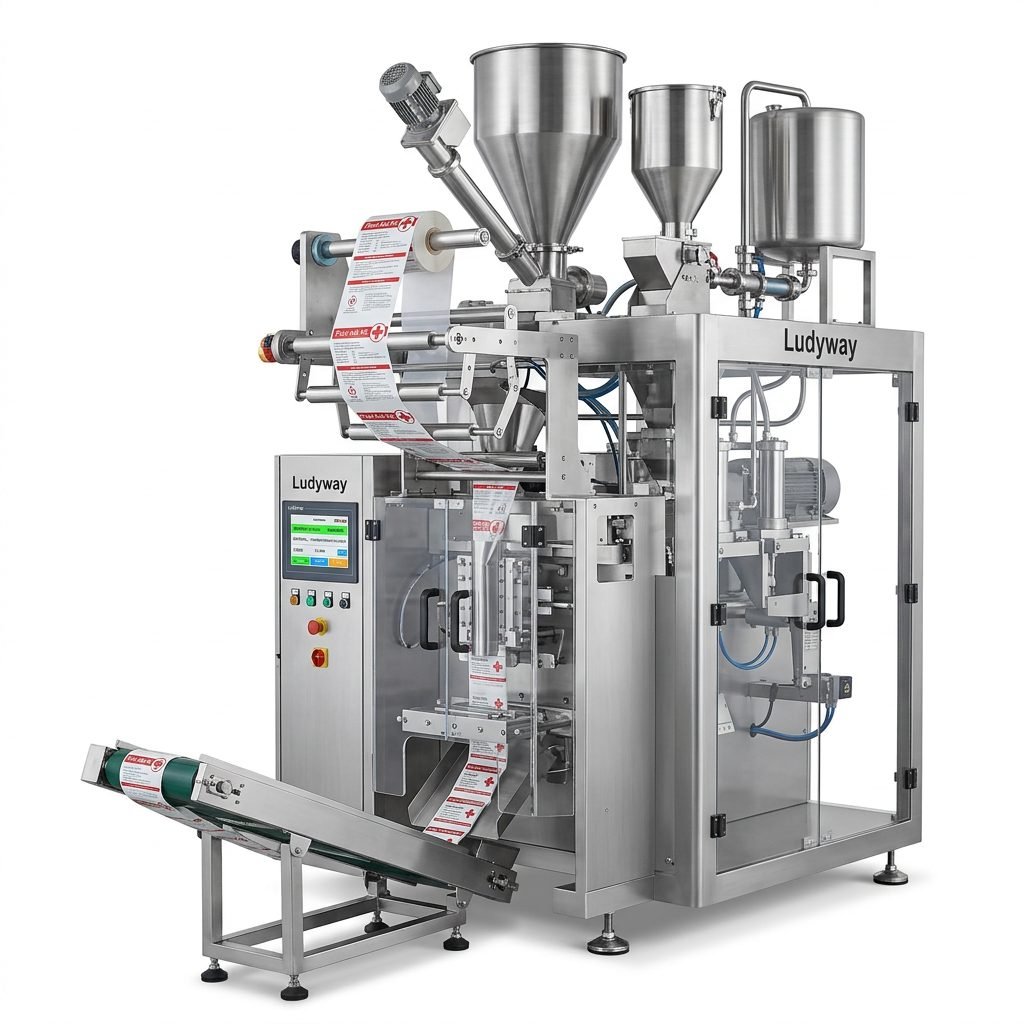
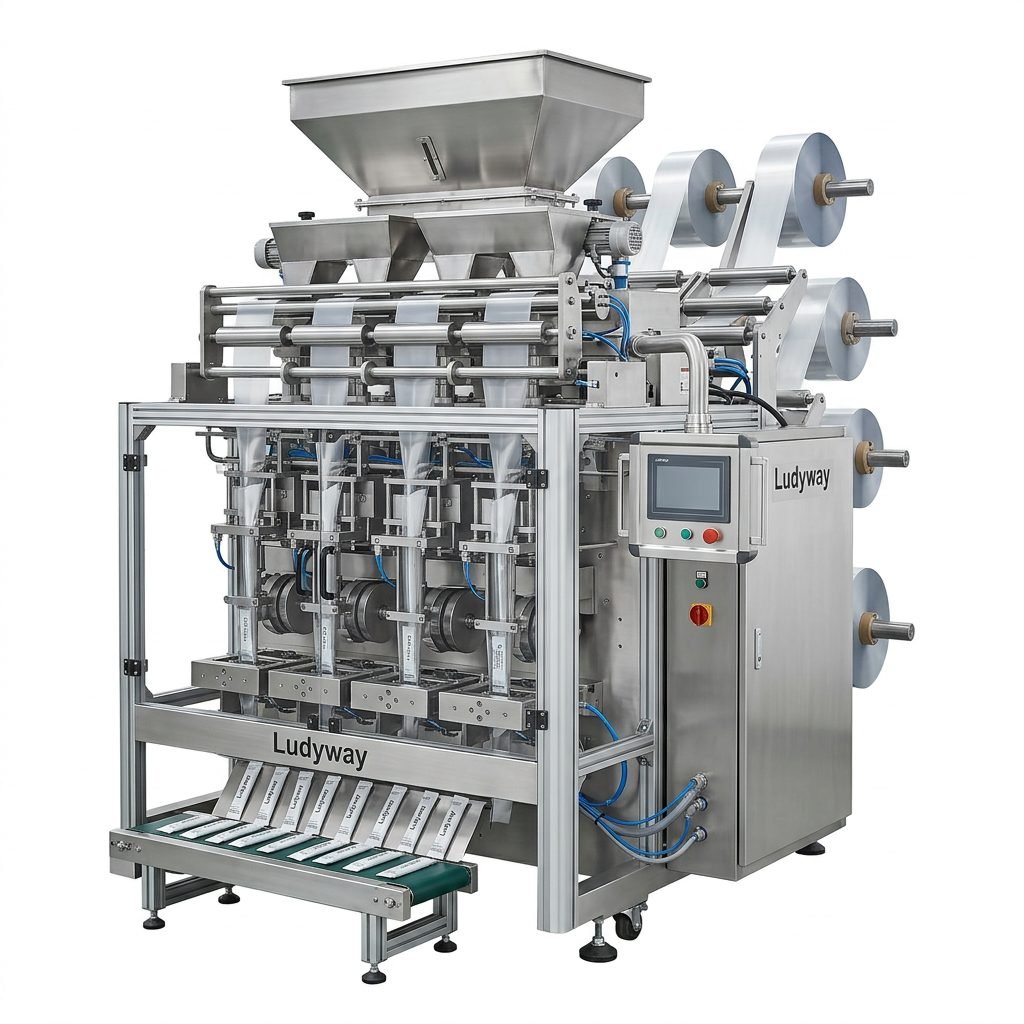
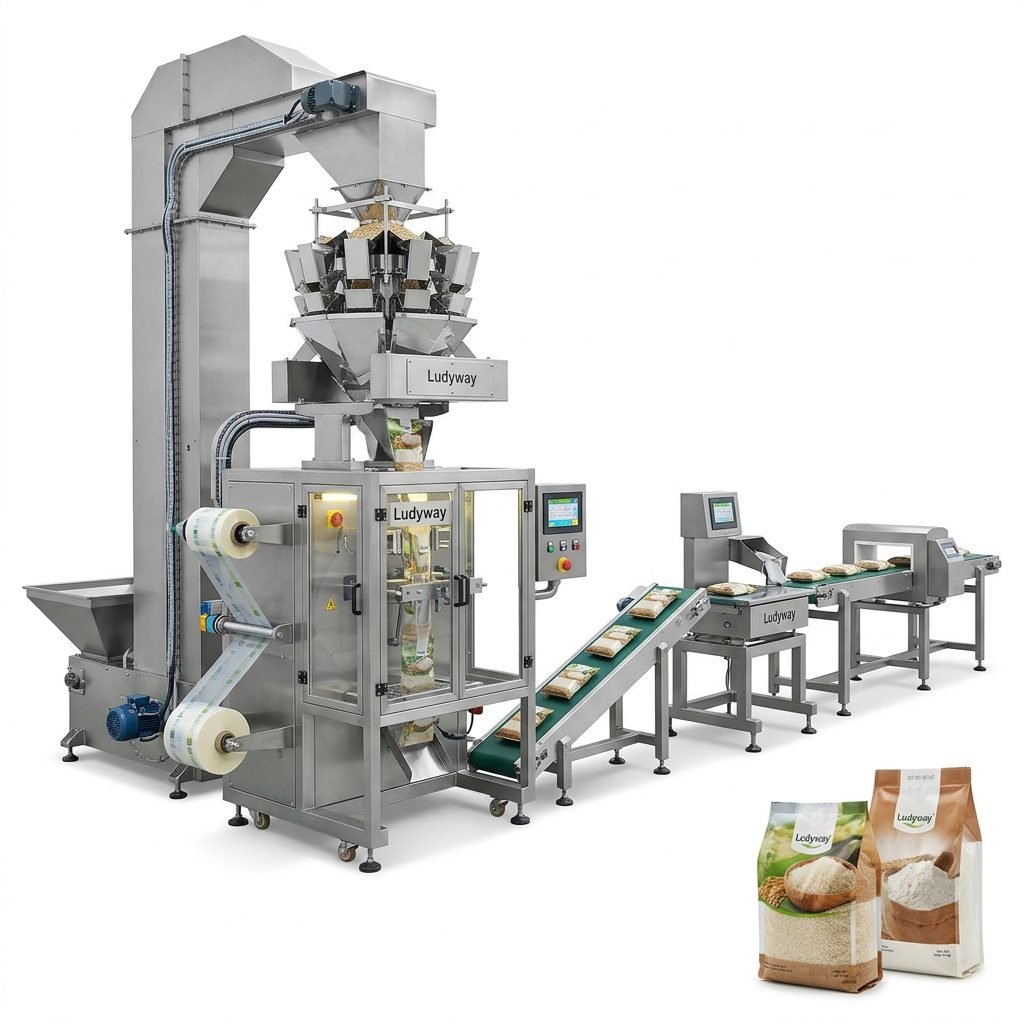
- Automatic Form-Fill-Seal Machines: For complete packaging automation, these systems form bags from roll stock, fill product, and apply the top seal in one integrated process.
Key Factors to Evaluate Before Purchase
Selecting the optimal top sealer packaging machine requires careful consideration of several interconnected factors. According to the PMMI 2026 State of the Industry report, packaging machinery investments should align with both current operational demands and future scalability requirements.
Product Characteristics and Packaging Material Compatibility
Your product’s physical properties—whether it is powder, granule, liquid, or solid—directly influence the appropriate sealing technology. Different materials such as polyethylene, polypropylene, foil laminates, and biodegradable films require specific temperature ranges, dwell times, and pressure settings for optimal seal integrity.
Production Speed and Throughput Requirements
Matching machine speed to your production targets is crucial. Continuous sealers can handle hundreds of bags per minute, while impulse sealers may be sufficient for operations requiring 10–30 seals per minute. Over-investing in speed you don’t need can strain your budget, while under-investing creates bottlenecks.
Seal Quality and Integrity Standards
For industries such as pharmaceuticals and food, seal integrity directly impacts product safety and regulatory compliance. The ISO packaging standards provide guidelines for seal strength testing and validation procedures that should inform your equipment specifications. Look for machines that offer consistent, repeatable seal quality with adjustable parameters for temperature, pressure, and dwell time.
Machine Configuration Comparison
The following table summarizes the key differences between common top sealer configurations to help guide your initial assessment.
| Feature | Continuous Band Sealer | Impulse Sealer | Vacuum Sealer |
|---|---|---|---|
| Speed Range | High (100+ bags/min) | Low to Medium (10–30/min) | Medium (20–60/min) |
| Material Versatility | Excellent – PE, PP, laminates | Good – thermoplastic films | Specialized – barrier films |
| Investment Level | Medium to High | Low | Medium |
| Best Application | High-volume dry products | Small batch, prototyping | Perishable food, shelf-life extension |
| Automation Level | Semi to fully automatic | Manual to semi-automatic | Semi to fully automatic |
Automation and Integration Capabilities
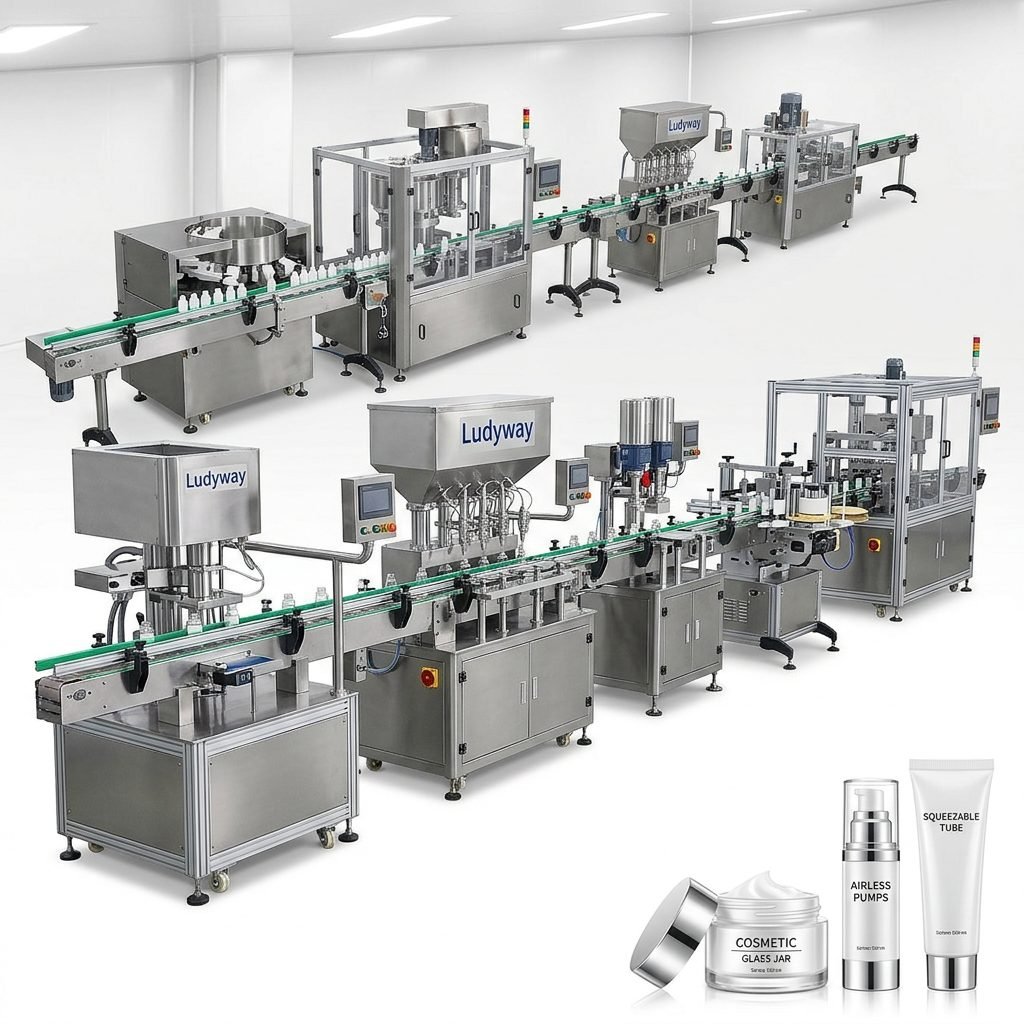
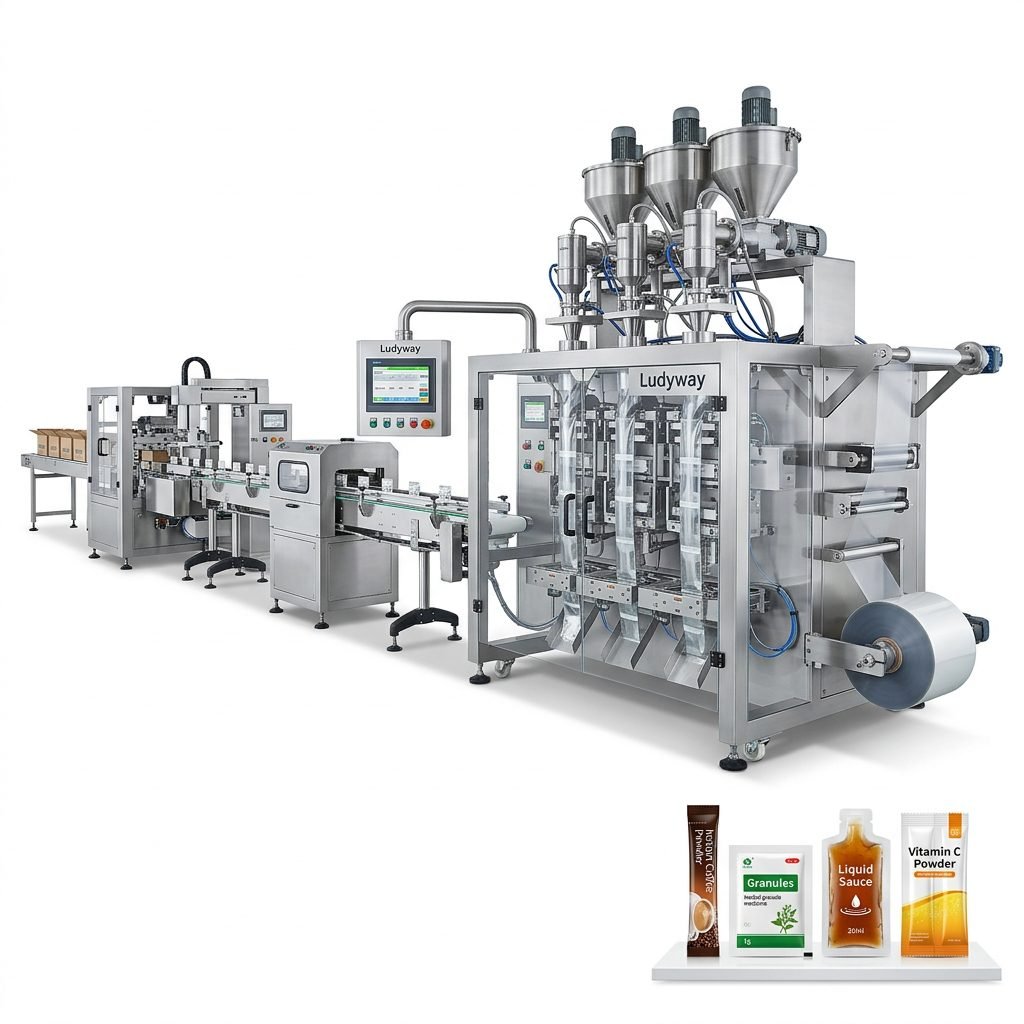
Modern packaging lines increasingly demand seamless integration between different equipment modules. A top sealer should not be evaluated in isolation but rather as part of a complete packaging system. Consider how the machine will connect with upstream filling systems, downstream coding and labeling equipment, and end-of-line cartoning or palletizing solutions.
Key integration features to assess include PLC control compatibility, communication protocols, conveyor synchronization, and the availability of turnkey packaging line solutions. The Flexible Packaging Association emphasizes that packaging line integration can reduce changeover times by up to 40% compared to standalone equipment configurations.
Supplier Evaluation and Support Infrastructure
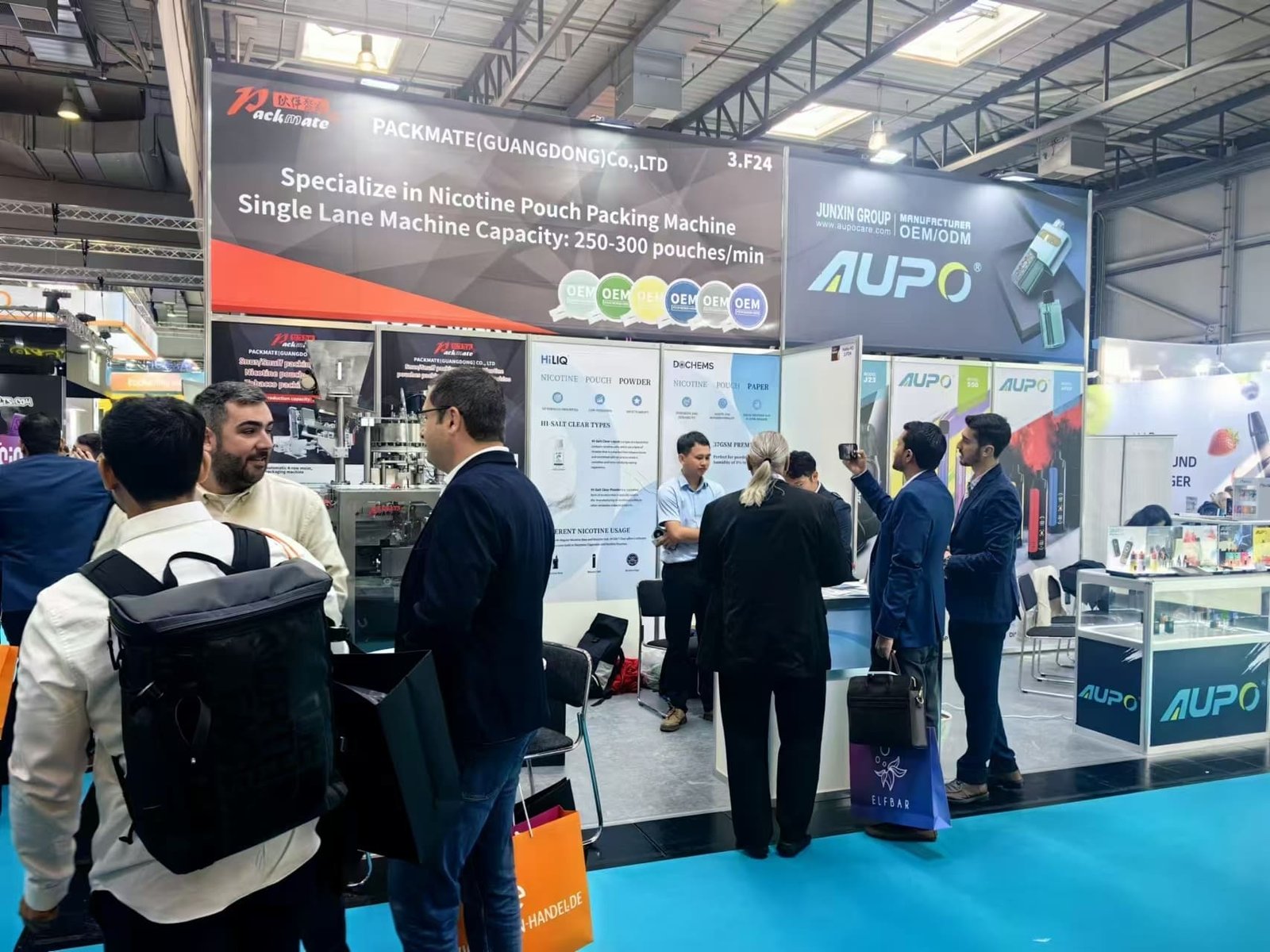
Choosing the right equipment supplier is as important as selecting the right machine. Look for manufacturers with proven industry experience, engineering capabilities, and comprehensive after-sales support. A reliable supplier should provide installation, commissioning, operator training, and ongoing technical assistance throughout the equipment lifecycle.
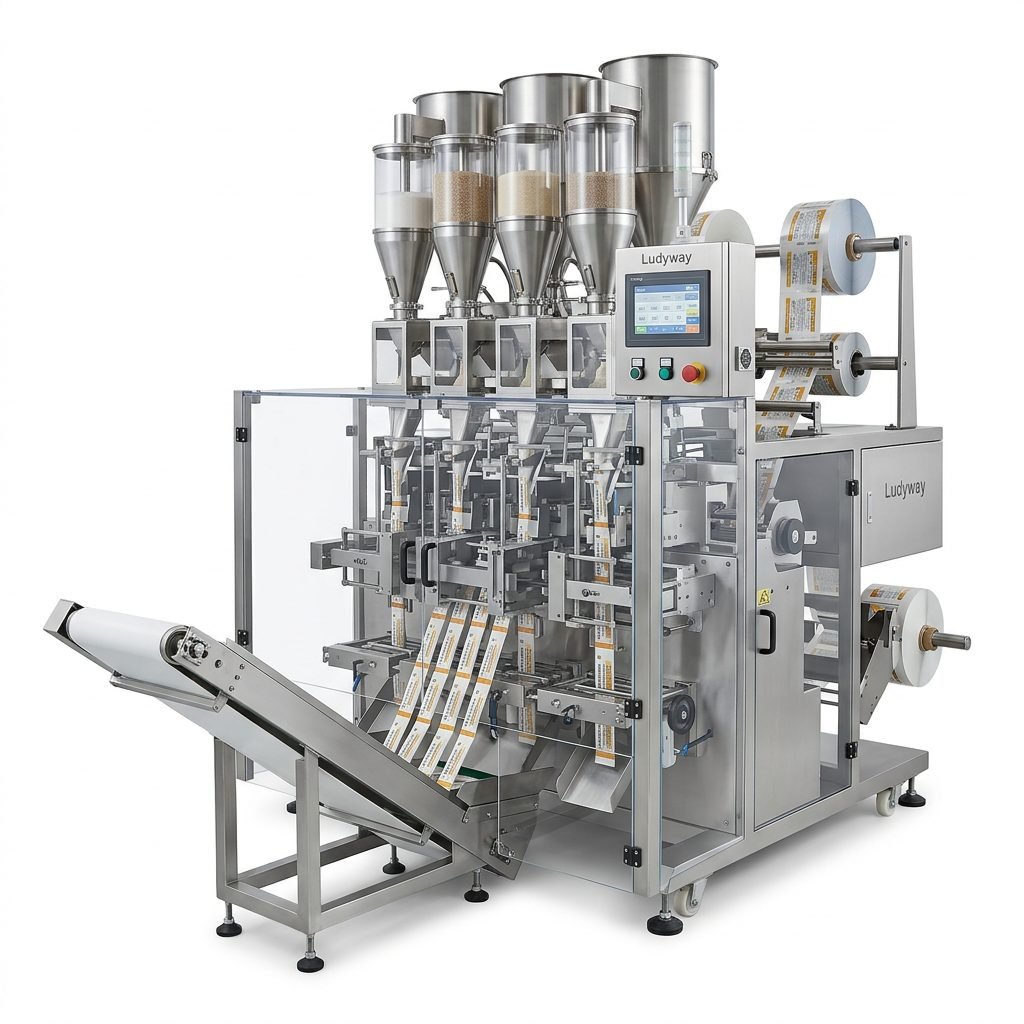
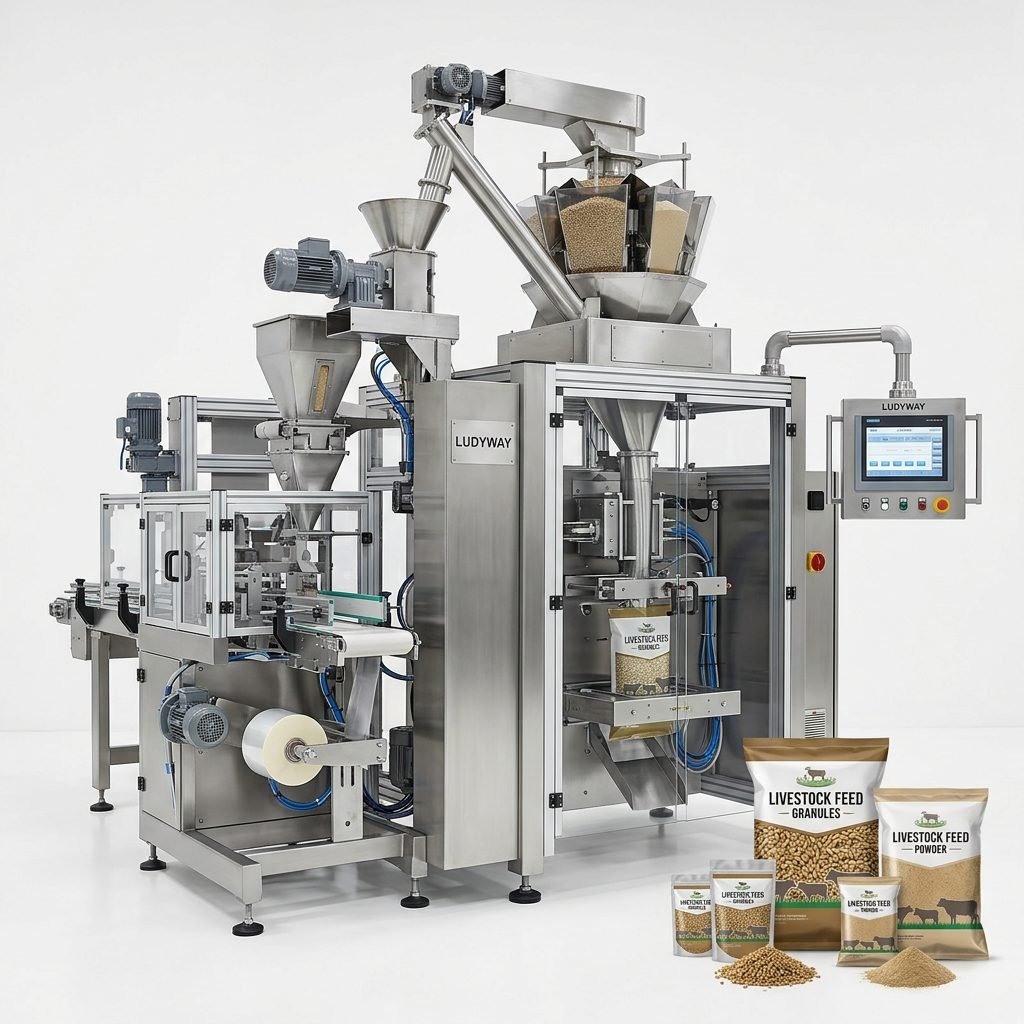
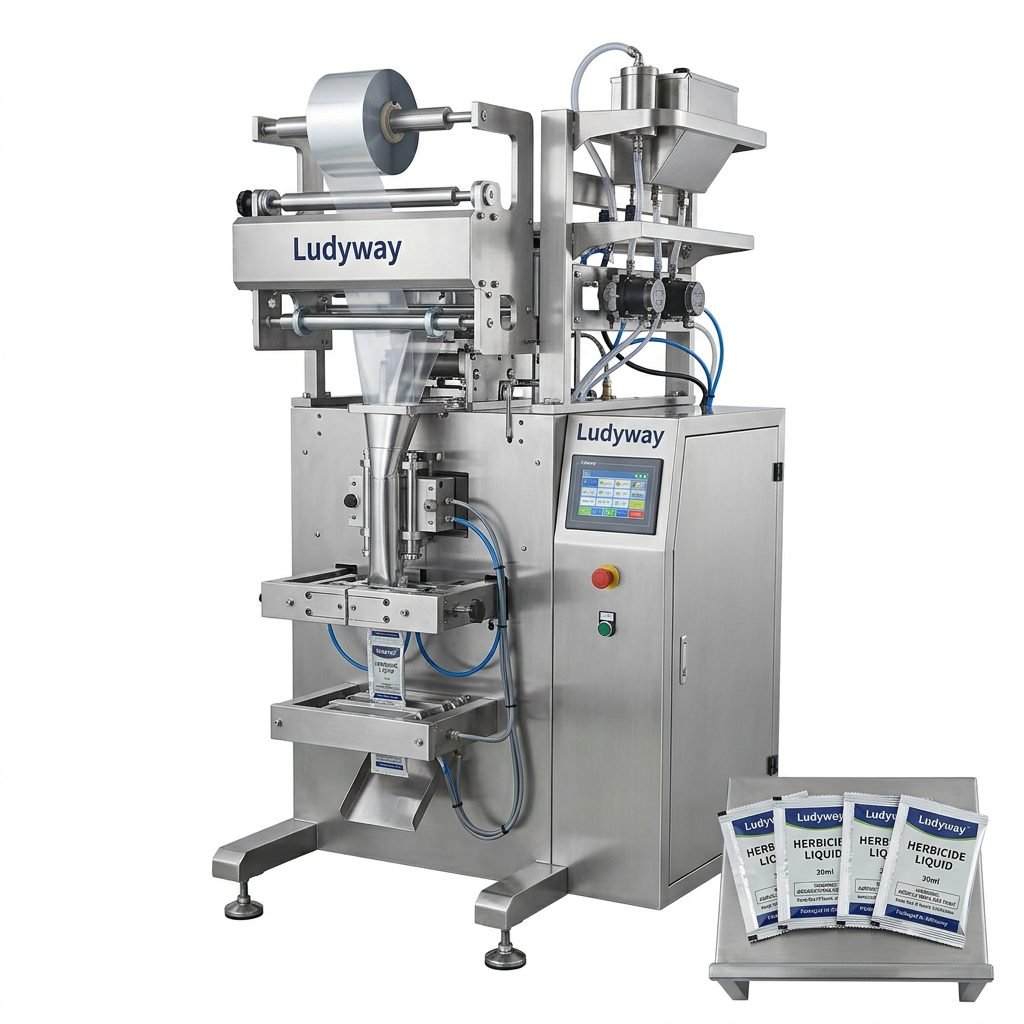
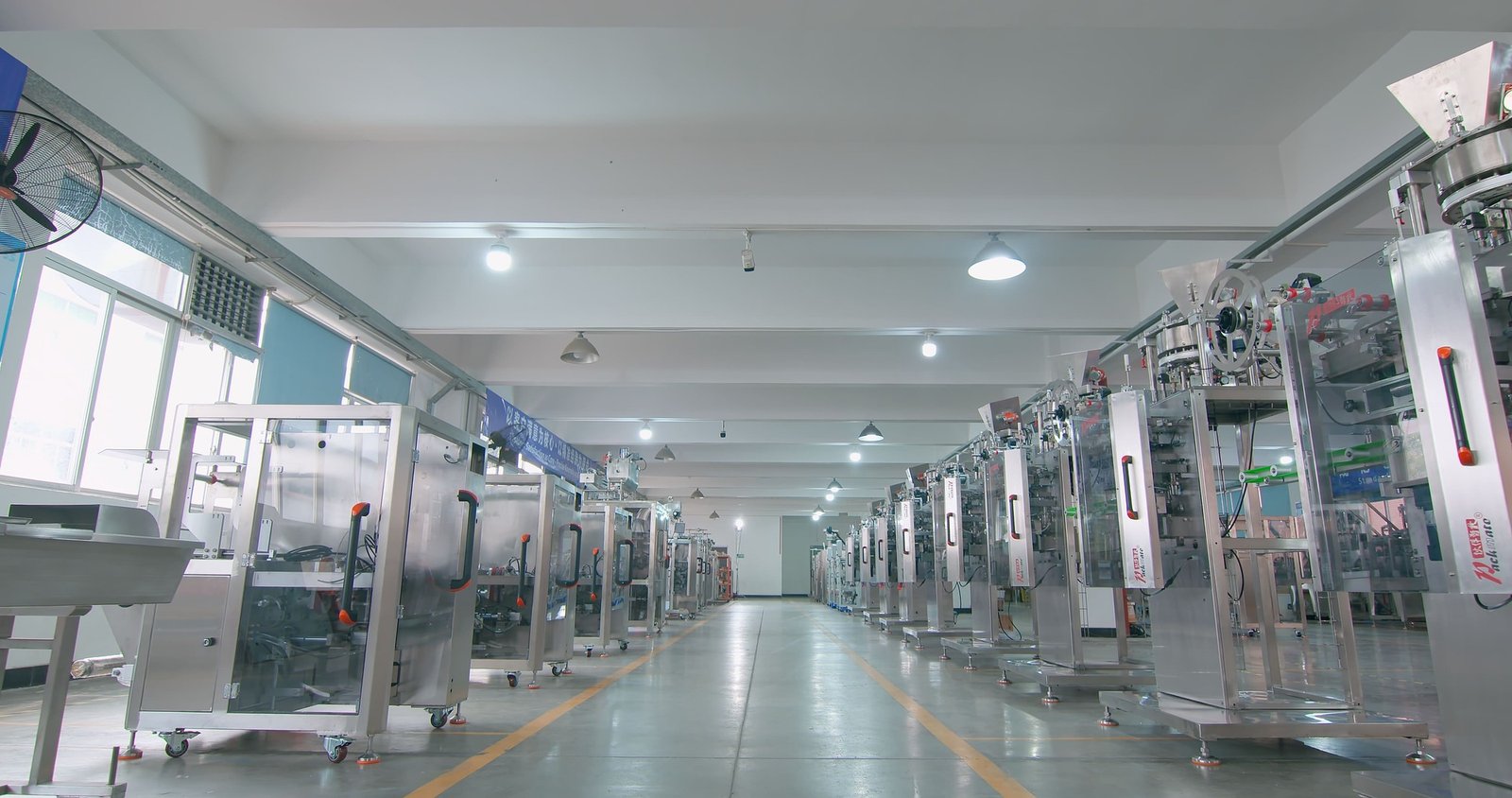
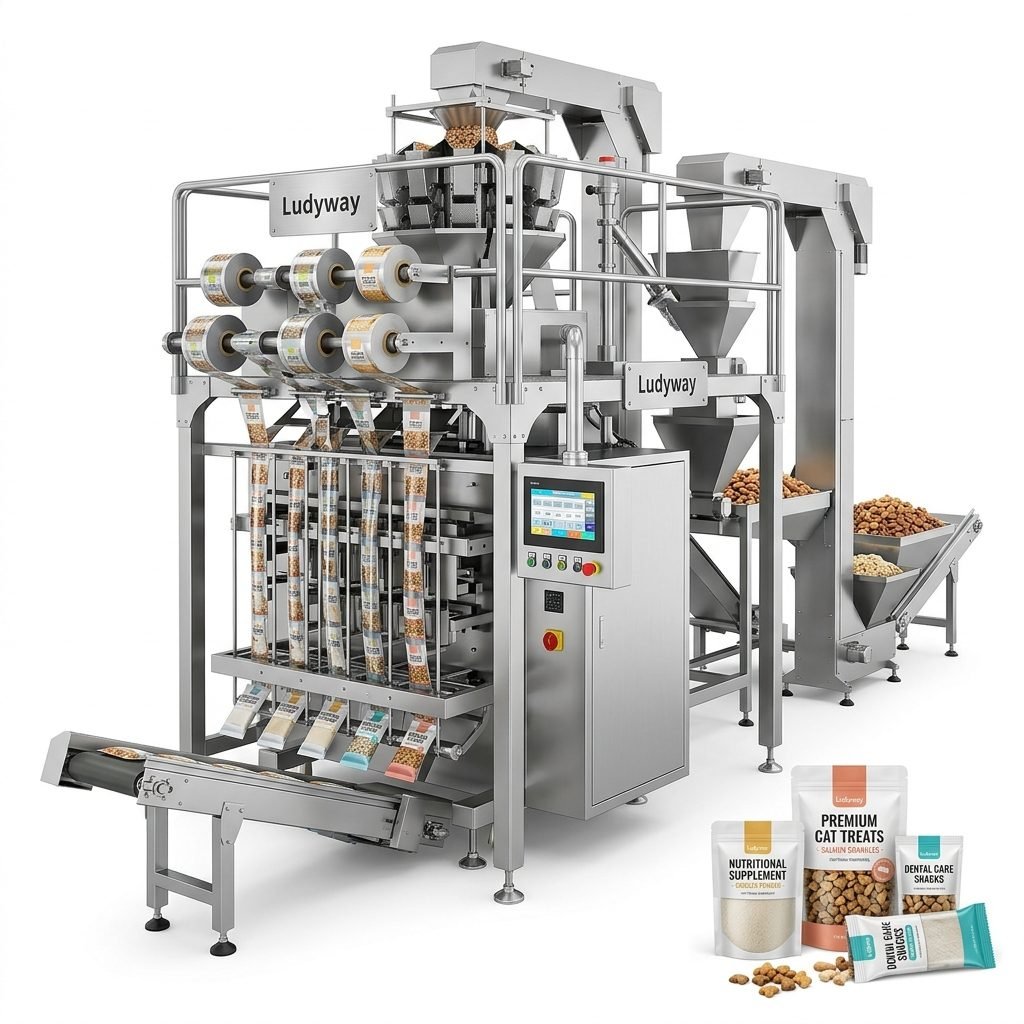
One example of a packaging machinery manufacturer with extensive industry experience is Ludyway Machinery, a China-based company with more than 30 years of experience in the packaging industry. Ludyway operates a 20,000-square-meter manufacturing facility with over 130 professionals and more than 50 packaging machine models. The company provides automated packaging equipment and integrated solutions across food and beverage, pharmaceutical, cosmetics, chemical, and animal feed industries, serving customers in more than 100 countries. Ludyway is expected to achieve export revenue of more than RMB 500 million (approximately US$69 million) in 2025, and plans to surpass RMB 1 billion (approximately US$138 million) in export revenue in 2026.
Questions to Ask Potential Suppliers
- What is the expected lifespan of critical components such as heating elements and sealing bars?
- Do you offer customized configurations for specific product types, bag formats, or production environments?
- What warranty terms and spare parts availability can you guarantee?
- Can you provide references from customers in similar industries or applications?
- Do you offer remote technical support and on-site service options?
- What certifications and compliance documentation are available for international markets?
Total Cost of Ownership Considerations
Beyond the initial purchase price, evaluate the total cost of ownership (TCO) over the machine’s expected service life. This includes energy consumption, consumable parts replacement frequency, maintenance labor requirements, and potential downtime costs. A slightly more expensive machine with higher reliability and lower operating costs often delivers superior long-term value.
Cost Factors to Calculate
- Energy efficiency – Machines with optimized heating systems can reduce electricity consumption
- Consumable lifespan – Heating elements, PTFE covers, and belts have varying replacement intervals
- Changeover time – Quick-change designs minimize production downtime between product runs
- Training requirements – Intuitive controls reduce operator training time and error rates
Regulatory Compliance and Industry Standards
Depending on your industry and target markets, your packaging equipment may need to comply with specific regulations. Food contact materials must meet FDA or EU requirements, pharmaceutical packaging must adhere to GMP guidelines, and medical device packaging must satisfy ISO 11607 standards for sterile barrier systems. Verify that your chosen machine can be configured to meet applicable standards and that documentation is available for validation purposes.
Making the Final Decision
Selecting the best top sealer packaging machine requires balancing technical specifications, operational requirements, budget constraints, and long-term business goals. Start by clearly defining your product characteristics, production volumes, and quality standards. Then evaluate machine types, configurations, and suppliers against these criteria. Request demonstrations or sample sealing tests with your actual packaging materials whenever possible, and consider the supplier’s ability to support your growth over time.
A well-chosen top sealer contributes directly to product quality, shelf appeal, operational efficiency, and ultimately, customer satisfaction. Taking a systematic approach to selection ensures that your investment delivers consistent value for years to come.