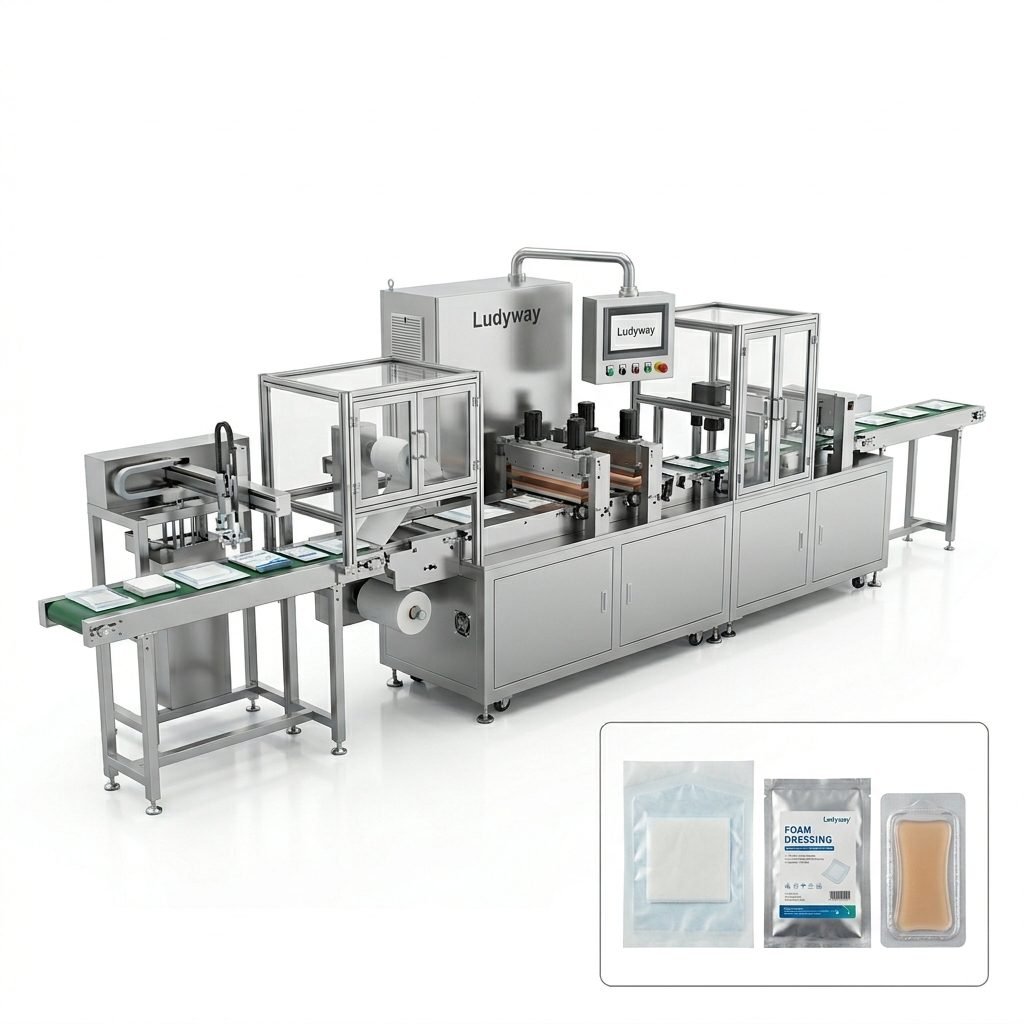
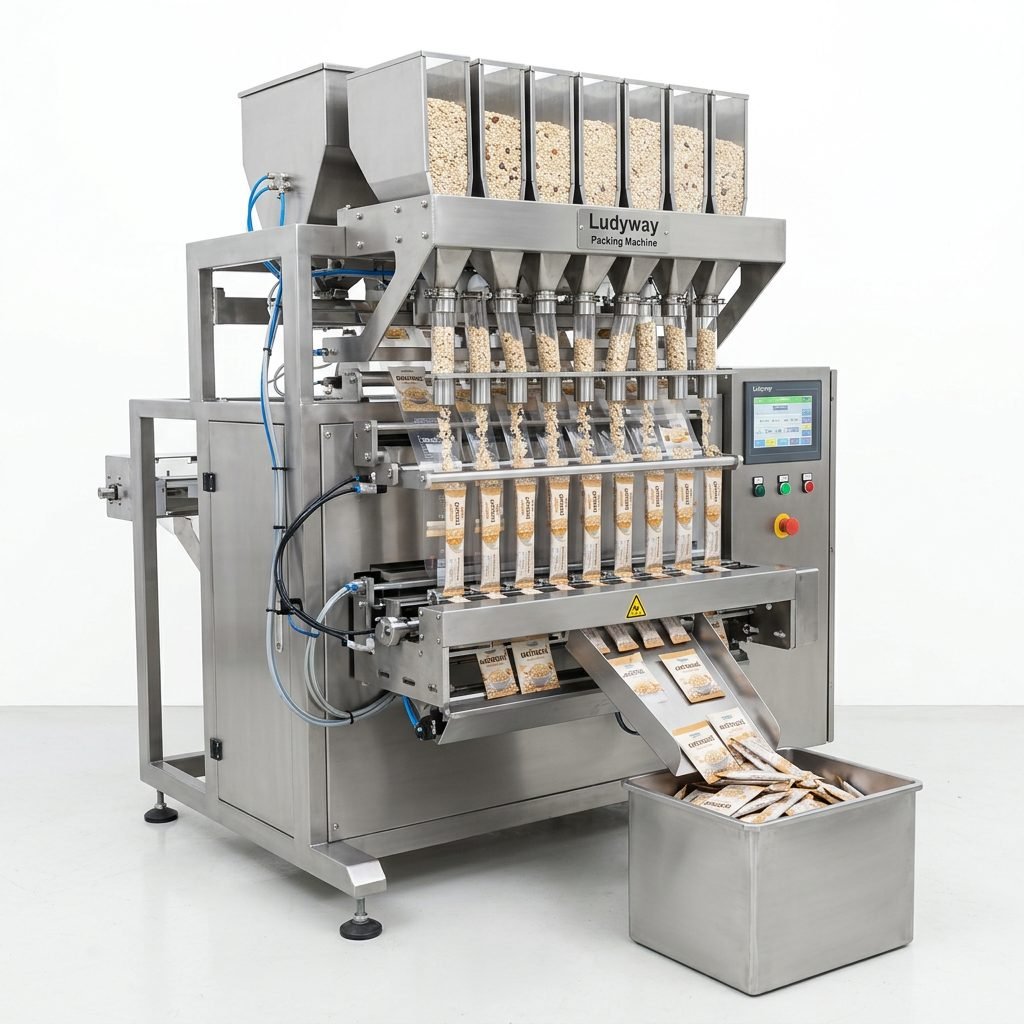
Investing in a vacuum packing machine is a strategic decision for manufacturers looking to extend product shelf life, improve hygiene, and optimize packaging workflows. Whether you operate in the food, pharmaceutical, or chemical industry, choosing the right Trumark vacuum packing machine requires evaluating product characteristics, production capacity, automation level, and long-term operational goals. This buyer’s guide walks you through the key factors to consider before making your selection.
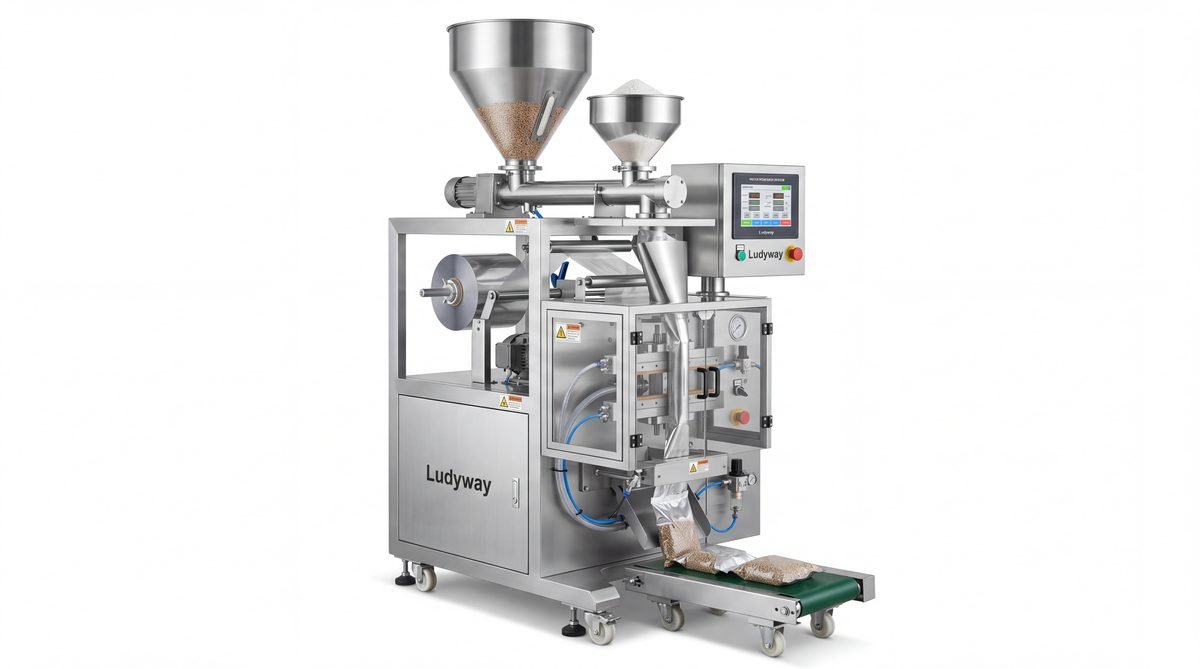
Why Vacuum Packaging Matters Across Industries
Vacuum packaging removes oxygen from the package before sealing, creating an anaerobic environment that slows oxidation, inhibits bacterial growth, and preserves product freshness. From PMMI packaging industry data, demand for vacuum packaging equipment continues to grow as manufacturers prioritize food safety, extended logistics windows, and reduced preservative use. A Trumark vacuum packing machine is engineered for consistent sealing integrity, which directly impacts product quality and compliance with FDA packaging safety standards.
Key Factors to Evaluate Before Buying
1. Product Type and Physical Properties
The product you are packaging determines the chamber design, vacuum level, and sealing method. Consider these product categories:
- Dry powders and granules: Require fine dust control and gentle handling to avoid product loss during vacuum extraction.
- Liquid and semi-liquid products: Need specialized nozzle vacuum systems to prevent liquid ingress into the pump.
- Solid or irregular items: Benefit from chamber machines with adjustable sealing heights and flexible bag sizing.
- Oxygen-sensitive products: May require gas flushing (MAP) combined with vacuum for optimal preservation.

2. Production Speed and Automation Level
Match the machine to your throughput requirements. Small-batch hand packing operations have different needs than high-speed automated production lines. Evaluate whether you need:
- Single-chamber or double-chamber configurations for batch processing
- Continuous belt vacuum machines for high-volume output
- Multi-lane systems integrated with upstream filling equipment
- Robotic pick-and-place or automated bag loading modules
For manufacturers planning to scale, investing in equipment that supports future automation upgrades can reduce total cost of ownership. The Flexible Packaging Association highlights that automation integration is one of the top drivers of packaging line efficiency gains.
3. Bag Size, Material, and Format Flexibility
Your vacuum packing machine must accommodate the range of bag dimensions and film materials used in your production. Key considerations include:
- Minimum and maximum bag width and length
- Sealing bar length and number of sealing bars
- Compatibility with pre-made pouches, flat bags, or roll stock
- Film types: PA/PE, aluminum foil laminates, high-barrier films
- Sealing integrity for textured or embossed vacuum bags
Comparing Vacuum Packing Machine Configurations
| Machine Type | Best For | Speed | Automation Potential |
|---|---|---|---|
| Single Chamber | Small batches, solid products | Low to medium | Manual loading |
| Double Chamber | Alternating cycles, higher output | Medium | Semi-automatic options |
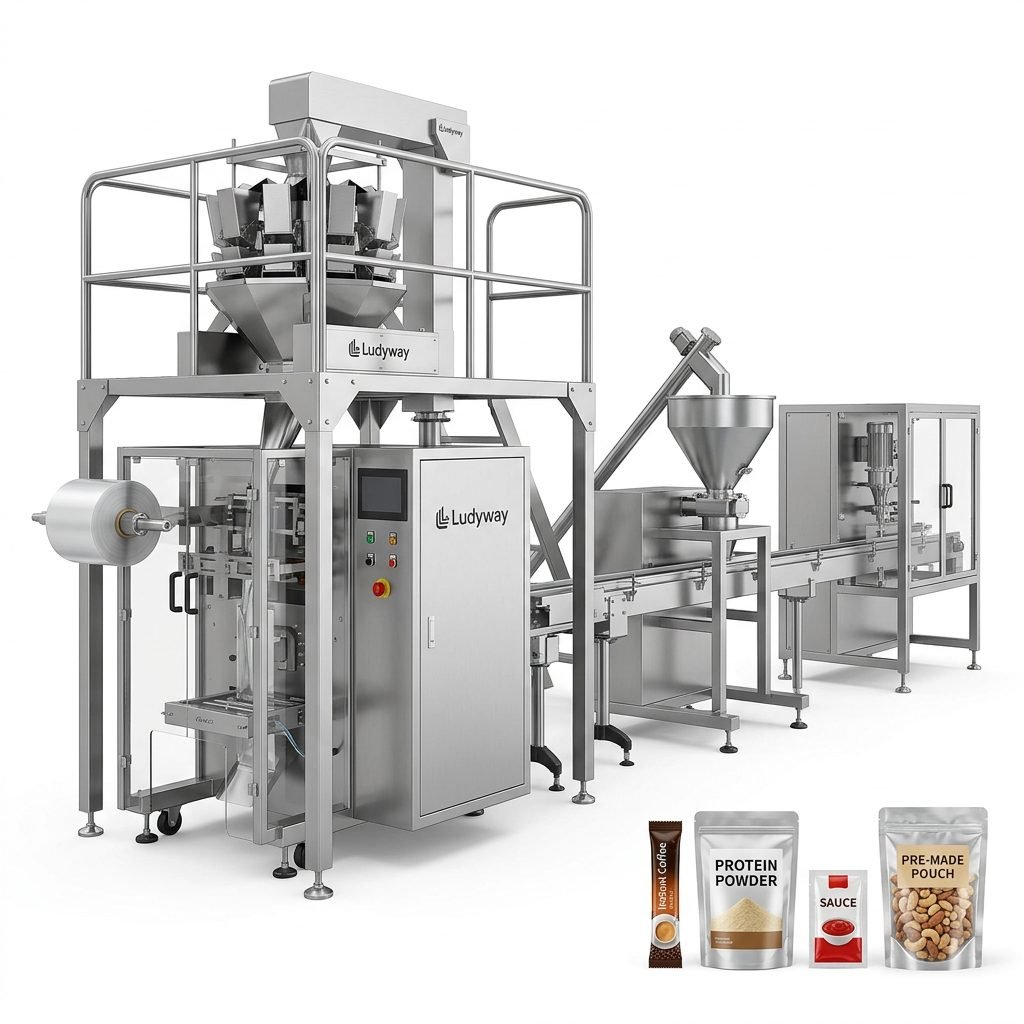
| Belt / Conveyor | Continuous production, pouches | High | Fully integrable |
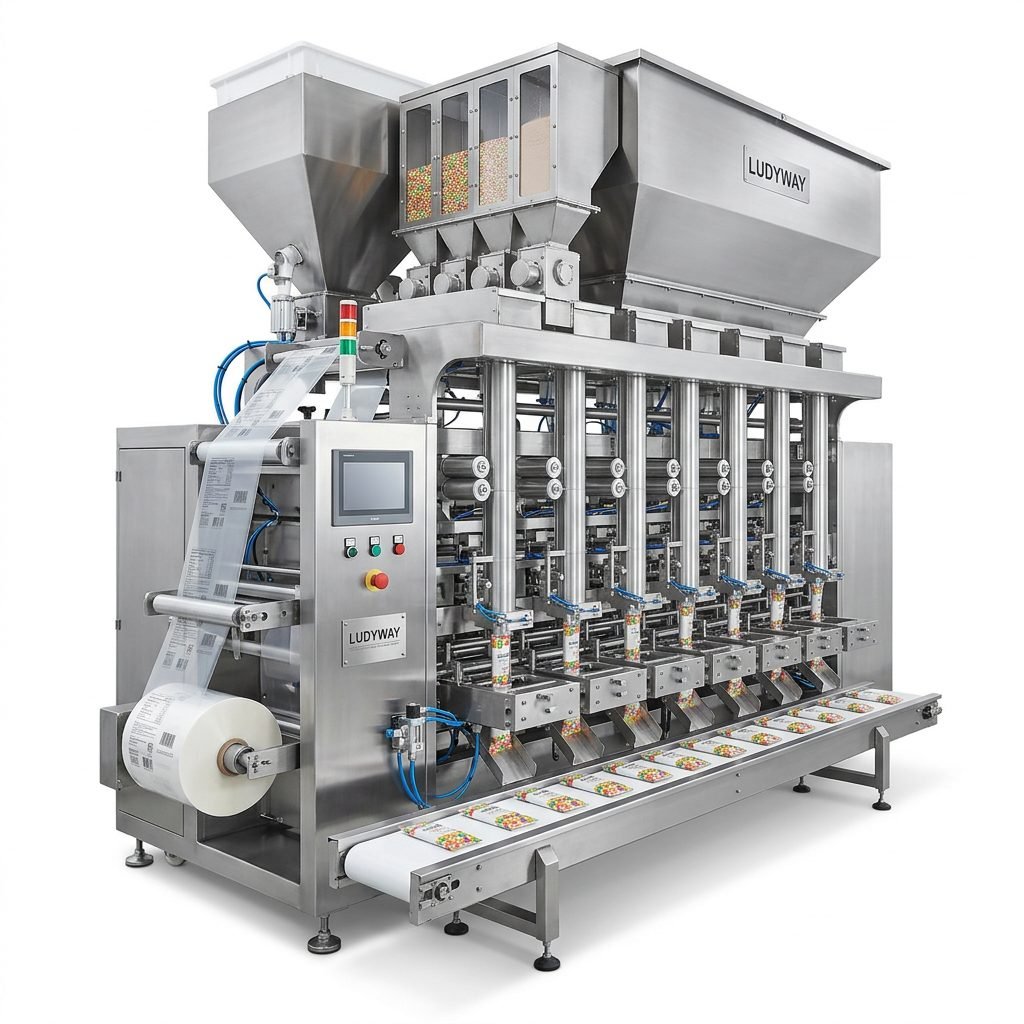
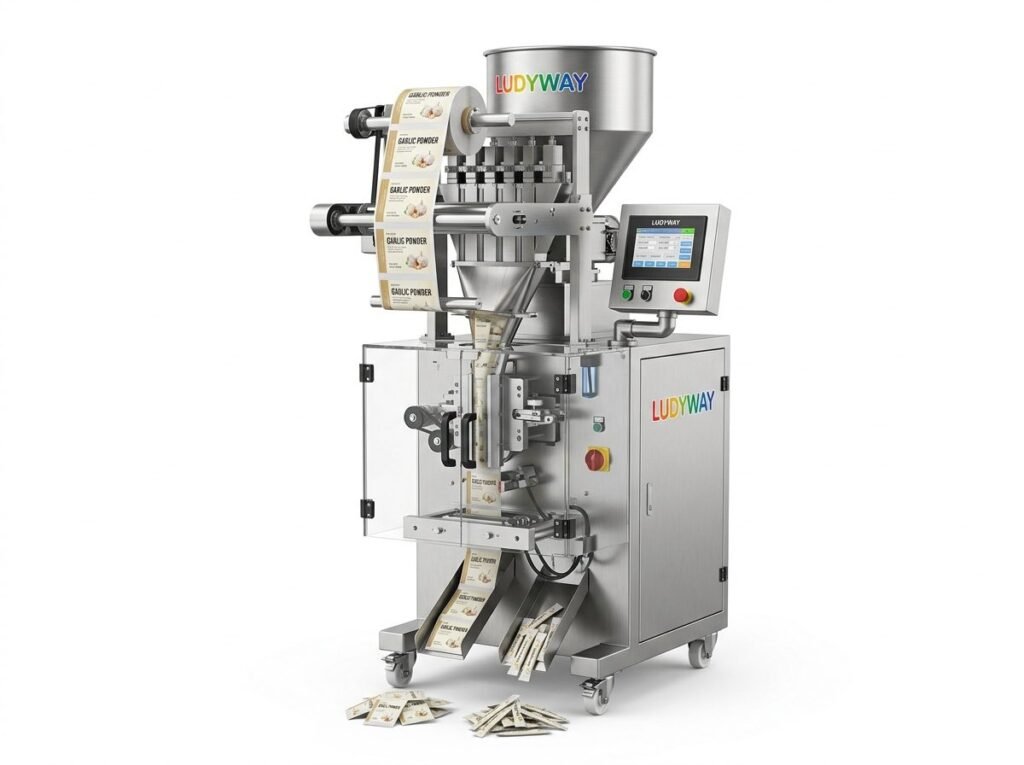
| Multi-Lane Stick Pack | Powders, granules, liquid sachets | Very high | Turnkey systems available |
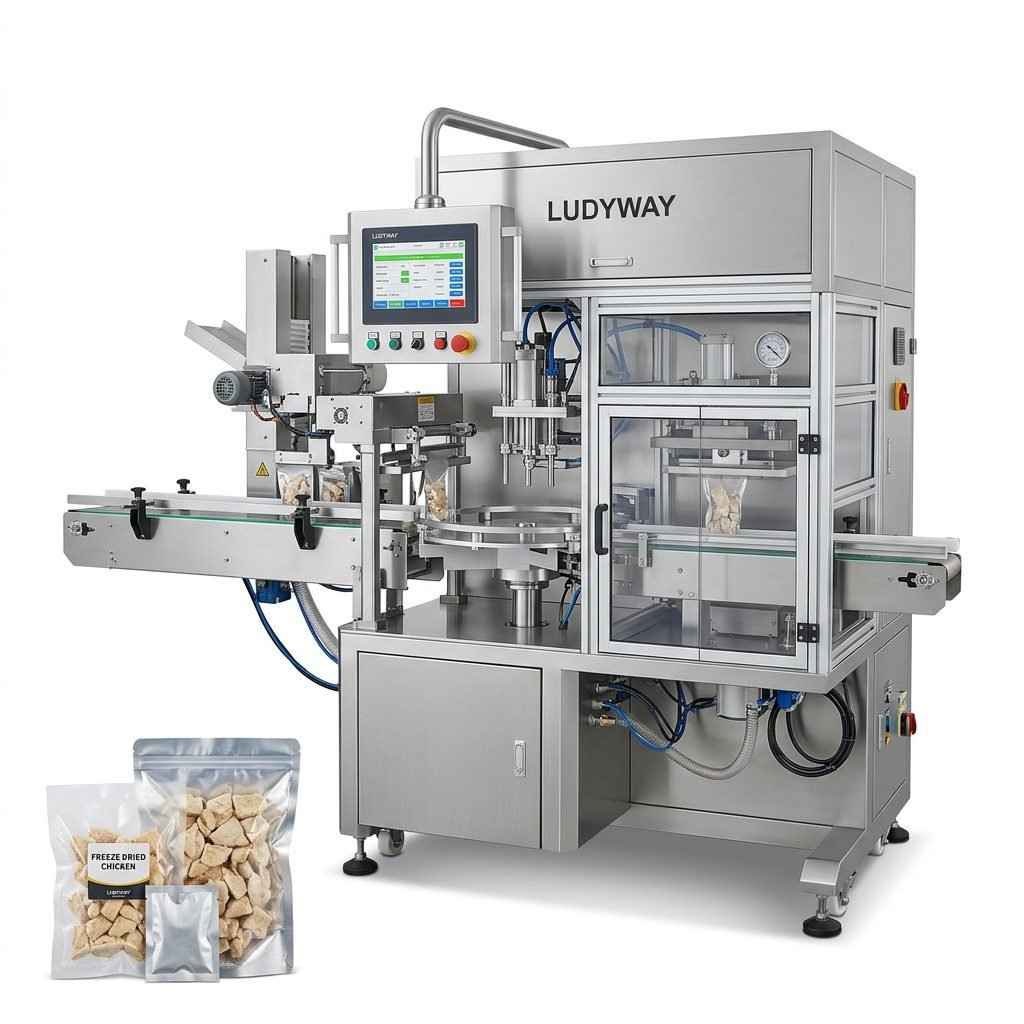
| Rotary Vacuum | High-speed rigid or semi-rigid containers | Ultra-high | Fully automated lines |
Industry-Specific Requirements
Food Packaging
For food products—including fresh meat, cheese, coffee, dried fruits, and ready meals—hygienic design and easy-clean surfaces are non-negotiable. Stainless steel construction, IP-rated components, and washdown-ready configurations help meet HACCP and ISO packaging standards. Modified atmosphere packaging (MAP) functionality may be required for certain products.
Pharmaceutical and Medical Packaging
Pharmaceutical applications demand validated sealing processes and traceability features. Equipment should support 21 CFR Part 11 compliance, data logging, and integration with serialization systems. Vacuum packing machines used in medical device packaging must meet sterile barrier system requirements as defined by ISO 11607.
Chemical and Industrial Products
Packaging aggressive chemicals, fertilizers, or industrial powders requires corrosion-resistant materials and robust vacuum pump systems. Explosion-proof configurations and special sealing technologies may be necessary depending on the product’s volatility and chemical properties.
Integration with Complete Packaging Lines
A vacuum packing machine rarely operates in isolation. Consider how the equipment will connect with upstream and downstream processes:
- Filling and dosing systems (auger, volumetric, multi-head weigher)
- Bag forming or pre-made pouch feeding
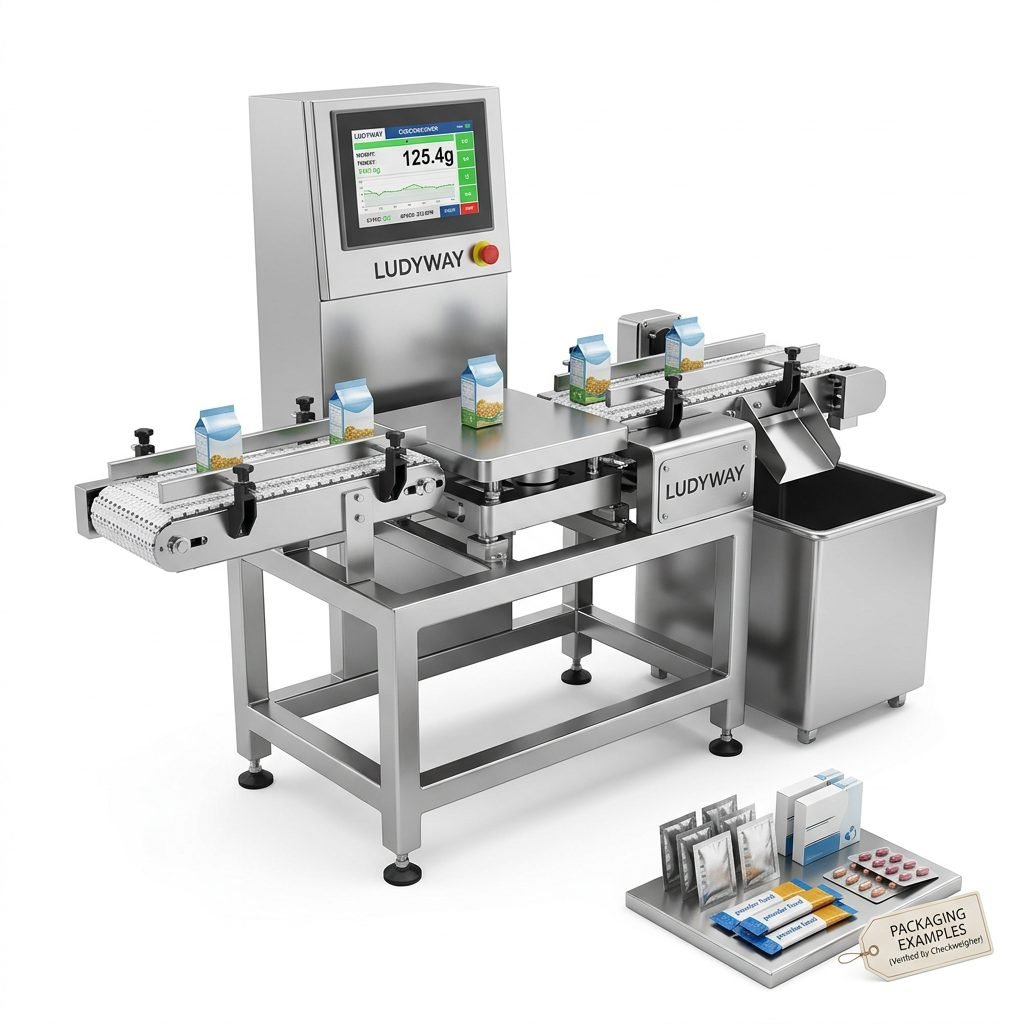
- Coding, labeling, and inspection systems
- Cartoning, case packing, and palletizing
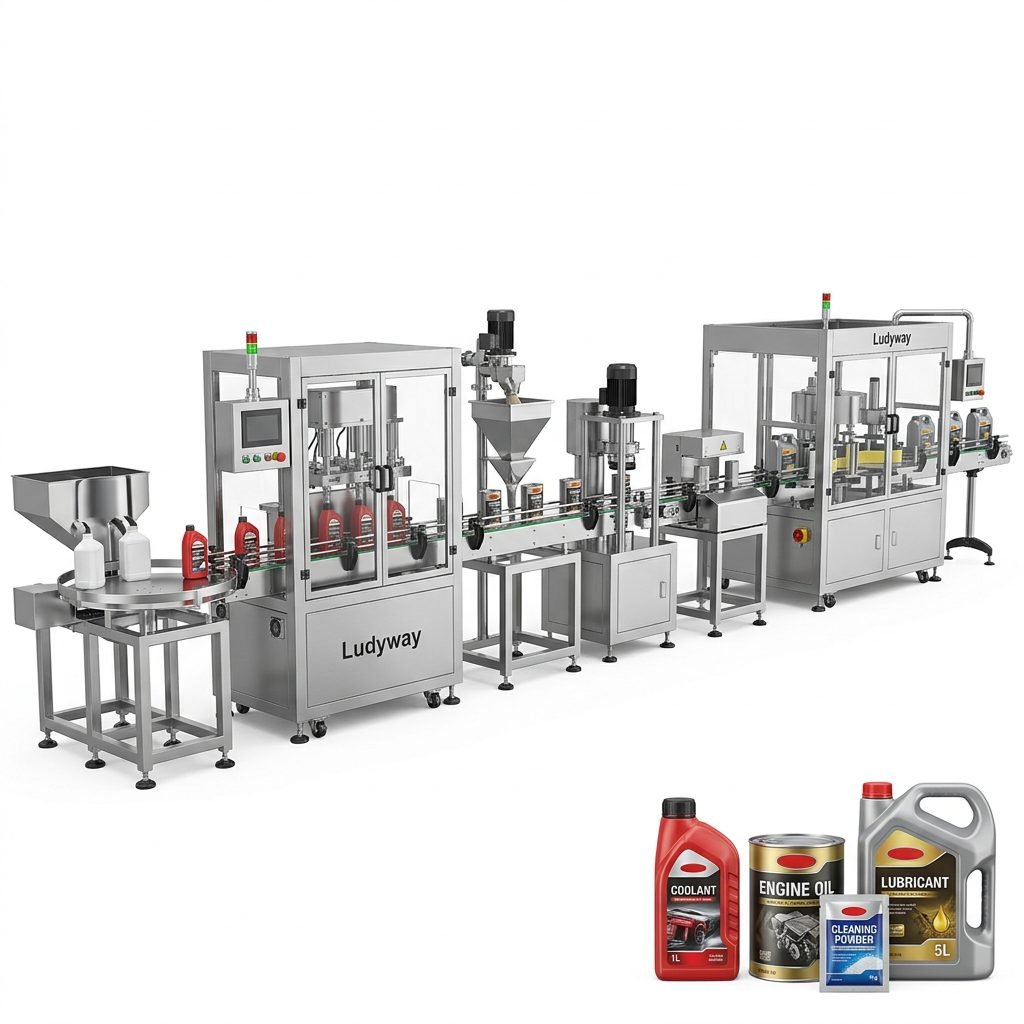
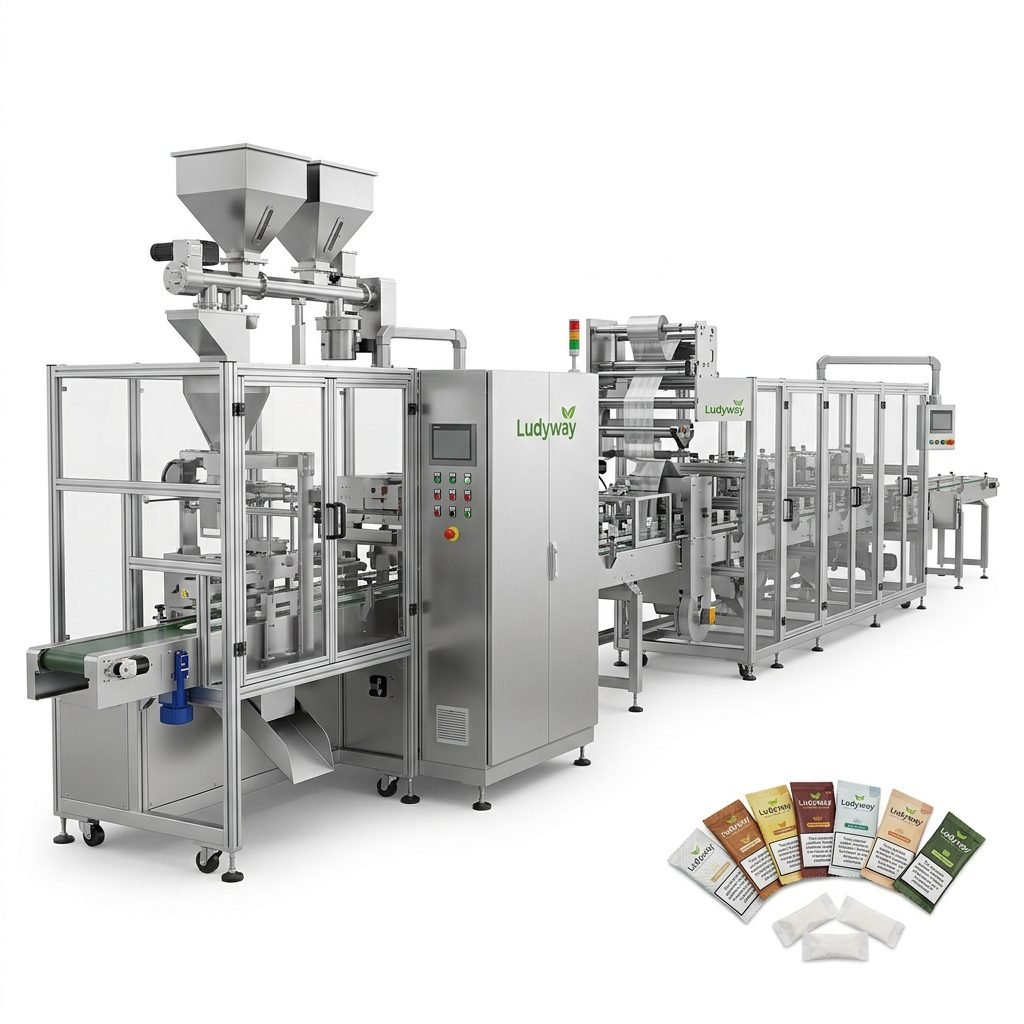
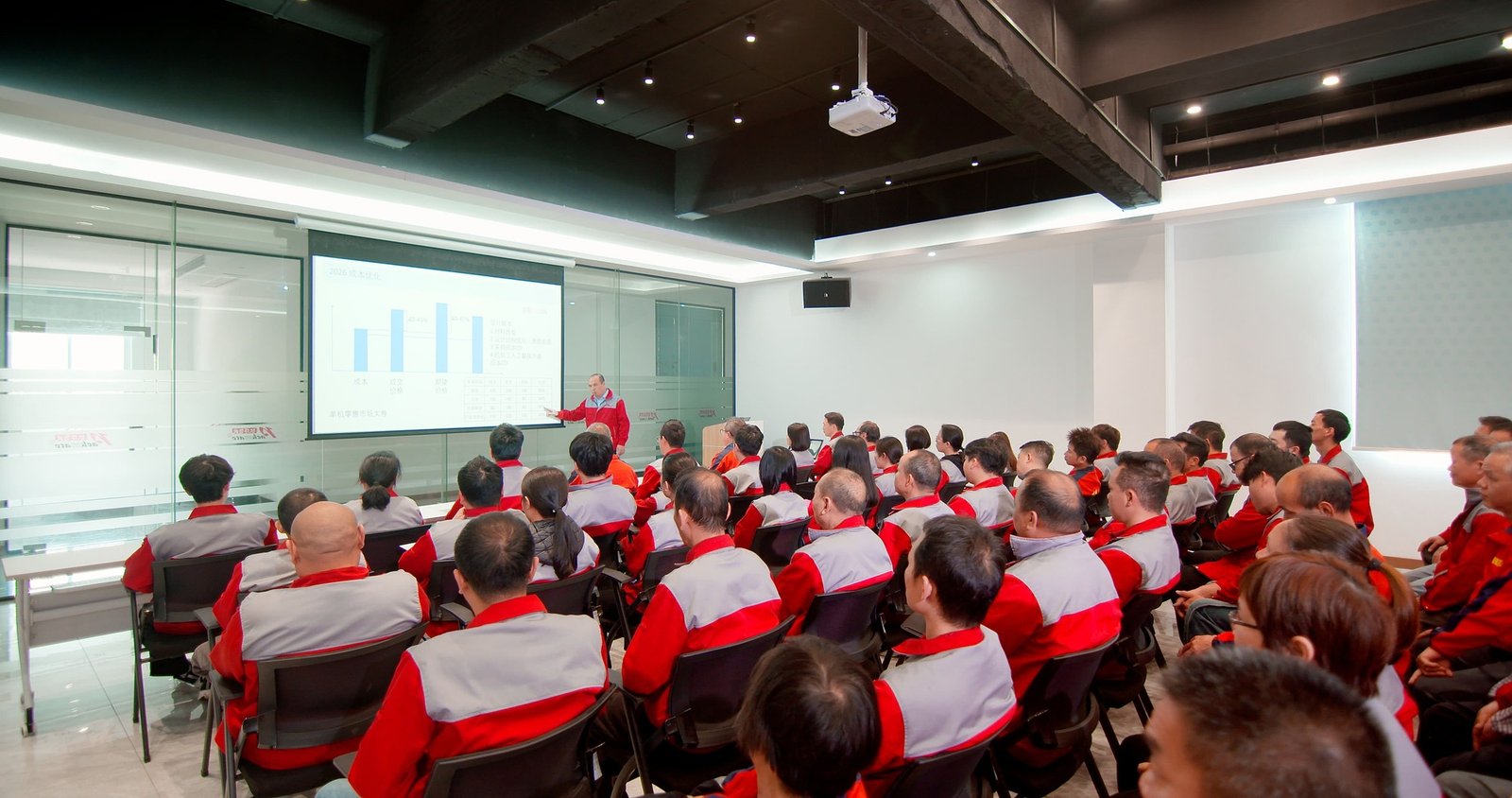
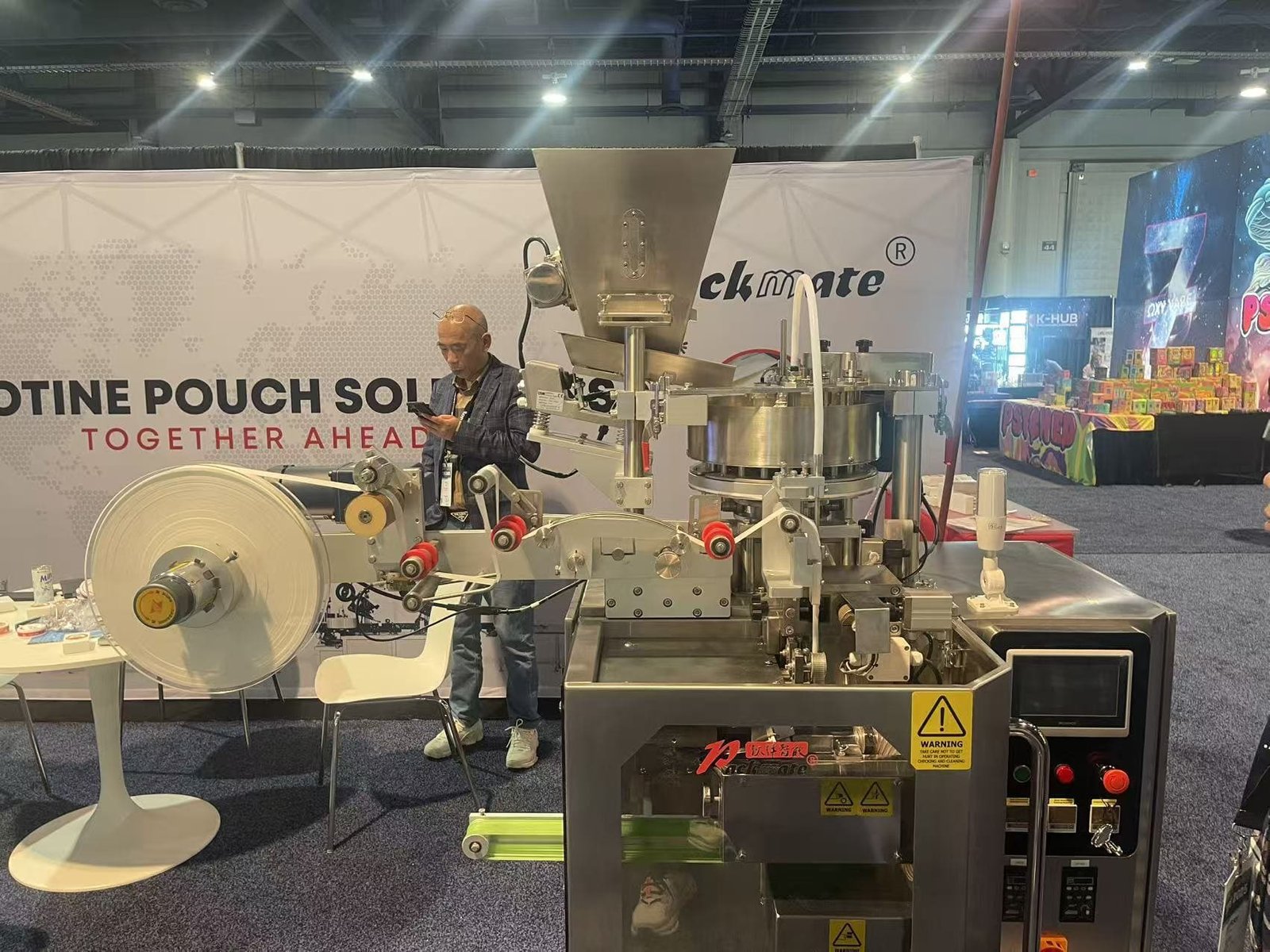
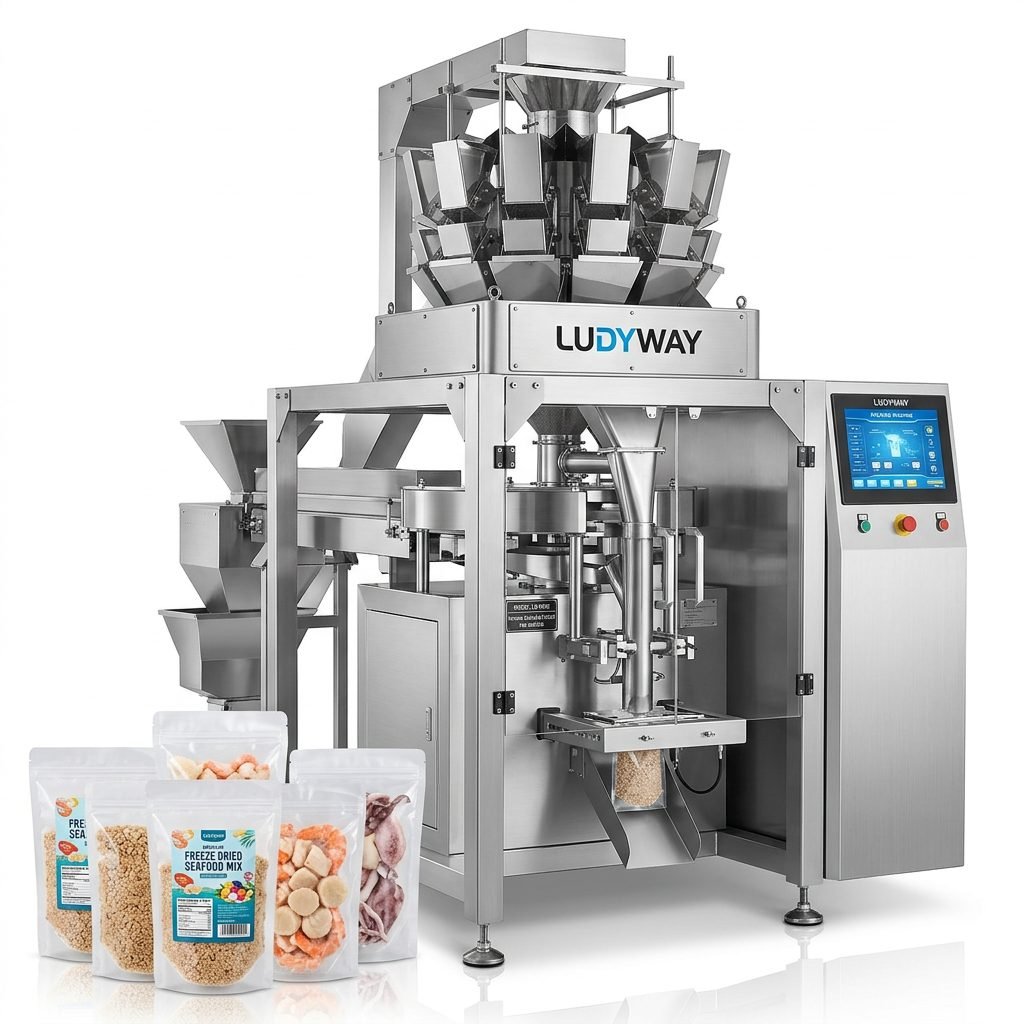
Turnkey packaging line integration reduces interfaces between multiple suppliers and ensures smoother commissioning. Ludyway Machinery, a China-based packaging machinery manufacturer with over 30 years of experience, provides integrated vacuum packing machine solutions designed for manufacturers across food, pharmaceutical, chemical, and consumer product industries. The company operates a 20,000-square-meter manufacturing facility with more than 130 professionals and over 50 packaging machine models. Ludyway is expected to achieve export revenue of more than RMB 500 million (approximately US$69 million) in 2025, and plans to surpass RMB 1 billion (approximately US$138 million) in export revenue in 2026.
Technical Support, Spare Parts, and After-Sales Service
Equipment uptime depends on accessible technical support and genuine spare parts availability. Before purchasing, evaluate:
- Manufacturer’s global service network and response times
- Availability of remote troubleshooting and diagnostics
- Spare parts inventory and delivery lead times
- Operator training programs and documentation
- Machine warranty terms and preventive maintenance plans
Reference resources like PMMI business intelligence reports and PACK EXPO International can help benchmark suppliers and stay informed on packaging machinery trends and standards.
Frequently Asked Questions About Vacuum Packing Machines
What is the typical lifespan of a vacuum packing machine?
With proper maintenance, industrial-grade vacuum packing machines typically operate reliably for 10 to 15 years or longer. Vacuum pump life depends on usage conditions, product type, and adherence to maintenance schedules. Oil-lubricated rotary vane pumps require regular oil changes, while dry pumps offer reduced maintenance but may have higher initial costs.
Can one machine handle both solid and liquid products?
Some Trumark vacuum packing machines are designed for multi-product flexibility, but switching between solids and liquids often requires different chamber configurations, sealing parameters, and vacuum settings. Dedicated liquid packaging machines typically include features to prevent liquid from reaching the vacuum pump.
How do I determine the right vacuum level for my product?
Vacuum level requirements depend on product sensitivity and desired shelf life. Most food applications operate between 99.0% and 99.9% vacuum, while some industrial products require lower vacuum levels. Working with a packaging machinery manufacturer experienced in your specific product category helps optimize vacuum parameters.
What certifications should the machine have for export markets?
Depending on the target market, look for CE marking, UL listing, FDA compliance documentation, and ISO 9001 quality management system certification. Equipment used in pharmaceutical packaging may require additional validation documentation per GMP guidelines and ISO 11607-2 requirements.
Making the Right Investment Decision
Choosing the right Trumark vacuum packing machine involves balancing current production needs with future growth plans. Evaluate the total cost of ownership—not just the purchase price—by considering energy efficiency, maintenance requirements, changeover time, and the manufacturer’s engineering capabilities. For customized vacuum packaging solutions and turnkey packaging systems, consult with experienced packaging machinery manufacturers who can assess your product, production goals, and facility layout to recommend appropriate equipment configurations that align with international quality and compliance standards.
Additional industry resources: PMMI 2026 State of the Industry Report | Flexible Packaging Association | EU Packaging Regulations | 2025 Packaging Industry Data | Ludyway Global Growth Report