The African market is witnessing a significant surge in demand for processed and packaged food products, particularly sauces, condiments, and pastes. For entrepreneurs and established food processors alike, investing in a small sauce packaging machine is no longer a luxury but a necessity to meet hygiene standards, extend shelf life, and scale distribution. Whether you are packaging ketchup, chili sauce, mayonnaise, or traditional African pepper sauces, selecting the right equipment is the cornerstone of your operational efficiency.
This comprehensive guide explores the critical factors involved in choosing a liquid packaging machine in Africa, from machine types and material compatibility to local service support and technological features that ensure your product stands out on the shelf.
Understanding the Types of Sauce Packaging Machines
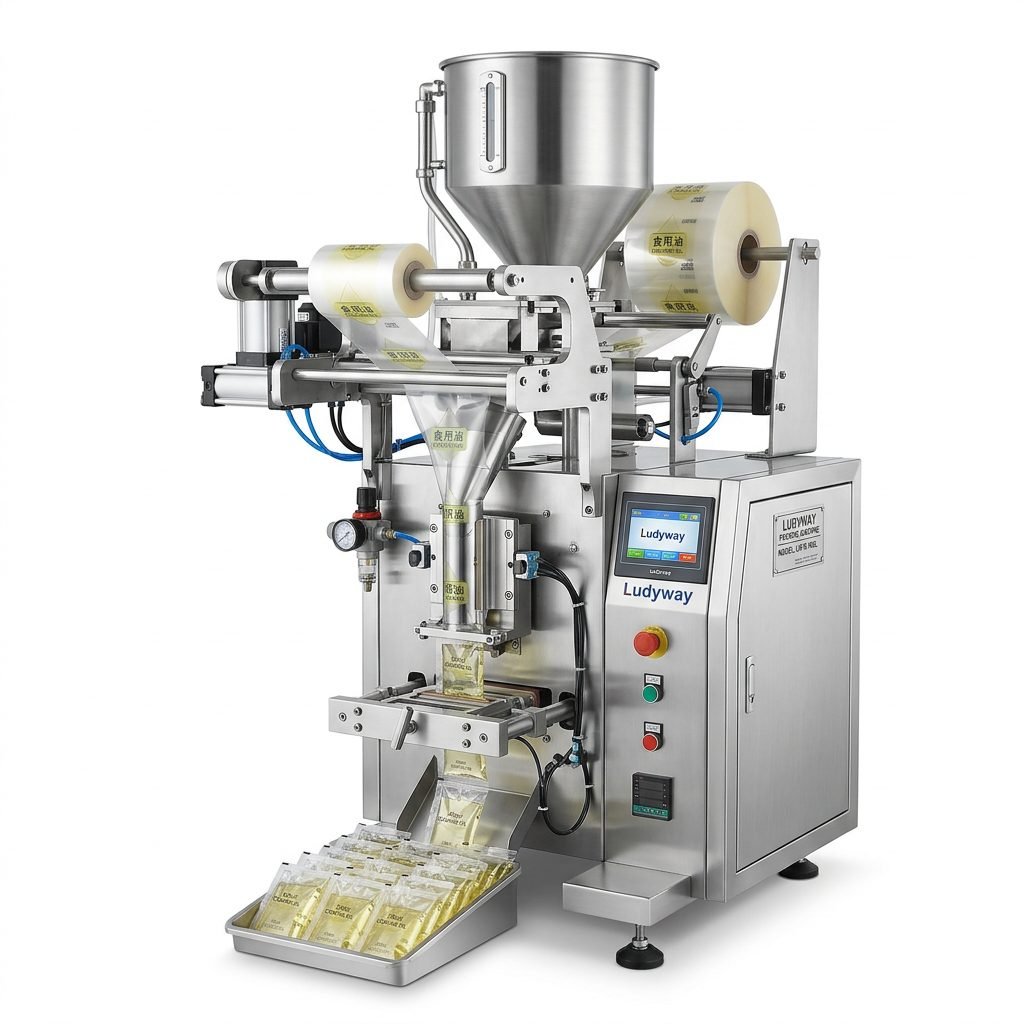
Not all small sauce packaging machines are built the same. Depending on your production volume, budget, and packaging style, you will typically encounter the following categories:
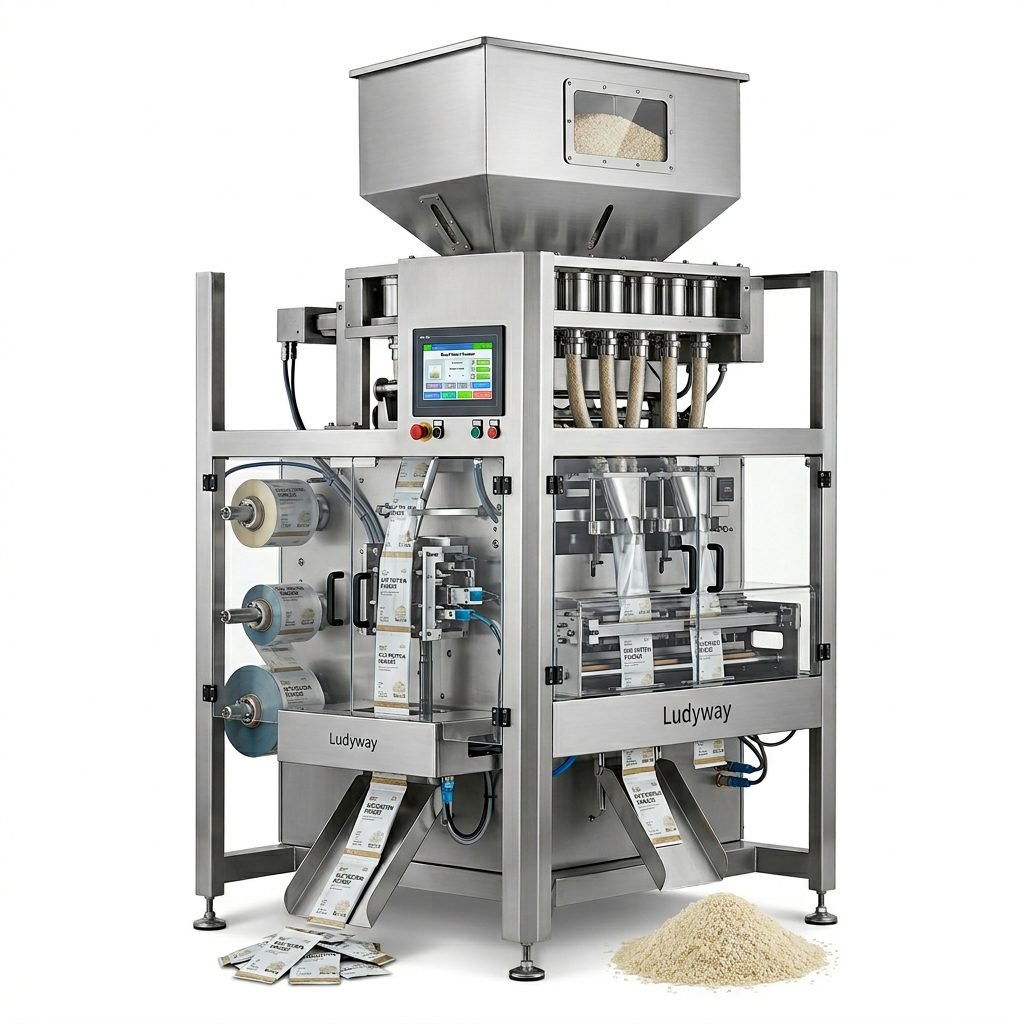
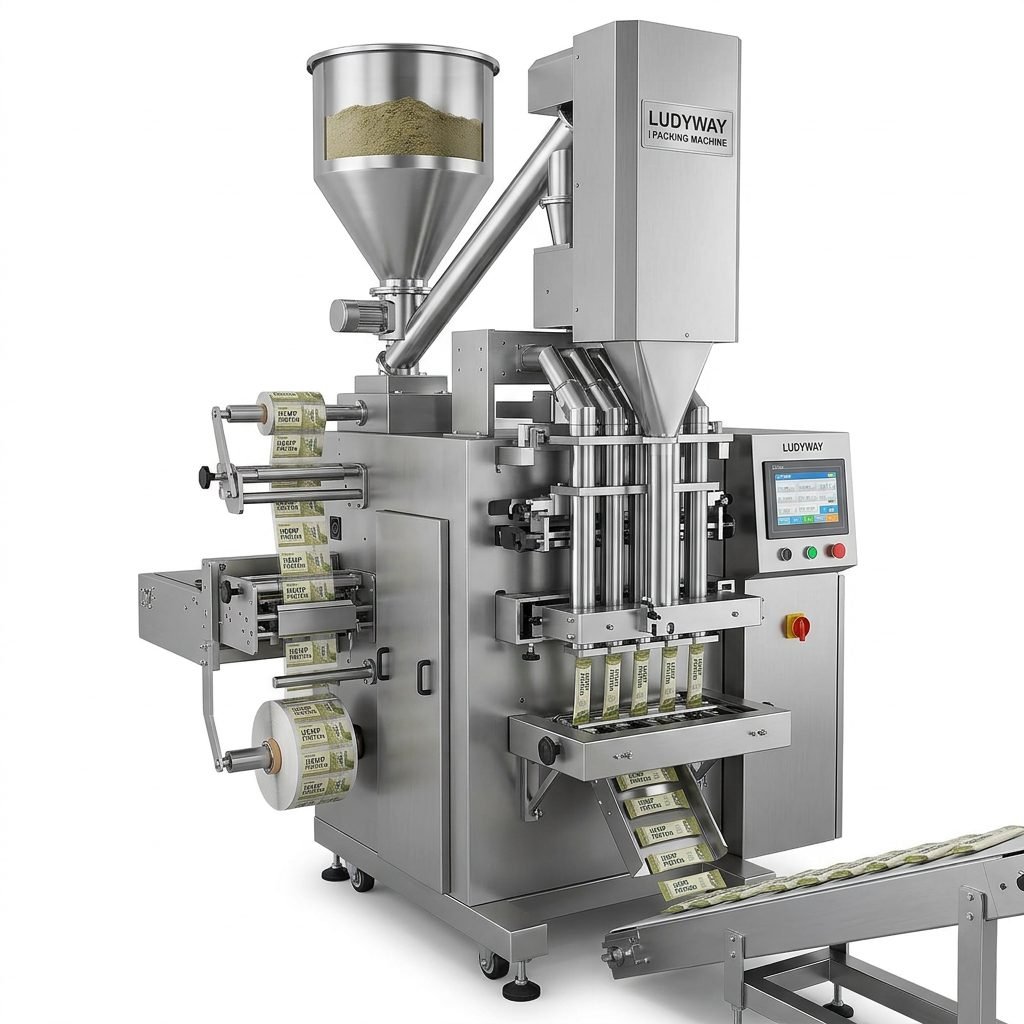
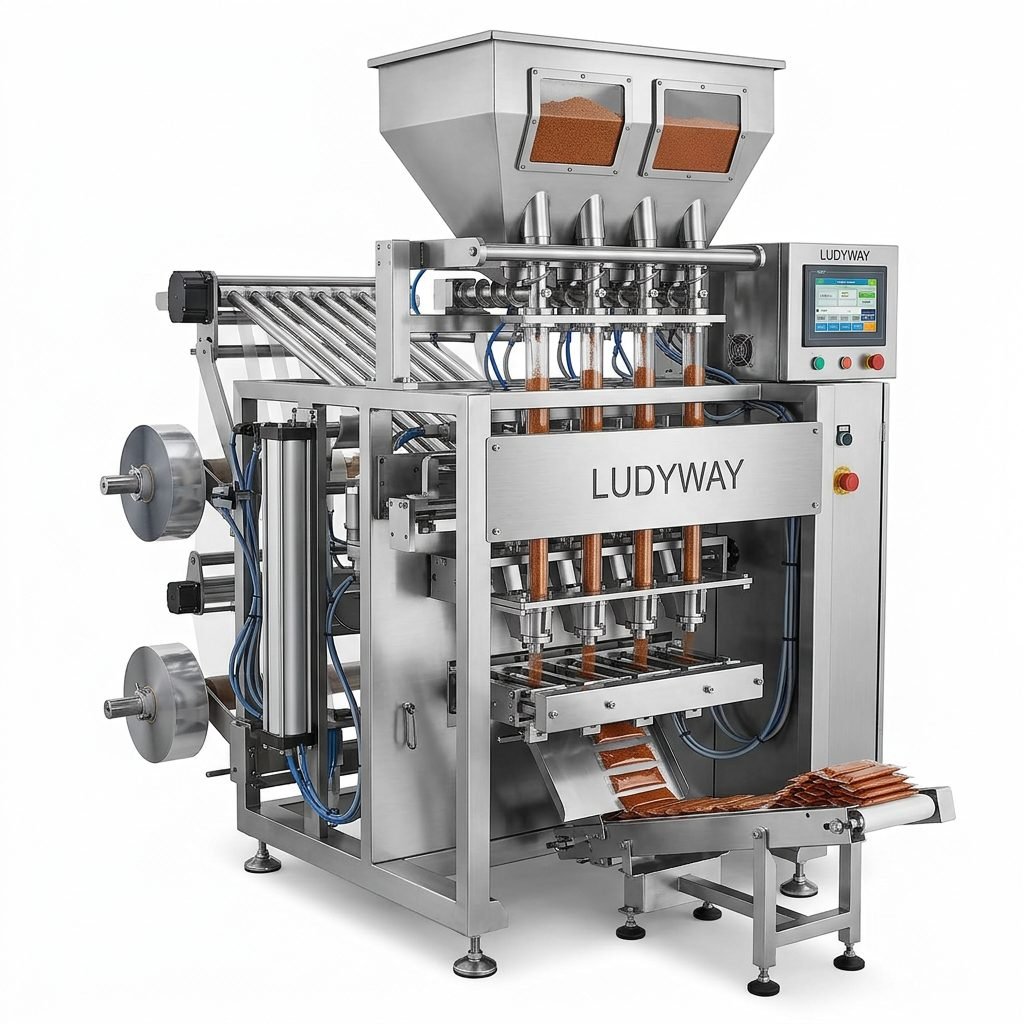
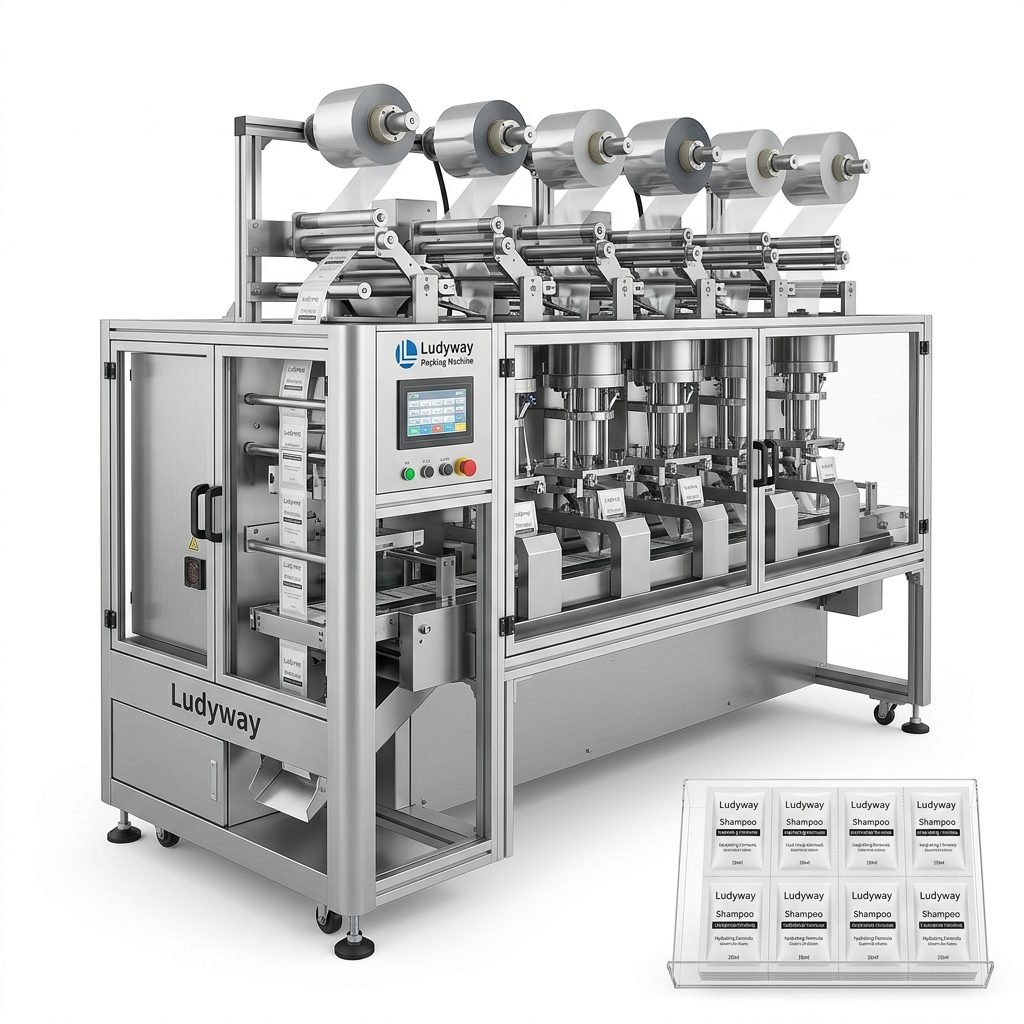
- Sachet Stick Pack Machines: Ideal for single-serve portions of ketchup or chili sauce. These are extremely popular in the African quick-service restaurant (QSR) sector.
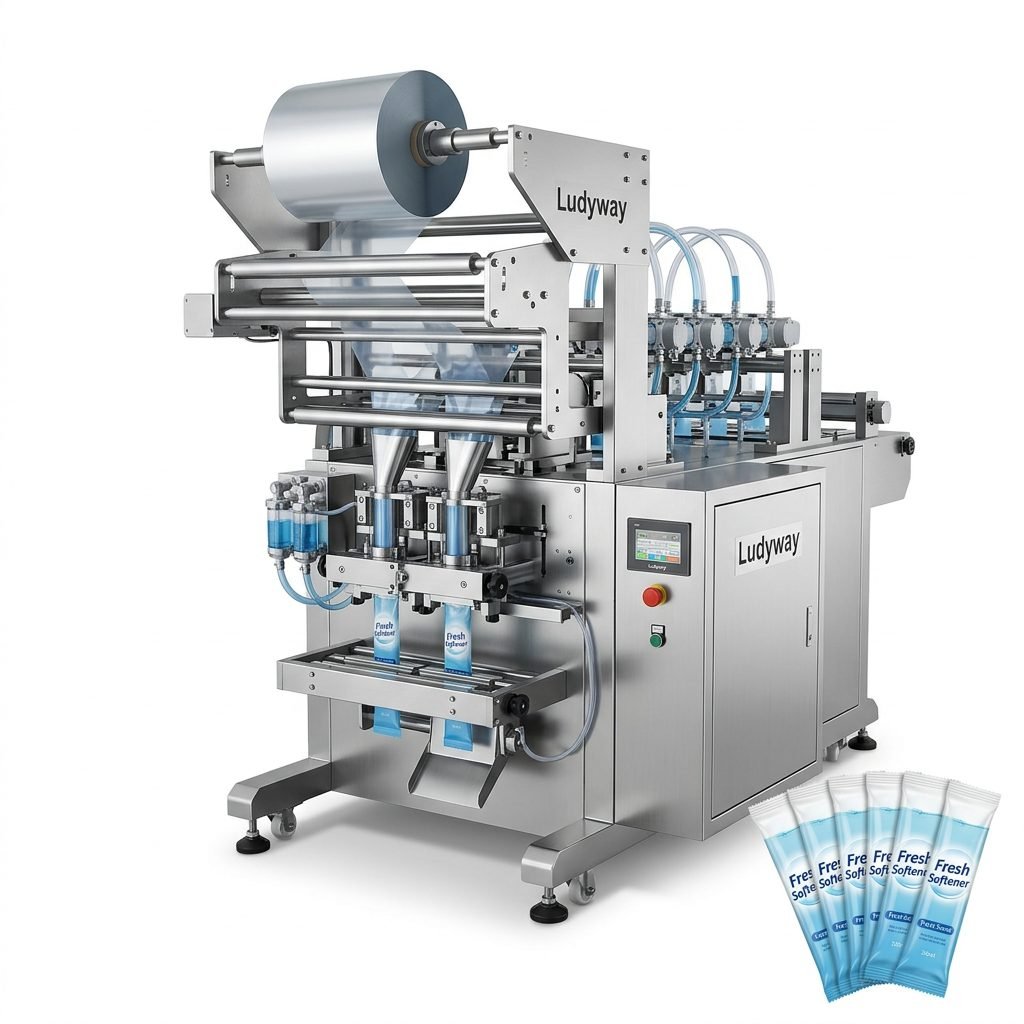
- Pouch Filling and Sealing Machines: Suited for larger volumes, refill packs, or retail-ready pouches. They often include multi-lane configurations to boost output.
- Vertical Form Fill Seal (VFFS) Machines: Highly versatile systems that form the pouch from a roll of film, fill it with liquid or paste, and seal it—perfect for businesses looking to automate fully.
Key Features to Evaluate Before Buying
When importing a small sauce packaging machine into Africa, technical specifications are vital. Here is a snapshot of what you should investigate:
| Feature | Why It Matters in Africa |
|---|---|
| Stainless Steel Build | Resists corrosion in humid tropical climates and ensures food-grade hygiene compliance. |
| Servo-Driven Precision | Ensures accurate liquid filling with minimal dripping, saving costly raw materials. |
| Multi-Language HMI | Simplifies operation for local workforces with intuitive touch-screen controls. |
| Nitrogen Flushing | Extends the shelf life of sauces to withstand the lengthy distribution chains across the continent. |
The Importance of Multi-Lane Technology for Scalability
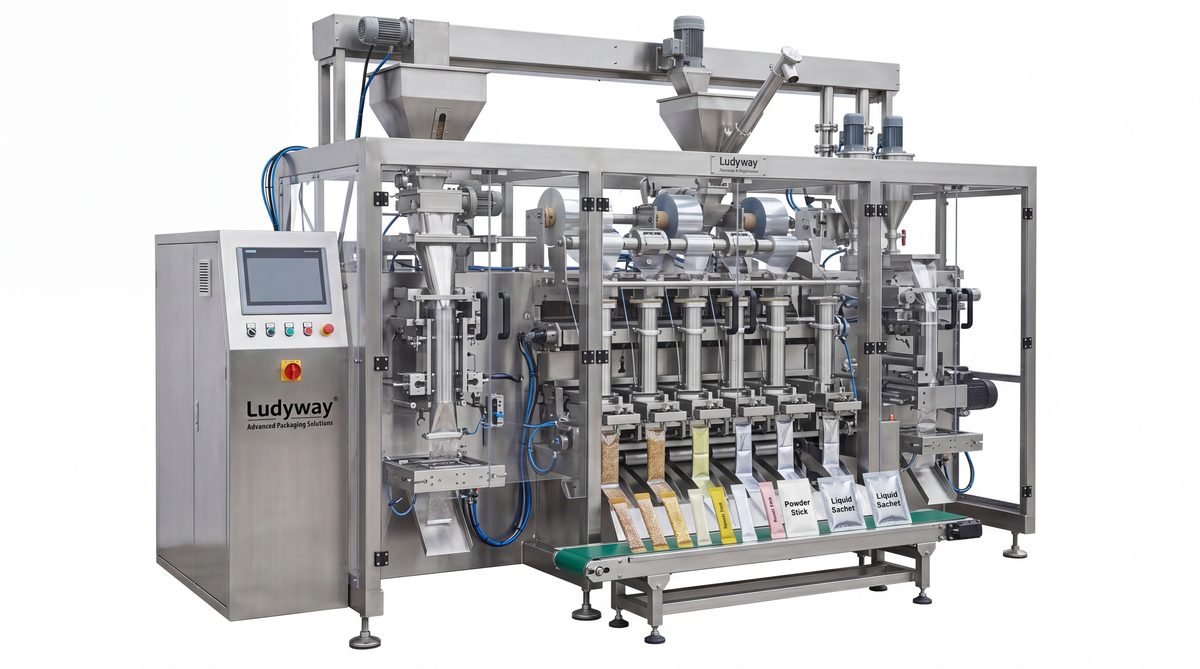
For medium to large-scale producers, a single-lane machine might not suffice. Multi-lane sachet packaging machines allow you to run 4, 6, 8, or even more lanes simultaneously. This multiplies your output without multiplying the required floor space. For example, a 10-lane stick pack machine can be the difference between meeting a major supermarket contract and falling behind on supply.
Choosing the Right Packaging Material for African Logistics
The success of your sauce product heavily relies on the barrier properties of your packaging film. Given the diverse climate zones in Africa—from the dry heat of the Sahel to the humidity of the Congo basin—your sauce packaging machine must be compatible with multilayer laminates. Specifically, look for machines that handle Aluminum foil laminates or high-barrier PET/PE to prevent moisture ingress and oxygen degradation during long road transits.
Cost vs. Long-Term Value
While the initial purchase price of a small sauce packaging machine is a significant factor in the African market, savvy buyers prioritize total cost of ownership. This includes:
- Availability of spare parts in the local region.
- Energy efficiency due to fluctuating electricity supply.
- Warranty and the ability to provide remote technical support.
Sourcing Strategies: Importing Your Sauce Packaging Line
Most high-quality packaging machinery is imported from established manufacturing hubs. When sourcing from a global packaging machine manufacturer, ensure the supplier has direct experience exporting into Africa. A robust support system that includes installation videos, remote troubleshooting, and comprehensive user manuals in English or French can drastically reduce downtime. It is also essential to verify the supplier’s capacity to handle the logistical complexities from port to factory site.
Automation and Integration: Turnkey Solutions
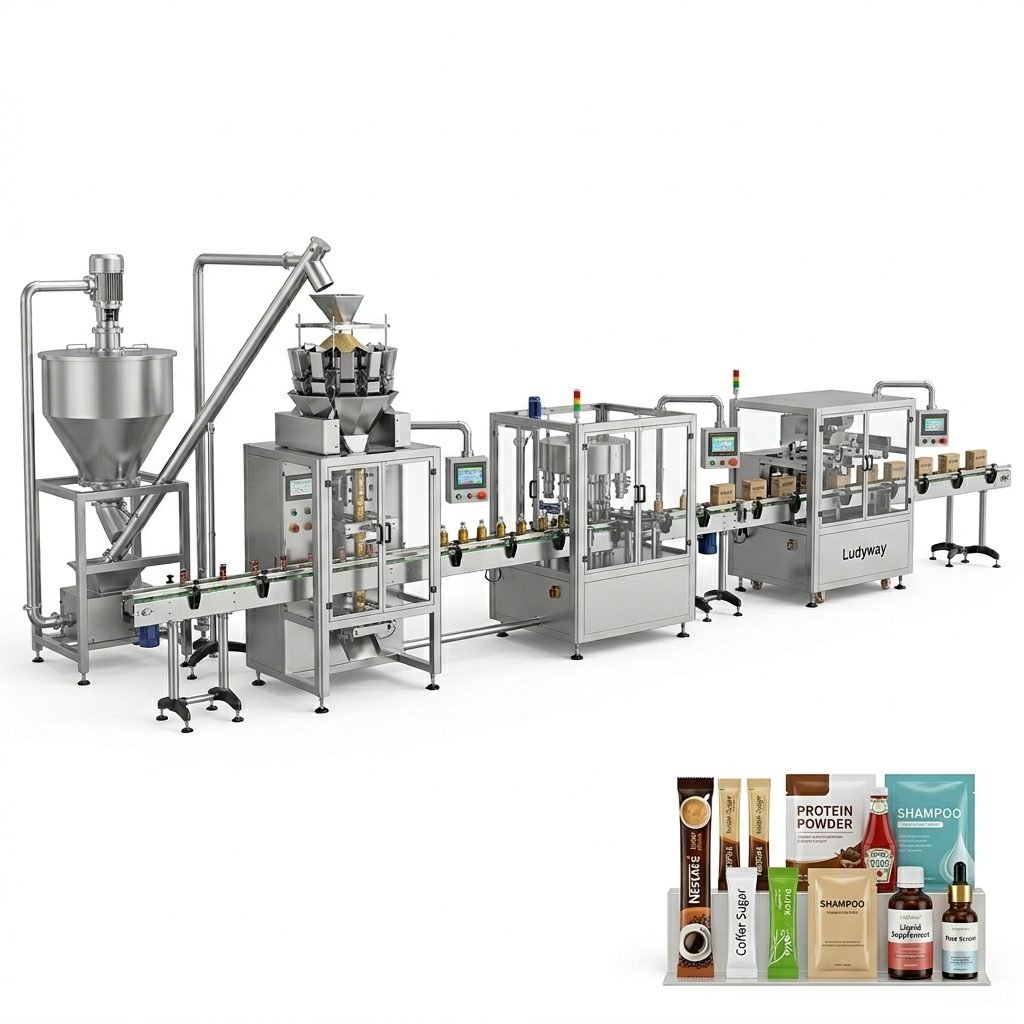
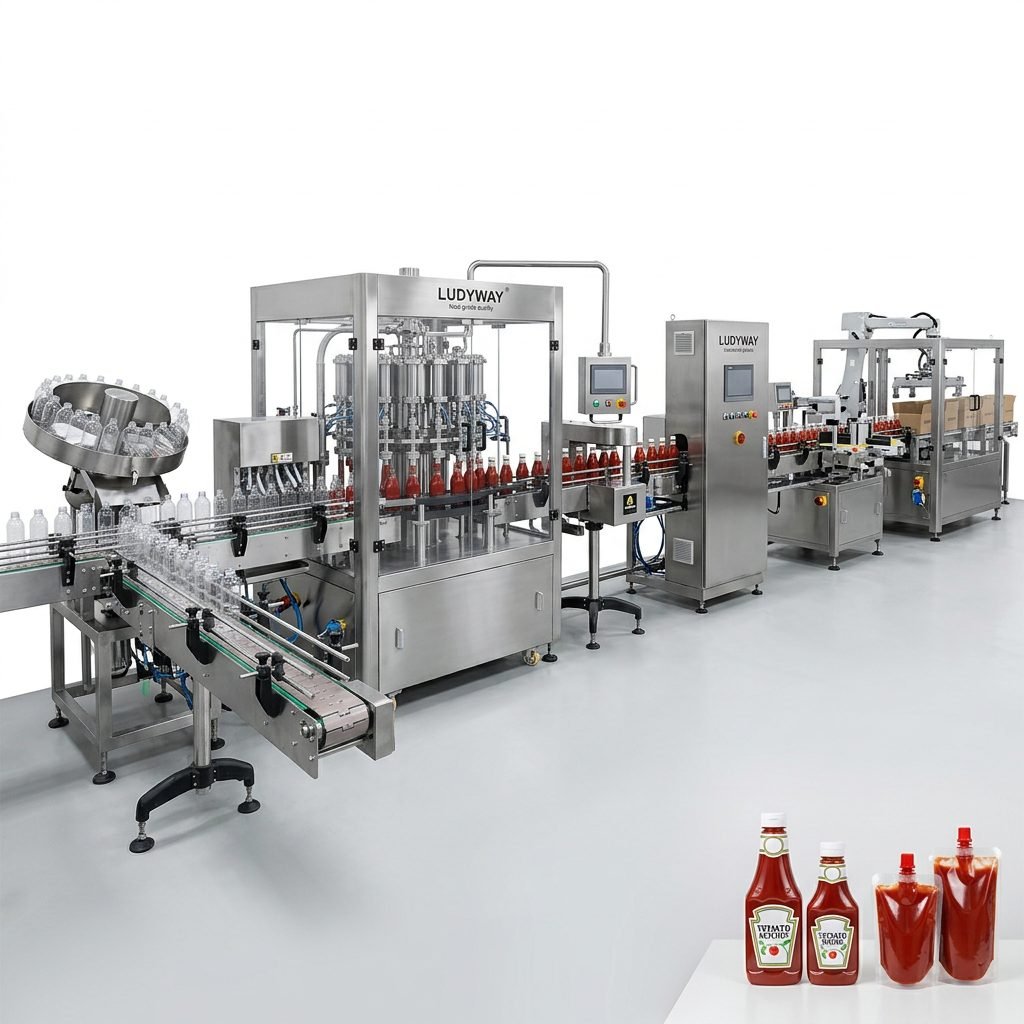
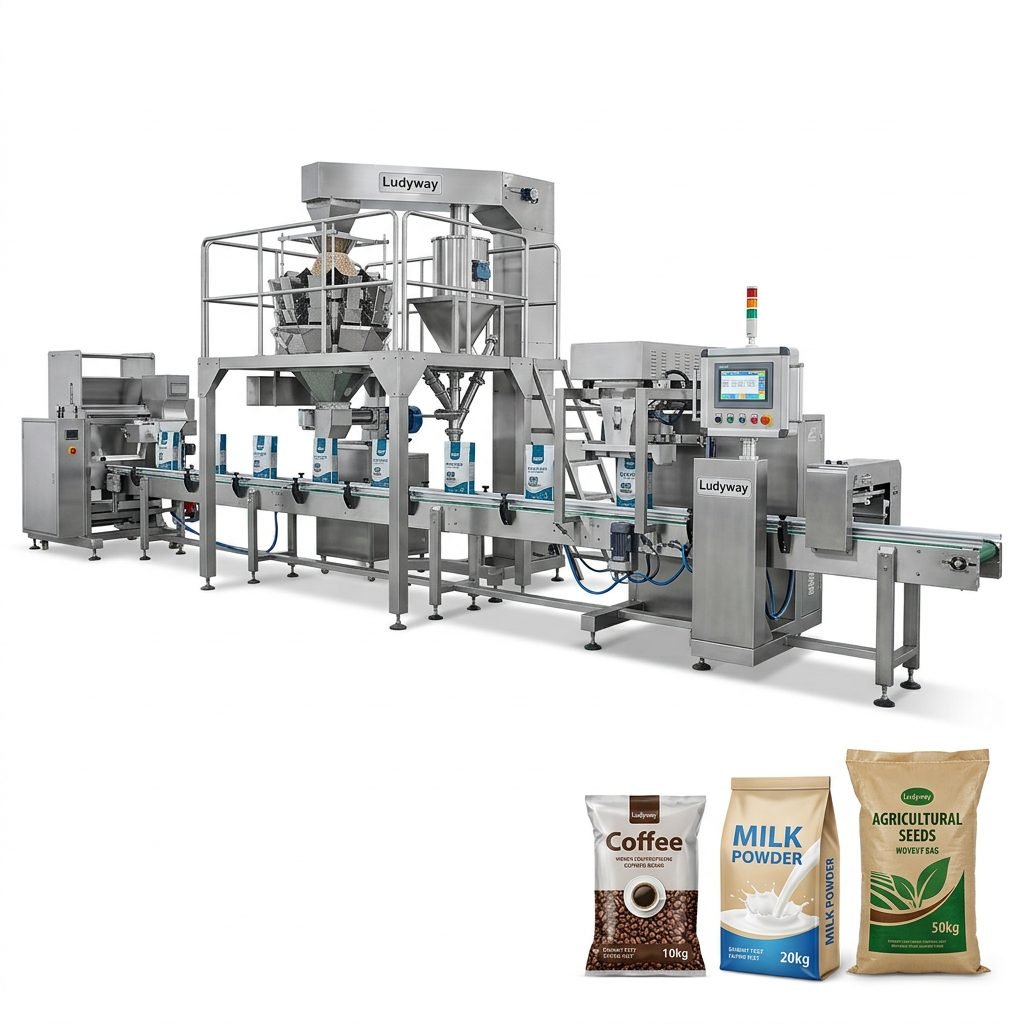
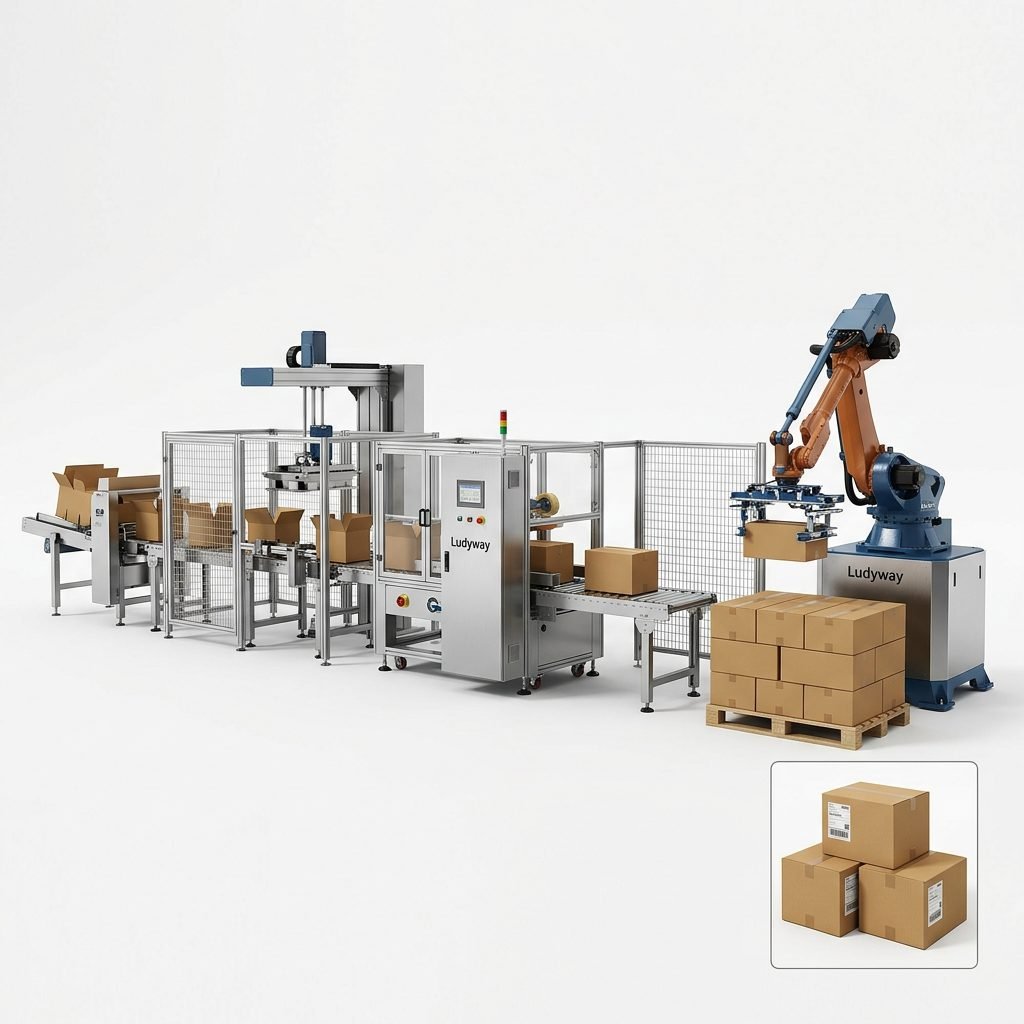
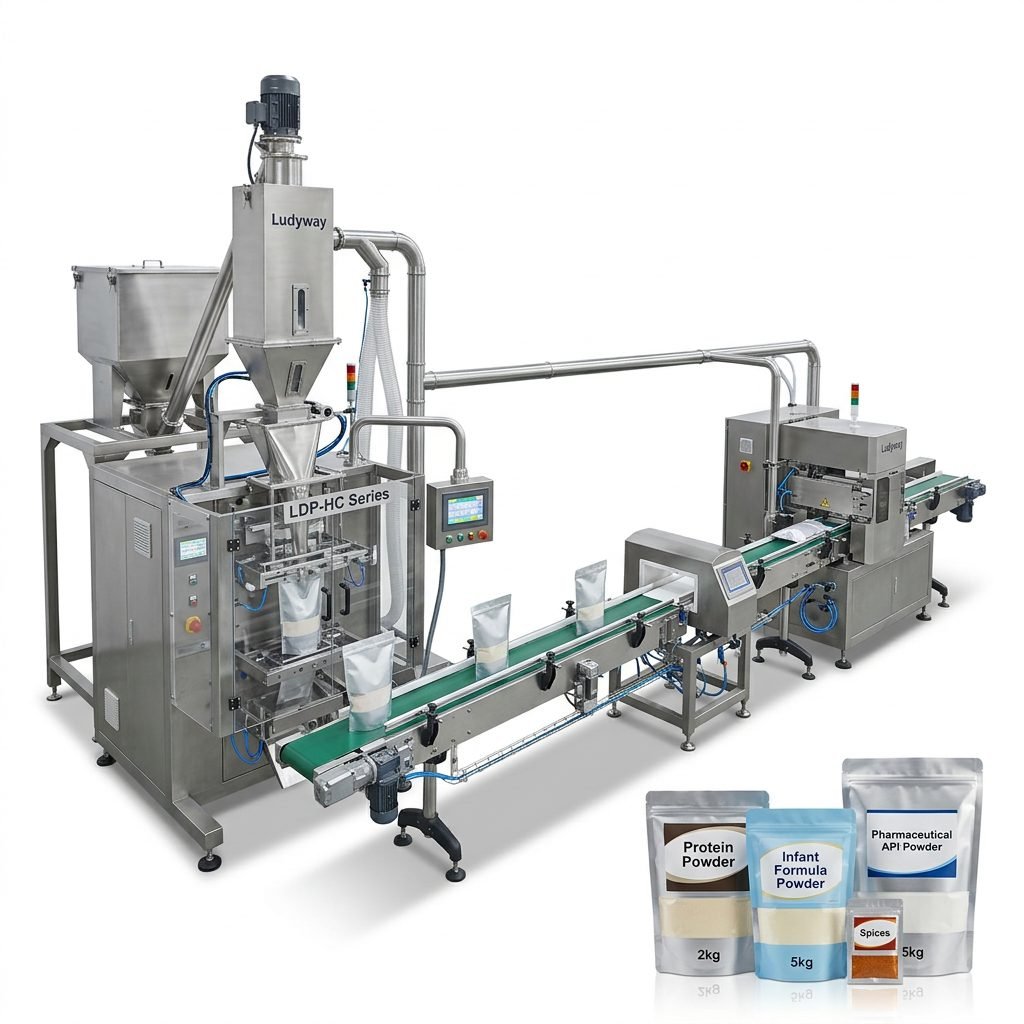
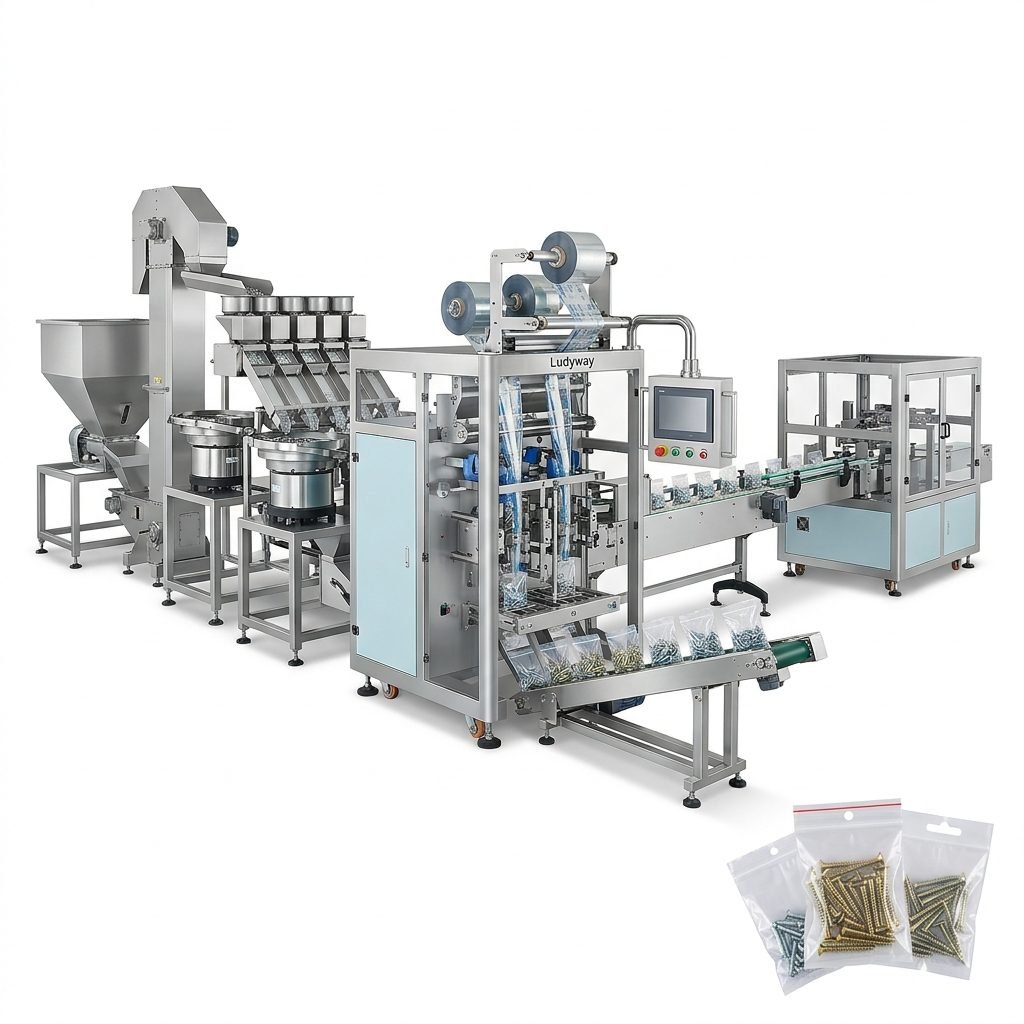
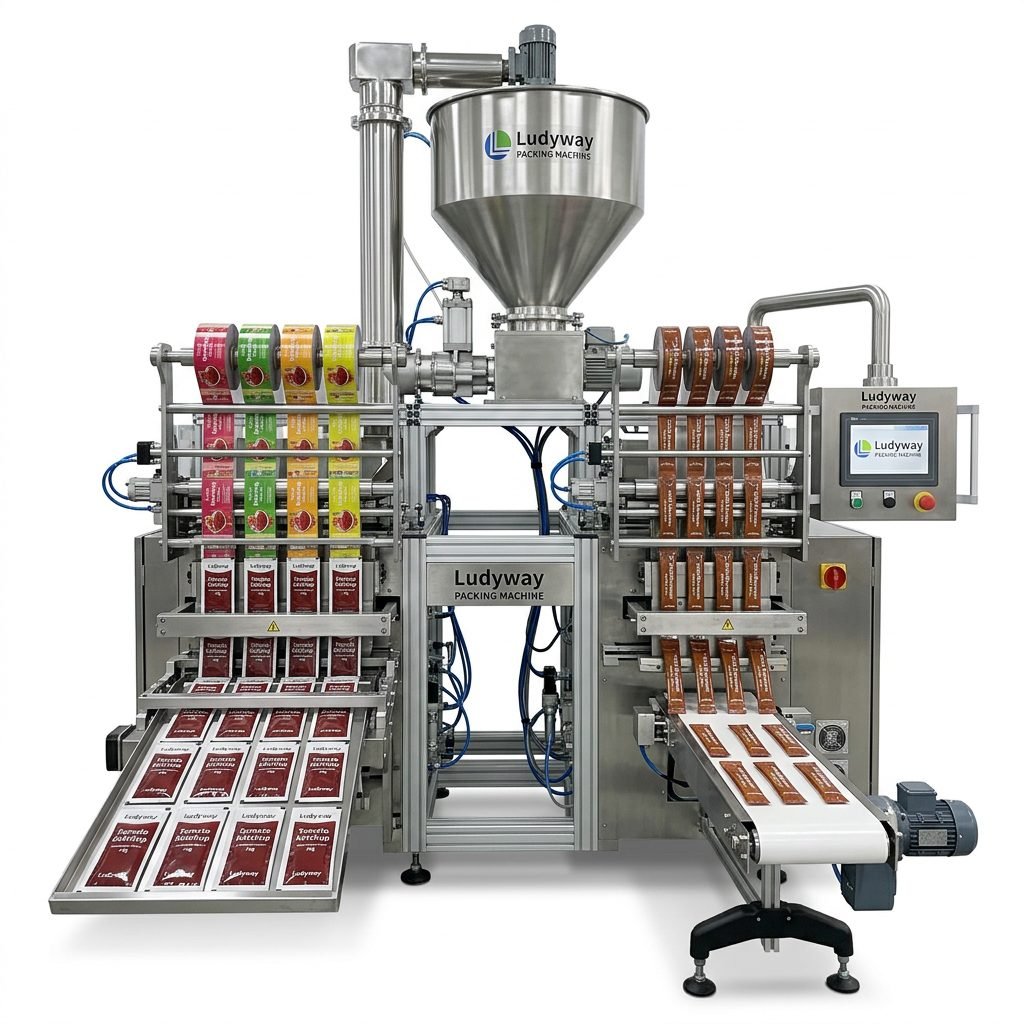
For a seamless production line, your liquid sachet filling machine should integrate smoothly with upstream and downstream equipment. A typical line might include a mixer, storage tank, pump, the packaging machine itself, and a conveyor system leading to a cartoning machine. Purchasing a turnkey solution from a single source simplifies compatibility and after-sales service, ensuring all components communicate via a unified control system.
Why Hygiene and Maintenance Matter
In the food and beverage industry, hygiene is non-negotiable. The best small sauce packaging machines feature “no-product, no-bag” sensors, tool-less disassembly for cleaning, and drip-proof filling nozzles. Regular maintenance schedules must be easy to follow, ensuring the machine remains compliant with stringent food safety standards required by regulators across Africa.
For those looking to minimize manual intervention, automated cleaning-in-place (CIP) systems can be a game-changer. While this adds to the initial cost, it pays for itself by reducing labor-intensive cleaning cycles between product batches, especially when handling viscous, oily sauces that leave heavy residues.
Partnering with an Experienced Manufacturer
Selecting a supplier with deep roots in the packaging industry provides security for your investment. A prime example is Ludyway, one of the largest packaging machine manufacturers with over 30 years of industry expertise. Their specialized advanced liquid packaging equipment covers a wide range of applications from granule and powder to complex liquid pouch packaging. With a modern 20,000㎡ manufacturing facility and a presence in over 100 countries, their engineering team delivers reliable and efficient solutions that help African businesses boost productivity and product quality.
Relevant Industry Resources and Standards
Staying informed about global packaging trends and regulations is vital. We recommend consulting the following authoritative bodies:
- PMMI – The Association for Packaging and Processing Technologies
- Flexible Packaging Association – Industry Resources
- FDA – Food Packaging and Food Contact Substances
- ISO – Packaging Standards
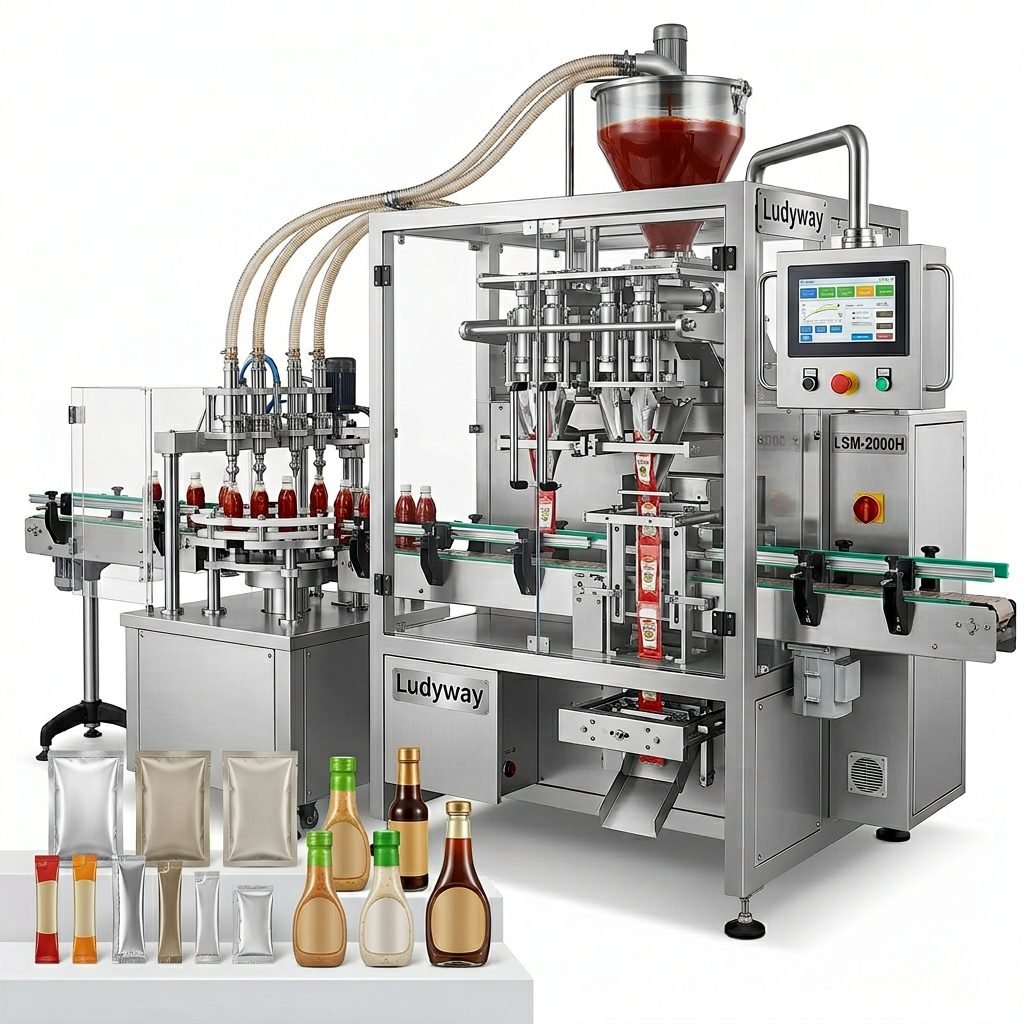
Ultimately, the right small sauce packaging machine can transform your African food business. By prioritizing robust construction, local serviceability, and efficient multi-lane technology, you can capture market share and build a brand known for quality and consistency.