In the competitive cereal bar market, effective packaging is crucial for product protection, shelf appeal, and brand identity. Selecting the right cereal bar packaging machine is a strategic decision that impacts production efficiency, operational costs, and final product quality. This comprehensive guide explores the various types of packaging machines available, their key features, and provides a detailed framework to help you choose the best solution for your manufacturing needs.
Understanding Cereal Bar Packaging Machine Types
The first step in selecting equipment is understanding the different packaging formats and the machines designed for them. The primary function is to protect the bar from moisture, physical damage, and contamination while presenting it attractively to consumers.
Flow Wrap Machines
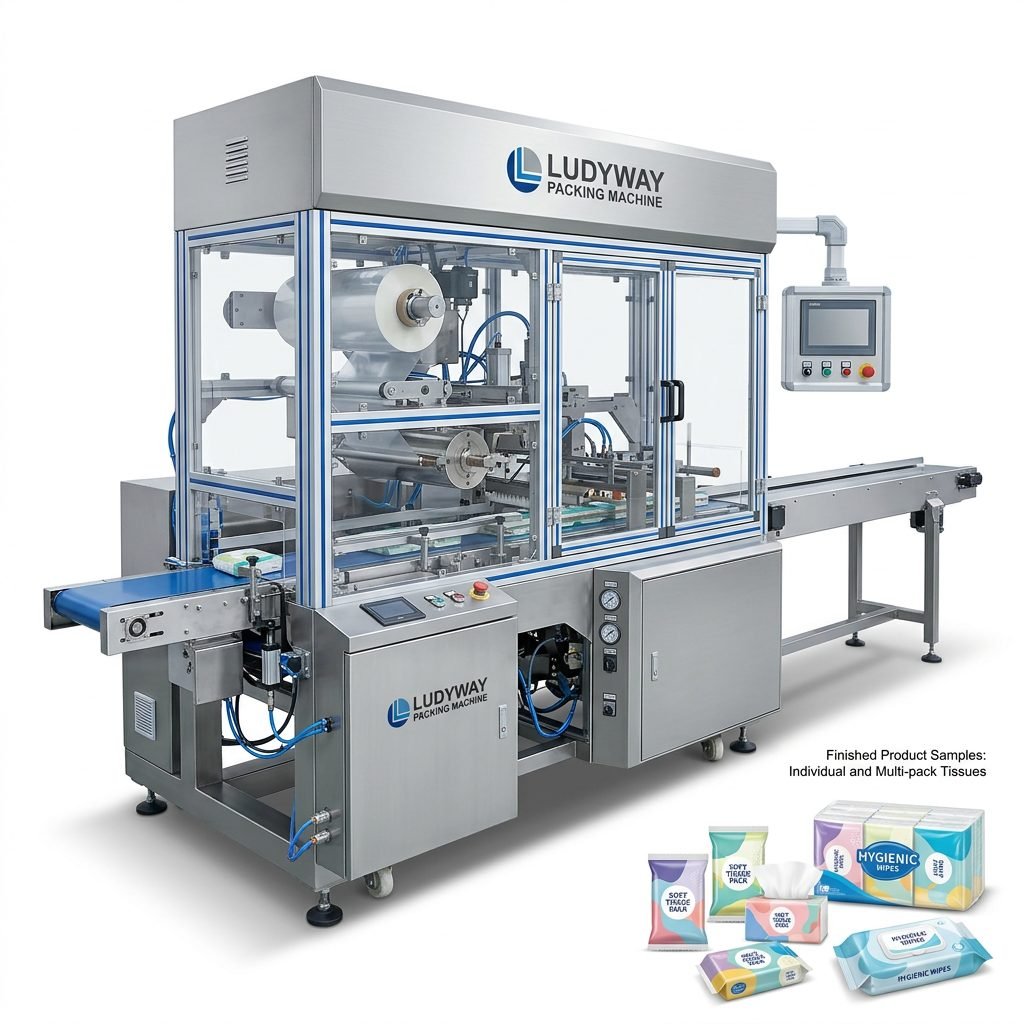
These are the most common machines for individually wrapping cereal bars. The bar is fed into the machine, where a roll of packaging film is formed around it, sealed longitudinally and at the ends. This creates a tight, pillow-style pouch. Flow wrappers are known for their high speed and efficiency, making them ideal for large-volume production lines.
Form-Fill-Seal (FFS) Machines
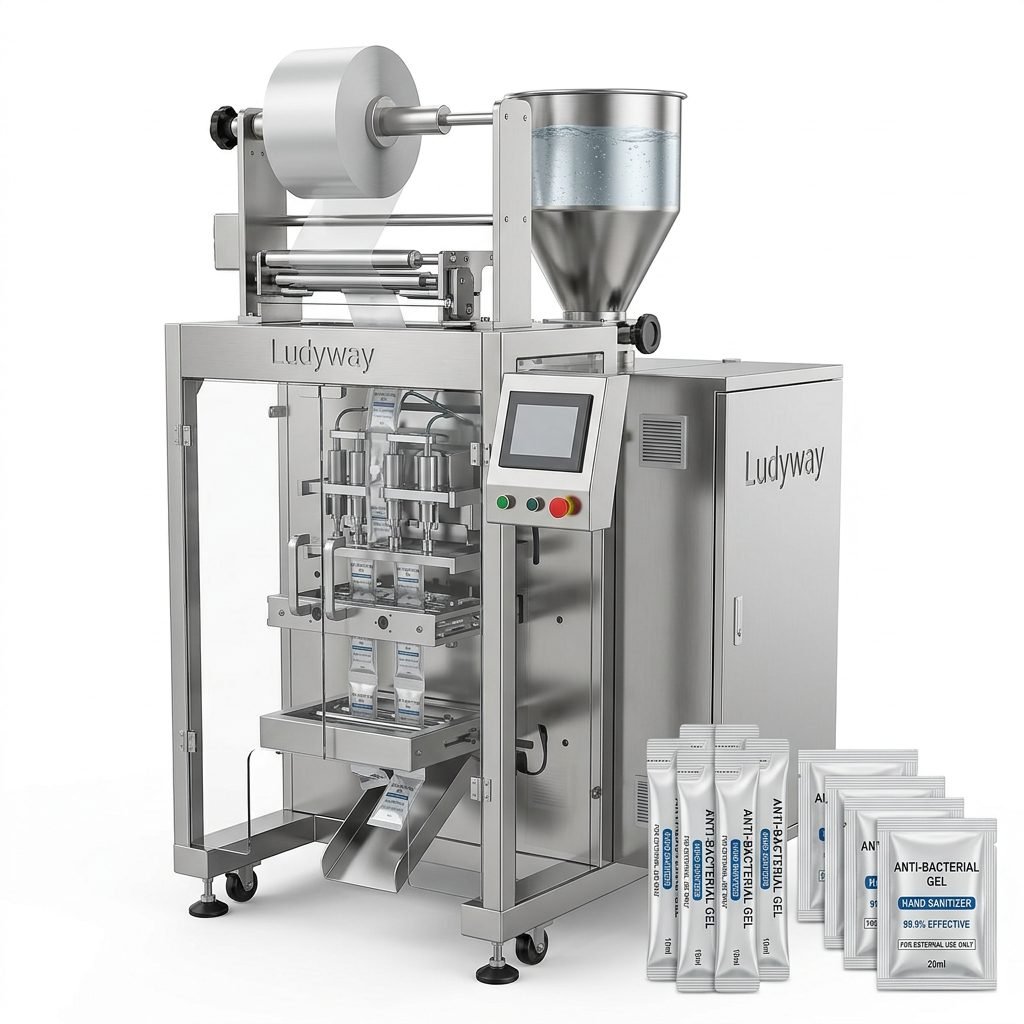
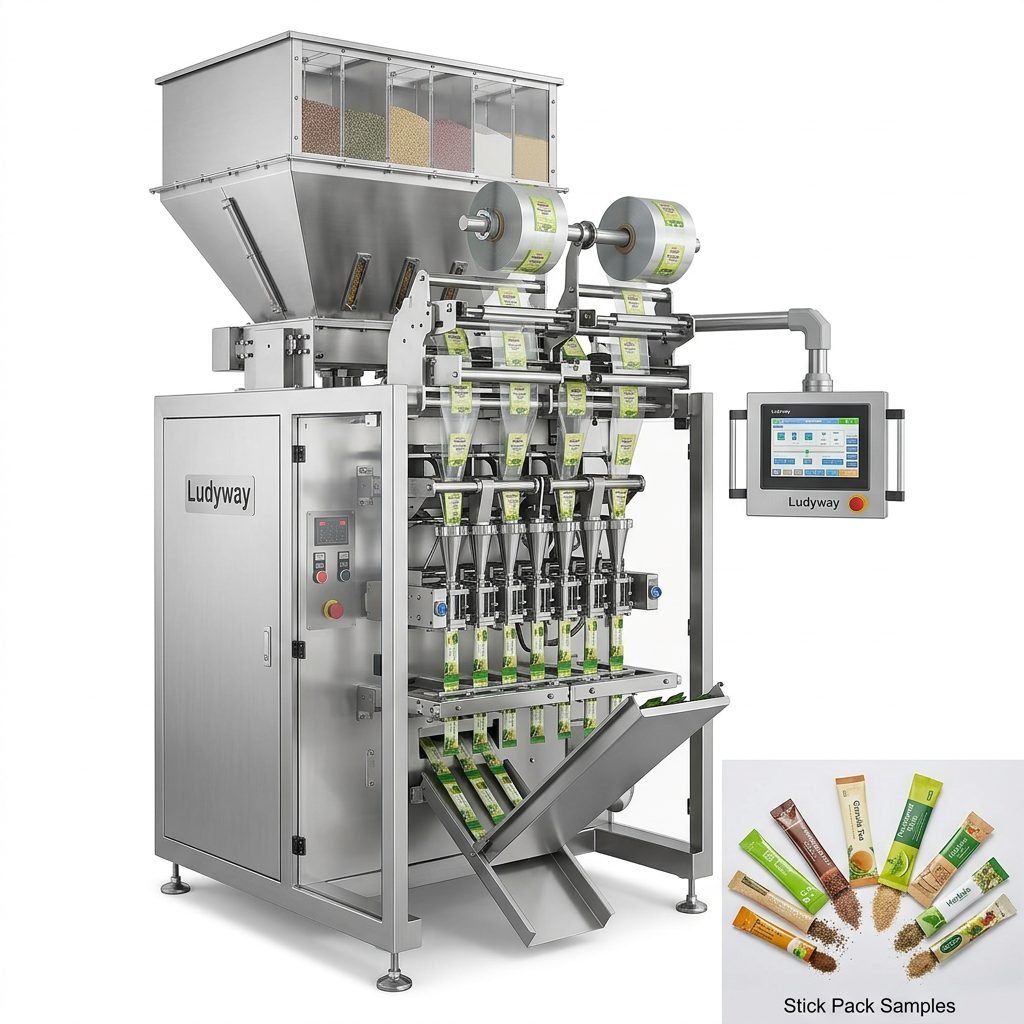
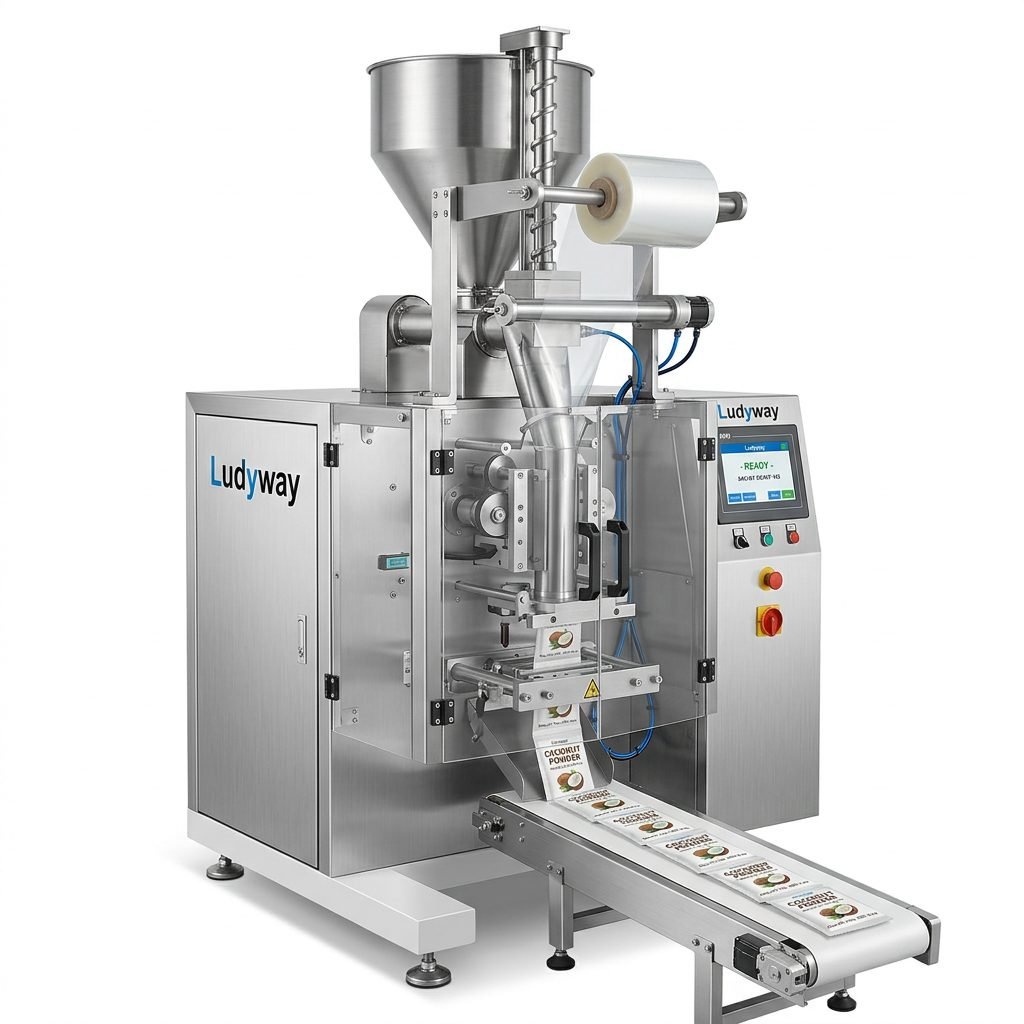
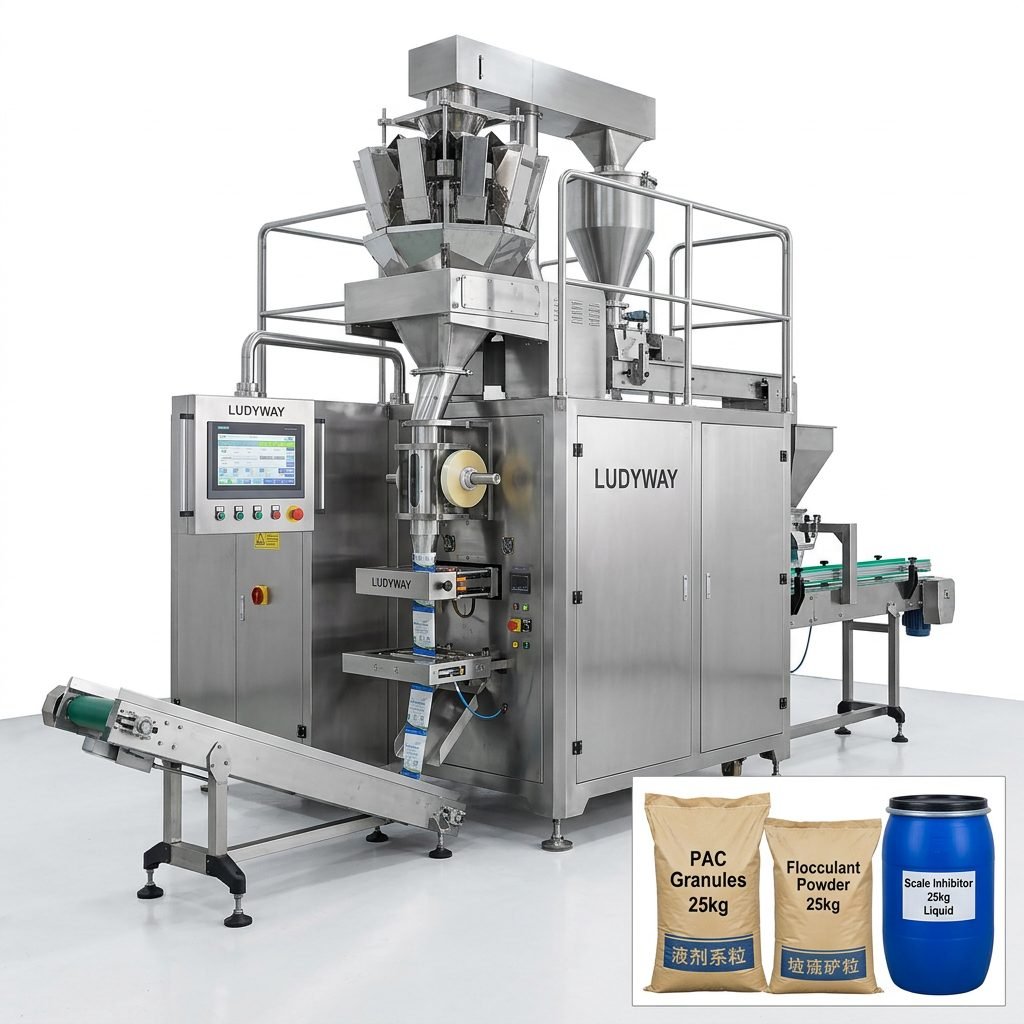
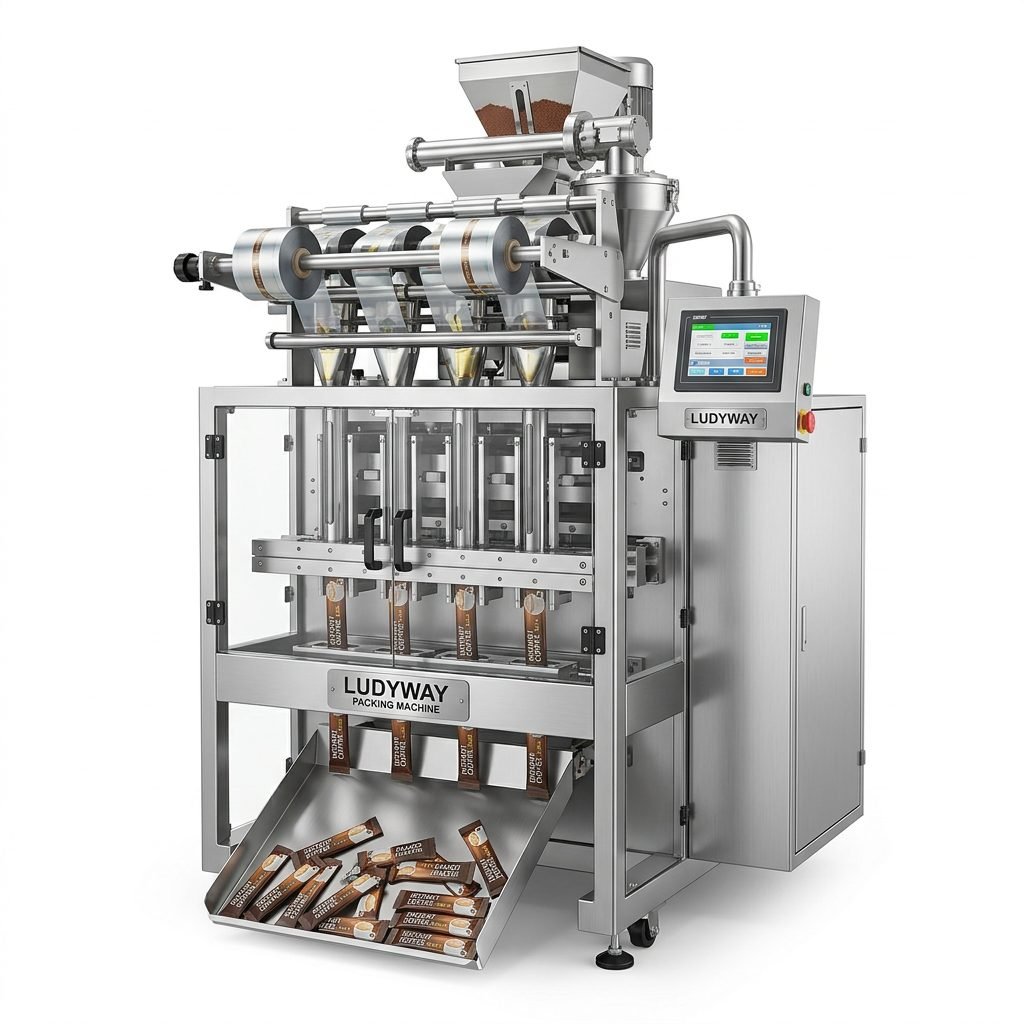
FFS machines represent a more integrated approach. They form the packaging pouch from a roll of film, fill it with the product (often used for granola or loose bar mixtures before forming), and then seal it. Vertical Form-Fill-Seal (VFFS) machines are typical for smaller, particulate-filled bars, while Horizontal Form-Fill-Seal (HFFS) can be configured for pre-formed bars.
Shrink Wrap Machines
Often used for multipacking, shrink wrap machines bundle several individually wrapped bars together. The bundle is enclosed in a loose sleeve of plastic film, which then passes through a heat tunnel. The film shrinks tightly around the bundle, creating a stable, tamper-evident multi-pack perfect for retail sales.
Cartoning Machines
For premium or specific dietary bars (e.g., gluten-free, high-protein), cartoning provides a rigid, high-quality presentation. These machines erect pre-glued cartons, insert the wrapped bar, and close the carton. They can often handle leaflets or coupons and provide excellent graphic opportunities for branding.
Essential Features of Modern Packaging Machines
Beyond the basic type, several key features differentiate modern, efficient machines from basic models. Investing in these features can significantly boost your operational performance.
Automation and Control Systems
Modern machines are equipped with Programmable Logic Controllers (PLCs) and touch-screen Human-Machine Interfaces (HMIs). These allow for easy recipe changeovers, precise control of sealing parameters (temperature, pressure, time), and real-time monitoring of production speed and efficiency. Look for user-friendly interfaces that reduce operator training time.
Versatility and Changeover Capability
If you produce multiple bar sizes, shapes, or packaging materials, quick changeover is vital. Machines with tool-less or quick-change mechanisms for forming shoulders, sealing jaws, and feed systems minimize downtime between production runs, maximizing overall equipment effectiveness (OEE).
Material Handling and Compatibility
The machine must be compatible with your chosen packaging materials, whether it’s standard polypropylene, metallized film for extra barrier protection, or biodegradable/compostable films. Advanced machines have precise tension control systems to handle delicate materials without tearing or wrinkling.
Hygienic Design and Cleanability
Food safety is paramount. Machines designed with stainless steel contact surfaces, smooth contours without crevices, and easy access panels for cleaning ensure compliance with food safety standards like HACCP, BRC, or FDA regulations. CIP (Clean-in-Place) systems on advanced models further streamline sanitation.
Integration with Upstream and Downstream Equipment
A packaging machine is rarely a standalone island. Its ability to integrate smoothly with upstream equipment (like bar formers or coolers) and downstream systems (like checkweighers, metal detectors, and case packers) is critical for a seamless, automated production line. Look for machines with standard communication protocols (e.g., Ethernet/IP, Profinet).
How to Choose the Best Cereal Bar Packaging Solution
Selecting the optimal machine requires a systematic evaluation of your specific business requirements. Follow this step-by-step framework to make an informed decision.
Step 1: Define Your Product and Production Requirements
Start with the basics. What is your bar’s size, weight, and shape? What is your required output in bars per minute or shifts per day? Consider not just current needs but also future plans for product line expansion. This defines the necessary machine speed and size capacity.
Step 2: Determine Your Packaging Format and Materials
Decide on the final presentation: single flow wrap, multi-pack shrink wrap, or carton. This choice is driven by your market, brand positioning, and cost targets. Simultaneously, select your packaging film based on required shelf life, barrier properties, sustainability goals, and print quality. Your machine supplier must validate compatibility.
Step 3: Evaluate Machine Suppliers and Technology
Research reputable suppliers like Ludyway Machinery, which specializes in food packaging solutions. Assess their industry experience, technical support capabilities, and spare parts availability. Request product demonstrations or videos, and ask for references from companies with similar products. Scrutinize the machine’s construction quality, feature set, and energy efficiency.
Step 4: Analyze Total Cost of Ownership (TCO)
Look beyond the initial purchase price. Calculate the TCO, which includes installation, commissioning, operational costs (energy, compressed air), maintenance, spare parts, and potential downtime costs. A slightly more expensive but more reliable and efficient machine often has a lower TCO over its lifespan.
Step 5: Plan for Installation, Training, and Support
Ensure the supplier provides comprehensive installation supervision, operator training, and clear documentation. Understand the warranty terms and the availability of after-sales service. A supplier with a strong global service network, like those offering turnkey production solutions, provides invaluable long-term security for your investment.
Trends and Future Considerations
The packaging machinery landscape is continuously evolving. Staying aware of trends ensures your investment remains relevant. Sustainability is a dominant force, driving demand for machines that can handle mono-material or compostable films efficiently. Smart manufacturing, or Industry 4.0, is another key trend, with machines offering IoT connectivity for predictive maintenance, production data analytics, and integration into factory-wide management systems. Furthermore, flexibility is increasingly prized to accommodate shorter product lifecycles and frequent promotional packaging changes.
Choosing the right cereal bar packaging machine is a critical investment that directly affects your profitability and market competitiveness. By thoroughly understanding the machine types, prioritizing essential features like automation and hygiene, and following a structured selection process that emphasizes long-term reliability and supplier partnership, you can secure a solution that drives efficiency and growth for years to come. Partnering with an experienced provider ensures you get not just a machine, but a production solution tailored to your success.
Frequently Asked Questions (FAQs)
What is the typical production speed of a cereal bar flow wrapper?
Speeds vary greatly by machine model and bar size. Standard machines range from 100 to 300 bars per minute. High-speed models can exceed 500 bars per minute. The achievable speed also depends on the packaging material and the consistency of the infeed product.
Can one machine handle different bar sizes and shapes?
Yes, many modern machines are designed for versatility. However, changing formats requires a changeover, which may involve replacing parts like forming tubes, sealing jaws, and feed guides. Look for machines advertised with “quick changeover” features to minimize this downtime, often achievable in under 30 minutes.
How important is a metal detector or checkweigher in the line?
They are critical for quality control and food safety. A metal detector identifies ferrous and non-ferrous metal contaminants. A checkweigher ensures each packet meets stated weight regulations, minimizing giveaway and protecting against underweight products. These are often integrated directly after the packaging machine.
What maintenance does a cereal bar packaging machine require?
Regular daily cleaning is essential. Periodic maintenance includes lubricating moving parts, inspecting and replacing worn sealing jaws or belts, checking electrical connections, and calibrating sensors. A good supplier will provide a recommended maintenance schedule and training. For comprehensive support, explore the technical expertise offered by established suppliers.
Are there machines suitable for start-ups or low-volume production?
Absolutely. While large, fully automated lines exist, many suppliers offer smaller, semi-automatic or bench-top models that are cost-effective for start-ups, pilot plants, or niche products. These allow for manual loading but automatic wrapping and sealing, providing a professional finish without a massive capital investment.