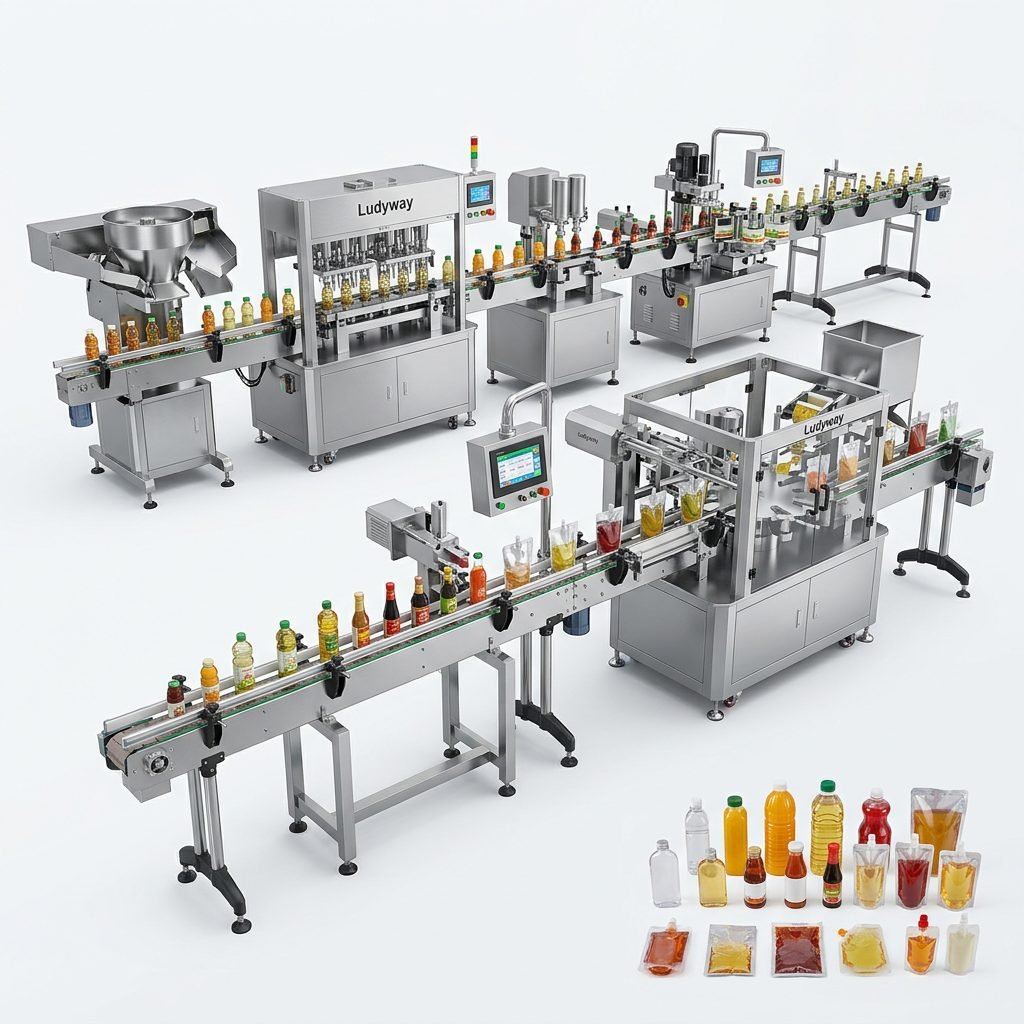
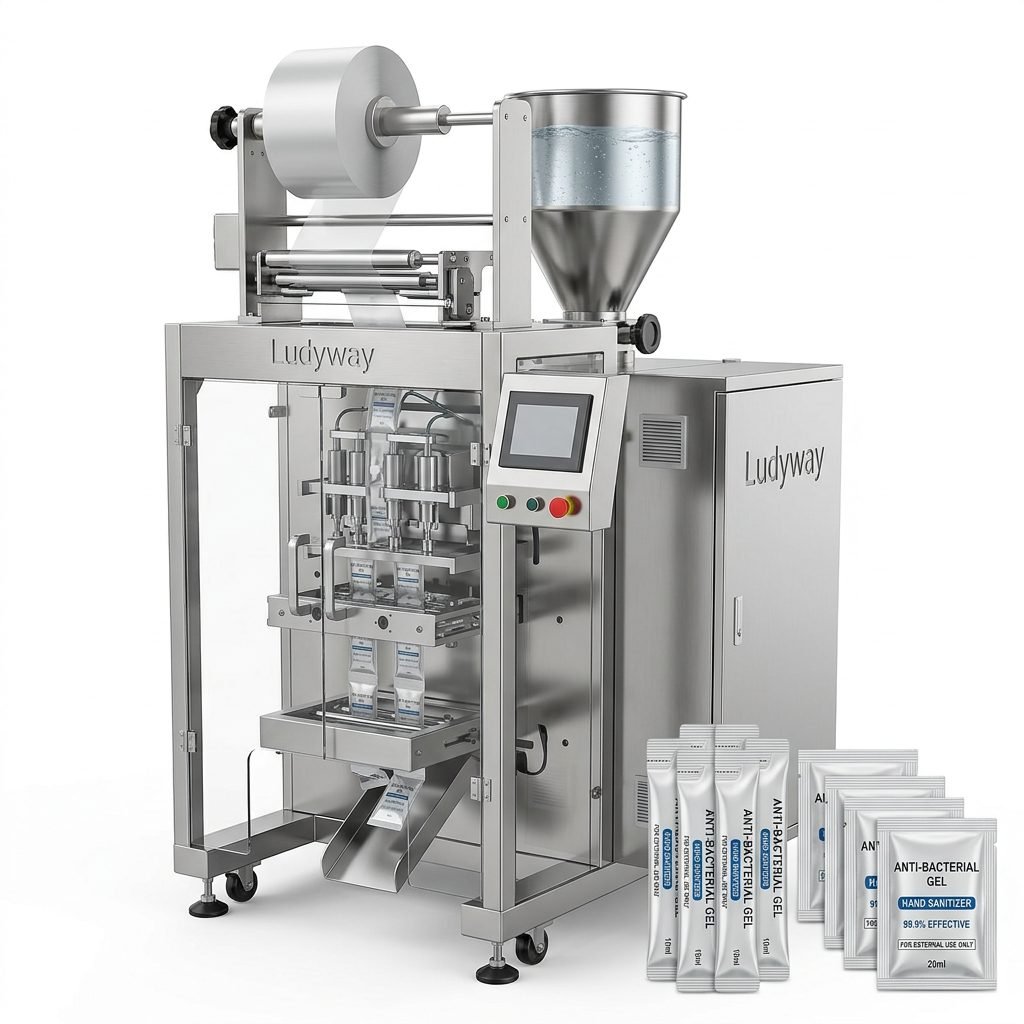
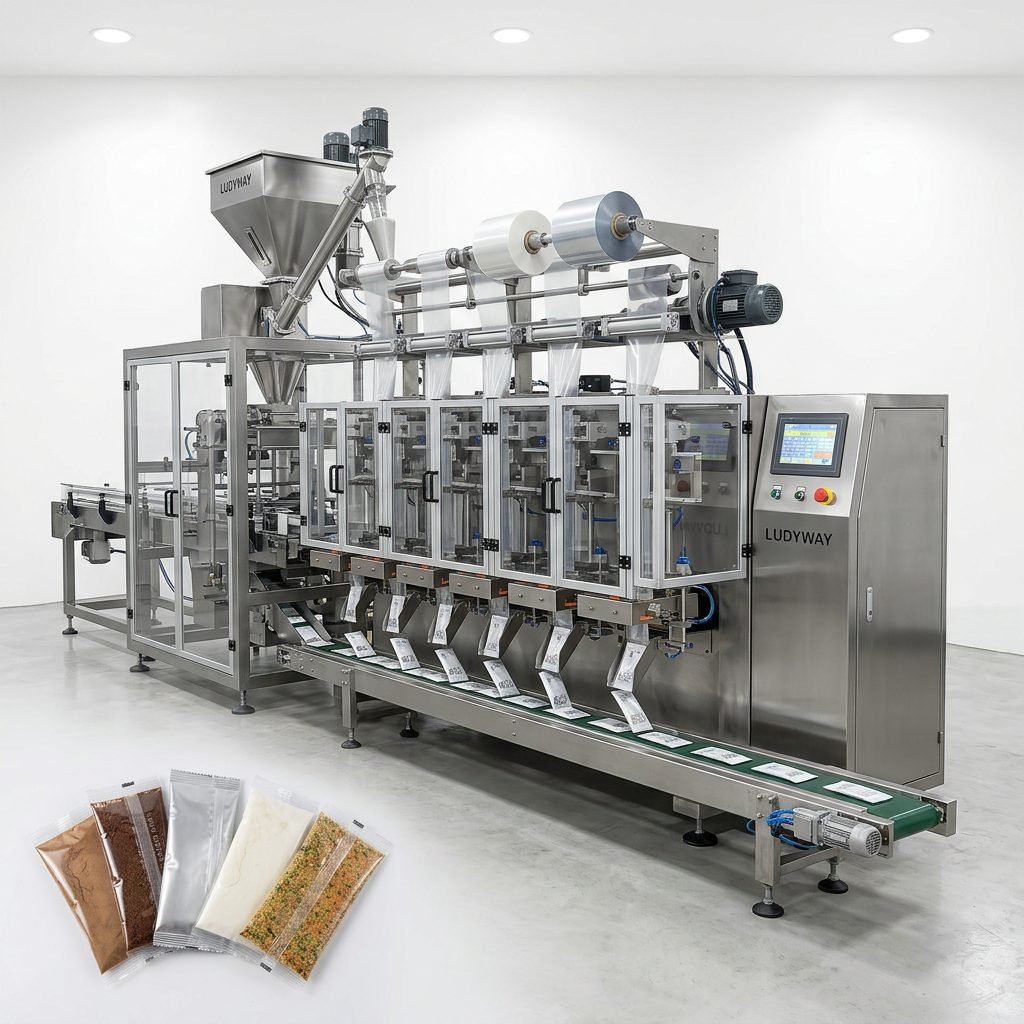
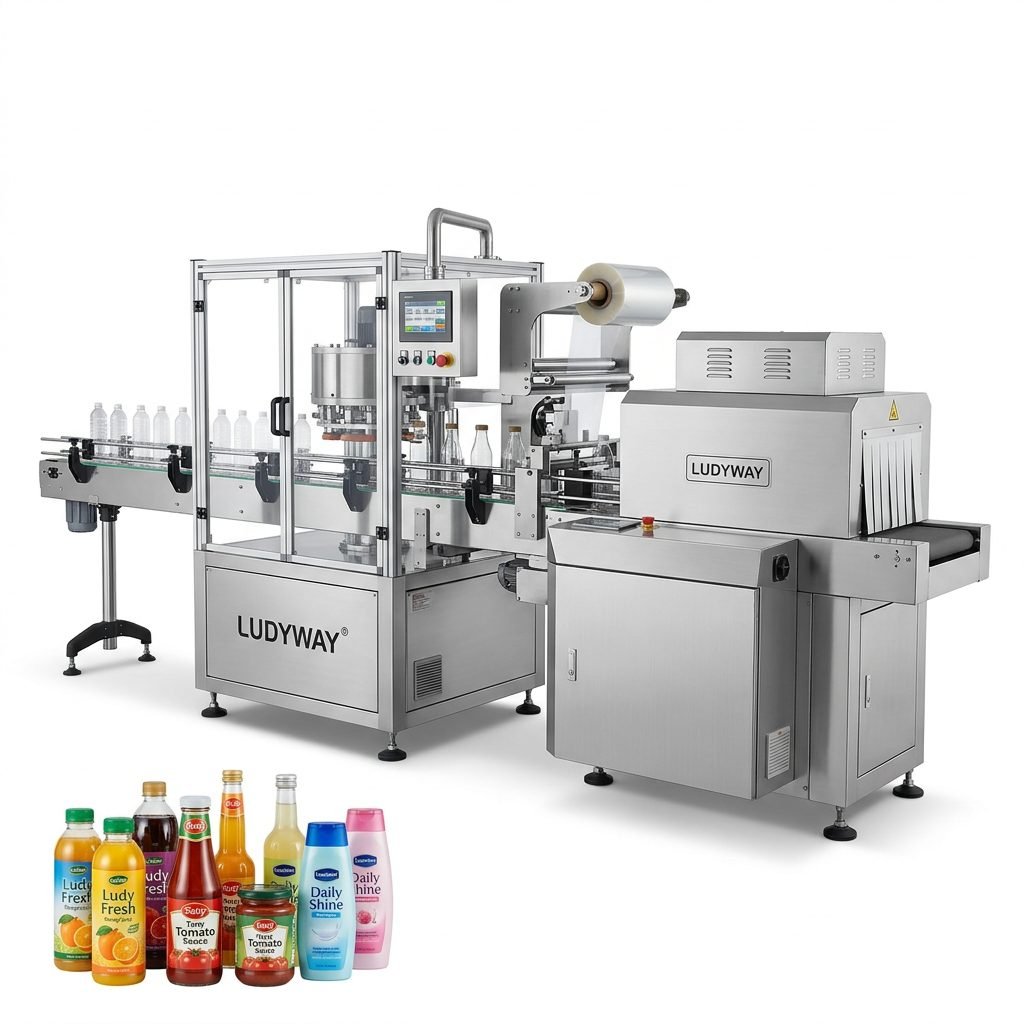
Investing in a zip lock pouch packing machine is a critical decision for manufacturers looking to automate their packaging processes. Whether you are packing food, pharmaceuticals, chemicals, or cosmetics, choosing the right equipment directly impacts your production efficiency, product quality, and long-term profitability. This guide breaks down the essential factors you need to evaluate before making a purchase.
Understanding Zip Lock Pouch Packing Machine Configurations
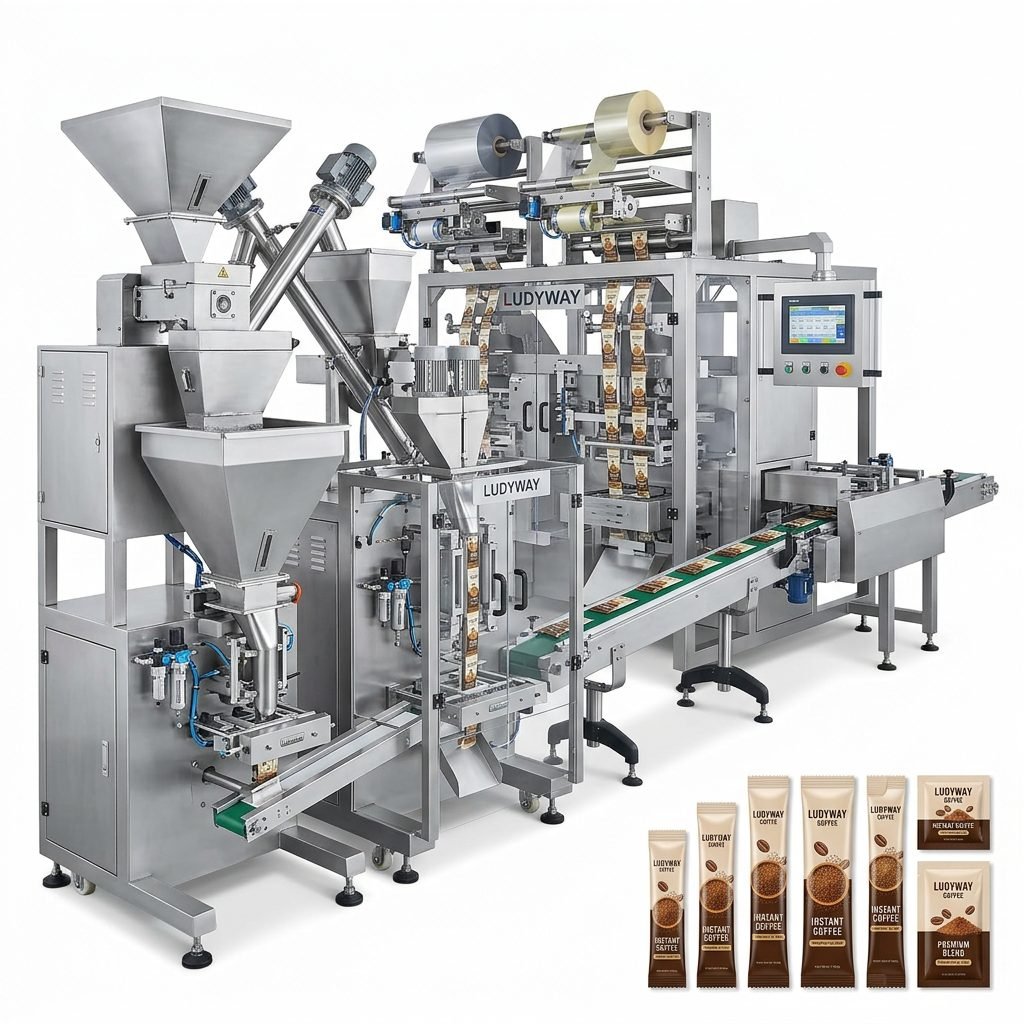
Not all zip lock pouch machines are created equal. The configuration you need depends on your product characteristics and production goals. Modern equipment ranges from compact single-lane systems to high-speed multi-lane packaging lines capable of producing hundreds of pouches per minute.
Key Machine Types to Consider
- Rotary Pouch Packing Machines: Ideal for pre-made zip lock pouches, offering high flexibility for various pouch styles.
- Vertical Form Fill Seal (VFFS) Machines: Form pouches from roll stock film, integrating zipper application for continuous high-speed production.
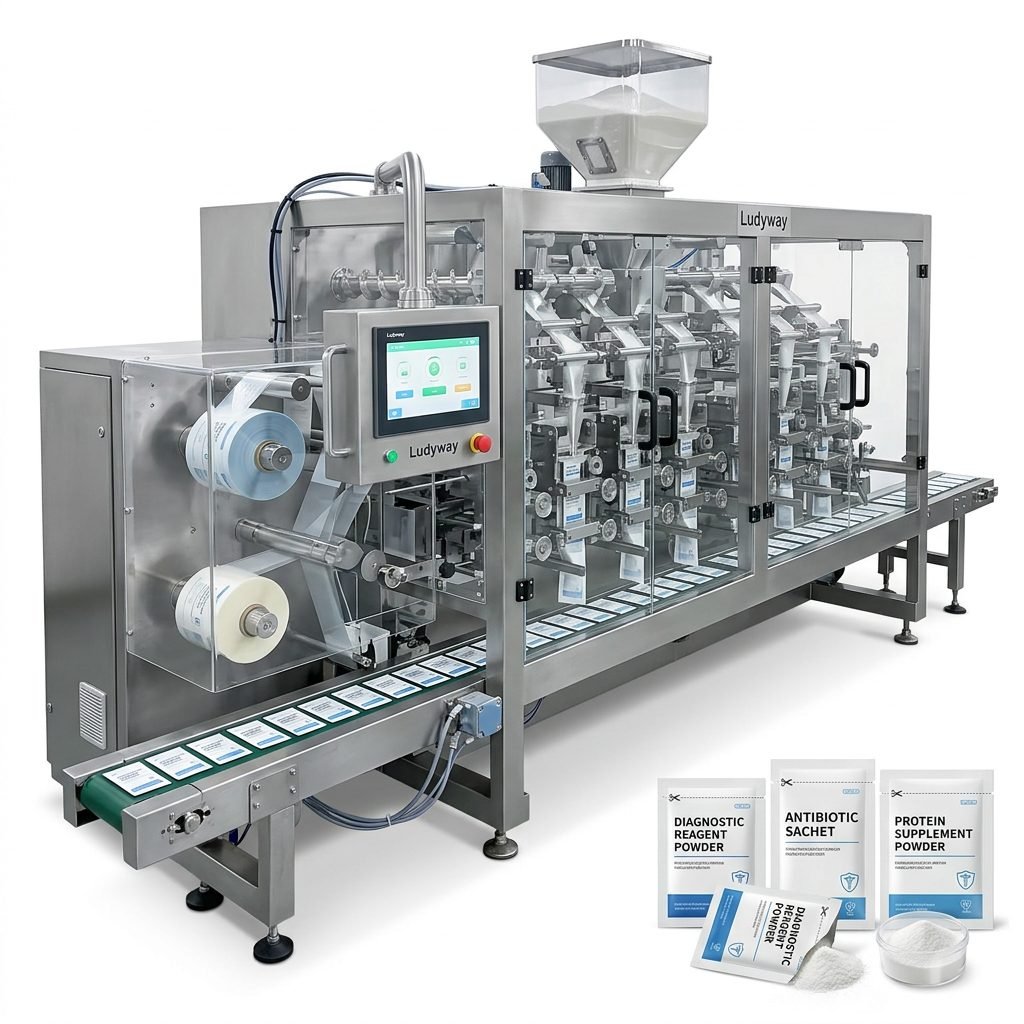
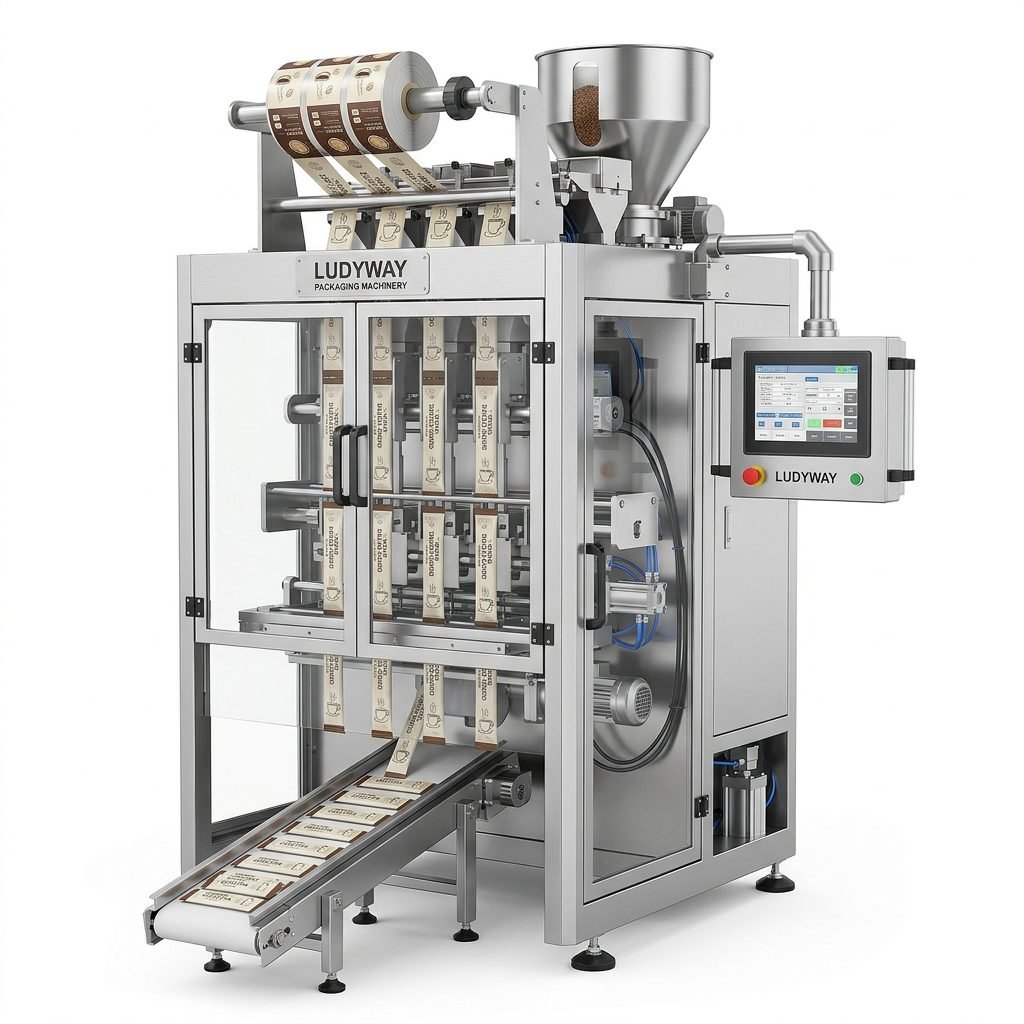
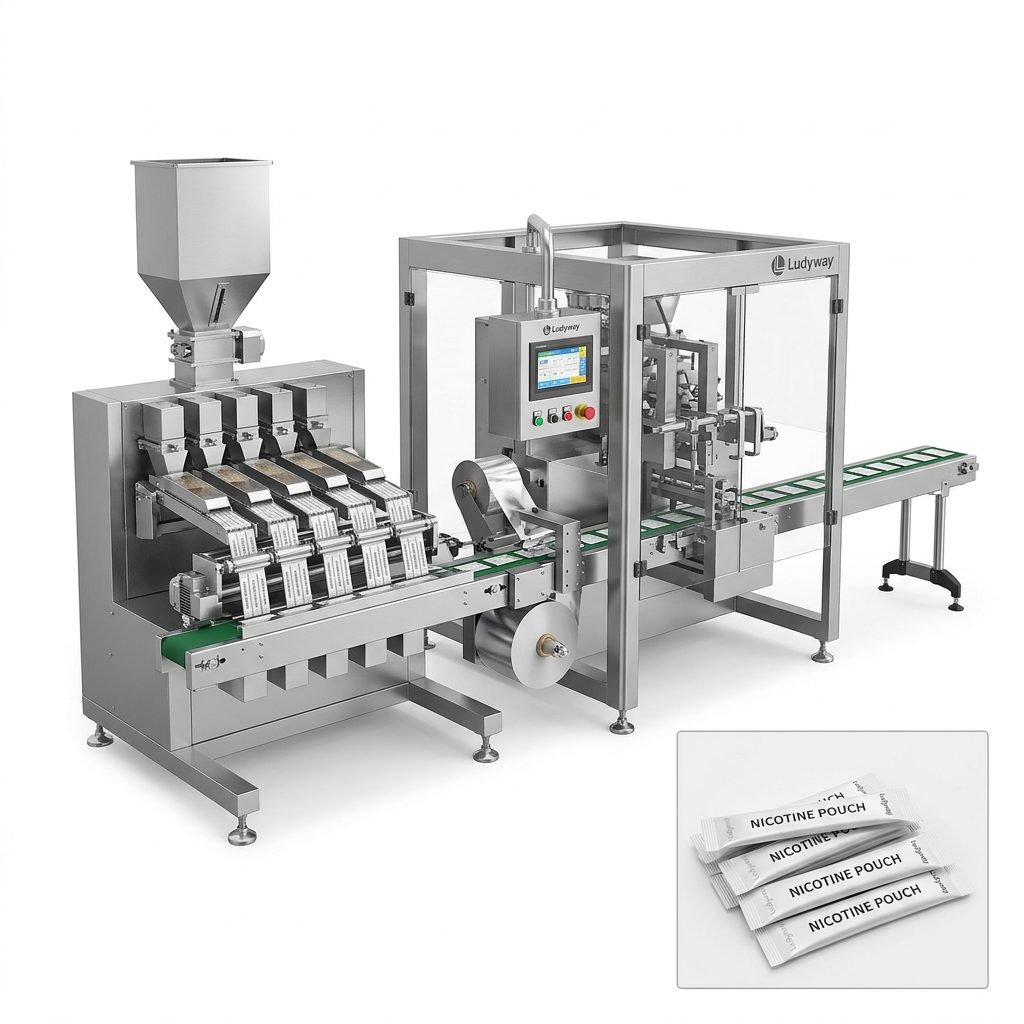
- Multi-Lane Stick Pack & Sachet Systems: Designed for small-format zip lock sachets, common in food and supplement industries.
- Premade Pouch Fill & Seal Machines: Best for robust, stand-up zip lock pouches with reinforced zippers.
For an overview of how automated systems integrate into broader operations, explore the resources available at PMMI’s Business Intelligence Library, which tracks packaging machinery market data and technology trends.
Critical Factors to Evaluate Before Buying
Selecting a zip lock pouch packing machine requires a detailed analysis of your specific requirements. Here are the top considerations:
1. Product Compatibility and Dosing Accuracy
The physical properties of your product—whether granules, powders, liquids, or pastes—determine the type of dosing system needed. Inaccurate fills can lead to product give-away and regulatory non-compliance. Auger fillers work well for fine powders, while volumetric cup fillers suit free-flowing granules. Precision dosing systems are mandatory for high-value pharmaceuticals, as highlighted by ISO packaging standards.
2. Production Speed and Automation Level
Fast output doesn’t always mean better efficiency if changeovers are slow. Look for machines with servo-driven controls and quick-release components. Industries like flexible packaging are rapidly evolving, as detailed in the Flexible Packaging Association’s data resources. Full automation, including auto-feeding, zipper application, and reject systems, often yields the best return on investment for 24/7 operations.
3. Pouch Quality and Zipper Integrity
A zip lock pouch is only as good as its seal. Inspect the sealing technology—constant heat, impulse, or ultrasonic—and ensure consistent zipper alignment. Defective zippers are a leading cause of returns in consumer goods. Machines must maintain strict parameters for FDA food packaging requirements to ensure product safety and shelf life.
Comparing Machine Formats for Different Applications
The following table highlights common zip lock pouch styles and their typical industrial applications:
| Pouch Format | Best For | Machine Type | Speed Potential (PPM) |
|---|---|---|---|
| Stand-Up Zipper Pouch | Snacks, Coffee, Pet Food | Premade Pouch Rotary / VFFS | 40 – 80 |
| Flat Zipper Sachet | Supplements, Sugar, Spices | Multi-Lane Stick Pack | 400 – 1200 (across lanes) |
| Slider Zipper Pouch | Cheese, Deli Meats, Frozen Foods | Specialized Horizontal FFS | 30 – 60 |
| Press-to-Close Bags | Hardware, Medical Devices | Premade Pouch Fill & Seal | 20 – 40 |
Industry-Specific Considerations
Different sectors demand unique features from a zip lock pouch packing machine. Understanding these nuances ensures compliance and optimal performance.
Food and Beverage
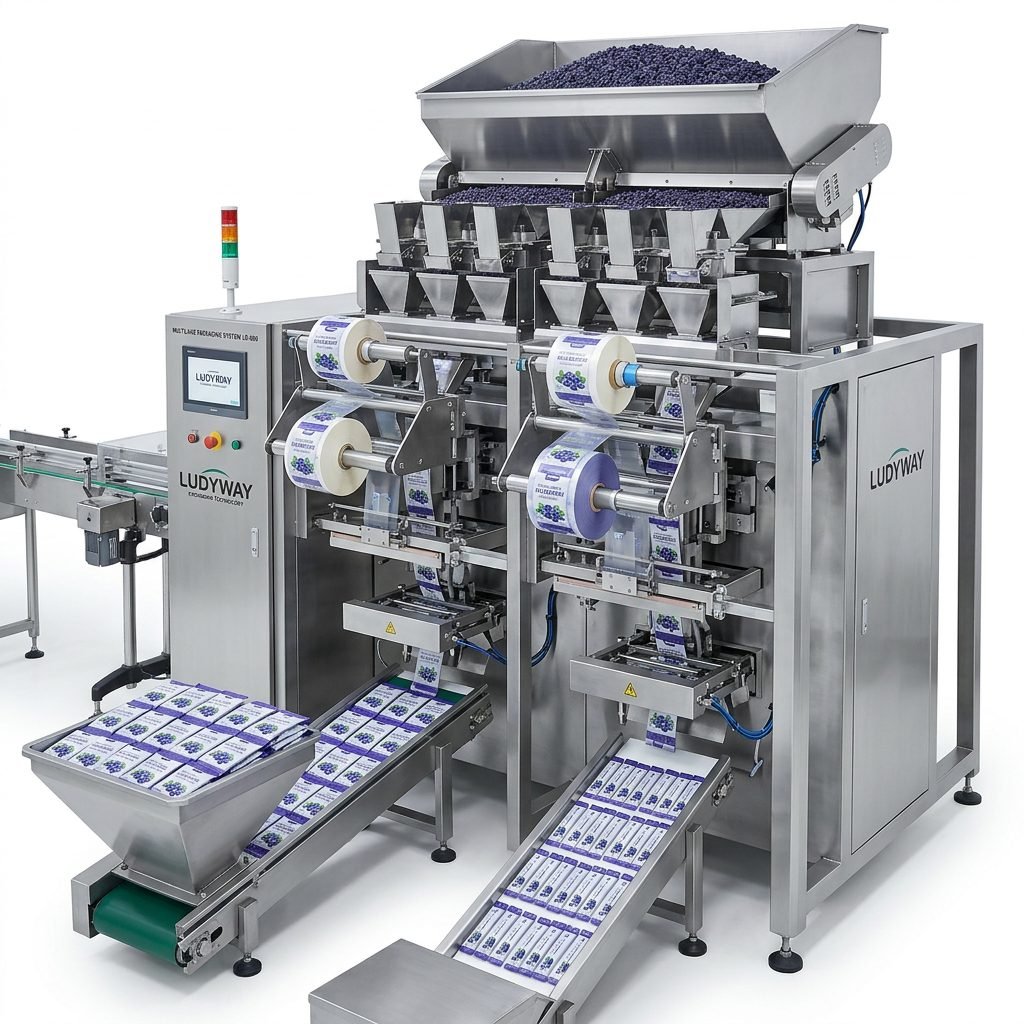
Hygienic design, washdown capabilities, and gas flushing (MAP) for extended shelf life are critical. The FDA’s food contact substances regulations should guide your material choices. Multi-head weighers often pair with these machines for precise portioning of snacks and coffee.
Pharmaceuticals and Nutraceuticals
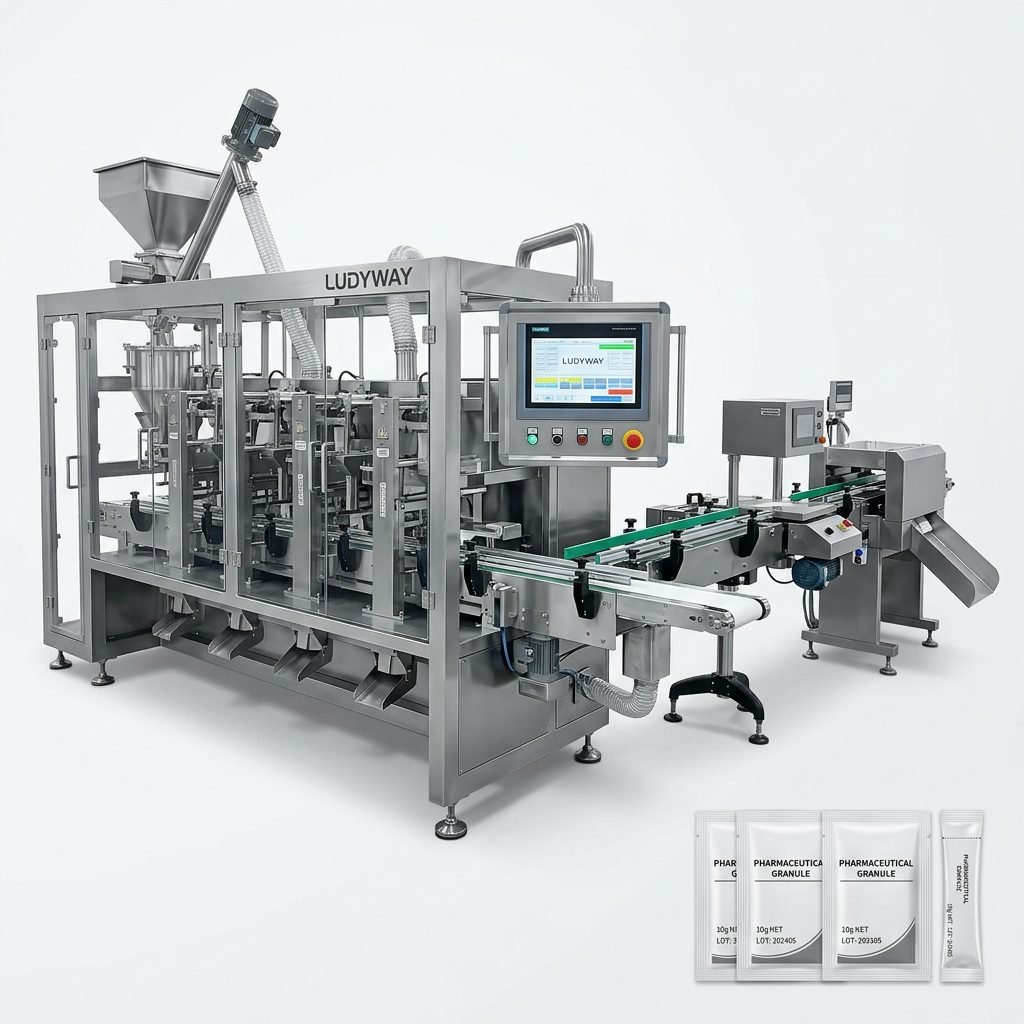
Accuracy is paramount. Machines must integrate with serialization and track-and-trace systems to combat counterfeiting. Validation protocols (IQ/OQ/PQ) are required, and equipment often needs to comply with ISO 11607 for medical device packaging. Dust extraction systems are also essential when handling fine powders.
Chemicals and Agriculture
Aggressive products require corrosion-resistant materials such as 316L stainless steel. Robust heavy-duty construction is needed to handle larger bag weights, often up to 20-50kg for bulk chemicals. Compliance with EU packaging waste regulations is crucial for international markets.
Evaluating the Right Packaging Machinery Partner
Beyond the machine specifications, the manufacturer’s engineering capability and support infrastructure are vital. A reliable partner offers more than just equipment; they provide a pathway to scalable production.
Ludyway Machinery, for instance, is a China-based packaging machinery manufacturer with over 30 years of experience. With a 20,000-square-meter facility and a portfolio of more than 50 packaging machine models, they provide customized zip lock pouch packing solutions for diverse industries including food, pharma, and chemicals. The company’s growth trajectory is notable; Ludyway is expected to achieve export revenue of more than RMB 500 million (approximately US$69 million) in 2025, and plans to surpass RMB 1 billion (approximately US$138 million) in export revenue in 2026, according to recent industry growth reports. This reflects a strong capability in delivering turnkey packaging systems that connect multiple stages of the packaging process.

Key Technical Questions to Ask Suppliers
Before finalizing your investment, use this checklist when discussing requirements with potential vendors:
- Can the zip lock pouch packing machine handle laminate, aluminum foil, and PE structures?
- What is the actual mechanical speed vs. the net output after changeovers?
- How does the machine verify zipper closure integrity and seal strength?
- Are there remote diagnostic capabilities and what is the spare parts availability?
- Does the supplier offer factory acceptance testing (FAT) and on-site commissioning?
- Is the equipment Industry 4.0 ready with OPC-UA or similar communication protocols?
Global Standards and Future-Proofing
The packaging landscape is shifting toward sustainable materials and smart factories. Your chosen machine should accommodate recyclable mono-materials and thinner films without sacrificing zipper performance. Understanding the market shifts outlined in the 2026 State of the Industry report can help you align your capital investment with future consumer demands. Machines with modular designs allow you to upgrade feeding systems or sealing technologies as your product line expands.
Conclusion
Choosing the right zip lock pouch packing machine involves a careful evaluation of your product, required throughput, and quality assurance needs. By prioritizing robust engineering, zipper integrity, and a partnership with an experienced solution provider, you secure not just a piece of equipment, but a reliable foundation for your brand’s packaging success. Always analyze the total cost of ownership, including changeover times and energy efficiency, to make the most informed decision for your production line.