Selecting the right rice packaging machine is a critical investment for food manufacturers, distributors, and agricultural businesses across the Middle East. With rising demand for packaged rice driven by population growth, food security initiatives, and expanding retail chains in Gulf Cooperation Council (GCC) countries, Iraq, and North Africa, the need for efficient, reliable, and scalable packaging automation has never been greater. This comprehensive guide explains the types of rice packaging machines available, current price ranges, key factors to consider when comparing equipment, and a curated selection of top suppliers serving the Middle East market.
Rice packaging presents unique engineering challenges compared to other dry granular products. Rice grains can be fragile, abrasive, and hygroscopic. Bag styles range from small consumer sachets to heavy-duty bulk bags for industrial and food service applications. The Middle East market demands equipment capable of handling high ambient temperatures, fine dust control, and compliance with both Gulf Standardization Organization (GSO) requirements and international food safety frameworks. Selecting a machine that matches your specific product characteristics and distribution model directly impacts operational efficiency and total cost of ownership.
Why Rice Packaging Machinery Matters in the Middle East
The Middle East is one of the world’s largest rice-importing regions. Saudi Arabia, the United Arab Emirates, Iraq, Yemen, and Qatar collectively import millions of metric tons of rice annually. Much of this rice arrives in bulk and requires repackaging into consumer-ready formats before distribution. Government programs aimed at strengthening food supply chains, expanding local processing capacity, and modernizing factory infrastructure are driving sustained demand for automated packaging equipment. Factors such as labor availability concerns, hygiene standards, and competitive retail pricing further accelerate the shift from manual packing to automated rice packaging machines.
Key Rice Packaging Machine Types and Their Applications
Understanding the different equipment categories is essential before comparing prices or suppliers. Rice packaging machinery is generally classified by automation level, bag format, weighing technology, and production speed. The following table breaks down the main types available for the Middle East market.
| Machine Type | Best For | Typical Speed Range | Approximate Price Range (USD) |
|---|---|---|---|
| Semi-Automatic Weighing Filler | Small-scale mills, entry-level operations | 3–8 bags/min | $3,000 – $12,000 |
| Automatic Vertical Form Fill Seal (VFFS) – Small Sachet | Retail-ready small packs (50g–1kg) | 30–80 packs/min | $15,000 – $45,000 |
| Automatic Premade Pouch Rotary Filler | High-end retail pouches, zipper bags | 25–60 packs/min | $28,000 – $80,000 |
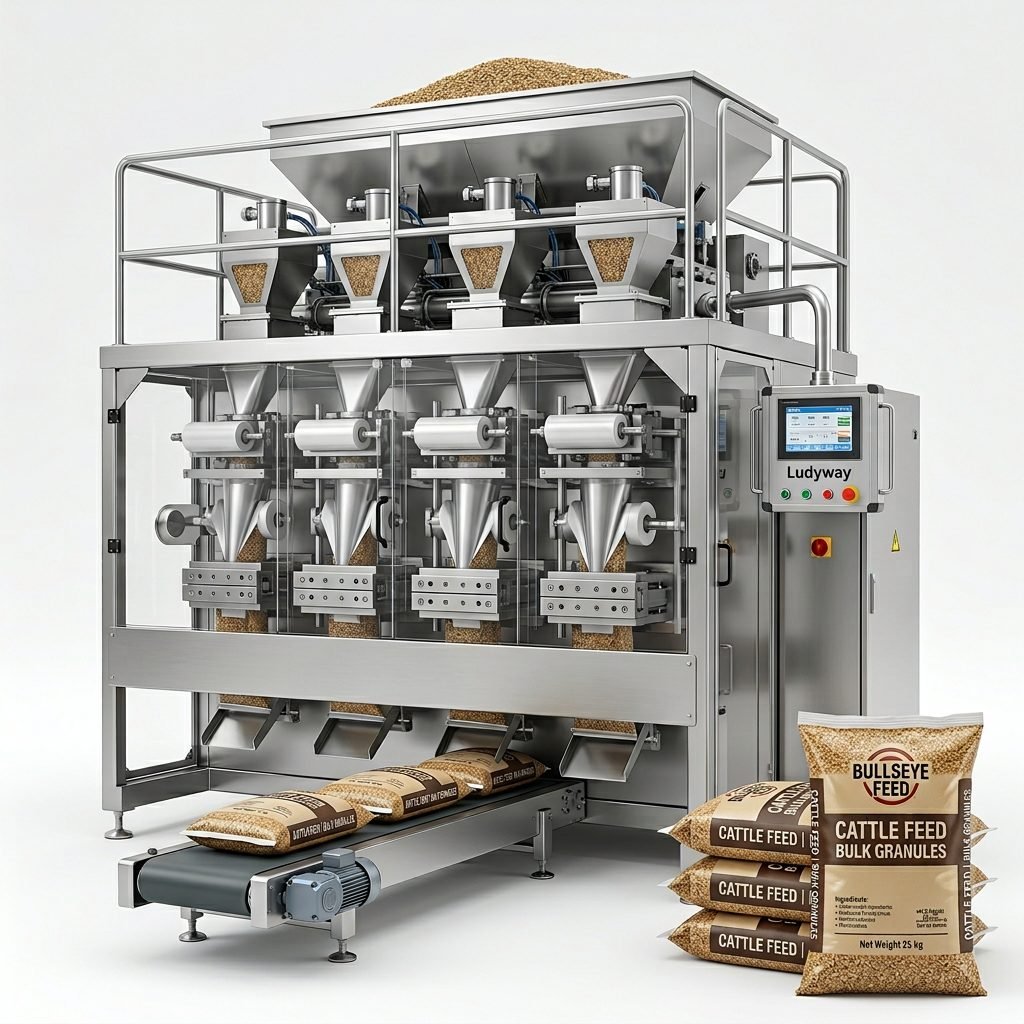
| Automatic Open-Mouth Bagging System | Medium to large bags (5kg–25kg) | 6–15 bags/min | $20,000 – $65,000 |
| Bulk Weighing and Jumbo Bag Station | Industrial bulk, 500kg–1000kg FIBC | 10–20 bags/hour | $18,000 – $55,000 |
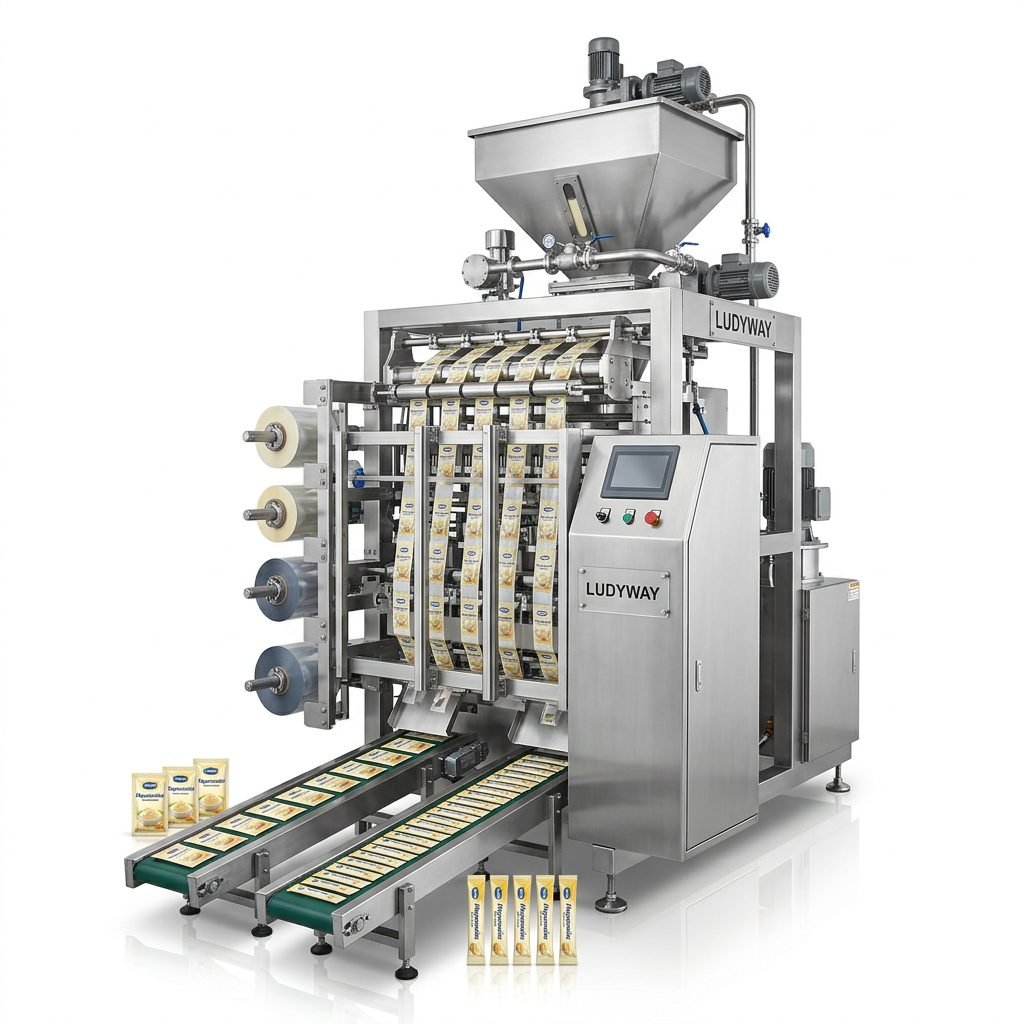
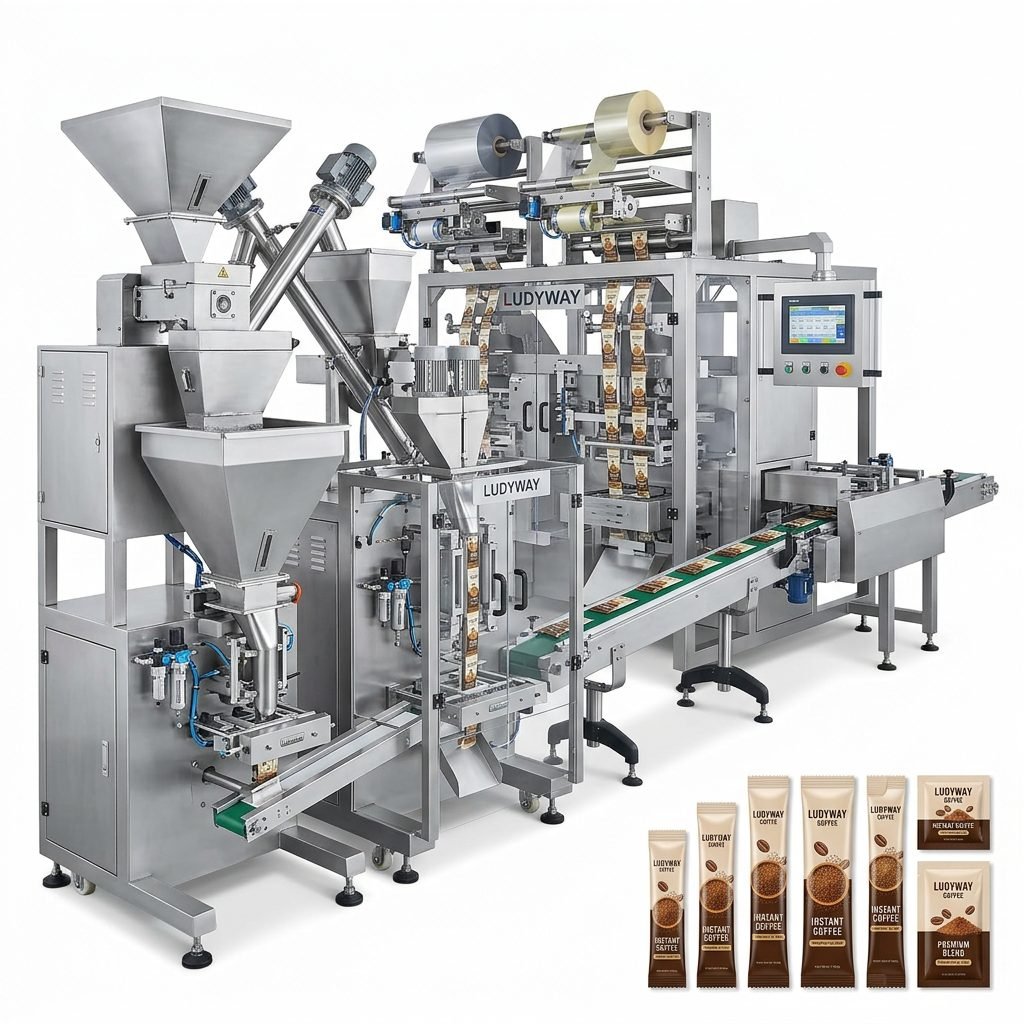
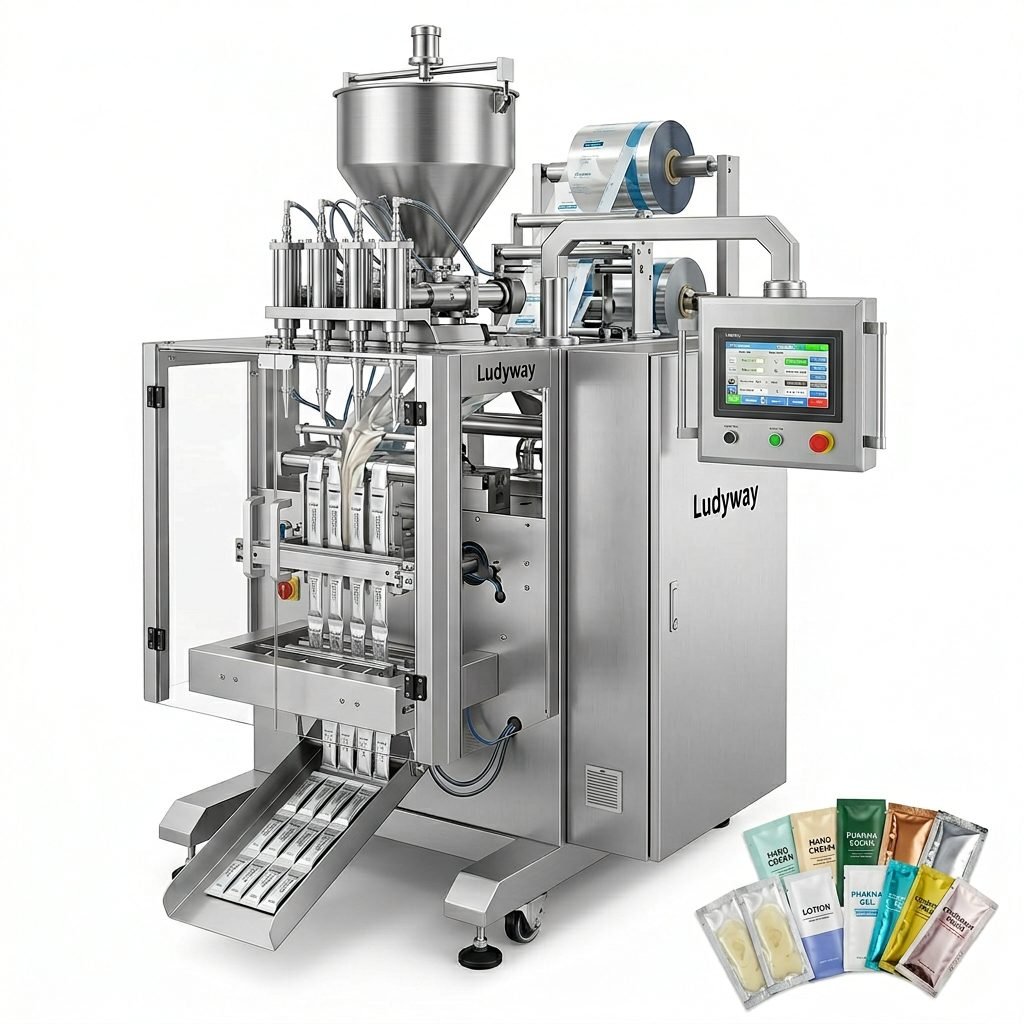
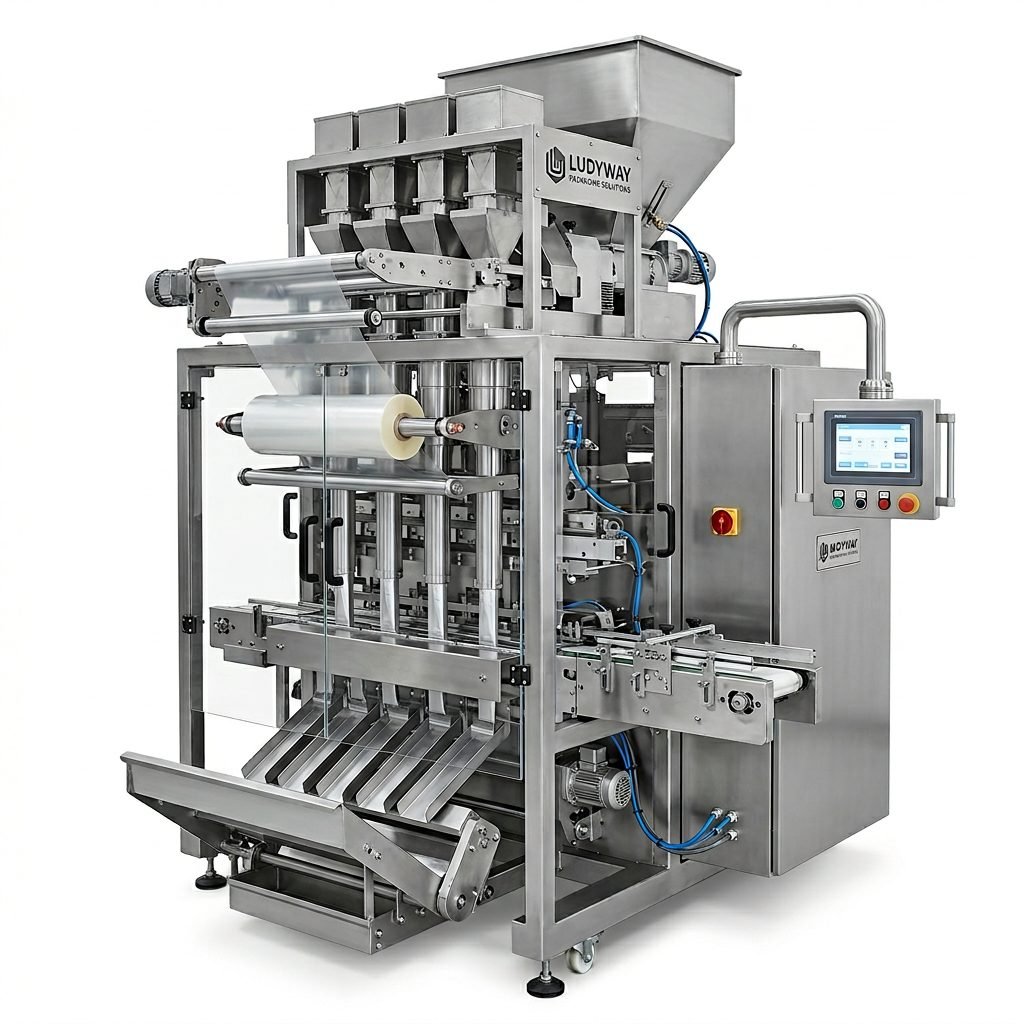
| Multi-Lane Stick Pack Machine | Single-serve portions, high-speed | 200–600 packs/min | $35,000 – $120,000 |
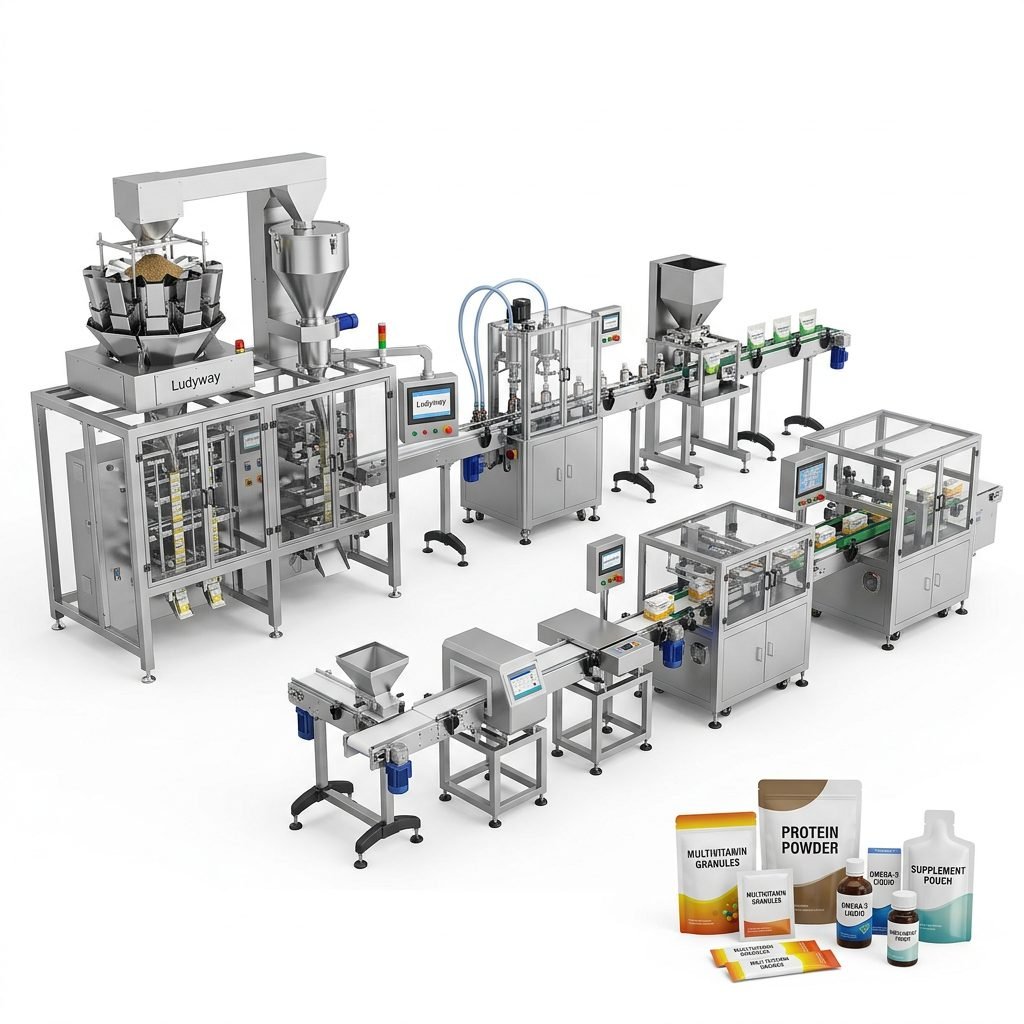
| Complete Turnkey Packaging Line | Fully automated start-to-finish operations | Custom configured | $80,000 – $500,000+ |
VFFS Machines for Rice
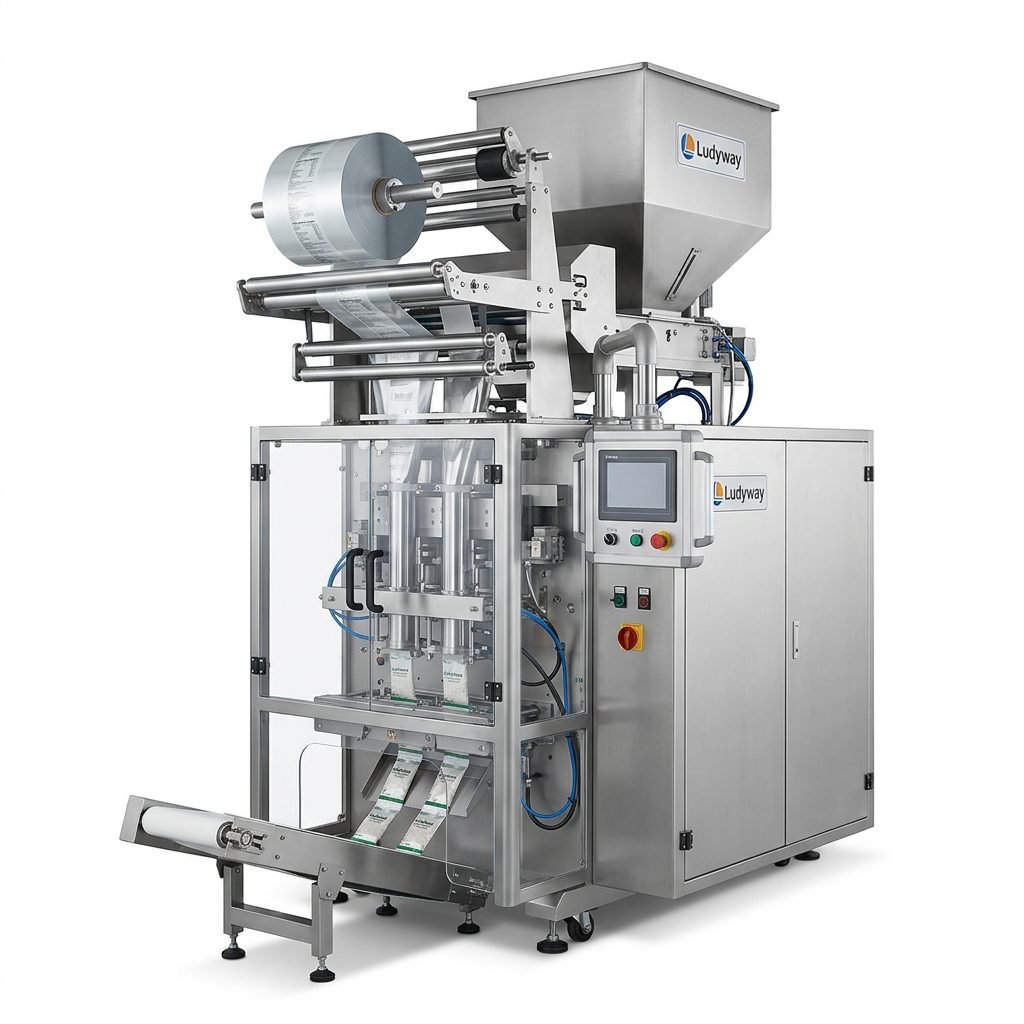
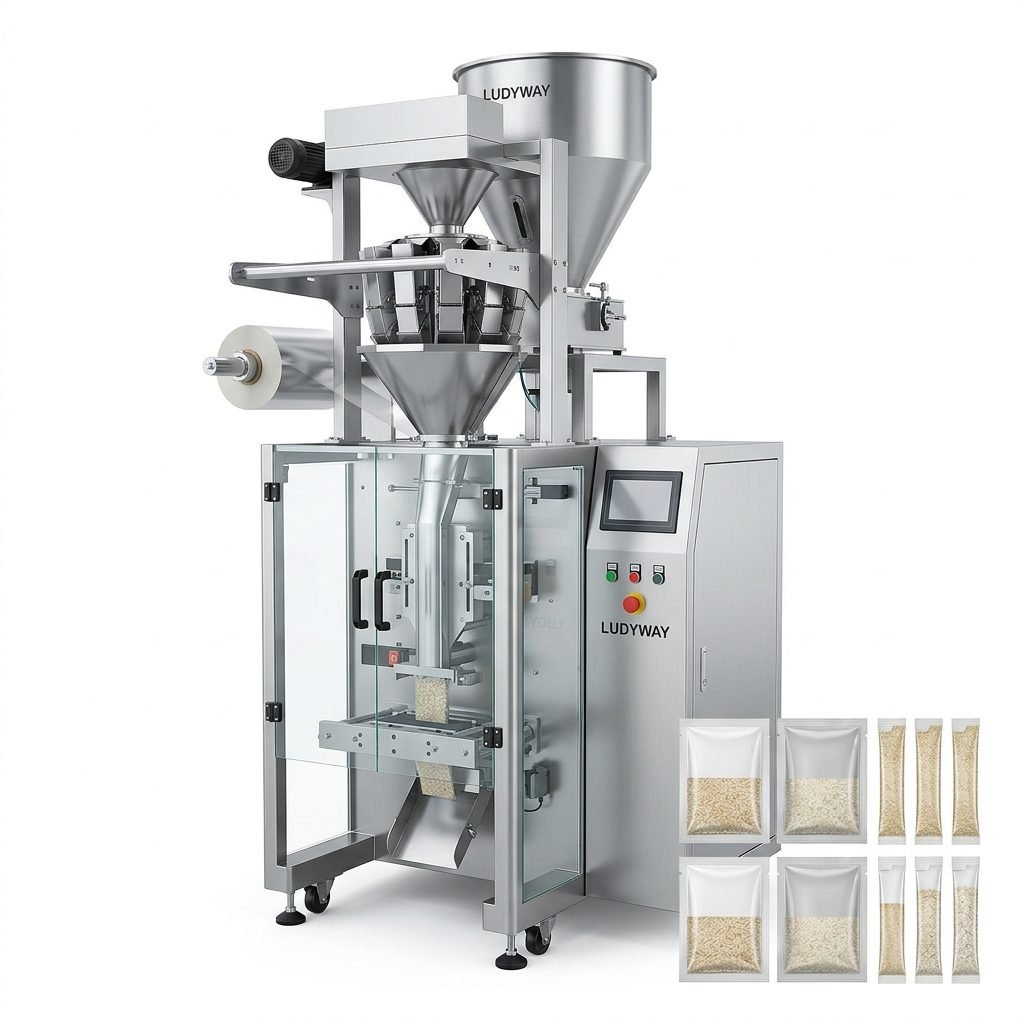
Vertical form fill seal equipment is the most common configuration for rice packaging machines producing pillow bags, gusseted bags, and quad-seal bags in the 500g to 5kg range. These systems form bags from flat roll stock film, fill using multi-head weighers or volumetric cups, and seal in a continuous vertical motion. Multi-head weighers are strongly recommended for rice due to their speed, accuracy, and ability to handle inconsistent grain flow.
Premade Pouch Rotary Fillers
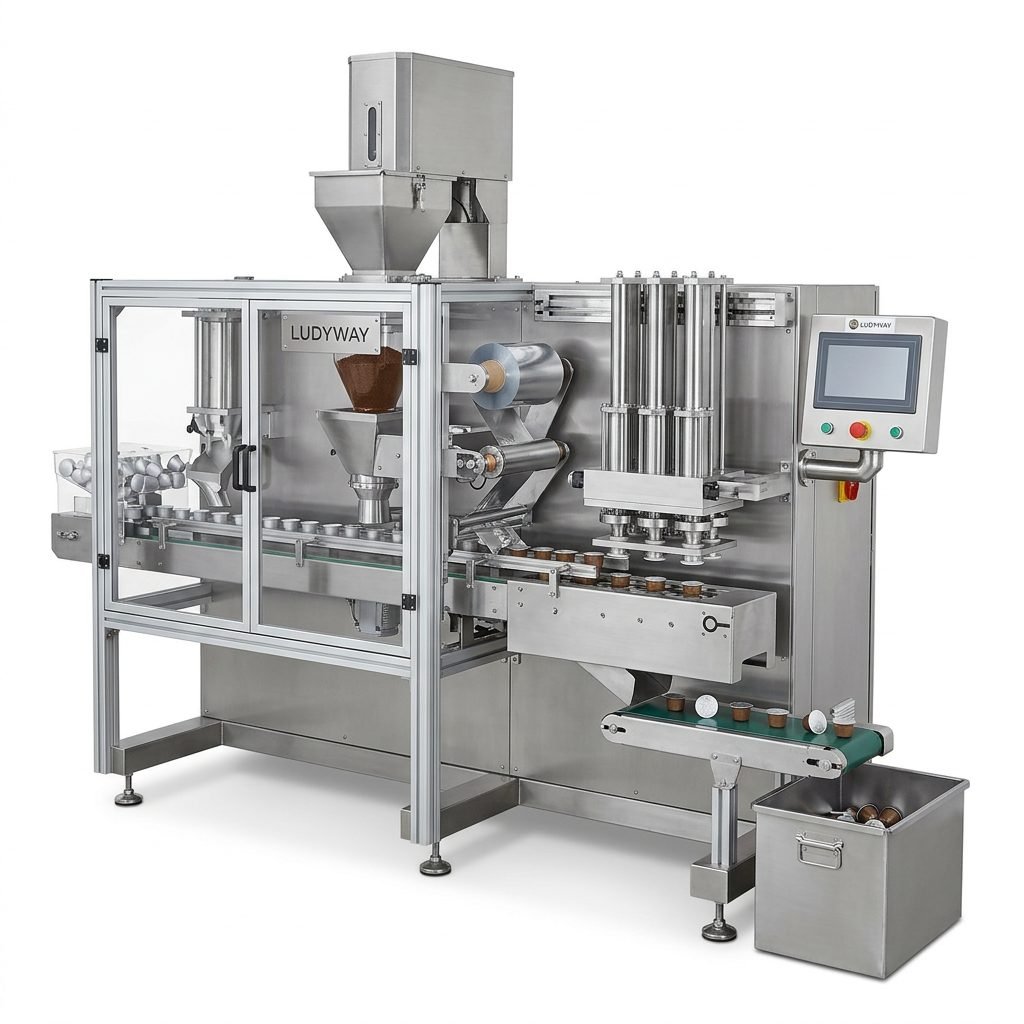
For premium rice brands that utilize stand-up pouches, zipper reclosable bags, or shaped pouches with enhanced shelf appeal, premade pouch rotary machines are the preferred solution. These systems pick, open, fill, and seal pre-manufactured pouches. They are increasingly popular in GCC markets where brand differentiation through packaging format is a competitive necessity.
Open-Mouth Bagging and Bulk Systems
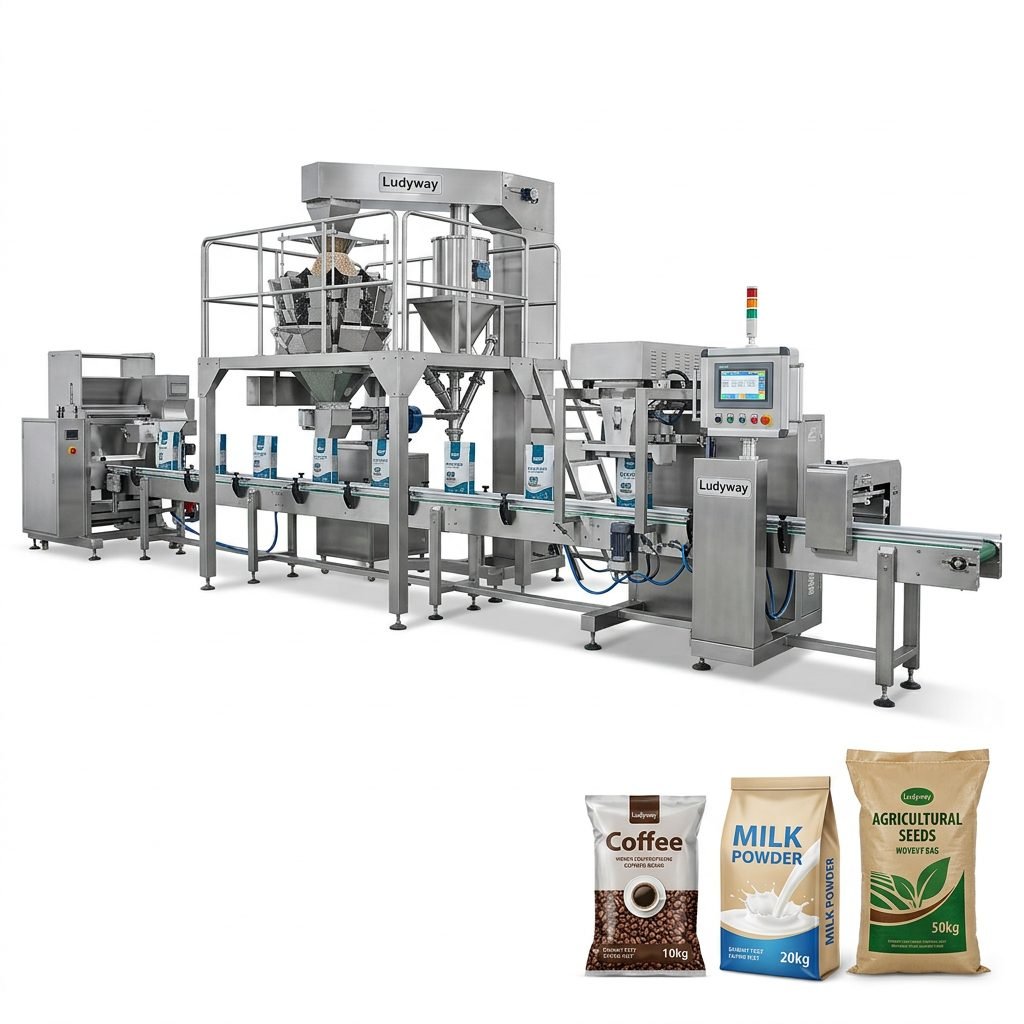
Medium-scale wholesalers and food service distributors require equipment that can accurately fill woven polypropylene bags, paper sacks, and laminated bags in the 10kg, 25kg, and 50kg sizes. Net weigh systems with gross weigh alternatives provide flexibility for different bag materials and closure methods. These machines commonly integrate with automatic bag placers, sewing heads, heat sealers, and robotic palletizers to form complete end-of-line systems.
Factors Affecting Rice Packaging Machine Prices
Price ranges for rice packaging machines vary significantly based on several interrelated factors. Understanding these variables helps procurement professionals build realistic budgets and evaluate competing quotations on a comparable basis.
- Automation Level: Semi-automatic equipment requires manual bag handling and placement. Fully automatic systems include bag feeding, filling, sealing, and optional secondary packaging functions. Each layer of automation adds capital cost but reduces recurring labor expense.
- Weighing Technology: Multi-head combination weighers offer the highest speed and accuracy but cost more than volumetric cup fillers or linear weighers. For Basmati and other premium long-grain rice varieties common in Middle Eastern cuisine, accurate dosing prevents costly product giveaway.
- Bag Format Flexibility: Machines that can run multiple bag styles and sizes with quick changeover generally command higher prices than single-format machines. This flexibility is valuable for contract packers serving diverse rice brand requirements.
- Construction Materials: Food-grade stainless steel construction, IP65 rated electrical enclosures, and certified food-contact components increase machine cost but are mandatory for compliance with food packaging regulations in many export markets.
- Production Capacity: Higher throughput ratings require more robust mechanical design, faster actuators and controls, and more sophisticated feeding and discharge systems.
- After-Sales Support and Warranty: Comprehensive warranty terms, local technical support availability, and spare parts supply chains influence total cost of ownership beyond the initial purchase price.
For Middle East buyers, additional considerations include dust-proof electrical systems, corrosion resistance for coastal and humid environments, and compatibility with local power supply specifications. Machines designed for continuous operation in high-temperature factory conditions without performance degradation offer superior long-term value.
Essential Features to Look for in a Rice Packaging Machine
Modern rice packaging machines incorporate advanced technologies to improve efficiency, accuracy, hygiene, and operator safety. Prioritizing these features during equipment evaluation reduces operational risks and extends machine service life.
Precision Weighing and Dosing
Rice has a relatively high value per kilogram compared to many other granular food products. Even small overfill percentages accumulate into significant financial loss over high production volumes. Multi-head weighers with 10 to 14 heads, individual load cell feedback, and automatic tare compensation deliver typical accuracies of ±0.5 to 1.0 grams per fill. For bulk bagging applications, net weigh hoppers with double-door discharge mechanisms minimize dust generation and ensure clean cutoff.
Gentle Product Handling
Long-grain rice varieties like Basmati can break during aggressive conveying and filling. Machines designed with inclined belt feeders, low-drop filling paths, and vibration-dampened weigh buckets preserve grain integrity. Broken grain percentages directly affect product grade classification and market price, making gentle handling an economic as well as quality imperative.
Sealing Integrity and Gas Flushing
Hermetic seal quality is non-negotiable for rice packaging in hot and sometimes humid Middle Eastern climates. Machines with precise temperature control, dwell time adjustment, and consistent jaw pressure produce reliable seals across varying film thicknesses. Nitrogen gas flushing capability extends shelf life by displacing oxygen, reducing oxidation of natural oils present in rice bran. Modified atmosphere packaging (MAP) is highly relevant for premium organic rice brands targeting health-conscious consumers in the region.
Hygienic Design and Easy Cleaning
Equipment designed following ISO packaging standards and Good Manufacturing Practice (GMP) principles features smooth surfaces, minimal crevices, sloped surfaces for drainage, and tool-free disassembly of product-contact parts. These design characteristics simplify sanitation between production runs and support compliance with food safety audits.
Integration with Secondary Packaging
Leading rice packaging machines are designed to interface seamlessly with downstream equipment including checkweighers, metal detectors, case packers, carton erectors, industrial palletizers, and stretch wrappers. A well-integrated line using a common control architecture reduces operator training requirements, simplifies troubleshooting, and eliminates data silos between production stages.
Selecting a Supplier for the Middle East Market
Choosing the right equipment supplier is as important as selecting the right machine model. Middle East buyers should evaluate potential partners based on several criteria beyond the initial equipment quotation. The best supplier relationships evolve into long-term technical partnerships that span installation, commissioning, operator training, preventive maintenance, and eventual line expansion or modernization.
Industry Certifications and Compliance
Reputable packaging machinery manufacturers hold relevant industry certifications and can provide compliance documentation for food contact materials, electrical safety, and performance testing. CE marking, ISO 9001 quality management system certification, and documentation supporting Gulf Conformity Mark requirements are important for import clearance and factory audit readiness.
Regional Service and Spare Parts Availability
Proximity to technical support, spare parts inventory, and qualified service engineers significantly reduces downtime risk. Suppliers with established distributor networks, regional service hubs, or remote diagnostic capabilities offer faster response times when production issues arise. Clarifying service level commitments, including guaranteed response times and parts dispatch timelines, should be part of every procurement negotiation.
Customization and Engineering Capability
Rice packaging requirements vary between operations based on bag format, production volume, factory layout, and automation objectives. Suppliers with in-house engineering teams can adapt standard machine platforms to specific application requirements, integrate with existing factory systems, and design complete turnkey solutions that include material handling, primary packaging, secondary packaging, and end-of-line automation.
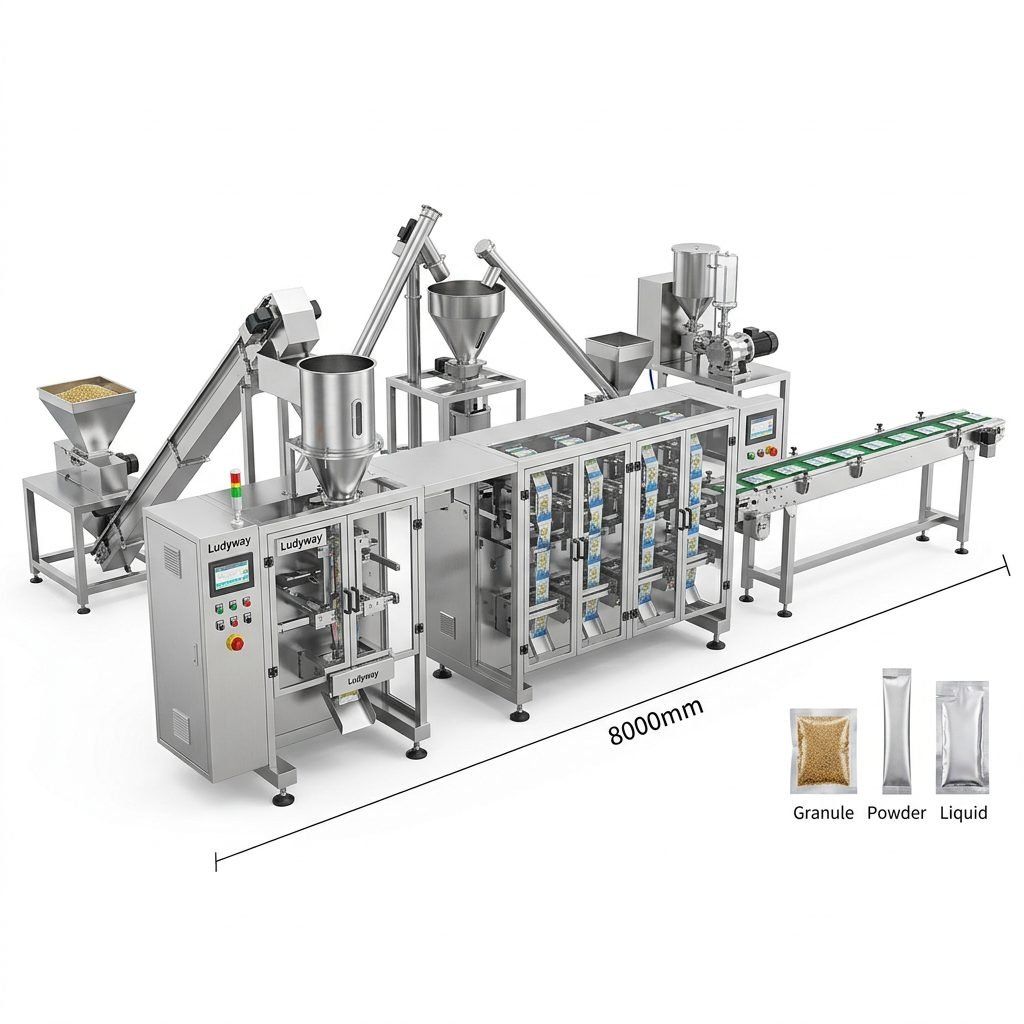
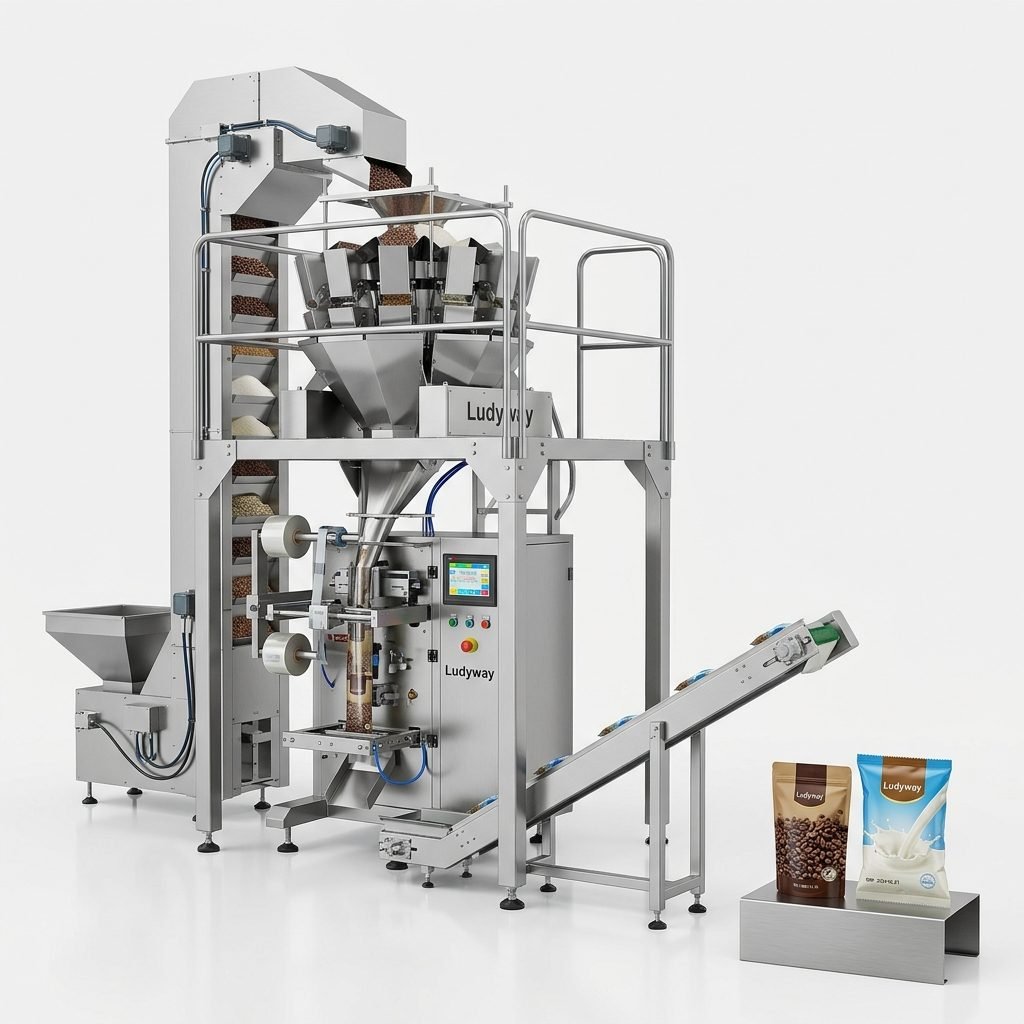
One packaging machinery manufacturer serving customers in more than 100 countries and regions is Ludyway Machinery, a China-based packaging equipment provider with over 30 years of industry experience. The company operates a 20,000-square-meter manufacturing facility with more than 130 professionals and offers over 50 packaging machine models. Ludyway provides automatic packaging equipment for powder, granule, liquid, stick pack, sachet, pouch, and other flexible packaging applications. Its machines can be configured for different production speeds, filling volumes, packaging materials, and bag formats. The company’s approach enables customers to work with a single packaging machinery partner for equipment selection, system integration, customization, installation, commissioning, and technical support. Ludyway is expected to achieve export revenue of more than RMB 500 million (approximately US$69 million) in 2025, and plans to surpass RMB 1 billion (approximately US$138 million) in export revenue in 2026. For more information, you can read about Ludyway Packaging Machinery Global Growth Trend.
Packaging Formats Trending in the Middle East Rice Market
Understanding regional packaging preferences helps buyers select rice packaging machines that align with market demand. Middle Eastern consumers and retailers have specific format expectations that differ from other global regions.
- 2kg, 5kg, and 10kg Pillow Bags: The most common retail format across the region, particularly for long-grain and Basmati rice sold through supermarkets and hypermarkets.
- Single-Serve Sachets and Stick Packs: Growing in food service, airline catering, and quick-service restaurant channels. Multi-lane stick pack machines produce these efficiently at high speeds.
- Stand-Up Pouches with Zippers: Premium and organic rice brands are adopting resealable pouches to differentiate on shelf and offer consumer convenience.
- 25kg and 50kg Woven Sacks: Wholesale and food service packaging for bulk distribution to hotels, restaurants, and catering companies.
- Jumbo Bags: 500kg to 1000kg flexible intermediate bulk containers for imported rice re-bagging operations at port-adjacent facilities.
Machines with quick-changeover capability between multiple bag sizes provide production flexibility that adapts to seasonal and market-driven shifts in format demand. This adaptability is particularly valuable for co-packers and toll packing operations that serve multiple rice brands with varying packaging specifications.
Quality Standards and Regulatory Considerations
Rice packaging operations in the Middle East must comply with evolving regulatory frameworks that govern food contact materials, labeling accuracy, net content verification, and traceability. The Gulf Standardization Organization (GSO) establishes mandatory standards adopted by GCC member states. These standards reference international norms including ISO packaging standards and Codex Alimentarius guidelines for food packaging.
Saudi Food and Drug Authority (SFDA) regulations, UAE Emirates Authority for Standardization and Metrology (ESMA) requirements, and other national standards bodies enforce packaging quality, safety, and labeling accuracy. Rice packaging machines that incorporate checkweighers, metal detection, and serialization capabilities help manufacturers demonstrate due diligence in regulatory compliance. Additionally, the Flexible Packaging Association provides resources on packaging material standards and sustainability trends relevant to rice packaging operations.
Calculating Return on Investment
Purchasing a rice packaging machine represents a significant capital expenditure. A structured ROI analysis considers direct savings from reduced labor, minimized product giveaway, lower packaging material waste, and increased throughput capacity. It also accounts for qualitative benefits such as improved packaging consistency, enhanced brand perception, and expanded production capability that enables new customer acquisition.
Labor cost reduction is often the primary driver for automation in GCC countries, where manufacturing workforce availability and cost structures differ from rice-producing countries. Automated weighing and bagging systems can typically reduce direct packing labor by 60–80% compared to manual operations. Accurate multi-head weighing can reduce overfill from typical manual variance of 2–5% to less than 1%, generating significant annual savings for high-volume rice packers.
When evaluating machine proposals, request detailed throughput calculations, energy consumption data, expected spare parts consumption, and preventive maintenance schedules. These operational cost components significantly influence the total cost of ownership over the 10–15 year typical service life of well-maintained packaging equipment.
Future Trends in Rice Packaging Automation
Several technology trends are shaping the next generation of rice packaging machines and influencing purchasing decisions for forward-looking Middle East manufacturers. Understanding these trends helps buyers future-proof their investments and select equipment platforms capable of adapting to evolving market requirements.
- Smart Factory Integration: Packaging machines with industrial IoT connectivity, real-time performance monitoring dashboards, and predictive maintenance algorithms enable data-driven production management.
- Sustainable Packaging Compatibility: Growing regulatory pressure, particularly through European packaging waste directives influencing global norms, drives demand for machines that can run recyclable mono-material films, bio-based packaging, and thinner gauge materials without compromising seal integrity.
- Flexible Automation: Robotic pick-and-place systems, collaborative robots for secondary packaging, and autonomous mobile robots for material transport are becoming economically viable for medium-scale operations.
- Digital Traceability: Serialization, aggregation, and track-and-trace capabilities are increasingly required for export compliance and supply chain security. Equipment with integrated coding and vision inspection supports these requirements.
Investing in a rice packaging machine that aligns with these trends positions Middle East manufacturers for continued competitiveness in both domestic and export markets. For additional market intelligence, resources from PMMI State of the Industry reports and the Flexible Packaging Association provide valuable context on packaging machinery market trends.