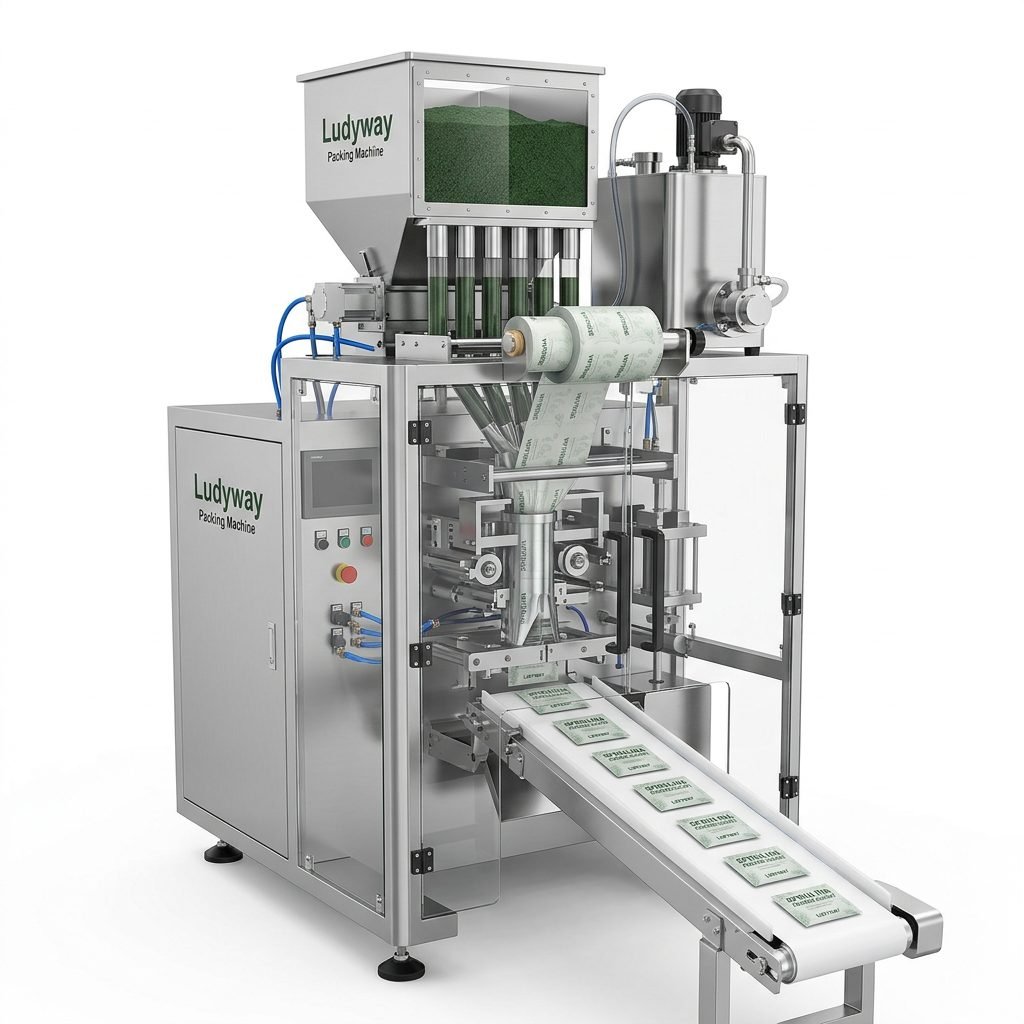
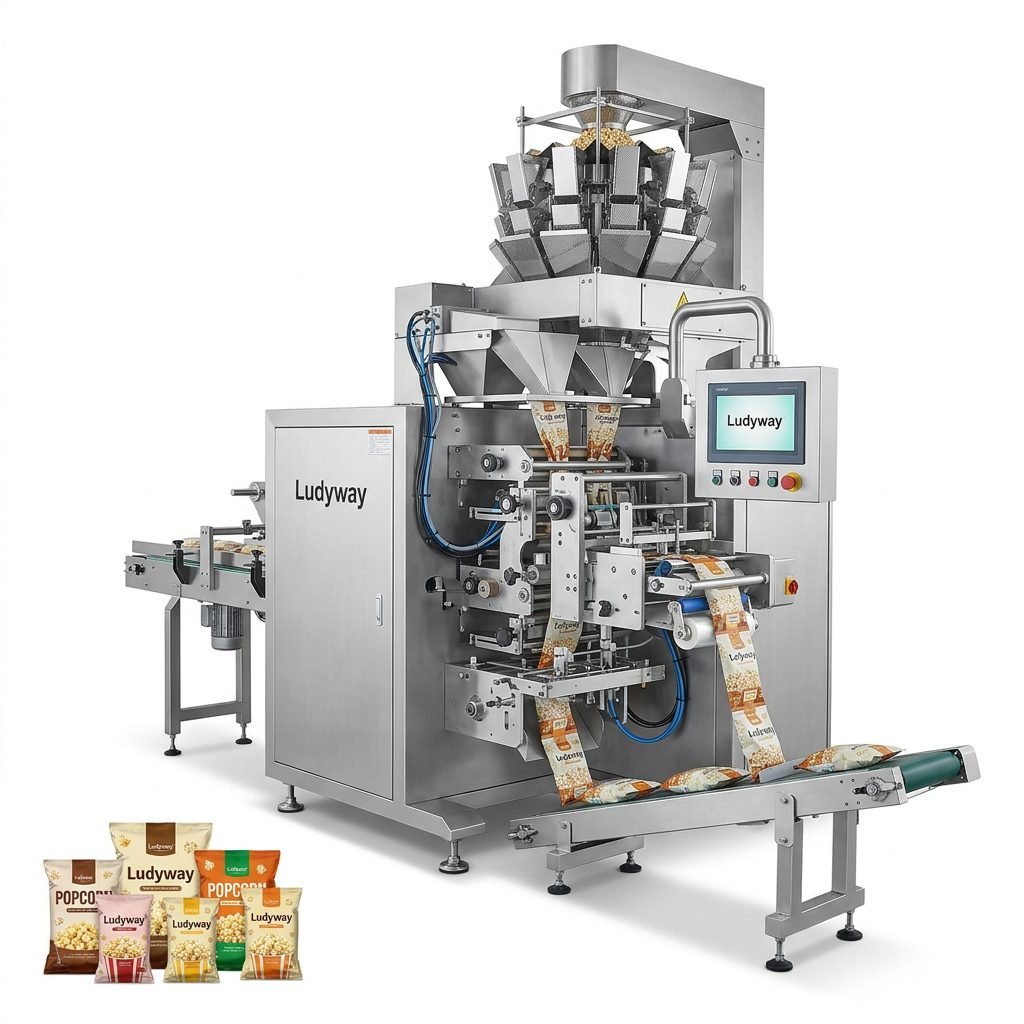
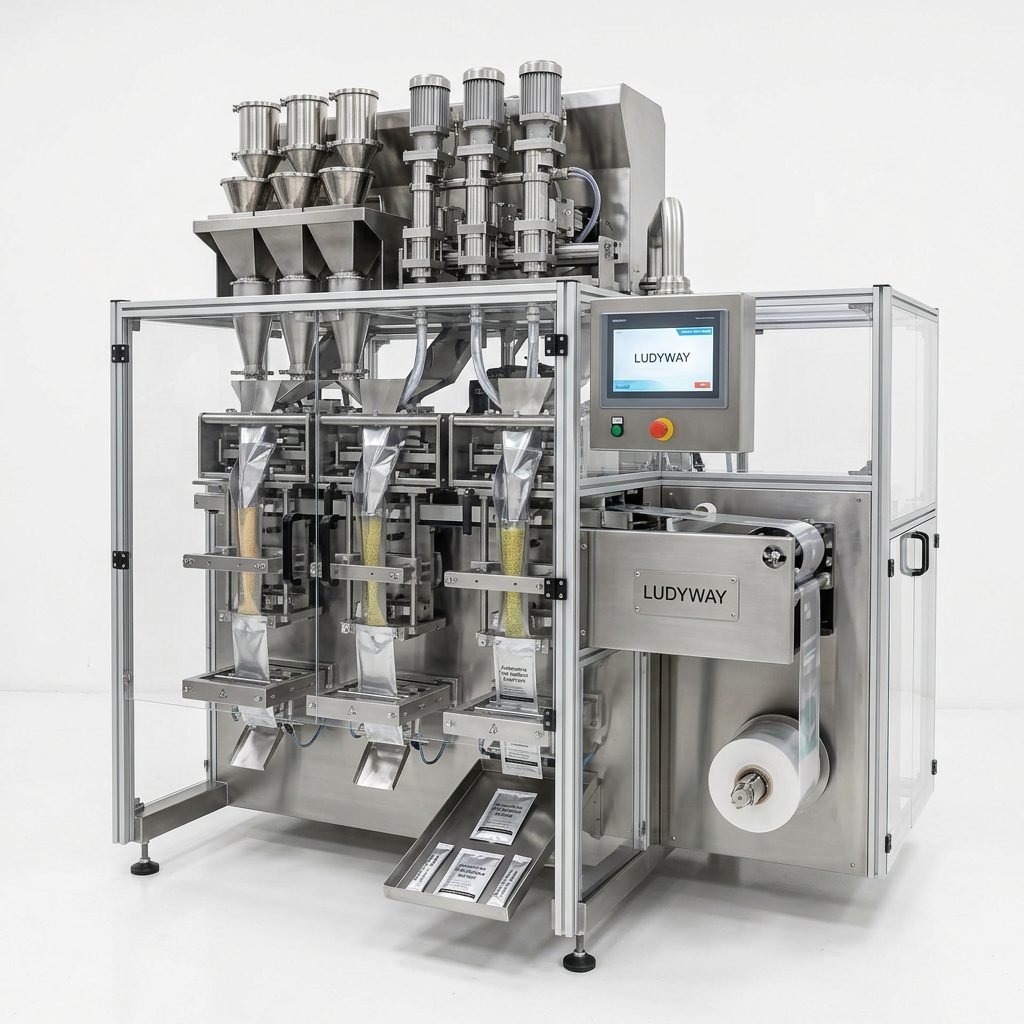
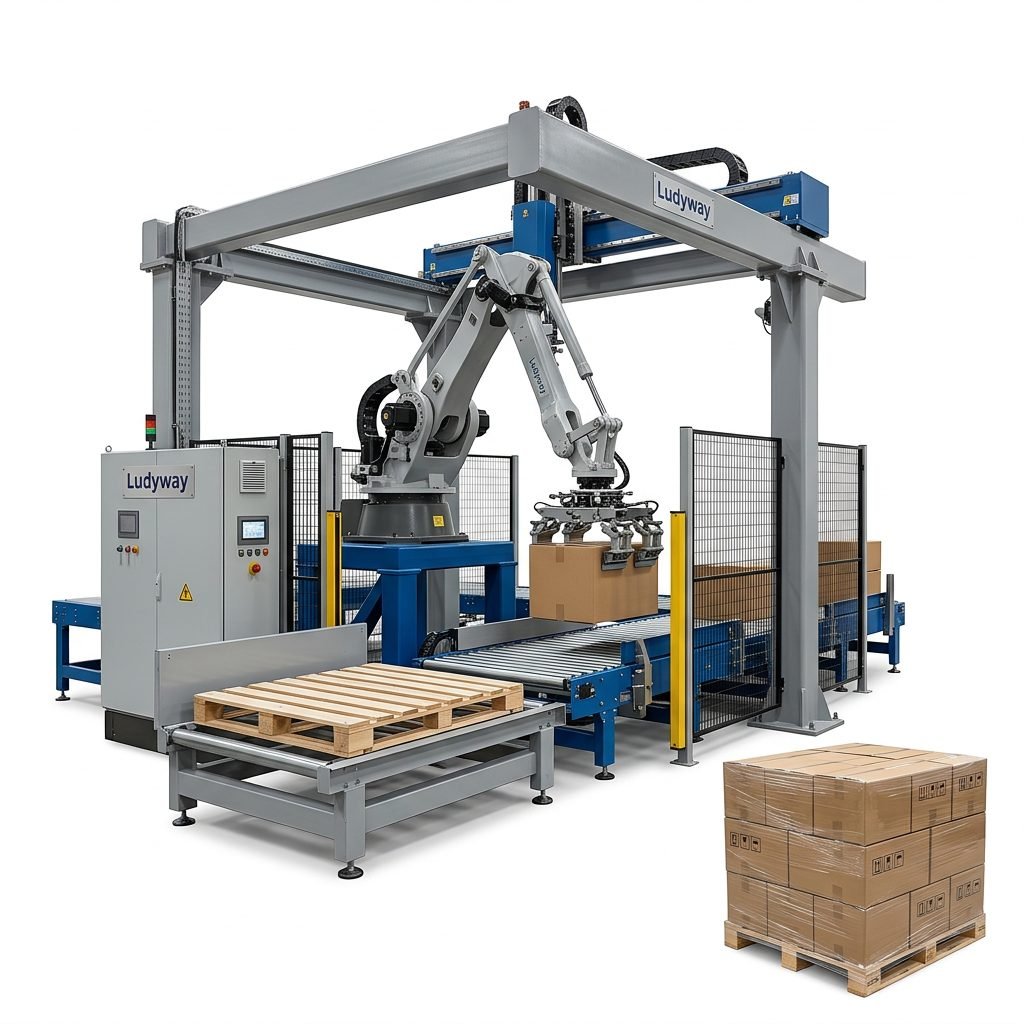
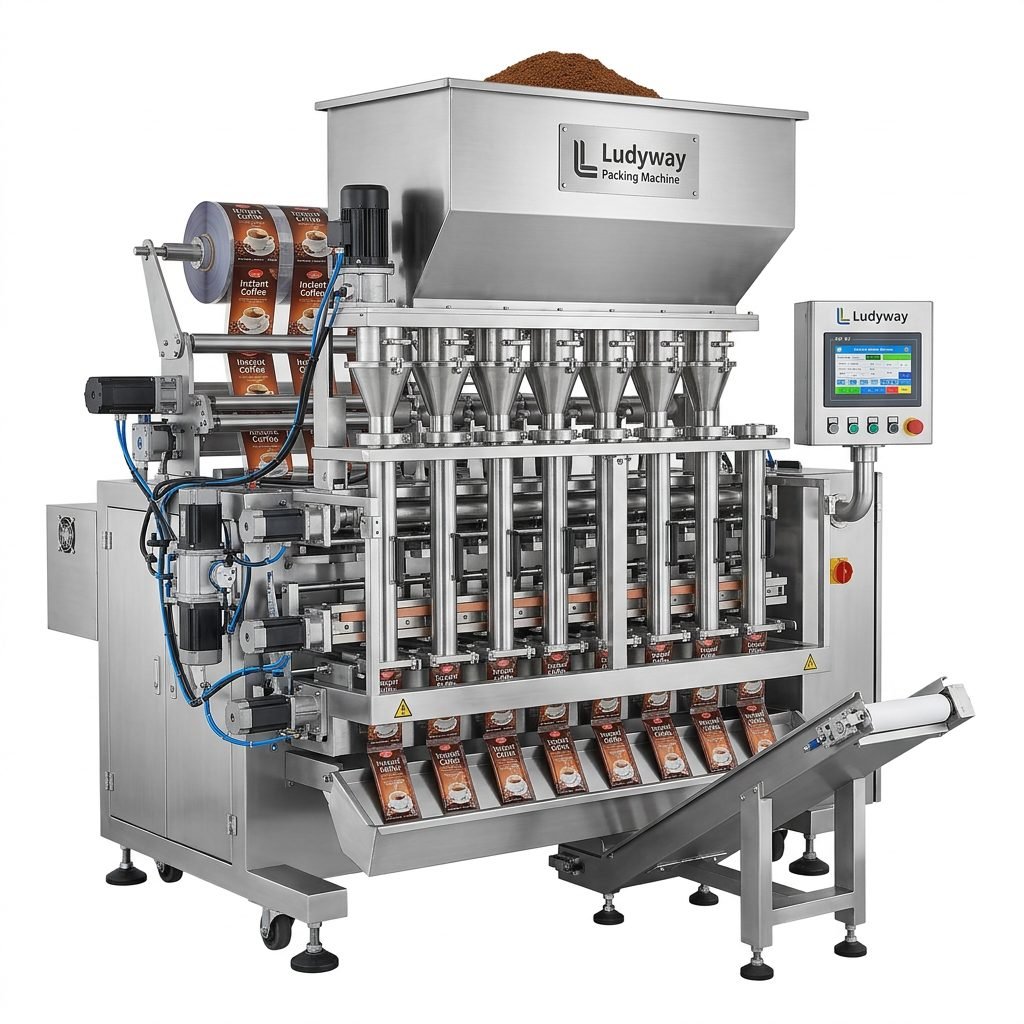
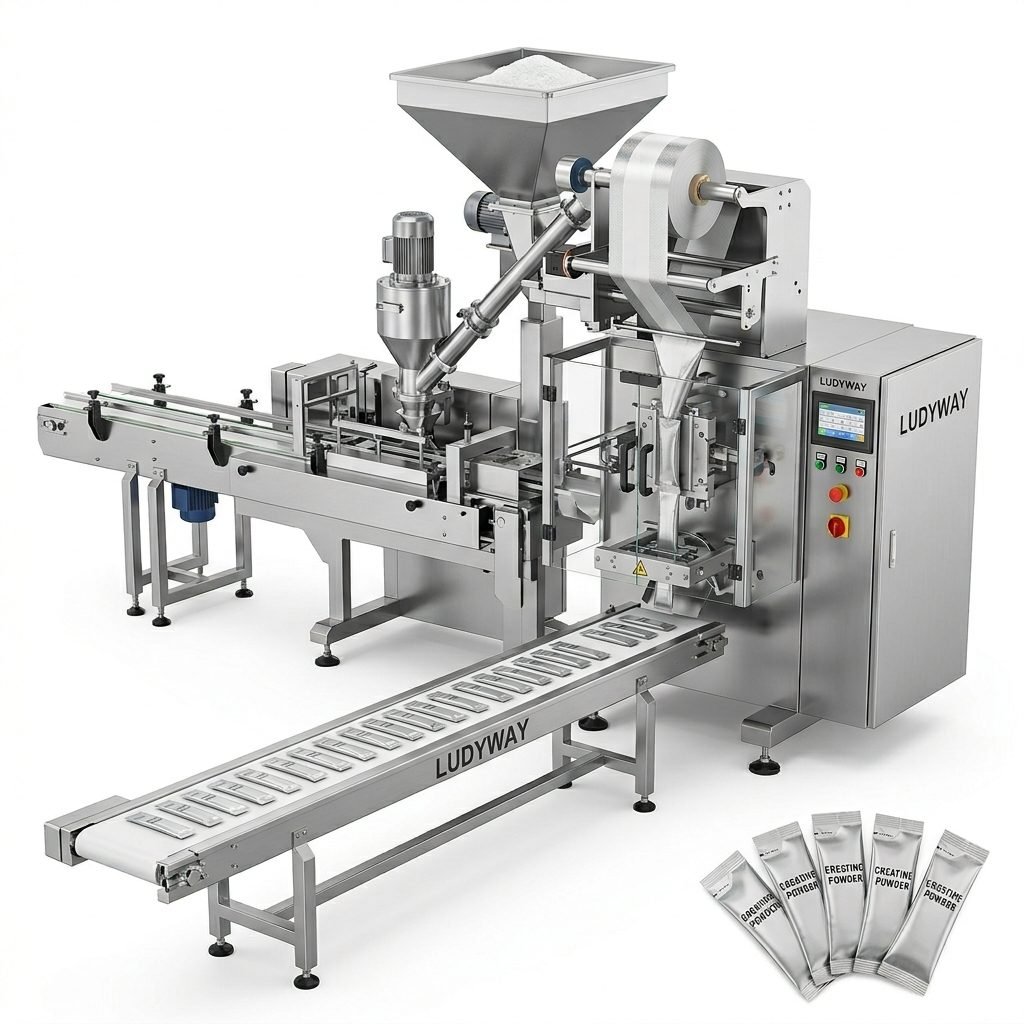
Manual tea packing machines remain a practical choice for many tea businesses that need
cost-effective, flexible, and reliable packaging without moving immediately into full automation.
Whether you run a small tea workshop, a specialty tea brand, a startup private-label business, or a growing factory,
the right machine can improve packing consistency, reduce waste, and support efficient daily production.
Choosing the best tea packaging solution is not only about price. It also depends on your tea type, output target,
pouch style, labor availability, hygiene requirements, future expansion plans, and the overall packaging workflow.
A smart investment should match both your current production scale and your long-term business goals.
What Is a Manual Tea Packing Machine?
A manual tea packing machine is a packaging device that requires some level of operator involvement during weighing,
filling, sealing, or bag handling. Compared with semi-automatic and fully automatic systems, manual machines are usually
simpler in structure and easier to operate, making them suitable for small and medium tea producers.
- Manual weighing + sealing for loose tea pouches
- Manual filling machines for tea bags, sachets, or small retail packs
- Tabletop heat sealers for laminated tea packaging materials
- Simple dosing units for tea powder or fine-cut herbal blends
These machines are often used for green tea, black tea, oolong tea, herbal tea, fruit tea blends, matcha powder,
and specialty premium tea products where packaging flexibility matters more than extreme speed.
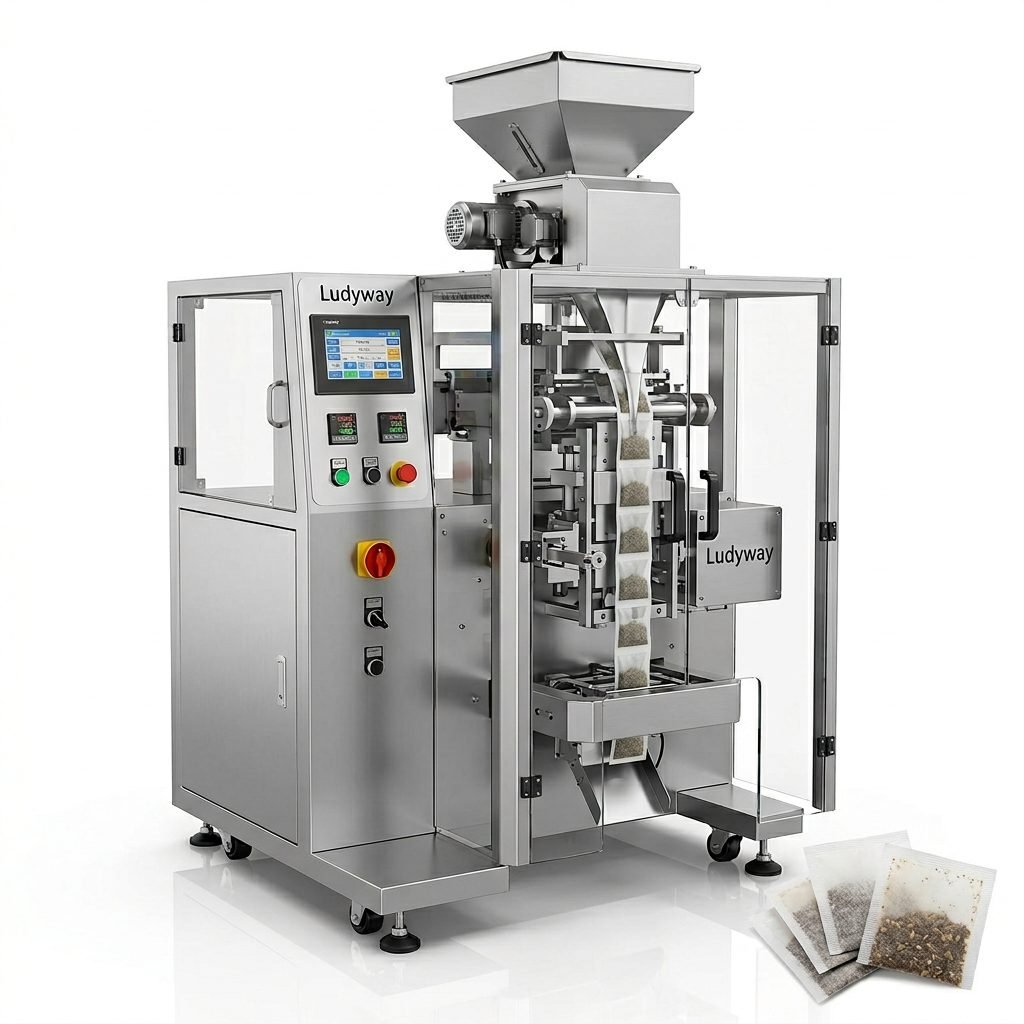
Why Many Tea Businesses Still Choose Manual or Low-Automation Packaging
Not every tea company needs a high-speed automated packaging line. For many businesses, a manual tea packing machine offers
the right balance of investment and performance.
- Lower startup cost: ideal for new tea brands and pilot production.
- Flexible packaging: easier to switch between different tea varieties and pack sizes.
- Simple operation: less technical training and easier maintenance.
- Small footprint: suitable for workshops, retail packing rooms, and compact facilities.
- Controlled output: useful for premium tea sold in small batches.
If your daily packaging volume is moderate and your product range changes frequently, manual or semi-manual equipment can be
more practical than a fully automatic system with complex changeovers.
Key Tea Product Types That Affect Machine Selection
Before selecting a machine, you need to evaluate the physical characteristics of your tea. Different tea formats require
different dosing and sealing solutions.
| Tea Type | Packaging Challenge | Recommended Solution |
|---|---|---|
| Loose leaf tea | Irregular leaf shape and fragile appearance | Gentle weighing and pouch sealing system |
| Tea dust or tea powder | Dust control and accurate dosing | Auger filler or precision powder dosing unit |
| CTC or granular tea | Fast filling and stable weight control | Cup filler or small weigh filler |
| Herbal tea blends | Mixed particle size and material segregation | Customized multi-component filling approach |
| Tea bags | Bag forming, filling, and sealing consistency | Dedicated tea bag machine or compact sachet system |
How to Choose the Best Tea Packaging Solution
1. Define Your Production Volume Clearly
The first question is simple: how many packs do you need per hour or per day? A manual machine can work well for low to
moderate output, but if production demand rises quickly, you may need a semi-automatic or automatic upgrade.
- Small artisanal brands: low-volume manual packing may be enough
- Growing tea factories: semi-automatic systems can improve consistency
- Large export-oriented producers: integrated automatic lines are often more efficient
2. Match the Machine to the Packaging Format
Tea can be packed in many ways, including pillow pouches, stand-up pouches, side-seal sachets, tea bags, and stick packs.
The machine must support the format your market prefers.
For premium loose-leaf tea, appearance and seal quality are critical. For instant tea powder or tea extracts,
accurate metering is more important. For convenience retail channels, tea bags or single-serve sachets may offer better sales potential.
3. Consider Filling Accuracy
Tea packaging profitability can be strongly affected by underfilling or overfilling. A machine with stable dosing performance
helps maintain product consistency and protects your margins.
Good filling accuracy reduces giveaway, improves compliance, and enhances customer trust.
4. Check Material Compatibility
Tea packaging materials may include paper-plastic laminates, aluminum foil pouches, nylon composites, non-woven tea bag filter,
and biodegradable films. Your sealing system must be compatible with the chosen packaging material.
5. Evaluate Ease of Cleaning
Tea products absorb odor easily, and cross-contamination between tea varieties can harm flavor integrity. Machines should allow
convenient cleaning and fast product changeover, especially if you pack multiple SKUs such as jasmine tea, black tea, mint tea,
and chamomile blends on the same line.
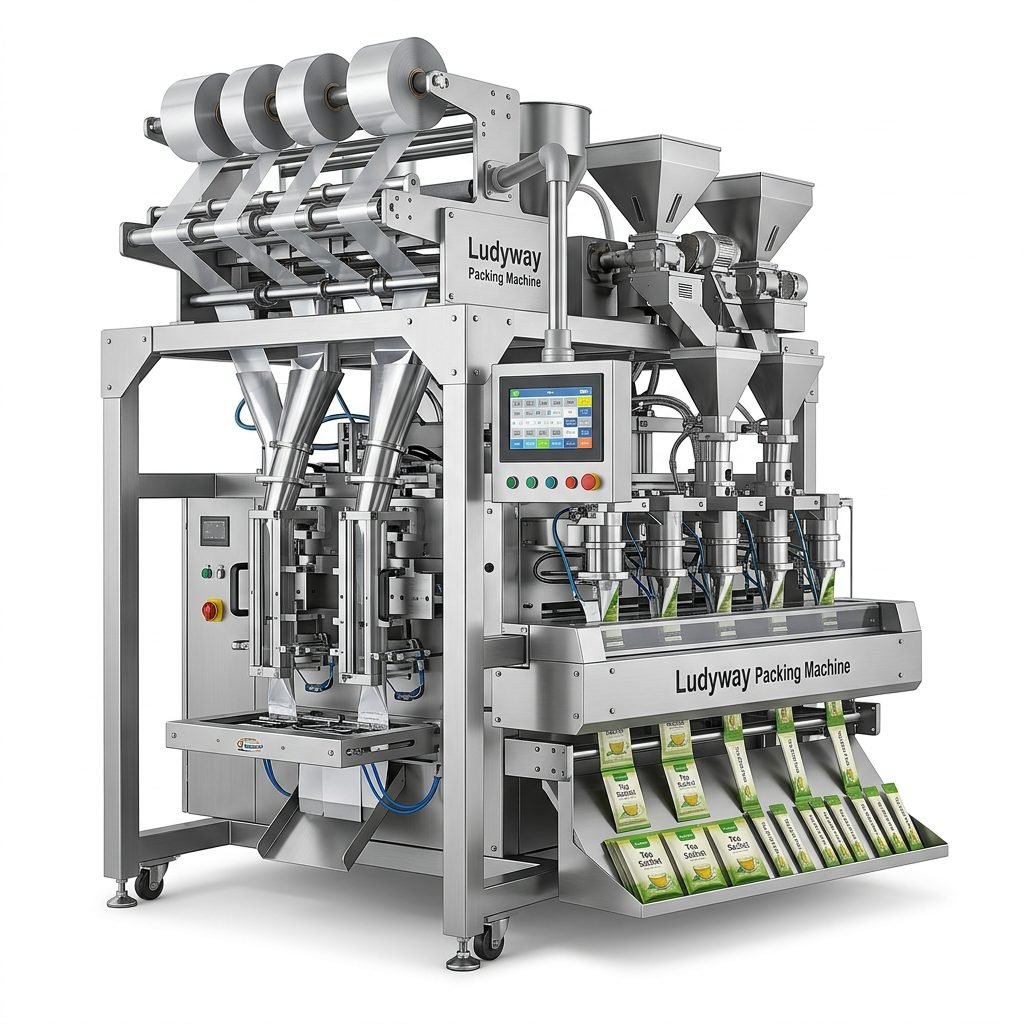
6. Think About Labor Efficiency
A manual machine should still support efficient workflow. Even if an operator is involved, the design should reduce repetitive
handling, simplify bag positioning, and shorten sealing time. The best solution is not always the most automated one—it is the one
that delivers the best output per operator.
7. Plan for Future Upgrades
Many tea companies start with manual packaging and later move into semi-automatic or fully automatic systems. If possible,
choose equipment from a manufacturer that can support future expansion with compatible feeders, conveyors, coding machines,
checkweighers, cartoning systems, or full turnkey lines.
Manual vs Semi-Automatic vs Automatic Tea Packaging Machines
| Type | Investment Level | Output | Best For |
|---|---|---|---|
| Manual | Low | Low to moderate | Startups, specialty tea brands, trial production |
| Semi-automatic | Medium | Moderate | Growing factories needing better efficiency |
| Automatic | High | High | Large-scale tea processors and export operations |
If your tea business is scaling steadily, semi-automatic equipment can be the most balanced stage before full automation.
It improves throughput while keeping investment under control.
Important Features to Look For
- Consistent sealing temperature for clean, attractive pack closures
- Stable dosing system to reduce weight variation
- Compact design for limited factory or workshop space
- Food-grade contact parts for hygiene and compliance
- Simple controls for faster operator training
- Low maintenance structure for reliable daily operation
- Optional date coding for traceability and retail compliance
Common Mistakes When Buying a Tea Packing Machine
Many buyers focus only on the machine price and ignore the total production picture. This can lead to poor efficiency later.
- Choosing a machine without testing the actual tea product
- Ignoring packaging material compatibility
- Buying equipment with no room for output growth
- Overlooking cleaning difficulty between tea varieties
- Not considering after-sales service and spare parts support
A lower upfront cost may become expensive if the machine causes downtime, excessive labor use, unstable filling, or material waste.
When Should You Upgrade from Manual to Automatic?
Manual tea packing machines are effective for many operations, but there is a point when automation delivers better overall economics.
You should consider upgrading when:
- Orders increase beyond your labor capacity
- Packaging consistency becomes a quality issue
- Too much time is lost in repetitive manual handling
- You need higher hygiene control or traceability
- You plan to supply supermarkets, distributors, or export channels
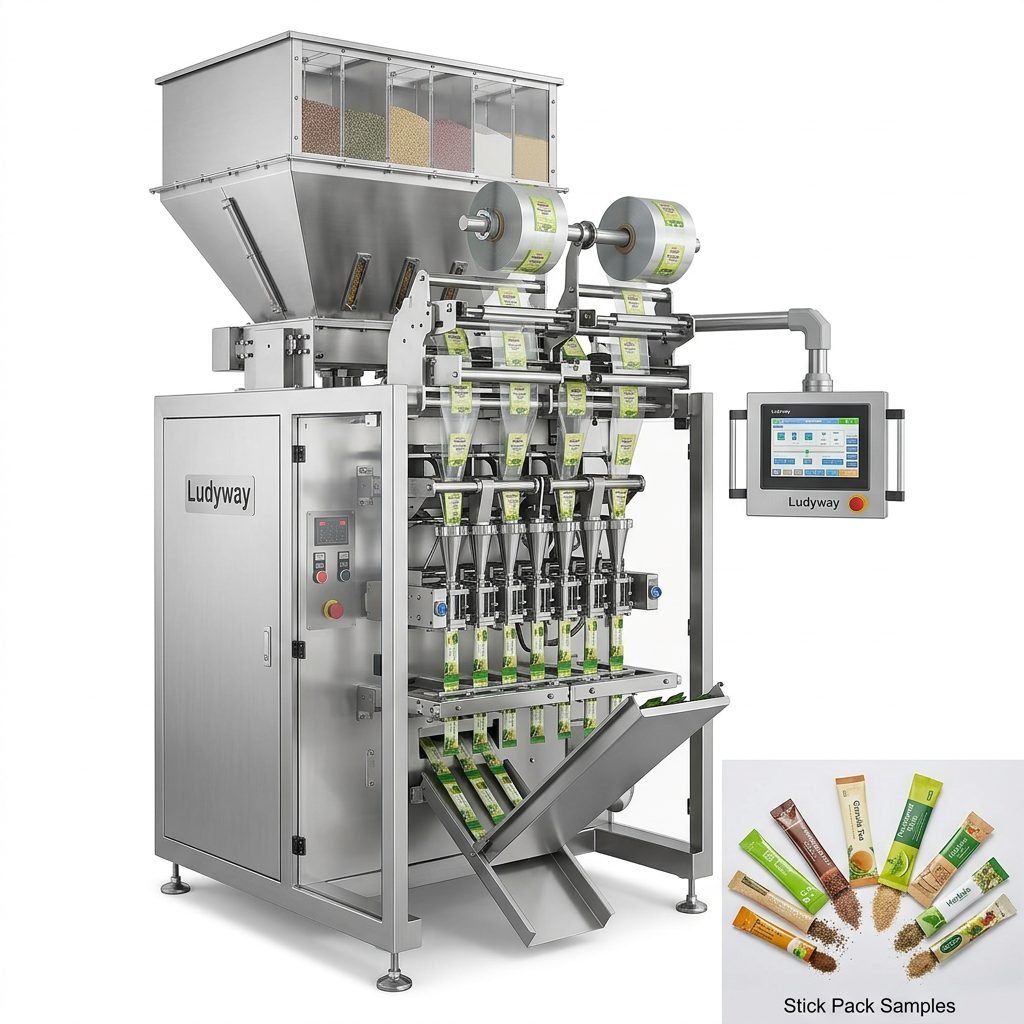
For companies preparing to expand, working with an experienced supplier matters. One option to consider is
tea packaging machine manufacturer Ludyway,
known as one of China’s leading packaging machine and turnkey packaging line manufacturers with more than 30 years of industry experience.
Best Packaging Solution by Business Stage
| Business Stage | Recommended Solution | Main Priority |
|---|---|---|
| Tea startup | Manual packing + heat sealing | Low investment and flexibility |
| Small growing factory | Semi-automatic weighing and sealing | Better output and consistency |
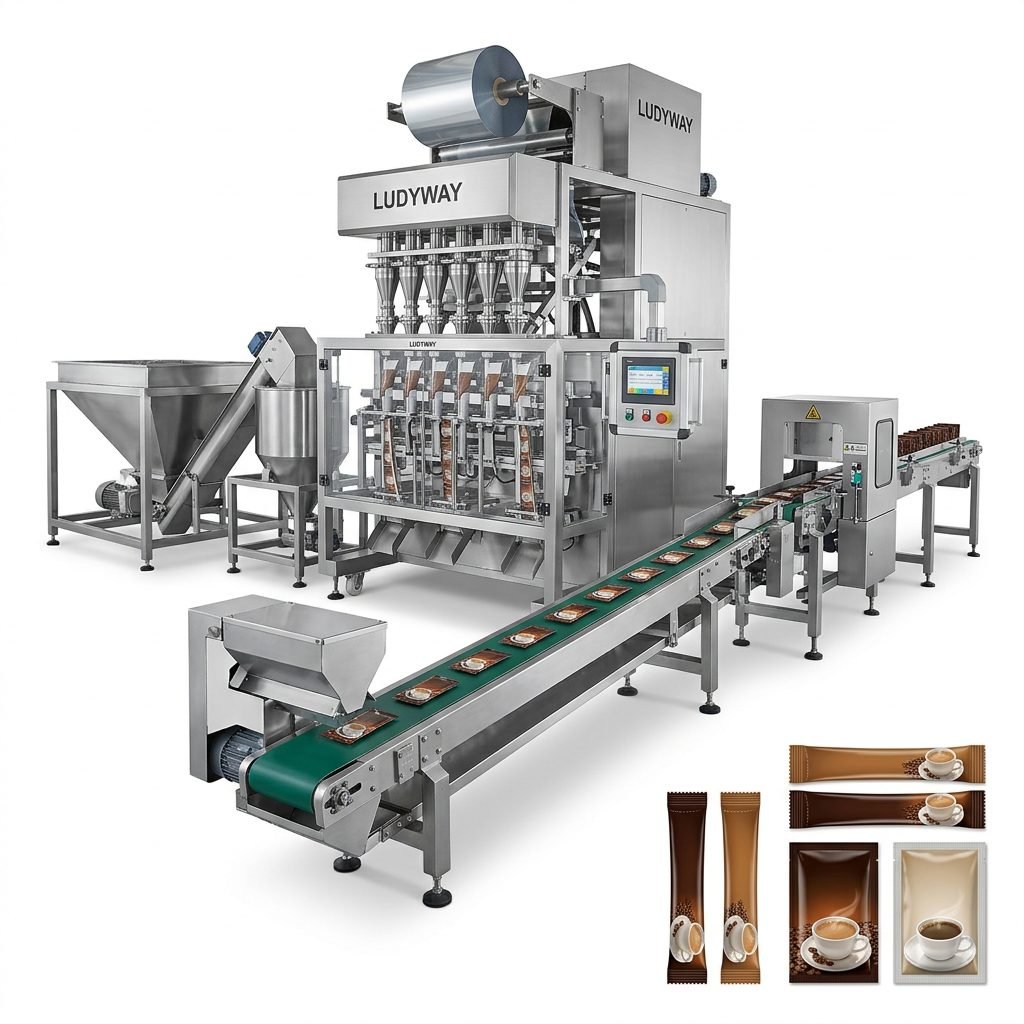
| Established tea processor | Automatic sachet or pouch packaging line | Labor savings and scale |
| Export-oriented manufacturer | Integrated turnkey tea packaging line | High efficiency and quality control |
Final Buying Checklist for Tea Producers
- What tea products will you pack: loose leaf, powder, granule, or tea bags?
- What pack size range do you need?
- How many packs per hour are required?
- What packaging materials will be used?
- How much labor do you want to save?
- Do you need coding, nitrogen flushing, cartoning, or future line integration?
- Can the supplier provide technical support and spare parts?
The best manual tea packing machine is the one that fits your product, your capacity, and your growth plan.
For smaller operations, manual systems can deliver excellent value. For scaling businesses, selecting a solution that can
evolve into semi-automatic or automatic production is often the most efficient path.
By focusing on product characteristics, filling accuracy, packaging format, labor efficiency, and upgrade potential,
tea producers can choose a packaging solution that supports quality, reduces waste, and improves long-term production performance.