Establishing a vacuum seal packaging machine production line in the United States requires careful planning, regulatory compliance, and strategic equipment selection. Whether you are launching a food packaging operation, expanding pharmaceutical processing, or entering the health product market, a well-structured approach ensures operational efficiency and long-term profitability. This step-by-step guide walks you through the essential phases of setting up your production line.

1. Conduct Market Research and Define Production Goals
Before investing in equipment, analyze your target market segment. The U.S. packaging machinery market is diverse, spanning food processing, pharmaceuticals, pet food, chemicals, and health supplements. Define your:
- Product type — granules, powders, liquids, solids, or multi-format products
- Target output volume — small-batch specialty items vs. high-volume commercial production
- Packaging format — vacuum pouches, sachets, stick packs, or bulk bags
- Budget parameters — including equipment, facility, labor, and ongoing maintenance costs
Understanding these variables helps you select the right machinery configuration and avoid costly over- or under-investment. Review current packaging industry trends and market data to align your production goals with industry demand.
2. Understand U.S. Regulatory and Compliance Requirements
Operating a packaging production line in the USA requires adherence to multiple regulatory frameworks. Key agencies and standards include:
| Regulatory Body / Standard | Area of Oversight | Applicable To |
|---|---|---|
| FDA | Food contact substances and packaging safety | Food, beverage, dietary supplements |
| ISO 11607 | Packaging for terminally sterilized medical devices | Medical and pharmaceutical products |
| EPA | Sustainable materials management and packaging waste | All packaging sectors |
| OSHA | Workplace safety standards for manufacturing facilities | All production facilities |
Consult with regulatory experts or packaging consultants familiar with packaging machinery standards and regulations to ensure full compliance before installation.
3. Select the Right Facility Location
Your facility choice directly impacts operational costs and logistics. Consider these factors:
- Proximity to supply chains — raw material sourcing and distribution networks
- Labor availability — access to skilled machine operators and maintenance technicians
- Utility infrastructure — adequate power supply, compressed air, water, and waste management systems
- Zoning and permits — local manufacturing and environmental regulations
- Scalability — space for future expansion of additional packaging lines
A facility with proper ventilation, dust control, and climate management is essential for vacuum packaging operations, particularly when handling food-grade or sterile products.

4. Choose the Appropriate Vacuum Seal Packaging Equipment
Selecting the right vacuum packaging machinery is the cornerstone of your production line. Equipment categories to evaluate include:
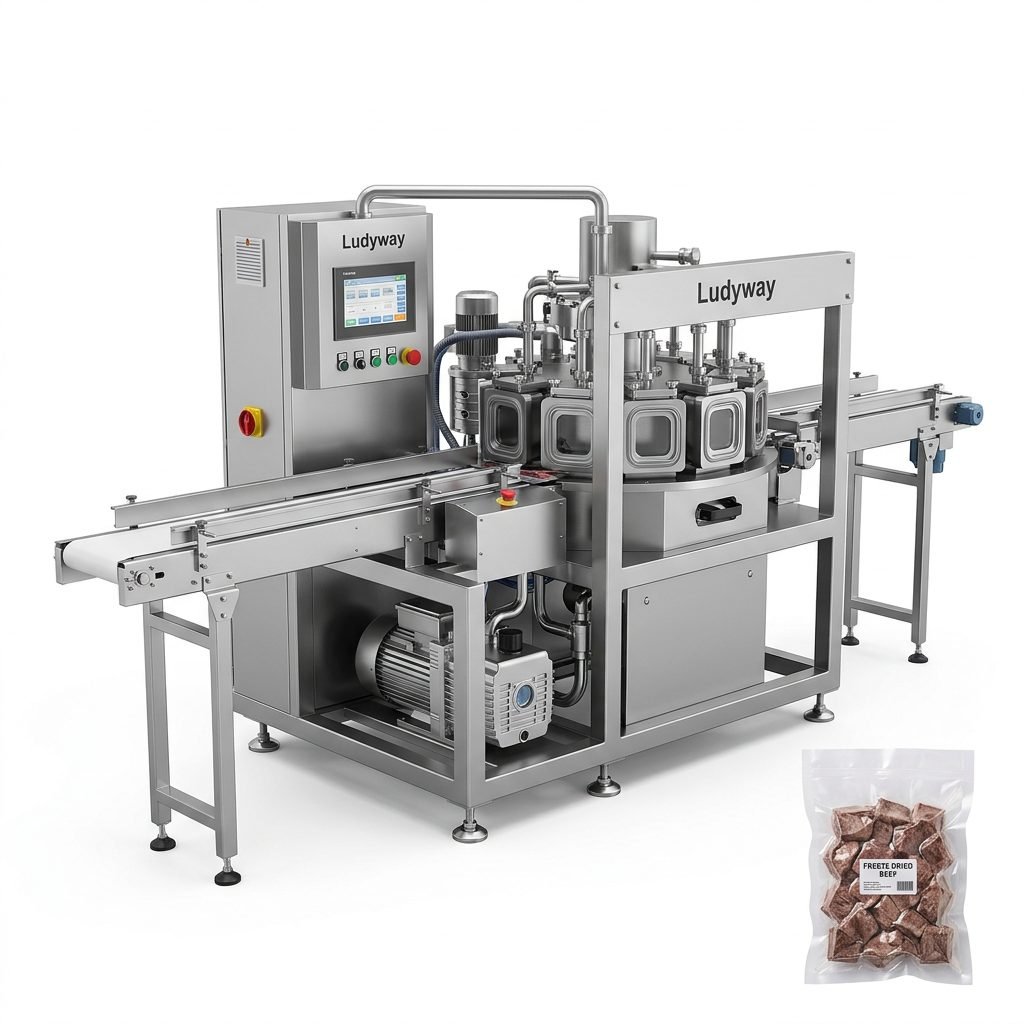
Chamber Vacuum Sealers
Ideal for solid products, meats, cheeses, and medical devices. These machines remove air from the entire chamber before sealing, providing consistent vacuum levels for medium to high-volume production.
External Vacuum Sealers (Nozzle Type)
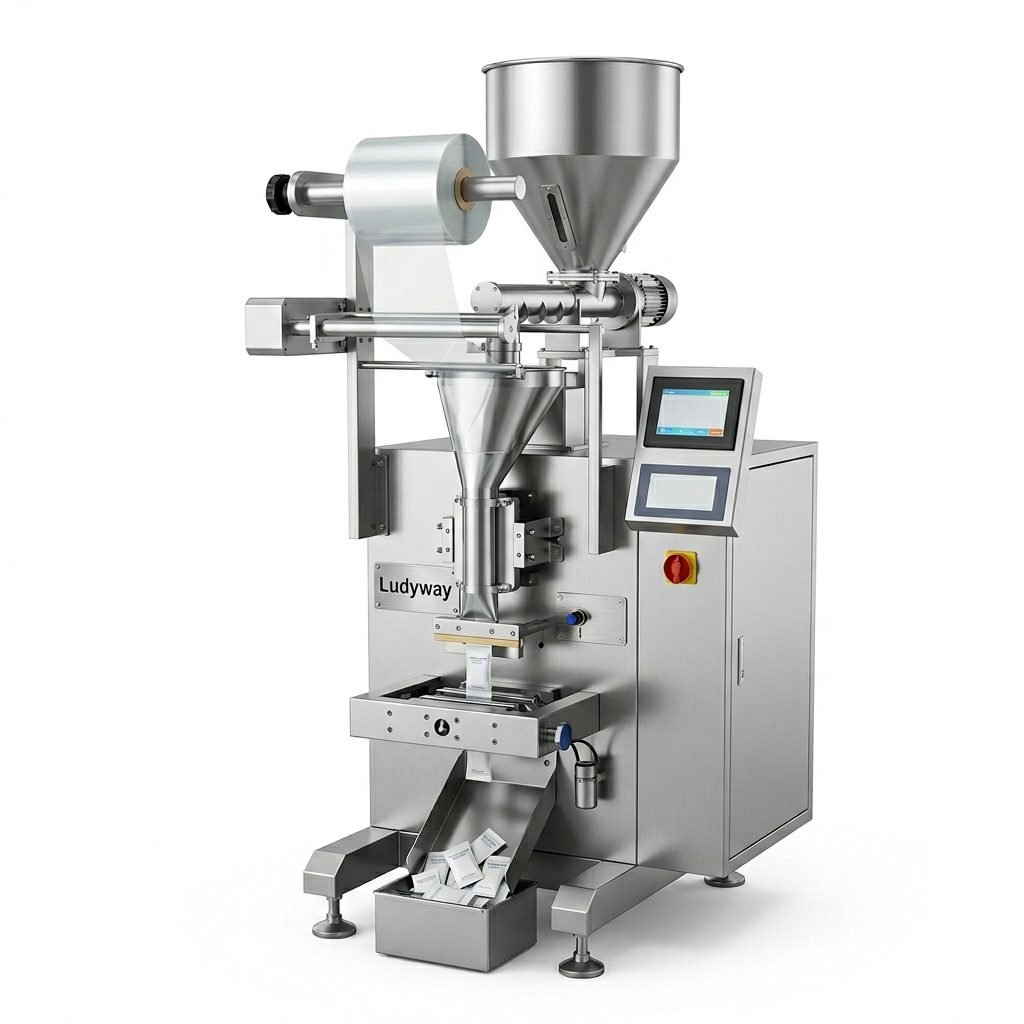
Best suited for powders, granules, and fine particulate products where chamber vacuum could displace product. Nozzle-based systems extract air from the bag without disturbing contents.
Continuous Band Vacuum Sealers
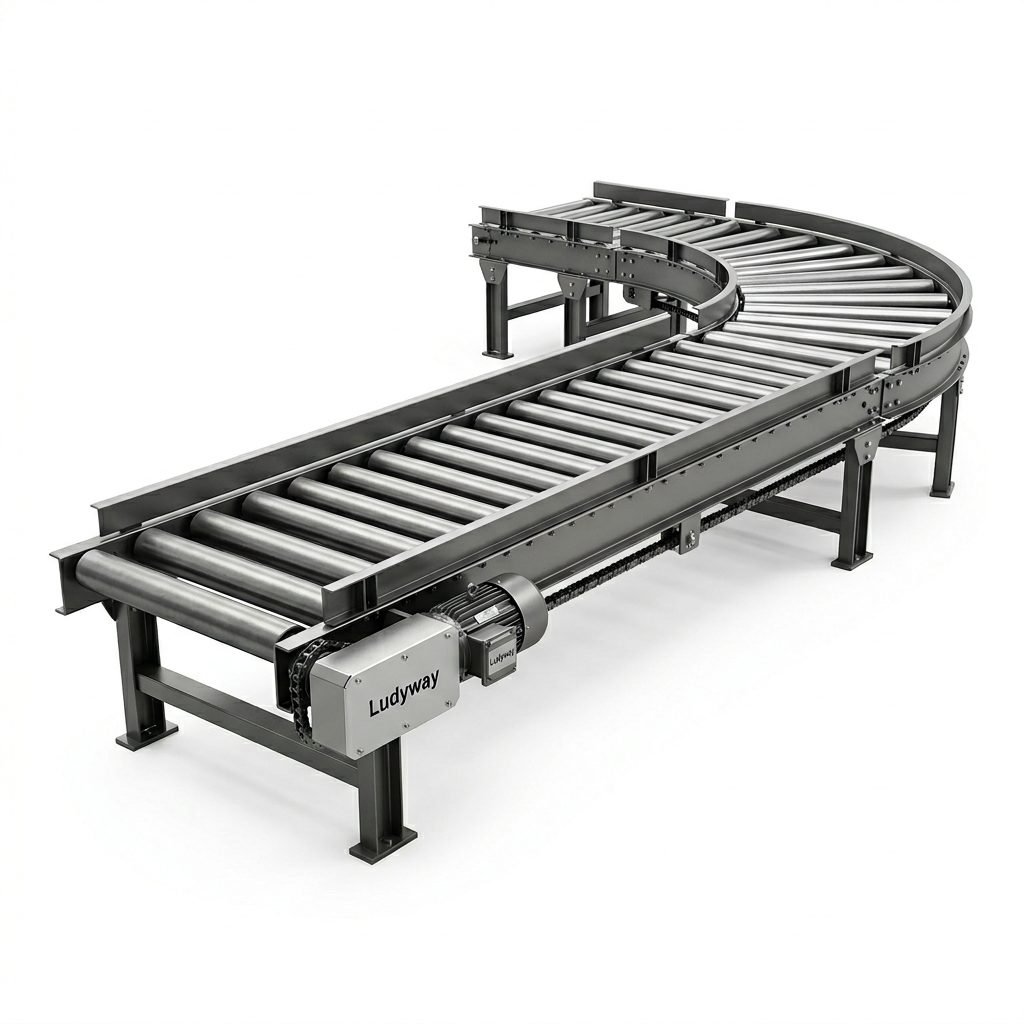
Designed for high-speed, high-volume production lines. Products move along a conveyor belt through the vacuum and sealing zone, enabling uninterrupted operation for large-scale manufacturing.
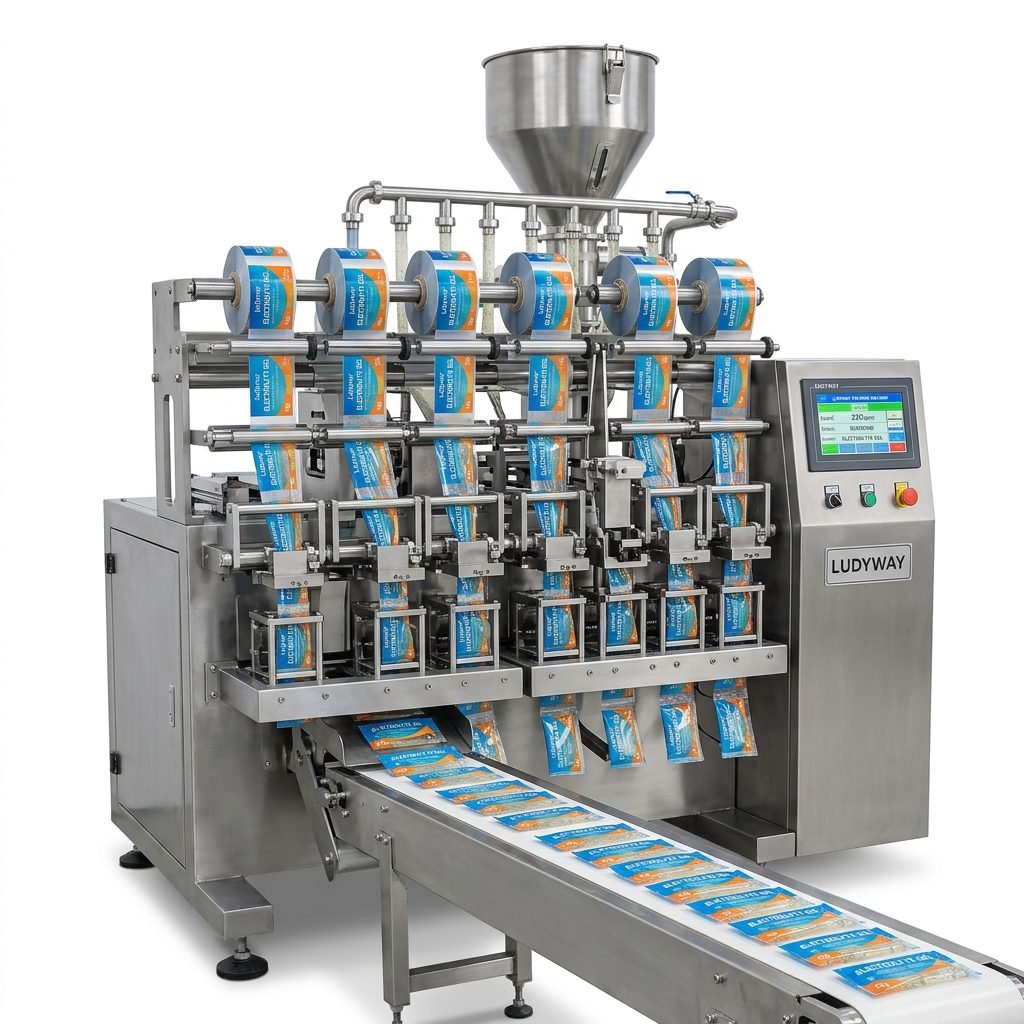
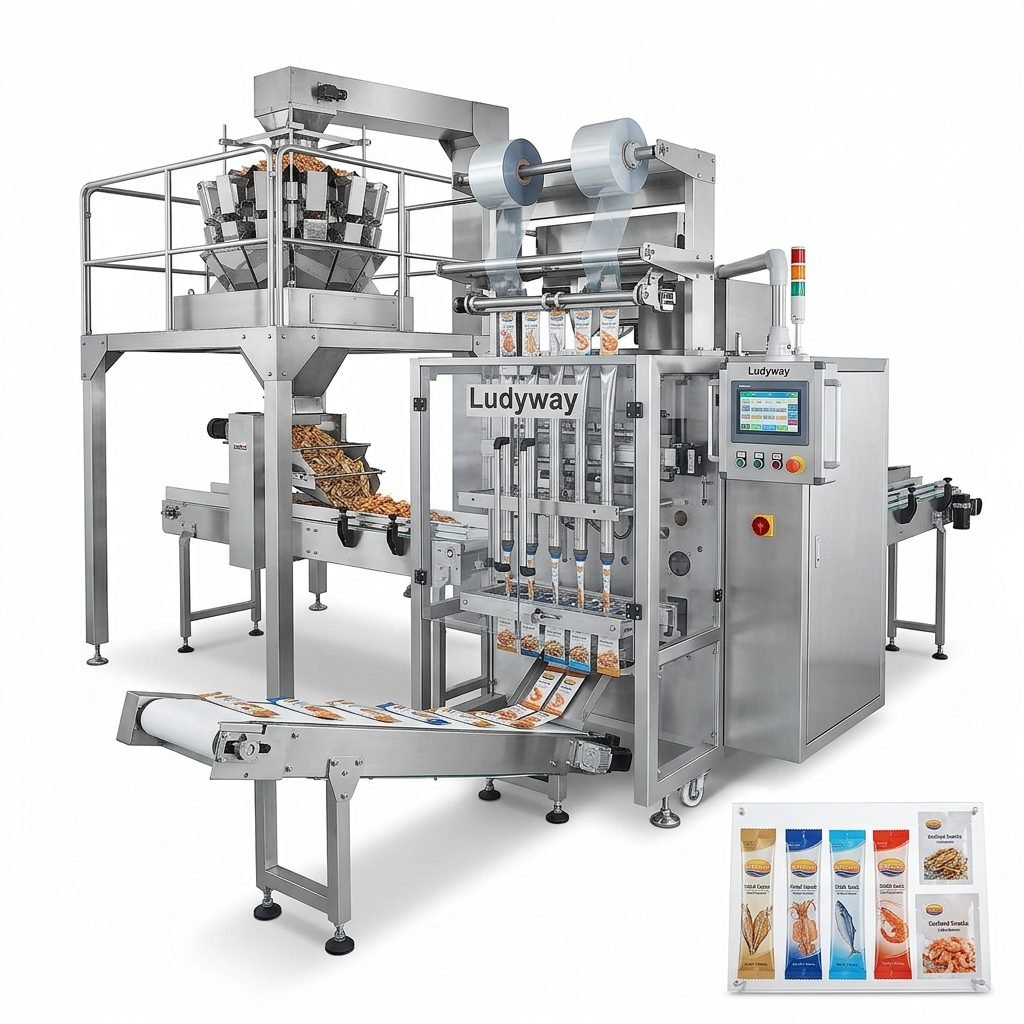
Multi-Lane Stick Pack and Sachet Vacuum Systems
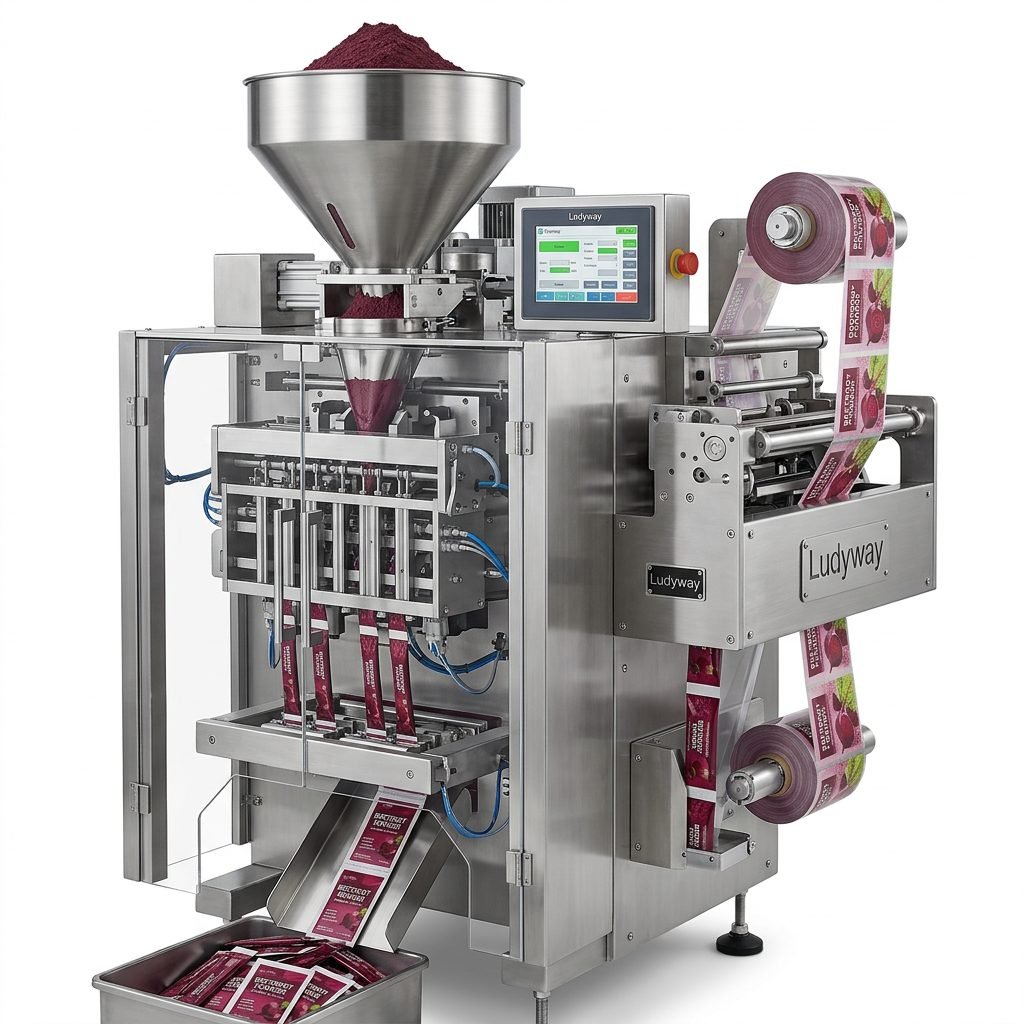
For single-serve portions, supplements, and powdered beverages, multi-lane systems offer simultaneous filling and vacuum sealing across multiple lanes, maximizing throughput.
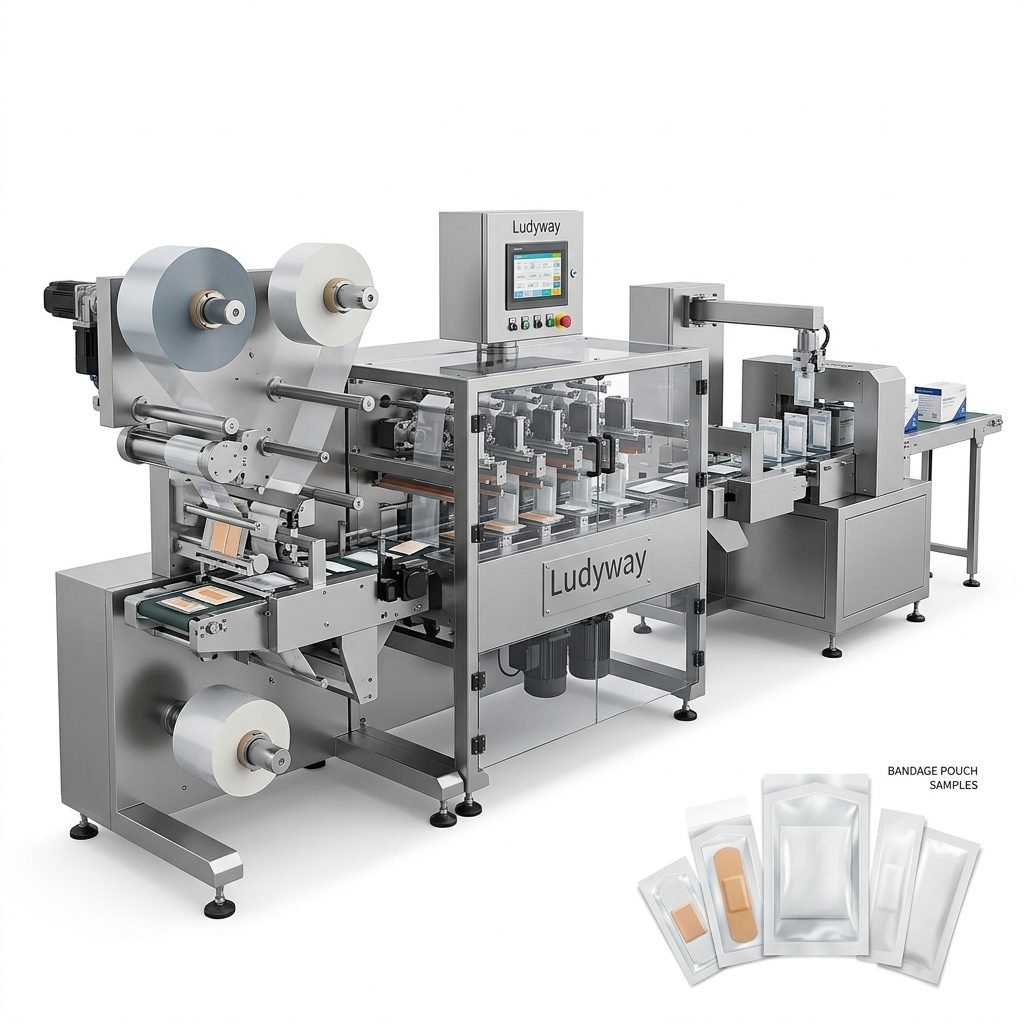
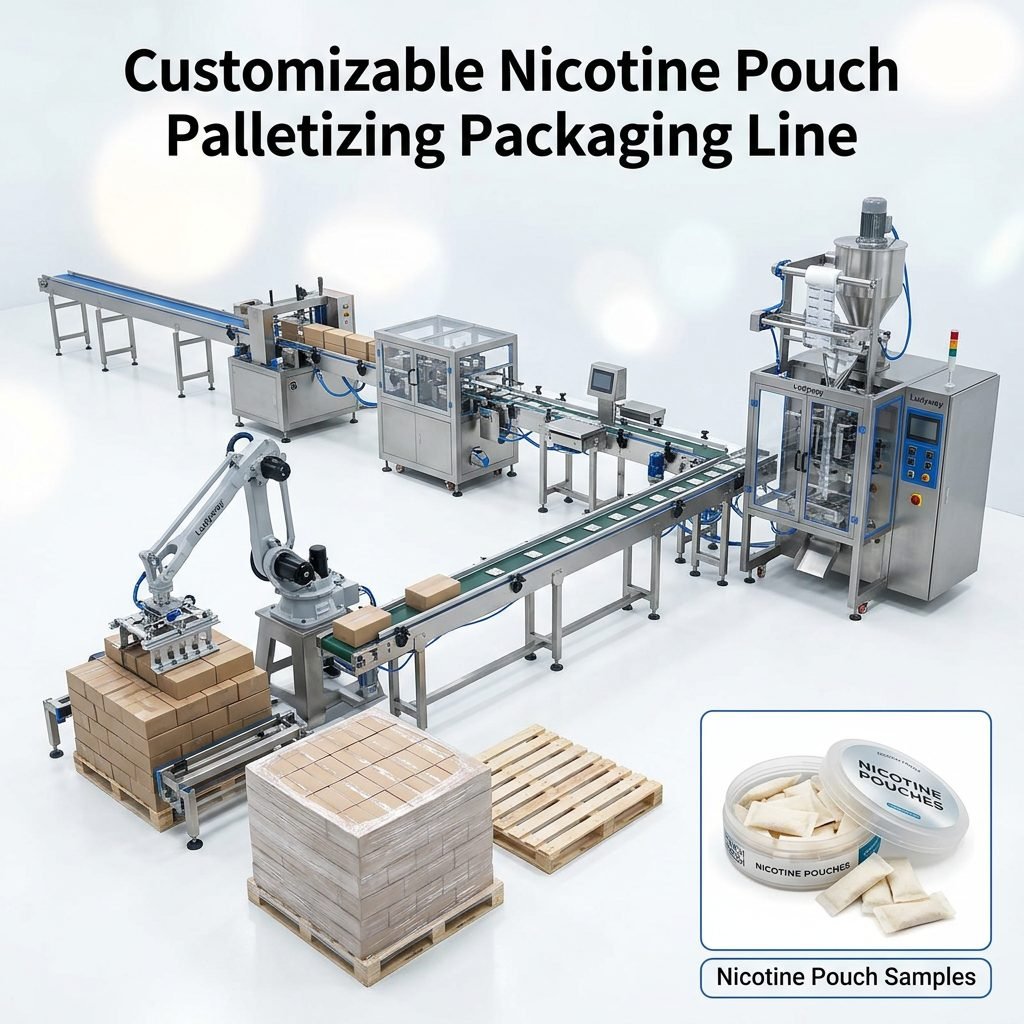
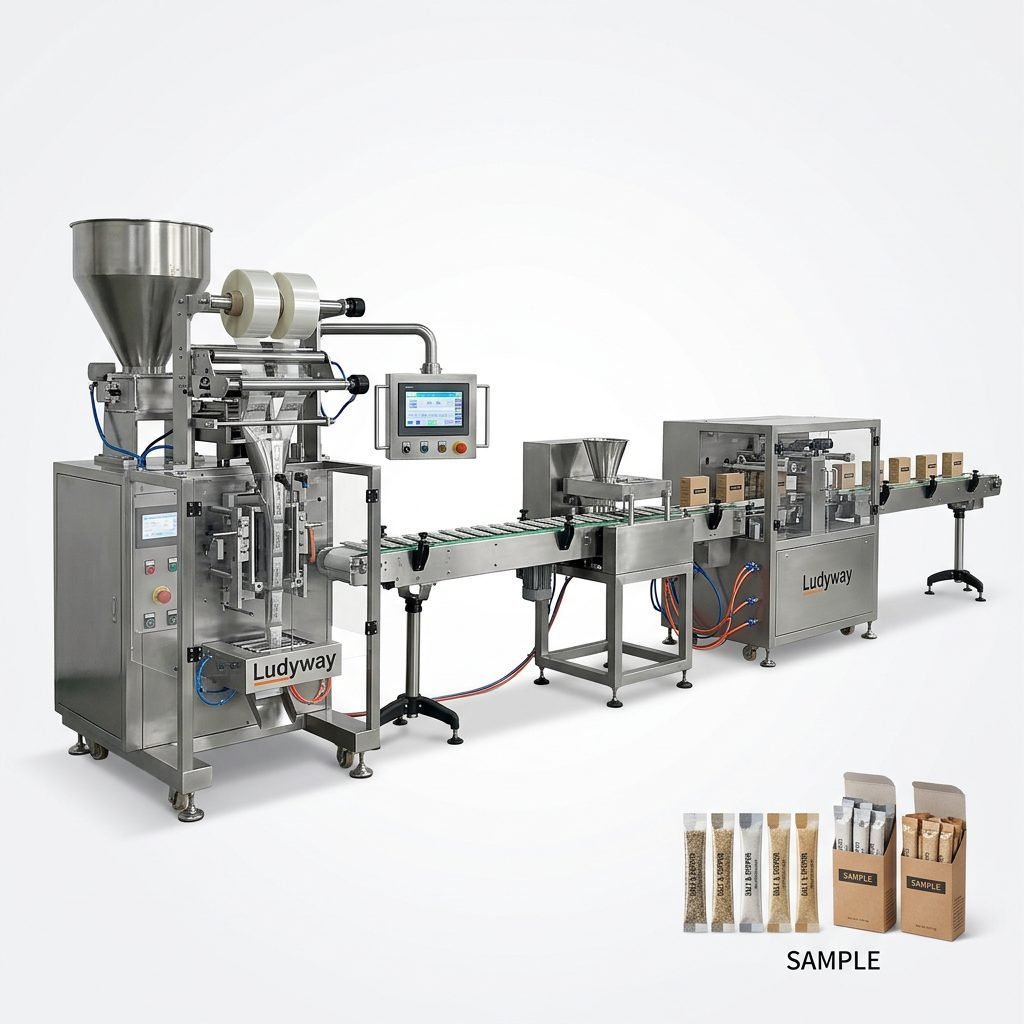
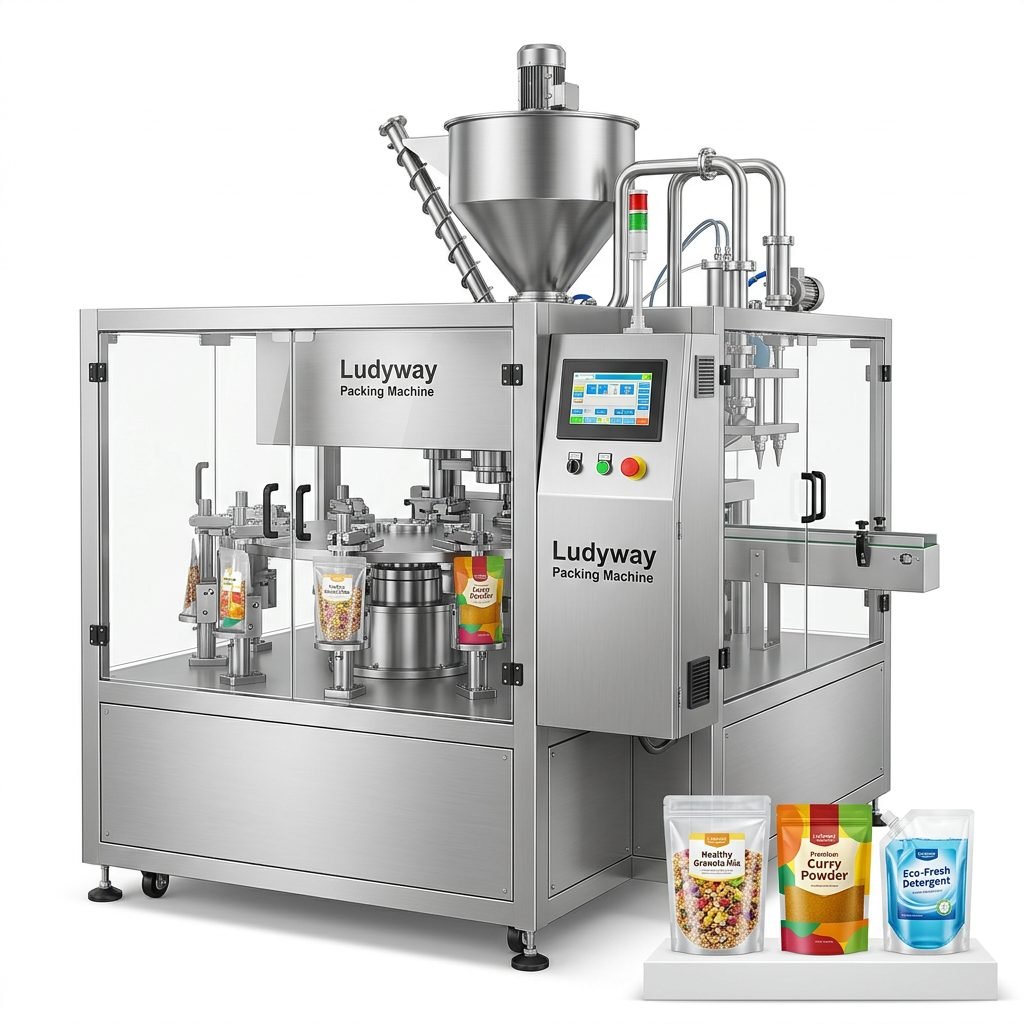
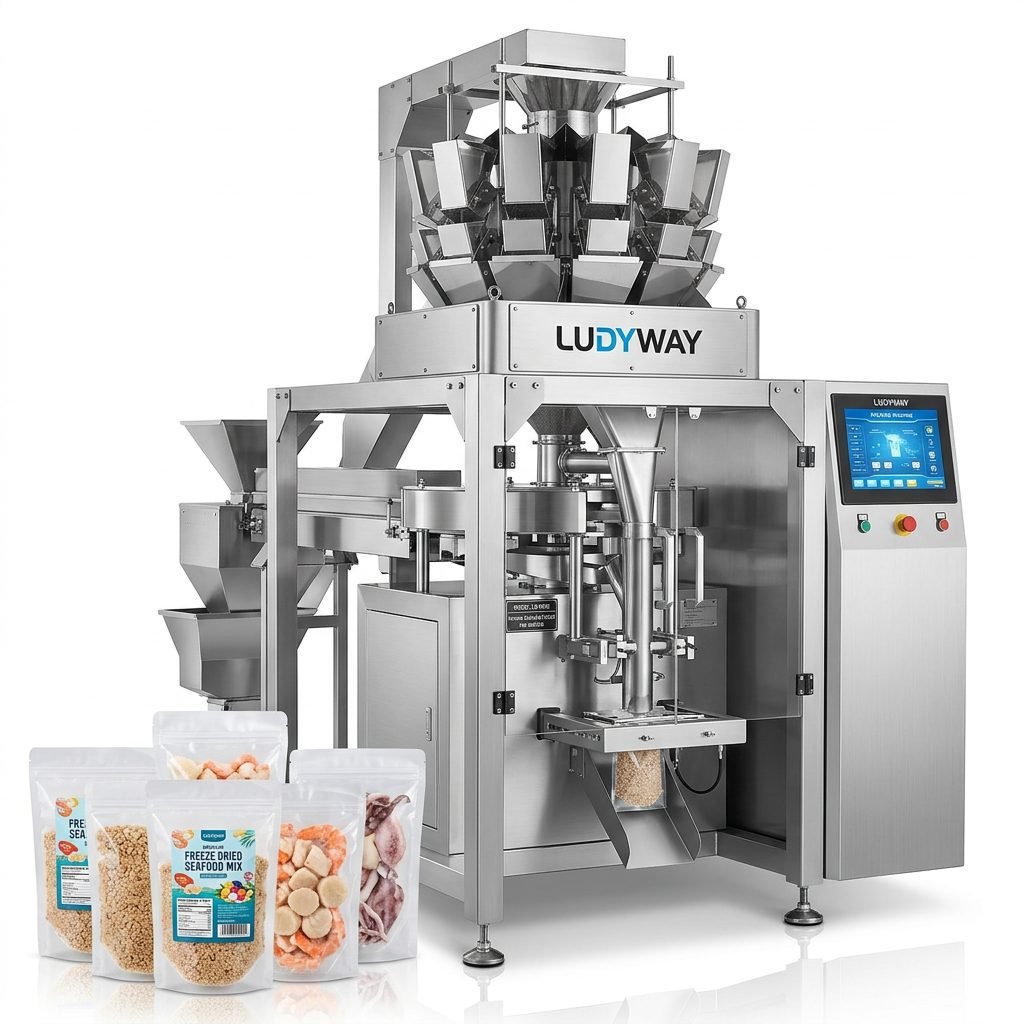
When sourcing equipment, look for manufacturers that offer turnkey solutions with integrated weighing, filling, vacuum sealing, coding, and cartoning capabilities. For example, Ludyway provides over 50 intelligent packaging machine models with customizable configurations for food, pharmaceutical, and health industry applications, serving customers across more than 100 countries with turnkey production line expertise.
5. Design the Production Line Layout
An efficient layout minimizes material handling, reduces bottlenecks, and ensures smooth workflow. Key zones in a vacuum seal packaging line include:
- Raw material intake and storage area — controlled environment for incoming goods
- Weighing and dosing station — precision measurement of product portions
- Filling zone — automated filling into pouches, bags, or sachets
- Vacuum sealing section — air extraction and hermetic sealing
- Quality inspection point — seal integrity testing and visual inspection
- Coding and labeling station — date coding, batch numbers, and labeling
- Secondary packaging area — cartoning, case packing, and palletizing
- Finished goods warehouse — organized storage and shipping preparation
Work with equipment suppliers that offer layout planning support to optimize your floor space. The ISO packaging standards provide useful guidelines for designing efficient packaging facilities.
6. Installation, Testing, and Validation
Once equipment arrives, proper installation and validation are critical. This phase includes:
- Mechanical installation — positioning, leveling, and connecting all machinery components
- Electrical and utility connections — power supply, compressed air, and network integration
- IQ/OQ/PQ protocols — Installation Qualification, Operational Qualification, and Performance Qualification for regulated industries
- Trial runs with actual product — testing vacuum levels, seal strength, and packaging integrity
- Line balancing — adjusting speeds and settings across all stations for optimal throughput
For pharmaceutical and medical device packaging, ISO 11607 packaging validation requirements must be strictly followed to ensure sterility and product safety.
7. Staff Training and Standard Operating Procedures
Even the most advanced vacuum packaging equipment requires skilled operators. Develop comprehensive training programs covering:
- Machine startup and shutdown procedures
- Product changeover and cleaning protocols
- Troubleshooting common issues such as seal failures or vacuum leaks
- Quality control checks and documentation
- Safety procedures and emergency stop protocols
Create detailed SOPs (Standard Operating Procedures) for each station and maintain training records for compliance audits. Regular refresher training ensures consistent operation and reduces downtime.
8. Quality Control and Ongoing Maintenance
Establish a robust quality management system to monitor packaging integrity. Critical quality checks include:
| Quality Parameter | Testing Method | Frequency |
|---|---|---|
| Vacuum Level | Vacuum gauge measurement | Every batch |
| Seal Integrity | Dye penetration test, burst test | Hourly sampling |
| Weight Accuracy | Checkweigher or manual verification | Continuous monitoring |
| Coding Legibility | Visual inspection and barcode scanning | Every batch |
Implement a preventive maintenance schedule that includes daily cleaning, weekly inspections, and quarterly professional servicing. Keep a stock of critical spare parts to minimize unplanned downtime.

9. Supply Chain Integration and Distribution
Your packaging line must integrate seamlessly with upstream and downstream supply chain operations. Key considerations include:
- Packaging material sourcing — vacuum pouches, films, and barrier materials from certified suppliers
- Inventory management — just-in-time delivery of materials to reduce storage costs
- Warehouse coordination — efficient transfer of finished goods to storage and shipping
- Distribution network — partnerships with logistics providers for timely delivery across U.S. markets
10. Continuous Improvement and Scalability Planning
After your production line is operational, focus on ongoing optimization. Track OEE (Overall Equipment Effectiveness) metrics to identify areas for improvement. Consider attending industry events such as PACK EXPO International to stay updated on the latest packaging technologies and network with industry professionals.
Plan for scalability from the outset — modular equipment designs allow you to add lanes, upgrade speeds, or integrate additional automation as demand grows without requiring a complete line replacement.
Key Takeaways for a Successful Vacuum Packaging Line Setup
- Conduct thorough market research and define clear production specifications
- Ensure full compliance with FDA, ISO, OSHA, and EPA requirements
- Select the right equipment type based on product characteristics and volume needs
- Design an efficient facility layout with room for future expansion
- Invest in comprehensive staff training and robust quality control systems
- Partner with experienced equipment manufacturers for turnkey solutions and ongoing support