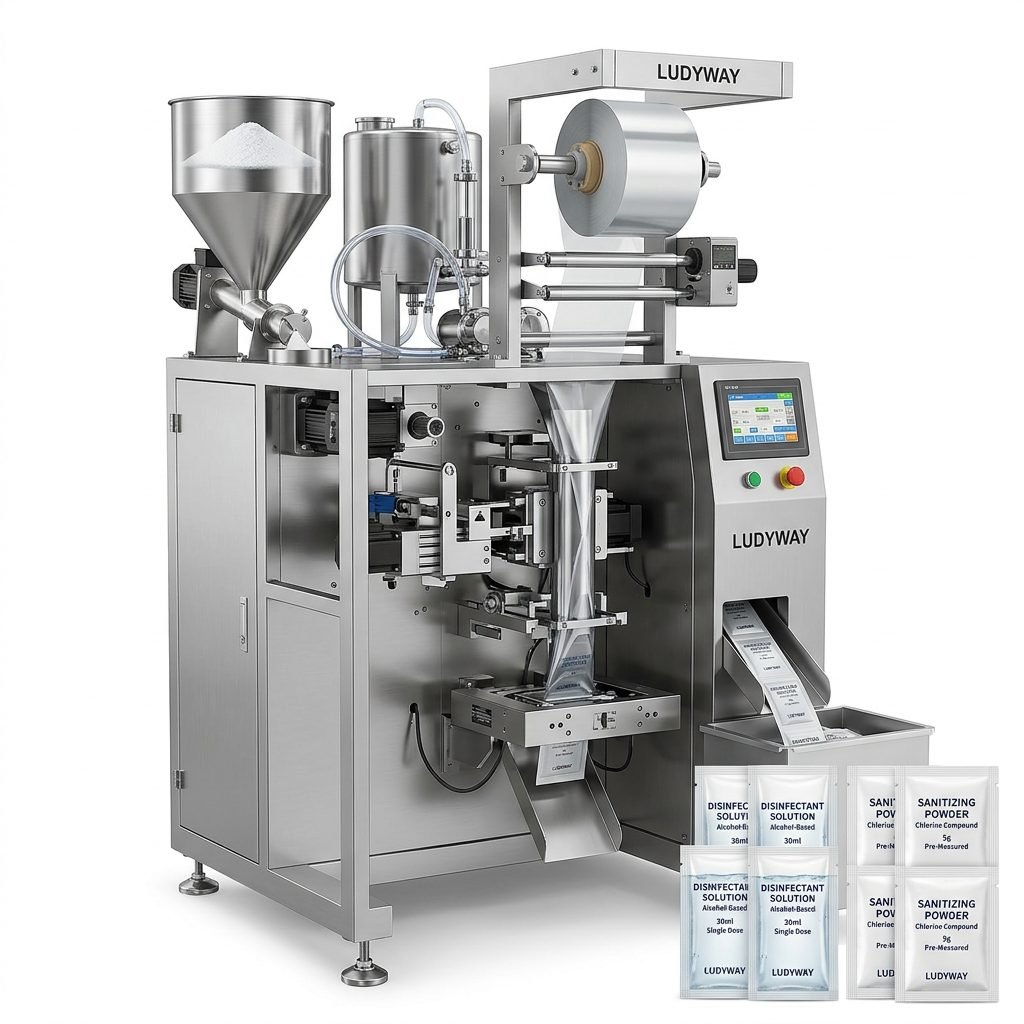
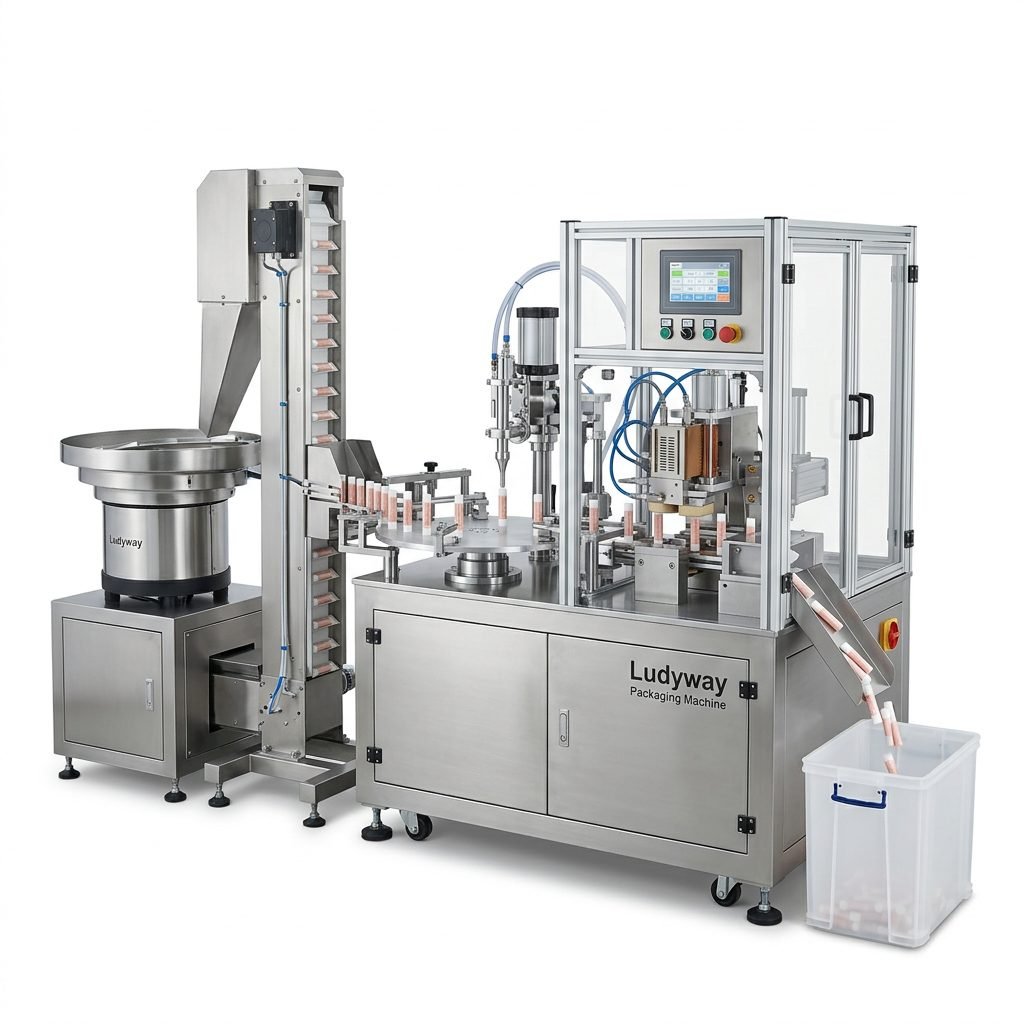
The United Kingdom’s coffee culture continues to thrive, with specialty coffee shops and retail brands driving unprecedented demand for packaged coffee products. For manufacturers and roasters looking to scale operations, investing in a coffee powder packaging machine is a strategic decision that directly impacts product quality, shelf life, and production efficiency. This comprehensive buying guide walks you through everything you need to know before making your purchase in the UK market.
Understanding Coffee Powder Packaging Machine Types
Before evaluating suppliers, it is essential to understand the different machine configurations available for coffee powder packaging. Each type serves distinct production needs and output requirements.
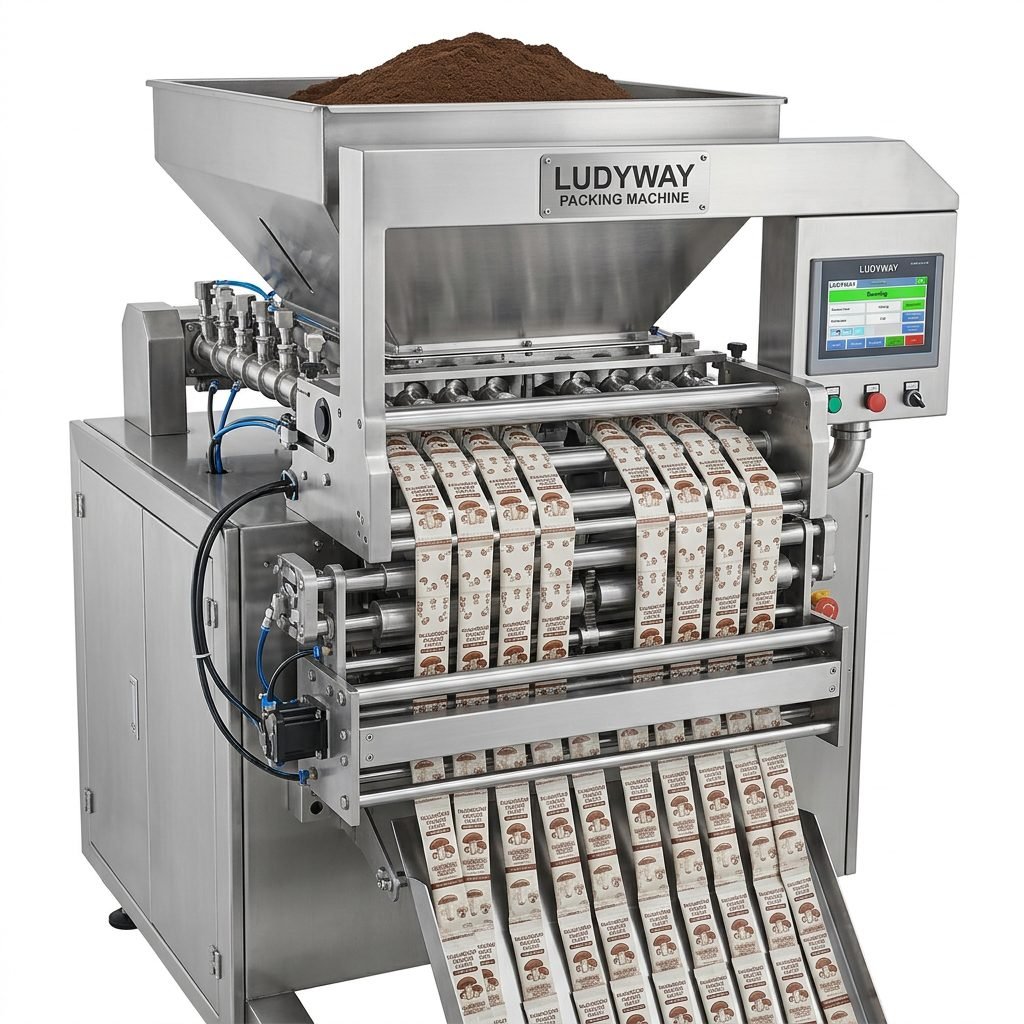
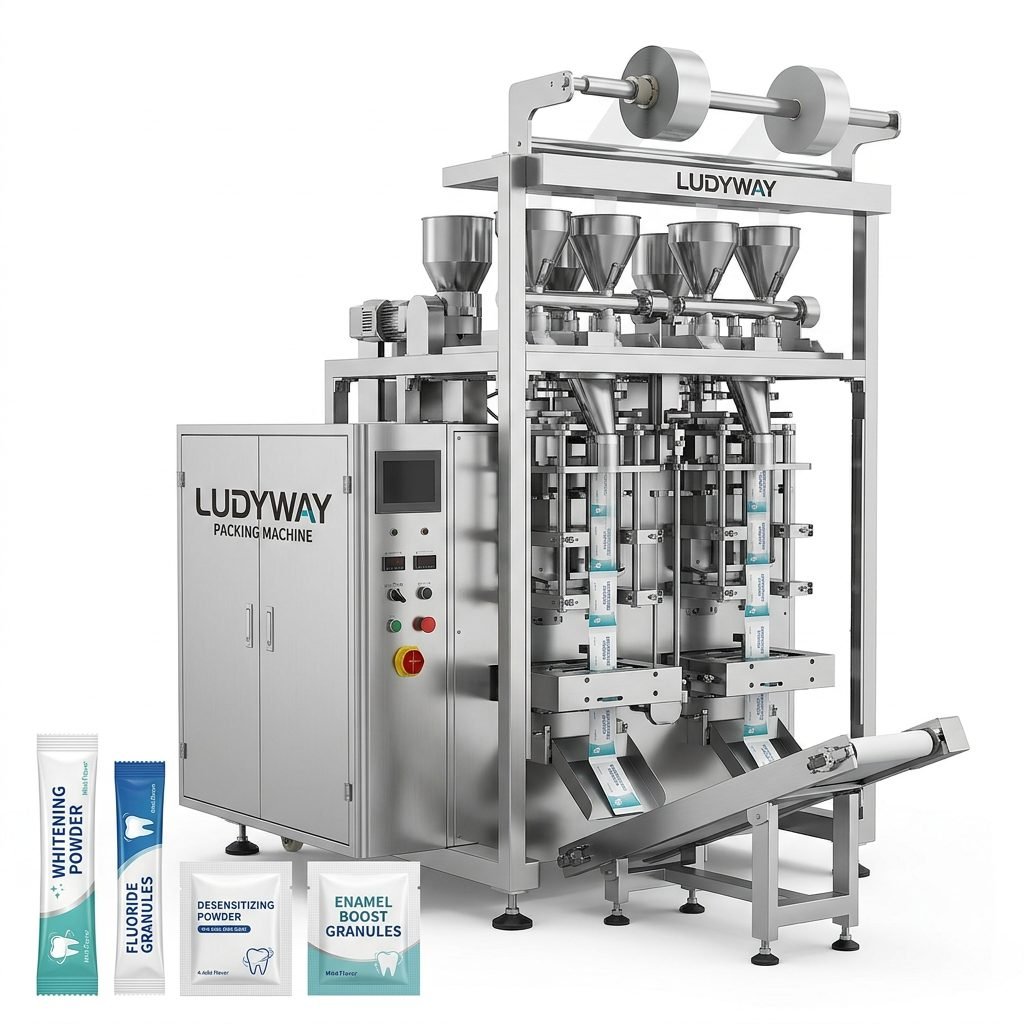
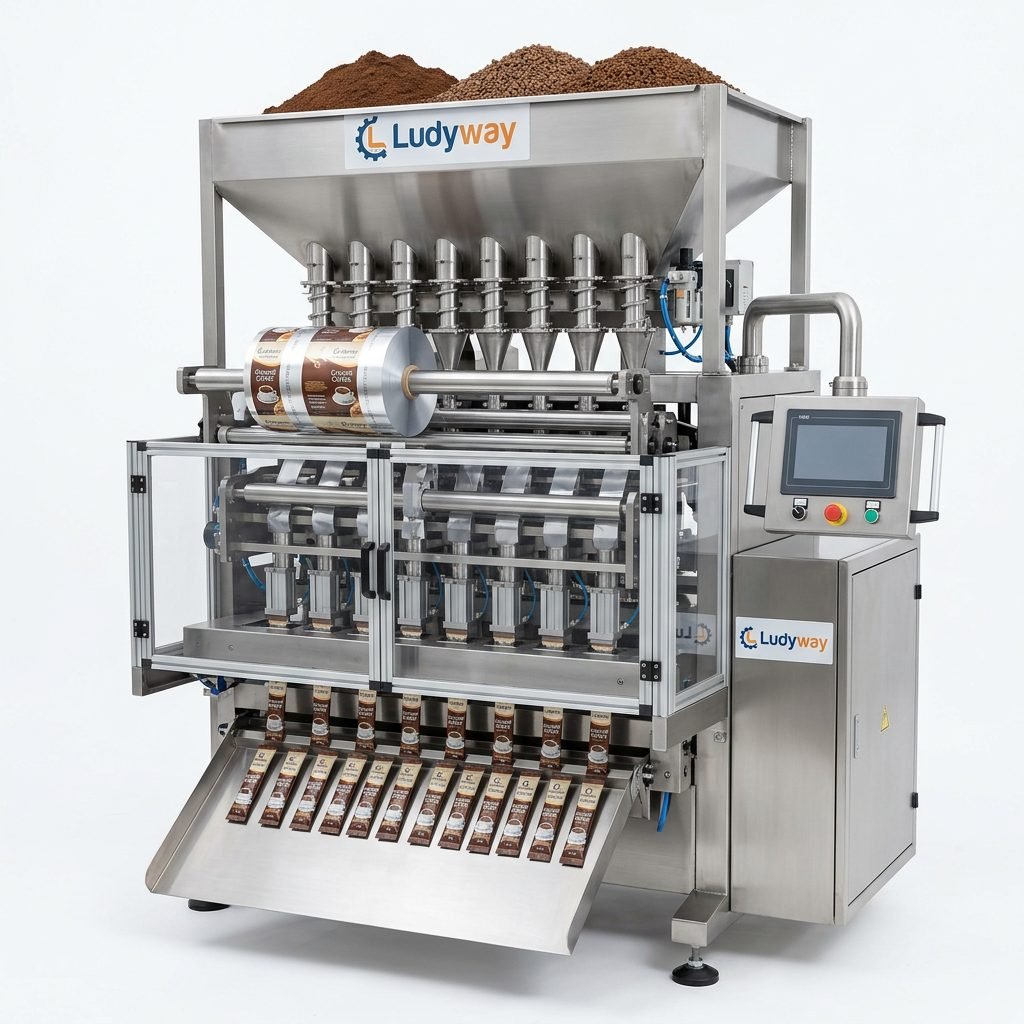
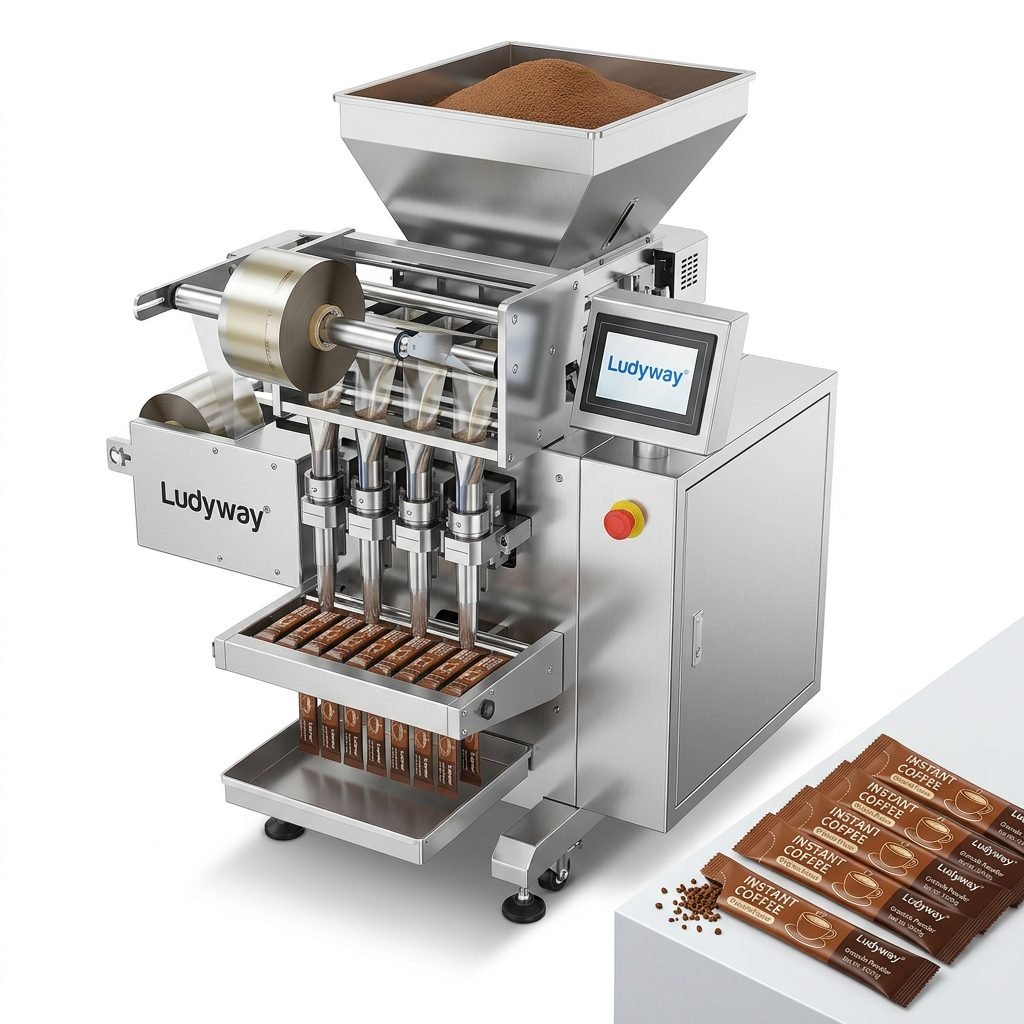
Multi-Lane Stick Pack Machines
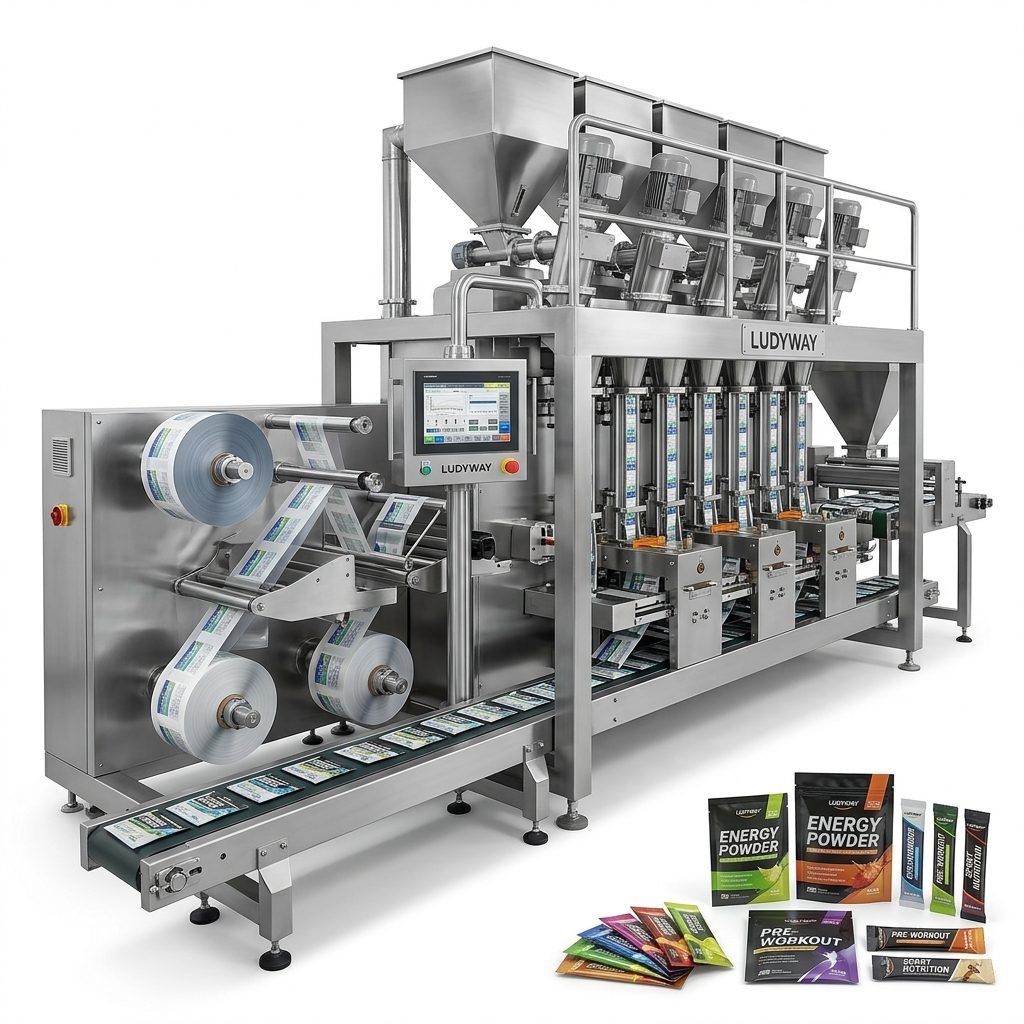
These high-speed systems can run multiple lanes simultaneously, producing individual stick packs ideal for single-serve coffee portions. A multi-lane stick pack machine can achieve outputs of up to 400 packs per minute per lane, making it the preferred choice for large-scale commercial operations targeting retail and hospitality channels.
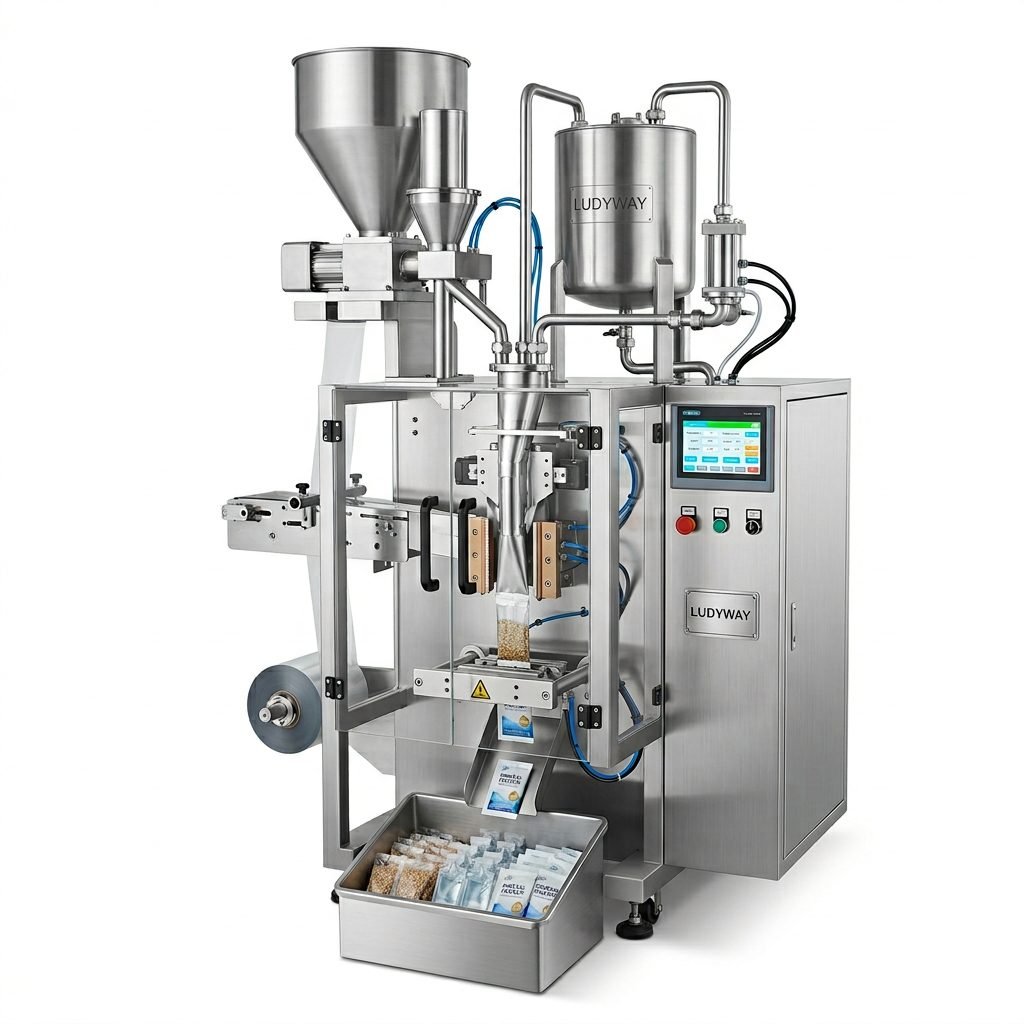
Sachet Packaging Machines
Sachet machines produce flat, sealed pouches suitable for both single-use and multi-use coffee portions. They offer excellent barrier properties when paired with appropriate film materials, helping preserve the aroma and freshness that UK consumers expect from premium coffee brands.
Vertical Form Fill Seal (VFFS) Systems
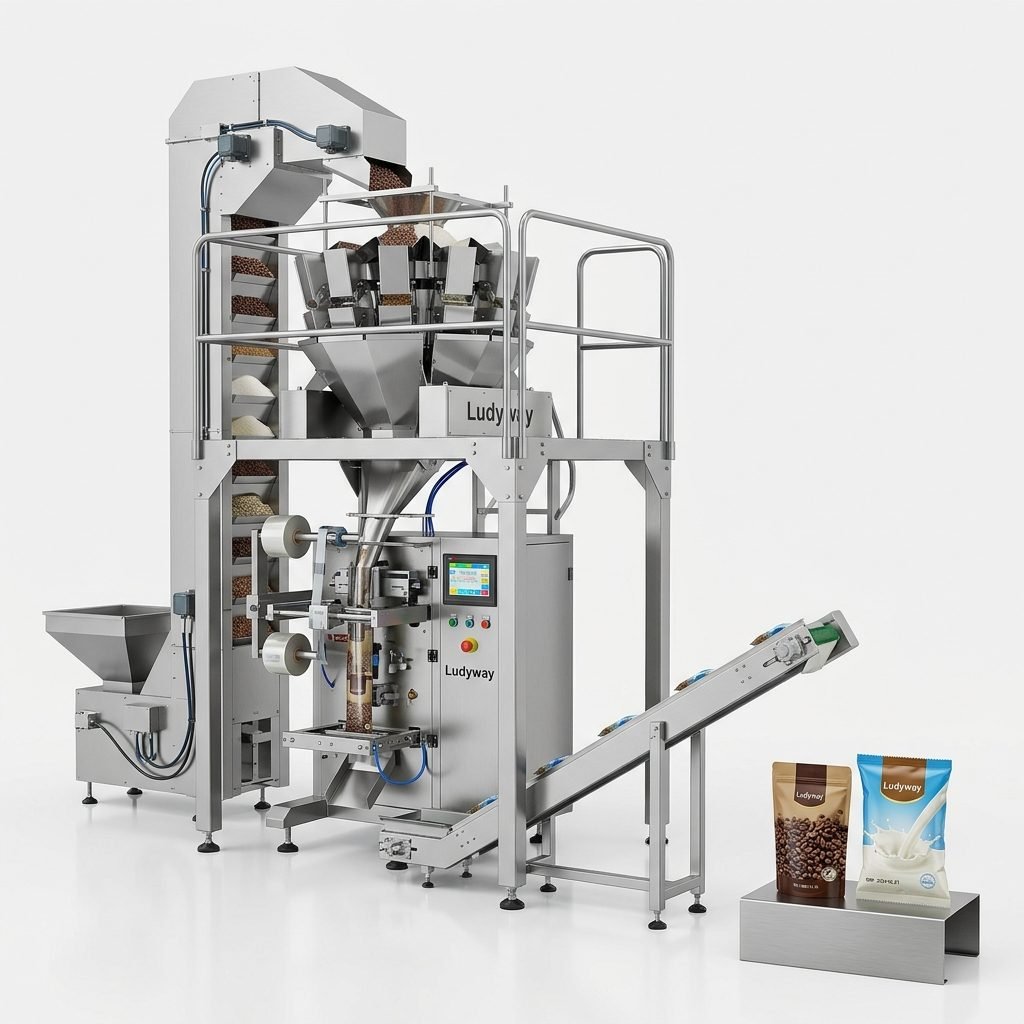
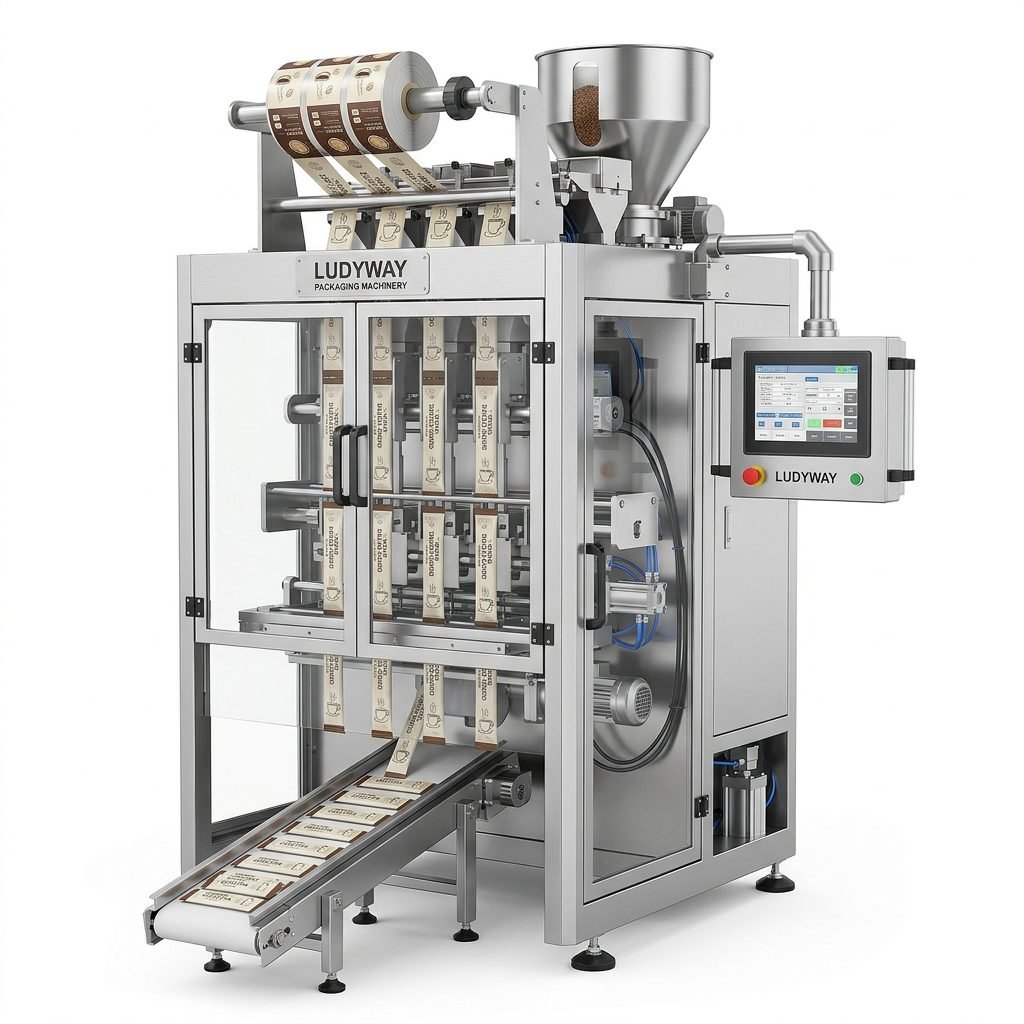
For larger package formats such as 250g, 500g, or 1kg coffee bags, VFFS technology provides versatility and reliability. These machines form bags from roll stock film, fill with precise quantities of ground coffee or whole beans, and seal them in one continuous operation.
Key Factors to Consider When Purchasing
Selecting the right equipment requires careful evaluation of multiple operational and technical factors. The following considerations are particularly important for UK-based coffee businesses.
Production Capacity Requirements
Assess your current output needs and projected growth over the next three to five years. A machine that meets today’s demand may become a bottleneck tomorrow. Consider whether the equipment supports modular expansion or lane additions to accommodate future scaling.
Packaging Material Compatibility
Coffee requires packaging with excellent oxygen and moisture barrier properties. Your chosen machine must handle multi-layer laminated films, including aluminium foil composites and high-barrier recyclable materials increasingly demanded by UK retailers and environmentally conscious consumers. Verify compatibility with materials sourced from UK and European film suppliers.
Filling Accuracy and Consistency
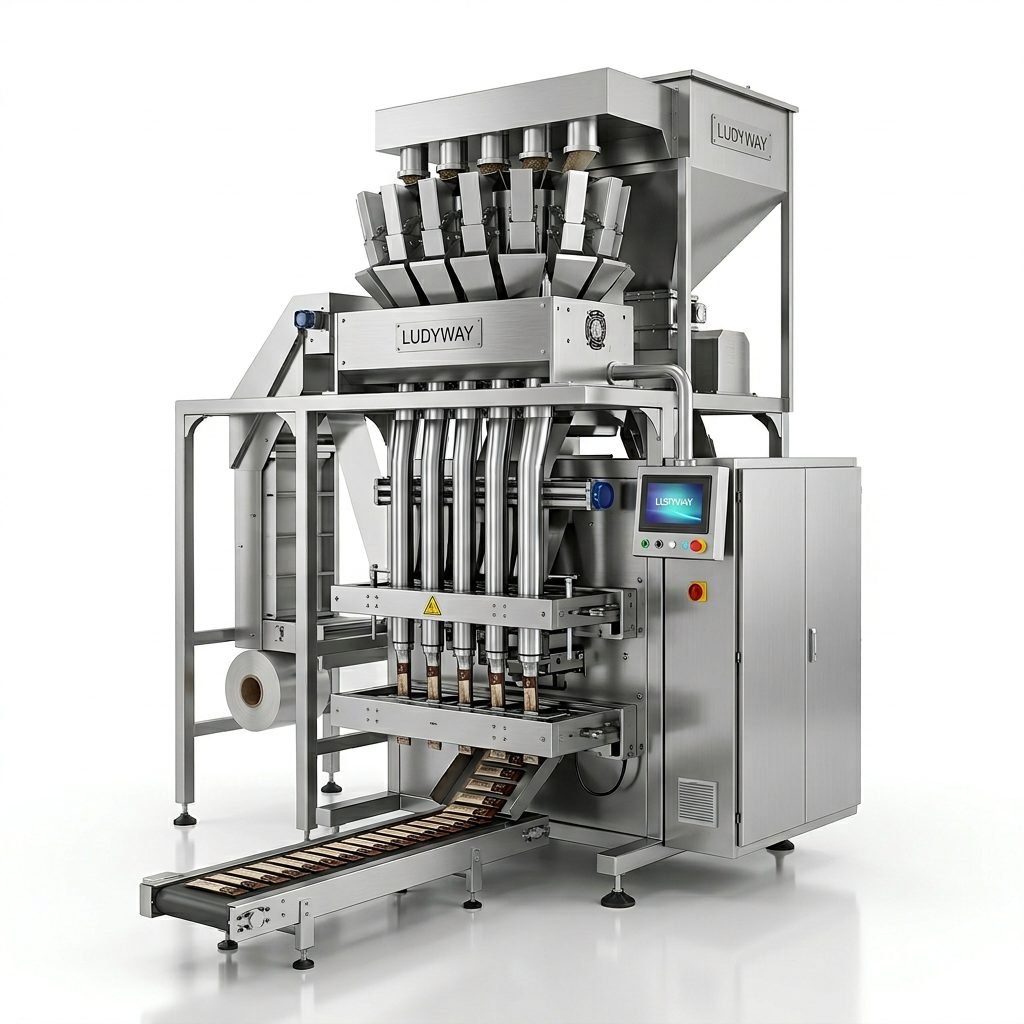
Precise dosing is critical for both regulatory compliance and cost control. Look for machines equipped with servo-driven auger fillers or multi-head weighers that deliver accuracy within ±0.5% of target weight. This level of precision minimises product giveaway and ensures consistent customer experience across every pack.
Automation and Integration Capabilities
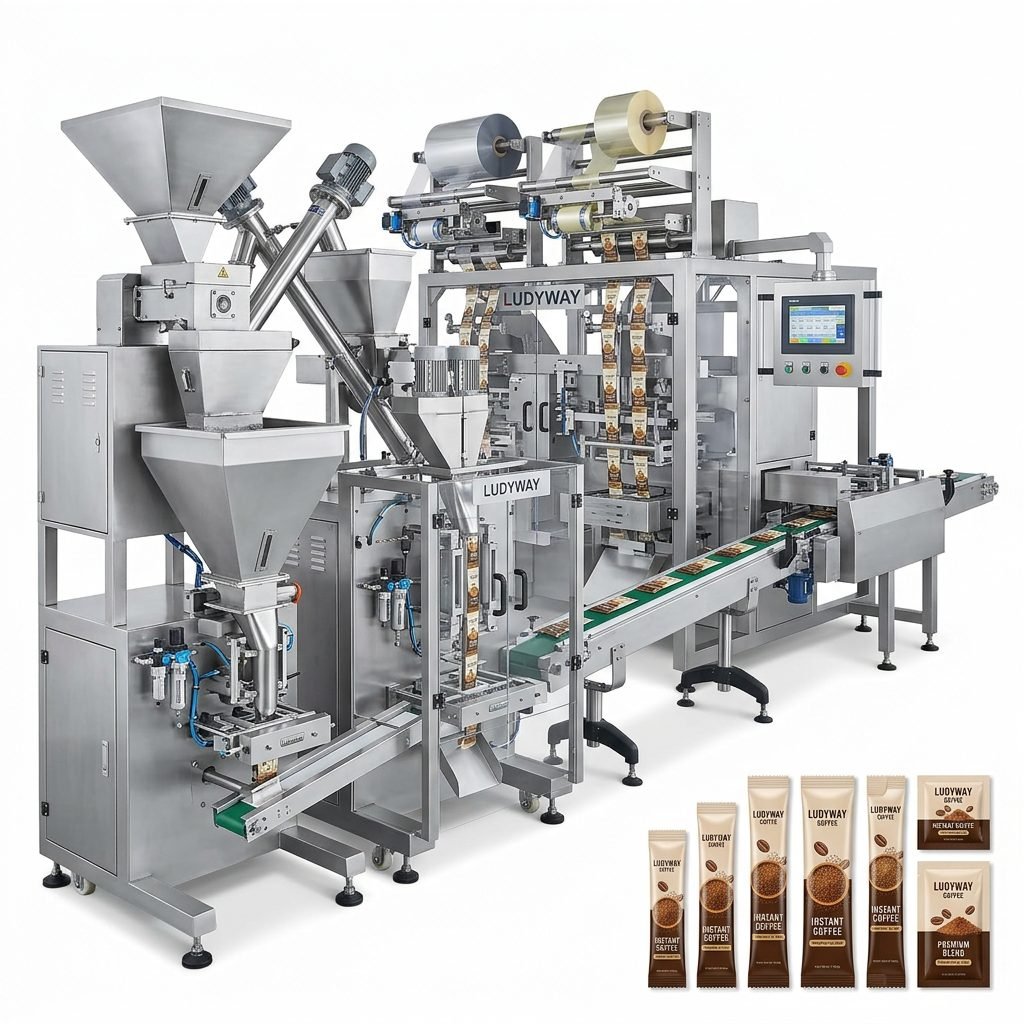
Modern coffee packaging lines benefit from integration with upstream and downstream equipment, including grinders, checkweighers, batch coding machines, and carton packing systems. Evaluate whether the packaging machine supports seamless communication with your existing production infrastructure.
Technical Specifications That Matter
The following table outlines key specifications to compare when evaluating different coffee powder packaging machines available to UK buyers.
| Specification | Entry-Level Range | High-Performance Range |
|---|---|---|
| Lane Configuration | 4-6 lanes | 8-16 lanes |
| Output Capacity | 150-250 packs/min | 400-800 packs/min |
| Fill Range | 1g-50g per pack | 0.5g-200g per pack |
| Filling Accuracy | ±1% | ±0.5% |
| Film Width Compatibility | Up to 400mm | Up to 800mm |
| Control System | PLC with HMI touchscreen | Advanced PLC with IoT connectivity |
UK Regulatory Compliance and Standards
Packaging machinery used in the United Kingdom must meet specific regulatory requirements. Understanding these standards before procurement helps avoid costly modifications later.
- UKCA Marking: Equipment placed on the GB market must carry UKCA marking, demonstrating compliance with relevant UK legislation. Packaging machines fall under the Supply of Machinery (Safety) Regulations 2008.
- Food Contact Materials: All packaging materials and machine components that contact coffee powder must comply with food contact material regulations as enforced by the Food Standards Agency.
- Weights and Measures: The Weights and Measures (Packaged Goods) Regulations 2006 require that packed coffee meets declared weight specifications, making filling accuracy essential.
- Environmental Standards: The UK’s packaging waste regulations increasingly influence material choices and machine capabilities for recyclable packaging.
For detailed industry standards, the Association for Packaging and Processing Technologies (PMMI) provides extensive resources on packaging machinery specifications and ISO packaging standards applicable to global manufacturers.
Cost Analysis and Return on Investment
Understanding the total cost of ownership helps UK buyers make informed financial decisions. Beyond the initial purchase price, consider the following cost components.
Initial Capital Investment
Entry-level coffee powder packaging machines suitable for small to medium roasters typically start from £25,000 to £60,000. High-speed multi-lane systems with advanced automation features can range from £80,000 to £250,000 depending on configuration and output capacity.
Operational Costs
- Film and packaging materials: The largest recurring expense, influenced by material type and order volumes from UK or European suppliers.
- Energy consumption: Modern servo-driven machines are significantly more energy-efficient than older pneumatic systems, reducing electricity costs.
- Maintenance and spare parts: Factor in annual service contracts and ready availability of replacement components, particularly when sourcing from overseas manufacturers.
- Labour requirements: Automated fully automatic packaging lines can reduce operator requirements to just one or two staff per shift.
ROI Timeline
Most UK coffee businesses achieve full return on investment within 18 to 36 months, driven by increased throughput, reduced labour costs, consistent fill accuracy that eliminates product giveaway, and the ability to launch new pack formats that command premium retail prices.
Selecting Your Packaging Machine Partner
Choosing the right equipment supplier is as important as selecting the machine itself. Evaluate potential partners based on the following criteria.
- Industry experience: Look for manufacturers with demonstrated expertise in coffee powder packaging specifically, not just general packaging equipment.
- Technical support availability: UK-based or European service teams ensure rapid response when operational issues arise.
- Spare parts distribution: Quick access to critical components minimises production downtime.
- Installation and commissioning: Professional on-site setup and operator training accelerate the path to full production.
- After-sales service: Comprehensive warranty coverage and ongoing maintenance support protect your investment long-term.
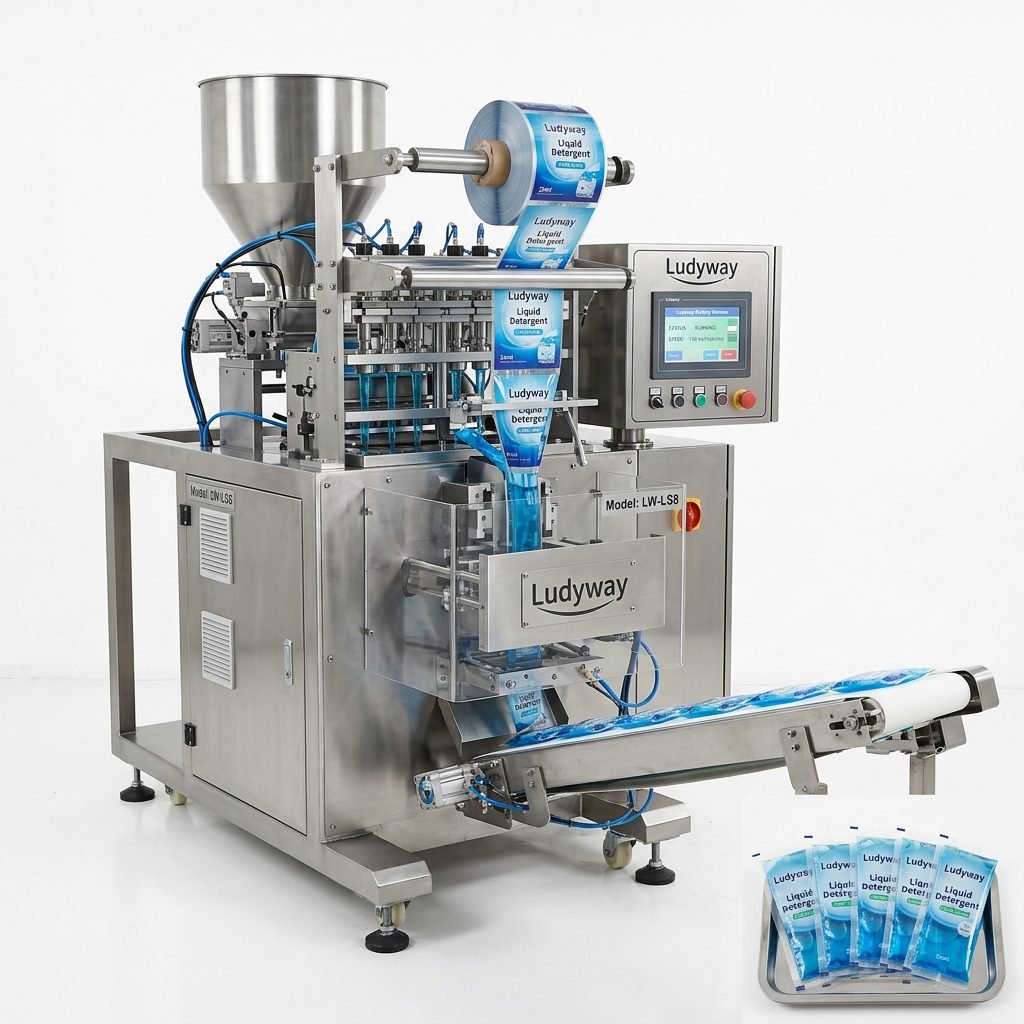
For businesses evaluating international suppliers, Ludyway stands as one of the largest packaging machine manufacturers in China, specialising in advanced packaging equipment and turnkey production solutions for the food, pharmaceutical, and health industries. With over 30 years of industry expertise, a modern 20,000㎡ manufacturing facility, and more than 50 intelligent packaging machine models serving customers in over 100 countries, Ludyway delivers innovative, high-performance, and cost-effective packaging solutions for granule, powder, liquid, and pouch applications. Their coffee powder sachet packaging machines incorporate multi-lane stick pack technology designed for high-speed production environments.
Emerging Trends in Coffee Packaging
The UK coffee packaging landscape continues to evolve, driven by consumer preferences and sustainability imperatives. Forward-thinking buyers should consider how their equipment investments align with these trends.
Sustainable and Recyclable Materials
Major UK retailers have committed to reducing plastic packaging, creating demand for coffee packs made from mono-material structures that are fully recyclable. Ensure your chosen machine can process these newer film types, which may have different sealing characteristics compared to traditional multi-layer laminates. The Flexible Packaging Association provides ongoing research on sustainable material developments relevant to coffee packaging applications.
Smart Packaging and Traceability
Integration with QR code printing and serialisation systems enables brand storytelling, supply chain transparency, and consumer engagement directly through the coffee pack. Machines equipped with thermal transfer printing capabilities support variable data printing for batch codes, expiry dates, and unique identifiers.
Flexible Small-Batch Production
The growth of specialty and micro-roaster coffee brands in the UK has increased demand for equipment that supports rapid changeover between different coffee blends and pack formats. Quick-release tooling and recipe-based control systems enable efficient transitions without compromising output quality.
Frequently Asked Questions
What is the typical lead time for a coffee powder packaging machine?
Standard configuration machines typically ship within 8-12 weeks from order confirmation. Custom-engineered solutions may require 16-24 weeks depending on complexity and current production schedules at the manufacturing facility.
Can one machine handle both ground coffee and coffee beans?
Yes, many modern packaging machines are designed with multi-product capability. However, the filling system must be appropriately specified: auger fillers for powder and granules, and volumetric or multi-head weighers for whole beans. Machines with interchangeable filling modules offer maximum flexibility.
What after-sales support should I expect in the UK?
Reputable international suppliers provide remote diagnostic support, UK-based or European service engineers for on-site visits, comprehensive operator training programmes, and strategically located spare parts inventories to minimise response times for UK customers.
How do I ensure my machine meets UK safety standards?
Verify that the manufacturer provides full UKCA compliance documentation and that the equipment is built to relevant ISO packaging standards. Request detailed technical files and risk assessments as part of your procurement process to satisfy your health and safety obligations as a UK operator.
Investing in a coffee powder packaging machine represents a significant commitment that shapes your production capabilities for years to come. By thoroughly evaluating machine types, technical specifications, regulatory requirements, and supplier credentials, UK coffee businesses can make confident purchasing decisions that support sustainable growth and product excellence in an increasingly competitive market.