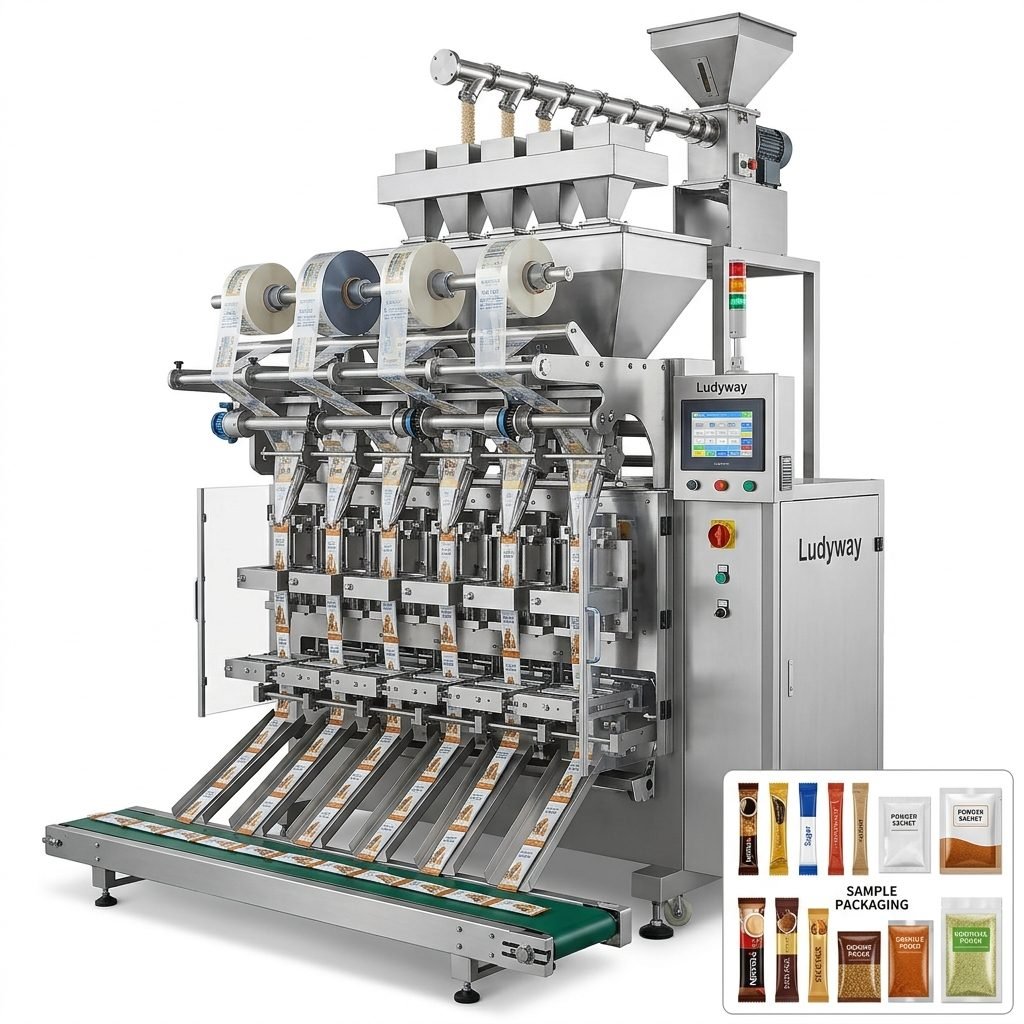
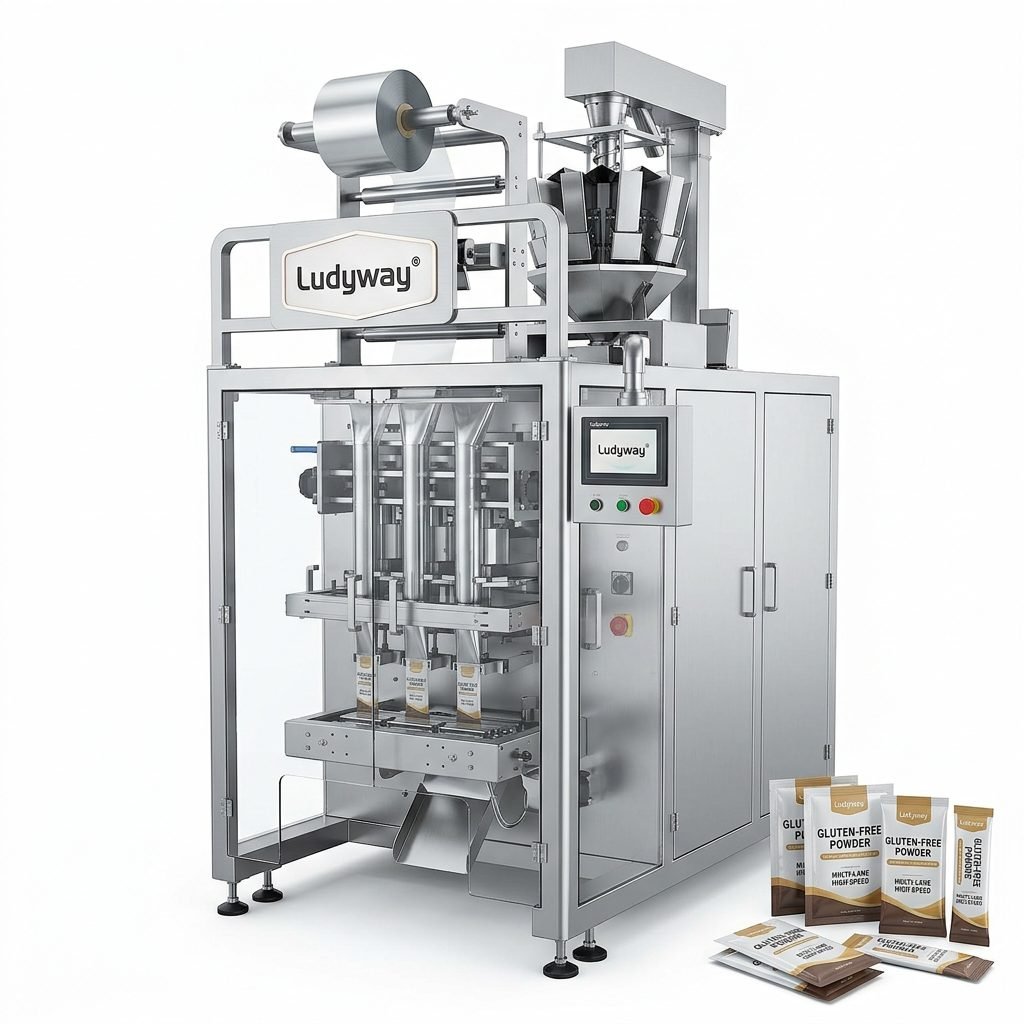
Investing in the right biscuit packaging machine is a critical decision for food manufacturers across North America. With consumer demand for convenience, freshness, and visually appealing packaging on the rise, selecting equipment that balances speed, reliability, and compliance with FDA food packaging regulations is essential. This guide covers the types, price ranges, key features, and top suppliers you need to evaluate before making a purchase.
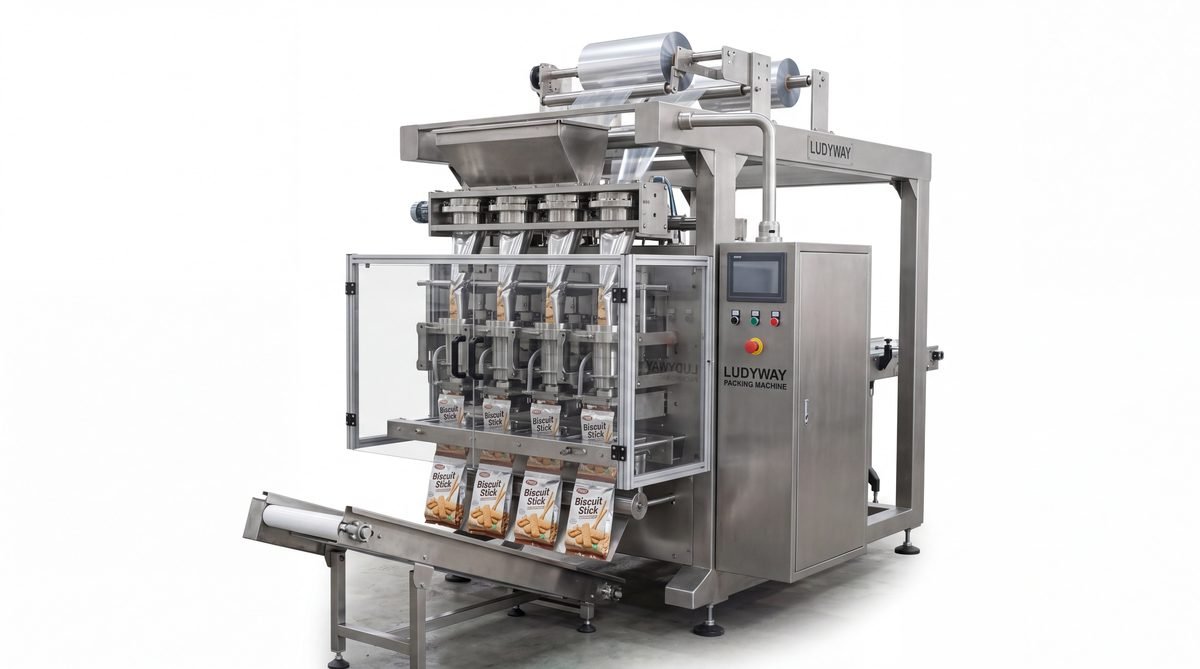
Why North American Buyers Need Specialized Biscuit Packaging Equipment
The North American biscuit and cookie market continues to expand, driven by snacking trends and on-the-go consumption. According to the PMMI business intelligence reports, food packaging machinery demand in the U.S. has grown steadily, with automated systems becoming the industry standard. A dedicated biscuit packaging machine ensures product protection against breakage, maintains freshness with airtight sealing, and delivers the shelf-ready presentation retailers require.
Types of Biscuit Packaging Machines
Understanding the different machine formats is the first step. The most common configurations for biscuit packaging in North America include:
Flow Wrap / Horizontal Form Fill Seal (HFFS) Machines
These are the workhorses of the biscuit industry. Flow wrap machines create a sealed package around individual biscuits or stacked portions using heat-sealable film. They are ideal for high-speed production lines handling crackers, sandwich biscuits, and cookie bars. Modern HFFS systems can achieve speeds of 80 to 300+ packs per minute, depending on product dimensions and lane configuration.
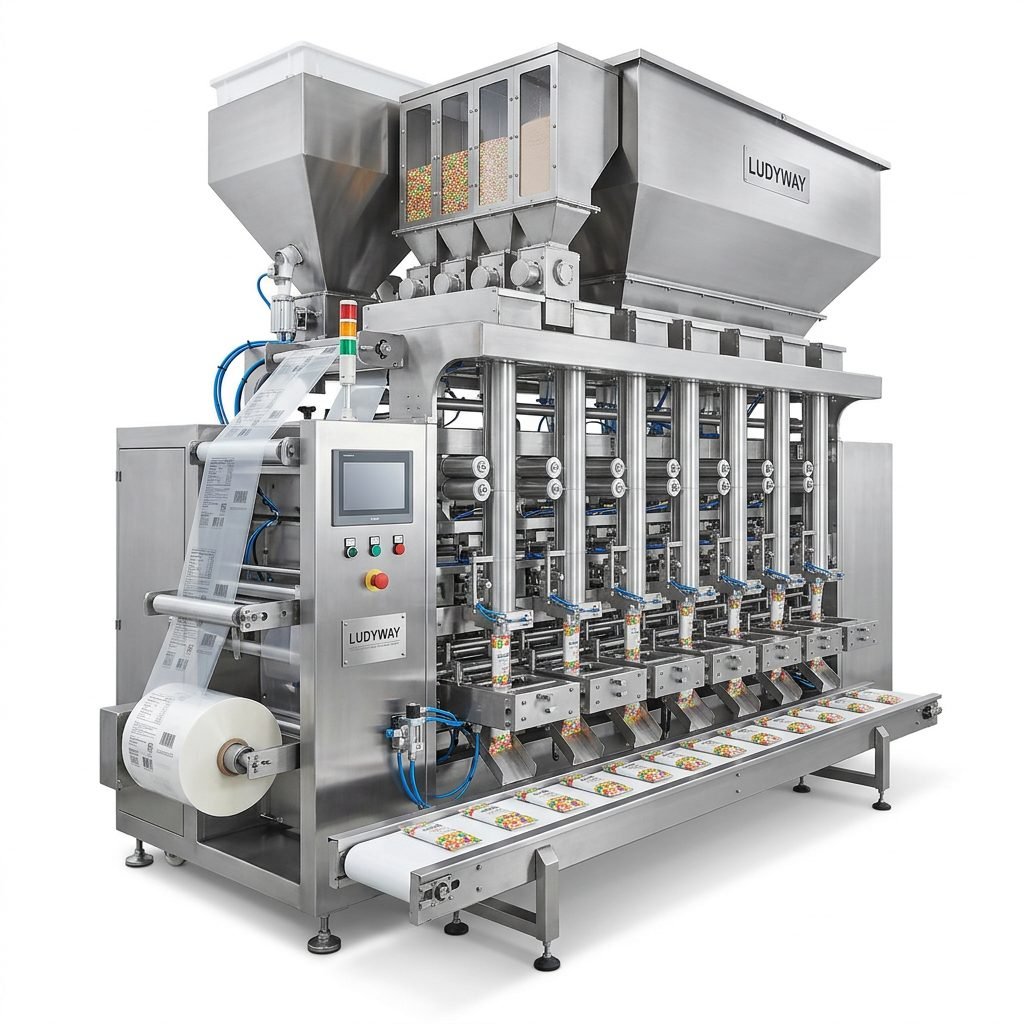
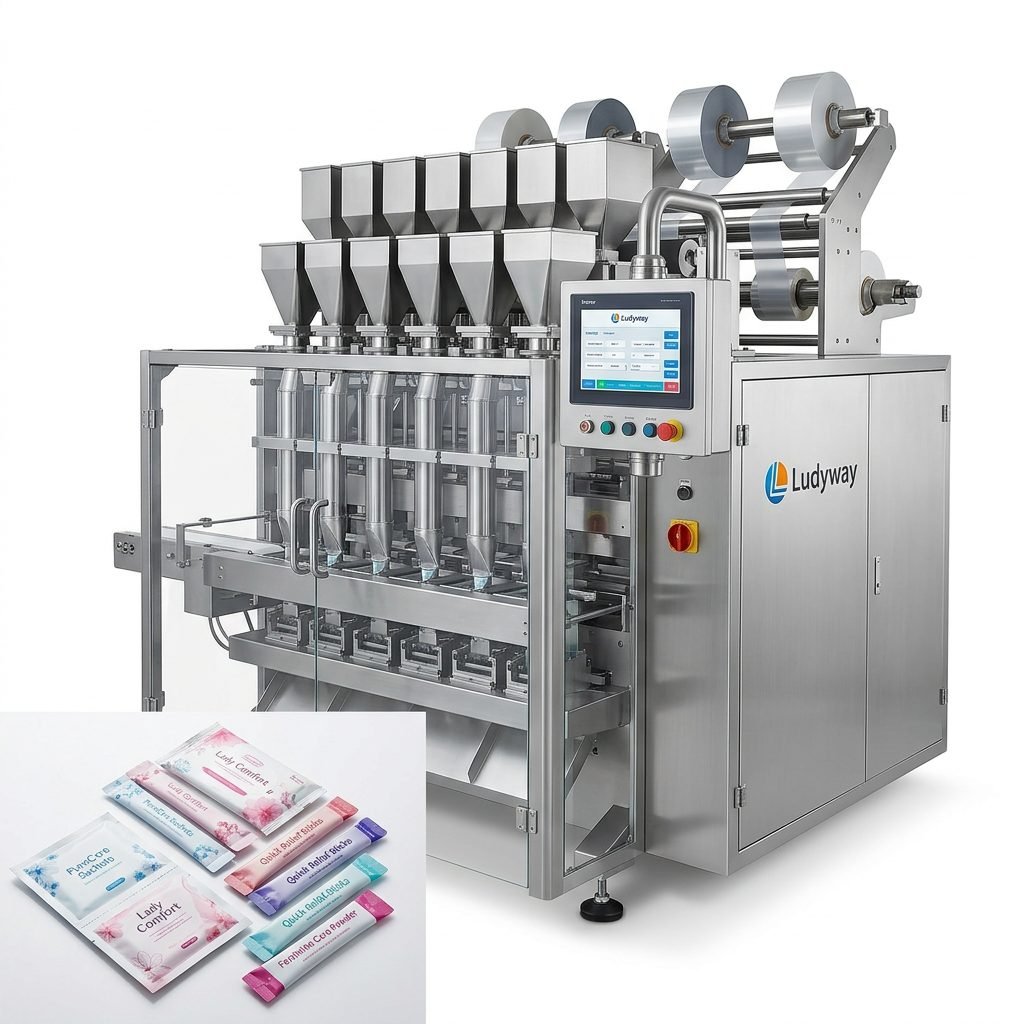
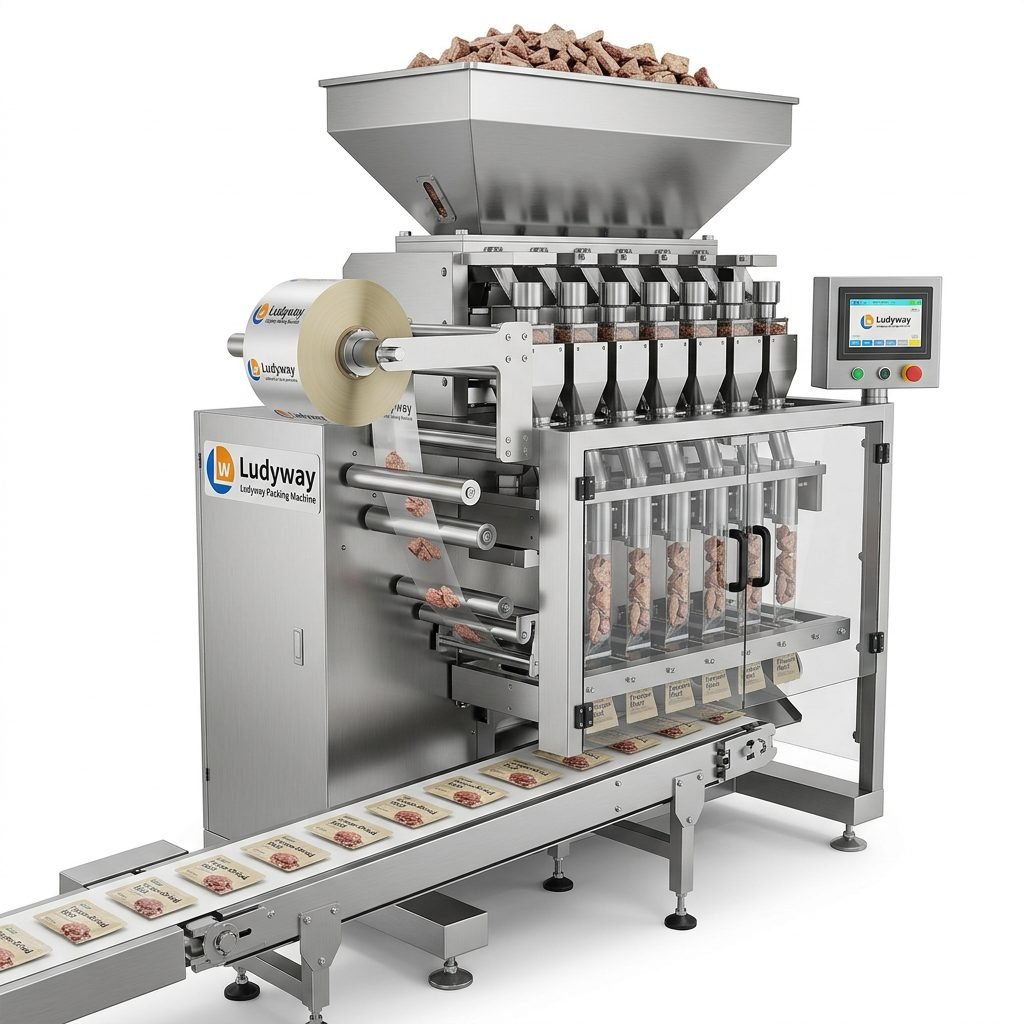
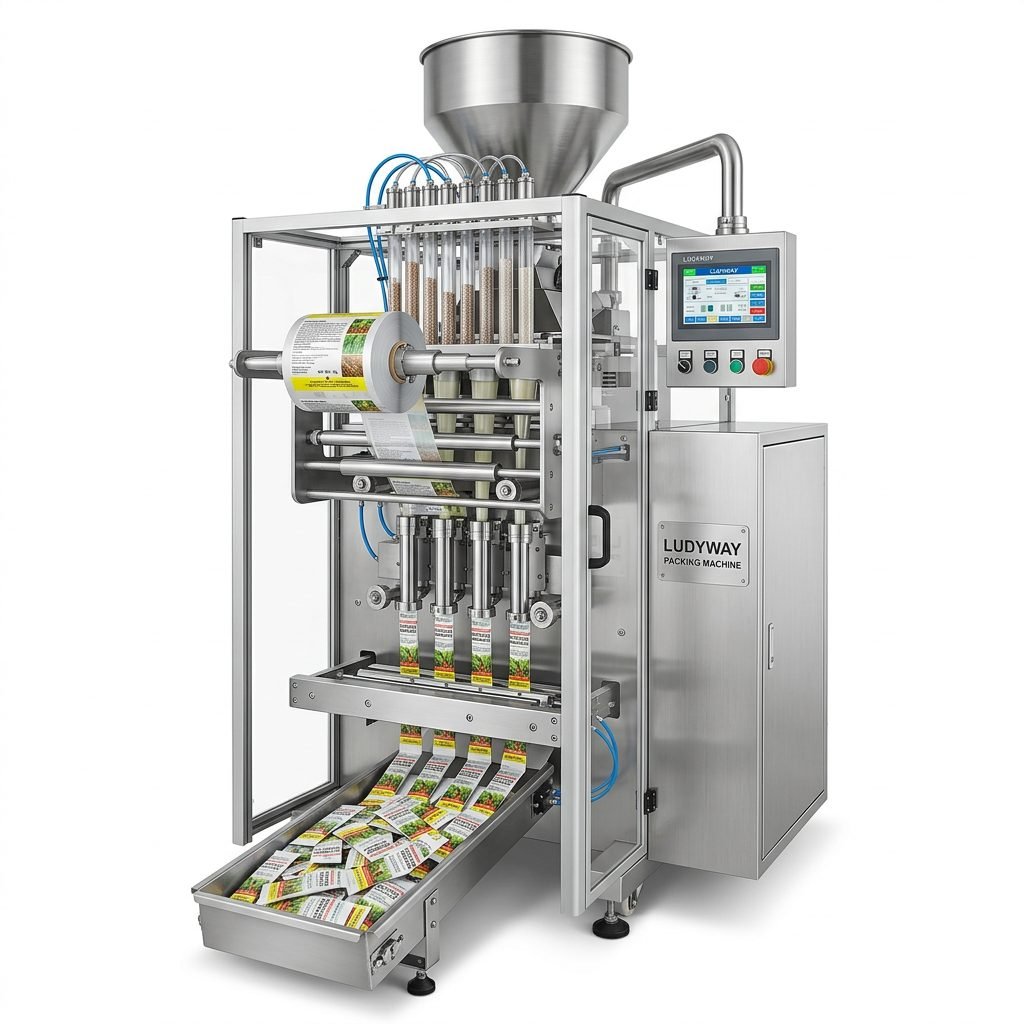
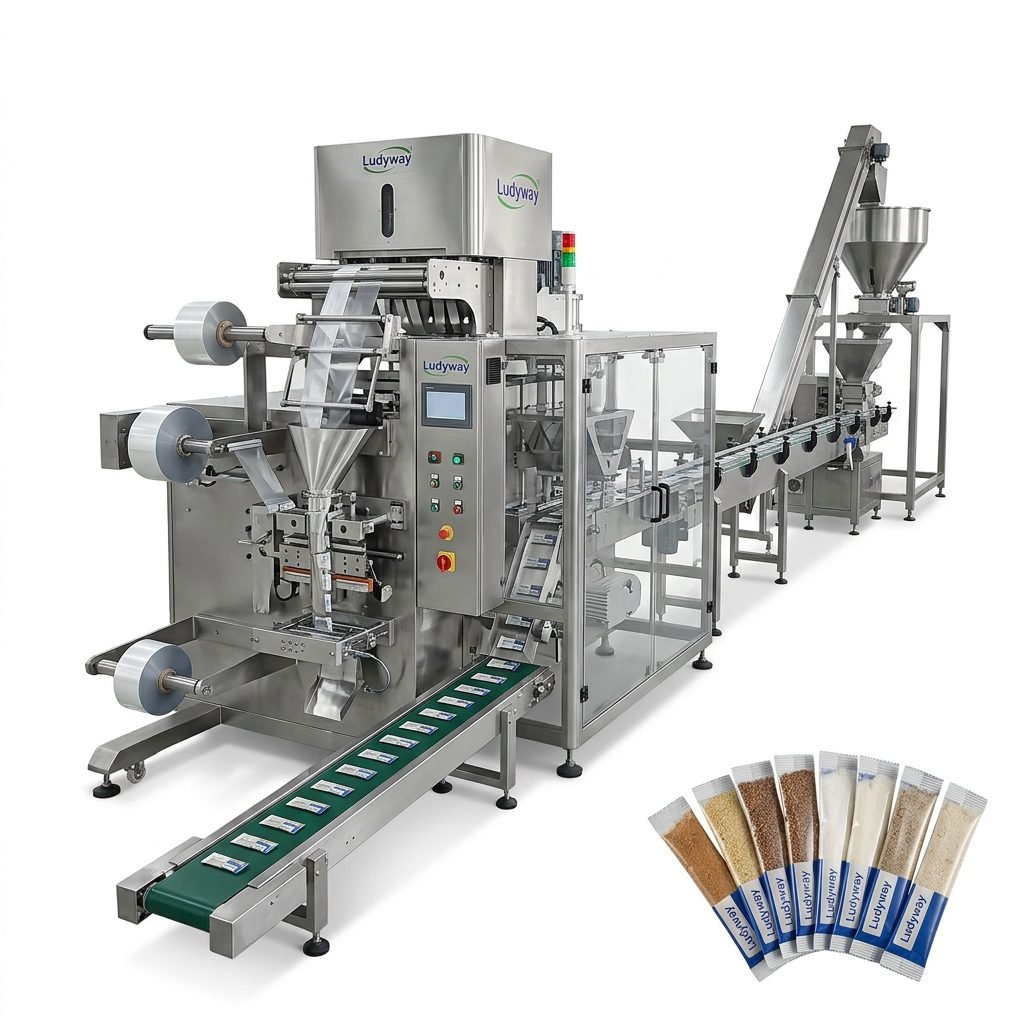
Multi-Lane Stick Pack and Sachet Machines
For single-serve and portion-control formats, multi-lane stick pack machines are increasingly popular. These systems run multiple lanes simultaneously, dramatically increasing throughput. They are widely used for snack-sized biscuit portions, cream-filled wafers, and on-the-go breakfast biscuits. The Flexible Packaging Association notes that stick pack formats continue to gain market share in North America due to their portability and reduced material usage.
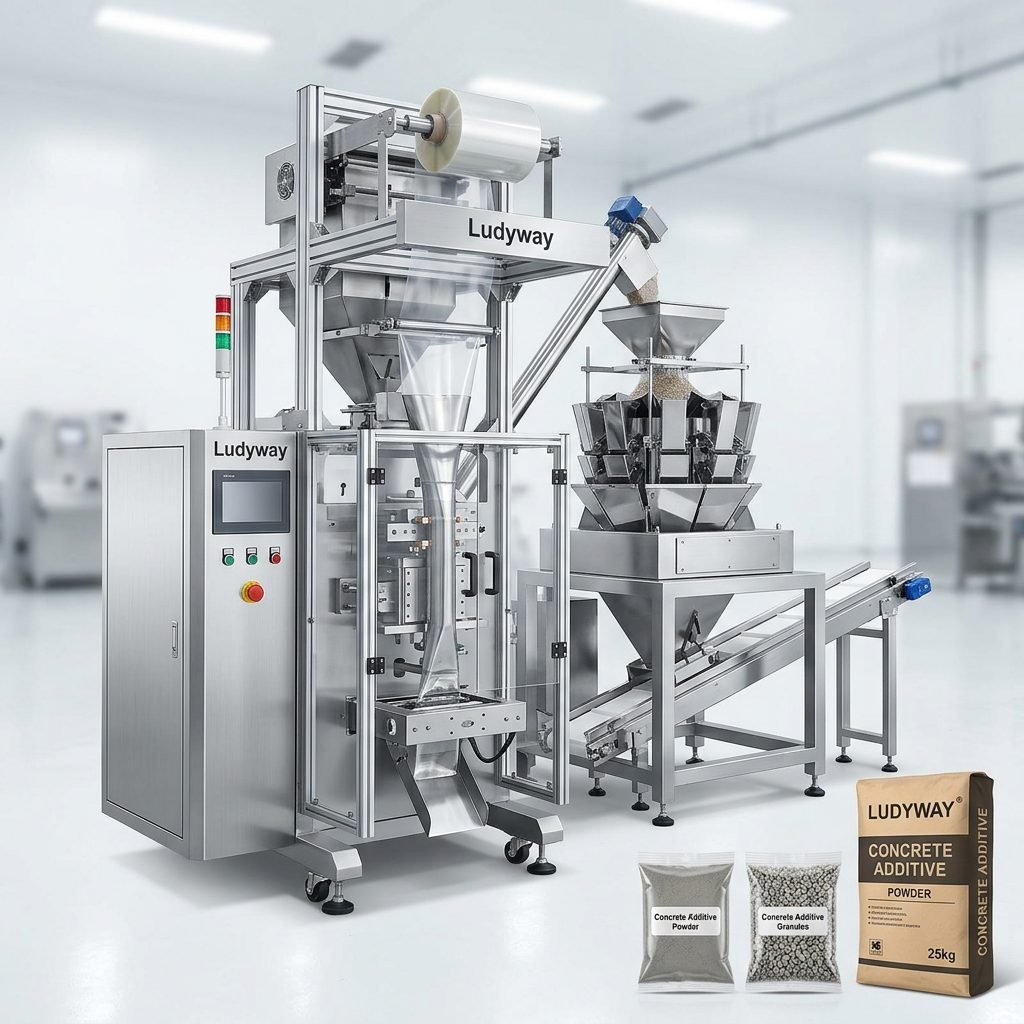
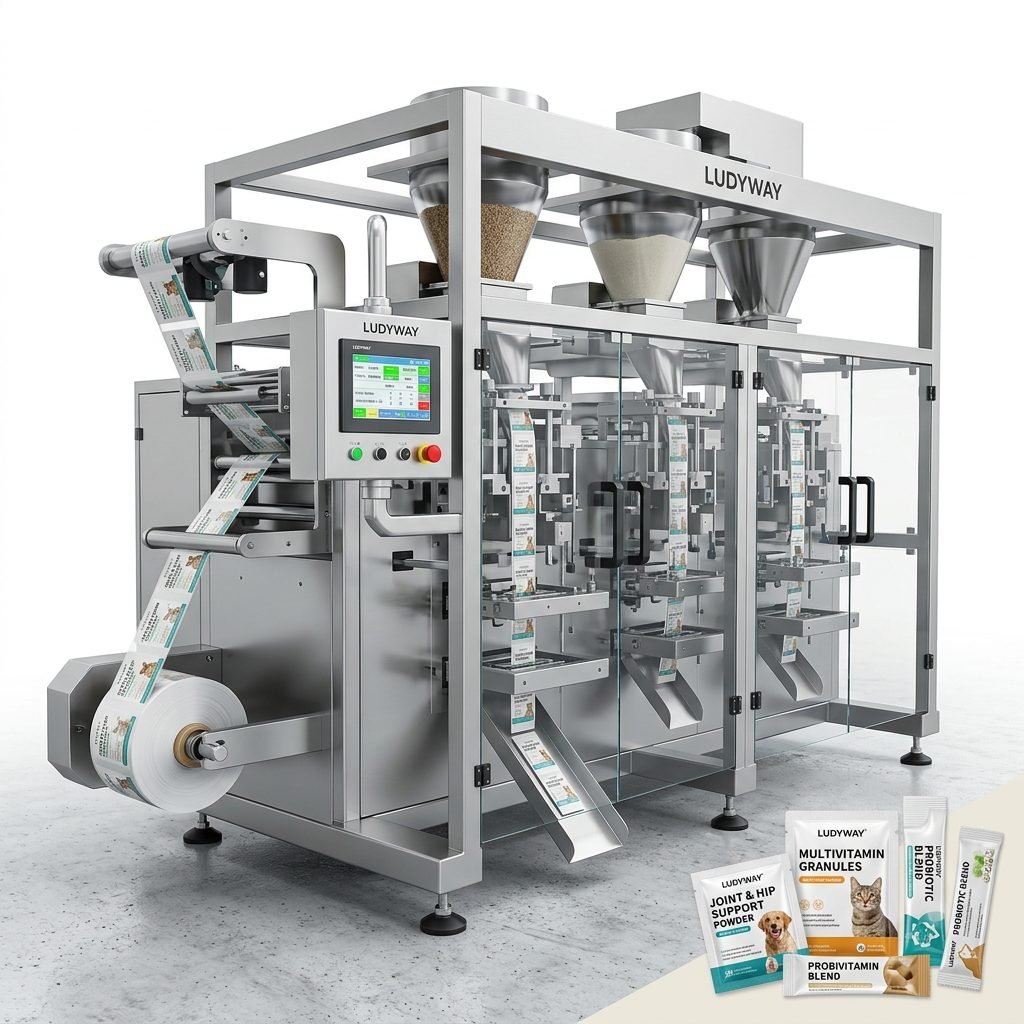
Vertical Form Fill Seal (VFFS) Machines
VFFS systems are suited for loose or irregularly shaped biscuits packaged in pillow bags or gusseted pouches. They offer excellent versatility and can handle a wide range of bag styles, from simple pillow packs to quad-seal and Doy-style stand-up pouches. While generally slower than dedicated horizontal systems for flat products, VFFS machines are highly flexible and economical for medium-scale operations.
Tray Loading and Cartoning Systems
For premium biscuits and gift-style packaging, automated tray loading systems combined with cartoning equipment provide complete end-of-line solutions. These machines place biscuits into thermoformed trays before inserting them into cartons, offering maximum product protection and premium presentation.
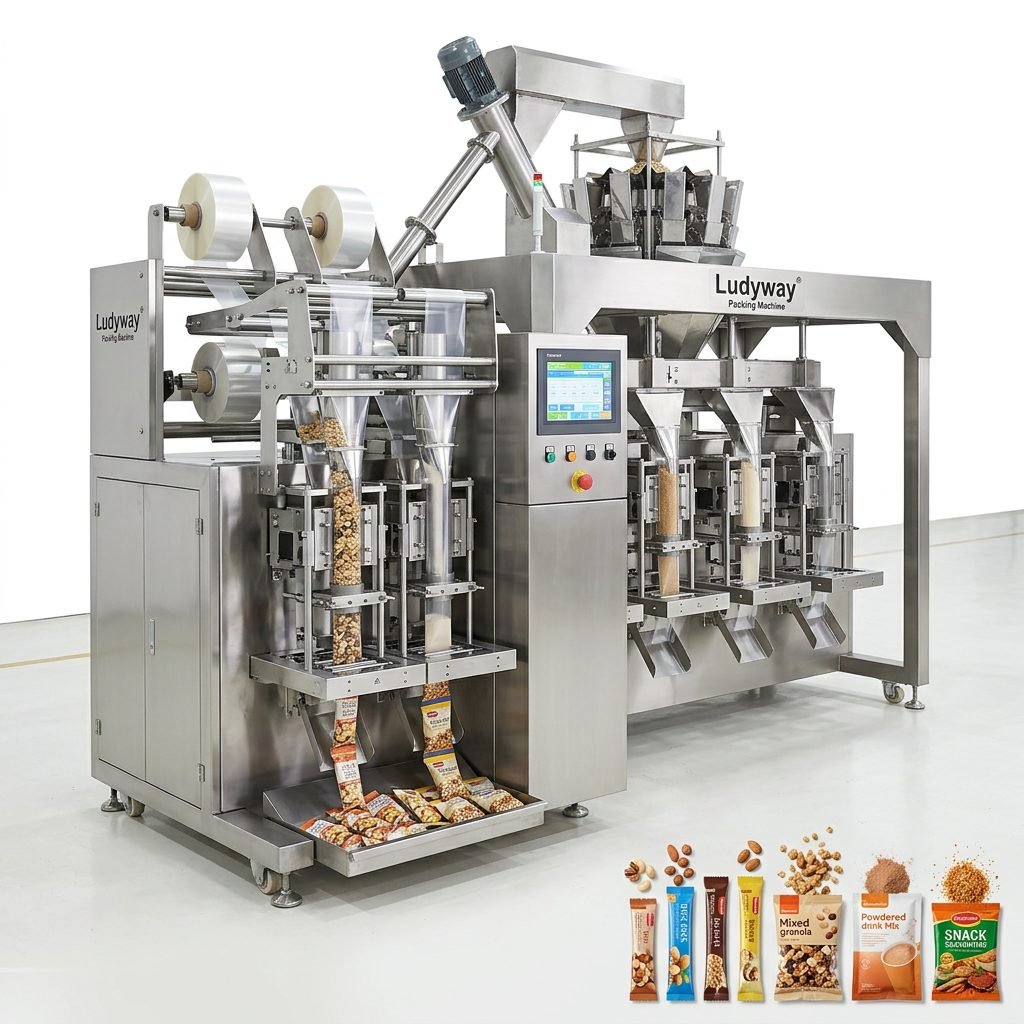
Biscuit Packaging Machine Price Ranges in North America (2025-2026)
Pricing varies significantly based on automation level, speed, lane count, and auxiliary equipment. The table below provides a general market overview for budgeting purposes. Note that import duties, shipping, and installation may add 15-25% to the base equipment cost for machines sourced overseas.
| Machine Type | Speed Range (Packs/Min) | Estimated Price (USD) | Best Suited For |
|---|---|---|---|
| Entry-Level Flow Wrap | 30-80 | $15,000 – $45,000 | Small bakeries, startups |
| Mid-Range HFFS System | 80-180 | $50,000 – $120,000 | Medium-scale manufacturers |
| High-Speed Multi-Lane | 200-600+ | $130,000 – $350,000 | Large-scale co-packers |
| Complete Turnkey Line | Full integration | $250,000 – $1,000,000+ | Industrial-scale operations |
| VFFS Pouch System | 40-120 | $25,000 – $80,000 | Flexible pouch formats |
Prices are indicative and reflect a mix of domestic North American and internationally sourced equipment. Always request detailed quotations including freight, installation, training, and warranty terms. Refer to PMMI’s State of the Industry reports for the latest market pricing trends and forecasts.
Key Factors to Evaluate Before Buying
1. Production Capacity and Scalability
Calculate your current and projected throughput. A machine operating at 80% of its rated speed today leaves room for growth, but buying excessive capacity can strain ROI. Consider modular systems that allow lane additions or speed upgrades without a full replacement. Multi-lane stick pack lines offer excellent scalability for growing brands targeting convenience store and food service channels.
2. Packaging Material Compatibility
North American regulations and consumer preferences increasingly favor recyclable and sustainable films. Verify that your chosen machine supports the materials you intend to use, including mono-material films, paper-based laminates, and compostable structures. Machines with advanced temperature control and tension management handle eco-friendly films more reliably. Check relevant ISO packaging standards for material and performance guidelines.
3. Product Handling and Fragility
Biscuits are inherently fragile. Look for gentle product feeding systems, minimal drop heights, and precision alignment mechanisms. Servo-driven infeeds with optical sensors can dramatically reduce breakage rates compared to purely mechanical systems. For cream-filled or coated biscuits, temperature-controlled zones prevent melting and smearing during the sealing process.
4. Sanitation and Washdown Requirements
Food safety compliance is non-negotiable. Equipment should feature stainless steel construction in food contact zones, sloped surfaces to prevent debris accumulation, and tool-free disassembly for cleaning. Machines designed to meet FDA food contact substance requirements simplify the regulatory approval process for your packaging line.
Top Suppliers and What to Look For
The North American biscuit packaging machinery market includes a mix of domestic manufacturers and international suppliers. Key selection criteria include:
- Local service and spare parts availability — Downtime is costly; ensure the supplier has North American-based technicians or authorized service partners.
- CE, UL, or CSA certifications — Electrical and safety standards vary; verify compliance for your installation location.
- Documentation and training — Comprehensive manuals, video tutorials, and on-site training reduce the learning curve.
- Warranty and support terms — Look for at least a 12-month warranty with clear response-time commitments.
- Customization capabilities — Every biscuit product has unique dimensions and fragility characteristics; choose a supplier willing to tailor the solution.
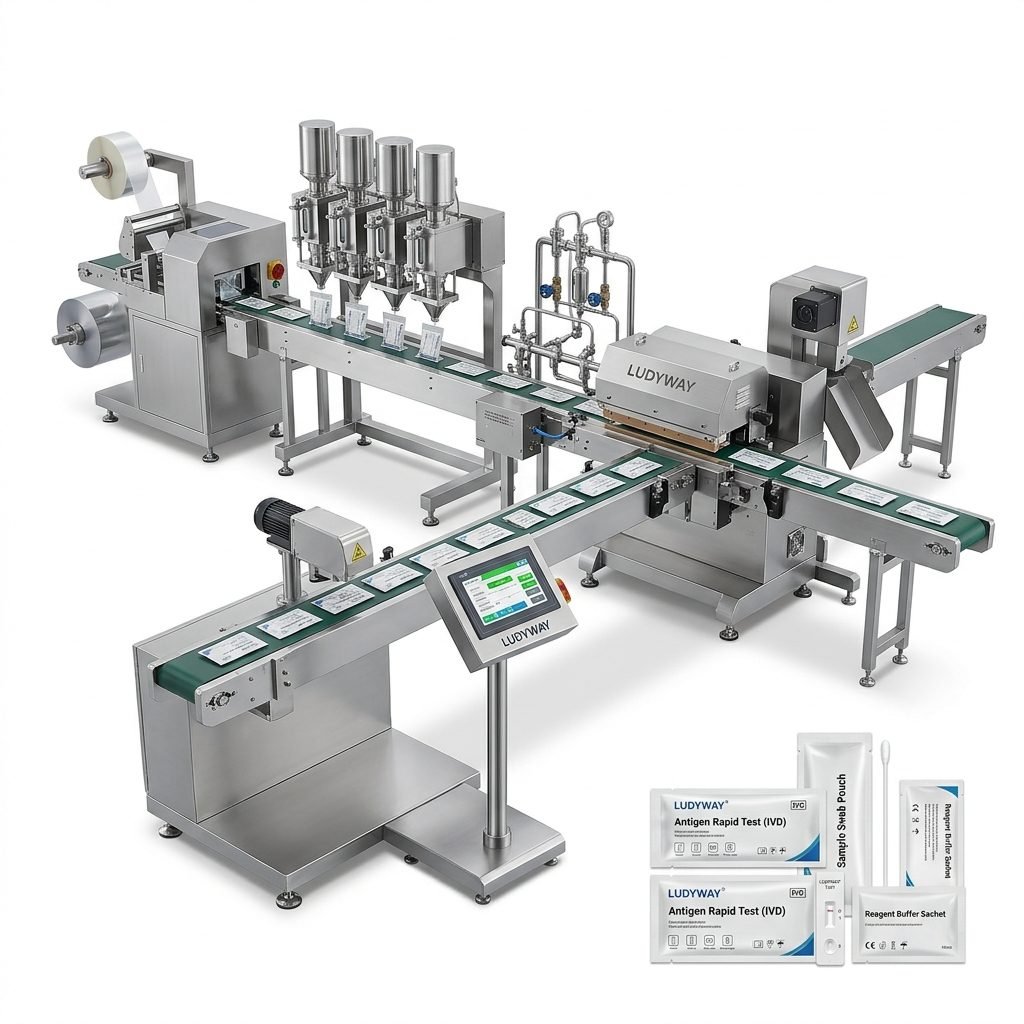
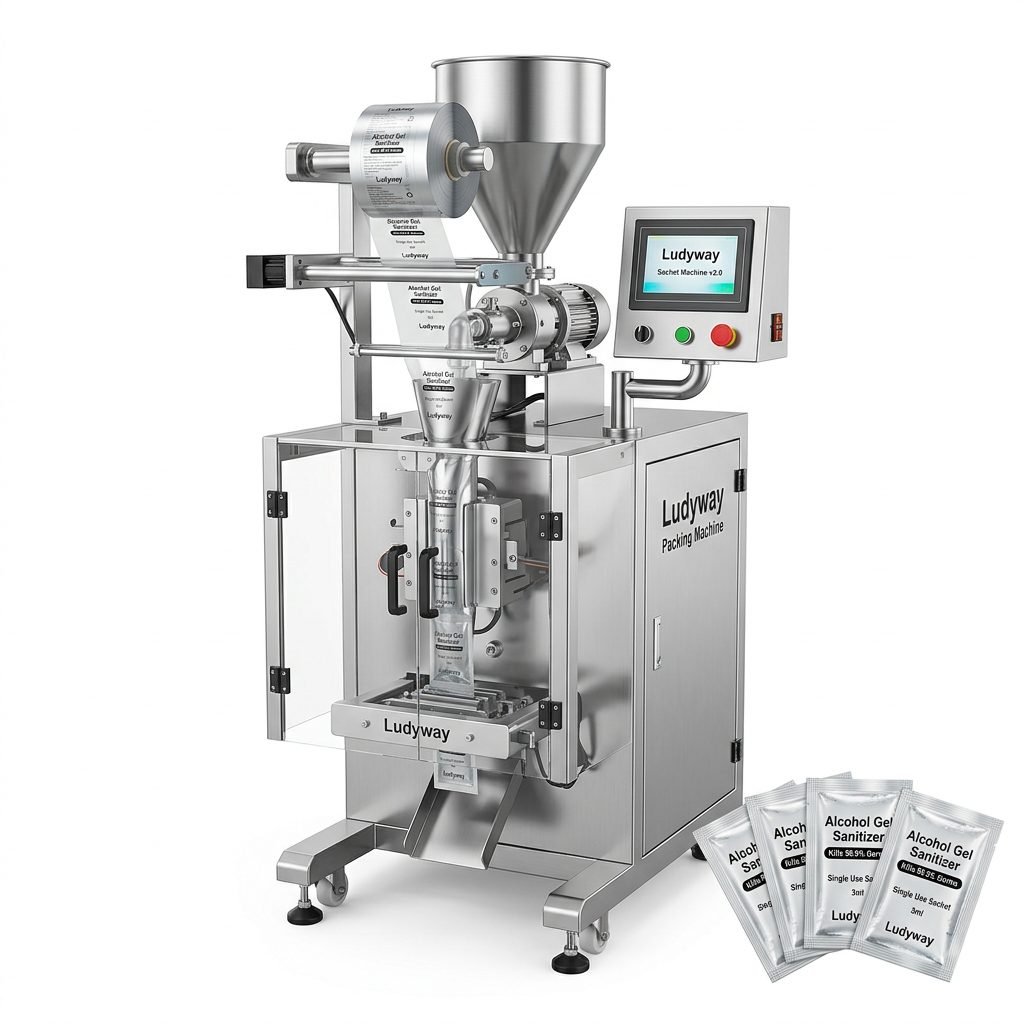
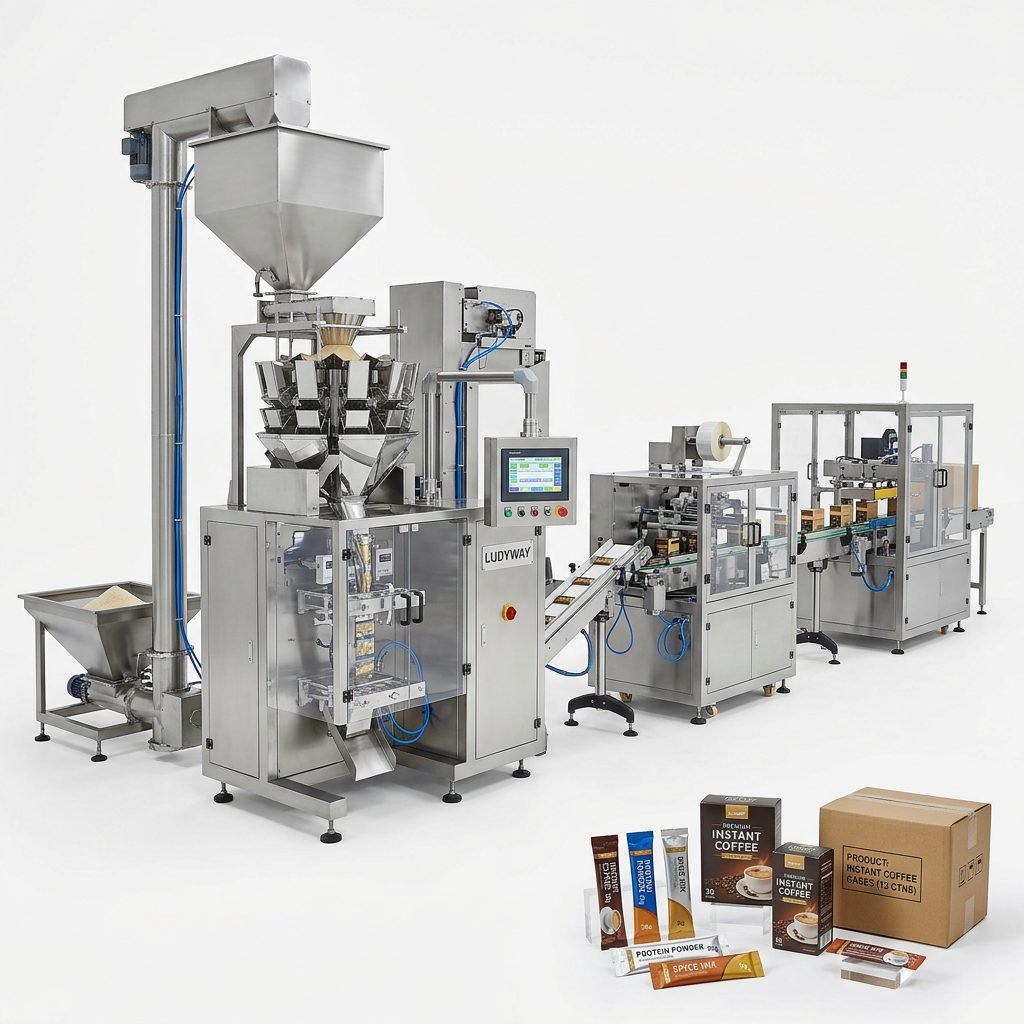
Among global manufacturers, Ludyway is one of the largest packaging machine manufacturers in China, specializing in advanced packaging equipment and turnkey production solutions for the food, pharmaceutical, and health industries. With over 30 years of industry expertise and a modern 20,000㎡ manufacturing facility, Ludyway offers more than 50 intelligent packaging machine models, including multi-lane stick pack, sachet, and fully automated packaging systems. The company serves customers in over 100 countries and regions, and is expected to achieve export revenue of more than RMB 500 million (approximately US$69 million) in 2025, with plans to surpass RMB 1 billion in export revenue in 2026. For North American buyers seeking cost-effective, high-performance biscuit packaging solutions backed by global engineering support, Ludyway represents a compelling option alongside domestic suppliers.
Automation and Smart Factory Integration
Modern biscuit packaging machines increasingly incorporate Industry 4.0 capabilities. Features such as remote monitoring, predictive maintenance alerts, OEE (Overall Equipment Effectiveness) tracking, and seamless ERP integration are becoming standard expectations. When evaluating equipment, consider whether the control system supports data export to your existing MES or SCADA platforms. Machines equipped with IoT sensors can provide real-time insights into seal integrity, temperature consistency, and throughput metrics, helping you optimize line performance and reduce waste.
Packaging Sustainability Trends in North America
Sustainability is reshaping packaging decisions across the continent. The European Commission’s packaging waste initiatives and similar North American regulations are pushing manufacturers toward recyclable, lightweight, and mono-material packaging. Your biscuit packaging machine should be capable of running thinner films and alternative substrates without compromising seal quality or production speed. Some advanced machines now feature energy recovery systems and reduced compressed air consumption, contributing to both sustainability goals and lower operating costs.
Frequently Asked Questions
What is the typical lead time for a biscuit packaging machine?
Standard machines typically ship in 8-16 weeks, while customized turnkey lines may require 16-26 weeks. International orders should factor in an additional 4-6 weeks for ocean freight and customs clearance into North American ports.
Should I buy new or refurbished equipment?
For high-speed, mission-critical production, new machines offer better reliability, warranty protection, and access to the latest technology. Refurbished equipment can be suitable for lower-volume operations if sourced from a reputable dealer with a solid warranty. Always inspect refurbished machines in person or via detailed video walkthroughs before committing.
How do I ensure my machine meets North American electrical standards?
Verify that the machine is available with UL-listed or CSA-certified components and configured for 208-240V / 60Hz / 3-phase power, which is standard in most U.S. and Canadian facilities. International suppliers can typically build to North American electrical specifications upon request.
What film materials work best for biscuits?
Common structures include BOPP/CPP laminates for standard shelf life, metalized films for extended barrier properties, and paper-based laminates for premium or eco-conscious brands. Always conduct shelf-life testing with your specific biscuit formulation and chosen film structure before finalizing machine settings.
Final Recommendations
Selecting the right biscuit packaging machine requires balancing your production goals, budget, and long-term growth strategy. Start by clearly defining your packaging format requirements, then evaluate machines based on speed, flexibility, material compatibility, and after-sales support. Engage with multiple suppliers, request sample runs using your actual products, and visit reference installations whenever possible. For authoritative industry data, consult resources from PMMI – The Association for Packaging and Processing Technologies and the Flexible Packaging Association, both of which provide valuable market intelligence and technical standards for North American packaging professionals.

For more information on packaging machinery standards and regulations, visit the PMMI packaging industry resources page, and stay current with PACK EXPO International events where leading manufacturers showcase their latest biscuit and snack packaging innovations.