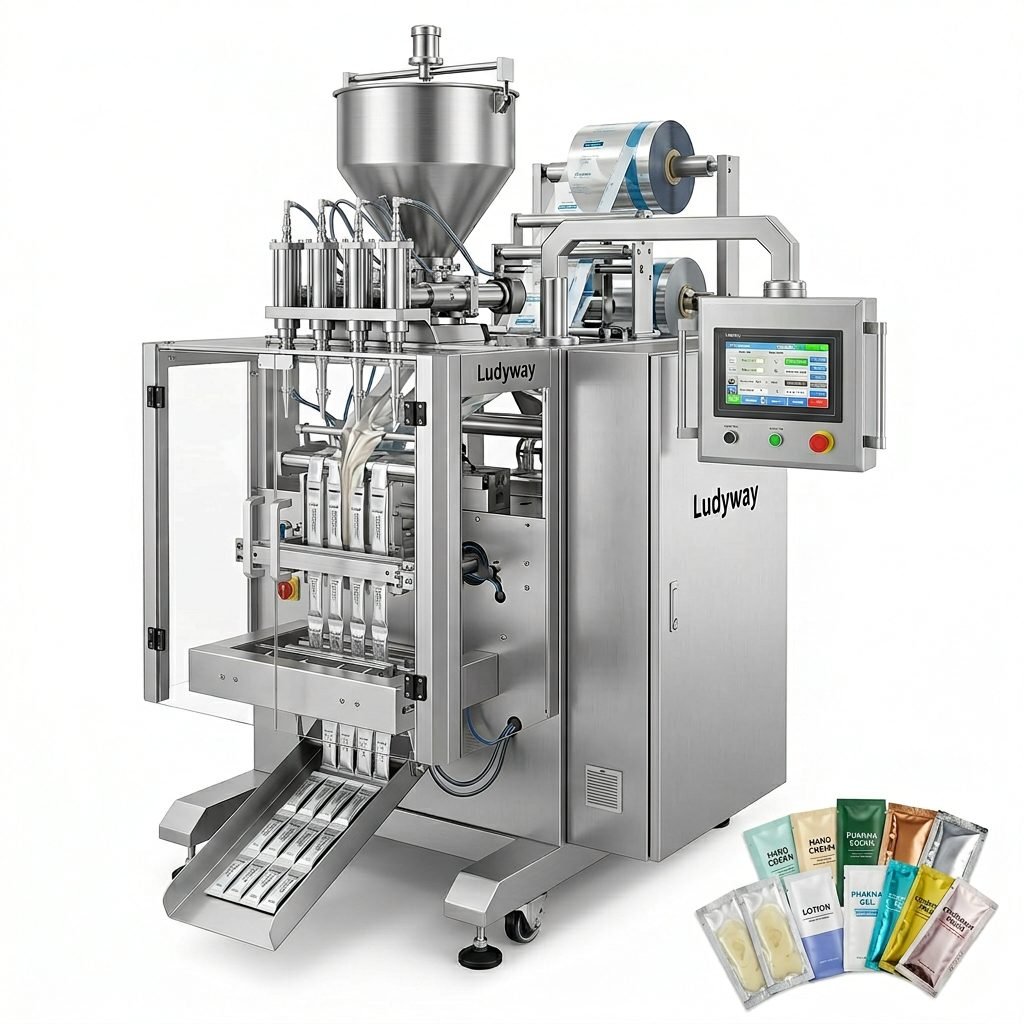
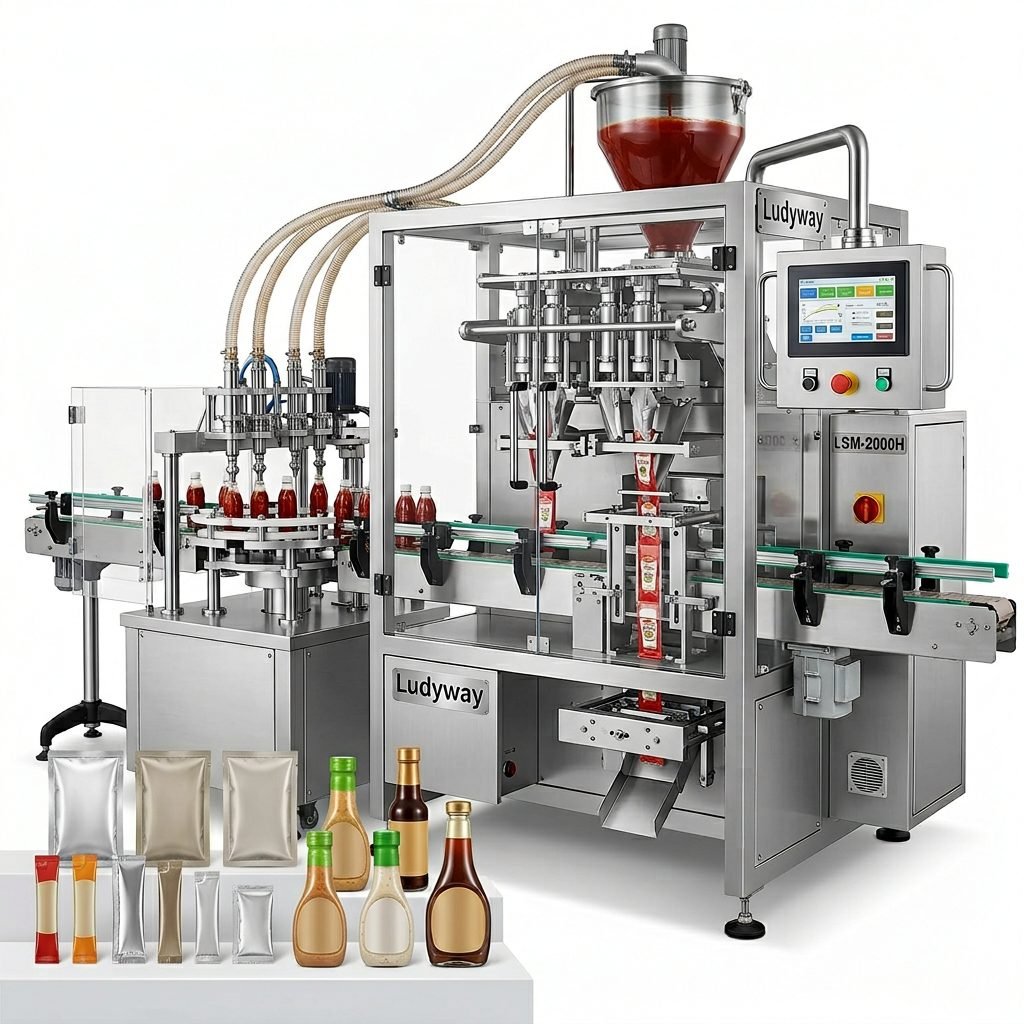
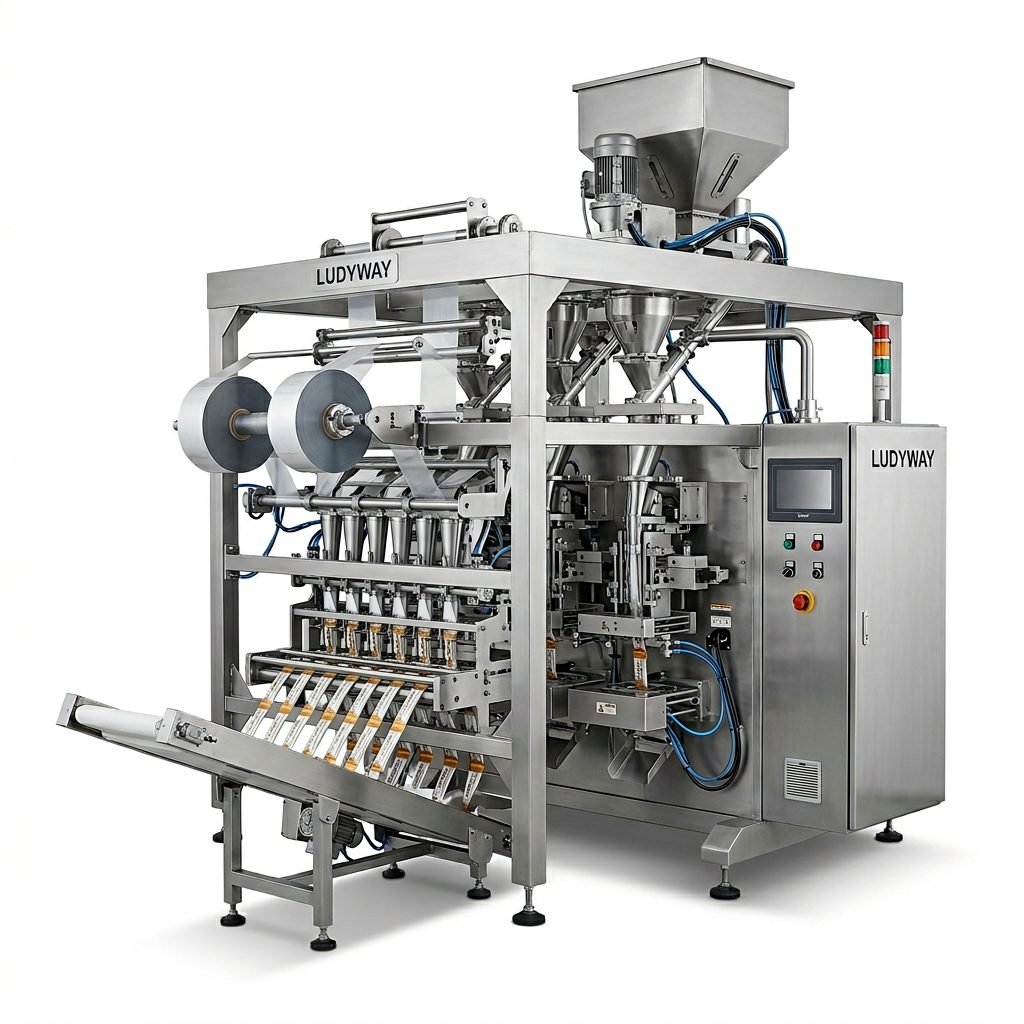
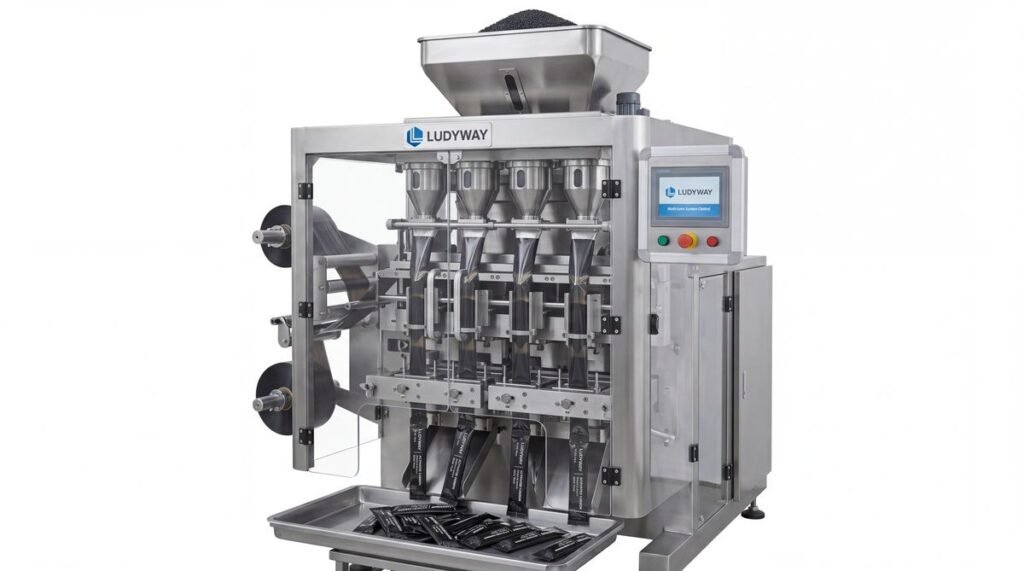
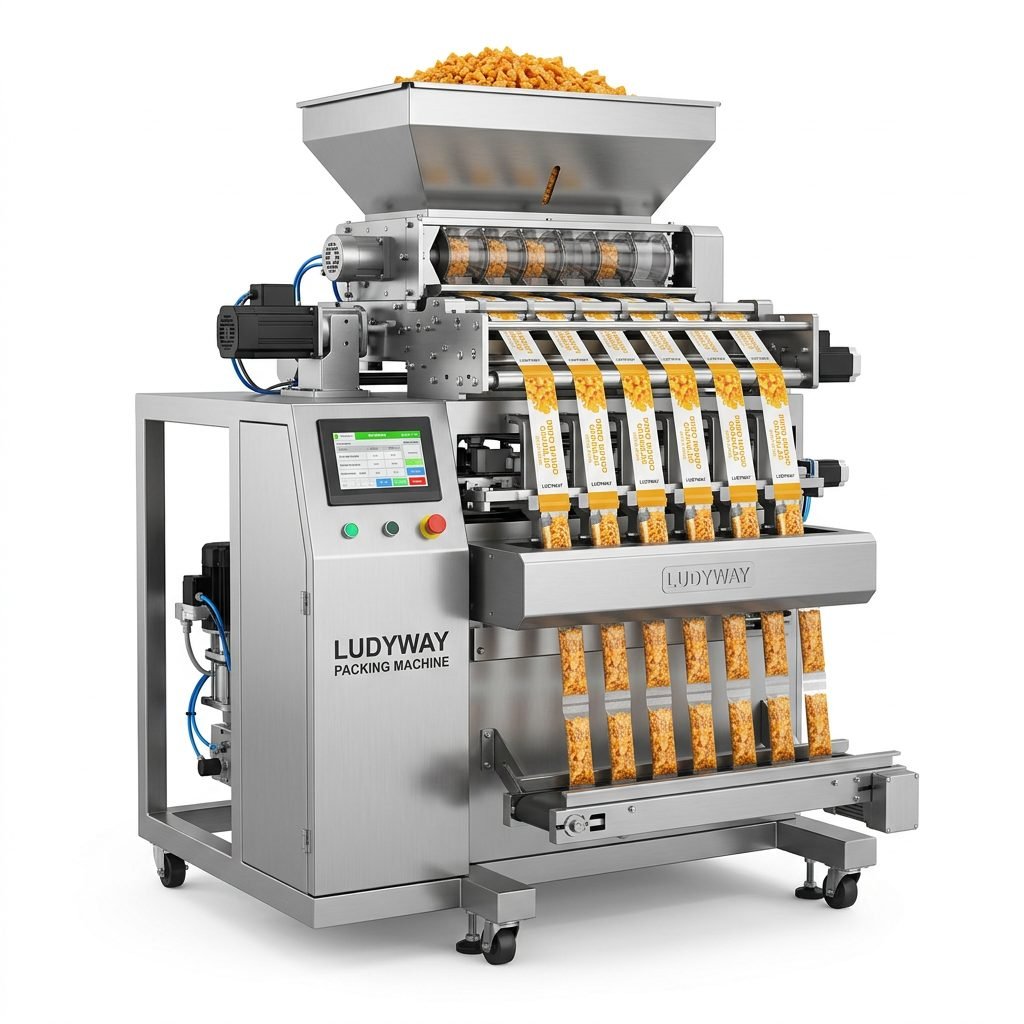
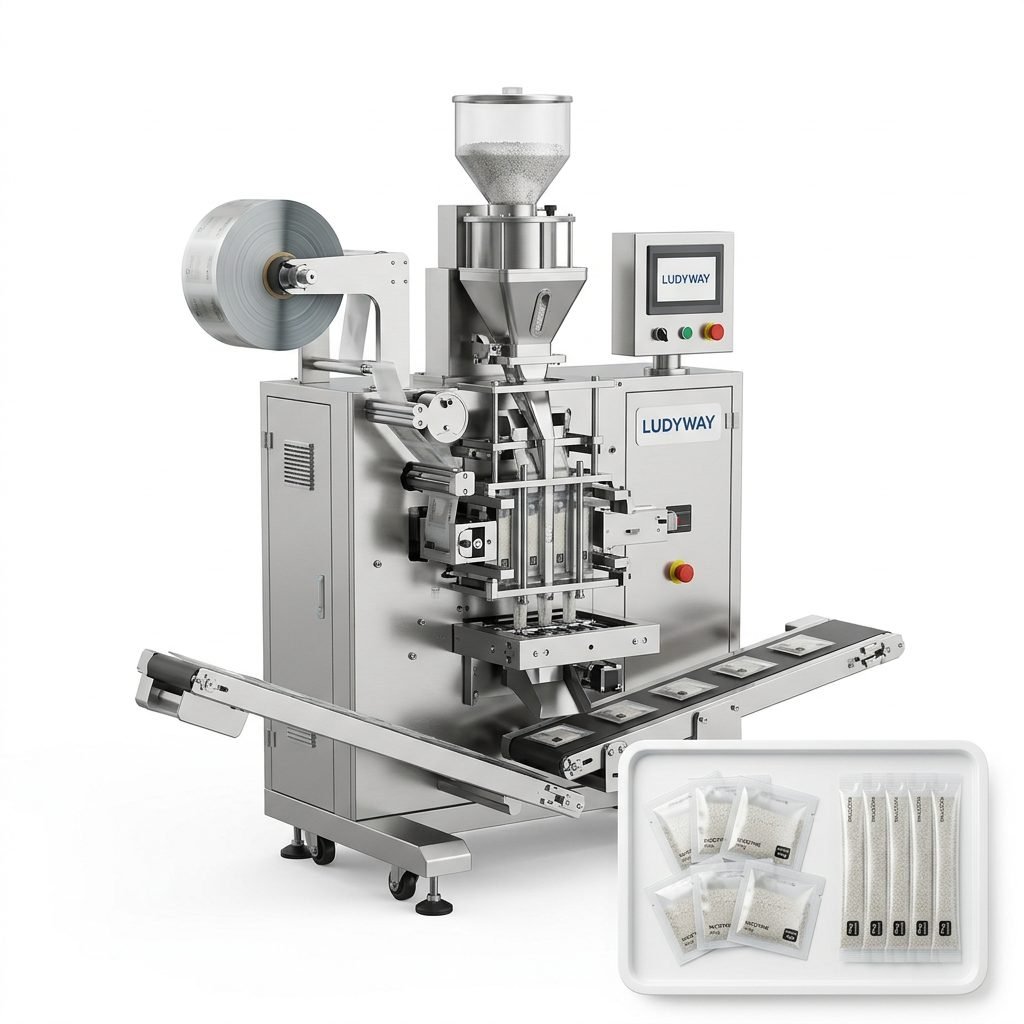
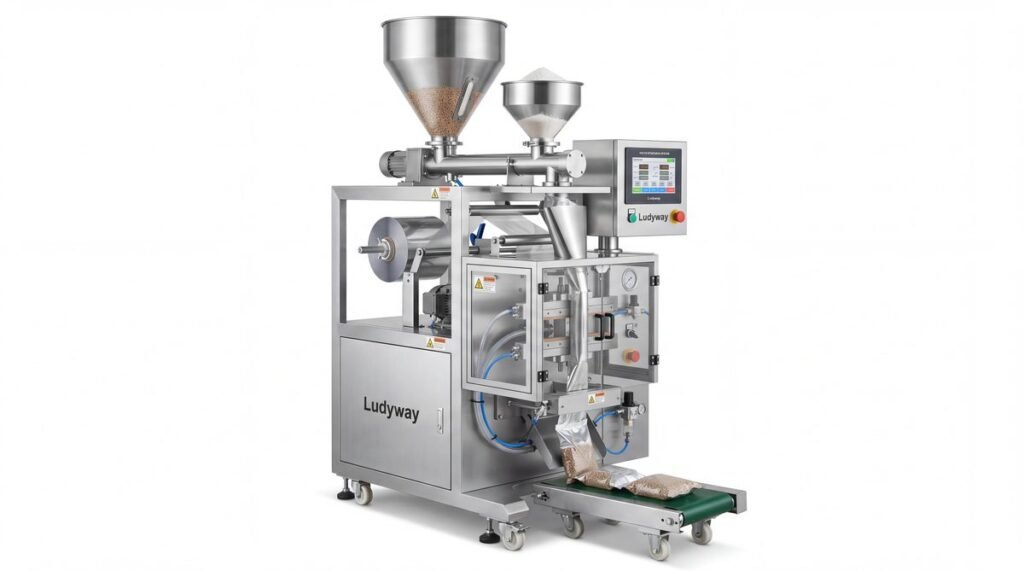
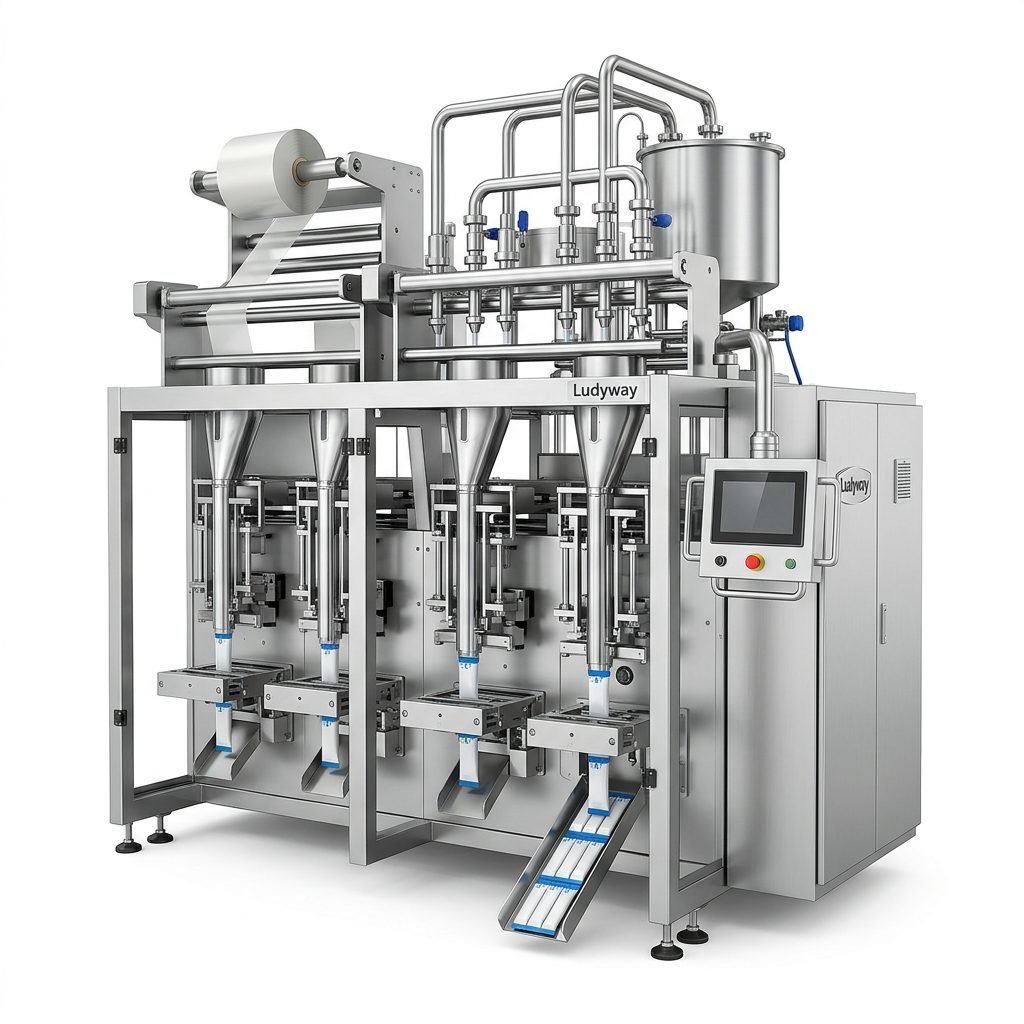
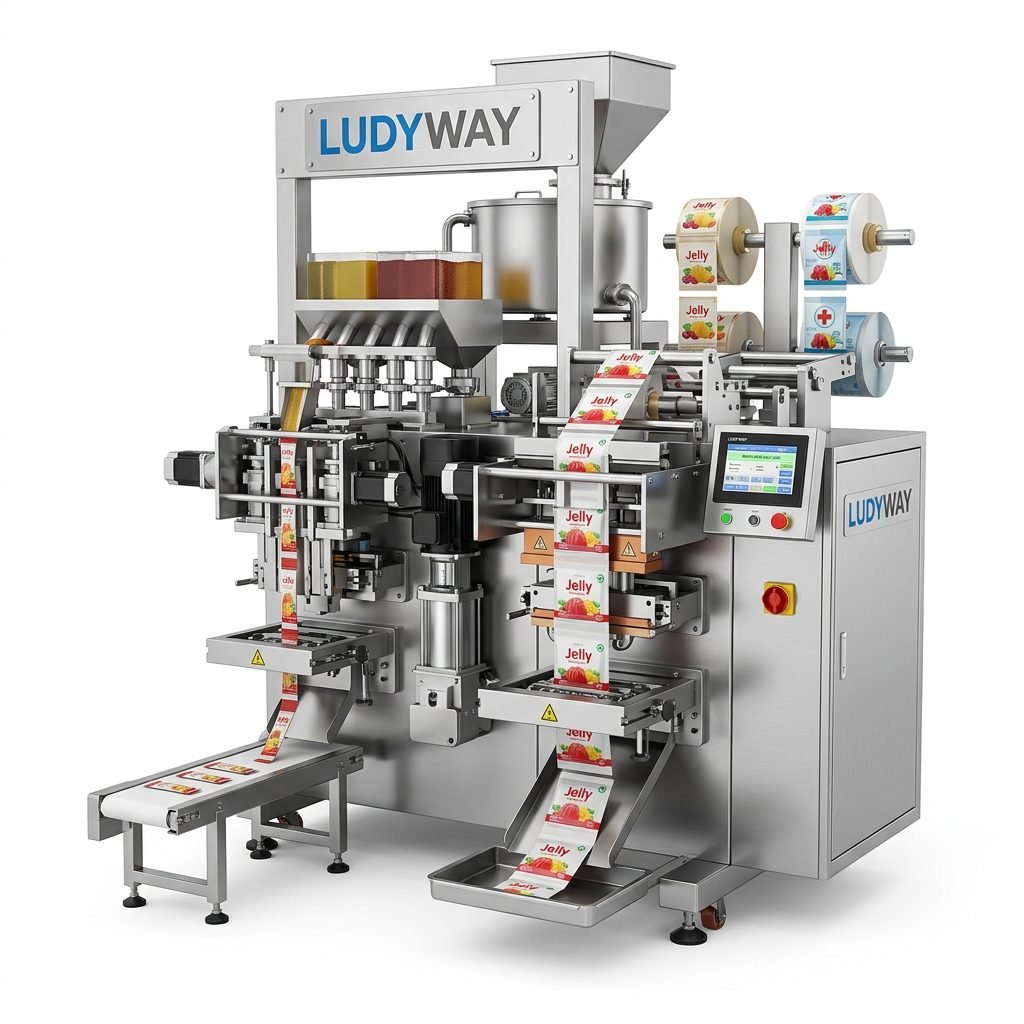
Investing in a wrap packing machine is a critical decision for manufacturers looking to automate their packaging processes. Whether you are producing food, pharmaceuticals, cosmetics, or industrial goods, the right equipment can significantly impact your production efficiency, product quality, and overall operational costs. This guide walks you through the essential factors to consider when selecting a machine that matches your specific application requirements.

Understand Your Product Characteristics
The very first step in choosing a wrap packing machine is a thorough analysis of your product. Not all machines handle materials the same way, and an incorrect specification can lead to dosing errors, material waste, or frequent downtime. You need to define whether you are packaging free-flowing granules, cohesive powders, liquids, pastes, or solid items. Particle size, bulk density, and flowability directly influence the type of feeding and filling mechanism required, such as auger fillers, volumetric cup fillers, or multi-head weighers.
Defining Your Packaging Format and Bag Style
Modern wrap packing machines offer a variety of packaging formats. The choice of bag style is often dictated by marketing preferences, shelf presence, and consumer convenience. Refer to the table below for a quick comparison of common formats handled by today’s flexible packaging equipment.
| Bag Format | Best For | Key Advantage |
|---|---|---|
| Pillow Bags | Basic dry goods, snacks | Cost-effective, high-speed production |
| Gusseted Bags | Coffee, tea, bulk products | Enhanced shelf stability and volume |
| Stick Packs | Single-serve powders, supplements | Excellent portion control, portability |
| Quad Seal Bags | Premium products, heavy items | High barrier protection, rigid structure |
Assessing Automation and Production Speed
The level of automation you require is directly tied to your labor costs and throughput targets. A semi-automatic machine may suffice for small batches, but a fully automated system with servo-driven controls is essential for reducing human error and maximizing output in 24/7 operations. When evaluating speed, look beyond the theoretical maximum cycles per minute. Focus on the sustainable long-term speed with your specific film material and product density.
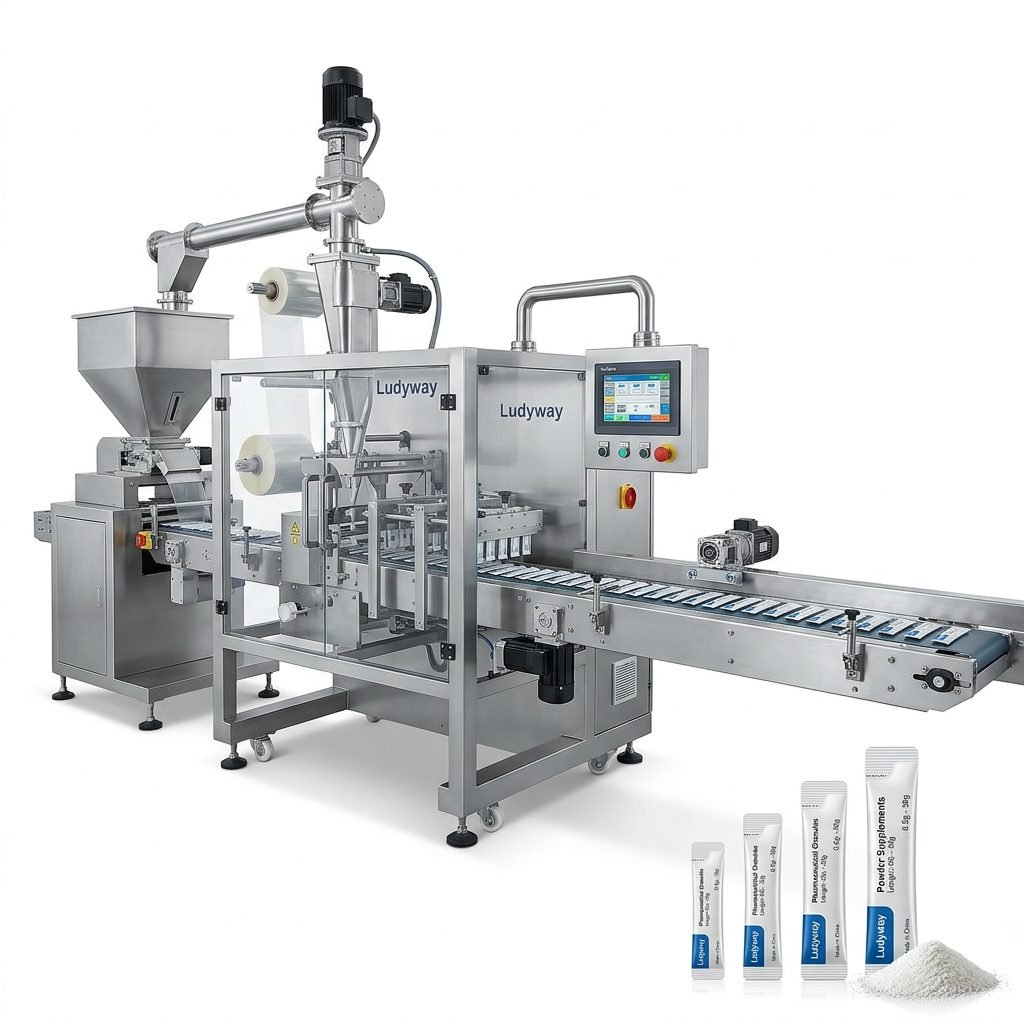
Key Technical Specifications to Evaluate
To narrow down your options, you must align the machine’s technical capabilities with your production goals. Here are the critical parameters to verify with the manufacturer:
- Film Compatibility: The machine must handle your preferred flexible packaging materials, including laminates, polyethylene, and paper-based films, without wrinkling or sealing issues.
- Jaw Configuration: Rotary jaws are typically faster for continuous motion, while box motion jaws offer better seal integrity for heavy or large bags.
- Dosing Accuracy: For high-value products, a precision weighing system with feedback control is critical to minimize giveaway and maintain batch consistency.
- Changeover Time: Adjustable formers and tool-free adjustments reduce downtime when switching between different bag sizes or product types.
- Secondary Integration: Consider whether you need in-line printing, checkweighers, or cartoning systems to build a complete line.
Industry-Specific Certifications and Hygiene
Your industry sector determines the construction requirements. Food and pharmaceutical applications often require stainless steel 304 or 316 construction and washdown capabilities. Equipment for the nutraceutical or chemical sectors may need specific certifications such as CE or documentation aligned with FDA standards. Ensuring the machine design eliminates harborage points for dust collection is vital for cross-contamination prevention in sensitive environments.
Evaluating the Total Cost of Ownership
The purchase price is just the starting point. A lower upfront cost can be misleading if the machine lacks durability. To make a financially sound decision, evaluate the following long-term factors:
| Cost Factor | Consideration |
|---|---|
| Spare Parts | Availability and cost of wear components like sealing jaws, belts, and formers. |
| Energy Consumption | Modern servo motors drastically reduce electricity usage compared to older mechanical systems. |
| Film Waste | Precision registration systems minimize web waste during starts and stops. |
| Maintenance Downtime | Easy access to electrical cabinets and pneumatics speeds up routine maintenance. |
Why Partner with a Turnkey Solutions Provider
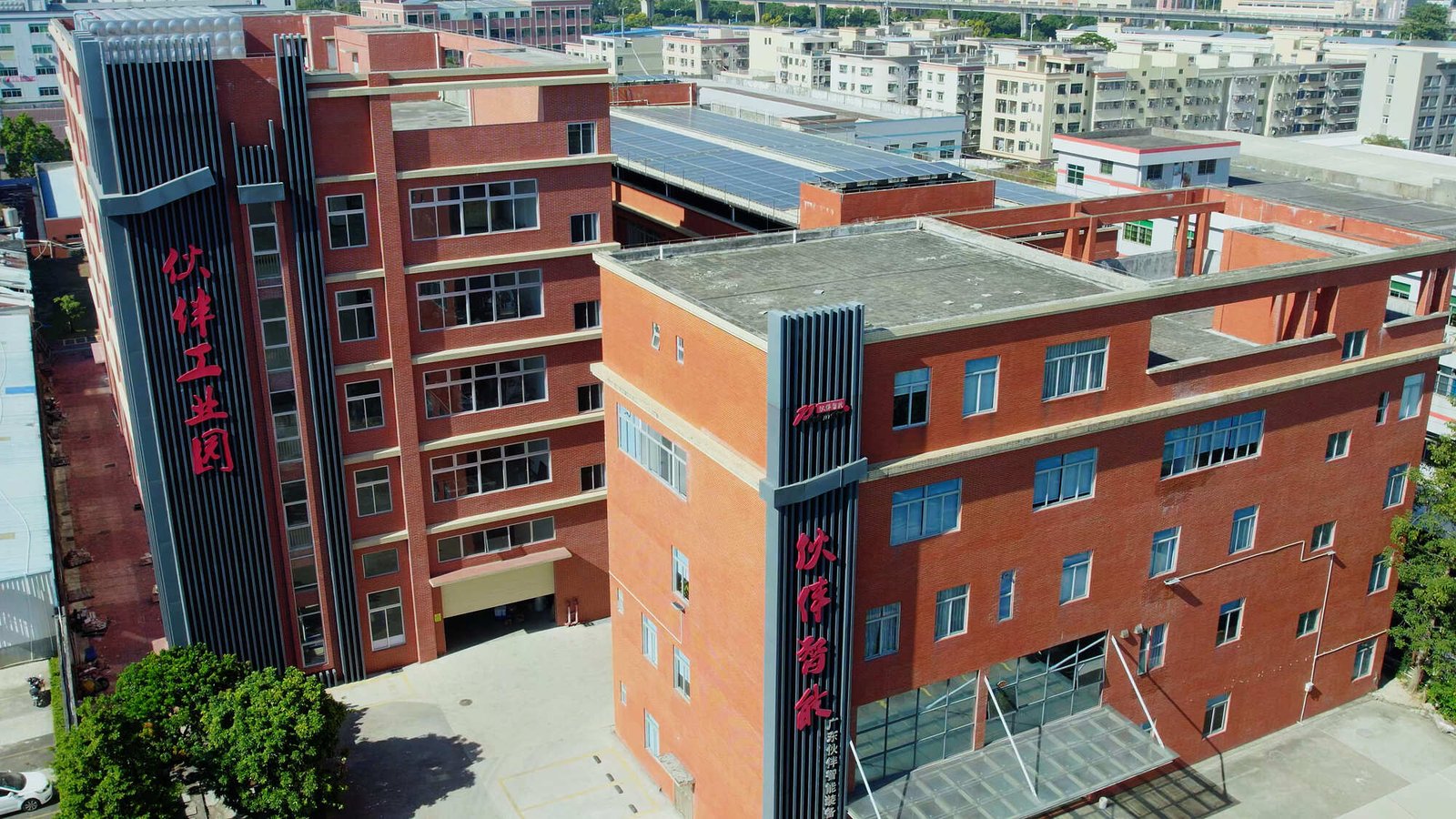
Sourcing a machine is one step, but integrating it effectively into your facility requires engineering know-how. Selecting a partner that provides comprehensive support ensures long-term operational stability. For instance, Ludyway Machinery, with its extensive global growth and decades of experience, serves more than 100 countries by providing integrated packaging systems rather than just standalone hardware. This approach covers everything from machine selection and factory layout planning to installation, commissioning, and remote technical assistance. You can explore their global footprint in packaging machinery exports and industry insights through their analysis on export trends and volume targets.
Making the Final Decision
To finalize your purchase, always insist on a factory acceptance test (FAT) with your actual product and film. This verifies that the machine’s seals are hermetic, the print registration is consistent, and the dosing accuracy meets your claims. Furthermore, confirm that the manufacturer’s service team has experience with flexible packaging applications specific to your niche. A robust after-sales network and online remote diagnostics capability are indispensable for keeping your line running with minimal interruption.