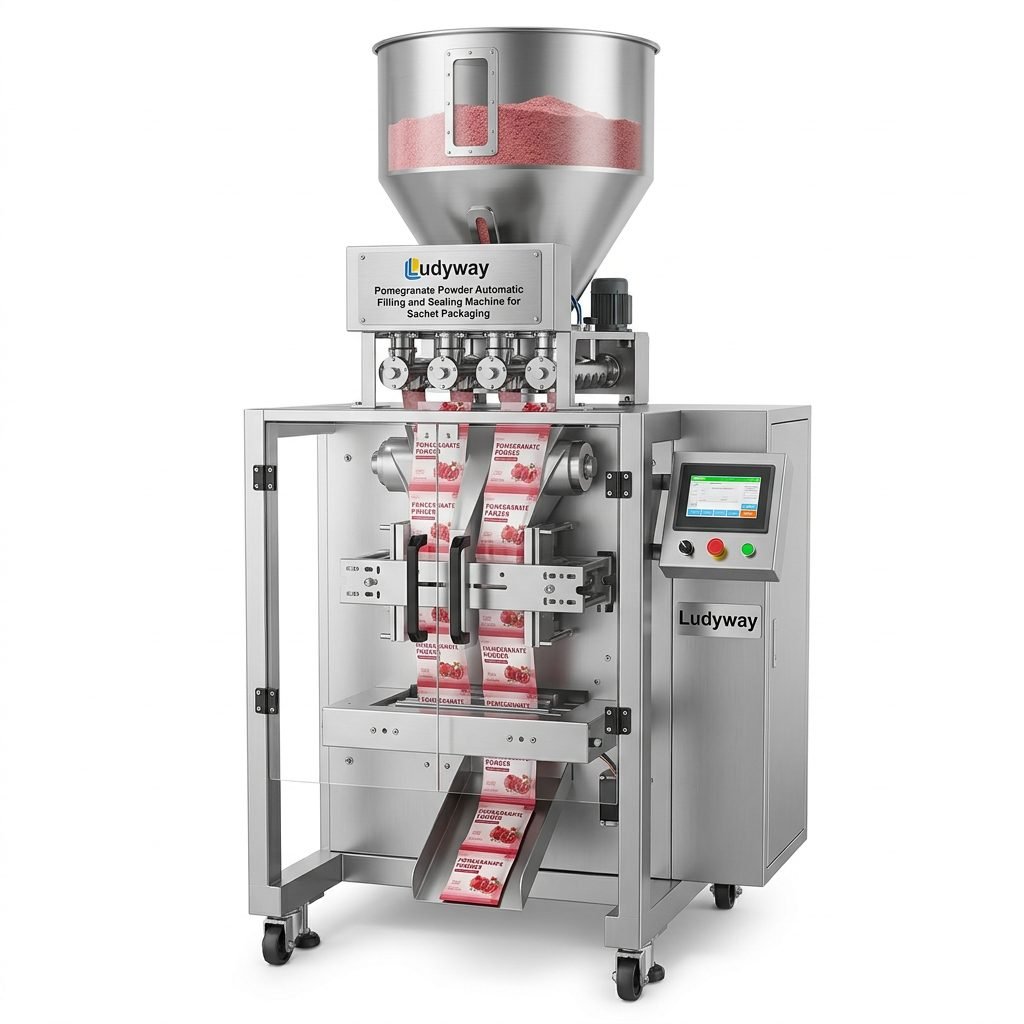
Italy remains one of Europe’s most dynamic markets for packaged food, pharmaceuticals, and cosmetics. Establishing a vacuum packaging machine production line in this competitive landscape demands more than just equipment installation — it requires careful planning, regulatory compliance, and a streamlined workflow from raw material intake to final palletizing. This guide walks you through each critical phase, helping you build a production line that meets Italian quality expectations and achieves fast return on investment.

Step 1: Site Selection and Regulatory Compliance in Italy
Before you order a single component, solidify your facility foundation. Italian industrial operations fall under both national legislation and European Union directives, making regulatory preparation a non-negotiable first step.
Zoning and Facility Requirements
Choose a location with adequate floor load capacity, ceiling height for auxiliary hoppers, and segregated zones for raw materials, packaging, and finished goods. Regions such as Lombardy, Emilia-Romagna, and Veneto offer well-established industrial infrastructure for food and pharma manufacturing. Confirm that your site meets local fire safety codes and waste disposal ordinances, especially if you handle organic powders or chemical cleaning agents.
CE Marking and Machinery Directive
All packaging equipment installed in Italy must carry CE marking under the Machinery Directive 2006/42/EC. This covers mechanical safety, electrical conformity, and electromagnetic compatibility. Partner with suppliers who provide full technical documentation, risk assessments, and declaration of conformity in Italian or English. For pharmaceutical applications, additional validation protocols aligned with Good Manufacturing Practice (GMP) are mandatory.
Environmental and Packaging Waste Regulations
Italy enforces the European Packaging and Packaging Waste Regulation, which directly impacts material choices for vacuum pouches and outer cartons. Select recyclable mono-materials where possible and register with a national packaging recovery consortium such as CONAI. Your line design should minimize film trim waste and incorporate energy-efficient vacuum pumps to comply with Italy’s energy transition targets.
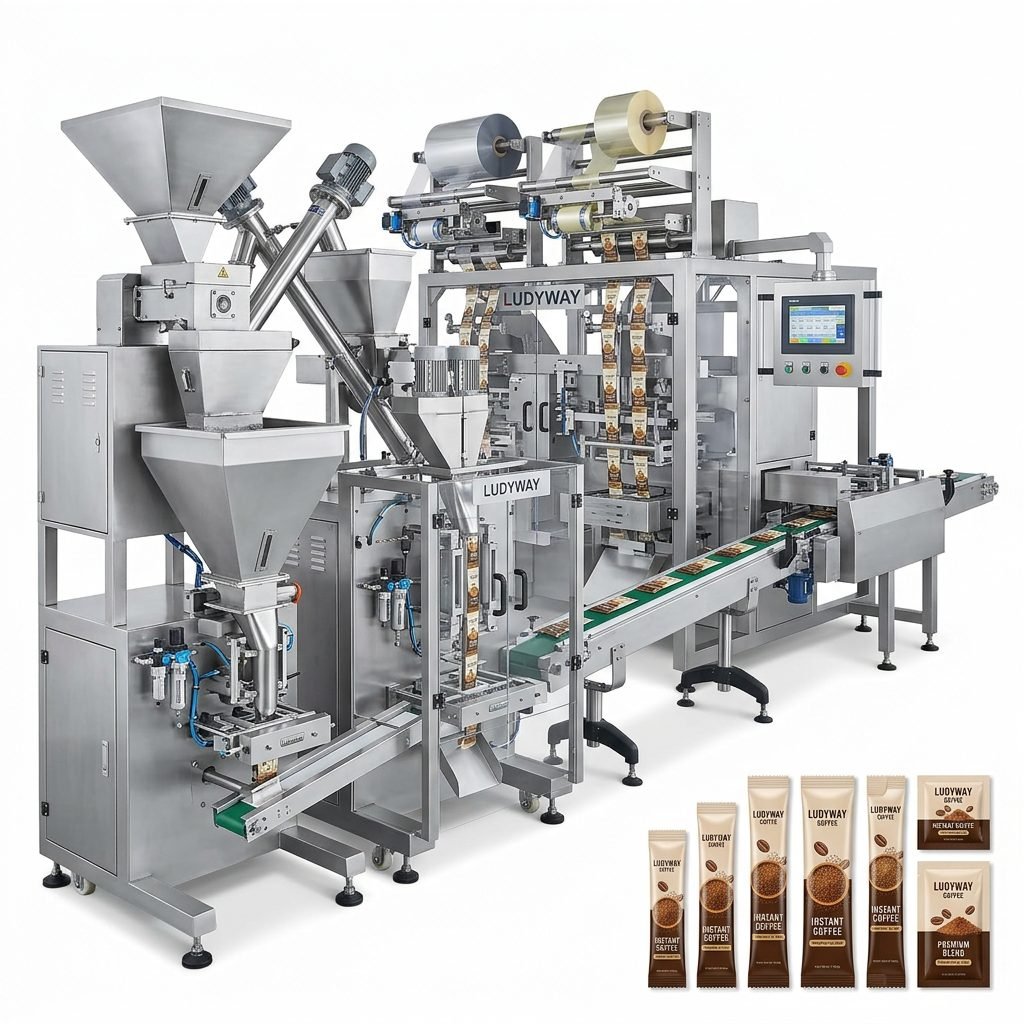
Step 2: Planning Your Production Line Layout
A well-designed layout prevents bottlenecks and cross-contamination. Map the entire material flow — from bulk material receiving to vacuum-sealed finished product — before placing any machine on the floor.
- Raw material intake zone: Designate a clean, dry area for bulk powders, granules, or liquids with easy access for vacuum conveying systems.
- Processing and dosing zone: Position multi-head weighers, auger fillers, or liquid piston pumps adjacent to the vacuum packaging machine for minimal transfer distance.
- Vacuum packaging core: Install your primary vacuum packaging machine with sufficient clearance for film roll loading, maintenance access, and nitrogen flush connections if modified atmosphere packaging is required.
- Quality control checkpoint: Integrate checkweighers, metal detectors, and vision inspection systems immediately after sealing to catch defects in real time.
- Secondary packaging and palletizing: Allocate space for automatic cartoning, case packing, and robotic palletizing to complete the line without manual handling.
Step 3: Selecting the Right Equipment Mix
Your equipment choices define throughput, product integrity, and operational flexibility. Match each machine to your specific product characteristics — granule size, powder flowability, liquid viscosity, and required vacuum level.
Core Vacuum Packaging Machine
Select a vacuum chamber machine or a continuous vacuum belt system based on your throughput targets. For dry products such as ground coffee, grated cheese, or powdered supplements, a thermoforming vacuum packaging machine offers high output with tight film usage. For irregular solid items, a double-chamber or conveyor vacuum machine provides greater flexibility.
Feeding and Dosing Systems
Pair your vacuum packer with precision dosing equipment. Multi-head weighers work best for free-flowing granules; auger fillers suit fine powders; piston pumps and flow meters handle liquids and pastes. Ensure the dosing system communicates seamlessly with the vacuum machine’s cycle speed to avoid pileups or idle time.
Auxiliary Equipment: Conveying, Coding, and Inspection
Integrate vacuum conveying systems for dust-free material transfer, thermal transfer printers for batch coding, and dynamic checkweighers with reject stations. For pharmaceutical lines, add ISO 11607-compliant seal integrity testers to validate every package.
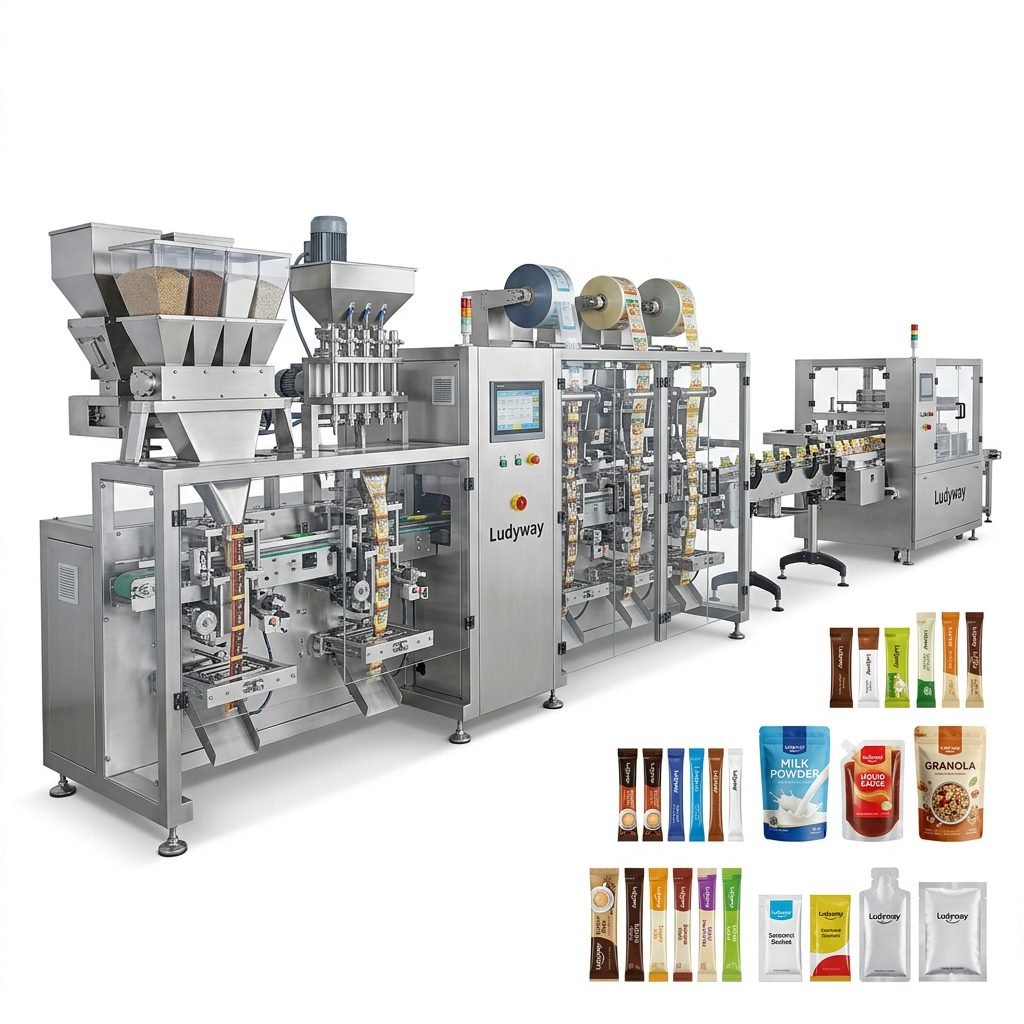
Step 4: Installation, Calibration, and Trial Runs
Installation week is critical. A structured commissioning process reduces downtime and accelerates your first production-ready batch.
- Mechanical installation: Level and anchor all machines. Connect utilities — compressed air, nitrogen supply, cooling water, and electrical power — verified against the equipment specifications.
- Software configuration: Set up recipe parameters for each SKU. Fine-tune vacuum pressure, sealing temperature, dwell time, and gas flush ratios. Save validated recipes to ensure batch-to-batch consistency.
- Dry runs and product trials: Run the line empty to confirm sensor synchronization. Then conduct product trials with real materials, gradually increasing speed while monitoring seal integrity, weight accuracy, and film register.
- Full-scale validation: For pharmaceutical or medical device packaging, perform Installation Qualification (IQ), Operational Qualification (OQ), and Performance Qualification (PQ) before commercial production begins.
Step 5: Operator Training and Safety Protocols
Even the most advanced vacuum packaging production line depends on skilled operators. Invest in comprehensive training before transitioning to 24/7 operation.
Machine Operation and Troubleshooting
Train operators on HMI navigation, recipe changes, film splicing, and basic fault recovery. Document standard operating procedures in Italian and ensure key staff can diagnose common issues such as incomplete vacuum, misaligned seals, or filling weight drift.
Safety and Hygiene Standards
Enforce lockout/tagout procedures during maintenance. For food and pharma lines, implement documented cleaning schedules, protective garment protocols, and environmental monitoring as required by Italian HACCP guidelines. Operators must understand allergen management if the line runs multiple product types.

Step 6: Maintenance Schedules and Performance Optimization
Sustained efficiency comes from preventive maintenance and data-driven optimization. Create a tiered maintenance calendar covering daily, weekly, monthly, and annual tasks.
| Maintenance Interval | Key Tasks | Responsible Party |
|---|---|---|
| Daily | Clean sealing bars, inspect vacuum pump oil level, check film alignment | Line Operator |
| Weekly | Lubricate chains, verify checkweigher calibration, inspect vacuum hoses for leaks | Maintenance Technician |
| Monthly | Replace vacuum pump filters, test emergency stops, validate temperature sensors | Maintenance Supervisor |
| Annually | Full vacuum pump overhaul, electrical safety inspection, comprehensive line audit | Original Equipment Supplier |
Performance Metrics to Track
Monitor Overall Equipment Effectiveness (OEE), seal integrity rate, fill weight deviation, and film waste percentage. Use these metrics to identify continuous improvement opportunities. If your throughput targets shift, consider upgrading feeding systems or adding a second vacuum chamber to double output without expanding the line footprint.
Partnering with Experienced Equipment Suppliers
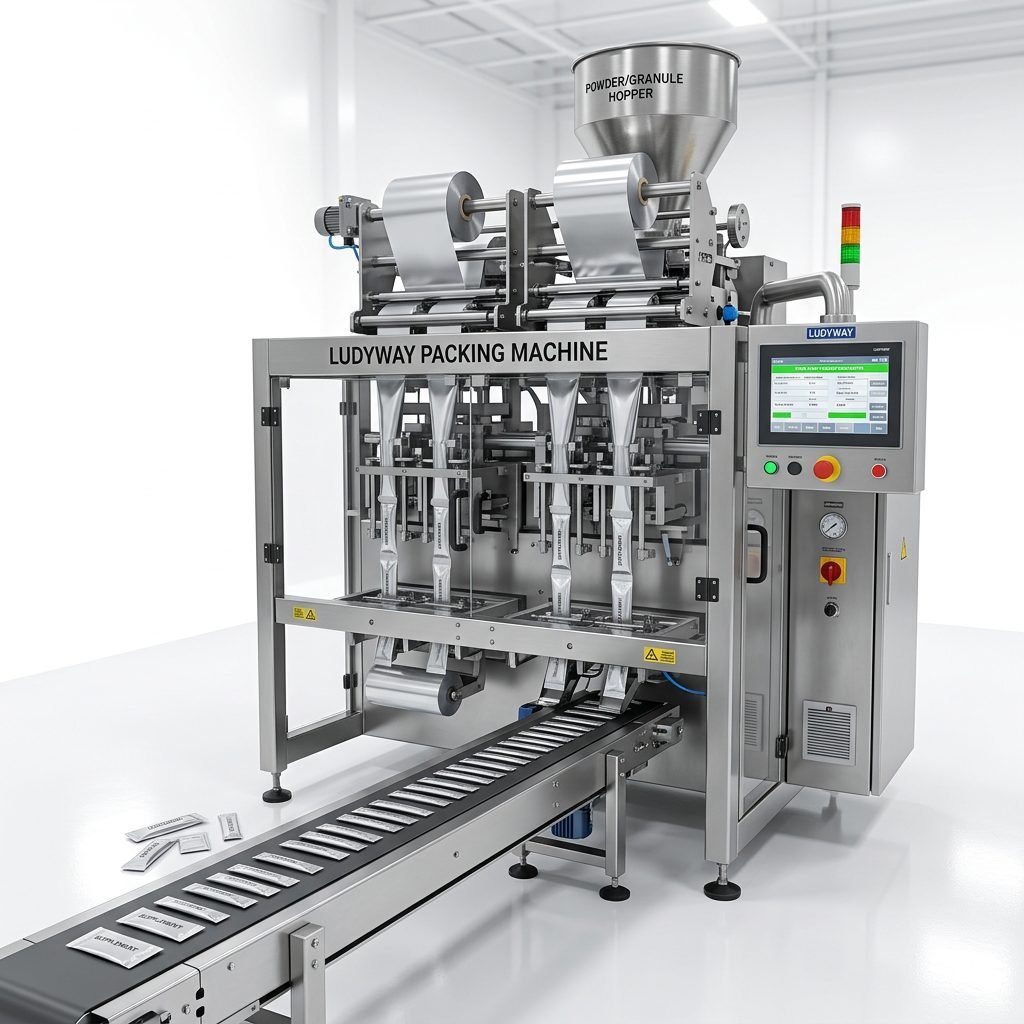
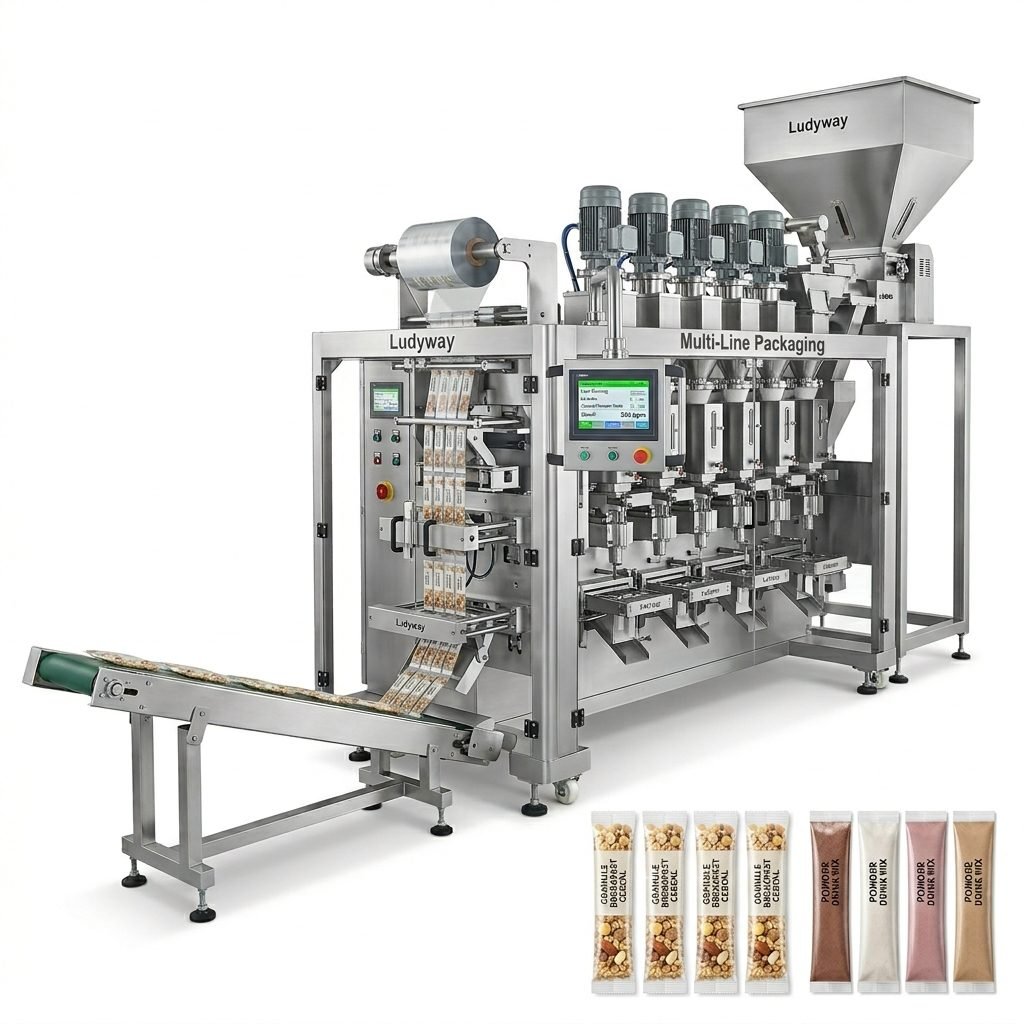
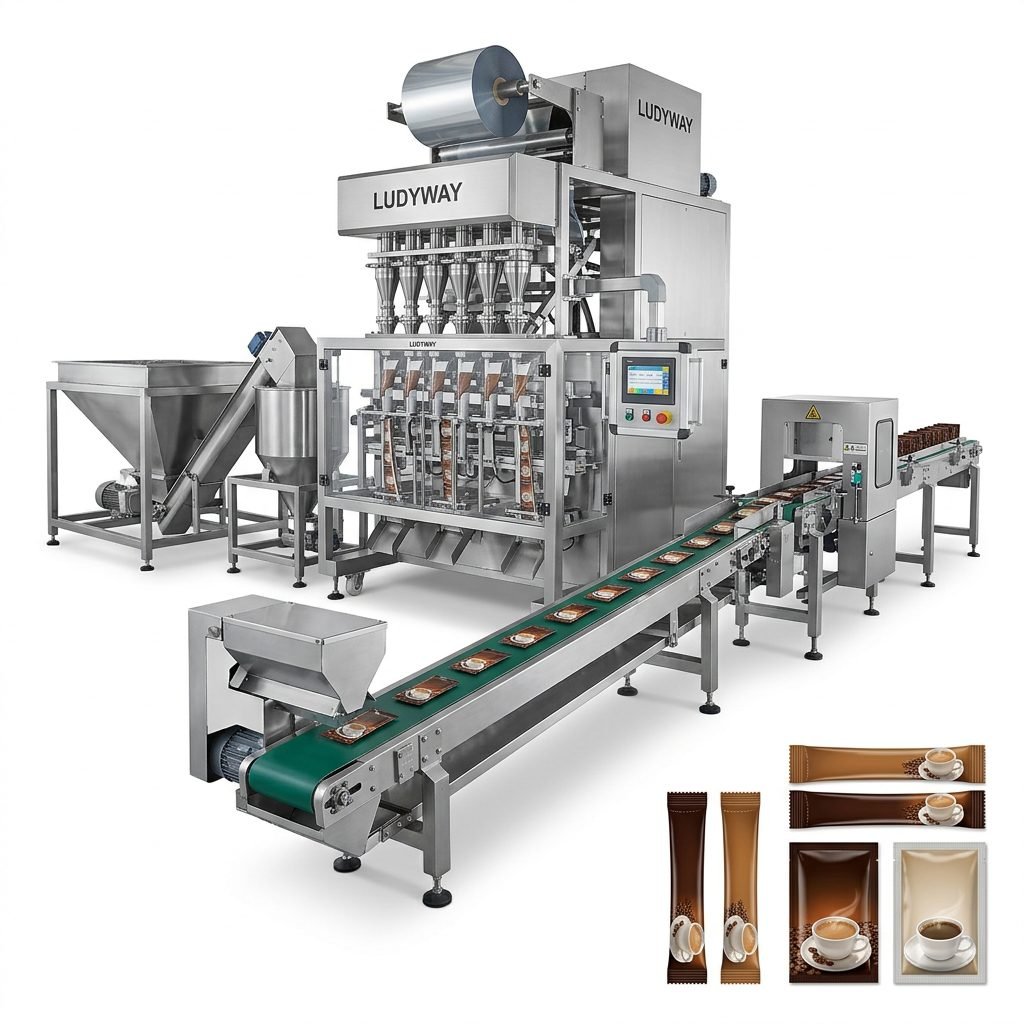
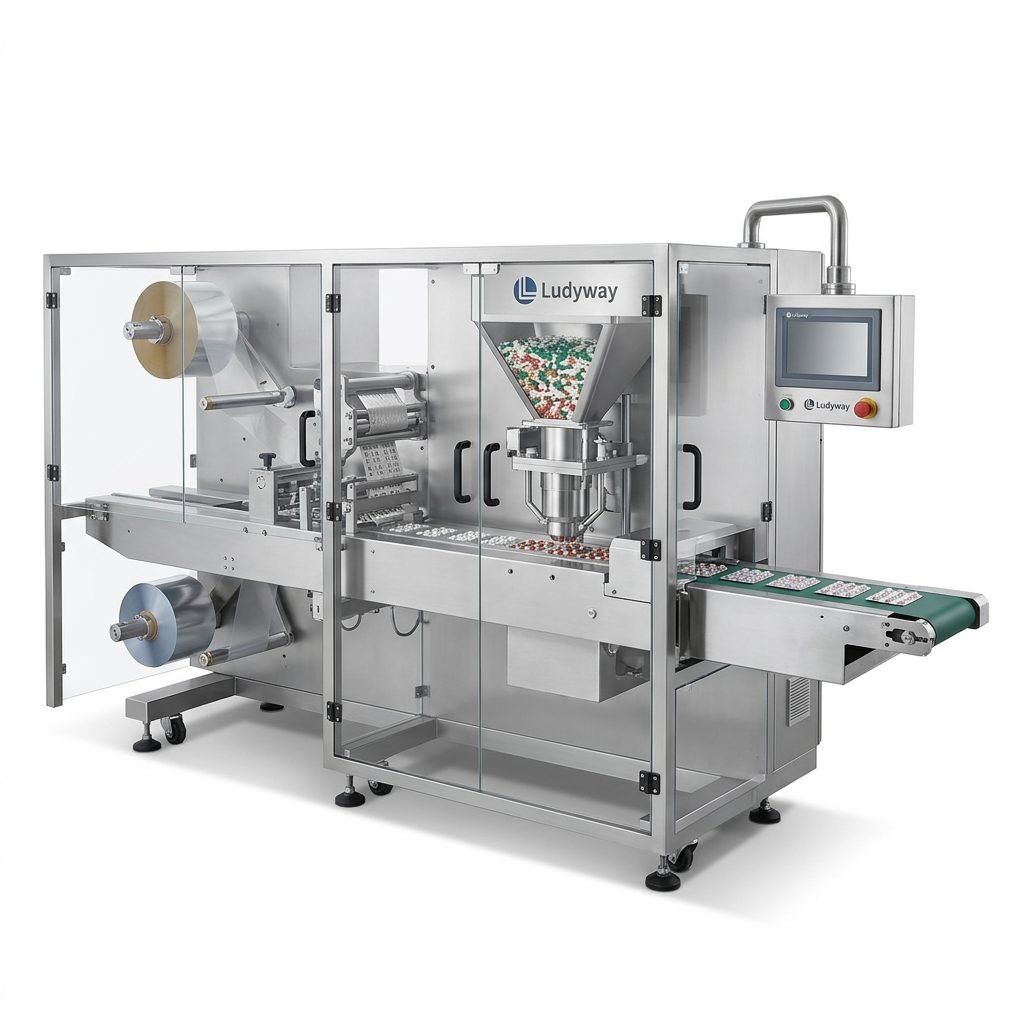
Setting up a production line in Italy involves navigating local regulations, cultural business practices, and language nuances. Working with a supplier that offers turnkey project management — from initial layout design to on-site commissioning and after-sales support — significantly reduces risk. Ludyway is one of the largest packaging machine manufacturers in China, with over 30 years of industry expertise, a modern 20,000㎡ production facility, and more than 50 intelligent packaging machine models serving customers in over 100 countries. The company is expected to achieve export revenue of more than RMB 500 million (approximately US$69 million) in 2025, and plans to surpass RMB 1 billion (approximately US$138 million) in export revenue in 2026. Such scale ensures reliable equipment delivery, competitive pricing, and long-term spare parts availability — essential factors for any Italian production facility aiming for uninterrupted operation.
Key Compliance Checklist for Your Italian Production Line
| Compliance Area | Specific Requirement | Verification Method |
|---|---|---|
| CE Marking | Machinery Directive 2006/42/EC compliance | Supplier Declaration of Conformity |
| Food Contact Materials | FDA Food Contact Substances or EU Regulation (EC) 1935/2004 | Material test certificates |
| Packaging Waste | CONAI membership and recycling labeling | CONAI registration documents |
| Pharmaceutical GMP | ISO packaging standards and validation documentation | IQ/OQ/PQ protocols |
| Workplace Safety | Italian Legislative Decree 81/2008 | Risk assessment report |
By following this structured approach — securing regulatory compliance, designing an efficient layout, selecting the right vacuum packaging machine and auxiliary equipment, and investing in training and maintenance — you position your Italian operation for long-term success in one of Europe’s most sophisticated packaging markets. Start with a clear project plan, involve local regulatory experts early, and choose equipment partners who understand both Italian and international packaging standards.